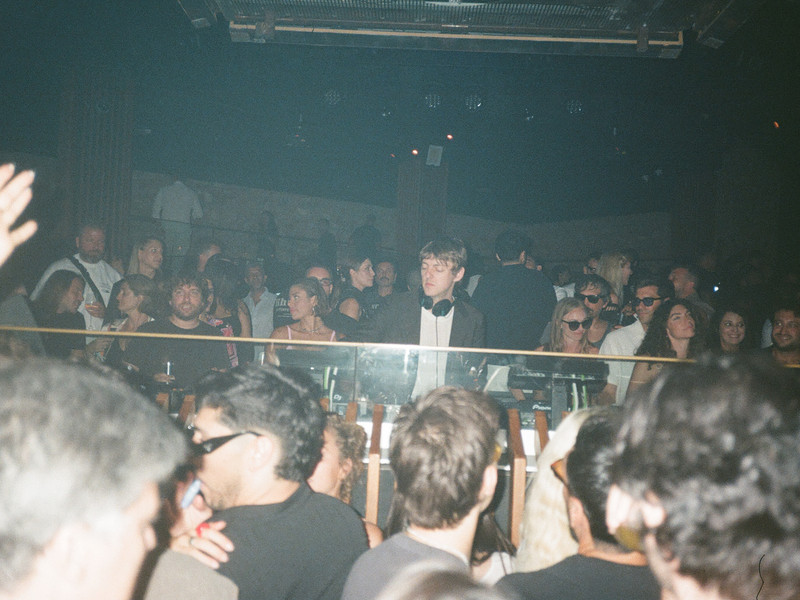
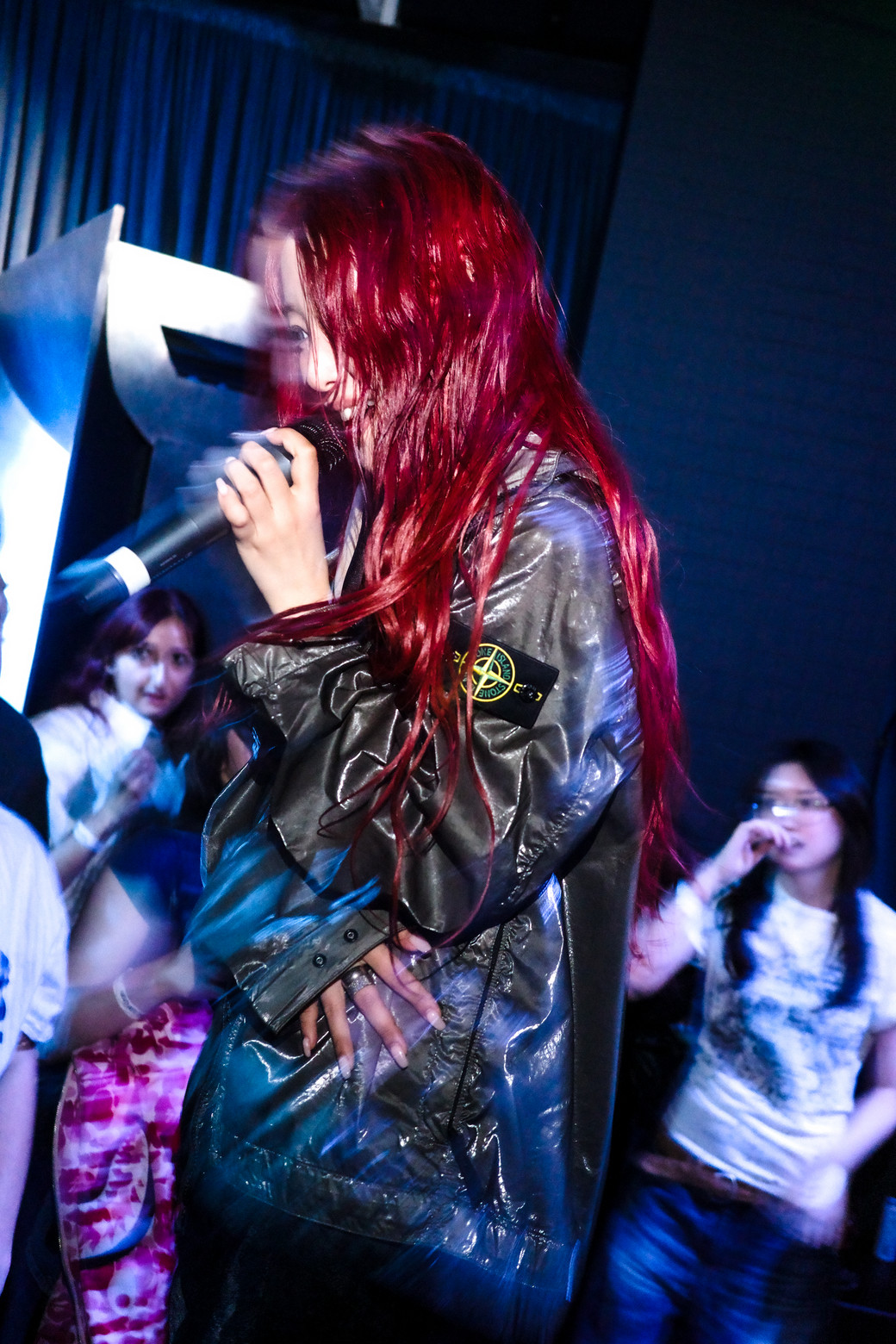
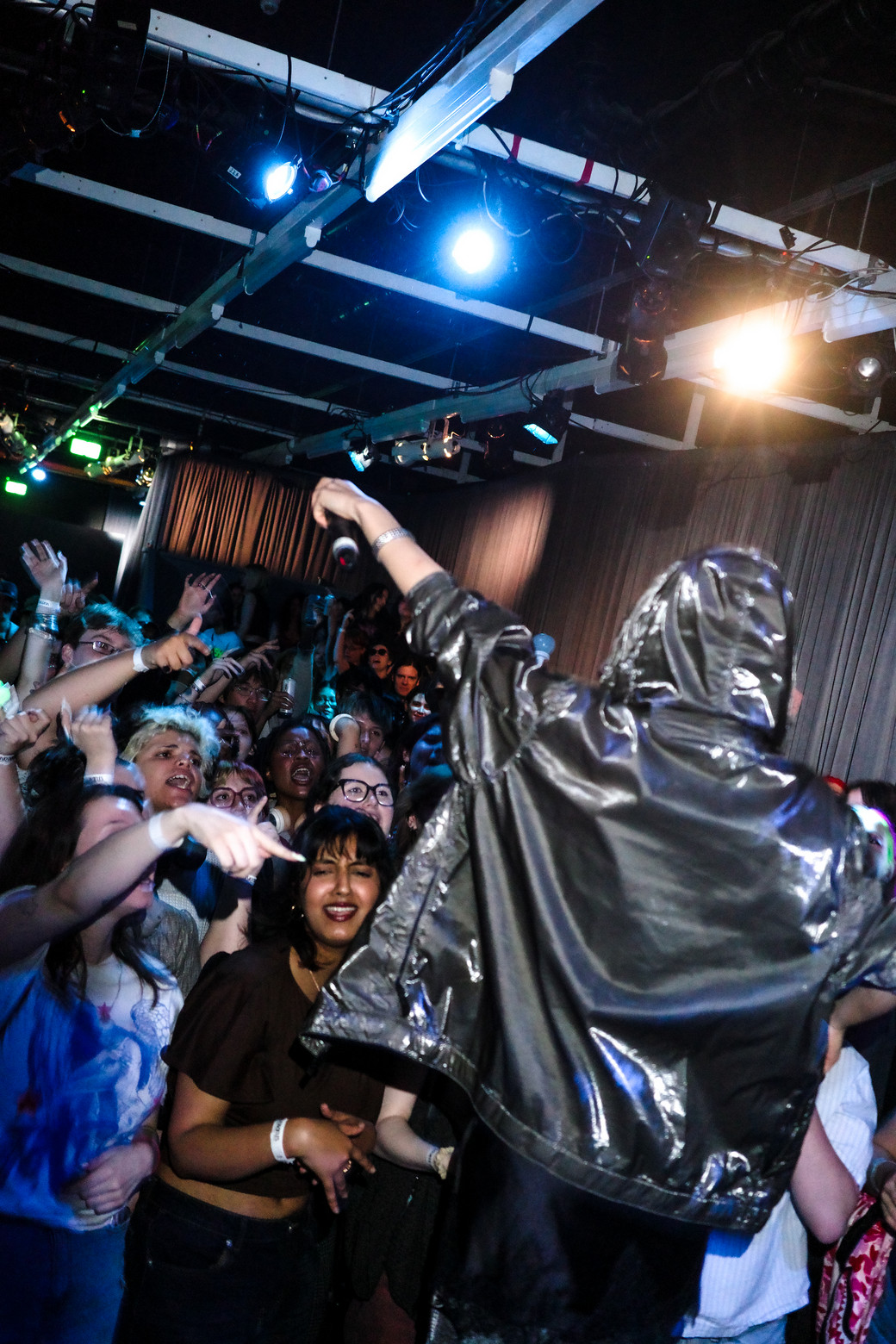
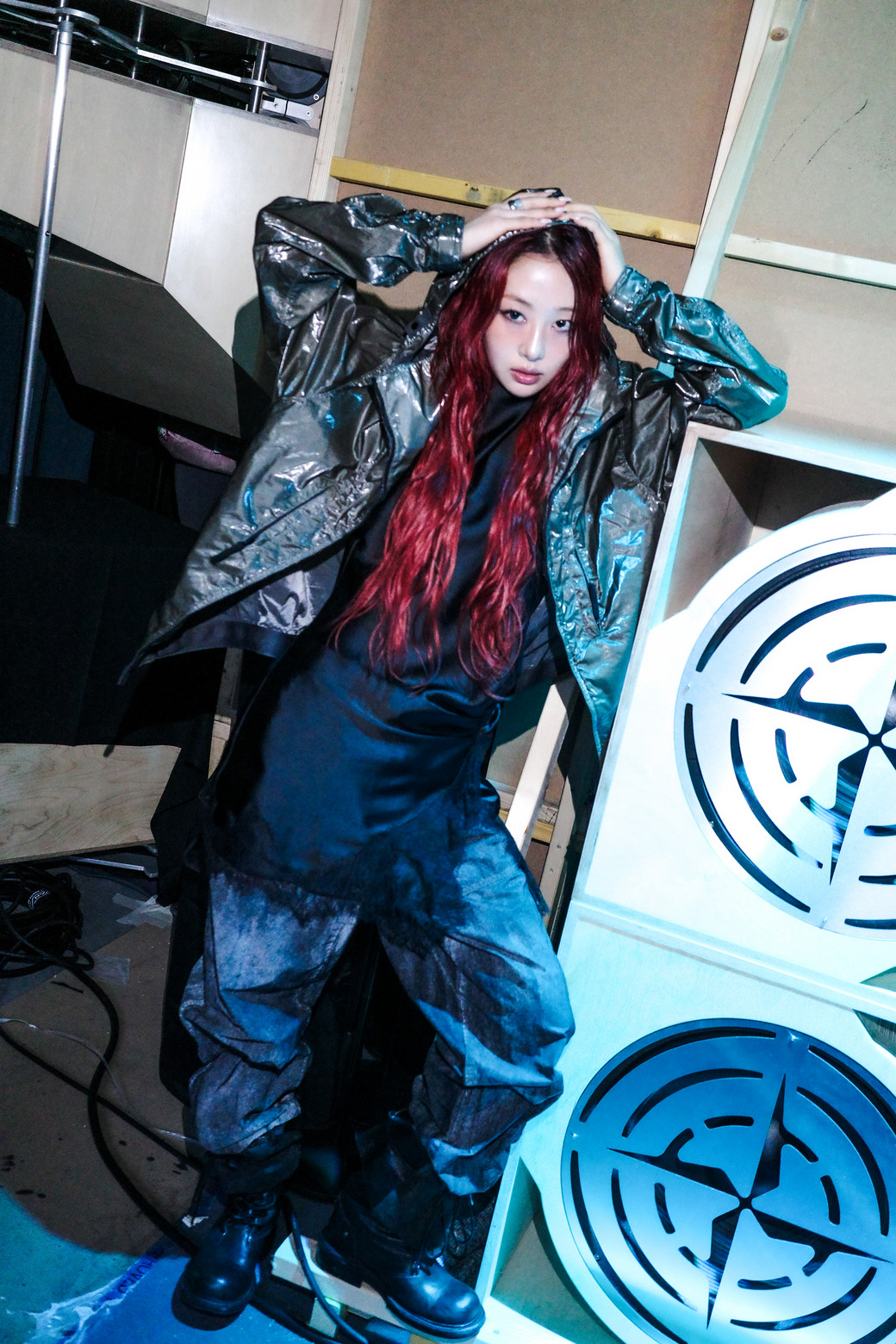
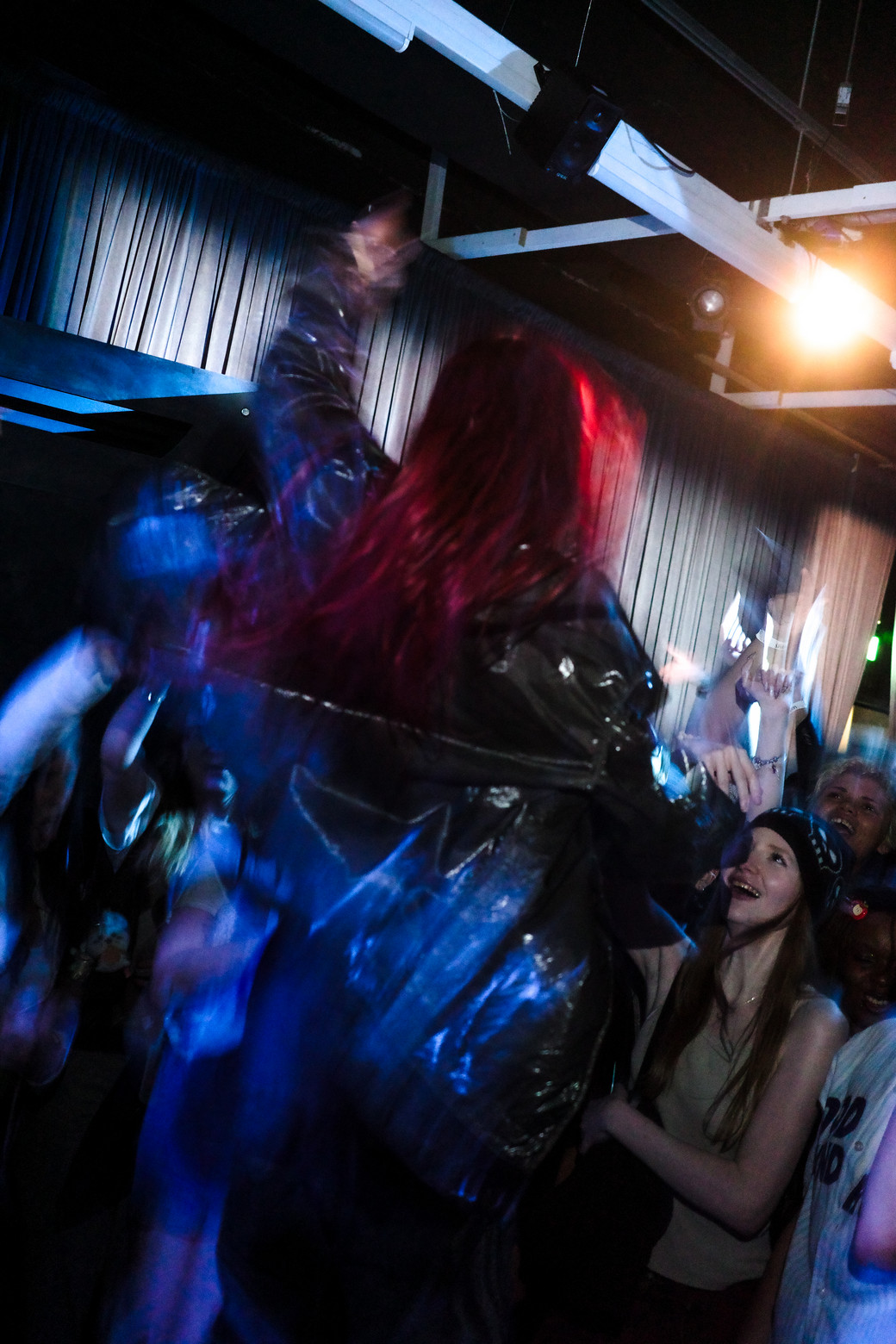
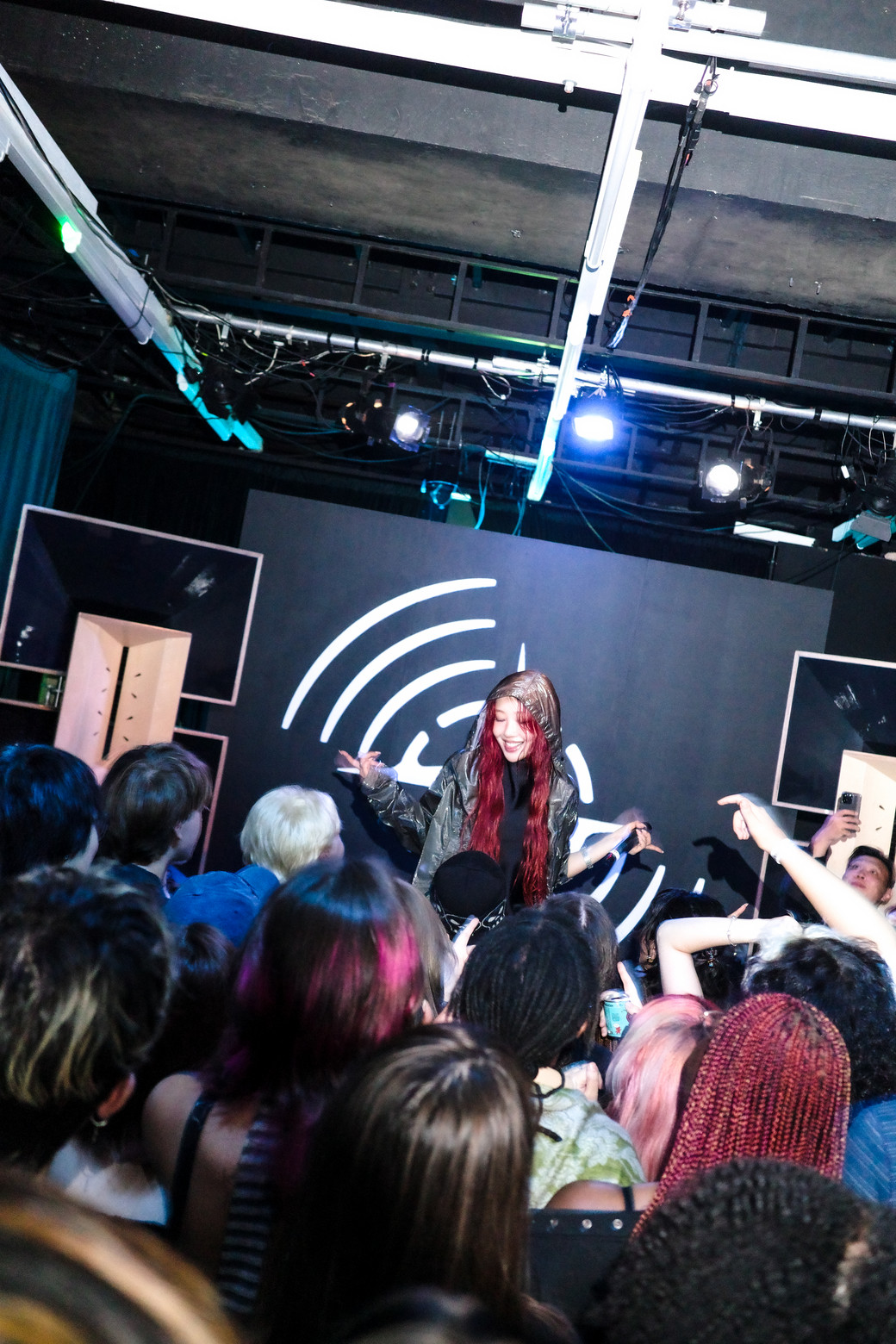
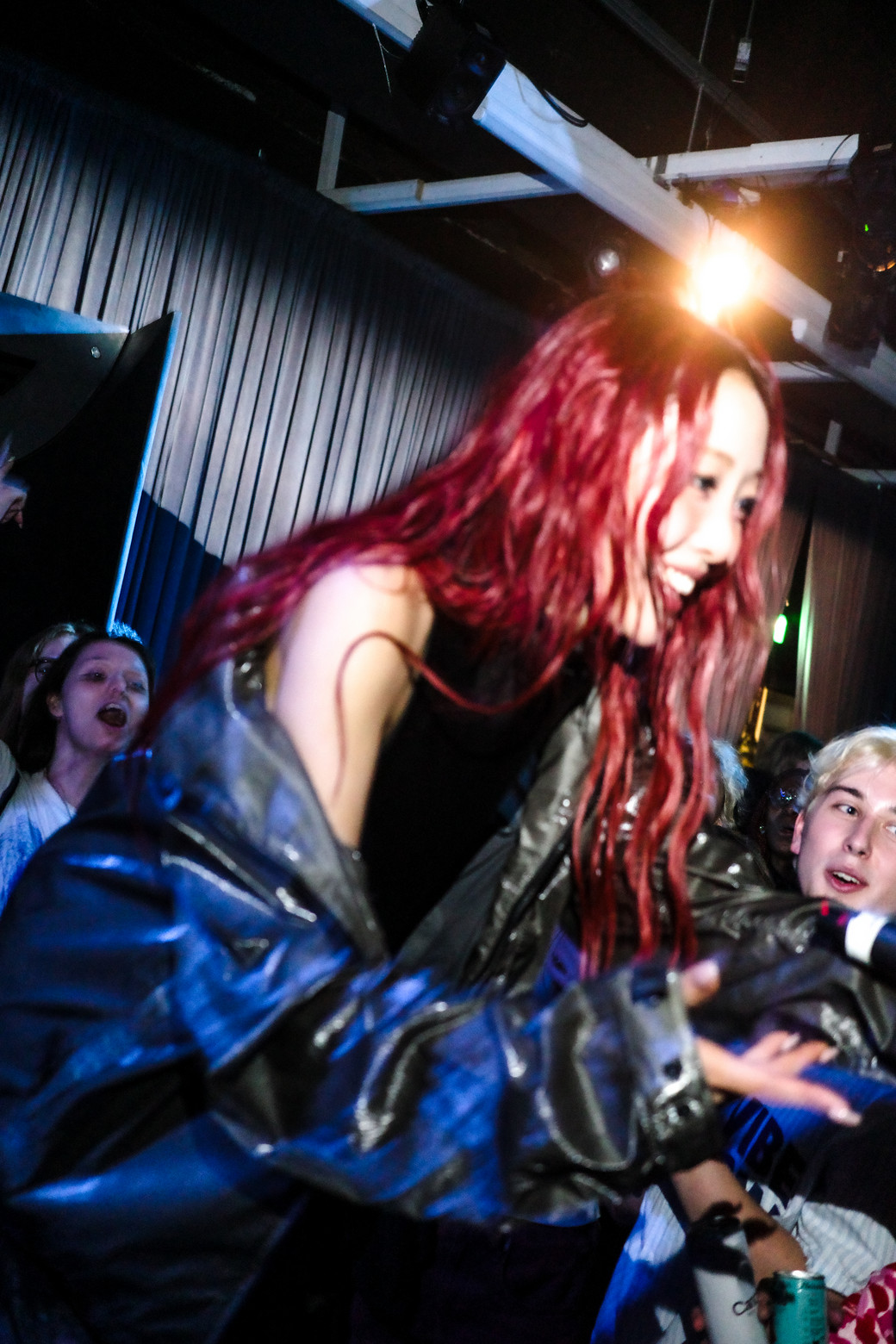
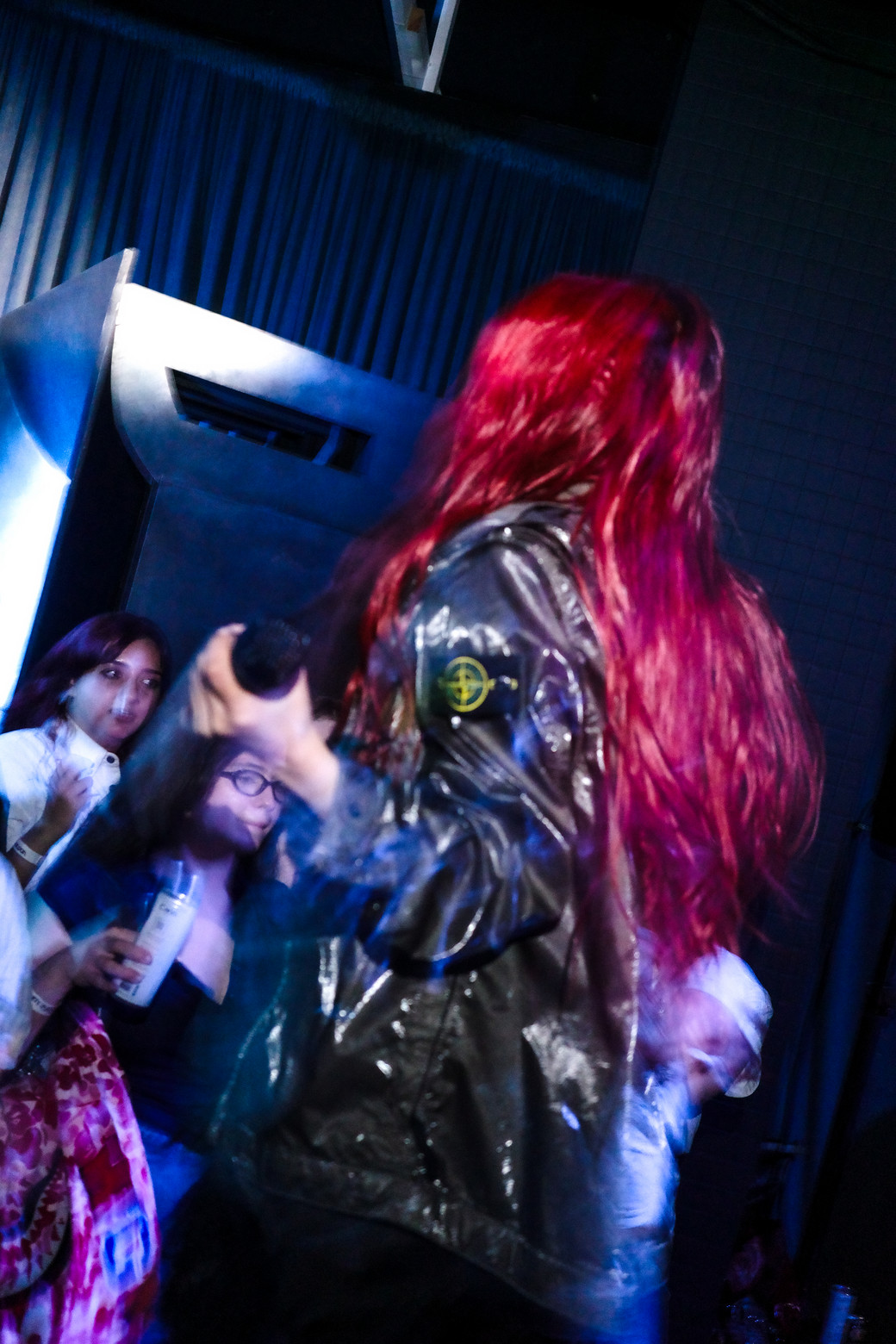
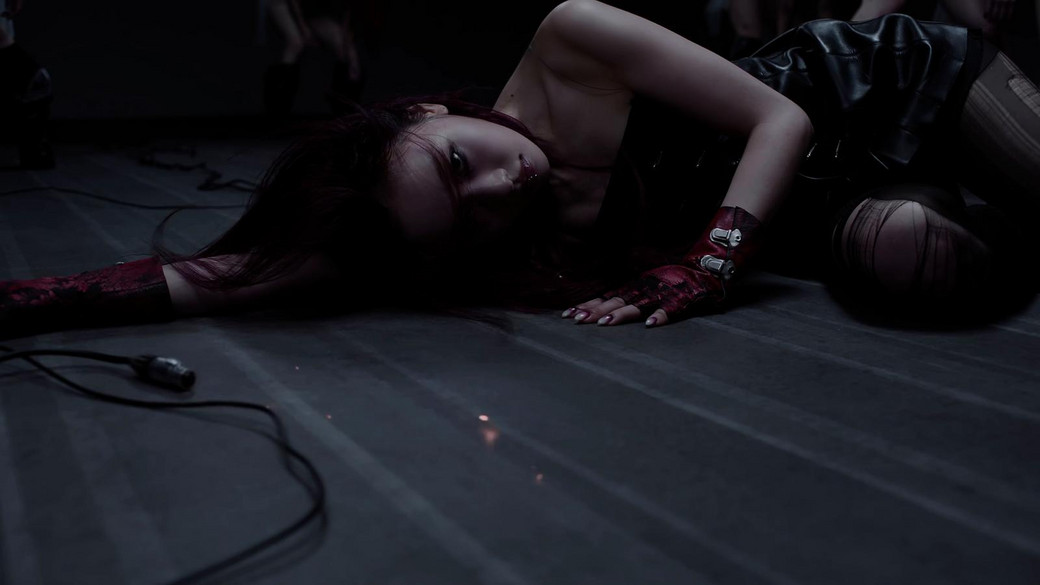
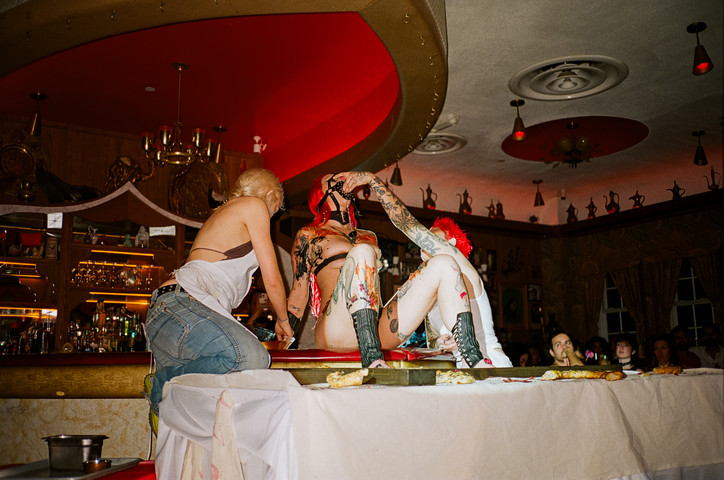
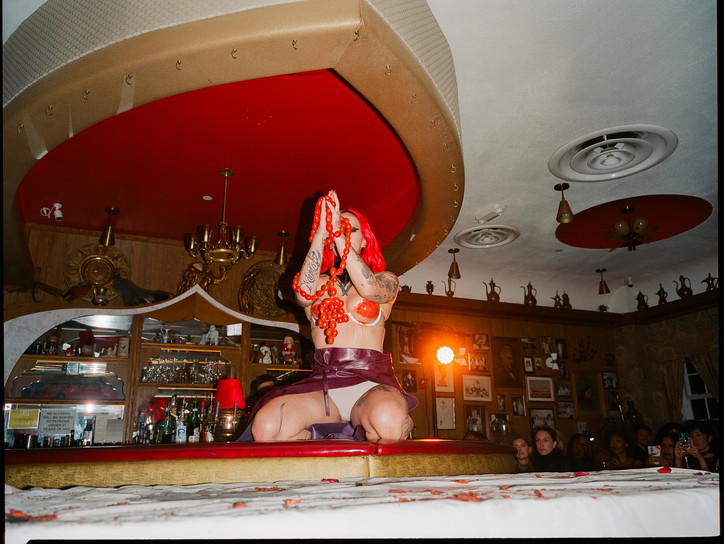
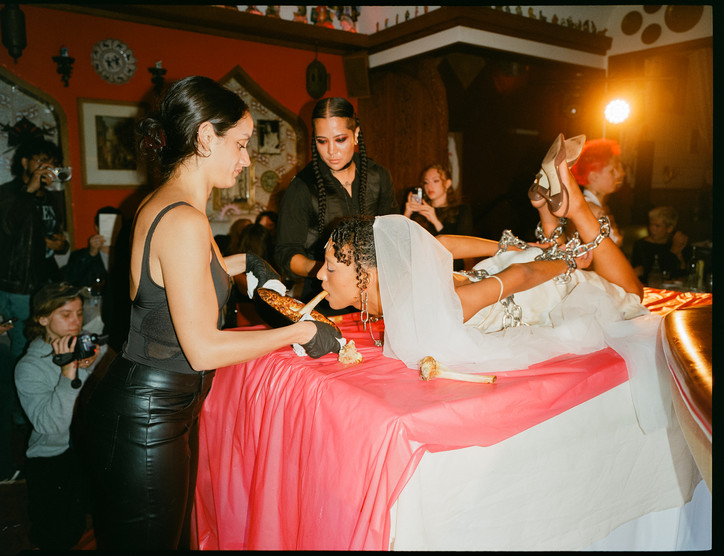
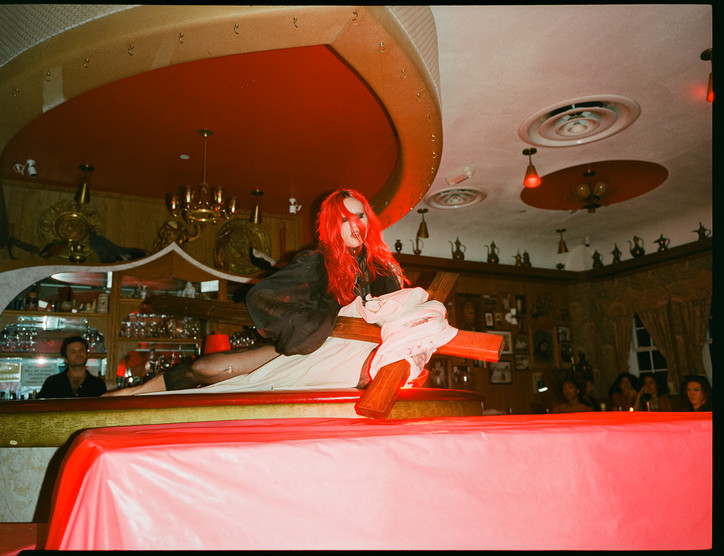
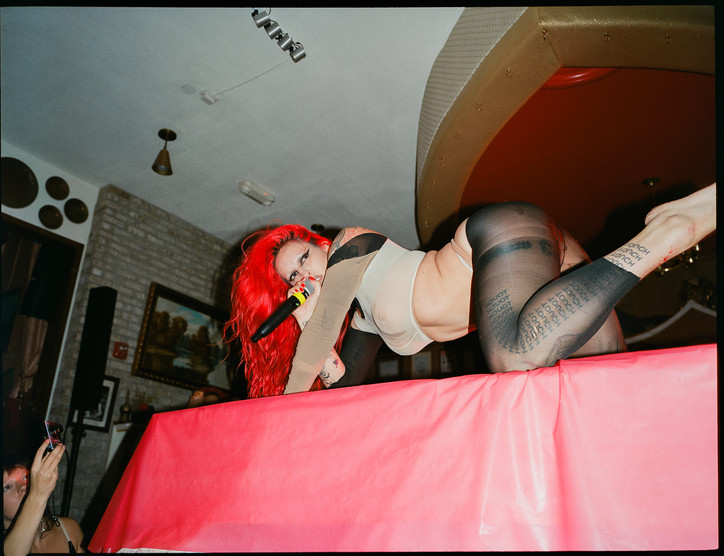
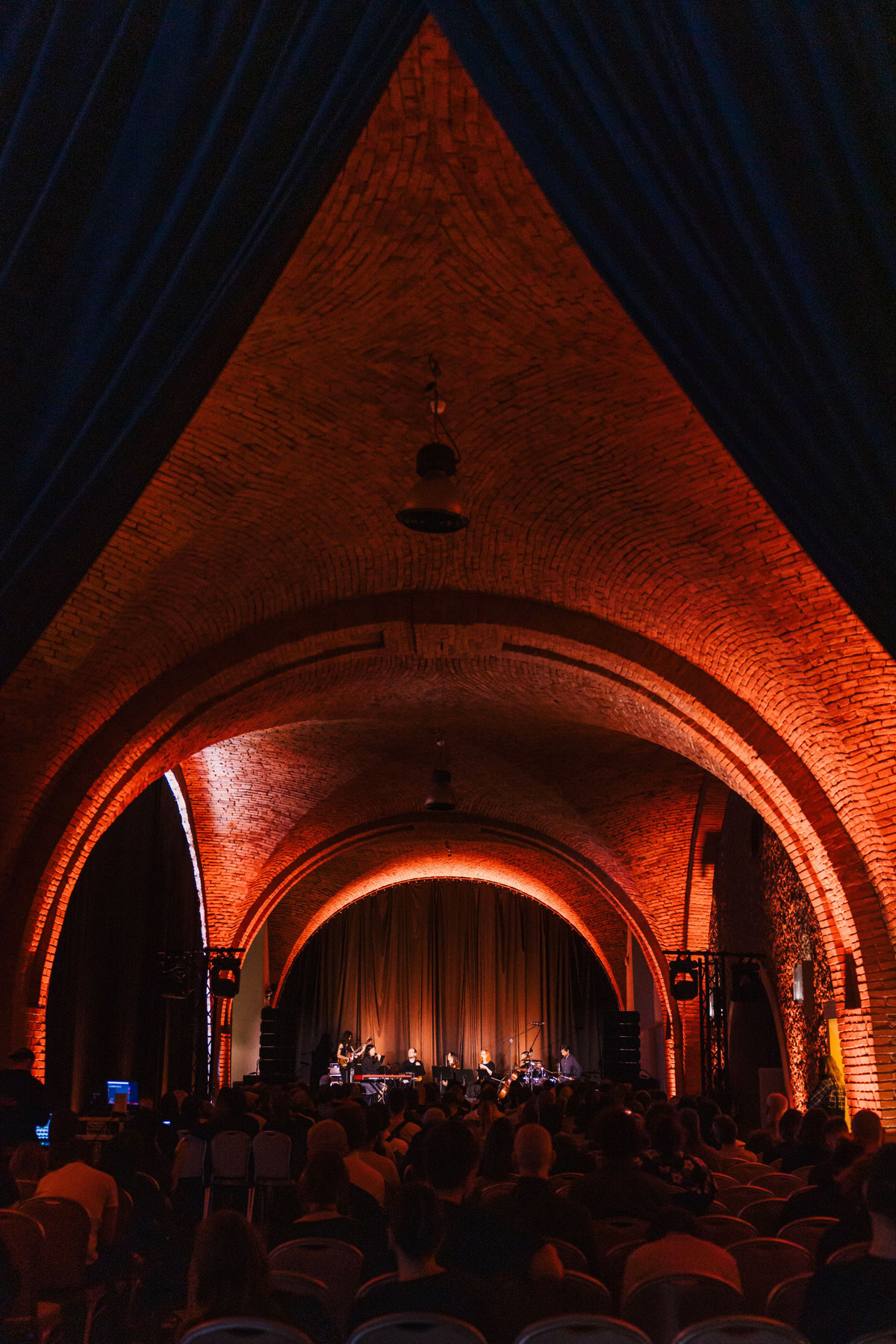
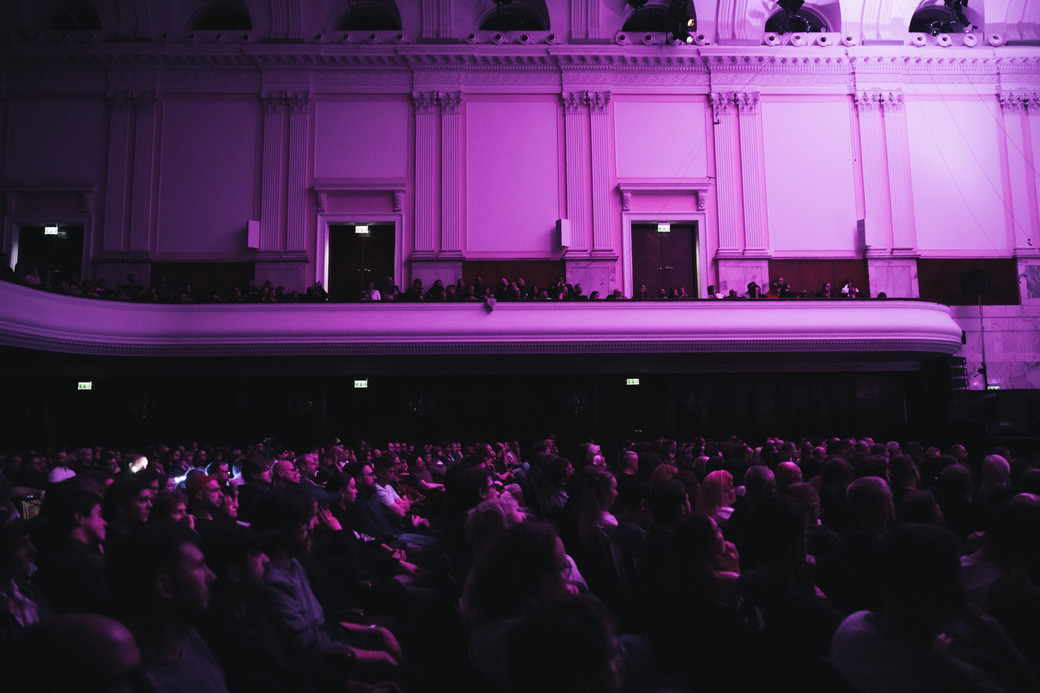
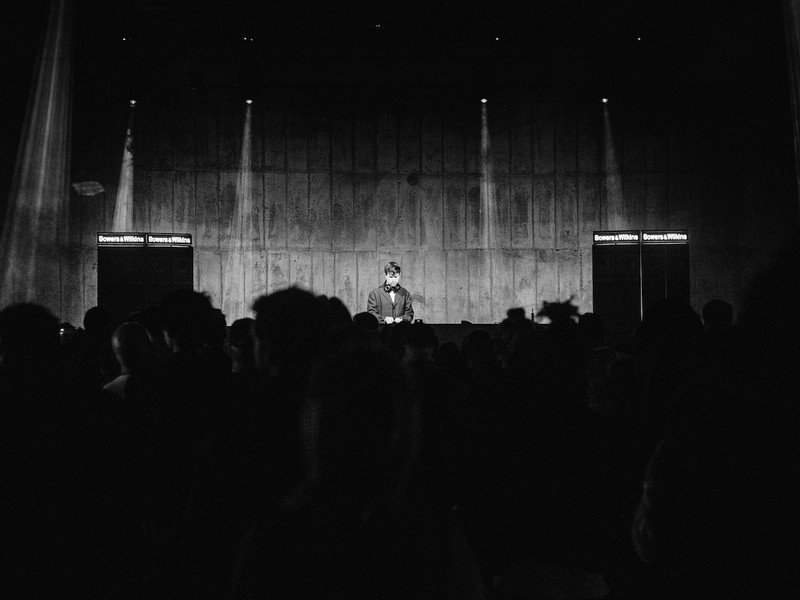
Community is key to Yves’ music. From her debut with Loona to a lawsuit to suspend her contract with the group’s former label and her eventual solo debut, her fans have followed her through every step. Tonight’s enthusiastic crowd is evidence of their loyalty, as she shifts between K-pop, electronic and dance.
“K-pop is where I started, and it’s a big part of who I am. I’m grateful that it gave me a way to introduce myself and connect with people. Being called a K-pop artist doesn’t bother me,” she says. “I just hope the name doesn’t decide in advance what music I’m allowed to make next. It can be a starting point for understanding me, but I hope it isn’t the conclusion before someone has even heard the music.”
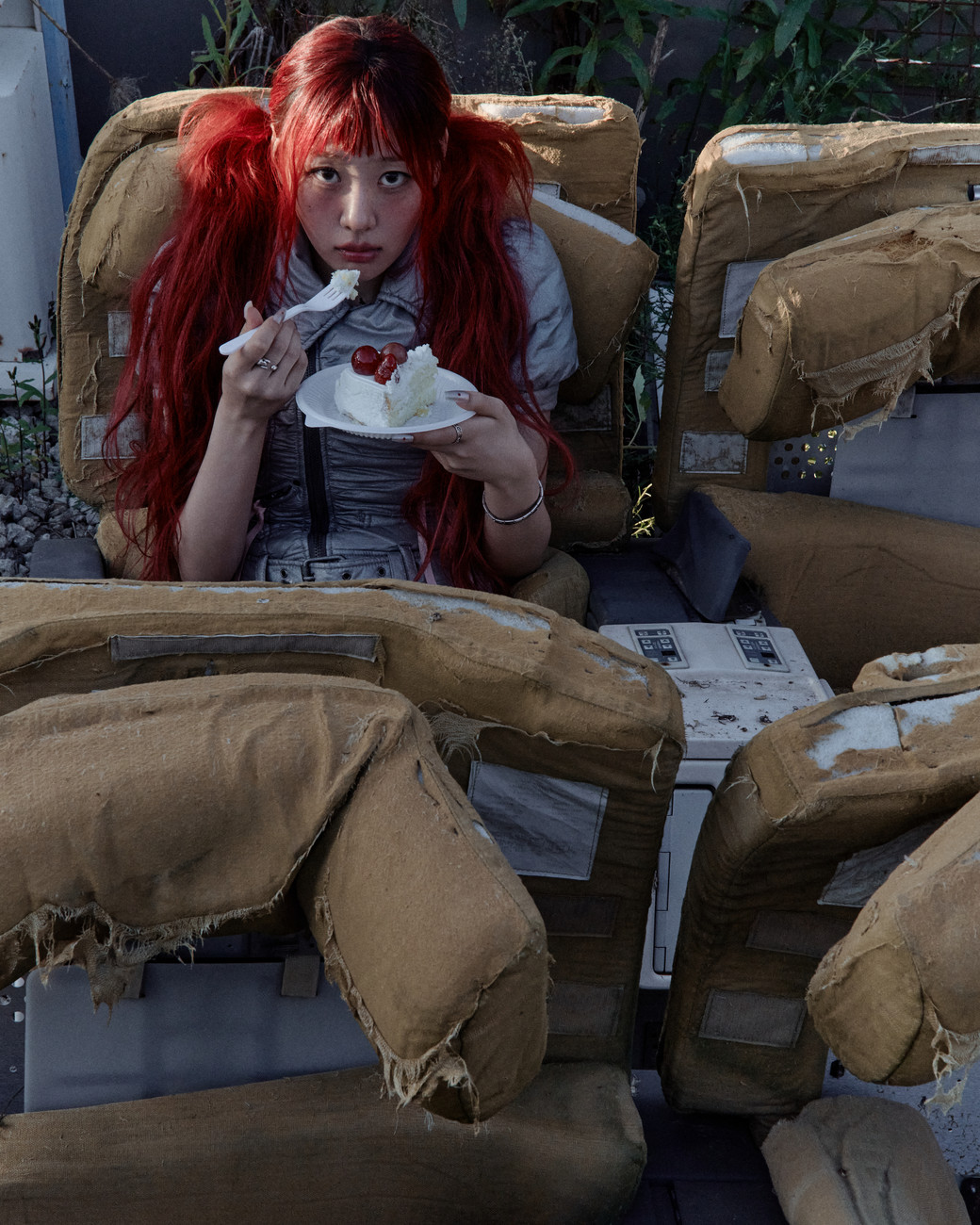
As its title suggests, Yves’ new EP, CUTE & ANXIETY, explores the tension between two seemingly opposing themes. But, even with its focus on mental health, the project does not lose its energy because of it. “Just because I’m talking about anxiety, I don’t think the music has to sound sad or dark all the time. I wanted it to be playful and cute but a little uneasy in places, or full of energy with moments where something more vulnerable comes through.”
Since debuting as a solo artist in early 2024, Yves has performed in over 20 countries. Touring has become a large part of her life. “The hardest part is looking after yourself physically and mentally while constantly moving somewhere new,” she reflects. “There are lonely moments, and days when I’m really exhausted.”
For Yves, the struggles of touring are all worth it when she hears a crowd, like tonight’s, singing her lyrics back to her. “It amazes me that people who have been living their own lives so far away from me know the same songs, and that we’re all together in one room that night. It’s like getting to see how far my music has travelled.”