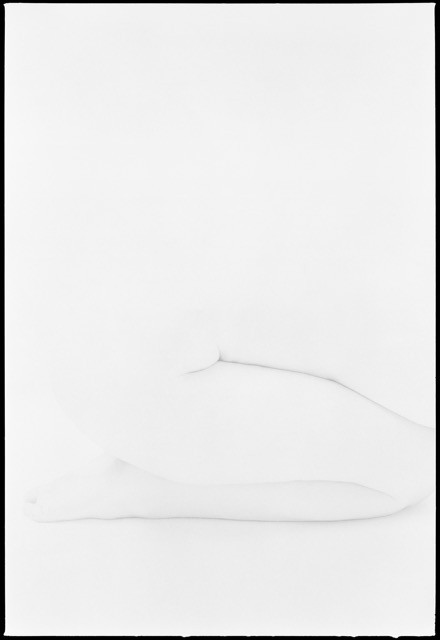
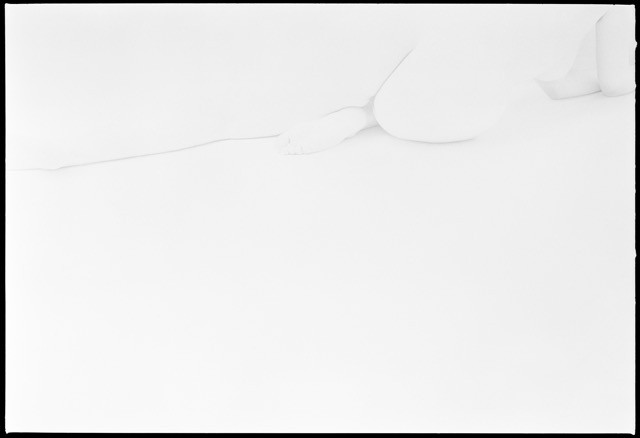
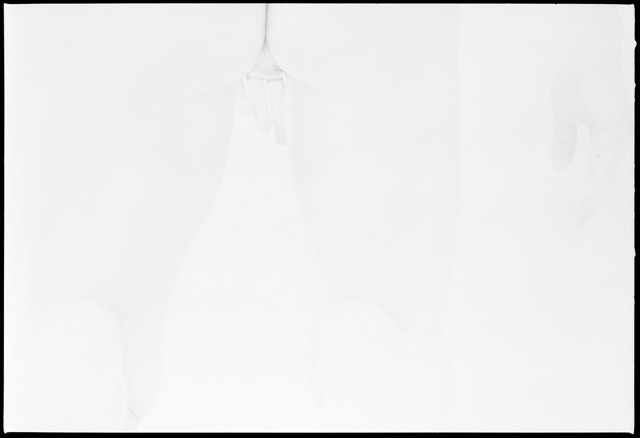
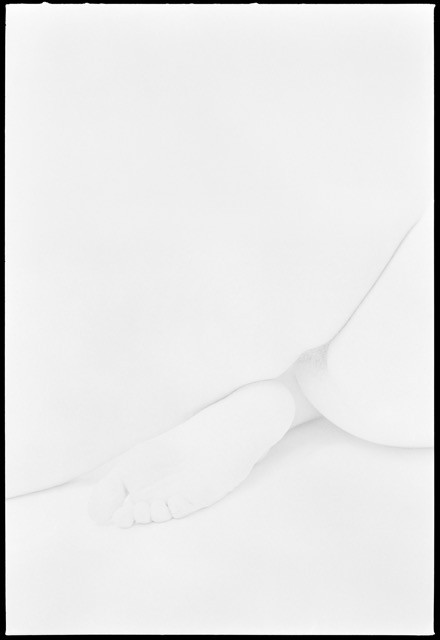
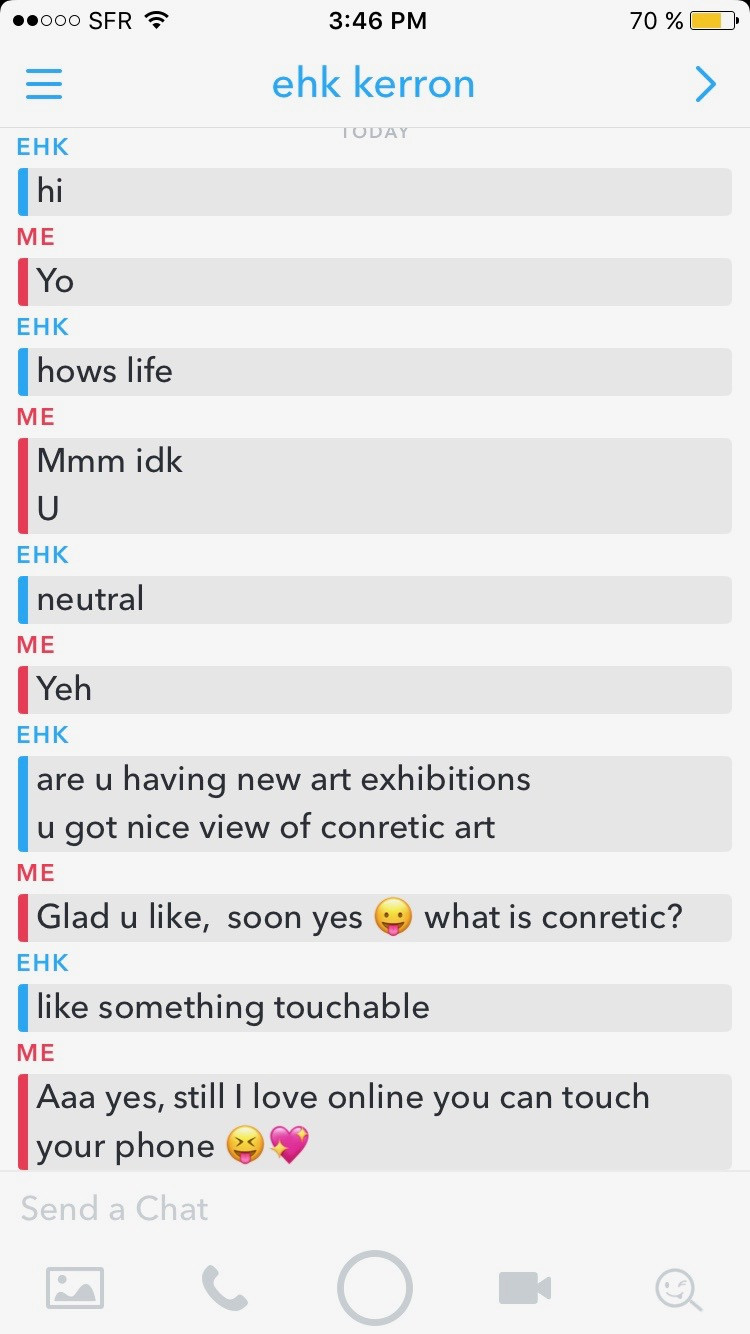
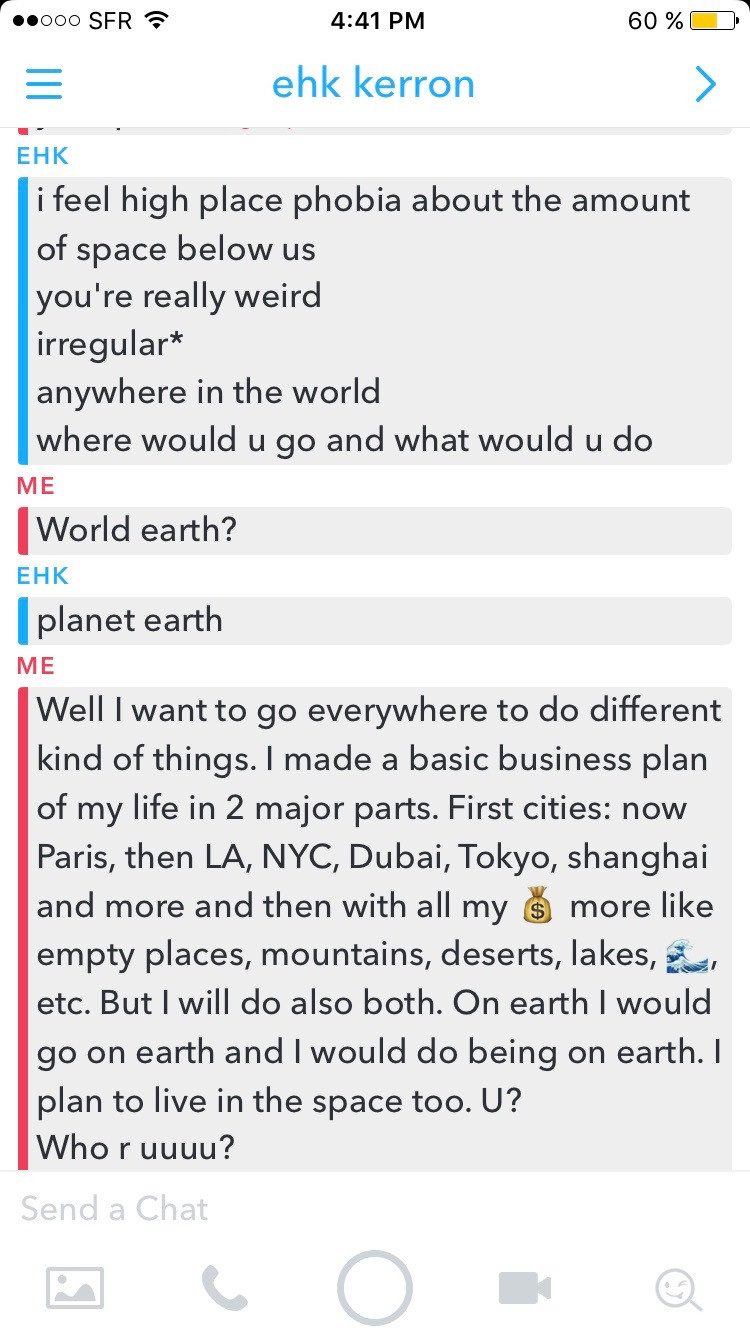
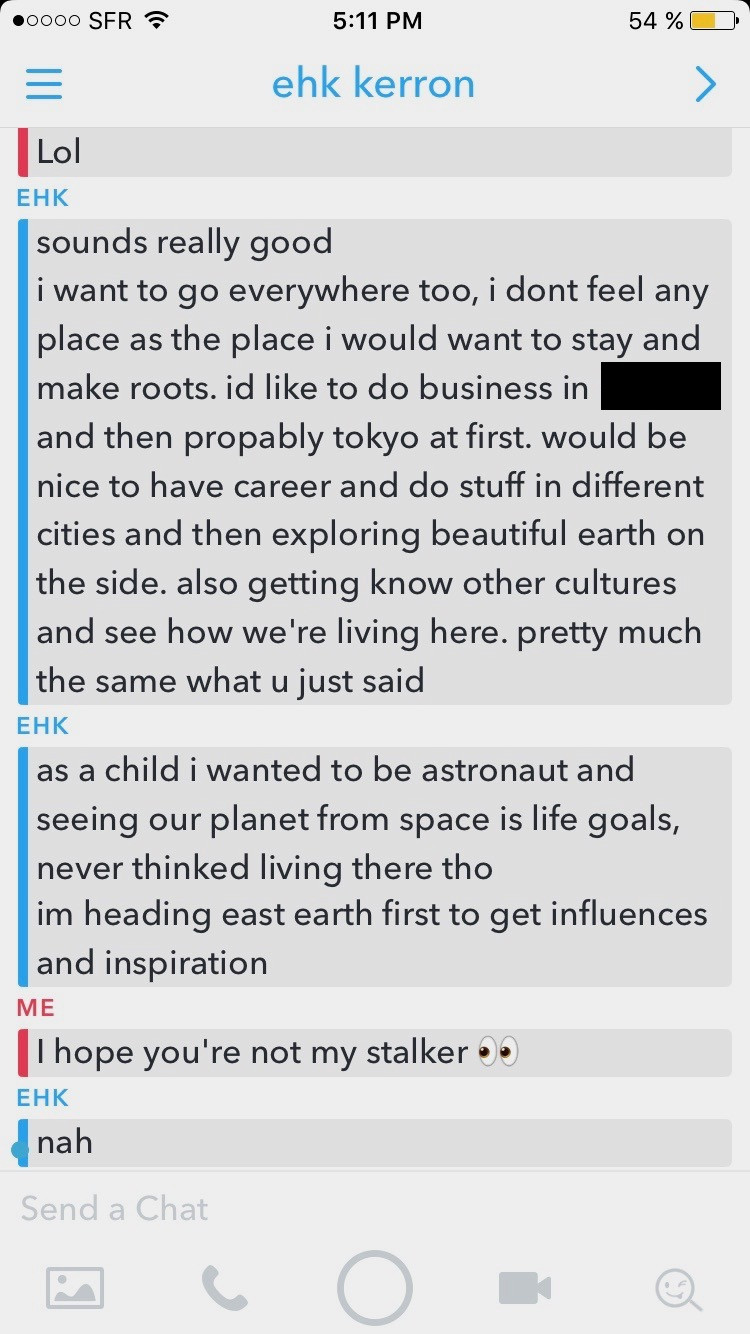
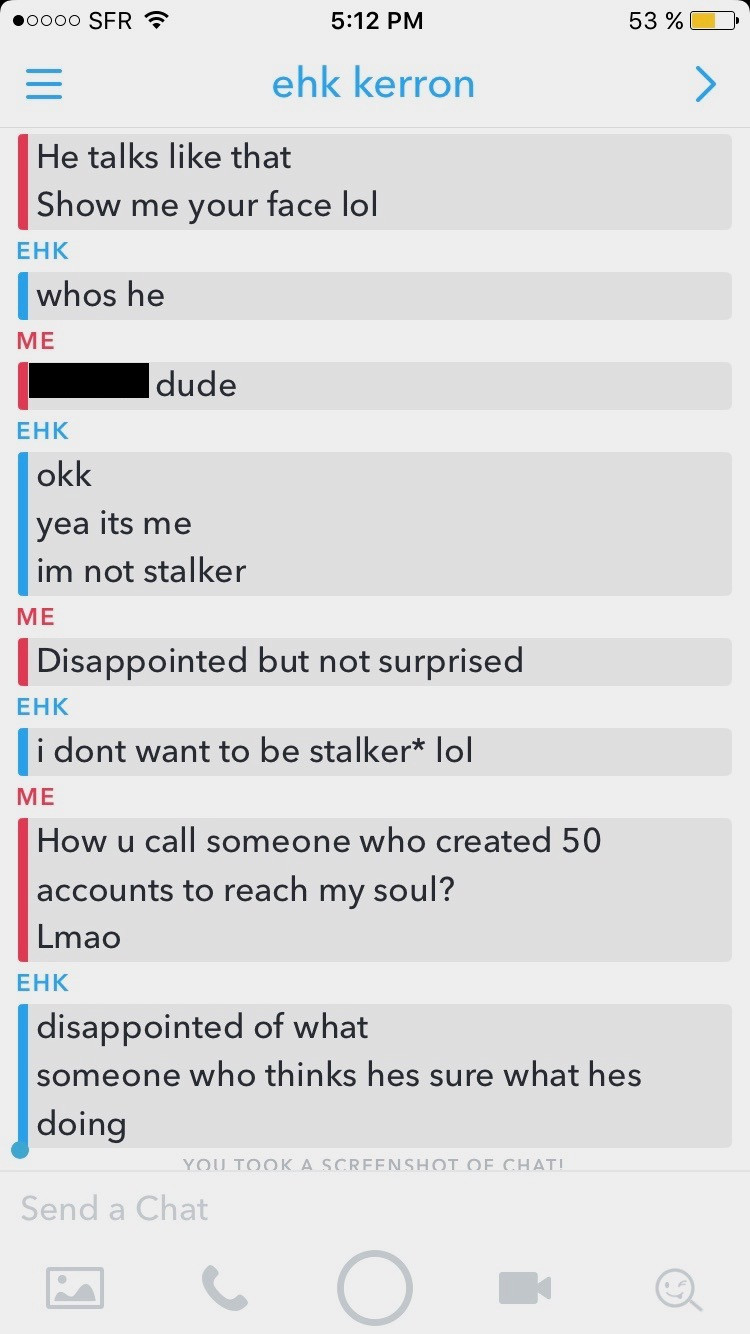
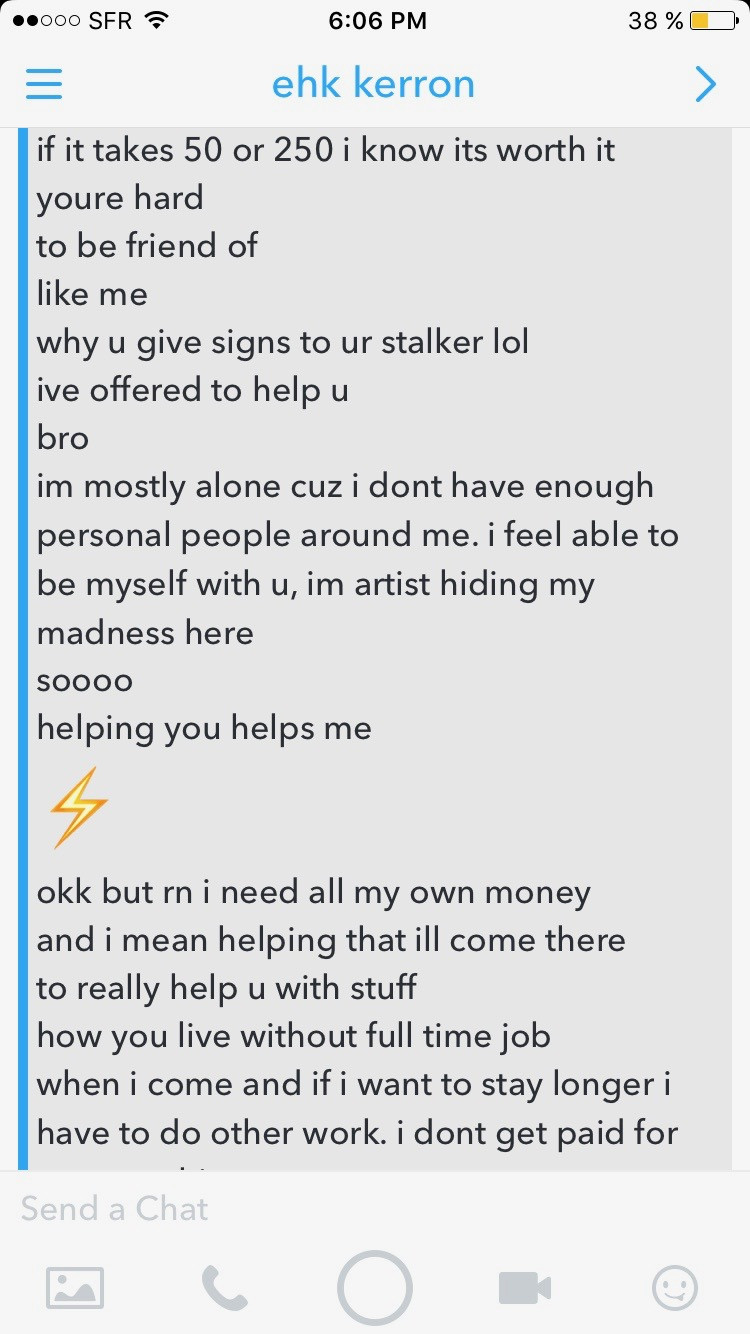
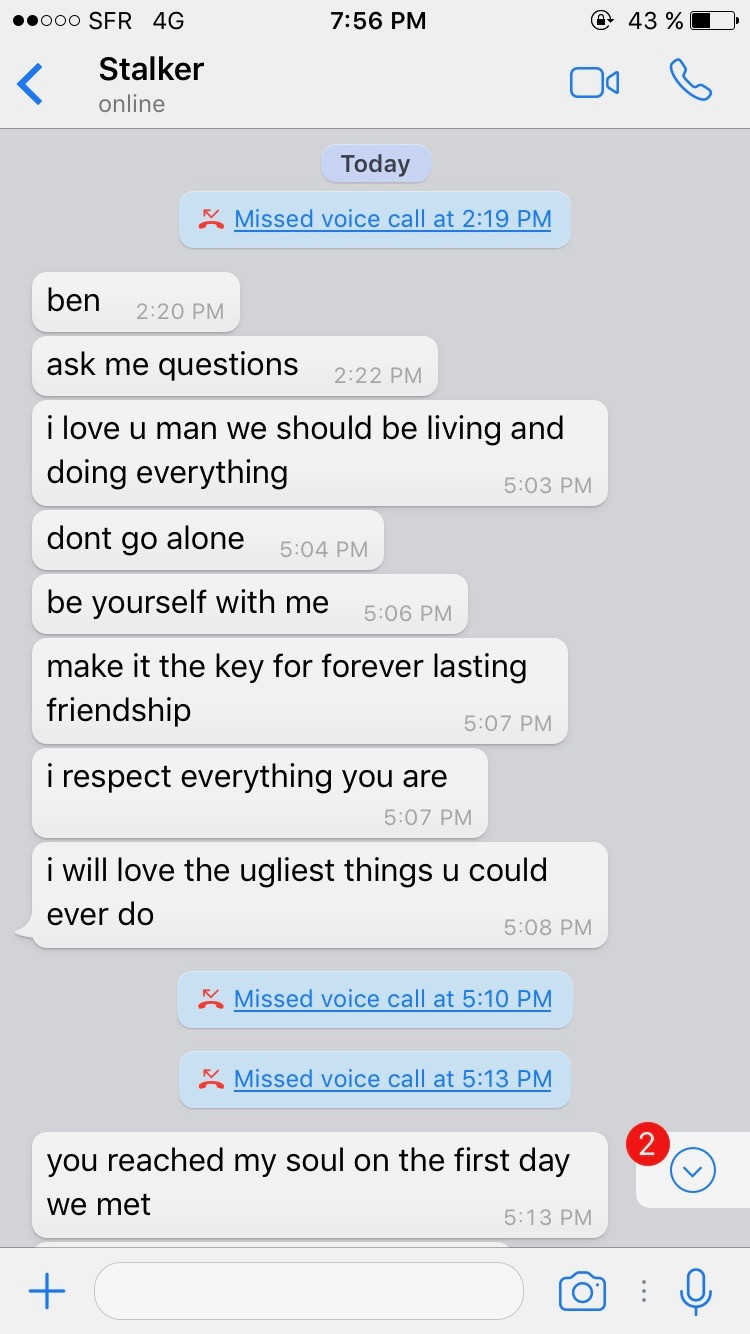
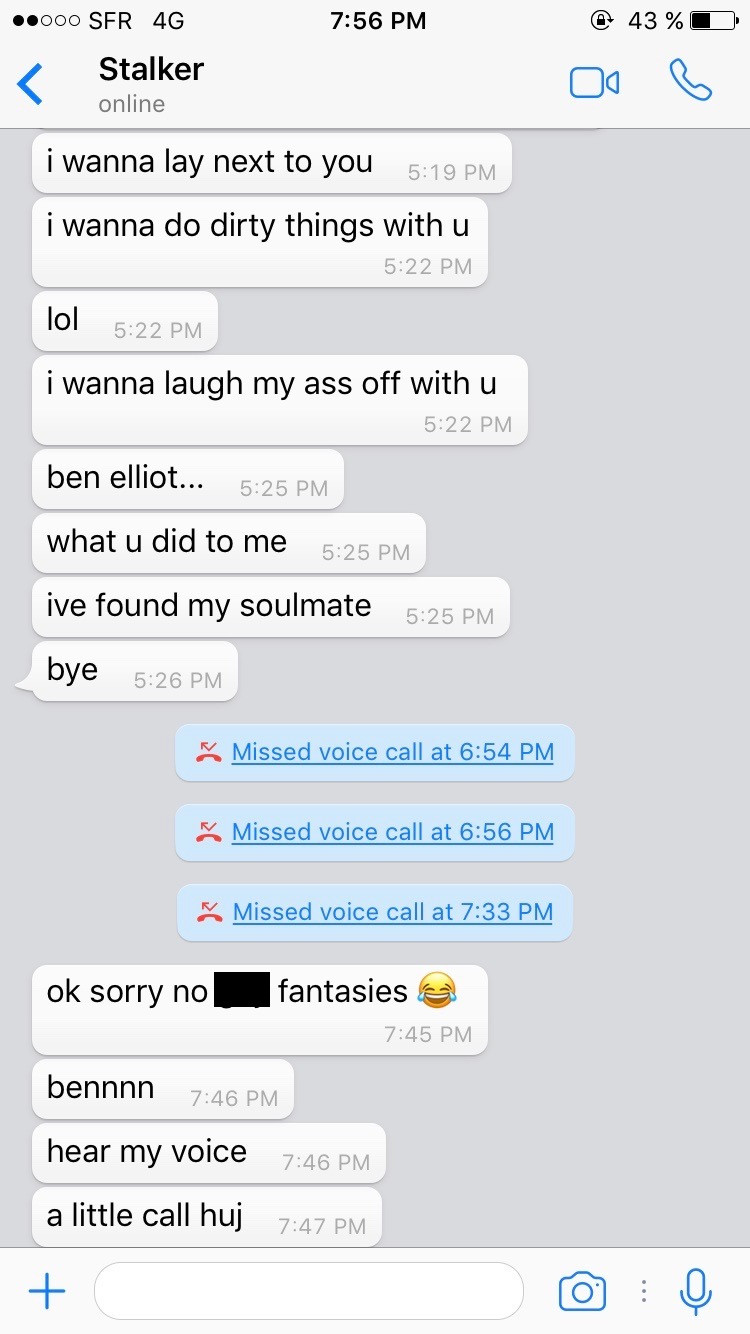
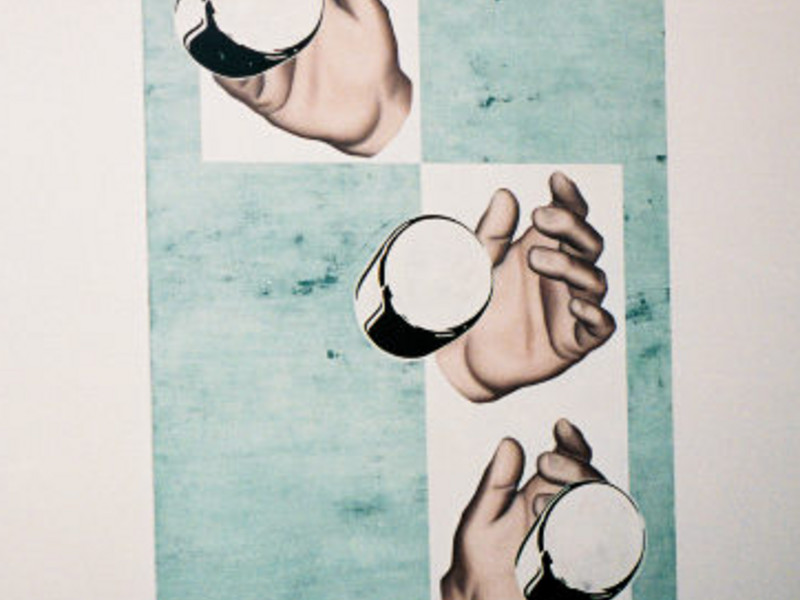
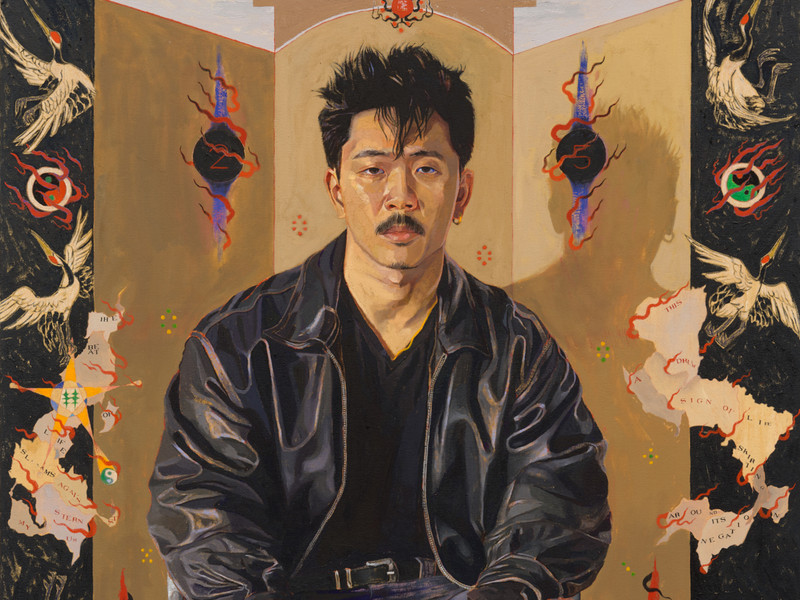
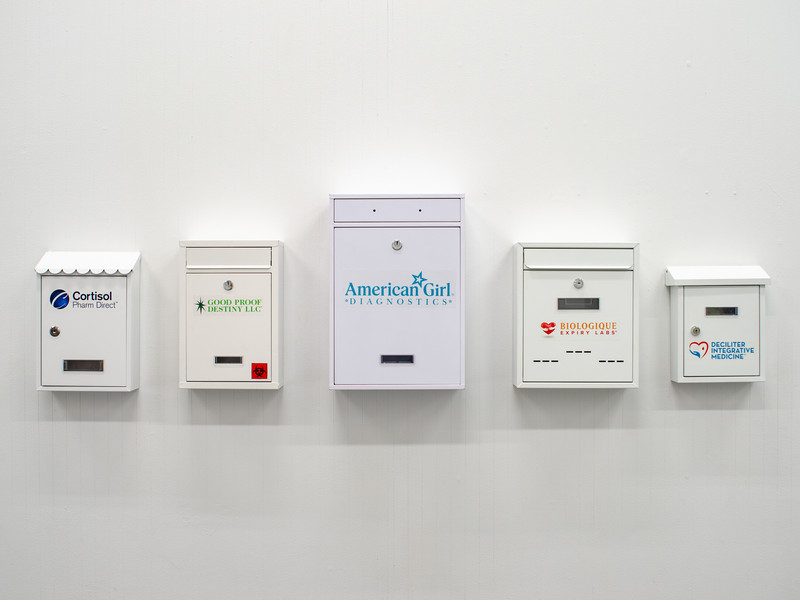
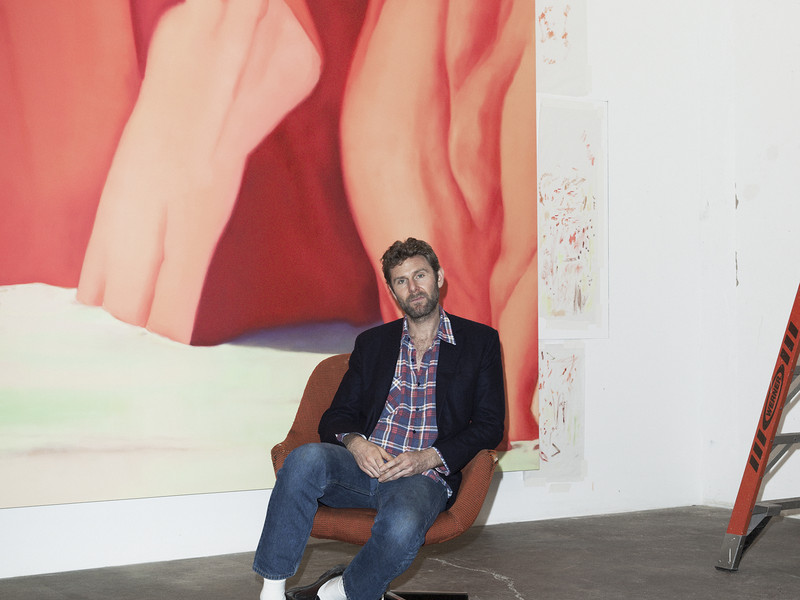
"The Stalker" by Ben Elliot
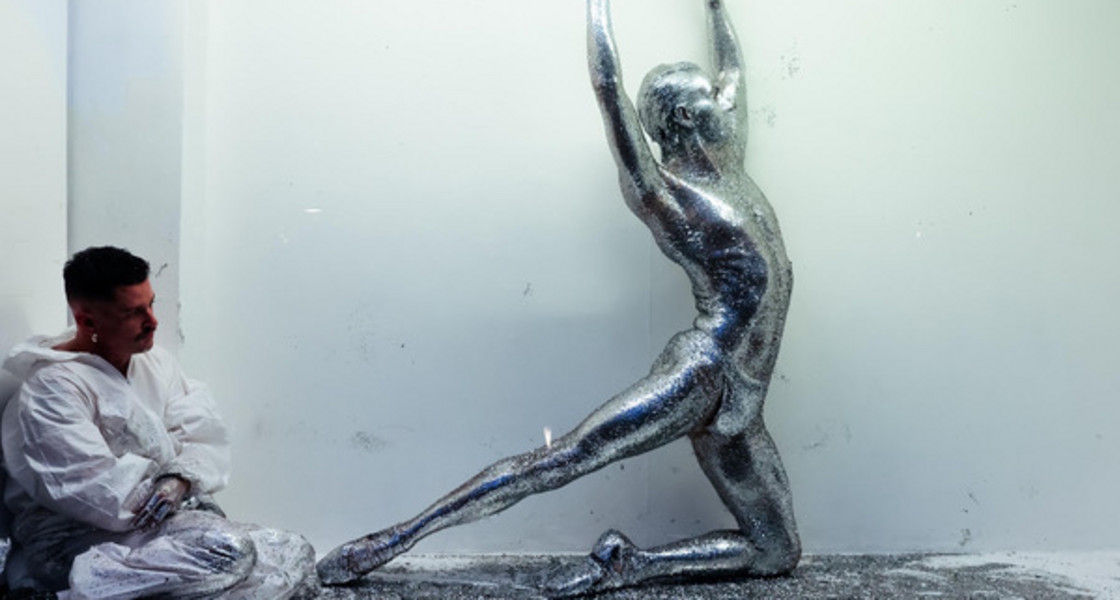
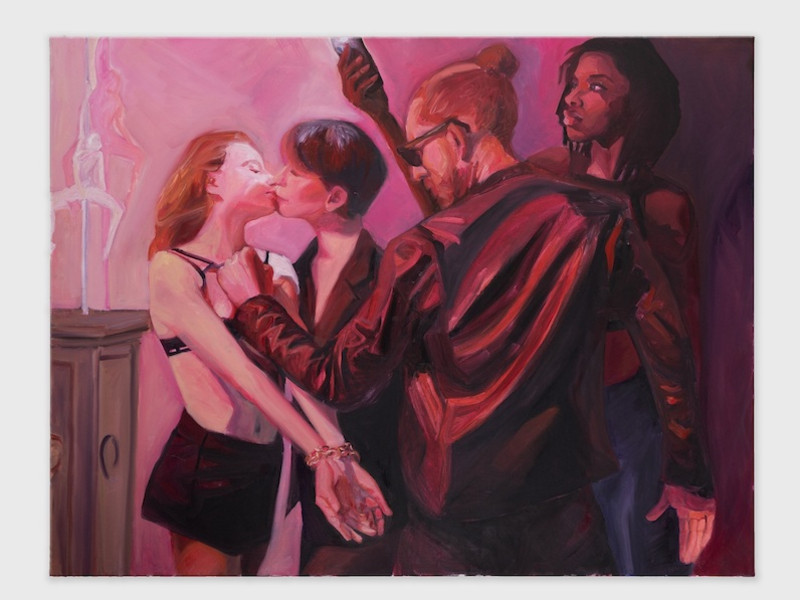
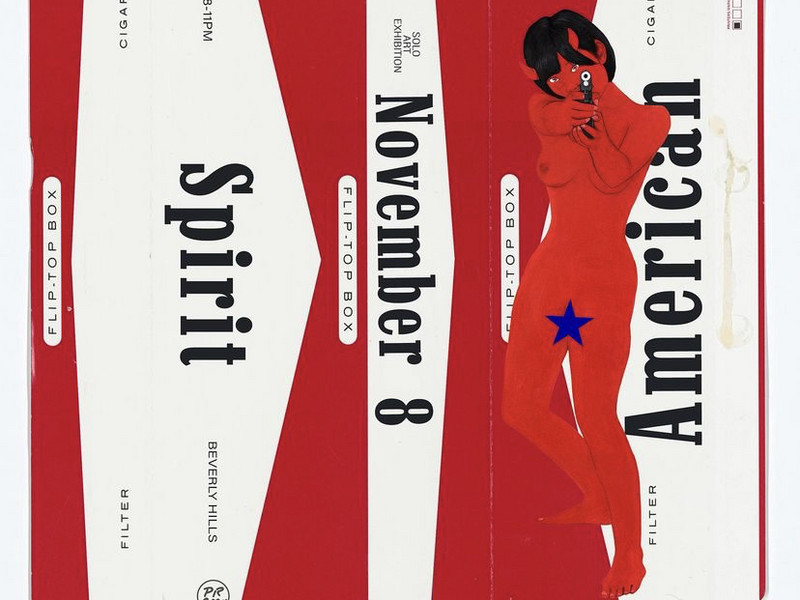
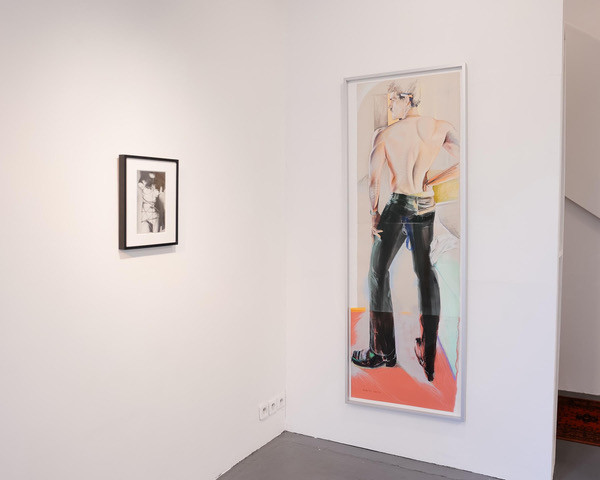
The show’s ethos is determined by one question: “Who gets to decide what we are allowed to see?” Part of the gallery is reimagined to examine how certain media is consumed, transforming the space akin to an adult-video-store backroom filled with physical renditions of homoeroticism, CRT monitors, and archival books. It highlights the concept of voyeurism by allowing videos to be viewed through glory holes, and by allowing performances to be viewed through street windows, with one showcasing a person covered head to toe in silver glitter.
Packed for Pleasure embraces human sexuality and the inclusion of such subject matter in artistic avenues. Brooke Wise, curator of this show, says that she thinks censorship doesn’t stop art from being made or displayed, “it has only changed the routes they take to find one another.” Some on social media, however, question the cultural legitimacy of the show, especially considering recent controversy surrounding an open letter submitted to the foundation from former artists-in-residence.
Despite messy (and alleged) administrative issues with the foundation, the show stands as a testament to artists, both established and up-and-coming, that art cannot be subdued. Packed for Pleasure reflects important artifacts of queer liberation and sexual freedom, and celebrates the inclusion of erotic material in the art world. It leaves a lasting impression and surely prompts you to wonder: Who allowed me to see this?

Can you tell me more about your backgrounds? Where are you from?
Claire Koron Elat: We both have a background in the arts. We worked in galleries and museums. We met in Berlin through our work. Then we started our first project together.
Why did you start Angels?
CKE: We were interested not only in art, or in presenting art in a classical [manner], but in how to bring fashion into art exhibitions in a less obvious way.
From the beginning, we've worked not only with artists embedded in the traditional art system, but also with producers, directors, creative directors and designers. We like juxtaposing them with more traditional artists. We felt like this was something no one really did.
Shelly Lea Reich: The art world is very traditional. Galleries have a very specific structure, [a structure] which we wanted to break. We had our own space and exhibition programme through 032C, which gave us experience of working within a permanent gallery. But it's something we're not necessarily interested in doing anymore.
Why not?
CKE: The traditional gallery space, where you have a permanent location, is very restrictive. I don't think it's a sustainable model.
SLR: Working in a nomadic way is much more interesting. Every project can be tailored to the space. In Paris, for example, we create something specific to the city and work with local artists.
In 2024, you exhibited Productive Narcissism at 032c. SELF engages with that same theory: through Boris Groys’ notion that self-design via online persona and public image has become a productive, mass practice. Why continue the discourse with another exhibition?
CKE: It is such a pressing topic. People are being replaced by AI, and it is putting them in a state of crisis about their contribution. Our shows are also never really finished when they end; it is a continuous discourse. There is so much to say.
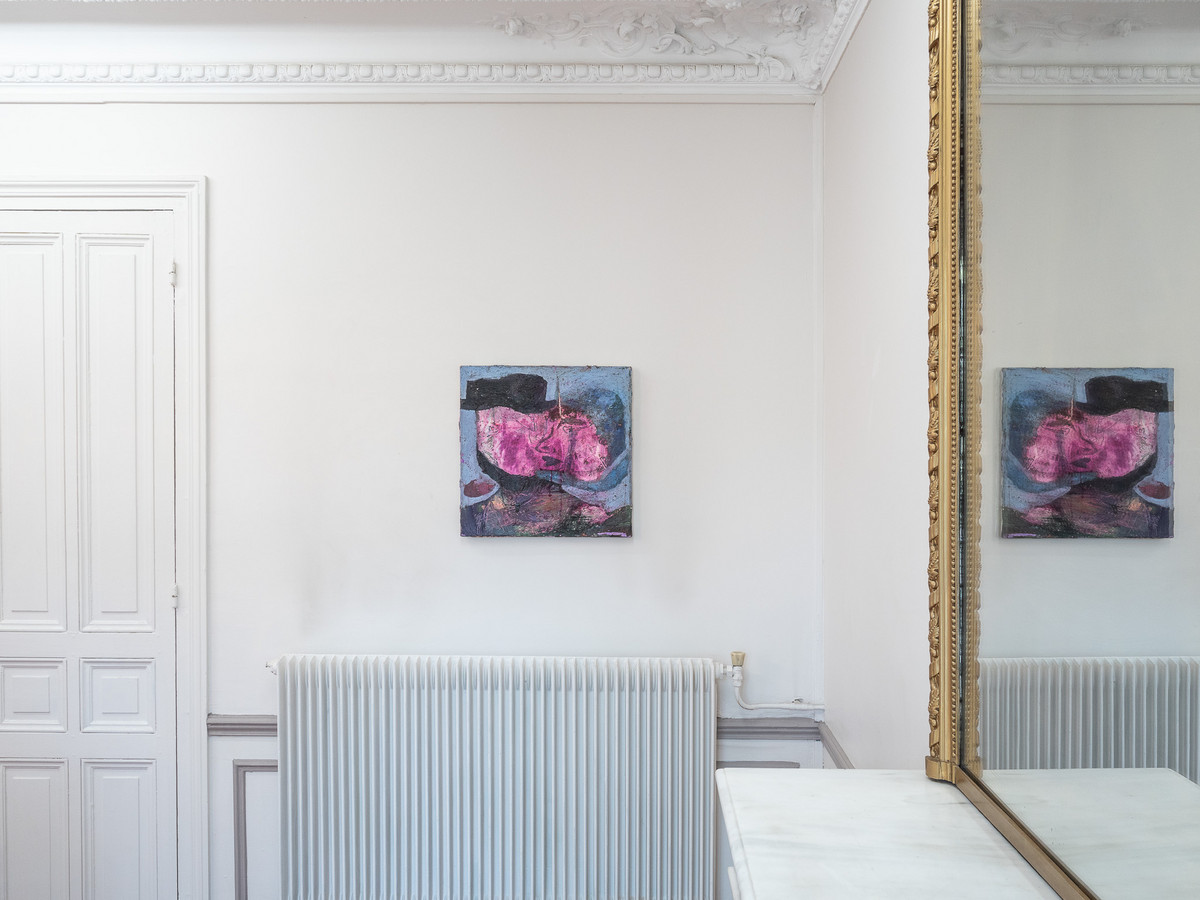
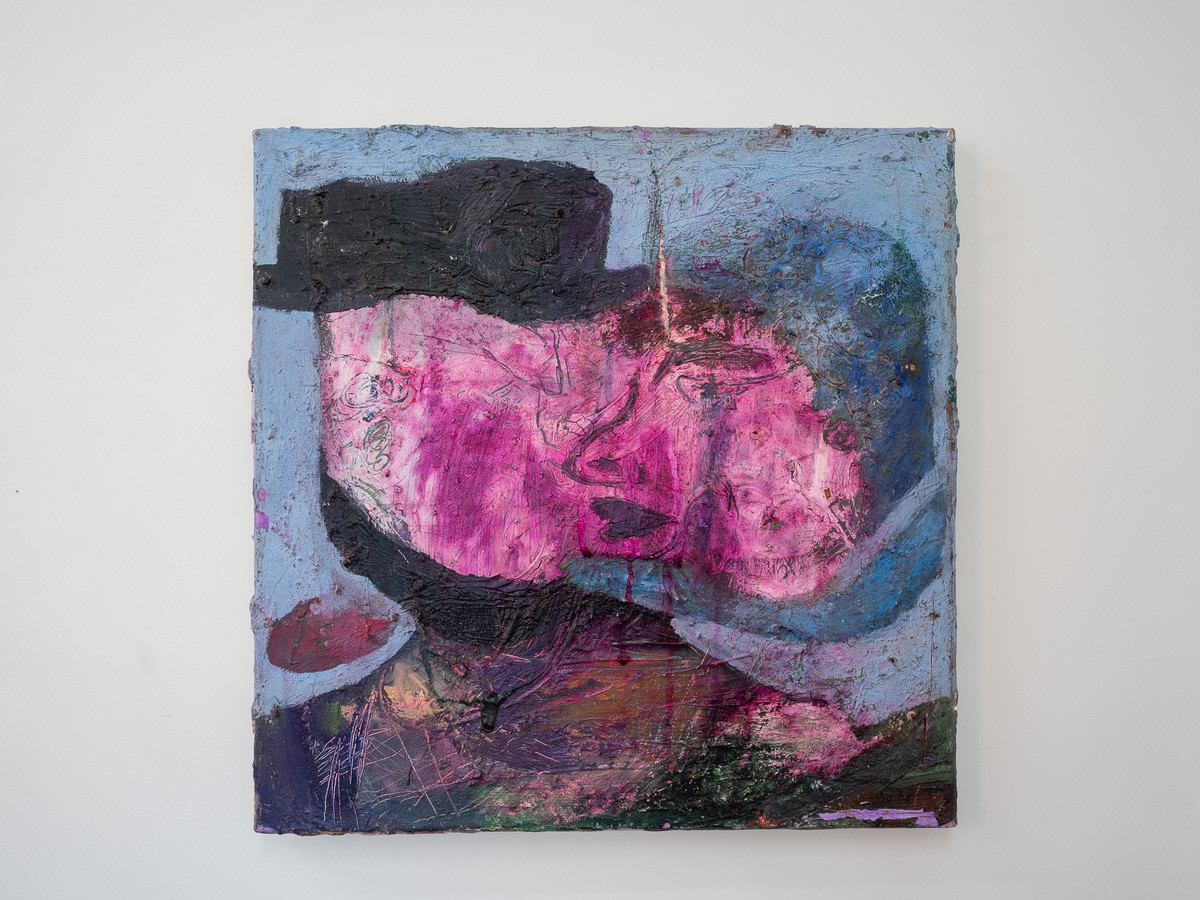
What was your curatorial approach like for SELF?
SLR: We both bring names to the table and have a very similar visual language. The topic is huge: how you design yourself, what an image is, how people construct a language around how they want to be perceived.
For the less conventional choices, we look at creators we're interested in and see if we can develop a relationship where they trust us and show their work in a different context. F1LTHY, for example, had never exhibited in an art show. He created the sound specifically for the exhibition. You might not necessarily connect it to his usual work, because he's produced for artists like Playboi Carti.
And how did you brief him?
CKE: We basically sent him the press release, and that's what he came up with. It's very abstract, but I think everyone's individual connection to the self is different.
The film we're showing, A Place We Call Reality, is from 2018. Kristoffer Borgli plays himself. He had just moved to LA and went into an existential crisis, trying meditation, drugs, even Scientology. It's a kind of mockery of the vlog format that YouTubers were using at the time.
SLR: It resonates with the exhibition because of this idea of feeling useless. When you reach a certain level of success, you can lose a sense of meaning.

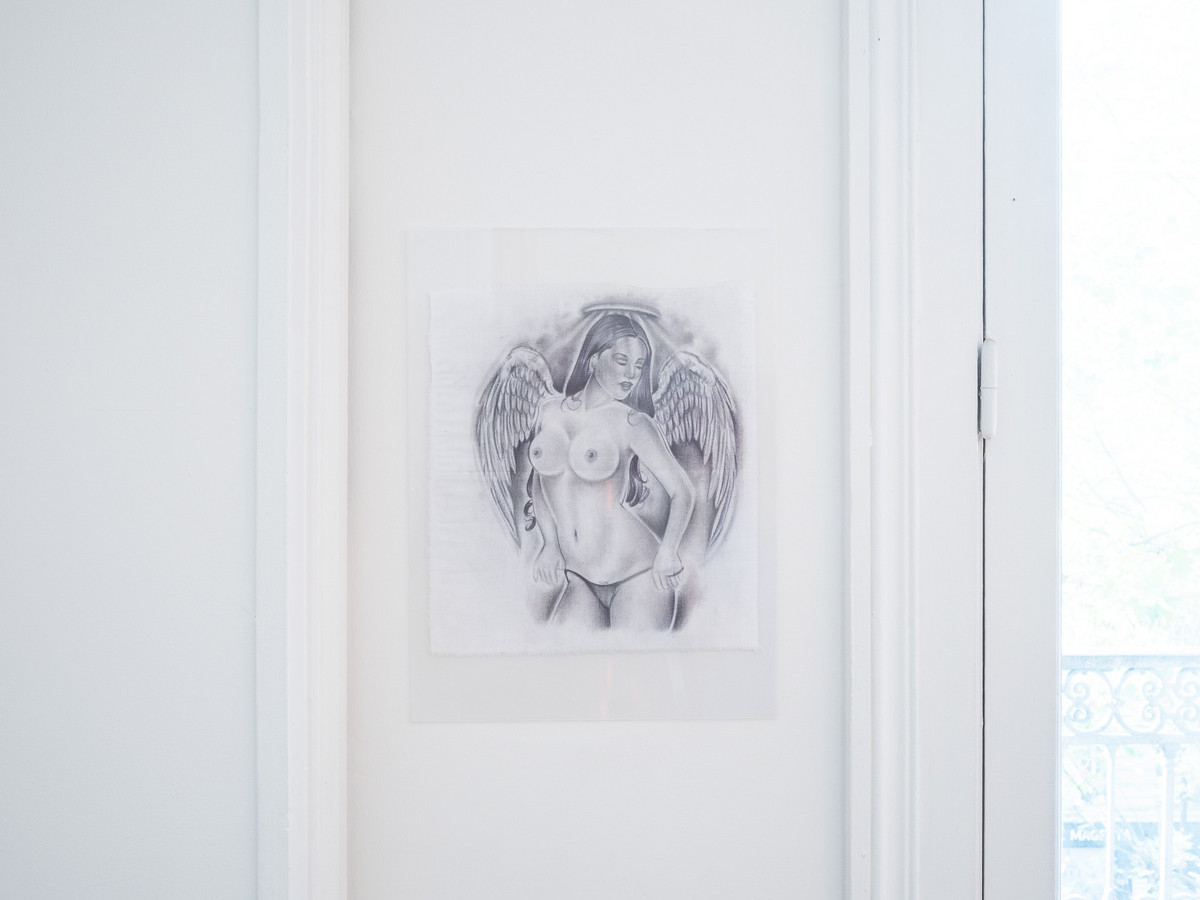
I noticed that the work in the exhibition has a ghoulish quality. What’s behind this choice?
CKE: Anything too beautiful or overtly perfect isn't interesting to me. I like the visual language of something ghoulish, of shocking people. The artists deal with seemingly superficial things, but there's a lot of horror and depth to them.
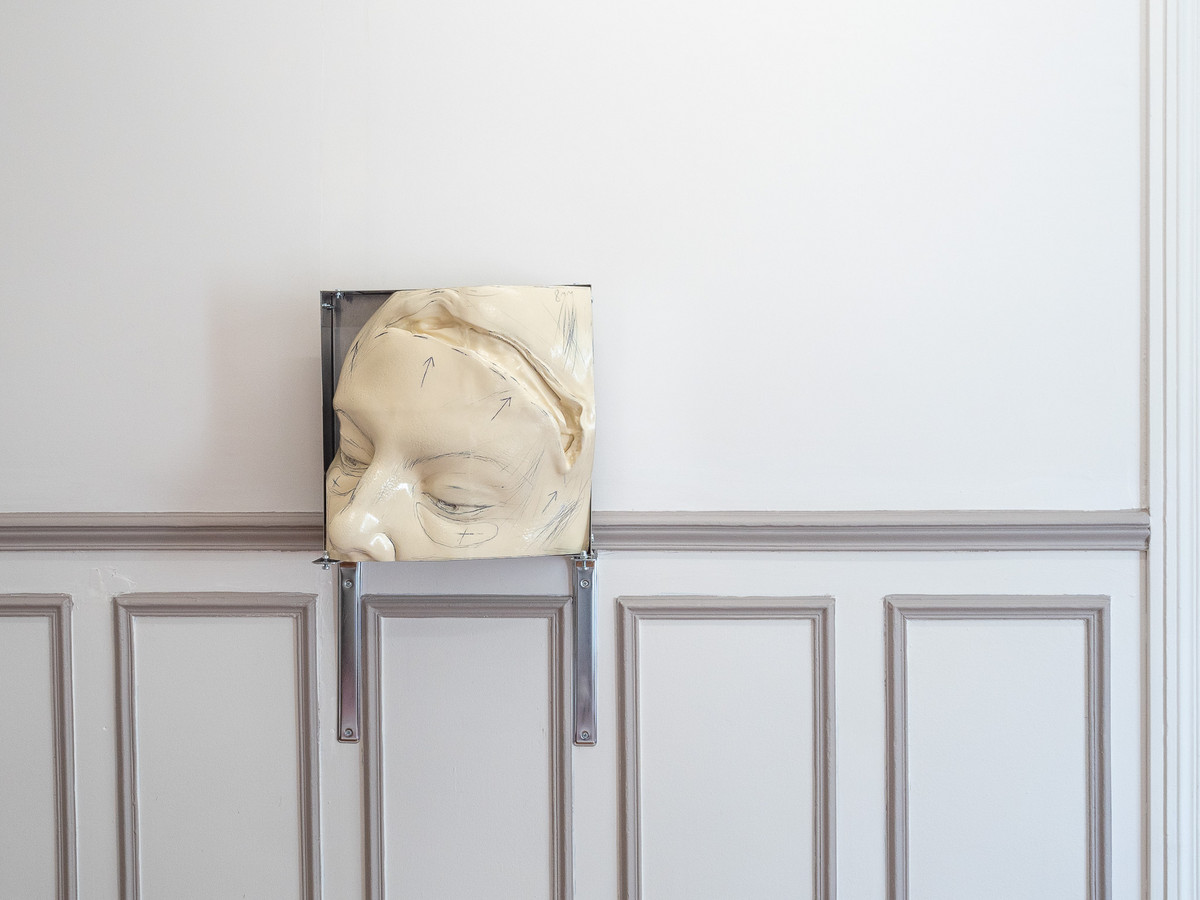
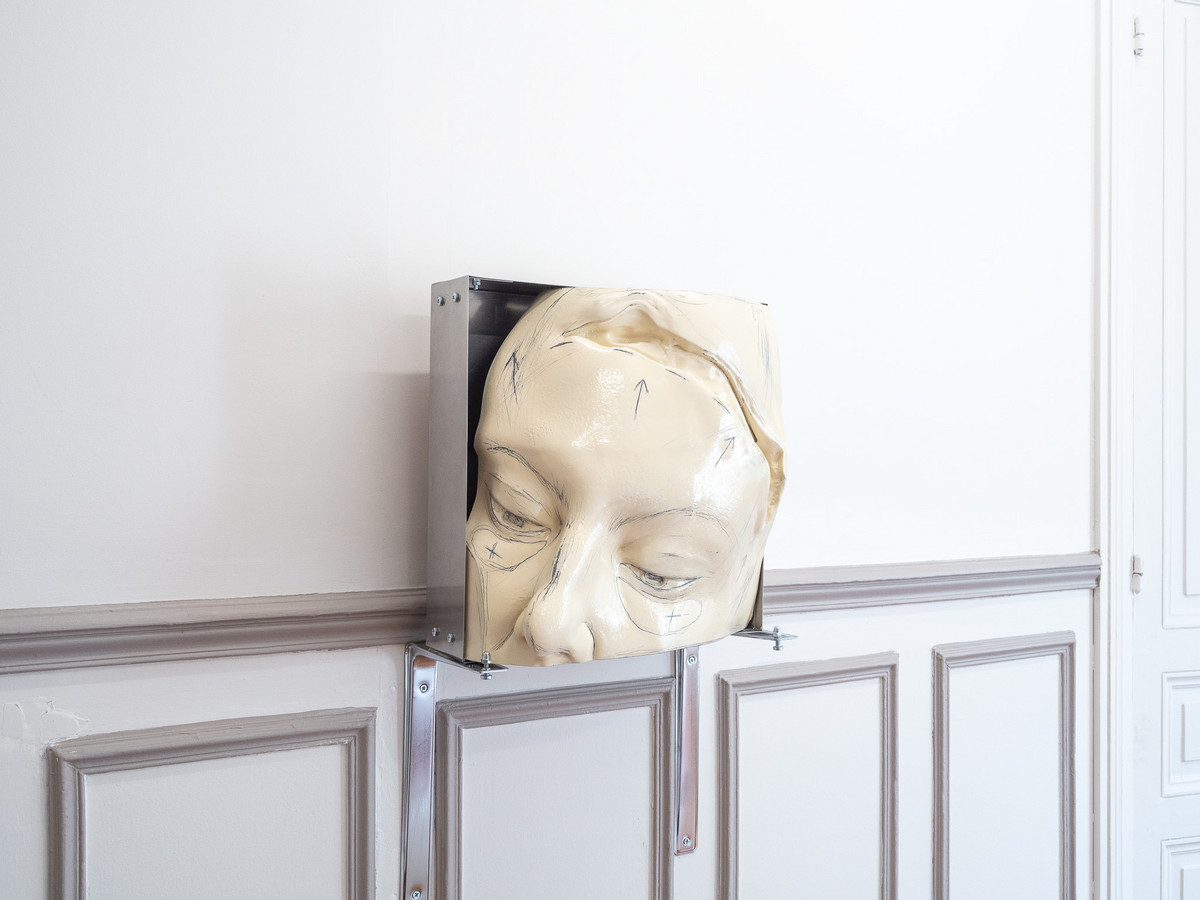
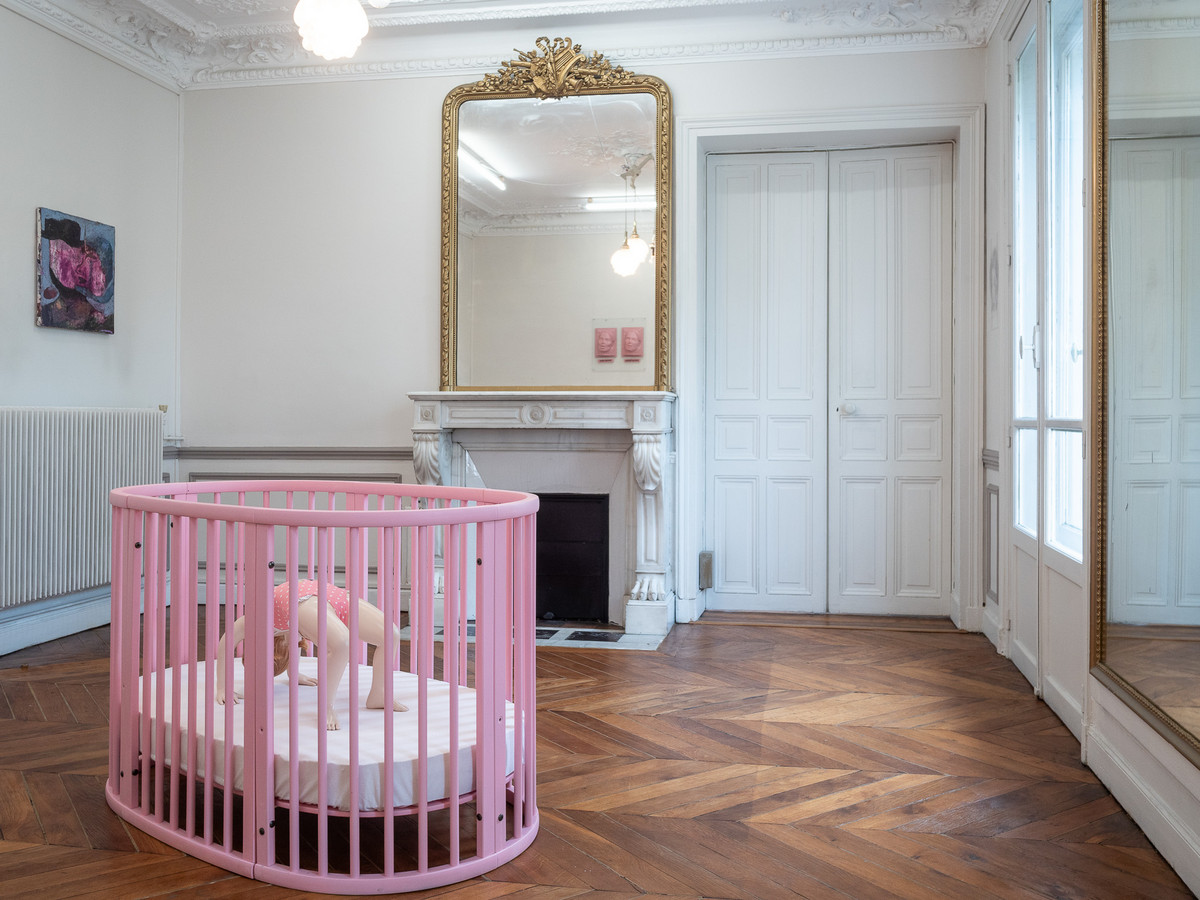
The Kim Kardashian work, by Noemie Ninot, is representative of this idea that we've turned the self into a public work of art. Her beauty is superficially constructed and outlives her physical self. It raises questions about immortality and ageing. Death is imminent, but ageing is a slow process that you observe. I’m publishing a feature at the moment about whether or not, as humans, we are more afraid of actual death or the process of ageing. I believe people are trying to keep agency through longevity.
You've chosen to show during Fashion Week. How does the exhibition relate to fashion?
CKE: Fashion brands have entire departments dedicated to using influencers and their personal brands to elevate their own. It's a whole ecosystem. So many fashion brands today don't have much identity anymore, so they need influencers and celebrities to construct one. But then you see all the same people at the same shows. The system reproduces itself.
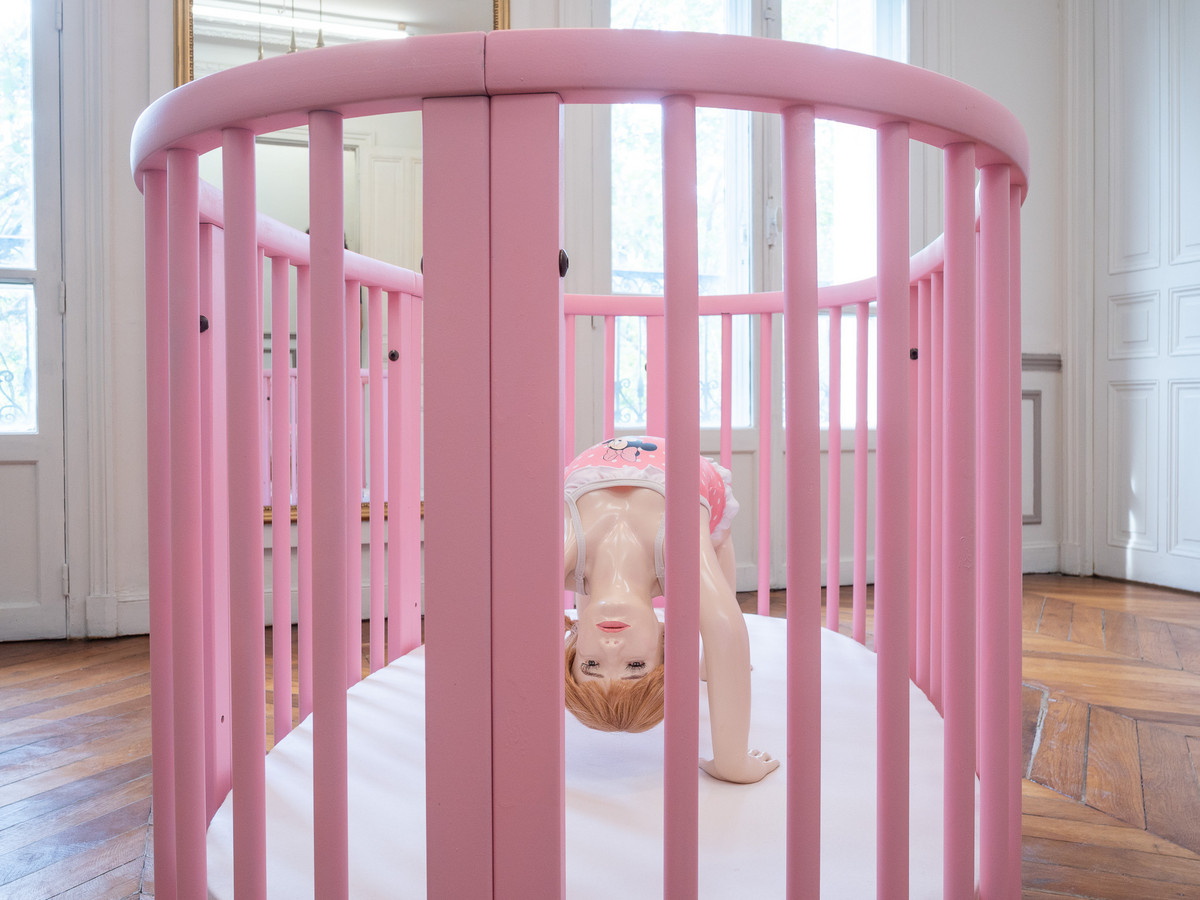
Do you have a personal relationship to constructing your own identity?
SLR: Of course. Every person who chooses what to wear, who to spend time with, what exhibition to see, where to work, and where to live is constructing themselves. It would be a lie to say otherwise. We're constantly dealing with how we're perceived.
I also wanted to talk about the exhibition text. It's literary and reads like an internal monologue. Why did you choose that approach?
CKE: Our exhibition text is about finding the most authentic way of talking about the topic without imposing something onto the viewer. We don't want it to be overly educational, explaining every artwork and saying, “This is the meaning.”
SLR: You hear the sound, you see the film, and you tie it together for yourself. We don't want to impose anything on anyone.
How has it been setting up this show?
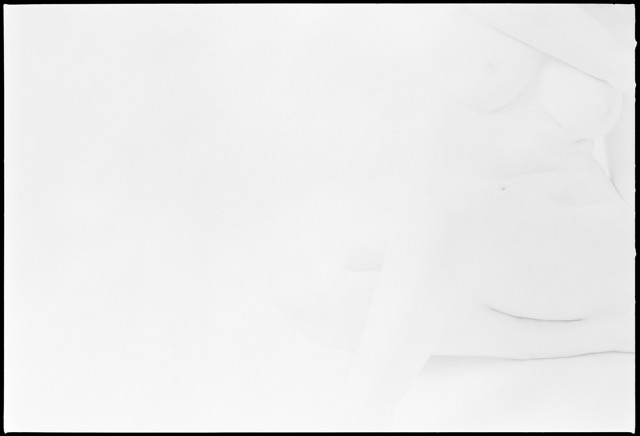
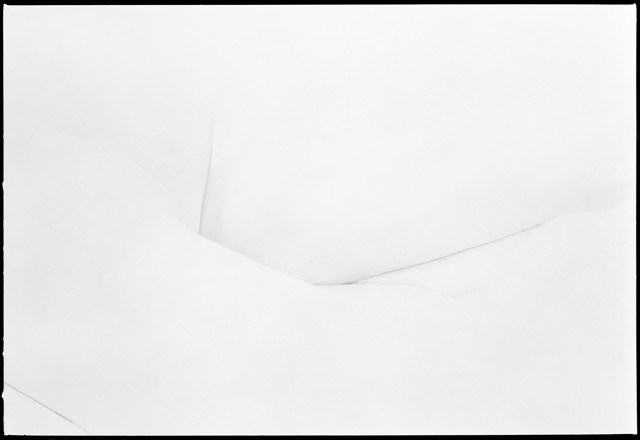
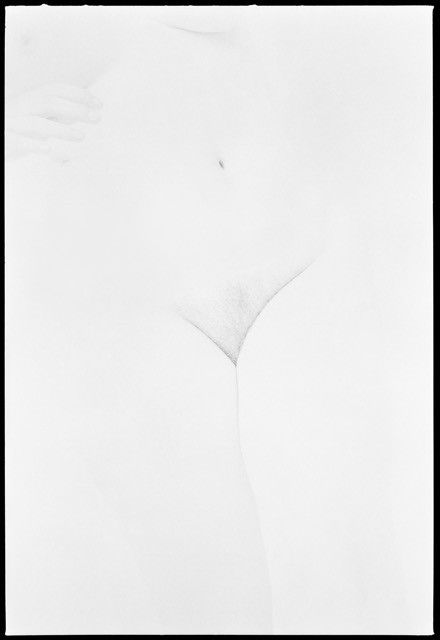
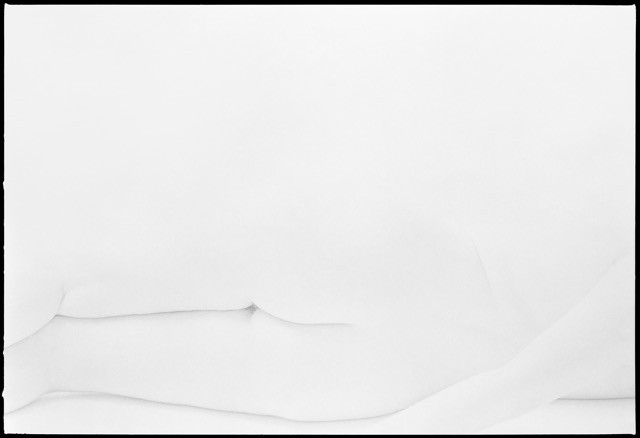
Mostly just been getting the space ready for the open studio, hanging photographic proofs, moving things around, figuring out how I want that body of work to exist here in the space. It’s been nice actually seeing the images off the screen and at scale, all in one place.
What’s the impetus behind these pieces?
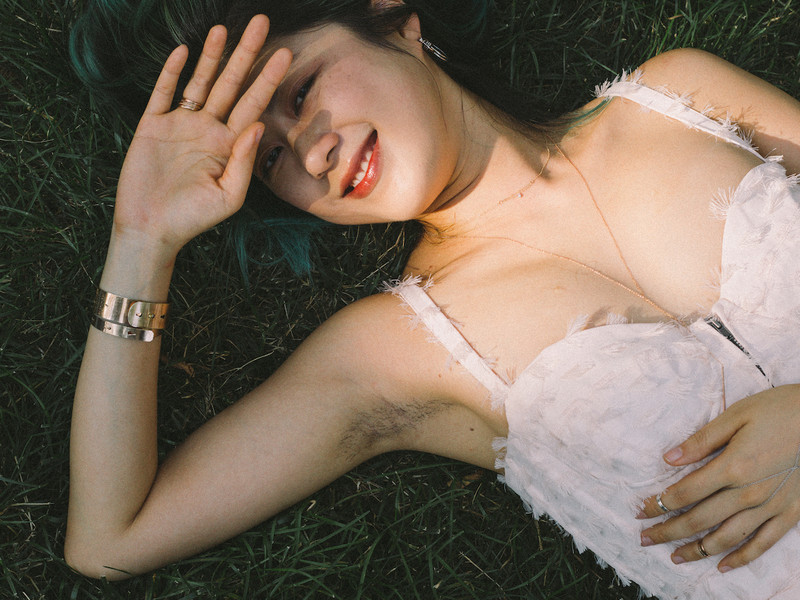
These pieces were born out of a fascination with a certain balance of information, how little could I hold onto and still have a body register as a body? There’s something beautiful about having the subject almost completely dissolve into the white of an overexposed image. It can feel very physical and ethereal simultaneously, and that ambiguity was something I was pretty hell-bent on holding onto.
That is interesting because it goes against a lot of classical compositions. Was it important, then, to leave the borders in?
The rebate information was really more of a necessity for displaying the work unframed during the open studio than something I intend to carry into the final presentation. But I do like what it reveals, that these are the compositions as they were made, in-camera, on the day. There’s obviously a history of photographers leaving that information visible as a way to prove they didn’t manipulate their frames, and to insist on the full breadth of the image, flaws and all, which I admire, so it was interesting to let that language leak into the work temporarily
In your past work, you were working with tin types and sculptural configurations as a similar unsustainability. Would you say, similar to the destruction of the tin type, that these photos are in line with that work?
Absolutely, they’re in line “spiritually” with the previous work, even though the language is slightly different. The tintypes were much more destructive to the material, whereas here there’s a similar pressure being applied, though more delicately, through exposure. So the mechanism to get the result changed, but there’s a similar urge running through all the work.
Where does that come from? That preoccupation with a breaking point?
I think my attraction isn’t so much to breakage or destruction itself, but to the moment right before it, where things bend but don’t snap. I think of that as a kind of ceiling. When you ride an image right up against that ceiling, the scaffolding starts to become more obvious.
In this case, the overexposure doesn’t give a clearer view of the subject. Rather, it creates this contradiction where the more exposed the body becomes, the less visible it is. It starts to merge with the plane of the image, until you’re not quite sure whether it’s appearing or disappearing.
Images are, in a sense, a capturing of specific time. Do you think you're playing with time and conceptually pushing that notion with that overload?
There’s certainly a relationship to time in my process. I’m less interested in capturing a specific moment than making that moment difficult to locate. I like to mix more historical processes with modern workflows, which allows for a kind of contamination between periods, so the image doesn’t quite tell you when or where it truly belongs. The overload pushes that idea because it strips away the info that would usually let us view the subject of the image. As the exposure is dialed up and the image becomes less definitive, the moment itself is suspended in the aforementioned temporal limbo.
Is it a way to show the systems by which the original images were made through comparison, or creation through convergence?
I think it is a creation through convergence. I’m less interested in comparing the systems than in what happens when they come into contact and start changing one another. Neither one really stays intact. The analog process changes what the digital can do, and vice versa, and what comes out is something that couldn’t really exist through either process alone. Each format, in a sense, gives me a different sandbox to play in.
Which shifts when you're moving from sculpture to video to photography.
Right, the medium shifts, but the impulse stays the same. Each one just gives me a different set of constraints to push against.