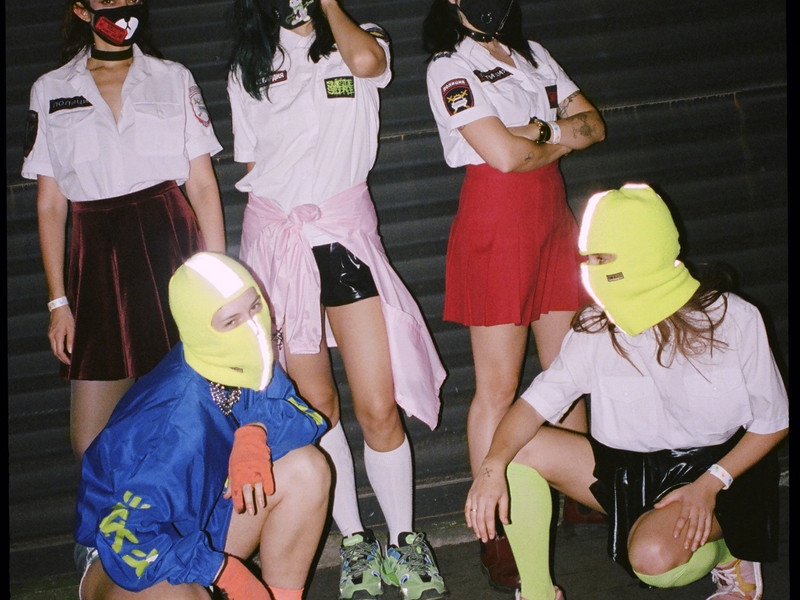
Rolling Loud
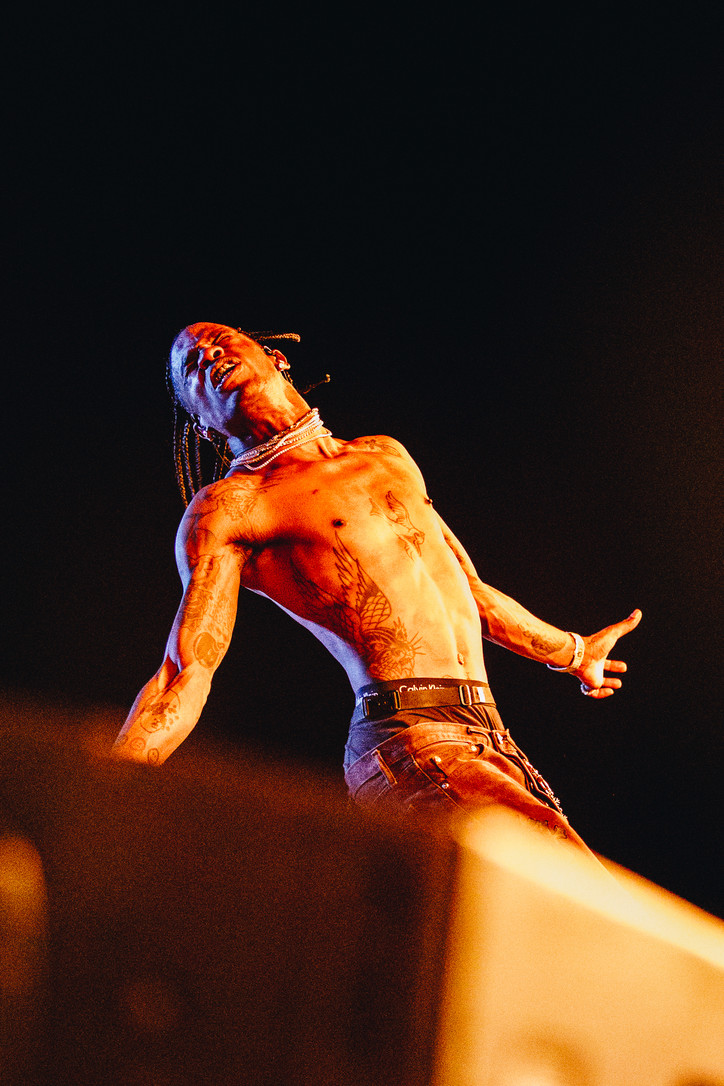
Check out more photos from Rolling Loud below.






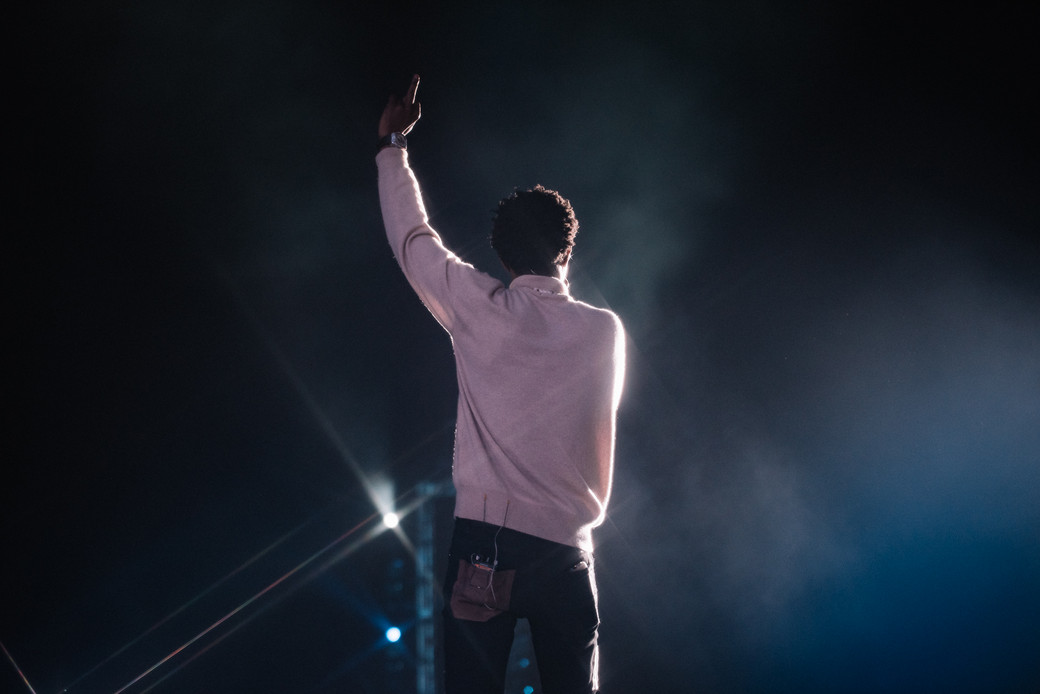

Check out more photos from Rolling Loud below.


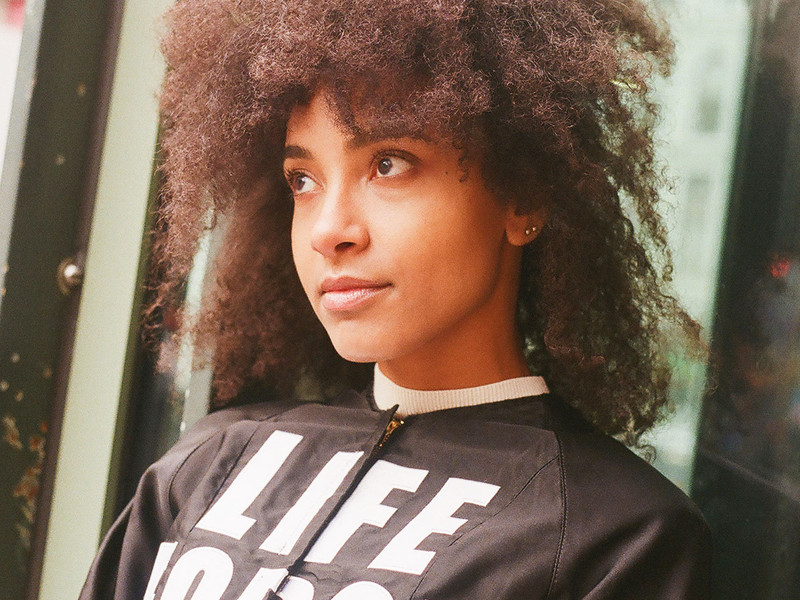
“I wanted to be swirled in the thick viscosity of my emotions, without having too much of a bird’s-eye view of them,” she tells me. “Those feelings are hard to remember after a while.” On the art pop album’s third track, Practical Amnesia, she explores this tension between feeling and forgetting: “I know it was like ten million wasp stings around my G-string / But in my memory, it was the kiss of a butterfly wing.”
At first, when she spoke to those around her, she felt that her feelings sounded clichéd. “But, from the inside, it doesn’t feel that way. It feels so profound and unprecedented. That tension is beautifully frustrating,” she reflects, considering the nature of motherhood. A paradoxical experience, both universal and entirely unique. “Clichés are clichés for a reason. You just have to embrace them.”


“She is my ultimate muse,” she says about her daughter, Nova. “She is more of a muse to me than anything has ever been, which was why it was so easy to write those love songs. That’s why artists cherish their muses, because it makes art easy to create.” The singer goes on to say, “It wasn’t just her. It goes beyond her. It’s the whole experience as well.” For Eartheater, motherhood is not simply a source of inspiration, but a new perspective on creativity.
Eartheater’s early experiences with motherhood have been challenging, to say the least, from undergoing an emergency C-section to fighting a serious infection and completely losing her appetite to the point of wasting away. “I developed an abscess filled with all this stuff. Sorry, this is gross,” she laughs, midway through recounting the pusfilled details of her post-birth recovery. “This sounds horrible, right?”
She speaks about an experience that could easily have been overwhelming with complete calmness and humour. “At a certain point, I just thought, ‘This is all totally fine. To get my baby, it’s all worth it,’” she says. Motherhood has powerfully changed her perspective, not by erasing the pain, but by framing it as part of a journey. “[That’s] the most surprising thing, how in any other scenario, it would all be difficult and painful, but through the portal of becoming a mother, it was so easy.”


EARTHEATER wears DRESS by MALIA QUIGLEY, BRA by SHOW PONY, RING by LUNACI and SHOES by MANOLO BLAHNIK
Eartheater is speaking to me from her childhood home, a farm in Pennsylvania, a place she has spent much of her adult life dreaming of returning to. When she was 15, her mother had to sell the property. Deeply upset, she promised her brother that she would one day buy it back. Since then, the property has been a north star in her life. A romanticized mental pala- ce to escape to in tough times.
“There was something uncanny about my attachment to the property because it became a huge obsession in my mind,” she says. “I poured blood, sweat and tears into that place, even as a kid.”
Almost two decades had passed, and to her dismay, she heard from a friend that the farm had been sold to another buyer. “I don’t think I’ve ever been so angry, because I was in a position to buy it,” she vented, having recently completed a major job for Mugler and H&M. At that point, she gave up on her dream of buying back the farm.
Around two years later, Eartheater and her husband decided it was time to buy property together. So, while visiting family in Pennsylvania, she was listlessly scrolling, looking at houses on her phone when the farm slid across the screen. At first, she couldn’t believe it. She just thought it was a similar-looking property. But as it turned out, it was the very house she grew up in.


EARTHEATER wears BRA by FLEUR DE MAL and SKIRT by NORMA KAMALI
So, the next morning, they went to visit the house. Extraordinarily, three weeks later she found out she was pregnant. As the clinic staff estimated the day of conception, it became clear that she had conceived the very night that they viewed the house.
At this point, Nova joins us to sit on her mother’s lap. Dressed in a long-sleeved striped T-shirt and neon green trousers, I remark that she is already a little fashionista. “It’s just so fun. It’s like having a little doll,” Eartheater replies.
Her own fashion taste was shaped by Alexander McQueen, particularly by his iconic AW06 show, The Widows of Culloden, in which Kate Moss appears by hologram. “I remember being about 18 when I saw that, and it changed my life,” she recalls. McQueen’s intricate world-building and delicate balance between beauty and ugliness left a lasting mark on her own musical and visual artistry. As we speak, she takes me over to her bookcase to show me her McQueen books, two of which are carefully nestled beside an issue of office.


EARTHEATER wears TOP and SKIRT by MELITTA MAUMEISTER, JEWELRY by DINOSAUR DESIGNS, SHOES by RICK OWENS
These days, Eartheater and her husband, Will, are devotees of Margiela. “My husband is a Margiela guy,” she remarks, recalling how she first found her love for the brand through his eyes. “The exposed stitching is a metaphor for how I approach sound: allowing the guts of things to pour out.”
But despite her deep love for fashion, she doesn’t really have a dedicated fashion muse. “I feel like my muse is finding so- mething beautiful in everything,” she reflects. “I’m chronically over-inspired. I’m such a romantic.”
Her romanticism finds its clearest expression on her album through its third single, Crown Jewel, an ode to Nova’s beauty: “The earth didn’t drop a flower / Until way after the T-Rex / Nature got more lovely as time went on / And it all led up to you.” Inspired by a Neil deGrasse Tyson documentary, she considers the idea that, despite how unlikely it seems at times, the world is evolving into a more peaceful and beautiful state, with her world culminating in Nova.


EARTHEATER wears SHIRT by BALENCIAGA, HEADPIECE by BLUE ACMES
Returning to the farm and giving birth has made Eartheater truly consider the personal journey she has gone on. “I entered the world picking up where my mom was in life. Through my own life, I expanded beyond that in an exponential way, in terms of openness and curiosity,” she says, thinking about how a parent’s personal growth can have an impact on where a child starts off. “It gave me such a huge feeling of excitement to know that I was bringing my daughter into the world at that level.”
Alongside transforming her artistic life, becoming a mother has also brought her closer to her own mother, whom she had previously had a strained relationship with. “My mom is really religious, and I was a difficult child for her in terms of her life, which was about saving your soul and doing God’s will,” she shares. Motherhood gave her the perspective and compassion to understand her own mother’s choices and lived experience.
As our conversation comes to a close, I ask Eartheater what traits she hopes Nova inherits from her above all else. “My sense of wonderment, and my sense of humour. And kindness. Just being kind,” she replies. Only time will tell who Nova becomes, but for now, Eartheater is content with marveling. Her work will continue to be inspired by Nova, because if one thing is true, “babies cut through the bullshit.”

You were classically trained on piano from the age of four. Classical music and techno can appear culturally opposite. Do they actually feel that different to you?
Musically, they’re quite far apart, of course, but I have a deep love for both. My classical piano training has greatly influenced the way I write melodies, which naturally carries over into my techno productions.
I also love bringing those two worlds together: combining the elegance, emotional depth and sensitivity of classical music with the darkness and raw physical energy of techno. Both evoke very strong emotions in me, even if they do so in different ways. That emotional connection is why I feel equally drawn to both.
Today everything outside the club seems increasingly disembodied and mediated through screens, while dance music is becoming faster, louder and more physically demanding. Do you think people are searching for their bodies again?
I can only speak for myself, but this is something I’ve been thinking about a lot lately. I love playing on big stages with incredible production, and the energy in those settings can be extraordinary. Fast, energetic music asks a lot of you physically, so I do think it can be a way for people to reconnect with their bodies.
But I also think part of what we’re seeing is a blurring of boundaries between scenes. Genres like hardcore and hardstyle used to have their own distinct communities, with relatively little overlap with techno. Someone deeply involved in those scenes wouldn’t necessarily have gone to a techno club or festival, and vice versa.
Today, you can hear a much wider range of genres across a single festival or even within one night at a club. Audiences seem more open to different sounds, and that openness creates more room for those influences to mix.
Ultimately, though, people choose where they go and what they want to hear. There are still clubs, events and line-ups offering different sounds and experiences. I don’t think we should overlook the fact that people actively seek out this intensity because they enjoy it. Whether they consciously see it as reconnecting with their bodies is another question, but the physical connection can certainly be there.


Hard and fast electronic music has moved from relatively specific underground scenes into fashion shows, TikTok, festivals and mainstream youth culture. What happens to an underground when everyone suddenly wants to belong to it?
This debate has been going on for quite some time, especially among people who have been part of the scene for decades, or who helped shape techno in the first place. I understand why seeing that culture absorbed into the mainstream can feel uncomfortable. But I don’t think its growing popularity is inherently a bad thing. Cultures evolve.
Techno, music and club culture have been at the centre of my life since I was young, and everyone else has the same right to discover them and make them part of their lives. Of course, when enough people become involved, something that was once underground becomes mainstream. But being new to a scene doesn’t make someone’s connection to it less legitimate.
I also find it somewhat hypocritical when artists dismiss wider recognition outright. You want your music to be heard and to connect with people; at a certain scale, that inevitably brings you into the mainstream.
And the underground hasn’t disappeared. You can still find it if you look for it. Berlin, for example, has always maintained its own identity. Some people now describe the former techno capital as outdated, but the spaces and communities they claim to miss still exist there. The same is true of many other cities, with incredible clubs and independent collectives. Those places often have very little interest in being photographed or filmed, so you don’t necessarily see them online. That doesn’t mean they’re no longer there.

Techno historically carried ideas of futurism, resistance and alternative community. When you look at the culture surrounding the music today, do you still feel that political impulse?
Honestly, no — or at least nowhere near as strongly as I used to. Years ago, when I spoke out more frequently about political or controversial issues, I would immediately receive comments from strangers saying, “Techno isn’t political.” For me, it always has been, and I wish that understanding were more present in the culture today.
I understood techno as a movement, a community that offered a sense of safety and belonging to people from different backgrounds. Unfortunately, I no longer feel that same collective spirit as strongly.
Your sets refuse to stay within one genre, moving between techno, hardcore, jungle, drum & bass and psytrance. At a moment when algorithms constantly try to categorise our taste and identity, is refusing categories important to you?
It isn’t a conscious statement against categorisation. I simply couldn’t limit myself to one genre. There’s too much music I love and want to play, and I would get bored very quickly if I had to stay within a single sound. The variety in my sets is a natural expression of my curiosity and taste.
Berlin has been mythologised for decades as a place where people could disappear, experiment and become someone else. Now that its nightlife has become a global cultural export, does that freedom still exist?
Berlin’s nightlife is where I grew up—musically, emotionally and, quite literally, into adulthood. It’s also where I met many of the people who remain my closest friends.
Nightlife in many places feels very different from what it did ten years ago. What I appreciate about Berlin is that, in my experience, it has retained more of its character than many other cities. For me, that freedom still exists. You just have to find the right places and the right people.


You’ve described wanting your sets to feel sexy. What does sexiness mean in a culture that can sometimes confuse extremity with intensity?
When I’m on a dance floor, I need groove and drums that make me feel connected to my body. When the rhythm really connects with you, it changes the way you move and the way you experience yourself.
That’s what I mean by sexy: that feeling of being completely in sync with the music, comfortable in your body and absorbed in the movement. It’s something you feel from within.
If every generation creates the nightlife it needs, what do you think the speed, darkness, euphoria and intensity of this generation's club music tell us about the world we're living in right now?
When I look at the music attracting the most attention, the increasingly elaborate productions and the popularity of huge events, I see a culture that is constantly seeking more stimulation. Social media and the need for recognition seem deeply connected to that.
Sometimes it feels as though we’ve become so accustomed to constant rewards that we’re less sensitive to what’s in front of us. Everything has to be bigger, faster or more spectacular to hold our attention.
Perhaps that also explains why a dark, fog-filled room with an incredible sound system, no phones and barely enough light to see the person next to you no longer seems to be enough for some people.


I attended night two, which featured two collaborations between Polish and U.S. based artists performing commissioned works. On paper, they were part of the same program. But in practice, they sat at opposite ends of the spectrum. The night opened with claire rousay and Kraków-based composer Martyna Basta performing the U.S. debut of hotel room, a piece the two created over a single week in rural Poland. Rousay sat at the piano while Basta played guitar and sang. Around them, the piece was built from familiar sounds, like tapping, running water, shuffling, stray notes, breathing. The result was an intimate and melancholic trance, a dreamworld created only by sight and sound.
Behind them, visuals by Theresa Baumgartner sent soft, shifting colors across the wall. The colors behind the stage grew brighter and more intense in step with the ringing, animal-esque sounds of the second piece. Surrendering to it completely, it seemed as if Basta was possessed by the music. The more it intensified, the more she leaned into it.


If the first act was a hotel room, the second was what I can only describe as going deeper and deeper into an internet rabbit hole. The set from Keith Rankin, better known as Giant Claw, and composer Julek Płoski came with an epilepsy warning, which turned out to be both a courtesy and a promise. This audiovisual experience mixed original work with cursed internet videos. Leaning into the subversive and slightly unhinged corner of the virtual world. By the third act, titled "Freak," it felt like I was fighting for my life in a video game-style simulation. Coffee cups. Drawings. Dancers moving across the screen to club music. All in all, Unsound New York offered a taste of the radical festival and a look into the future of avant-garde sound.