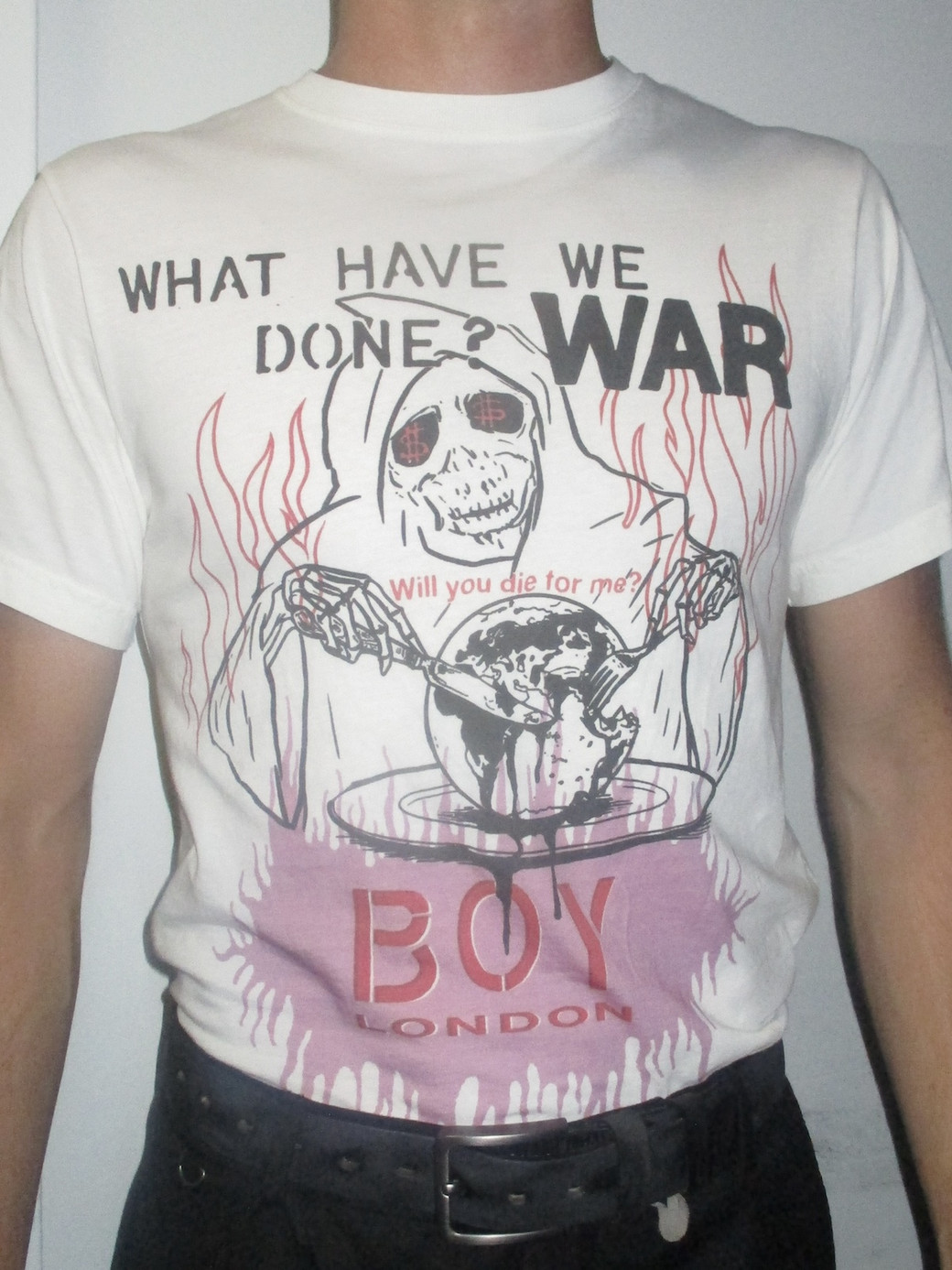
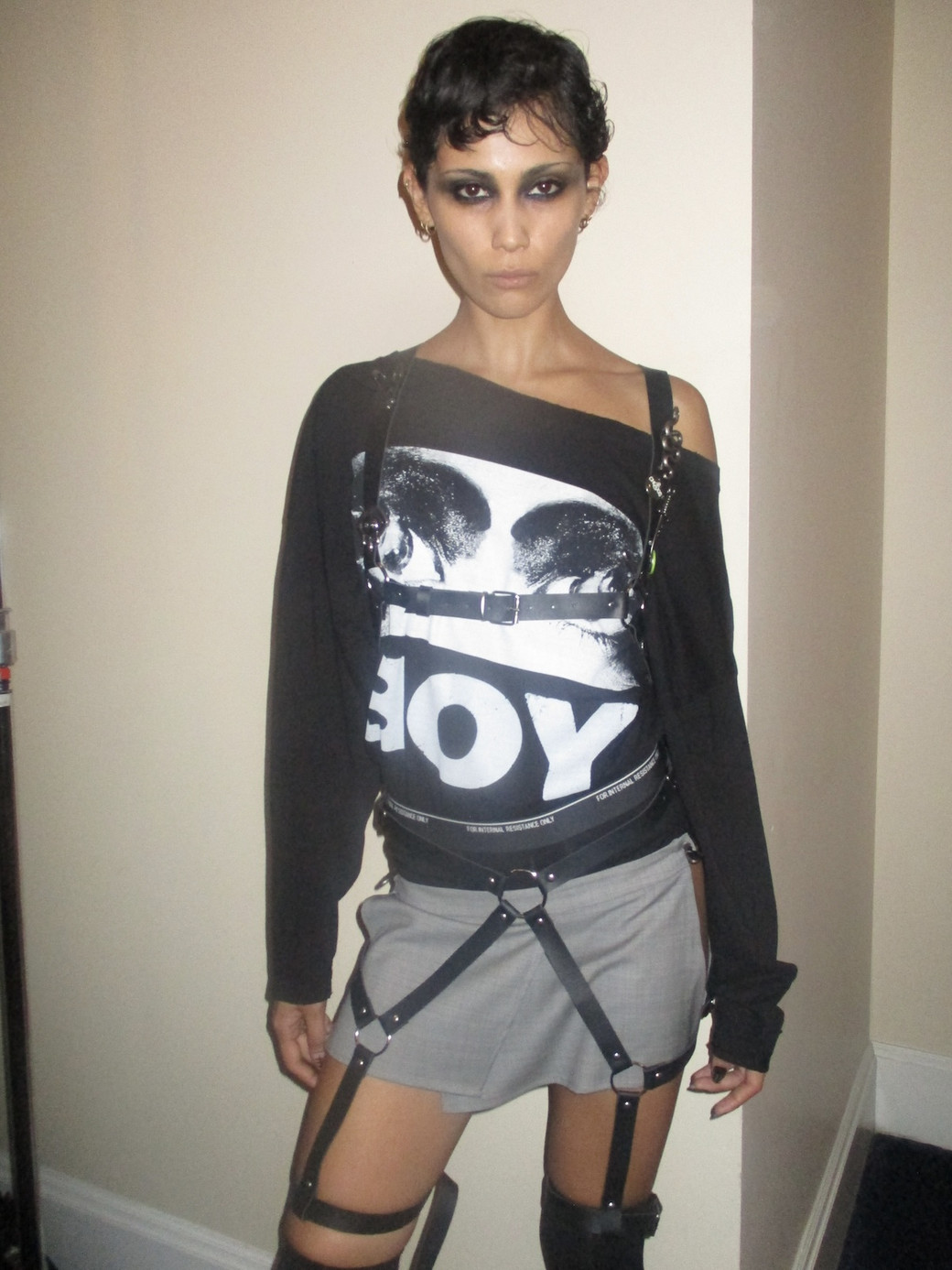
Even then, it's punk in itself. To be doing it on your own speed, on your own time in your home city, like that's just that's cool as fuck. It's really cool to be bringing it back here and to having people that know you, know your story, come and see what you've been working on.
I love my city. I love New York as well. I spend a lot of time in New York, so it was a hard decision at first, but I think when we just settled on it, there was this moment where I felt a lot more relaxed because of the home court advantage. To have the show in LA and not to be constrained by a calendar is difficult for brands to do because we're not necessarily on time for market or having everyone in the same place. But I think people want to be in LA, and there's a lot of great things happening in LA. We just need to show out here a little bit more.
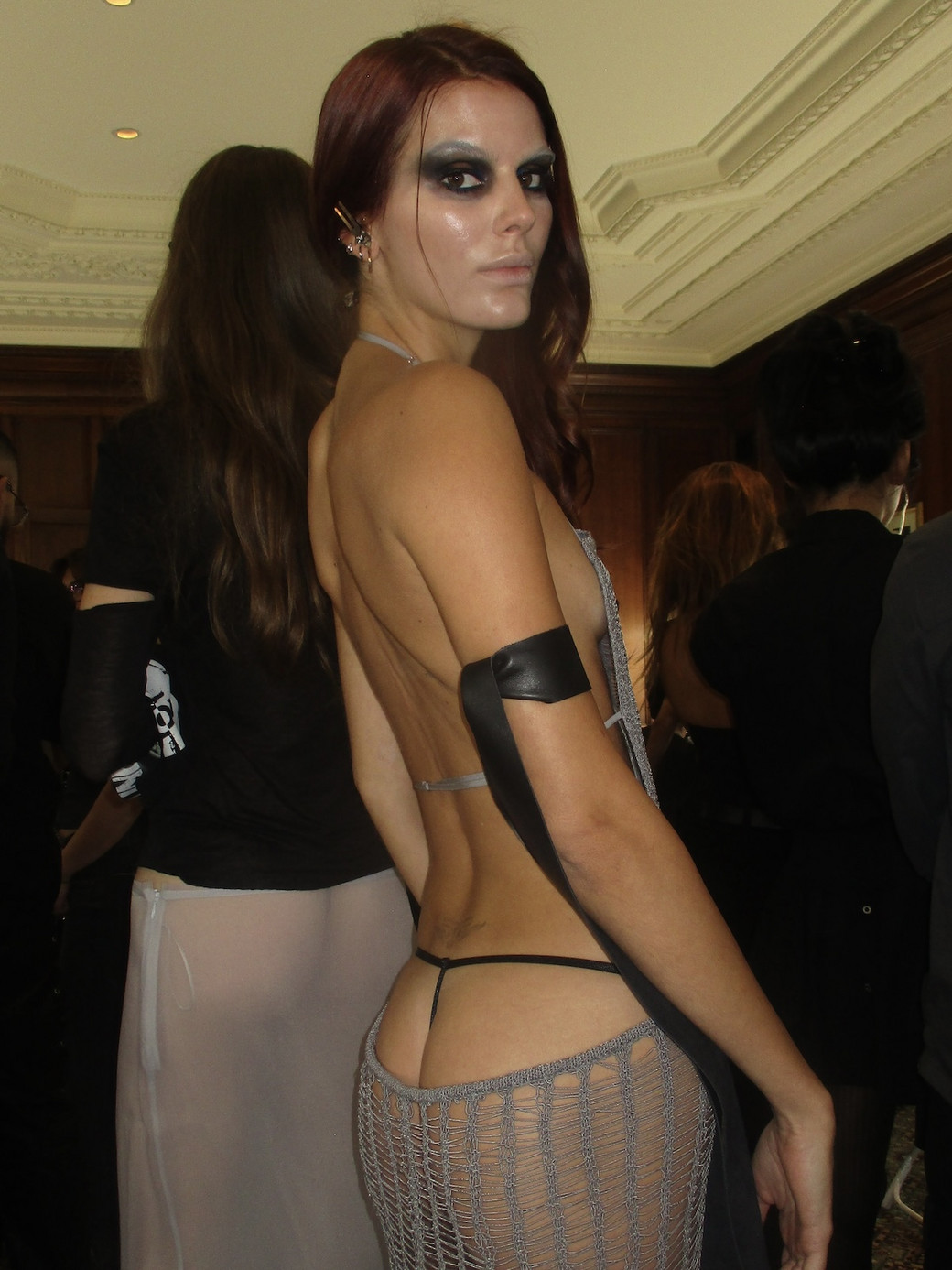
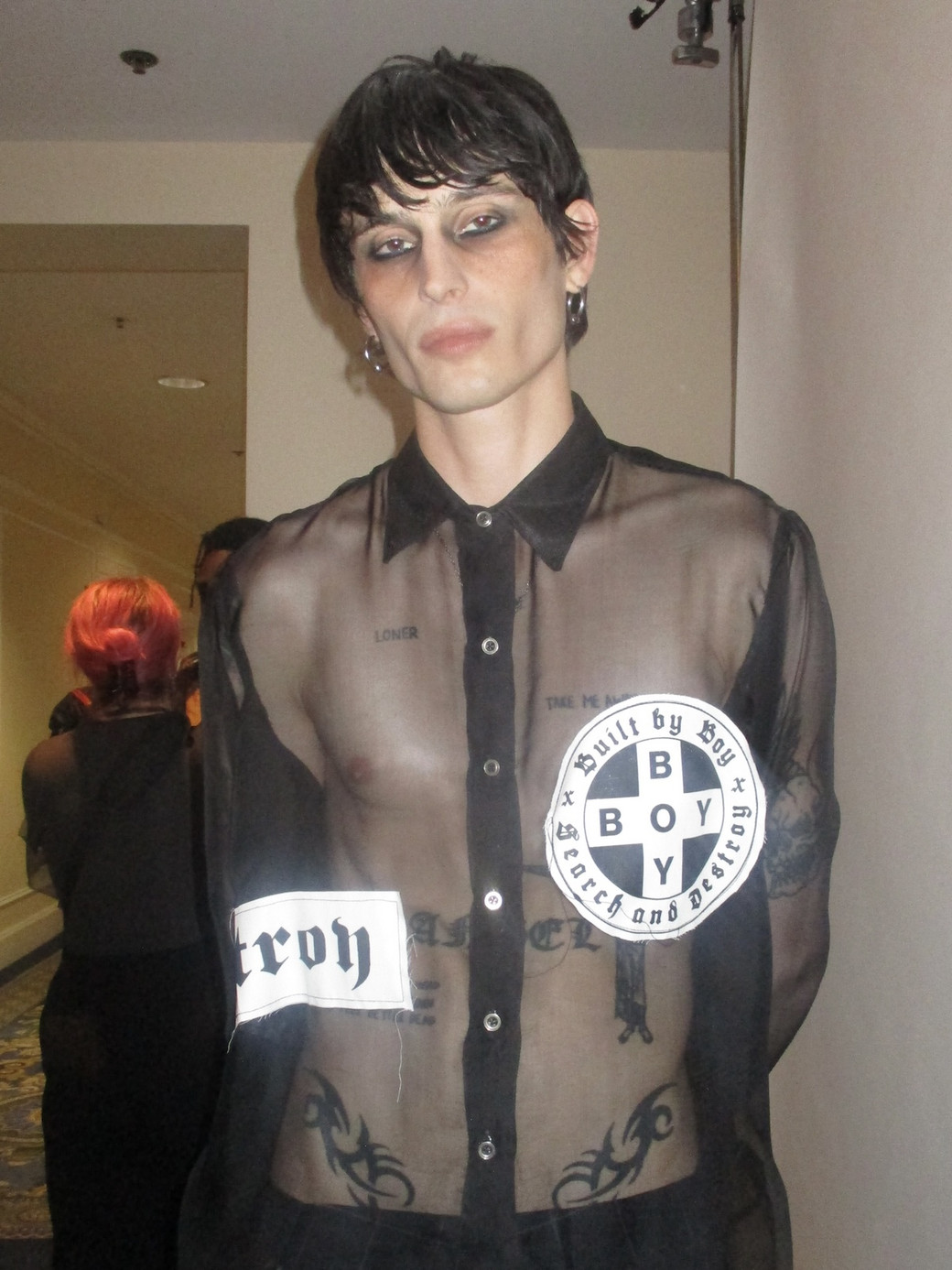
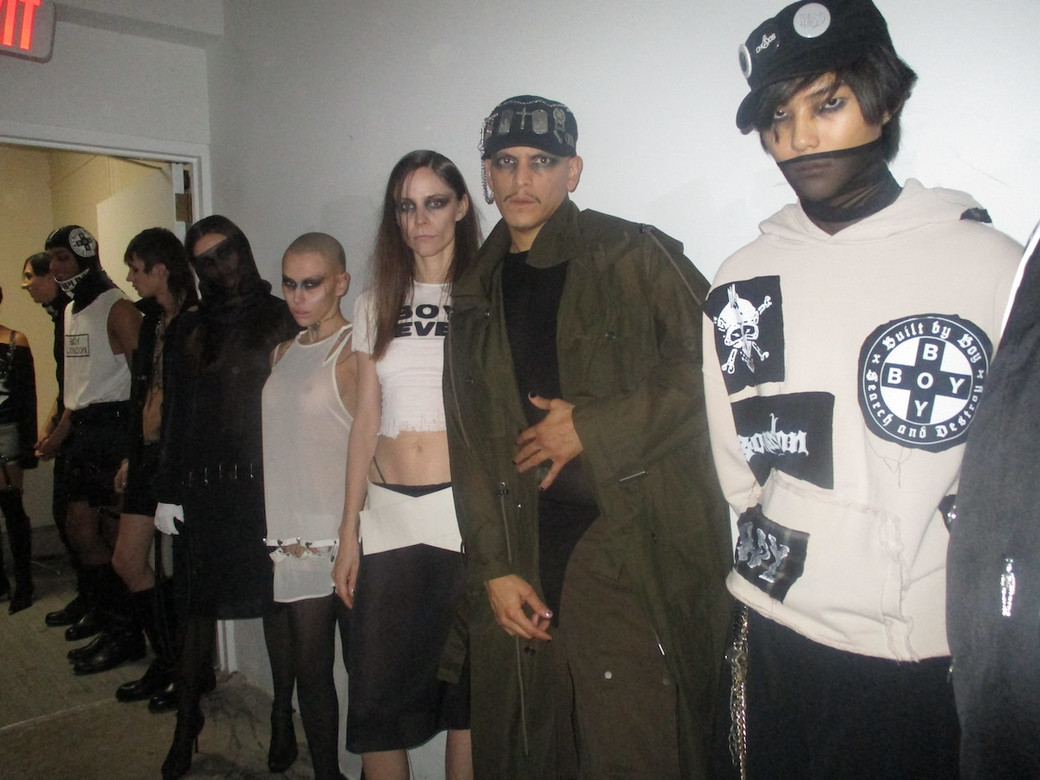
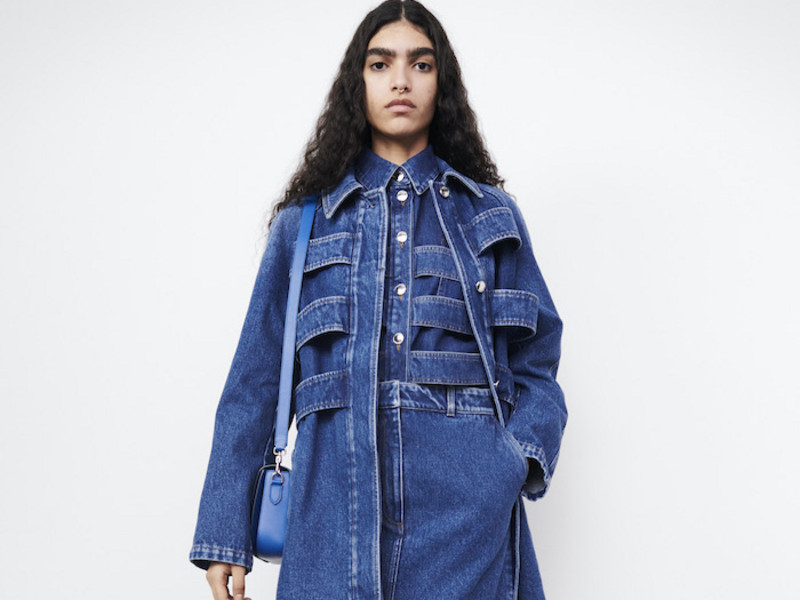
You're doing that. Even seeing how many seats are here that are going to be filled up by everybody, it's going to be really amazing to see the crowd that comes out to support. Let's bring it back to the clothes. I feel like this collection is just really hot. You get the peekaboo's of the butt cracks, you get the slits that are higher up.
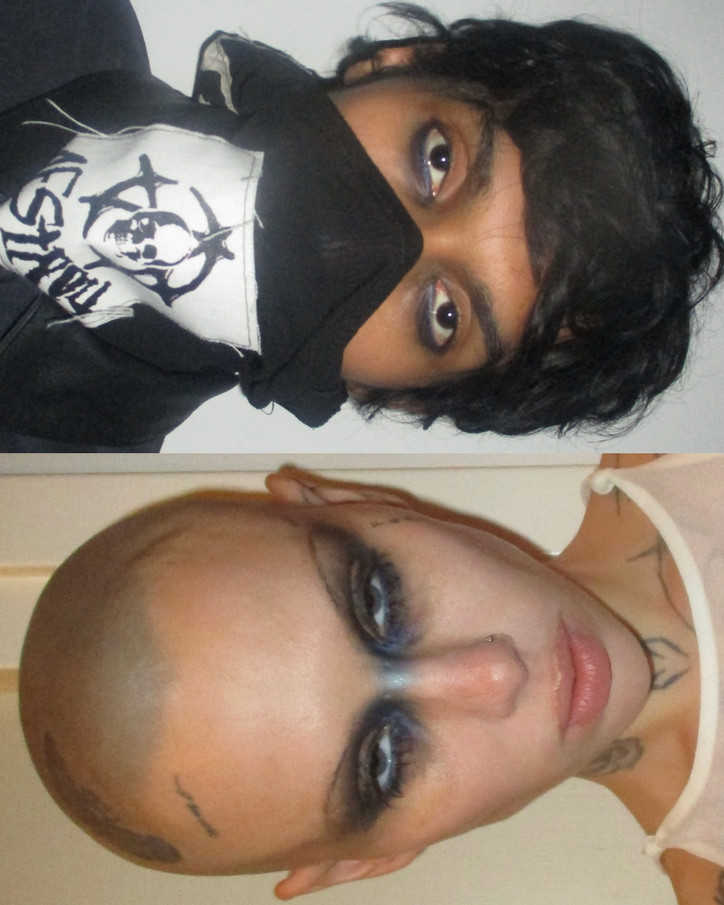
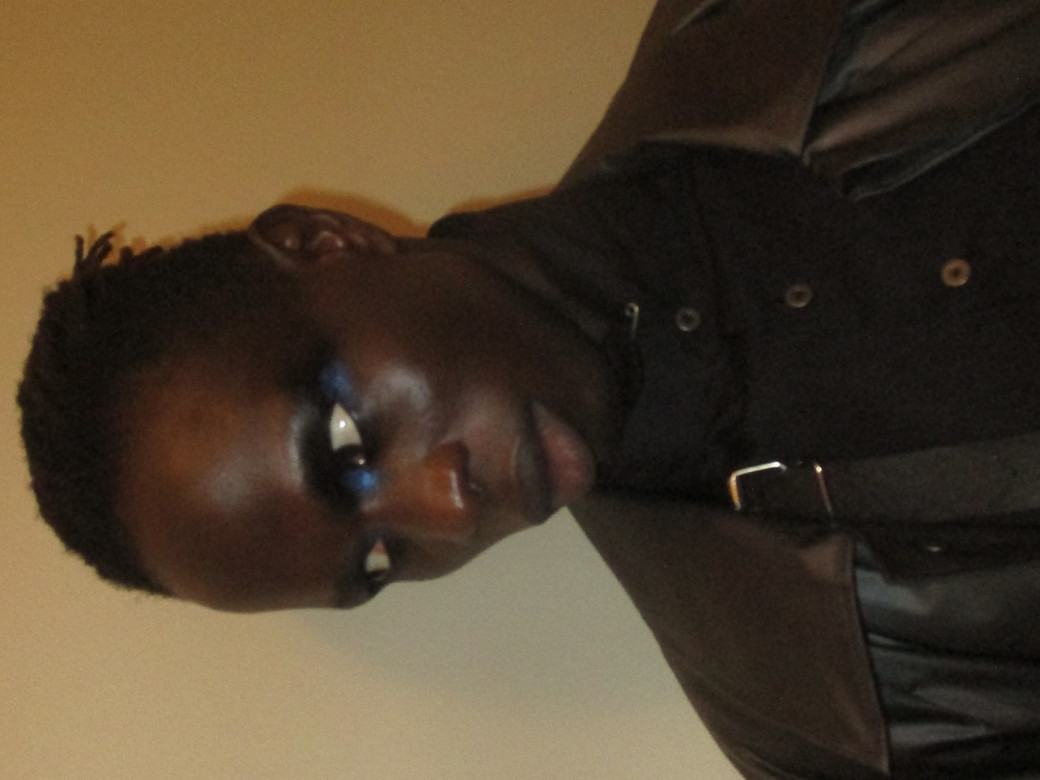
The first collection was in frigid cold February in New York. I love a long coat, I love layers, but this is a spring summer collection. So we need to show a bit more skin, have a bit more elements of transparency and sheerness. I always think that's really sexy, right? Done in a tasteful way. Combining that with tailoring and long silhouettes that have great movement, I think are super important. Not just showing skin for showing skin's sake, but how does that look in a very tasteful way?
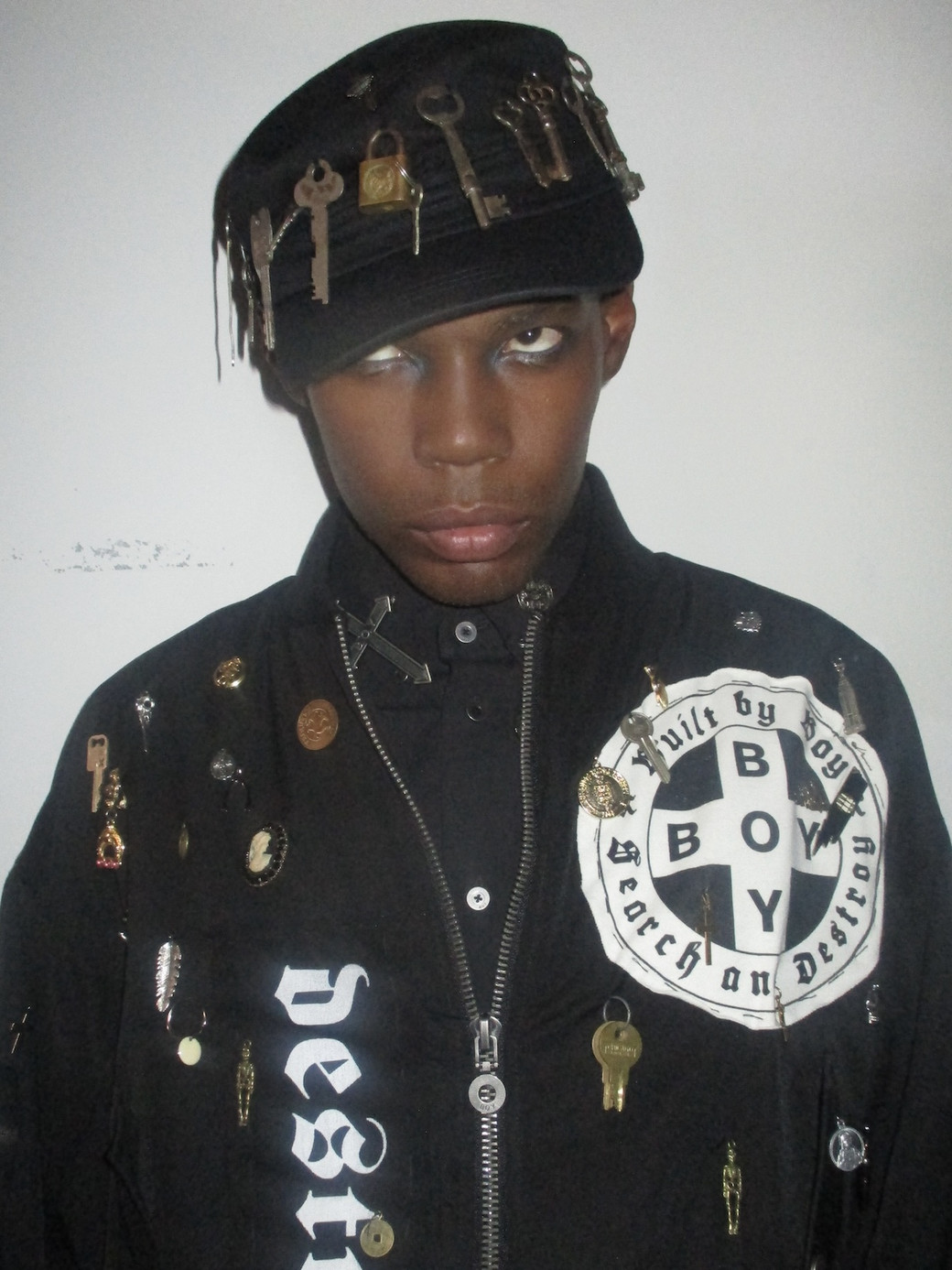
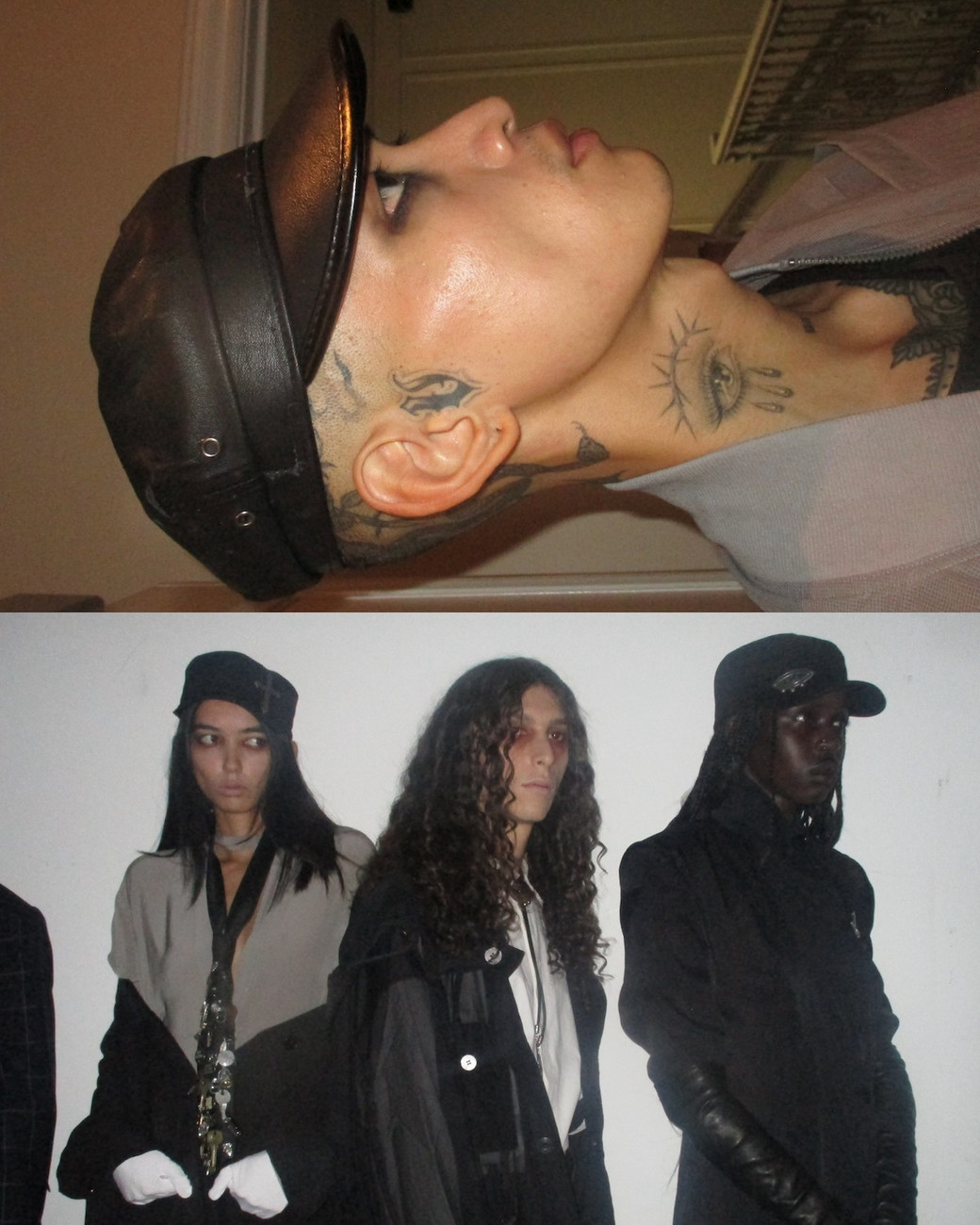
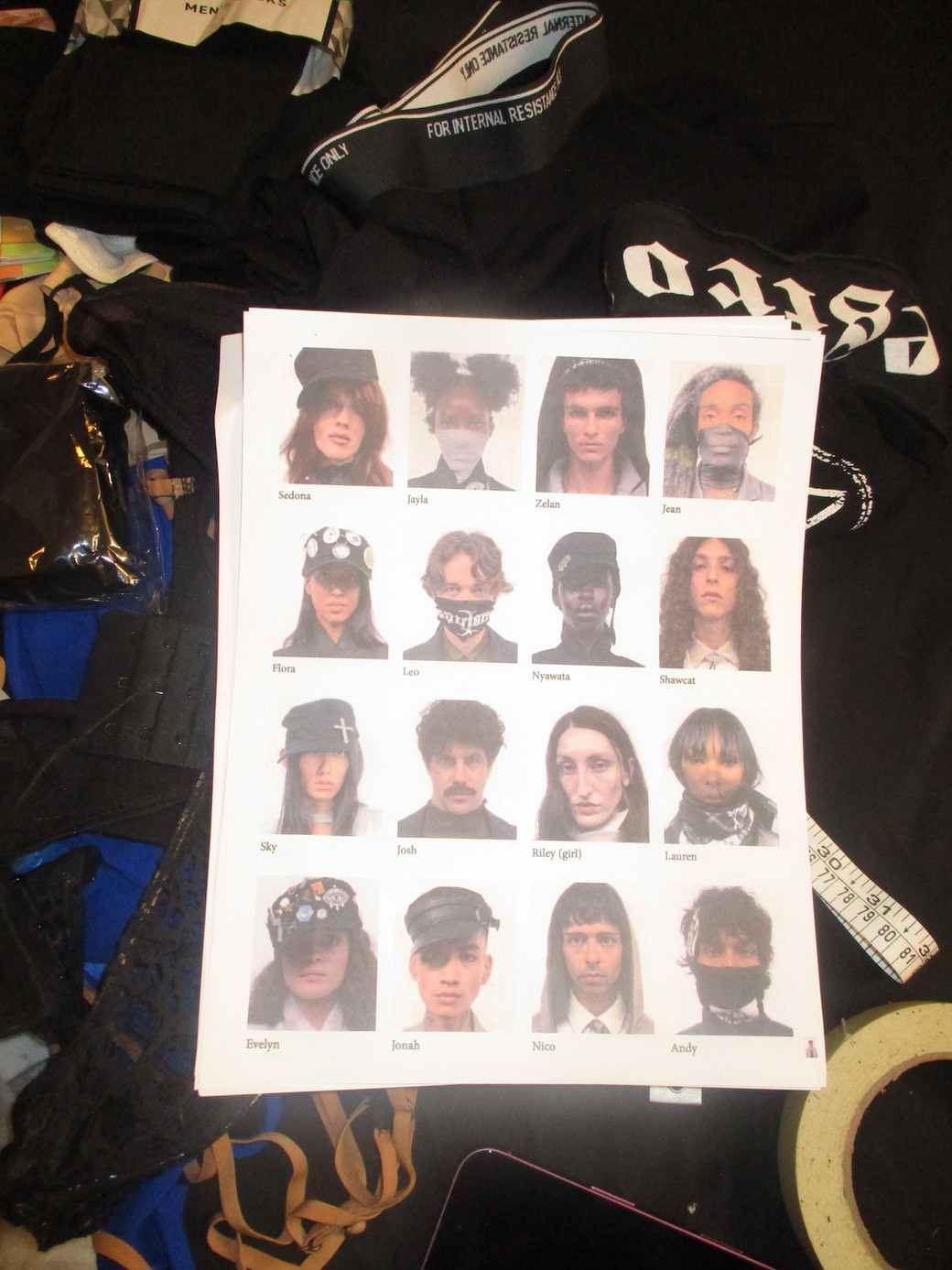
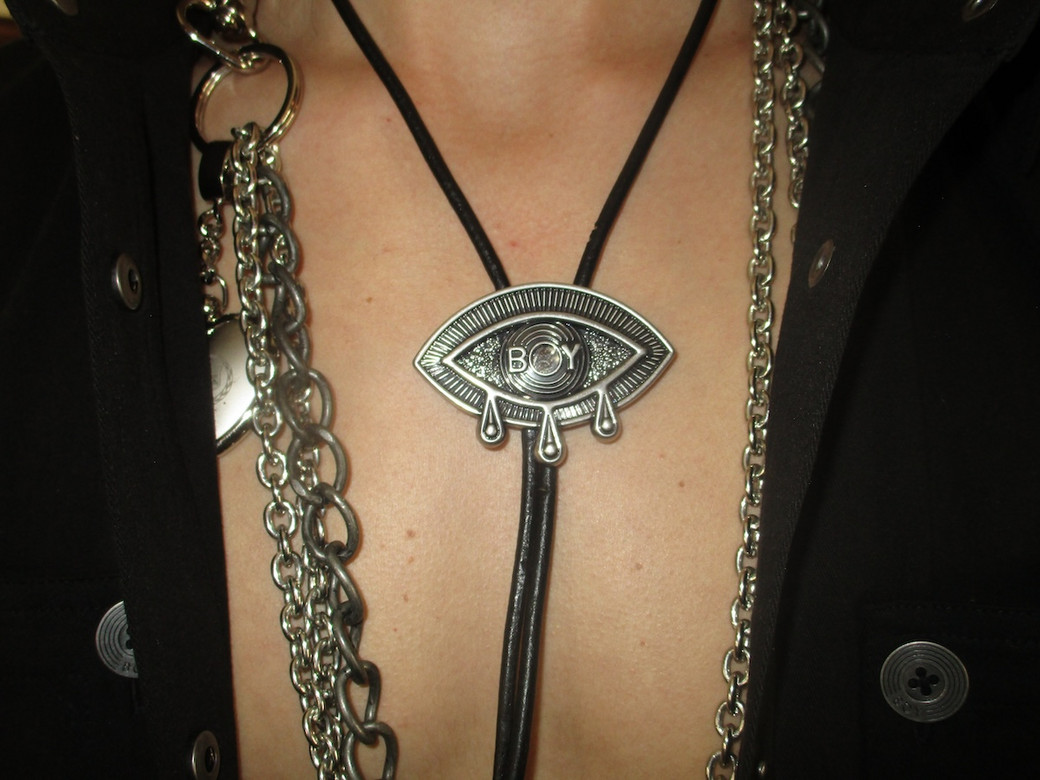
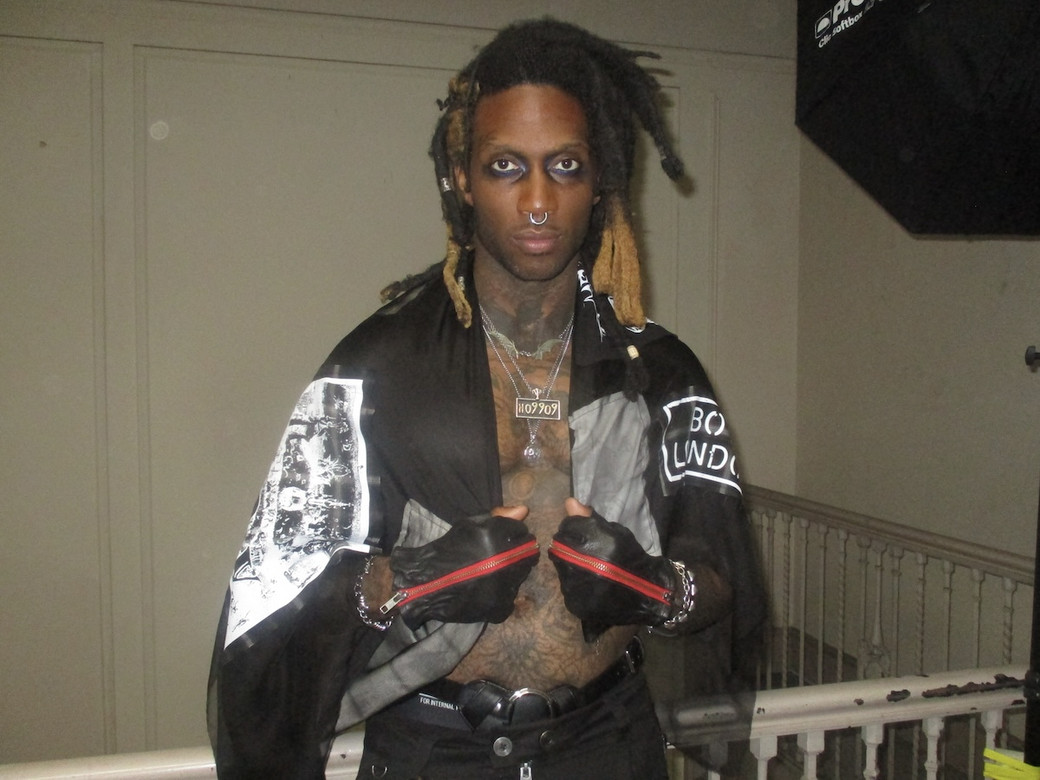
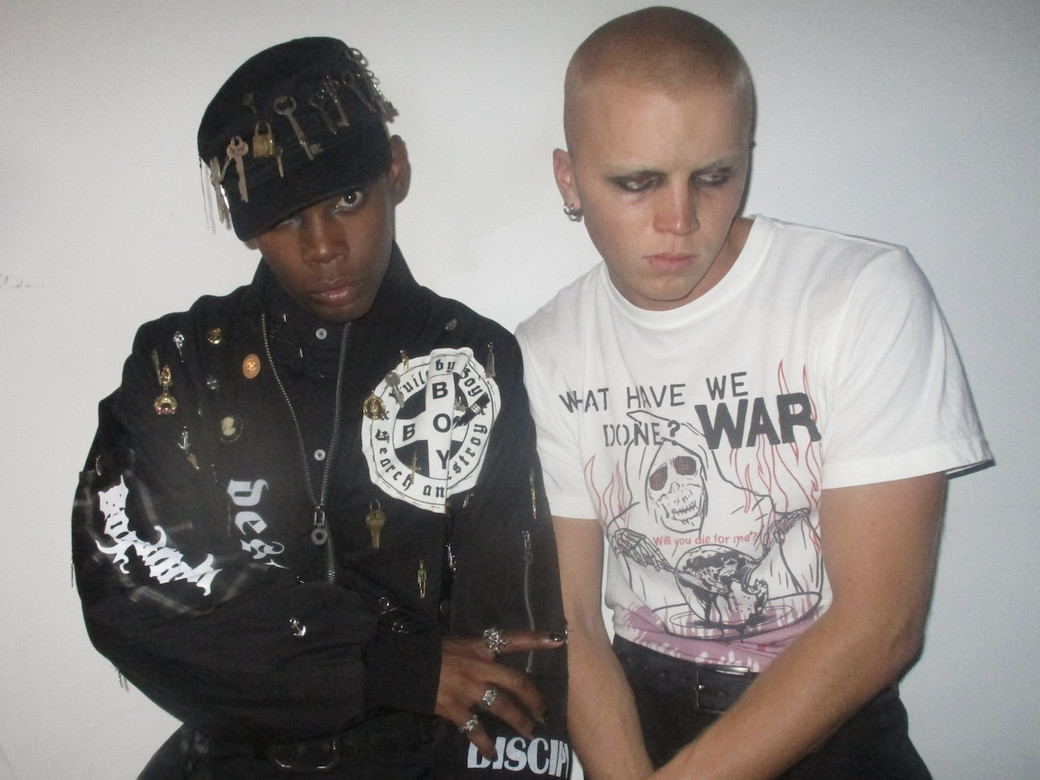
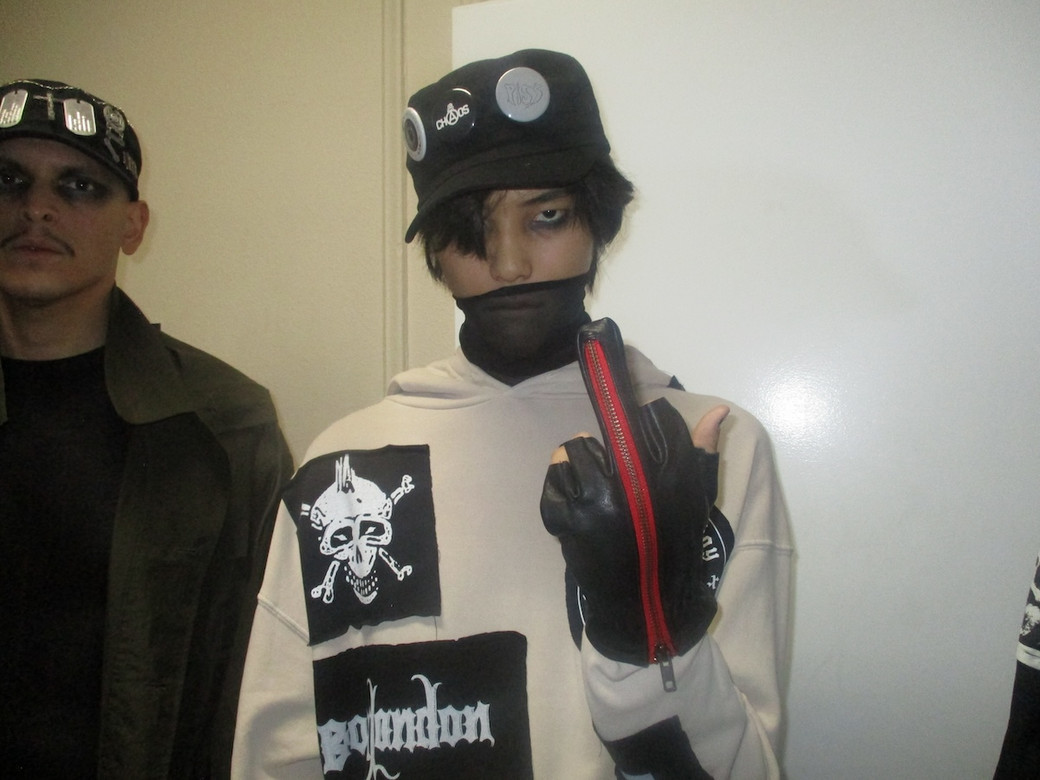
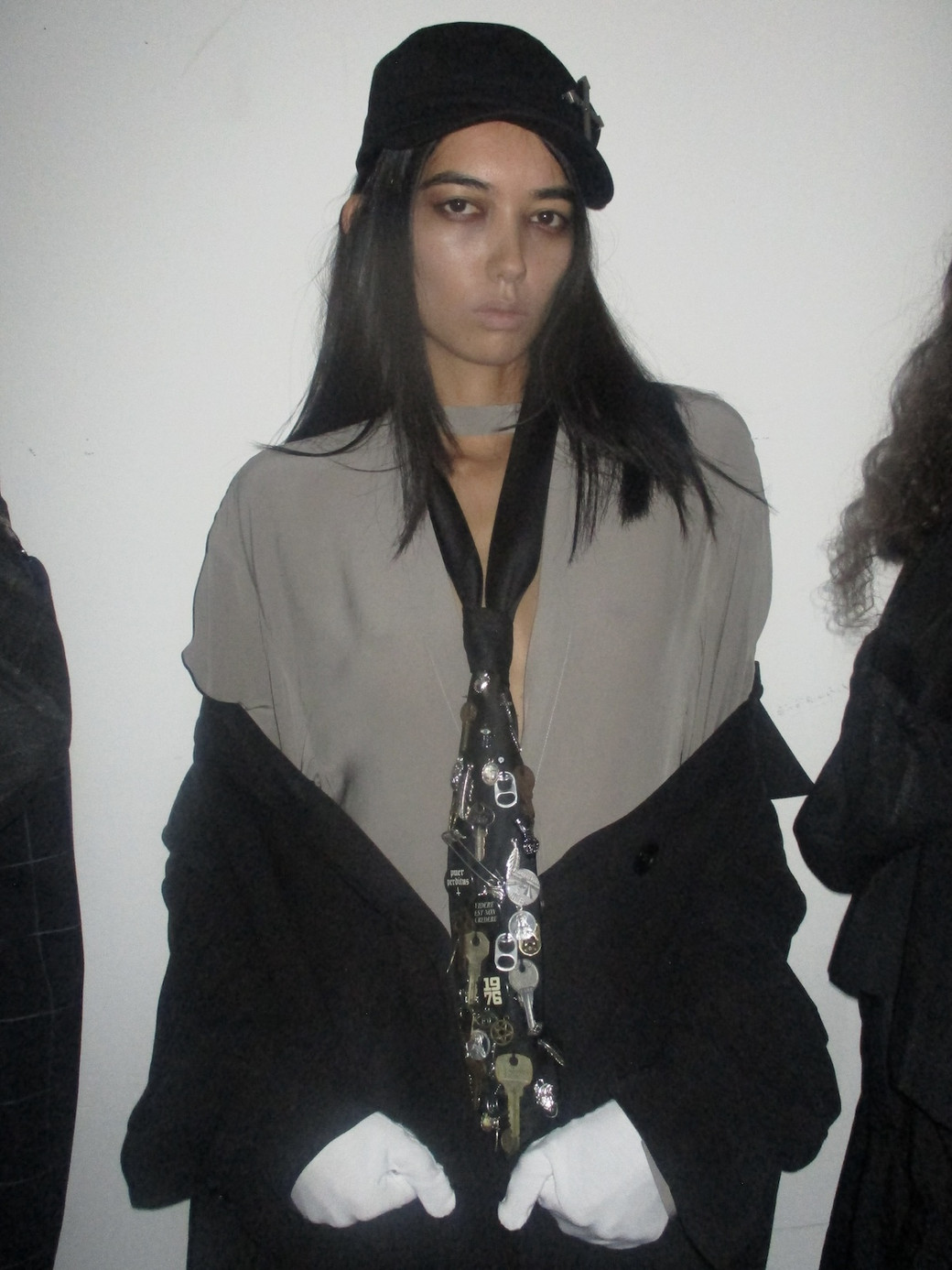
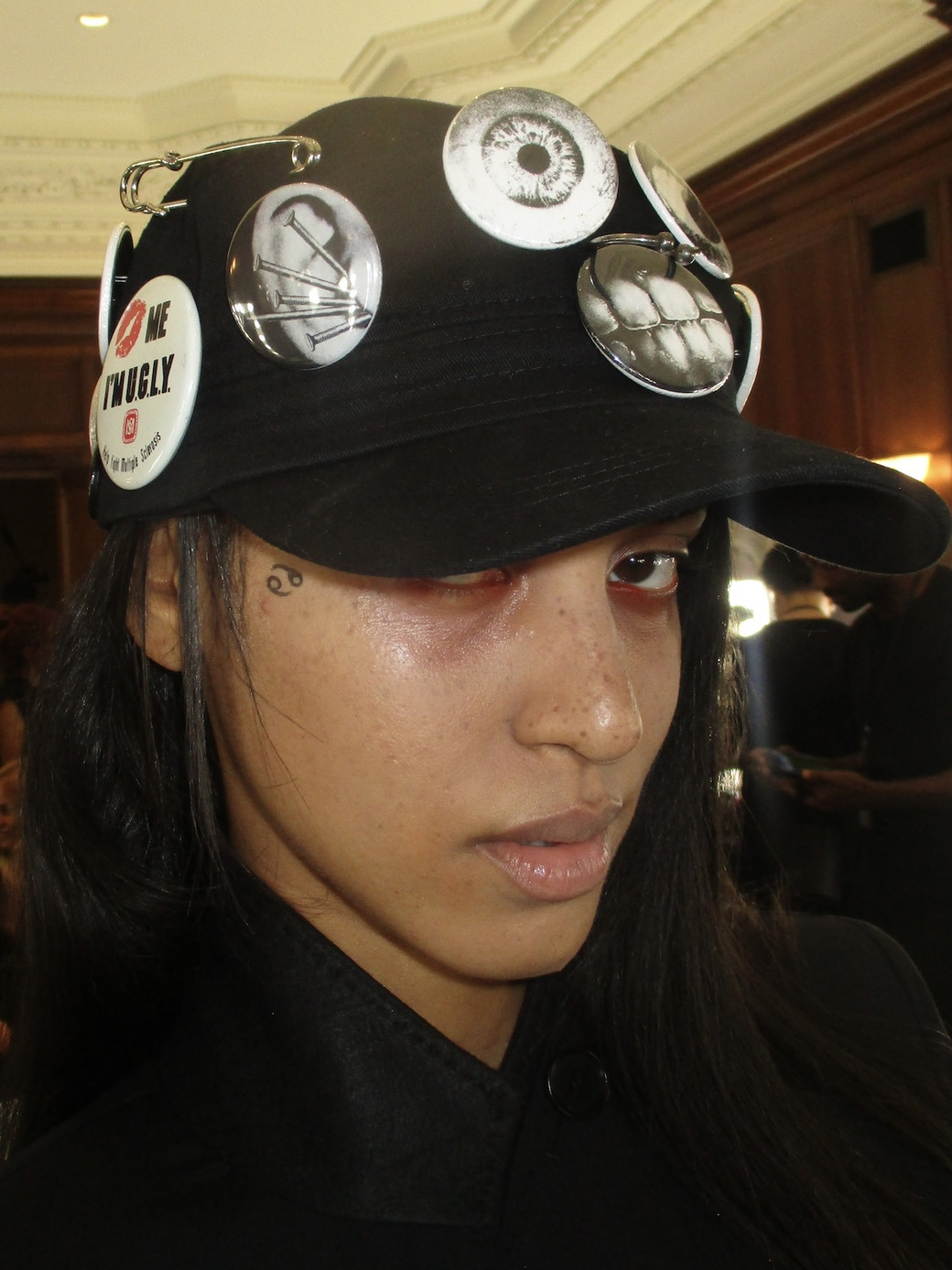
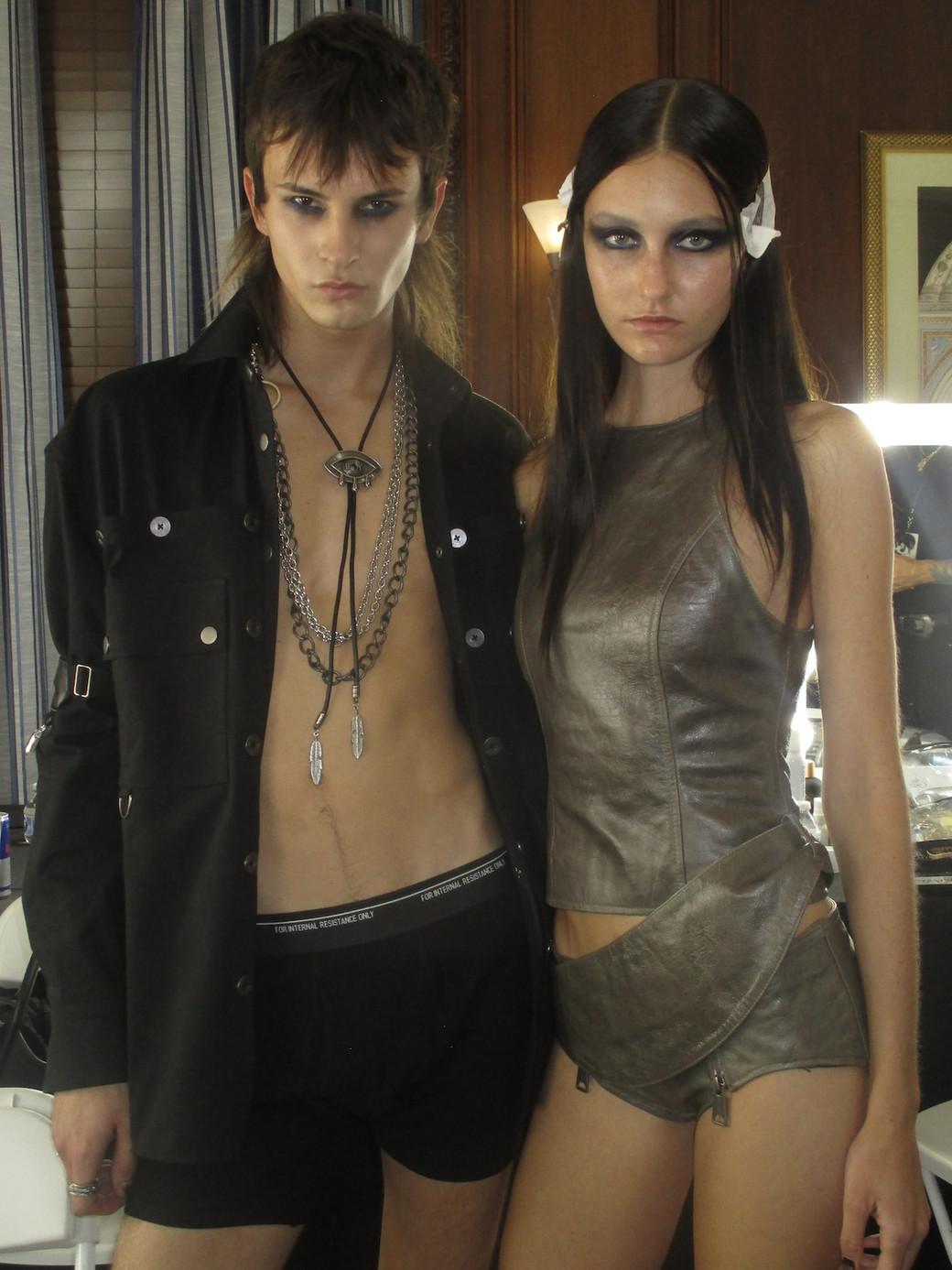
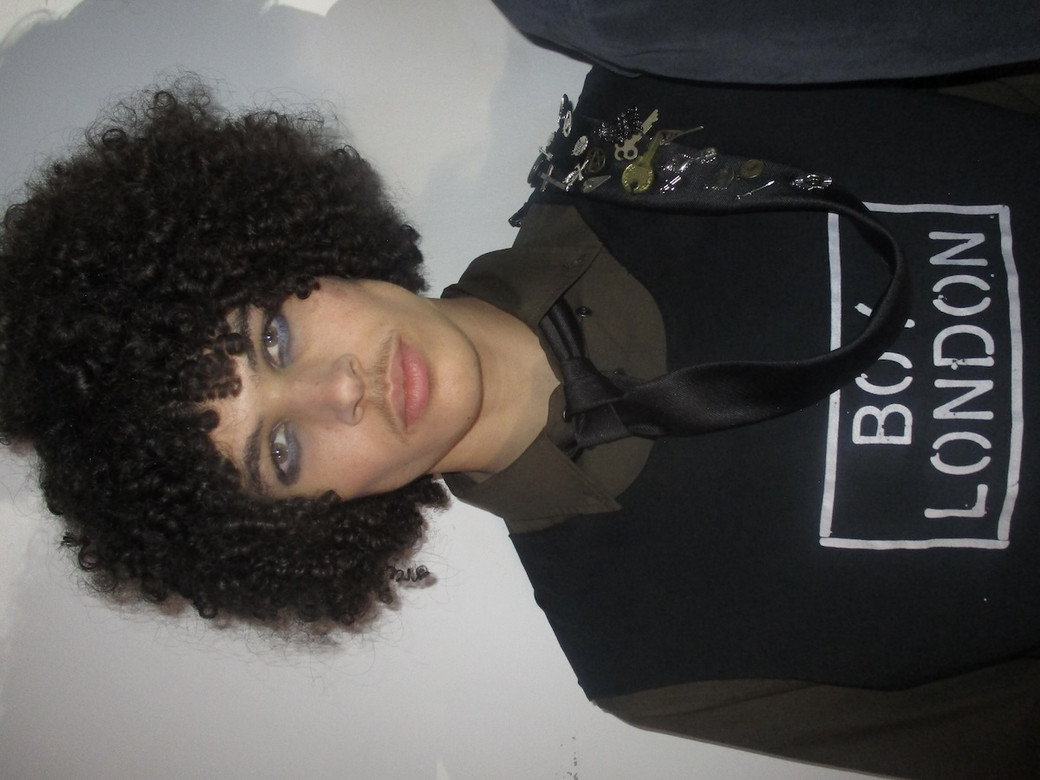
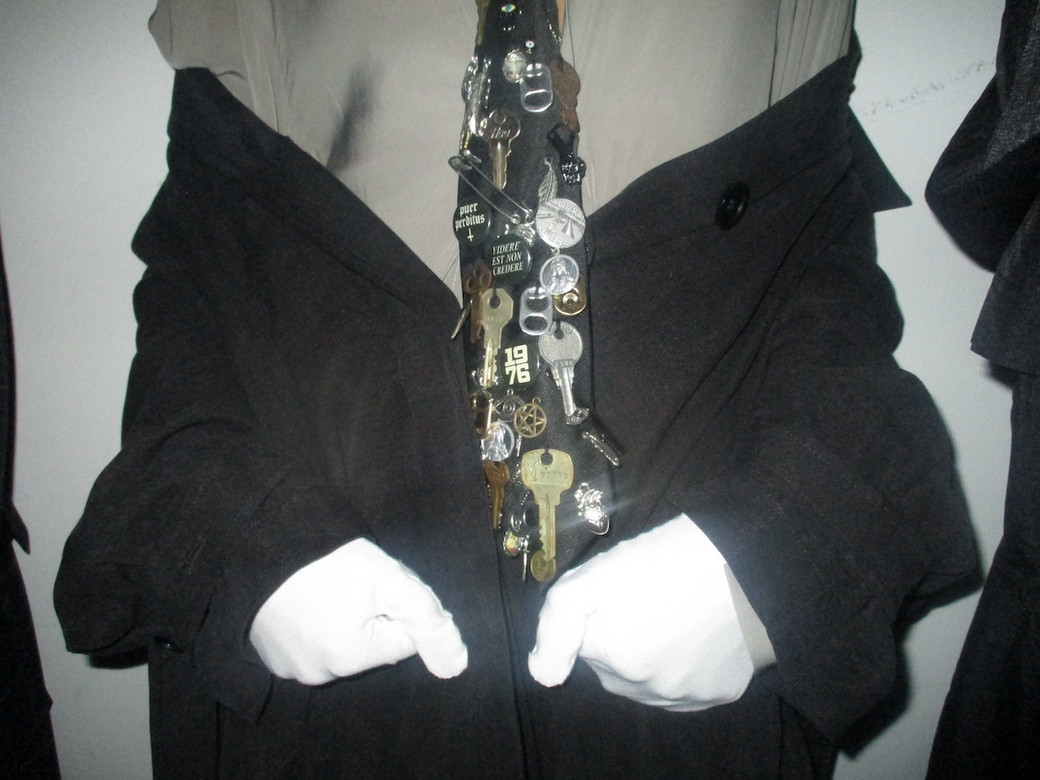
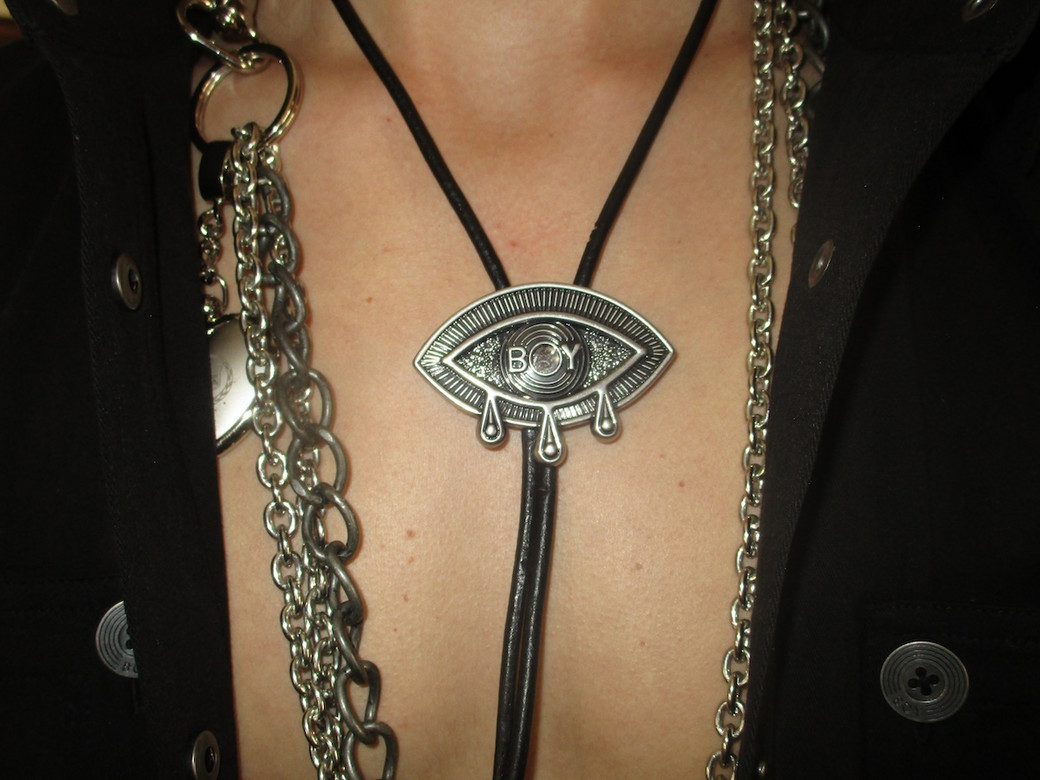
Also the accessories are amazing. The hats with all of the buttons are really cool. The gloves, bags, and all of the chains and keys. It's really cool to see the continuation of that voice and story.
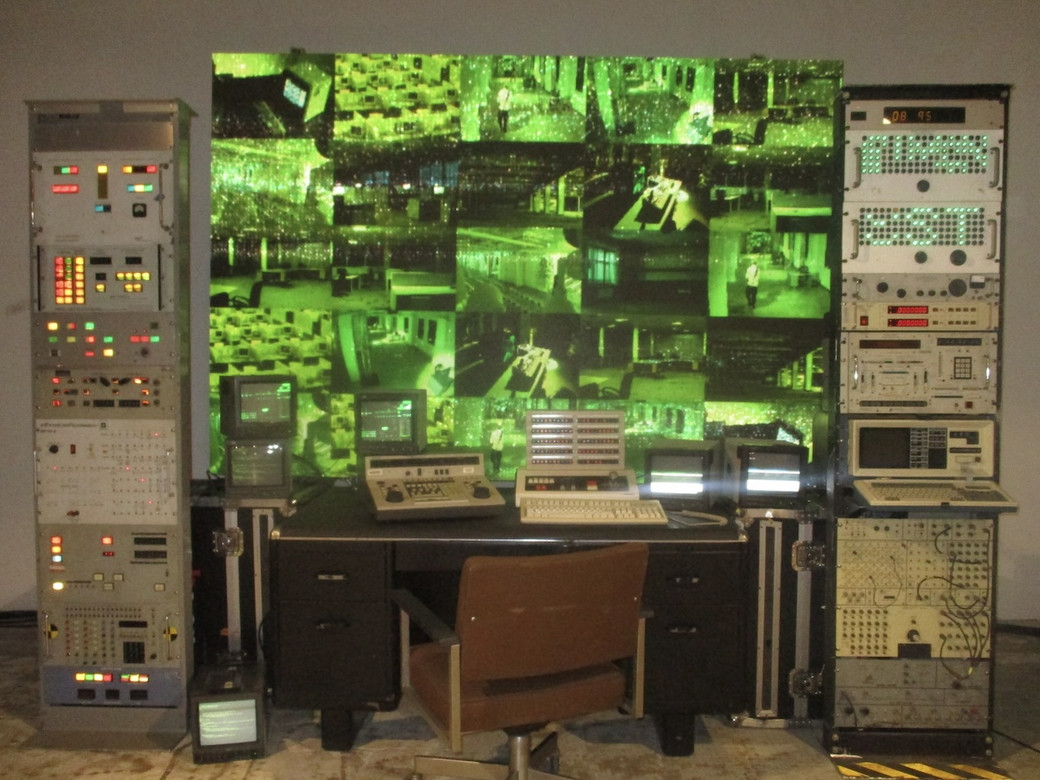
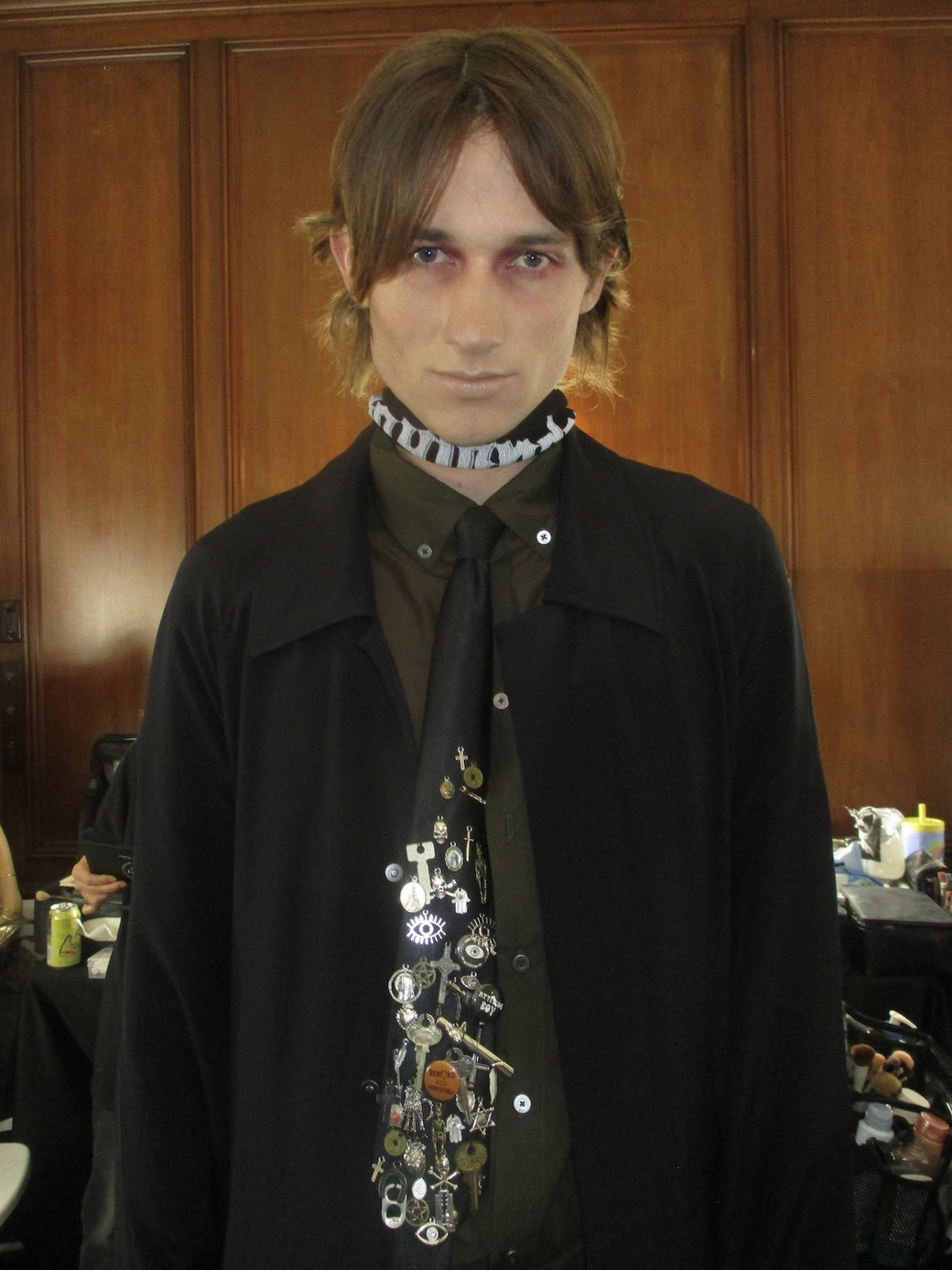
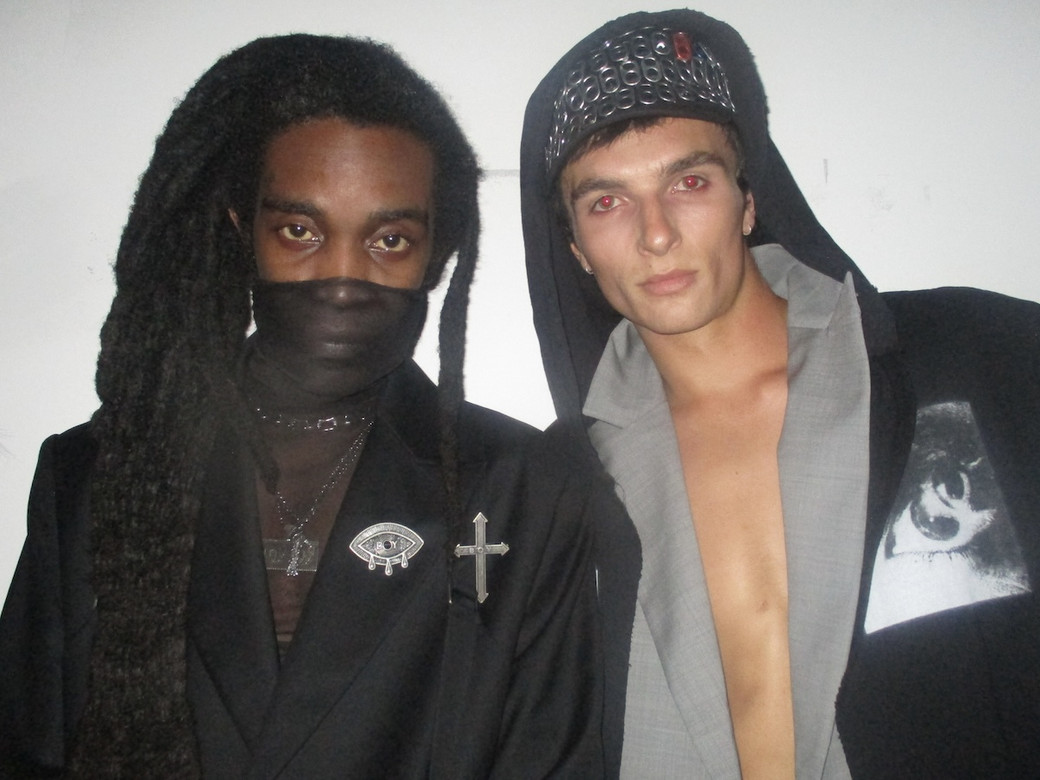
It was fun to evolve the brand a bit. We're in a very fortunate place to be able to iterate in different ways, and the accessory element was really important for this collection. The evil eye is sort of a medallion, and we thought about what are trinkets of protection in this dystopian state. Where when you're looking at the tailored elements, the makeup direction, and the hair, you start off very sort of oppressed in this work culture where people are working day in and day out. Then there's an element where there's tons of embellishments that are almost trinkets of protection. So that was fun to play with. I love elements of ties and suspenders, and I love a briefcase. I wanted to bring a briefcase into the mix because I love structurally what a briefcase looks like, and it goes hand in hand in this retro-future dystopian world.