For Lovers
Lamar is a muse for the ages, a lens through which we can explore the love within both our hearts and others'.
Check out the video and photos below.
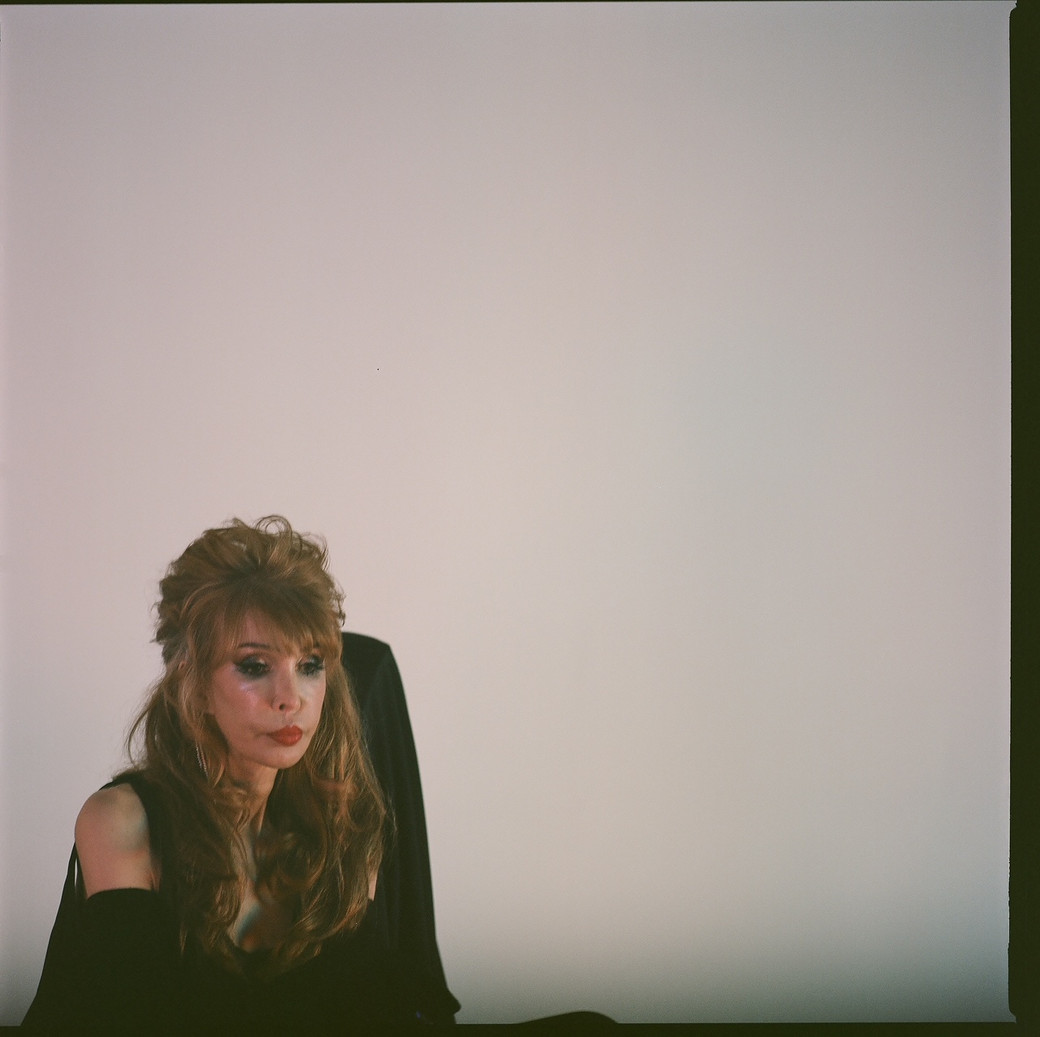
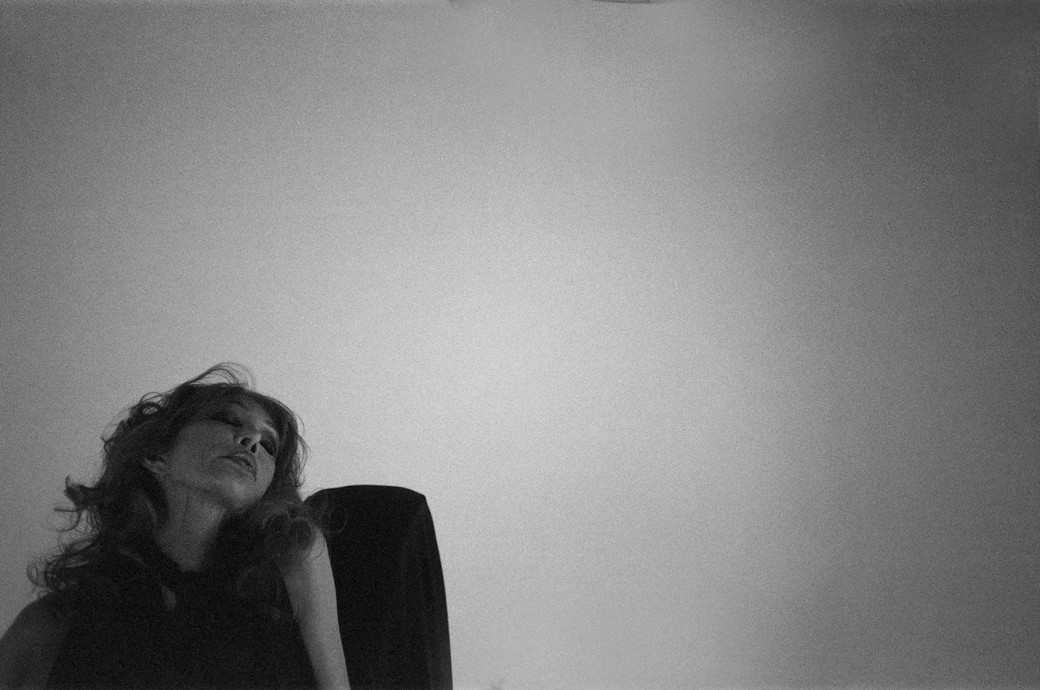
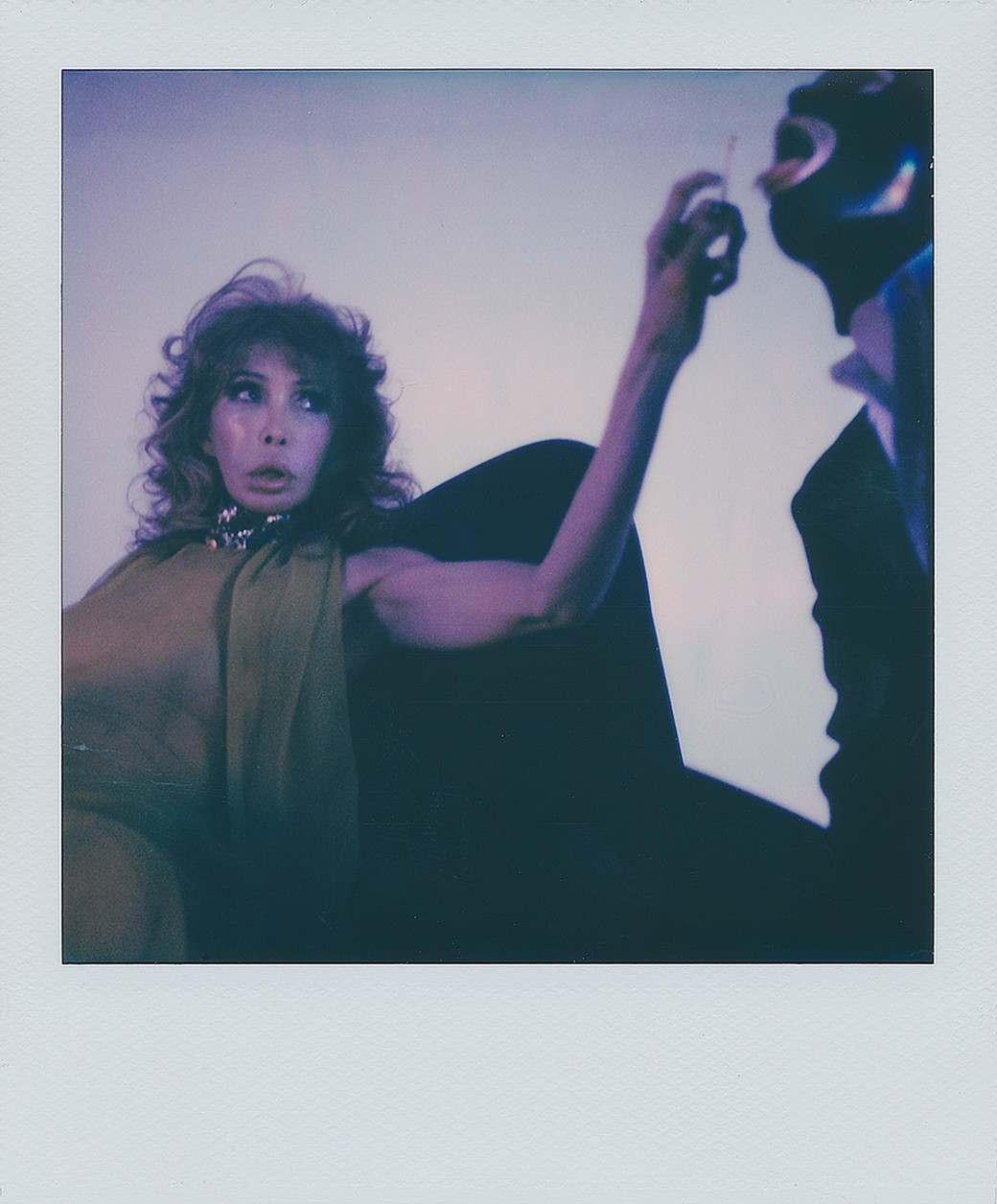
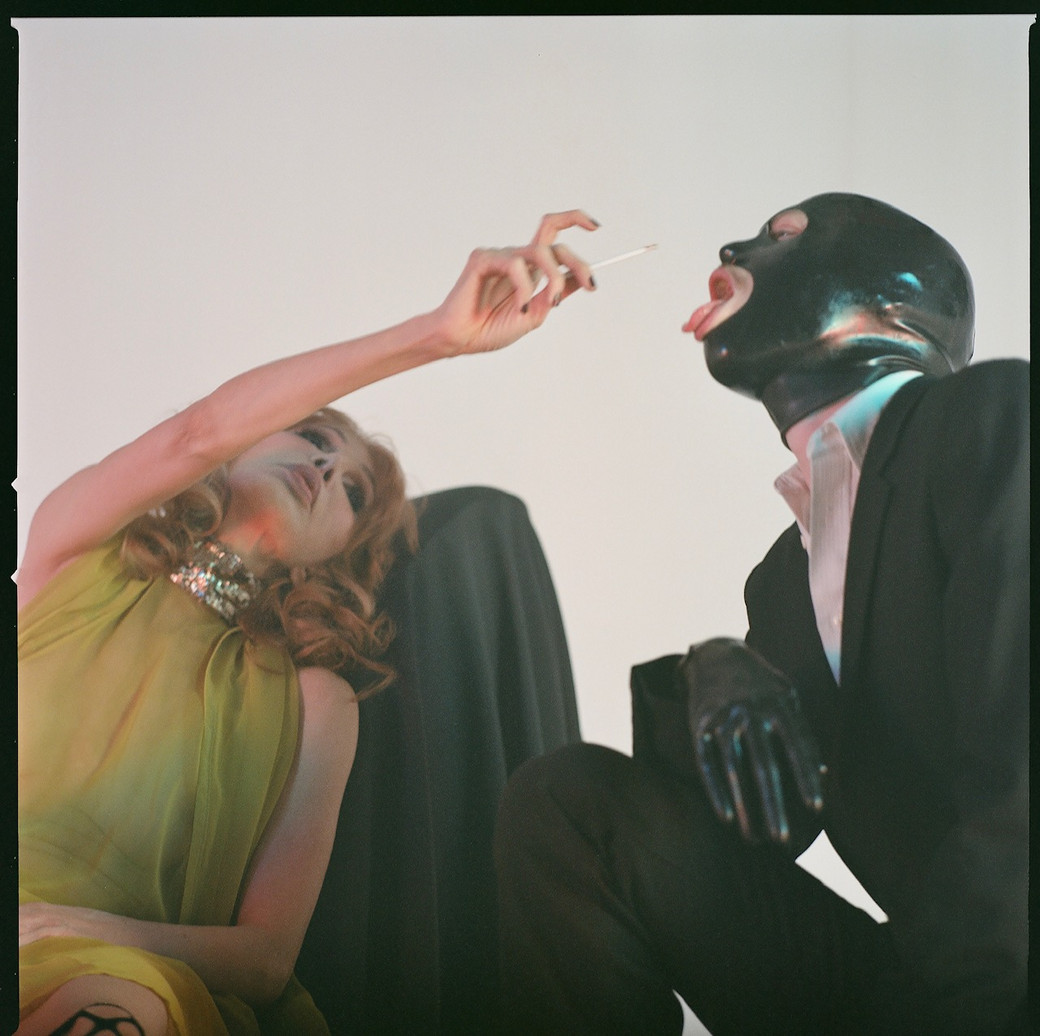
Lamar is a muse for the ages, a lens through which we can explore the love within both our hearts and others'.
Check out the video and photos below.
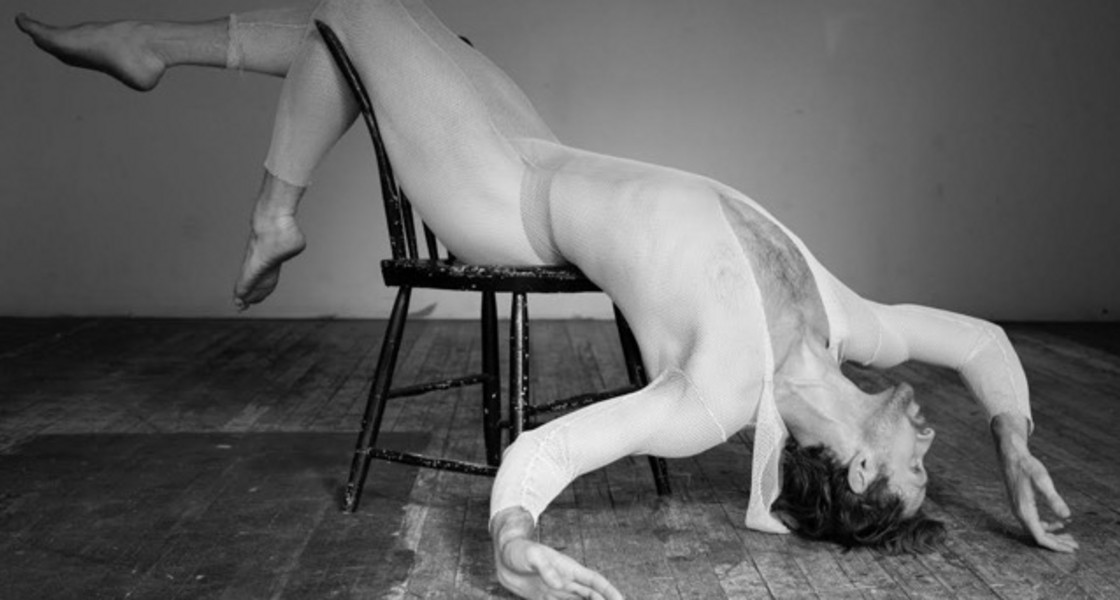
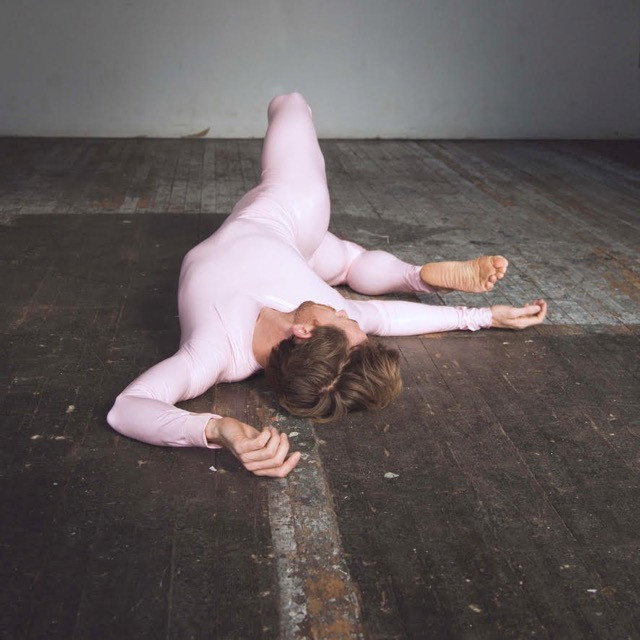
In terms of the erotics of physical surety, tell me a little about your background? When did you start dancing, and what was it like when you started at the NYCB?
Ballet kind of found me. I was at a school where they had a pre-professional ballet program, and something about the impossibility of ballet, striving towards the unattainable, was just so attractive. When I was going through puberty and gaining muscle and gaining coordination, those two things dovetailed. The fact that my body was becoming capable, it was like finding a system I could mold myself into.
It's also such a meaningful community practice. You're in the trenches together. My ballet teacher was really inspired by martial arts, so he believed that we should respect our studio space as a dojo. We mopped the floors, we squeegeed the mirrors, or scrubbed the toilets as a show of reverence for the practice itself. So I think that being humbled in that way in order to attain exaltation was also really a compelling hook.
Then you find yourself at the New York City Ballet with an entirely new form of communal practice and social system.
Yeah, there's a real hierarchy, and there is such a powerful sense of competition, and that is motivating. Every day of your life is an audition. I think that the New York City Ballet, for me, was the perfect home because it has such a specific and strong cultural lineage. It's the house of Balanchine; it's the house of modernist ballet. It has a history of innovation and radical collaboration, and I felt like my whole art spirit could be satisfied doing this work.
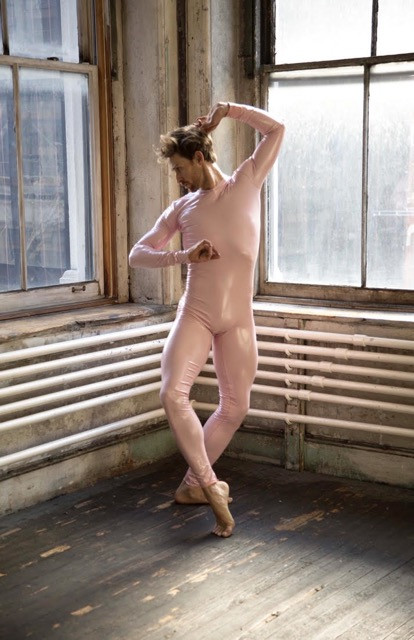
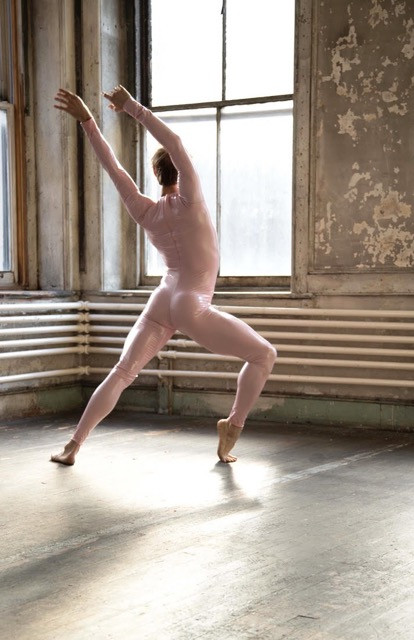
Was NYCB always the goal while you were training as an adolescent?
I always said that I wanted to dance in New York City Ballet because I combined the words New York City and Ballet in my head. I was a hippie kid in Northern California, and I was like, ‘I gotta get to New York.’
So when you did get to New York and the House of Balanchine, is that when you found yourself looking into the history of neoclassicism and modernist collaboration? Was it through the training?
It was through the training. I was invited to the school for a summer course. One of the benefits of that is that they gave you tickets to see the New York City Ballet every night, so I got to see all these mixed programs of those mid-century masterpieces alongside contemporary work. The combination of seeing the invention of neoclassical ballet or modernist ballet, which is to say, like a catch-all for abstract ballets, where the shape and the music is the structure and the shape and the architecture of the dance is the substance, was so inspiring, so captivating. I couldn't figure out why it hit me so hard on a visceral level, without narrative.
I'm still trying to figure out what it is about abstract dance that is so much more exciting to me than the story ballets.
Not to draw a therapeutic parallel, but perhaps it goes back to the erotics of the powerful body or the way that solely the form is presenting itself.
I think you're right. I think it's like the sheer drama of physics and the purity of that pursuit. If I compare it to what happened in painting and the birth of abstraction and Kandinsky, for example, is that if you stop trying to depict this world and push the medium into abstraction, it becomes a spiritual pursuit. That you're capturing the essence of the creative spirit and not trying to depict the material world.
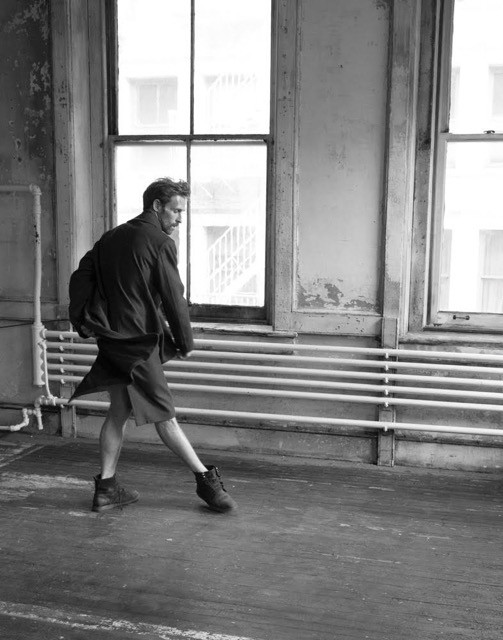
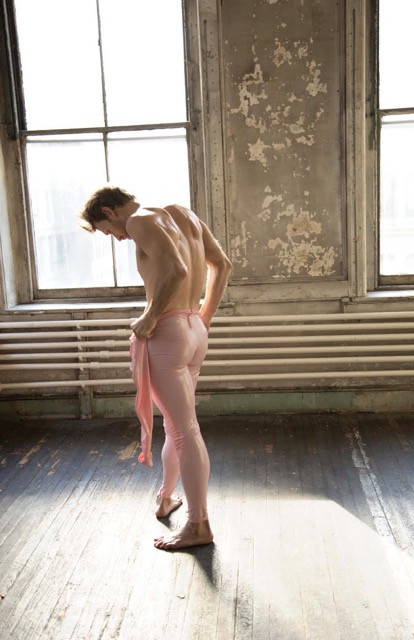
Tell me about this program that you’ve curated, beginning with the Phlegmatic variation from Balanchine’s The Four Temperaments and ending with it as well.
I think the pillars for me are a deep immersion in this historical lineage, and how important it is to be involved in and ignite new work. The two things are always in dialogue: what came before and what we make now, and how that guides us into the future. My farewell program is bookended by these two Balanchine black-and-white ballets, and then the center of the program is two dances that were made collaboratively for me.
One is a duet that I dance with another male identifying principal dancer, who's a dear friend of mine named Taylor Stanley, and it's the only duet in the New York City Ballet repertoire for two men or for two same-sex people. The other piece will be a world premiere at my farewell show. It’s a gift from the choreographer Pam Tanowitz. I asked her to make a quartet for me and my three closest ballerinas. So that we could have one last communal experience of creation.
What’s that Balanchine quote, "You put a male and female dancer on stage, and you have a story, but a man and two women…"
And you have a plot.
So what's the plot?
(Laughs) Well, it's a plotless work. But it has all these Easter eggs in it. These subtle references to Balanchine ballets and to what I think of as our embodied archives, for the initiated, from Balanchine's Apollo or Stravinsky Violin Concerto or Agon, where we are excavating the dances we know what's already in our bloodstream and making them new by recontextualizing them.
Dance is such an iterative medium through which you can reconstitute old works through various lenses, just by virtue of who's performing them.
Absolutely. I'm doing my farewell show in two weeks, and Taylor is doing his in the winter, and so we're on this parallel path. We are both committed to being our full selves in this repertoire, right? We’re supporting each other in this really muscular engagement with what it means to be an entire queer identity within the architecture of those dances.
As you're stepping into this new role (as the director of the New York Choreographic Institute) is opening up access points part of that?
The work that I'm doing at the choreographic institute is values-driven work. It is a place where I get to build out systems of support based on my human values, and that is about continuity of care for artists and practitioners; it's about cultivating sustained attention. It's a return to somatic experience, and it's a place for interrogating everything.
I'm thinking of it as an abundance ecosystem. So much of what happens in the dance world is a linear pipeline of creation. An artist gets a commission, they have X amount of time to make the work, and then it has a big splashy premiere, and you hope it's well received.
And then there's no return. The artist isn't invited back to develop it further, to iterate upon it, to expand it, to revisit, to tinker. What the choreographic institute has the space to do is to invite long-term process, choreographic process, and then to platform those artists or their artworks when the work feels ready for public visibility. So it's a longer-term commitment that creates more trust. That experimentation is actually what we're prioritizing.
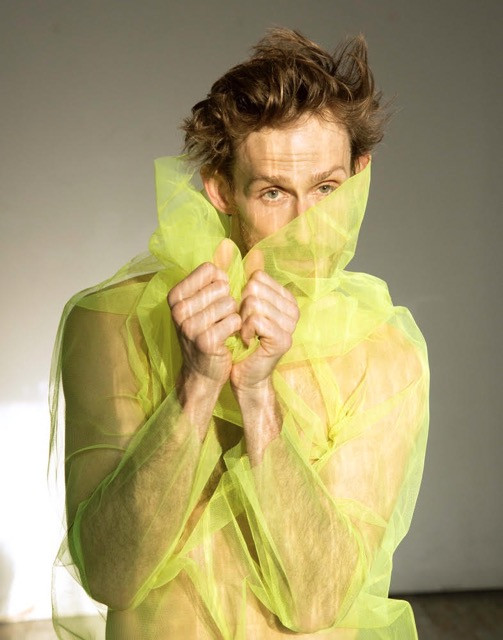
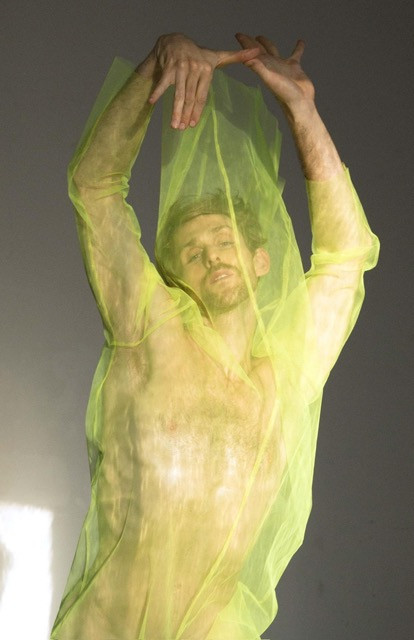
As you’ve been doing this work alongside performing, how have these processes accompanied each other?
Anticipating that I would not be a full-time dancer now, I started really assessing what the larger ecosystem needs. Like, what does the dance world need? What do choreographers need? What do dancers need? How do you create a container that allows artists to take risks and lifts them back up?
It is viscerally satisfying to think about the needs of other people and to create structure that meets them. It is exciting to really claim this responsibility to support experimentation at the New York City Ballet, which is a place that only has cultural importance because of the experimentation that happened in the ‘40s and ‘50s, and to harness that energy with a mind for the future.
I think that's really important because, as we see in a lot of other creative fields, like fashion, for example, people don’t really step down to make way for new voices.
I think you're touching on something that I've been kind of obsessing over this week. Choreographers, or artists, consistently believe that what they're being asked to do, when they get a commission, is to make a new work in the style of an old work. So it's like a reproduced image; it's a copy of a copy of a copy, and therefore it becomes diluted or devoid of meaning.
What is, then, the importance of classical ballet technique? With all of your leanings towards modernist work, what makes ballet, instead of modern or contemporary dance, continue to be important for you? Why not move towards something adjacent to Ailey, Graham, or Cunningham?
I ask myself this all the time. There are a few answers to that. One is, I strongly believe, and I think I understand this to be true, that unlike other modernists, Balanchine didn't reject the academy or the classical technique, or pointe even, in order to pursue and fulfill modernist ideas. Whether those ideas were abstraction or an honest self-awareness of the body as a medium.
He believed that language system and those building blocks were sufficient to develop a modernist artistic body of work. I think because this choreographic institute is a part of the New York City Ballet that we are building on that legacy. I also think it's a necessary filter to allow us to invest in one thing to make it better instead of casting such a wide net that we minimize impact, and therefore bend to trend. I am devoutly anti-trend.
I think that timelessness is far more energizing to me: the pursuit of timelessness. And this is subjective, but I think that those Balanchine modernist works are more contemporary, more vibrant, and alive than a lot of contemporary ballets that are being staged today.
There's kind of a plague of mediocrity in concert dance, and it's why these legacy companies still have so much market. I will say I love postmodern and post-postmodern dance-making, and I invite choreographers who are in those lineages and in those modes of thinking into the New York City Ballet Studios to disrupt because it's that friction that is essential for us to map out how far we can push the boundaries of ballet.

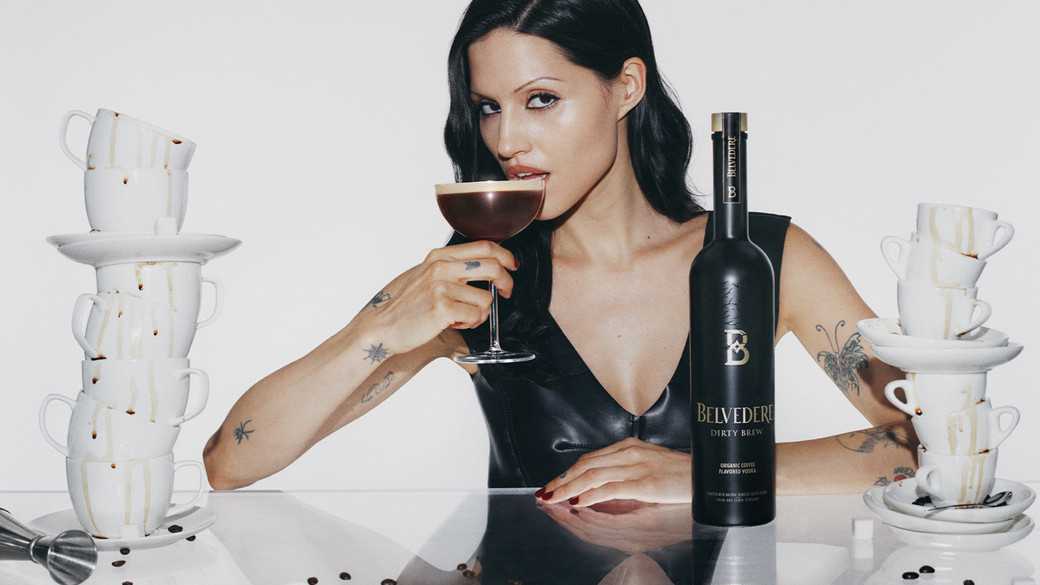
Naturally, Gabbriette’s favorite use of the vodka is in a dirty espresso martini. One can imagine sharing stories of exploits with friends through the din of a crowded bar, while sipping from a long-stemmed glass. Ripped jeans with stilettos, and rushing off to the next place.
Put into an affogato, the scene changes. It’s a blistering day in Luca, Italy, and after biking the surrounding wall of the city, you’ve stopped for something sweet. Velvety vanilla ice cream coats the palate, but the bitterness of the coffee wakes you back up. You realize that you’ve sweated through your shirt, so why not take it off? There's a bikini underneath anyways, and you’ll take a dip soon.




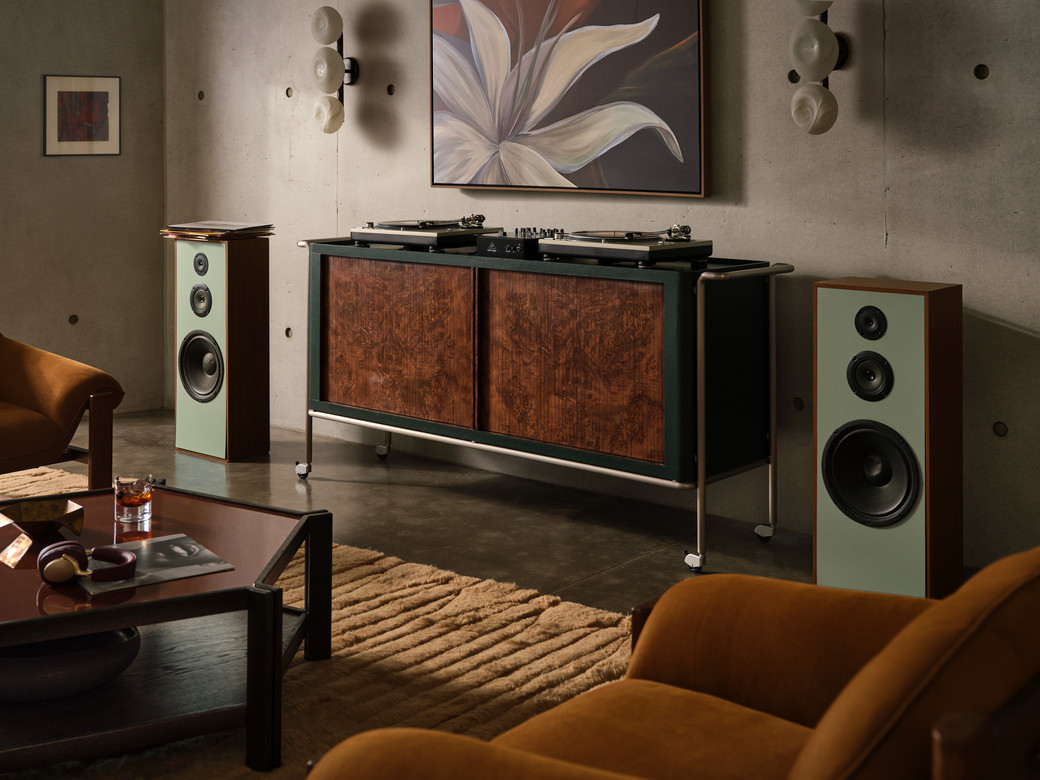
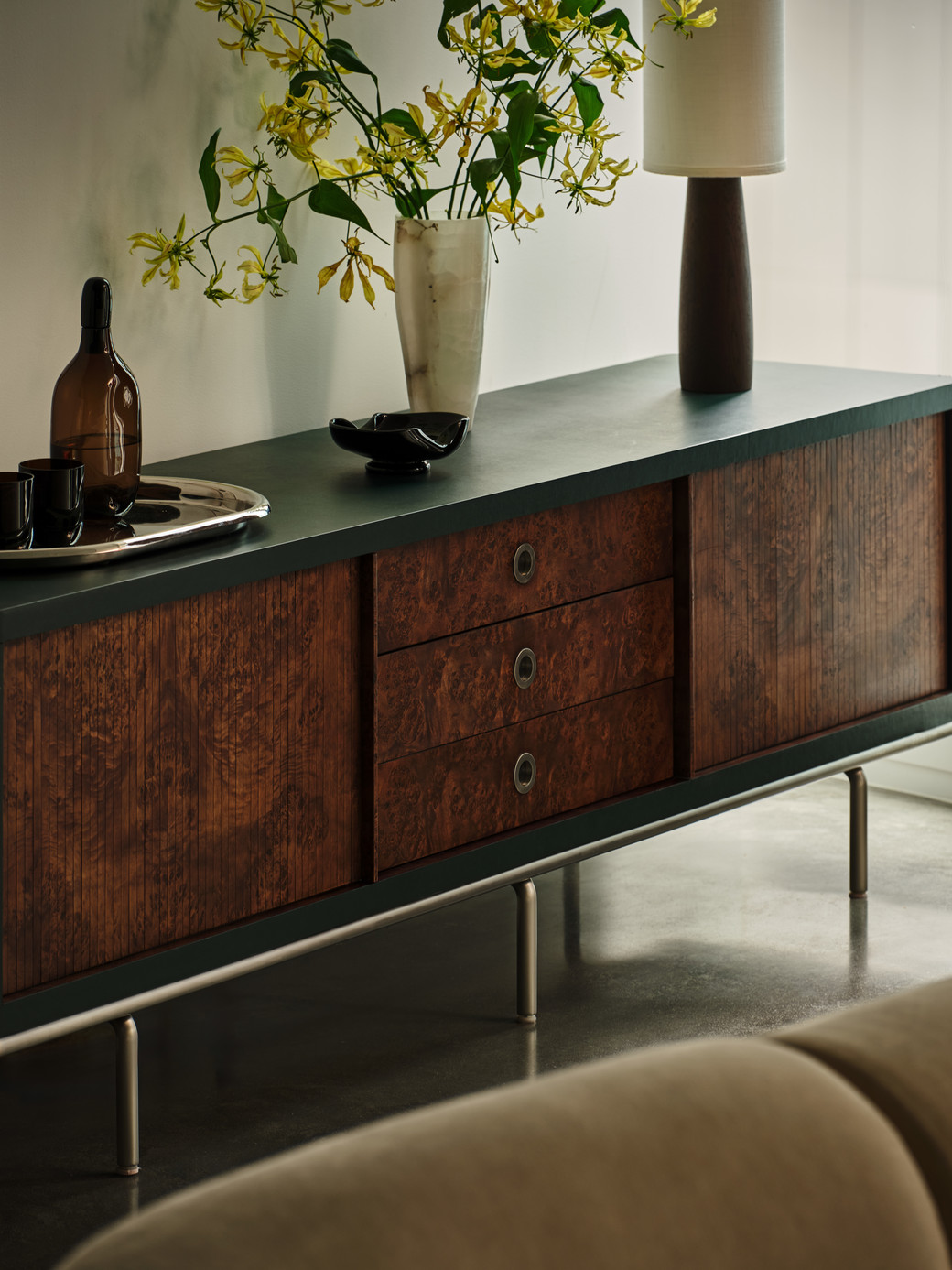
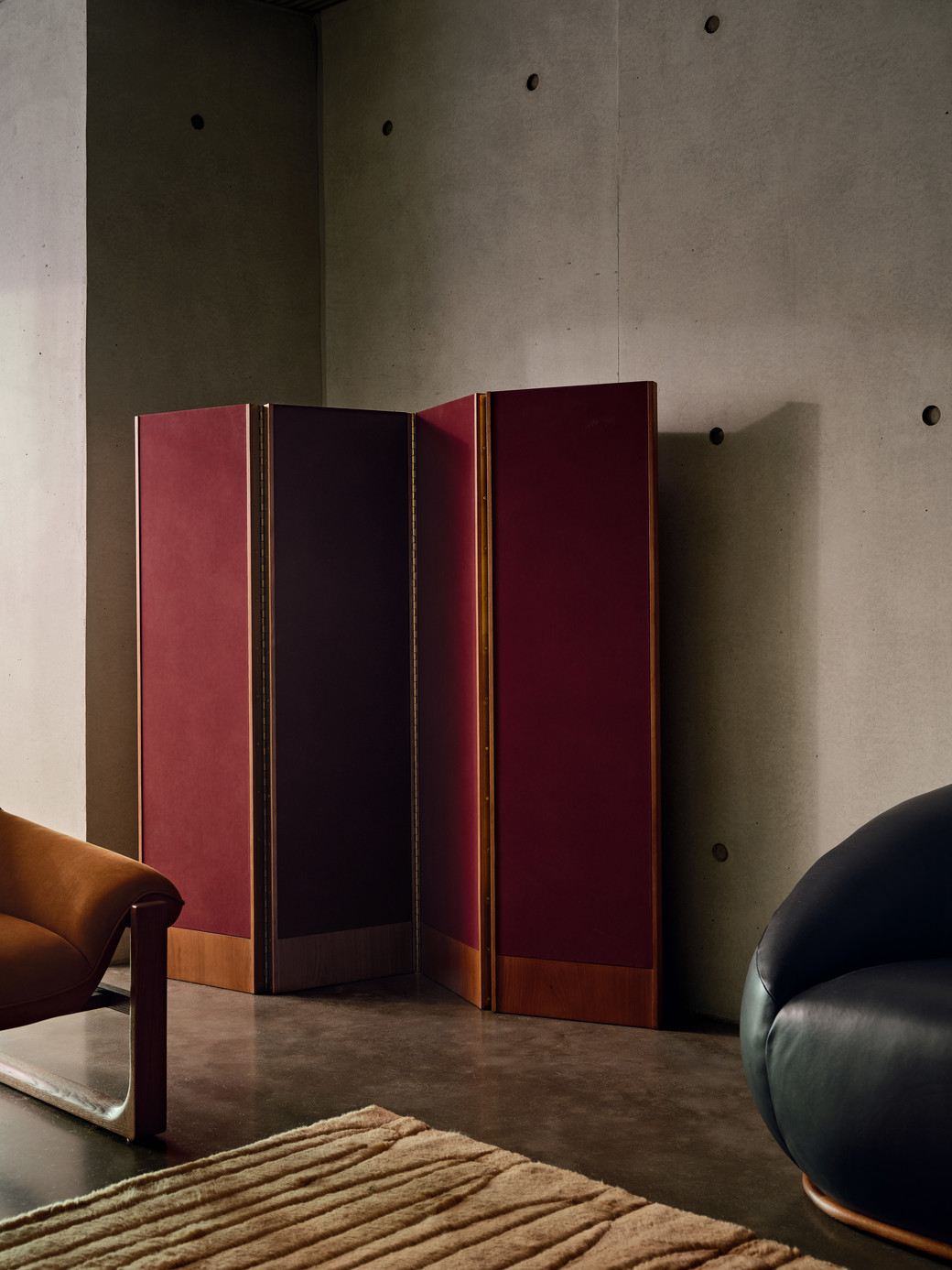
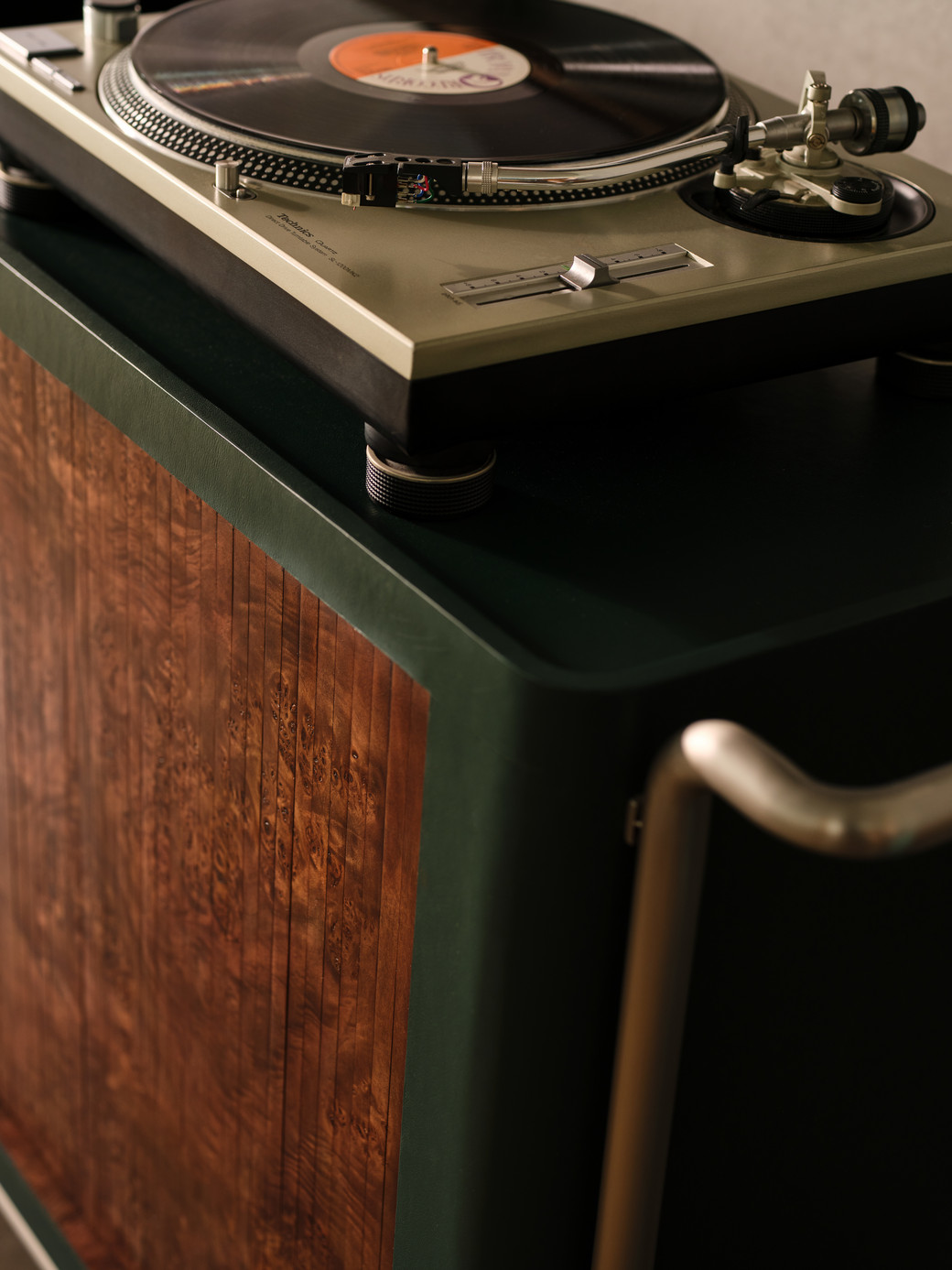
The red leather room divider and ‘Brainstorm Green’ suede listening chair also charm; together they conjure up a scene of an impromptu dance party at a Manhattan loft, perhaps a get-together before leaving for the Paradise Garage or Studio 54. Good design centers on human activity, and listening to your favorite songs transcends time, space, and living rooms. A gorgeous cabinet may even inspire a record-collecting hobby, or just an excuse to throw a party. The collection, which was released on October 15th, is available on the CB2 website. See the rest of the images below.