Can you tell us about your practice and how you define what you do?
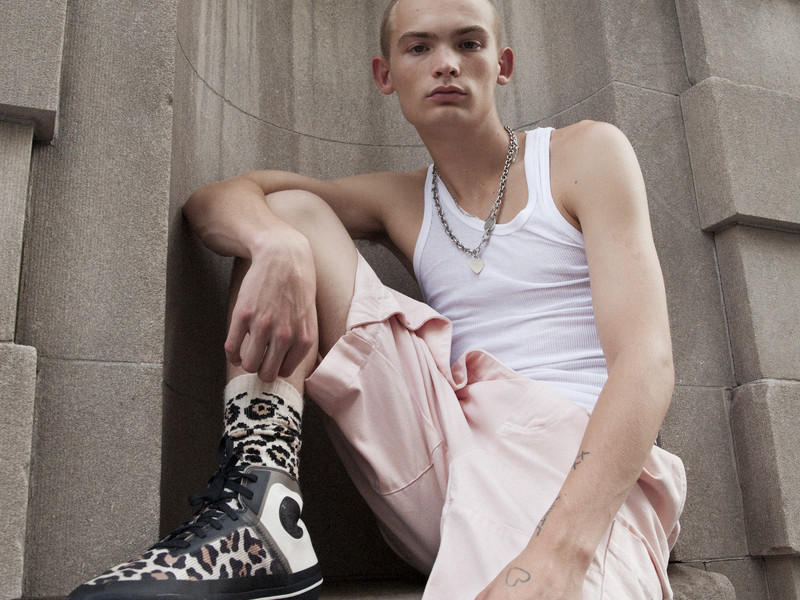
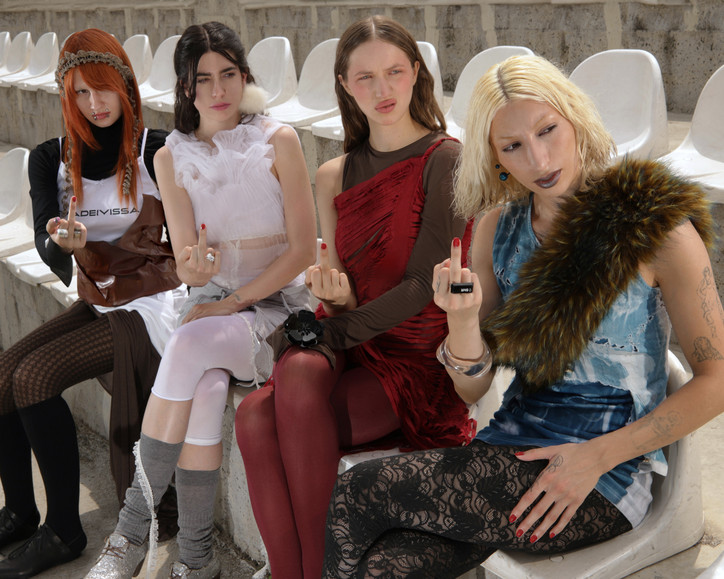
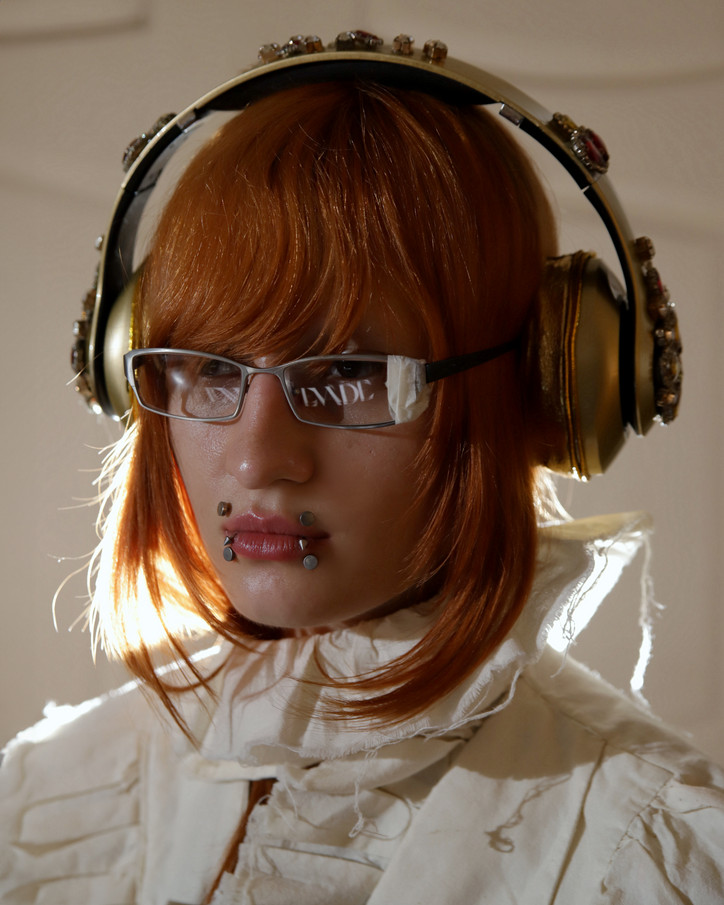
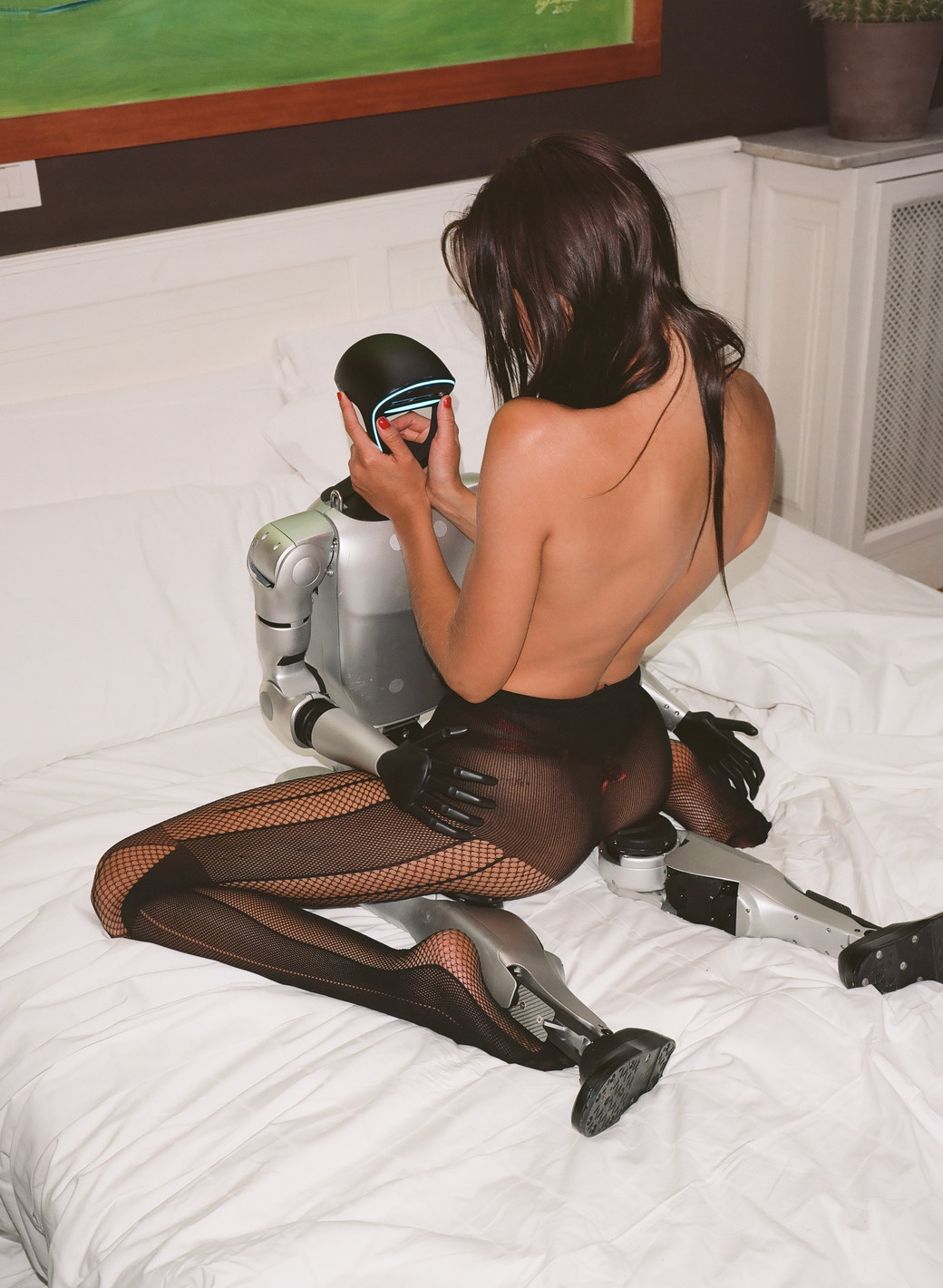
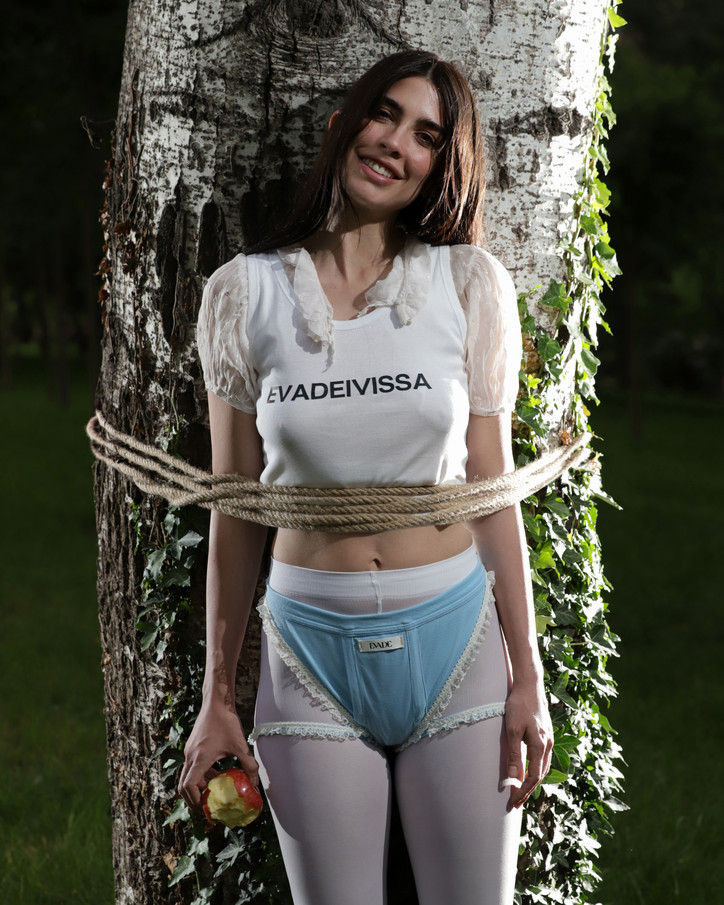
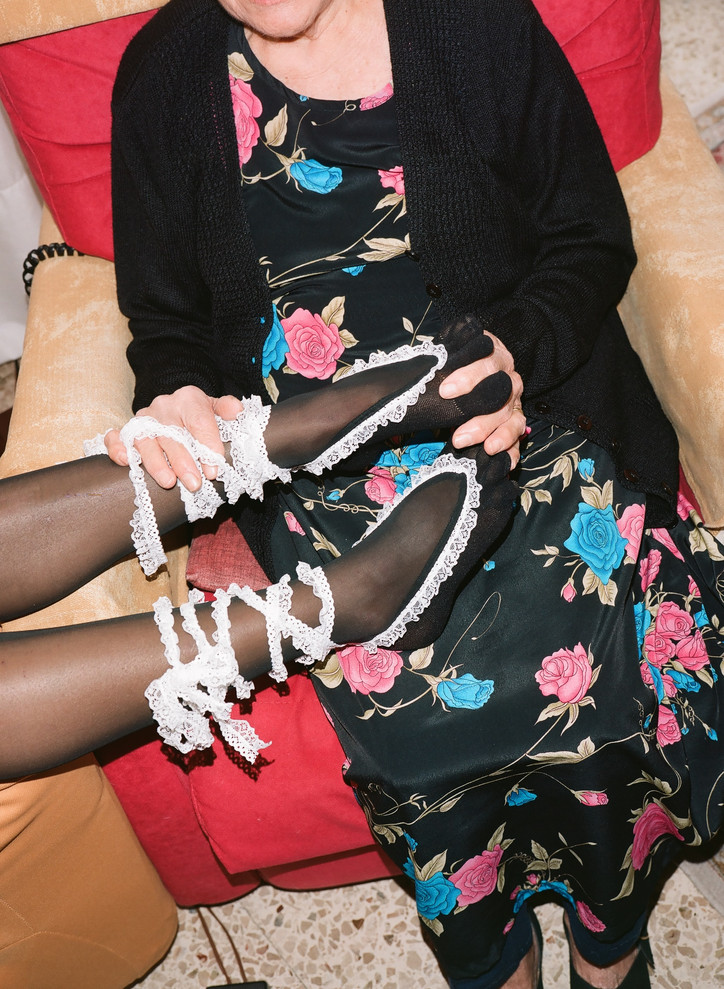
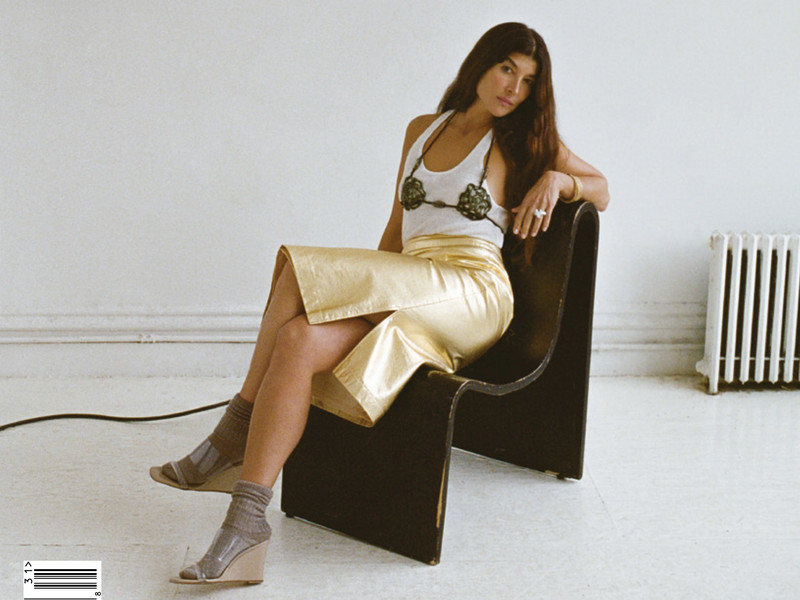
I’m Evangelina Julia, CEO and founder of Evade House. My practice operates at the intersection of fashion (and by fashion I mean questioning who it is for, how it is constructed through collective mirroring, and whether dressing alike is conformity or communication), material investigation, performance, and spatial thinking. Through garments, environments, and actions, I explore processes of transformation, erosion, and reconfiguration, using clothing not as a fixed object but as a mutable system.
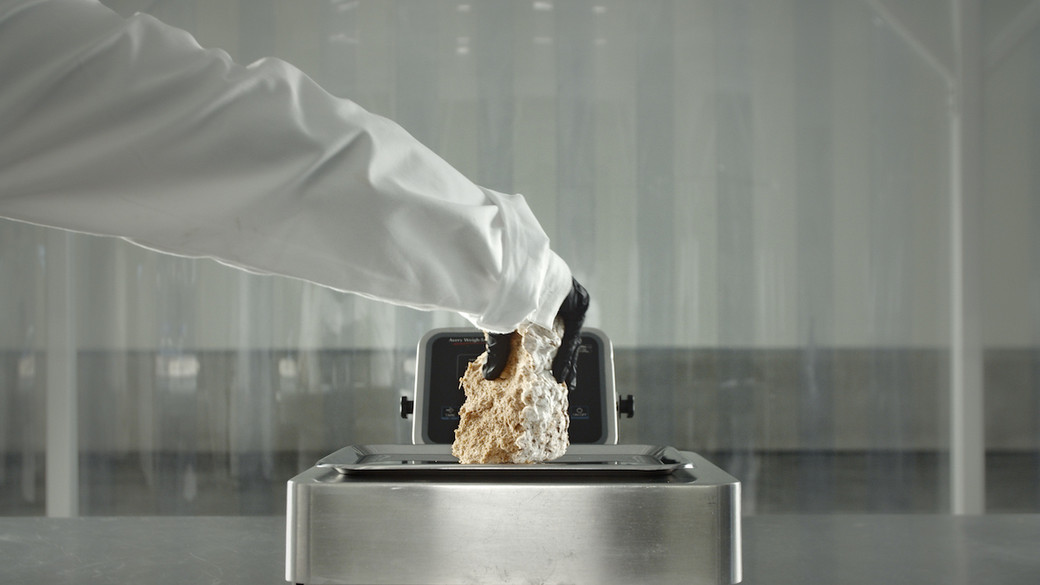
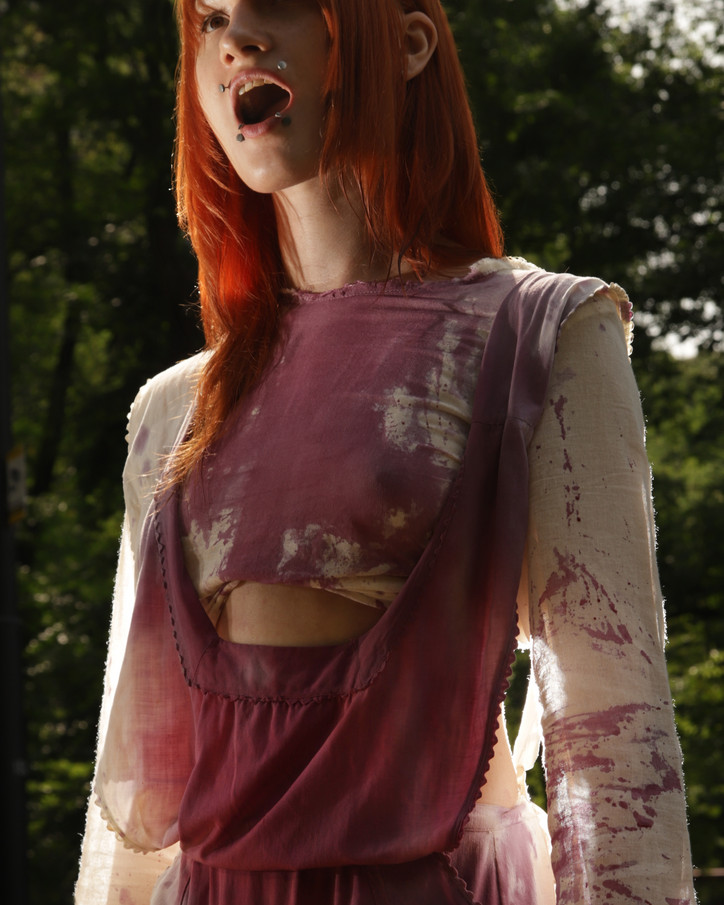
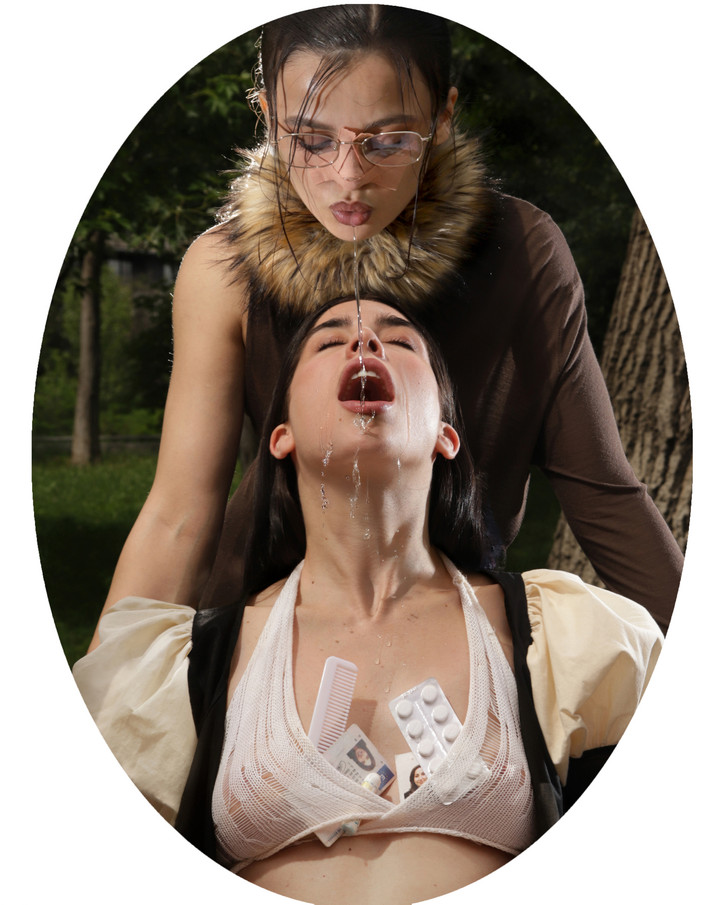
I subject materials to slow interventions, burial, tension, repetition, wear, allowing time, memory, and the body to inscribe themselves into form. My work is driven by an interest in how systems of taste are constructed and transmitted, and how these systems ultimately shape the body: how belief becomes posture; memory becomes silhouette; ideology becomes weight — drape. Rather than proposing fashion as an aesthetic outcome, I approach it as a spatial and emotional condition, one that reorganizes how bodies inhabit space and how space, in turn, acts upon bodies.
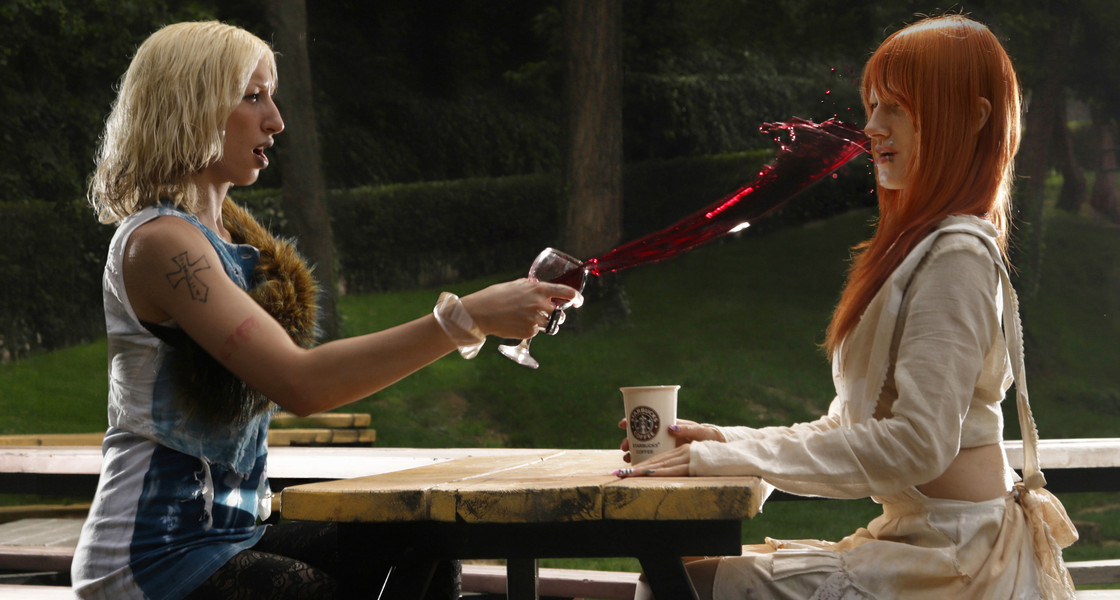
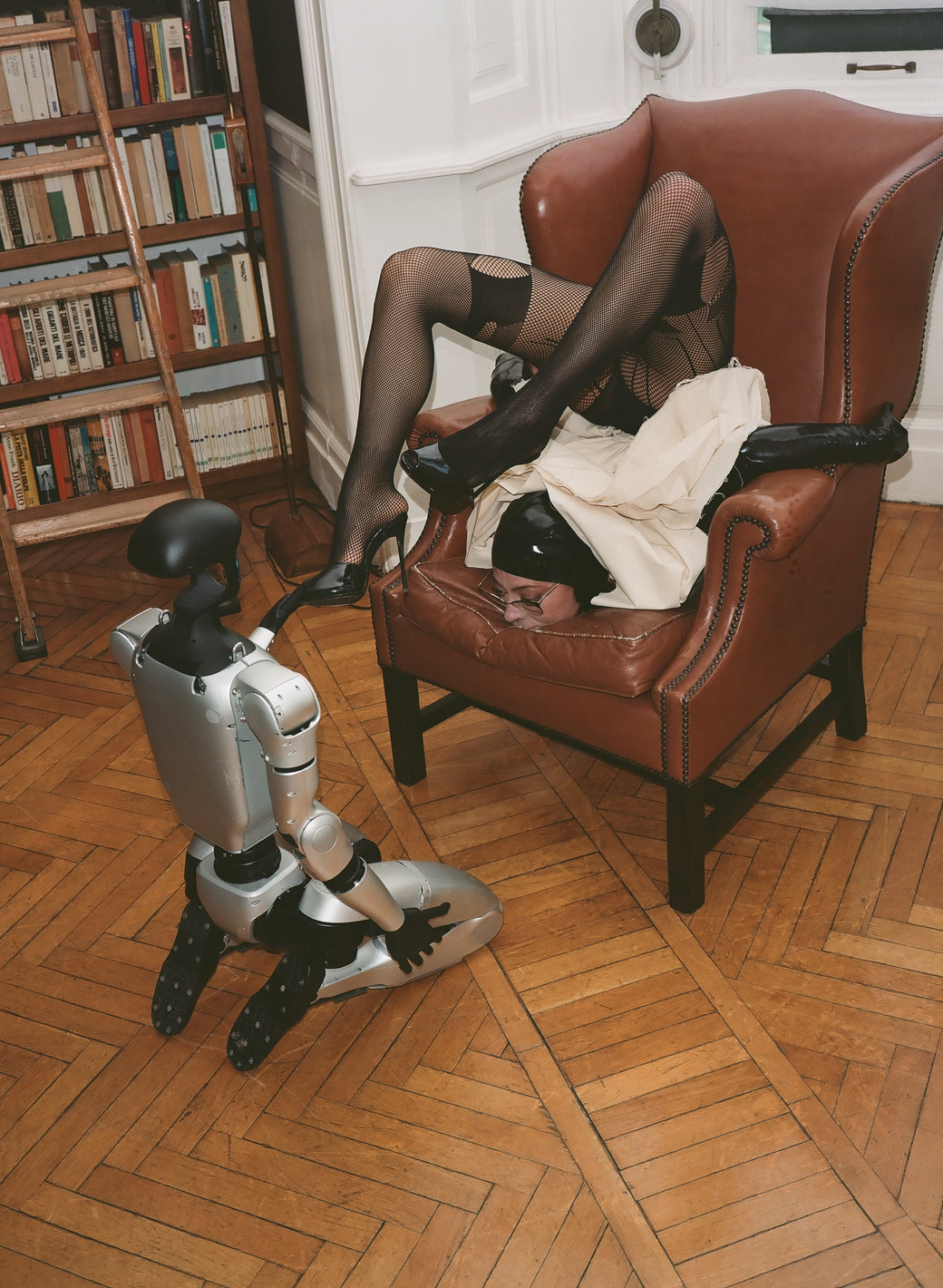
At the core of my practice lies a persistent question: is fashion driven by memory, or by reaction? Are we dressing from the memory embedded in objects, inherited, cultural, ancestral, or from the memory of what we have just acquired? Or is fashion, inevitably, a reaction to the other, a force that sensualizes us, that makes us visible, responsive, affected? By treating garments as environments and environments as garments, I challenge conventional hierarchies between object, body, and space, proposing fashion as a site where perception, memory, and sensation quietly collide.
You’re from Madrid and still based there. What was it like growing up there, and what were you drawn to as a child?
Madrid is full of contrasts, opposites that attract each other. Madrid felt raw and intense, yet deeply ceremonial and traditional and that duality stayed with me.
As a child, I became obsessively focused on whatever captured my attention at the time. I wanted to learn everything about it. I moved from football to wanting to be a veterinarian, then to volleyball, then trombone, then running, then philosophy, then art. I was a bit of a nerd in all of them. I still don’t know if that comes from being observant, passionate, or simply deeply dedicated, maybe all three.
Alongside that, I started collecting objects very early on. I was drawn to things that carried time, wear, or history. That habit of accumulation, of knowledge, of practices, of objects, eventually became a way of thinking, and it still informs how I work today.