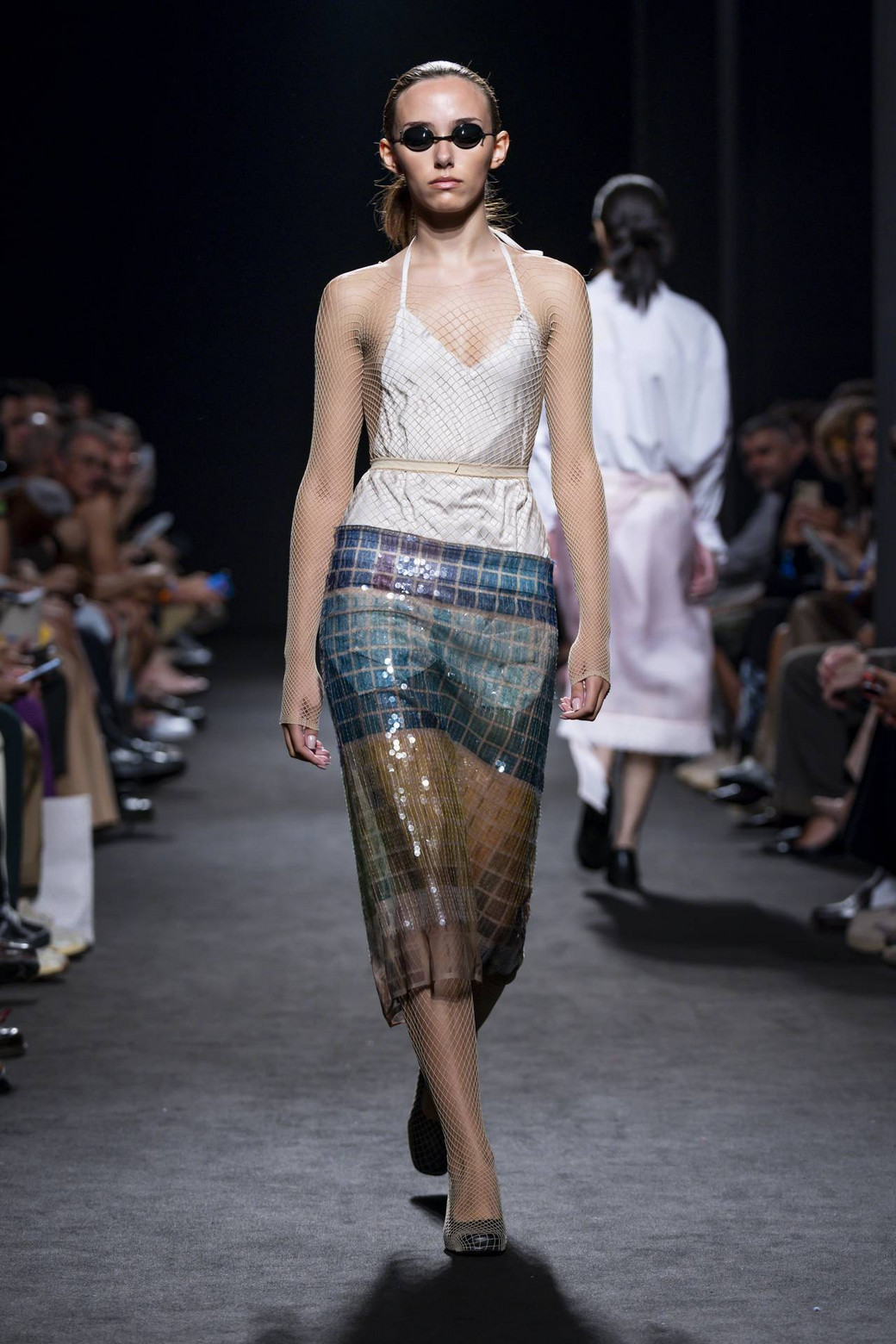
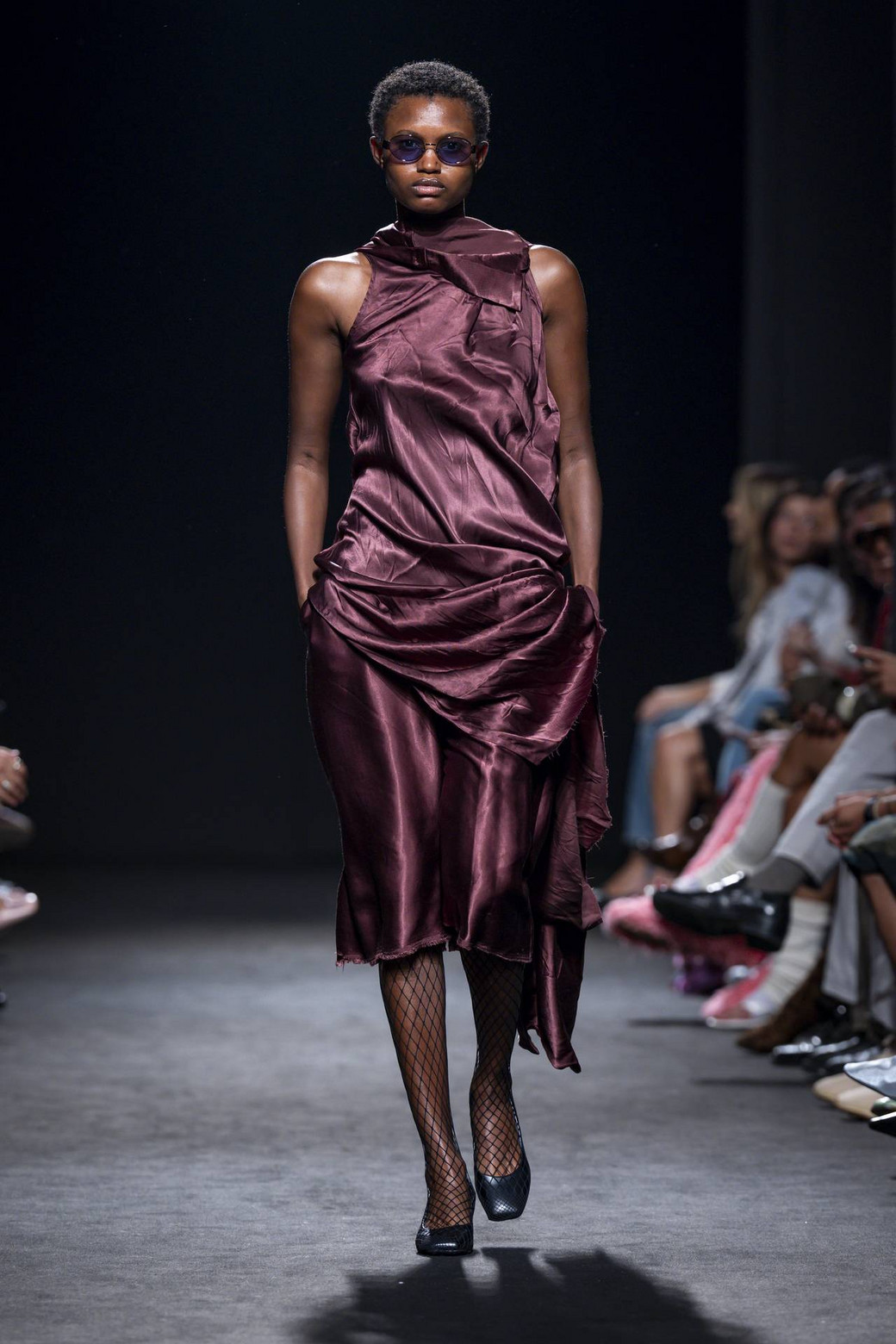
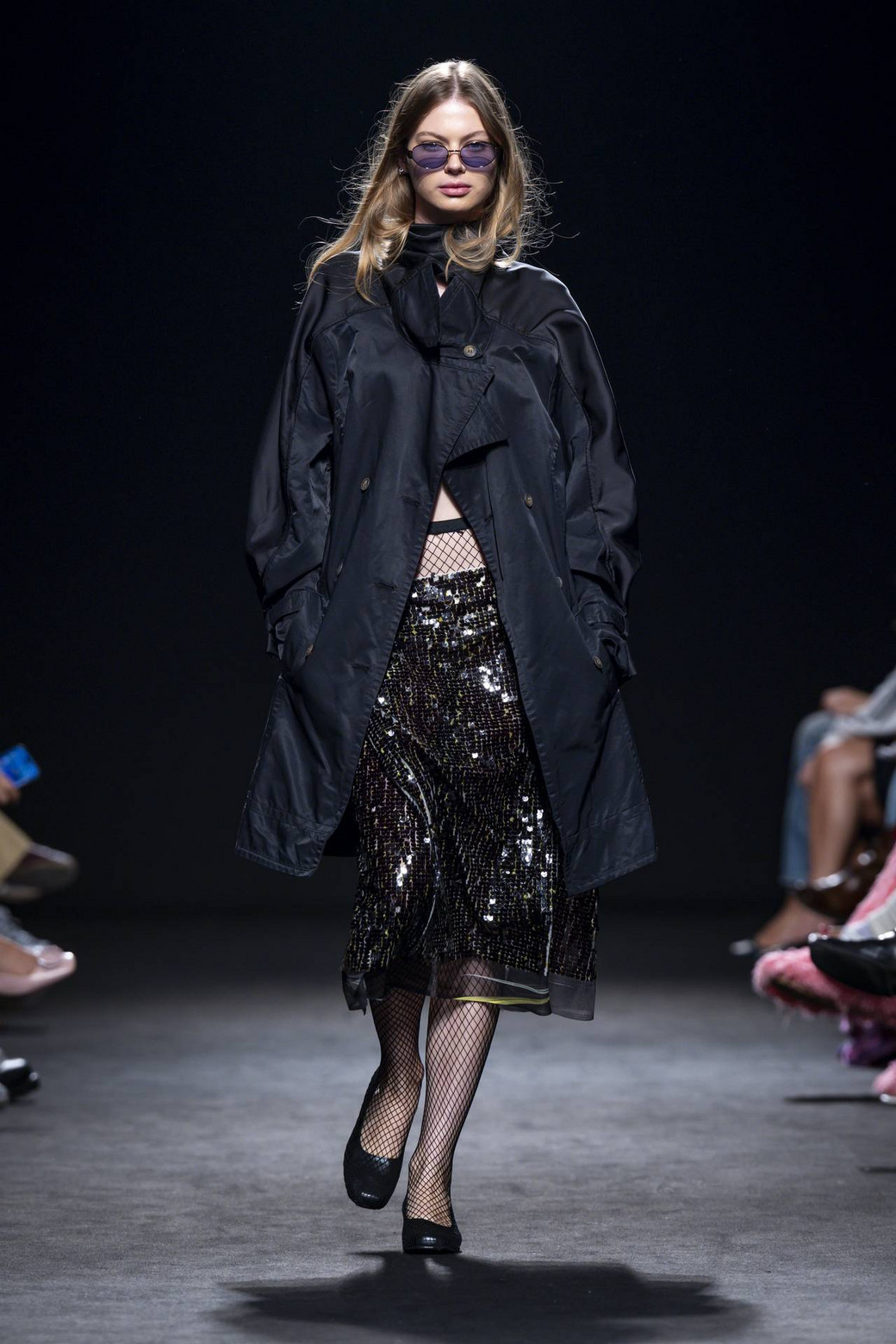
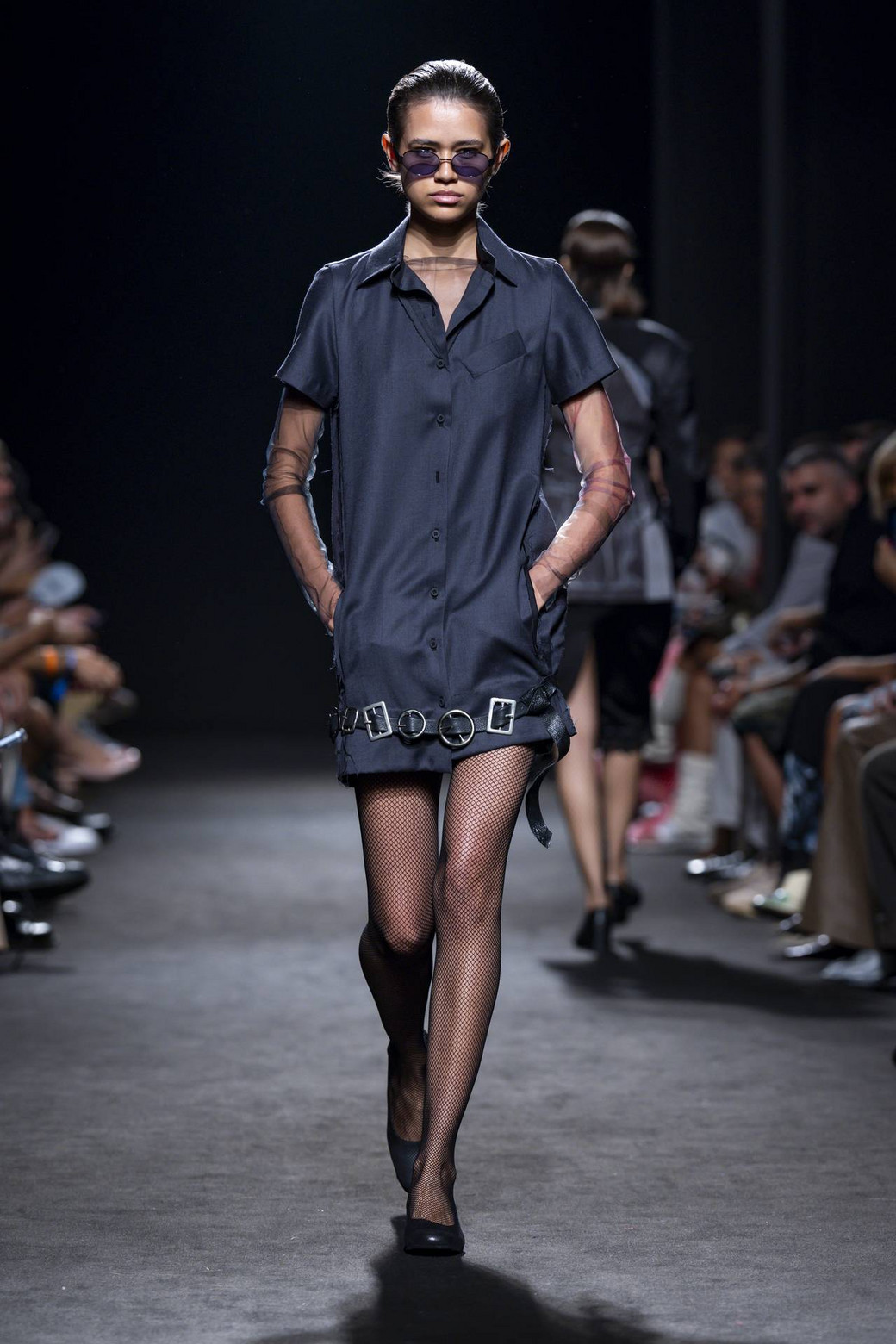
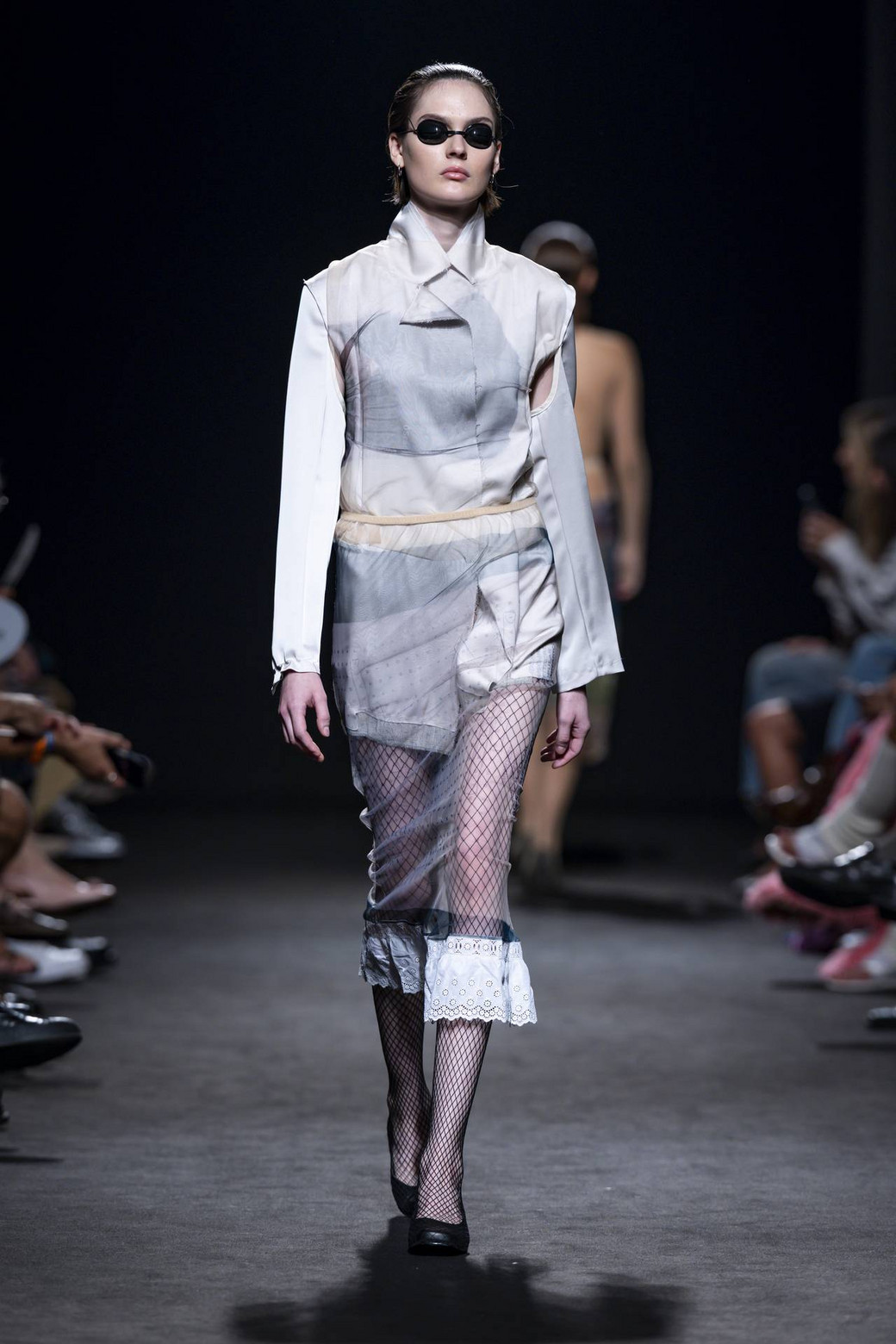
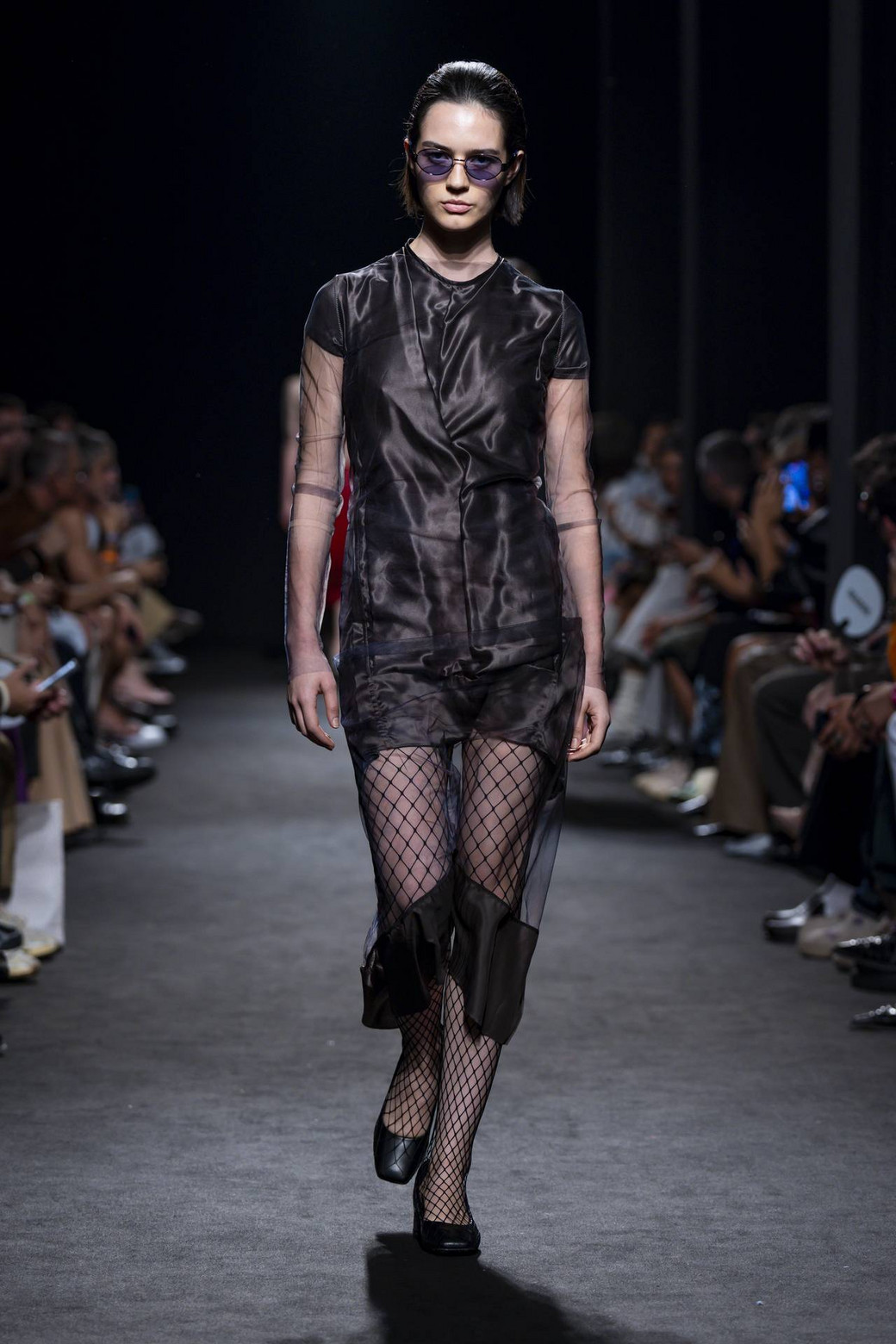
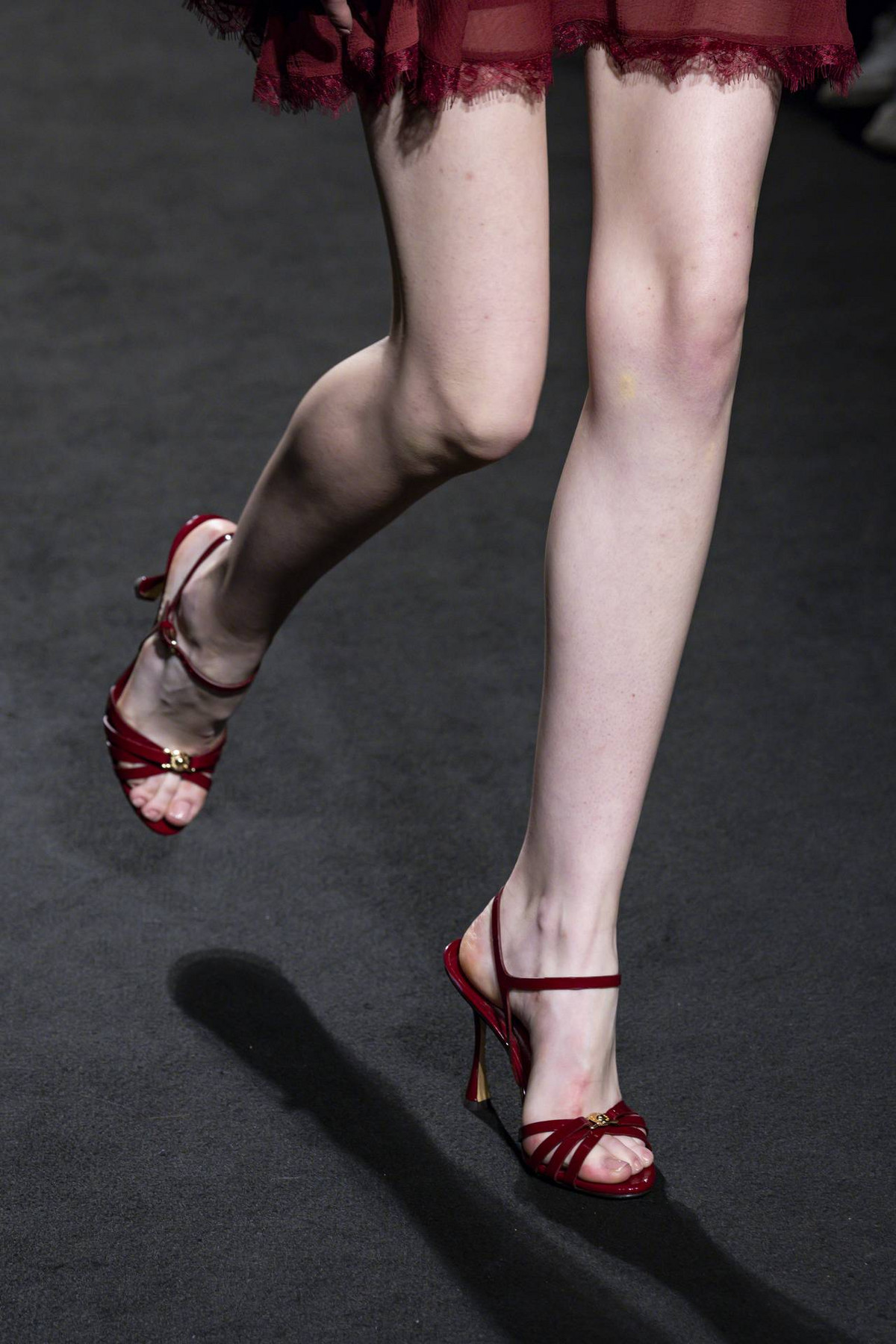
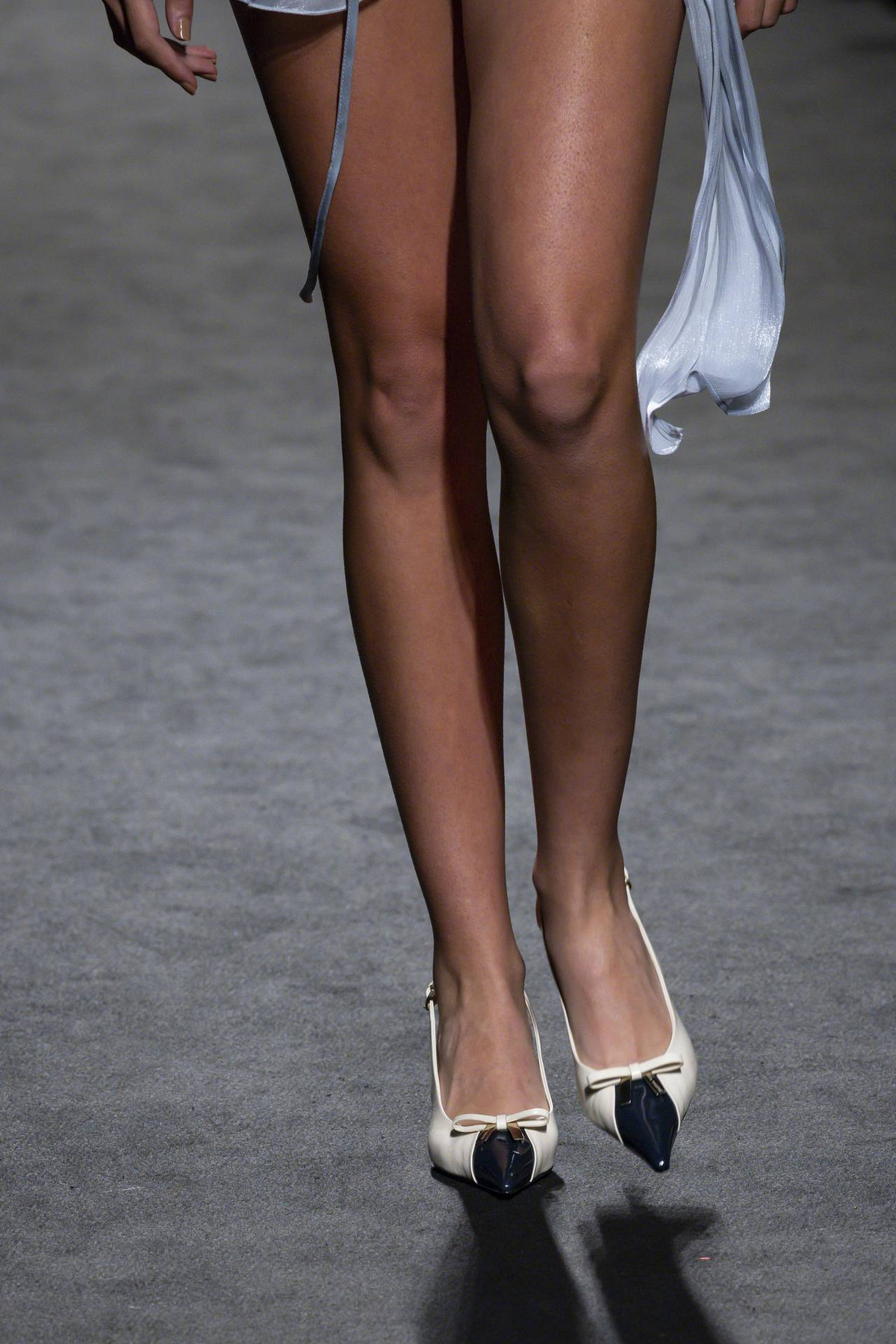
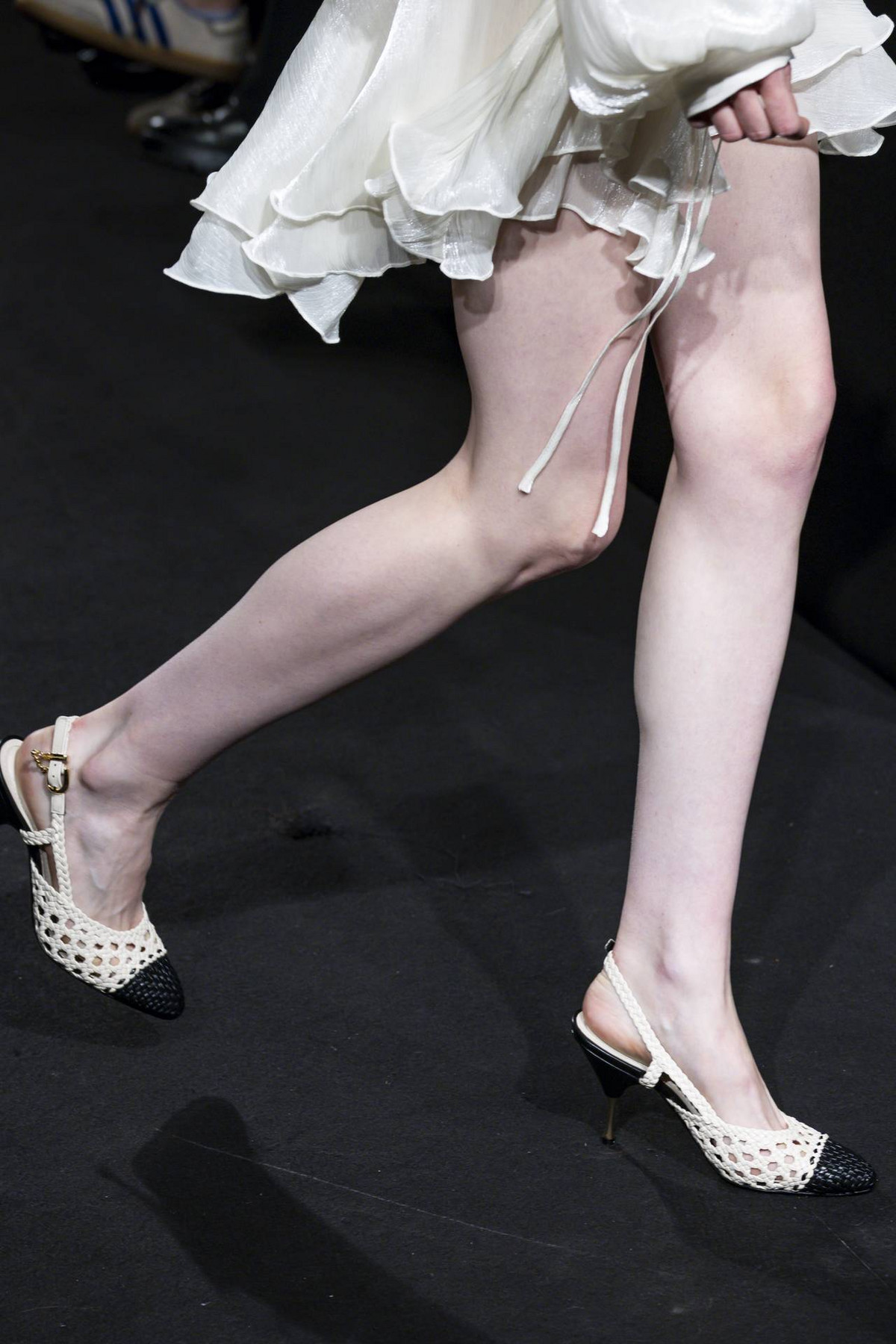
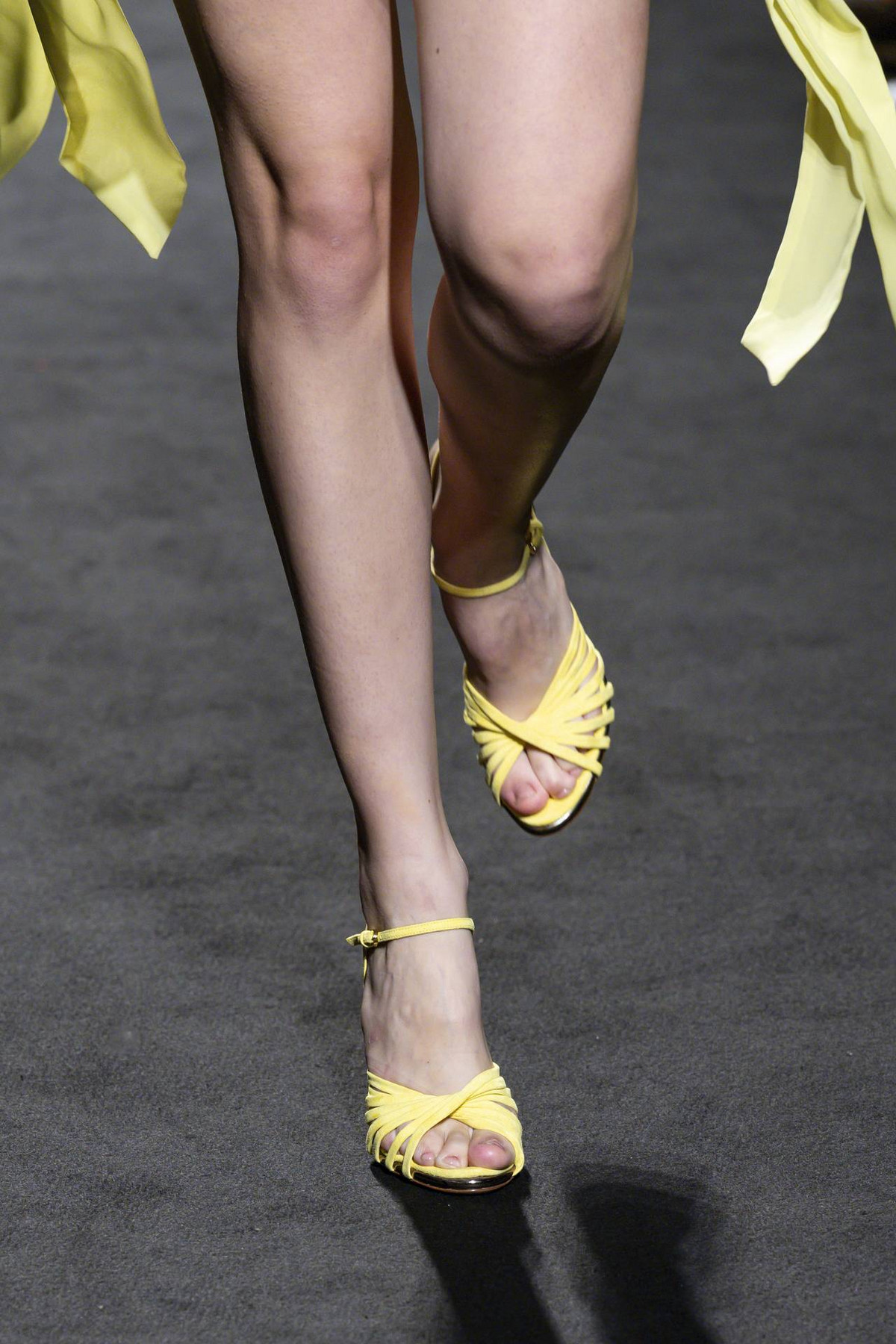
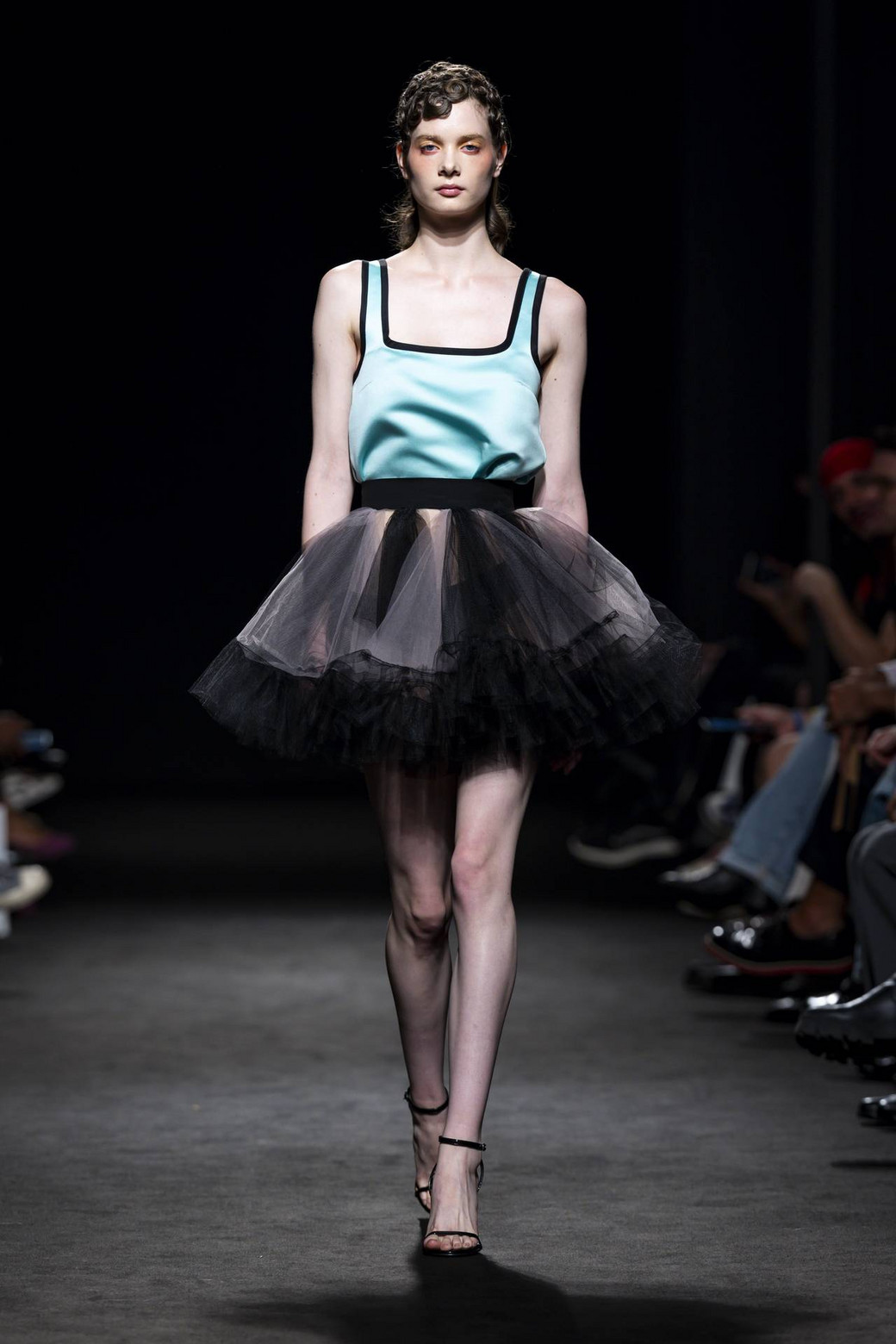
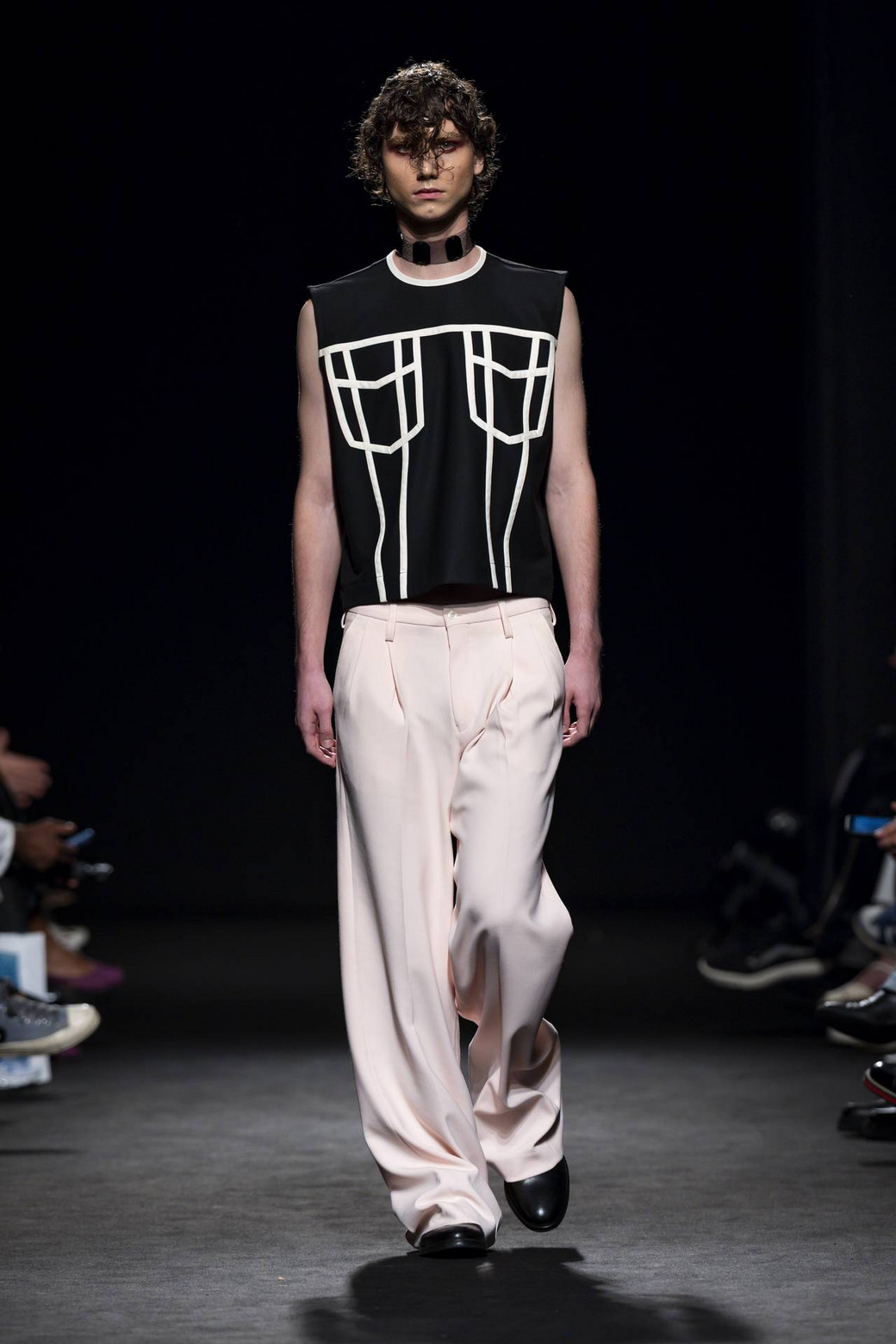
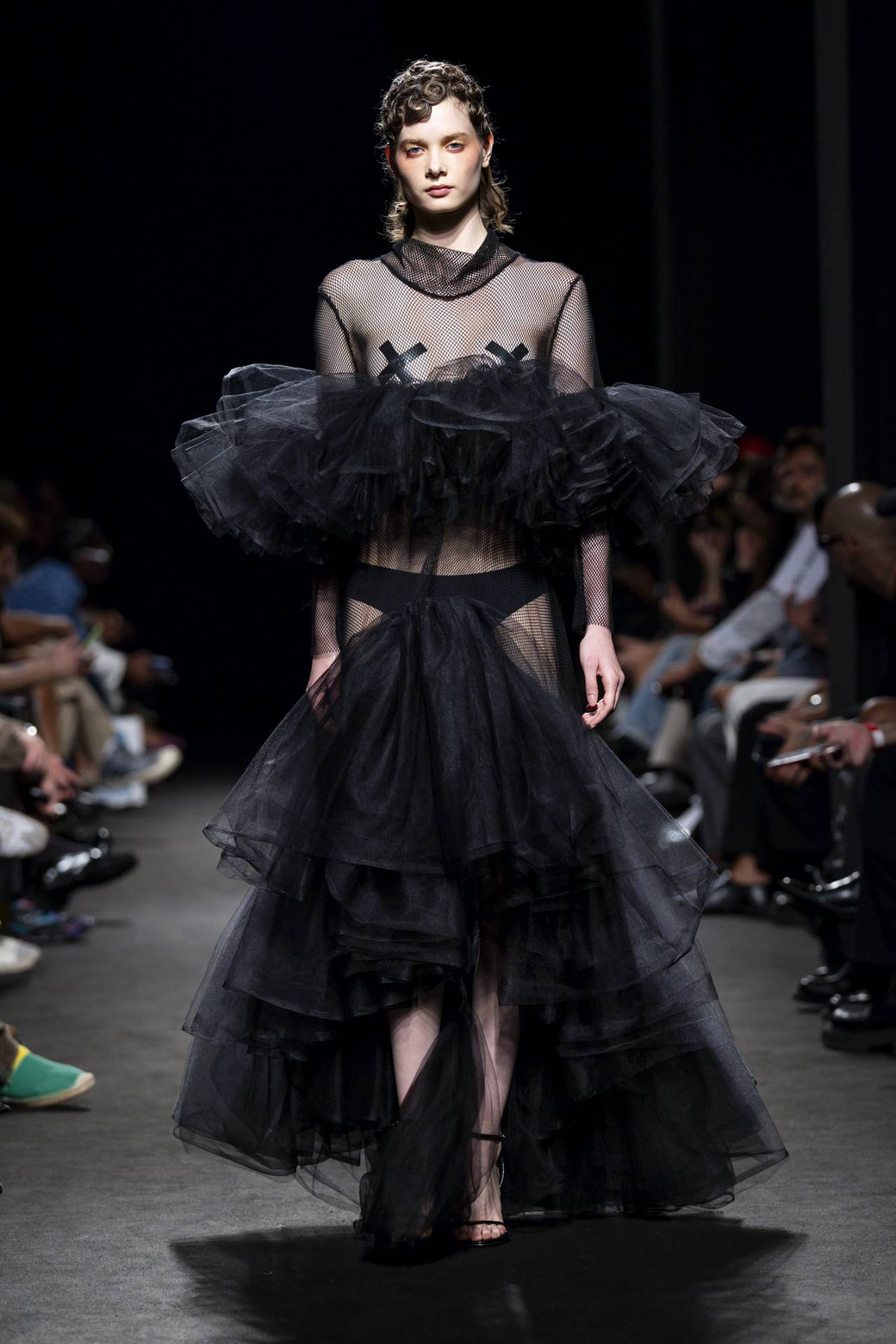
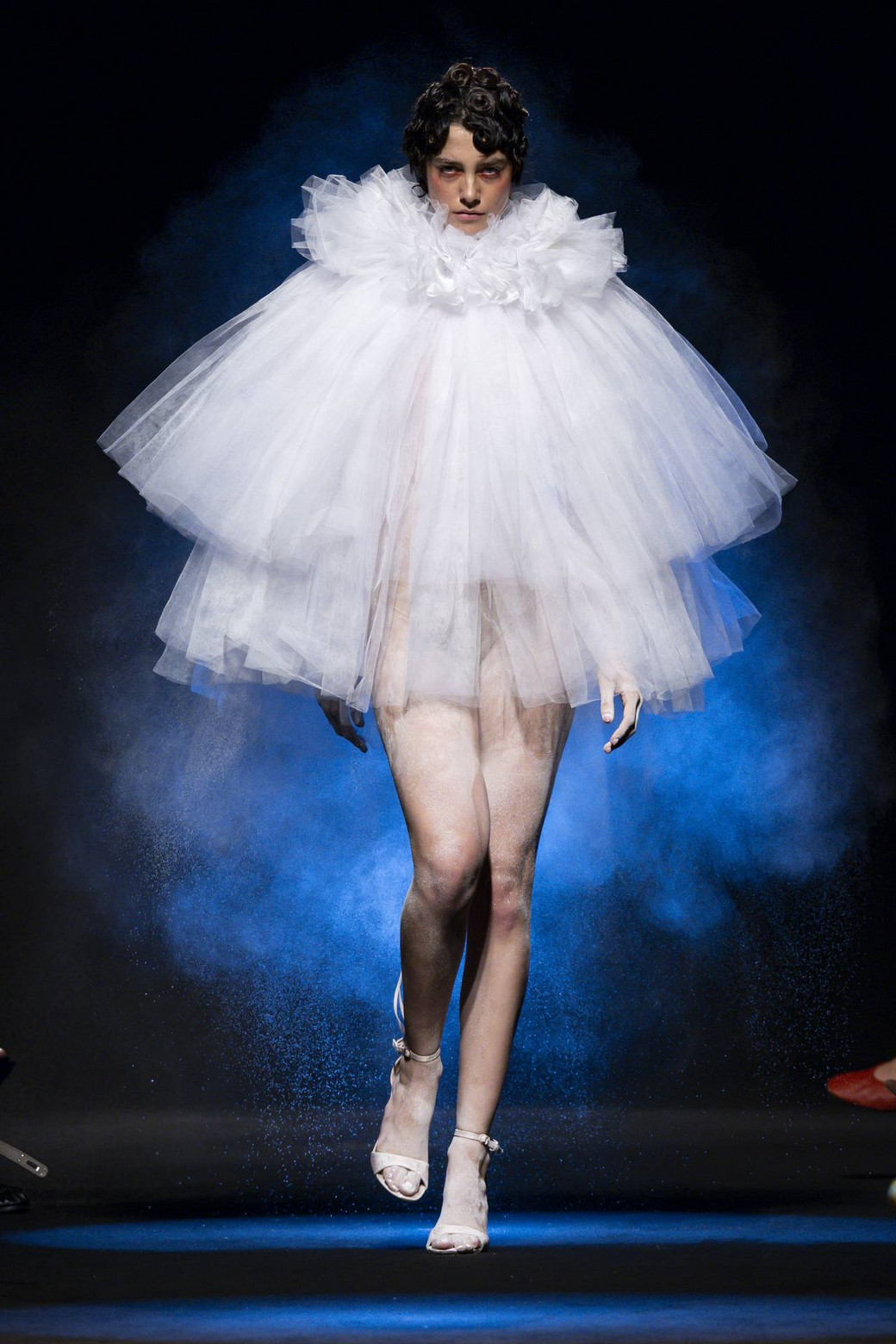
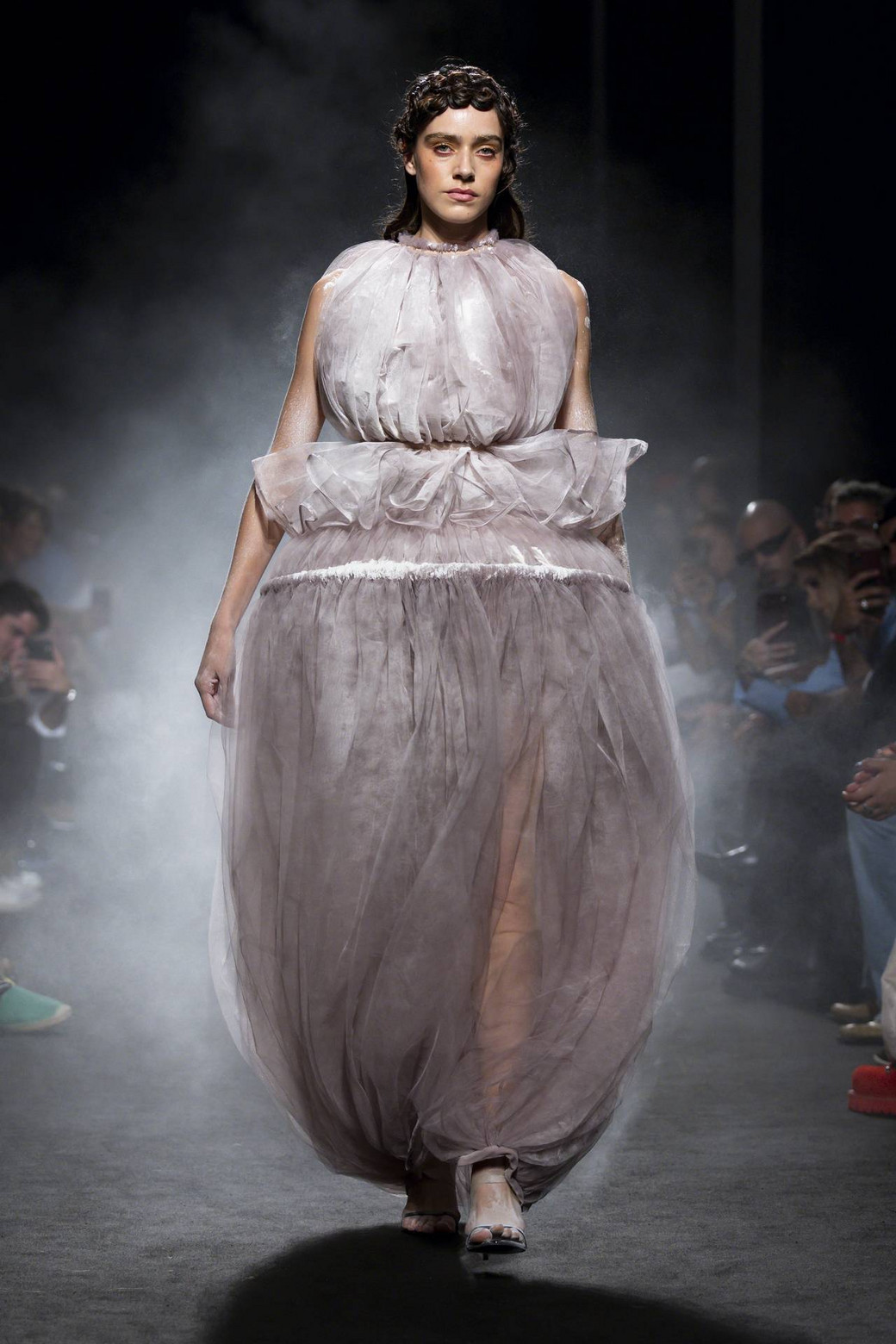
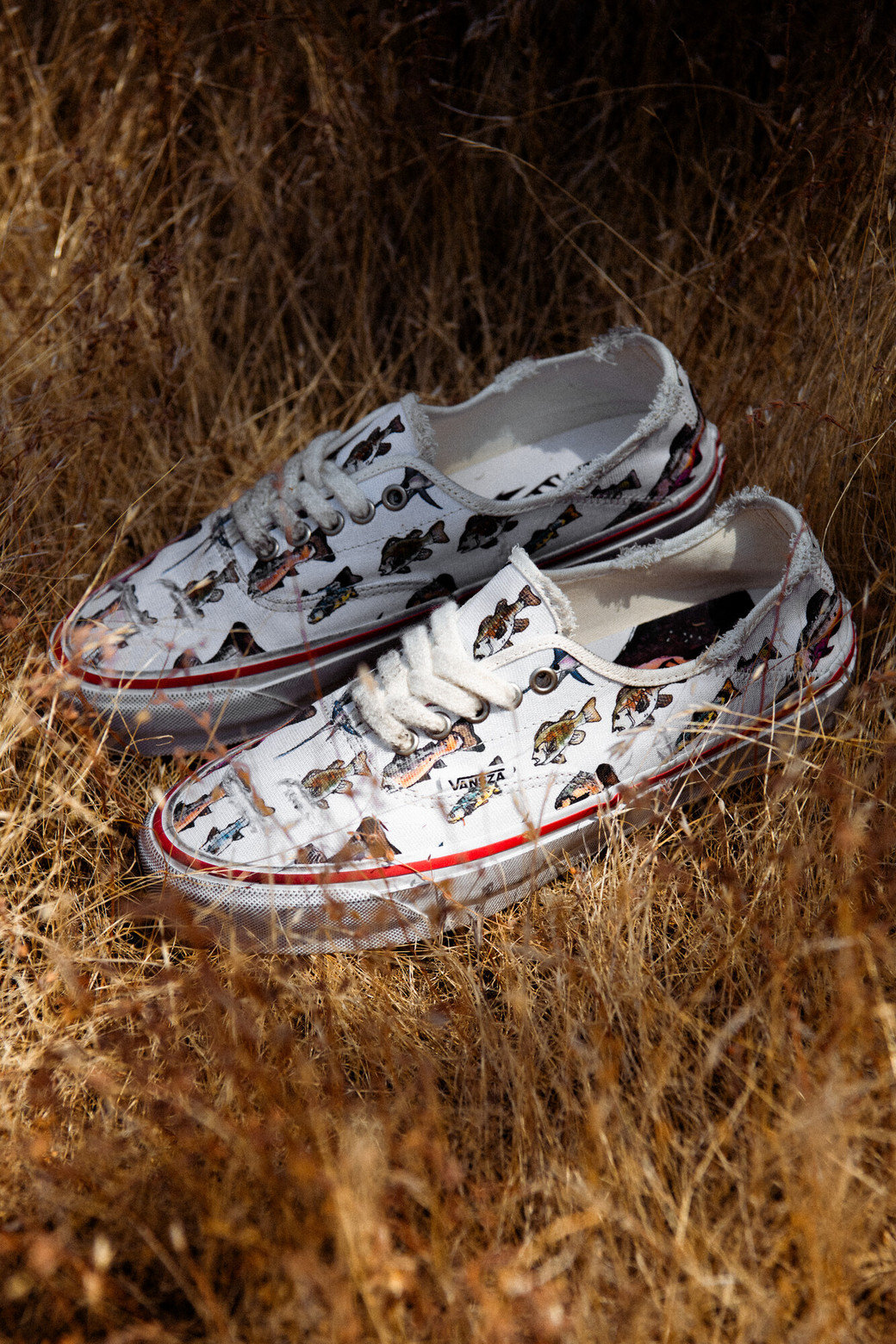
“Doing better is not simply about producing better. It means making more conscious choices, respecting what surrounds us and understanding that every gesture matters,” says Cláudia Pinto, Communications Director at APICCAPS. For the footwear association, compassion assumes many forms. Their latest campaign, Kindness, approaches production through a lens of quality materials and moral responsibility first and foremost. And they have new technologies to back this up. Through Bio4All, Portuguese footwear companies create shoes with biomaterials like pine bark, olive leaves, coffee grounds, chestnut shells, and olive stones. They even have new leather processing methods that reduce water usage by 20%. And through FAIST, they’re reeling in AI, automation, robotics, and digitalization to fully optimize their efficiency and reduce waste.
Of course, new-age technology can be a tricky topic. Luis Onofre says, “Automation, robotics and artificial intelligence are not here to replace the knowledge accumulated by the industry. They are here to enhance it. If we can combine the best of our people with new technologies, Portugal can build a competitive advantage that will be extremely difficult to replicate by industrial models based primarily on price.”
By the time you’re flipping through your favorite magazine, looking at the latest stilettos on the runway, it’s likely you’ve forgotten that it all started with an initiative, a few pieces of cheetah print leather cut up in a factory, or even a simple sketch or design. That’s precisely why seeing the full process was fascinating. It made me think about the lifetime of a shoe, conception starting not at the time of purchase, but from the moment the designer’s pencil hits their paper, and so on. Drawn, cut, stitched, shaped, adjusted, worn. In Portugal, all of this is done without losing sight of concepts like environmental awareness, durability, and plain old beauty. APICAPPS is proving that these elements can exist side by side, one leather boot at a time.