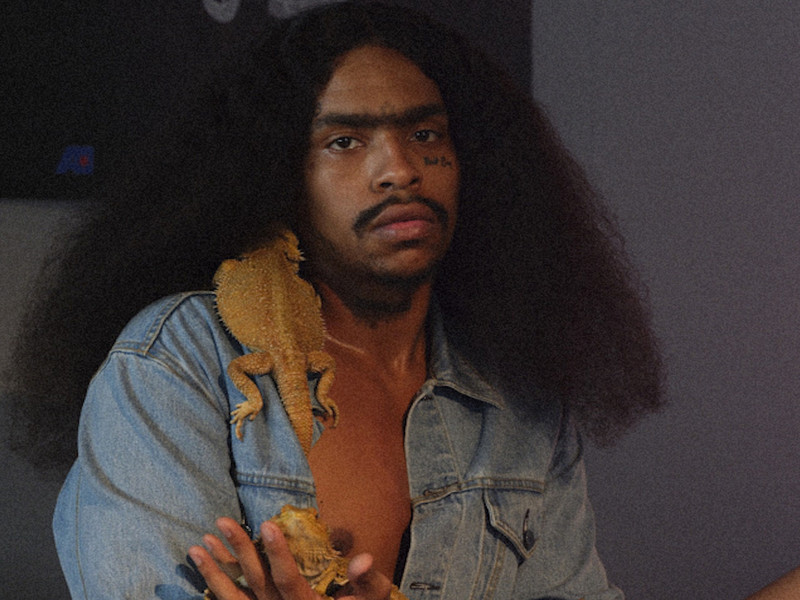
rum.gold needs you to call your therapist
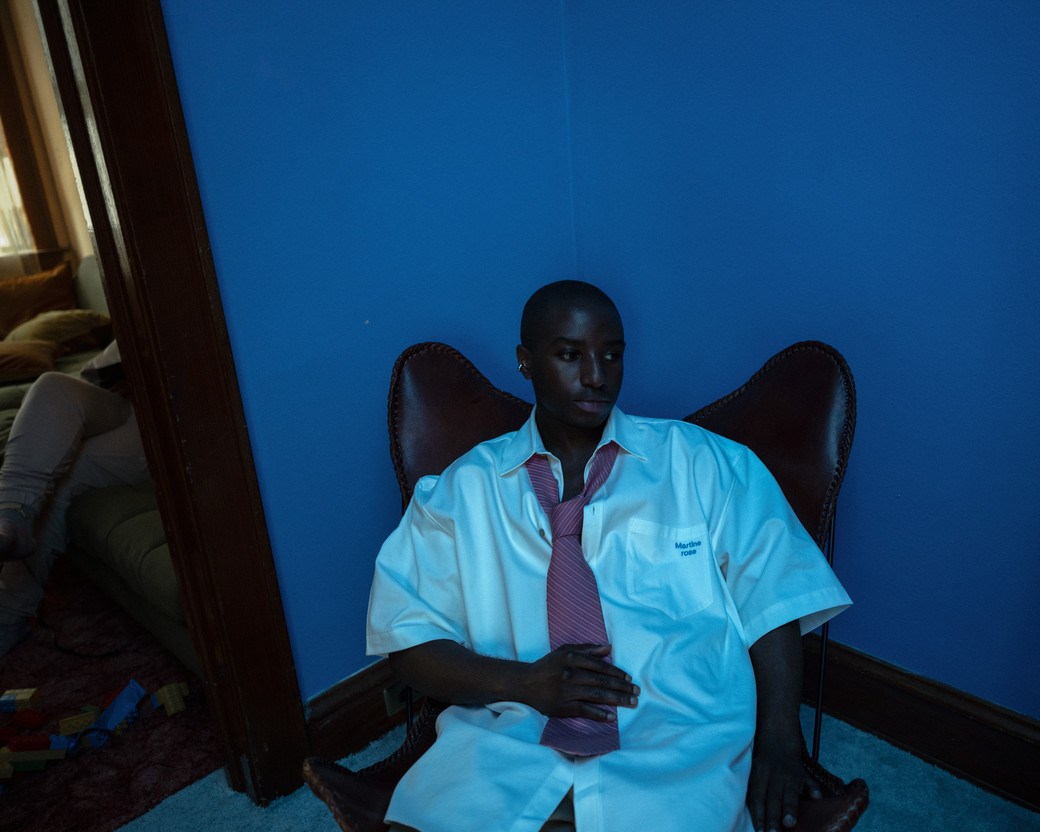
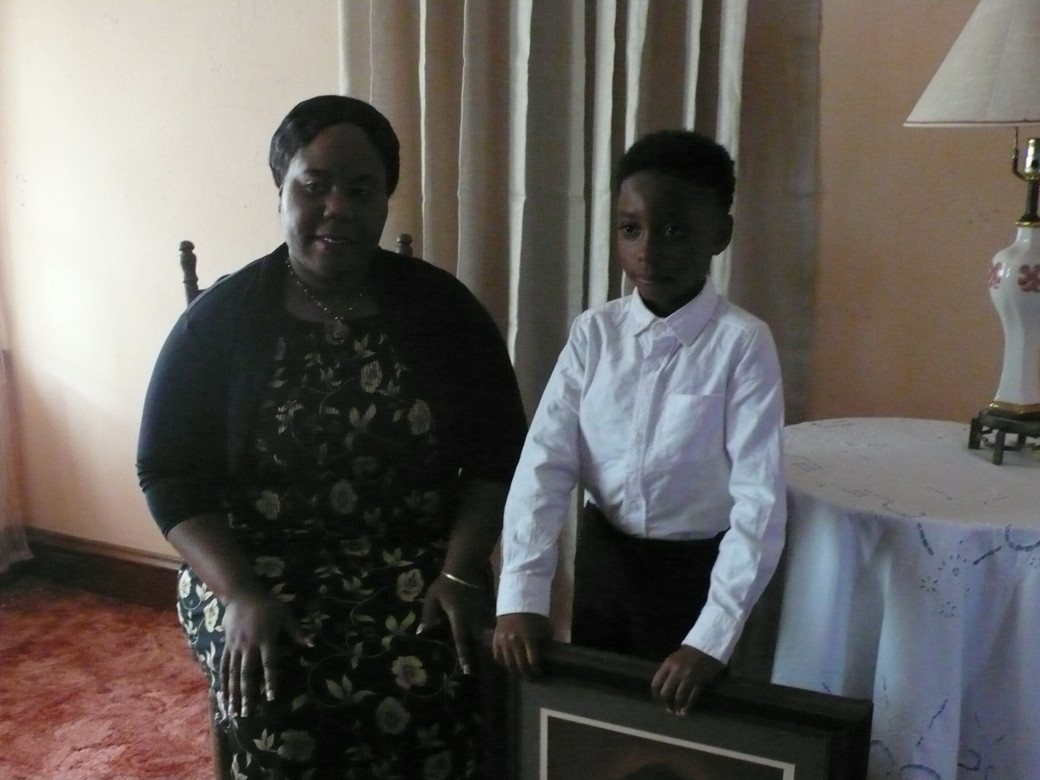
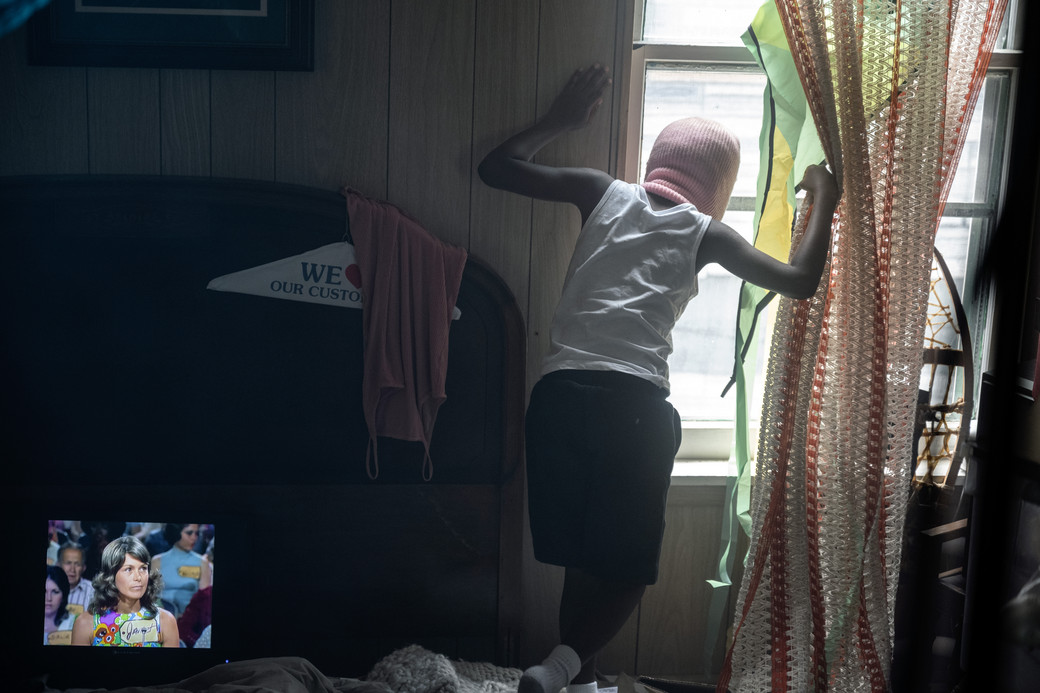
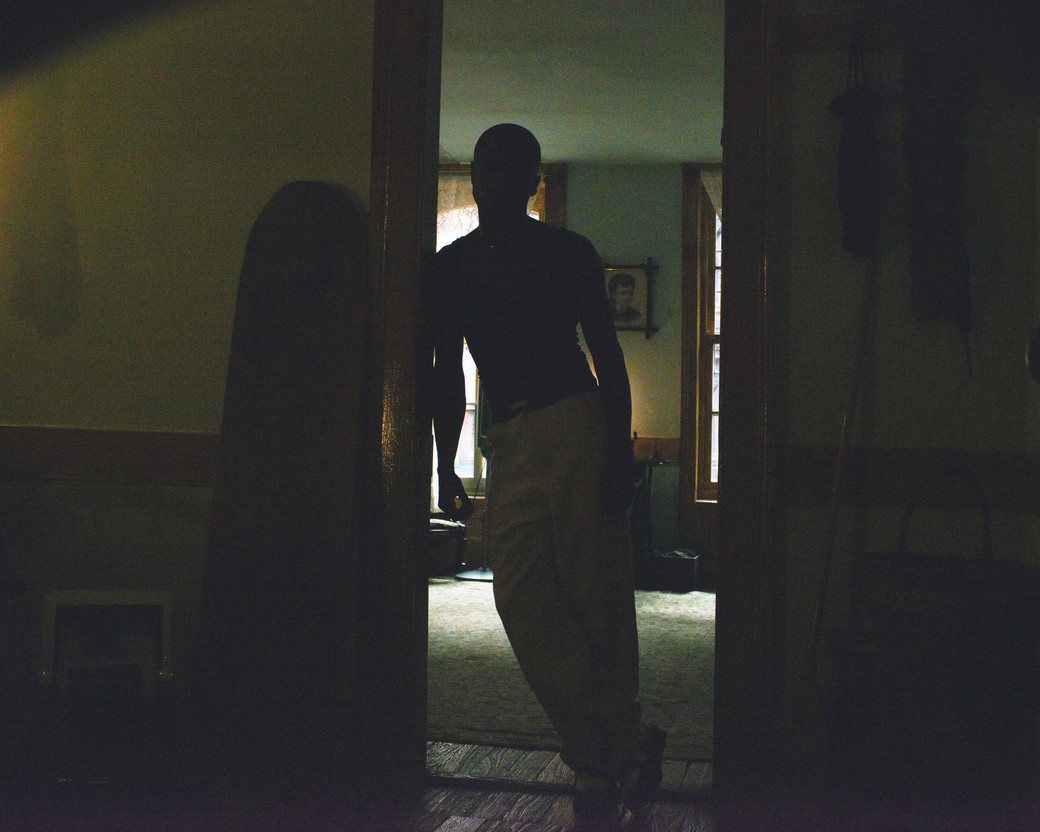
The video concept revolves around a mother-and-son story. Tell me more about how this came to you.
I’ve been working on new music for the past few years, and part of the reason it took so long was because I was struggling to confront some hard truths about myself — why I am the way I am. That process forced me to look to my past to understand my present: why my relationships weren’t working, why I felt like I was failing myself, and so on.
Eventually, I started to see just how much my childhood environment shaped my adulthood. That realization became the backbone of the concept. It’s something I think a lot of us wrestle with — carrying pieces of our childhood into who we are now.
What’s inspiring you this week?
Lately, I’ve been finding beauty in the mundane — the little things that connect all of us but don’t always feel “important.” I used to believe only certain things were worthy of being turned into art. I hate that I ever felt that way. Sometimes we try so hard to create things based on what we feel art should look like, rather than looking at the incredible inspiration right in front of us, everyday.
What motivated you to use Hoarders in the video?
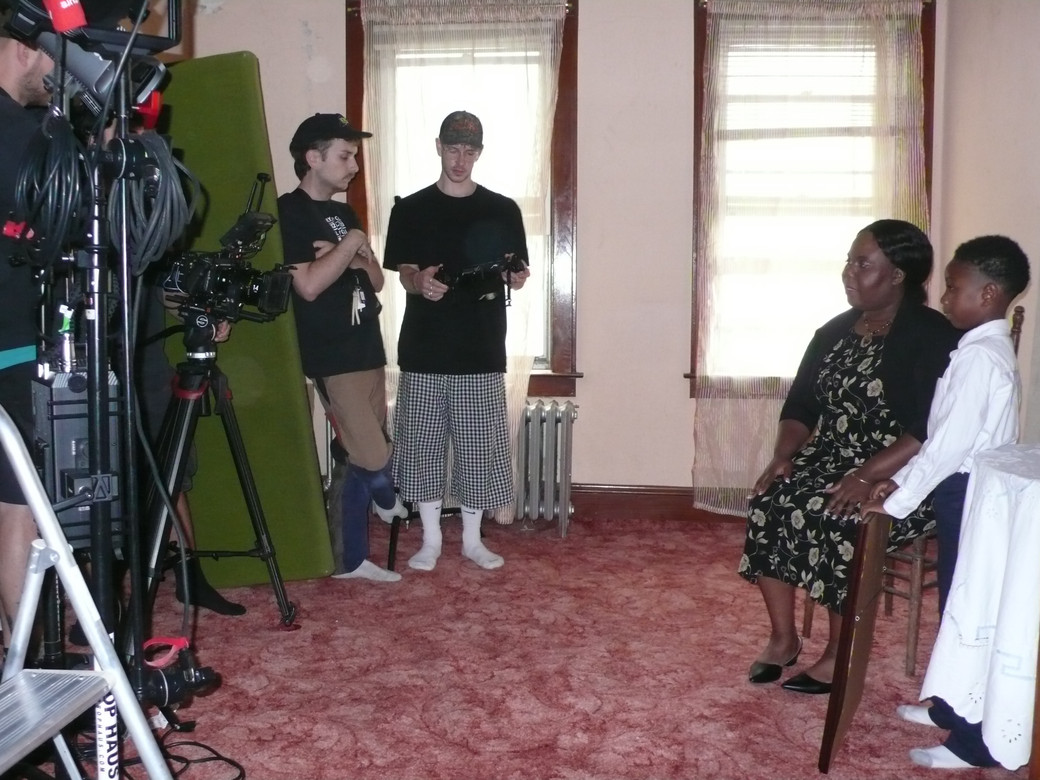
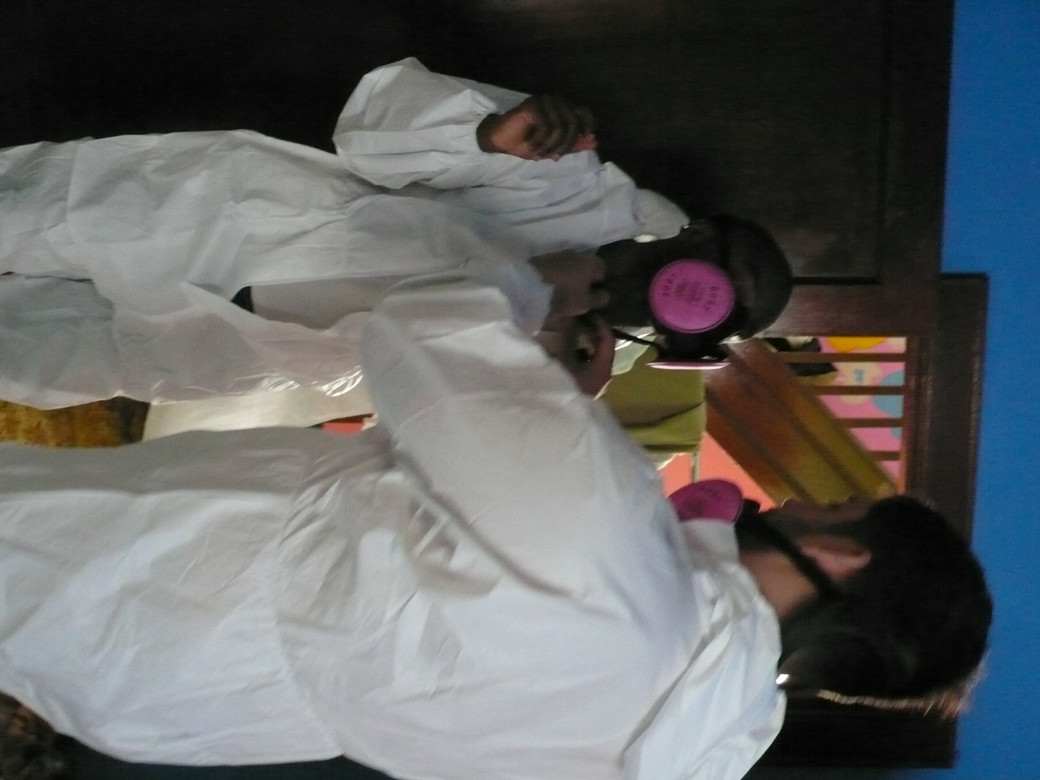
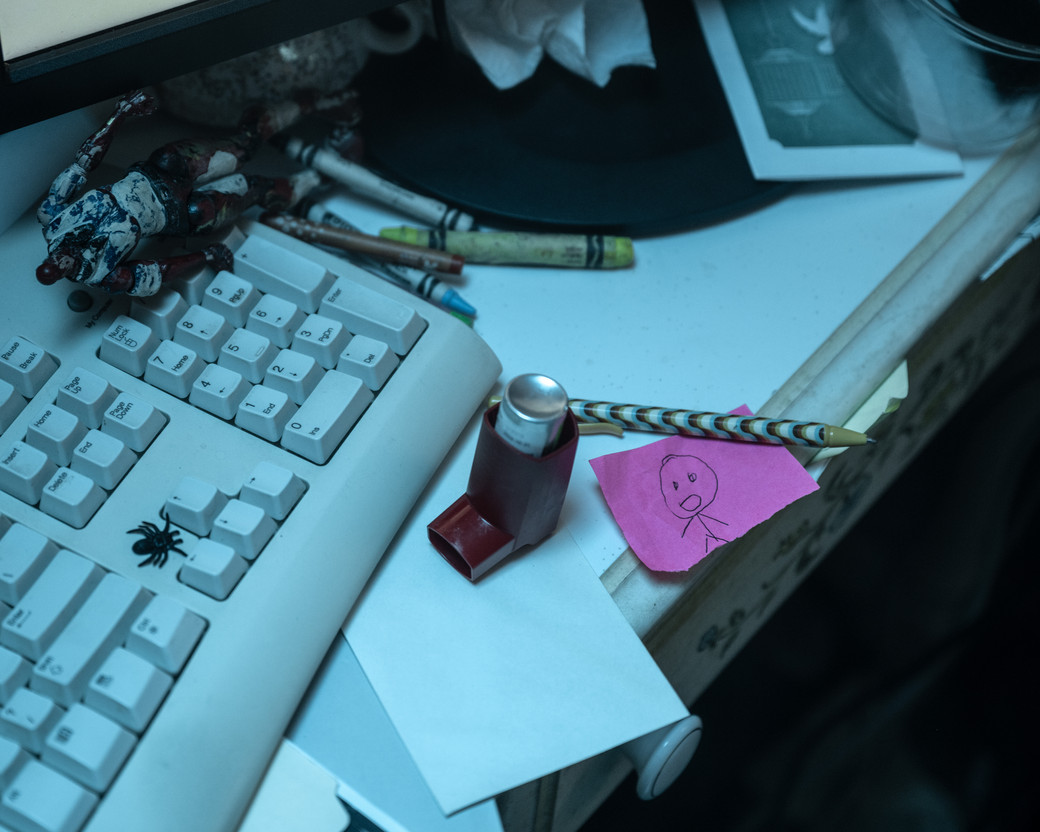
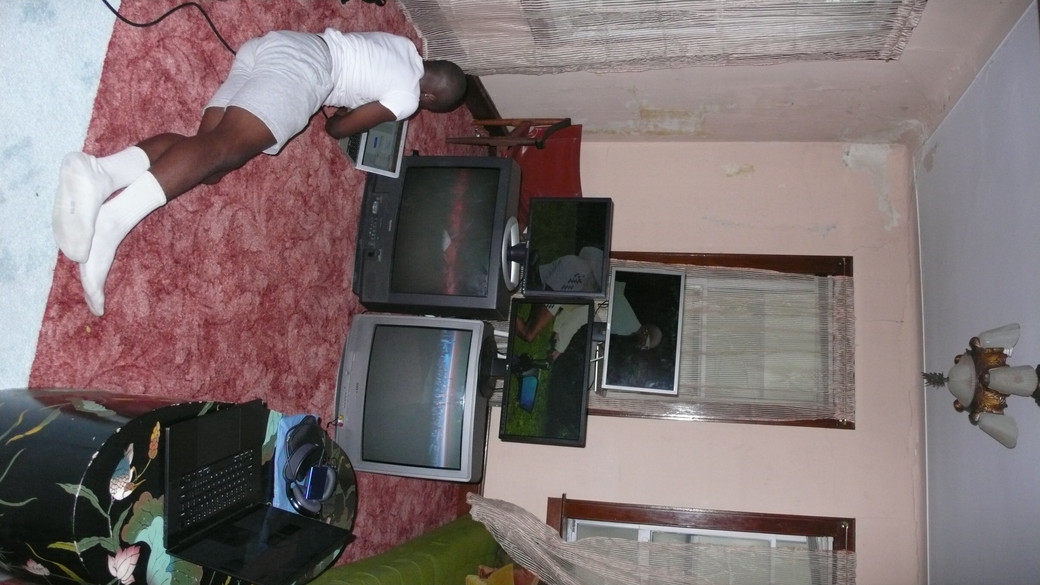
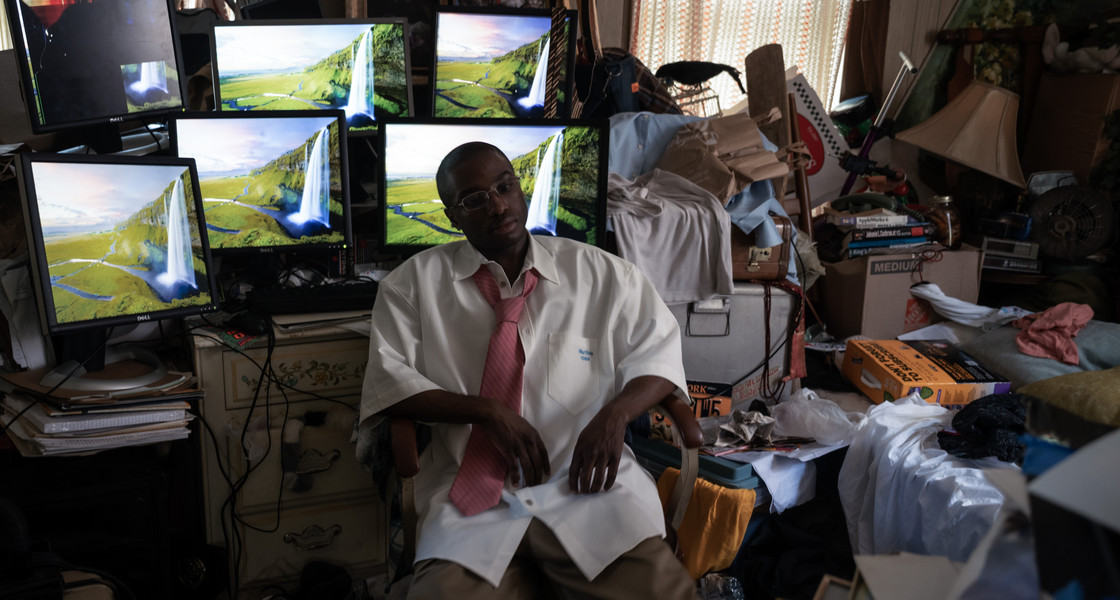
I knew I wanted to make a video about inheriting baggage from our childhoods — the stuff we carry from our parents into adulthood. I landed on the Hoarders concept because it felt like the perfect metaphor for generational trauma. With Hoarding you can actually see the baggage and the effects it has on a person, because it’s quite literally piling up.
On top of that, I loved the challenge of creating something unique but still instantly recognizable. That early-2000s reality TV aesthetic is so iconic — even if someone doesn’t fully grasp the narrative, they recognize the Hoarders formula. It’s like a relatability cheat code in a way. I wanted people to feel as though they could connect with it, while also keeping it heartfelt and true to me. I’m grateful for the Tabú Films team and Spencer Clark (Co-Director) for helping me bring this concept to life.
Do you have a favorite episode of Hoarders?
Not particularly. Shows like Hoarders, My Strange Addiction, Intervention — they’re nostalgic, but looking back, they didn’t age well. Entertaining at the time, but ethically a bit questionable.
Where is your favorite place to create ?
Honestly, at home. It’s where I spend most of my time, and it’s the space where I feel most comfortable and safe — which is exactly what I need to create.
What’s something you have experimented with on this track that you haven’t before?
For this track, I really wanted to experiment with using sounds and textures that juxtapose my vocal note and quality. There’s something really striking to me about having soft vocals paired with more intense production elements. Frankie Scoca, Rahm Silverglade and Zak Khan, the producers on this track, really helped me find that balance.
The video deals with the idea that we inherit things from our childhood and touches on how we tend to repeat cycles that we lived in as kids. What cycles are you hoping to change, if any?
Most of the cycles I’m working through are tied to my insecurities.
Does creating help with that?
Creating music is one of the rare moments where those insecurities are not in the room with me. That freedom tends to seep into other aspects of my life at times as well. The more I create the better I feel.
How can we change the cycles we’re drawn into?
Therapy. Please y'all, call a therapist.
Check out the full video below.