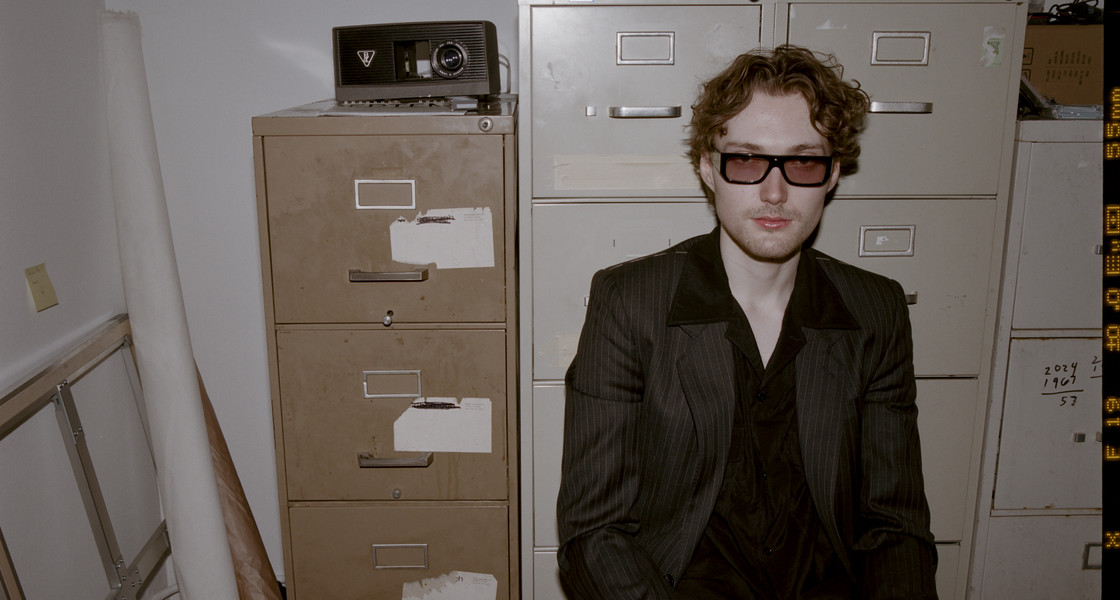
In-convo with Daniel T. Gaitor-Lomack and Ike Onyewuenyi
Onyewuenyi
The exhibition title, YOU CAN HATE ME NOW, immediately made me think about Nas — and specifically the “Hate Me Now” video. My brother-in-law still lives near the deli where they shot some of it.
Gaitor-Lomack
Up on the deli?
Onyewuenyi
Yeah.
Gaitor-Lomack
That was an iconic moment for 1999.
Onyewuenyi
Iconic.
Gaitor-Lomack
You know, it’s funny. I almost created some kind of custom awning situation for this show, something I could climb up onto during the performance. I did something like that years ago — climbed onto this narrow stone ledge — but that was tied more to a St. Michael moment I was having.
Onyewuenyi
What was the St. Michael backstory?
Gaitor-Lomack
There was a period where St. Michael kept appearing to me in these strange metaphors and traces. Everywhere I turned, something was pointing back to him. I ended up at Popular Jewelry on Canal one afternoon and came across this vintage St. Michael pendant — 14k, Italian-made, just an incredibly crafted piece. One of the most beautiful objects I’ve ever owned. It hung on a gold rope I bought back in New Haven when I was putting in serious work. I felt like I was back in ’96 wearing that thing. I wore it for years.
Onyewuenyi
What was going on at the time?
Gaitor-Lomack
It was right after one of the best openings I’ve had — at PPOW. I was dressed in off-white; Michelle was with me, also in off-white. Then later that night, something shifted. It was Fashion Week on 9/11/2021. The streets had this thirsty energy. Tribeca was on the edge of a new rebirth — designers, artists, people chasing proximity, trying to squeeze into whatever they thought the moment was. Still happening. I made the decision later that spring to move back to L.A.
Onyewuenyi
You’ve talked about having these spiritual encounters — these visions. Some people might dismiss that. They might call them hallucinations. But I think when I look at your work, and how you move in the world, it’s very clear these encounters shape your practice.
Gaitor-Lomack
Right. And when you’re tapped into that kind of process, you’re not imagining things — you’re receiving them. There’s something extraordinary about making the unseen present, passionately and uniquely, through the work. These aren’t hallucinations. They’re visions. They pull you into different places and experiences that most people never step into.
I remember one time in Palermo, I got lost wandering through this old town. I ended up inside this beautiful church — glowing like I’d never seen before. I had this moment like, How did I even get here? Because back home? I’m not stepping into a church. I avoid those structures entirely.
Onyewuenyi
It’s funny because before your show here, you’ll probably pass through Queens, which puts you right back into the orbit of Nas and that whole lineage. YOU CAN HATE ME NOW.
Gaitor-Lomack
Exactly. YOU CAN HATE ME NOW.
Onyewuenyi
One of the major works you’ve been describing is the elevator sculpture — Only Way Up. What is it about that piece that holds such weight for you?
Gaitor-Lomack
It’s a turn-of-the-century birdcage elevator. I’d been imagining doing something with a lion’s cage at first — I kept thinking about Charlie Chaplin’s silent performance inside a lion’s cage. There’s this magical moment where metaphor meets sensory fear and fantasy. That’s the energy that originally drew me toward the elevator. And these elevators were hand-cranked — there was always someone stationed inside. A handler. A guide. Someone controlling your ascent.
Onyewuenyi
Almost like someone deciding what floor you deserve.
Gaitor-Lomack
Exactly. But in Only Way Up, there’s no one inside. It’s empty. There’s an authority missing — or maybe it’s being reclaimed.
Onyewuenyi
Can people enter it?
Gaitor-Lomack
Who knows?
Onyewuenyi
What I love is how you take objects we think we understand and you shift their meaning — make the unseen visible. Like the Black & Mild tips. There’s something alchemical in how you transform something discarded into something symbolic.
Gaitor-Lomack
Those Black & Mild tips — that’s a special moment in my practice. Where I’m from, cigarettes were around, but Blacks were the thing. Champing a Black: removing the cancer paper, putting the tobacco back, tapping it down. Ritual. And then when I went to New Haven — it felt like Jersey in the ’90s. Everything in slow motion, very familiar. Productive. Corner stores everywhere. Hustle everywhere. And on the ground? Black & Mild tips everywhere. I used to go out with a brown bag and a glove and just collect them.
The first piece I made was Where There’s Smoke, There’s Fire: a Christmas tree with every branch replaced with Black & Mild tips. Then I wrapped a fire extinguisher during a performance at a solo exhibition and placed it under the tree.
Onyewuenyi
It reminds me of something Fiona Duncan asked during an artist talk: “How does your work help Black liberation?” I’m curious how you respond to that.
Gaitor-Lomack
Liberation isn’t ordinary. Using your imagination is its own form of liberation — showing people that freedom is available in different forms. But you have to liberate yourself before you can liberate anyone else.
There are artists who get close to something powerful, and the moment they feel that proximity, they start talking too much — leaking things before they’re lived. When you leak information, you can destroy the operation. In my work, a lot of things are coded. The nuances of a Black & Mild tip — those are encoded forms of experience.
Onyewuenyi
Someone brought up Glissant — how he supposedly held a gun in Cuba during liberation movements. His friends later said it never happened. It became a myth he told himself. That myth-making is powerful.
Gaitor-Lomack
Myth is essential. And I’m moved constantly by things people don’t see. But we’re also dealing with what we do see — the aggressions, projections, rhythms of the street, the past, the future. Everything collides. It becomes an equation. I was never great at math, but when I slowed down, I realized: it’s all about how you see the problem. So now, in the work, I’ve simplified the equation. At one point I might’ve used many objects, but now sometimes it’s three moves. Two. One. That’s a life lesson.
Onyewuenyi
And there must be things you see that you choose not to turn into artwork.
Gaitor-Lomack
A lot. Because I move with sensitivity and discipline. Just because something is part of the Black experience doesn’t mean I get to exploit it — especially commercially. If it’s not mine to tell, I leave it alone. There’s so much bad tracing happening — bad work using Blackness as a shortcut or shield. Awards, representation, museum talks — none of that justifies poor taste. I don’t exploit my people. And it has to meet my taste at the moment. Everything is not for the world.
Onyewuenyi
I remember sending you a photo of a thrift-store piece thinking you’d like it, and you said no. And that felt like part of your code.
Gaitor-Lomack
It’s like walking down Canal Street. Everything’s labeled. Everything’s screaming for attention. I’m drawn to the things without the label — objects with a story. And that’s what I invest in: the unseen value, the unfamiliar.
Onyewuenyi
That connects to the Table of Patrons project — people supporting something they can’t see yet, trusting the unseen.
Gaitor-Lomack
Exactly. You trust the vision. You trust the person delivering it. Shiny objects aren’t always what they seem. Some of them have dark histories. Sometimes the loudest thing isn’t the best thing.
Onyewuenyi
You once said you get 16 bars with a person — just like in music — to make them see the vision.
Gaitor-Lomack
You do. And those 16 bars need to hit. People need to visualize themselves within what you’re building.
Onyewuenyi
Does every artwork feel like your 16 bars?
Gaitor-Lomack
Not anymore. I’ve simplified. Sometimes one clean line is worth more than a whole verse. One work can be enough. One show every three years can be enough. I don’t need four solos a year. My pace matters more than the industry’s hunger.
Onyewuenyi
Yet you’re always making.
Gaitor-Lomack
Always. That’s the life I chose.
Onyewuenyi
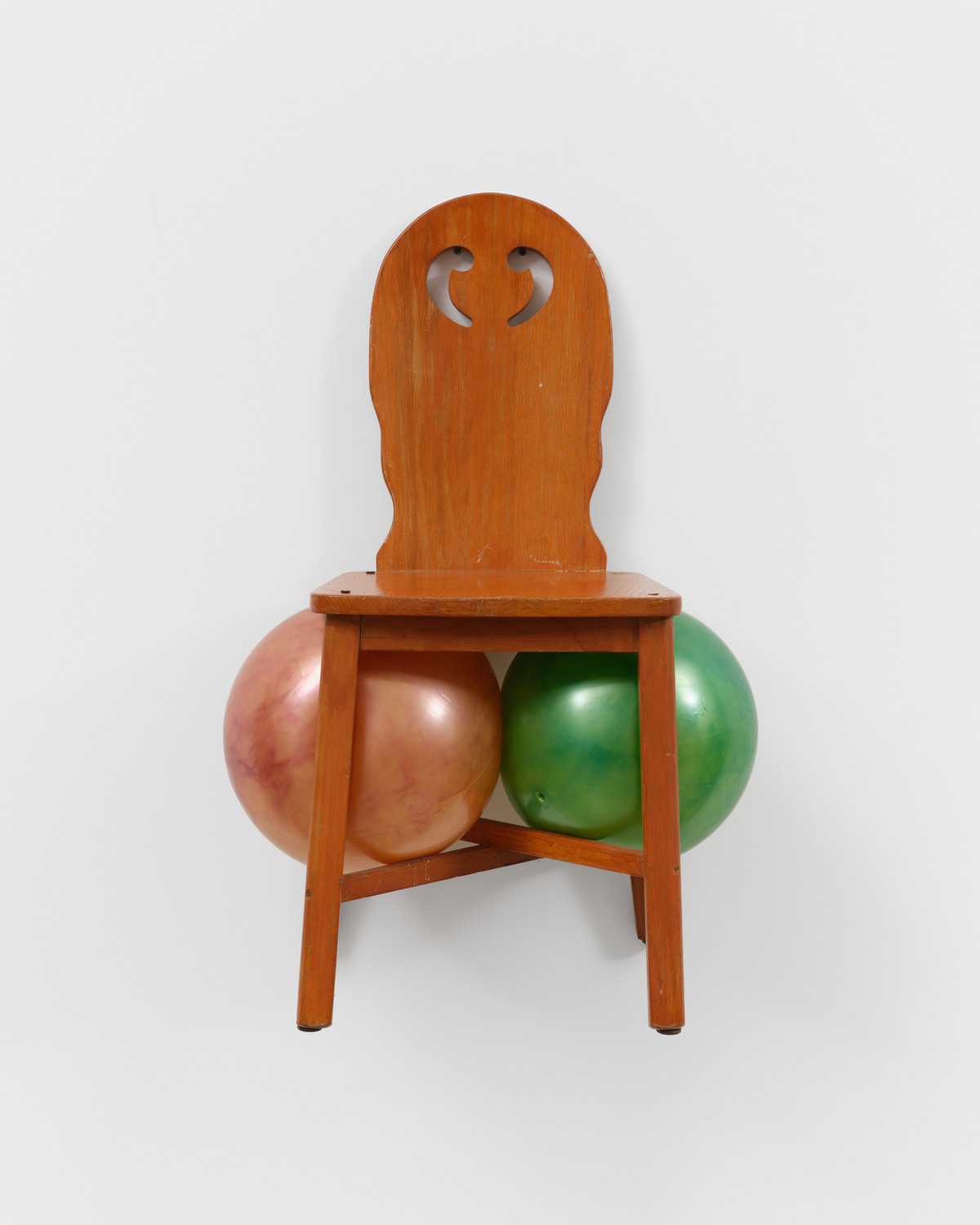
The chairs in this show stand out. They feel like warnings: don’t get comfortable.
Gaitor-Lomack
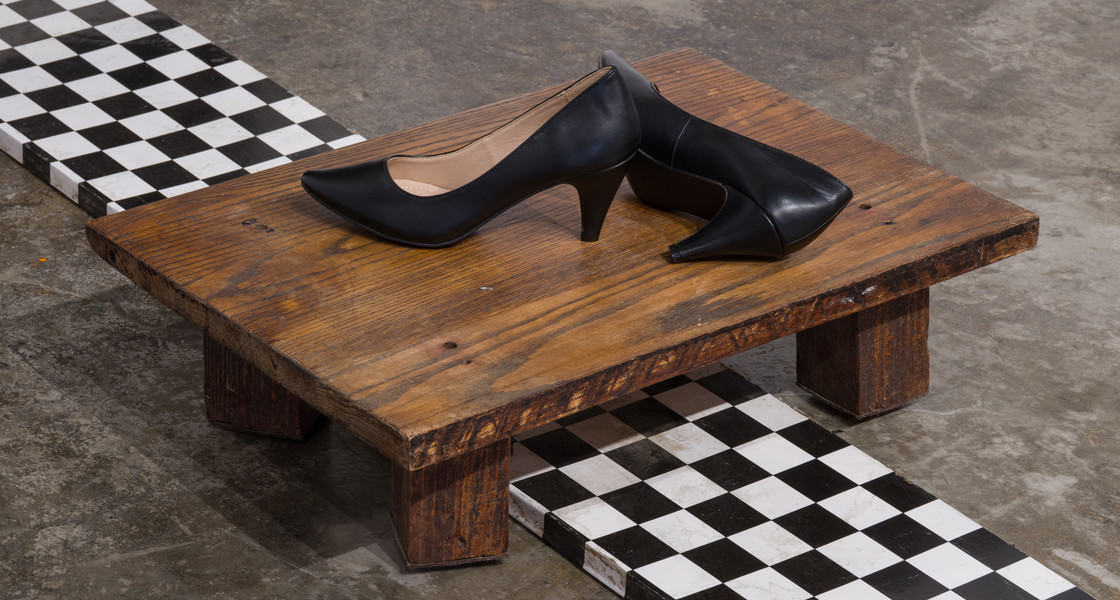
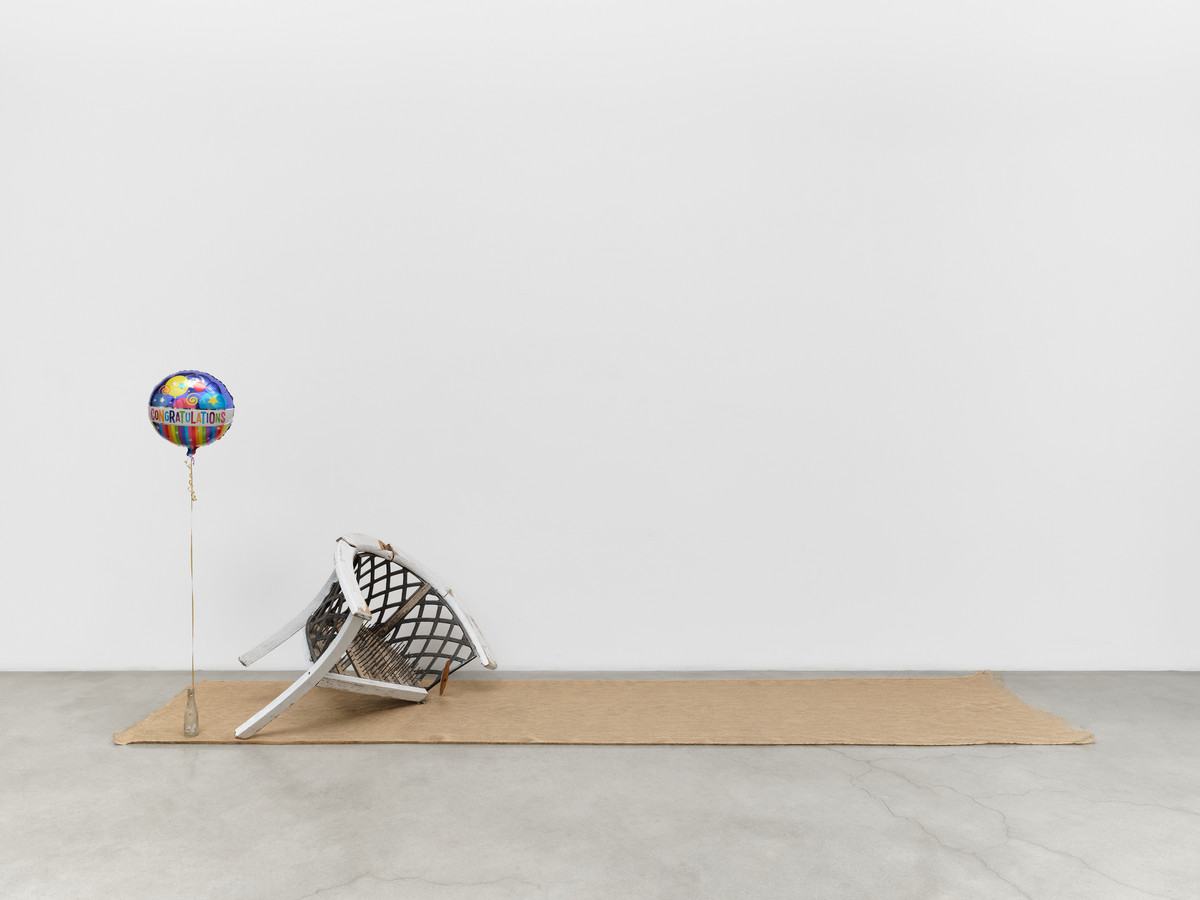
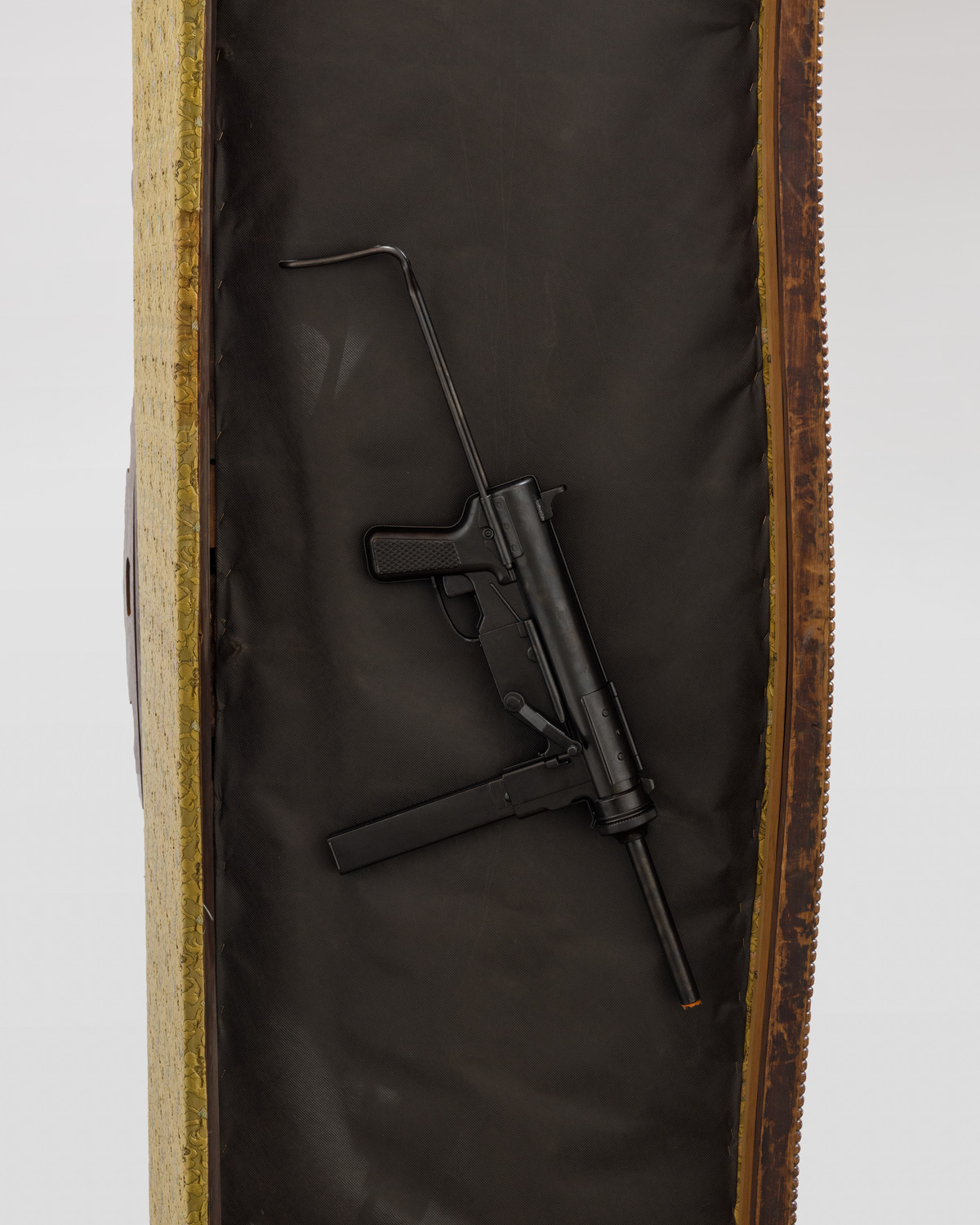
That’s exactly right. Get up. Move. A Chair for a Powerful Curator — the tilt, the missing leg, the balloon that says “congratulations” — it’s all coded. Nothing is meant to hold you for long.
Onyewuenyi
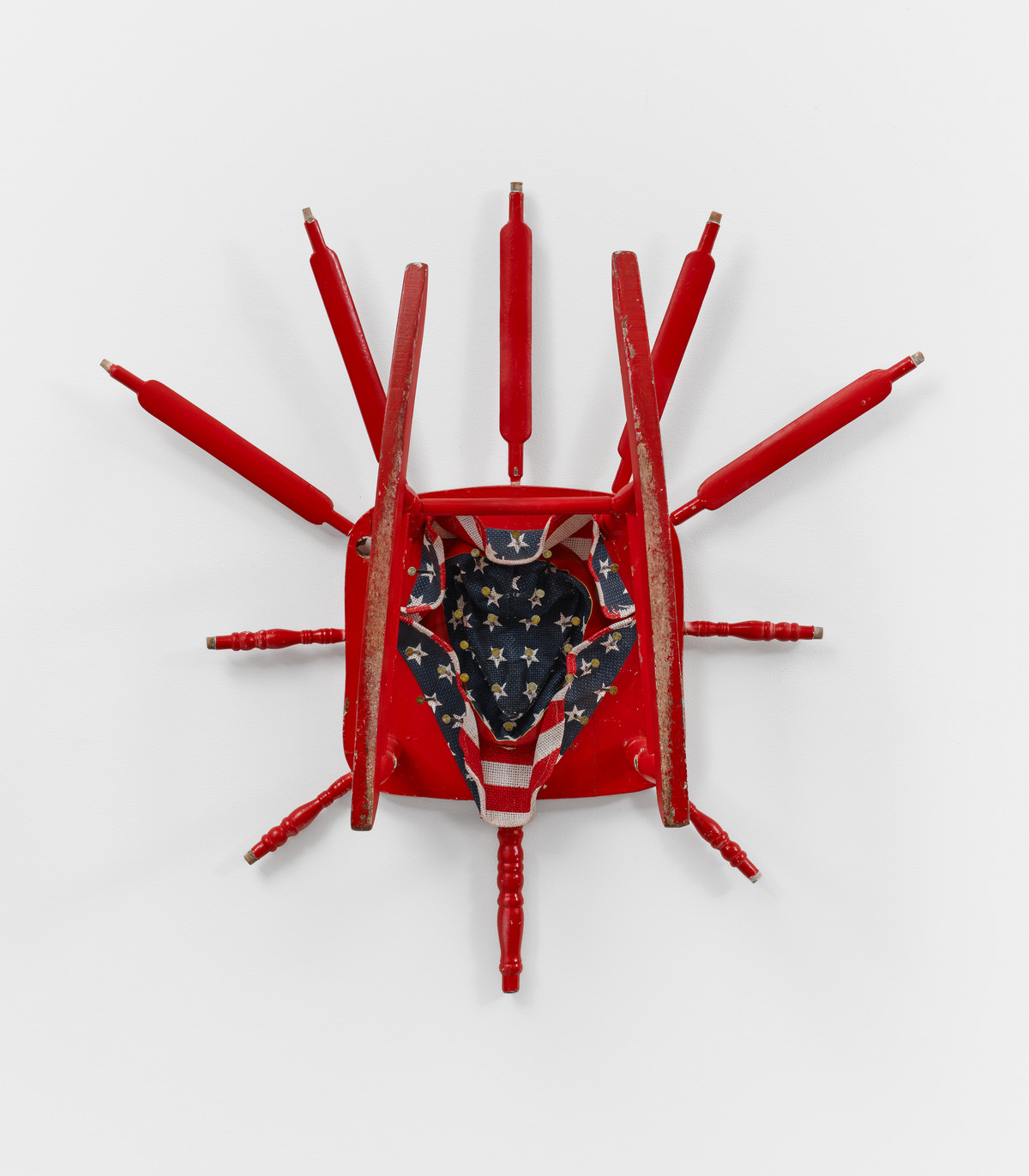
And then there are works like I’m Indigenous Too. People see an American flag being pierced, but it’s actually an Angels hat.
Gaitor-Lomack
Right. People assume. But I’d never disrespect the flag like that. It’s corny. This hat had stars and stripes, and I made it into a viper — nails in every star. Nails are historical: without them, nothing gets built. That’s part of the language.
Onyewuenyi
And Pope Dealer — the sculpture in MacArthur Park.
Gaitor-Lomack
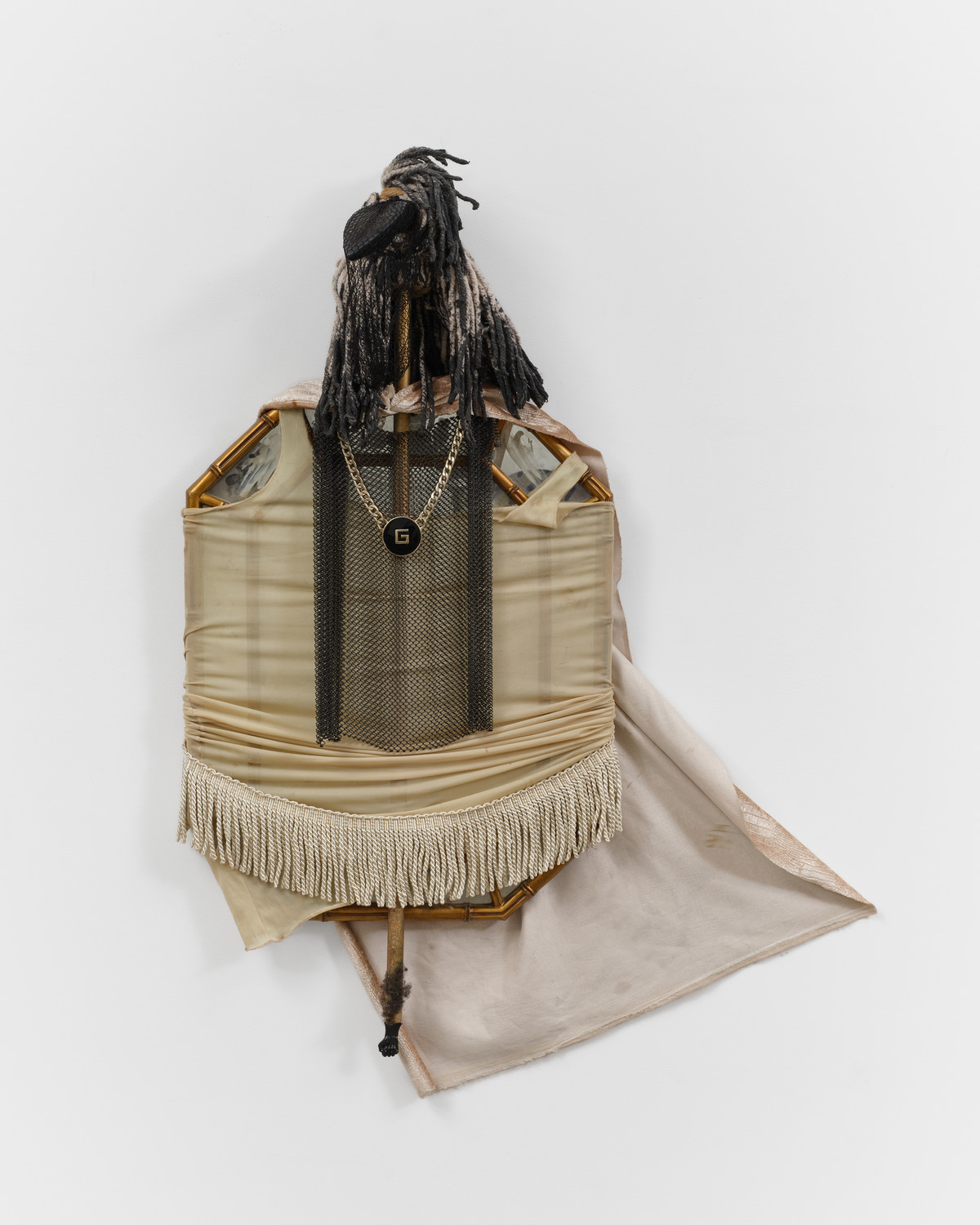
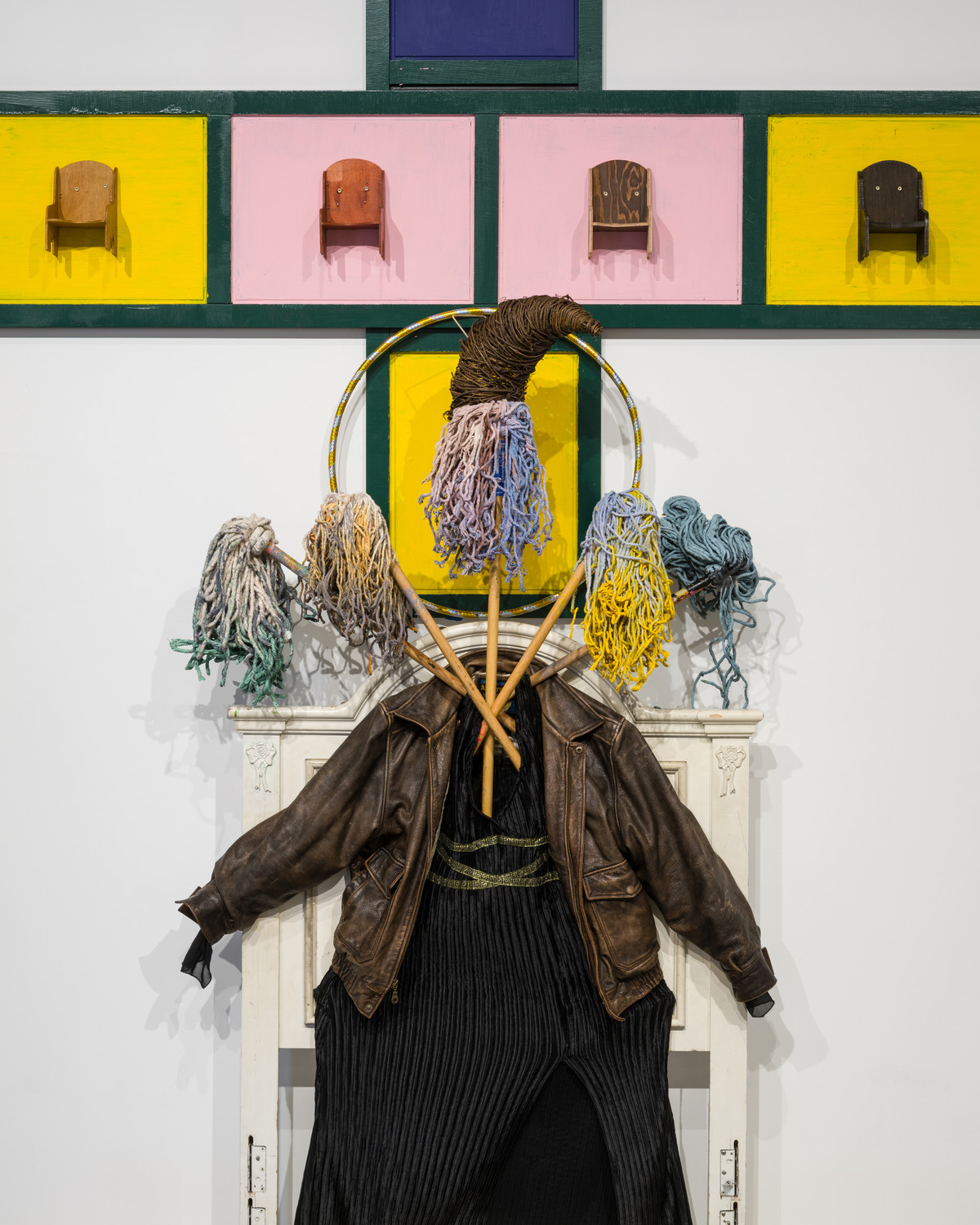
That’s Pope Romero. God bless his soul. Mink coat, gold rope. Another kind of altar.
Onyewuenyi
Religion is everywhere in your work — Catholicism, Islam, Judaism. Did you grow up religious?
Gaitor-Lomack
I grew up around all of it. New Jersey exposed me to everything — synagogues, Five Percenters, Nation of Islam. My mother cared for an elderly Jewish man, Ivan. He taught me things about his culture while we watched TV and talked cars. I’m an ally to it all.
Onyewuenyi
Your work feels like it embraces spiritual multiplicity — syncretism — without submission.
Gaitor-Lomack
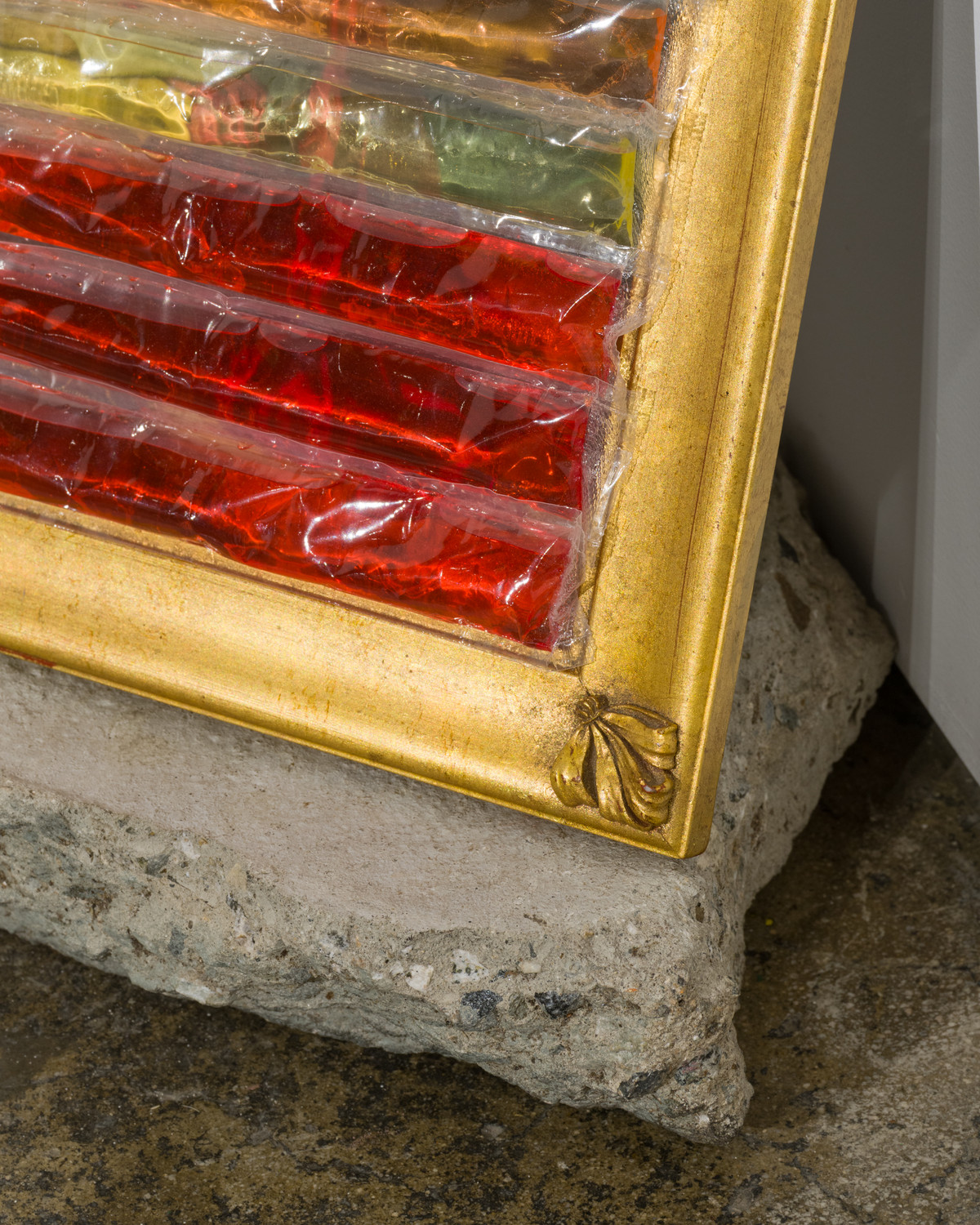
Exactly. There’s no submission in my work. That’s the difference between art and religion. These symbols are man-made. I can reorient them. Transform them. They move us daily whether or not we practice the religion tied to them. And I’m free in that. Total freedom.
Onyewuenyi
That ties back to the title — YOU CAN HATE ME NOW. There’s a directness to it.
Gaitor-Lomack
The title is a response — not an explanation. To the past, the present, and what’s coming. I’ve taken a code of silence around explaining it too much. The work is the response. Whether you walk in or walk out, whether you question my intention — I’ve already responded.
Onyewuenyi
You’ve mentioned the Carmina Burana — Lady Fortuna — as part of the architecture behind the show.
Gaitor-Lomack
Yeah. These last years have been about luck, fortune, cycles, the wheel turning. I sample that energy. It’s how I choose to spin everything now.
Onyewuenyi
You’ve said you don’t fit in, and you don’t want to.
Gaitor-Lomack
Never fit in. I’ve danced around people who do, but only because I can. That’s my gift. I know too much to fit in. I’m in a different place with it now — almost like an art of letting go. If success means becoming something I don’t respect, I don’t want it.
Onyewuenyi
And so much of the work becomes a forecast — a guide for others, even when you step back.
Gaitor-Lomack
Exactly. I’ve helped so many people see the next step in their race. Now it’s my turn to walk my own walk. What I’ve been forecasting is here now.
Onyewuenyi
Artists often talk about community, responsibility, representation. But with you, it feels like it all returns to vision.
Gaitor-Lomack
Vision, and the unseen. And trusting it.
Onyewuenyi
Well — thank you for walking us through this world. It’s powerful.
Gaitor-Lomack
Thank you. I love speaking about the work — and I love not speaking about it. But I always enjoy giving someone the experience.
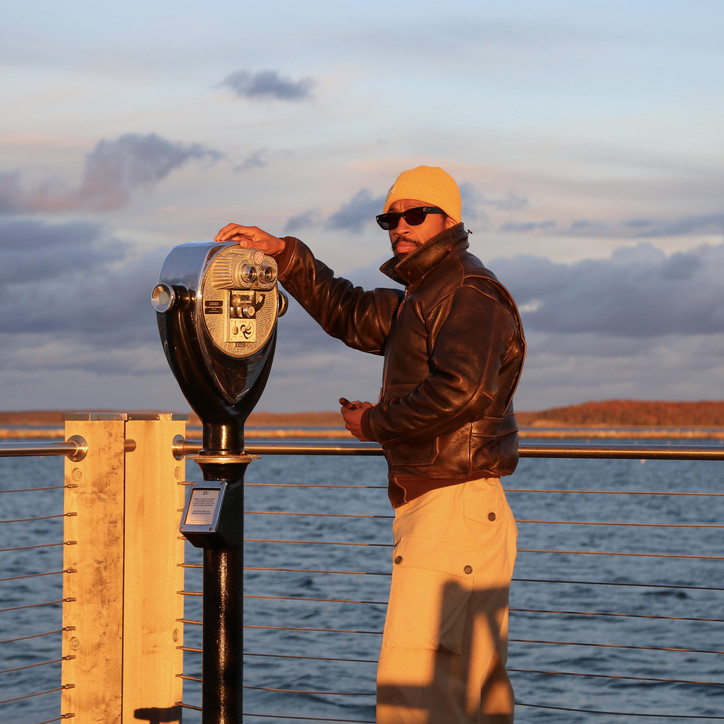
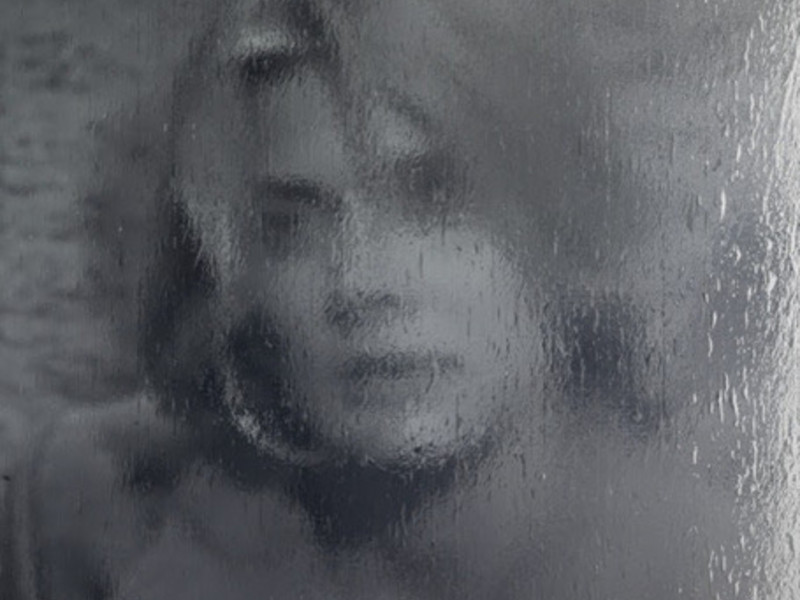
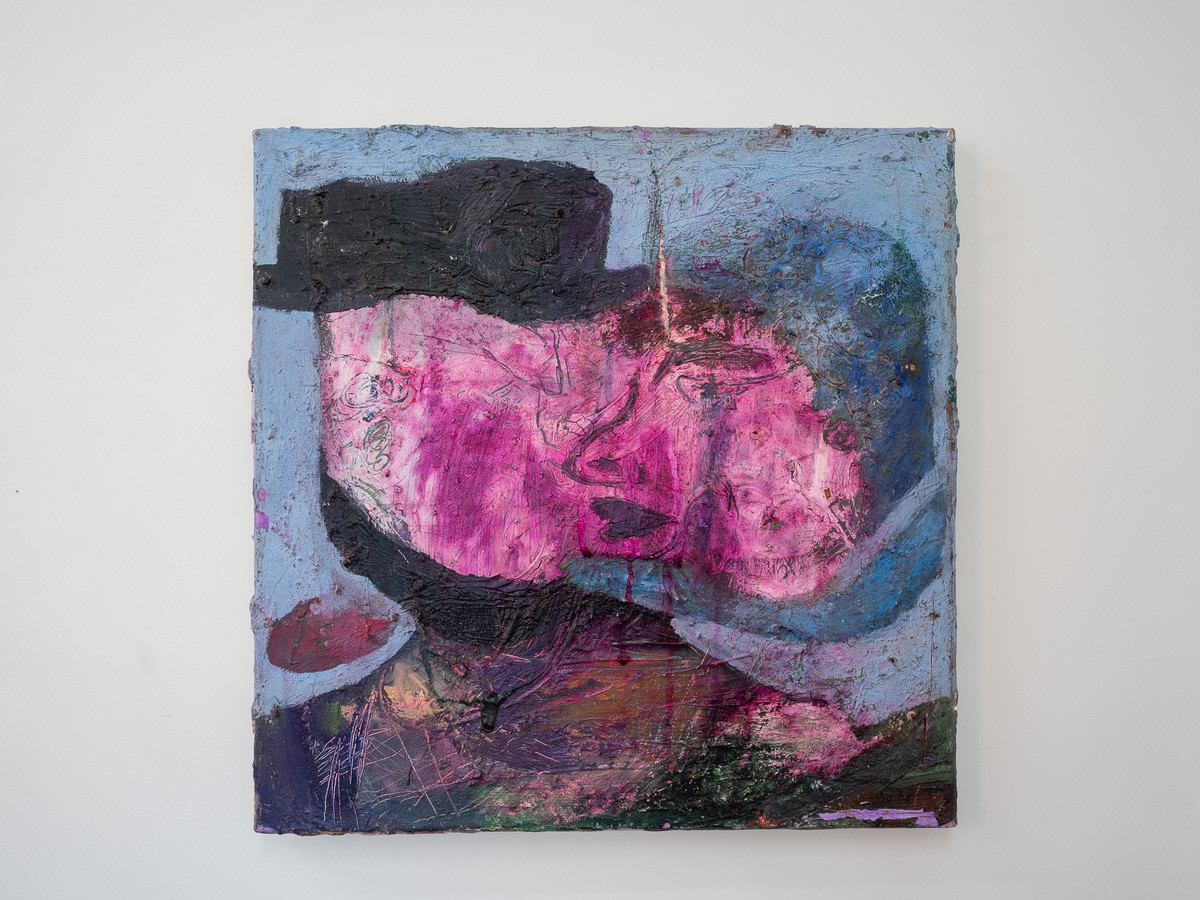
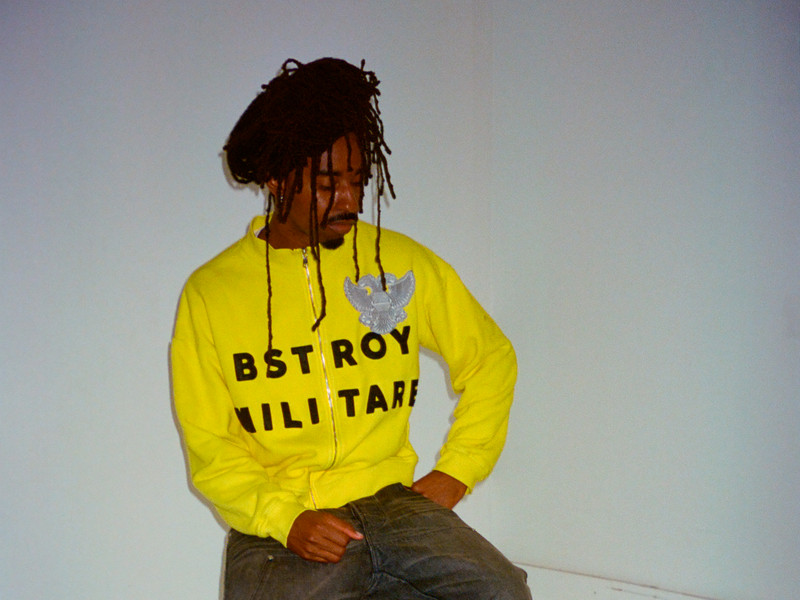
Self-Portrait by Daniel T Gaitor-Lomack