DENIER 2— "Erotica is Wholesome"
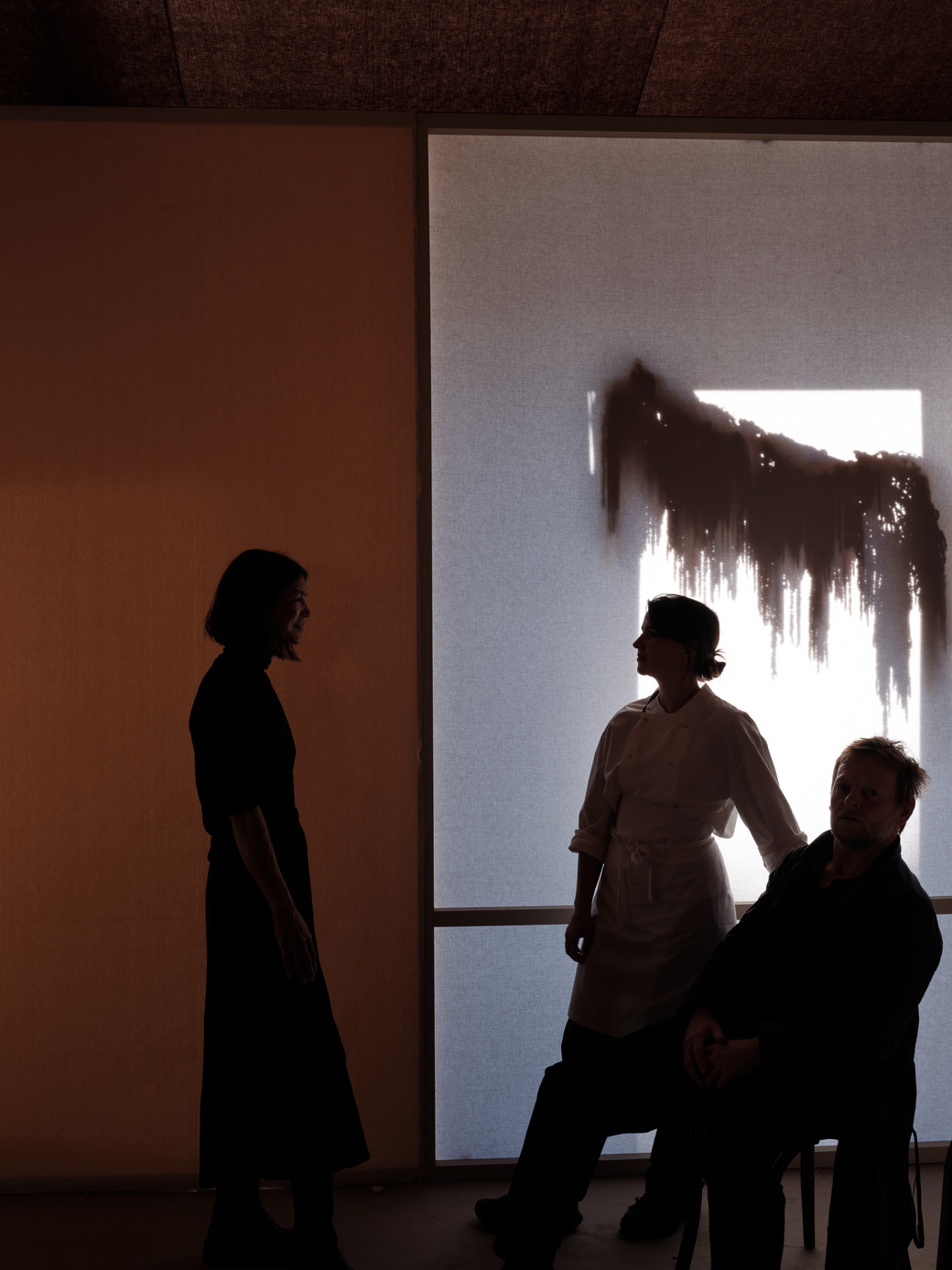
Haley Albert: It’s a week after DENIER 2, our second erotica salon. How are you feeling about it?
Alice Scope: Feeling erotic doesn’t always look the way you expect. The evening was actually very tender
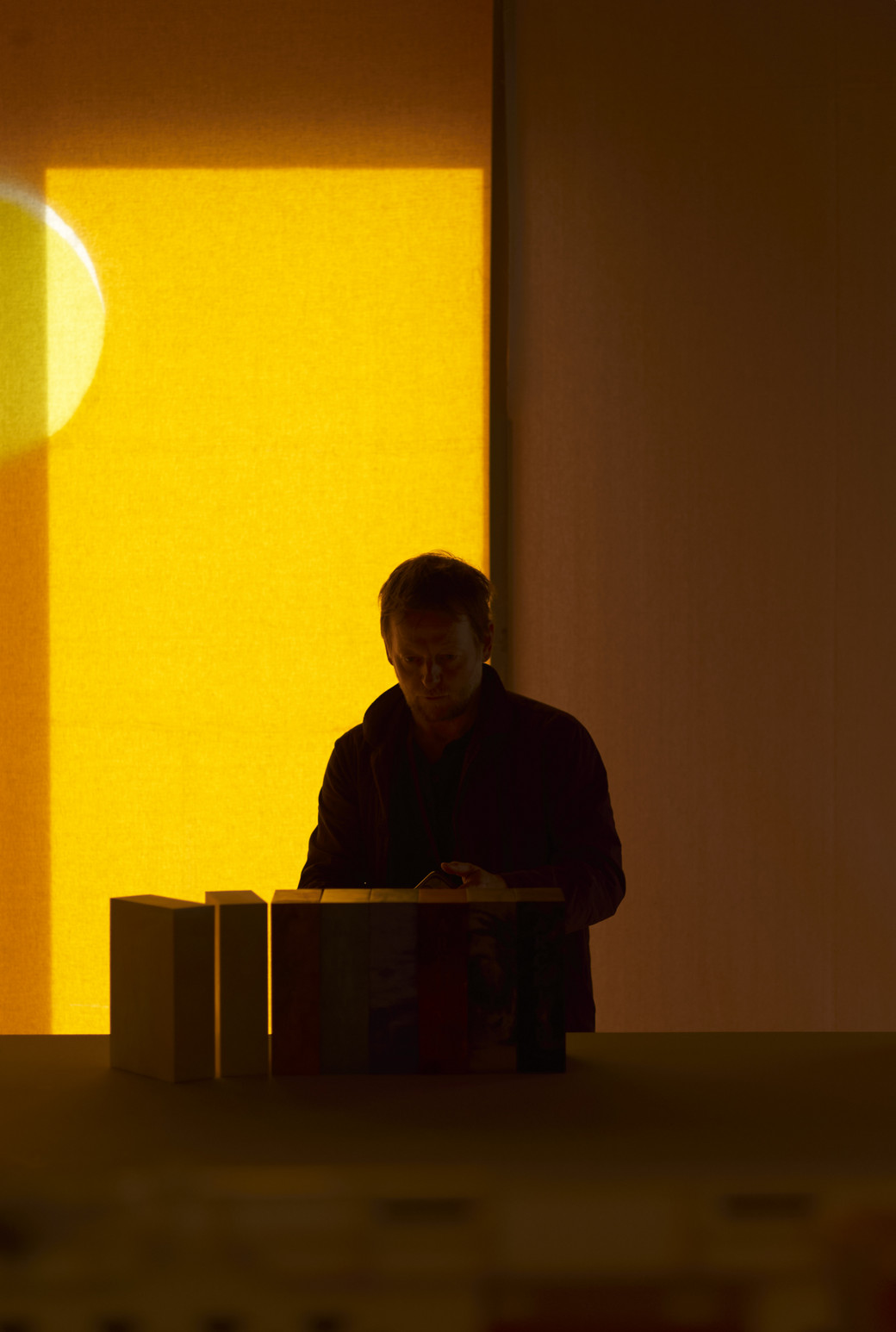
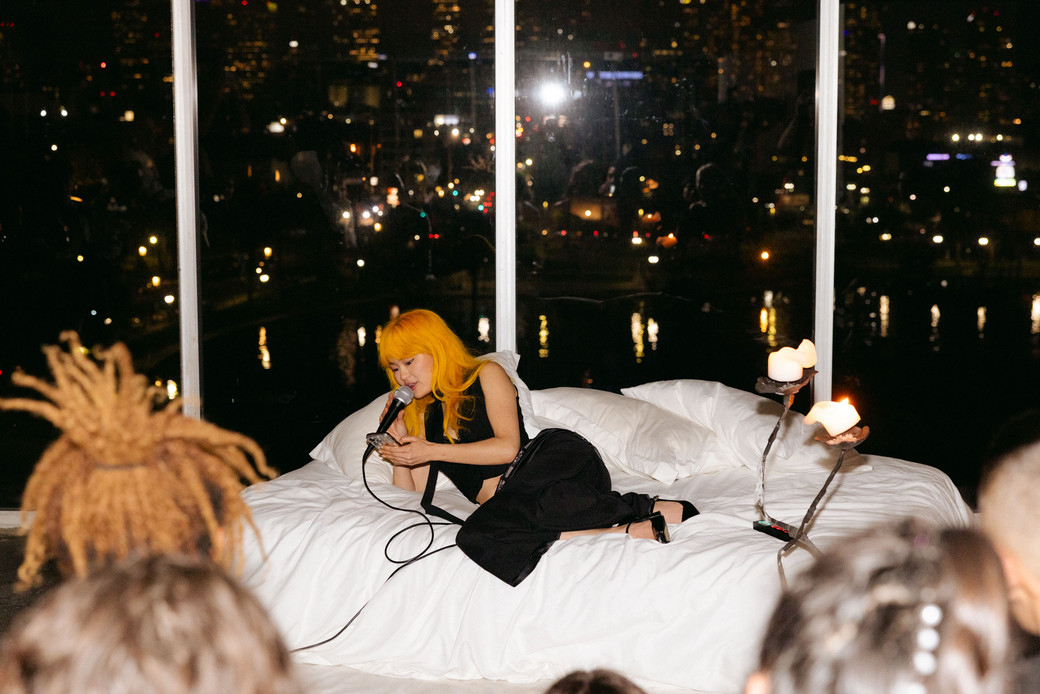
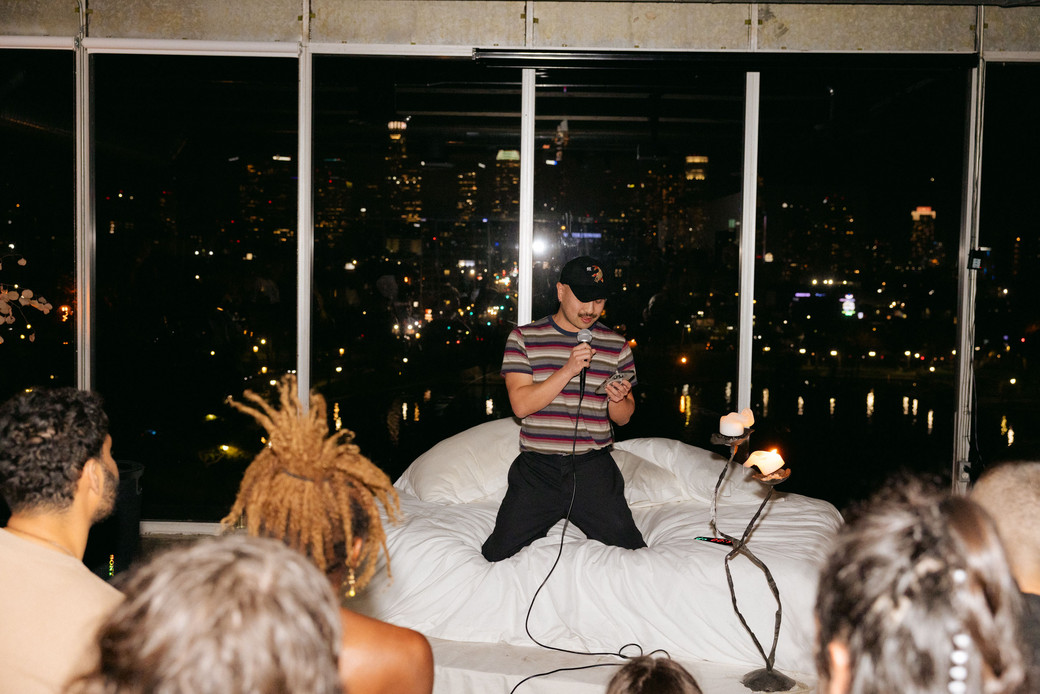
Mindy Seu: My takeaway was that erotica is actually very wholesome. There was flirtatious energy and a very active audience, but there was also this incredibly engaged listening. There was a cheekiness in the air, but it didn’t feel overtly sexy. Everyone left around midnight, but maybe that’s an LA thing. During the readings, we watched people talk about erotic topics, but there was this collective awareness that we were all participating in a performance. We were playing with traditionally erotic themes in a very safe way. And maybe eroticism needs a little risk — a different kind of risk than what happened.
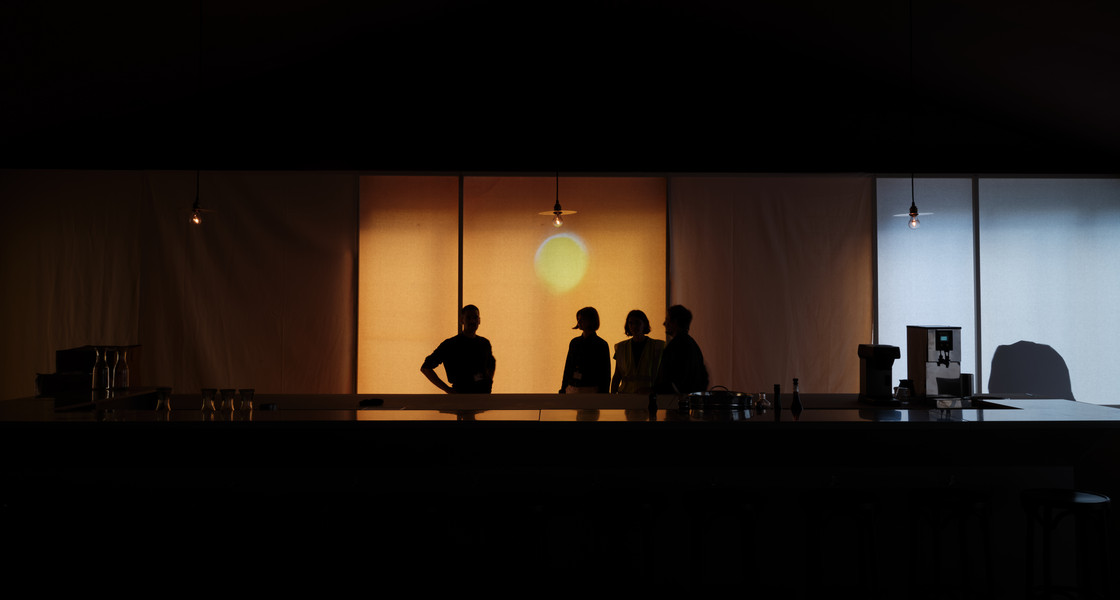
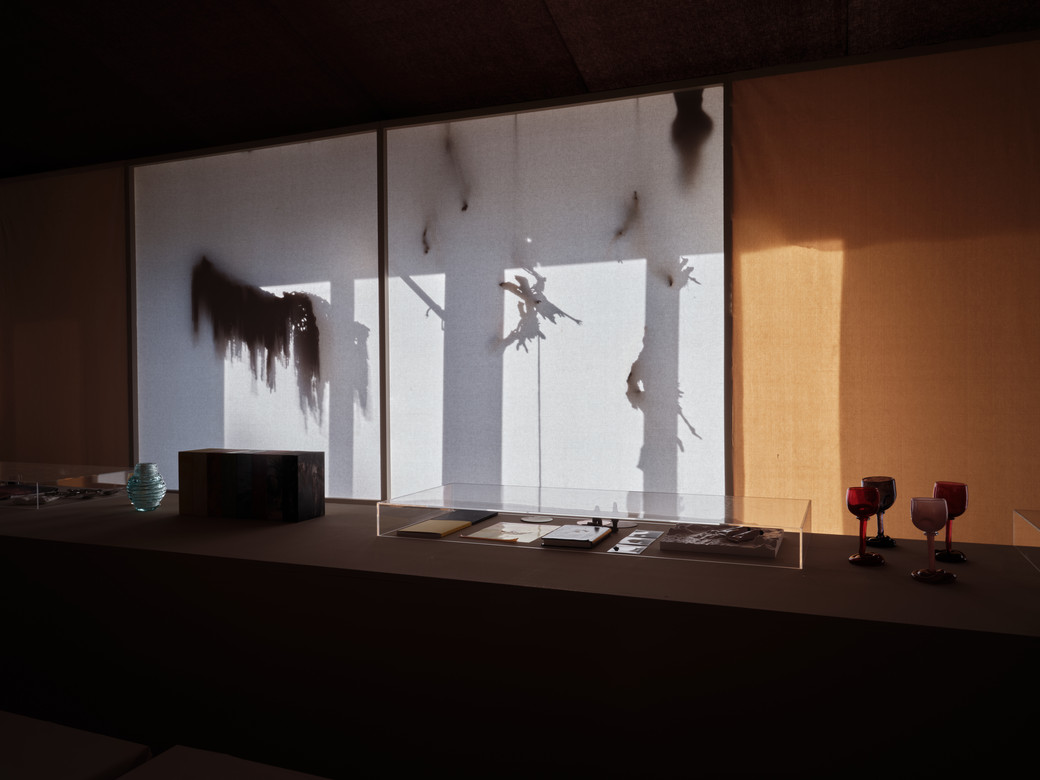
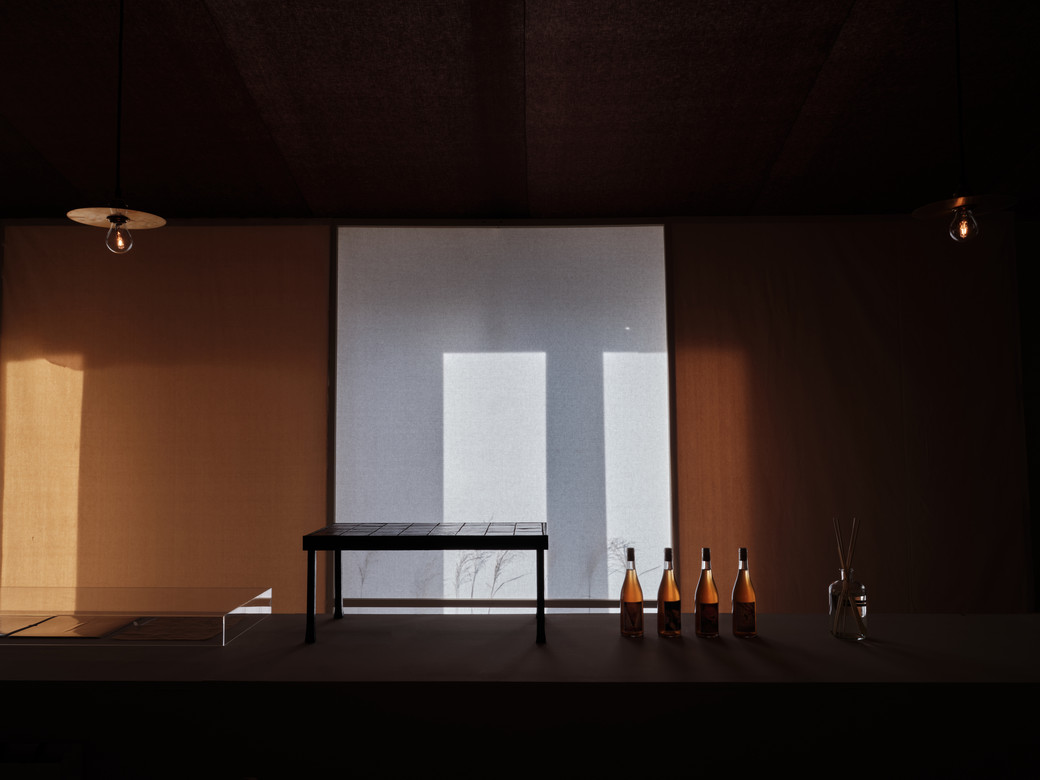
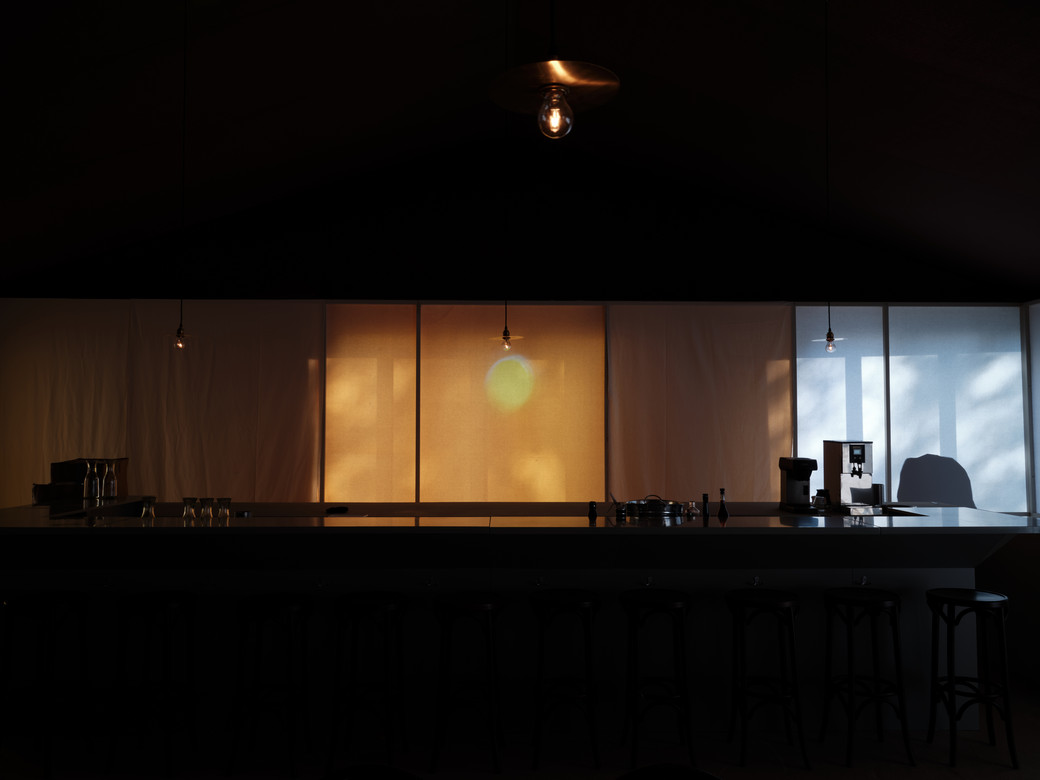
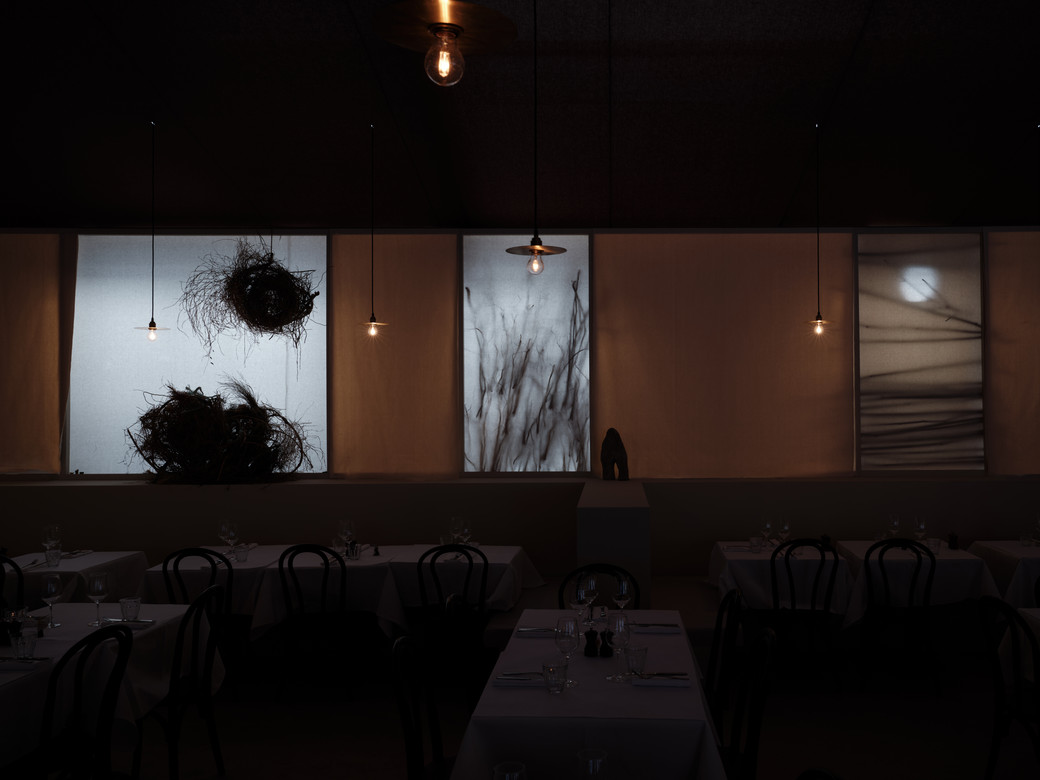
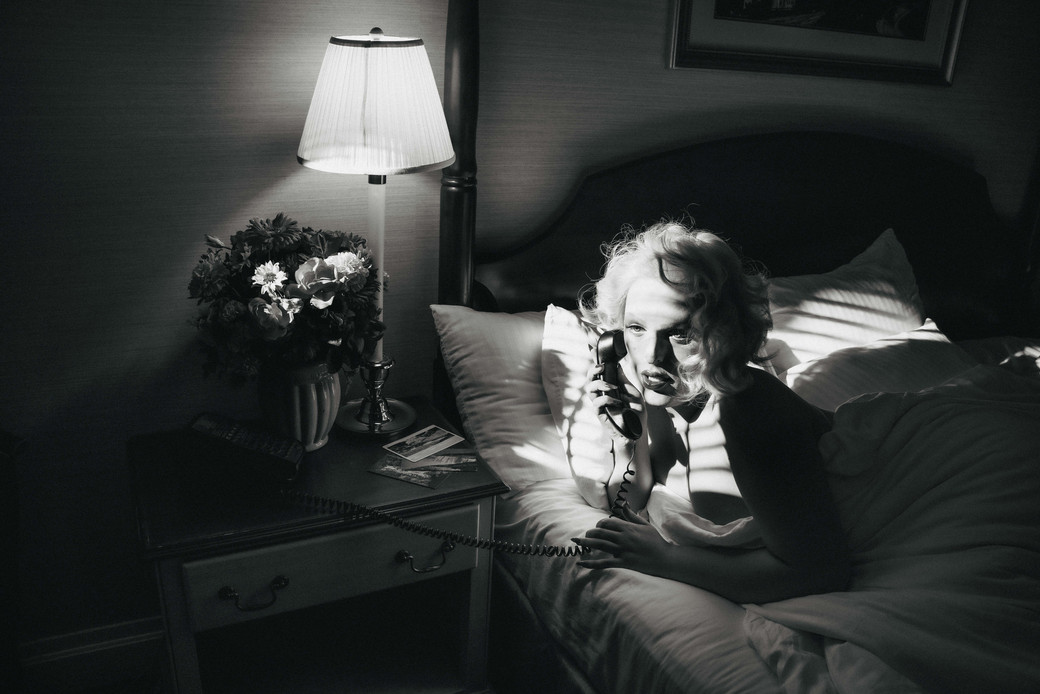
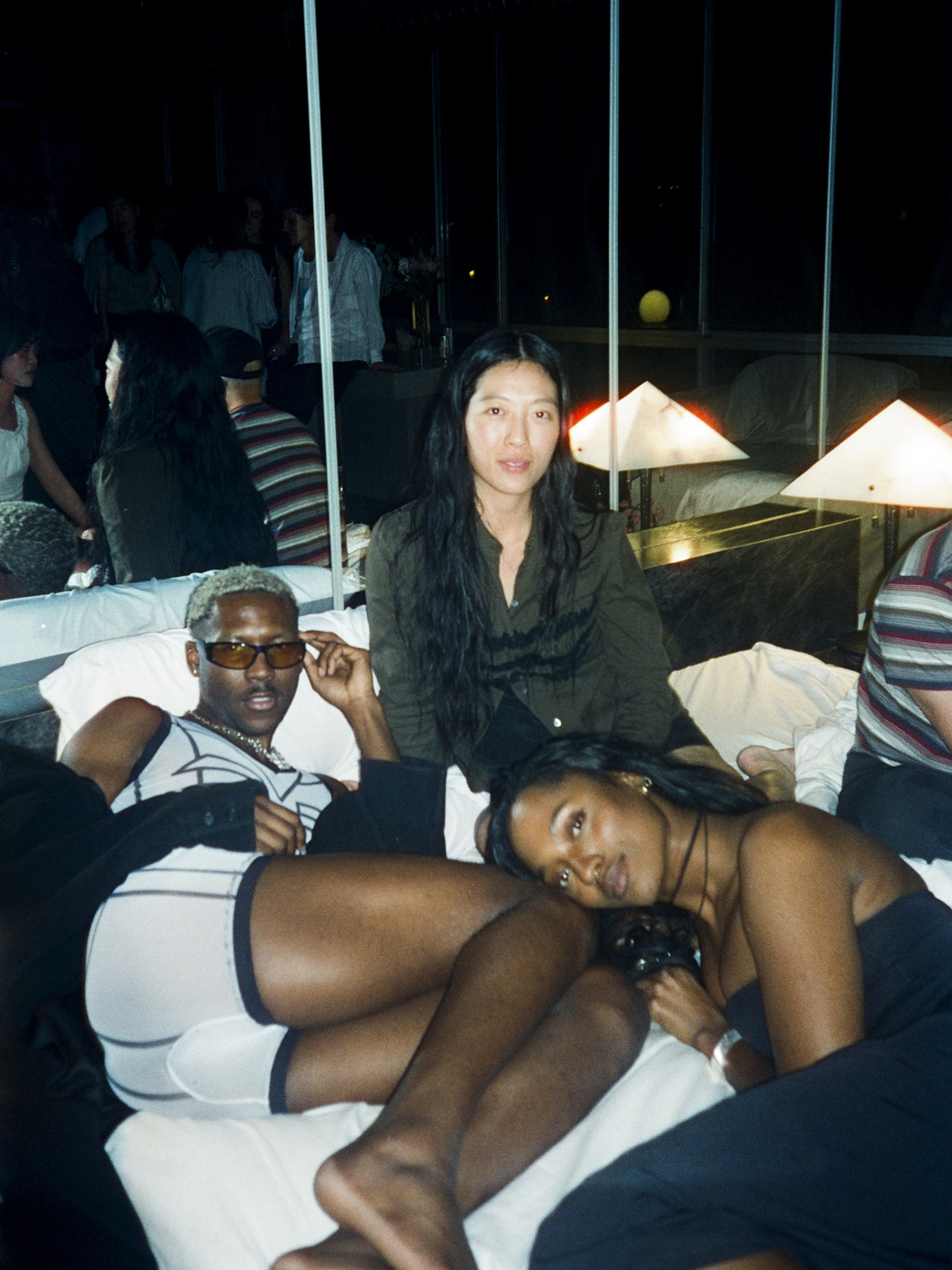
AS: The setting was also like a 1990s erotic thriller, which honestly did 80% of the work.
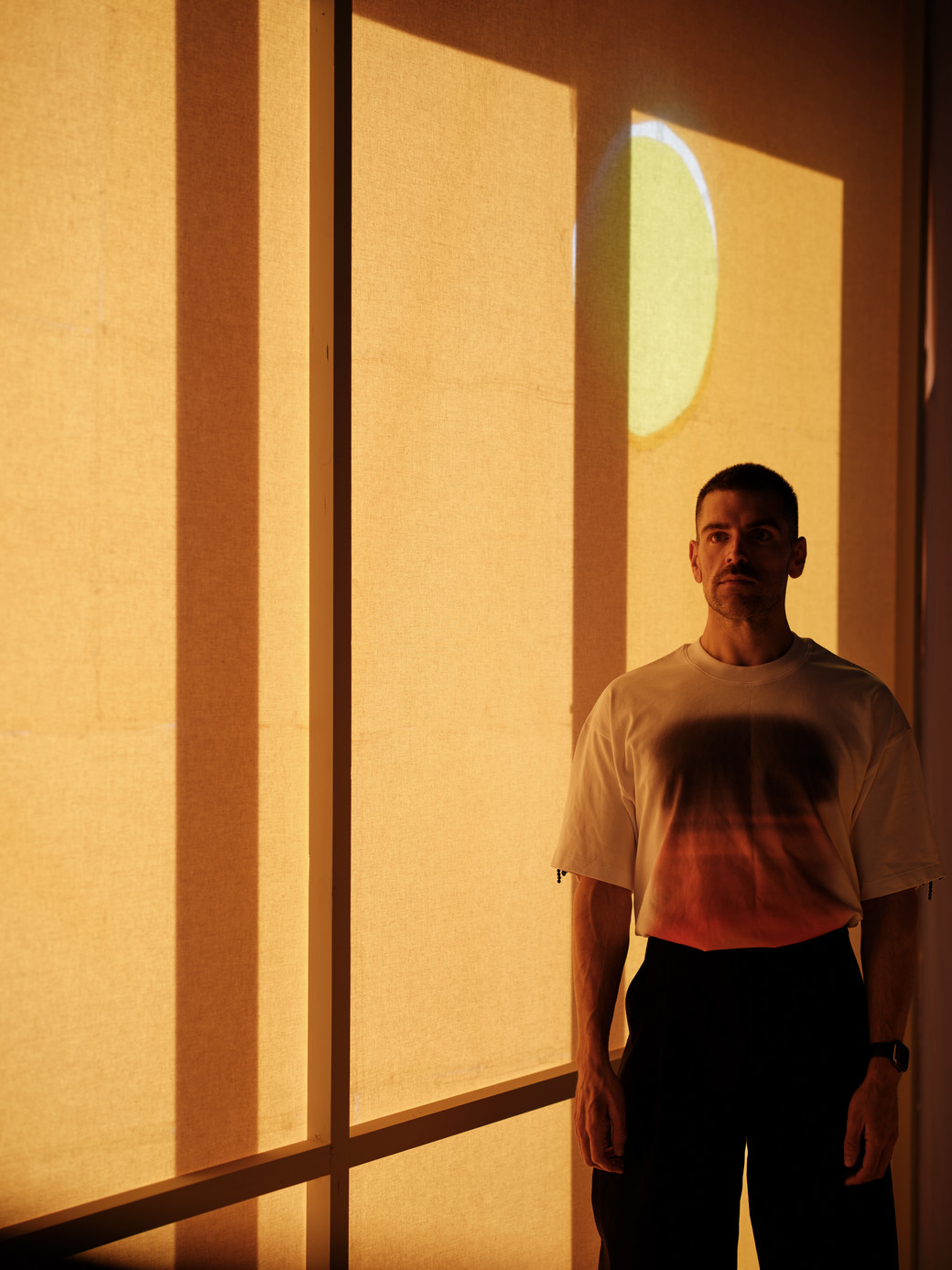
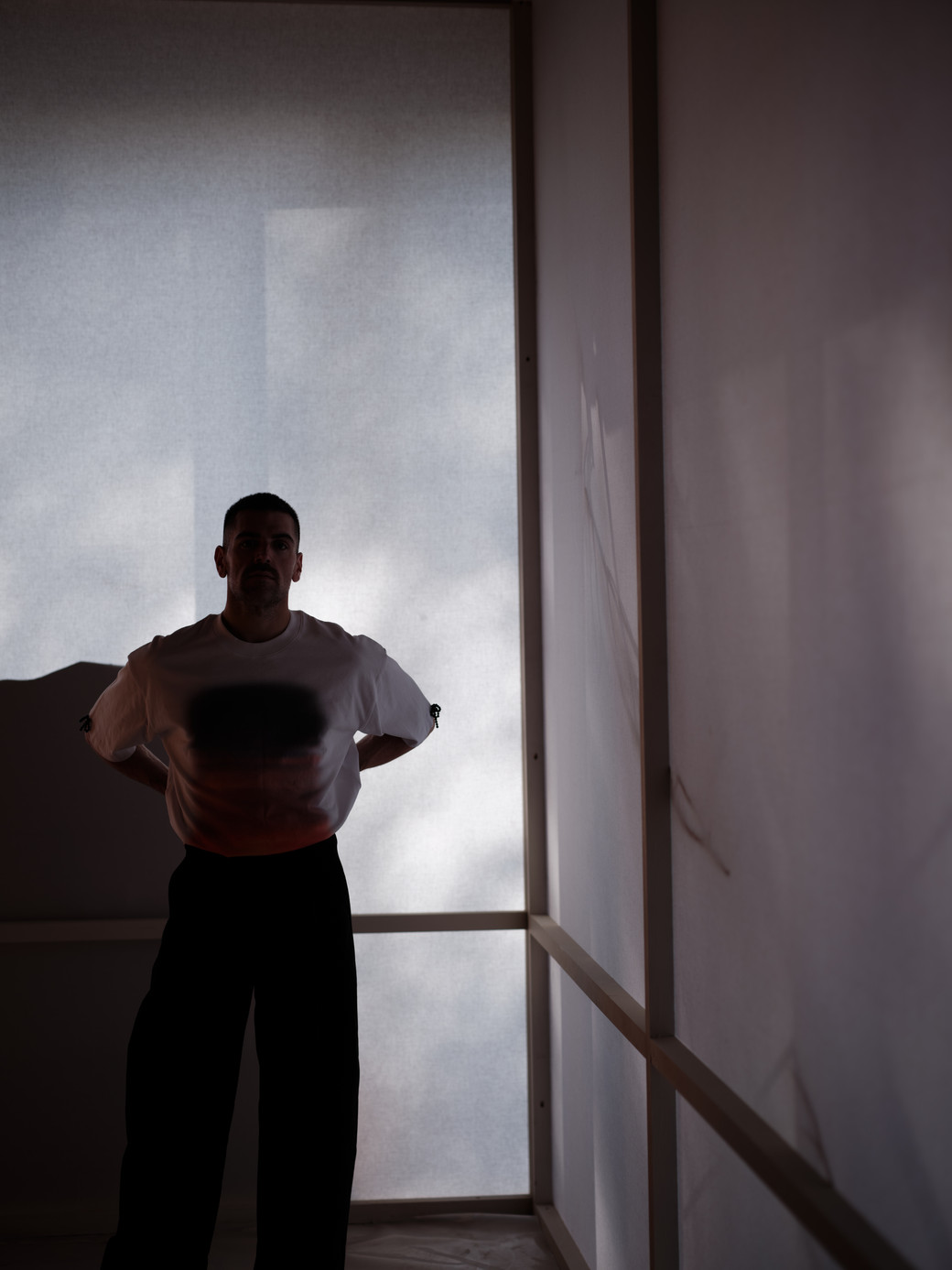
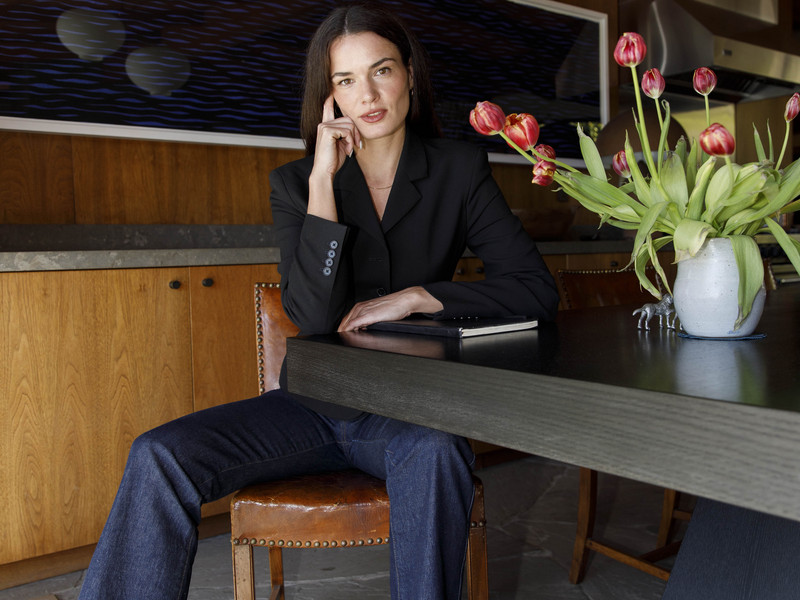
MS: Hah, yes, my dream has always been to live on the set of a ’90s erotic thriller. When I first saw this loft years ago, I became obsessed with it. Now to call this my home and to host gatherings here, using this skyline as a backdrop in a city with such cinematic history, it truly feels like a set of a performance. We’ve also all been thinking about erotica in some way in our independent works.
HA: When we were first brainstorming this, I approached Mindy about doing some kind of live radio or salon. My friend Georgia Lil and I host a show called Erotica Radio Hour on Frank News. Originally we thought about doing a live radio taping where people read erotic writing, but it evolved into something much more interesting.
AS: A year ago I curated an exhibition called Erotic Codex. The central question was: how has technology changed our perception of sexuality? I became fascinated with the idea of relationships with non-human entities — dating chatbots, intimate relationships with AI. When we started talking together, it felt like all of our fields overlapped, but each of us was approaching the topic from slightly different directions.
MS: As I’ve moved into my mid-thirties, I want my life to feel like an extension of my art practice. My latest projects Cyberfeminism Index and A Sexual History of the Internet deals with embodied technologies and revisionist internet histories. But growing up in a very conservative environment, sexuality felt extremely taboo. Over the last decade I’ve actively tried to give myself permission to talk about these things openly. When you make work about people, embodiment and desire are inherent.
AS: I was born in the Soviet Union. There’s this famous phrase: “There is no sex in the USSR.” It came from a televised conversation between the US and the Soviet Union. A woman said, “There is no sex”, meaning there was no sex on television, so it became symbolic of the taboo. Growing up, there was no sex education, no erotic magazines. At home we had one French animated cassette and one porn tape my parents owned that I accidentally watched as a child. I think that moment planted the seed of my fascination with eroticism. Haley, did you grow up in a conservative environment too?
HA: Not really. My household was actually very permissive which sometimes had the opposite effect — hearing your parents talk openly about sex when you’re a kid can make you retreat into your shell.
It made me very aware of the performative aspect of talking about sexuality. I kept wondering: what is erotic experience actually, beyond the performance of talking about it? Is it a feeling you tap into? A longing? Dissatisfaction? A kind of encounter?
AS: Something that surprised me was that a few people cancelled at the last minute because they felt shy about sharing a story. I found that shocking. It’s 2026 — why are we still shy about talking about eroticism?
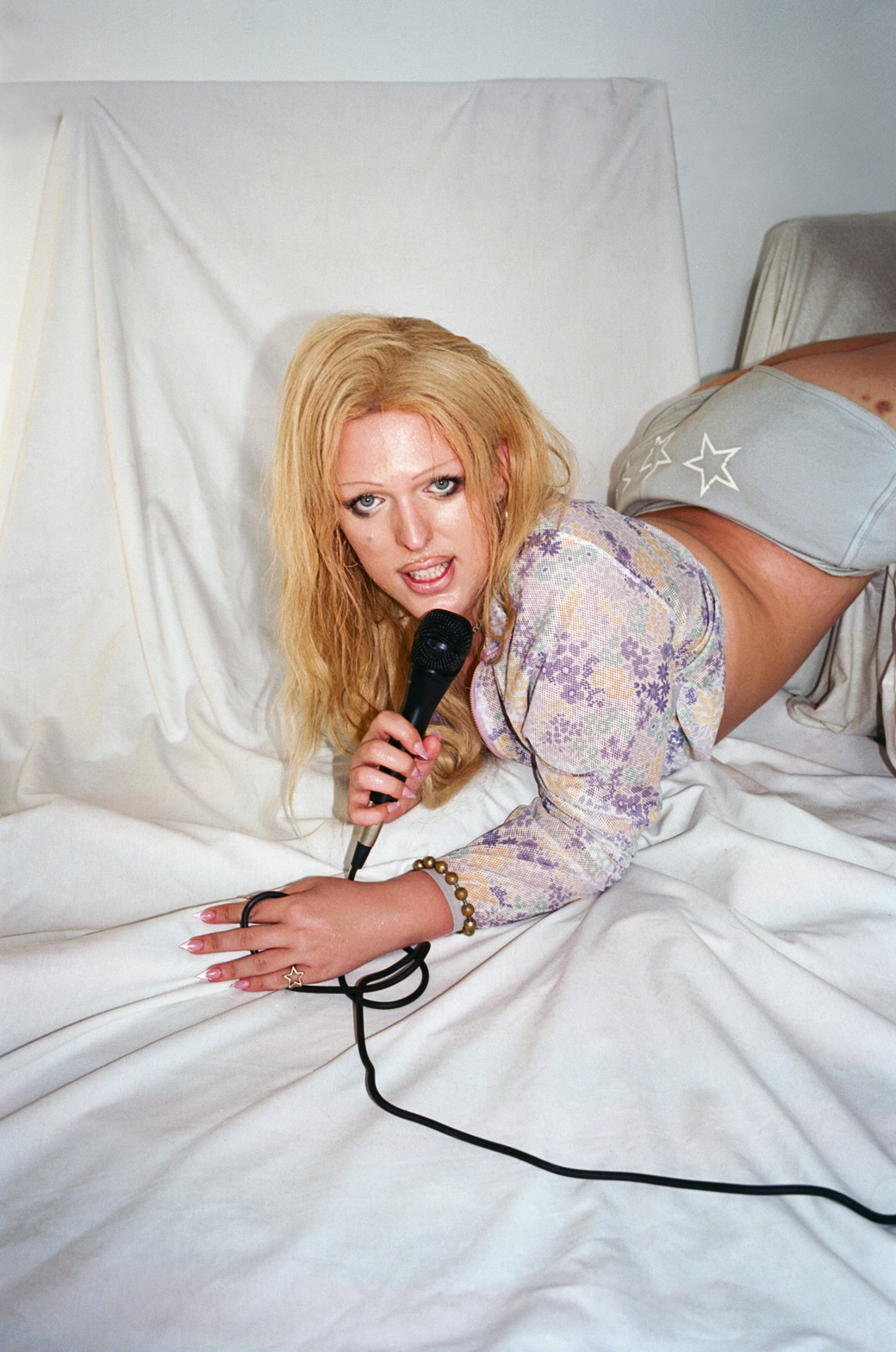
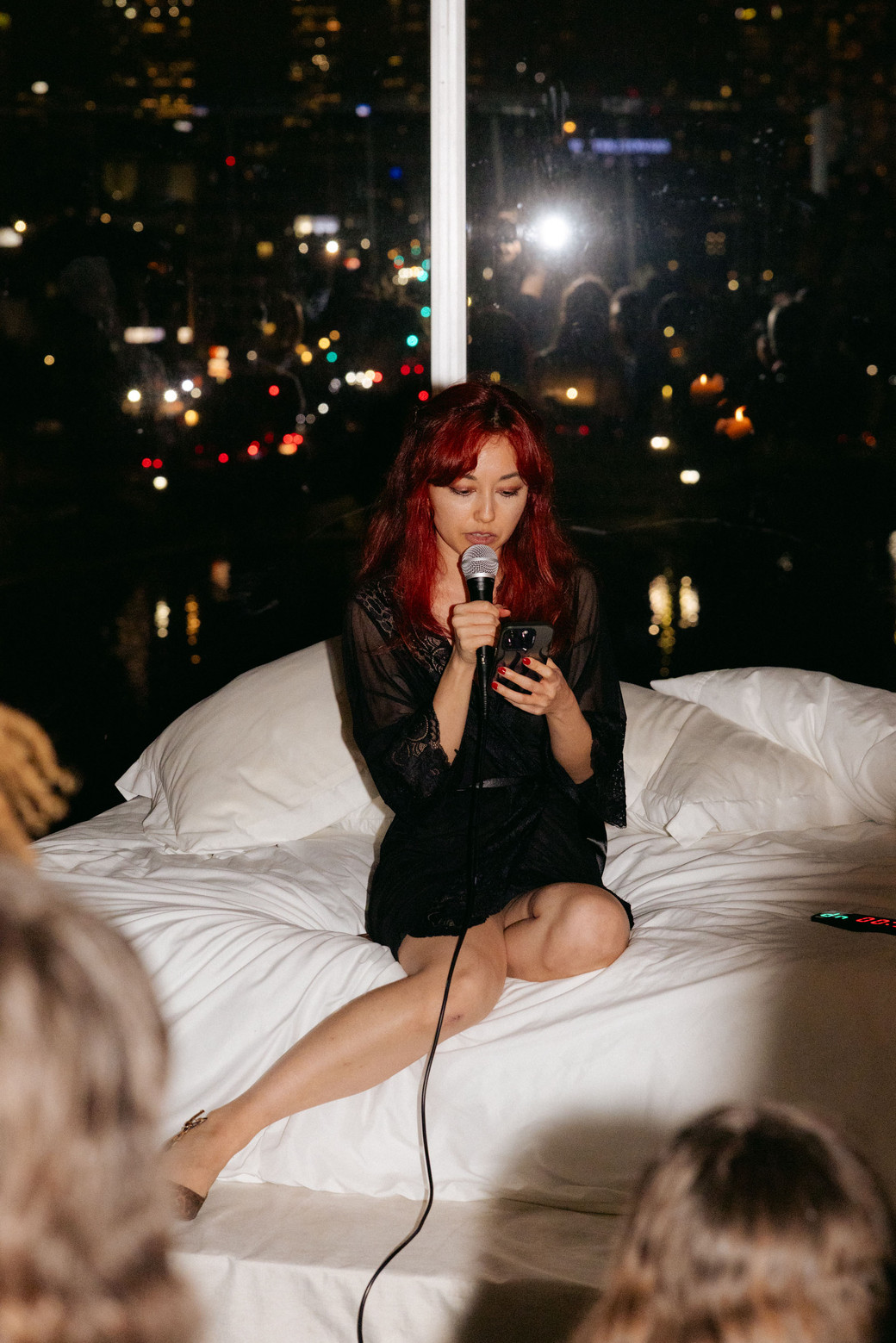
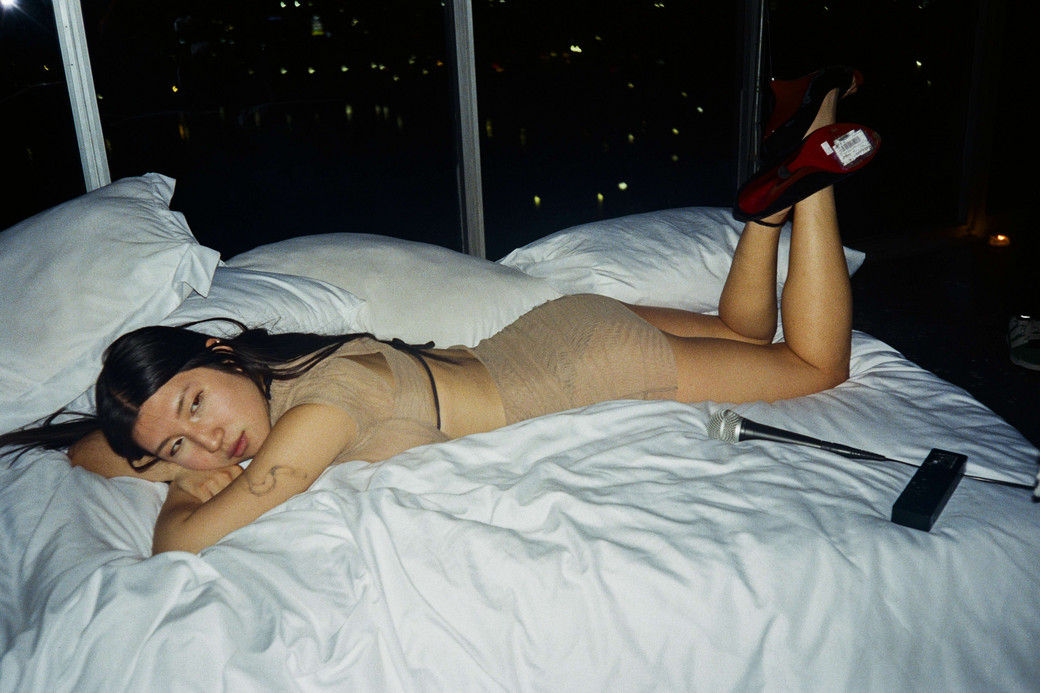
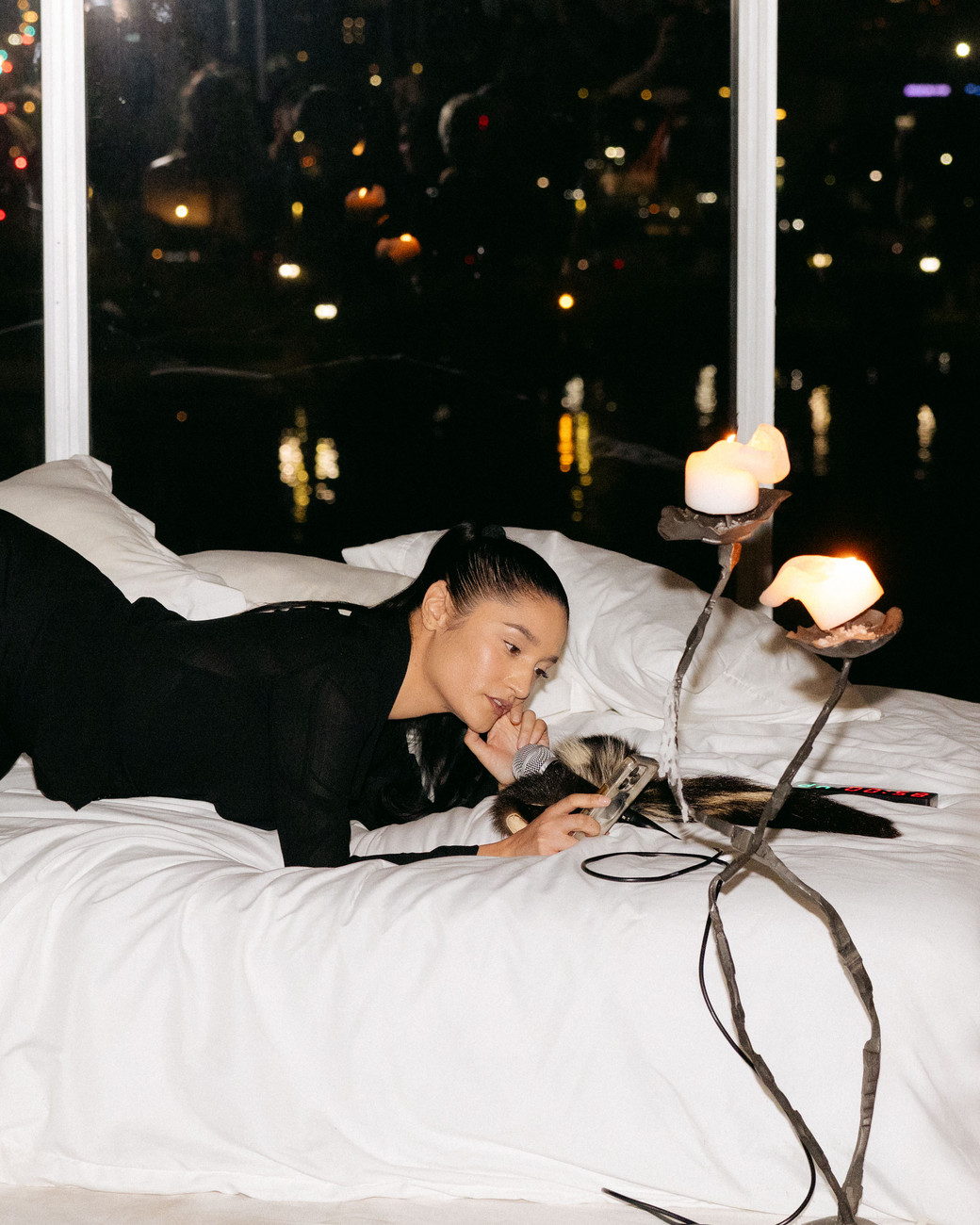
HA: I don’t think it was about the content of what people were reading. It was about the act of reading it to each other. Standing on a bed, holding a microphone, saying something intimate and risky — that was the erotic act. Not necessarily the words themselves.
MS: Yes, the eros come from vulnerability.
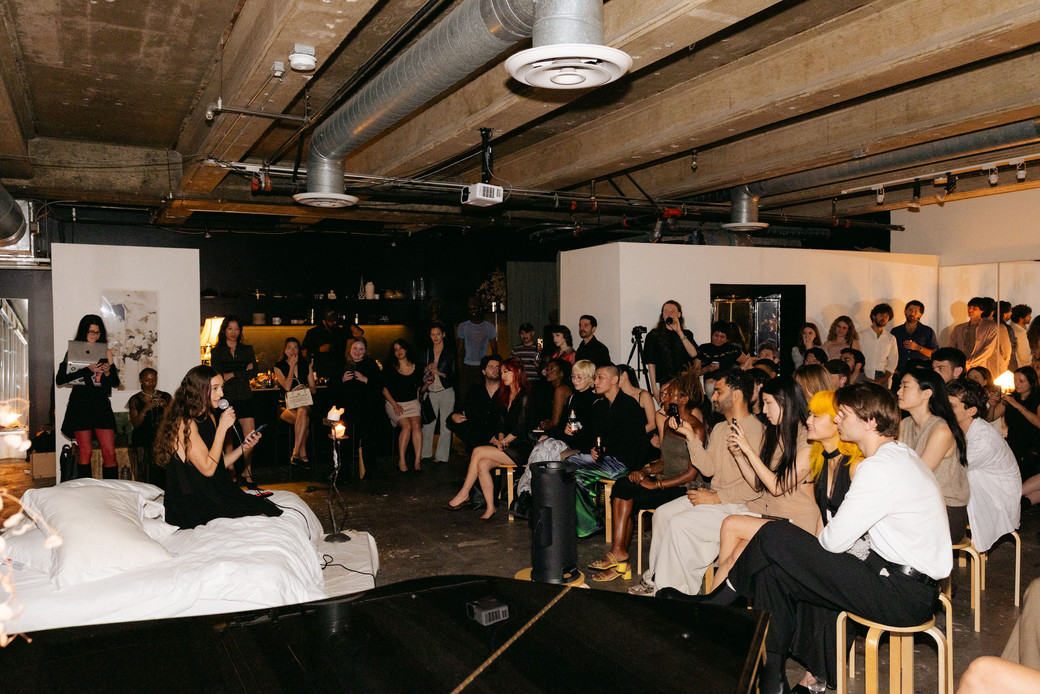
AS: As a curator I attend so many readings and panels where I think, could this be shorter? So I thought: what if everyone only had one minute? Then you can only say what you really want to say. I also liked replacing a stage with a bed and making it participatory.
MS: One minute forces people to get to the climax quickly. Twenty or so people reading for one minute each felt fast and fun, like an erotic news broadcast. The name DENIER also relates to restraint. It suggests denial, teasing — giving just enough but not too much. Then we discovered that “denier” is also a textile measurement, a thread count. It was the perfect convergence.
HA: Why do you think there was such strong collective energy?
MS: More than half the audience were also readers. When people feel like they’re co-creating something, they’re invested in everyone succeeding.
AS: The lineup also mattered. High-energy performers next to quiet, whispering poets. That contrast made everything feel dynamic.
MS: Have our salons changed how you define the erotic? I realized something: eroticism might not be performable. You can share stories about it, but actually feeling erotic is deeply embodied.
HA: Maybe performance simply gives you a way to notice the feeling. After one reading, Luca [Piccin] came offstage saying, “I feel so sexy right now.” The performance itself created that charge.
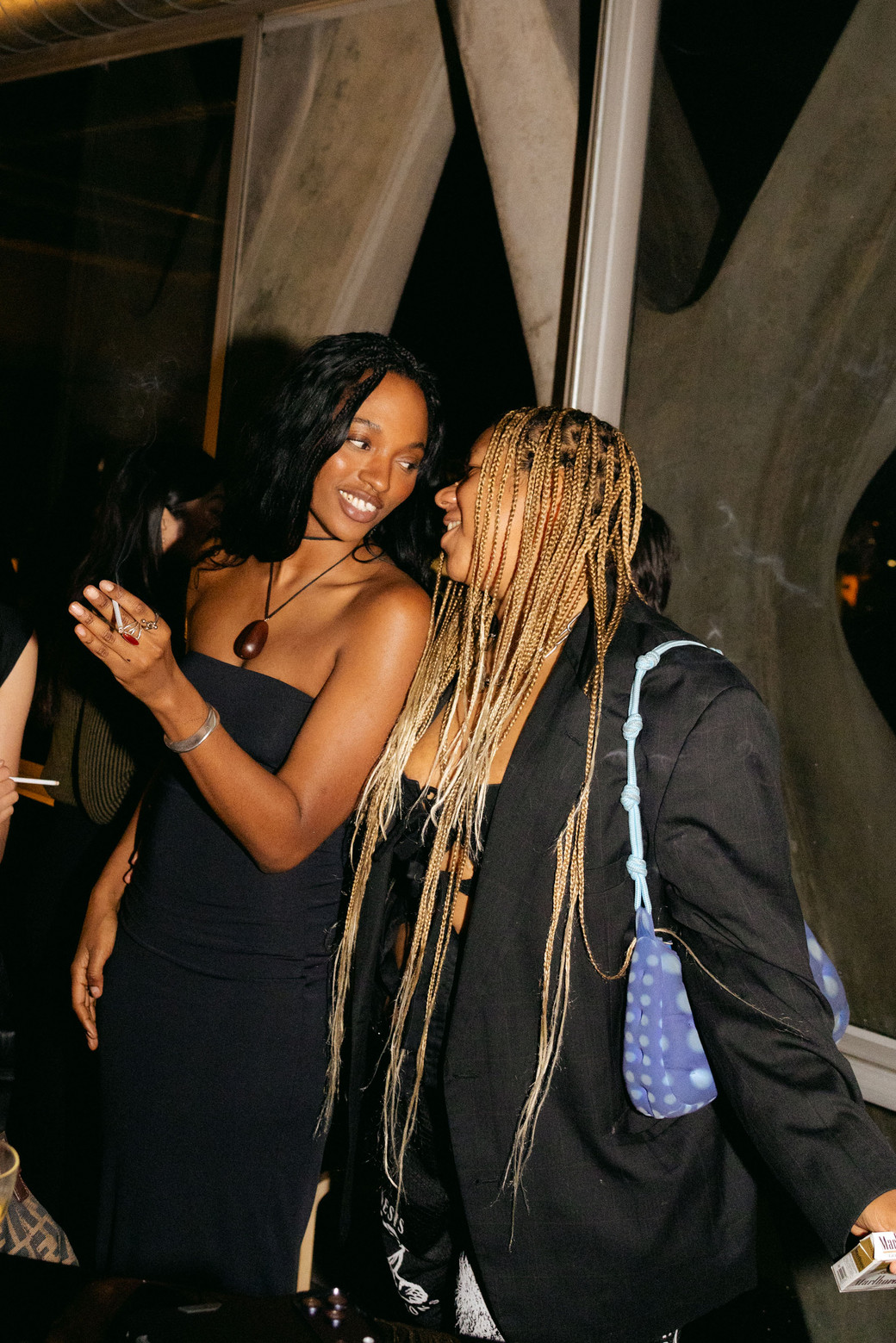
AS: I also thought about ancient Greece, where eros meant passionate love. You could feel erotic energy collectively, among friends, through gathering. The actual erotic moment last night might have been after the readings, when people were socializing and feeling the chemistry.
HA: We’re not starved for erotic imagery today — we’re flooded with it. So maybe the erotic today lives in the cracks. In a world saturated with sexual imagery, the erotic becomes something subtler, something you feel when you slow down enough to notice it.
DENIER 1 took place in April 2025. It included one-minute stories (in order) by Lena Chen, Esra Soraya Padgett, Lauren Lee McCarthy, Star Feliz, K Allado-McDowell, Huntrezz, Iman Person, Clare Gillen, Jake Levy, Haley Albert, Ibuki Kuramochi, Silas Munro, Halleta Alemu, Luca Piccin, Mindy Seu, Nick Harwood, Noelle Perdue, Max Friedlich, Alice Scope, Kola Heyward-Rotimi, Lindsey Normington, Jesse Damiani, Siri Dahl, Armen Nalbandian, Alice Bucknell, and Sammy Sins
DENIER 2 took place in February 2026. It included one-minute stories (in order) by Rei Hertzler, Karl Charles, Alicia Novella Vasquez, Pierce Myers, Eileen Isagorn Skyers, Zack Seekoff, Rina Nicolae, John Threat, Olive Kimoto, Sammy Loren, Christina Lu, Haley Albert, Andrew Thomas Huang, Alice Scope, Sylvan Rackham, Gabrielle Richardson, Alima Lee, Nora Berman, and Maya Man.