O— What do you guys admire most about each other’s artistic perspectives?
MW— I think what John does really well is that he has come to the literary scene with this perspective that every writer is a rock star. The New York lit scene in the 2020s is back and popping off. We need to shine a light on it. Writing is sexy, writing is cool, and writing is important.
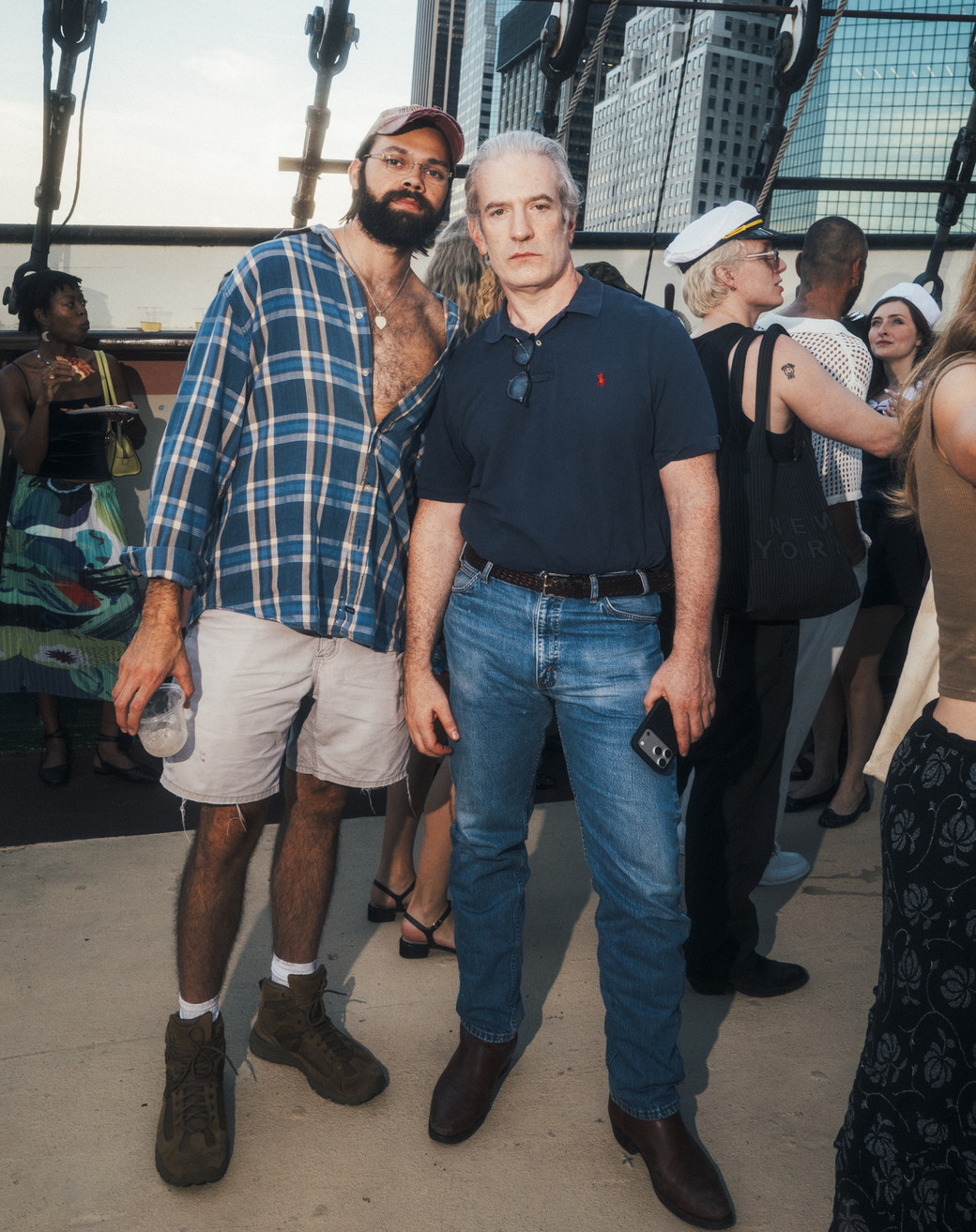
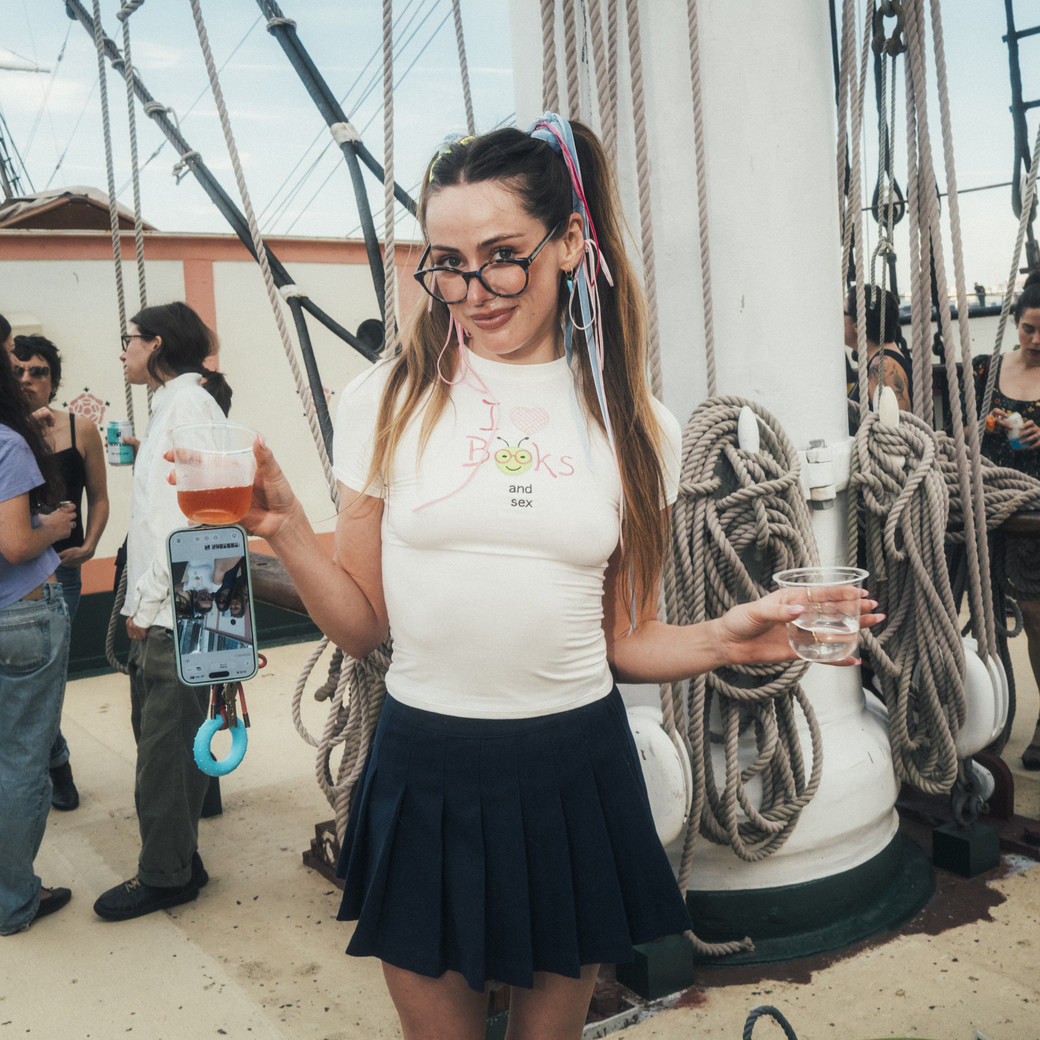
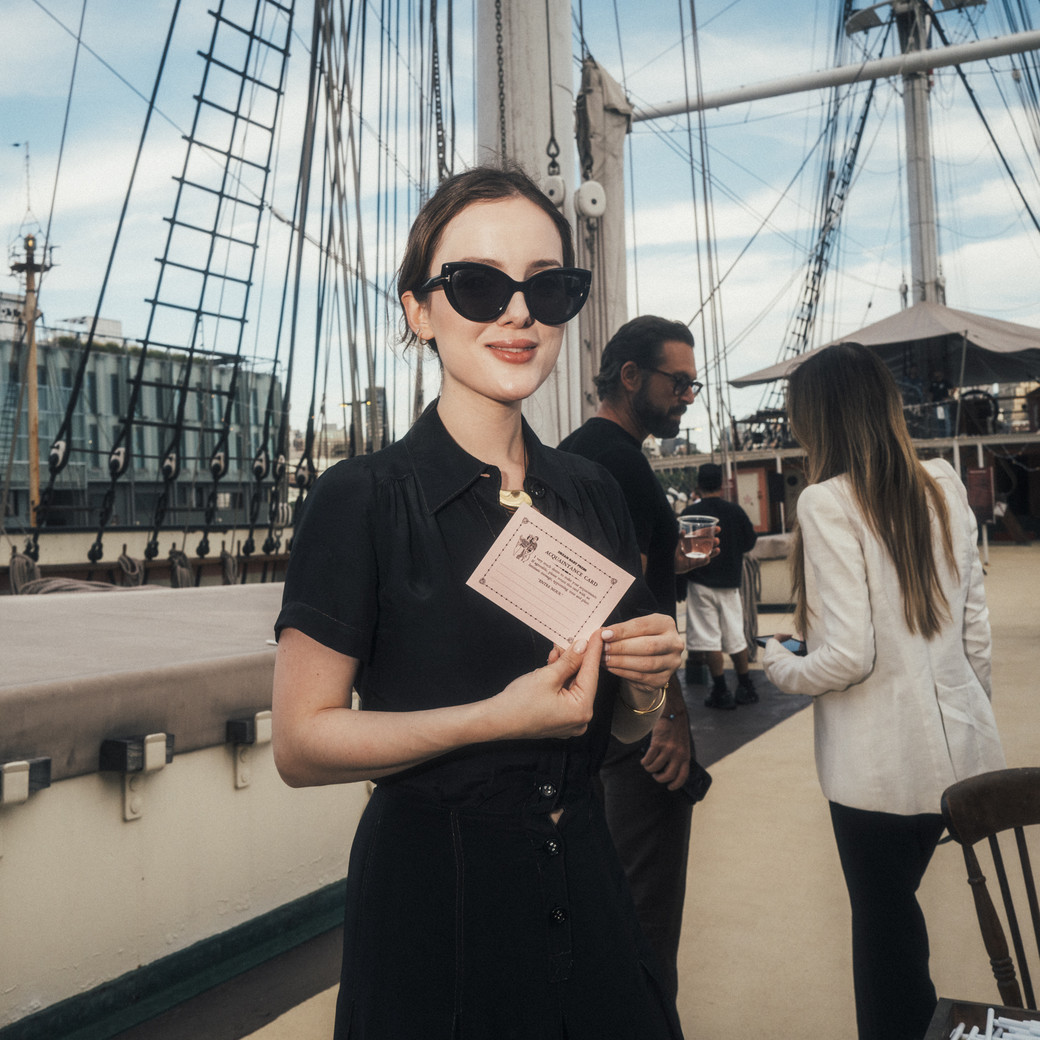
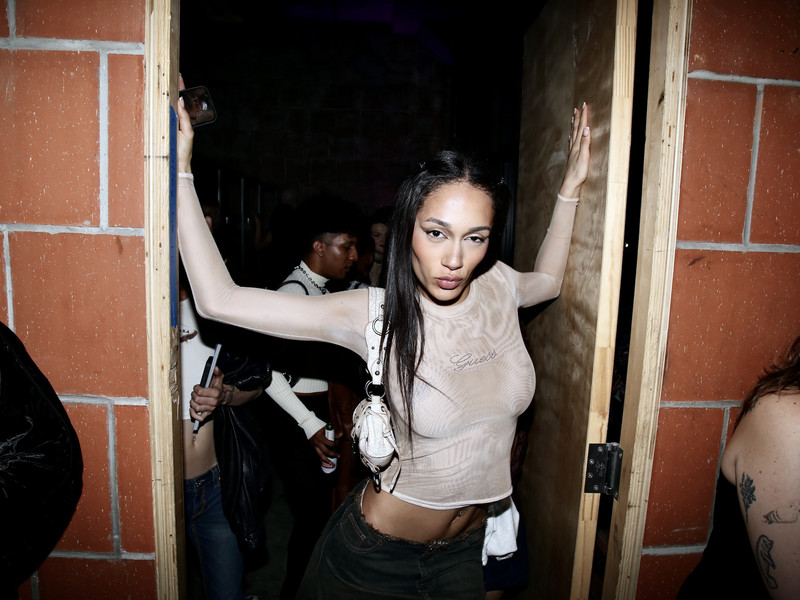
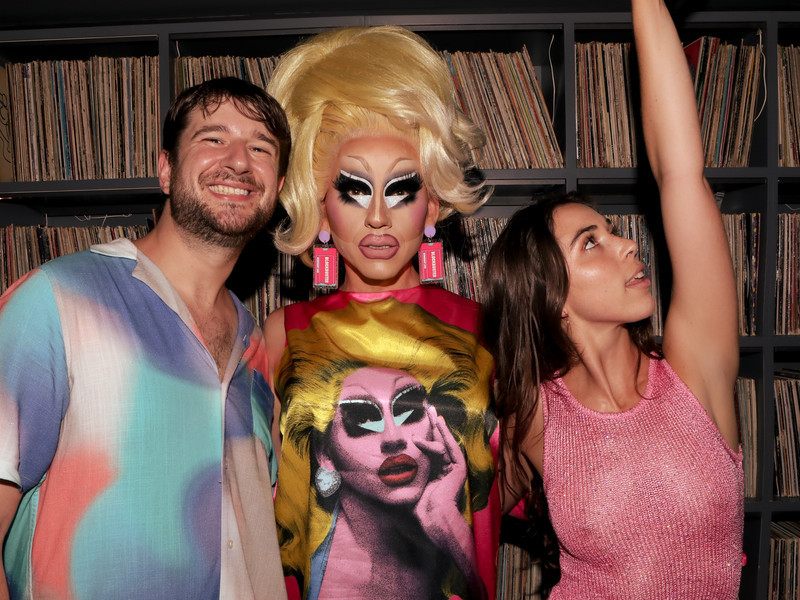
As a documentarian, as a photographer, I've been sort of on that wave since post-COVID when I got into shooting stuff. It was largely through the literary scene, Forever Magazine— which I write about in the article— that issue 03 launch that Anika Jade Levy had hired me to shoot was my gateway into this broader cultural world.
John sees that writing isn't some sleepy thing that just belongs in the spider-webbed hallways of universities. Writers are on the forefront of culture and are the movers and shakers of what is creative and exciting today. So I think he does a great job at that.
JL— I appreciate that. And actually, I would say that what I really admire about Matt (I mean, among many other things) is the literal flip side of that. Like for me, authors really are my rock stars. You know, I come at it from wanting to promote authors, and I believe authors should be at the center of American culture. And so to see a person like Matt who is documenting the 2020s in New York City broadly— he's at fashion shows, he's doing brand work, he's doing DJs, he's doing raves, skateboard culture, everything broadly, but is coming at it with the real love of literature is great. I love that. Mixing the literary with other types of art and culture, and Matt does it better than anybody.
O— What changes have you guys noticed in the culture of your respective crafts in recent years?
MW— This is very well documented, but it's relevant to this issue, Technodystopia: social media has just fundamentally changed the role of the photographer. With everyone having a camera in their pocket, the purpose of the photographer is very different.
Now, it's not that nobody's documenting anything, and that we need a photographer to be there to document it. If anything, now, there's almost too much information. If you're trying to get a flavor of what happened in a past moment or era, there's just so much documentation and [such a vast] visual library of everything. The role of someone like myself is to be a voice of perspective to say: here are a group of images that I've captured and done with intention to create this little time capsule of what we have today. So, despite the total excess of imagery, we have this little capsule and world that you can look to.
Also, with AI, it’s important to have voices that are known and credible because when people look back to any point in history from now on to as far as technology continues to progress, it will not be obvious what was real and what actually happened, because anything can be manufactured with AI. False narratives can be built and false images can be indistinguishable from that which is real. So it's important to have known, quantifiable voices that say, here's my body of work.
JL— One thing I’ve observed that been developing for 10 or 20 years, but really accelerated in the last five, is the pressure on authors to figure out how to use algorithmic media to promote their work.
Writing predates film and certainly social media. Natasha Stagg actually, in our previous issue, wrote an article for us called “The Lamentation of Natasha Stagg”, where she talks a lot about this. There's increasing pressure on authors to not just do great written work, but then to figure out ways to promote it visually in a competitive media landscape that's really dominated by short-form video right now. What I'd like to do is to try to help build some of the infrastructure that helps promote authors, and promote their work without them having to be the primary or sometimes sole force of promotion.
MW— I will say, one observation about what John said— I think that people having a large social media following doesn't really mean that you will be culturally relevant because there are a lot of people with a million followers that you’ve never heard of. And I think an interesting example of that in literature is how well Madeline Cash is doing with Lost Lambs, which I know John was a big supporter of. She’s the absolute opposite of an influencer girly, she's not posting short-form videos promoting her book or her content. Rather, she's someone who locked in and wrote something that's really great, and she's being recognized for it. And I think it goes to show that you don't need to fall into that trap of feeling like you need to feed the algorithm. If you just make great stuff, and of course, maybe know the right people and get promoted in the right circles— you can find success without having to be a slave to social media.
JL— Yeah, it's really important if you think about it, the group of people who are amazing social media influencers and the group of people who are amazing authors, maybe there’s a little bit of overlap, but there's plenty of amazing authors whose specialty is not social media. So, how do we help them get out there? Matt's great about that as well, making sure that people are seen, you know, in photos and in publications and in media.
MW— But then of course, there are writers who are very good at social media, and then they use that to promote their writing career. Like Caroline Calloway is the queen of social media, but also has written and published three books that have done very, very well.