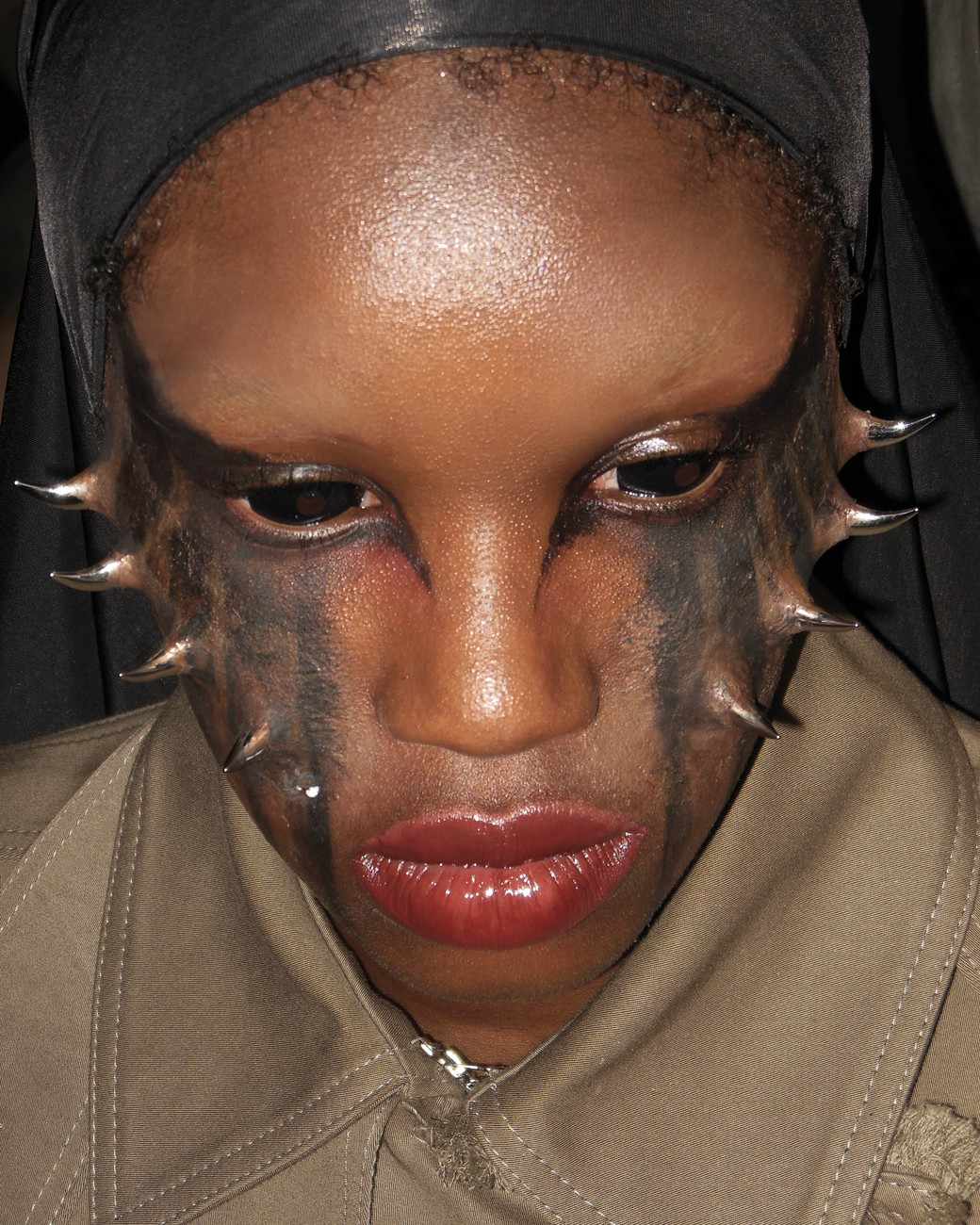
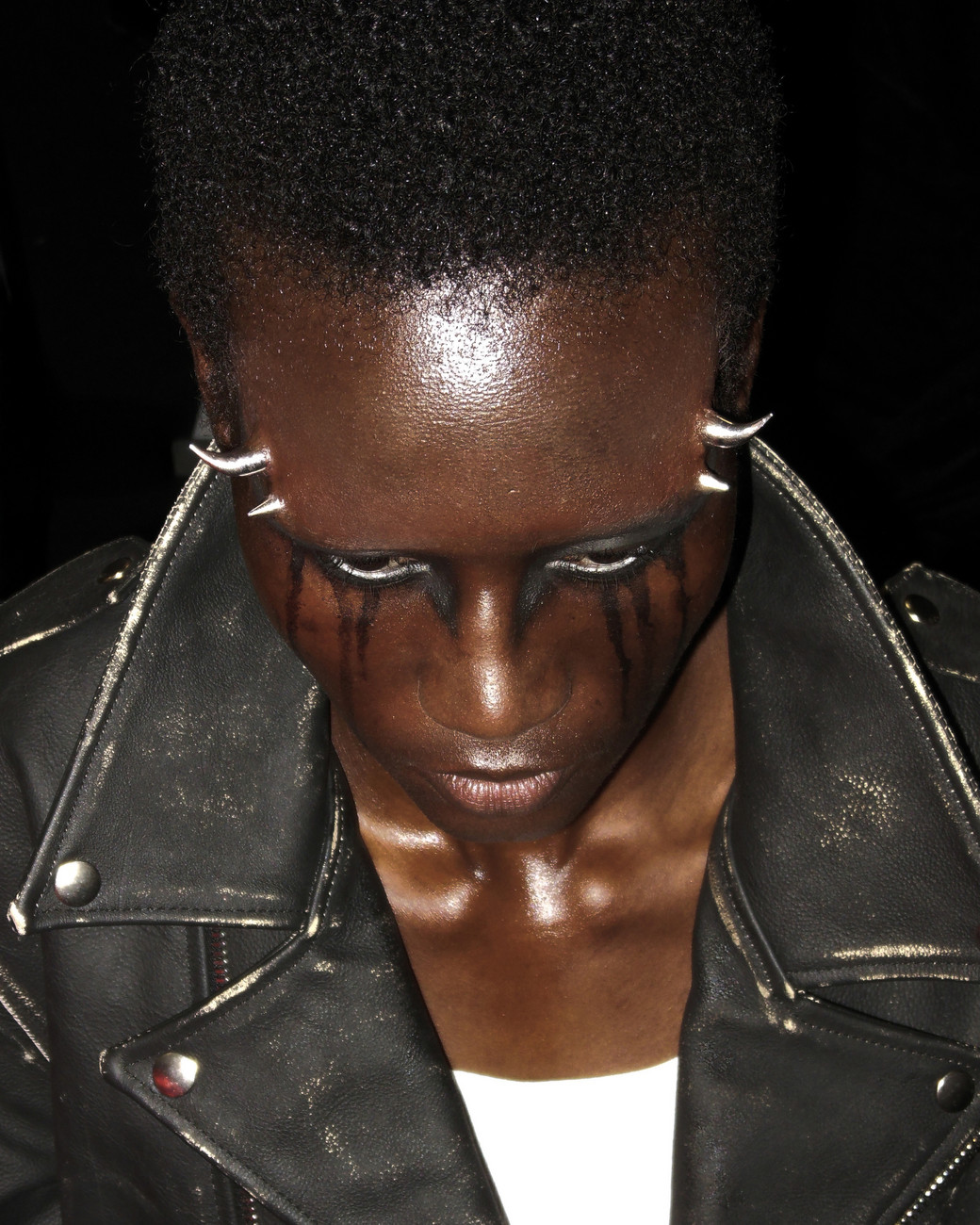
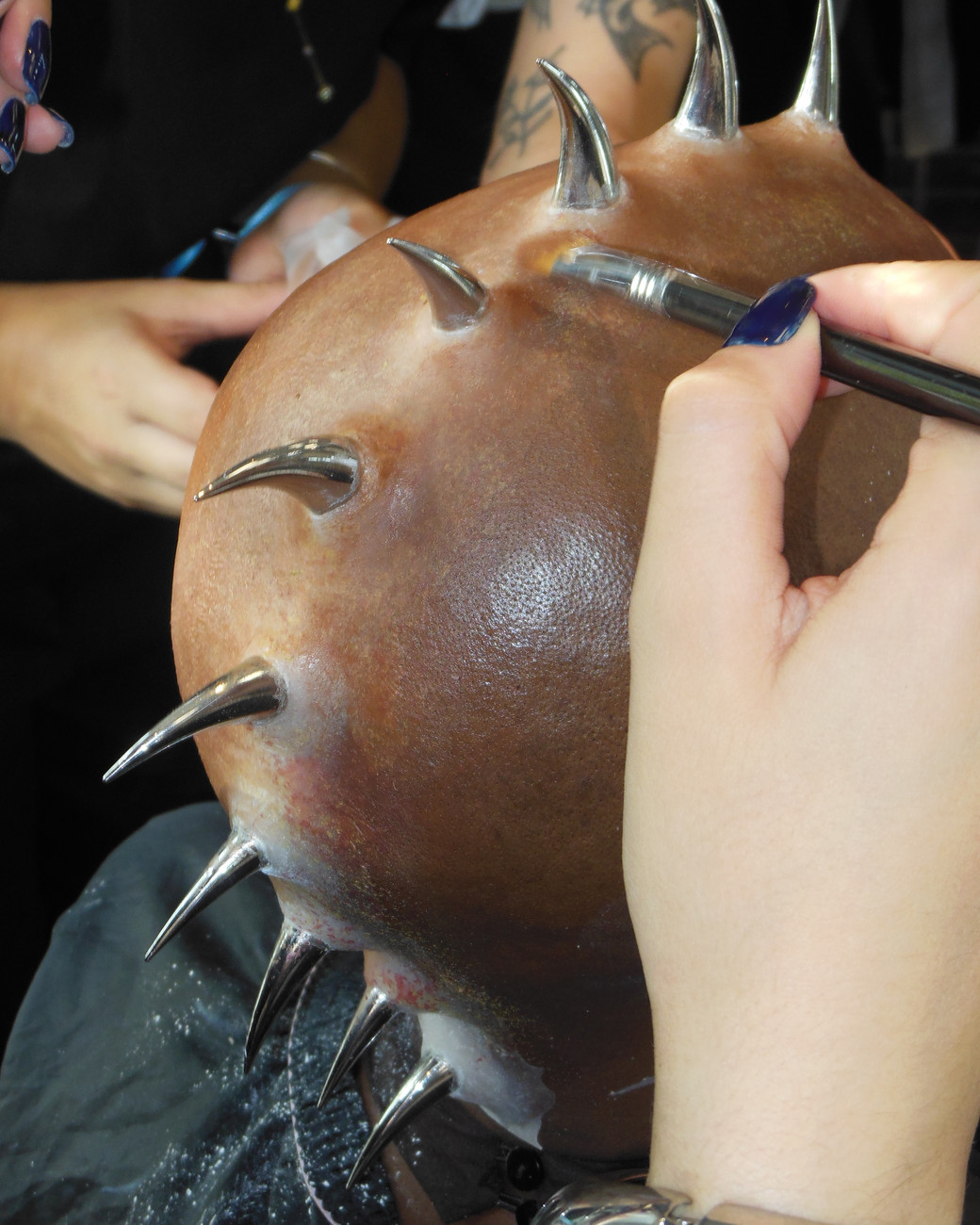
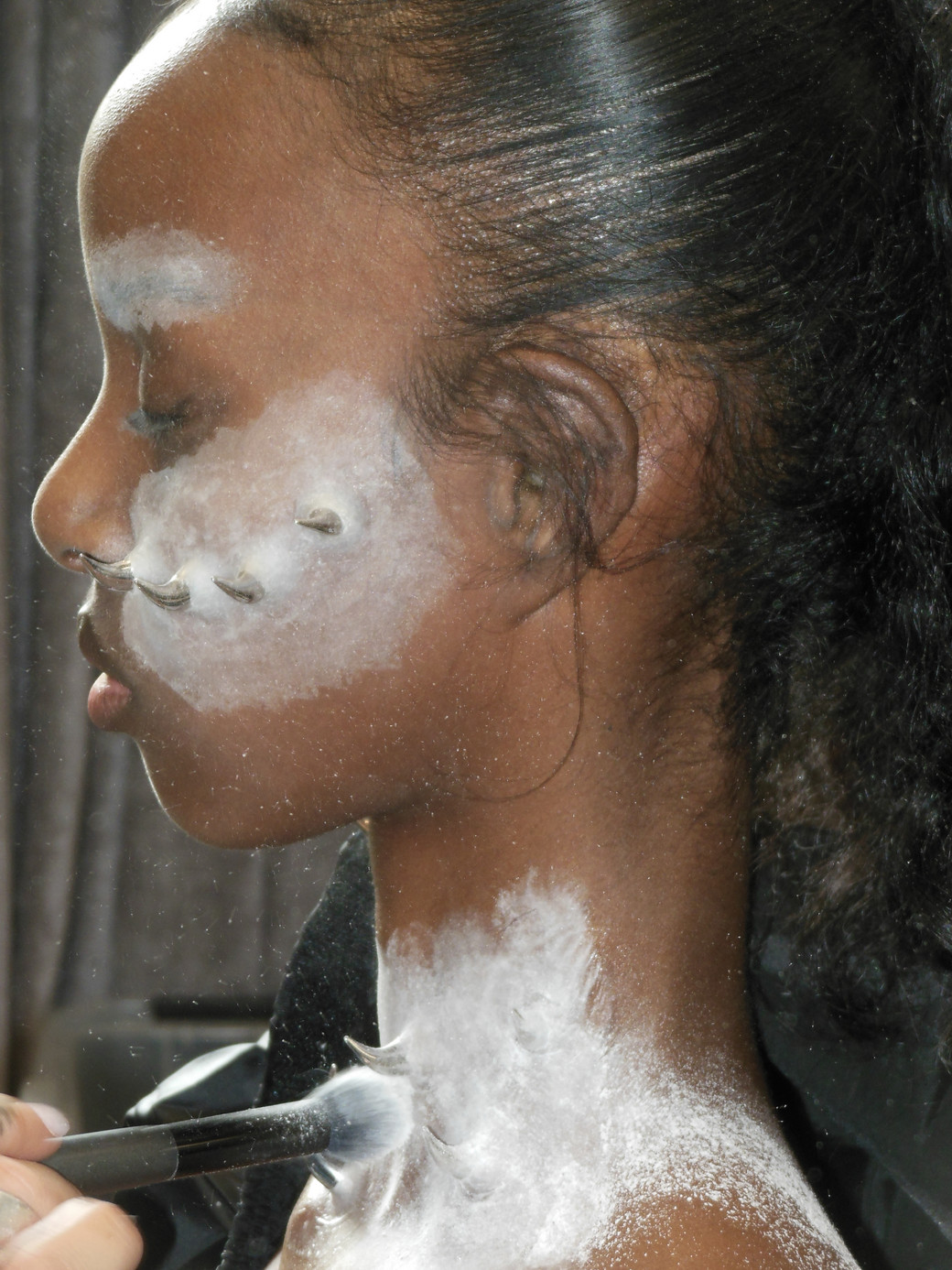
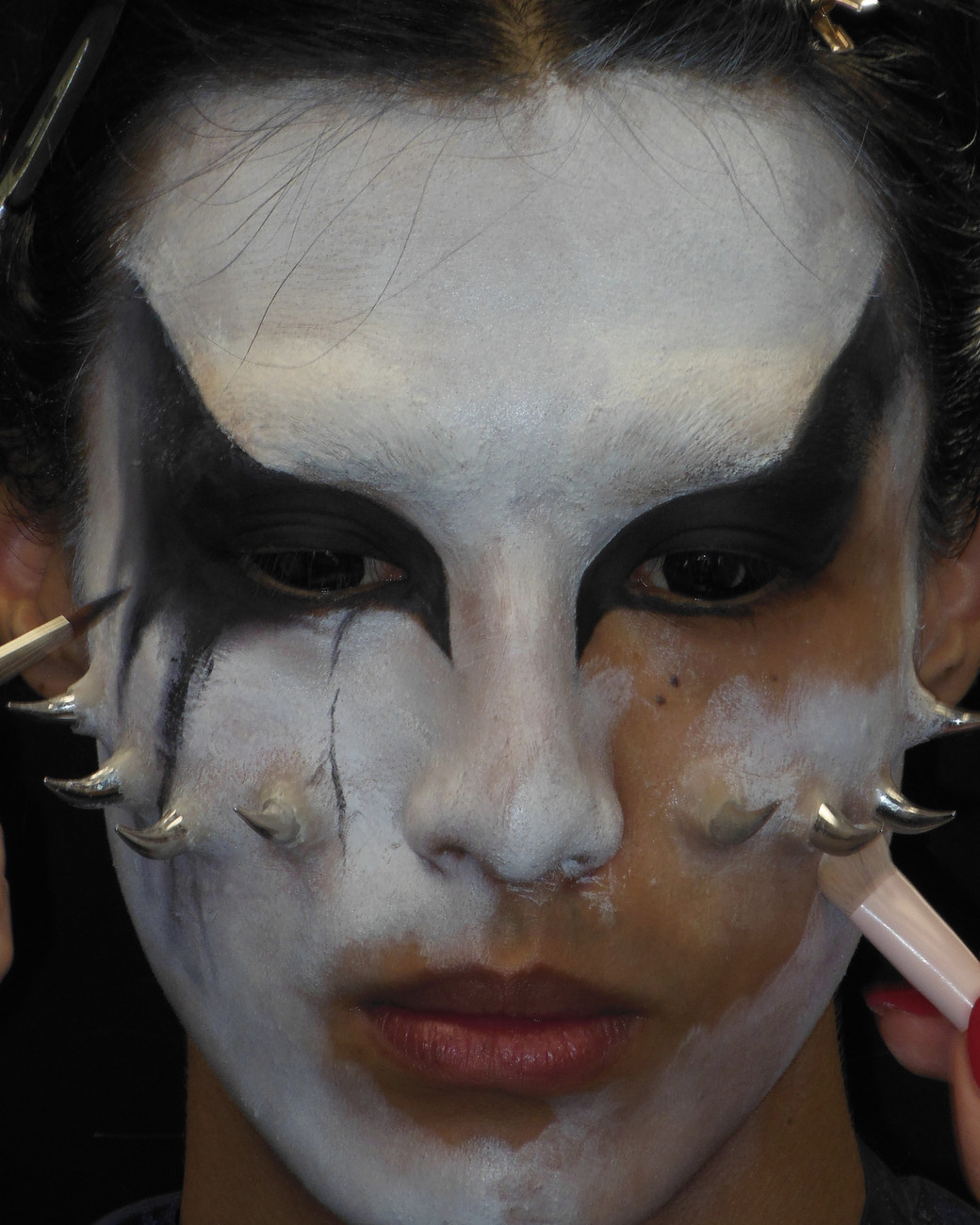
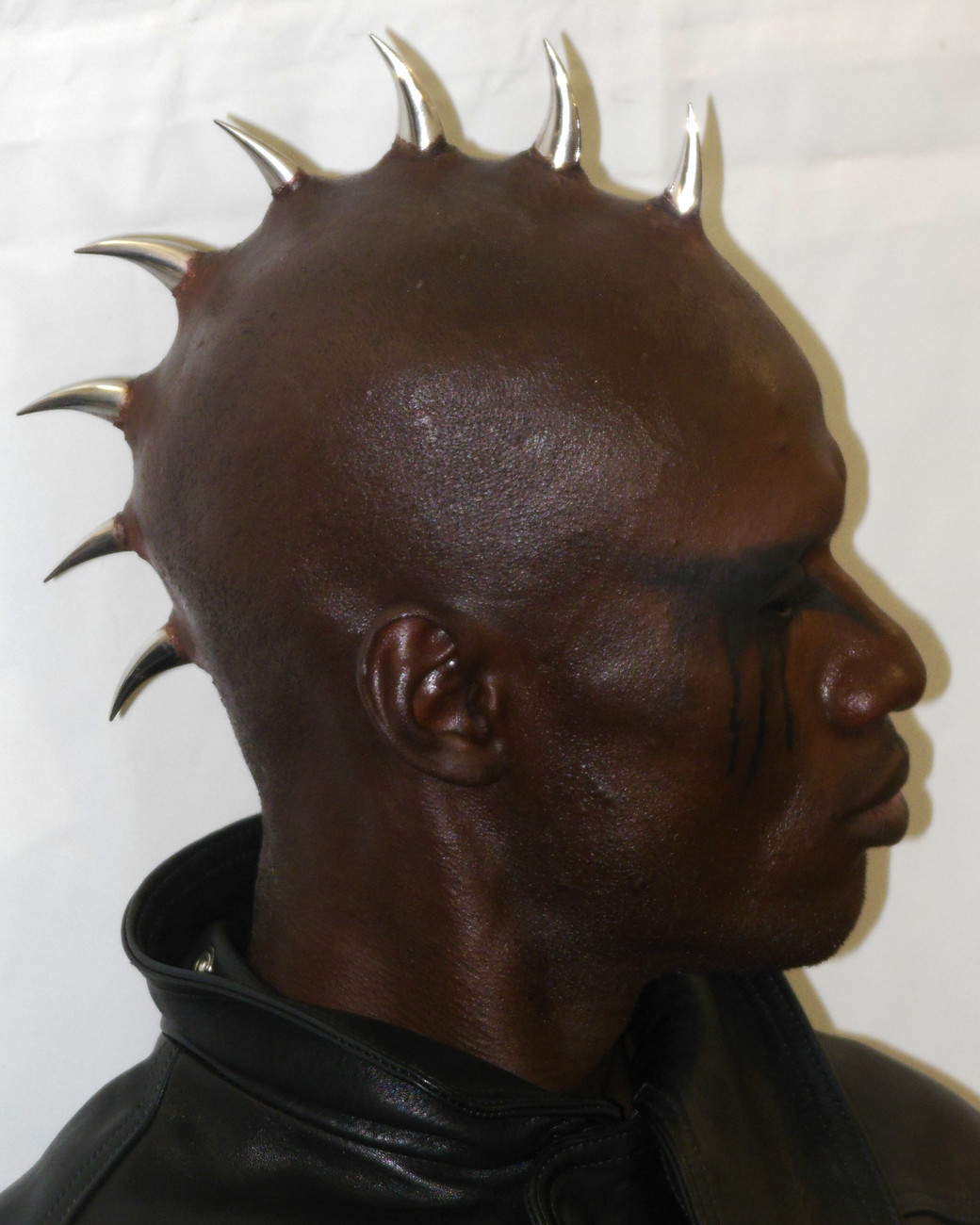
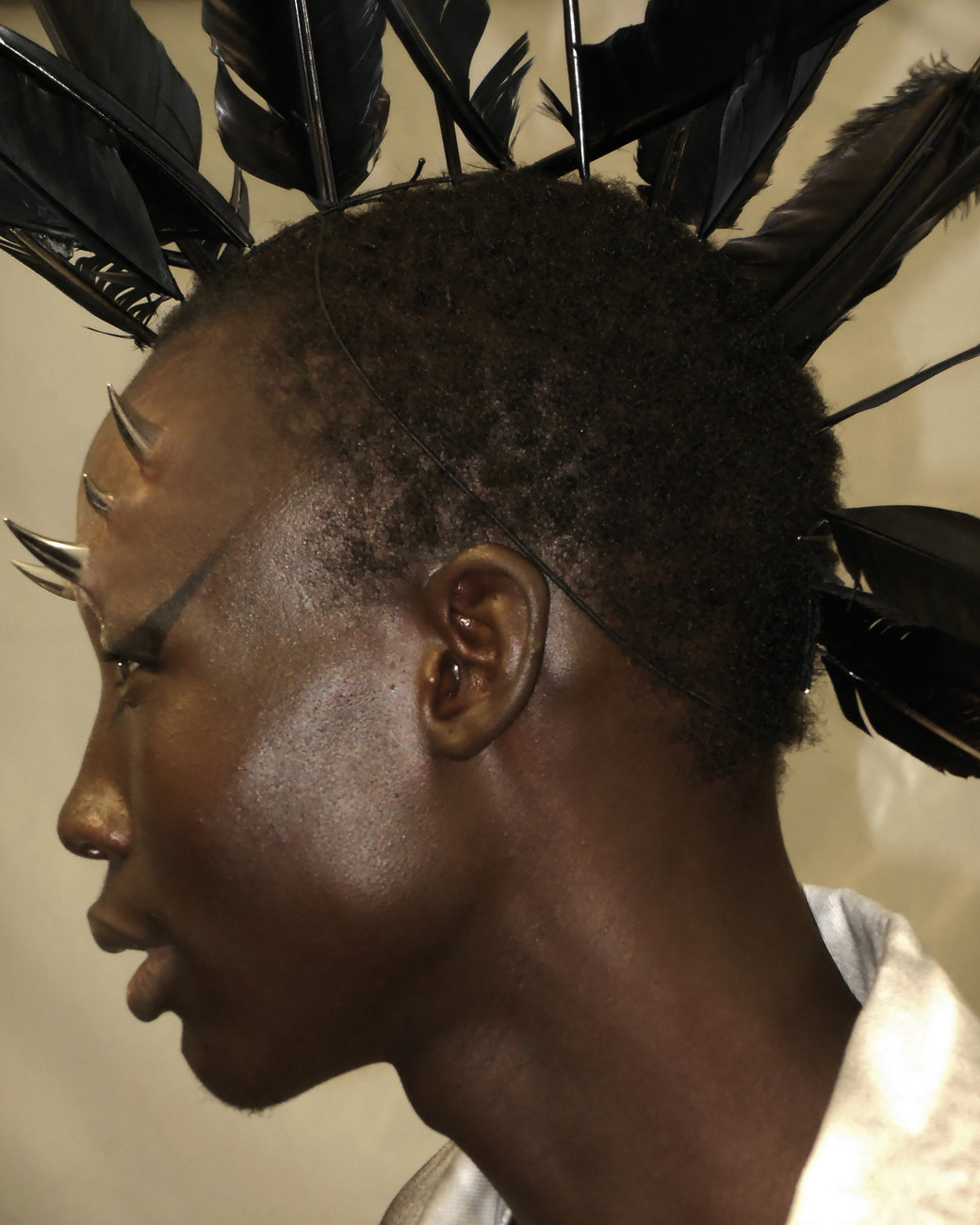
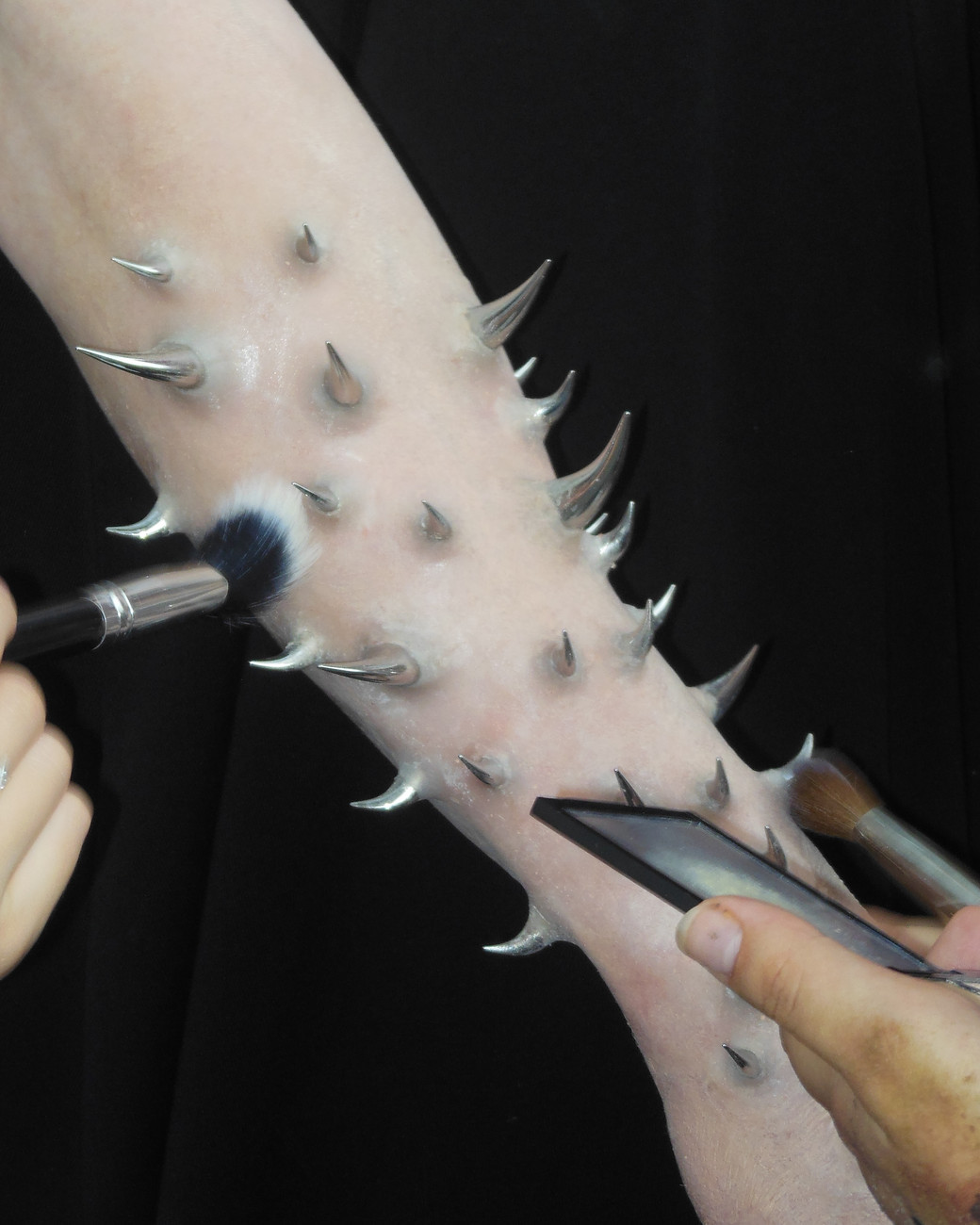
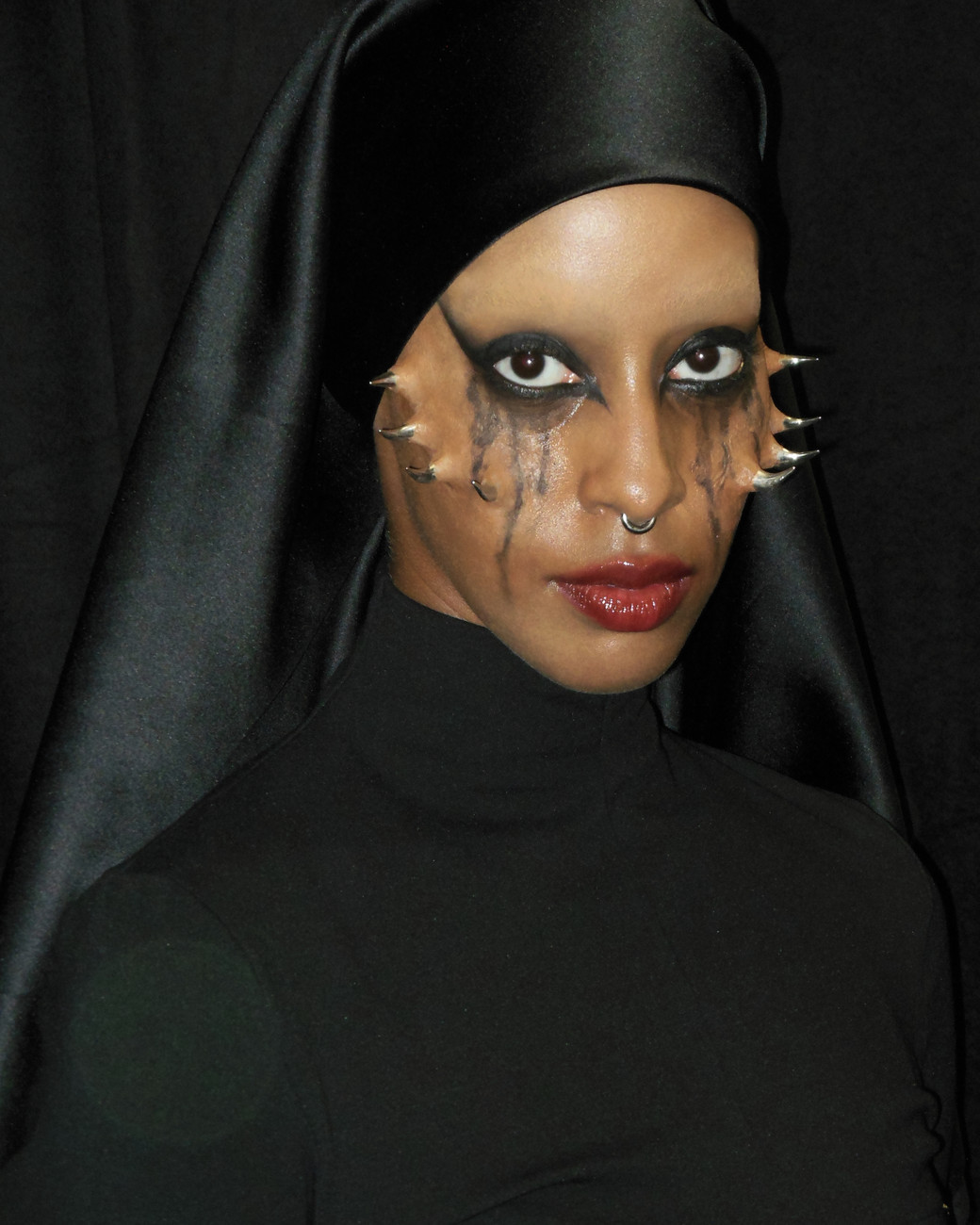
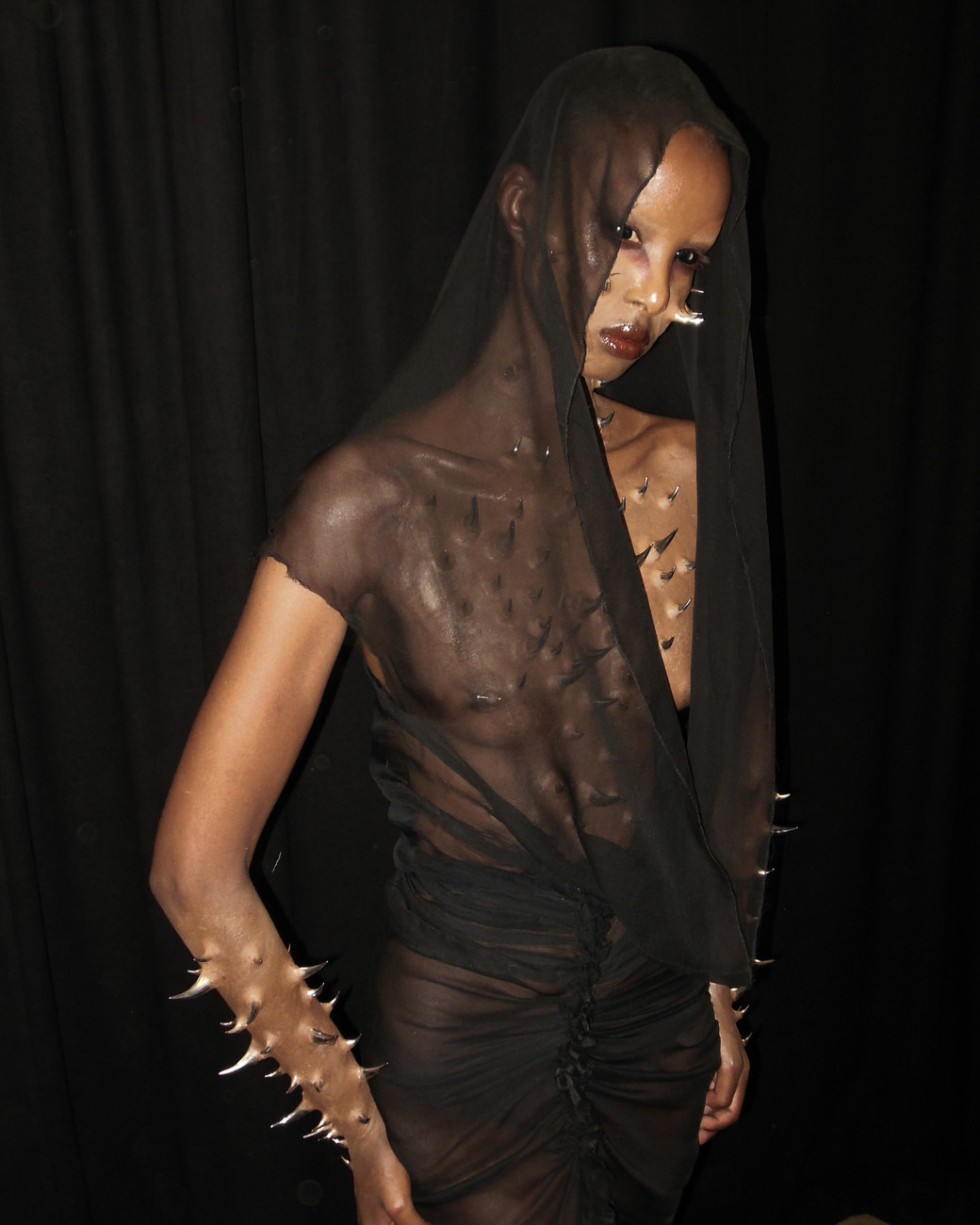
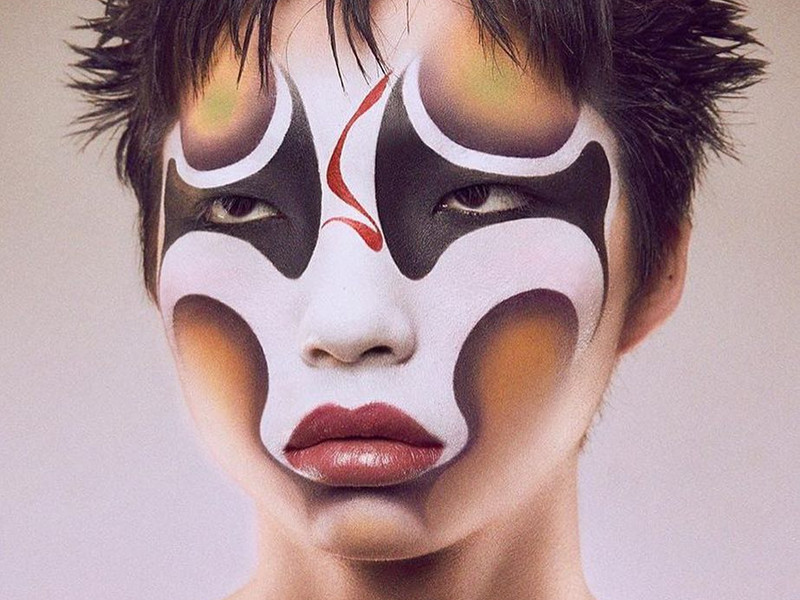
Meet Catalina Sartor, the SFX Artist Behind Matières Fécales SS27
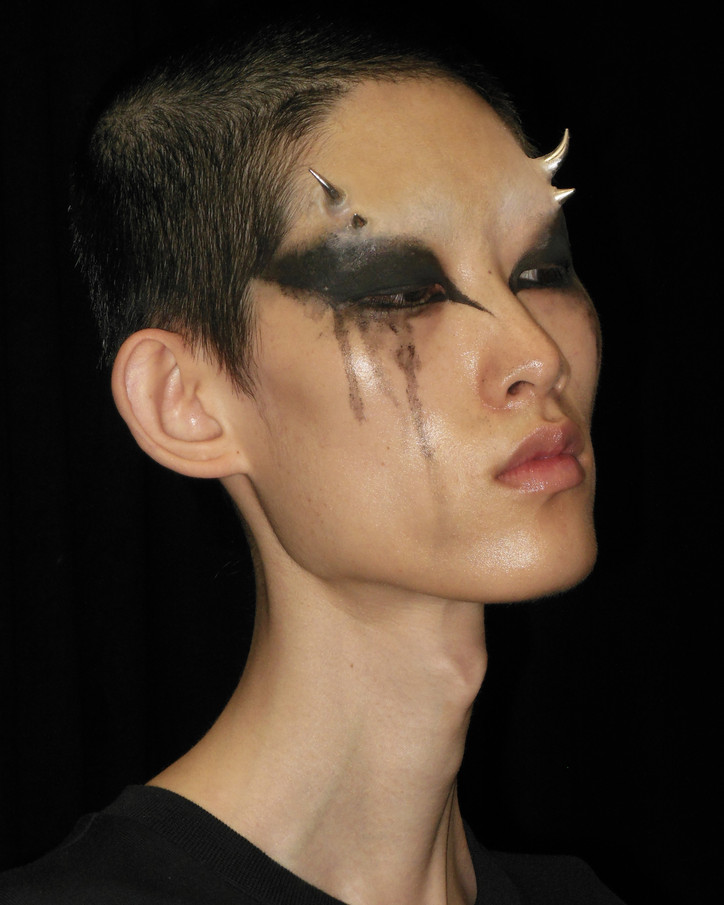
Can you tell us a little bit about yourself? Who is Catalina Sartor, where are you from and where do you call home now?
I’m Argentinian, from Buenos Aires, and I live in Paris now. I basically followed two very strong gut feelings: makeup and moving here, and somehow both turned out beautifully. I think I tend to follow things before I fully understand why I’m drawn to them.
Before SFX and makeup became your career, what was it about transformation that first pulled you in, and when did you realise this could actually become your world?
I’m a very mutable person, and I think I’ve always understood the world a little through trying on different identities. What really hooked me was realising how much can change with so little: one colour, one line, one proportion of a face can completely shift the story. It feels endless, which is probably why I never get bored.
What is it about the body that you find interesting to work with? Has your relationship with it changed through your practice?
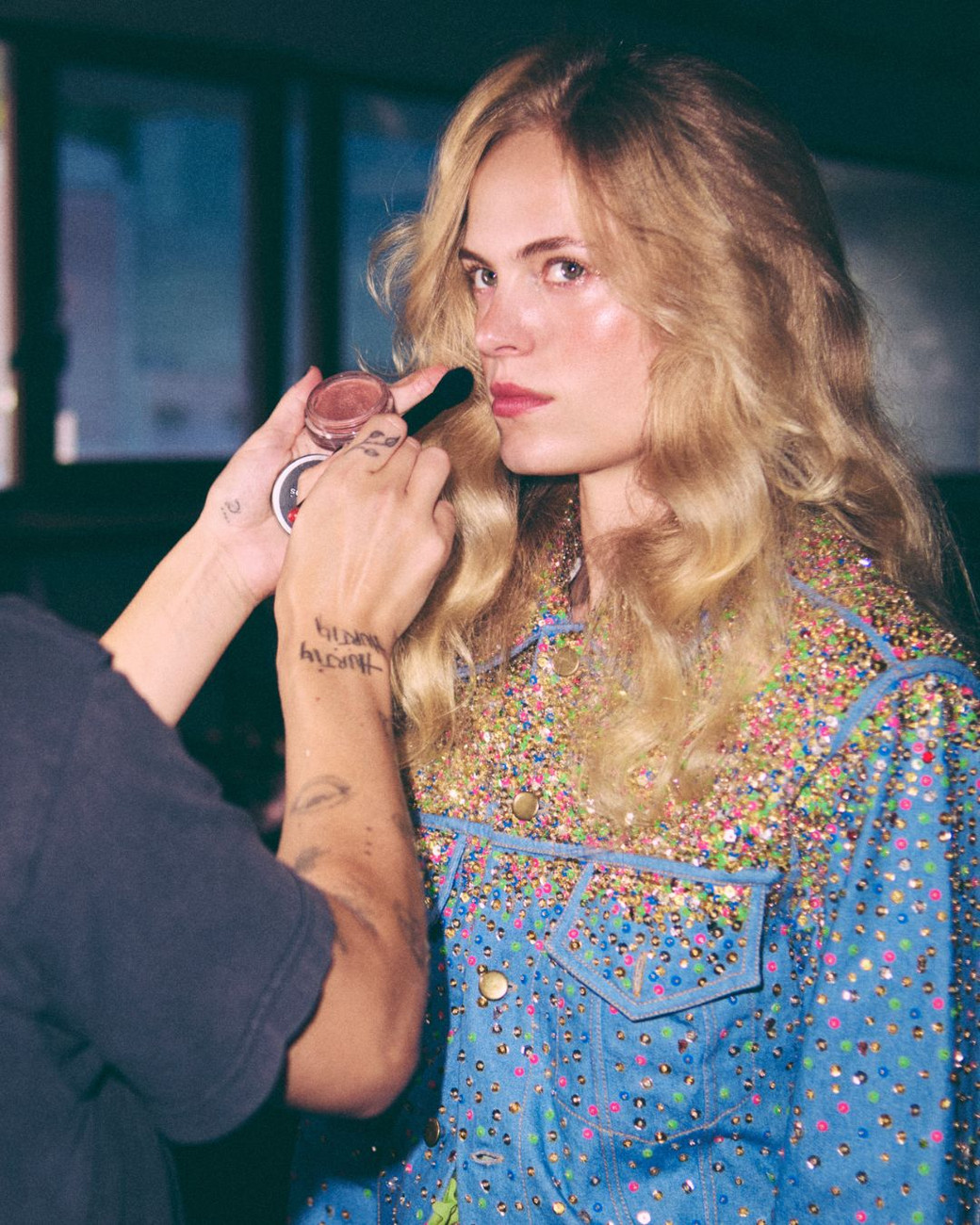
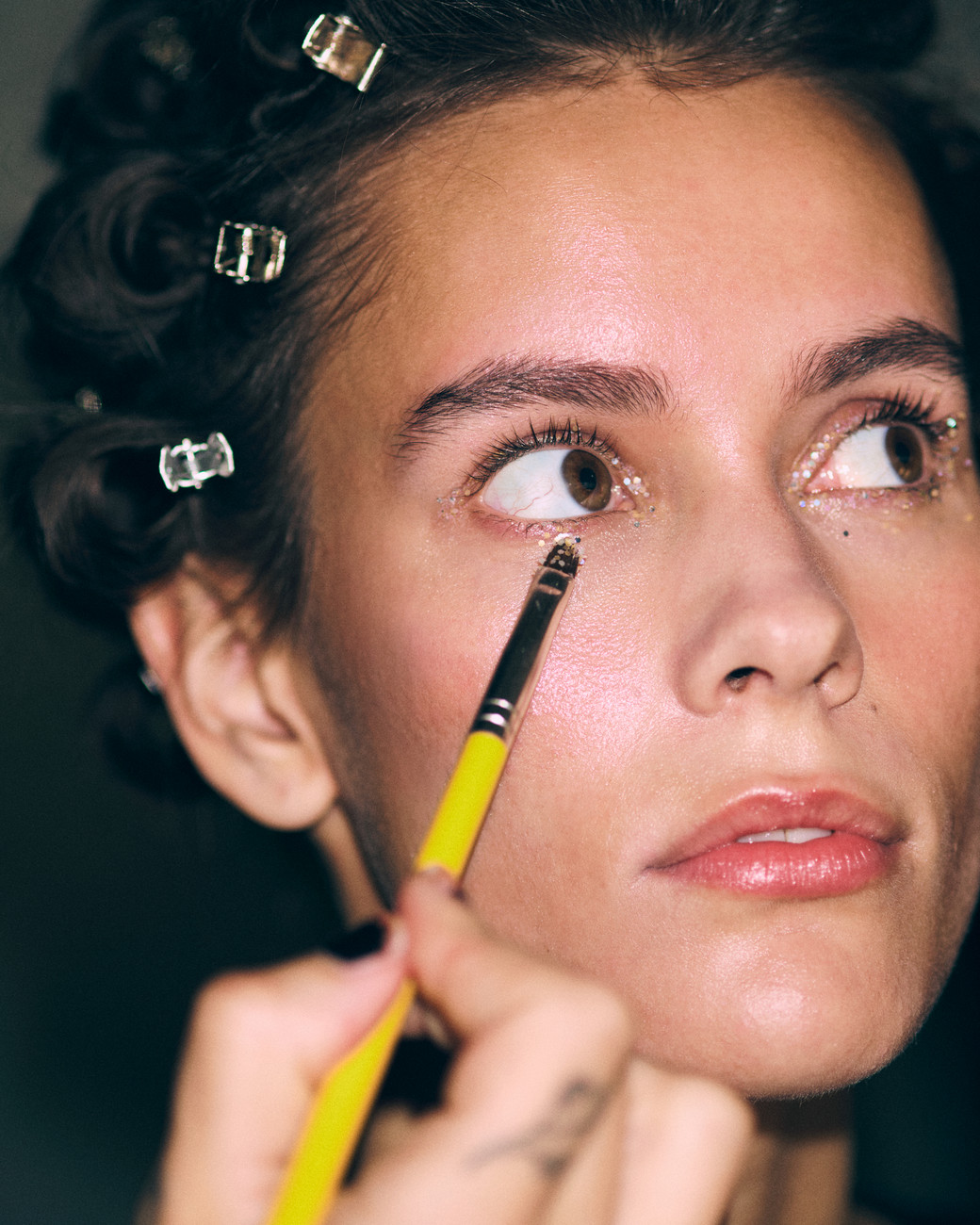
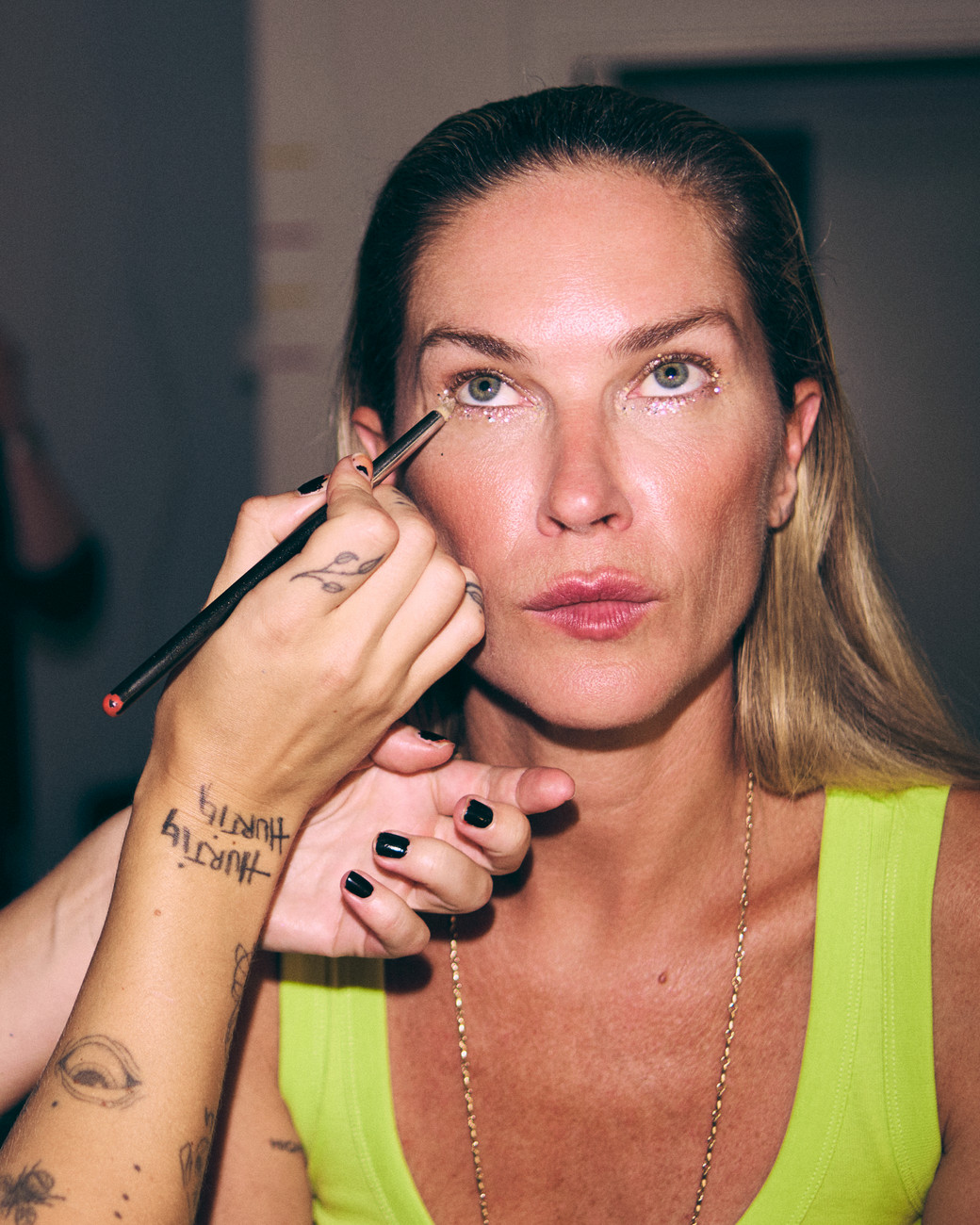
I grew up artistic roller skating and later studied dance, so I’ve always been very body-aware. I love how intimate makeup is. You’re working around someone’s eyes, mouth, skin, sometimes literally gluing things onto them, so you have to be very sensitive to how they’re feeling. I really enjoy that tiny communication through gestures. And with musicians or performers especially, I never see makeup as ending at the face. It has to make sense with how the whole body moves and expresses itself. Also, I’m a Virgo, so the obsession with tiny details probably tracks.
How do you know when something feels like you creatively?
Intuition. There’s just a little internal click.
Beyond how something looks, what are you hoping a transformation can make someone feel, whether that’s the audience or the subject?
I love when makeup lets someone inhabit themselves a little differently. For the audience, I like creating that second look: when something feels familiar but slightly off, and you want to understand why.
You spend so much time looking at faces and bodies differently to the rest of us. What do you notice in people that you think most people don’t?
I love noticing how people choose to present their face to the world. Their little ritual in the mirror, how they think their brows look best, the eyeliner shape they always do, how they treat their skin. Faces say so much. I’m also really inspired by people who don’t have “perfect” makeup technique. Sometimes the way someone does something instinctively is much more interesting.
You’re still so young and already creating work on some huge stages. Do you ever stop and think, how did I get here? Or does it still feel like you’re at the beginning?
It still feels very fresh and very much like the beginning. Sometimes I have to remind myself I’m not just practising for some future version of this career anymore. This is actually it.
When do you feel most creatively alive? What is usually happening around you, or inside you?
A good sign is when I want to take pictures of everything. Inside, I feel curious and hungry. Anxiety can block that very easily for me, so now I know that if I stop feeling curious for too long, something is probably off.
Are there any personal rituals or ways of living that keep you connected to your creativity?
I love creating little eras for myself. It can start with a period in history, a music genre, a film, even one texture like lace, and then I get obsessed and start building a whole world around it. Sometimes I choose the era, sometimes it kind of chooses me. It’s basically personal world-building.
Do you feel like your ideas always come from you, or are there moments where creating feels like you’re tapping into something outside of yourself?
Not always. Sometimes an idea feels more like something you recognize than something you invented.
For the people already making, experimenting and trying to find their place, what would you tell them not to lose sight of?
Curiosity, and the things you genuinely like before you start wondering if they’re cool or useful enough. It’s very easy to look outside yourself too much when you’re building a career. But usually the weird little things you keep returning to are where your own language starts forming. And trust your gut. The explanation can come later.