Josh Aronson on Florida Fever Dreams, Liminal Spaces, and What Is Hiding at Vizcaya


The work is installed along the paths leading into Vizcaya. Why did you want to work in these in-between spaces?
The pedestrian pathway and the Metrorail area are two routes people take to Vizcaya. You’re coming from the city, passing through this canopy of trees, and arriving at the main house and gardens. I started thinking of the work as an opening act. What kind of mood can I set for the experience that comes next?
When I visit Vizcaya, I feel this sense of fantasy, theatricality, and play. It’s such an extraordinary place, and I wanted the photographs to cue people into that feeling as they walk through the landscape.
You grew up in South Florida but were born in Canada. How has that shaped the way you see the landscape?
I moved here when I was three, so South Florida is home. At the same time, my family didn’t have generational roots here. I’ve always had this insider-outsider perspective, and that has really colored the way I make photographs in and about this place.
Photography has been a way for me to feel more comfortable here, particularly in the natural landscape. Growing up, Vizcaya also loomed large in my imagination and in the collective consciousness of Miami. To have the opportunity to respond to it and make work here feels very special.
How do you use photography to explore that feeling of belonging?
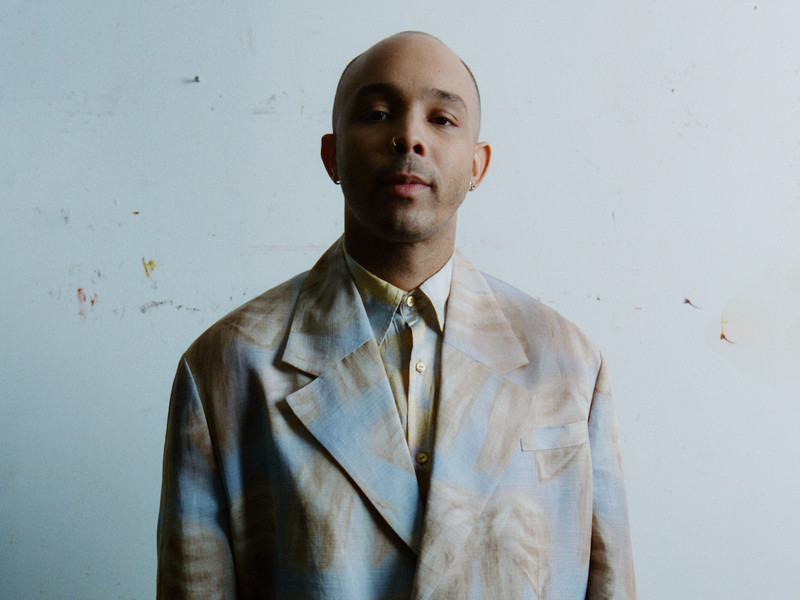
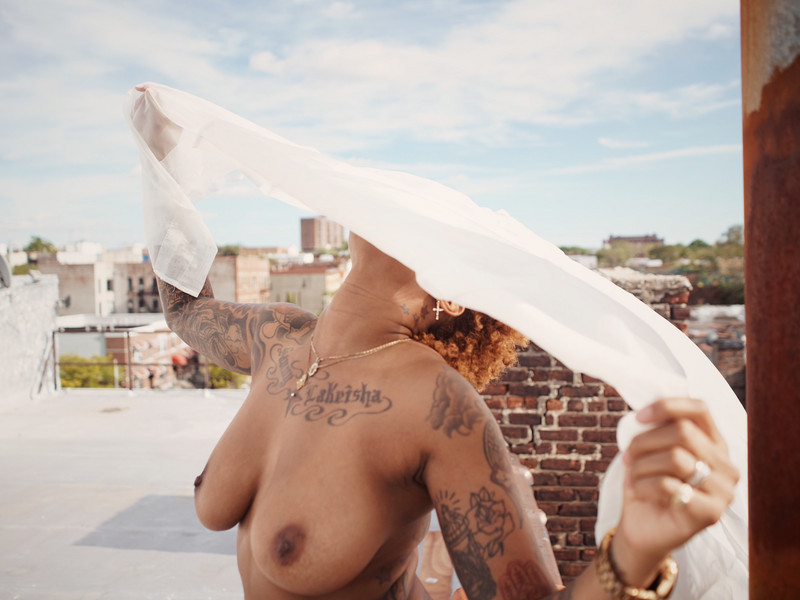
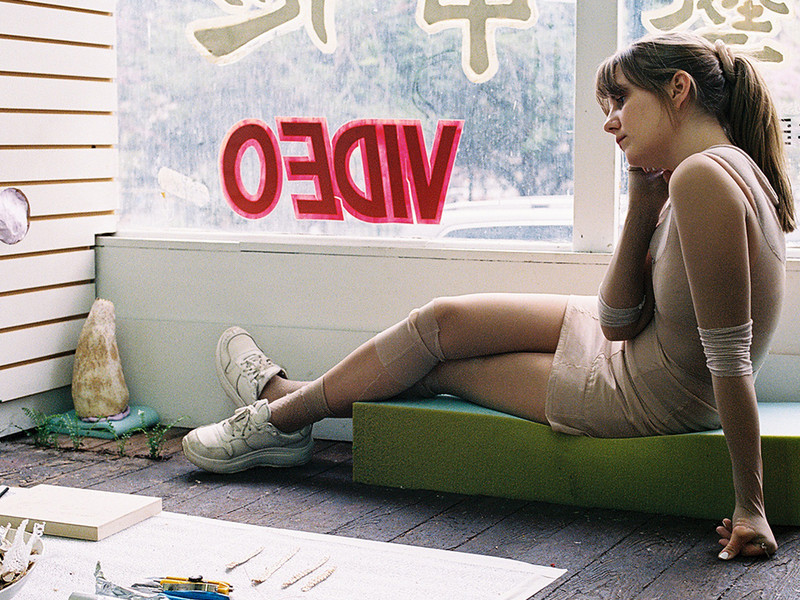
I’m interested in making images of people who feel at home outdoors, who are at ease or playing or resting in the landscape. Those moments are constructed. I’m staging them for the camera. But in the process of bringing people together and arranging a scene, the feeling becomes a little more real.
For Welcome to Wonder, I wanted to carry that approach into Vizcaya. You encounter young people from different backgrounds having these moments of belonging, both with one another and with the landscape around them. Photography gives me a way to imagine those moments and then make them visible.
Vizcaya was originally a private estate. How did its history influence the work?
The commission felt like an invitation to respond to Vizcaya as it is now and as it was in the past. The footprint of the estate was once much larger, and I became interested in the landscapes that surrounded it. Some of the photographs were made at Vizcaya, while others were made elsewhere, in landscapes that reminded me of Vizcaya. I like the idea that a photograph can do a little dance with time and invite you to imagine what might have been here before.
I also spent a lot of time in the archive, looking at photographs of Vizcaya being built and cared for, as well as the visual art connected to it. I thought about John Singer Sargent’s watercolors from his time here and the sculptures throughout the grounds. Those details helped me build my own little slice of Vizcaya.
What stood out to you in the archival photographs?
I was thinking about who appeared in those images and what might be missing from them. In the photographs I found, people of color were often pictured working or caring for the estate. I wanted to add another kind of image to that story: young people of color, and young people from many different backgrounds, experiencing moments of leisure.
They’re resting, playing, and connecting with one another, with the landscape, and with the creatures around them. To me, that’s an important way to think about Vizcaya’s history and the history of South Florida more broadly. Who gets to feel at ease in a place? Who gets to imagine it as their own?
You spent a lot of time walking the grounds. What did you notice?
I started paying attention to the creatures around me. I’d see snails making their way up the trees or butterflies flying through the brush. Those encounters helped me imagine the interactions I wanted to photograph.
There are flamingos, deer, spiders, snails, and even a seahorse in the work. You might not encounter all of them on a single visit to Vizcaya, but I wanted to bring some of the life of the surrounding ecosystem into the pictures and let people discover it along the way.
Your photographs feel both staged and intimate. How do you make space for that kind of connection?
I’ll often arrive with an idea or a reference, but I’m also paying attention to what the people I’m photographing bring to the moment and what the environment offers. It’s a dance between intention and chance. The weather changes, the light shifts, and the scene can become something a little different from what I imagined.
I work on film, so I don’t immediately know what I’ve made. There’s the part of the process where I’m out in the world, meeting up with people and staging scenes. Then there’s the part where I come back to the studio, look through the material, and start to edit. I think about it like a sculptor starting with a block of marble. There are so many directions you could take it. For this project, I was choosing and pairing pictures that created a feeling of wonder, freedom, and belonging.


Many of the people in these images aren’t looking at the camera. What interests you about that?
These photographs are being shown in public, where most people passing by won’t know the people in them. I was thinking about how to make a portrait feel inviting in that setting. In many of the pictures, the people are absorbed in their own experience. They might be looking at each other, an animal, or something they’ve found in the landscape.
We get to look with them. Rather than meeting someone’s gaze, you’re invited to share their curiosity and consider what they’re seeing. I like that feeling of being drawn into another person’s moment of wonder.
How did you decide to bring the photographs into the trees?
A lot of my work is shown as framed prints on a wall, so this commission asked me to rethink how photographs could be encountered outdoors. We spent time looking at the site and considering how to work with the trees and the historic landscape. On the pathway, we developed sculptural rings that hold photographs printed on acrylic. In the Metrorail area, the photographs are printed on fabric and suspended among the trees.
It was important to me that the installation leave room for the trees. I use my camera to deepen my appreciation of the natural world, so I wanted the work to be in conversation with what was already there. There’s space between the pictures and the trunks, and light and air can move through the installation. You can look at a photograph and also notice the bark, the branches, and the changing light around it.
Some of the photographs focus on the landscape itself. What drew you to those quieter images?
A lot of my work features groups of people, but this installation gave me room to include smaller, quieter moments too. There are pictures that don’t have people in them at all, just little slices of nature. Because the work is encountered as you move along the pathways, those images can sit alongside the more figurative photographs and create a rhythm.
We live in a time when photographs are used in such a loud way, whether for advertising or documentation. It felt special to use them to share a more intimate moment in nature with someone else.
The circular frames feel connected to the design of Vizcaya. What drew you to that shape?
I was looking at the symmetry and balance that are so important to Vizcaya’s visual identity. The ring felt like a way to echo that. There are photographs on both sides, so you can come upon one from any direction and have your own experience of it.
There’s also something I like about the relationship between the ring and the estate. Vizcaya can be approached in different ways, and there isn’t just one way to move around a circle. Whether you see one photograph or many, you get to find your own path through the work.
There are little references to Vizcaya hidden throughout the photographs. What should visitors look for?
It’s a bit like an Easter egg hunt. There are frogs, statues, and the two emblems associated with Vizcaya: the seahorse and the ship. I was drawn to these details because they’re part of the estate’s visual identity. You might see one in a photograph on the way in and then notice it again as you explore the house and gardens.
What does the title Welcome to Wonder mean to you?
It’s an invitation to wander, and to experience a sense of wonder as you do. The work exists at the entrance and exit to Vizcaya, so I was thinking about the feeling it could leave with people as they move through the landscape.
Vizcaya itself feels almost impossible to me. It’s right on the shore of South Florida, but its visual identity draws from so many places and histories. There’s a fantasy to that combination. I wanted to echo that feeling and invite people to have their own experience of connection with the natural world.
After making this work, do you see Vizcaya differently?
I feel like I’ve gotten to know it on a much more intimate level. Vizcaya is a place that has been photographed so many times. People come here for quinceañera pictures, engagement pictures, and family photographs. I was challenged to think about how my work could exist alongside all of that and still have its own thing to say.
As a South Florida artist, it’s an incredible honor to make work in response to this place. I hope people enjoy walking the paths, discovering the photographs, and finding their own moments of wonder here.