Can you give us a brief history of Paraboot?
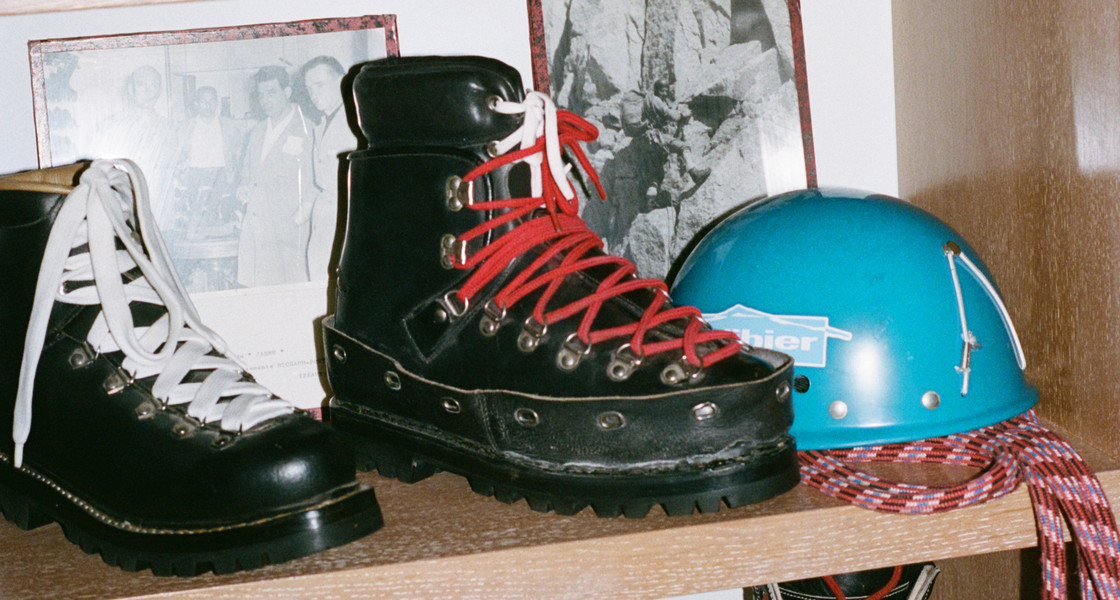
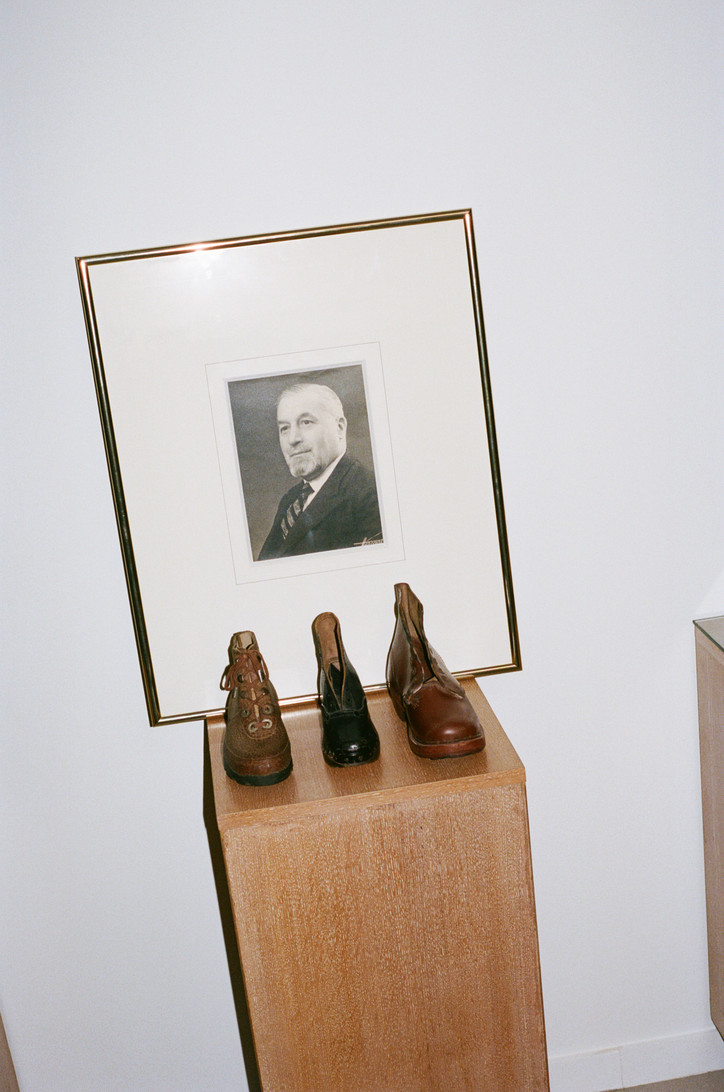
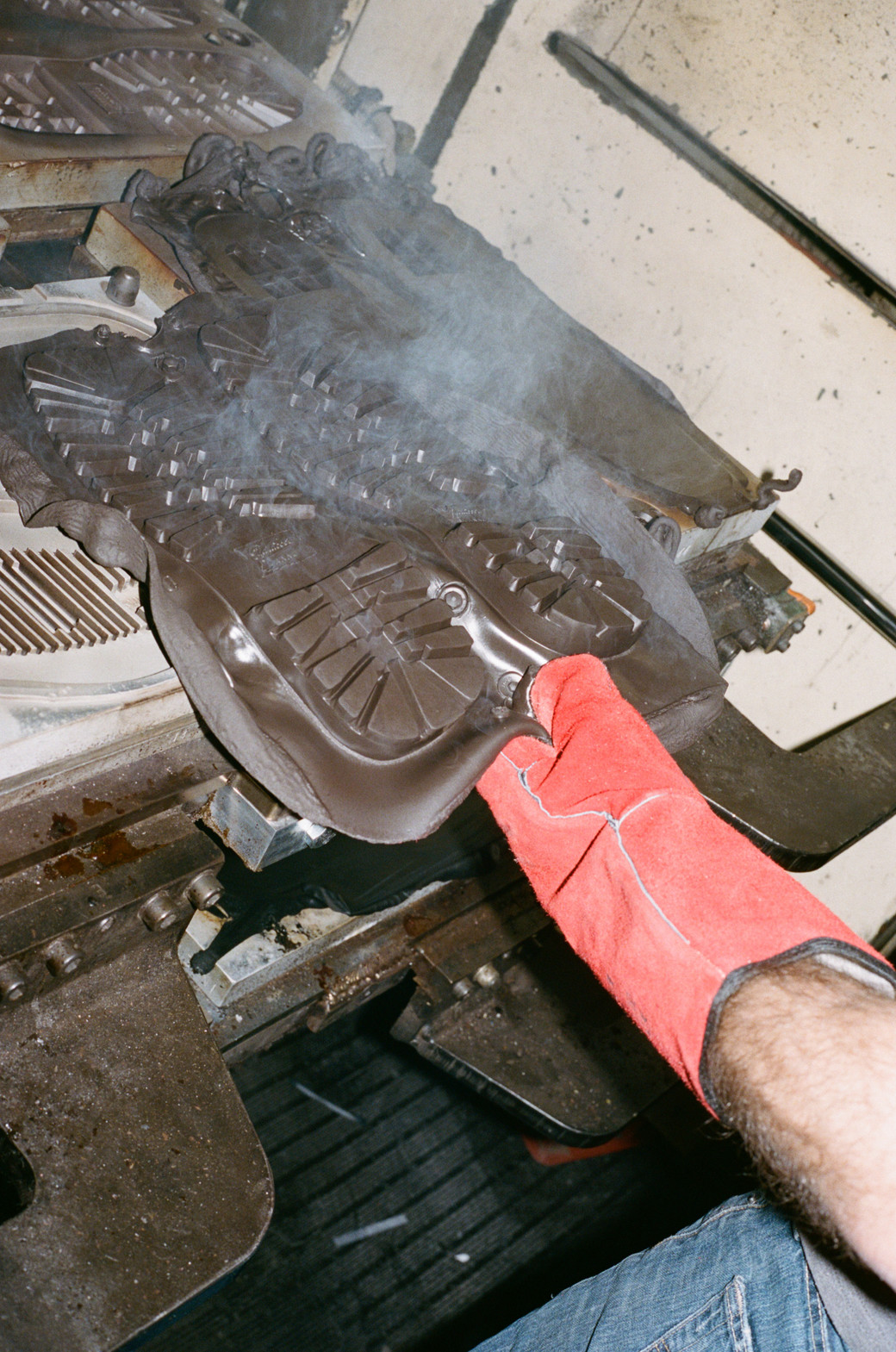
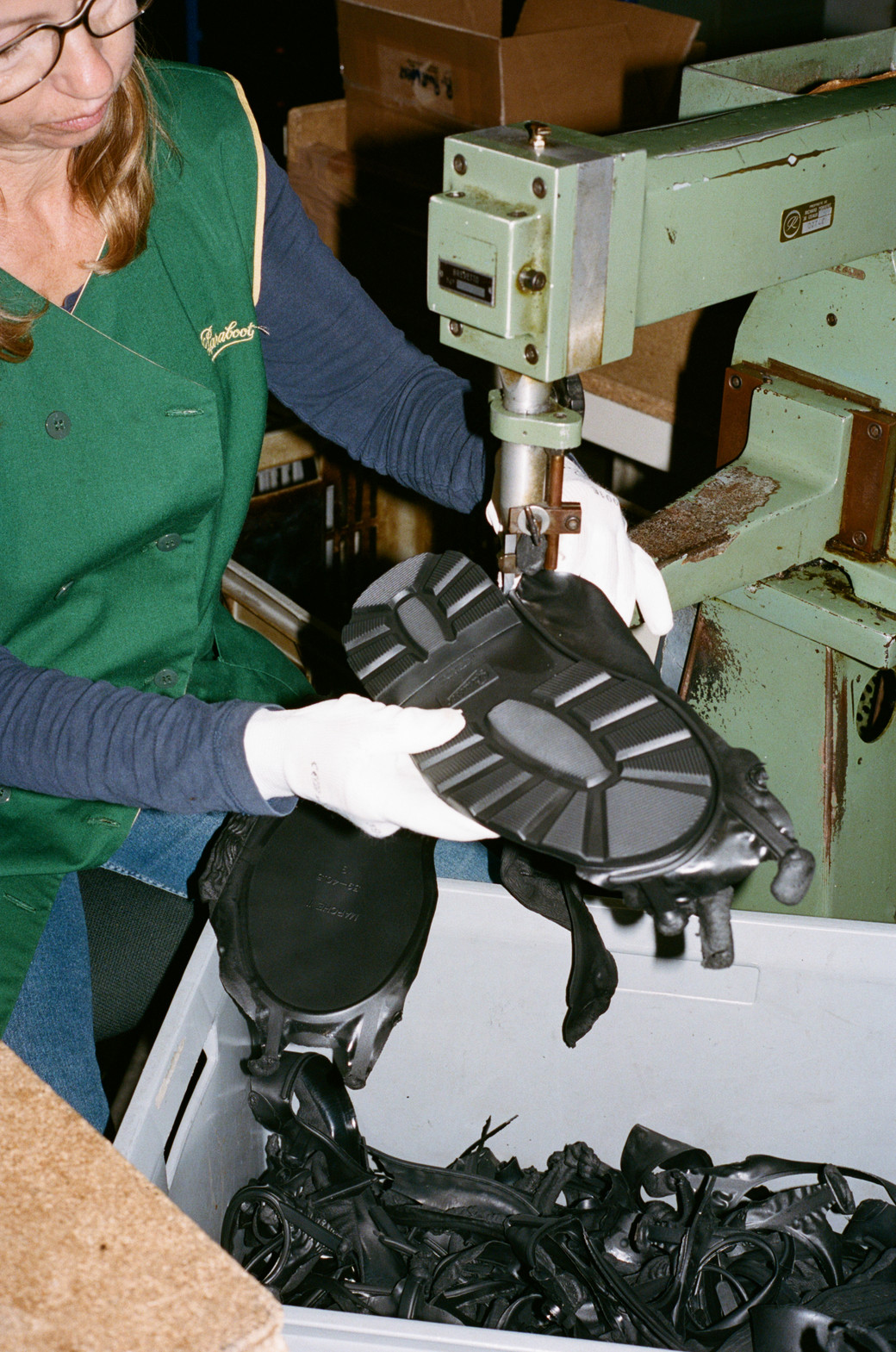
In this area, at the foot of the Alps, there were a lot of shoe producers. They are strong shoes for the mountains. In the First World War, Remy Richard, our founder, was injured. Some people in the army asked him to go back to his town to repair shoes. After that, he tried to develop this business by making new shoes. He created a company with an investor. They visited Brazil and discovered the rubber production and how to use silica to make rubber stronger. Para was the name of the port in Brazil from which they sent rubber around the world.
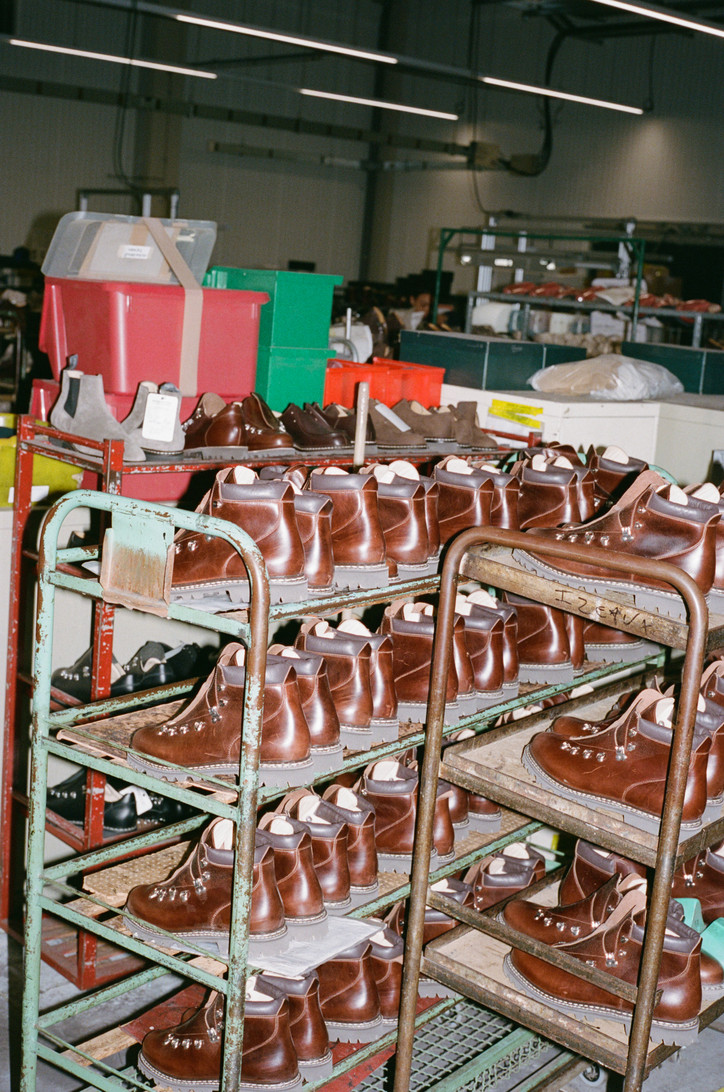
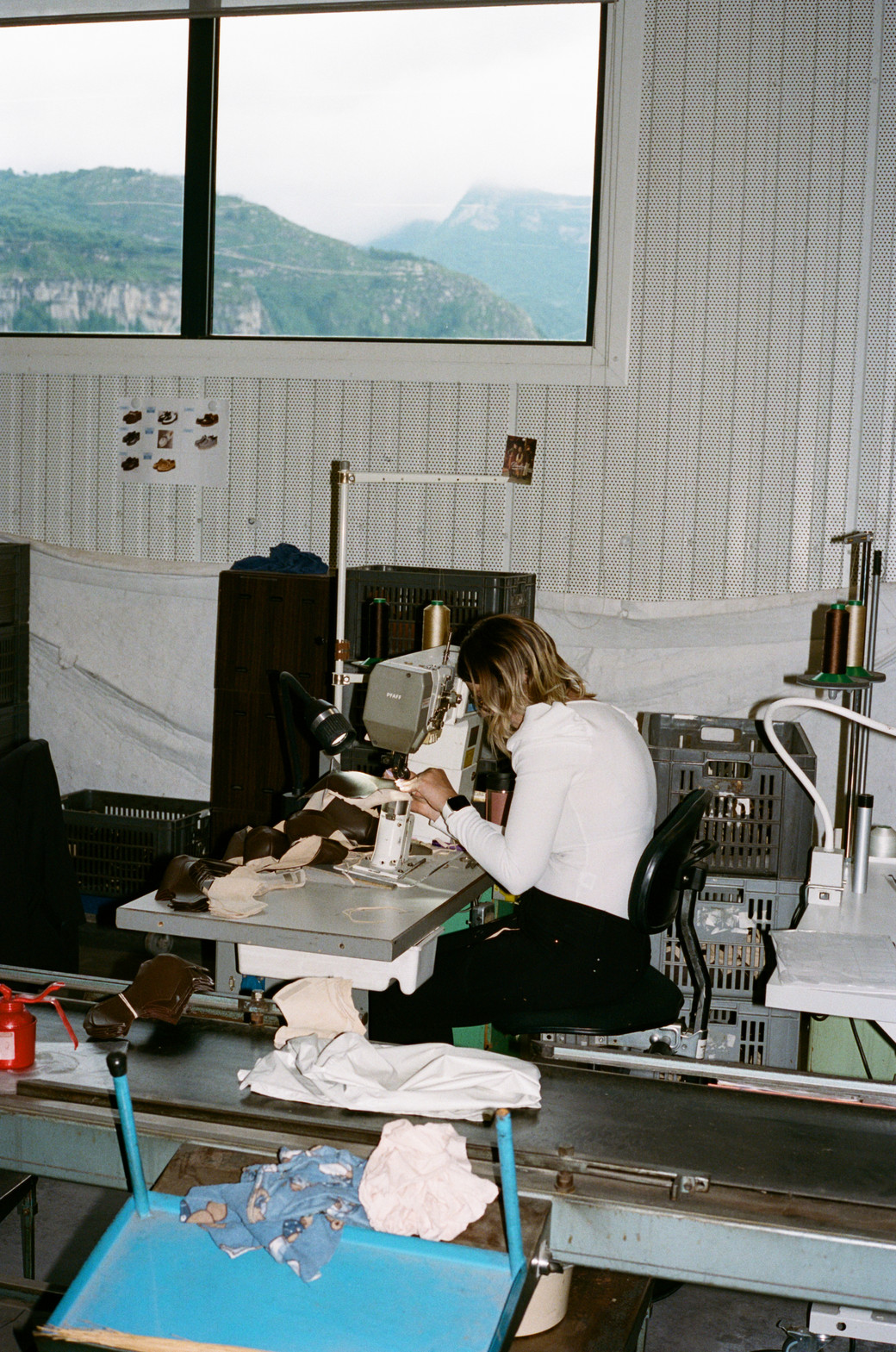
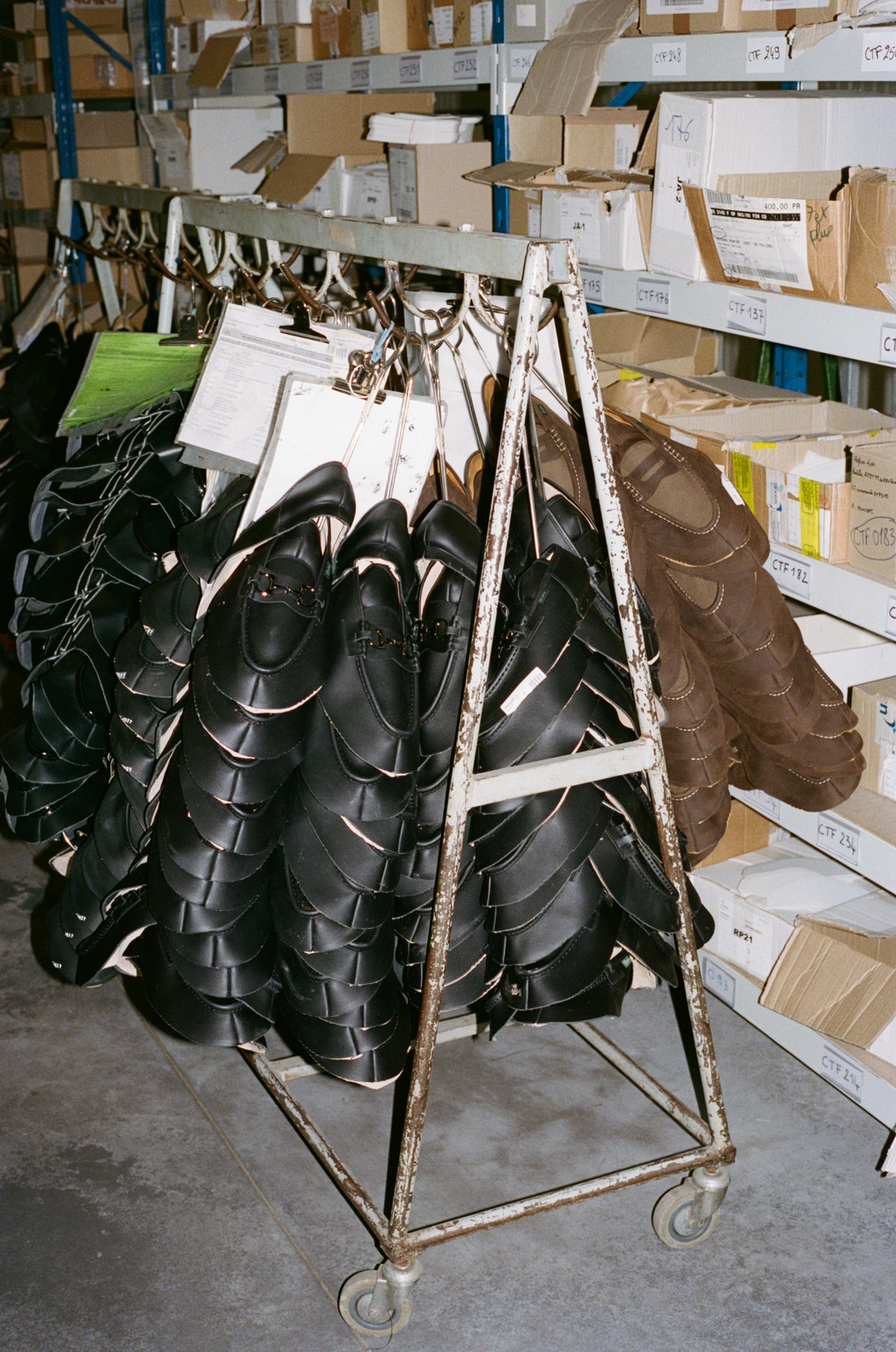
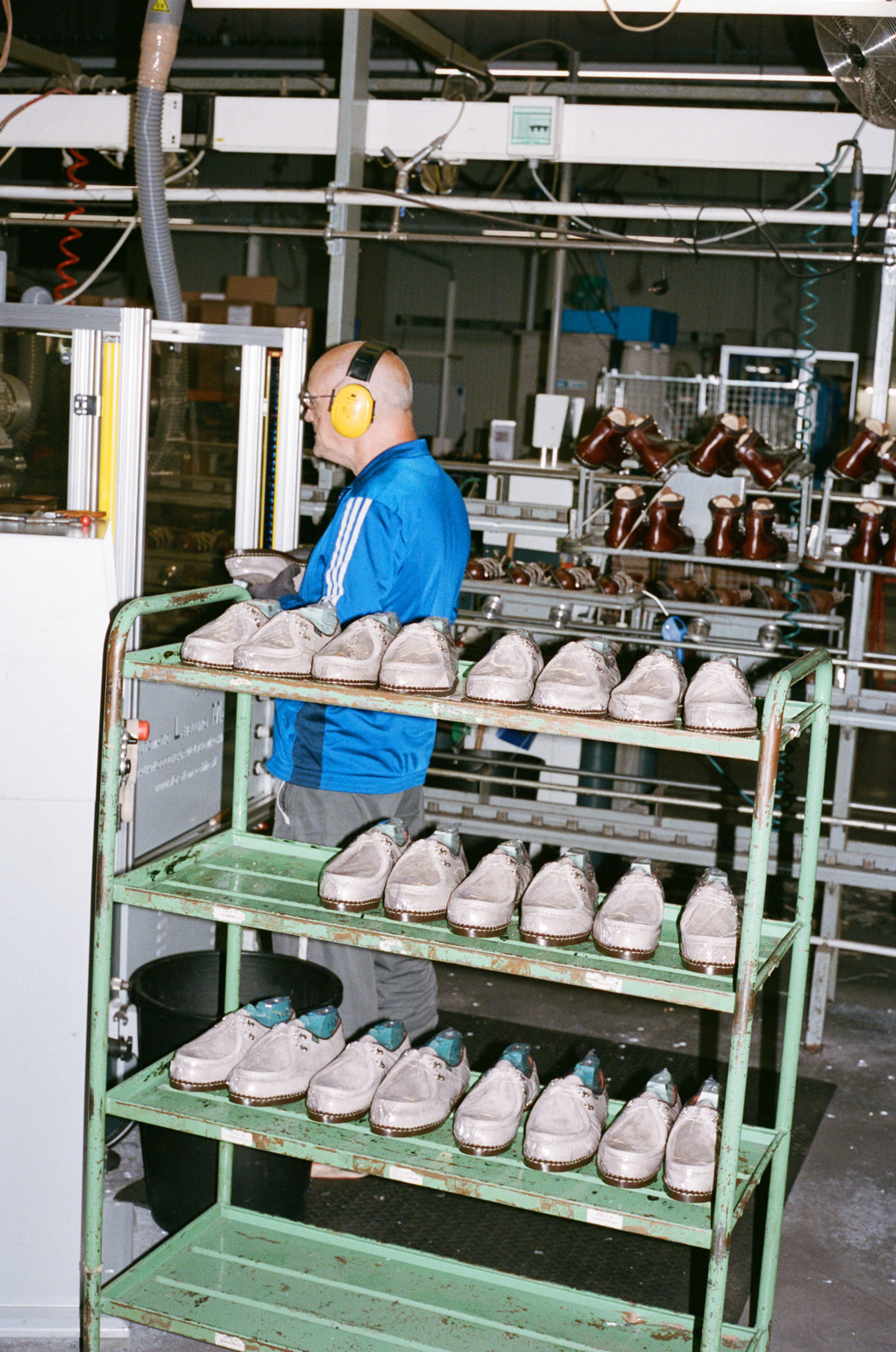
Julien, his son, was the next generation. He was great at developing relationships and looking after his employees, but he wasn’t interested in managing the finances of the company. The new generation came in 1973. Ten years later, the financial situation became critical. The boss, Michel, had to fire a lot of people, but he refused to compromise on the quality of the shoes we make. In Italy, we could get cheaper shoes because they were cemented and not stitched. It was fashionable all over the world to use cementing and not stitching, so everyone stopped using that technique. Visually, the shoes look the same, but the quality had decreased because cemented shoes aren’t at all as durable. Paraboot shoes are built to last a lifetime.
One of my favorite stories you shared with us was about how the brand has been working with the Chartreuse monastery for so long and about how the sandals they wear were designed.
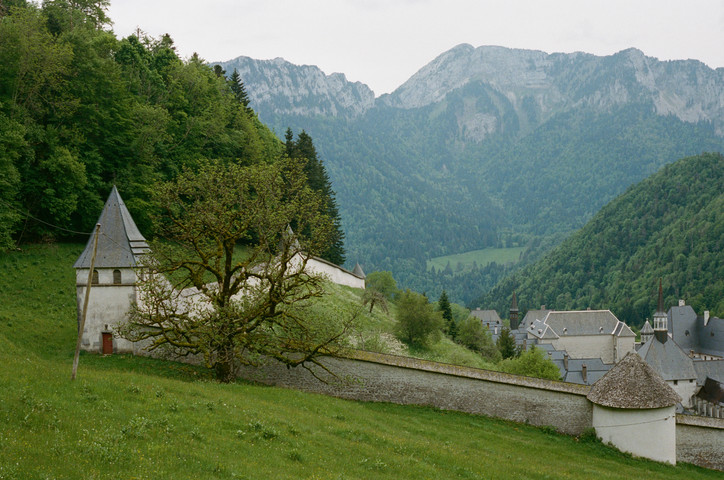
Paraboot is near the Chartreuse mountains and the world-famous monastery there. Back in the 1960s, more or less, the Chartreuse monastery asked my father to create some sandals for the monks. They have a vow of silence, so when he visited, he tried to be quiet, but he was very excited about everything he saw. So I don’t think he could ever be a monk, but he was really excited to develop a new style with them because their way of living is so admirable. They needed sandals that you can use to work all day long. For that, you need an upper-back which can maintain your heel very well, so you can walk all day long in the mountains. You need a special grip for going up and down the mountains. At the front of the shoe, there is also a strap to protect your toes; it’s good for the monks when they’re kneeling to pray.