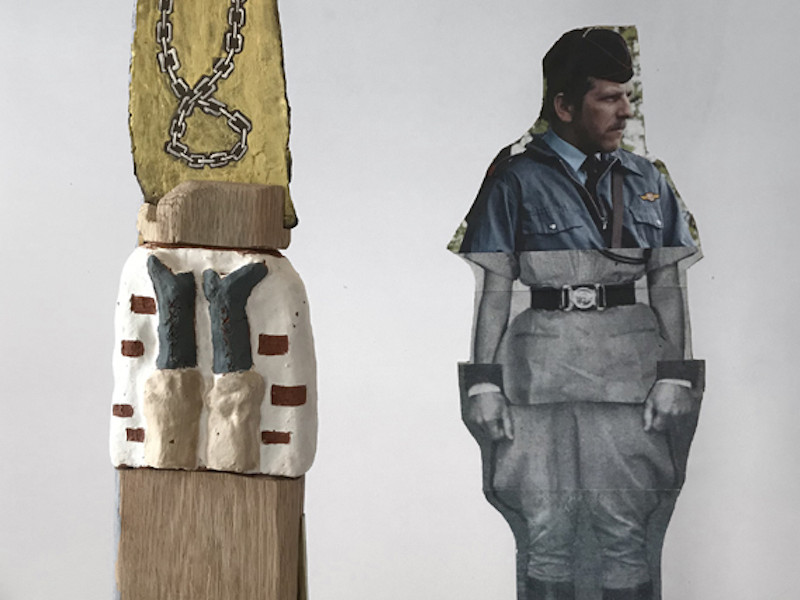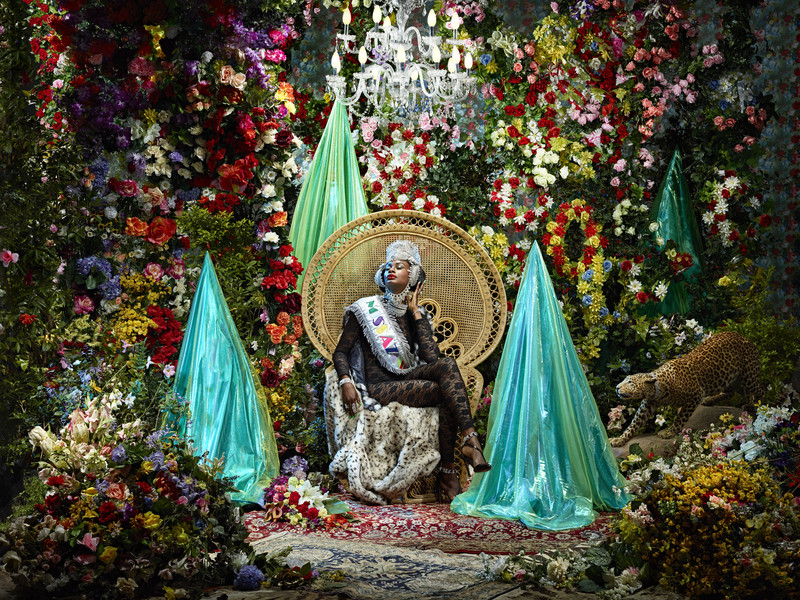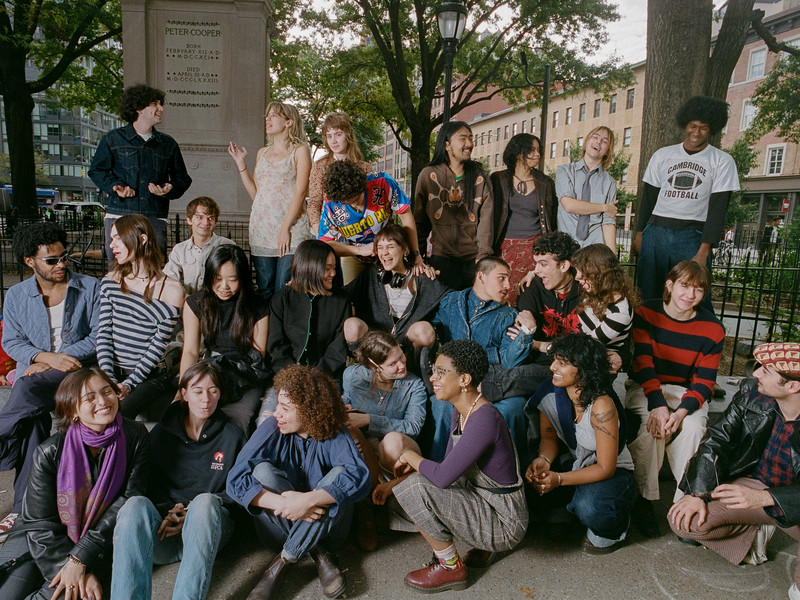
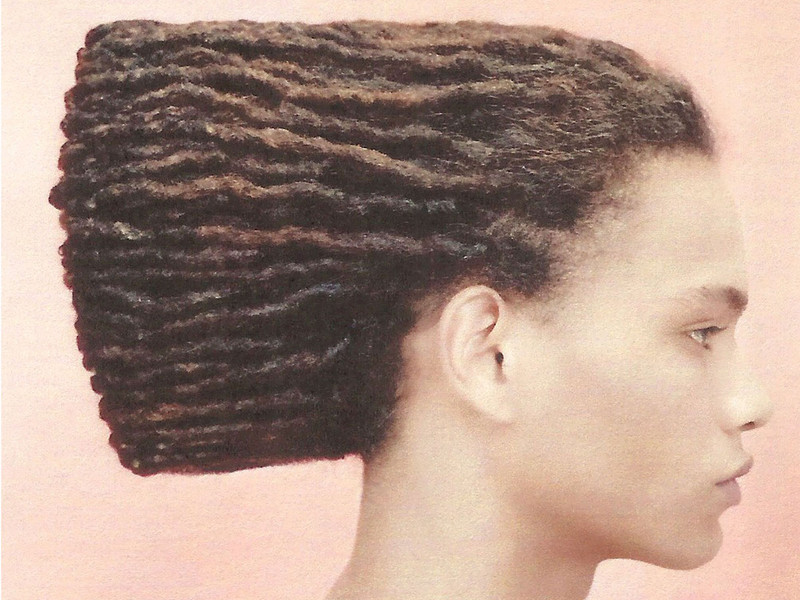



The work is installed along the paths leading into Vizcaya. Why did you want to work in these in-between spaces?
The pedestrian pathway and the Metrorail area are two routes people take to Vizcaya. You’re coming from the city, passing through this canopy of trees, and arriving at the main house and gardens. I started thinking of the work as an opening act. What kind of mood can I set for the experience that comes next?
When I visit Vizcaya, I feel this sense of fantasy, theatricality, and play. It’s such an extraordinary place, and I wanted the photographs to cue people into that feeling as they walk through the landscape.
You grew up in South Florida but were born in Canada. How has that shaped the way you see the landscape?
I moved here when I was three, so South Florida is home. At the same time, my family didn’t have generational roots here. I’ve always had this insider-outsider perspective, and that has really colored the way I make photographs in and about this place.
Photography has been a way for me to feel more comfortable here, particularly in the natural landscape. Growing up, Vizcaya also loomed large in my imagination and in the collective consciousness of Miami. To have the opportunity to respond to it and make work here feels very special.
How do you use photography to explore that feeling of belonging?
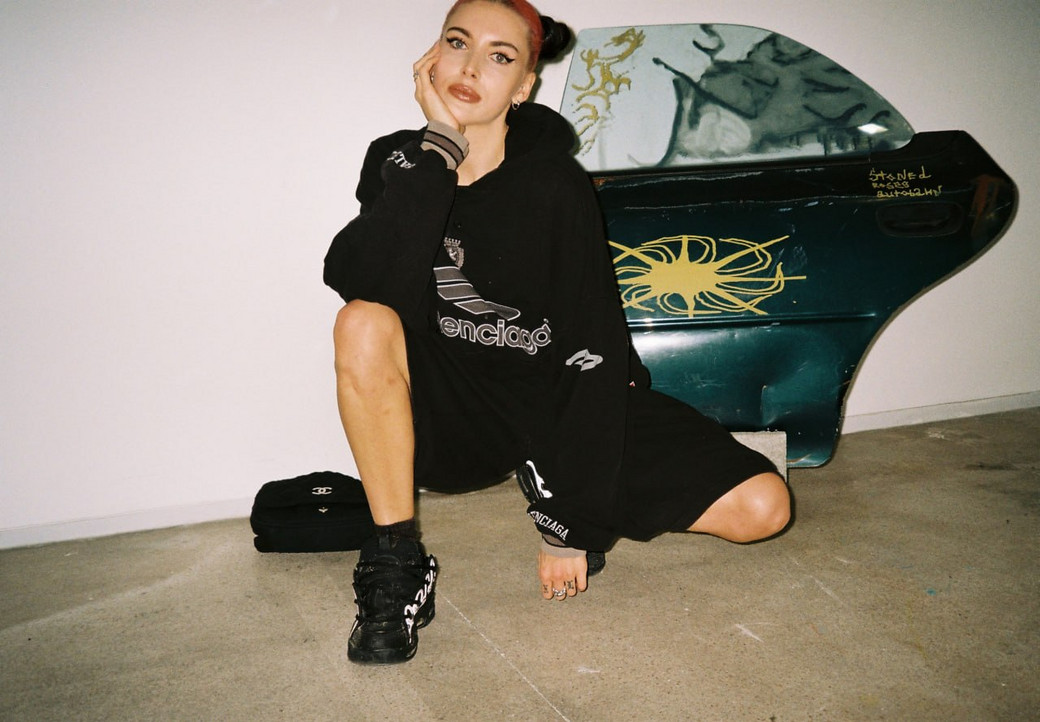
I’m interested in making images of people who feel at home outdoors, who are at ease or playing or resting in the landscape. Those moments are constructed. I’m staging them for the camera. But in the process of bringing people together and arranging a scene, the feeling becomes a little more real.
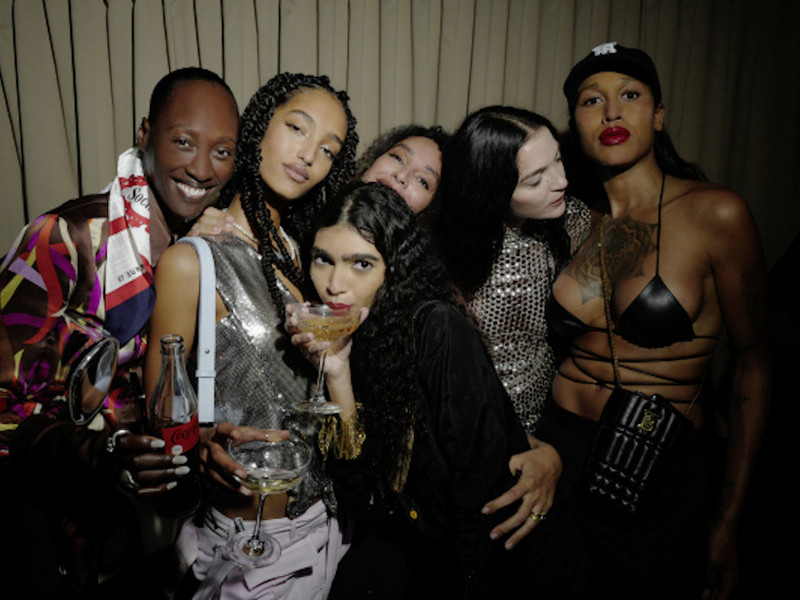
For Welcome to Wonder, I wanted to carry that approach into Vizcaya. You encounter young people from different backgrounds having these moments of belonging, both with one another and with the landscape around them. Photography gives me a way to imagine those moments and then make them visible.
Vizcaya was originally a private estate. How did its history influence the work?
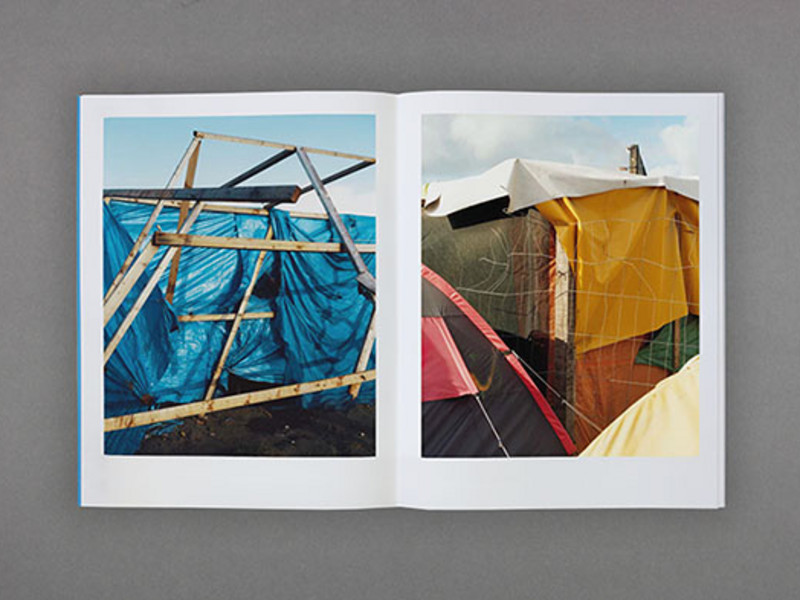
The commission felt like an invitation to respond to Vizcaya as it is now and as it was in the past. The footprint of the estate was once much larger, and I became interested in the landscapes that surrounded it. Some of the photographs were made at Vizcaya, while others were made elsewhere, in landscapes that reminded me of Vizcaya. I like the idea that a photograph can do a little dance with time and invite you to imagine what might have been here before.
I also spent a lot of time in the archive, looking at photographs of Vizcaya being built and cared for, as well as the visual art connected to it. I thought about John Singer Sargent’s watercolors from his time here and the sculptures throughout the grounds. Those details helped me build my own little slice of Vizcaya.
What stood out to you in the archival photographs?
I was thinking about who appeared in those images and what might be missing from them. In the photographs I found, people of color were often pictured working or caring for the estate. I wanted to add another kind of image to that story: young people of color, and young people from many different backgrounds, experiencing moments of leisure.
They’re resting, playing, and connecting with one another, with the landscape, and with the creatures around them. To me, that’s an important way to think about Vizcaya’s history and the history of South Florida more broadly. Who gets to feel at ease in a place? Who gets to imagine it as their own?
You spent a lot of time walking the grounds. What did you notice?
I started paying attention to the creatures around me. I’d see snails making their way up the trees or butterflies flying through the brush. Those encounters helped me imagine the interactions I wanted to photograph.
There are flamingos, deer, spiders, snails, and even a seahorse in the work. You might not encounter all of them on a single visit to Vizcaya, but I wanted to bring some of the life of the surrounding ecosystem into the pictures and let people discover it along the way.
Your photographs feel both staged and intimate. How do you make space for that kind of connection?
I’ll often arrive with an idea or a reference, but I’m also paying attention to what the people I’m photographing bring to the moment and what the environment offers. It’s a dance between intention and chance. The weather changes, the light shifts, and the scene can become something a little different from what I imagined.
I work on film, so I don’t immediately know what I’ve made. There’s the part of the process where I’m out in the world, meeting up with people and staging scenes. Then there’s the part where I come back to the studio, look through the material, and start to edit. I think about it like a sculptor starting with a block of marble. There are so many directions you could take it. For this project, I was choosing and pairing pictures that created a feeling of wonder, freedom, and belonging.