office celebrates CIFF 62
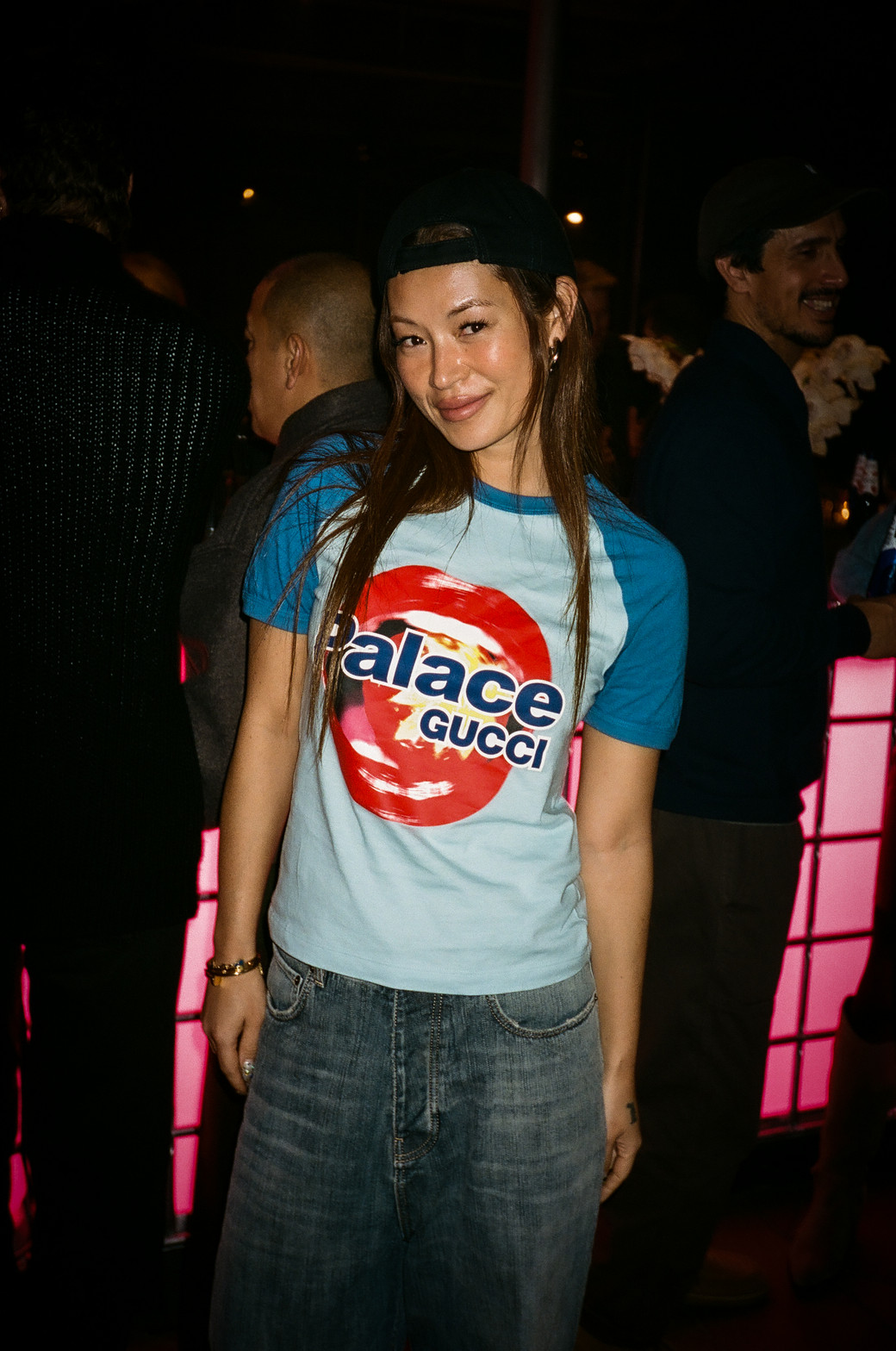
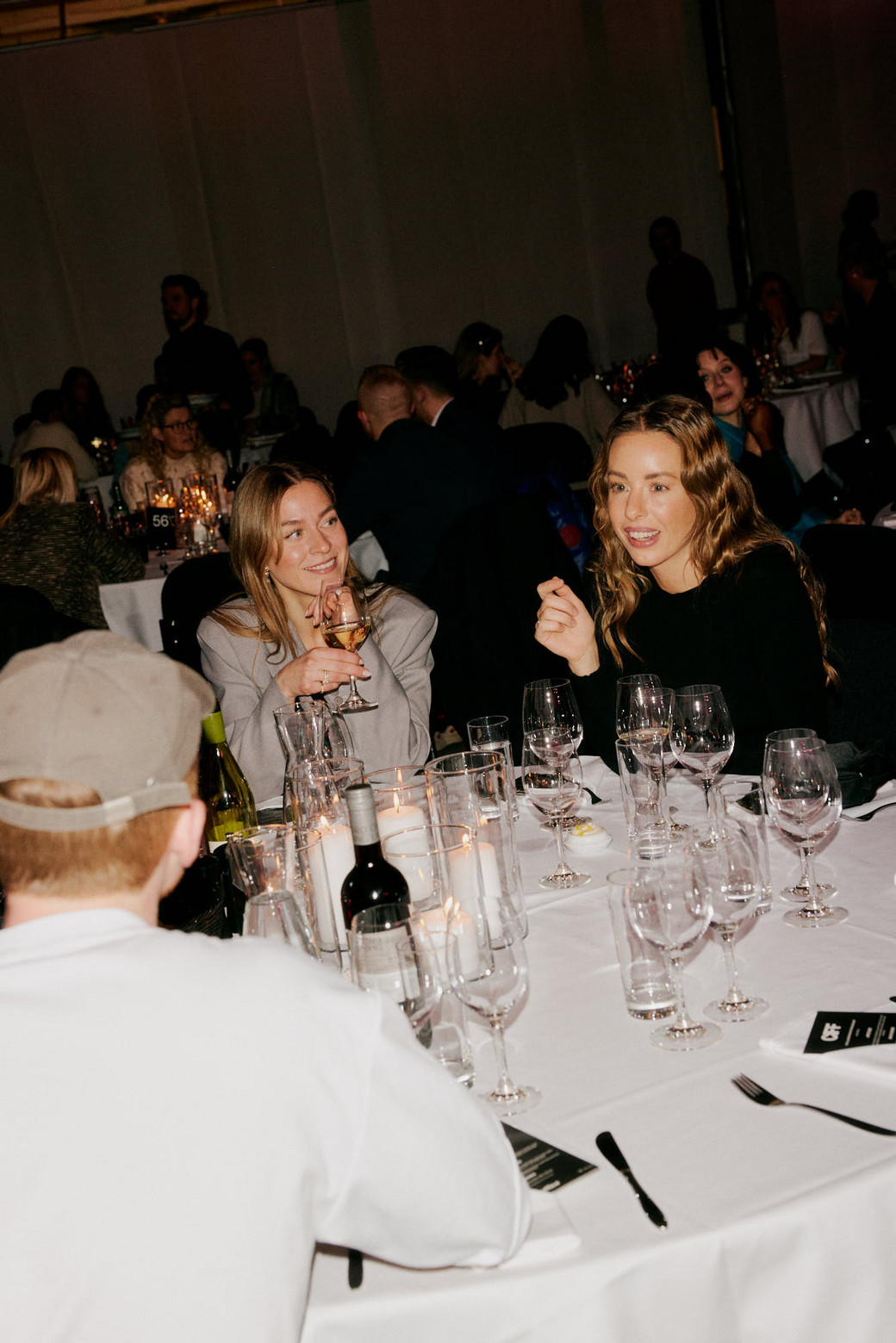
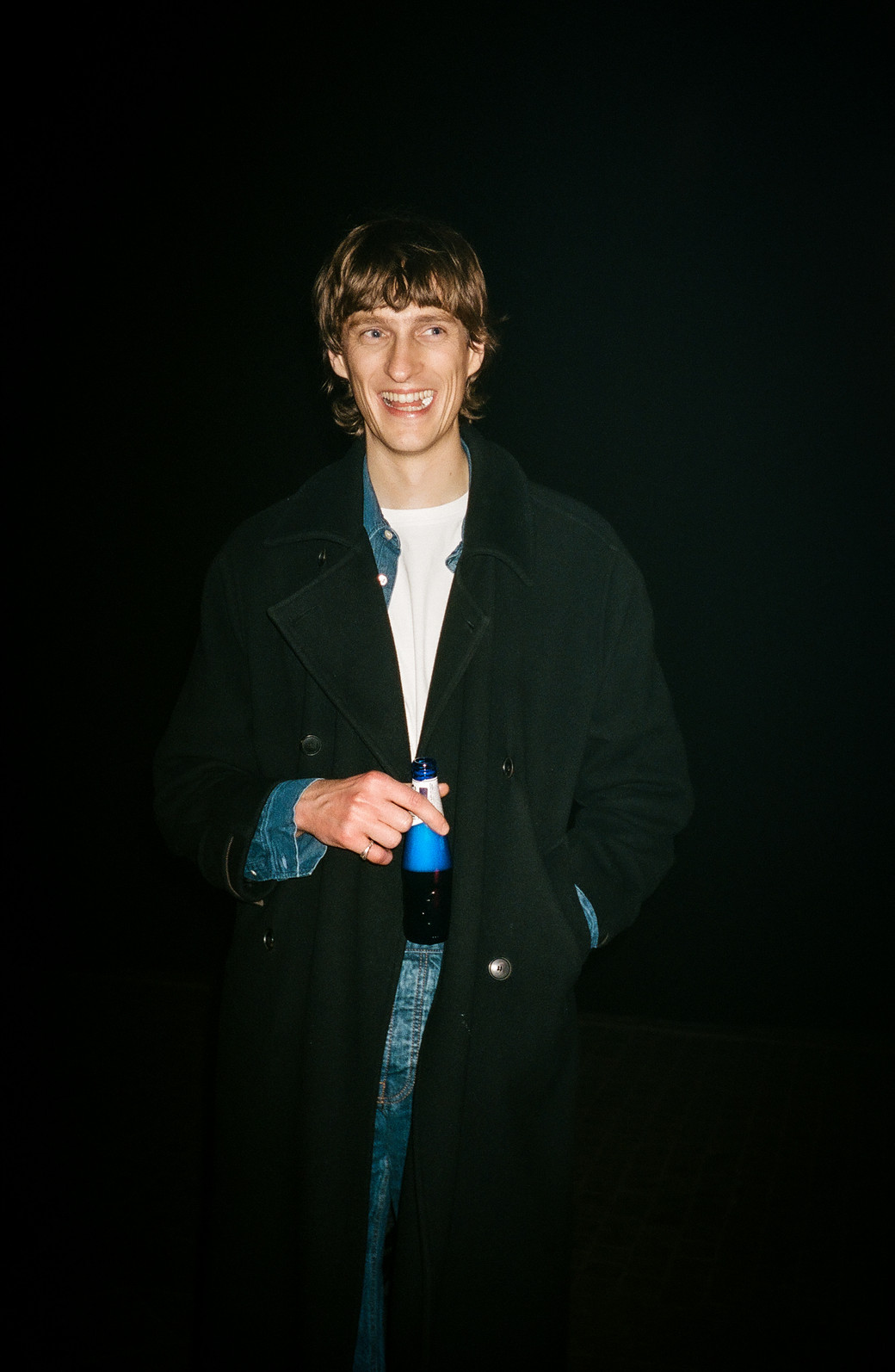
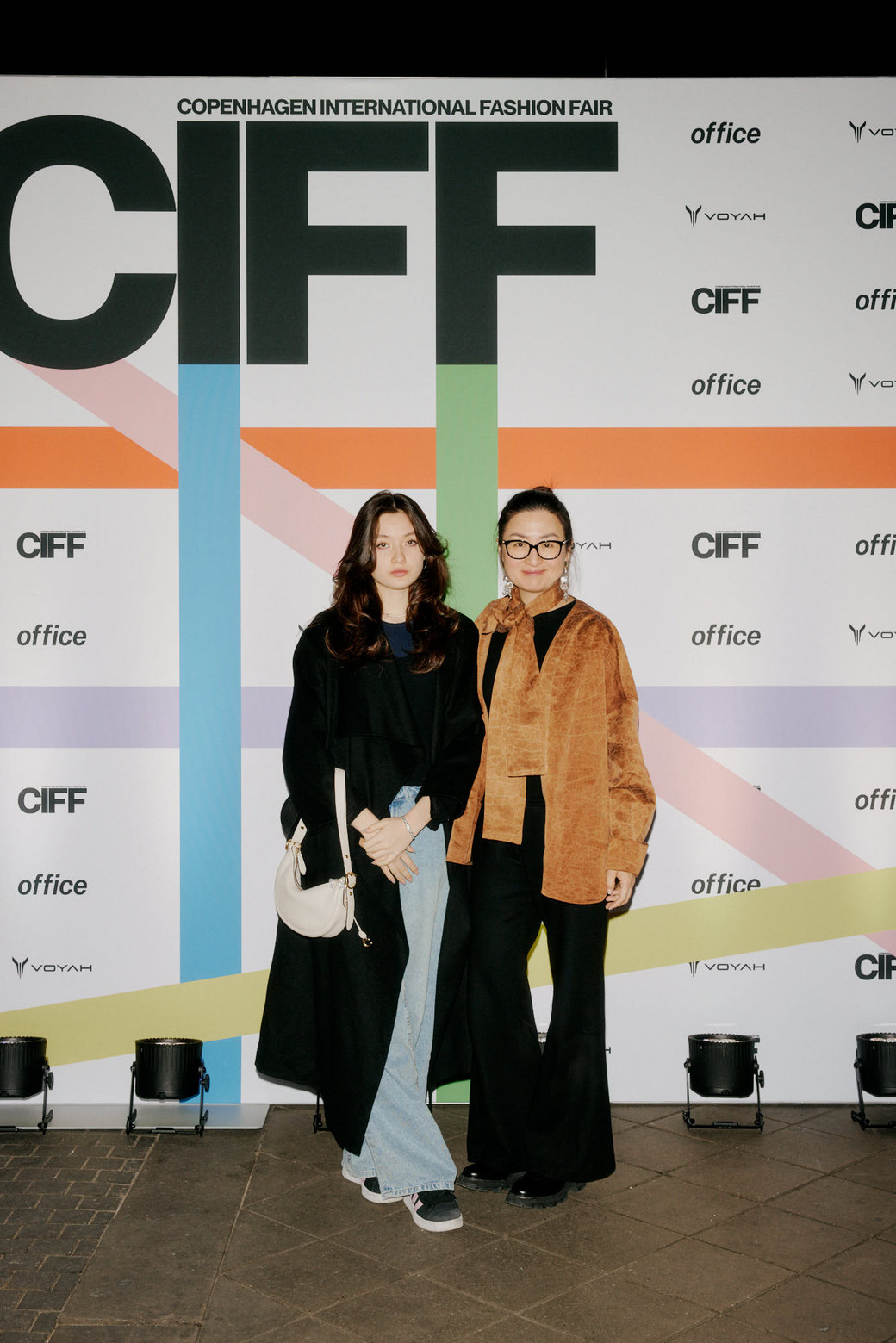
Conversations flowed, guests mingled, and eventually, everyone was on their feet crowded around the DJ booth dancing the night away. If you missed out, relive the magic in photos from the night below.
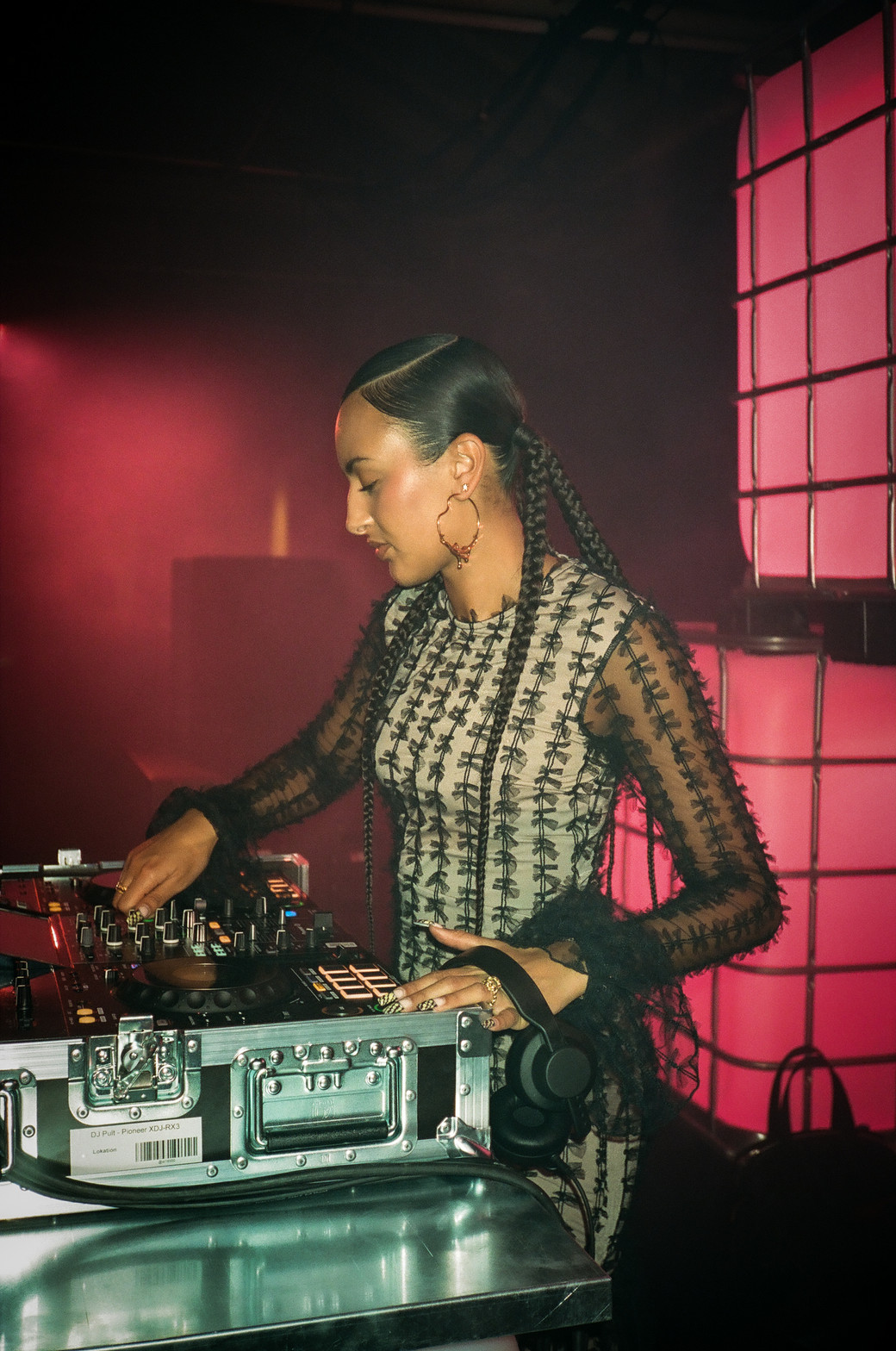
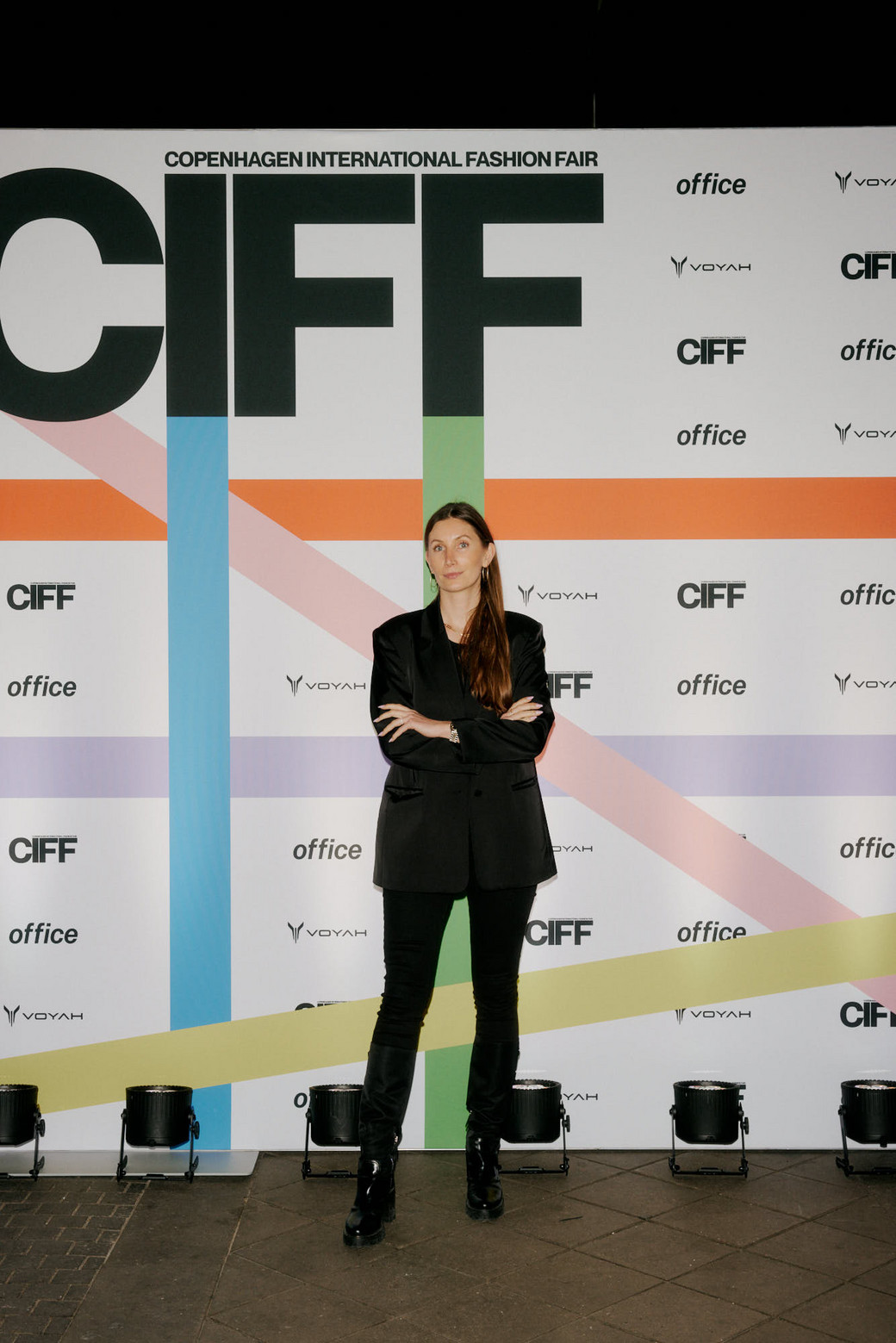
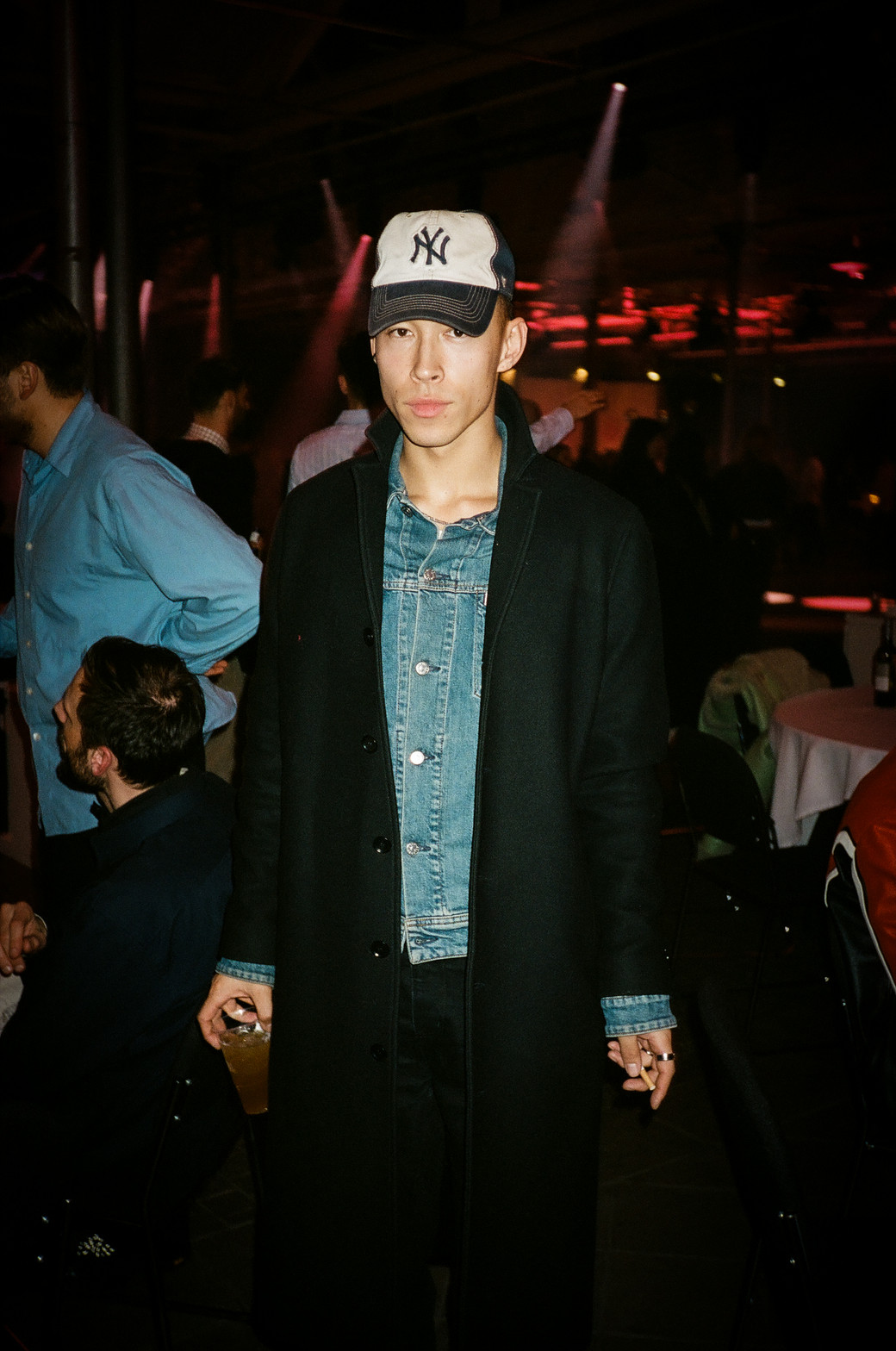

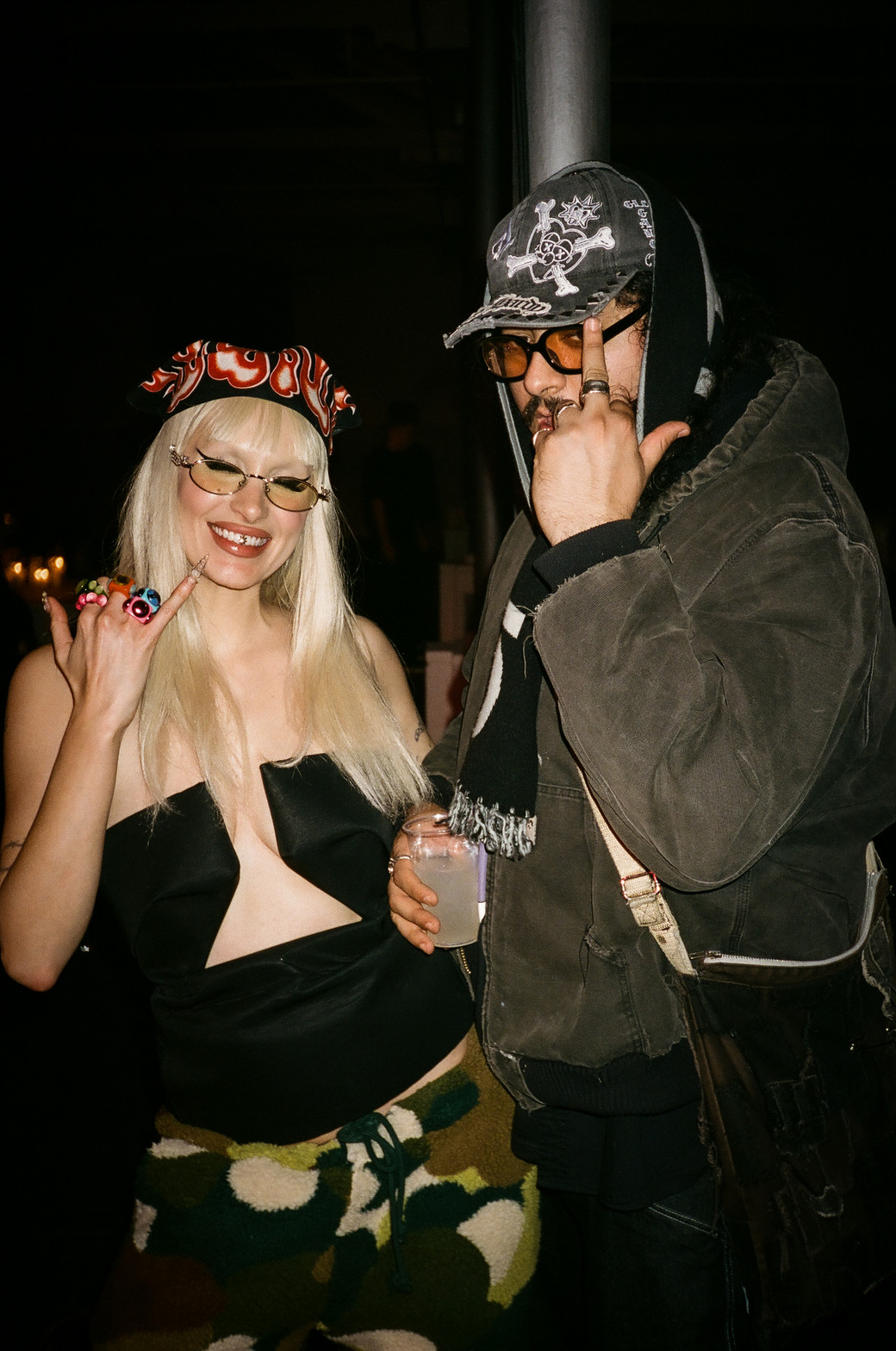
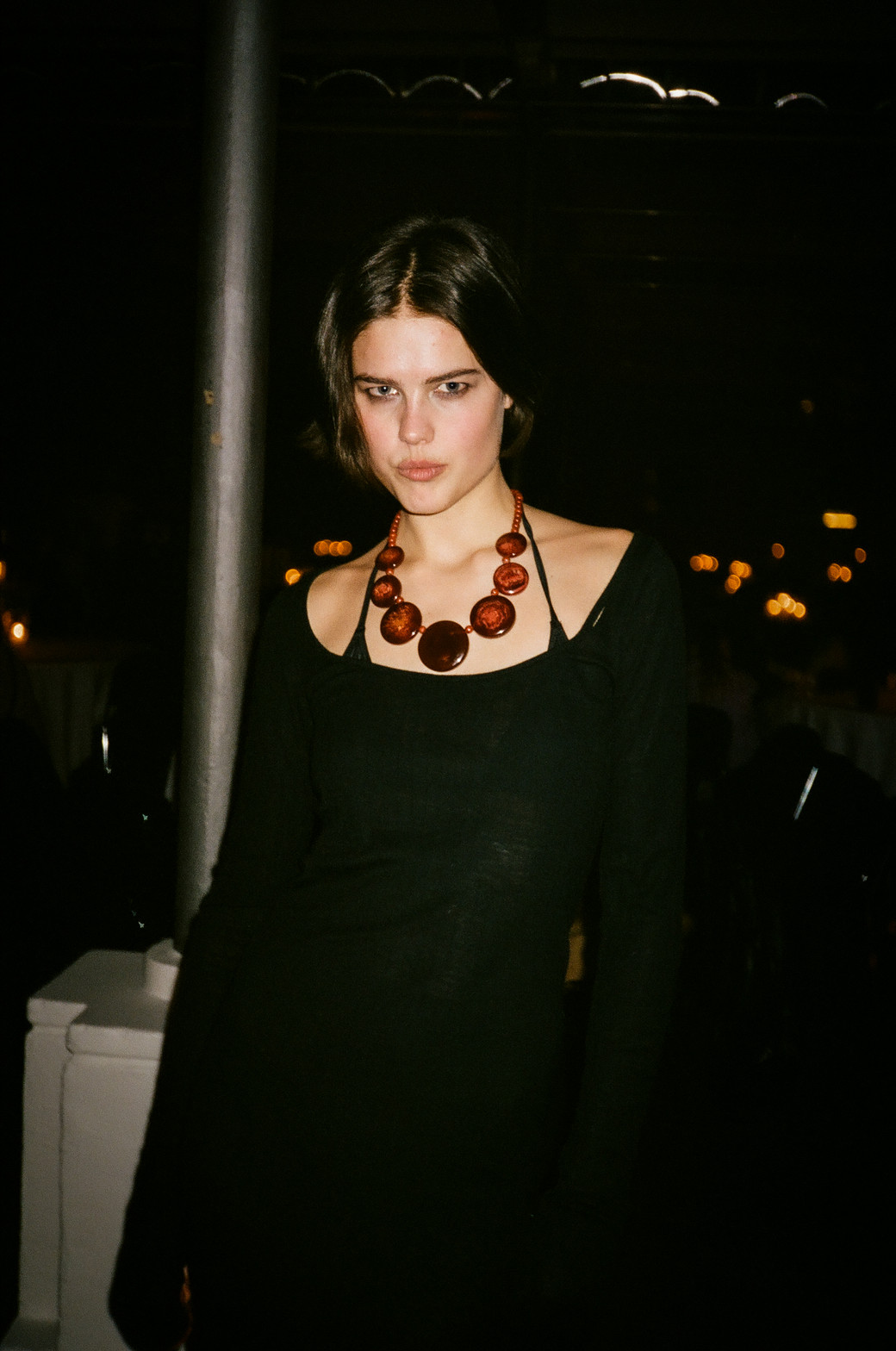
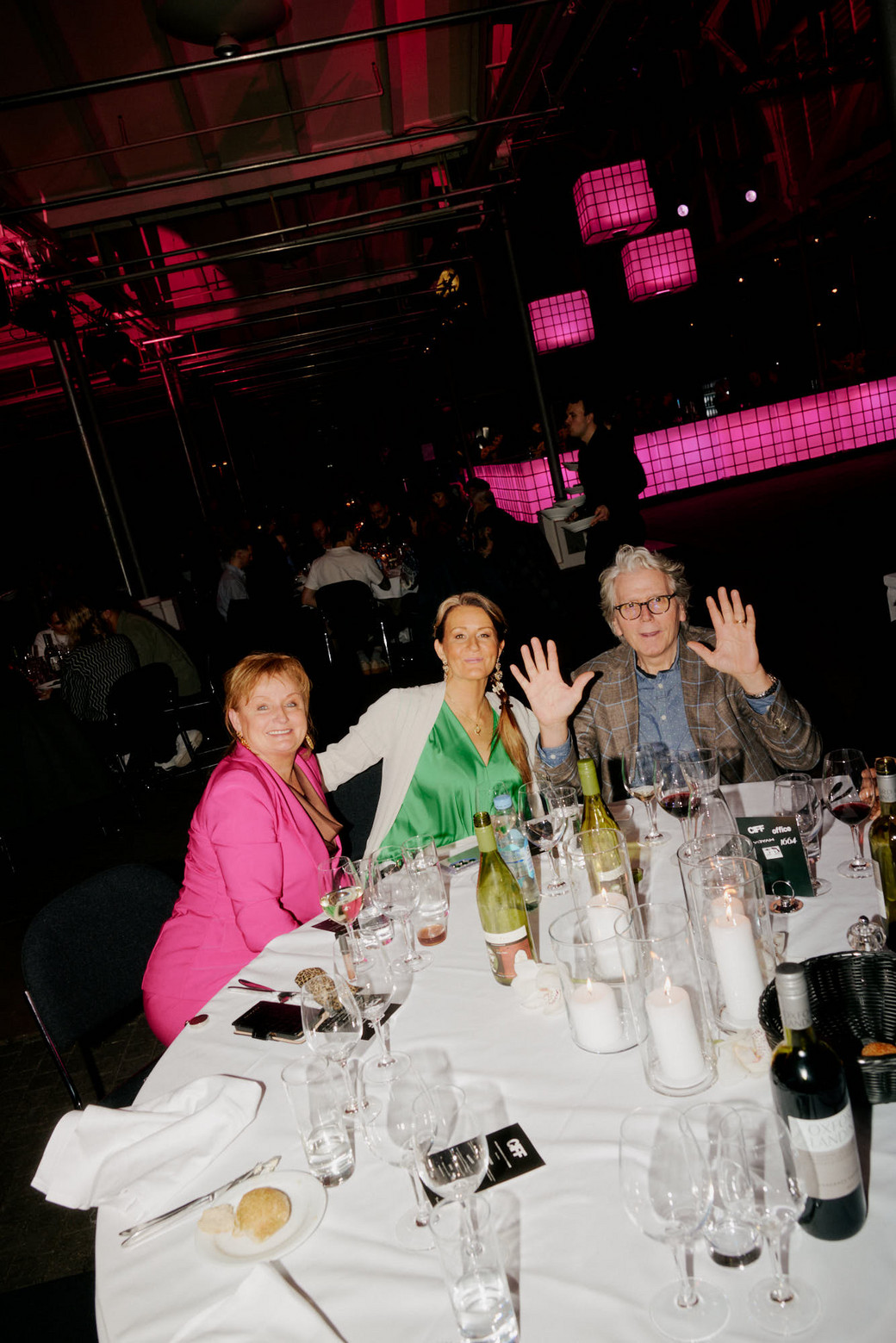
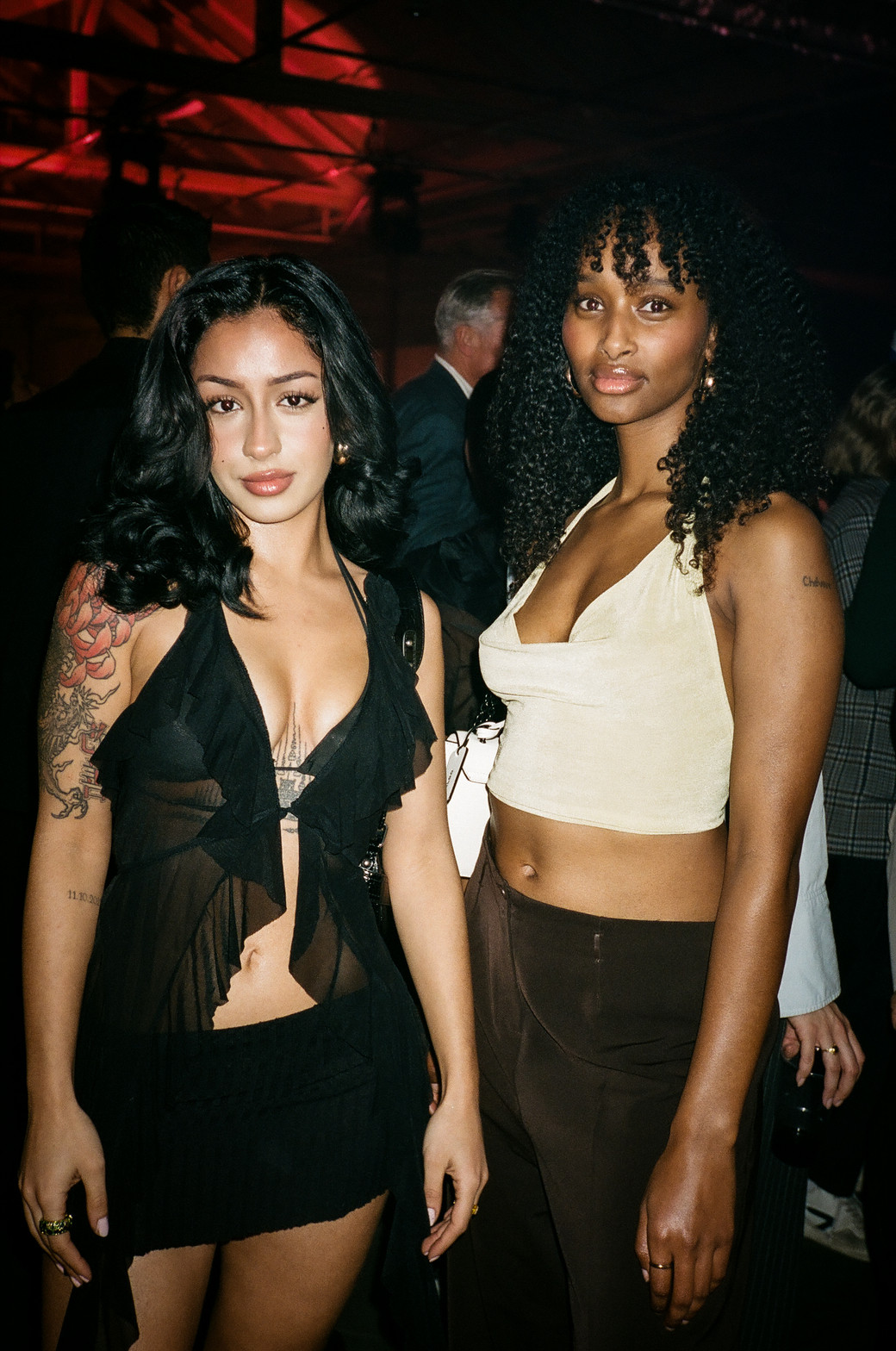
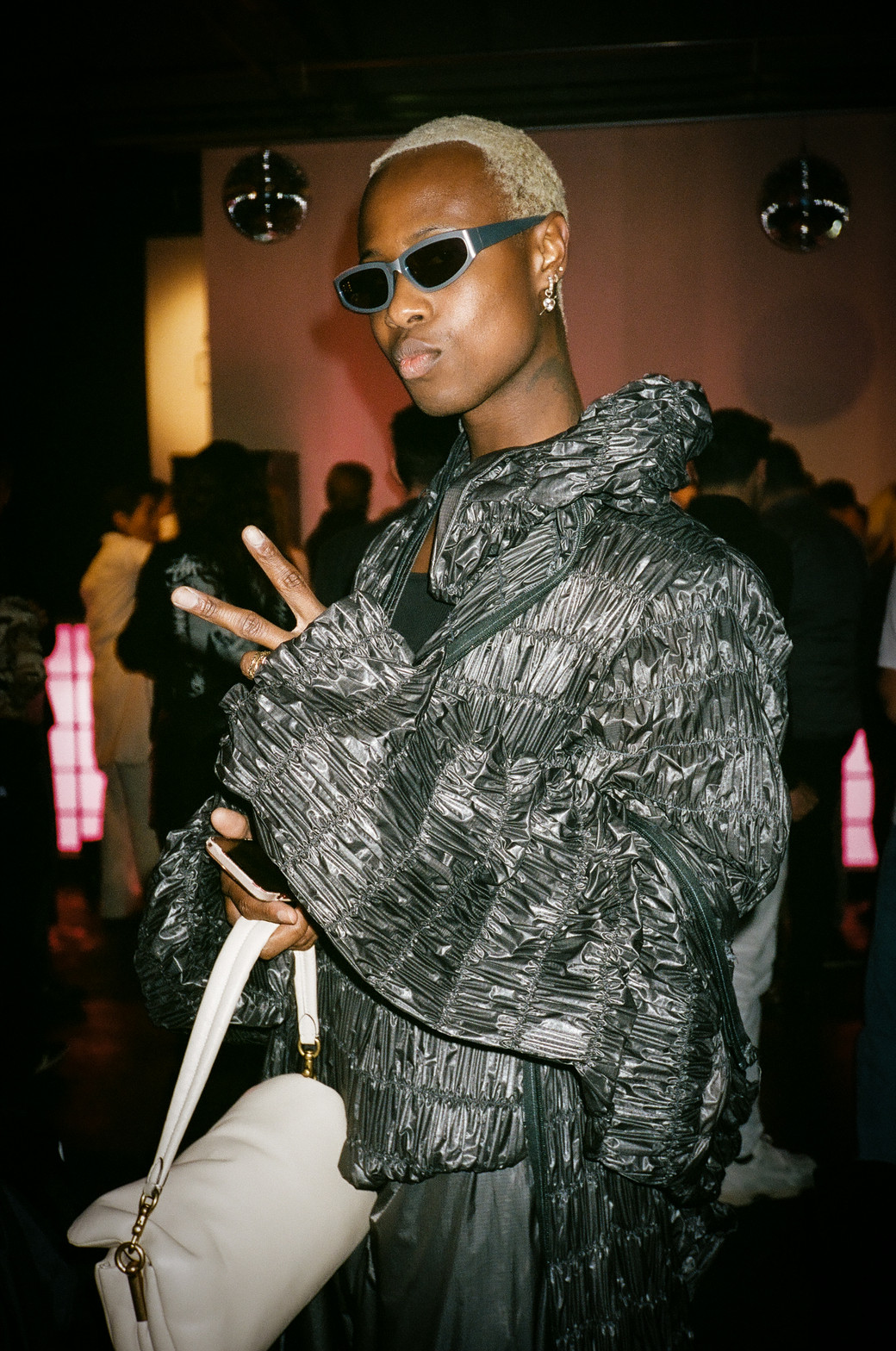
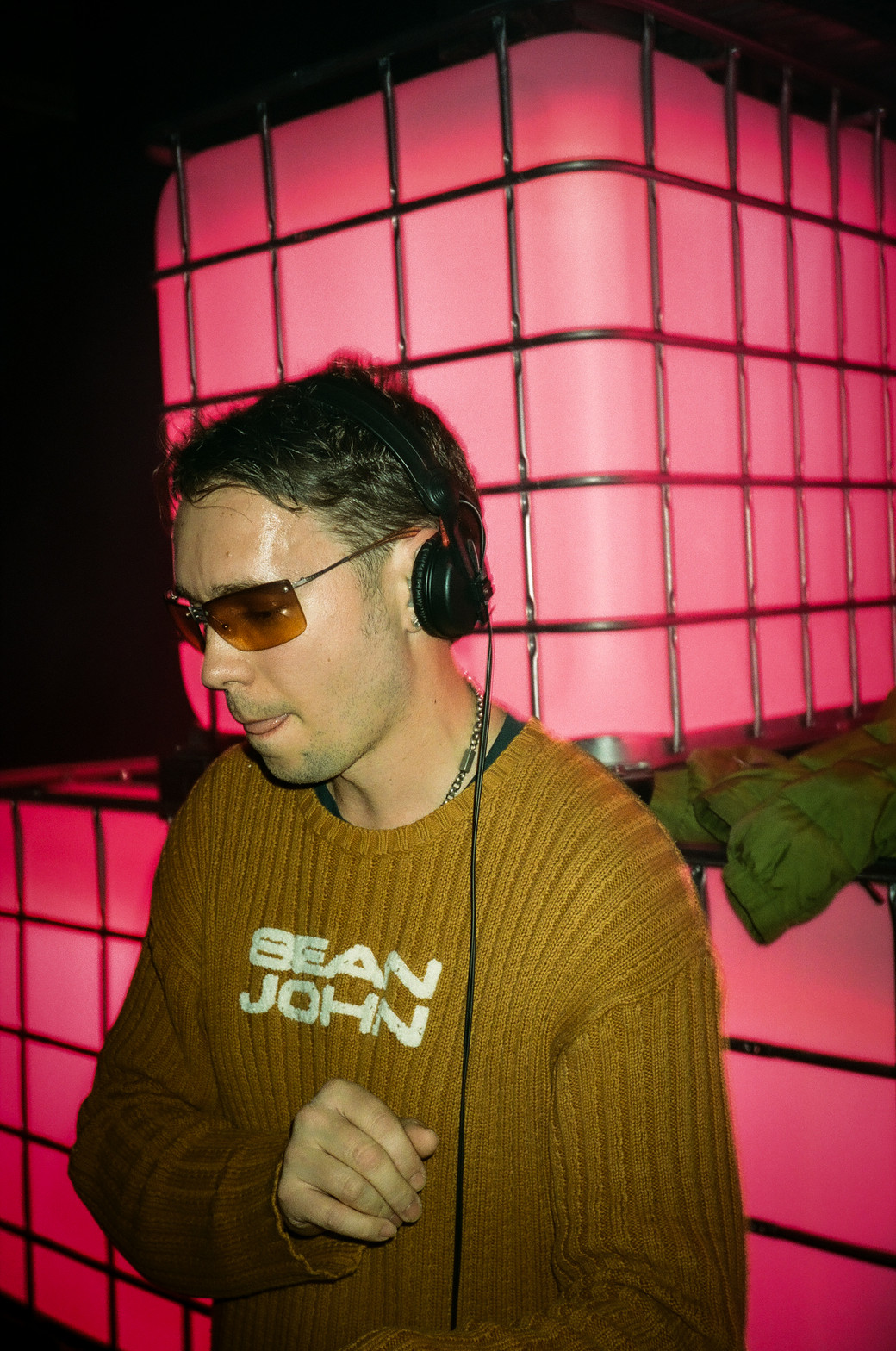
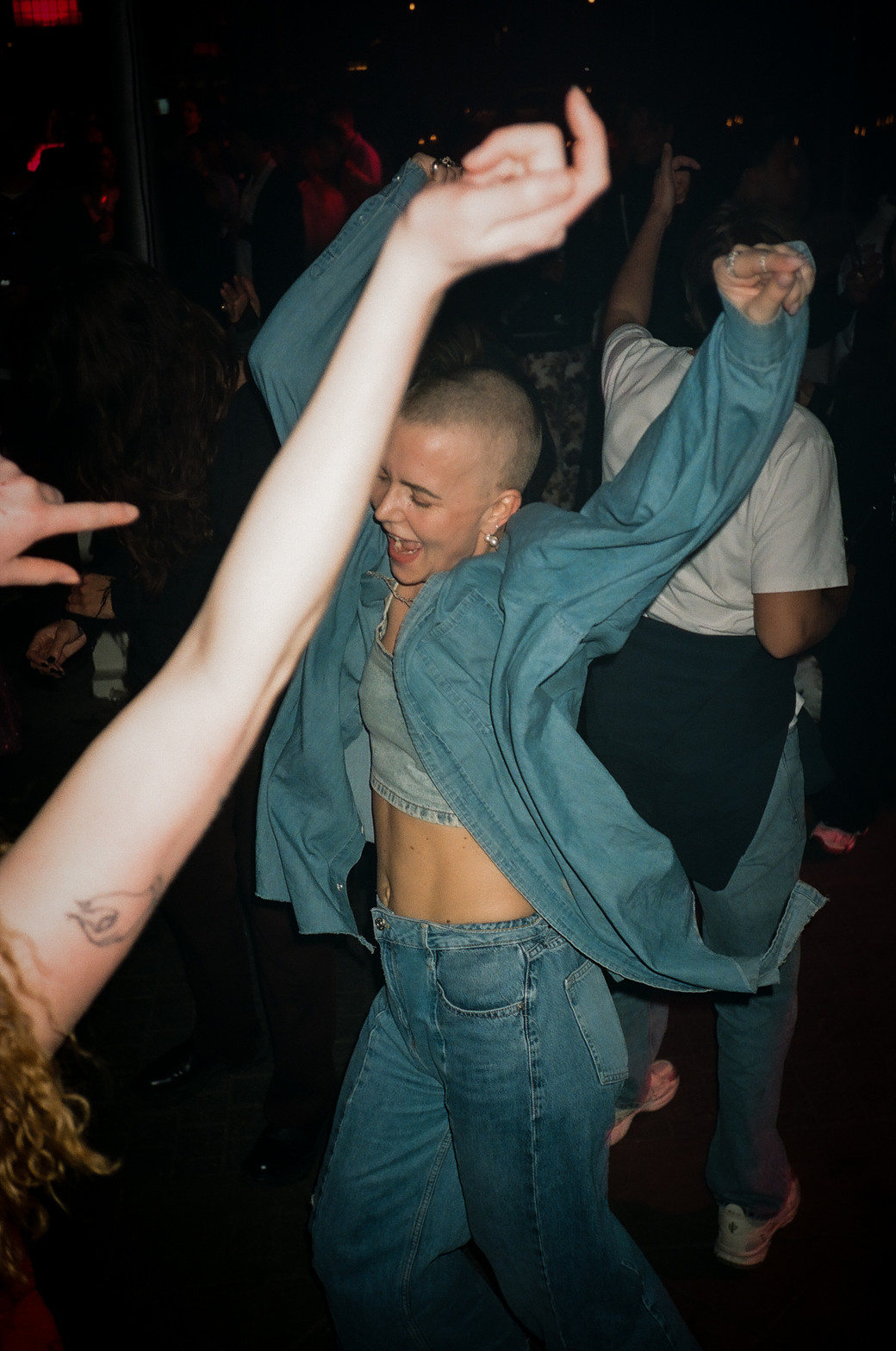
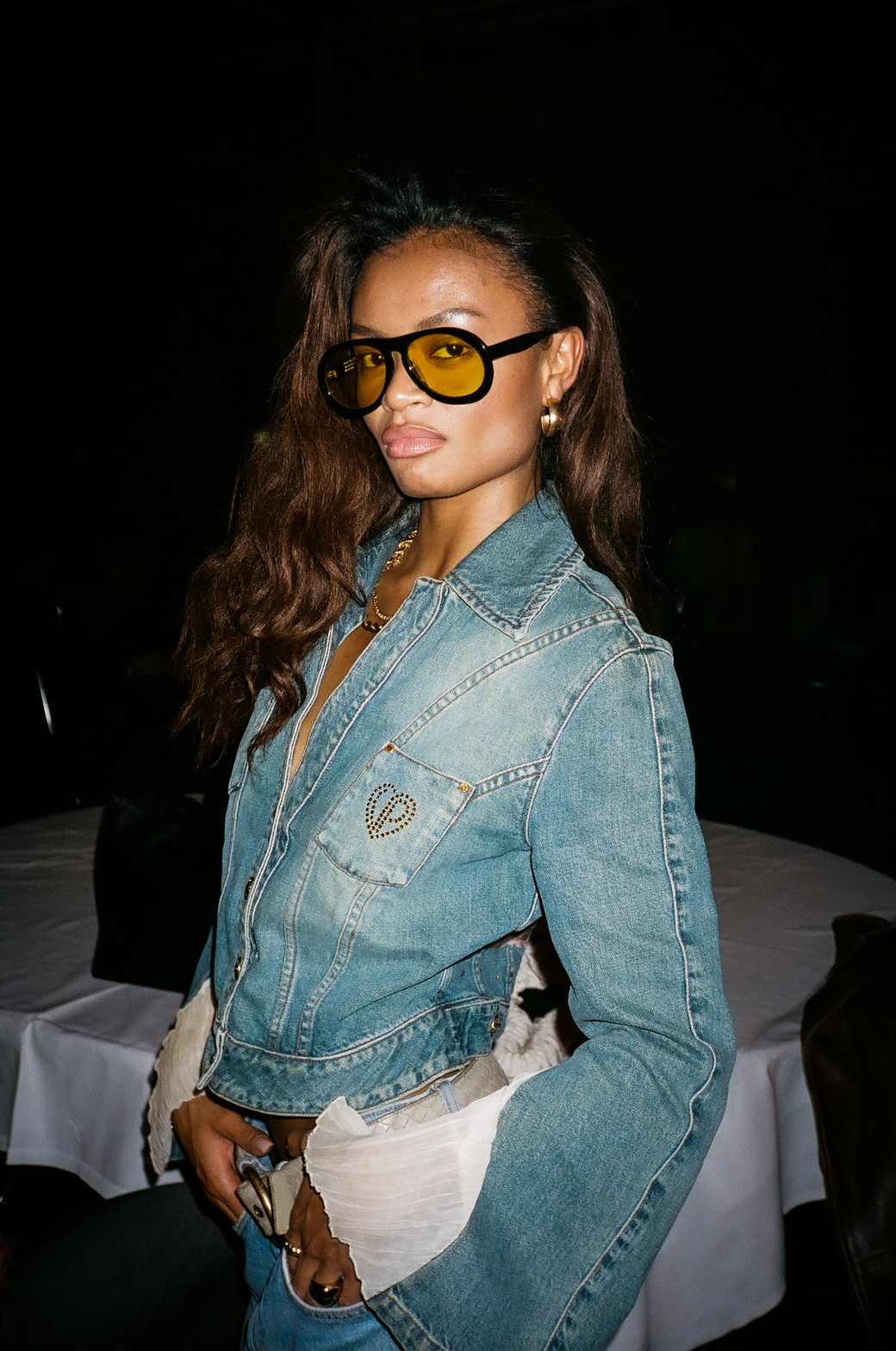
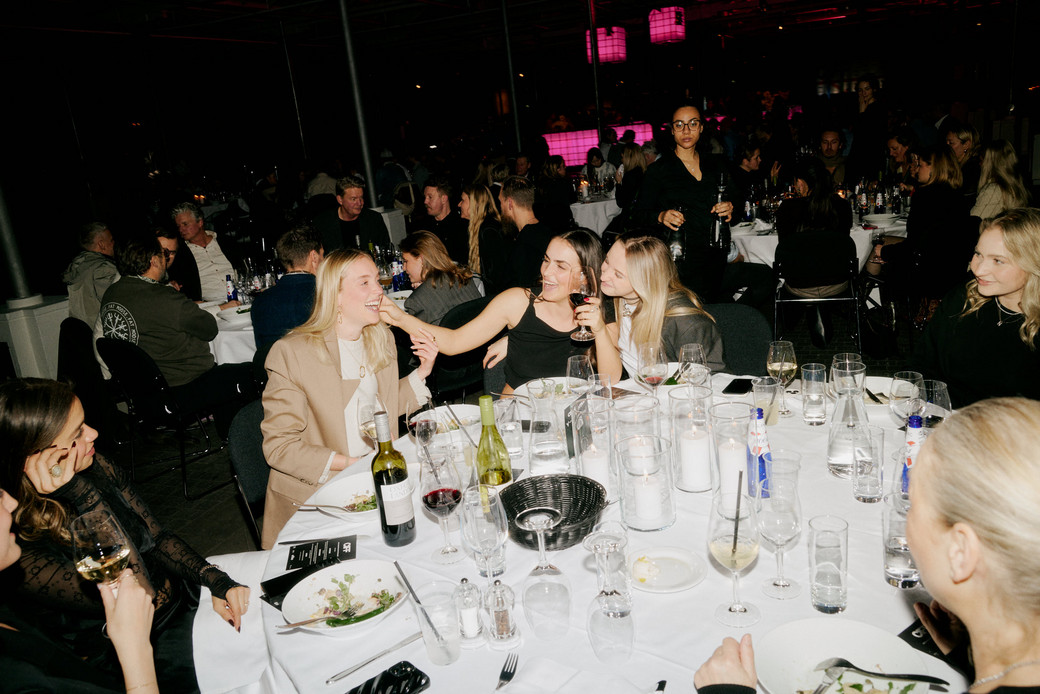
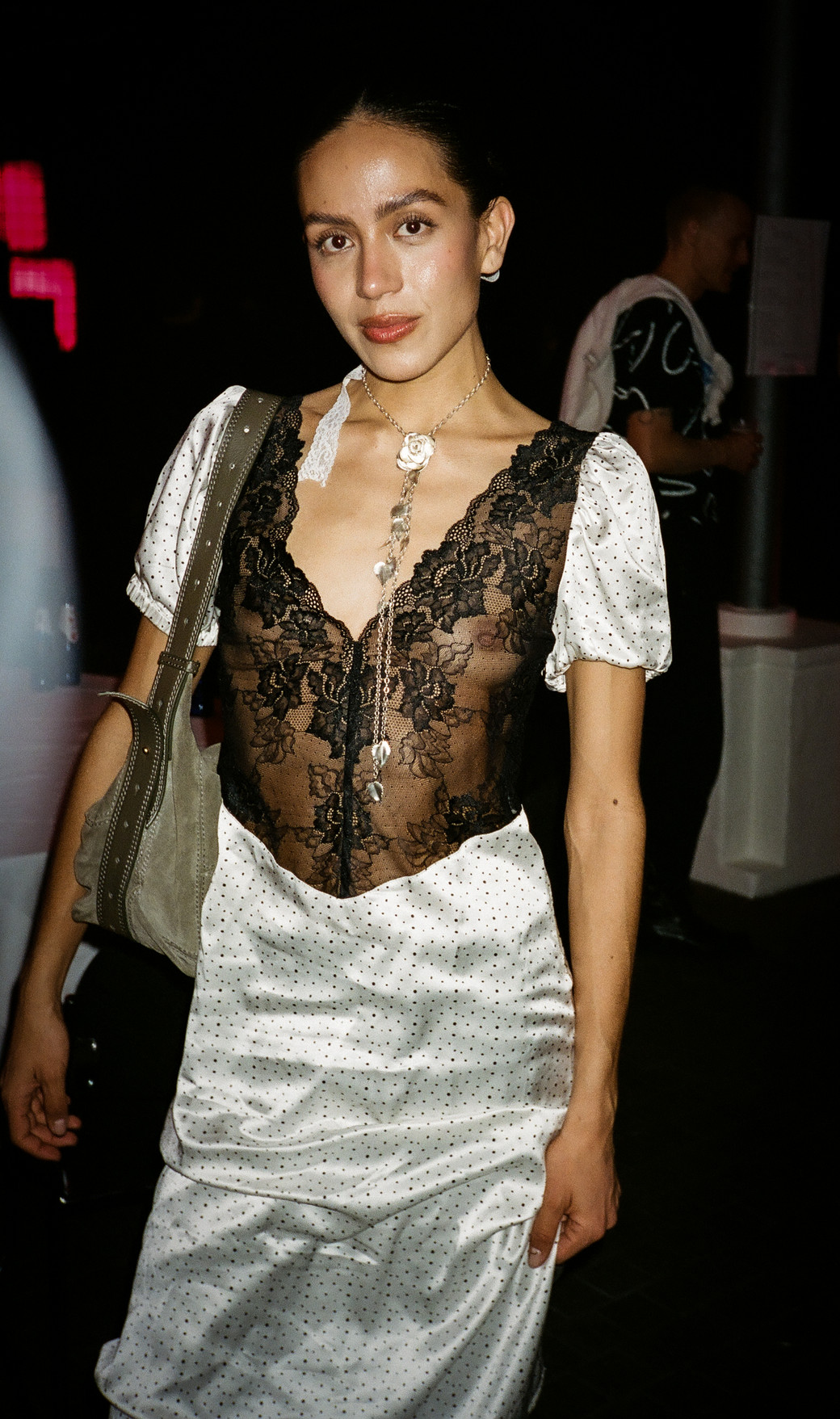
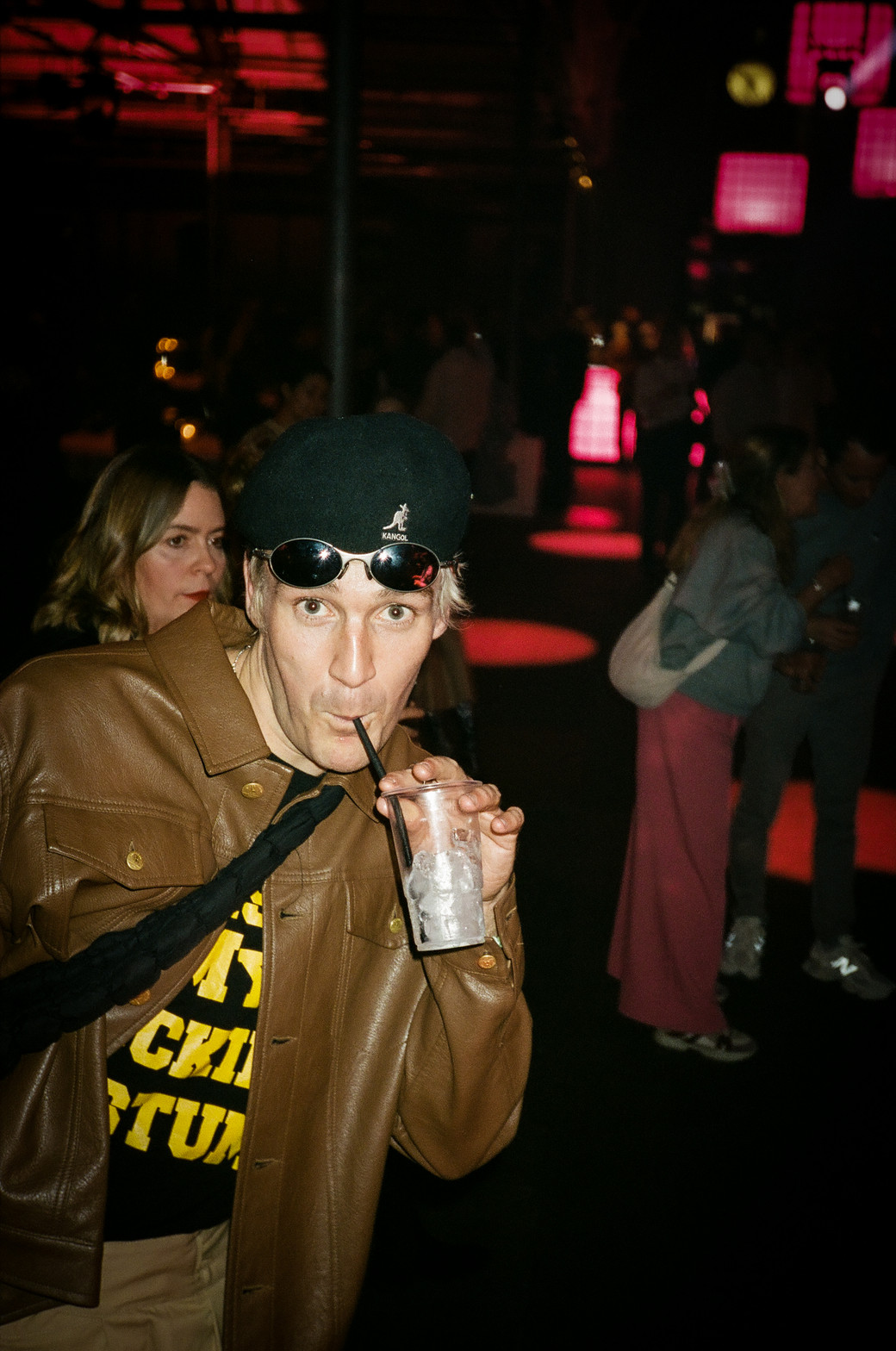

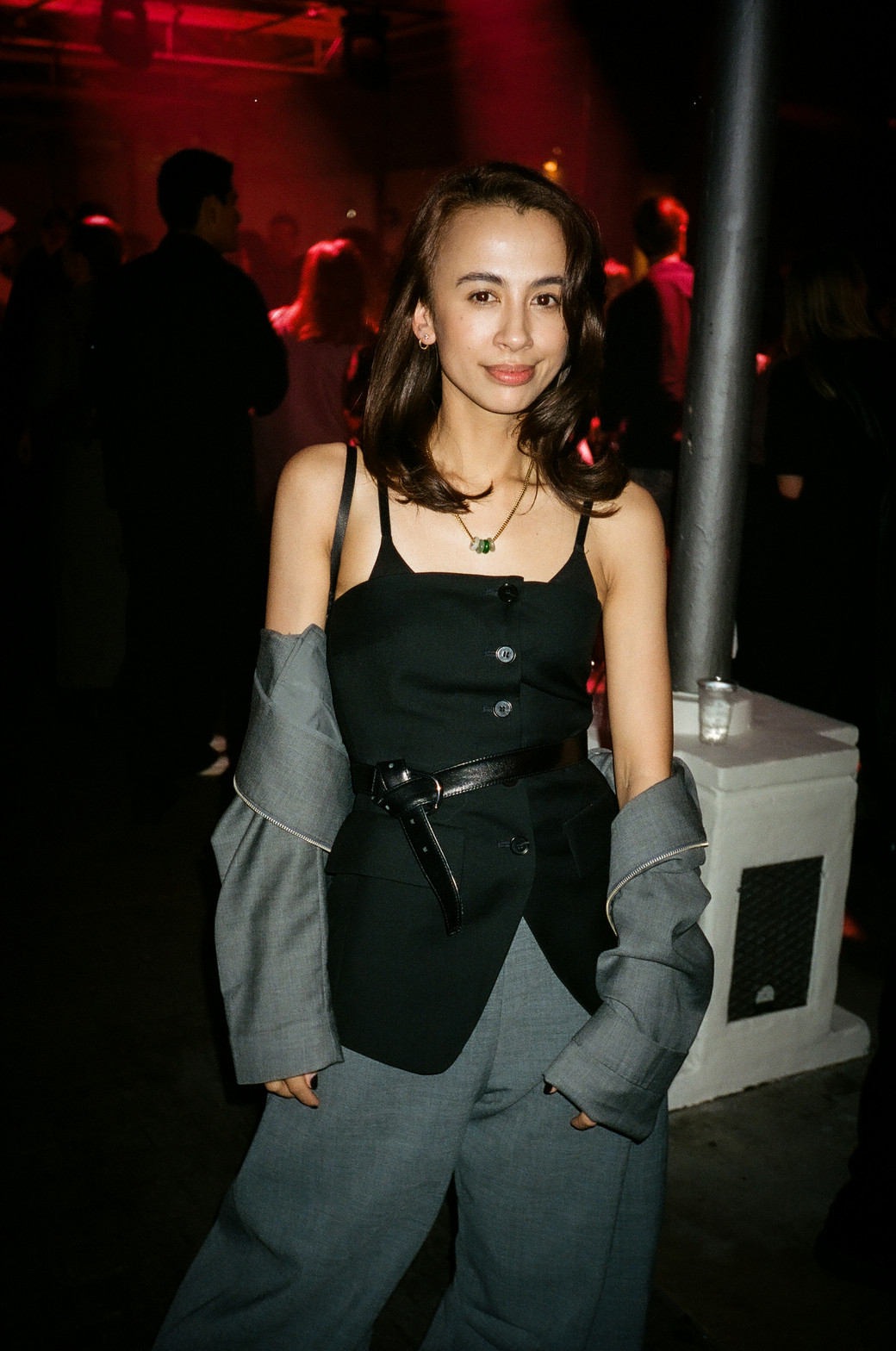
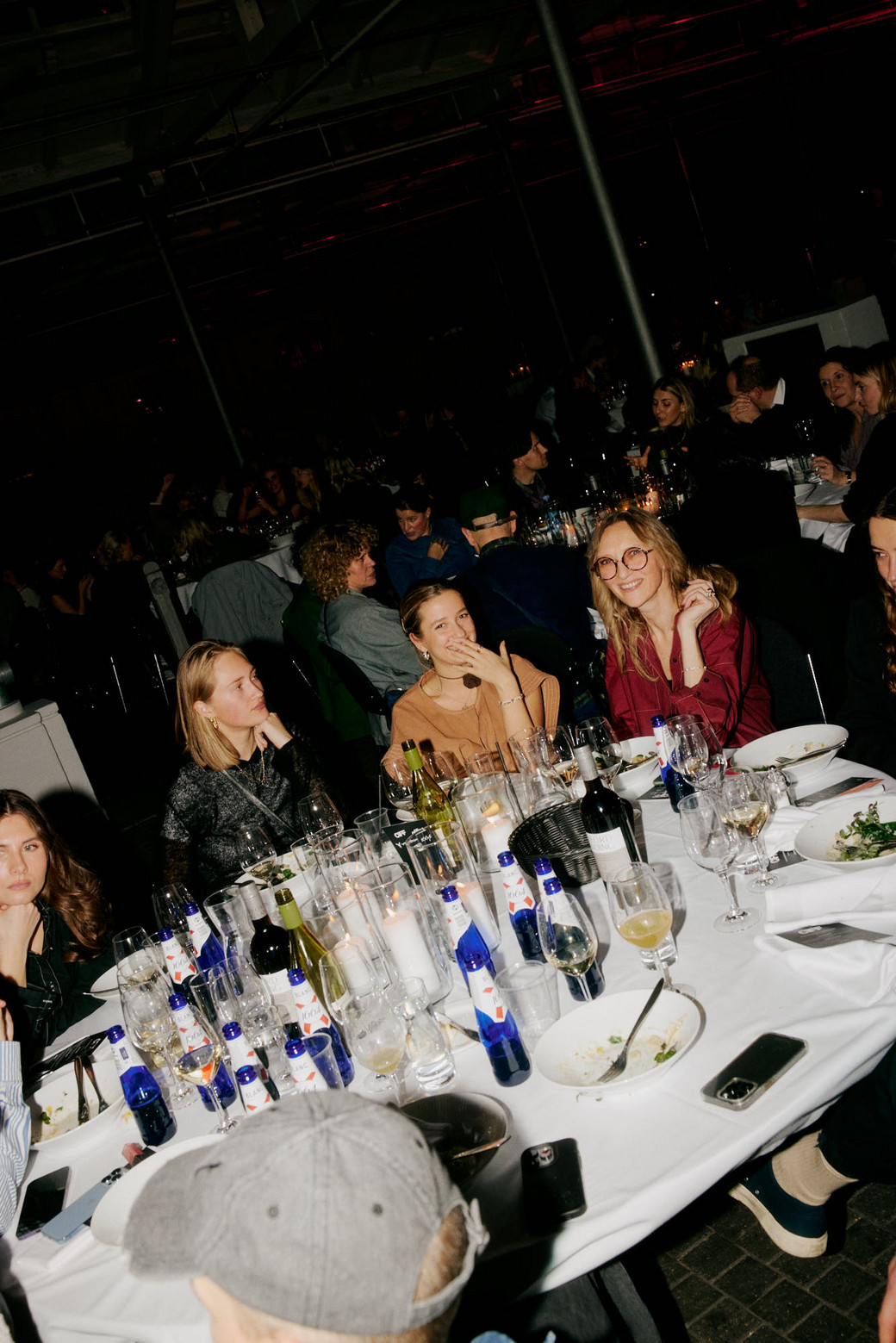
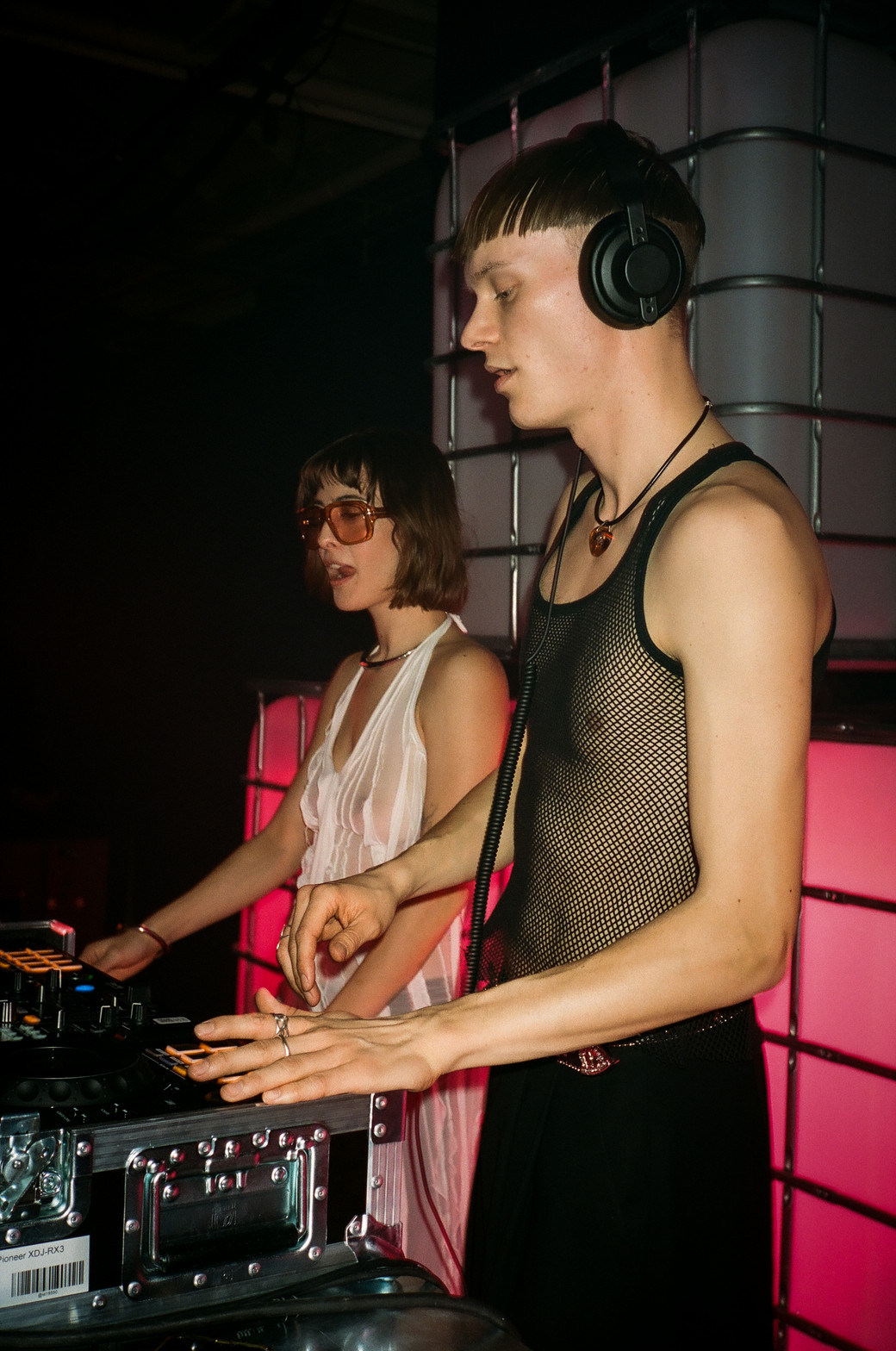
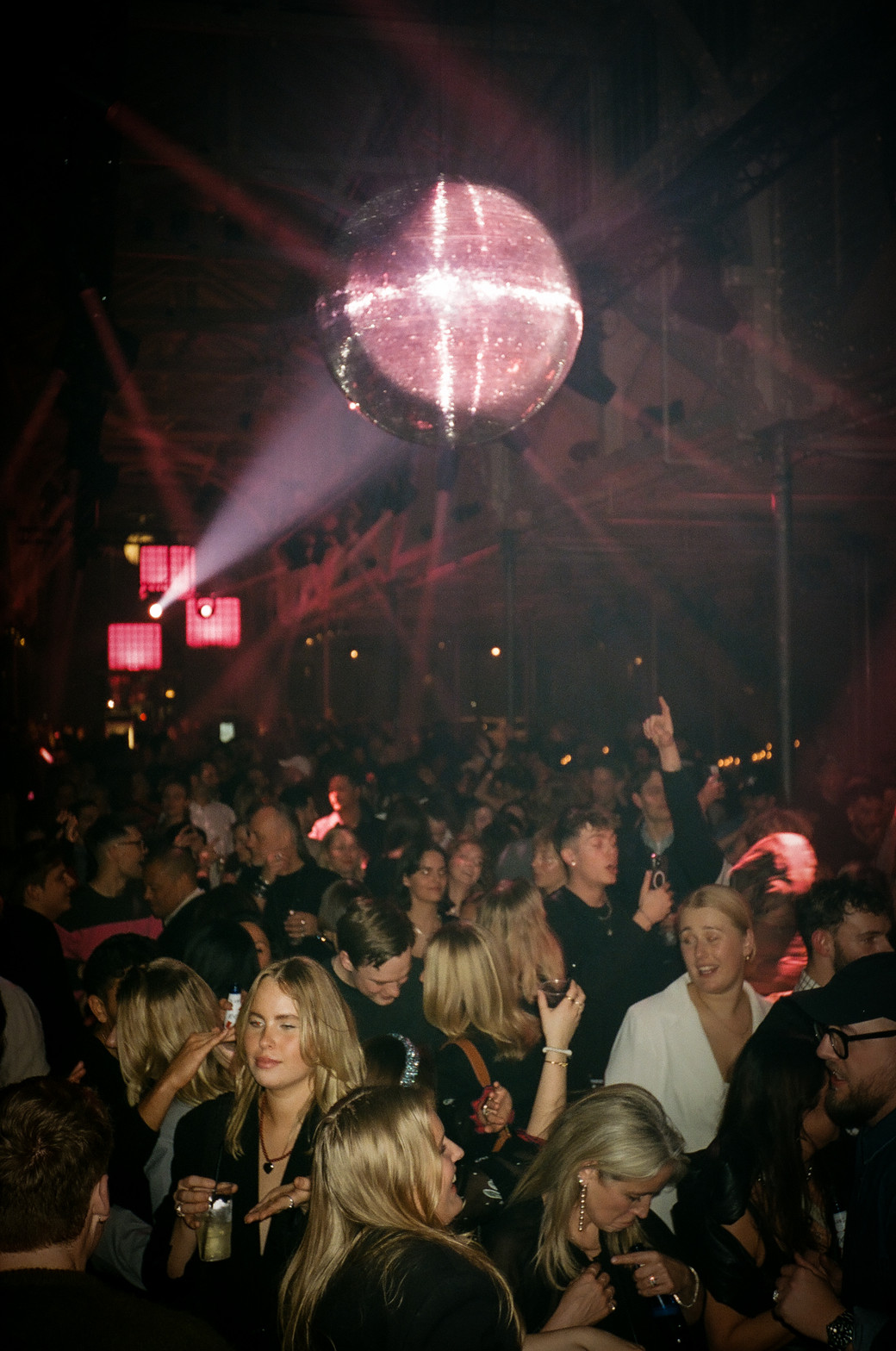

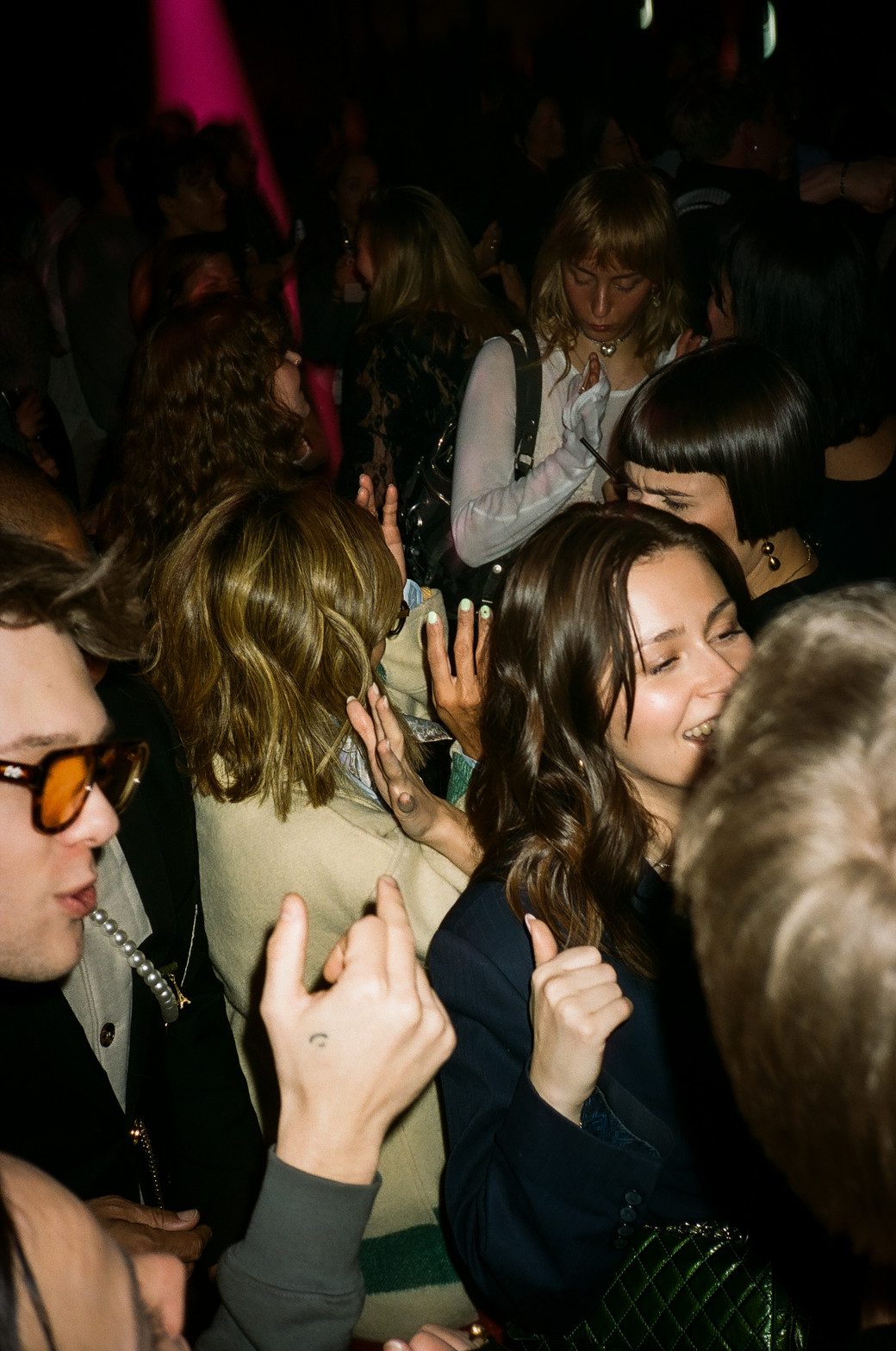
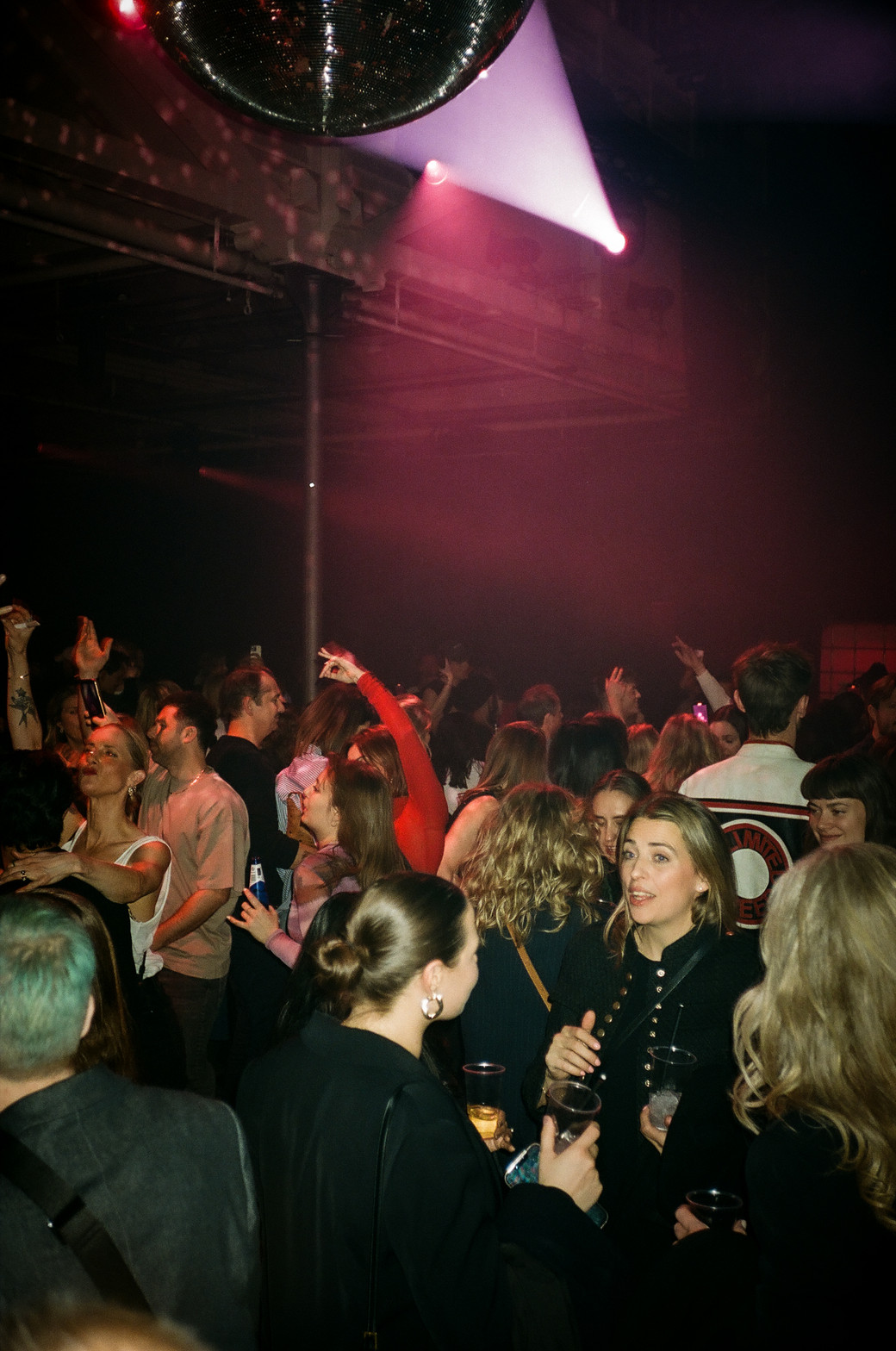


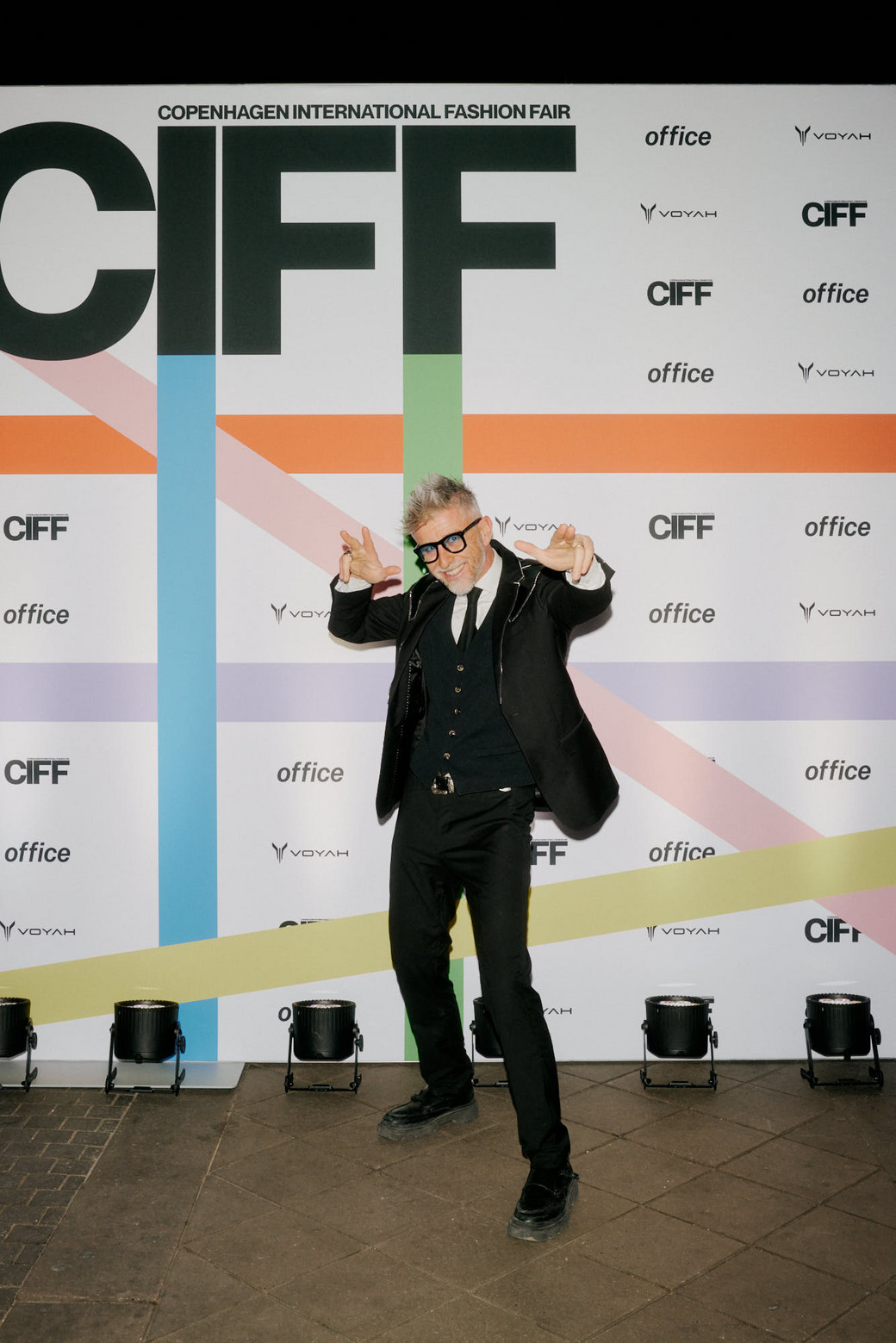
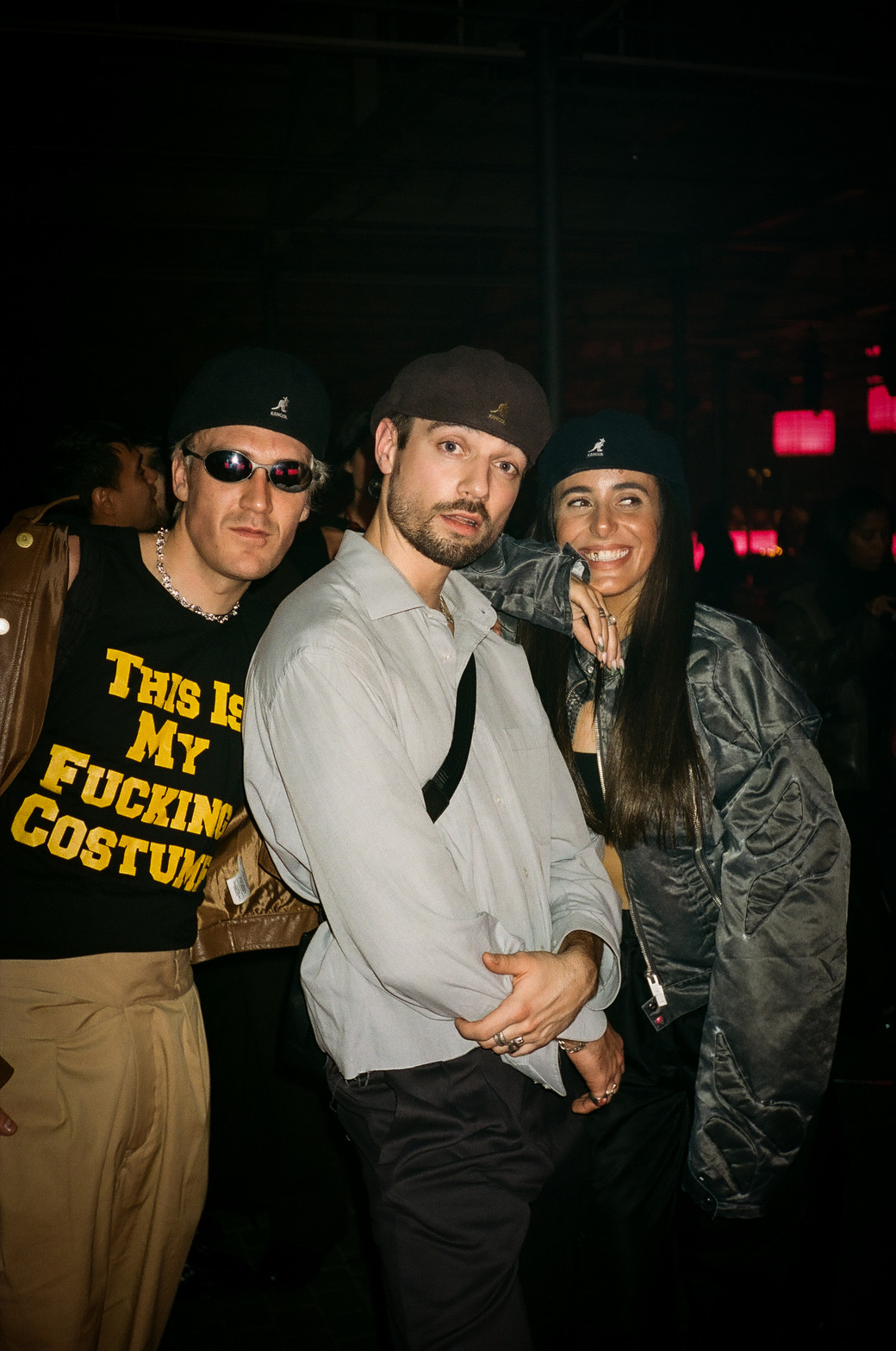
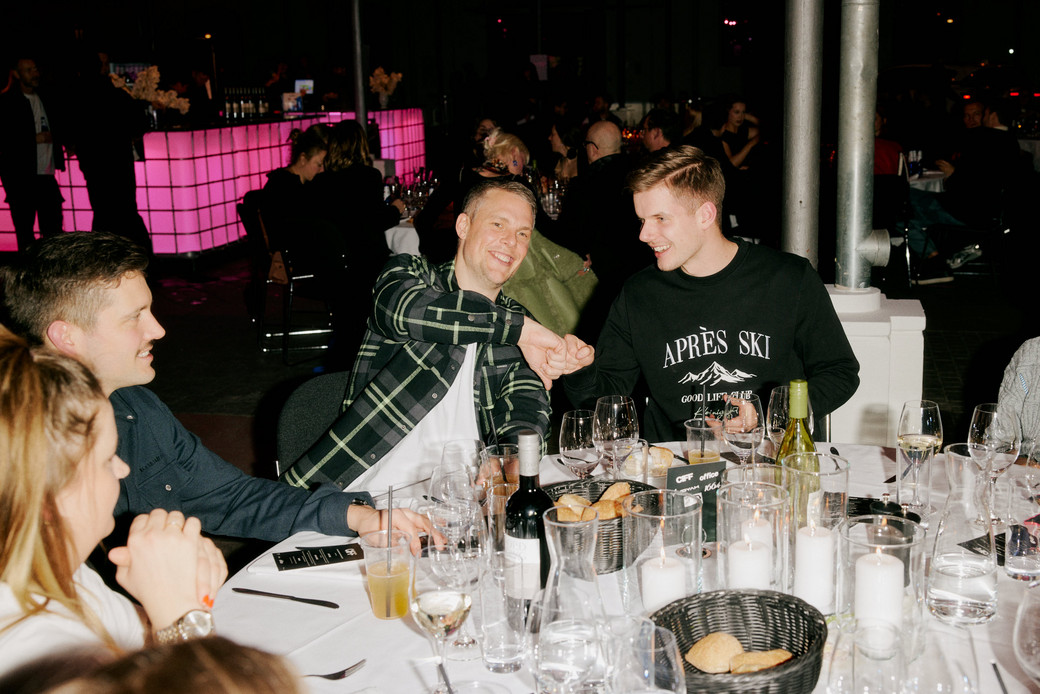
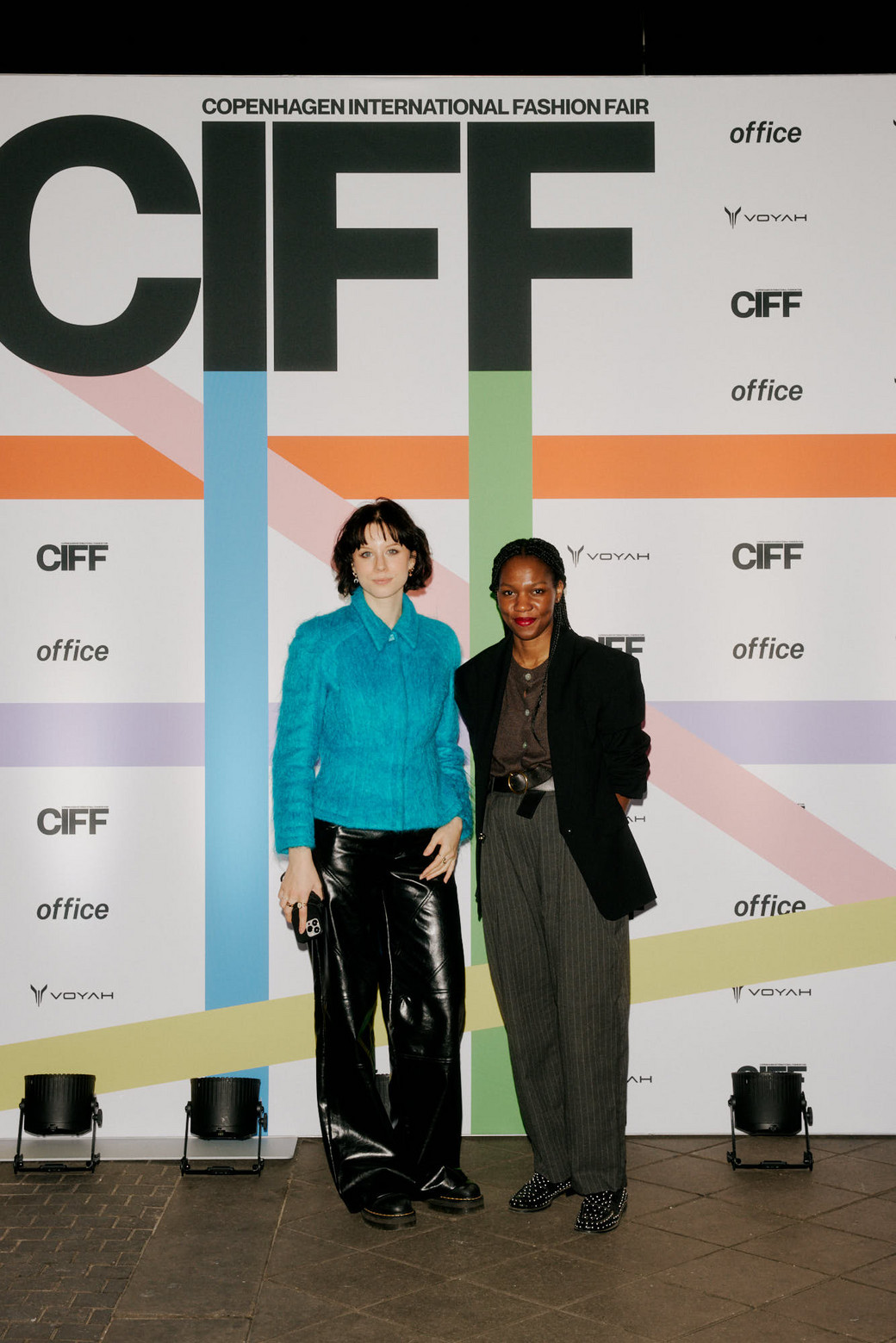
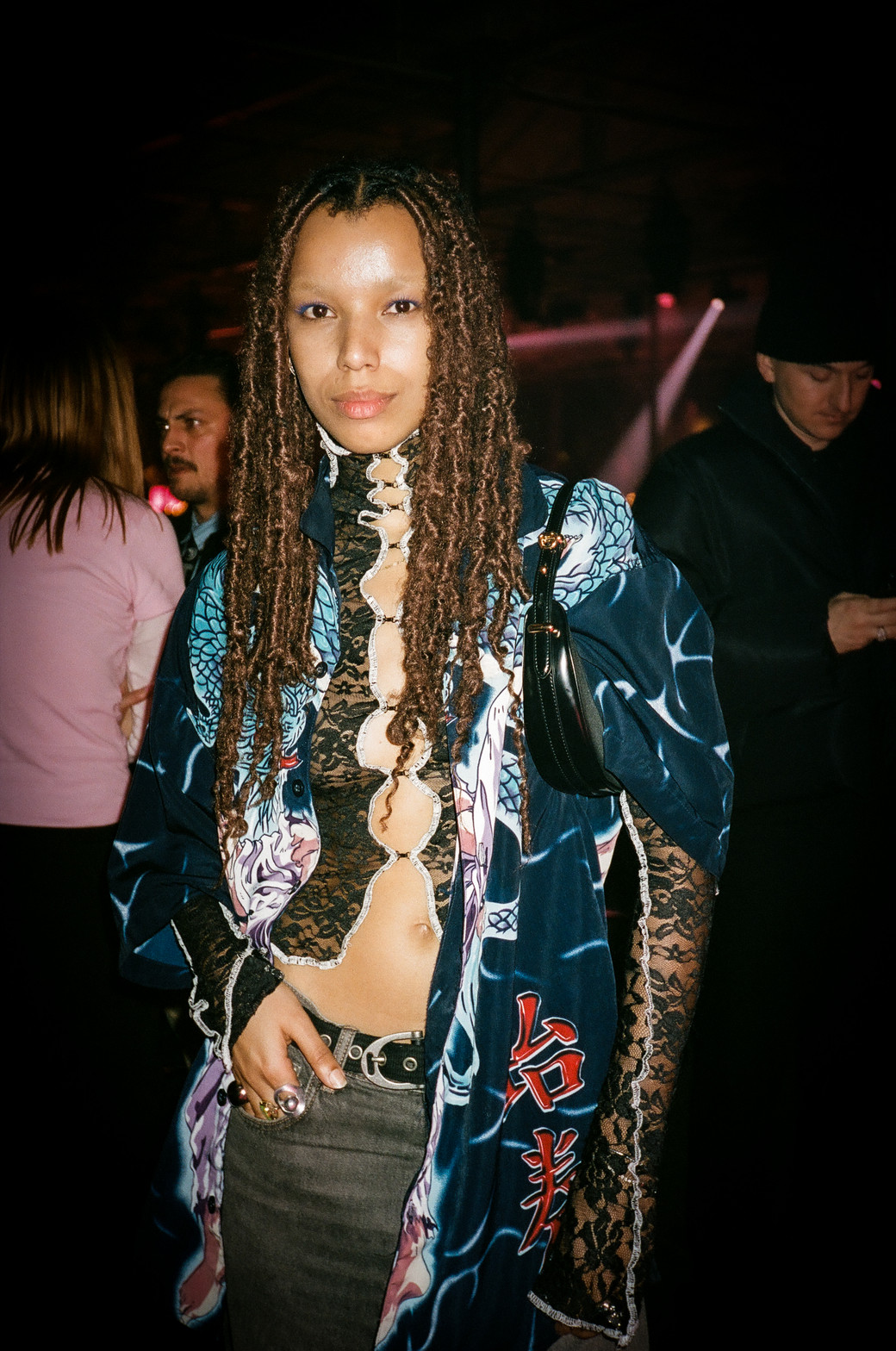
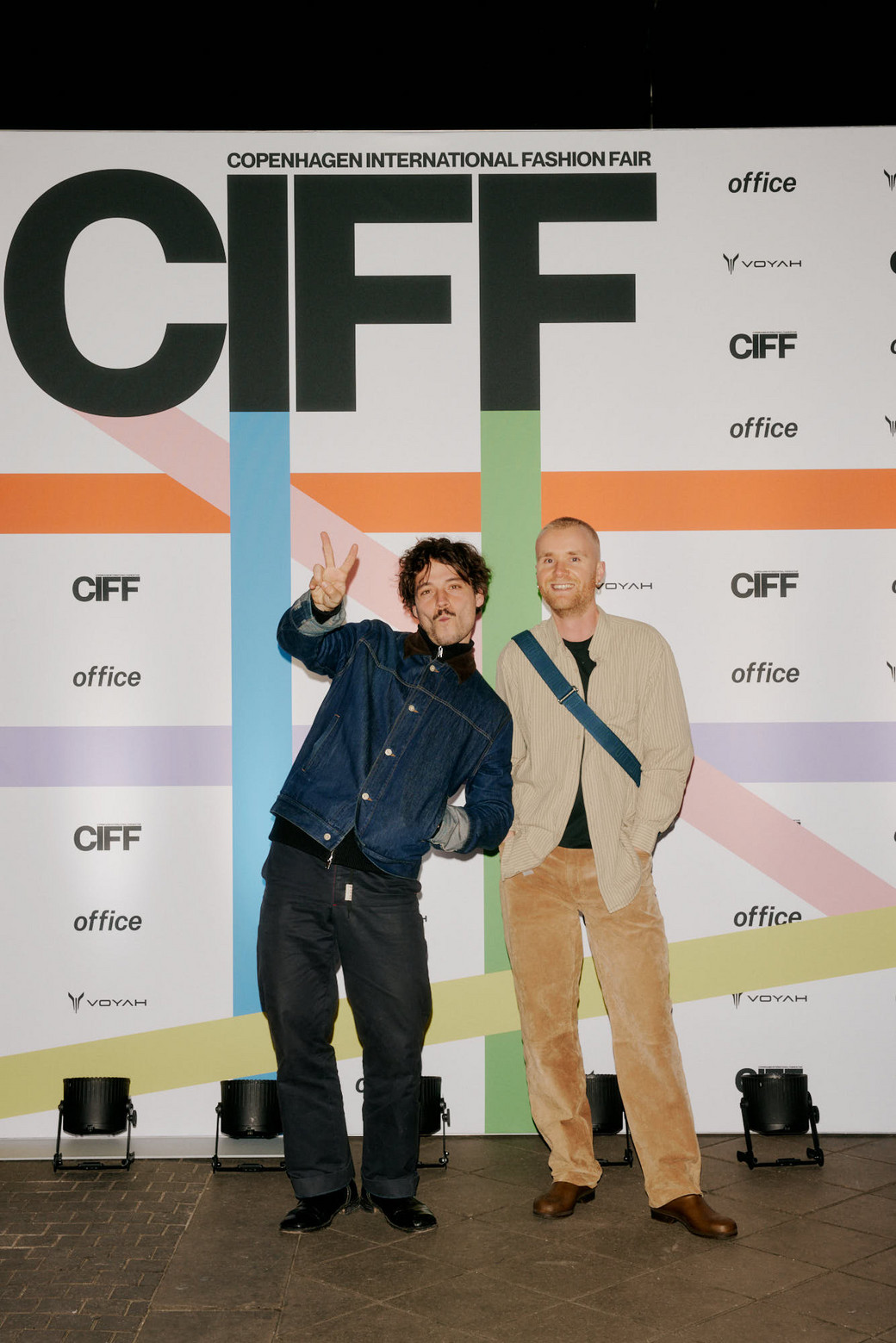

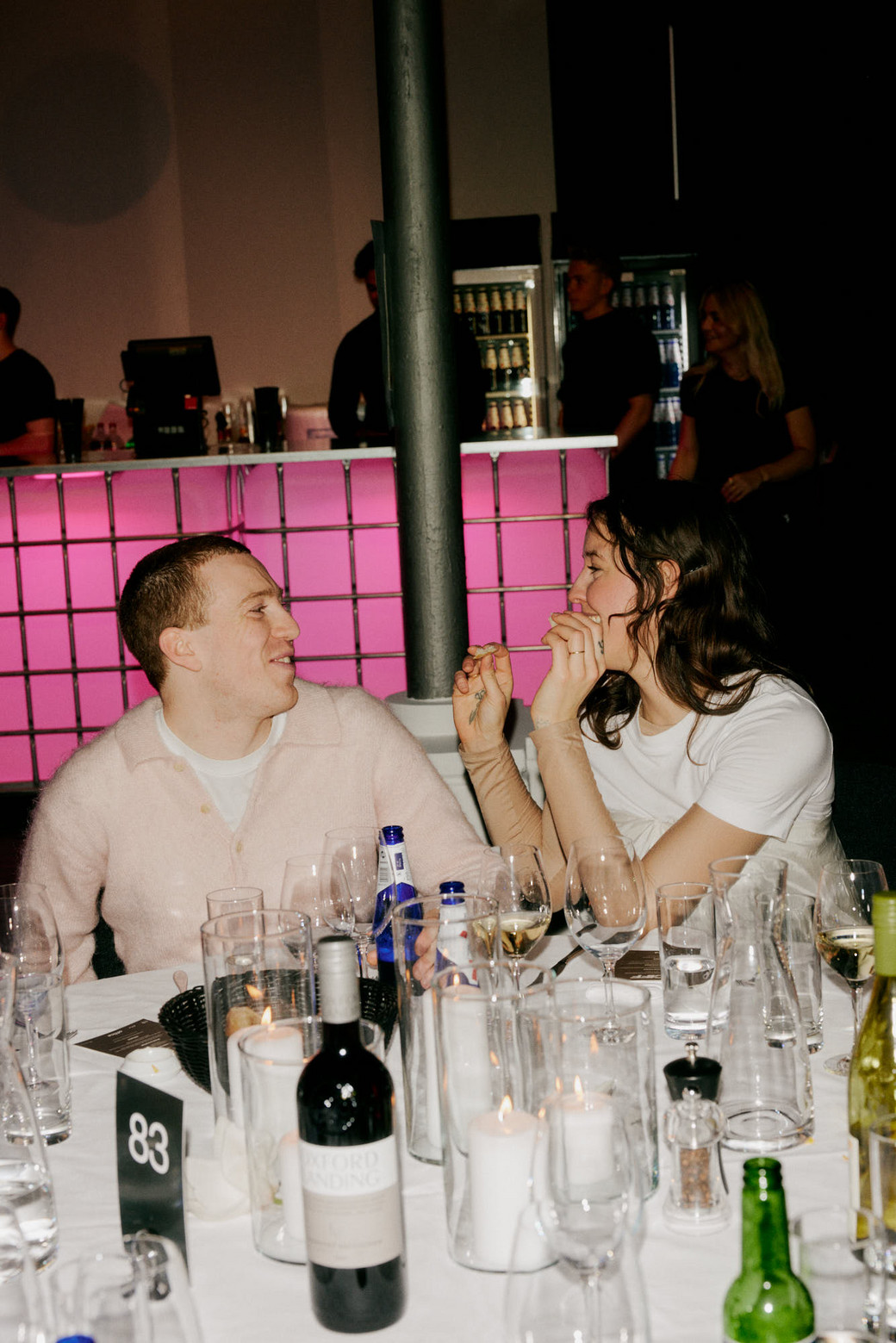
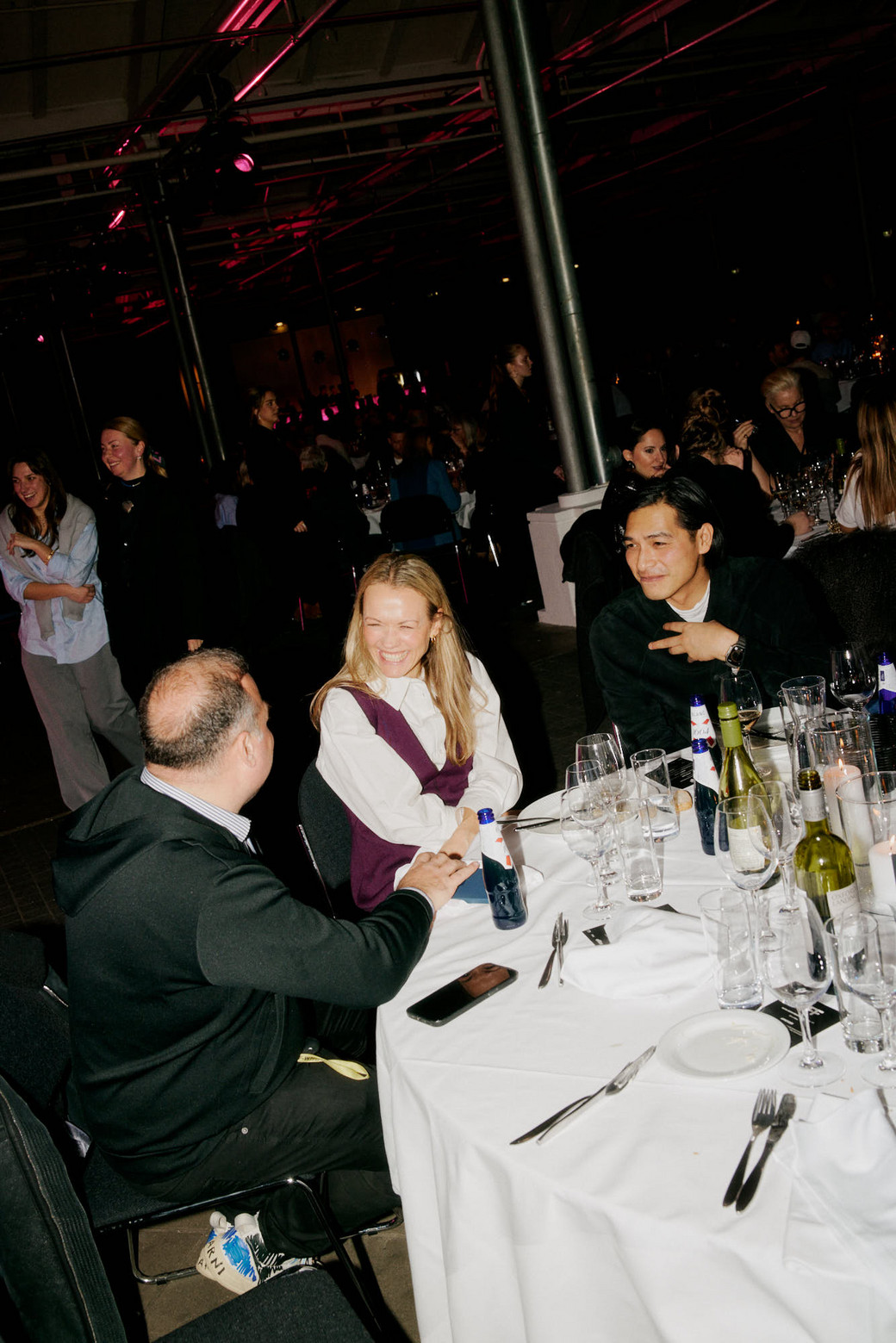
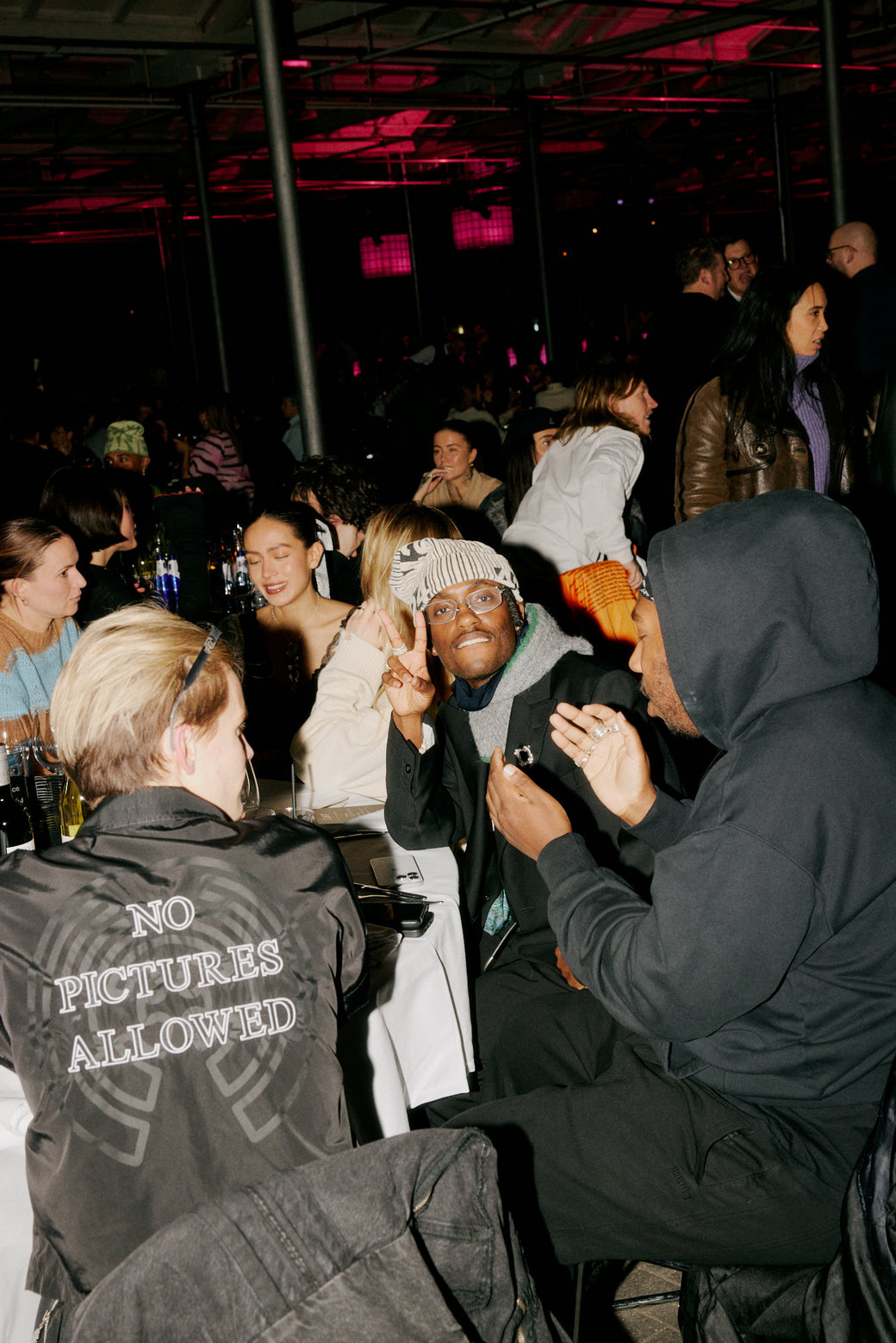
Conversations flowed, guests mingled, and eventually, everyone was on their feet crowded around the DJ booth dancing the night away. If you missed out, relive the magic in photos from the night below.
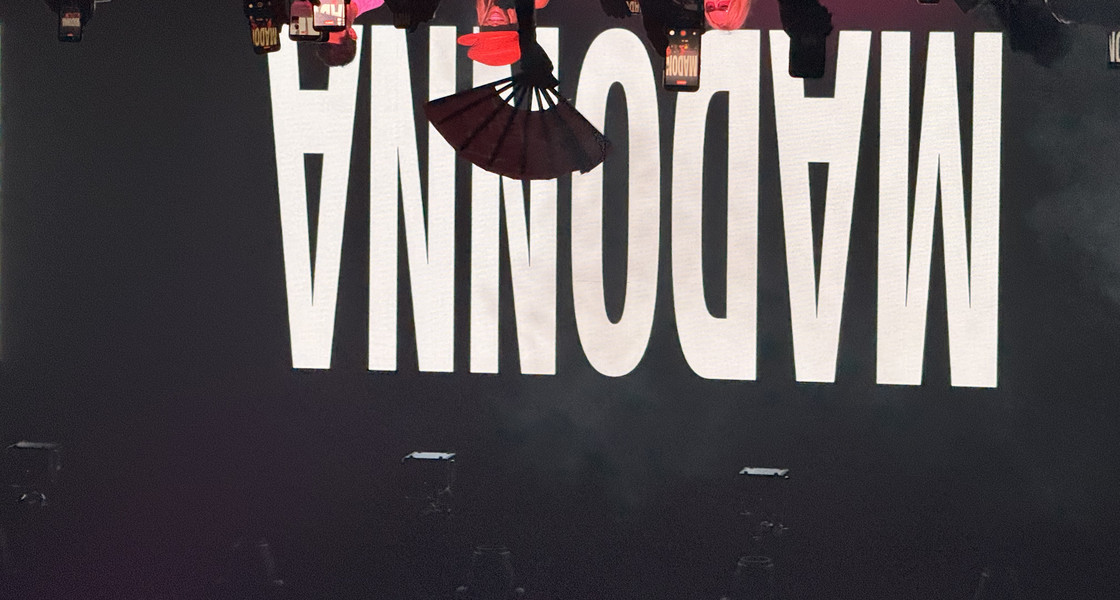
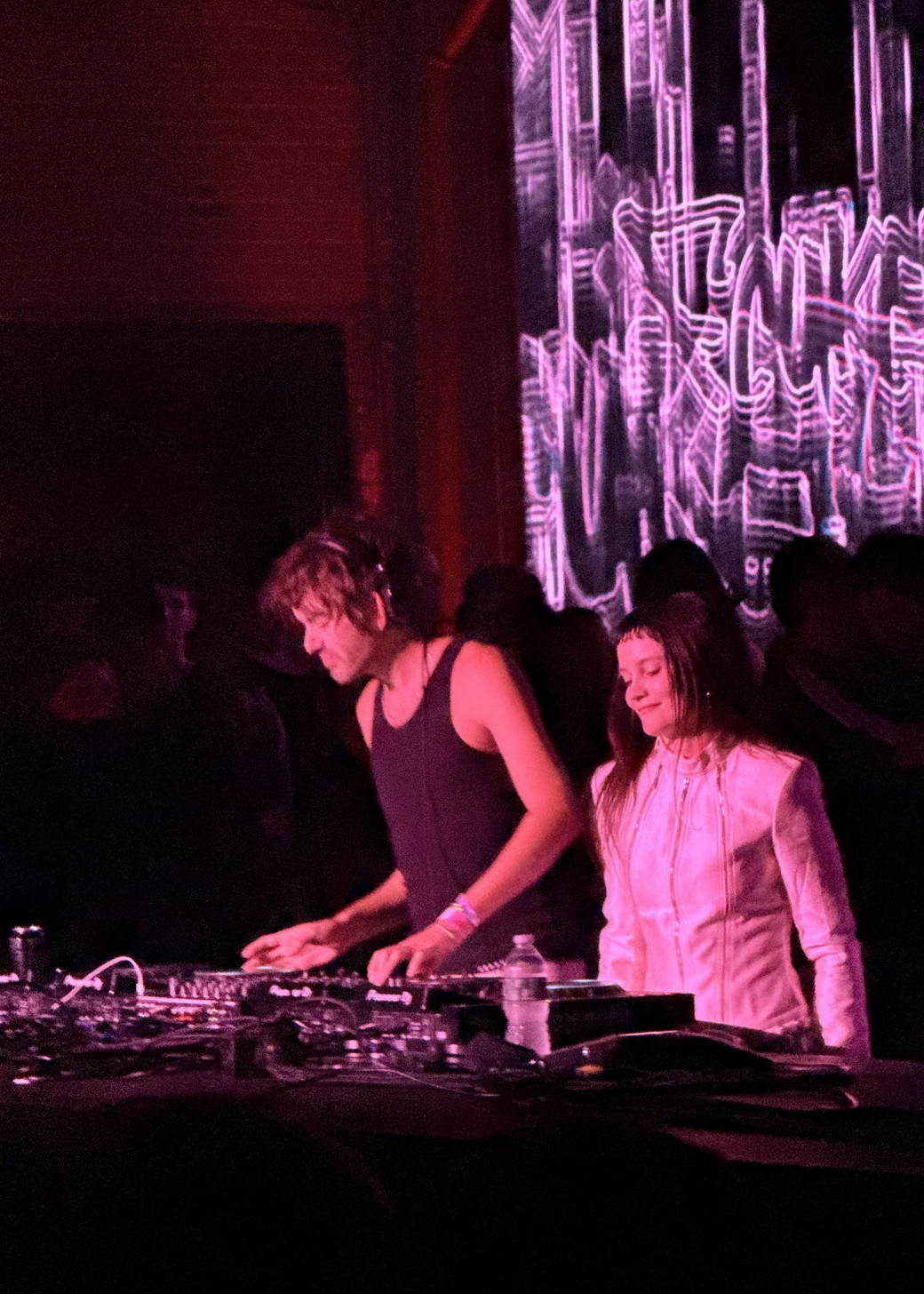
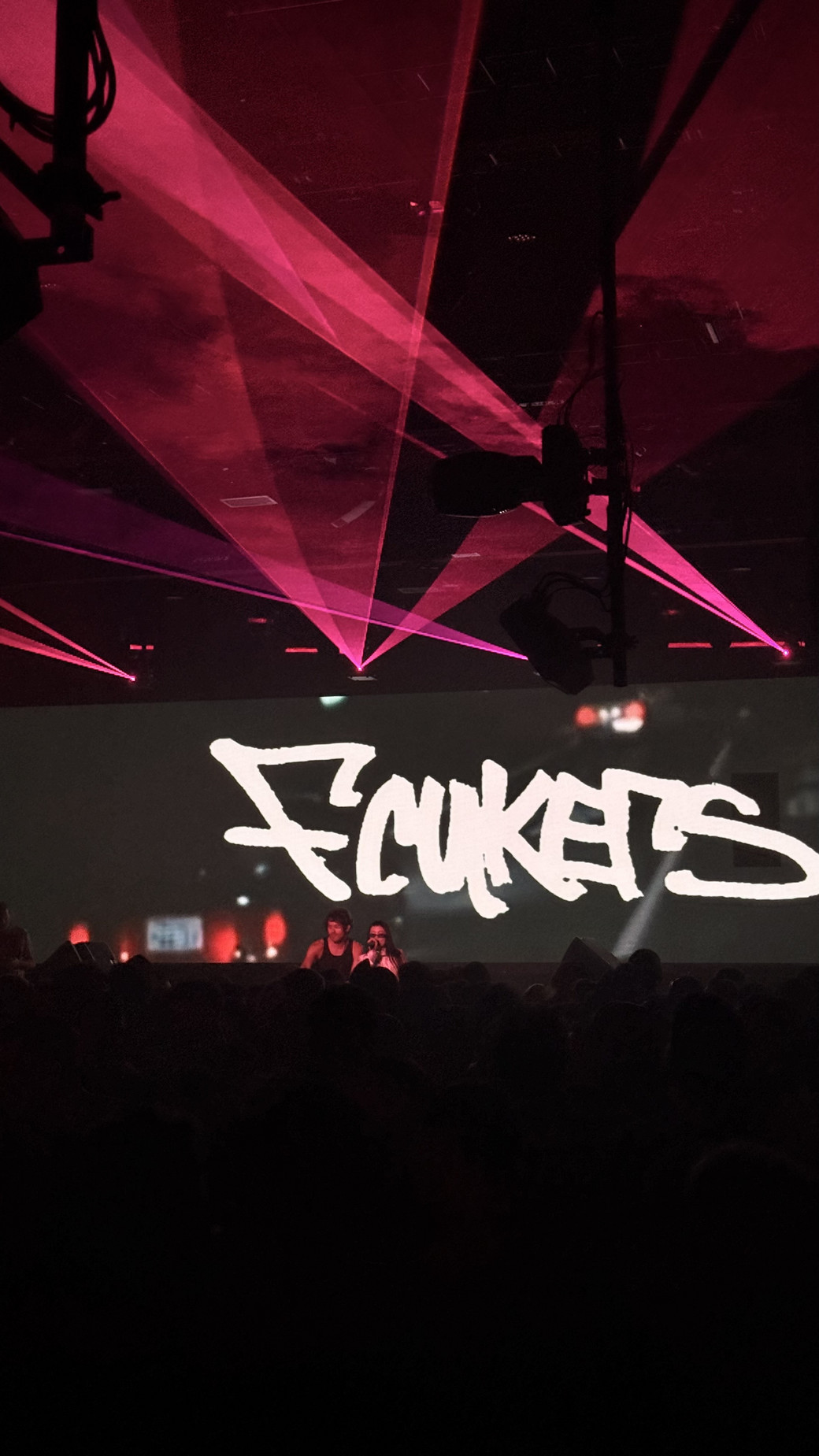
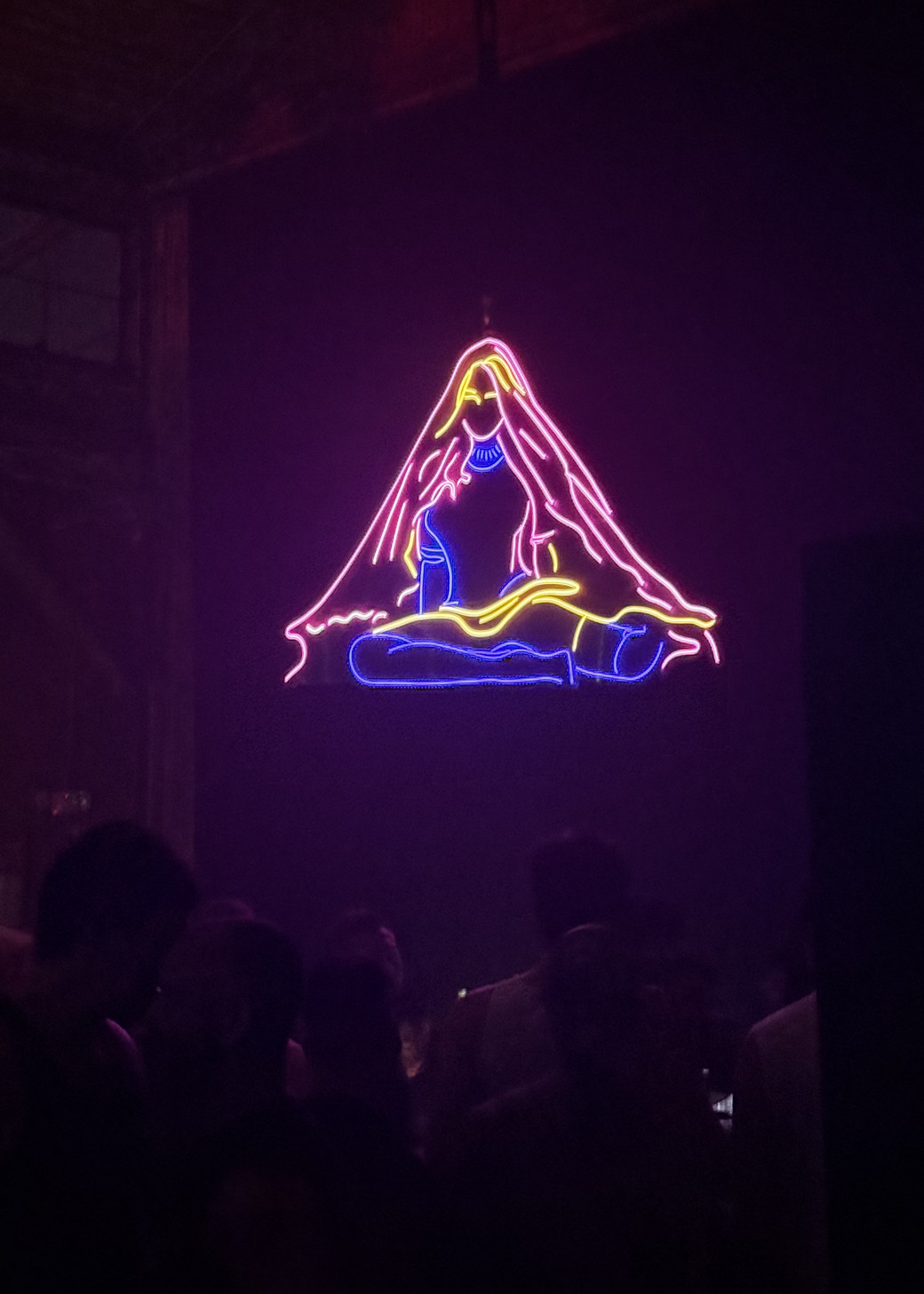
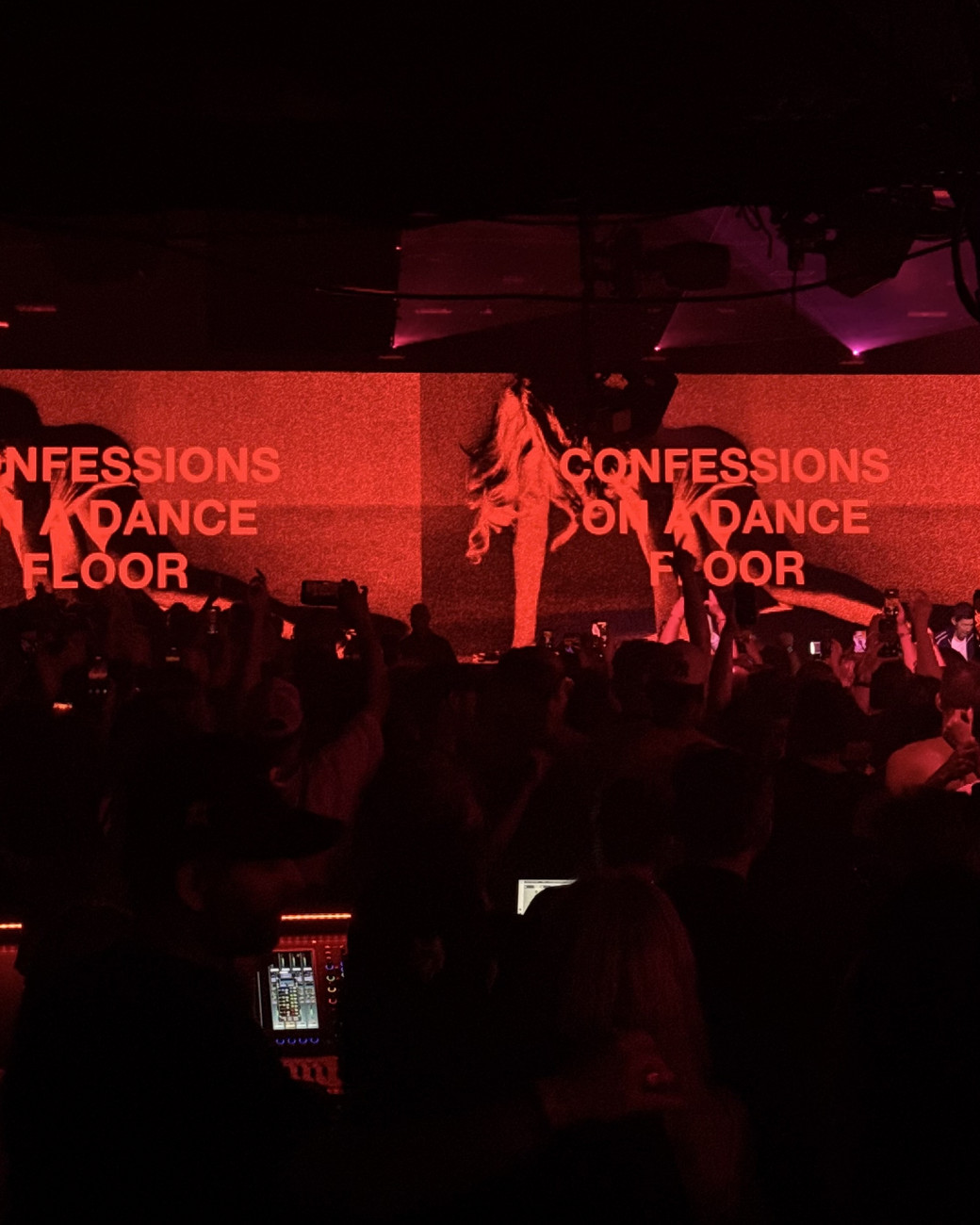
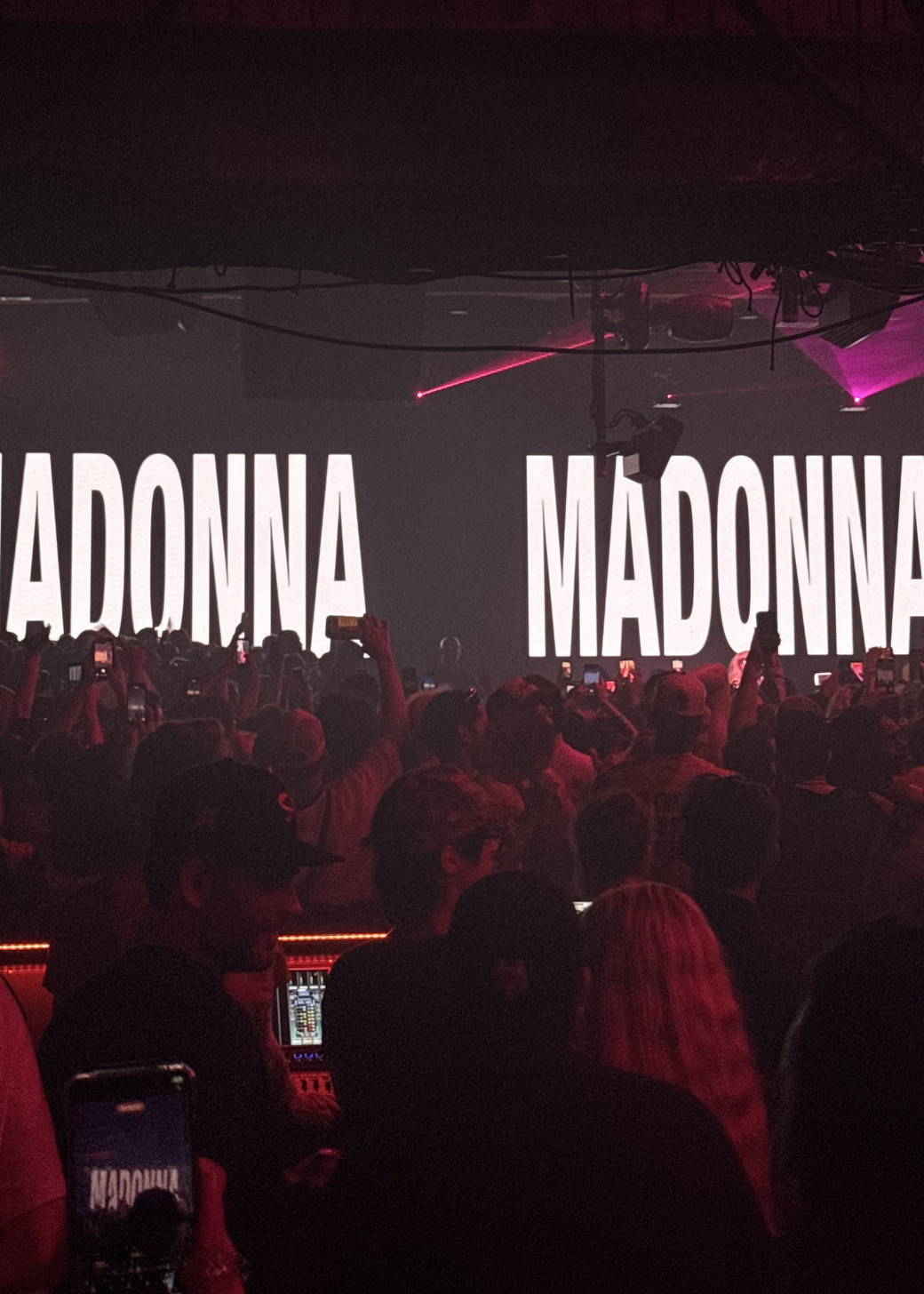
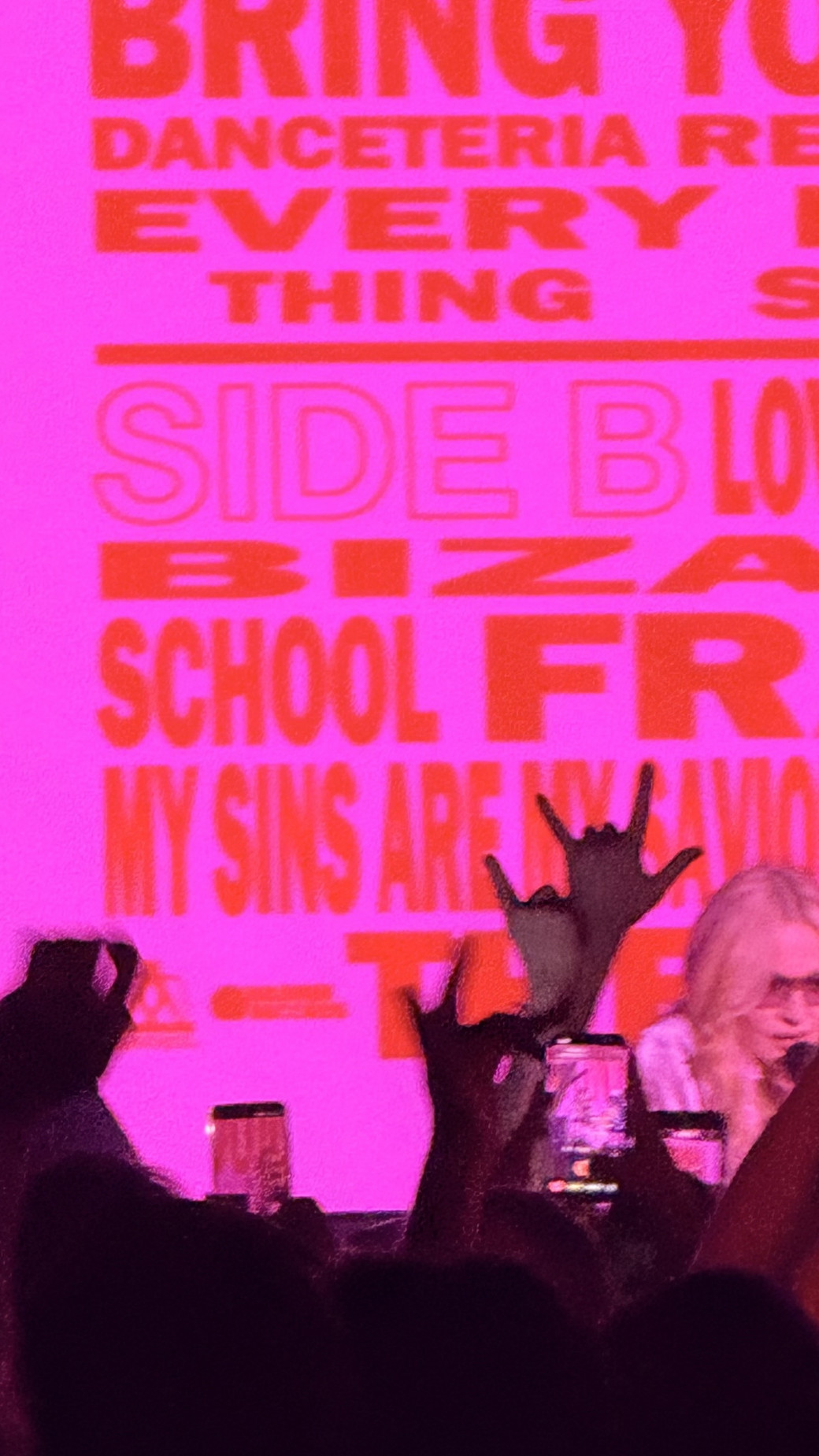
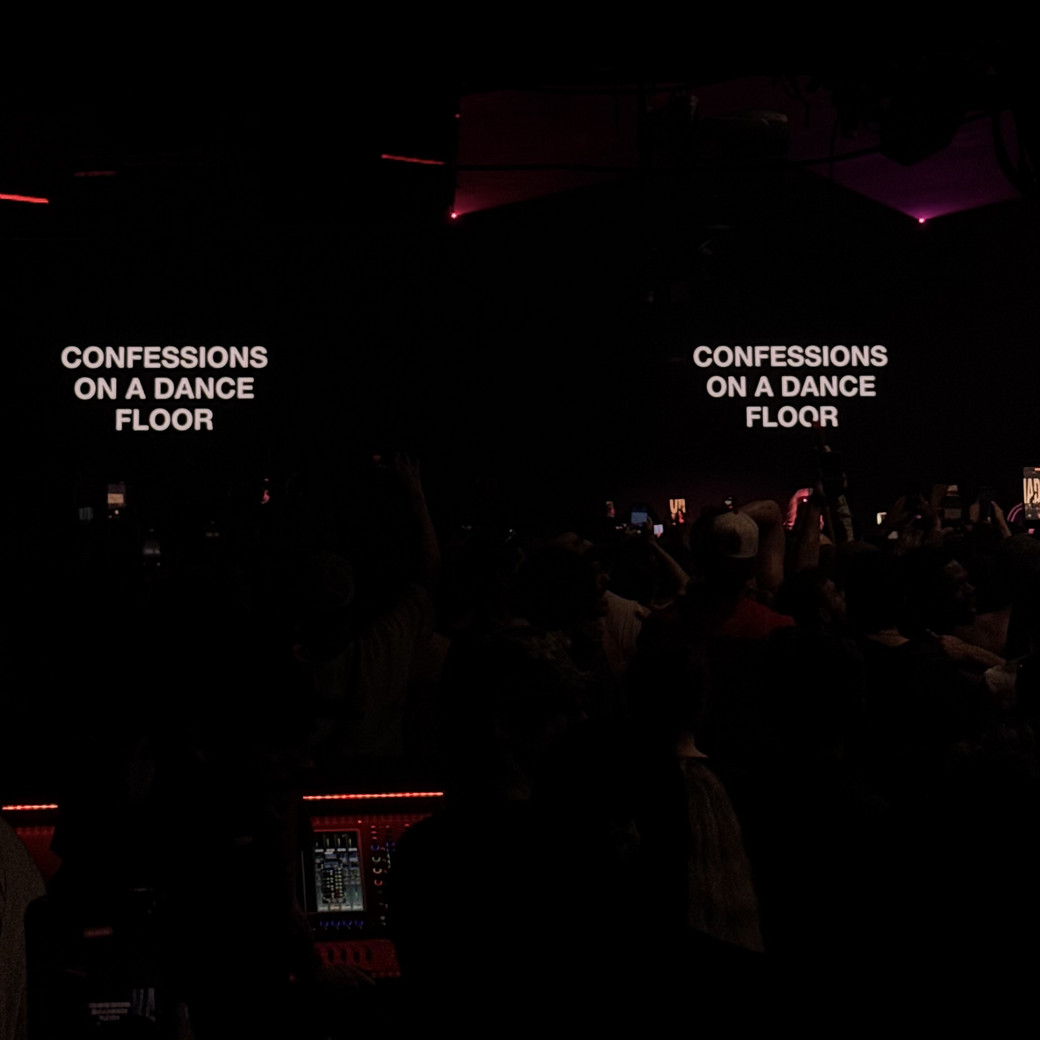
As we skip the sprawling line and get the good kind of profiled (“You two are going to Basement, right?), my heart beats a little faster. We’re heading into Madonna’s Club Confessions, a celebration of her now No. 1 album and 15th album Club Confessions II and speaking of sanctification, or maybe it’s just the queen in an angelic wig, the vibes are giving heaven. So, here we stand, in a room so queer I feel the urge to give a land acknowledgment for myself and all the semi-straights taking up space. I do my best. I dance so hard I rip a tear in my see-through Victoria's Secret dress. I air-kiss, cheek-kiss, and actually kiss friends and acquaintances. I shake my ass, respectfully, when Fcukers take the stage, as is my birthright as a New York City dirtbag. I succumb to the free drink tickets. I spot my favorite niche celebrities in the VIP: Kim Petras, Myha'la, and Richie Shazam. I have another Absolut vodka soda that tastes nothing like the one I ordered the round before. I dance with my friend Eduardo between the blurry photos we take on our phones.
Madonna takes the stage with Stuart Price. I inhale deeply — the same air as Madonna. "Are you hot?" Mother scolds from her DJ tower. "Take your clothes off!" she adds with a smile, each of us howling back in her direction. We all look around, making eye contact in the agreement of our bliss. In the words of "Danceteria": "Everyone here is a work of art."
I’ve borrowed too many cigarettes, made too much small talk about the heat wave breaking, and the drinks have made the marquee blurry. It’s time for me to head home, but not without feeling grateful for what I’ve witnessed. In a world that so often feels like the end of days, what a glorious embodiment of revival, of beginnings, of reckless abandon, of unbridled queer joy. As prep provider and event sponsor, MISTR’s CEO Tristan Schukraft said after the festivities: "Dance floors have always been places where we celebrate who we are."
Waiting for my Uber, scrolling through photos and reading that Lindsey Graham had passed away, likely as we danced to Madonna's "Hung Up," I can’t help but recognize his words as true.
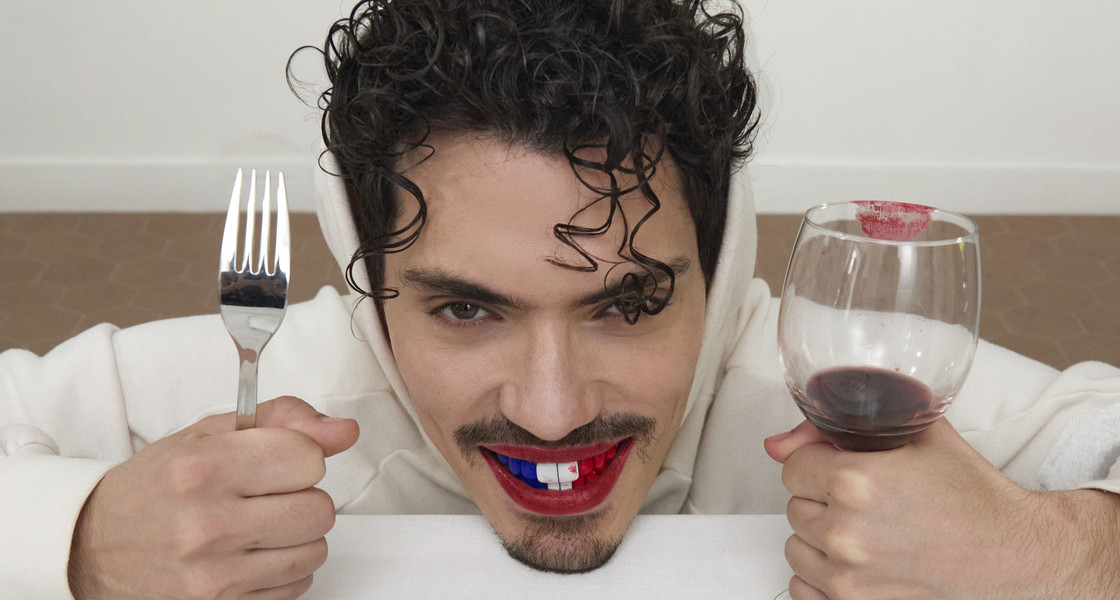

LYAS wears SWEATSHIRT by OTTOLINGER
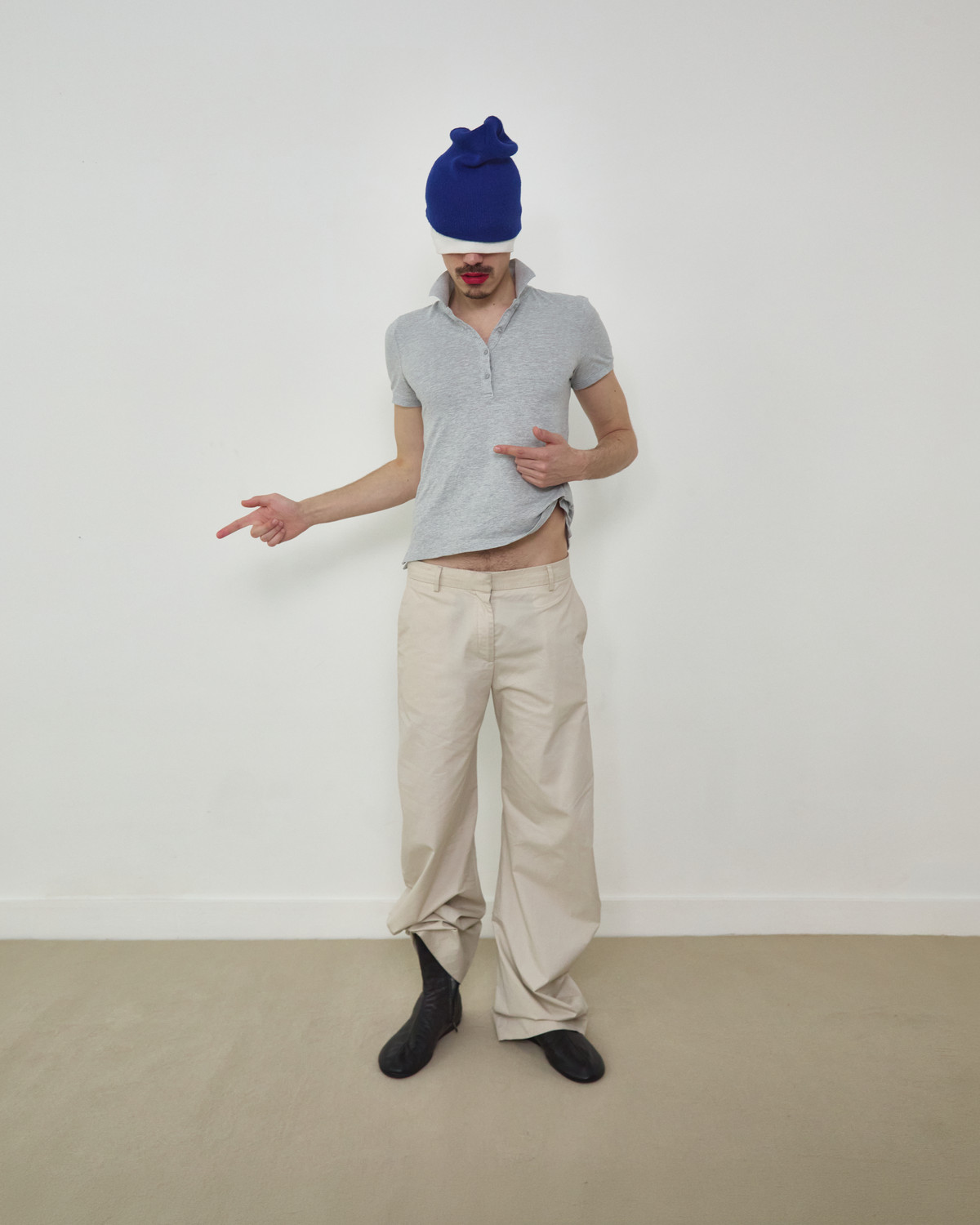
LYAS wears HAT STYLIST’S OWN, TOP STYLIST’S OWN, PANTS by ACNE STUDIO, SHOES by COURRÈGES
"I'm never led by fear. I'm led by curiosity and passion and fantasy, trying to create a world for me that I see myself in."
— Elias Medini
He grew up in a provincial French town with two schoolteacher parents. A happy childhood, he says, but one in which he never quite felt he was where he belonged. He was a queer kid with a Muslim upbringing that was open-minded, almost enough. So he escaped inward first, through cinema and eleven years of drama at the local Conservatoire, and then outward to Paris, where he arrived determined to reinvent himself.
Fashion became his laboratory. Not fashion as aspiration, or fashion as status. Fashion as a series of propositions about identity. The red lip he wears now is not an aesthetic accident. It is a claim. It is, he says, something that has been feminine coded for so long that when a man wears it unironically, without the vampire deflection, without the safety of black nail polish, it becomes a statement of ownership. "Men want to appropriate feminine culture without taking the risk," he says. "I think it makes my lips sensual." He is colour blind and cannot always replicate the same shade. He does not especially care. It is always red. That is all that matters.
The story of La Watch Party begins, as the best stories do, with a rejection. In June of last year, Medini was not invited to the Dior show, a show he had attended before. He boarded a plane, furious, and spent the flight trying to find a way back. He considered sneaking in and filming it. He thought better of that. And then, somewhere over the French countryside, it arrived: an epiphany that would become the center of his whole creative life.
Why not just watch it in a bar? Like a football match. Something that belongs to everyone.
He dragged his own television to a Paris bar. He invited his community, a few years' worth of English-language social media followers who had gathered around his particular frequency of fashion commentary, irony, and conviction. They watched the show together in real time, strangers pressed close around a screen, the way people used to gather around things that mattered.
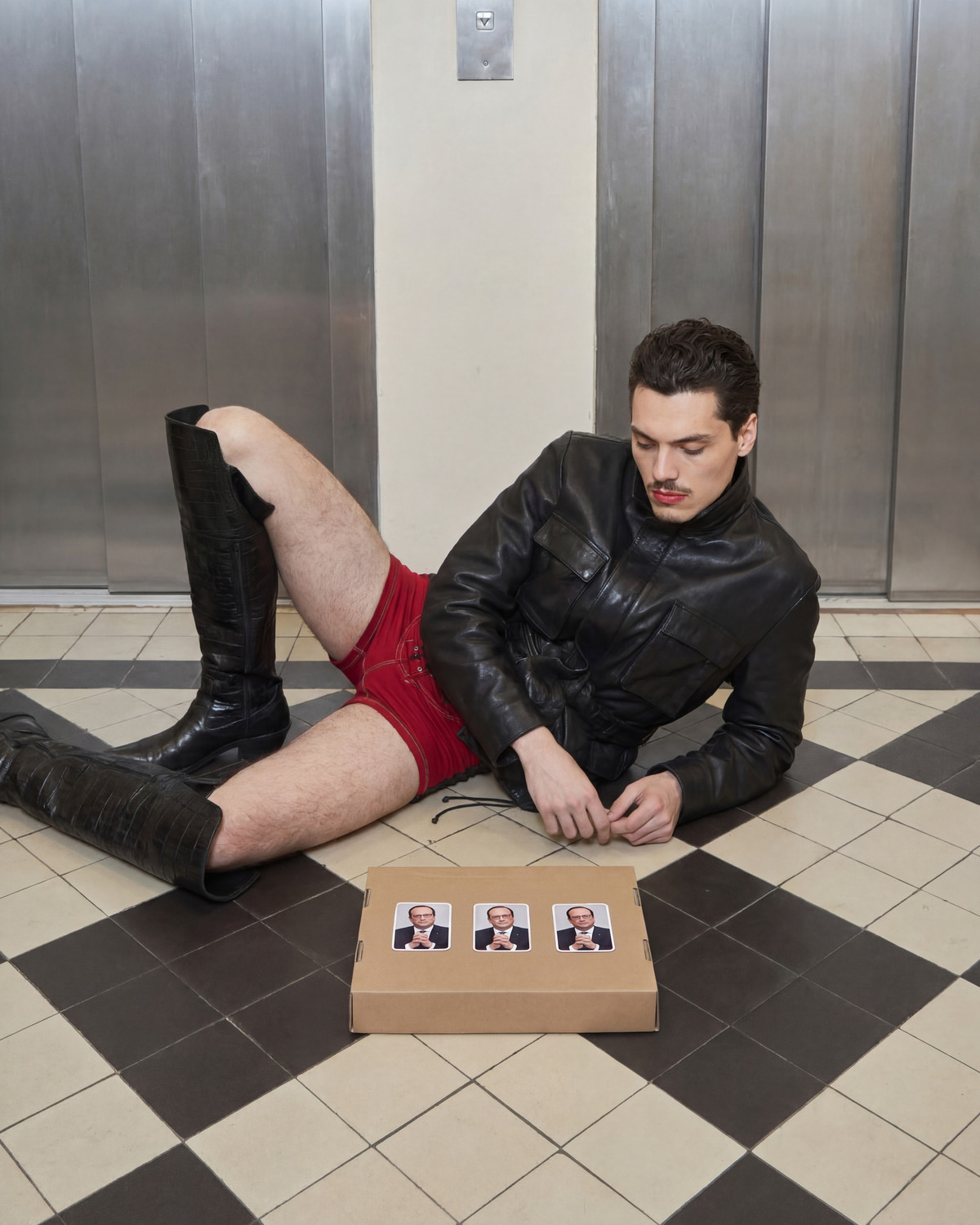
LYAS wears JACKET by ALAIN PAUL, SHORTS by LUEDER, SHOES by JUUN_J
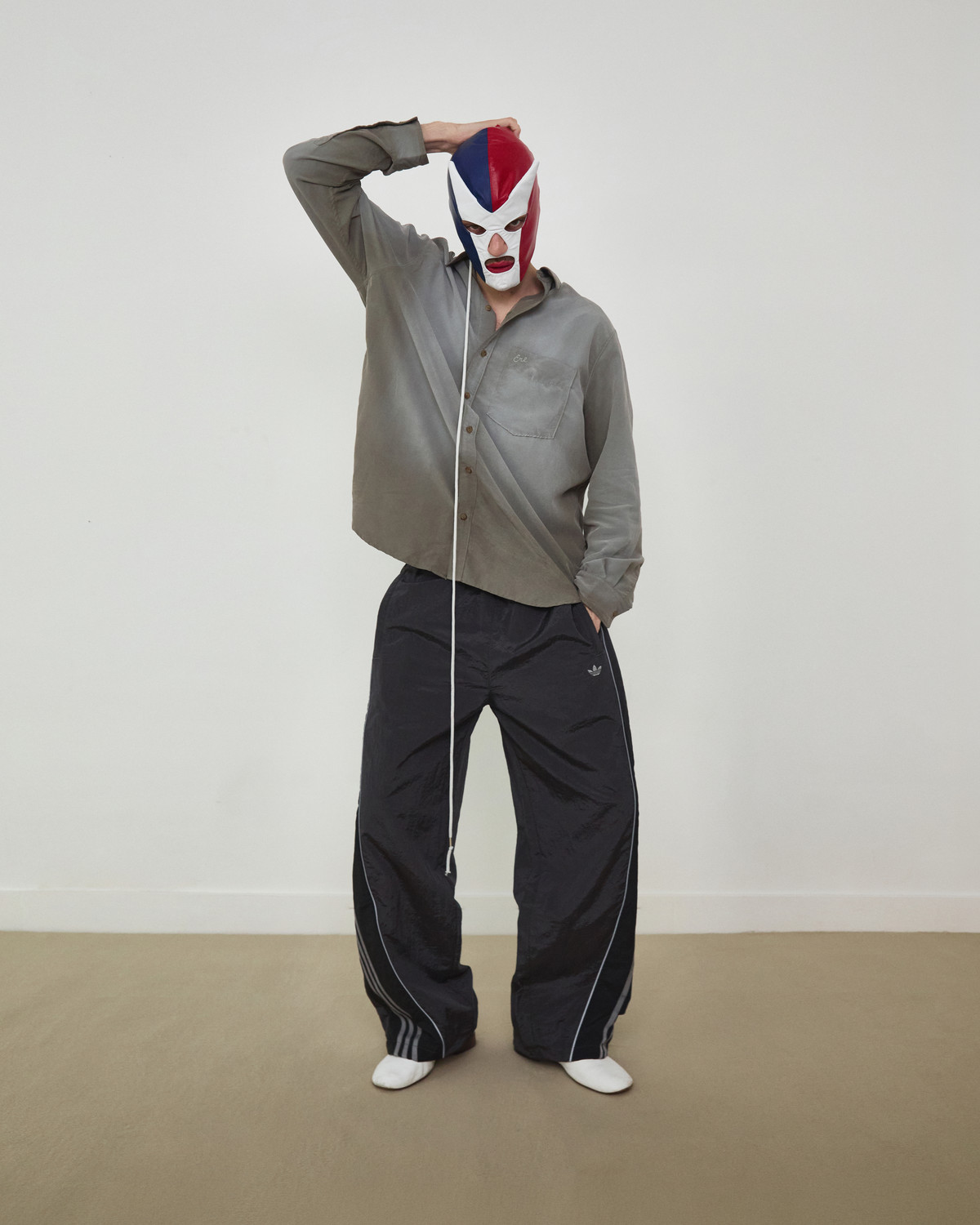
LYAS wears custom MASK by RAPHAEL IGNAZI, SHIRT by ERL, PANTS by ADIDAS, SHOES by REPETTO
"It's crazy to think it didn't exist before. Why has no one had that idea? Good for me. Now everyone has that idea."
— Elias Medini
This is what separates the genuinely original from the merely clever: the ability to imagine something that has never existed and feel not its absence but its inevitability. The watch party feels, in retrospect, obvious. Of course, people should be able to gather around fashion the way they gather around sport. Of course, the ritual of the runway deserves a room full of believers. Medini was simply the first person willing to be delusional enough to make it happen.
He uses that word about himself, delusional, and wears it like the lipstick: unapologetically, because he has figured out what it actually costs. "If you really believe in something, even if it seems impossible for so many, you're going to find a way to make it happen," he says. "You're fearless." The delusion is not a failure of perception. It is a method.
I think about my own early years hovering around the edges of Paris Fashion Week. The borrowed names, the faked confidence at the door, the way certain shows would say no and no and no and then, just once, yes, and that yes was enough to sustain you for a season. There was a particular kind of education available only to people who wanted it badly enough to embarrass themselves to get it. Medini had his own version: taking the train without a ticket from his hometown, spending an afternoon visiting every bakery in Paris trying to get a heart-shaped cookie recreated so he could bluff his way into the Vetements Spring Summer 2019 show, eventually arriving in a three-euro thrift-store outfit with fake tattoos on his hands and the nerve to say, at the door, do you know who I am?
They let him in. He stood. The show changed him.
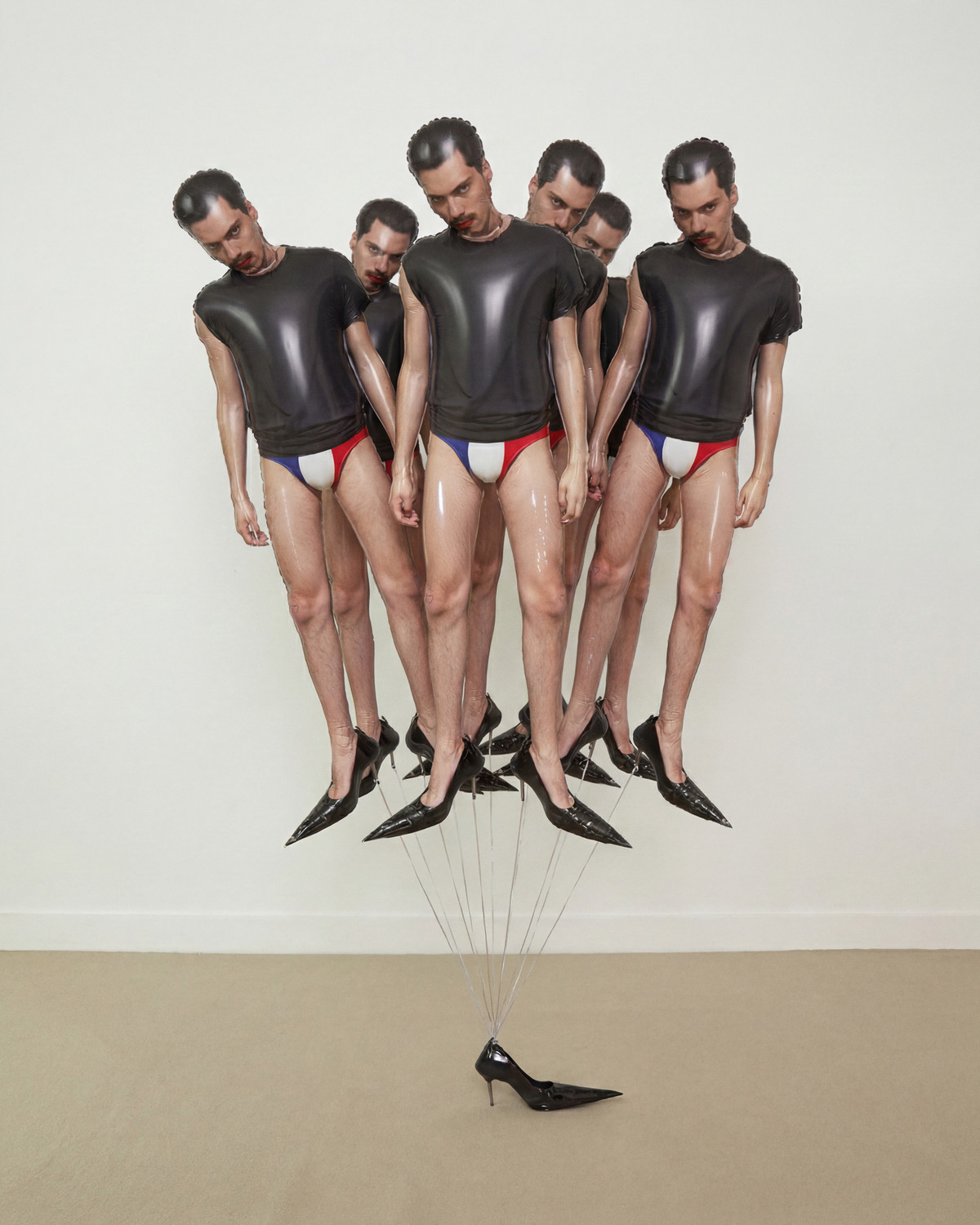
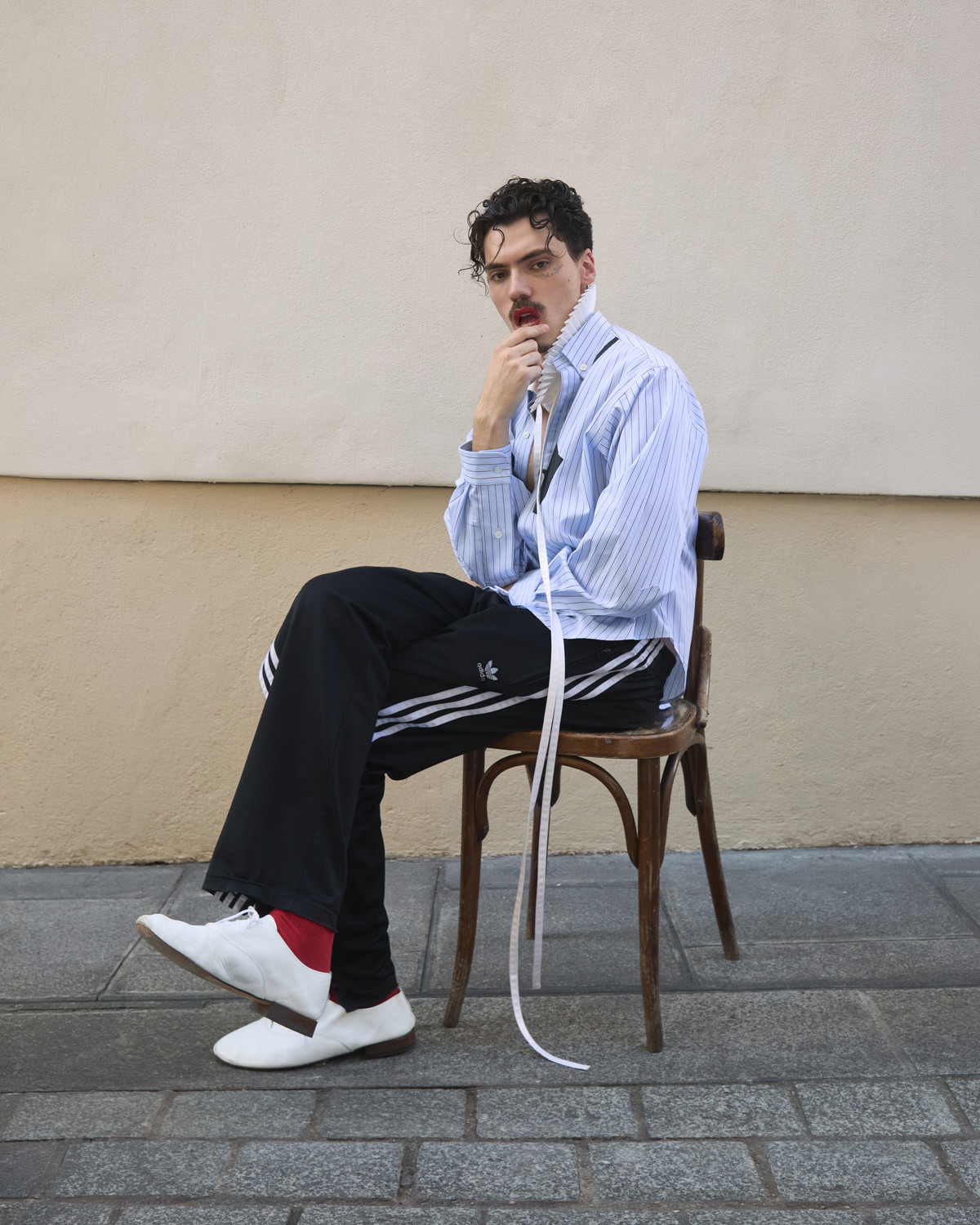
LYAS wears COLLAR by DIOR, SHIRT by VAQUERA, PANTS by ADIDAS, SOCKS STYLIST’S OWN, SHOES by REPETTO
"It showed me a new way of seeing high fashion," he says. "It was paying homage to the streets, not trying to inspire them. Before that, fashion for me was a bit Chanel, and I didn't connect with that." What he found in Vetements in 2019, and what he has been building toward ever since, is fashion as something that comes from somewhere real rather than descending from on high. The watch party is that logic followed to its conclusion: if fashion belongs to the streets, the streets should be able to watch it back.
This summer, La Watch Party goes on tour. Lyas is taking the screenings to Marseille, Toulouse, Bordeaux, cities that fashion tends to fly over on its way between the capitals. The idea, he explains, is not just to bring the shows to new audiences. It is to find out what happens when a YSL runway lands in a room full of people who have never been invited to care about it before. What does it mean to them? Is it art? Is it absurdity? Is spending three thousand euros on a jacket something they consider, even for a moment, as a kind of beauty?
"We want to go where people don't really give a fuck about fashion and see what their point of view is," he says. The tour finishes back in Paris with a party. It is a provocation shaped like a celebration. Very him.
"This industry is less guided by love than it is by money. We're trying to put the church back in the centre of the village."
— Elias Medini
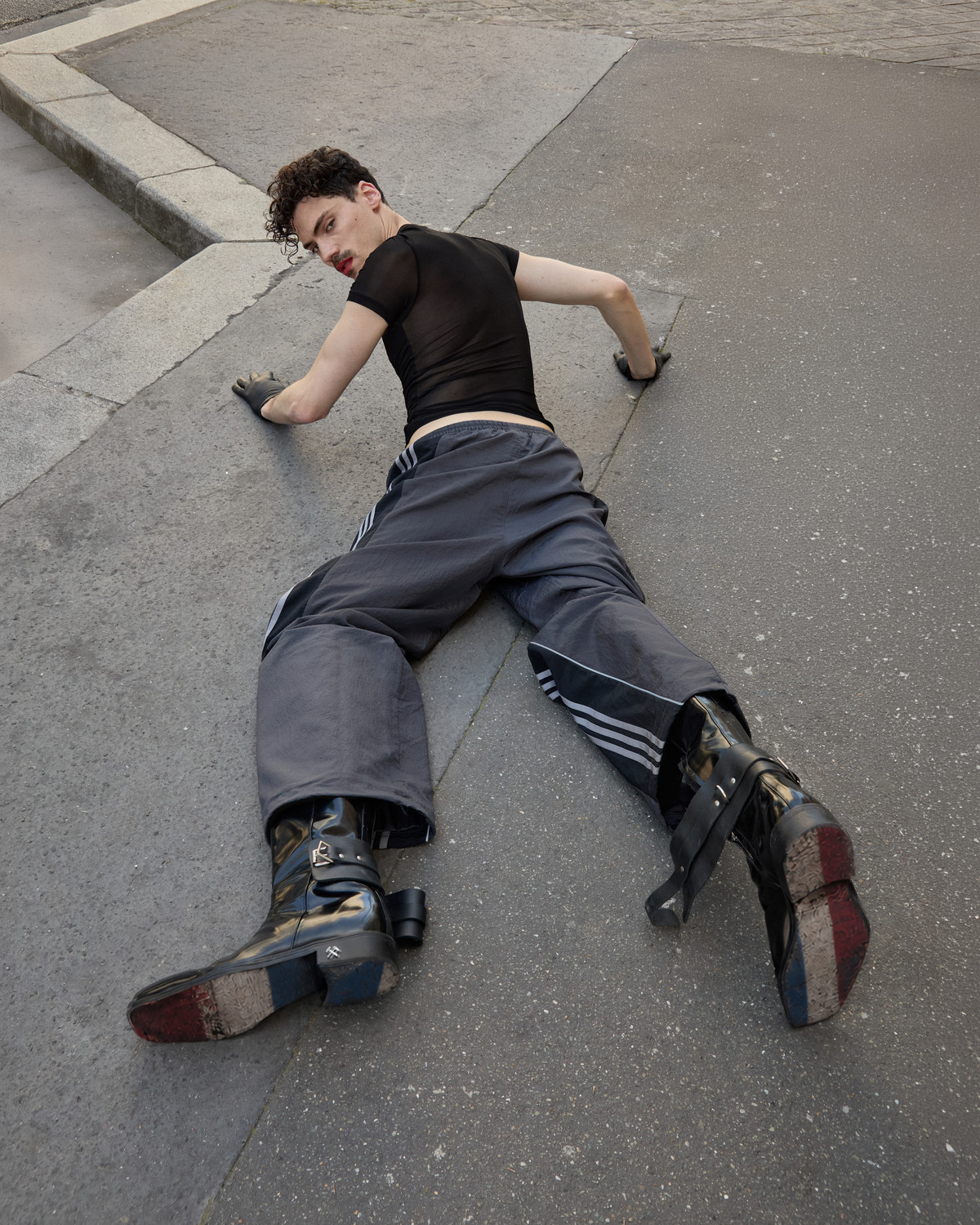
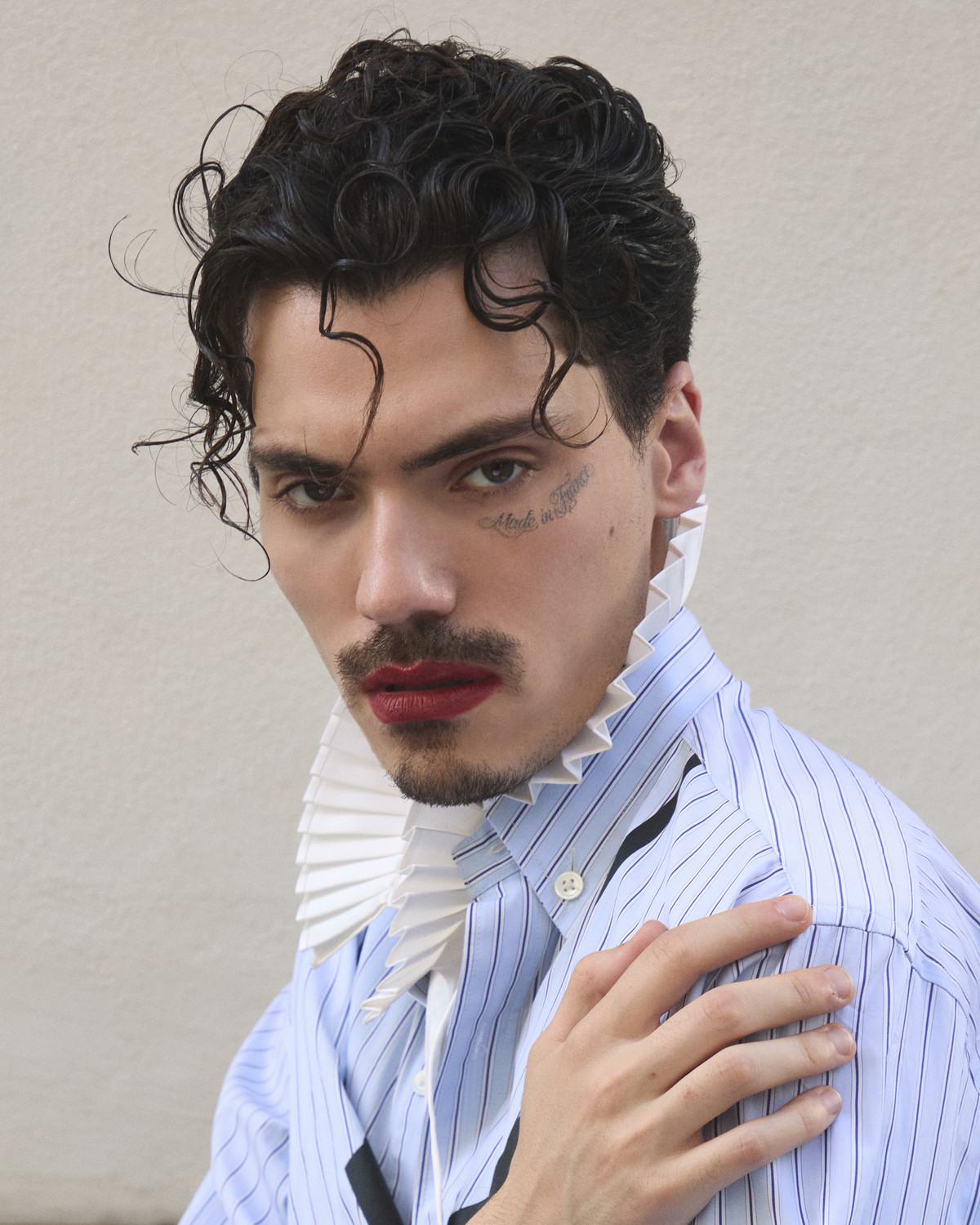
LYAS wears TOP by LOUIS GABRIEL NOUCHI, GLOVES by ALAIN PAUL, PANTS by ADIDAS, SHOES by GMBH
LYAS wears COLLAR by DIOR, SHIRT by VAQUERA, PANTS by ADIDAS, SOCKS STYLIST’S OWN, SHOES by REPETTO
He says this near the end of our conversation, and I find myself writing it down the way you write down something you already know but have not heard put well until now. It is, I think, the clearest articulation of what La Watch Party actually is. Not a content strategy, not a community-building exercise, not a brand. A congregation. A reason to gather. An argument that fashion, at its best, is a thing people can share.
At Office, when we throw a party, I always want five or ten percent of the room to be people who were not on the list, people who wanted it enough to find their own way in. They make the best parties. They are the ones who still feel it. Medini has built his entire project on that energy: the people who cannot get in yet, who will be making the industry in five years. He is leaving the door open for them. Or rather, he is building them a different door entirely, in a bar, with their own television, and theirs is better anyway.
At the end of our call, he says something I keep coming back to. He talks about the lipstick: how when he goes home to his parents he does not wear it, how he becomes Elias again, and how the removal of it does not make him more himself. It just makes him less open. "It shows I'm open to the world when I'm wearing it," he says. "When I'm not, don't talk to me."
He is always going to be wearing it around me. I am sure of that.
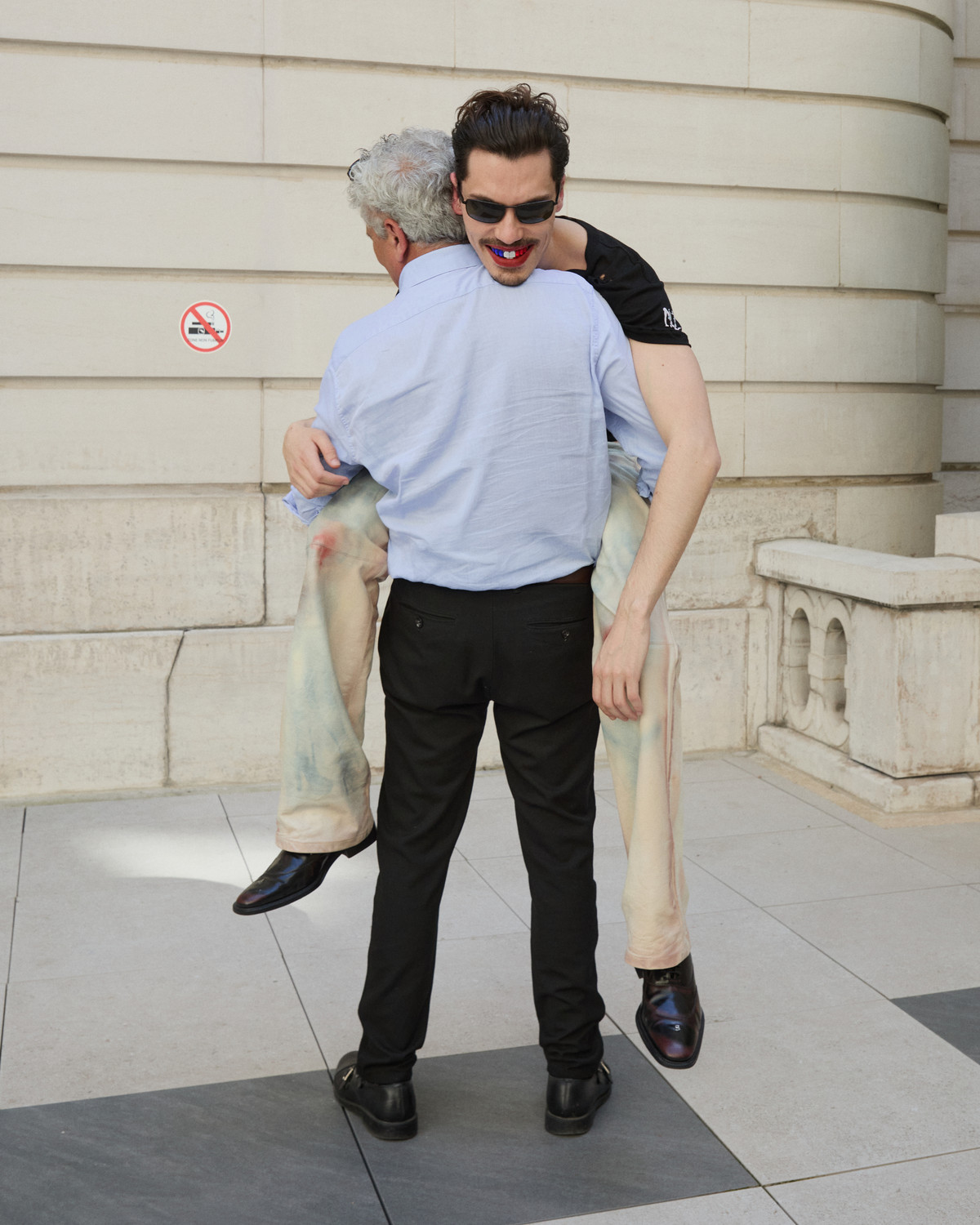
LYAS wears SUNGLASSES by RAYBAN, T-SHIRT by NATASHA ZINKO, PANTS by LA MASKARADE, SHOES by ACNE STUDIOS
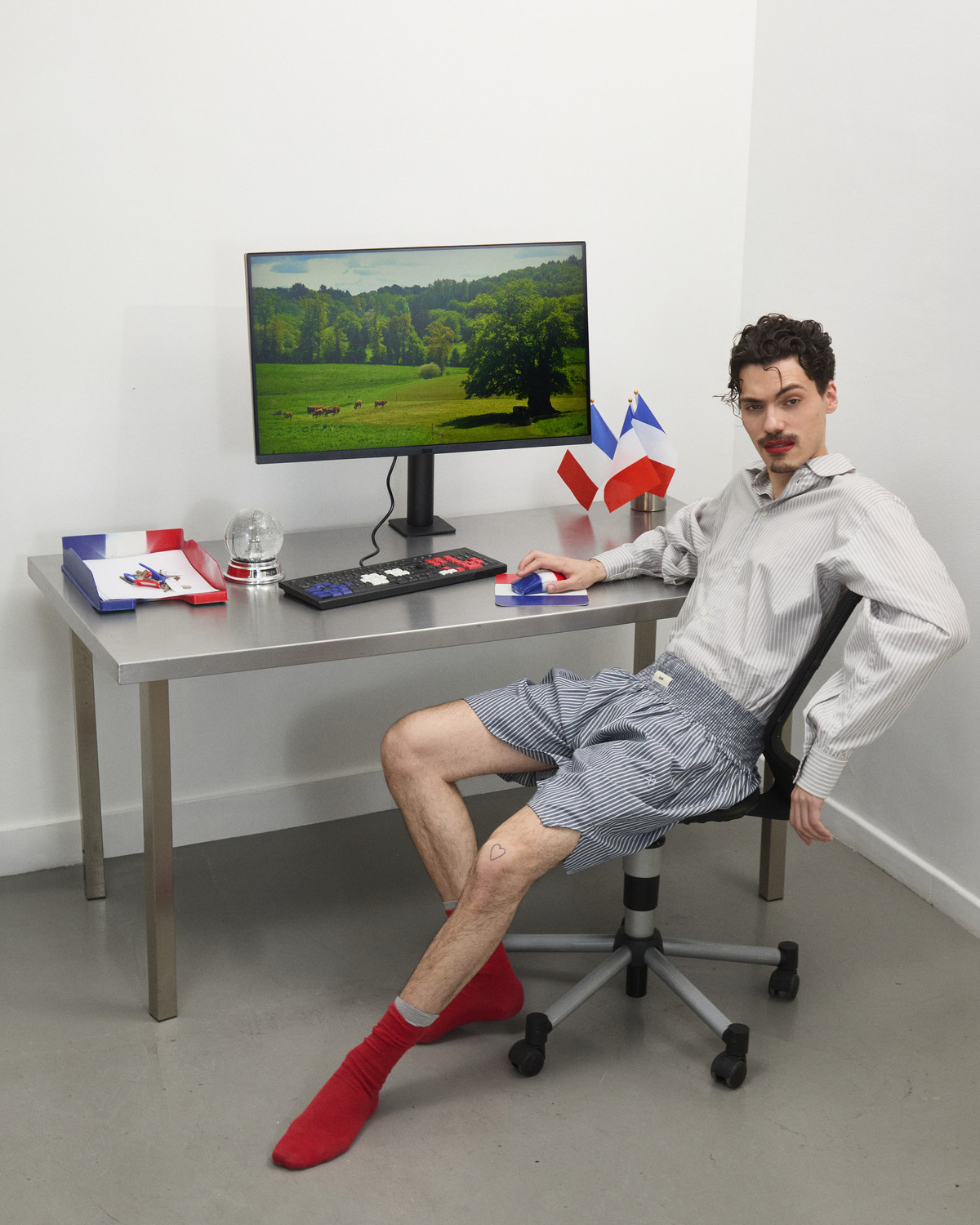
LYAS wears SHIRT by GMBH, SHOES by GMBH, SOCKS STYLIST’S OWN
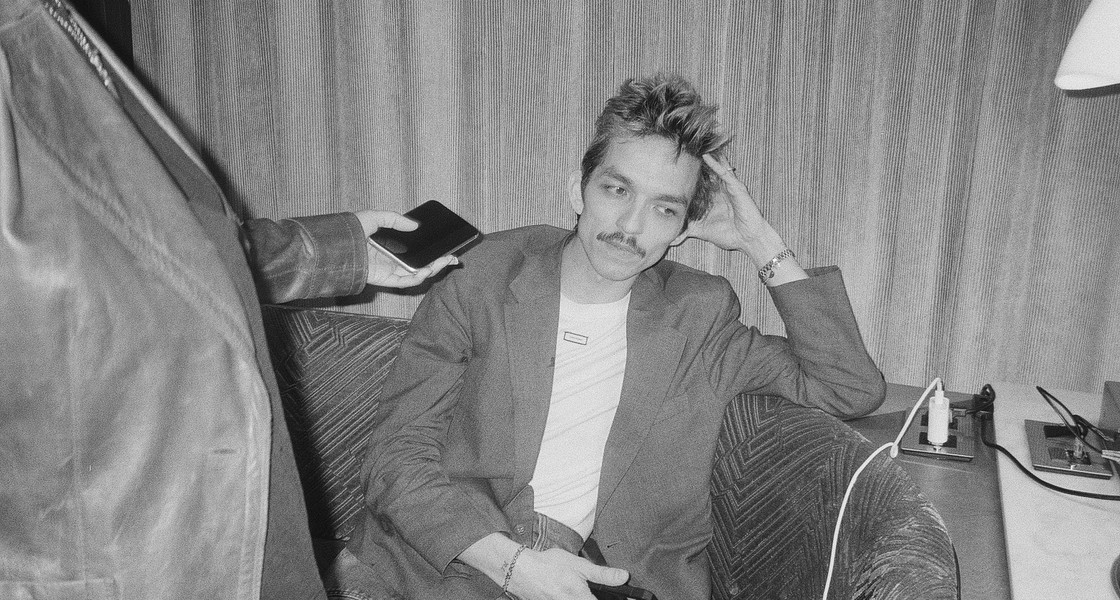
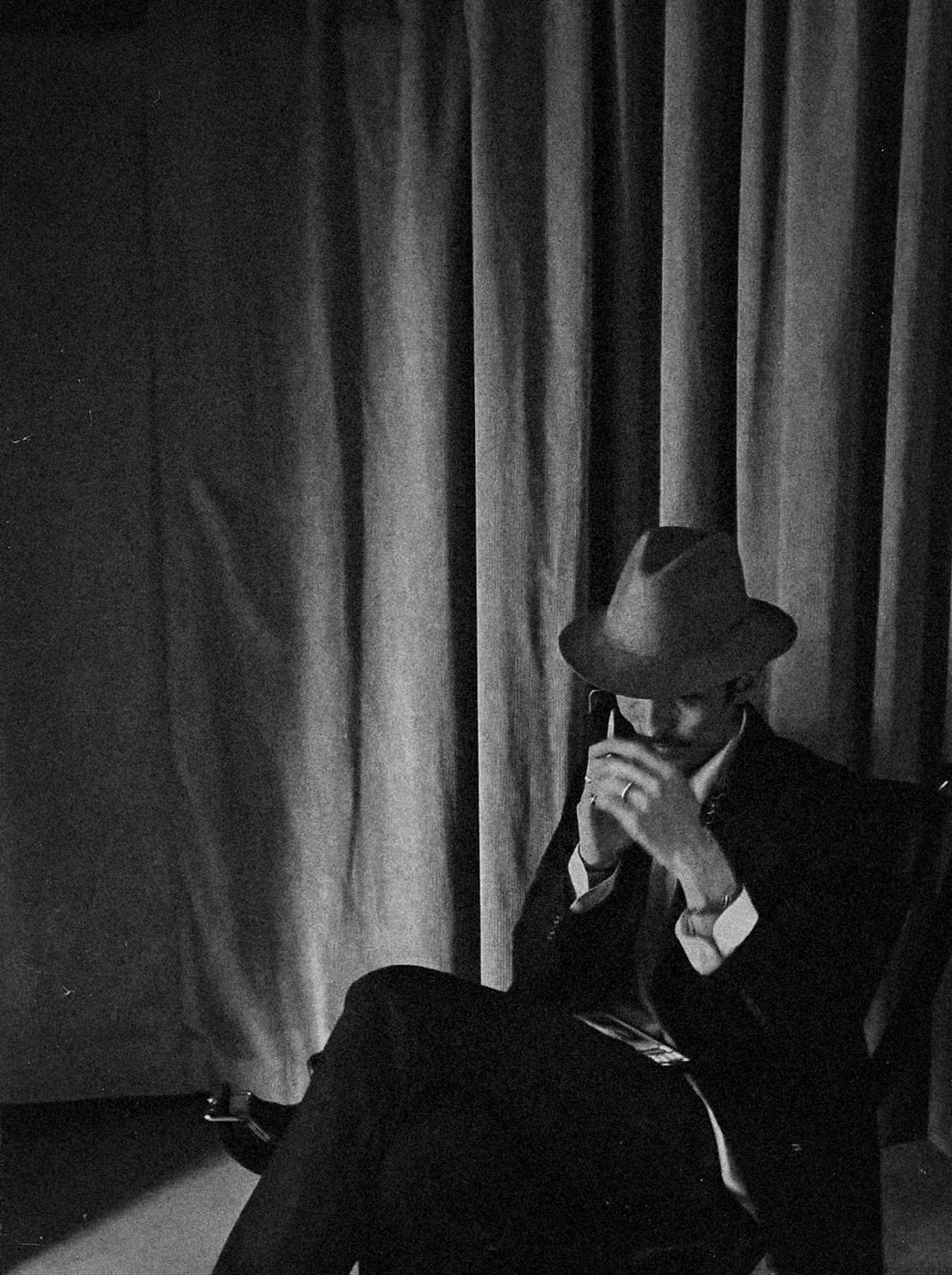
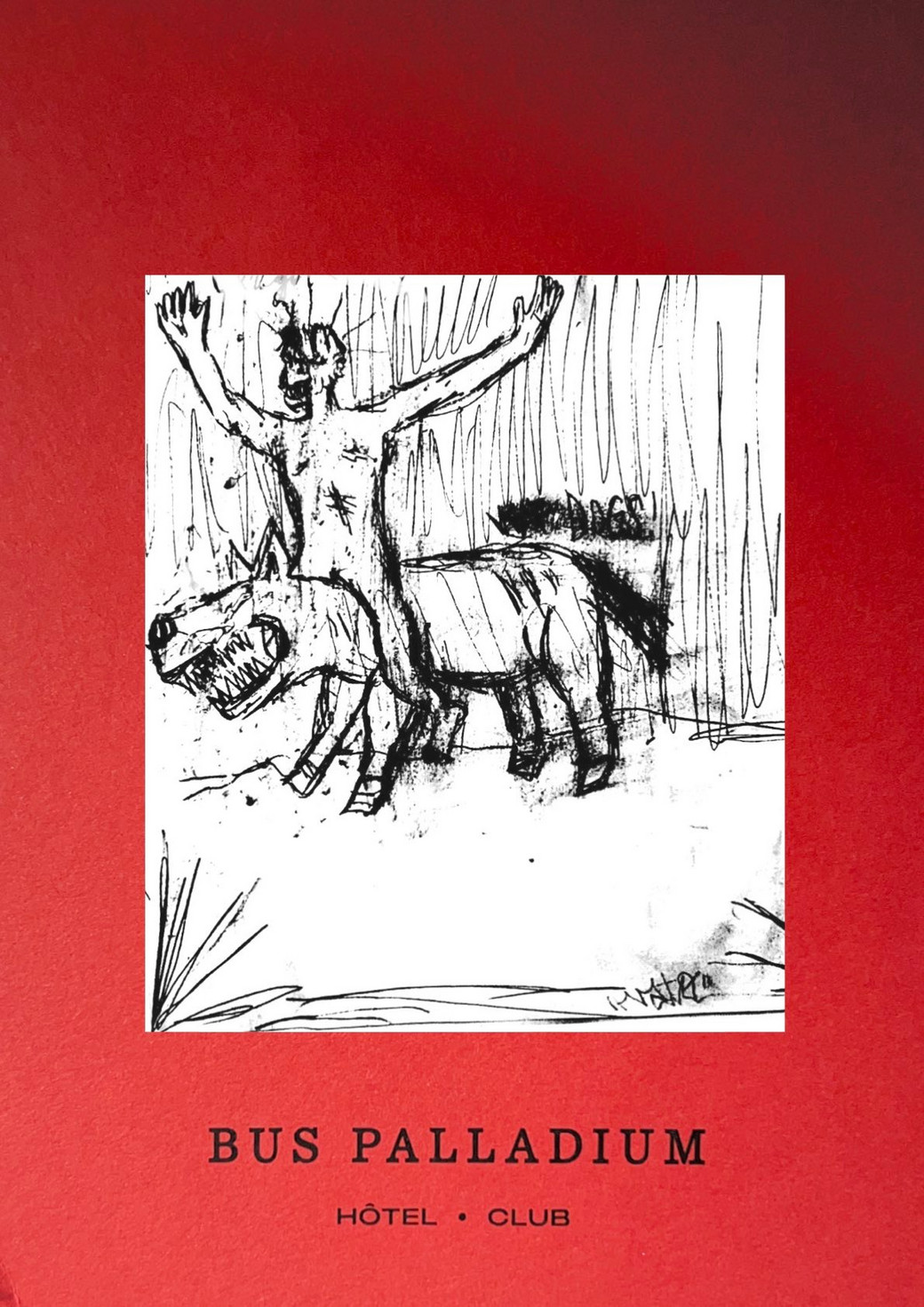
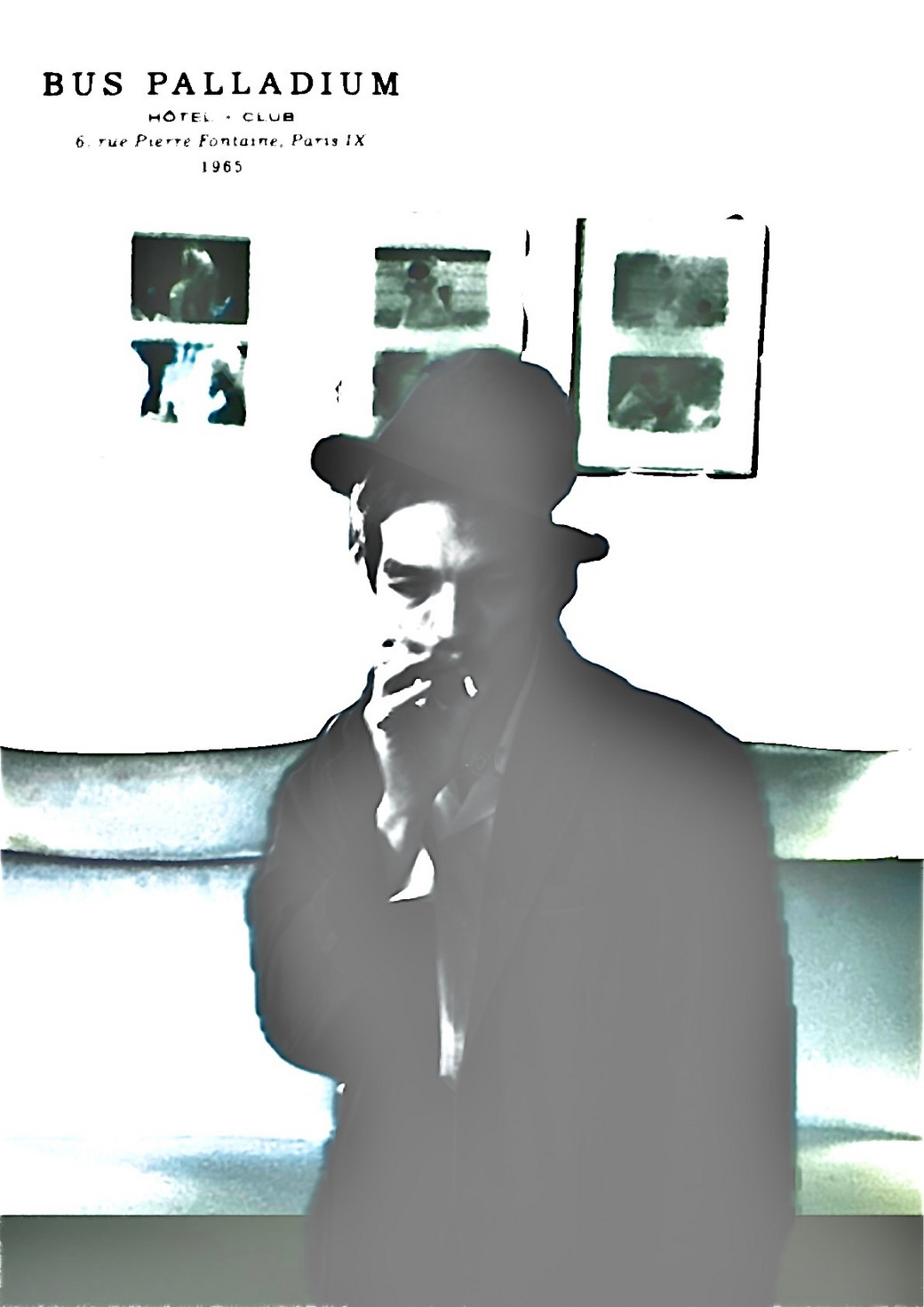
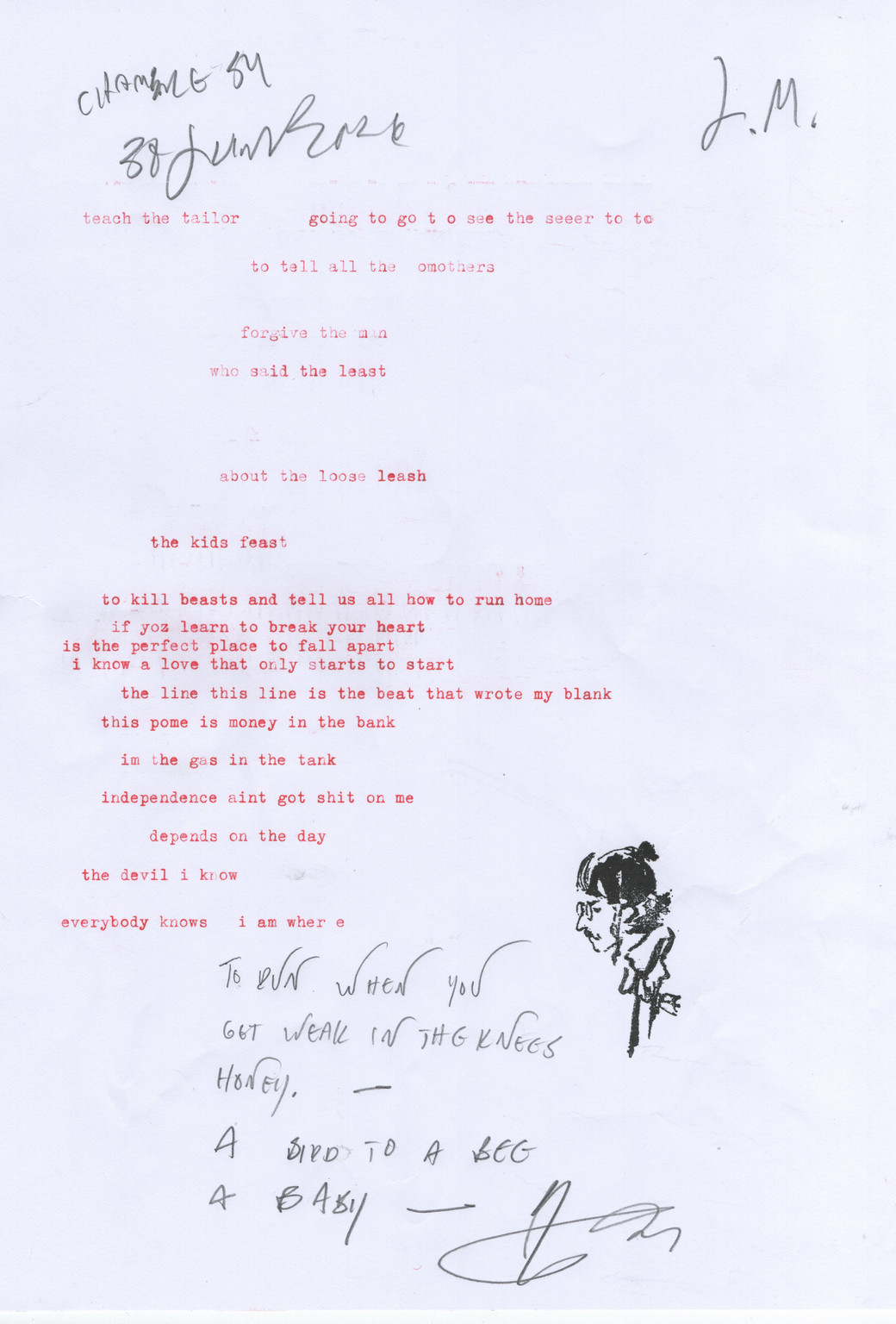
NAOMI LARBI— If you weren't a poet, what would you be doing?
JOSEPH MATICK— Pushing daisies. Probably still be a Dylan fan.
NL— Well, we’re lucky that you are a poet then.
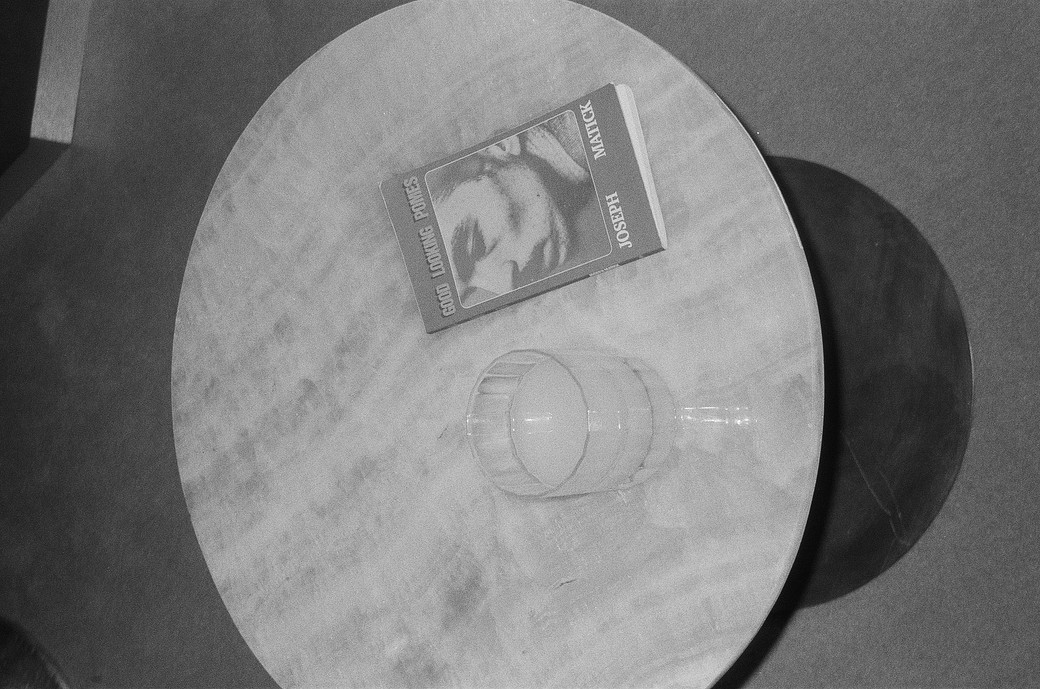
JM— Good Looking Pomes, my 7th poetry book, was a book accidentally about all the problems that are solved by staying in a hotel. People tend to come to you. I also write better when my bed is made.
He thinks for a second, and admits candidly how travel impacts his writing.
JM— I think differently in New York, I think differently in Paris, and I write differently in both. Traditionally, hotels have been taking care of poets.
NL— You’ve been dubbed the Last Living Beatnik.
JM— I feel that the baton being passed to me completely.
NL— Does it come with pressure?
JM— If being a beatnik is being broke and honest, then no. Technically, it’s the New York School, but we don’t talk about that here. But if it can't exist here, then we are doomed. There’s a dialogue between both cities; I’m just wearing the jersey that everyone told me to put on.
NL— What makes you feel safe?
JM— The ability to be wrong. I recently did a reading at Pigalle Country Club, and it scared the shit out of everyone, including me.
NL— What was scary about it?
JM— How reverent the crowd was. Which might have been in huge part regarding the lineup, including one of the first punk rockers, Cynthia Ross. The whole idea was to take a space that was always used for excess and debauchery and subvert the energy into a reading.
NL— What’s the enemy of creativity?
JM— That question! And the fear.
NL— If you listen quietly, what's the soundtrack to your life?
JM— A hummingbird with no record deal.
NL— What's your relationship to self?
JM— It feels like we just got married. Eccentric, correct, and confused.
NL— Are you poliitical?
JM— Very. I’m quiet about it and very violent, too. My violence comes out as poetry. Meet at a bar. If you're too far right, you’re wrong, and nothing's left.
NL— What is language?
JM— The only known other. I mean, I’m good with my mouth, but mouths get you into trouble. You can kiss someone, you can get punched in the mouth, or you can grab a pen.
NL— You seem to have offended a lot of people at the last reading. Do you get off on subversion?
JM— No, but I can’t apologize and certainly not now. I tend to believe what I say, and that’s that.
NL— Is there any better epoch than now?
JM— No, and if we can’t all lie to each other about that, then we should all go home.