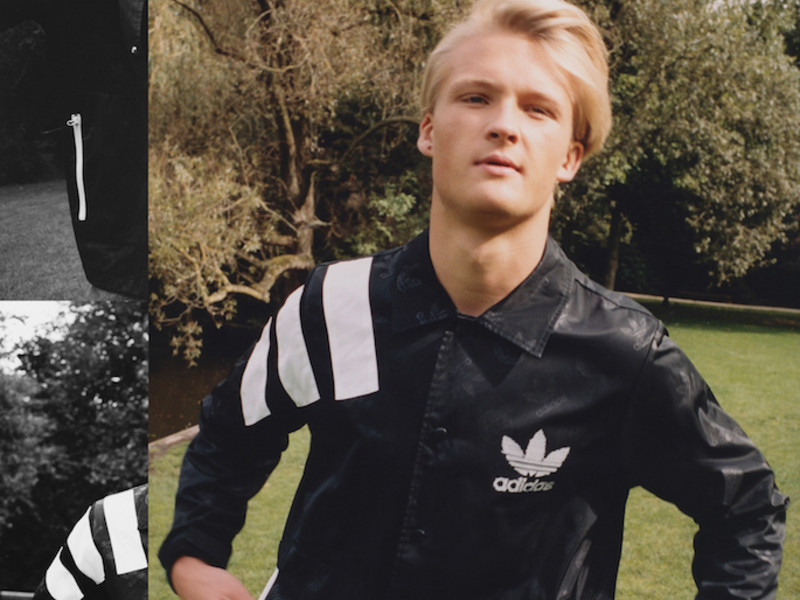
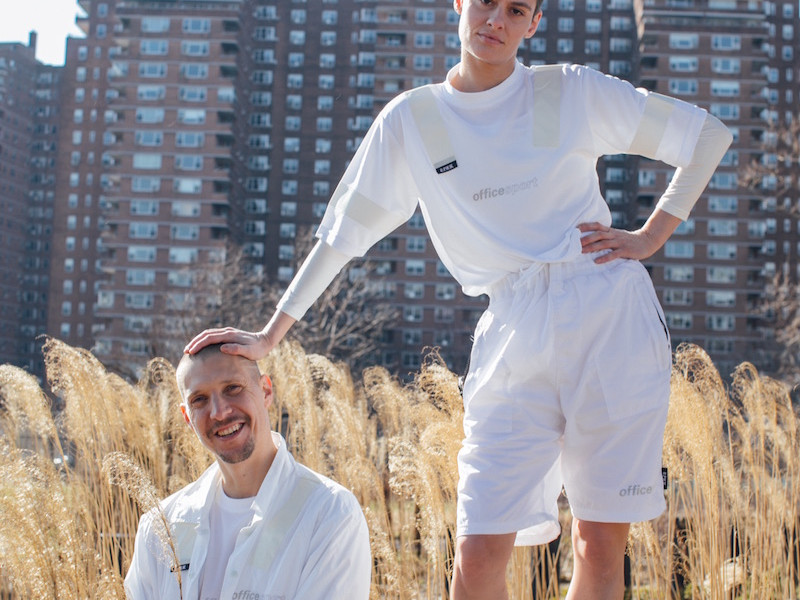
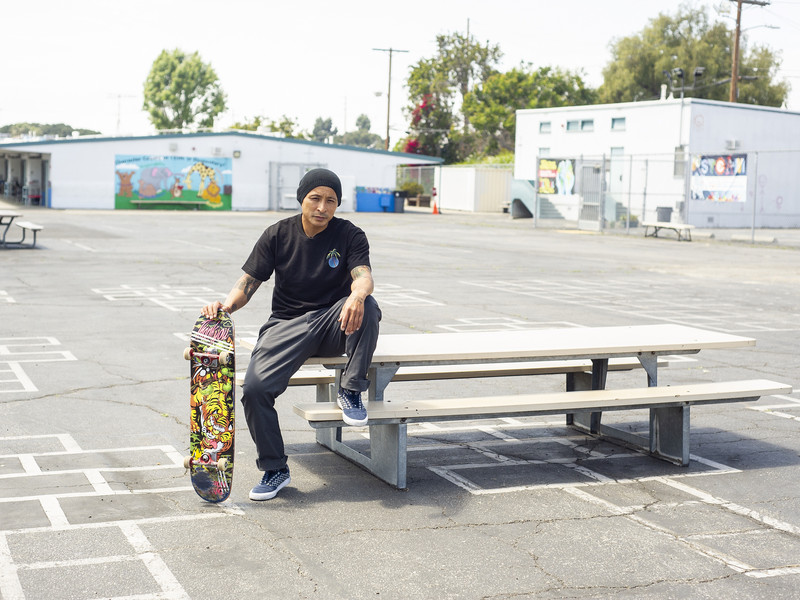
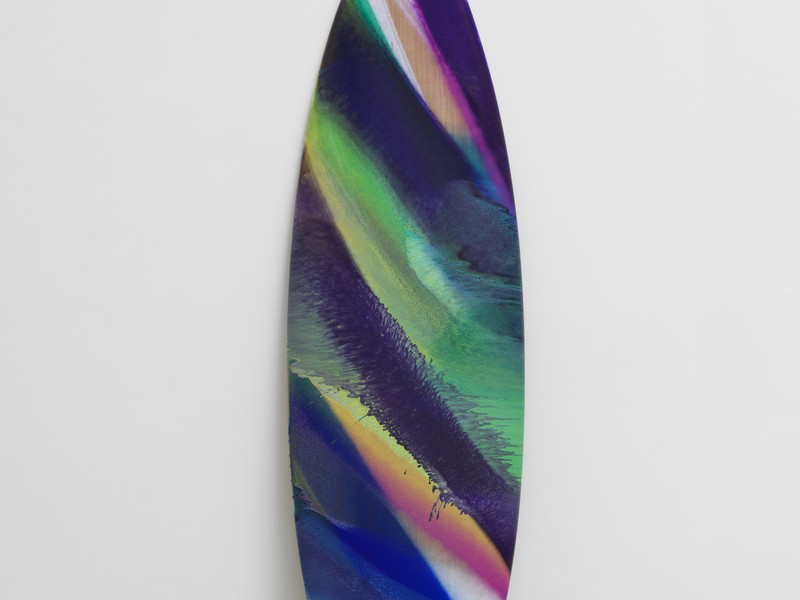
Pharrell's Blank Canvas
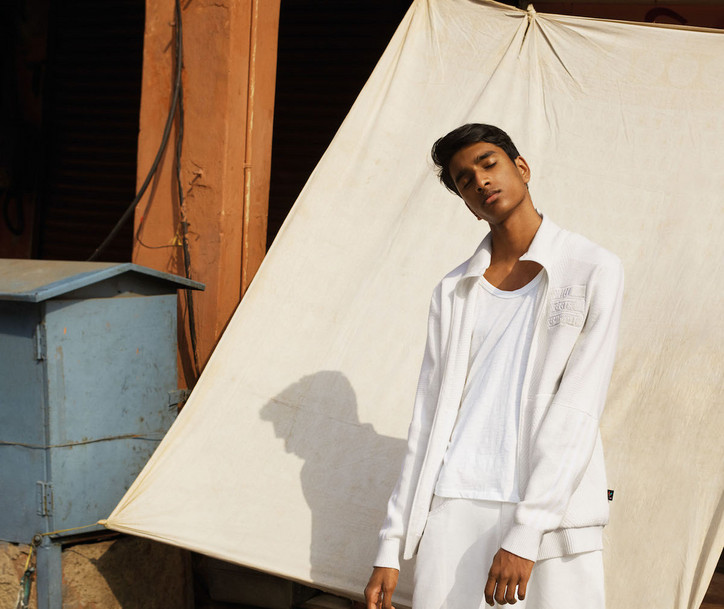
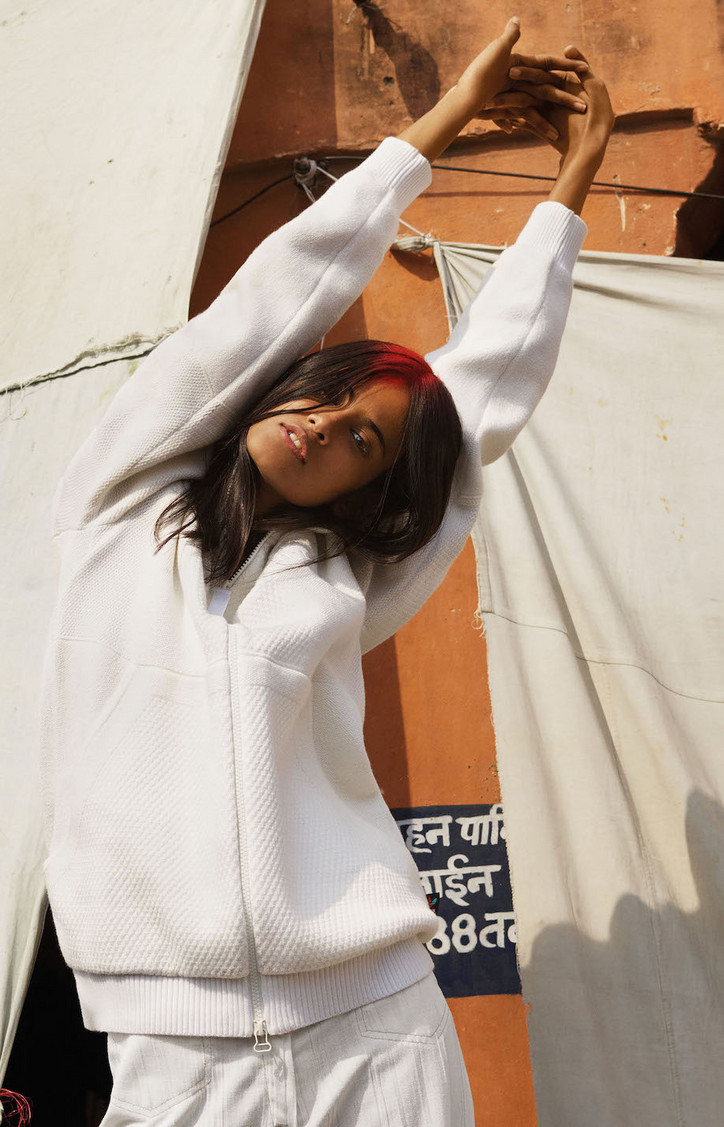
So, let's start Spring off on a good foot— feeling festive, creative, and open to all colorful opportunities.
- Pick up your pair on February 23rd.

Images courtesy of adidas
So, let's start Spring off on a good foot— feeling festive, creative, and open to all colorful opportunities.
Images courtesy of adidas
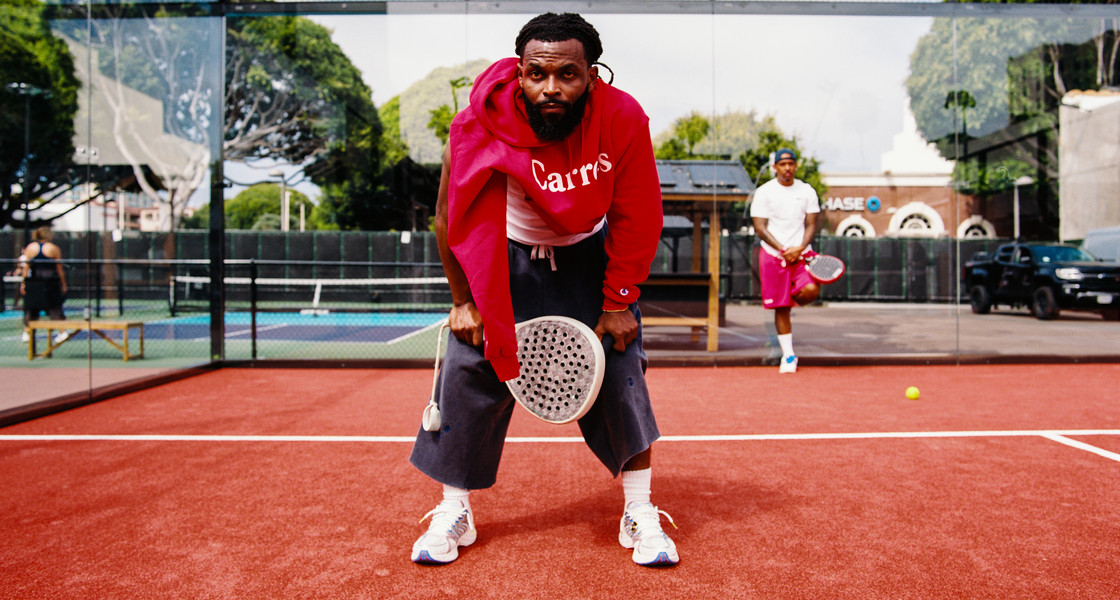
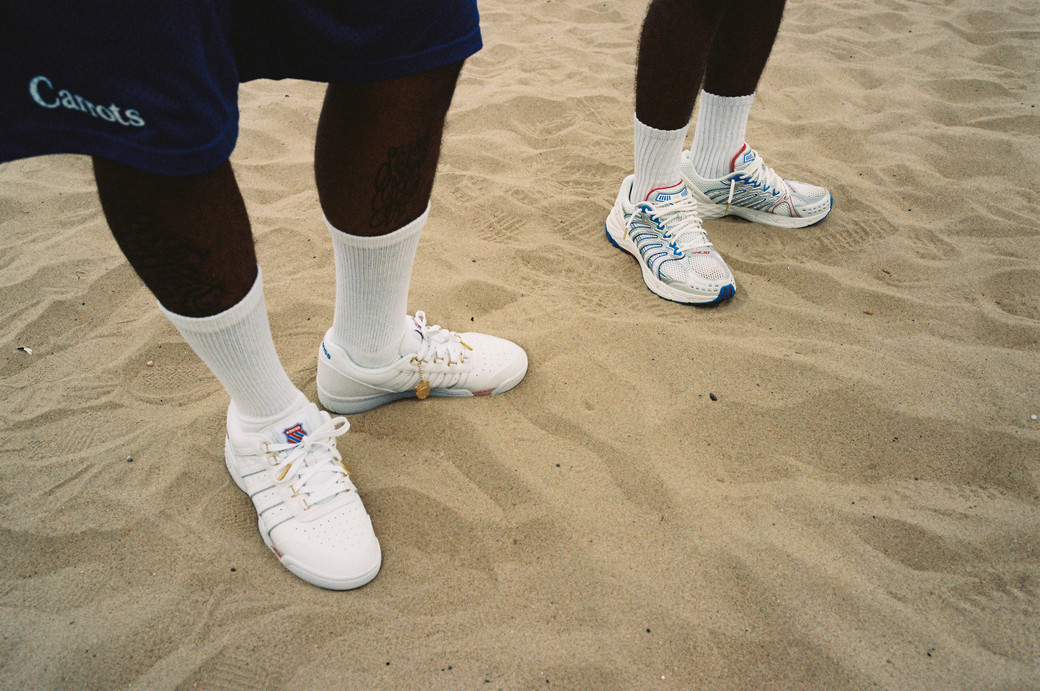
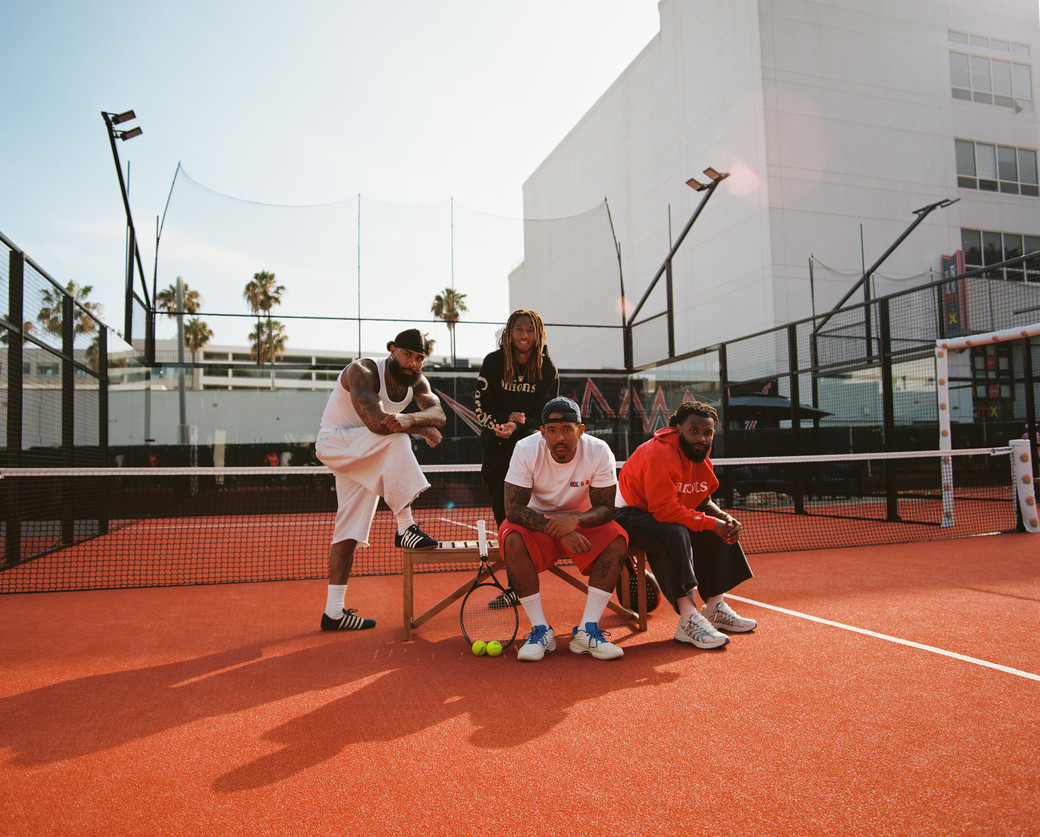
Since the 1980s, K-swiss has moved beyond just tennis after being adopted into streetwear scenes in New York and California, quickly becoming a staple fashion item. In the following years, throughout the ‘90s and 2000s, styles like the Classic 66 and Gstaad Court shoe were worn by Dr Dre and featured in Boyz n the Hood, the latter of which inspired a capsule collection in 2021. The brand has also become synonymous with Chicago footwork music after DJ Rashad used the name for one of his most famous tracks. However, this cultural cachet hasn't stopped K-Swiss from innovating its technology for the court, crafting shoes to withstand the high pressure of tennis matches between greats.
The classic styles of K-Swiss have continued to evolve in multiple ways for new generations, flexibly adopted into sports, music, and fashion. With a “Breaking Bad" collection here, a collaboration with A Bathing Ape there, and even on the runway at Luar, the brand has continued to reinvent what it means to represent tennis. For their 60th anniversary, K-Swiss is renewing their commitment to the sport with three new versions of their classic court styles, the aforementioned Gstaad and Classic 66, along with the Hypercourt Express 3. Tennis fans will be waiting with bated breath to see how these shoes move between court lines and across them, as the stars of the sport continue to make waves in fashion and culture.
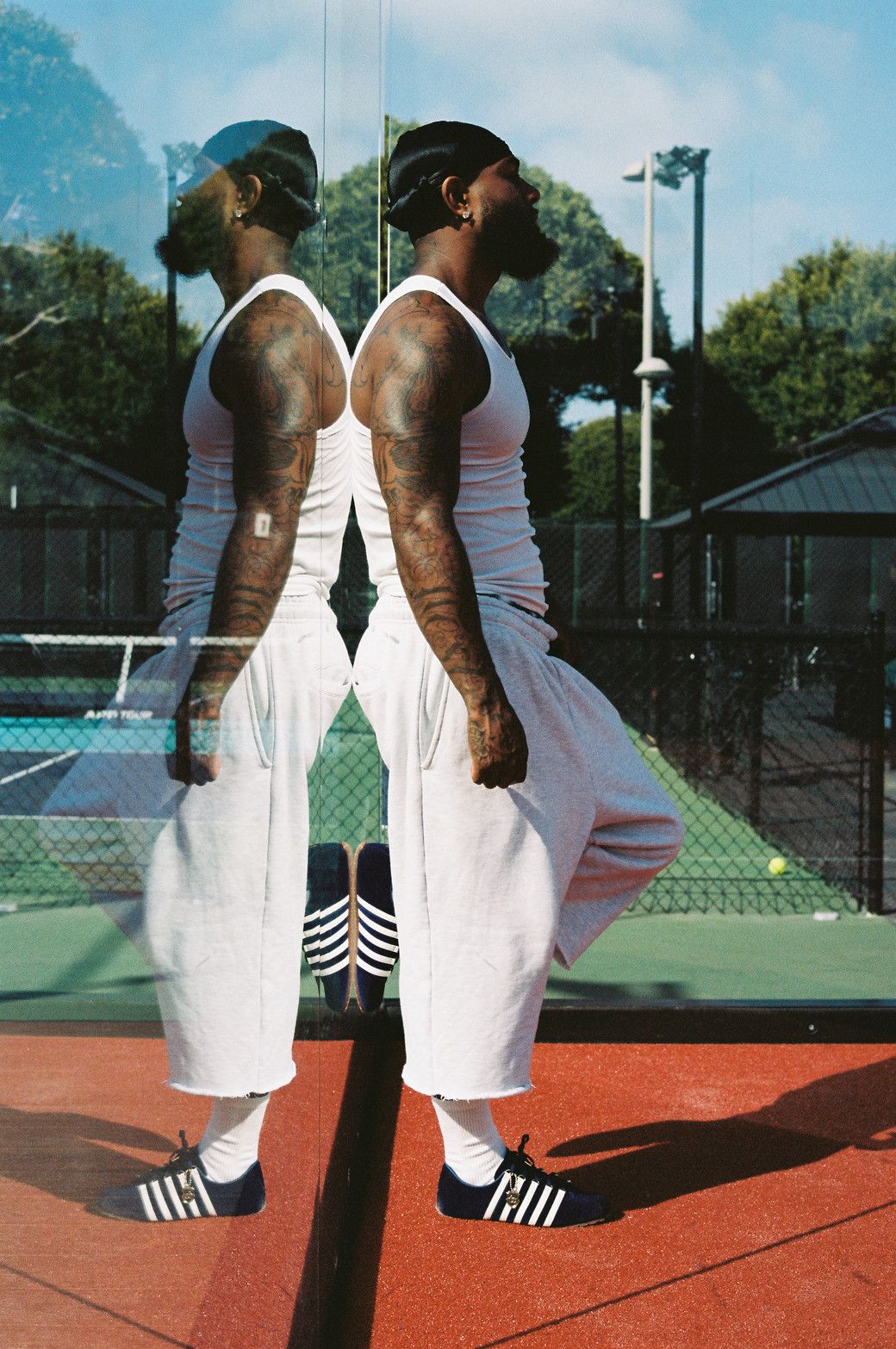
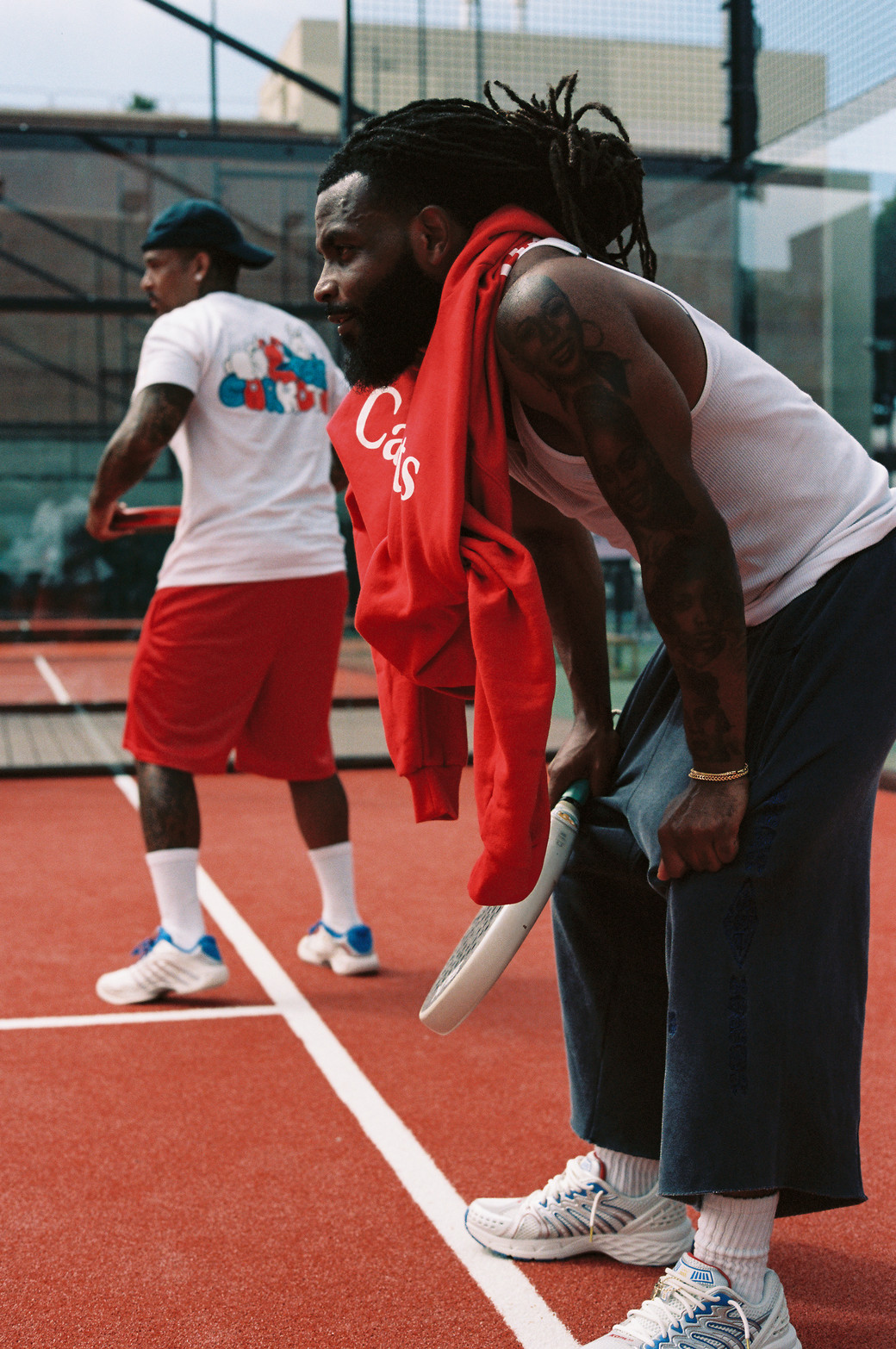
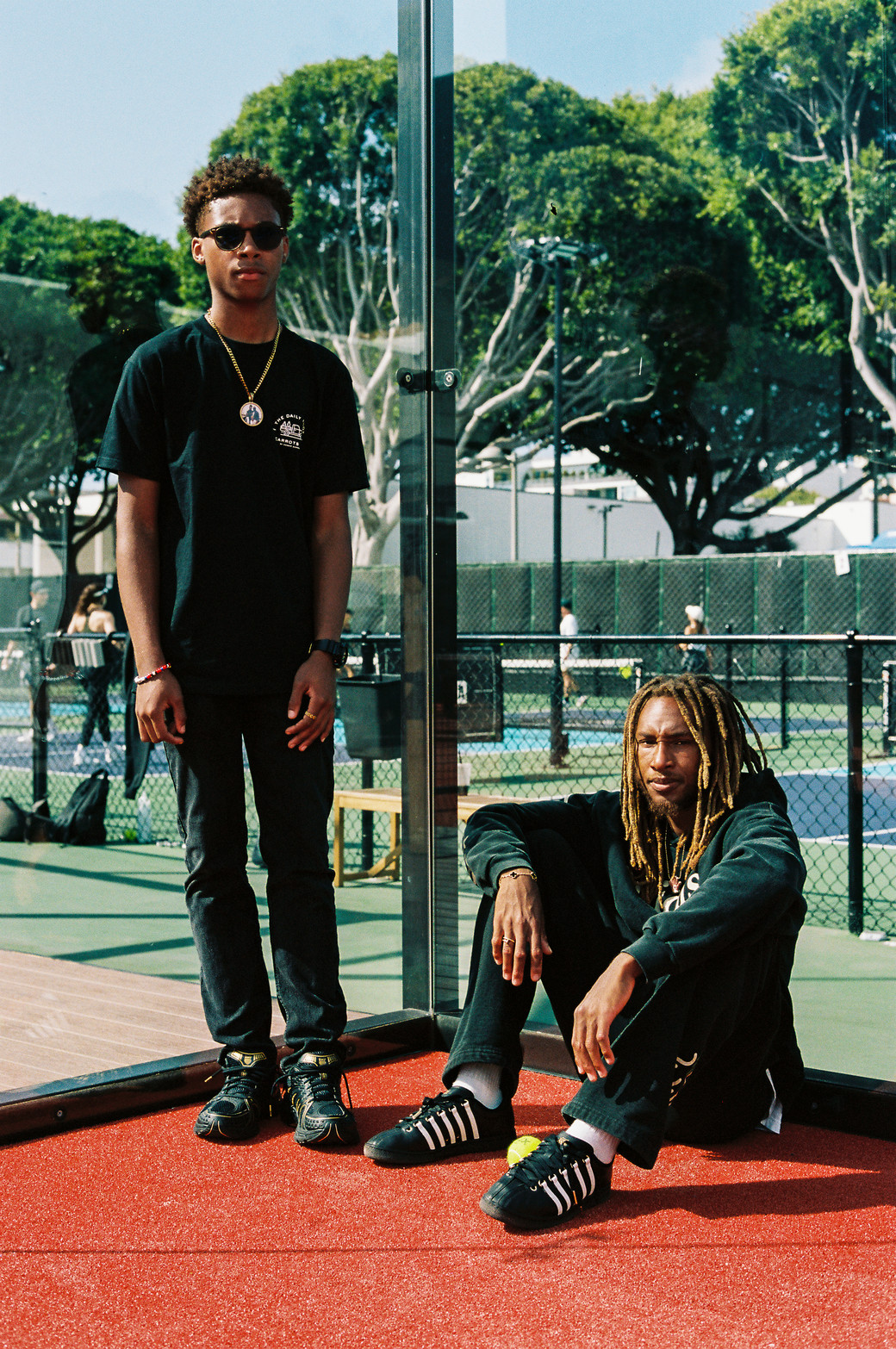
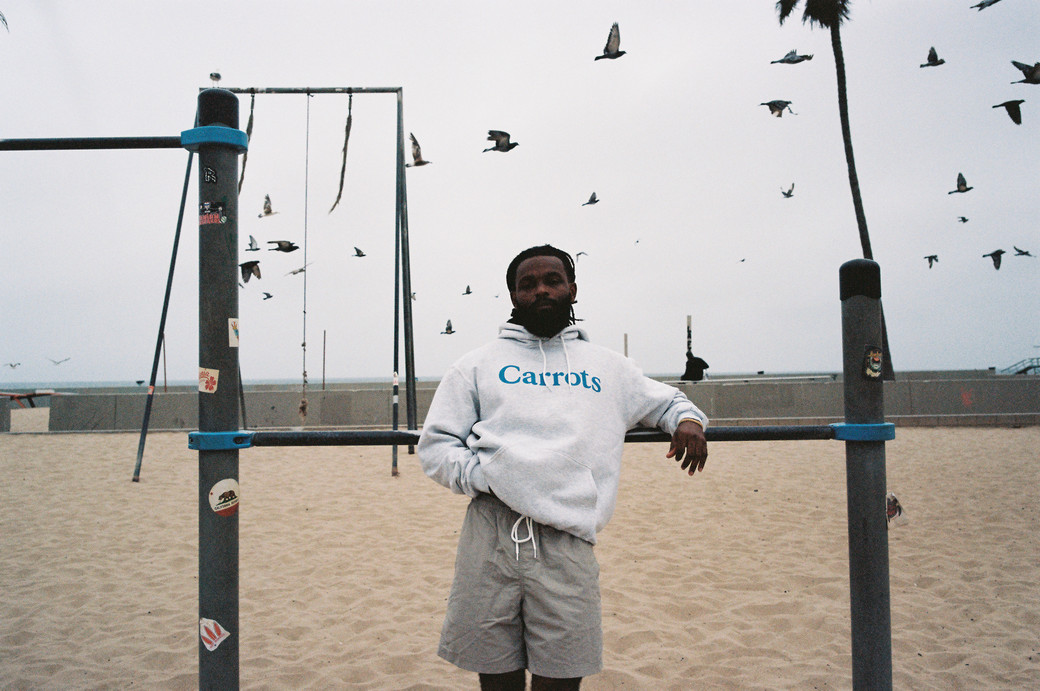
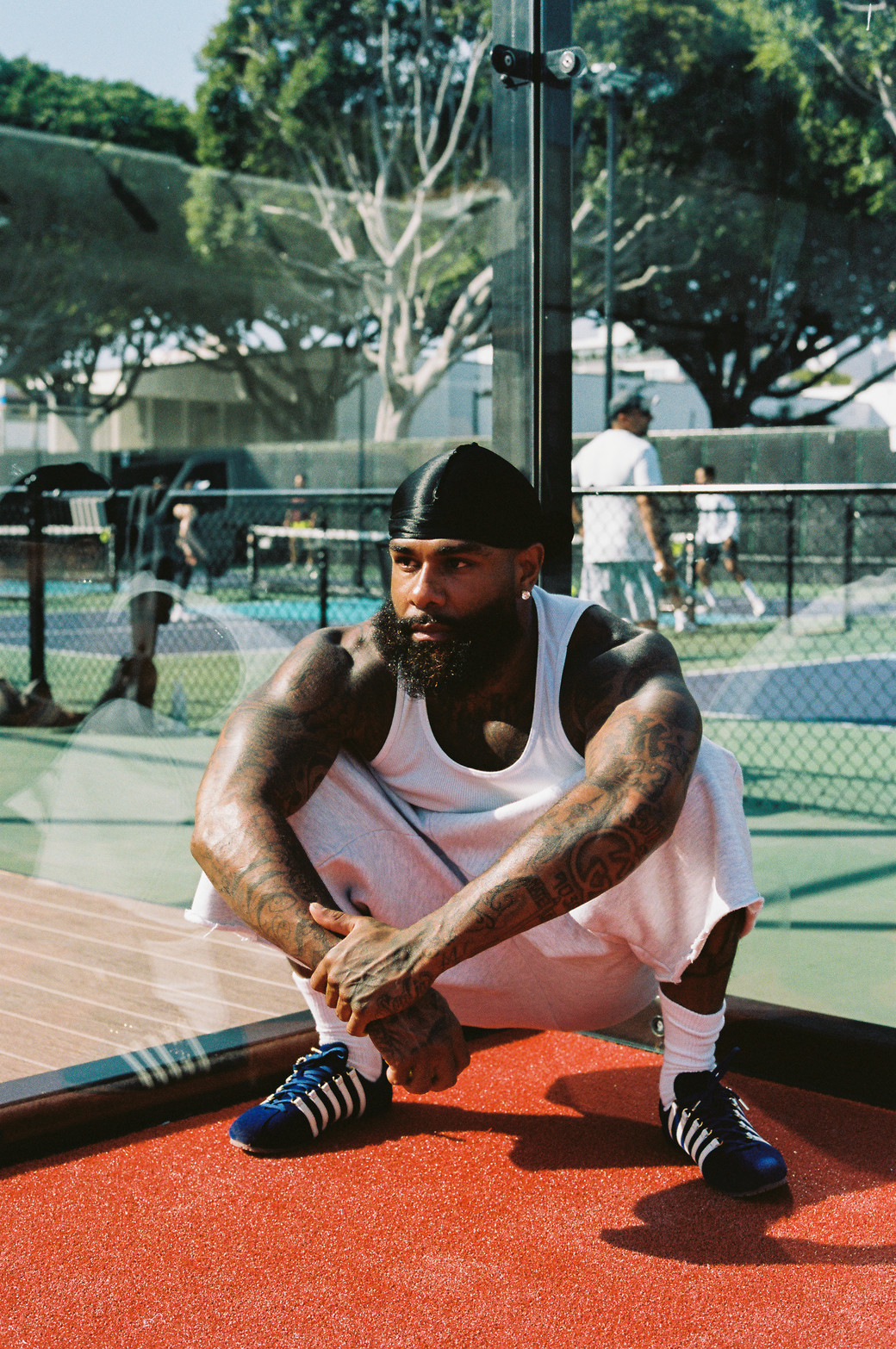
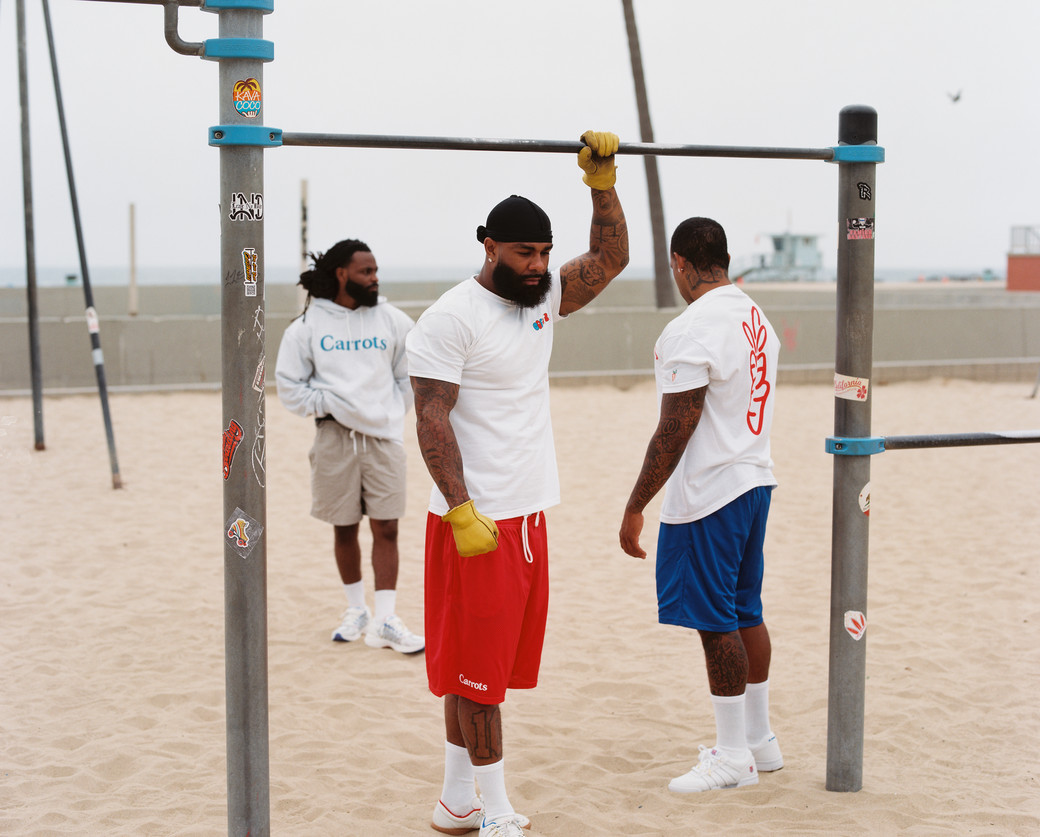

The accompanying campaign shifts focus toward the next generation of Mexican football talent. Featuring national team players Jesús Gilberto Orozco and Jeremy Márquez alongside Omar Campos and Ariel Castro, the imagery looks beyond the tournament itself, toward the ambitions and aspirations that precede moments of international recognition.


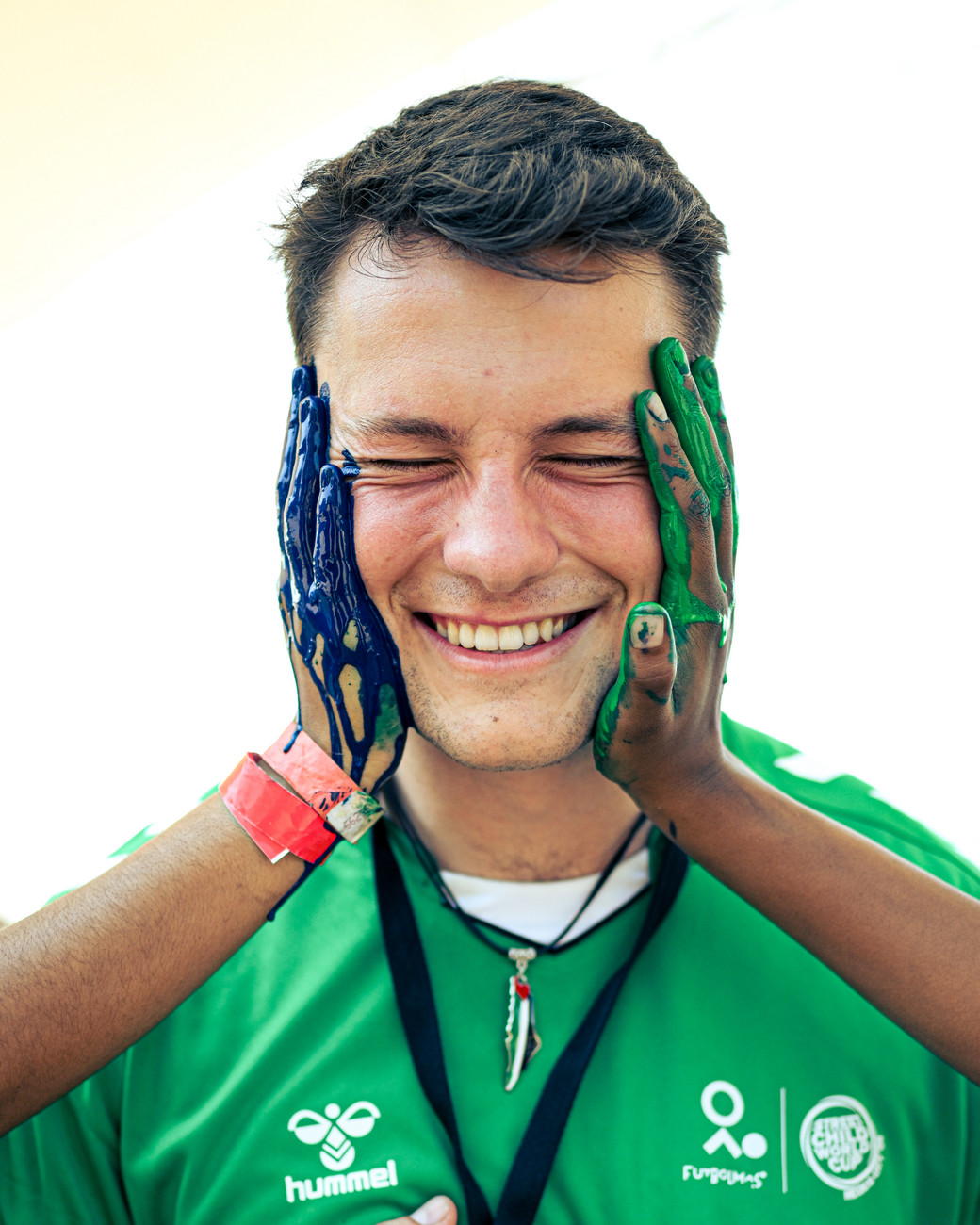
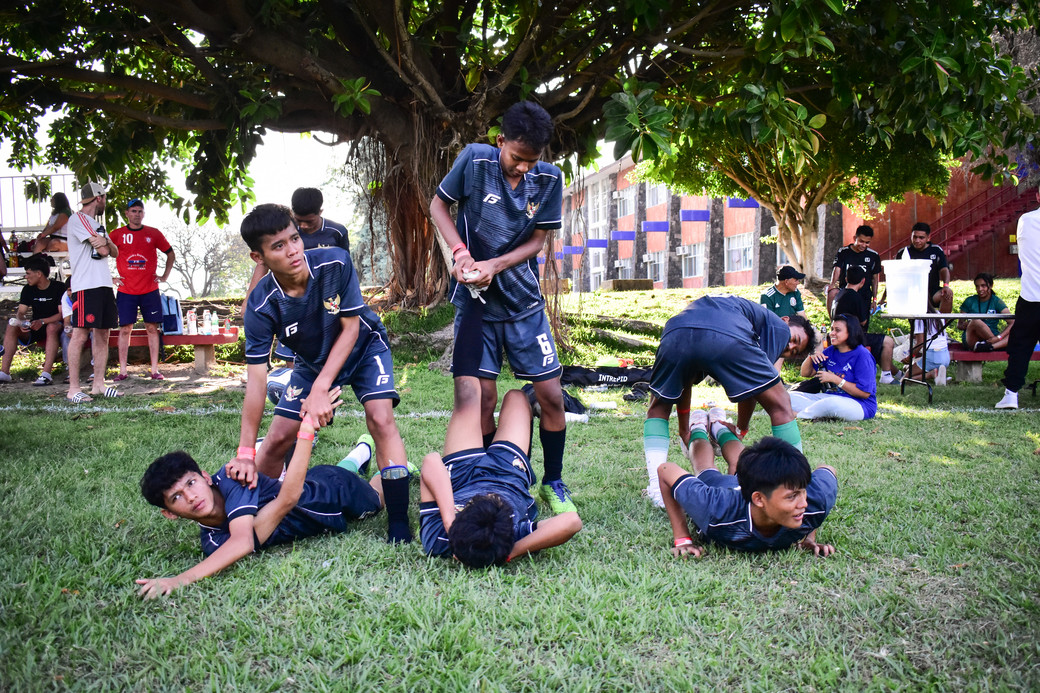
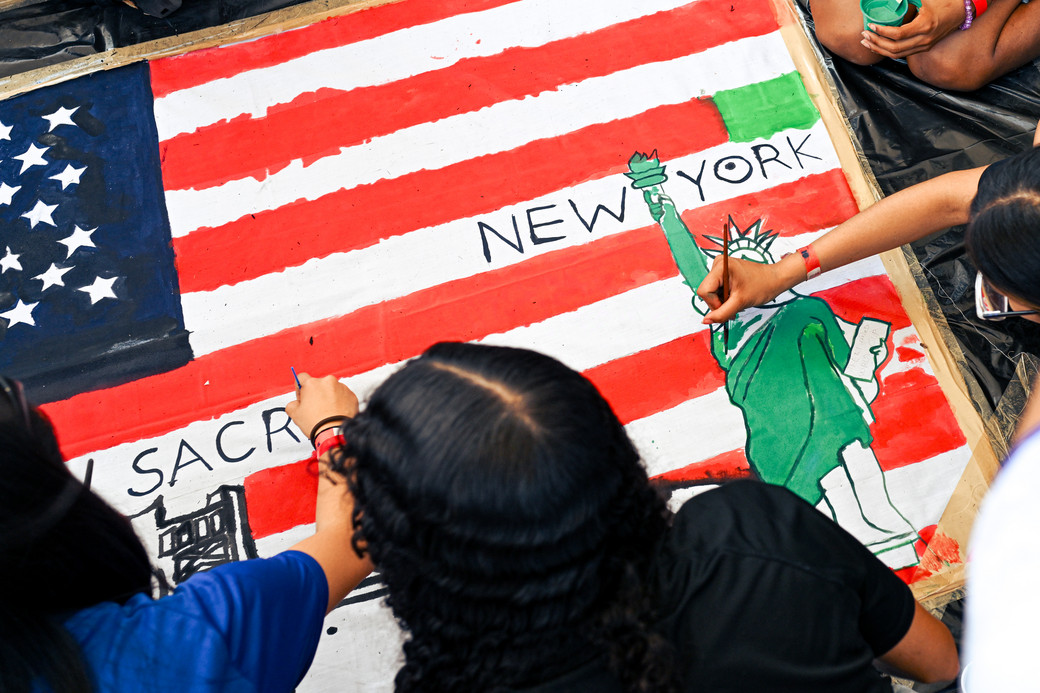
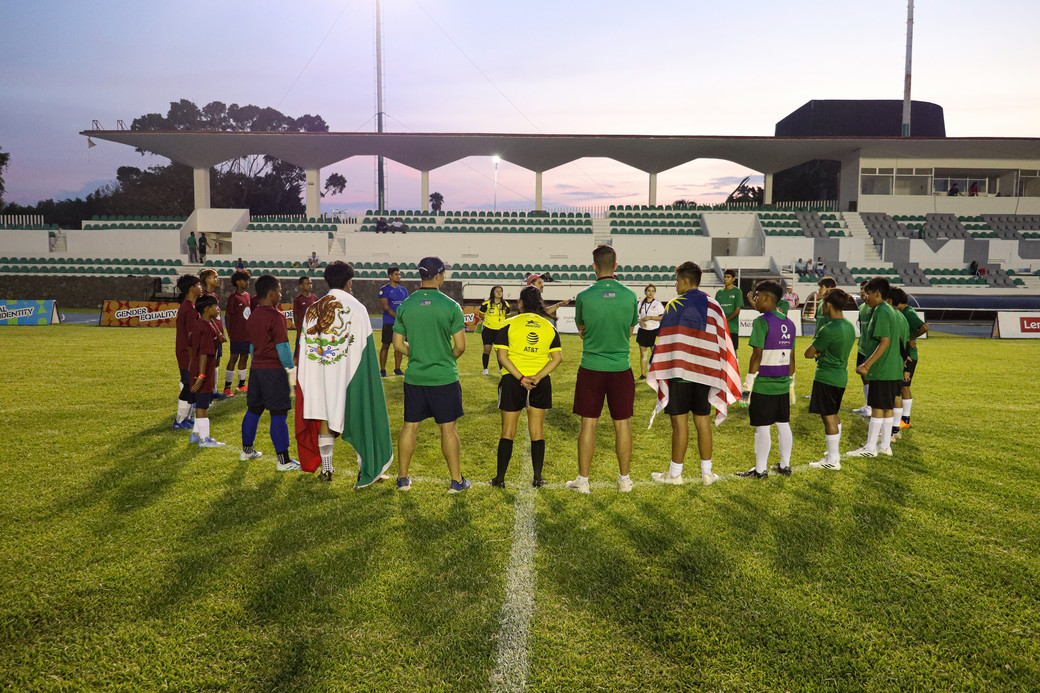
The tournament is about unity, opportunity, and hope. On the surface its football, but at the core it is a powerful advocacy for change. It diverts the attention that spectacle events demand of the public eye, taking a moment to shine the spotlight on issues that deserve the same urgent attention. At the same time, it facilitates cultural exchange. Sports, though competitive, are a means of unification; collaboration in the face of division. Like sports, greater political issues can employ a tug-of-war between playfulness and seriousness.
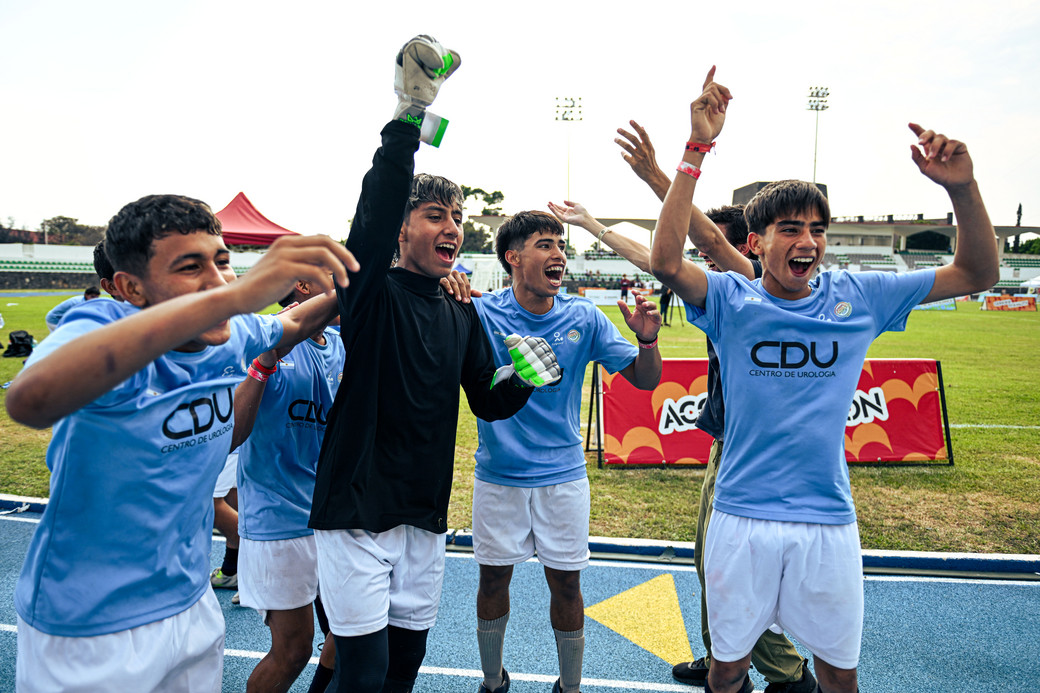
In the last bracket, Mexico and Kenya competed for the girls' final while it was Brazil against India for boys. Mexico's girls team and Brazil's boys team took home the gold, but the real award came from turning visibility into action. Young team leaders came together off the field to debate and draft concrete demands to present to policymakers, civil society leaders, and international guests, including Mexican President Claudia Sheinbaum and Gabriela Cuevas — the Mexican government's official representatives for the World Cup's organization.
A celebratory close to the tournament was performed by Paul Russell with his hit song, Lil Boo Thang. U2 members were attendees of the final game, cheering on in place of being cheered for. Messages of support were sent from former professional soccer player Sir David Beckham, racing driver Sir Lewis Hamilton, and runner Sir Mo Farah. All eyes may be on the upcoming FIFA World Cup, but the Street Child World Cup is all hands-on.