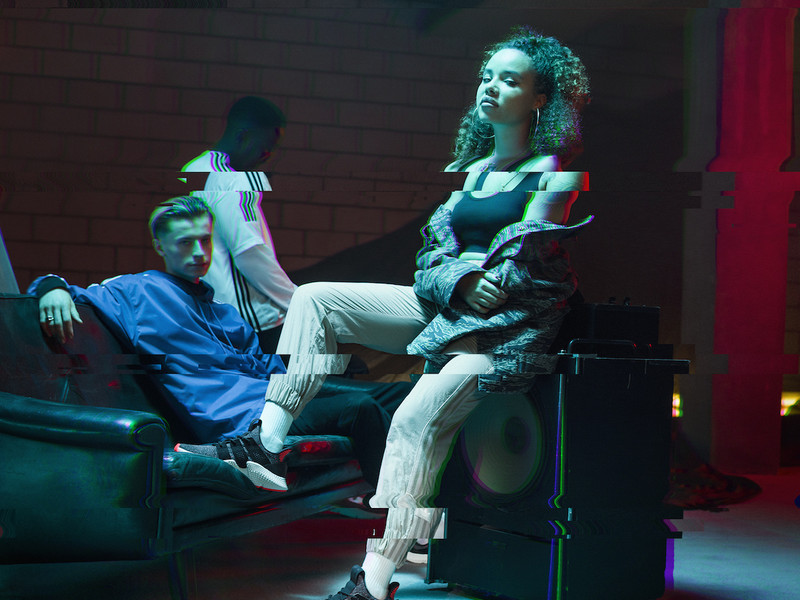
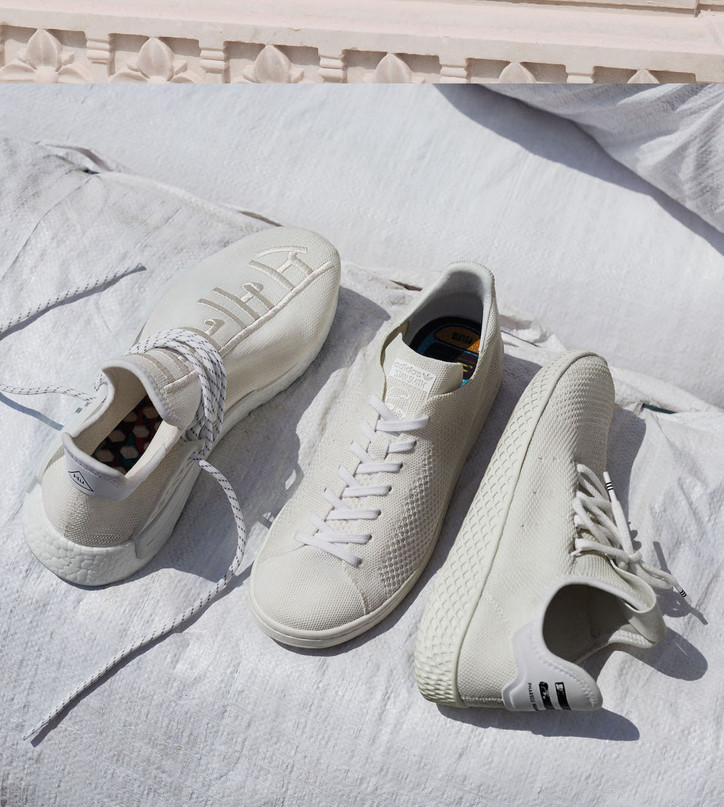
Pharrell's Blank Canvas
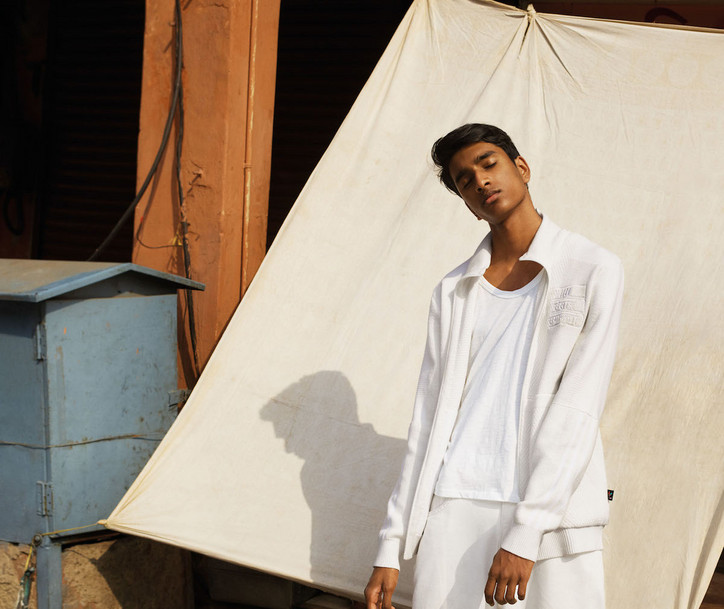
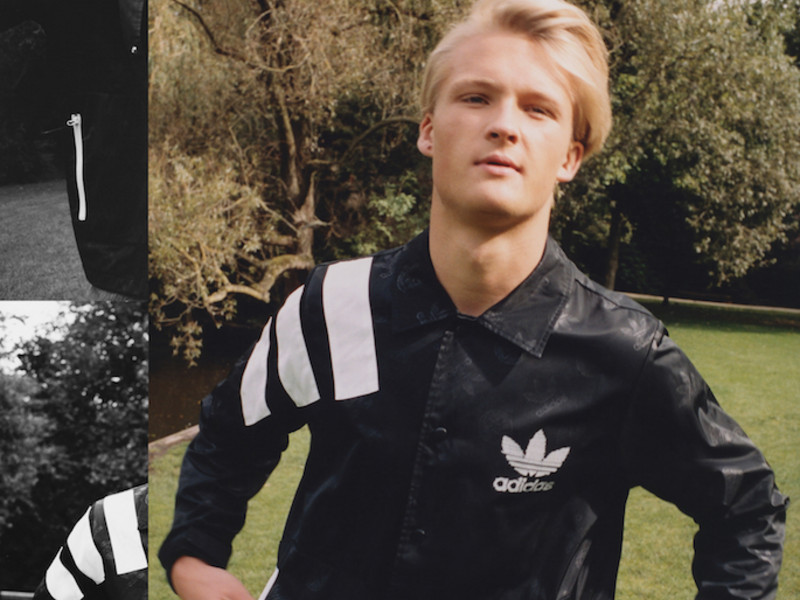
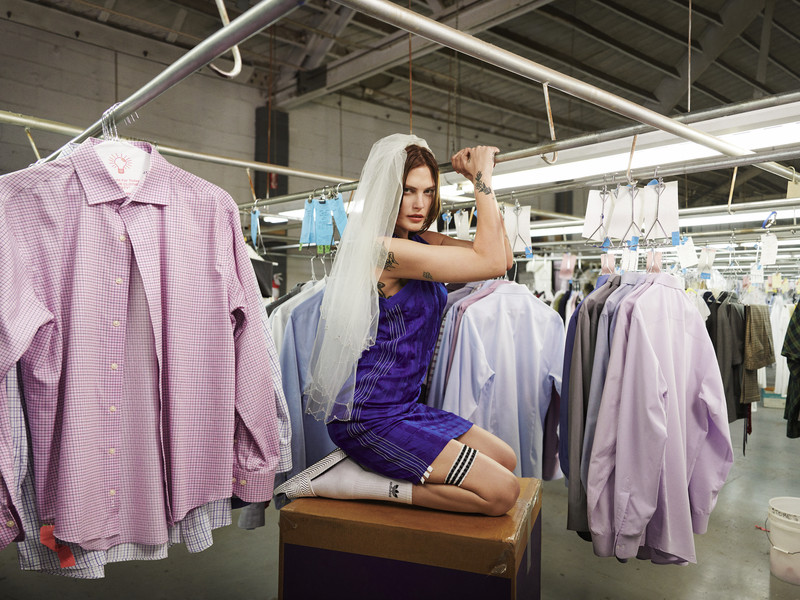
So, let's start Spring off on a good foot— feeling festive, creative, and open to all colorful opportunities.
- Pick up your pair on February 23rd.
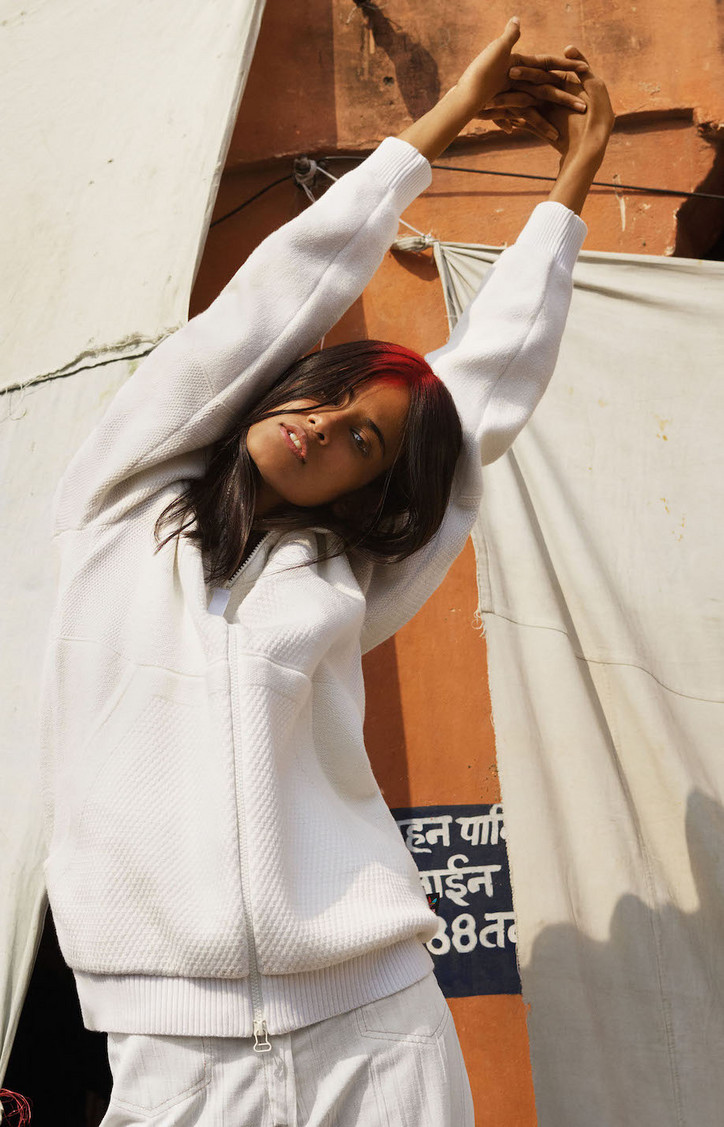
Images courtesy of adidas
So, let's start Spring off on a good foot— feeling festive, creative, and open to all colorful opportunities.
Images courtesy of adidas
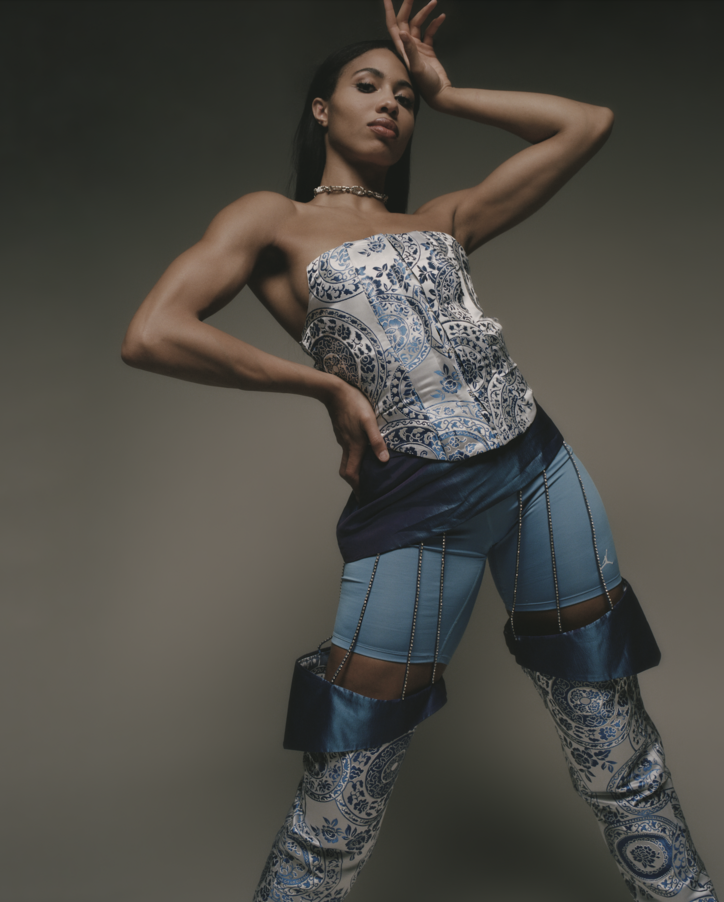
Harrison, 28, may have kept her first pair of J’s off the court, but she was always meant to play on it. As one of 12 competitive mega-jock siblings growing up in Nashville, Tennessee (many of whom went on to have college and pro careers of their own), her childhood was filled with basketball camps, running, bicycle races, push-up contests, and additional training in volleyball, track, gymnastics, and ballet. “Before I could even really remember, I was always outside,” she says. “I was a really huge tomboy. And if you know what it’s like to have older brothers, you know that they will always just want to rough you up. Being around that atmosphere, it really honestly made me as competitive as I am today.”
Her father, Dennis Harrison, once a defensive end for the Philadelphia Eagles, worked as a football coach at his alma mater, Vanderbilt University. When Isabelle would go to work with her dad, he would drop her off with the girls’ basketball team.
“Honestly, I used to think it was free babysitting,” she says with a laugh. “But I would be in there practicing. I would actually rebound for the girls, I would shoot layups with the girls. I remember the coach saying, ‘Hey, you’re really good.’” She was just six years old at the time.
“I was a really active kid, but I stayed with basketball because my older brother played in the NBA,” she says of older brother David Harrison, a former player for the Indiana Pacers. “And I was obsessed with him. Wherever he was going, I wanted to be there. When he would be in the news or stuff in Nashville I was like, he is my first hero. Before I really got into women’s basketball, I saw this first example from my family.”
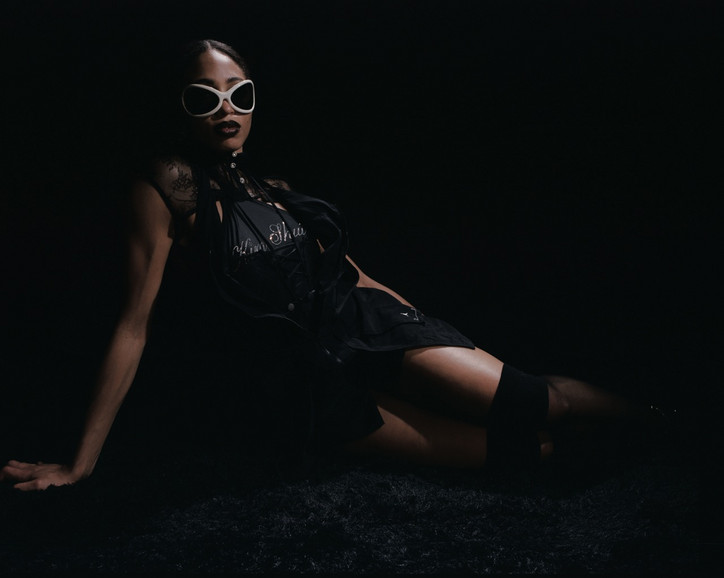
Harrison went on to play on the Lady Vols basketball team for the University of Tennessee in Knoxville, where she trained under the legendary coach Pat Summitt (who had accrued the largest number of career wins in college basketball history at the time of her retirement in 2012). In 2015, she was a first-round draft pick for the Phoenix Mercury, where she played alongside WNBA stars like Brittney Griner and Diana Taurasi. She was traded to the San Antonio Stars in 2017, and then the Wings in 2019. She is currently based in Dallas, where she lives with her dog/traveling partner/unofficial team mascot, Prince, a spunky three-and-a-half pound Yorkie from Korea.
She is close with her fellow players. “I would define family by community. Again, I’m one of 12, and I’ve always been around a lot of people; you know how they always say it takes a village to raise a family. And I would say my parents’ friends, my neighbors, my siblings’ friends, everybody played a part in raising us, and I think that’s why I’m so big on people and showing love to the ones that show love to you... I think basketball has taught me that you can have extended family,” says Harrison. “It’s not just about blood relations.”
“We’ve grown a lot since my first year in Dallas,” she says. “And I don’t know, you start to become sisters in a way. And that’s not something that happens too often in the W, so I cherish those moments every chance that I get.”
A warm, magnetic person, Harrison speaks about basketball fervently; the sport is her “passion,” and games are “doing battle.” She describes what sounds like a punishing workout schedule with cheery enthusiasm, and words like “discipline” and “dedication” fly out of her mouth with pride. “I love sports,” she says, “I’ve been around them all my life. I want to stay in sports.”
But she knows she can’t hoop forever. She says that Summitt, who passed away in 2016 after a heart wrenching diagnosis of early- onset Alzheimer’s disease, encouraged her players to focus on their education. “A lot of coaches don’t care about that,” she says. “They could be like alright, ‘student athlete’ really means ‘athlete student.’ But Pat was very much about having student athletes. She told us, like as a boss, ‘you’re dribbling one day, but what’s your next move?’ The ball stops dribbling, so make sure you have a degree.’”
Harrison says that she’s carried those thoughts throughout her basketball career, always seeking opportunities for its expansion and longevity. She took an apprenticeship for the Dallas Mavericks during their last season, learning about the business side of the NBA. She puts herself out there, sharing vlogs about everything from life in the WNBA COVID bubble to her Fenty skincare routine on YouTube, and maintaining a popular Instagram account, inherently understanding that it’s a treat for fans to get to know the person behind the talent. And now, with the Jordan deal, she’s dipped a toe into fashion, collaborating on vibrant, sexy looks for the WNBA’s All-Star Weekend orange carpet with Shui, who worked alongside Jordan Brand designers to create looks that drew on the relationship she and Harrison built over the WNBA season. One memorable blue look featured brocade pants crafted to emulate armor, a motif that spoke to Shui after seeing Harrison in action at a game, with her awe-inspiring and relentless on-court style. And their collaboration has been meaningful to Harrison as well, who called the designs Shui created both sexy and sophisticated. “It was such a statement piece,” she says, beaming. “It was a whole dream come true. I was just blown away to see it. It was such a basketball cute girl moment.”
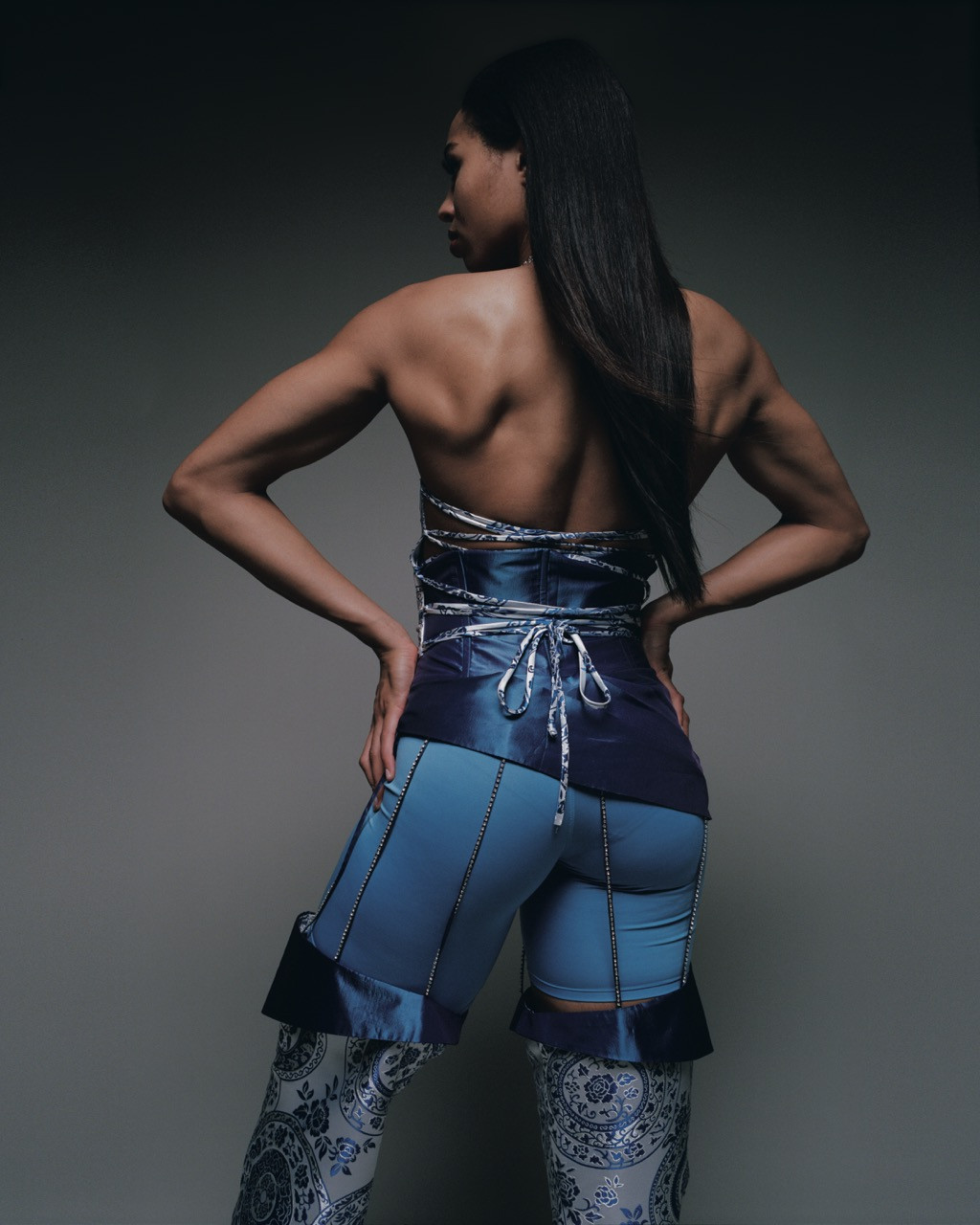
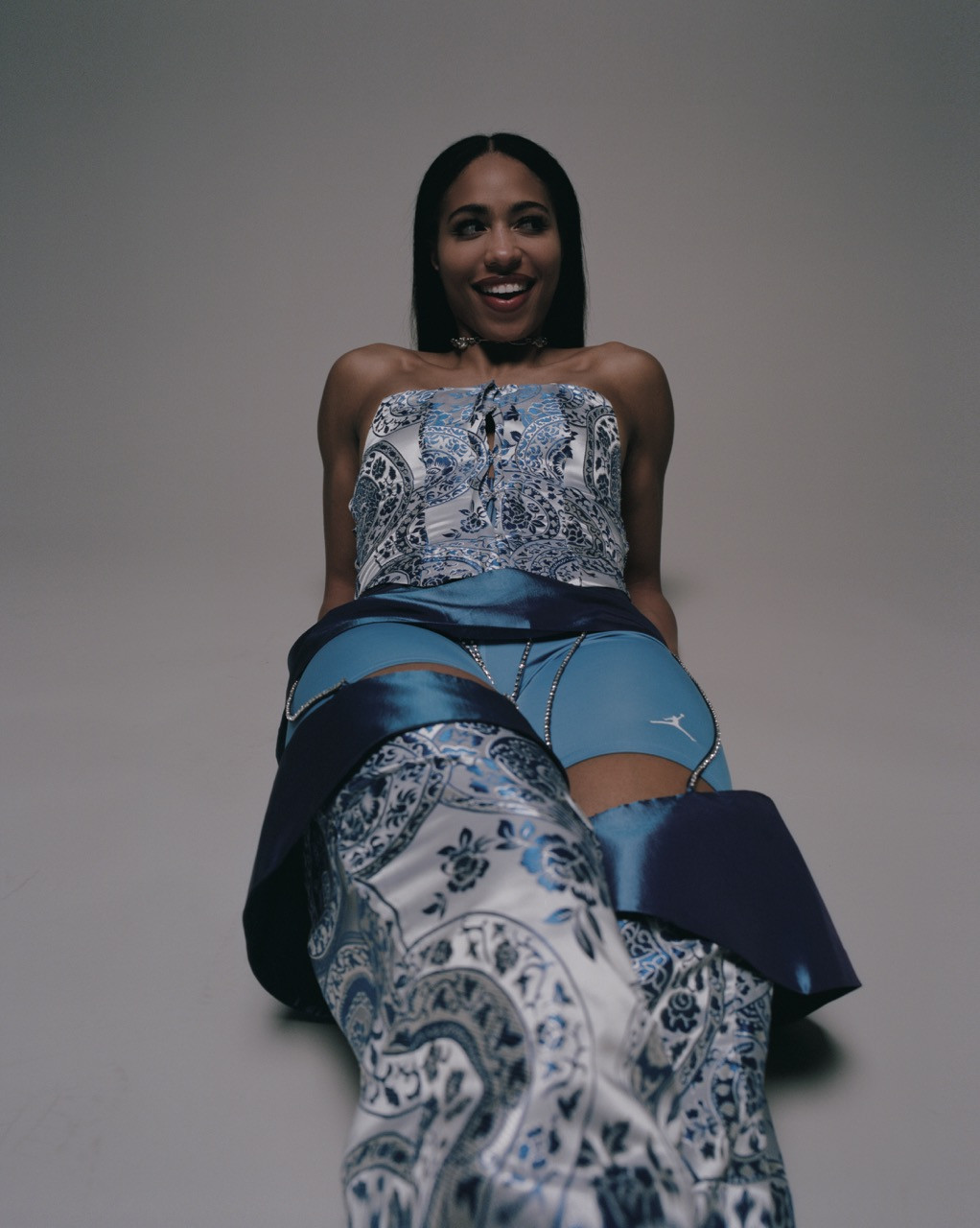
In building her relationship with Jordan Brand, Harrison has simultaneously developed a relationship and friendship with Jasmine Jordan, also known as Jordan, who works in Jordan’s sports marketing division and was responsible for the roster which Harrison was included in. She describes Jas as “uplifting,” and inspiring, saying she’s “all in all a girl’s girl, but also a boss and a mom.”
Jas also encouraged Harrison to step outside of her comfort zone while working with Shui. “I had some looks that I did with Kim and at first I didn’t know how I would be able to pull off some of them,” says Harrison. “[Then] I was talking to Jas and she was like, Izzy, this is all for you. Whatever you feel like you could rock or pull off, whatever makes you feel beautiful, that’s what we’re going to do. And when she said that to me, I don’t know, it changed my mind.”
The fellow Jordan Brand athletes constitute another sort of family. “The girls that Jas picked to have on the roster, I’ve never once had a bad encounter with any of them,” says Harrison. “They’re all such sweet, strong, beautiful women. We’re all different athletes, but we’re very much competitive. And we love what we do. And I think Jas did an amazing job, creating that. When we get together or she plans things for us in the future, she takes everything that we’re doing into account, each and every one of us, and where we’ll be. She checks in. She sets an amazing, amazing example of togetherness, community, and being a part of something greater than yourself.”
But despite the clear perks, life as a professional athlete — especially a female professional athlete — has its difficulties. WNBA players are constantly on the road; during the American off-season, many players elect to play in leagues overseas, where they can command higher salaries than in the States. At press time, Brittney Griner, Harrison’s former teammate, has been sentenced to nine years in a Russian penal colony after heading there to play, all because Russian authorities found a tiny amount of cannabis oil in her bag. An Olympic champion, Griner has played in the WNBA since 2013, and for UMMC Ekaterinburg in the Russian Premier League for nearly as long. As of this writing, negotiations over Griner’s release are reportedly under way between the US and Russian governments.
“For her to be in the country that she’s played in for so long, and to be in this position, where she hasn’t talked to her wife and her family hasn’t seen her, is insane,” says Harrison. “I really can’t imagine what she’s going through, but I think it speaks to why she had to go over there in the first place, and it was to get equal pay for her talent and who she is as a player.”
“It takes a lot to be over there for that long, and then have to come back and do this season.” She says, “And we’re not from there, so we can get in predicaments overseas. I hope she gets home very, very, very, very soon.”
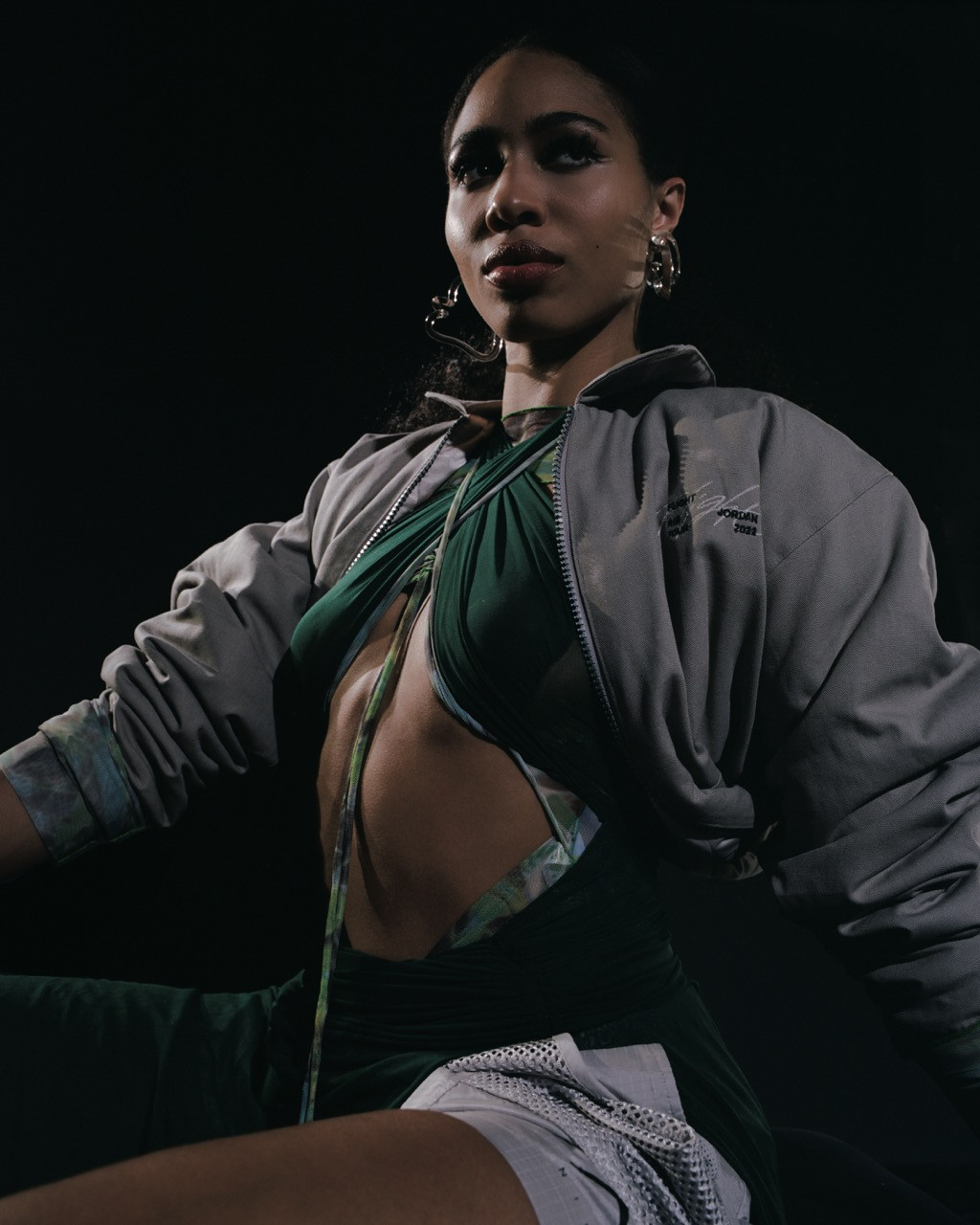
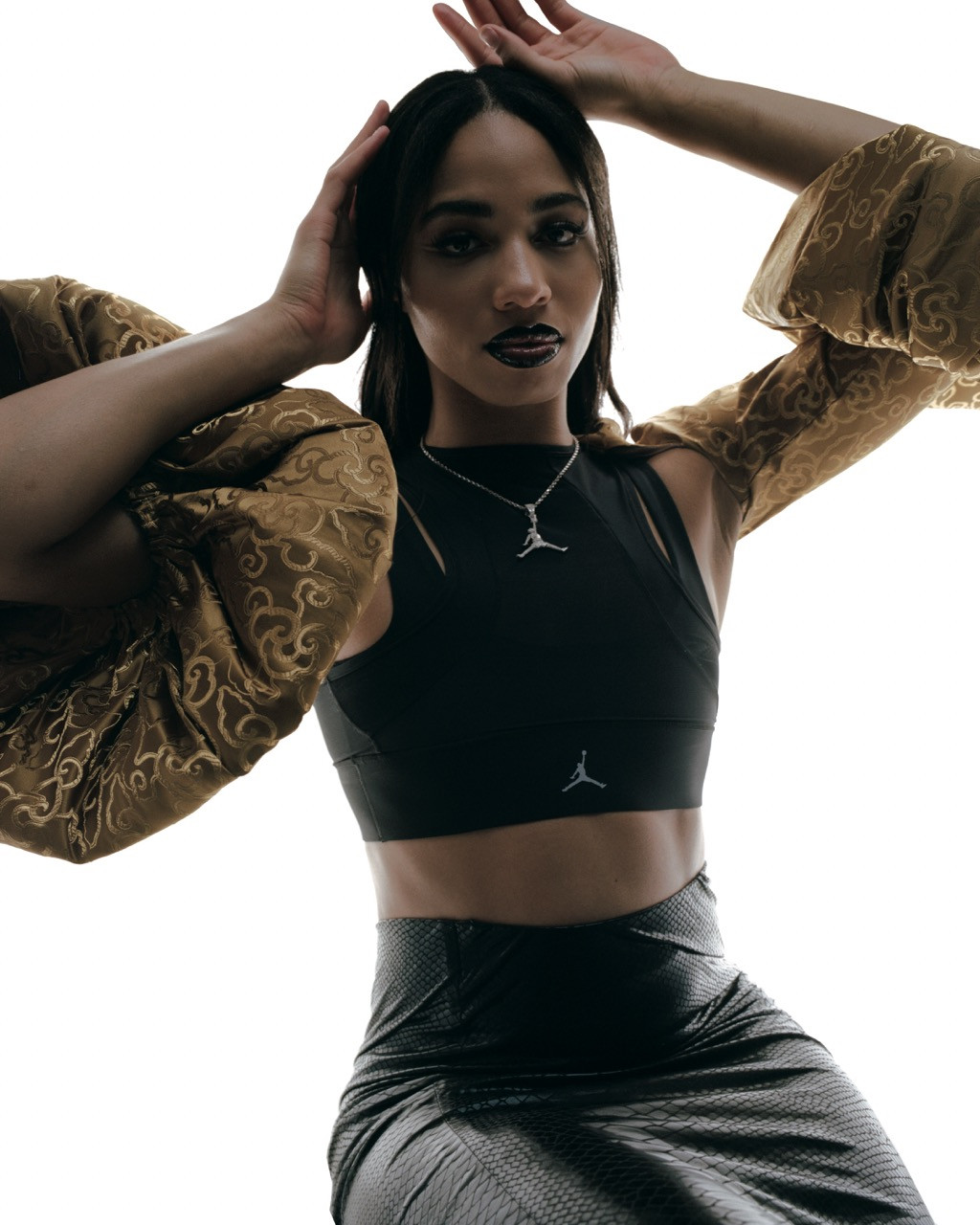
The personal cost can be heavy; Harrison says she was “miserable” with homesickness during her first overseas season in Poland. She got Prince during her second season abroad to help with loneliness, saying he “keeps her balanced” during painful times spent far away from family. After years spent surrounded by her many siblings, it was difficult to adjust to constant travel, and to so much time alone without friendly, familiar faces (she now has a sister who lives with her kids in Dallas, giving Harrison a little taste of being home in Tennessee).
But in addition to the risks that players face abroad — especially when playing in nations where they are met with outward racism and homophobia — the travel creates a catch-22 business-wise. As Harrison describes it, if you’re off playing overseas for months at a time, you lose out on sponsorship deals back home.
“That’s why I always say representation is so important,” she says. “I know people don’t want to believe that, but I can do more than dribble a basketball. I think it’s important to be multifaceted, and the women in this league are all so different. We don’t all fit in one box, and I love that because it lets you get to know a different type of basketball player. And it lets the audience see something that they’re not really used to seeing.”
“So if we’re not in the spaces to promote ourselves, market ourselves,” she continues, “people miss out on that.”
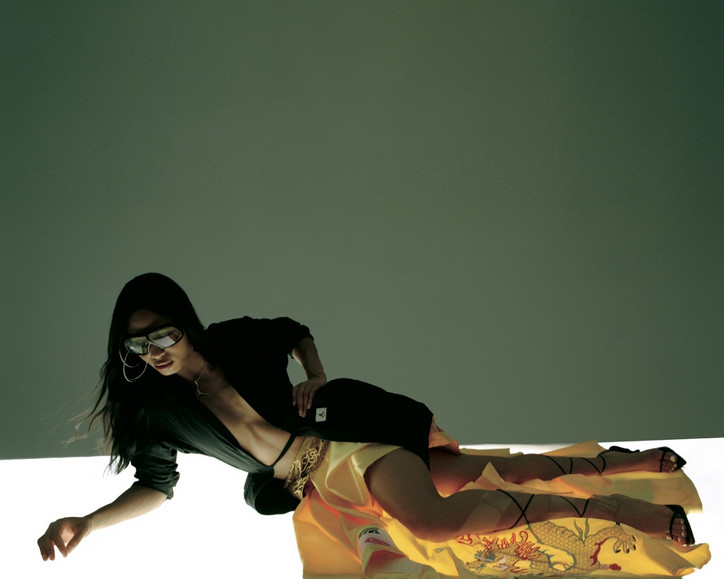
Harrison has been smart about promoting herself, opening herself up to new opportunities, and she wants the league to elevate her fellow players — especially those who face revolting backlash for their lack of feminine gender presentation. She says that men who give her friends in the league crap for being “tomboyish” are “honestly kind of jealous, because [they] can’t do what we can do, and [they] don’t look as good as us.”
“I could imagine the amount of growth we would have in our reach if we gave players an equal opportunity to even tell their stories,” she says, citing how her own appearance in an ESPN documentary gave her following a big boost. “I’ve had so many new people follow me off of that. But they would not have known if we didn’t create projects like this. And I hope this is something that they do every year for new players, because I feel like our fans deserve it. Our audience deserves to not only see us on the TV screen, or on League Pass, but to see projects that we’re involved with. That creates a community and a fan base. So I hope we have more inclusion for all players in the league.”
Harrison has a bird’s eye view of the future of her career and the league. But for now, she’s playing, happily and with deserved pride. She didn’t go abroad this year, and was able to settle into life in Dallas. Prince keeps her on a schedule. She gets to hoop in Jordans.
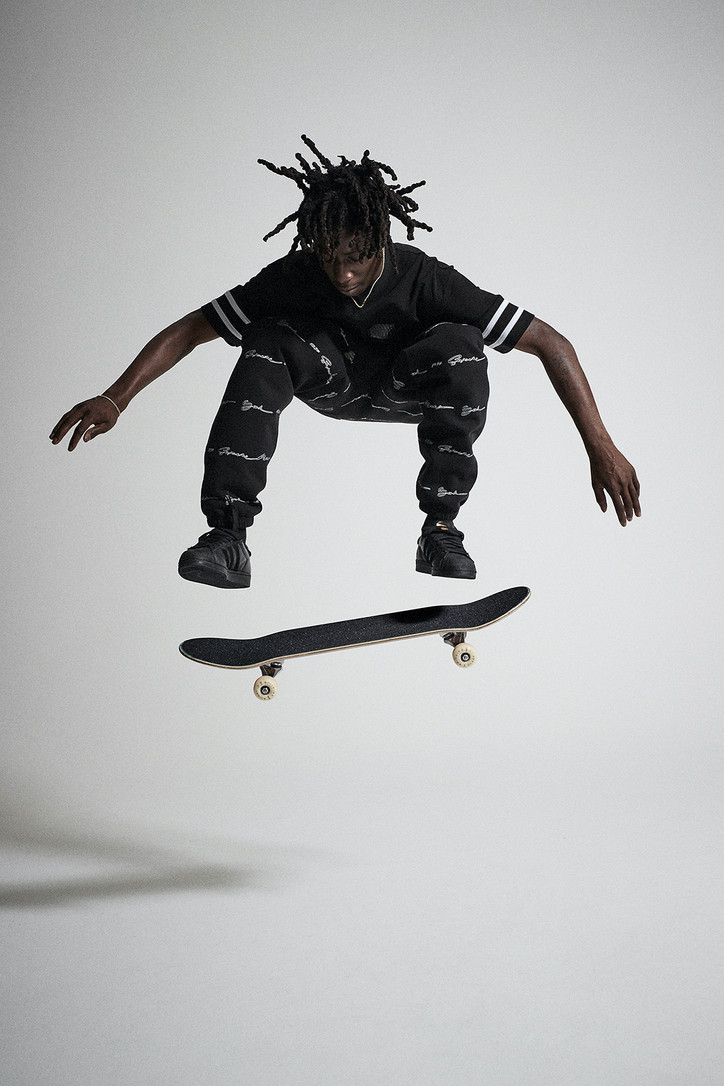
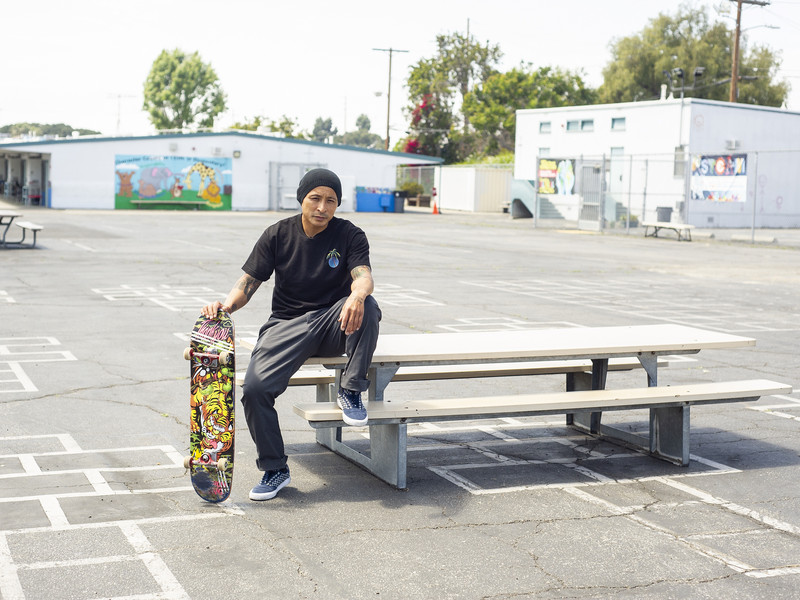
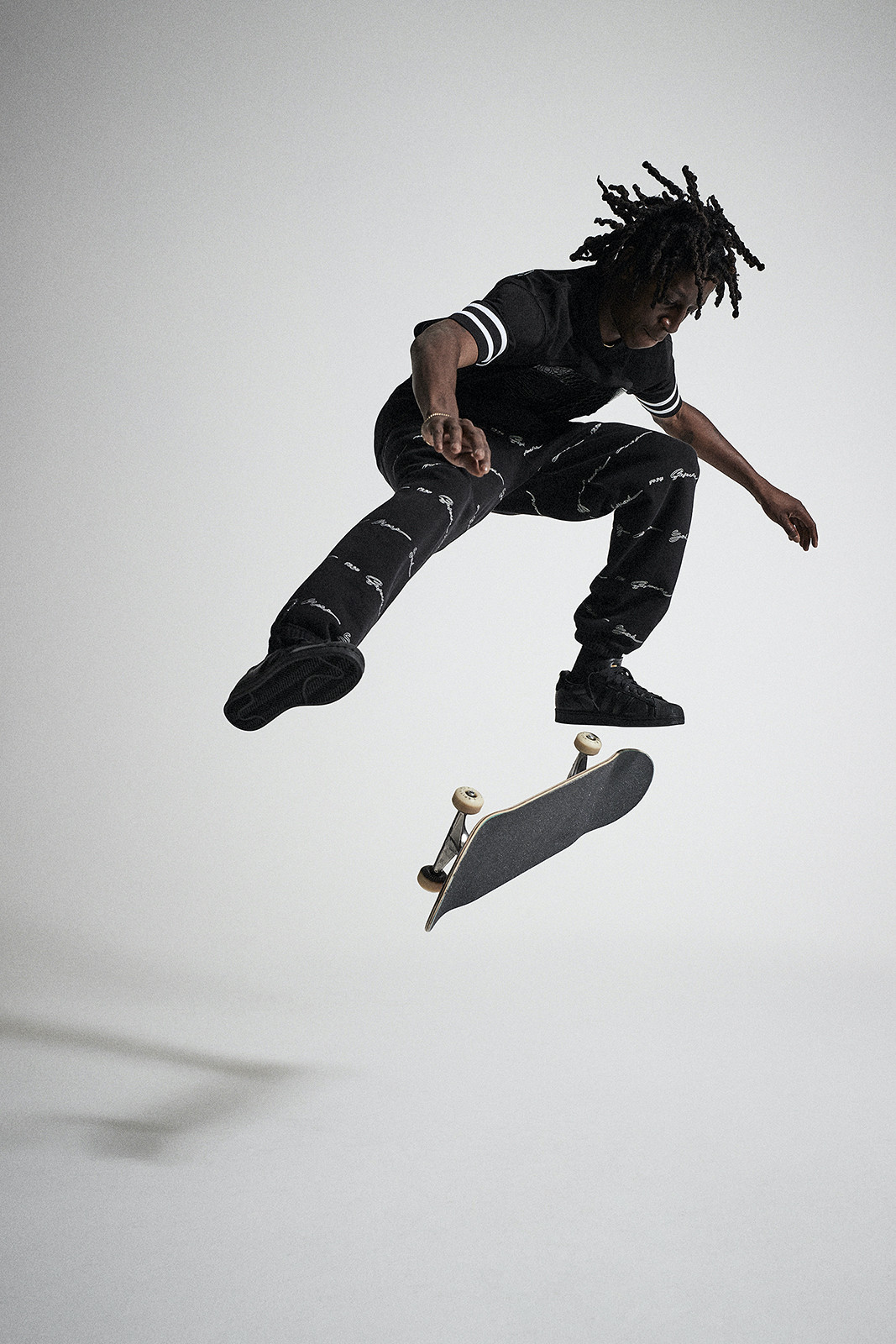
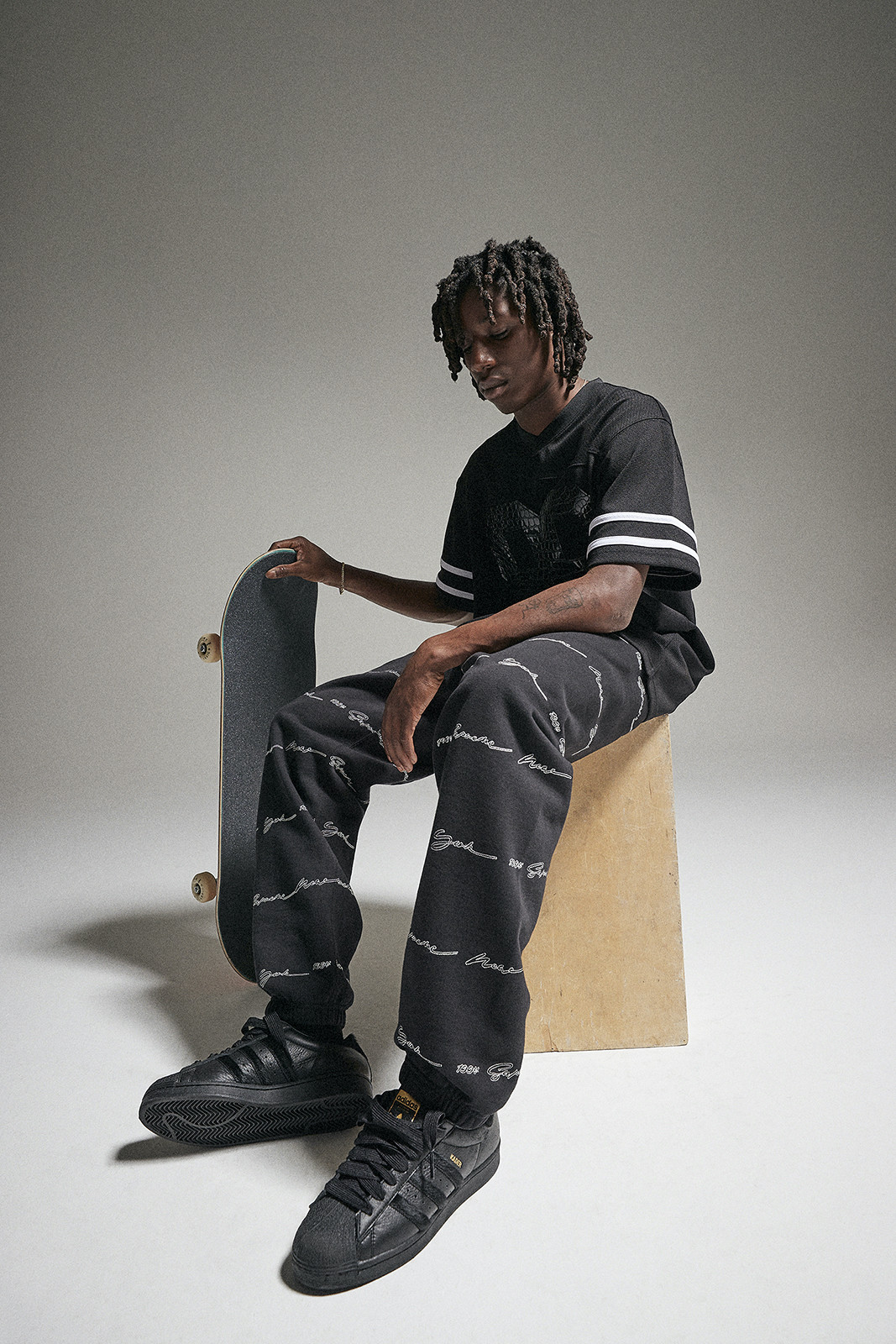
The heritage classic Superstar was re-imagined with ADV innovation designed for skateboarding. This technology provides an improved fit and board-feel, as well as added comfort and durability.
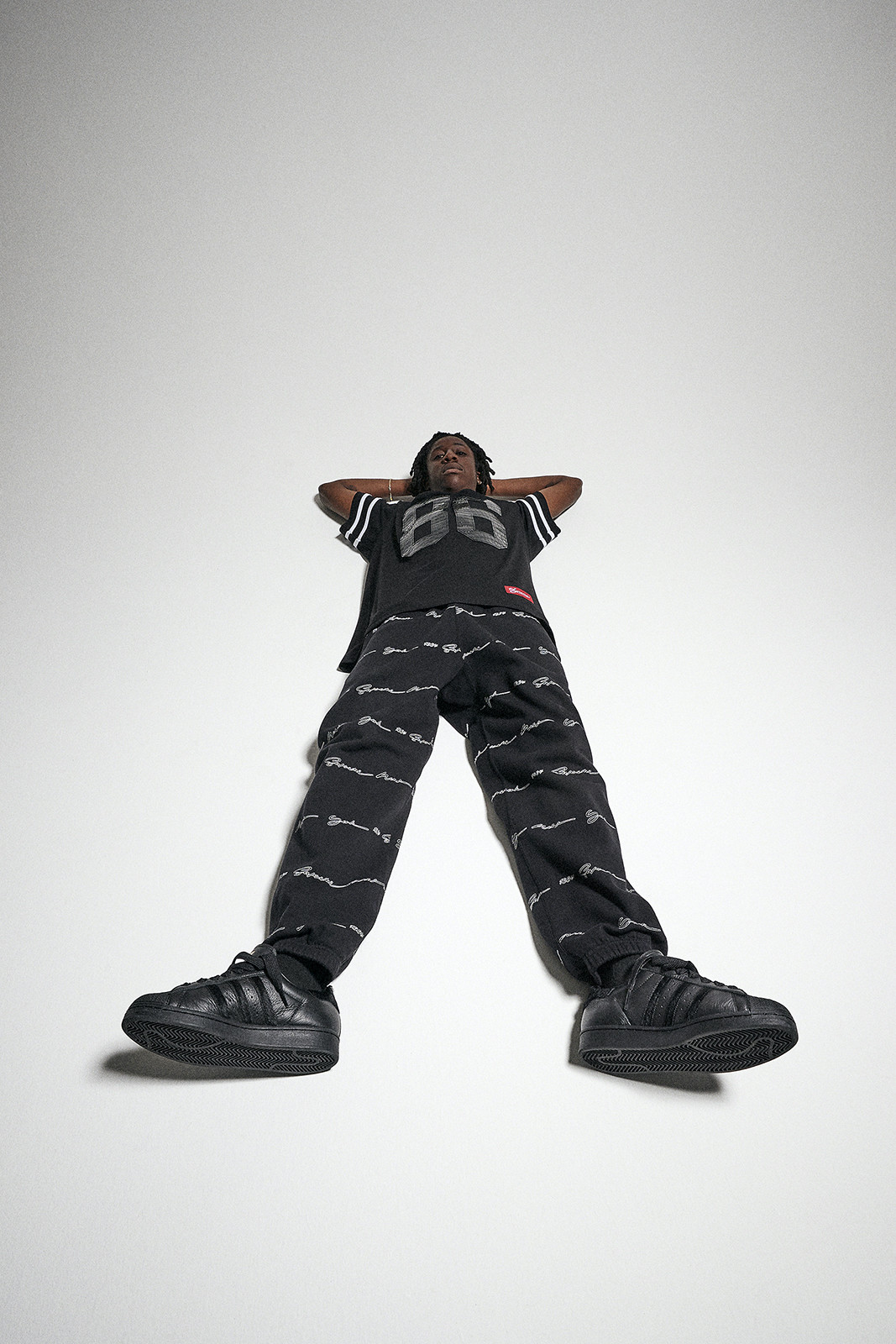
Kader ushered in his first shoe with a monotoned triple black colorway to pair with gold accents alongside adidas's quintessential three stripes, and an insole featuring Sylla’s signature. As his first pair, the assertive all-black shoe might ring as a bold statement, but in Kader's defense, these shoes are for skating. The colorway of his choice not only aids in the appearance of dirty beat-up shoes abused from a long session at the skatepark, but they also go with every outfit.
office was able to sit down with the young skater to discuss the details of his latest drop.
Where are you right now?
I'm in LA.
Congratulations on your shoes, mine just came to my house. Do you remember what your first reaction was when adidas offered to sign you?
I guess like, I was really happy. I just didn't expect it. I didn't think they were really watching me like that. I didn't think it was going to be as easy as they made it.
Who was the first person you told the news to?
My mom or my brother. My mom's like — she always gets excited when I signed a deal. She was fucking really happy. They were showing a lot of love. They [adidas] just gave me everything I wanted. Like they were talking to my mom too, kinda. I think like my mom had a conversation with Paul Shier, or whatever.
Was it your idea to sign on with a shoe or was it adidas?
I don't even remember. I think it was mutual. I think they asked me first and, obviously, I was super down. Like, man, I needed to do that. I was so surprised. I just asked to do a Superstar and they were down. It wasn't really like hard. I feel like when I first started talking to them, that was like brought up already.
But why pick a shoe over something like a t-shirt?
Just because like a shoe, a Superstar is just so iconic. I needed to do something like that, and adidas was down for this shoe. So like obviously, I had to do a shoe.
What was really important to you that you kept in mind as a skater when creating your shoe?
Superstars are like my favorite shoes. So like, I already felt like those were the only shoes I really wanted to do. I just love skating them.
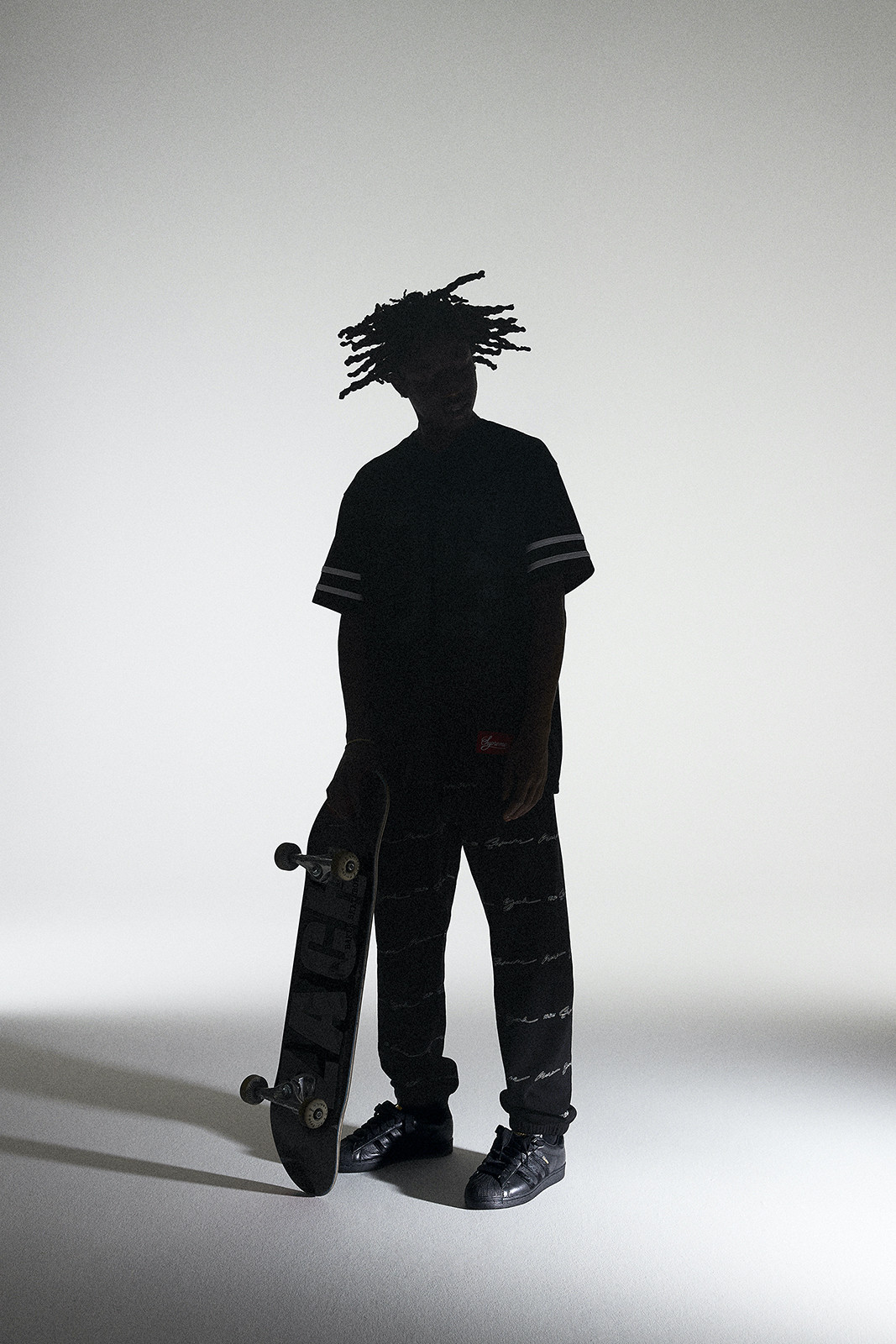
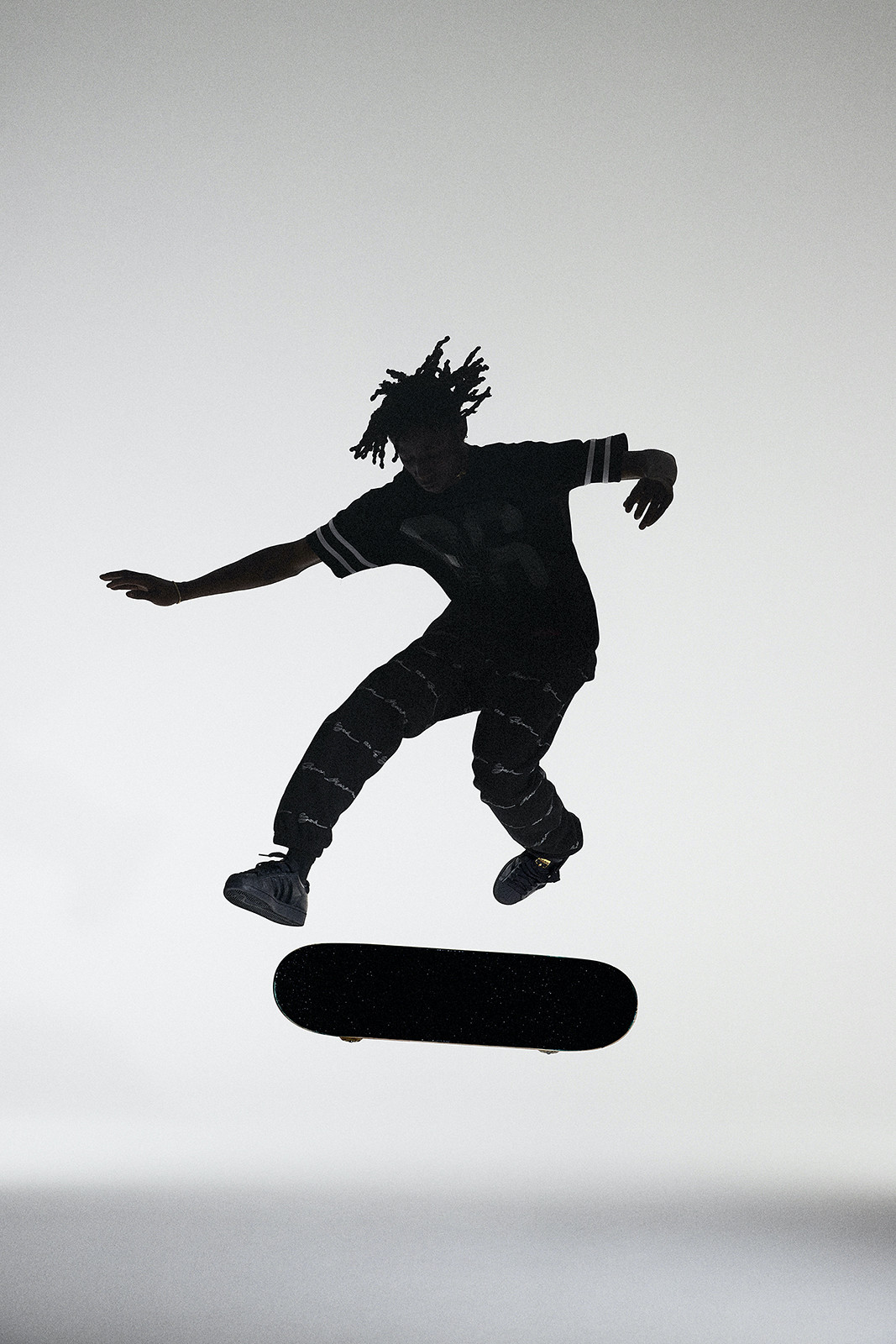
You have a multitude of friends on the adidas team, like Tyshawn [Jones] who has made shoes just like you did. Did you take any inspiration from them or ask them for any advice?
Not really. I try to do it on my own. I always wanted to see if I could like design a good shoe and just see if my ideas would be good or useful, at least. So I don't know, I just wanted to do this one on my own. But it was like me and the designers, the designers definitely like showed me what was up, and like told me what materials to use and whatever.
Who was the first of your skater friends that you gifted it to?
Um, Honestly, probably Tyshawn [Jones] because I knew he could get it the easiest, he rides for adidas himself, I don't know. Like, most of my skate friends know. So like, my friend Cooper, Avi, Spencer, all my homies, I just give it to anyone.
All black is such a bold choice for a first shoe or a shoe in general. What made you go for that look?
I've always liked more simple shoes. I like all black too, you can do more styles and shit. Like, all black is like the simplest, like coolest color, I guess.
Yeah. And they don't really get dirty. So anyone who's skating, or anyone who's trying out skating can benefit. I know when you first start skating, you go through shoes so easily. So, you're making a lot of moms buying the shoes happy.
So good. Yeah, guaranteed to stay clean.
A lot of skaters have this thing about their kit, and when they have a good outfit on they skate better. Do you think you skate better when you wear your shoes?
Definitely. Yeah. Definitely. I feel like it gives you confidence — I don't know, it's like a mental thing. It's definitely true though.
What is your go-to outfit while wearing those shoes?
Just colors, different colors I guess. Because all black, you can't just go all black because I don't want to look like a robber or some shit.
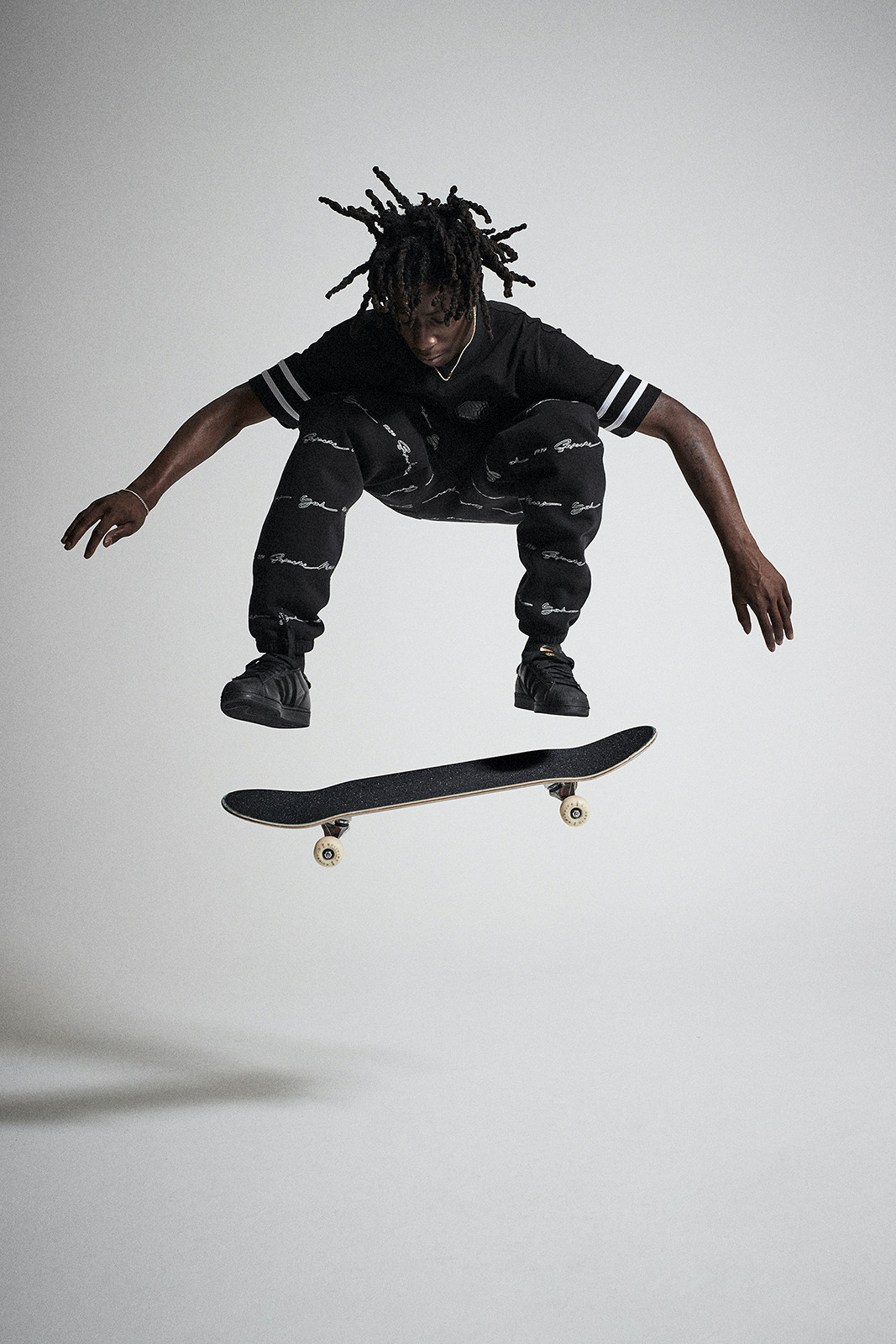
Any secret details that were put on the shoes that might be missed by the blind eye?
Nah, there's like my name on the sole, like the signature of my name on the insole. But nothing really, nothing too detailed. I don't know if the back patch comes with like the regular Superstar Adidas, but there's not really any like little details that anyone wouldn't notice, but on the next one there will be for sure.
Can we expect any skate parts coming out with you and the adidas team?
Yeah, there's a part coming out in like a week actually coming with the shoe. So, that should be sick.
Is there one person living your dead that you'd love to see where your shoes?
Um, Living or dead? I wish I could see like [Michael] Jordan wearing my shoes or something, but like that would be too crazy. Maybe like, Will Ferrell, Will Ferrell wearing them would be pretty fucking sick.

Signing on with adidas is a semi-big responsibility. Are there any initiatives or charities you're working with while on the adidas team? If not, are there any initiatives or charities you would love to work with while on the Adidas team?
I wanna work with like some — I did like charity type thing for this like skateboard I did with Baker. And I wanted to do something like that. I raised like $40,000 for the skate community in Uganda, that'd be super cool to do again. I just need to approach them with the organization I wanna do it with.
You've grown so much as a person and as a skater. Is there anything you want to tell your younger self about skating and maybe about the goals your younger self wanted to achieve?
I guess I'd tell my younger self to save the money. I'd tell my younger self to stay on track. I mean, I don't know. Like, I'm happy with where I am now, so I guess I tell my younger self to just keep doing what you're doing and save more money if you could. But I guess I just keep doing, Kader.
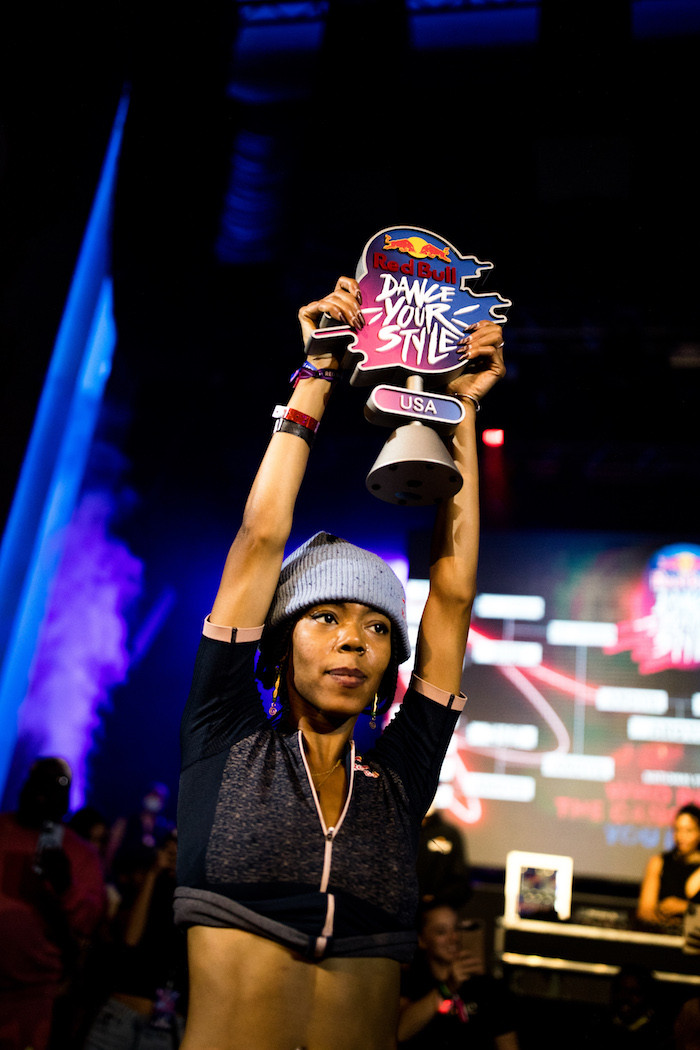
That night in DC, that is exactly what Angyil did. Her connection to both the music and the eager onlookers earned her the national winning title, and office had the opportunity to sit down with Angyil post-competition to discuss her experiences with dance and how it has impacted her life.
How did it feel to win the finals this past weekend?
It was interesting, simply because I had to qualify first, so I had to battle my way up about 15 rounds. So it was a lot, but at the same time, it felt so good to be around so many dancers I hadn't seen in so long because of the pandemic and everything that was going on. It made me feel extremely grateful; there were a lot of emotions going on. Though I felt tired — for a lot of reasons — I couldn't allow that energy to hold me back.
How did your journey with dancing begin and in what styles did you begin dancing?
So I'd always been dancing — as far as moving when music was turned on — but I went to a performing arts school in Kansas City. I started out with ballet, jazz, and modern, as far as training. I moved to New York as a teenager and I just started dancing even more there [at Alvin Ailey]. But my intentions were to only focus on ballet, jazz, and modern. But then I came across some people — who now are my friends and my family — but they were dancing on the subway and just moving freely. There was no care in the world, which was a lot different from what I was used to at the studio. You have your leotard, there's a uniform, your hair has to be slicked back. There were so many things that I was seeing that were the exact opposite of what I had been used to. So I feel like that contrast impacted me, especially because it already resonated with my soul, as far as the music and as far as the emotions and feelings. I was like, 'What am I doing? I need to fully express myself.' And that's when I made that transition.
Do you think dance has the ability to be a form of personal healing?
Absolutely. I always say dance is like therapy — not to negate therapy because I think that therapy is extremely important, though not everybody can afford that, at the same time. I definitely feel like dance helps as far as therapy. Like maybe I can't afford to go see a therapist, but I need to just kind of release what I have inside of me. These thoughts, these movements that are kind of lying stagnant inside of me — I need to be able to physically express myself and get those things out, you know? So I definitely feel like it's healing, but the beautiful thing that I love about dance is that no matter what career field you're in, everybody loves to watch dance. Even if they feel like they can dance or not, whatever the case is, everybody likes to move because there's healing in movement. Even for the dancers. It's not just for you; it's also healing for the people that are watching you. So it's so beautiful to even [be able to] share those things. And I’m realizing more and more how important that is.


How has the art of dancing helped you grow as a person?
I would say through dance, I understood what romantic love is. I don't know if that sounds crazy or it might sound strange for some people. But, I always loved my family. I've always loved my friends, you know. But I asked myself, could I see myself doing anything else other than dance? And the answer was no. I asked myself why, and it was because of the way that it felt — I was willing to do whatever it took; I made so many sacrifices for it and am willing to make more sacrifices if I need to. And it kind of taught me that that's what love is. Love is sacrificing and putting one's needs over your own. At the time, I only knew how to do that when it came to my family or friends, but I feel like dance definitely showed me a lot when it comes to other parts of my life. Parts that don't have anything to do with dance. It taught me how to open up and be more confident in myself. It taught me how to stand up for people. It taught me how to try to be my best in everything that I do, whether it be dance or not.
Why is it important to you to share your art with the world?
The reason why it's so important to me — it's so funny — because I feel like I've realized why it's so important to me through other people. I remember a doctor coming up to me; I even remember an engineer coming up to me once and telling me that they were inspired [by me] to push harder in their careers. Now these are not dancers at all, but the fact that they felt a strong passion for what I do, and then they want to take that into their passion, was all I needed to know. It made me want to continue and keep going. That recycled gratitude. I feel grateful and it helps me realize that dance is so big. You can inspire so many people and they've inspired me too.
What has been your most cathartic performance to date, if you can think of one?
I'm not sure about one in particular. I feel like I might be building one, potentially, like a theater piece. But I kind of tell people, indirectly or directly — whether that be through movement or verbally — anytime I can help people understand that no matter what they've been through, they don't have to stay there — that is fulfilling for me. It's not easy. Even I have moments where I'm like, 'Don't stand in your own way' or 'Don't allow things that have happened to you to control your future.' That's the same thing that I want to do for people, to let them know that we are not chained to our past. Anytime I'm able to do that, that would probably be my highlight.
Do you practice any other forms of self-expression aside from dance?
Yes, I own a fashion line, so I'm creating clothing. Anything that involves working with my hands. My mom kind of raised me to work with my hands and I feel like I'm able to release a lot through that. I have a lot of thoughts in my mind, so to be able to see those things come into place through using my hands definitely helps me. So whether it be planting a garden or having a clothing line — just creating. I've been getting into filming recently. I've been getting into short films, so kind of trying to make my imagination into a reality.