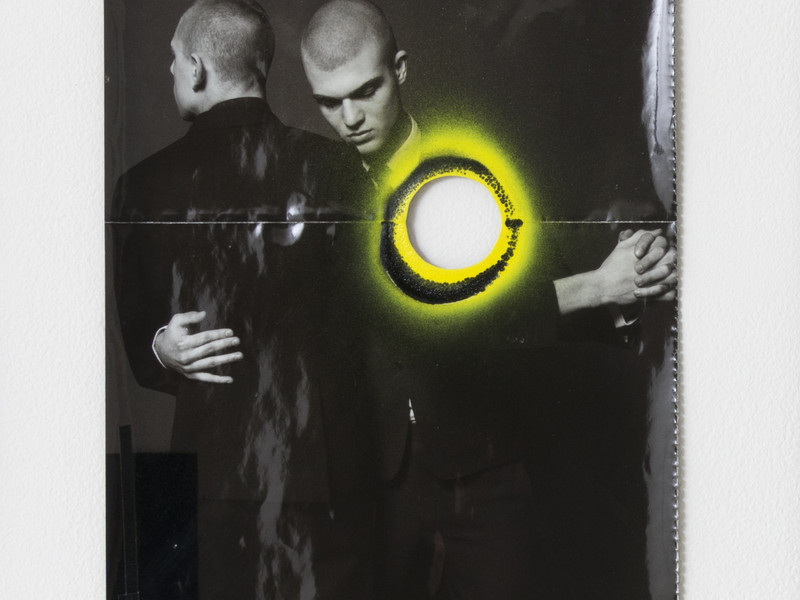
PRESENTE CONTINUO: the intimate ties between then&now

Starting May 30, PRESENTE CONTINUO will be available to purchase on presentecontinuo.com, cpcompany.com, and at the C.P. Company flagship store in Milan, Corso Matteotti 7.
Stay informed on our latest news!

Starting May 30, PRESENTE CONTINUO will be available to purchase on presentecontinuo.com, cpcompany.com, and at the C.P. Company flagship store in Milan, Corso Matteotti 7.

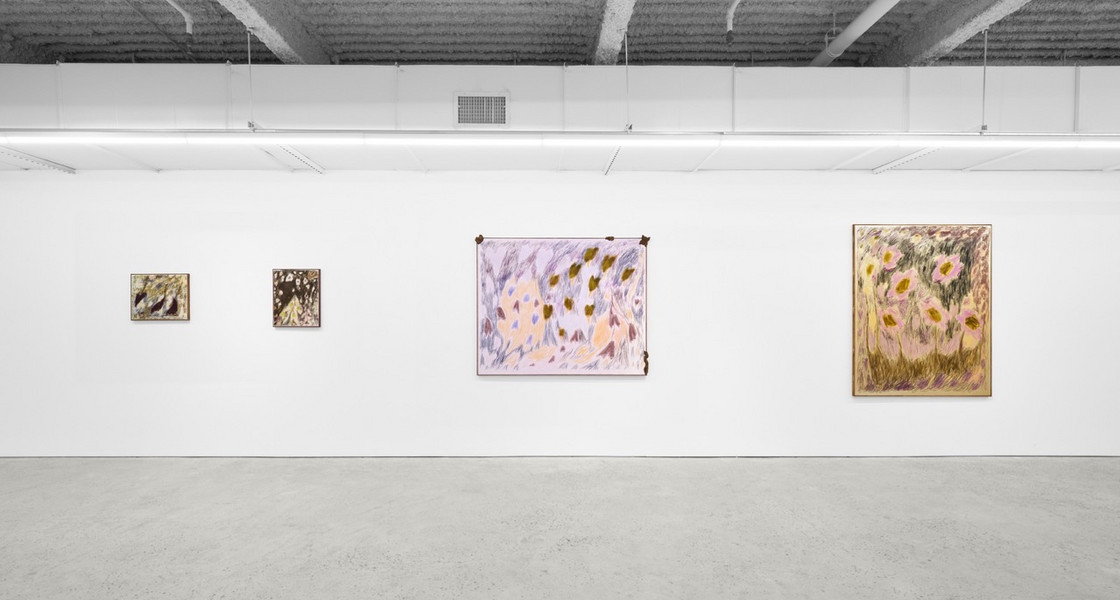
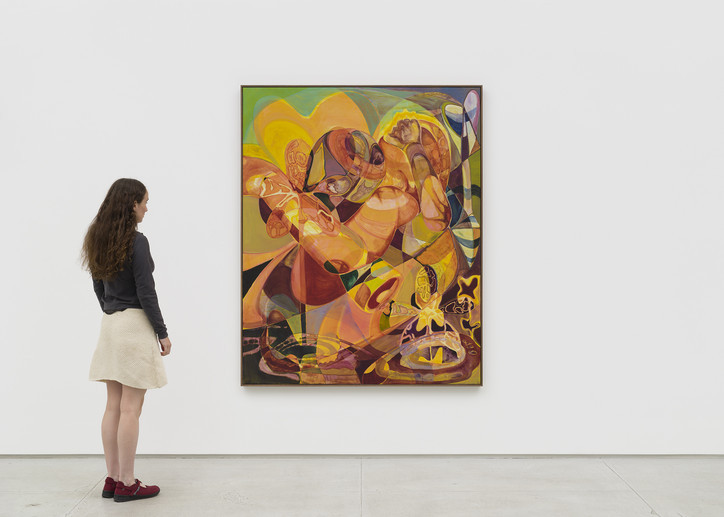
The show ends in late September, and missing it would have left me relying on assumptions. Lockshin paints on satin, a shiny material that changes with light and perspective. Her process is both precise and fast, creating marks that feel urgent, like a fading memory. The exhibition, 'Clear Moon, Frost Soon,' feels like a visual poem meant to make you feel something.
In the gallery, I felt a trace of femininity in her work — a reminder of girlhood and the sense of wonder we try to hold onto before it fades. She uses colors and symbols that echo familiar patterns in nature.
After the exhibition, Lockshin spoke with office about the poetry in her work and the experience of painting on satin.
What is your creative process like when you start a new piece, and how do you decide on the direction it will take?
It's really just my mood. The first mark will indicate the second mark, et cetera. It's hard to explain how I know when to stop — sometimes I don't quit on time. The paintings are very easy to overwork, and I'll have to start again with a completely new piece of satin. I’ll paint for a while, not overthinking it, and then I'll step back and see where it is. Then back to the fugue state, and so on and so forth.
Your work is described as having "soft ocellated forms" and "mottled marks." Can you elaborate on the symbolism and emotions these shapes and marks represent in your pieces?
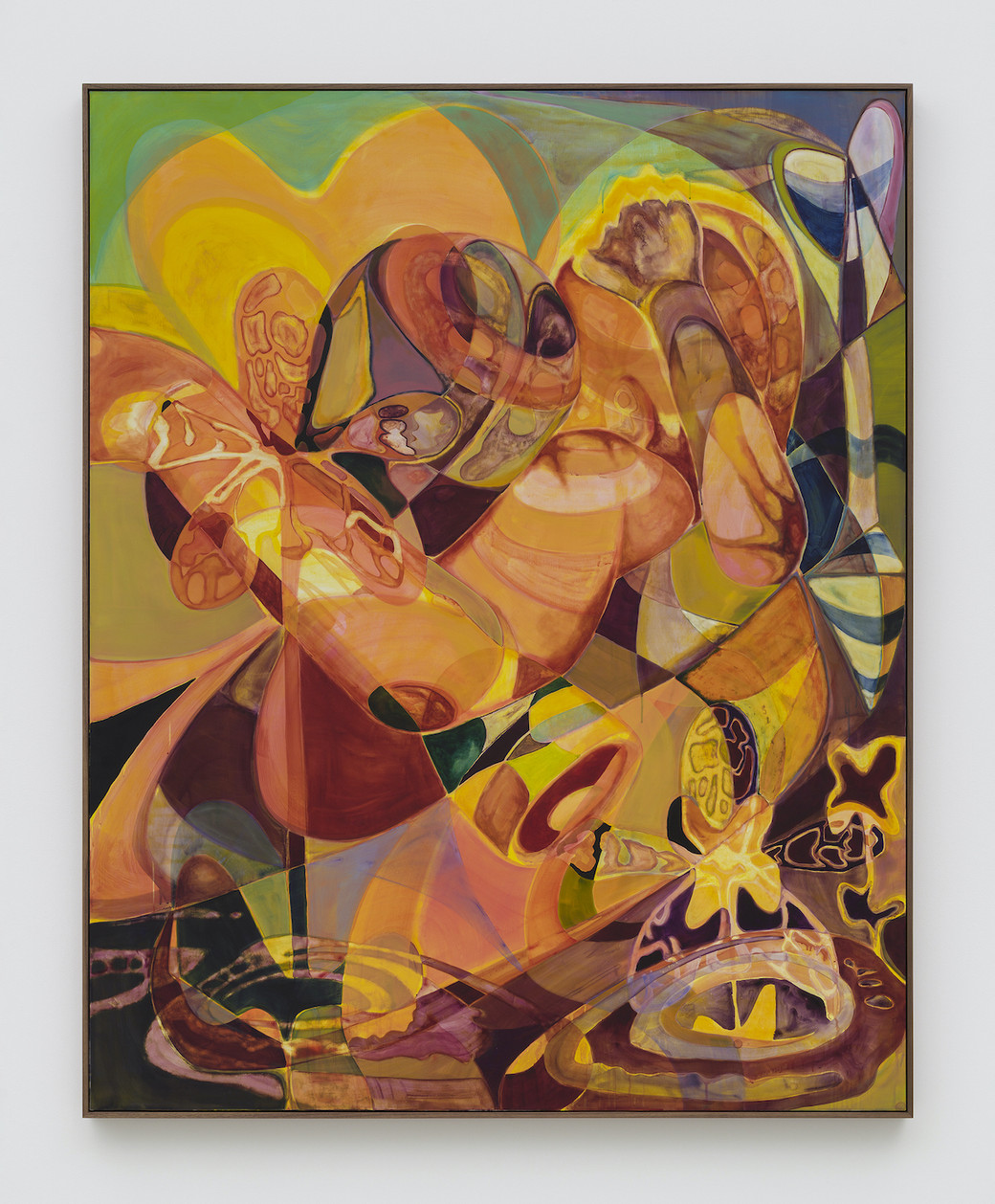
I would attribute it to the materials. I use soft pastels and oil sticks, drawing materials, so the pigment is applied directly by hand rather than with a brush. I'm applying a lot of pressure so the forms and gestures become more concentrated and urgent. The paintings don't intend to be representations of nature, but I try to capture the feeling of a hazy memory, or a fleeting glimpse.
What motivated your transition to using hand-dyed fabrics and hand-carved frames in your artwork, and how do they contribute to blurring the lines between painting and sculpture?
All of the paintings are on satin, which is so shiny that it becomes an active ground and changes in various lighting or positioning to the viewer. The negative space is important — the luster prevents the painting from being only an image. The viewer is required to move around it as they would a sculpture. Because I see them more as objects than images, I felt that the carved elements on the frames would emphasize that. The dyed fabric adds another layer of depth and variety to the work, in my opinion.


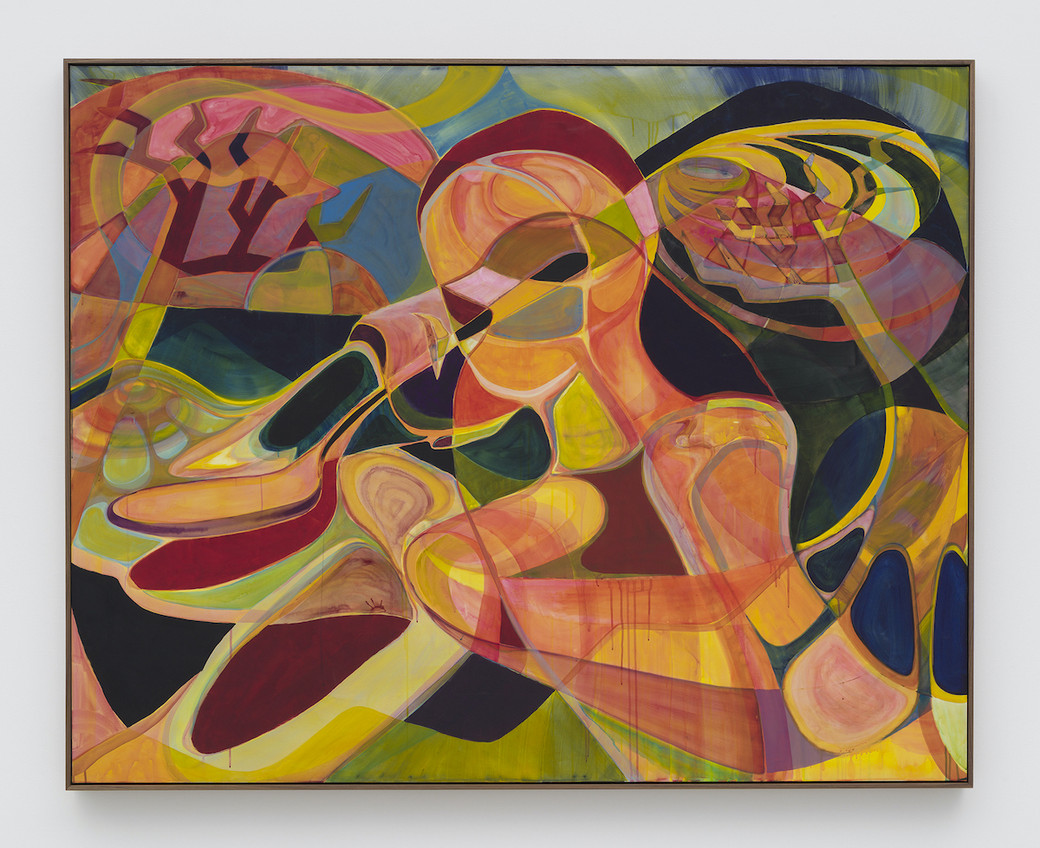
Untitled (Cinder Hill), 2023
Oil and soft pastel on dyed satin with carved wood frame
60.5 x 48.5 in


Untitled (Forgotten Gift), 2023
Oil and soft pastel on dyed satin with carved wood frame
60.5 x 48.5 in


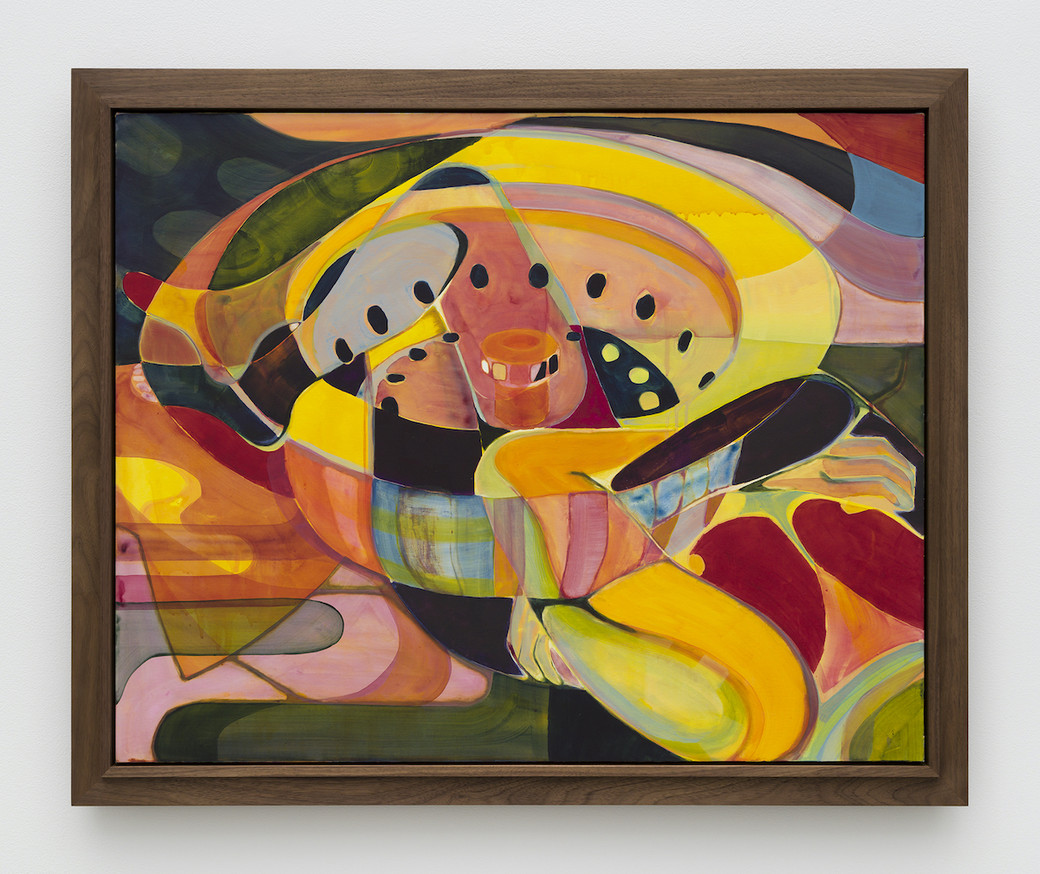
Untitled (Glimmer Mist), 2023
Oil and soft pastel on dyed satin with carved wood frame
48.5 x 60.5 in.
Your carved clouds, butterflies, and flowers are said to evoke poetic nostalgia without being sentimental. How do you strike this balance in your work?
The motifs are also pulled from nature, but I try to use things that have a feeling of universal recognition outside of language or culture. I like the idea that symbols like this have appeared throughout time, in cave drawings and stone carvings and kids carving shapes into tree bark.
How do you choose the titles for your artworks, and what significance do these titles hold within the context of your exhibition?
I take each painting name from an existing racehorse in the historical database that is available. There is a rule that no two horses can ever have the same name, so as time goes on, the combinations of words become stranger and more disparate. I see the names as mini poems.
Your art is said to capture "various states of being." Could you elaborate on the different emotional and psychological states your art explores?
If my work should make people feel a certain emotion, it feels like a success. It's not intentional, but maybe my energy stays with the piece a little bit.
What role does the concept of being "mesmerized" play in your work, and how do you aim to transport your viewers into a state of fervor and zeal? It reminds me of creation from a child’s POV — an innocent, unsullied form of expression.
My process is not at all logical and I don't plan anything in advance. I usually paint with music playing — I listen to a lot of 90's dance playlists and Vivaldi — and I totally zone out. I think I'm trying to activate secret parts of my brain, hidden memories or emotions I haven't felt for a long time. It helps me remember that I am human. After I work for a while, I step back and try to analyze the piece — create a vague plan for its future. It never turns out the way I think it will, and that's both fun and frustrating for me.

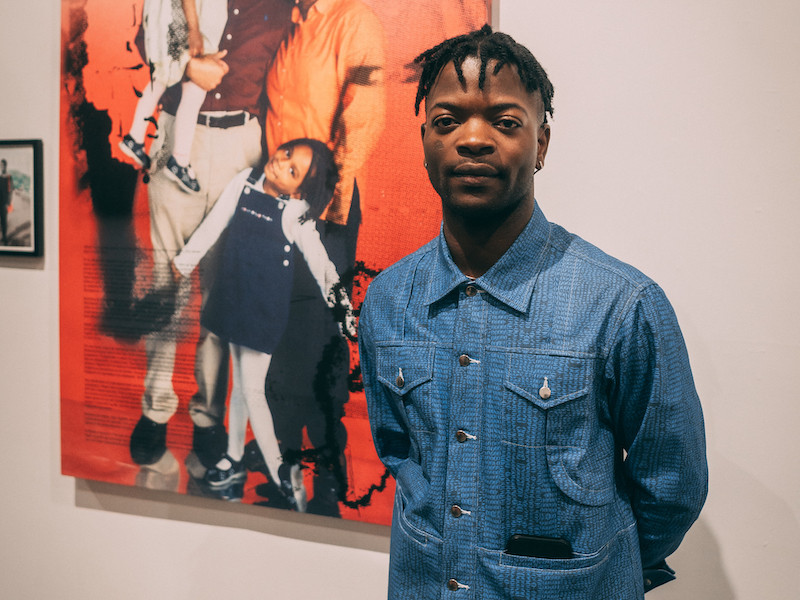
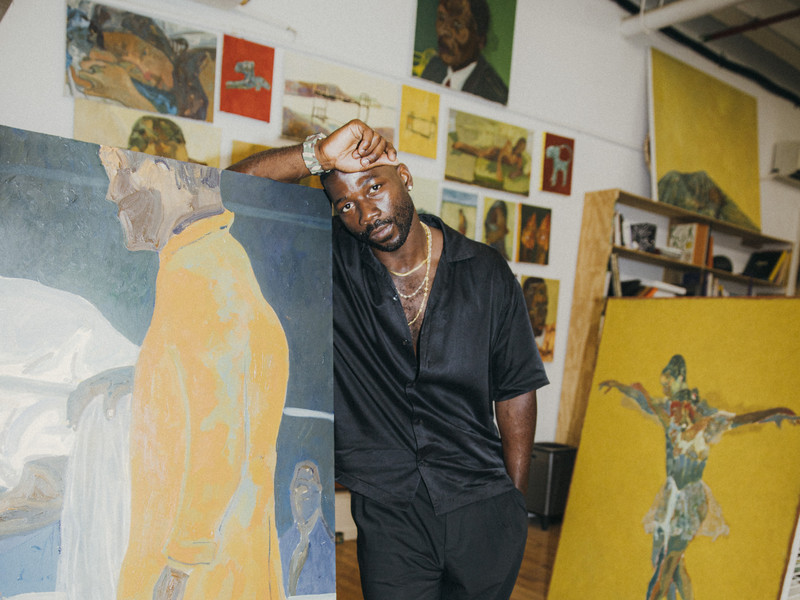
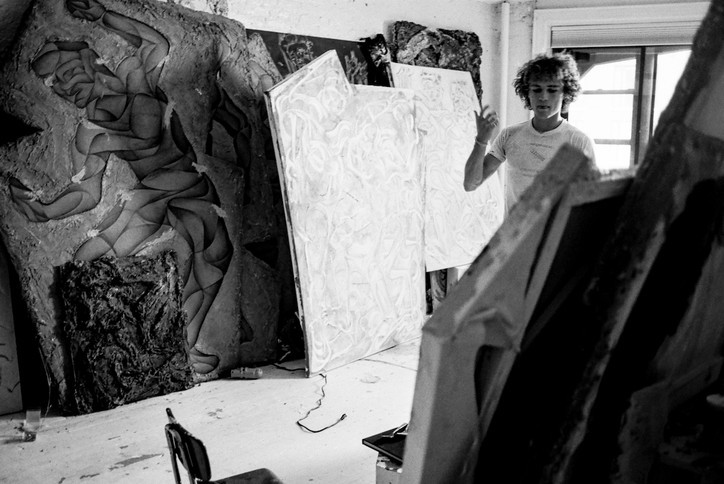
The artist sat down with office to give us insight as to who he is and the work he makes.
How are you doing and where's your headspace at?
It’s kind of chaotic. The city is always exhilarating and challenging. I’m busy trying to finish paintings this week.
Where do you get find inspiration when it comes to your paintings?
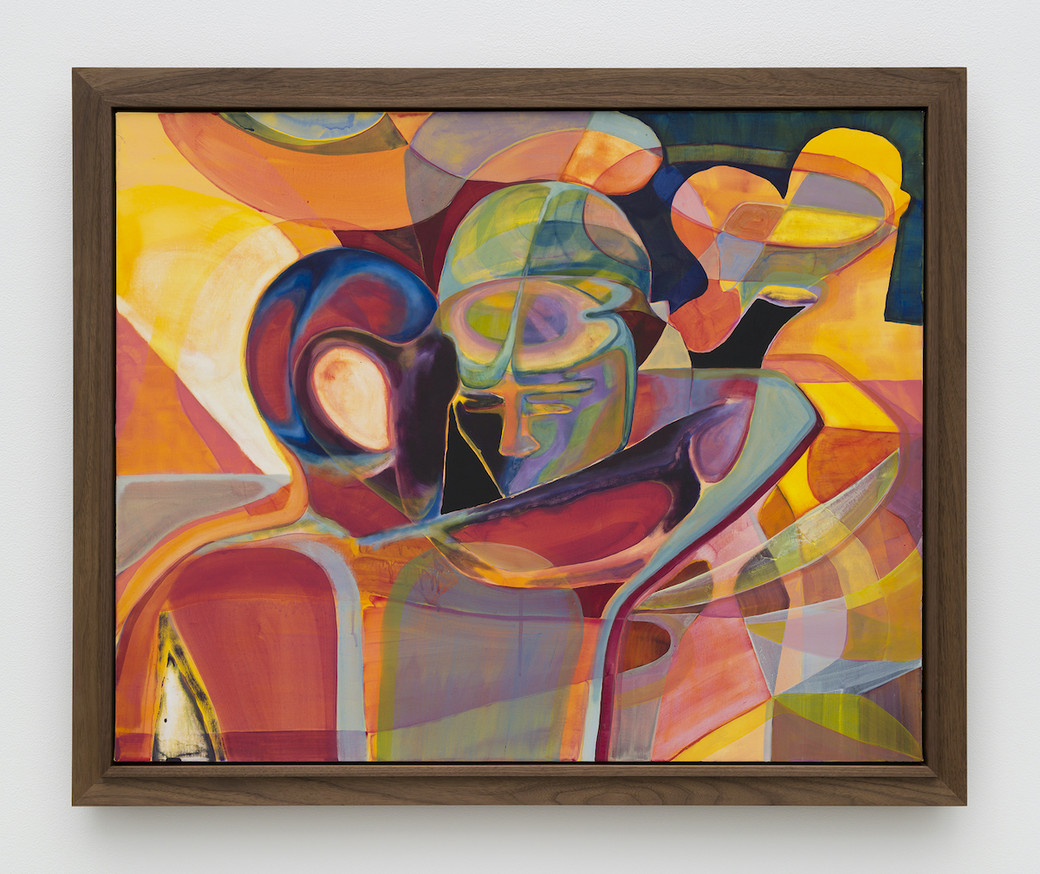
At the moment it’s a kind of dance with the paint itself. I’m allowing it to take me in a direction that challenges how intentional I should be with the composition. I’m trying to create a space where the planned and unplanned meet. In terms of subject, I’m focusing on how the figure can correlate with the kind of abstraction I’m working on. I’m seeing how much I can enhance a concept through how the body’s composed, how the paint is applied, or how the canvas is shaped, or textured.
What’s the process like from start to finish when creating a new piece?
To begin, there’s only what excites me. Usually it’s a fleeting moment that catches my attention. From there, I choose materials or some kind of figurative composition that resonates with that thought. Then, I might be able to bring something out of the ambiguity. Whether it’s how a figure is posed or how it’s abstracted, it’s a stab in the dark. The way a figure might merge into abstraction usually then allows me to find new relatable forms to play off.
How did you get started and what is it that draws you to your medium?
My mum always influenced me. She was making work around me as I grew up. When I was 16 I was experimenting with sculpture and then I tried to find a more raw essence in my practice which led me to the simplest and most daunting medium of paint. Over time as I experimented, I became more captivated by the way new materials could compliment the kind of composition I’ve been working with. I’d mix these materials into the paint and juxtapose it with the figuration. This stage of my work is still an investigation into strengthening these methods to reach the kind of resonance I’m searching for.
Is there anything about Australia reminiscent in your work?
Some of the subject matter used to correlate to the Australian landscape but I don’t see it as much anymore. Evolving my practice in New York, the foundational connection to the landscape around me remains constant.
Living in New York City, what is it about it draws you in?
Everything. As much as it can be difficult to function as an artist here today, it still inspires me a lot. There's an edge in its volatility. I feel as though everything could go to shit or all could be wonderful by tomorrow and that keeps me present here.
You’re also about to have your own show, what’s the process been like leading up to it?
Right now I’m showing at Anna Zorina Gallery in Los Angeles. For my New York solo, it’s a body of work that I’ve been revisiting for the last two years. The experience of materializing it has been mostly rough and it’s what I’ve depicted. The work represents this grappling with chaos. I knew these pieces had to be for a strong solo show and I’m grateful it's able to be presented in the right way. The show will be in Chelsea in January.
Are there other forms of expression you tap into other than painting?
Through painting is how I’m expressing myself for now but I revel in all art forms, always bringing me solace with the same appreciation of art as a whole.
Where would you like to see yourself and your work five years from now?
The freedom of having funding and access for future projects excites me. I'll find how things can be better materialized and also discover new more engaging subject matter. I also envision having more collaborative projects, bridging the gap between the work of a lot of great artists around me and diving into different kinds of pursuits myself. At the moment I’m ideating and sketching out future work, looking into manipulating organic material, new kinds of painting methods, and video performance works. It comes back to that influence of different artists around me and understanding this potential. I believe in this significant capability of many different kinds of work and I’m excited to have it all come into existence. For now it’s just trying to serve my work in that same way.

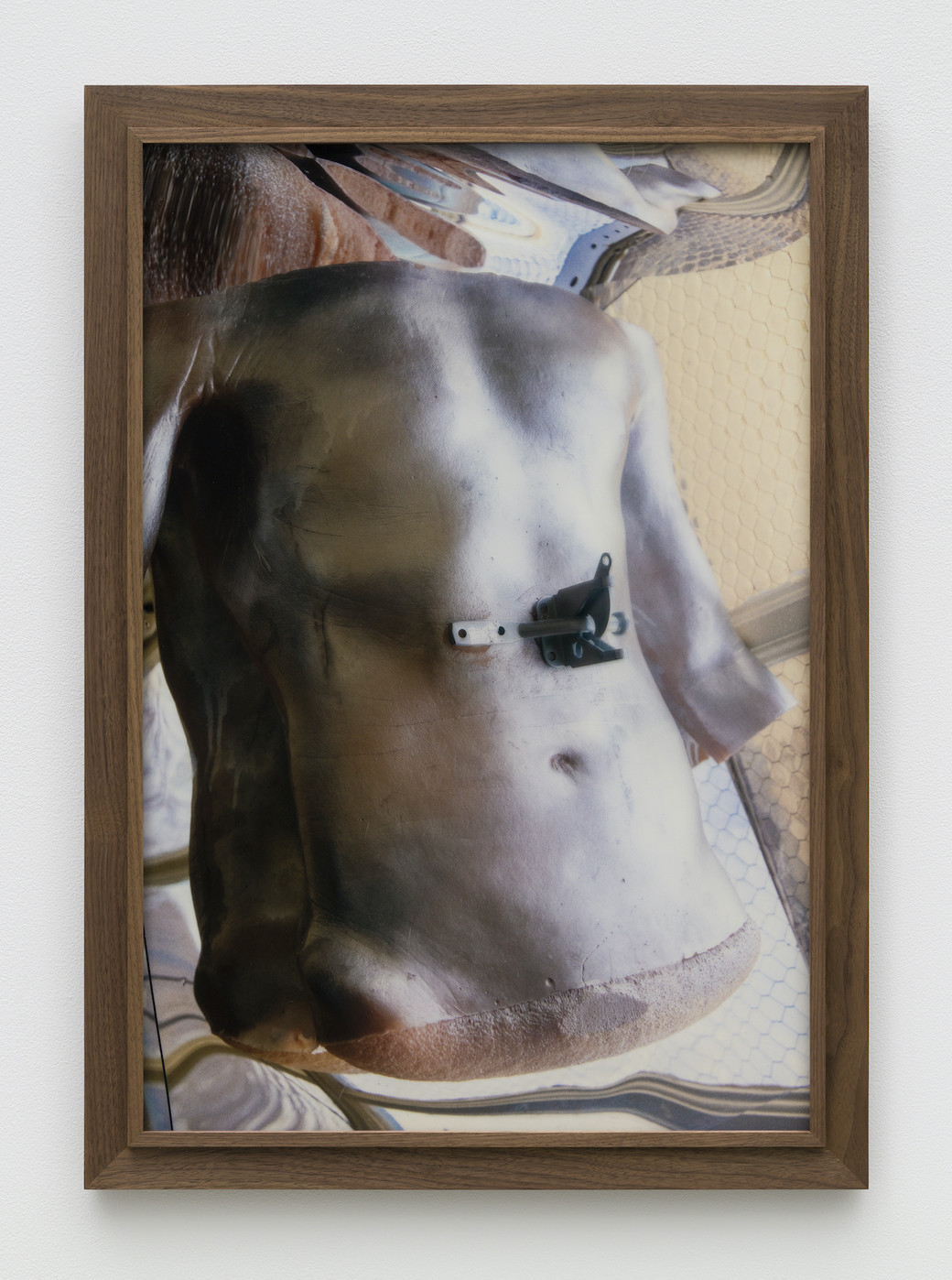
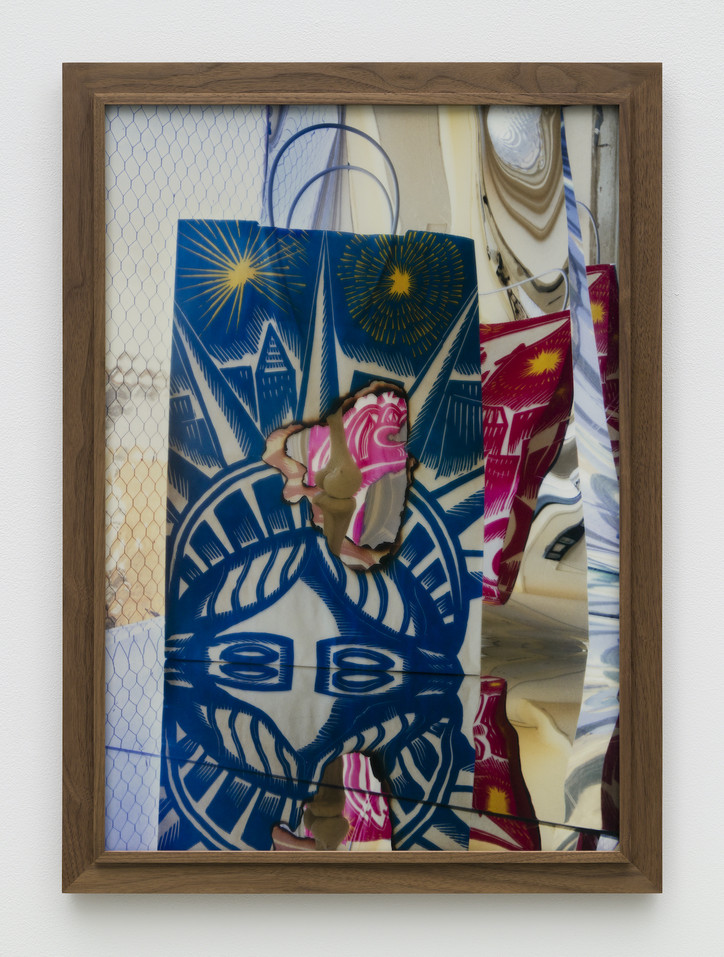
Informed by her background in photography, Willa’s paintings intentionally evoke the translucency and flatness of photographic images and investivates the validity of reality depicted in photography. There’s a sense of erotica in her work, that explores the antinomy that inanimate objects can evoke sensuality while body parts can be simultaneously de-sexualized. The ambiguity in each work plays with dualities of meaning and proposes an unraveling of boundaries as they relate to gender and power.
Office sat down with Willa to discuss her introduction into the art world, her relationship with photography, and the process behind her latest exhibition.

This set of works had a much more vibrant tone than some previous works. What was the inspiration behind this exhibition?
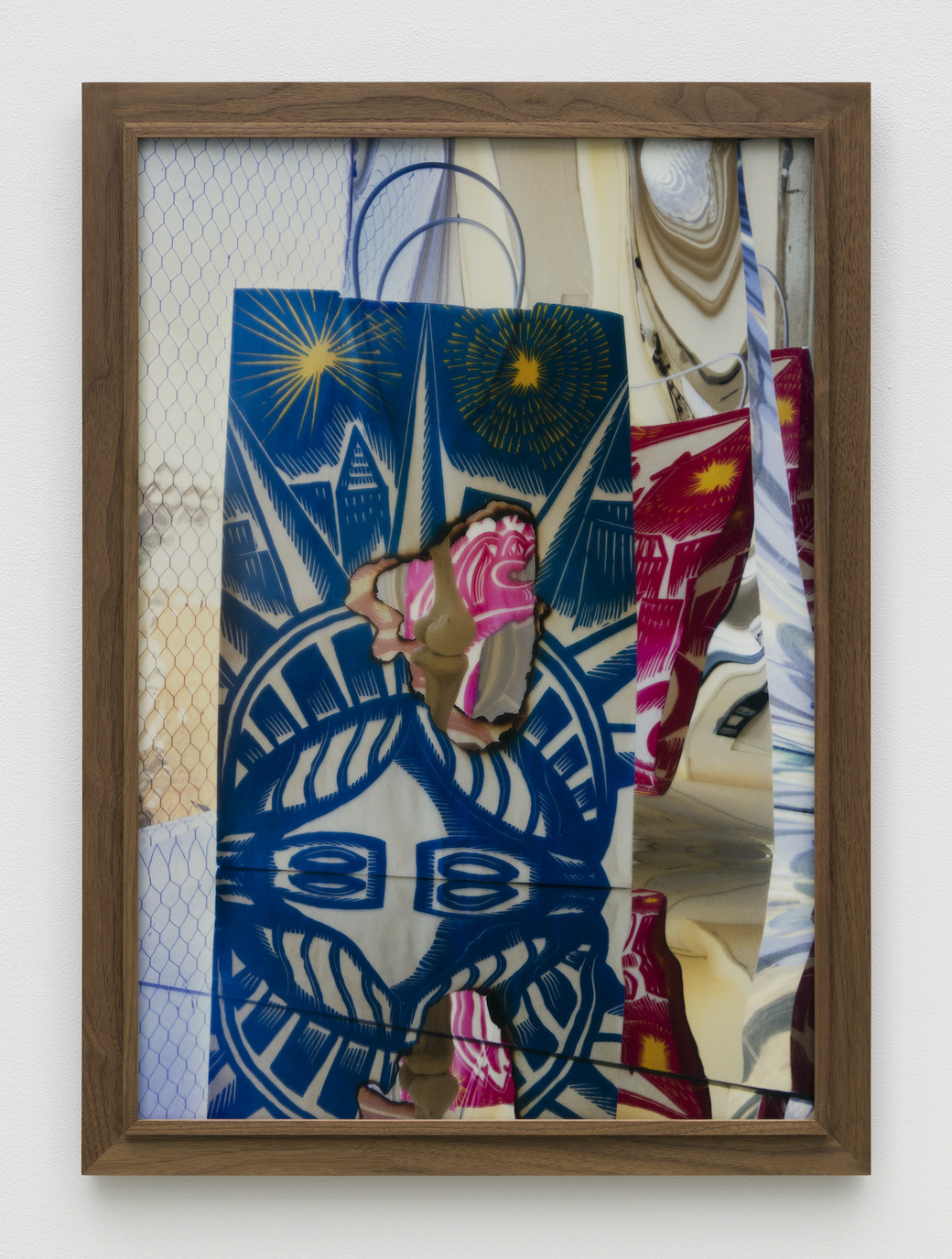
Kodak makes a film called Portra VC that I used to hate, but now I love. VC stands for vivid color and it produces these super saturated colors that in some cases can be cloying but when done right can feel so lush. I don’t actually use that kind of film in my work but it is a palette reference for my paintings especially. I am using acrylic, which is a synthetic, and because of that it can be misunderstood as harsh. But it’s possible to produce something softer and deeper with it. I’m using a material that on its face feels artificial but can be worked into some kind of harmony with itself. When I think about tone I think about finish as well. The photographs are printed onto the underside of plexiglass so they feel buried in a thick gloss - it reminds me of cibachrome printing. I want to make things that feel both wet and dry, translucent and saturated.
Were you always interested in art or was this something you delved into when you moved here for school?
I knew I wanted to go to Cooper Union, which is an art school, so I had some conception of myself as an artist by the time I got here. As a teenager, my entry into thinking about “Art” was through subculture. I grew up in southern California, I was into skateboarding and inline skating and different music scenes. I thought about making art not really as a career but as a vehicle to connect with likeminded people and to articulate who I was and what I cared about. Going to school didn’t show me much about how to combat the professional stressors of the art industry, which are intimidating and difficult, but it did solidify this idea that making things consistently is a useful way of processing the world. As a counterpoint to religious faith or other devotional practices, it allows you to feel some other kind of purpose over a lifetime.
What is it that draws you to photography and distorting your images?
Photographic images have a unique emotional impact — they moonlight as objective truth tellers even though we know they’re subject to such intense manipulation. Noticing that power and pulling it apart through distortion is a rich problem. I like the relationship to chance in photography, that you don’t know what you’re going to end up with. Finding ways of surprising myself through photographic effect keeps me interested.
Do you prefer one medium of paint and photography over the other?
No. Generally, people really want you to choose one thing, but when I spend a long time working in one way it makes me miss the other. I’m more interested in how two distinctly different ways of making things can balance one another out. This widens my ability to interface with the world. I like reflecting the history of one medium onto another so when I make photographs, I think about the history of painting and apply that kind of analysis to an image - but my paintings often are more grounded in different imaging processes or technologies as a subject than painterliness.
Tell me more about how you depict the human body in your works- is sensuality playing a role or is it merely an analysis of form from varying perspectives?
Erotic charge is absolutely a subject of my work but the non-human or inanimate can be sensual too. Meaning the most sensuous parts of the body can be desexed and at the same time you can make something inanimate feel hot. I get satisfaction out of flipping those things around.
Where do you gather inspiration and resources for your pieces?
I find things on the street a lot. I just took an inventory of the trunk of my car to answer this question. Right now I’ve got a fire hydrant screw top, a car boot, one of those cinder block flower shaped tiles that people build front yard walls with, some dried out pods that fall out of this tree by my studio, and a football helmet.