PRESENTE CONTINUO: the intimate ties between then&now

Starting May 30, PRESENTE CONTINUO will be available to purchase on presentecontinuo.com, cpcompany.com, and at the C.P. Company flagship store in Milan, Corso Matteotti 7.
Stay informed on our latest news!

Starting May 30, PRESENTE CONTINUO will be available to purchase on presentecontinuo.com, cpcompany.com, and at the C.P. Company flagship store in Milan, Corso Matteotti 7.

So, tell me about DENTRO.
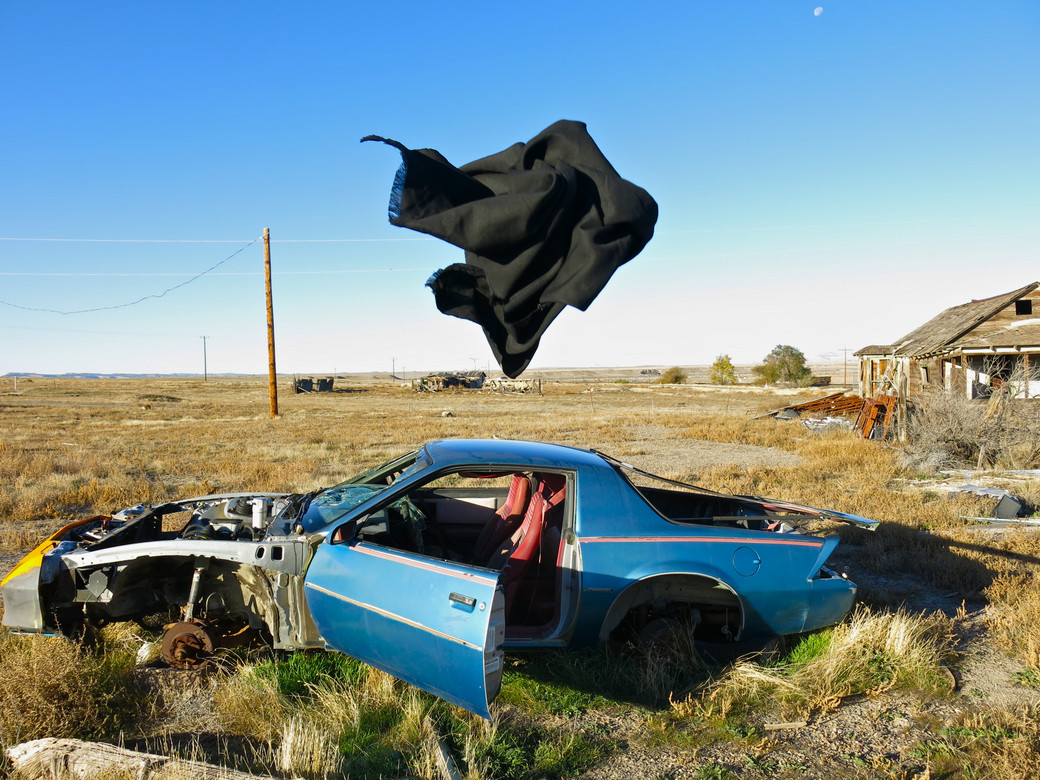
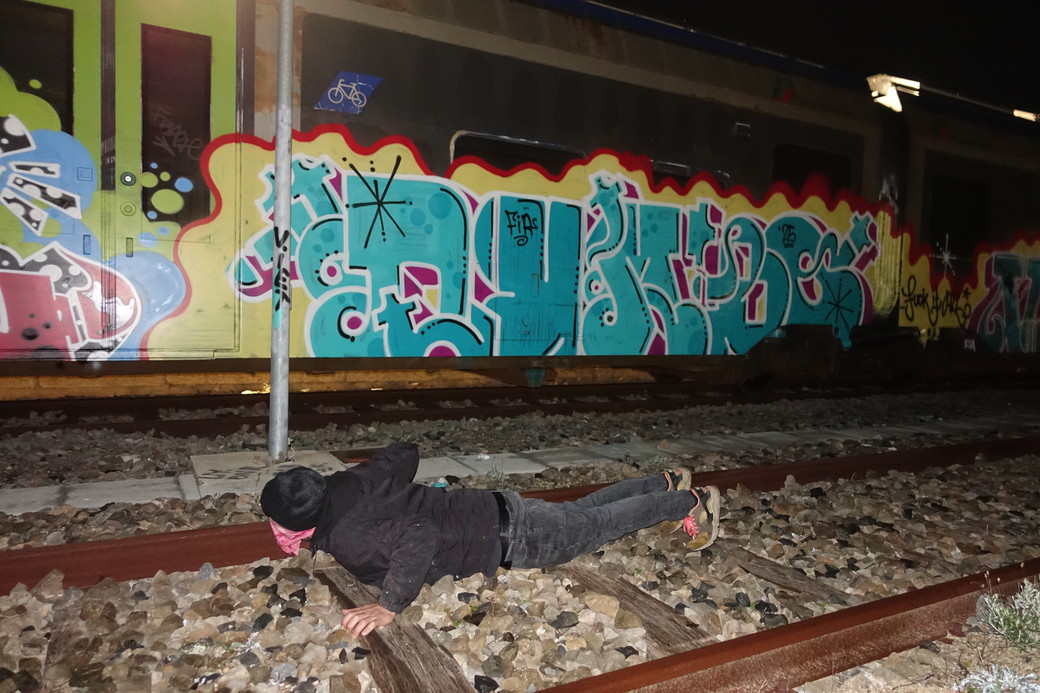
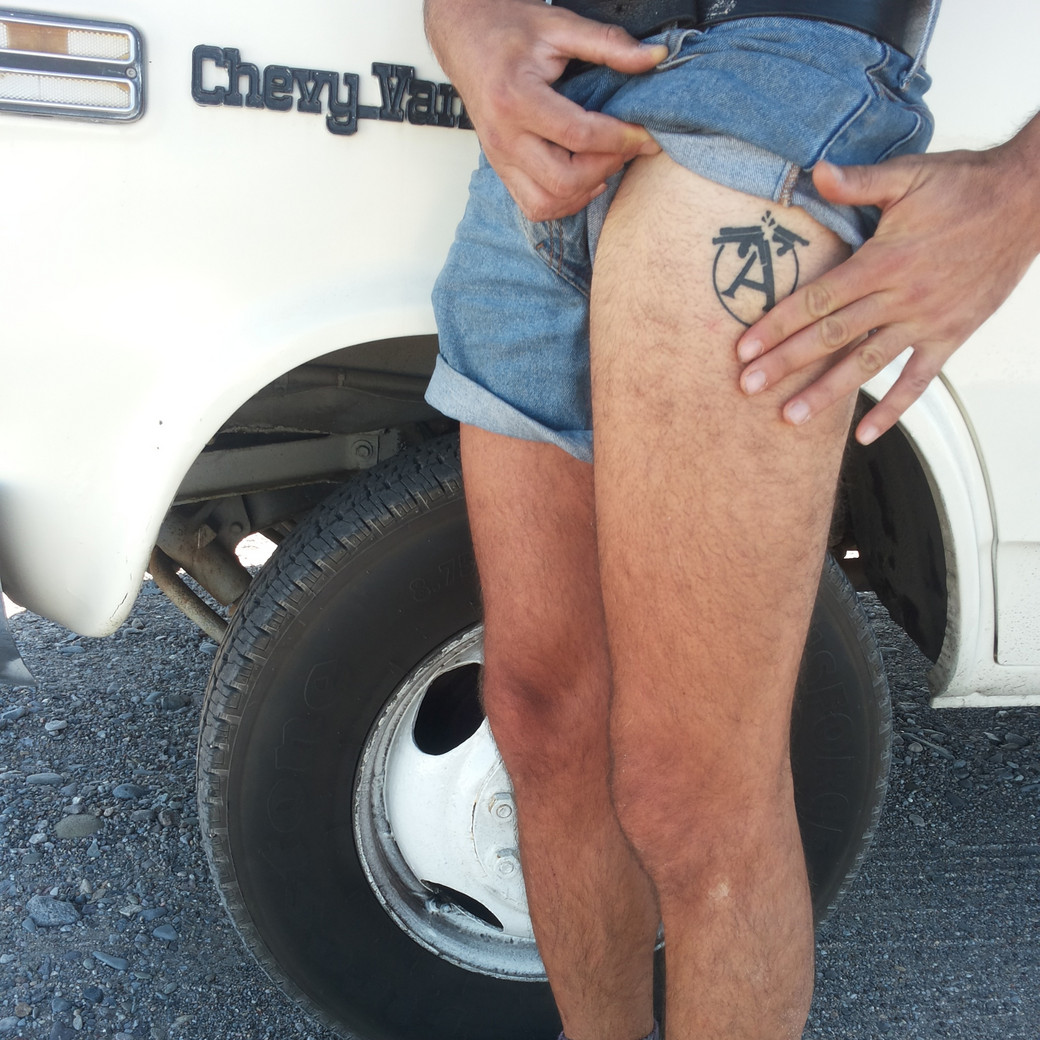
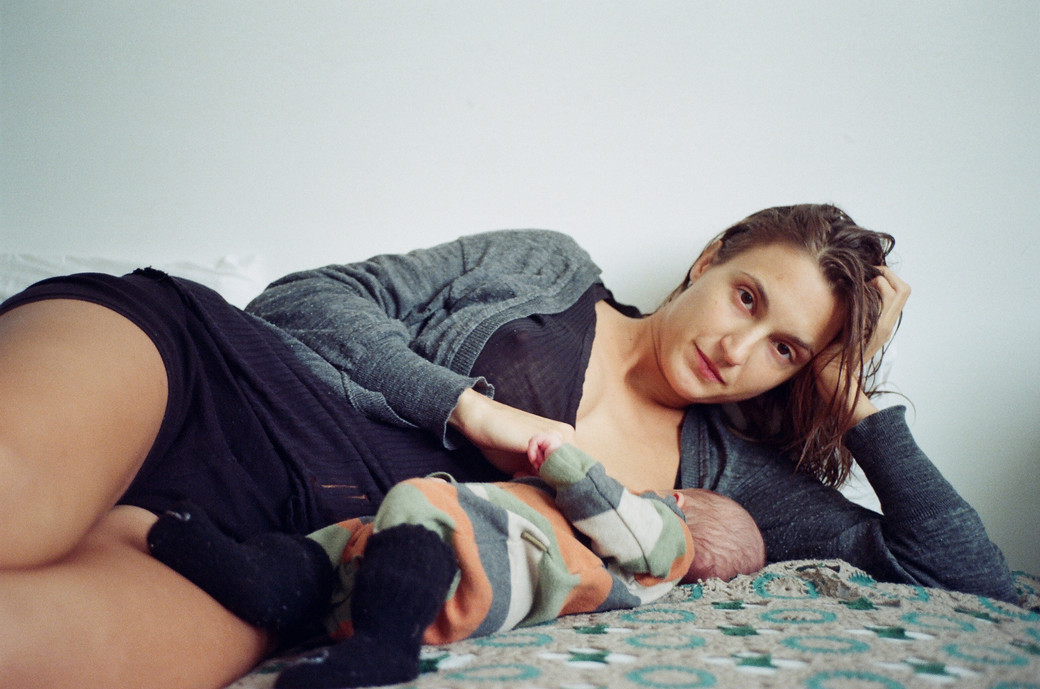
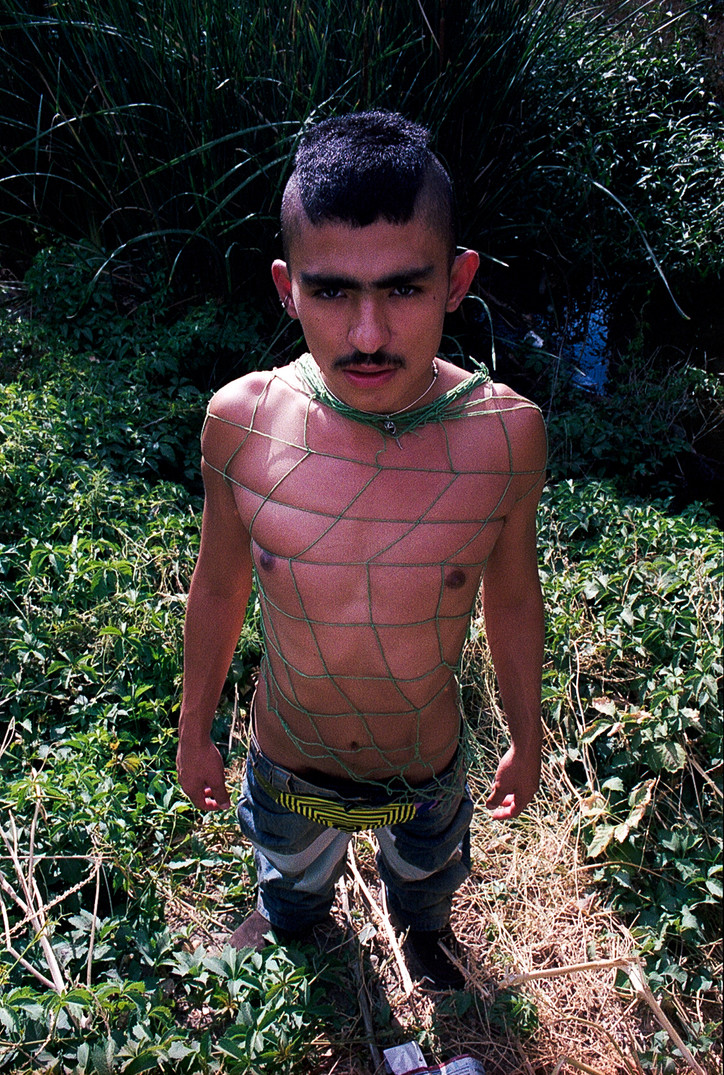
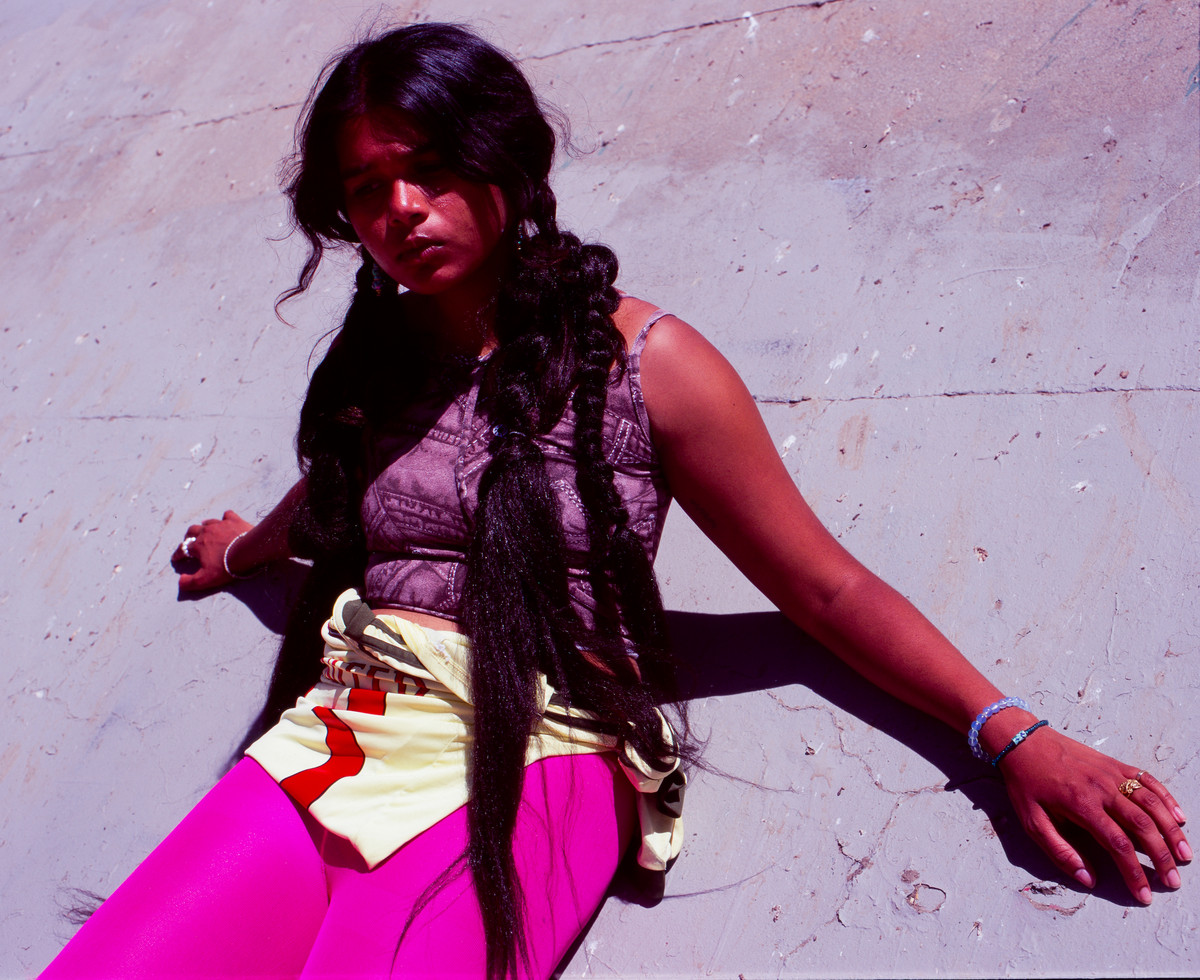
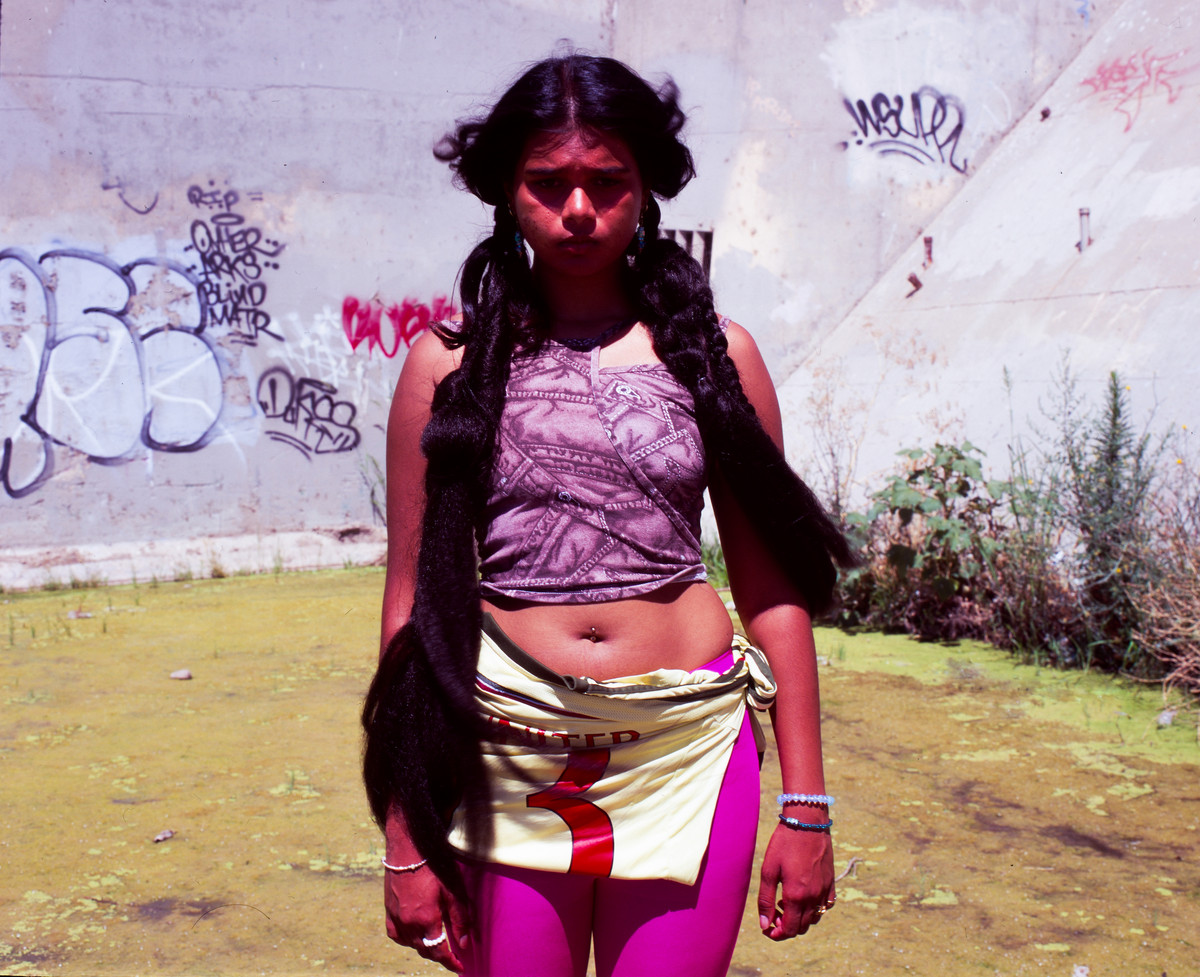
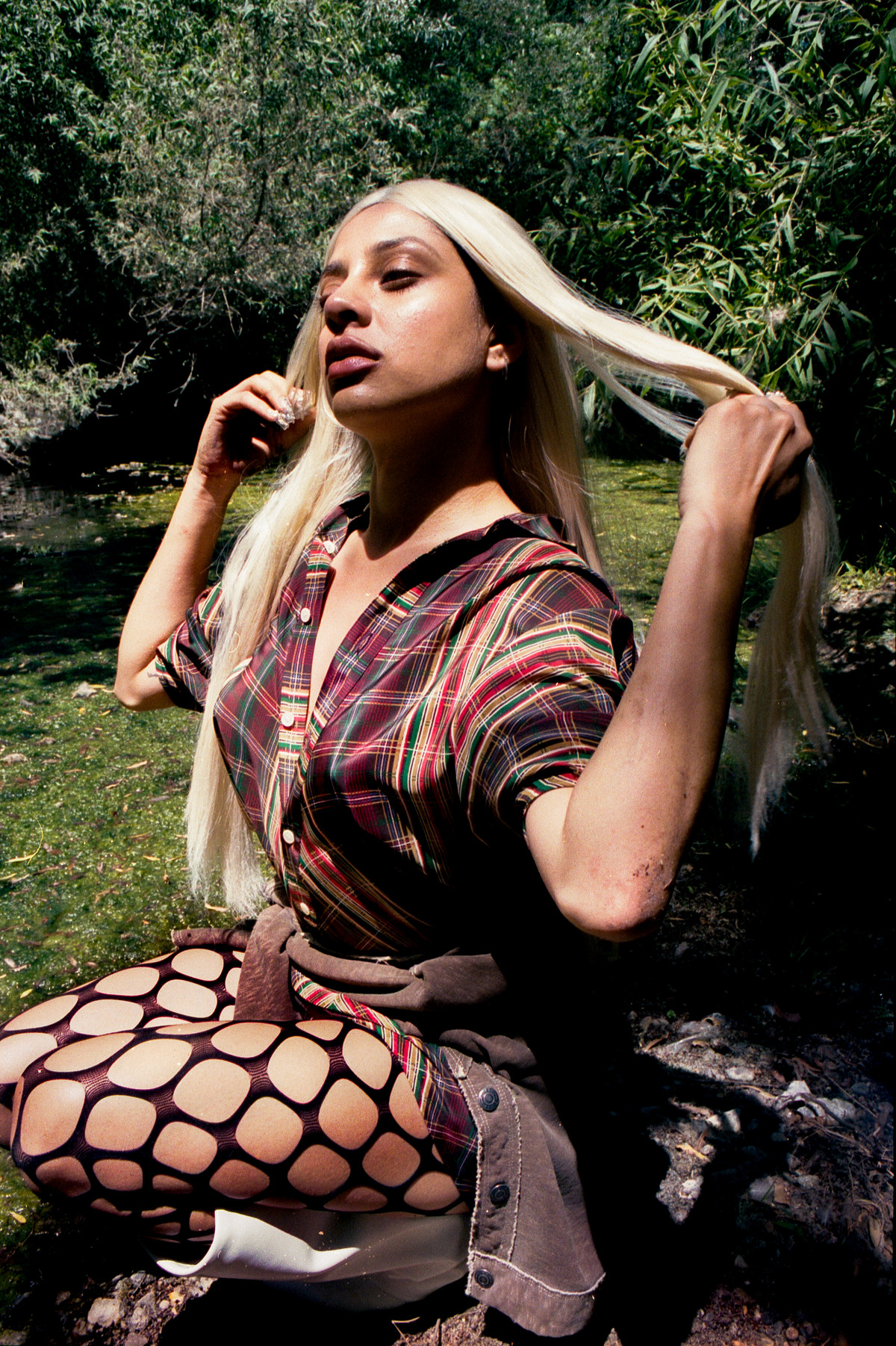
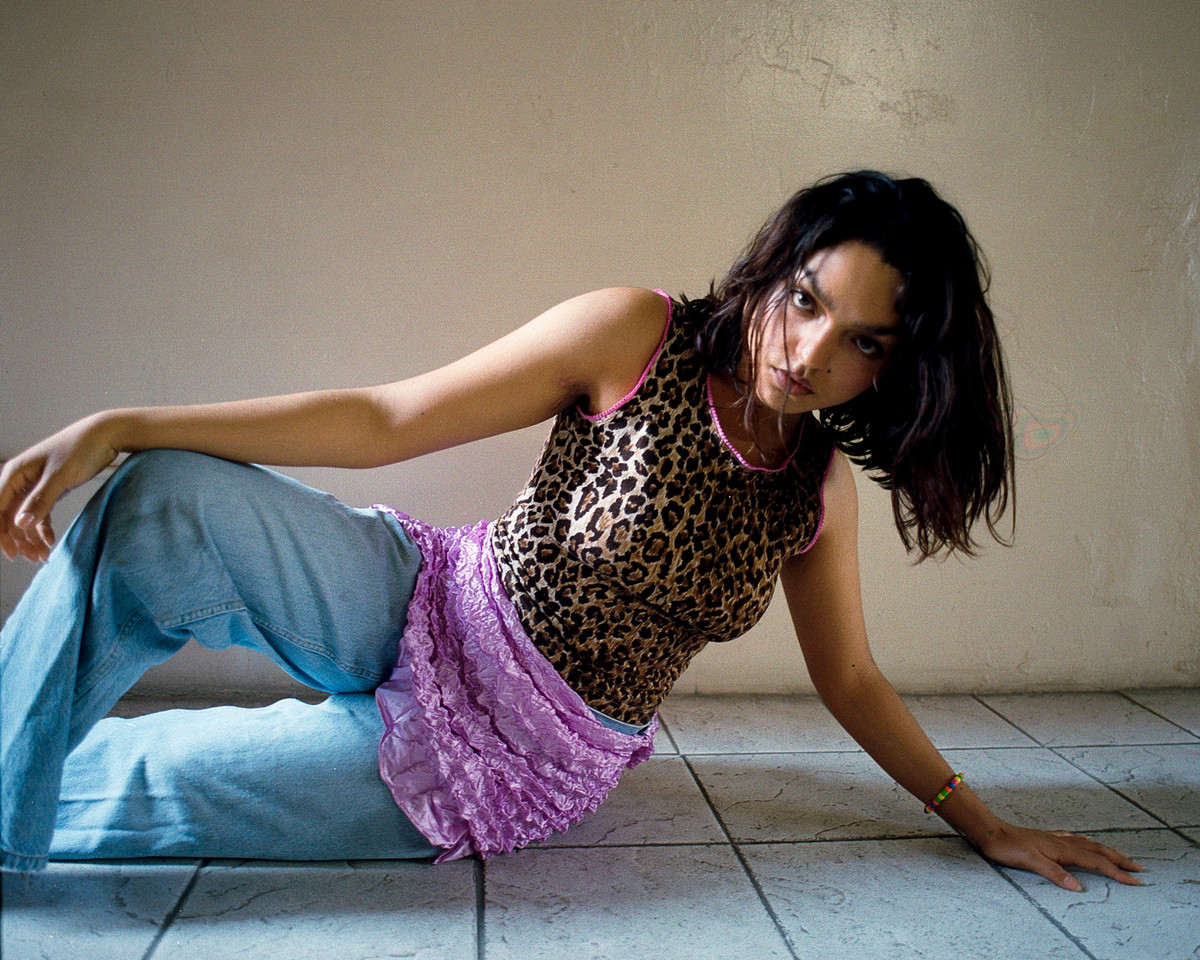
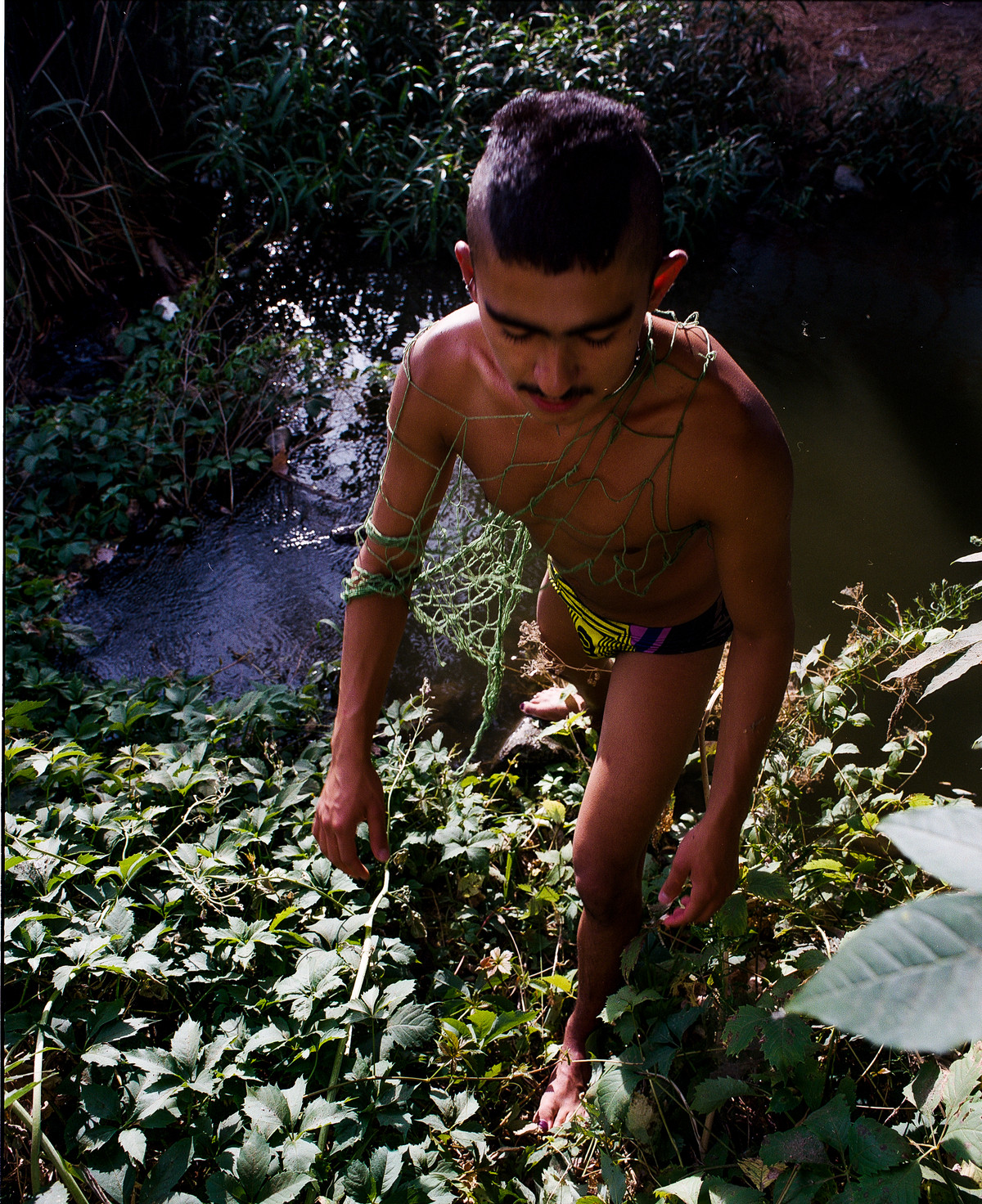
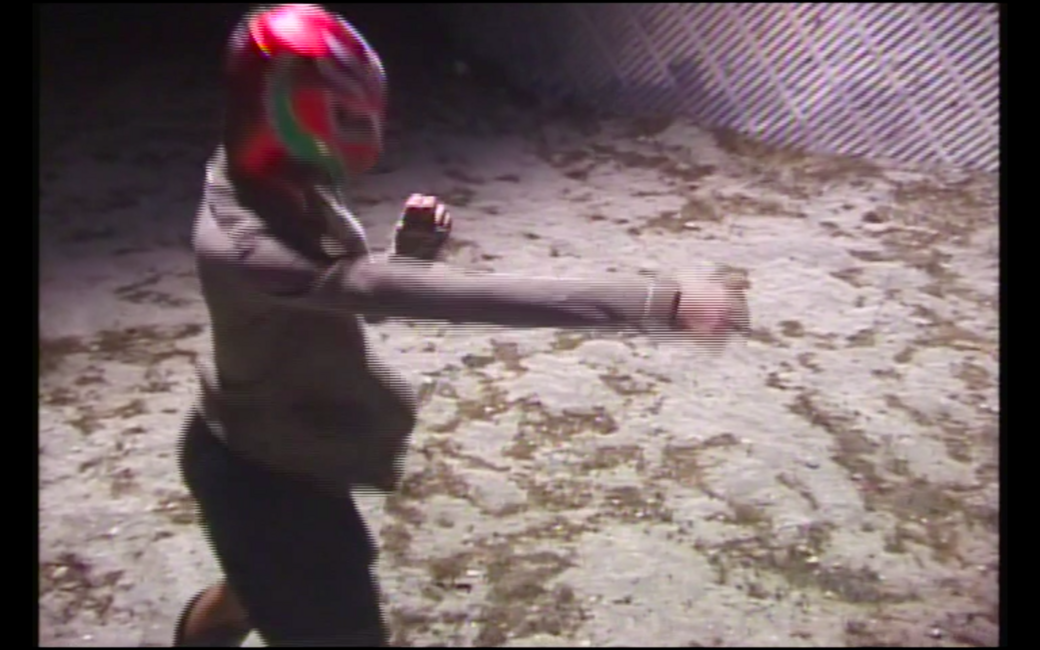
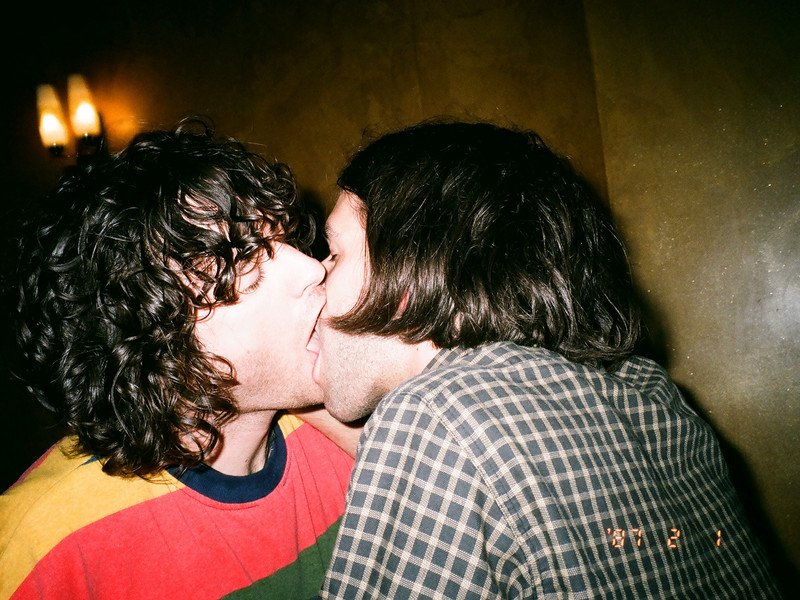
DENTRO is a visual diary and my debut book. It encompasses a large multitude of imagery. I spent most of this past year curating and creating imagery for the project. But I also consider it a peek into my archive over the last three or four years. I pulled from what I felt fit into the theme of DENTRO, which translates to ‘within.’
When I turned 18, I made a smaller zine project investigating my queer identity — I had just come out around that time. I had been closeted for 18 years, so it was very much an introduction to myself in this new way. DENTRO is post-coming out, a period in my life where I’ve been able to explore more of that queerness. Then there’s also my Latinidad. I have a Mexican mom, and my dad is Salvadoran — he was an immigrant. I thought a lot about their experience and what that means for me as a Latin American. I think a lot of people can relate to that diaspora and that sort of in-between stage. I'm really interested in what comes after that. How do we push past that and move forward instead of just getting stuck in that space?
In-between is interesting because it could mean stuck, but it could also mean finding ground in multiple places. Were both of your parents first-gen immigrants?
No, my mom was born here, but my dad wasn't. However, my mom's experience is kind of unique too. Our grandma low-key lies about where she comes from. There’s no concrete answer. My grandma grew up in Watts, California, during a time when it was very anti-Black and anti-Latin. My grandma tried to assimilate to whiteness, and as a result, became anti-Black and anti-Latin. A lot of the people in my family on my mom's side are very whitewashed. My mom has six other siblings who share the same dad, but my mom’s father was Mexican, so she was always apart. With how I grew up, I didn't know much about that. She didn't have a good relationship with her dad, so part of our history was pretty much lost.
My parents divorced when I was in third grade, and then there was alcoholism and other problems between them. My mom didn’t even allow my dad to teach us Spanish. That experience was confusing to decipher, especially growing up in LA. I grew up in Downey, which is somewhat more suburban and south of downtown. The neighborhood was predominantly Latin, even thinking about the kids I went to school with. I was also maybe lighter-skinned than them and didn’t speak Spanish. The other kids would say, 'we're more Mexican than you,' because of that. It really skewed how I felt about my position in the world.


How did growing up in LA inform your perspective of the city now, especially when you're working on a project like this, in which you're purposely documenting queer brown people?
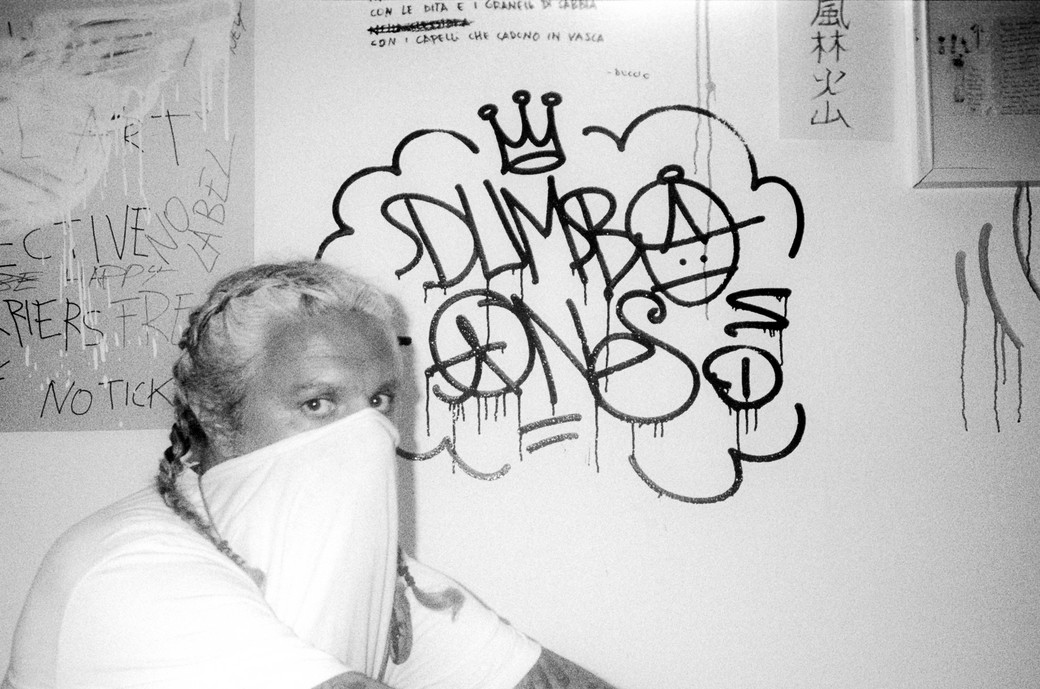
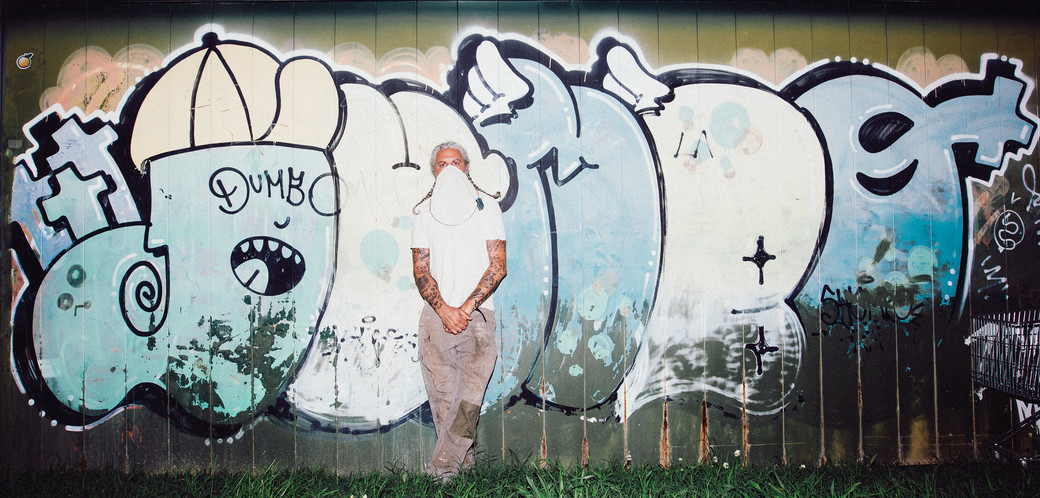
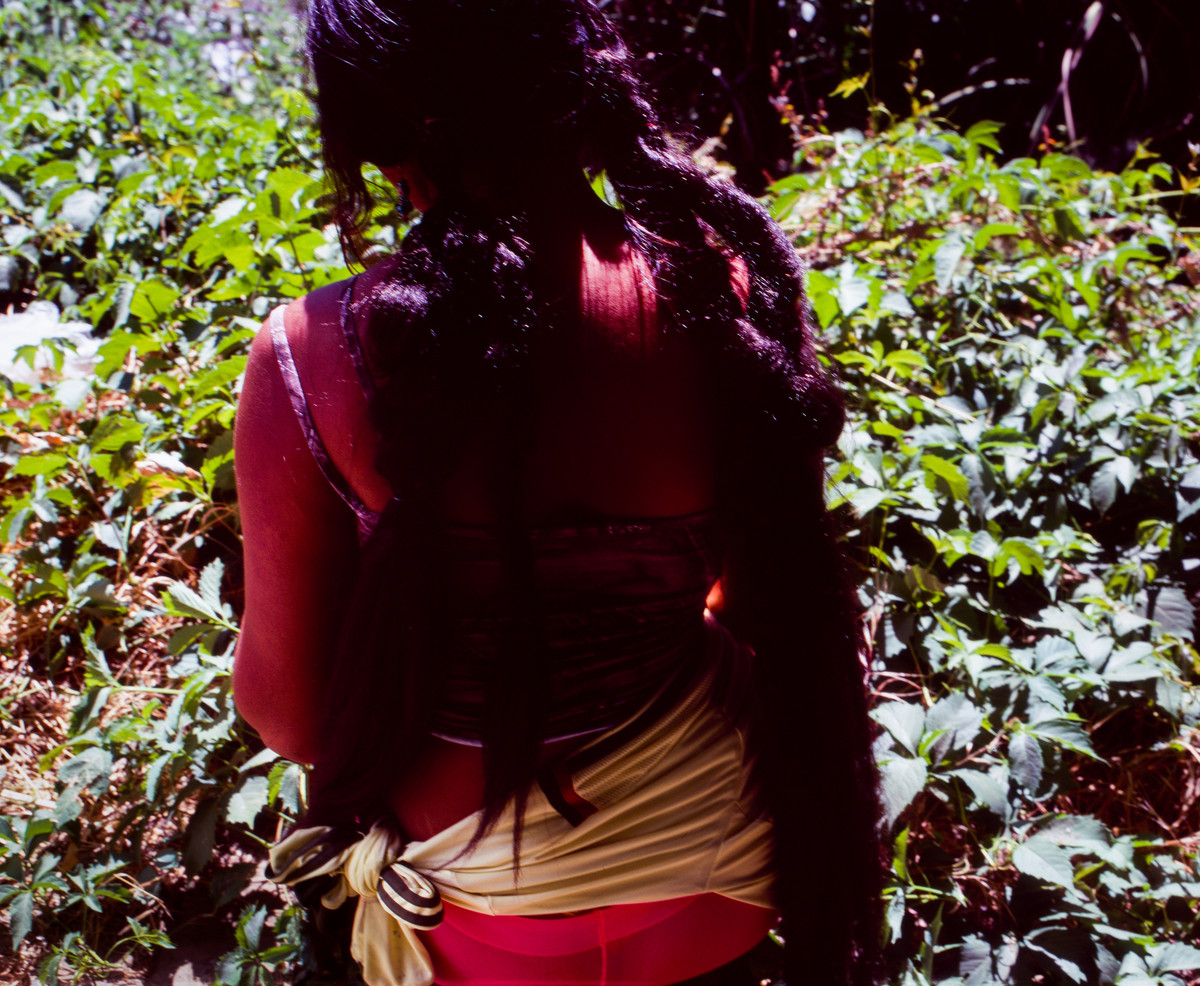
It was interesting because of the history of Latin people in LA, which was something that I wanted to take into consideration. That's why it's important for me to highlight these people in these spaces, but also because I come from more of a suburban part of the city. That in itself creates a unique relationship with LA because the city was always a 15 to 20-minute drive away. When people hear LA, Hollywood comes to mind as well as a certain exclusivity attached to the city. I wanted to challenge and play around with that. I feel like all the imagery and photos I take allude to LA but may also look like they're not even in the city. I often shoot around the outskirts. I'm very drawn to more urban spaces — the graffiti, the tagging on walls, the textures, the concrete.
I can see that. Location definitely comes across as ambiguous in the images, but there’s also a sensibility that translates as very LA. Were they all taken there?
90% were. There's like 10% that comes from one trip to Mexico City and a couple from a more recent trip down to TJ — only two.
How much planning went into every image? Some carry a candidness as if taken unexpectedly. Others feel more intentional.
Since some of the images were taken in a past before DENTRO, and others taken on trips, some are literally candid. I wasn’t thinking about this particular theme. Sometimes I feel weird about having a camera with me and constantly shooting. I would love to be able to be that kind of photographer but it can feel a little corny. I don't know that I've ever really gotten past that. When I went to Mexico City, I wanted to document that time and have a record of it, so that was purposeful. The other imagery is a bit more planned.
I style all of my shoots, so everything is more of a larger investigation and very detail-oriented. It starts with thinking about a person I'm interested in capturing, then the outfit, or vice versa. Again, thinking about the outskirts of LA, there are some locations I'll revisit, reorient and reuse. When I'm shooting, all of it comes together. The actual process is pretty spontaneous. It feels very intuitive. It's almost like a dance between myself and the model. I always want them to feel comfortable and to make them look and feel their best.
Are all the clothes you use from your own archive?
I will admit, I do have a bit of a shopping problem. I’m a fashion lover, so it just makes the most sense. That's where it gets a bit tricky because when I'm out shopping, I want the clothes for me, but I'm also thinking: is this a garment that I could possibly shoot with? That’s also where this idea of self-portraiture comes into play a bit because these outfits are very much how I dress. There is showing them as a subject while also showing myself.
Is that why you also include selfies in the book — to further stress that there's no separation between you and them?
Yeah, exactly. There’s a fluidity that I think is important.
Do you choose subjects based on shared identities, or do those reveal themselves during the process?
I’m definitely purposely casting people based on whether we share similar identities, whether queerness or Latinidad. I do try to stem away from photographing white people. No shade; it’s just not what I’m trying to highlight. But I’m also obviously trying to focus on uplifting trans people as well, especially now that I’m more confident in identifying as non-binary, and with meeting more friends, I am exploring what it means to be trans femme. There’s always that aspect of capturing those bodies and faces that most resemble my own.


Are all the subjects friends of yours, people you know personally?
There’s a fine line. I basically grew up on the internet. I’ve had Instagram since I was 12, 13. I used it almost like a transit system where I could connect with people. Of course, everyone does that online now, but for me, it was an important way to connect with others and explore my queerness while maneuvering the closet. Some of the people I photograph are what I would refer to as mutuals — we follow each other and know each other digitally and then turn that into something more IRL. When we shoot, it's the first time we're meeting or we've seen each other out and about. It’s important that I’m highlighting and documenting people within the same circle, community, and subculture where I find myself in. Then there are the few instances where I'm casting someone I don't know purely because I think we share an identity — or that I simply find them beautiful.
You call the internet a transit system, like a liminal space. Do you think this project would translate properly onto social media from its physical form?
That gets tricky because the whole purpose of this project was somewhat an antithesis of the internet. The internet is such a weird place, and I could talk about it for literally hours. Yes, I was raised on the internet, and it does a lot of good, but now we live in a completely different digital age than what I knew. This project really needs to exist in this physical manifestation. Again, no shade to other photographers, but I don’t always feel like I have to post all of my work on the internet. Photo is very much a fine art practice, and unfortunately, it's not always seen that way. It’s important for me that it is. Seeing an image in print evokes a different feeling and promotes a specific kind of experience.
The internet, as it is now, has normalized the constant production of images, especially when it comes to photography. A question that people don’t seem to think about people don't think about is it's like, 'Yeah, are we making this work for Instagram, or are we making this work for the sake of making the work?' It’s not that one is better than the other, but it comes down to the art and the artist — how they want it to exist in the world. For my work, I think it's going to be a little bit difficult for me personally to translate the work to social media because I don't want to. It makes me wonder if I’m missing opportunities by not showcasing what I’m doing, but that wasn't the goal to begin with. It’s kind of just like if you see it, you see it, and if you don't, it’s just how it is.
How does this project subvert the notion of a traditional photography book?
It's hard to say because when I think of a traditional 'photography book,' I see it as streamlined imagery. I really wanted this project and this book, in particular, to be more of a personal diary vibe. I also view it more as an object. It functions more like this sort of larger collective instead of just being a straightforward book of photos. It’s also because there are iPhone photos, video stills, some ceramics, and a sculpture of mine because I wanted to challenge visual imagery and what that means.
There’s also that aspect of challenging normative media by focusing on queer bodies. Do you feel like there’s anyone that won't get it?
Yeah. It's not that they won't get it, but it's definitely going to be overlooked. The work speaks from personal experience, not one that everyone will understand, and that’s okay. There’s still a way for people who exist outside of the identities I focus on to interact with the work. That’s interesting to me too.


Why Palm Grove Social?
That's where it gets tricky to be completely transparent. It's one of these things where it's like, I've created and started this project literally after I turned 18. I was like, 'Okay, next project, it's giving a book. By the time you turn 21, it needs to be out.' I first intended to release it all by myself, but then I started reaching out to different venues, galleries, and bookstores. I'm familiar with Palm Grove Social because it is run by Cast Partner, who I’ve worked with before. I sent them an email on a whim and they were very quick to respond and were pretty familiar with my work. I was like, 'Oh wait, this is kind of gaggy, not them already knowing about me.' Then we set up a meeting for that coming week, and I felt comfortable having this work exist in their space. They're trying to create this community space and cultivate this network of cool people. They're very trusting of me and have allowed me to transform the space. I want it to reflect both me and the book, a sort of infusion.
Kind of like a liminal space.
Exactly.
Do you feel like there's going to be a huge turnout with the community you've built around you in LA? Are the girlies excited?
The girlies are definitely excited, and I don't want to toot my own horn, but I do hope and trust that it's giving a big turnout. For sure, everyone who's part of the project is so excited. This is a long time coming, and I feel like I've teased it online dozens of dozens of times. Both subtly and more overtly. In the past couple of years, I've made a name for myself in the community, and I really want to continue to do that and not only for me but for the bigger picture. I want it to show that if you want to do something, you really just have to do it. Thankfully, I do feel very fortunate and blessed that opportunities have coincided with it.
Tell me about the ‘Yasssters.’ You've kind of created this niche and inclusive online community around you and the exploration of your identity. I love to see it.
The Yasssters are giving. All the lit b*tches, essentially. I love to just be like, 'Are you a Yassster?' That's one of the deciding factors and the automatic yes, it's like, period. No? I'm kind of like, you're throwing me off. It should always be yes.
Okay yeah, I’m a 'Yassster' for sure.
Period. It does stem from this more femme identity I’m exploring, often when I pop out, but I never want it to feel costume-y. The gay boy to non-binary trans femme pipeline is real. I commend all the girlies and men who are transitioning, especially in today's day and age, with everything going on. I’m still tiptoeing into that area 'cause I just don't know that I am ready yet, especially how I was raised and all, but it is part of me. The 'Yasssters' started out as a bit humorous, but it has grown into something very real. It’s this way for us to maneuver the world, get out there, and get closer to feeling comfortable. Weirdly, the 'Yassssters' get it and are doing it.

Nikki Maloof


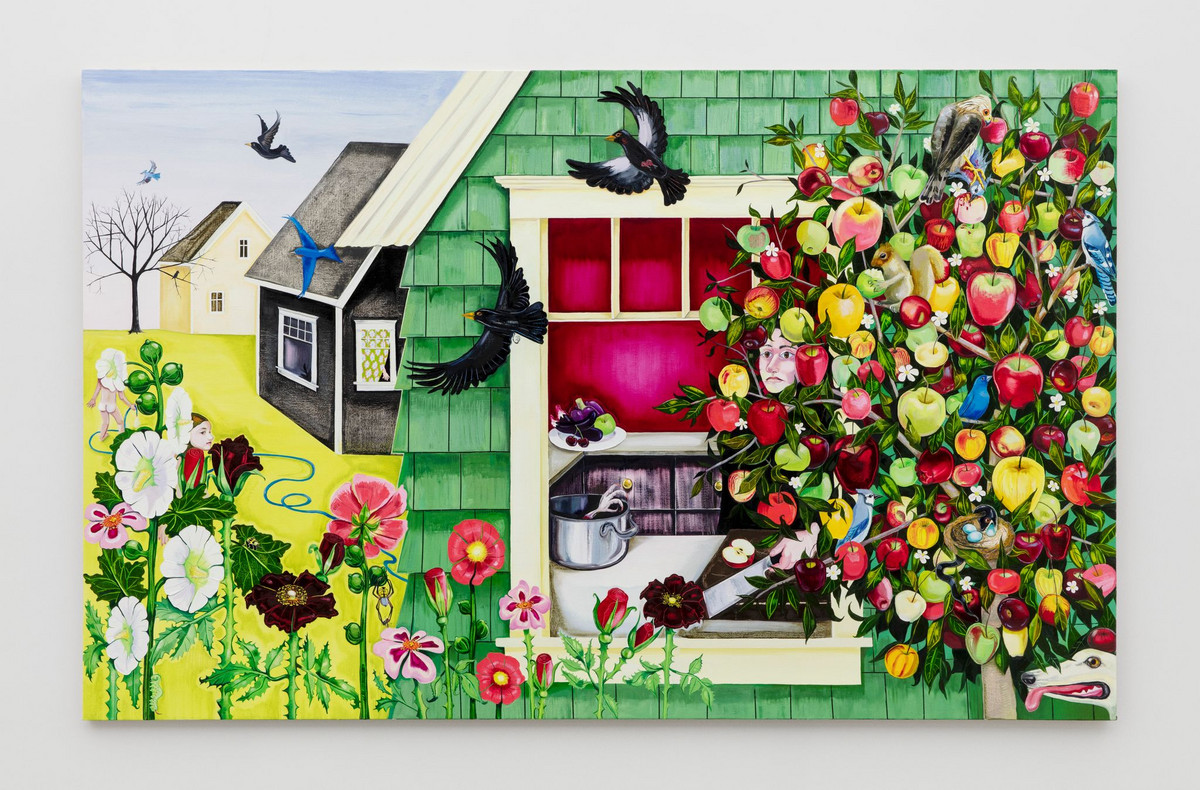
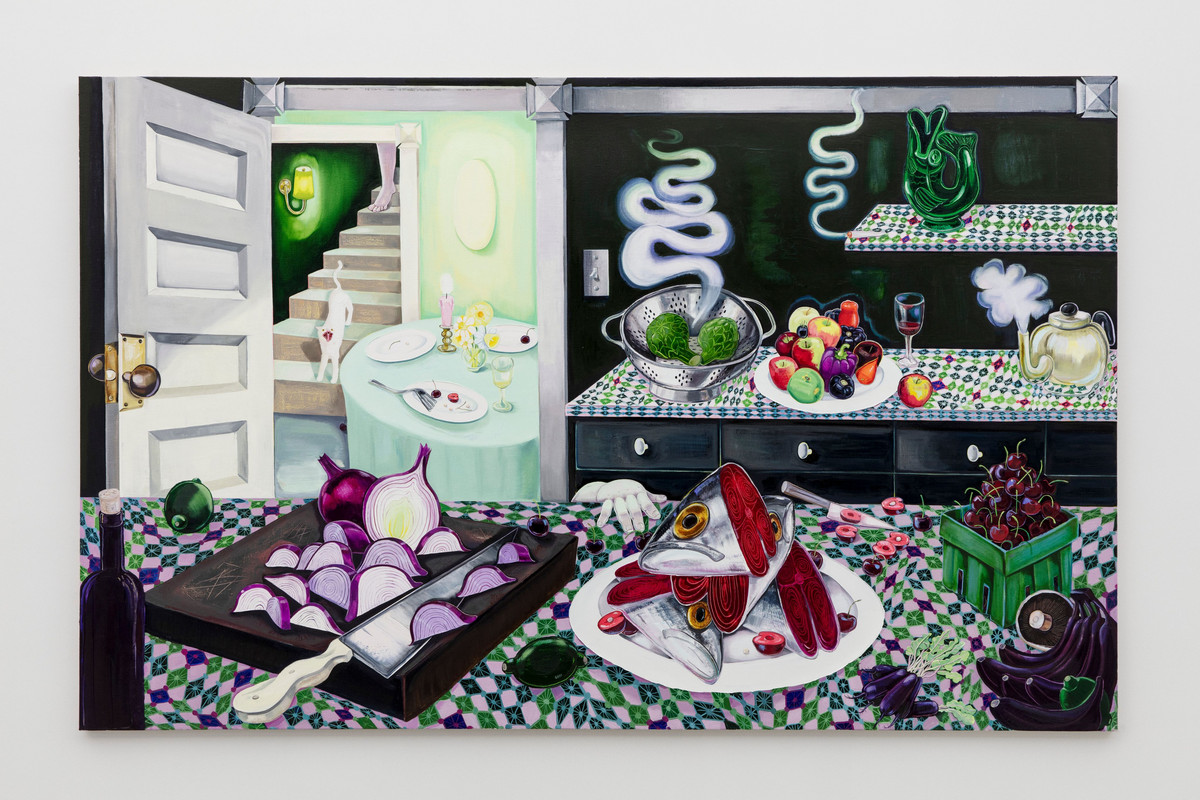
The first show is Skunk Hour, a solo exhibition by artist Nikki Maloof. Featuring a series of paintings and drawings, the works utilize pops of color and fascinating perspectival shifts to create intoxicating visual environments.
These environments, though busy with content, posture scarce figural subjects amidst this buzz creating an uncanny atmosphere of solitude within her works.
Perhaps best described as psychological states, the works on view aren’t exclusively brooding, instead they engage all aspects of the mind, including a tendency towards playfulness — a facet that doesn’t take away from the work. Rather, it offers a tangible representation of authorial sincerity, a trait I often find vital when looking at works that present as mind-maps.
JR


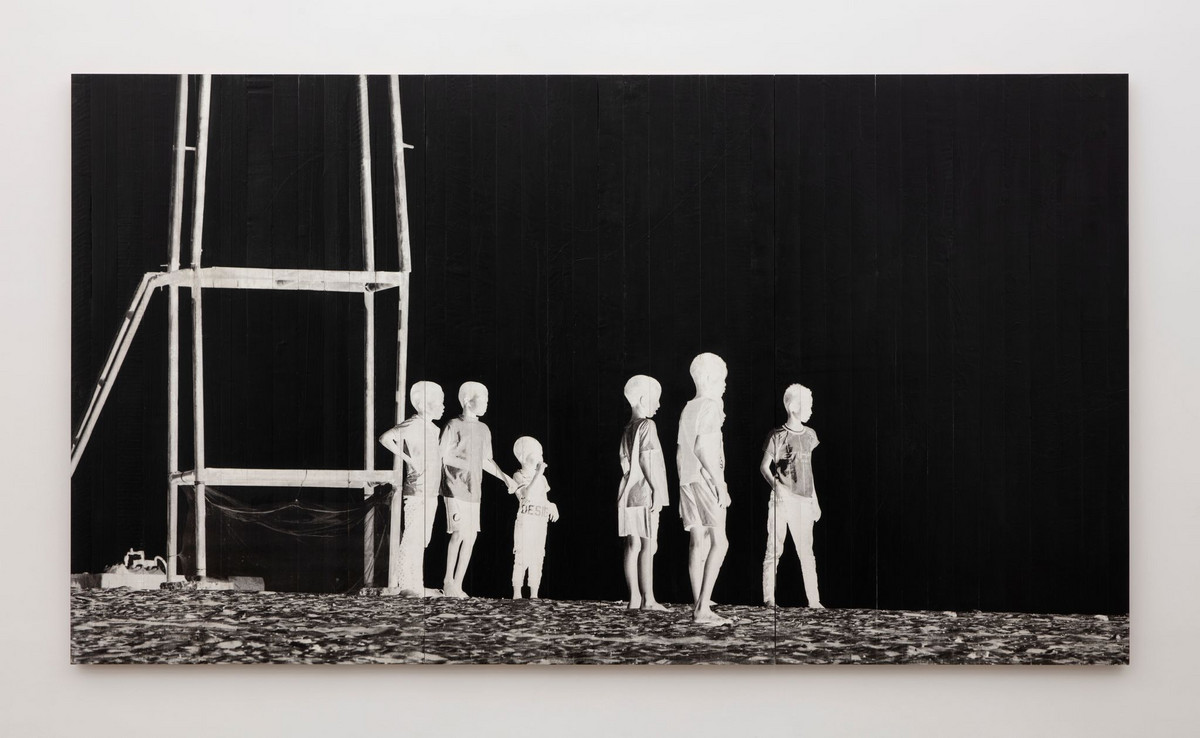
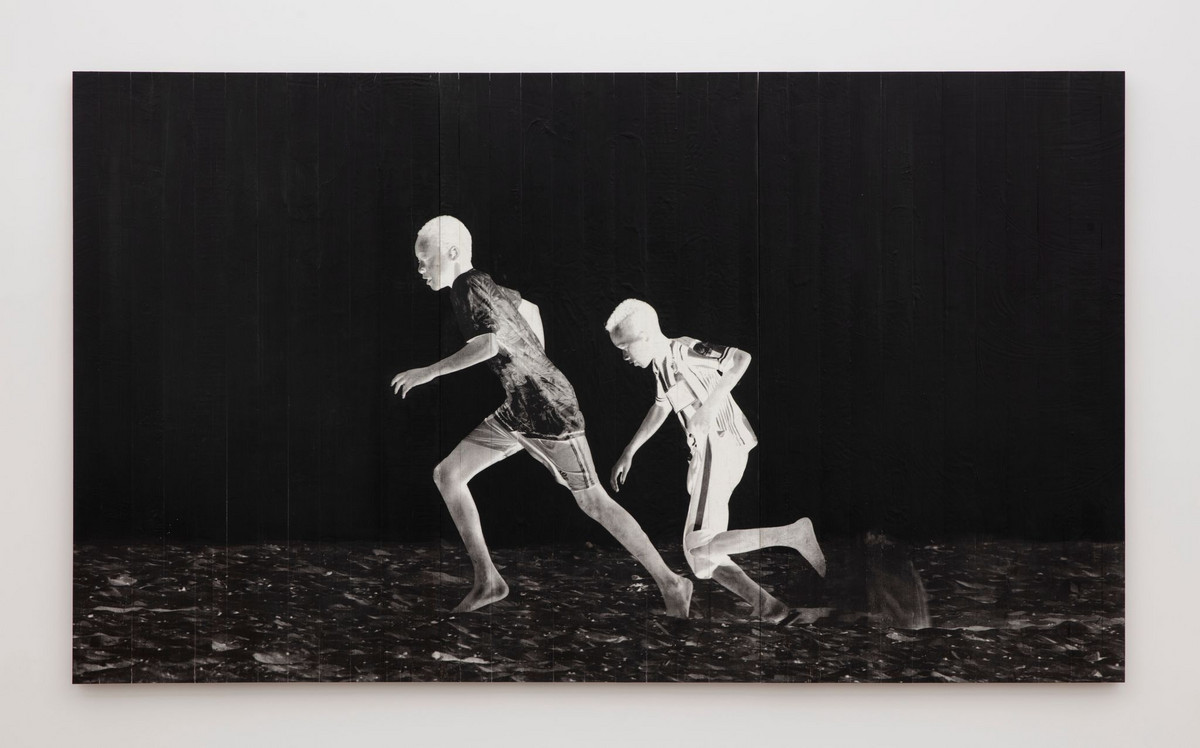
The second show on view is artist JR’s newest series, Les Enfants d’Ouranos. The pieces, which aim to build upon his previous work titled Déplacé-e-s, continues to depict refugee children from around the world, however, this time in a different light.
In Les Enfants d’Ouranos, JR presents similar subjects through a different lens. This lens of choice is one of obscurity, one that abstracts the context that so often follows and monopolizes the identity of these children.
Technically speaking, instead of printing the positive photograph, JR transfers the negative directly onto reclaimed wood — later adding black ink to darken the surroundings of the subjects. This photographic effect visually mythologizes the subjects on view, conveying a sense otherworldliness and giving the portaits a primordial atmosphere.
Sophia Narrett


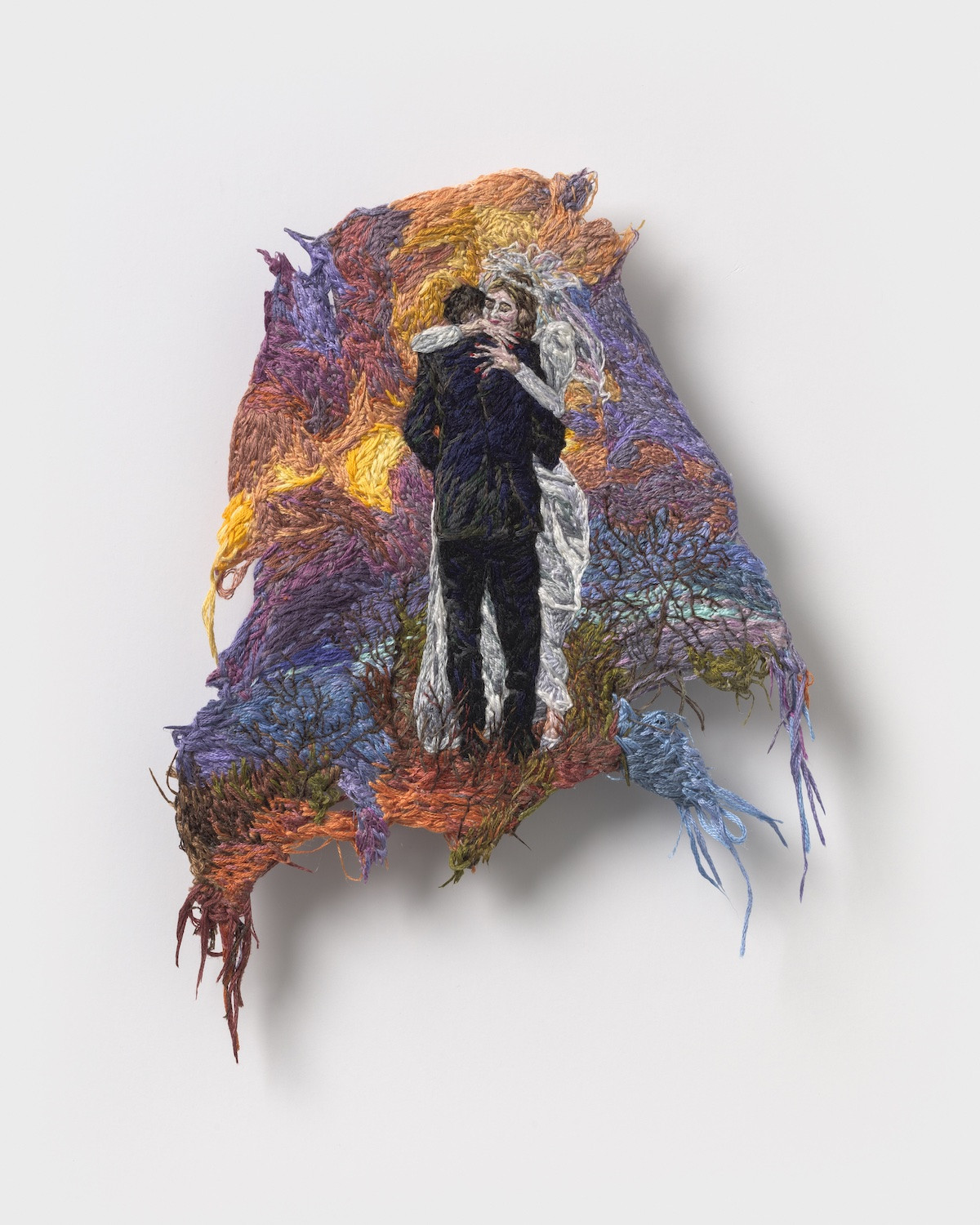
The final show on view is Carried by Wonder, Sophia Narrett’s first exhibition with the gallery. In her work, Narrett utilizes the meticulous process of embroidery to create her work — a decision employed to combat the unsettlingly fast pace of contemporary media. Though her work typically crafts narratives that interrogate the experiences of womanhood, this show debuts a body of work that explores the various qualities of modern romance.
Through this artistic process, artistic intricacies are put on explicit display as an inherent trait of the medium. Narrett’s choice to depict highly conceptual narratives through this form put not only the technique on display, but bring the intricacies in concept to the fore as well.
For these works, intentionality is the main means in which she arrives at a finished work — a conscious means that is only bolstered by a tedious, detail oriented practice.

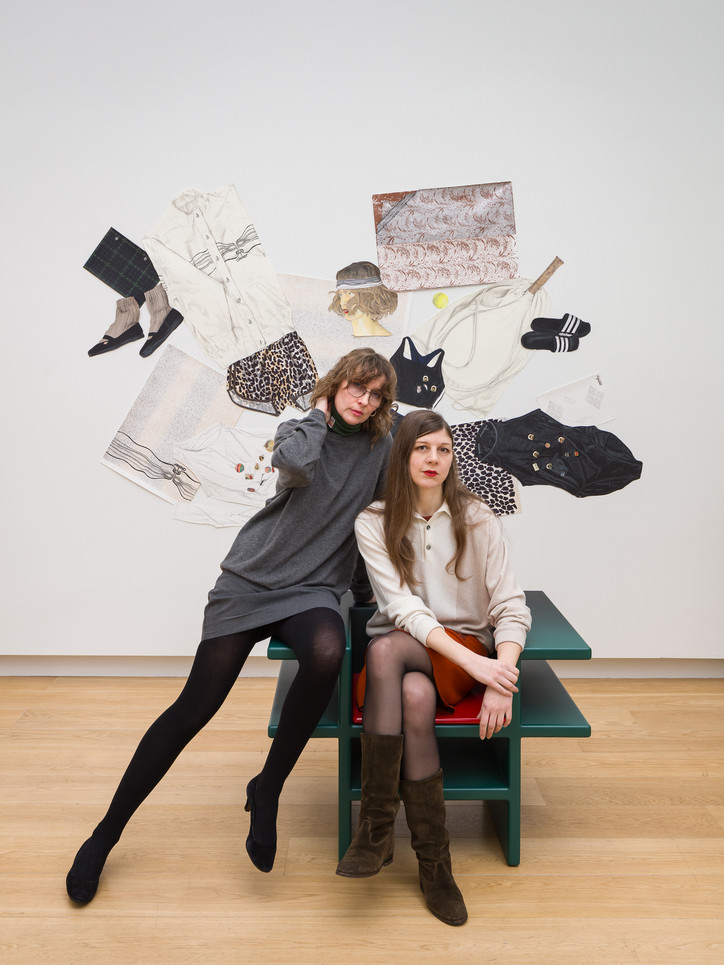
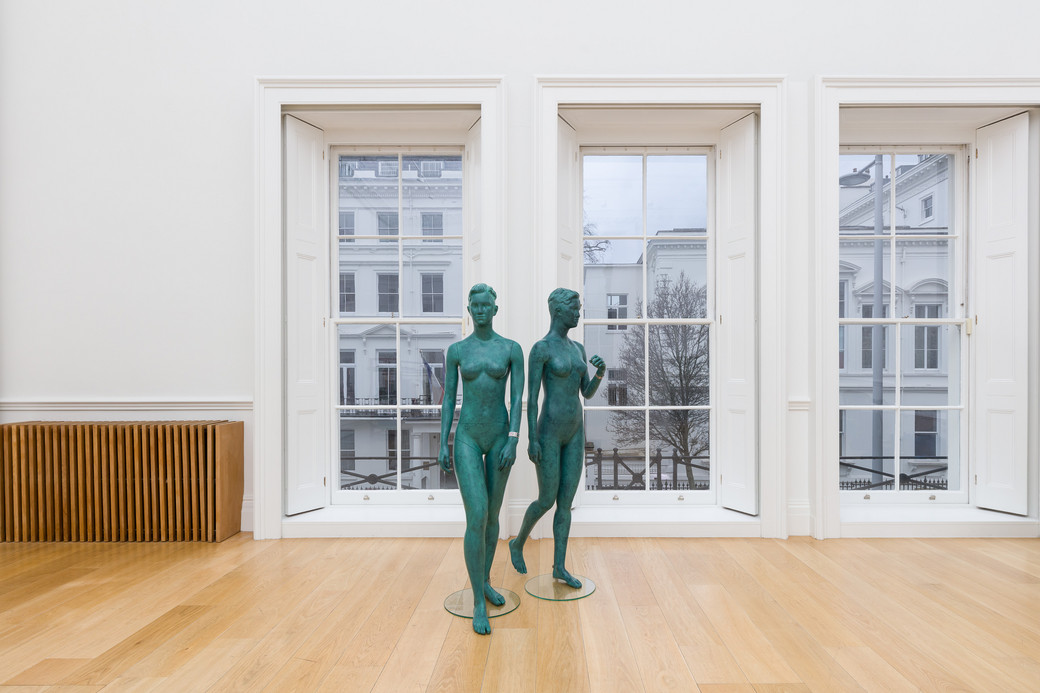
Beca Lipscombe: We’re looking forward to seeing the collection come together, especially when Lucy's paintings are still in transit from Brussels, the mannequins and our collection are still in boxes that we haven't seen put together yet. This has been in the making for a while, but all the components haven't ever really found each other yet.
Sofia Hallström: I can imagine. Is it always like that? Does each collection come together in the presentation? Is that what unifies the collection?
Lucy McKenzie: With us living in different countries, we have to be very patient. We sometimes make collections on paper to show each other, just to have that kind of one-to-one, intermediary object between the final thing and the sketch or the idea. Through being in different countries, it's made us become very resourceful and find idiosyncratic ways to work because of the distance.
Beca Lipscombe: There's a huge level of trust that comes with making these collections. We're very different and we have very different ways of looking at things. I've got a designer head and Lucy’s got an artist's head. That level of trust is there so we improvise often. Our working relationship is very good, when I'm working with Lucy, I feel like I can do anything.
Sofia Hallström: I wanted to ask about the inspiration behind the collection, ‘Big Tobacco’. Could you expand on the theme, how it is translated into the design elements, and what aspects of Women's Tennis specifically influenced the collection?
Beca Lipscombe: It's to do with the visual of tennis and what people wear on court, mixed with the taboo of smoking. Until 1992, tobacco companies advertised within sport, which isn't that long ago. Nobody speaks about smoking anymore and, of course, there's a reason why it shouldn't be associated with sport, so we hint on it within this collection.
Lucy McKenzie: In terms of women's tennis, we've always been interested in the way cigarettes were marketed to women, the feminine packaging that almost looks like tampon boxes or something. To continue what Beca is saying, there has always been a struggle for women in the public eye. These powerhouse athletes who are still meant to perform femininity and being sponsored by a company that almost promotes smoking as a diet aid. It's really about mixed, complex messages from these female athletes who just stick their heads down and drive forward.
Sofia Hallström: Atelier E.B applies the notion of 'styling' as an artistic strategy. Can you talk about how styling becomes a means of artistic expression, and how it contributes to the overall narrative of the collections?
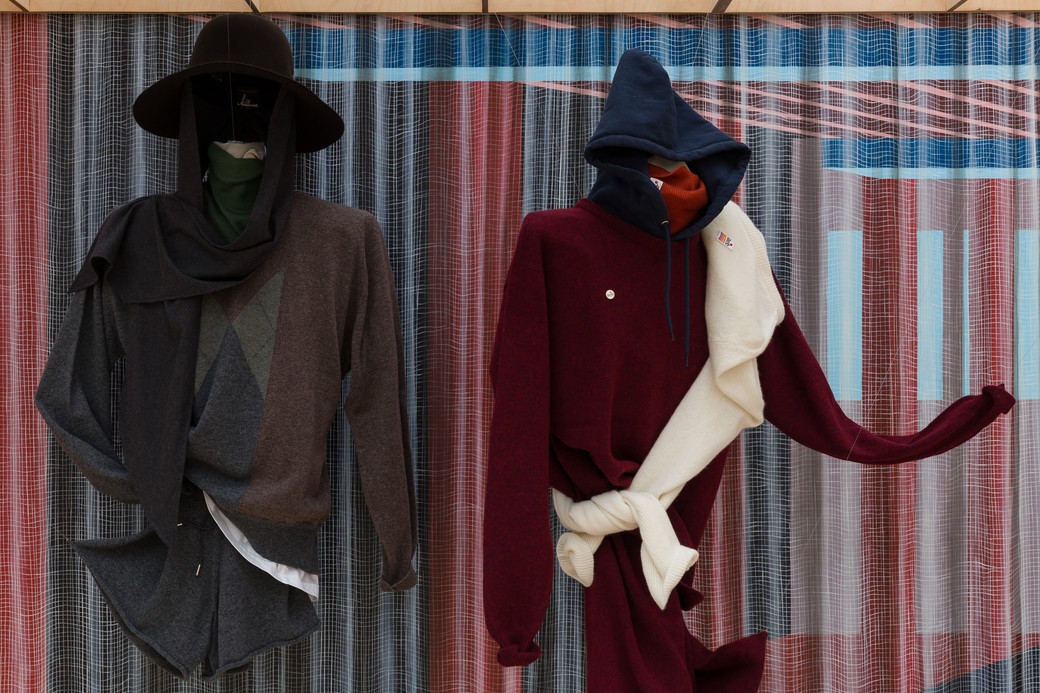
Lucy McKenzie: There’s so much within art that is profound and kept hidden. All this work goes into making an object, and often that is obscured. Styling brings a certain flatness, it accentuates the image of something. It's about how you read something in a moment as you flip through a magazine. Styling is the accessory, the location. It's meant to be the thing about us that has two sides: wanting it to be meaningful and profound as art can be and satisfying a public that just wants to wear it. Straddling those two needs, making nice clothes for people to wear and expressing our lived experience. We do our own styling, it's an extension of what we're making and how we want the world to see it and it's a pleasurable part of the process. Why would we give that to someone else!
Beca Lipscombe: Building a label from the ground up requires extensive effort, but the rewards are worth it. There's a significant amount of administrative work, contemplating materials, managing distribution, and handling emails. Styling, whether it's Lucy illustrating a collection or collaborating with photographer Morwenna Kearsley on photography, is an essential aspect. It's not merely an add-on; it's an extension of our creations. Through styling, we present our vision to the world as we intend it to be seen.
Lucy McKenzie: When we launched this company, our primary objective was to challenge the conventional notion of a fashion label. Rather than conforming to established norms and templates, we questioned why certain practices were necessary. We began with a clean slate, asking ourselves: "Why do things have to be this way? What if we approached it differently?" Our goal was to redefine what a fashion label could be, starting from the ground up. It's been an intensive process, but the sense of accomplishment is incredibly rewarding.
Sofia Hallström: Atelier E.B is known for small-scale production and ethical practices. Could you speak more about how this is reflected in the creation of this collection, particularly in terms of material choices, manufacturing, and distribution?
Beca Lipscombe: Many people describe us as ethical, but to us, that's simply how things should be done in today's world. It's not extraordinary; it should be the standard. Ethical practices are ingrained in our approach because it aligns with our values and principles. It's not the primary motivation; it's just inherent in our process. When we select textiles, we prioritise manufacturers who specialise in their craft. We assess the company's strengths in design and consider how their textiles can enhance our collection. Rather than imposing our ideas, we adapt to their expertise. We are adaptable, striving to offer products that are accessible to everyone. Manufacturing in Britain comes with its costs, but we prioritise fair treatment and refuse to exploit people. Our goal is to produce in the best way possible, respecting both people and processes.
Sofia Hallström: How do you approach the selection of materials for each piece? What criteria do you consider when choosing manufacturing partners or people to collaborate with?
Lucy McKenzie: Beggars can't be choosers. We're lucky to work with the people we do. We're small, so we don't get to choose much. People don't have to work with us. They work with us because we've built relationships, and they're curious about what we do. We choose textiles based on the manufacturer's specialisation. We observe and understand what they're brilliant at, then utilise it. We don't go in with wild ideas but work with what they excel in. It's a symbiotic understanding. We have each other to sound off about things. Everything is done with consideration.
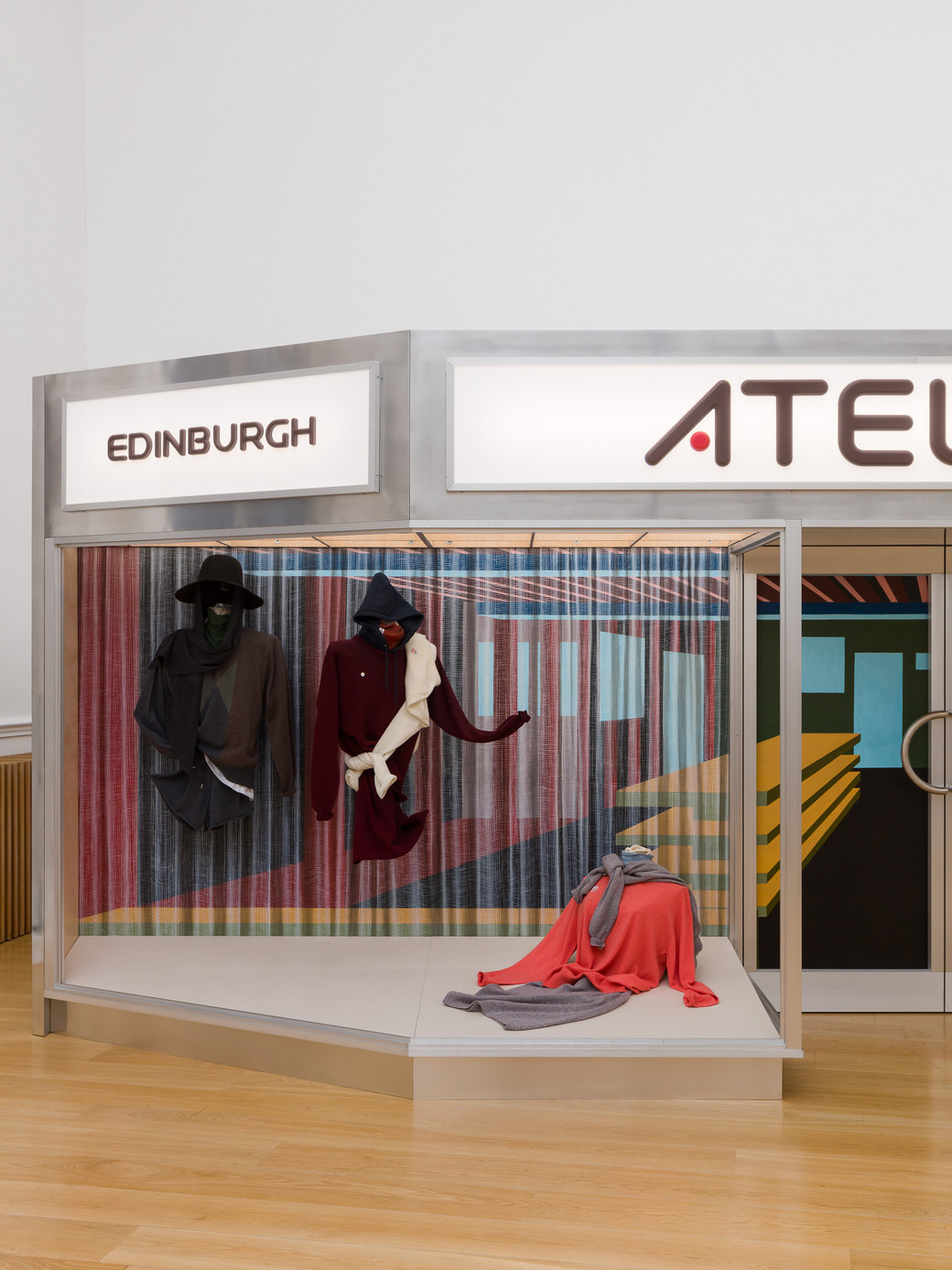
Sofia Hallström: How did the collaboration with Glasgow artist Steff Norwood for the window vitrine come about, and how does the sculptural design contribute to the overall narrative of the collection?
Beca Lipscombe: We don't have a catwalk show. This is our way of showing our vision. It's how we want our pieces to be viewed.
Lucy McKenzie: Steff is a long-term collaborator within Atelier, he is part of the gang. He's a maker and a scavenger. Working with him, we keep refining the design of folding screens. It's important to have a team that understands what we’re trying to do. We work with a gallery in London called Cabinet, and one of the directors Martin McGeown was a window dresser for a long time. As retail declines, beautiful window displays become art. It's about preserving and transmitting cultural knowledge.
Sofia Hallström: Given that you don't sell in retail shops, how does the showroom or exhibition model contribute to the customer experience and the interactions you aim to foster with your audience?
Lucy McKenzie: Selfishly, we learn so much, get good ideas, and feedback. We did a stock sale in Edinburgh not too long ago, and we had never done one before. We got a deluge of people who want to come in, chat, and hang out. It's a dose of socialisation, meeting great people, and getting great ideas. We want the clothes to be simple, we don't want them to be shouting and we know that we are really good at expressing those ideas and enthusiasm. It's for us as well.
Beca Lipscombe: Who better to sell the clothes than us? We designed the store, so we should be there to present them. People like to come back and tell us how they feel about the clothes and how they store their clothes. Lots of people store our clothes in the freezer as they love them so much that they don't want the moths to go near them! We have many customers from all over the world and we're always looking for new customers! We strive to offer a wide range of products to ensure accessibility for everyone, not just the elite, though clothing is expensive to make in Britain. This inclusivity is essential to us, it's important, and we try to do it the best way possible.
Sofia Hallström: The brand mentions embedding critique into clothing. How do you approach incorporating social or cultural critique into your garments, and what role does fashion play as a medium for commentary in your collaborative projects?
Lucy McKenzie: Maybe I can speak for both of us. We're only really interested in that kind of engagement when it's genuine. There's so much performative sloganeering and politics in fashion that we're just so inured to the slogan t-shirts and catwork shows with placards. We know the compromises that are essential to make fashion. Those critiques should be very subtle, and that's what someone like Margiela did well, exploring the body and representation in a quiet way.
Beca Lipscombe: It's a beating heart for us, but a quiet thing for the wearer. They don't have to know the symbolism; they can wear the garment if they like it! For instance, we made a Scotland football jumper, pixelating the image so that it is appropriate to a knit pattern. Anyone from Scotland would know what that image is immediately. Though, when we sold it in New York, people related it to Chanel due to the colours and floral pixelation. People interpret it differently. It's not a drive that everyone should understand the clothes' meaning; it's just how we design with a deep-rooted purpose.
Lucy McKenzie: The genesis for that collection and that jumper in particular is connected to the fact that women were banned to play football in the UK by the FA until the 70s. We found that so shocking and it really helped to understand why football has the status that it does in Britain. To get from this fact, which is political, and via that, you were more likely to see a woman in Britain at that time as a glamour model or a murder victim, rather than a professional athlete. It evolved from a political statement about women's rights to a lovely cashmere jumper.
Beca Lipscombe: There’s a lot of depth to the work, but at its base they are beautiful garments. Take the football jumper, Scotland is not good at football, but we have the classiest football kit. It's a classic, it's navy and white! It is something that you want to wear so why not utilise this?
Sofia Hallström: I support Fiorentina, they've got a beautiful purple kit…
Lucy McKenzie: In society, we don't take the time to stop and really take fashion apart. That's why we love fashion history and academia so much. and the work of fashion historians like Amy de la Haye, Judith Clark and Caroline Evans are crucial to us. We love taking apart fashion, understanding its depth, and preserving cultural knowledge.
Beca Lipscombe: The jumper that we spoke about recently got acquired to the V&A archive in London, and the V&A Dundee have the outfit on permanent loan in the Scottish design gallery.
Sofia Hallström: Looking ahead, are there any upcoming collaborations or projects that Atelier E.B is particularly excited about, or themes that you'll explore in future collections?
Lucy McKenzie: Our sculptures that will be part of the Cromwell Place presentation will be part of an exhibition of my work as an artist at Z33 Museum in Hasselt. I’m excited because the building was designed by a woman architect, Francesca Torzo. She worked for a long time with Peter Zumthor, who I am a big fan of. It's a really special building.
Beca Lipscombe: On this occasion, we're working with an organic cotton jersey manufacturer, a company called Assembly, and we are hoping to collaborate more with them in the future on sustainable athleisure. We're open to working with big sports companies and exploring new projects for design museums.
Lucy McKenzie: We work on long timelines, appreciating developmental time for our projects. We always have plans in motion, whether it's for next week or next year. Our major exhibition that took place a couple of years ago, ‘Passer-By', underwent three iterations and included a catalogue. Eventually, we'll be inspired to work on a similar project again.