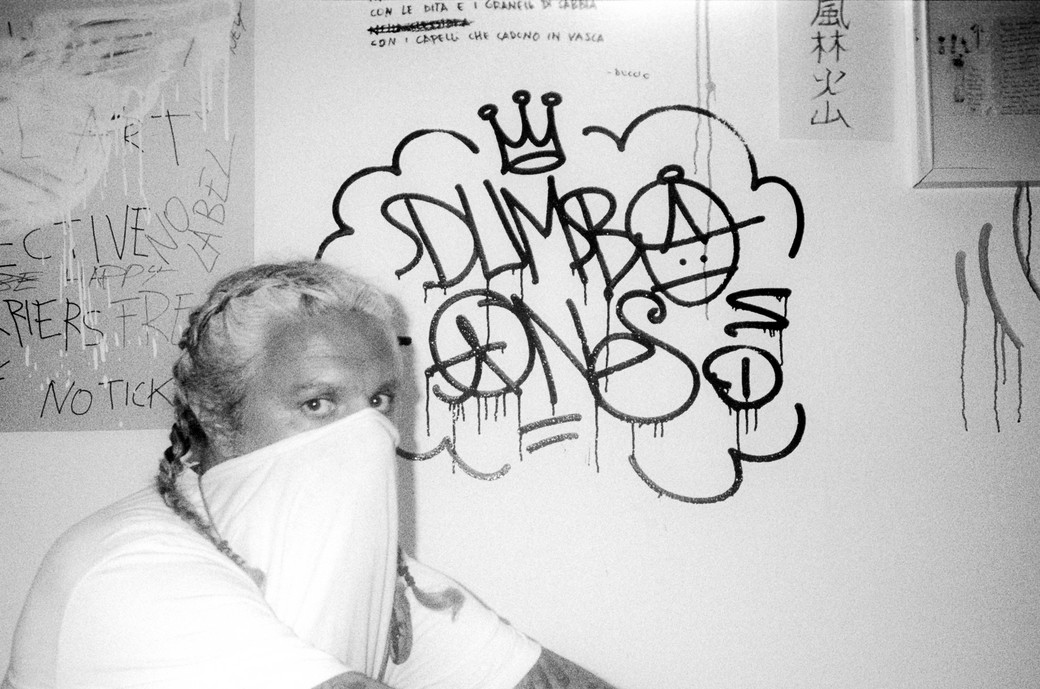
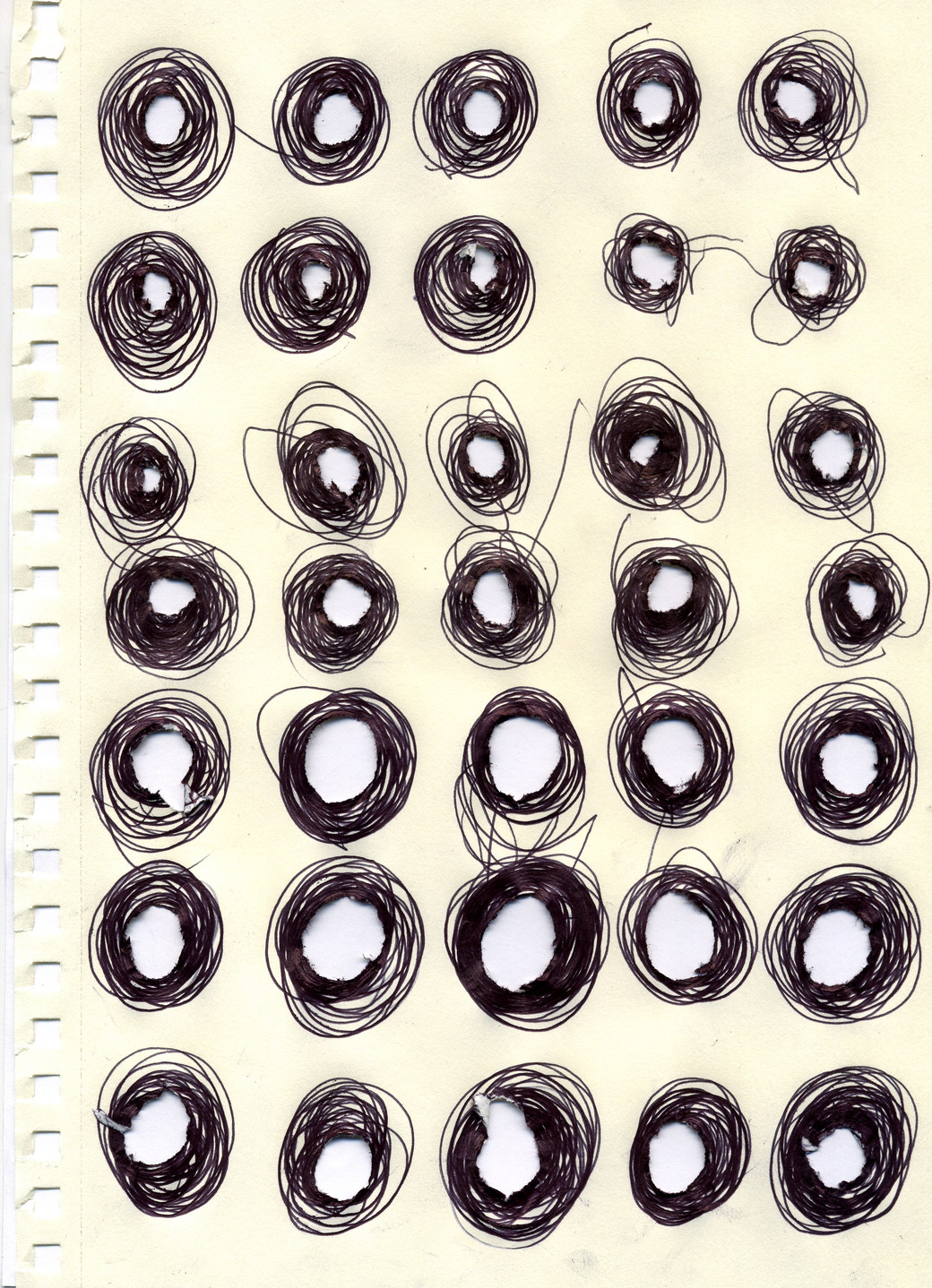
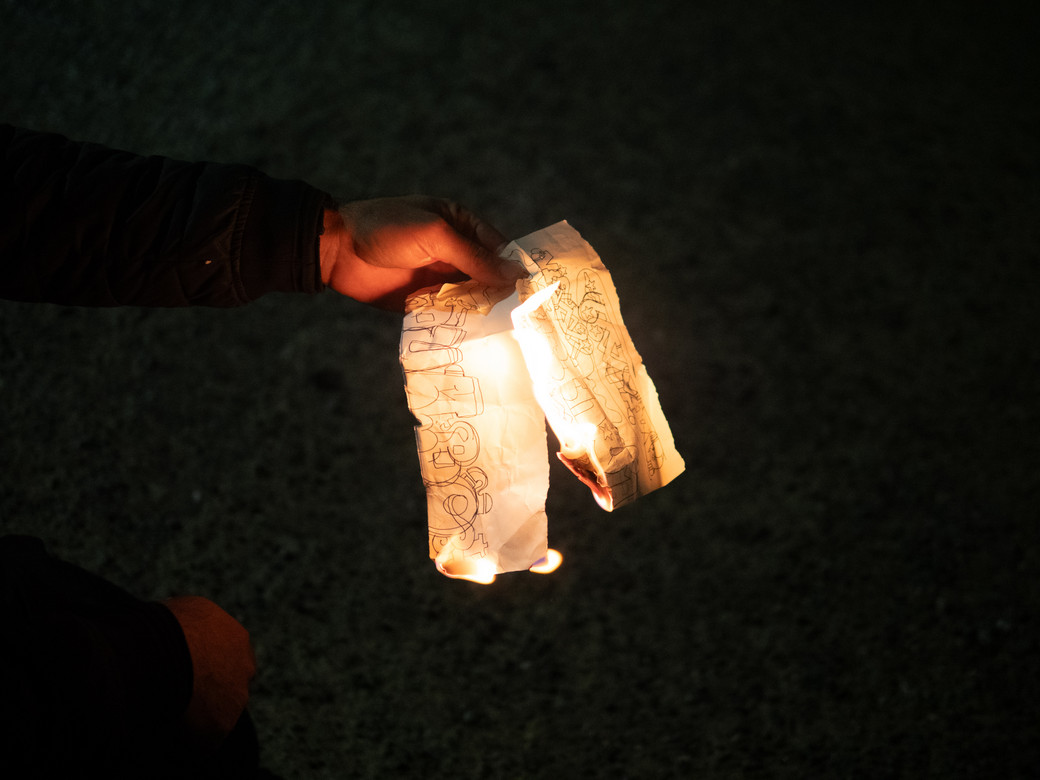
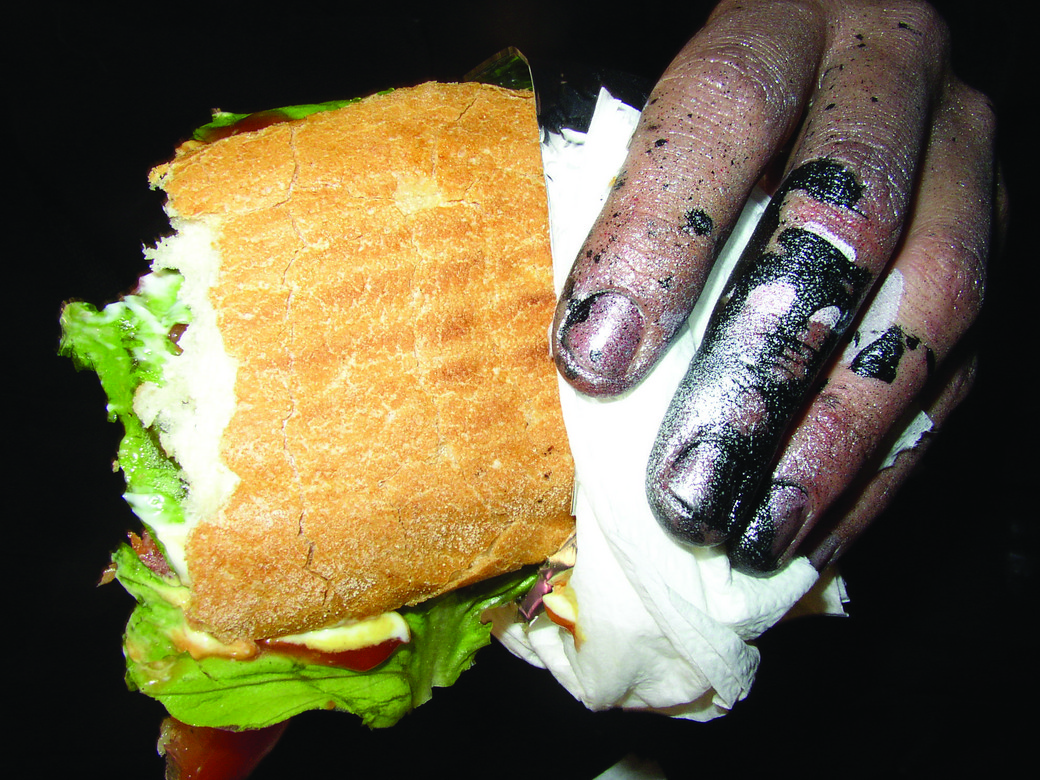
PRESENTE CONTINUO: the intimate ties between then&now

Starting May 30, PRESENTE CONTINUO will be available to purchase on presentecontinuo.com, cpcompany.com, and at the C.P. Company flagship store in Milan, Corso Matteotti 7.
Stay informed on our latest news!

Starting May 30, PRESENTE CONTINUO will be available to purchase on presentecontinuo.com, cpcompany.com, and at the C.P. Company flagship store in Milan, Corso Matteotti 7.

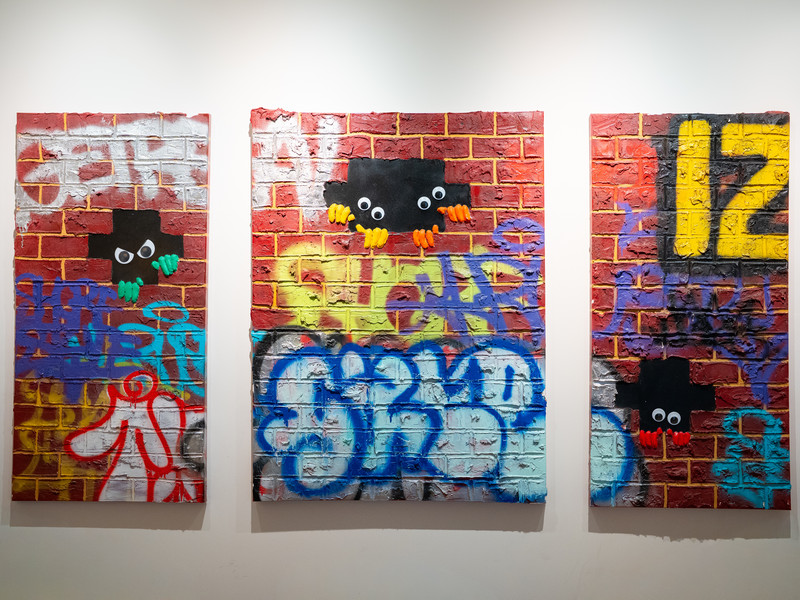
WORTHLESSSTUDIOS fuels the flame in every artist. The Brooklyn-based not-for-profit was founded by artist Neil Hamamoto, who gained clarity through his own experiences, realizing that there was a pressing need to bridge the gap between accessibility and realization in the art world. WORTHLESSSTUDIOS provides artists tools and space to bring even the most fantastical and ambitious projects to life.
Although diminishing the hurdles that artists must navigate is imperative to a flourishing art community, perhaps the most resonant aspect of WORTHLESSSTUDIOS is the close-knit family that it created and continues to build upon. This family and their progress thus far was celebrated this past month upon the stunning backdrop of The Reform Club Inn in Amagansett with the studio’s second annual Summer Social, a night that honored the enigmatic creative community.
The night began with a panel in partnership with Fairchain, where Allison Glenn of Public Art Fund, Charlie Jarvis of Fairchain, Stephanie Dockery of Bloomberg, and artists Eric Fischl and Kennedy Yanko discussed why it is important to fund artist’s projects and inspire creativity, even amongst the madness of the contemporary world. “We exchange materials for time and creativity,” stated Neil Hamamoto, and it is through fostering this unbridled creativity that we can impact the world on a profound level.
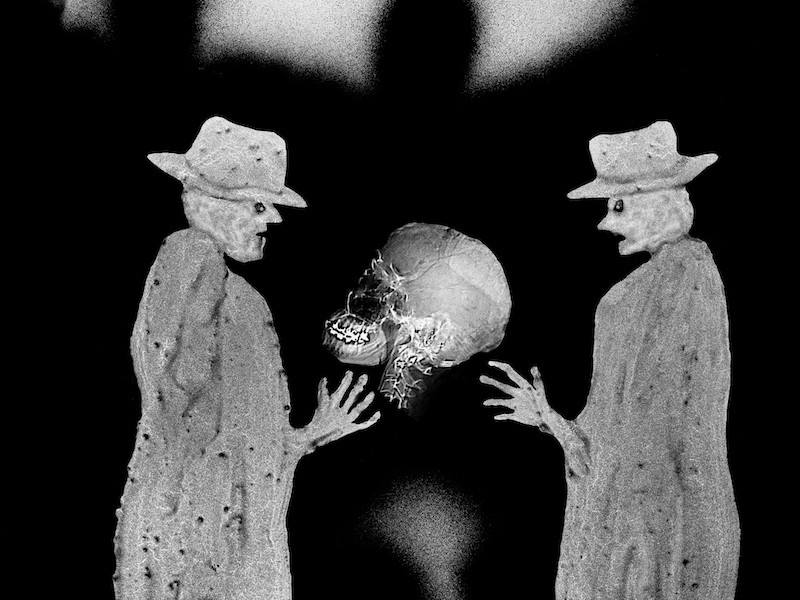
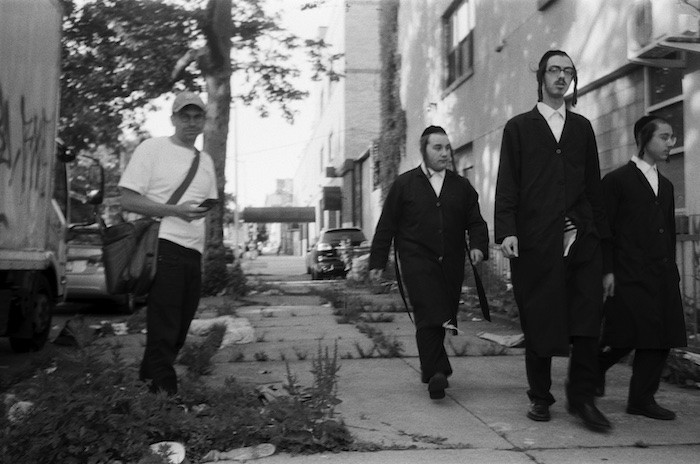
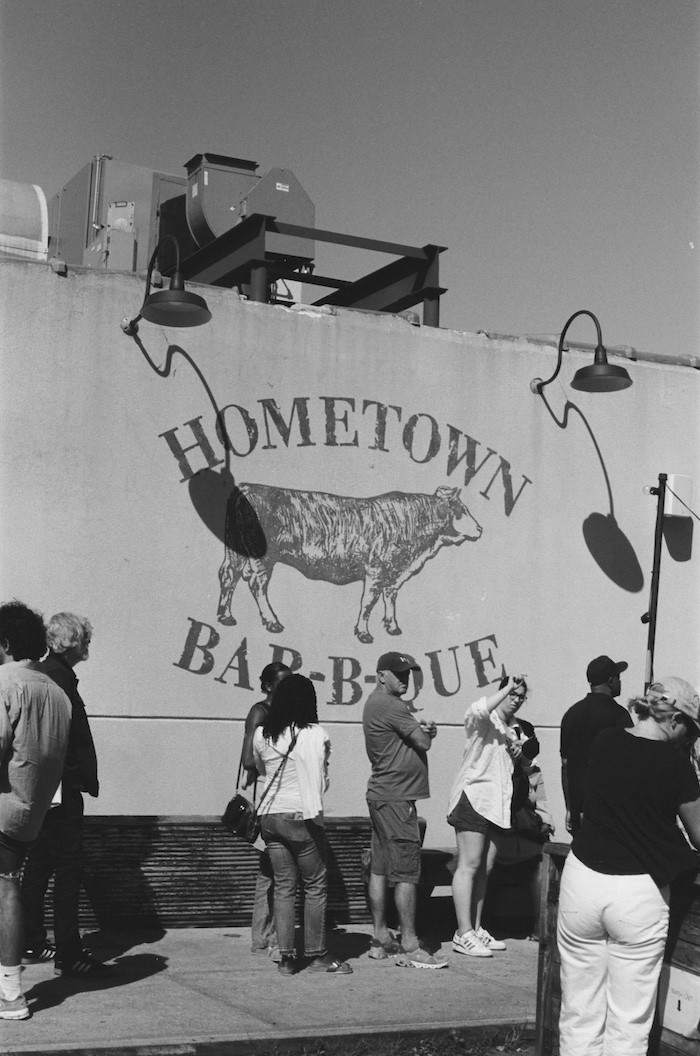
The commemoration was well-deserved, as the past year has given WORTHLESSSTUDIOS a lot to be proud of. The organization spearheaded the fourth edition of its “FREE FILM” project earlier this summer, which began in 2019 after Neil journeyed on a road trip across the United States handing out free rolls of 35mm film to creatives and developing them in an Airstream converted into an on-the-go dark room.
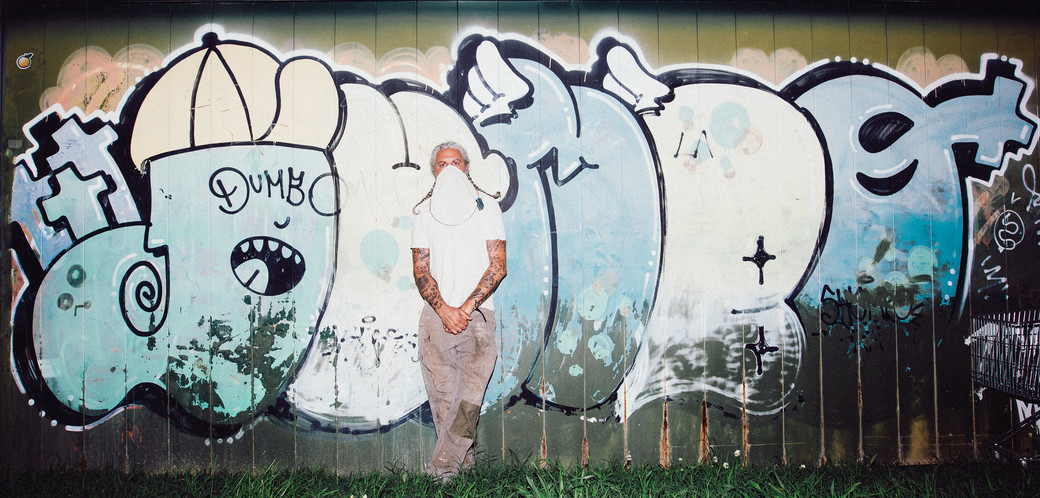
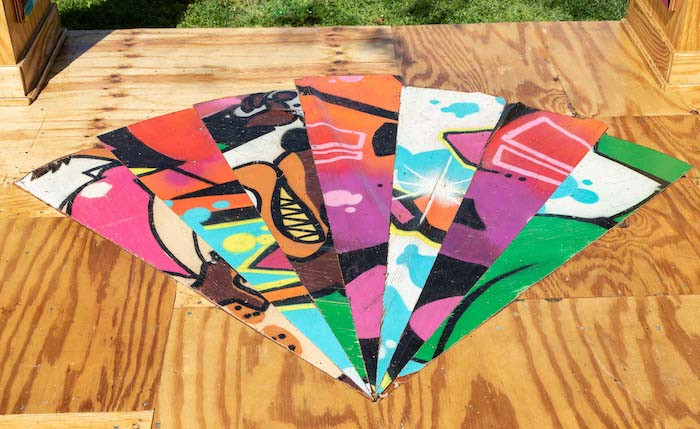
A year later, as mass protests struck out combating institutional and systemic racism, the project continued as “FREE FILM: JUNE 2020,” giving photographers and artists an opportunity to document these turbulent times and provide visibility to the issues at hand. Simultaneously, during these times of unrest, WORTHLESSSTUDIOS facilitated the “Plywood Protection Project,” collecting leftover plywood from boarded-up businesses and redistributing it to artists who transformed them into beautiful pieces of public art.
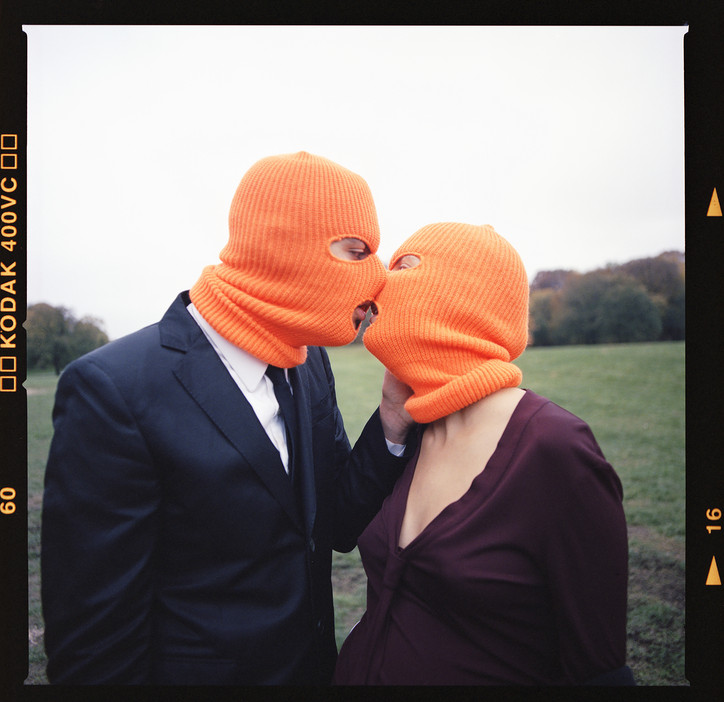
This time around, the “FREE FILM” project will take to the streets of New York City, once again allowing those who may not have proper access to film, cameras, and development the chance to step behind the lens. WORTHLESSSTUDIOS will also be expanding upon their brilliant milestones with their brand new 10,000 square foot warehouse, located in East Williamsburg, which will host its first exhibition, 1-800 Happy Birthday, this September. “By making our home here, we can support more artists through fabrication, technical assistance and other resources, while continuing to challenge and engage the public with major projects,” says the organization’s Executive Director, Marcia Santoni.
1-800 Happy Birthday is being produced in collaboration with creative production studio Even/Odd Films and it is co-founded by filmmaker Mohammad Gorjestani. The large-scale exhibition honors Sean Monterrosa, Oscar Grant, Philando Castile, and Sandra Bland, along with the many more Black and brown lives who devastatingly fell victim to police killings and systemic racism. To celebrate their lives and legacies, the team worked closely with contributors, curators, and the families of the celebrants themselves, to bring in upcycled New York City payphones that will play voicemails left for the celebrants on their birthdays. Visitors will have the opportunity to leave their own voicemails as well, and there will be an array of support resources available for families and visitors — “One of the hallmark programs for 1-800 Happy Birthday will be Family Meeting, an open discussion with mothers and families who have lost loved ones to police violence. The design of the exhibition itself provides space for visitors to take it in and then process the experience,” Marcia explains.
1-800 Happy Birthday is still in the works, as WORTHLESSSTUDIOS is an ever-evolving entity, but you can take a look into all of the groundbreaking work that they and their wildly gifted collaborators have accomplished in past projects, below.

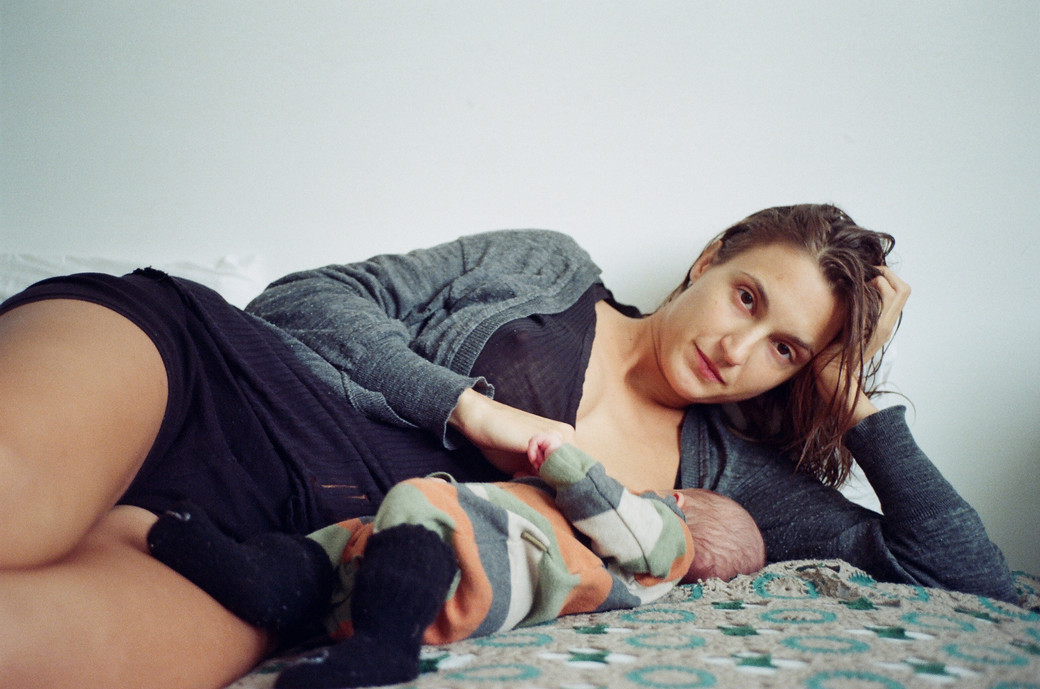
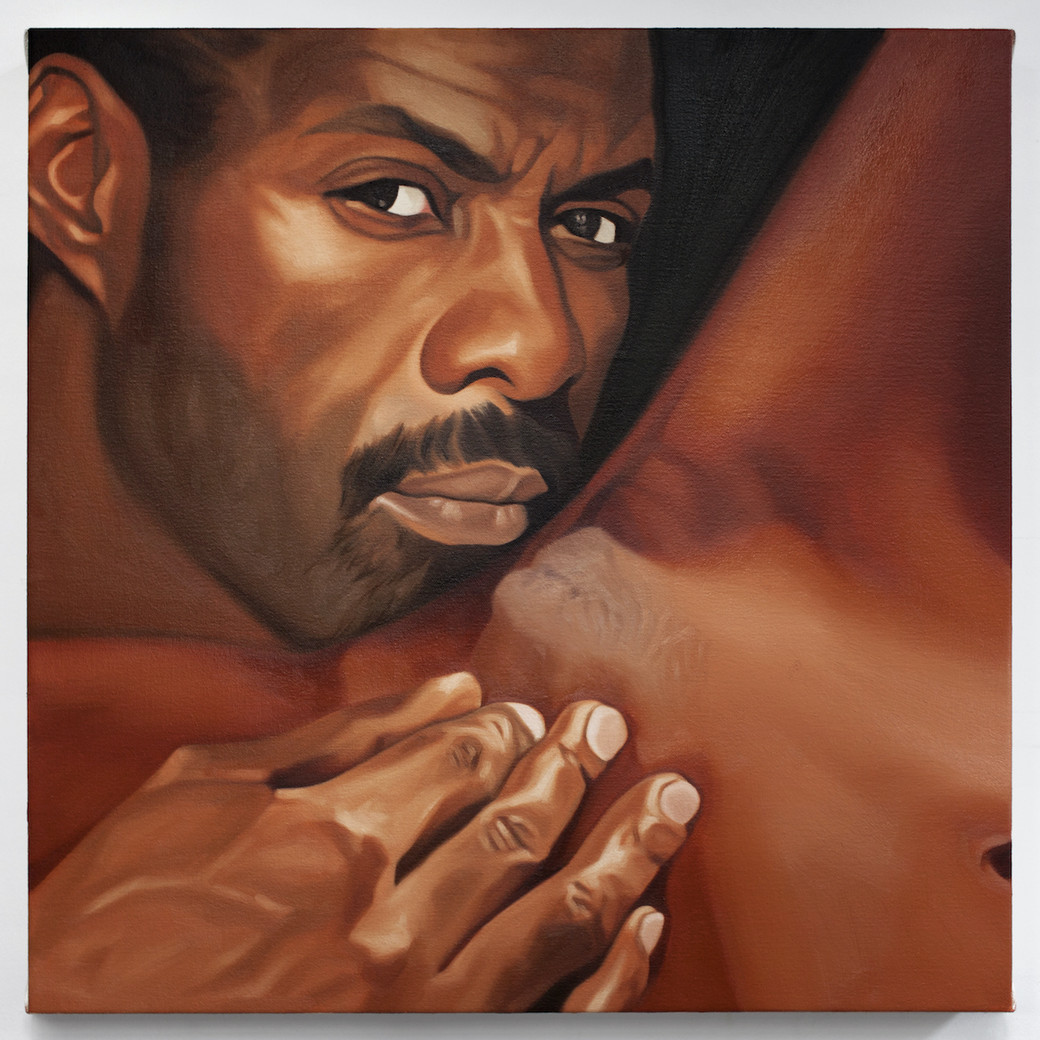
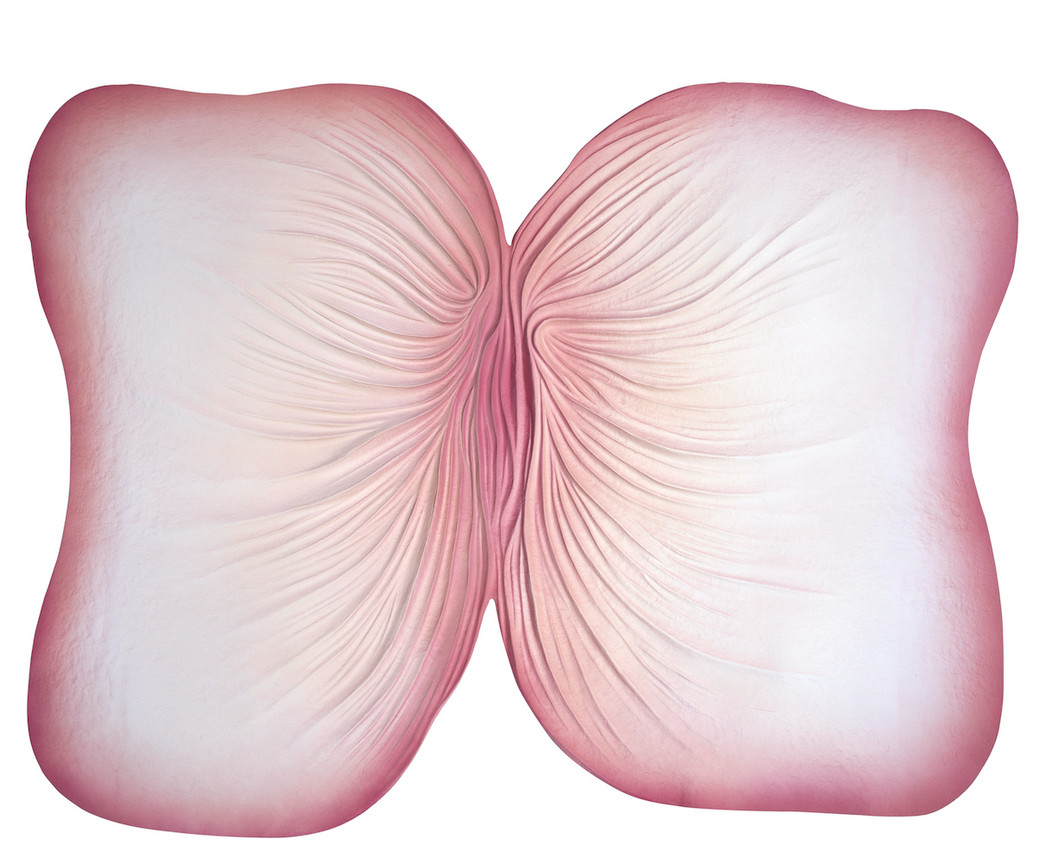
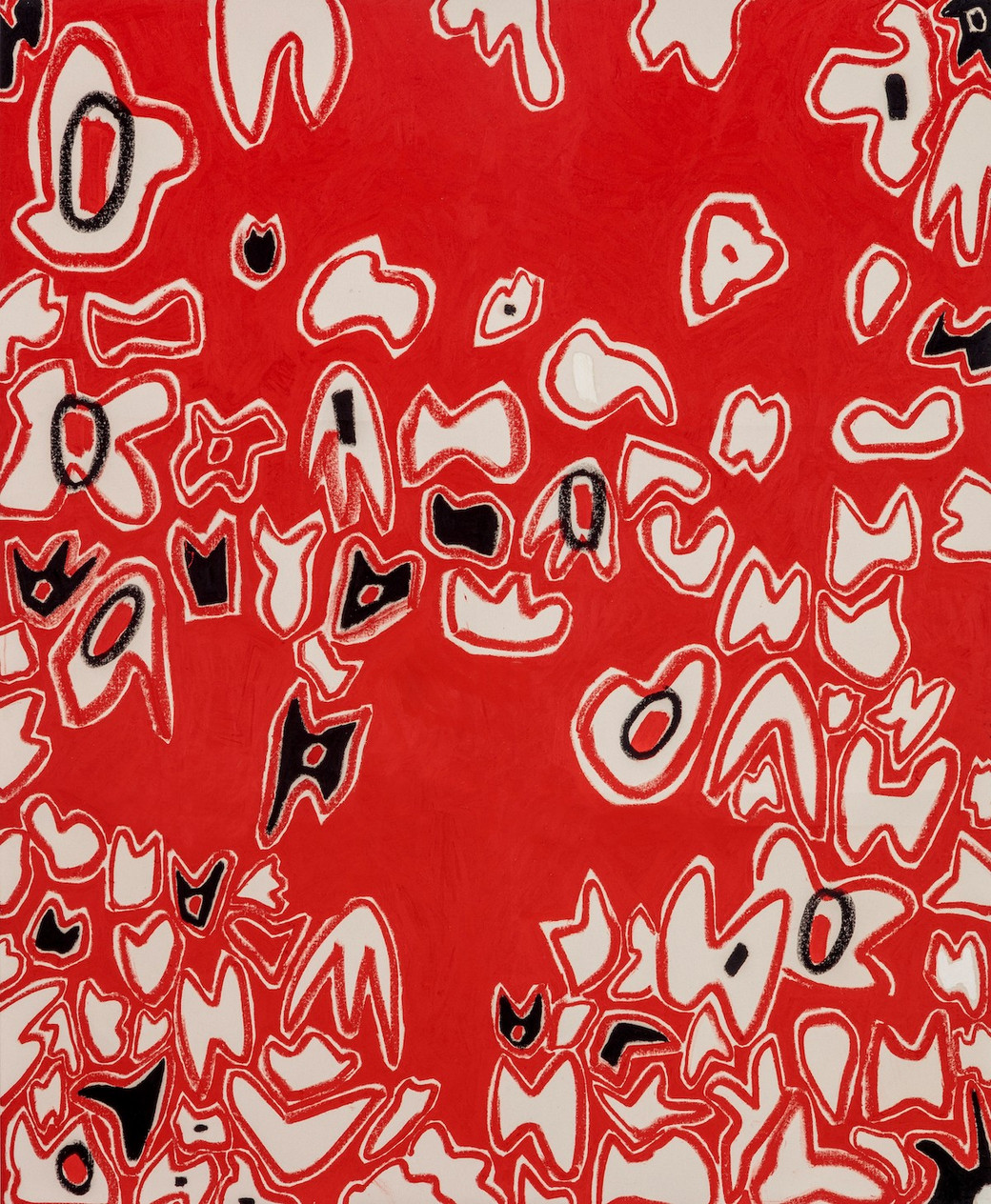
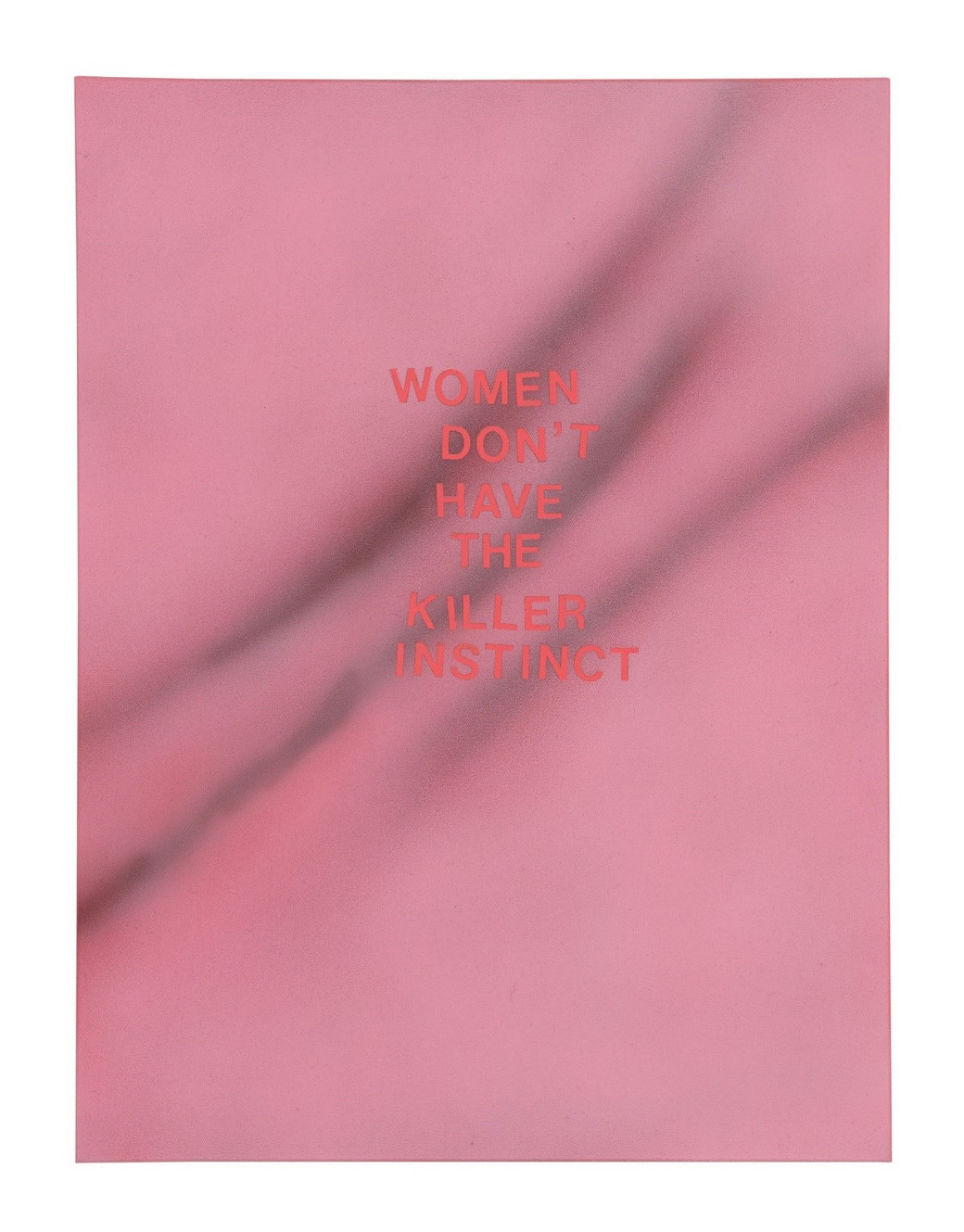
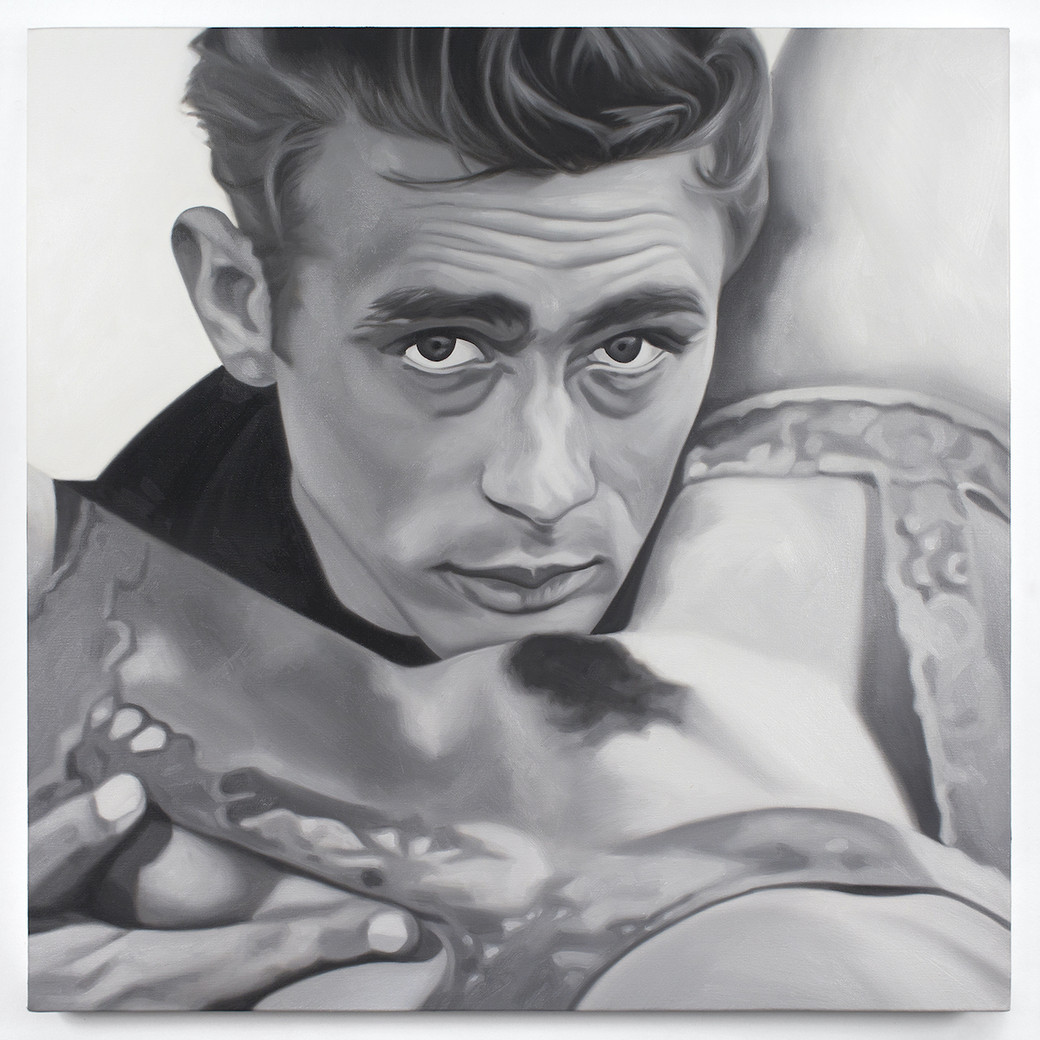
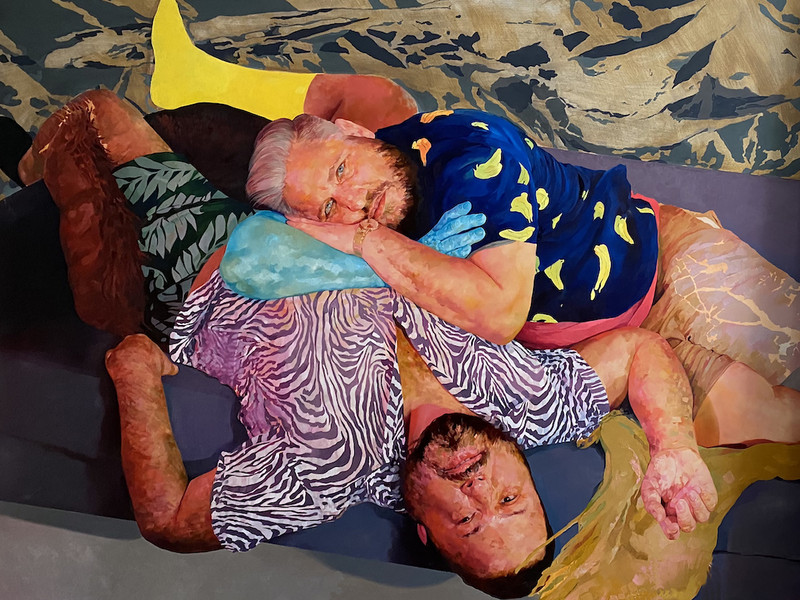
Through the many lenses of female artists, the display and intersection of pleasure within the realms of celebrity and social media along with other angles of womanhood like childbirth – these artists are showing not only sides of themselves but of us and how consume the woman’s body and psyche, while unbeknownst to us the subsequent audience, they are seeking or rather fighting for the right to own every curve and edge of their bodies.
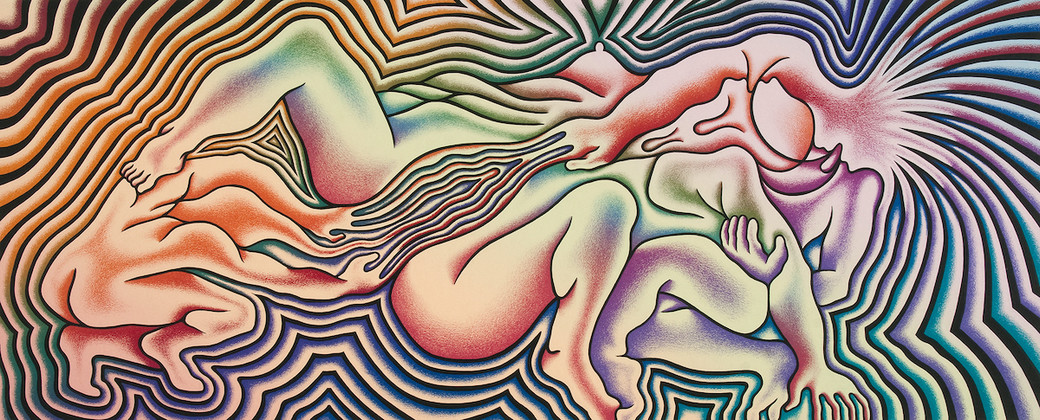
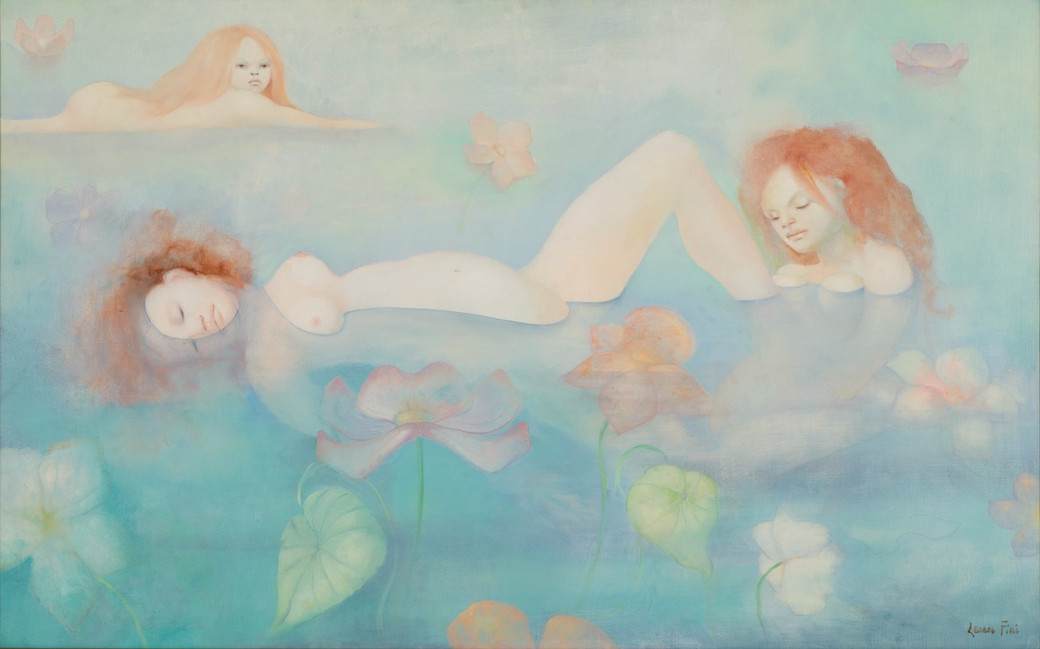
Artists featured in the show were selected by BlackBook Presents because of the many stances and complexities that each have embodied. “What comes through in the Fini works is very different from the humor in Alexandra Rubinsein's paintings, or the kind of punk rock anger in Judith Bernstein's works," says director of the project, Alexandra Weiss. "And yet there's a connection. For us, it was really about celebrating those differences while highlighting the beauty of the female experience — and celebrating it, without apology.”
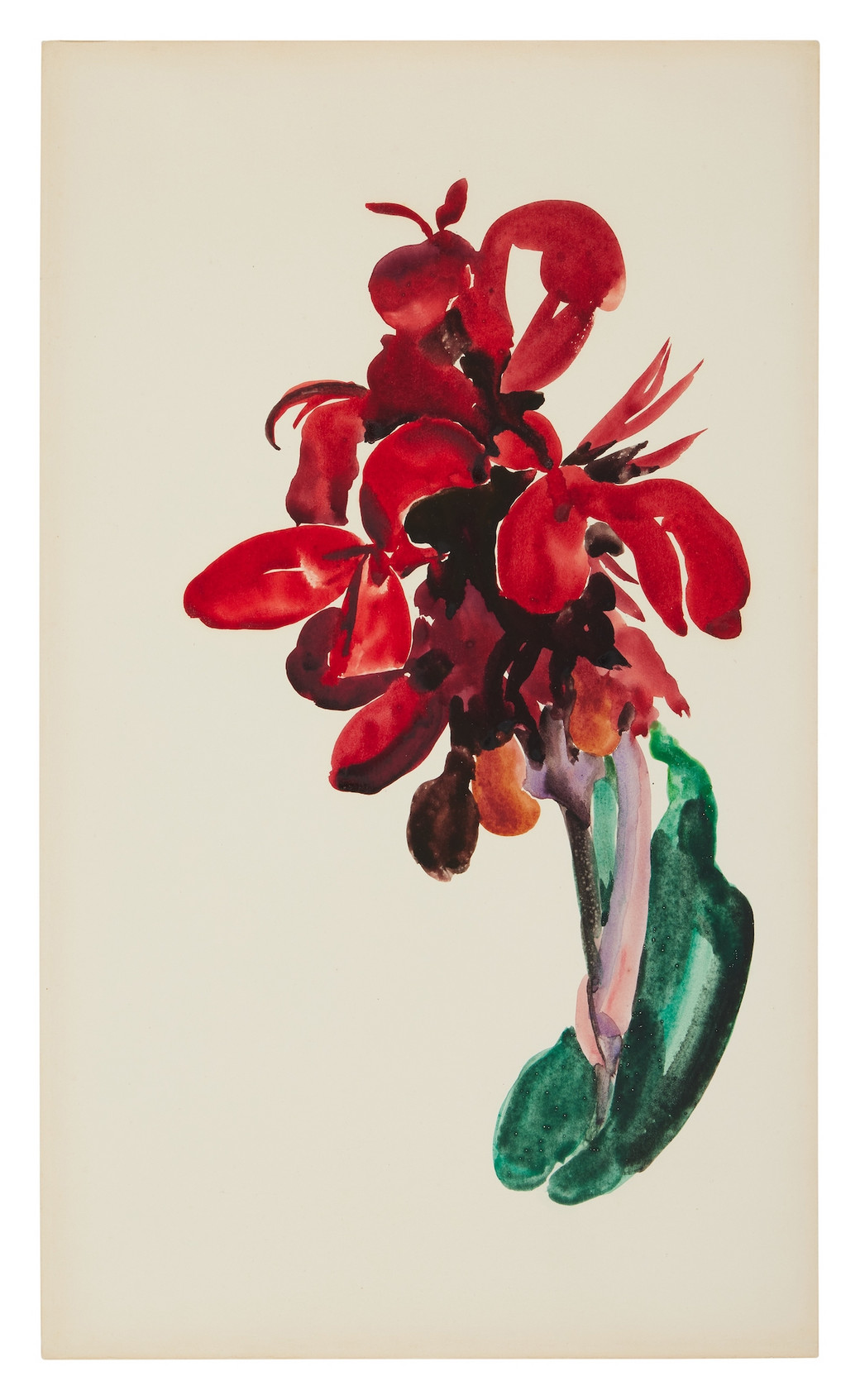
The artist line-up by features women who have dedicated their lives to a gaze that has yet to be categorized and may have been exploited many times over, woman’s sucesses and plights in the world such as Judy Chicago, Tracey Emin, Leonor Fini, Sophia Wallace, Georgia O’Keefe, and Louise Bourgeois.
Don't wait too long to go see it, the exhibition is at Sotheby's Los Angeles until August 12, 2022.

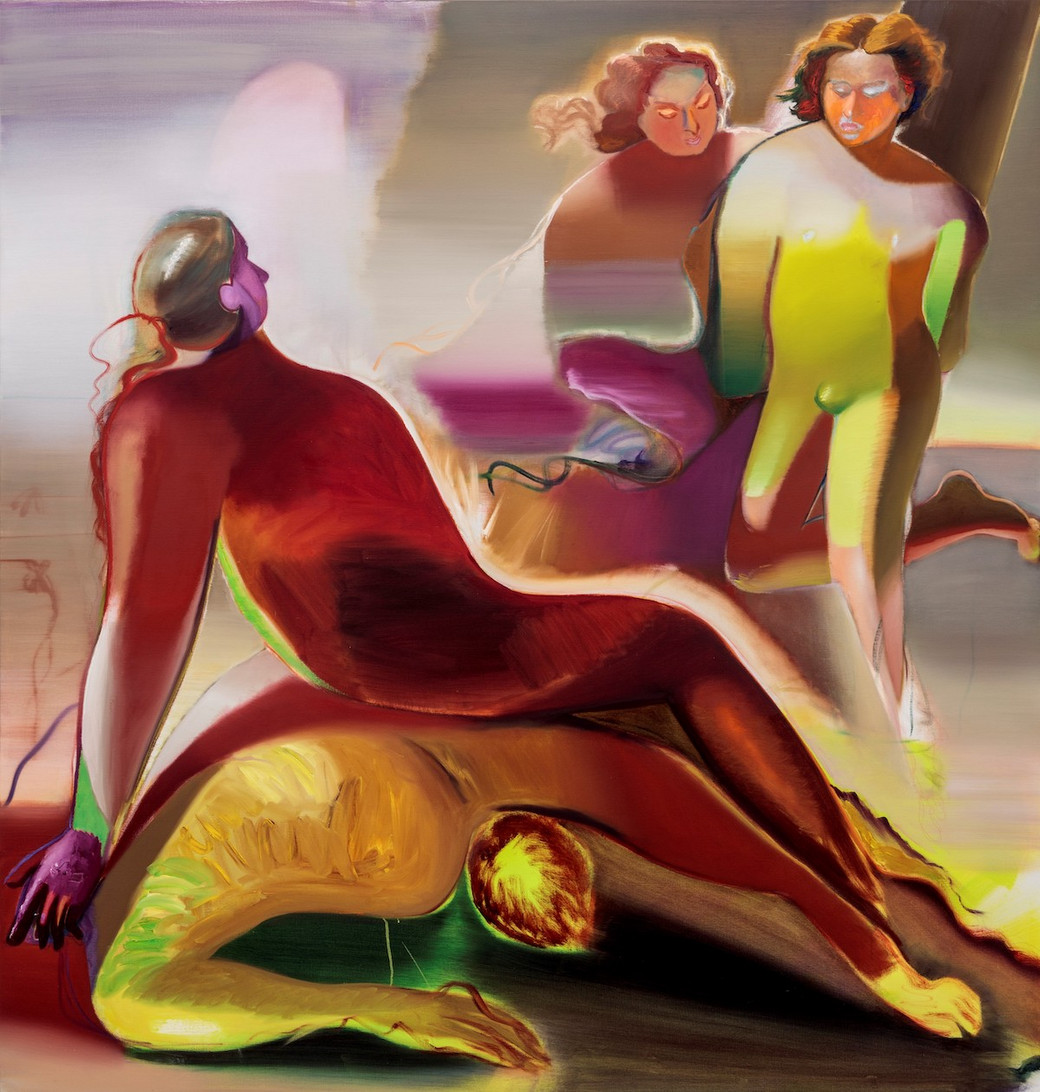
Towers has been painting since she was six years old when her parents involved her in a grass-roots organization that allowed her to explore her early artistic desire. Noelia was the only child in the room, filled with adults far beyond her years. “Maybe as a child that wasn't really the best environment for me,” says Towers, “but in retrospect, it was really good. That's when I learned everything I know.”
At seventeen, she took a break from painting as a whole, proclaiming “I hate this, it's for pussies”. That lasted until she entered her Bachillerato after completing high school, meaning that for two years after her graduation, she would choose to study a subject she would like to continue in college. Encouraged by the people around her, she decided to reconnect with the artistic side that she had left behind.
Due to the personal nature of her work, pulling from both the past and present, Towers emphasizes the healing nature of her images, agreeing that the process in itself is a form of therapy. “Everything I paint is mainly very autobiographical,” says Towers, explaining that most of her inspiration is drawn from her own experiences, memories, and aspects of her formative years that were crucial to her development as an adult.
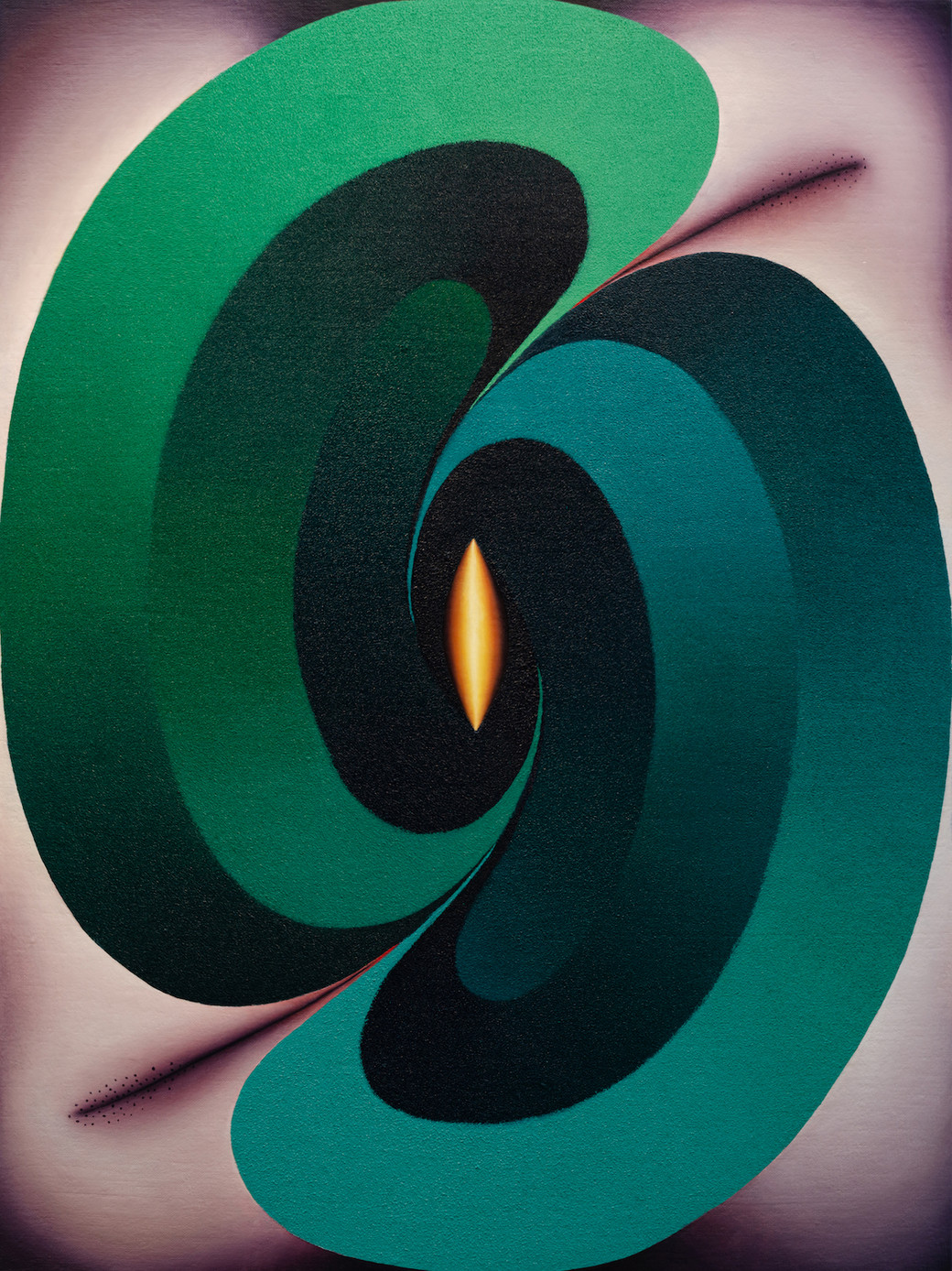

Although she expresses that words are not her forte, she undoubtedly has a talent for the intimate. In her zine "Harmless Confessions", published August of 2021, she fills the pages with writings and polaroids that share poetic, detailed accounts of some of her most formative moments. Tying into the themes and images in her paintings, Towers' work has an obvious and unique voice of its own, allowing us to catch a glimpse of what it is like to be in her brain.
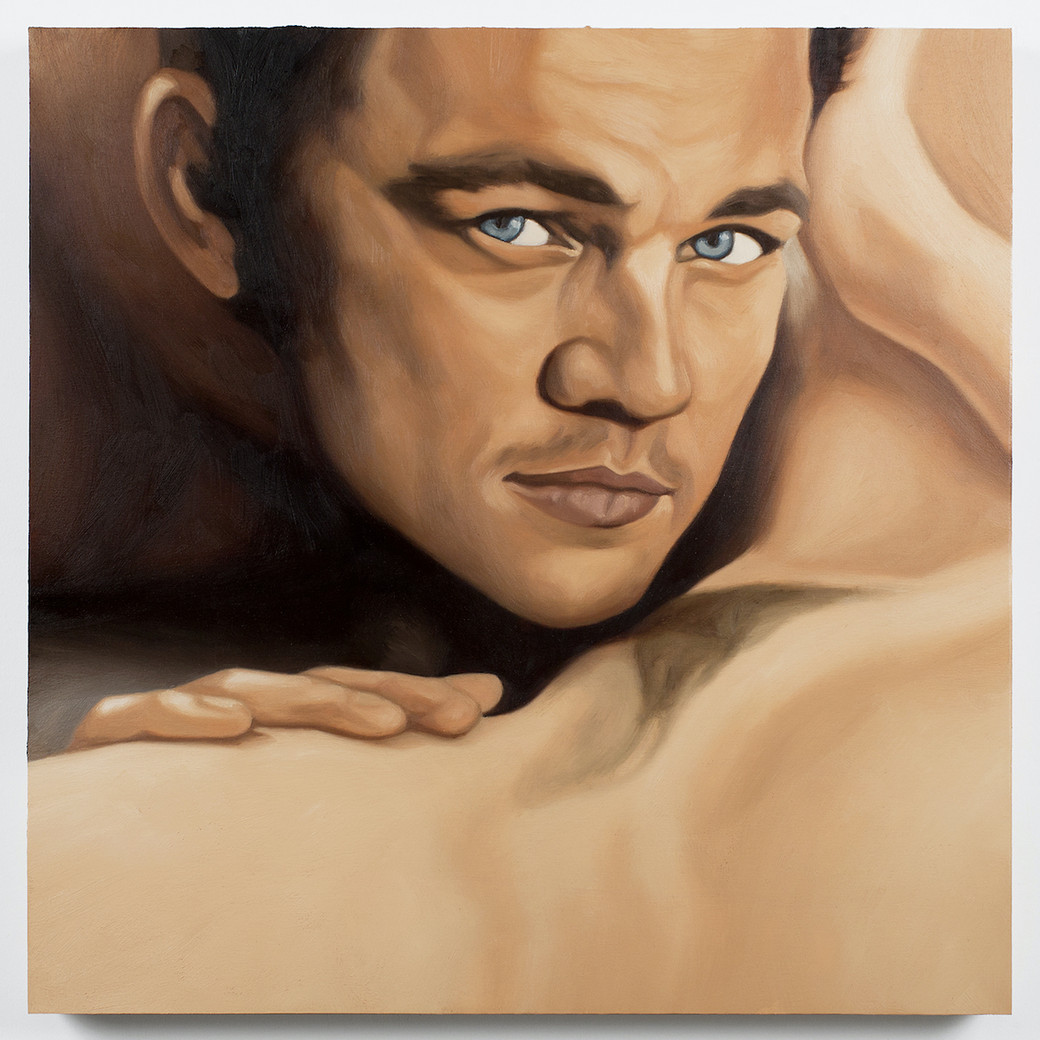
As she paints, she feels she is uncovering aspects of herself that are “deeply rooted in the subconscious”. Even though much of her artistic motvation is drawn from major moments in her life, she continues to pull “the most mundane, basic things” out of the back of her mind. She has found that because of her work, she is learning more about how she functions.
“I feel like the moments of sadness or the moments of severe anxiety or depression are learning moments for me”, says Towers. “It's like after the storm, when the sun comes out. That's when I'm like, okay I'm going to reflect on what just happened and now I have the strength to go back and paint.” She feels that although she has tried many methods, she does not work like other people. “You hear of these troubled artists who are like ‘oh, he made his masterpiece while he was in a deep manic episode’, and I'm like, how? I can't do that. I don't understand how people can make such amazing artworks when they're at their lowest.” Towers unveils that fact that many seem to ignore: whether you like it or not, emotion rules all, both work and play.


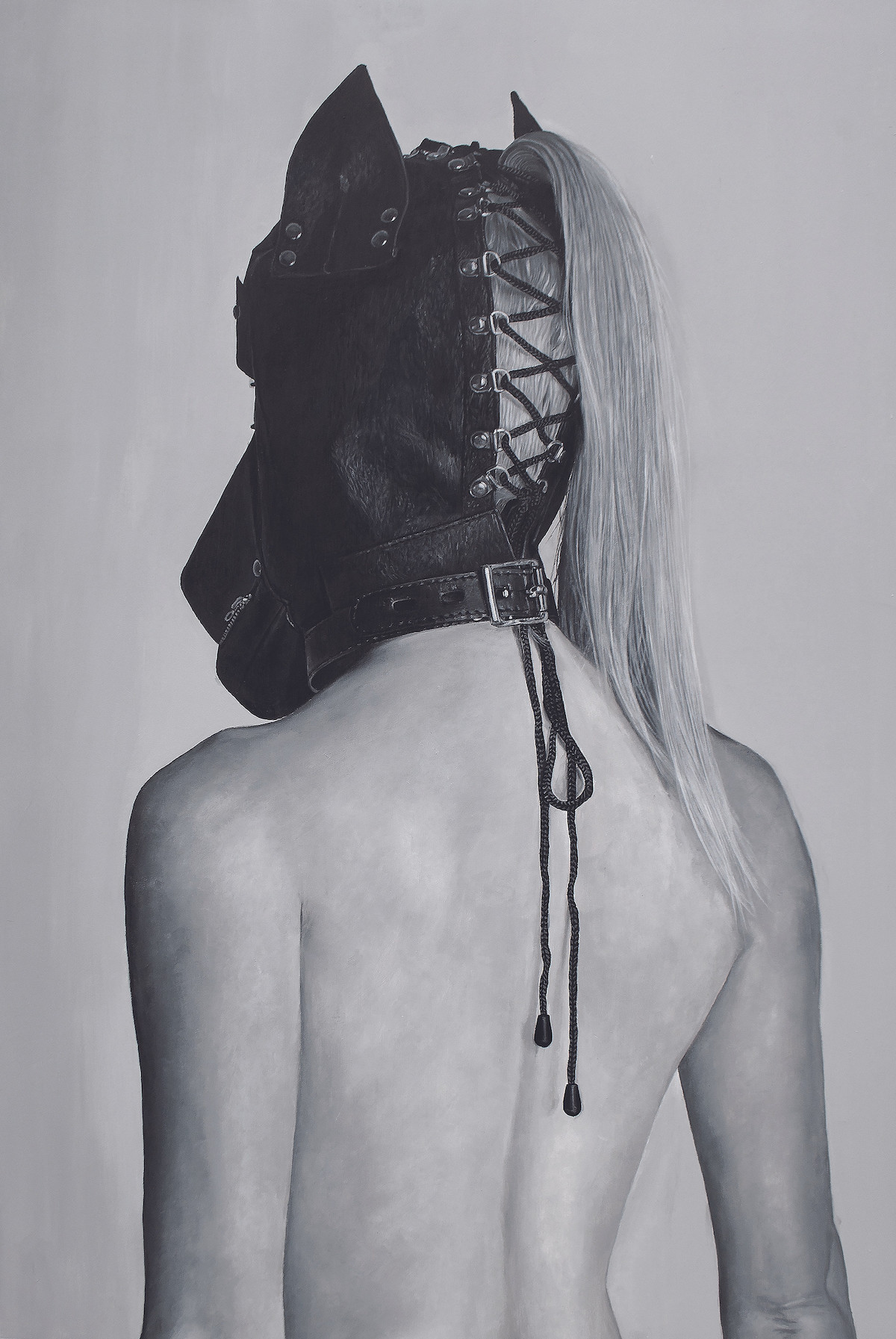
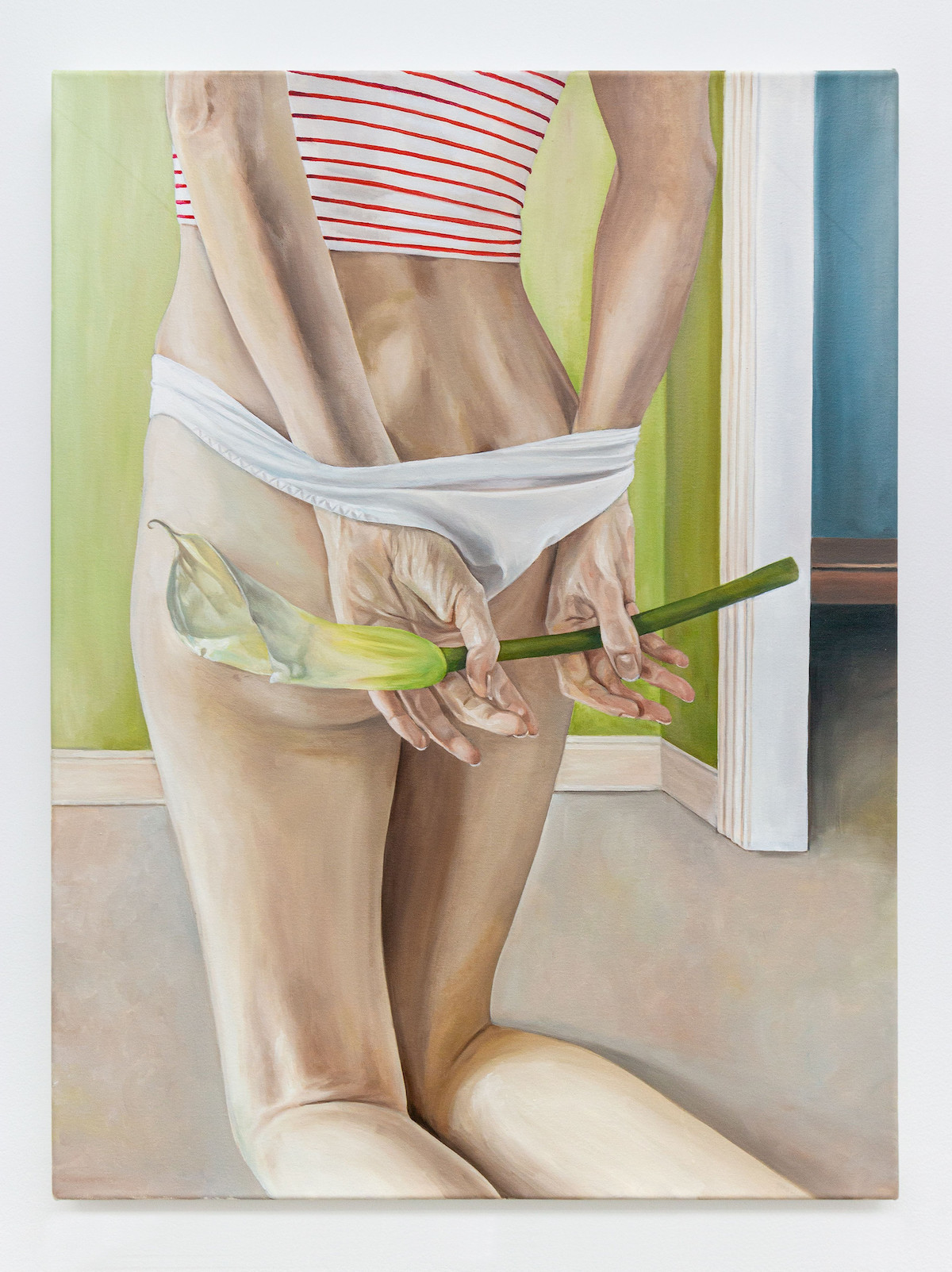
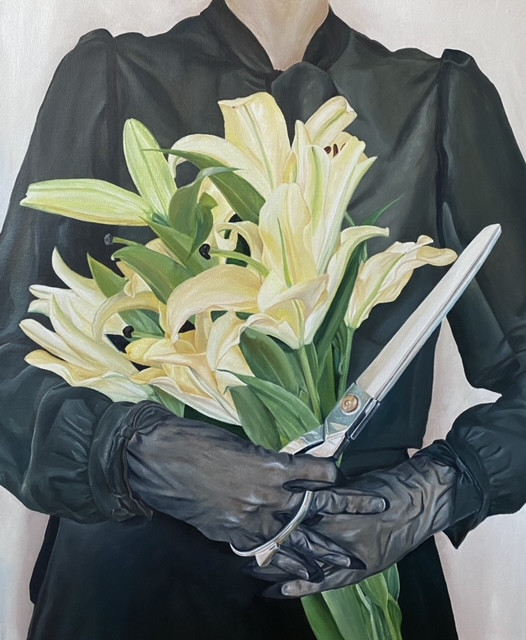
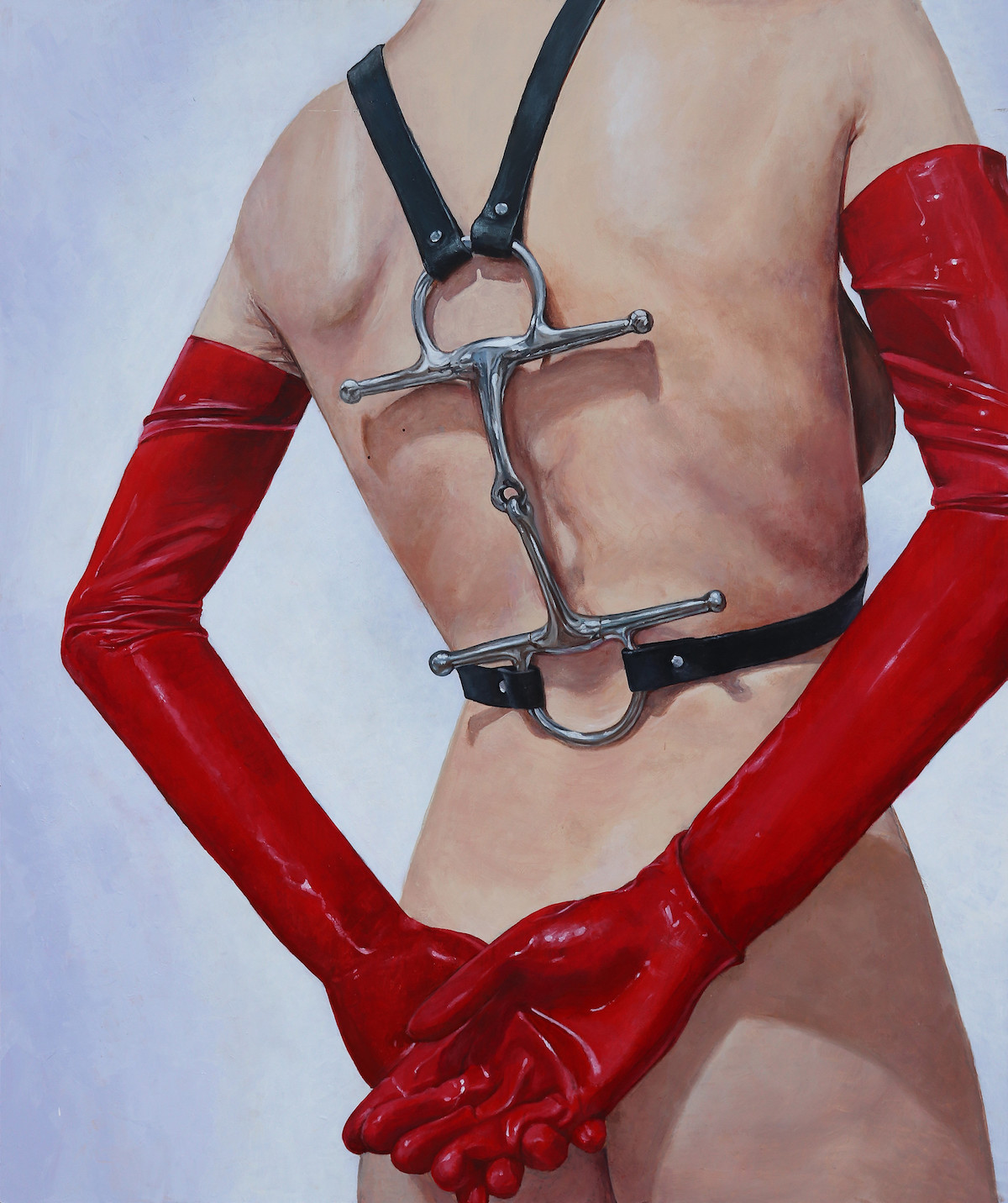
The themes in many of her paintings seem to follow the relationship between pleasure and pain, contrasting a soft and traditionally feminine image with an omnipresent dark feature. In explanation for this, she expresses that “I always feel like there's a duality in me, and I'm sure it's the same way for a lot of people, but I feel like my paintings are a mix of that duality, and I think I am doing a really good job of exposing it the best I can.”
She describes the subjects in her paintings as “shadows” that work in juxtaposition to how she outwardly portrays herself. She compares it to how people explain astrology, with the sun and the moon representing how you present yourself to the outside world, saying ”I give you this side of me that I want you to know about, but I'm also showing you hints about this other side of me that I'm maybe not so proud of, or a side that I'm exploring and I'm not quite sure of”.
Without the face of the subject being explicitly shown, Towers is truthful to her narrative while allowing it to resonate with others. She explains that “it could easily be a person that relates to my work, and something that resonates with other people without having a face explicitly in it.” Although she wants to stay true to the fact that the picture draws back to her at the end of the day, she invites space for alternative narratives.
In Towers’ upcoming New York showcase at Half Gallery Annex in September, she revealed that a piece includes her face, but is missing a key feature. “My eyes are closed. I feel like the eyes give away a lot, so I wanted to keep that part hidden and still private.” She explains that she feels like she's being a bit more brave in this particular show and in her future art as a whole. She wants to play with leaving things to the imagination without being completely secretive, vulnerable but still resilient, reminding me that “sometimes what we don't say, what we don't show, are just as important as the things that are shown”.