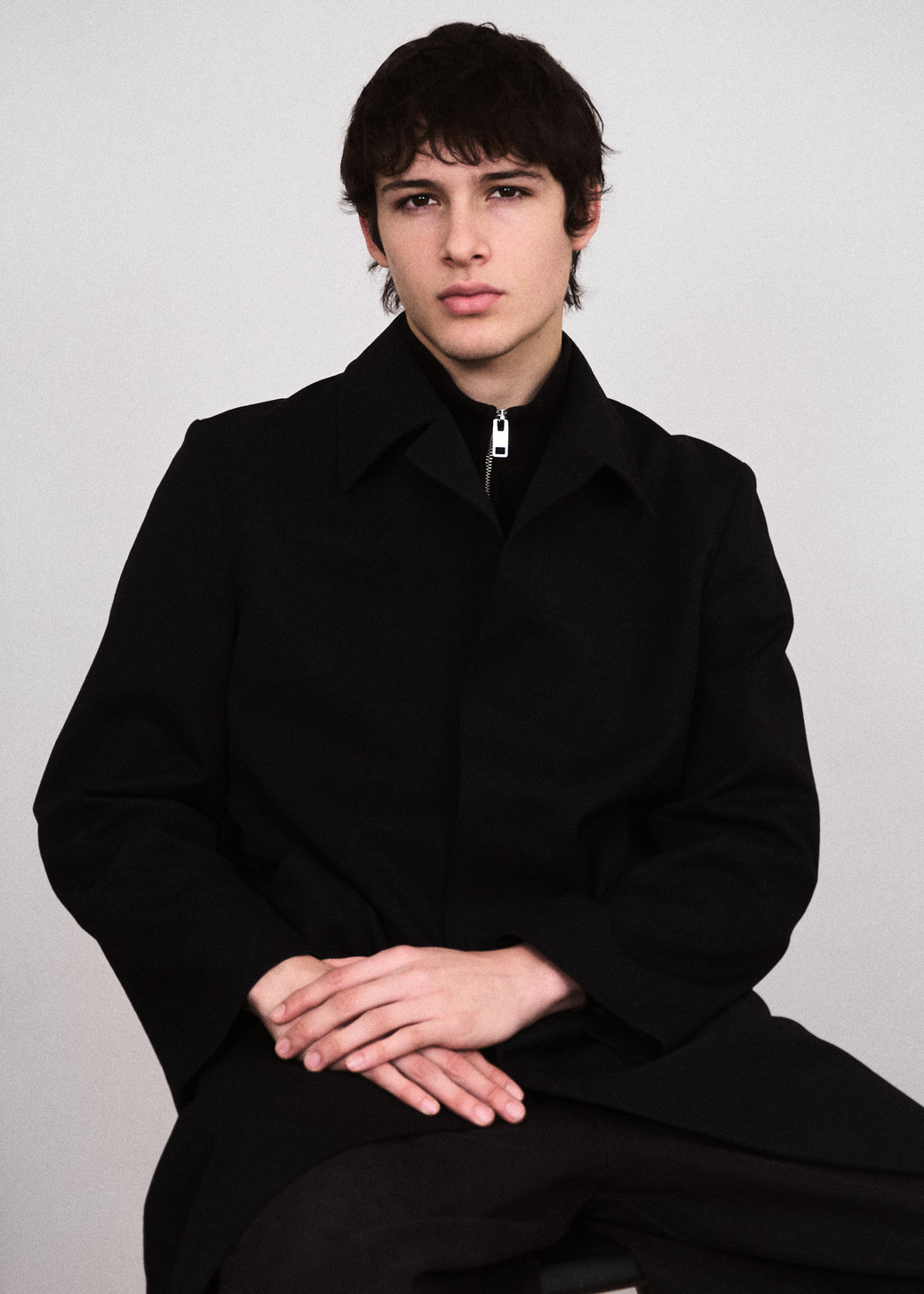
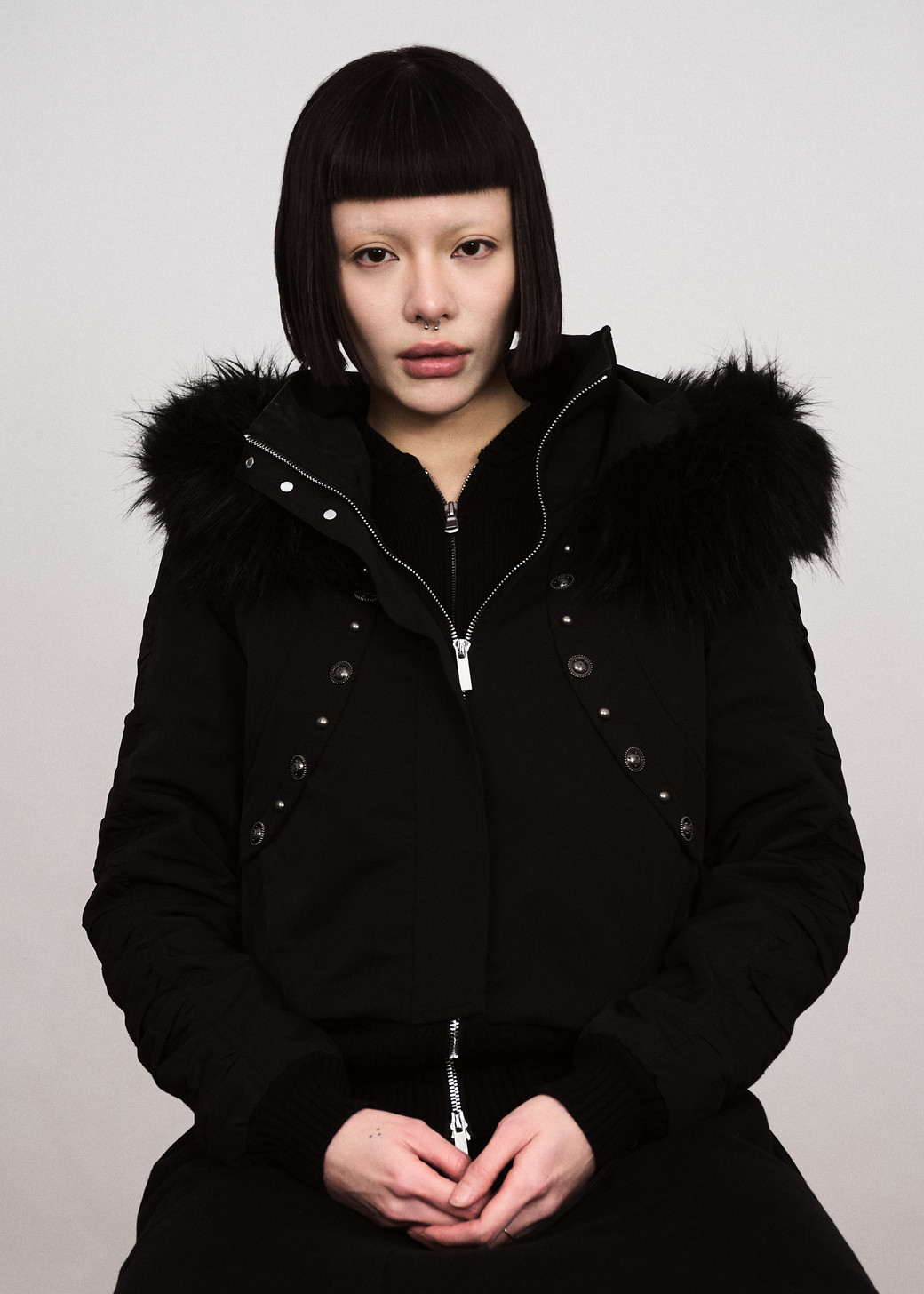
PRESENTE CONTINUO: the intimate ties between then&now

Starting May 30, PRESENTE CONTINUO will be available to purchase on presentecontinuo.com, cpcompany.com, and at the C.P. Company flagship store in Milan, Corso Matteotti 7.
Stay informed on our latest news!

Starting May 30, PRESENTE CONTINUO will be available to purchase on presentecontinuo.com, cpcompany.com, and at the C.P. Company flagship store in Milan, Corso Matteotti 7.

What is your algorithm serving you these days?
Recently I’ve been really into these TikTok edits, I watch them every morning. Not sure what they’re called, but they’ve got this song from Tron, and then just fantastic clips of a rocket ship, and then vintage paparazzi Kylie Jenner, then a drug mule on a cigarette boat, then a beach on the Amalfi coast. It’s like coffee without the jitters. It propels me without fear. Much better than Instagram. All I see over there is writers making sex their whole personality. Is there anything less interesting than sex right now?
Do you think of yourselves primarily as critics intervening through art, or as artists for whom criticism is one of the available forms?
I don’t really understand the distinction between artist and critic. Can you be one and not the other? Like, I get what you mean in the classical sense, and the art world definitely reinforces that fiction with its hierarchies or whatever, but I can’t think of a good artist removed from critiquing the world around them. If you believe in art, you aim for something more; you build what you want to see. To me, that’s criticism. And that’s not a cop-out, I’m not trying to be inclusive here. Most people lack that vision. At the end of the day, there really aren’t that many artists in the art world.
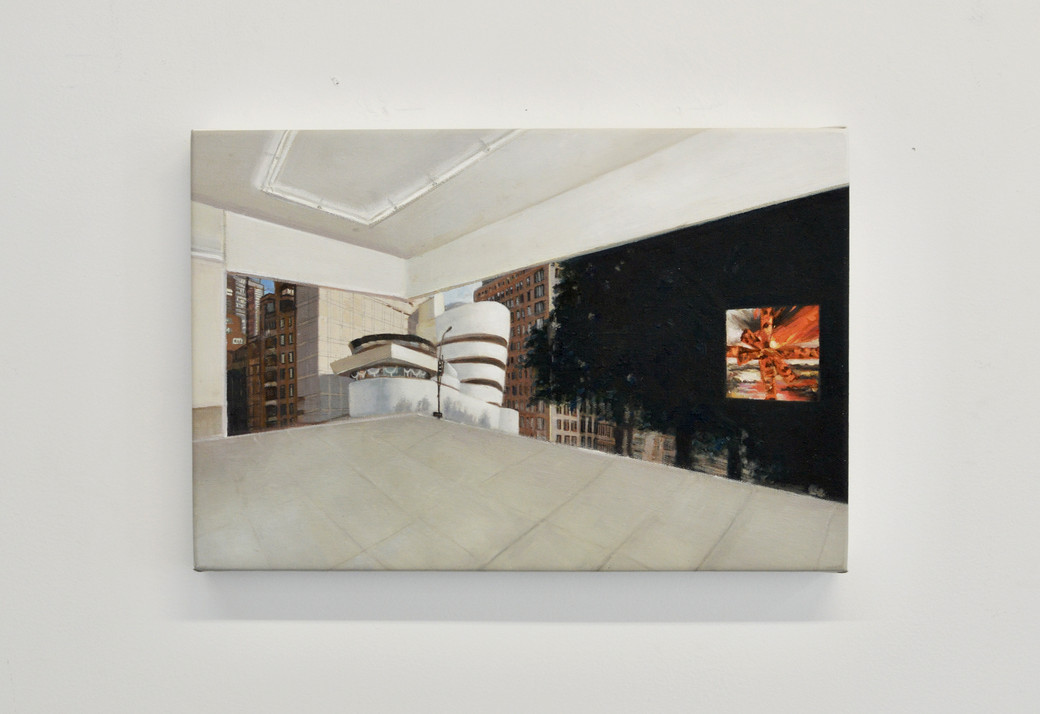
Your recent work explicitly references the works of other artists: your painting in The Meeting – your solo show at Pio Pico – is a copy of Jeremy Ringermacher and Ariel Pink’s The Last Art Piece; your poem “Gun” which was recently read by Petra Cortright makes reference to Gregory Corso’s poem “Bomb”; and your painting Eliza Douglas: Guggenheim, Overduin & Co. is a depiction of an installation view of an Eliza Douglas show, which was itself a staging of the Guggenheim. What interests you about these chains of repetition?
That’s a good question. None of that work is really a copy. The piece at Pio Pico, for example, remakes Ringermacher and Pink’s painting, but in composition only: the subjects are completely different, and the concept, too. Plus there’s not really any documentation of the original – it’s from 1999, when they were undergrads at CalArts… the truest reference was actually some random family photo with the painting way in the background – so how faithful could a copy really be? I guess, then, it makes more sense to call these moves “interpolations” or something, and I think that’s all about momentum and curiosity. The originals are autonomous little things that burrowed into me, mainly because of the stories that came with them. I’m chasing after all that to see where it goes, and sometimes it goes somewhere beautiful and unexpected, like what Petra did with Gun.
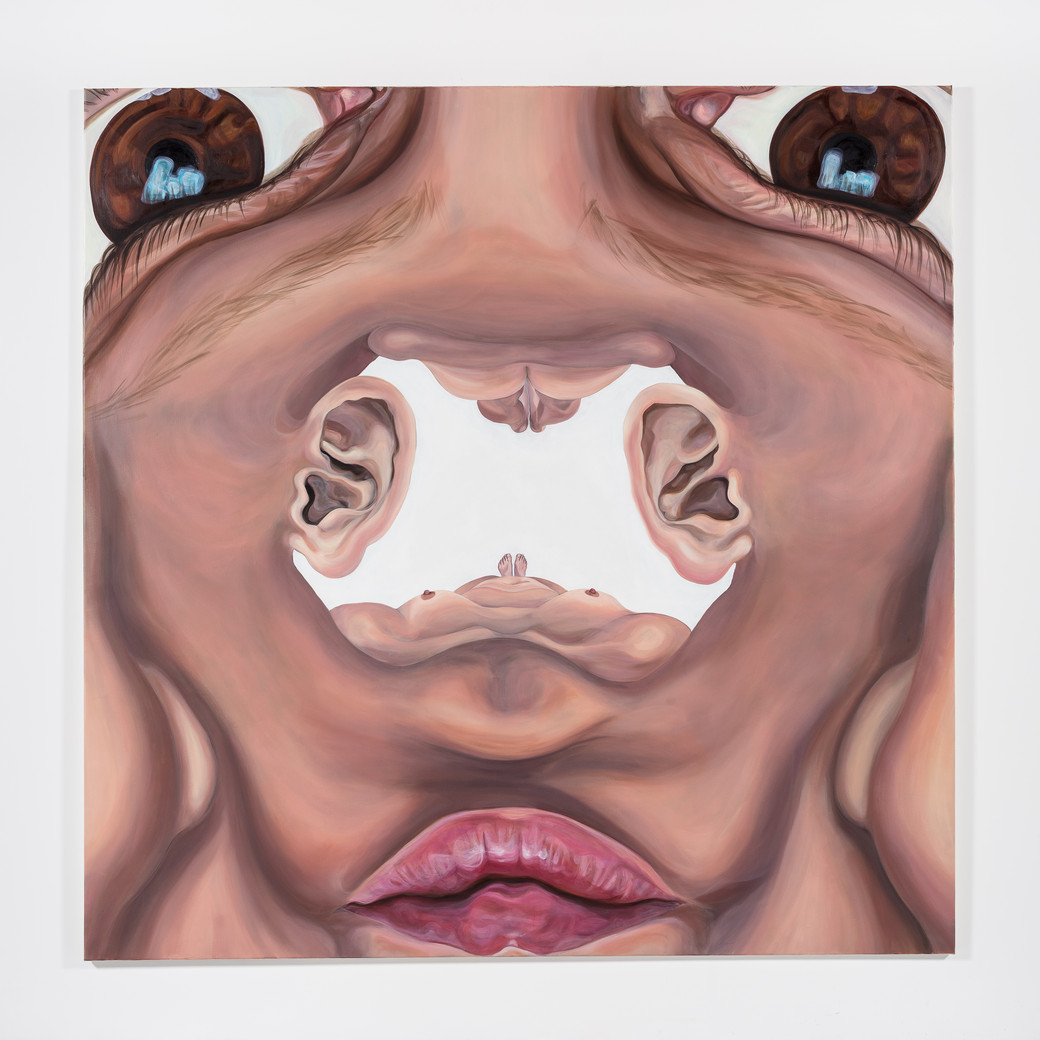
At the Pio Pico show, viewers had to hand over their phones before entering the room to see the painting (Untitled (Young adults are having less sex than ever), 2026), while your performance at the ArtCenter panel seemed designed to live on through retelling and digital recording. It often feels like your work is designed to acquire a social life. To what extent is that afterlife part of the work?
You’ve almost conflated these two things – “social life” and “afterlife.” I hadn’t considered it, but they’re pretty similar. When you’re out at a bar, at Prado or whatever… you might as well be in Hades, no? It’s just like this Fortnite lobby full of hysteria, intrigue, and dread. All those lives, unresolved, waiting to be judged... Isn’t that what art is? People want art to be heaven, but that’s so frictionless. And decided. The social life of a work is exciting precisely because it’s alive, and because I have no control over it. For example, that lady who fainted at Pio Pico – she’s now part of the work, whether I like it or not. She thought she saw herself in the painting and, even though she wasn’t actually in it, now she is.
Can rumor, gossip, and word-of-mouth be more aesthetically serious than images?
Well, we’re overrun by images at this point, that’s obvious, but it’s funny: without fail every artist still documents their stuff ruthlessly, and artlessly, in image form. Every single one. All this while they complain about “slop” and homogeneity, by the way. Again, their artistic choice – with the show’s “afterlife,” as you call it, in mind – is to do what everyone else does. Can you imagine? And, maybe worse, a lot of the time it’s the first thing they think about. “How will this look in documentation?” takes precedence over the personal encounter, over something more visceral. If documentation is really that important, and I think it is, why not approach it more critically? Why not use a new frame?
How have media conditions of instant circulation, total documentation, and algorithmic visibility changed what kinds of art feel consequential?
It’s just made art seem that much more unimaginative. Like, these are all new levers to play with, right? Yet no one really wants to touch them. There’s even this whole trend of refusal when it comes to new tech, an active unwillingness to adapt. Curiosity, then, is what? A vice? I don’t get it, it’s conservative, it’s scared. Take streaming: why doesn’t art consider it under a performance umbrella, or as art at all? Here we are, staring down an untapped and lucrative form, and the academy can’t even be bothered to take a second look. It’s why I was so shocked at the reception to our ArtCenter panel: a lot of people, including students – *art* students, mind you – got angry because they wanted to hear debates about oil painting, traditional mid-century stuff or whatever. They felt like we derailed that possibility. To me, though, we were just playing with the tools available, tools that art neglects, that are much more relevant than the ones they don’t.
What would you say to people who think Diva Corp is just a group of edgelord assholes trolling the art establishment?
Oh gosh, I wish them the best. These people love to overcode what we do. They overcode everything, really, it’s sort of endemic in their pocket of the art world. Like, they’ll see the color red and immediately think of Mussolini, and then all of a sudden they’ve got you cornered, talking about how to overthrow the technocracy and their plans for the next No Kings protest. It’s like, great! I’m glad you’re passionate, but what’s that got to do with “red”? There’s comfort in simplicity for them, though, I guess.
When is transgression necessary?
I don’t think too much about transgression. Maybe the more important question is, like, “When is it necessary to fear?” And the answer to that is always: Never. Do what you know is right.

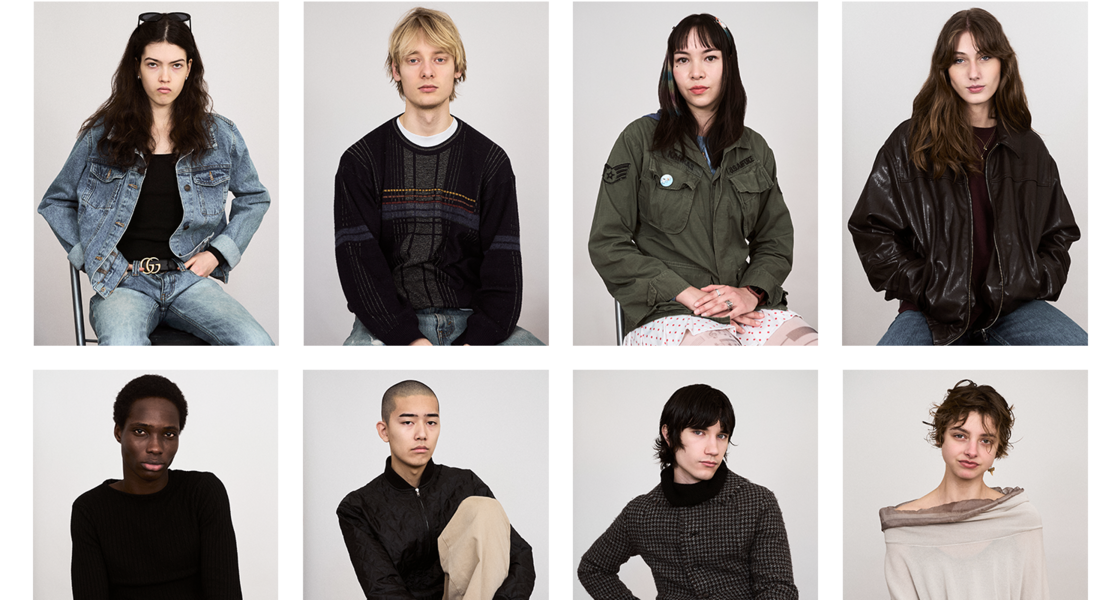
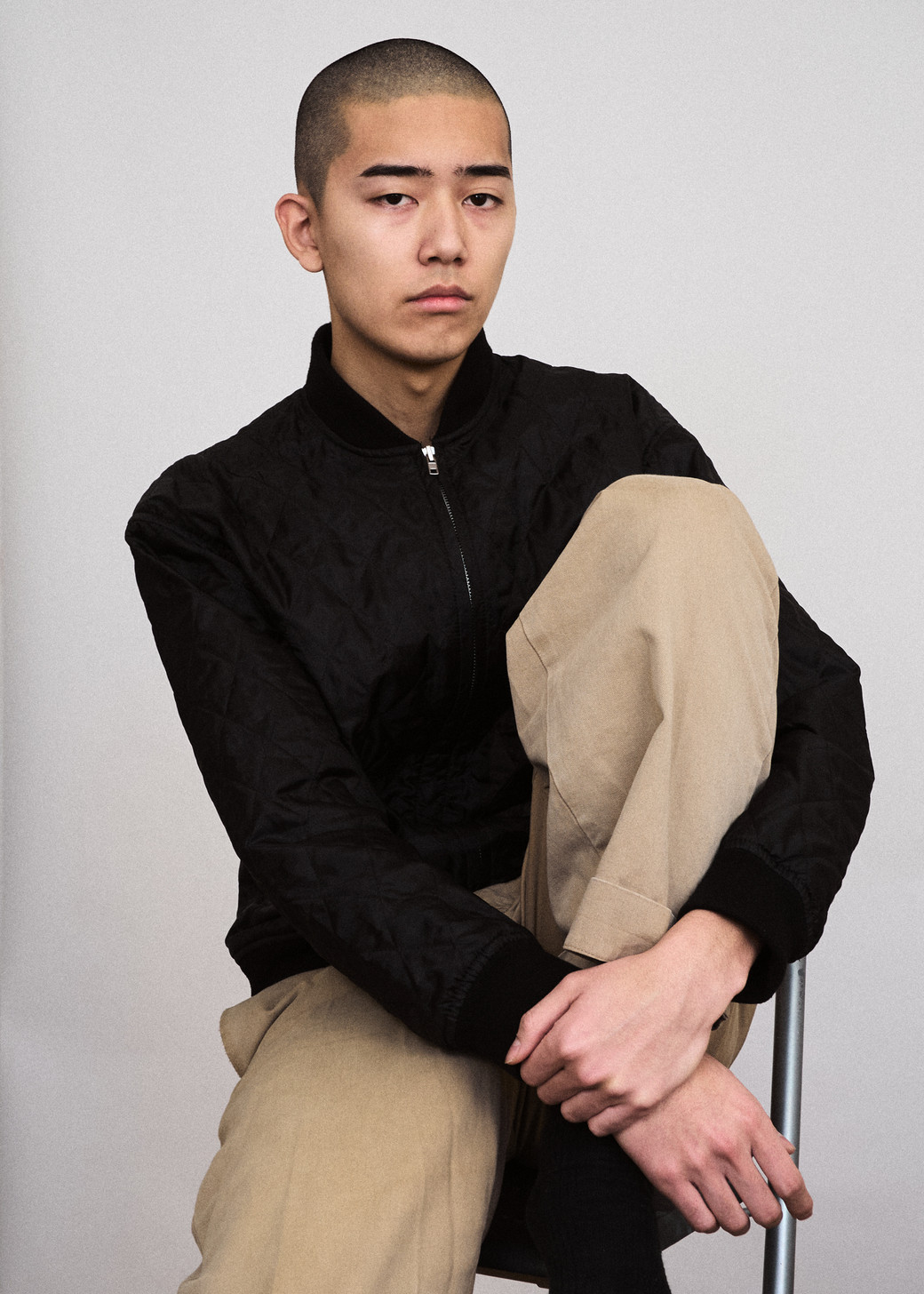
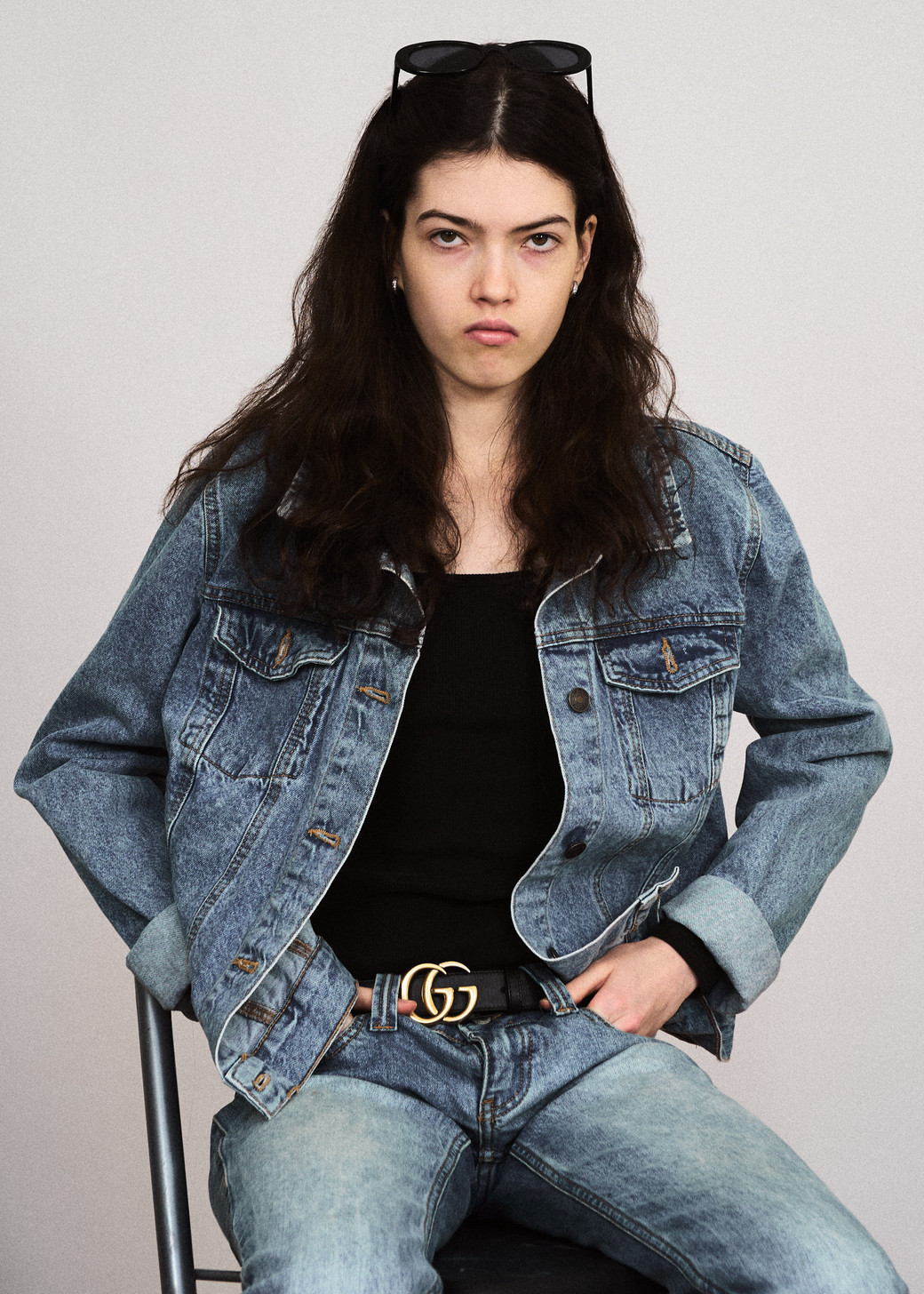
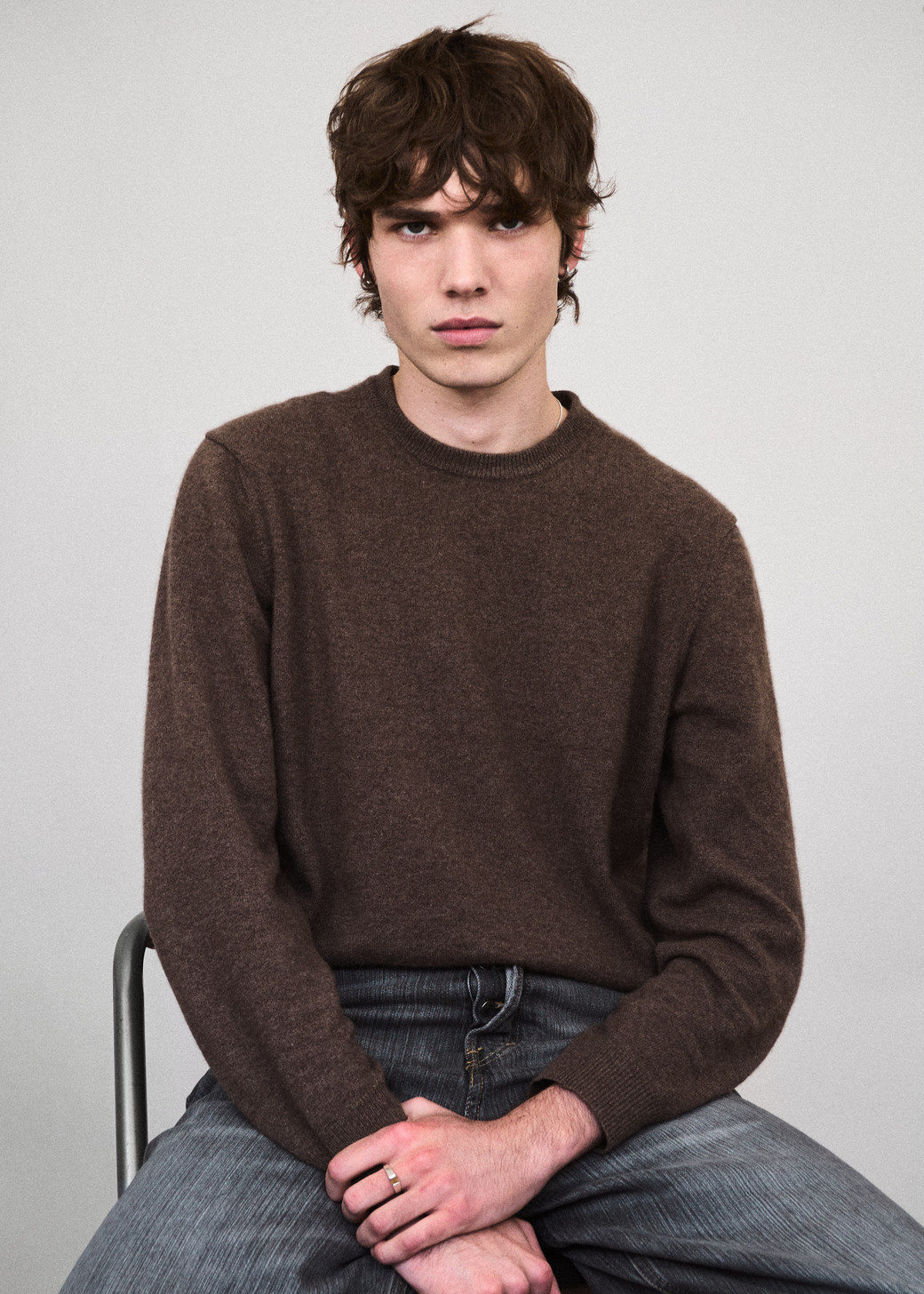
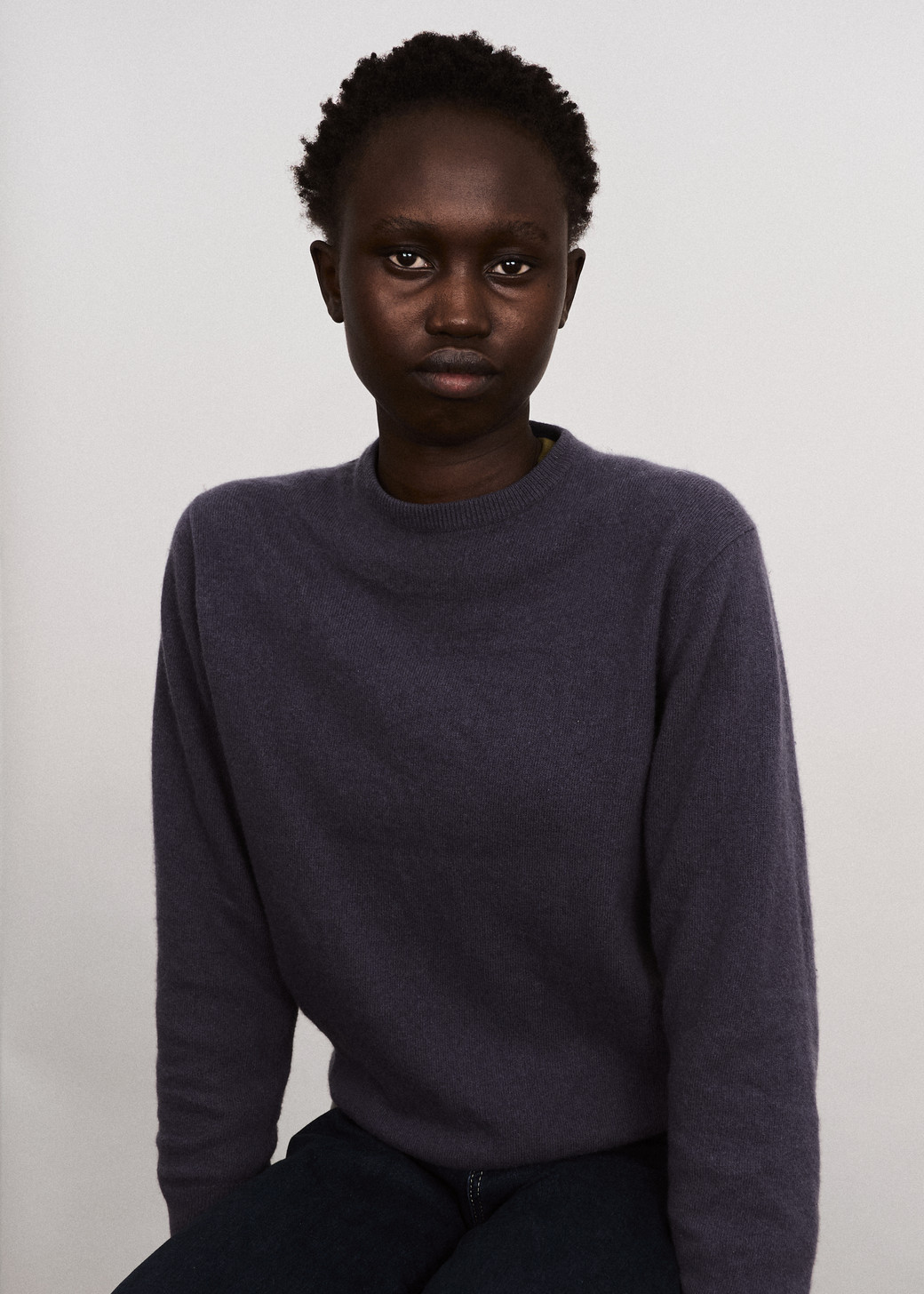
The project found its starting point a month later, when a friend from Amsterdam came to stay with me in London. While visiting a series of charity shops, he picked up a pair of jeans he liked, before realizing he would not be able to wear them back home because they would be seen as too baggy. In London, they would be considered very skinny. That shift in perception, across places that are geographically close, became the foundation of the work.
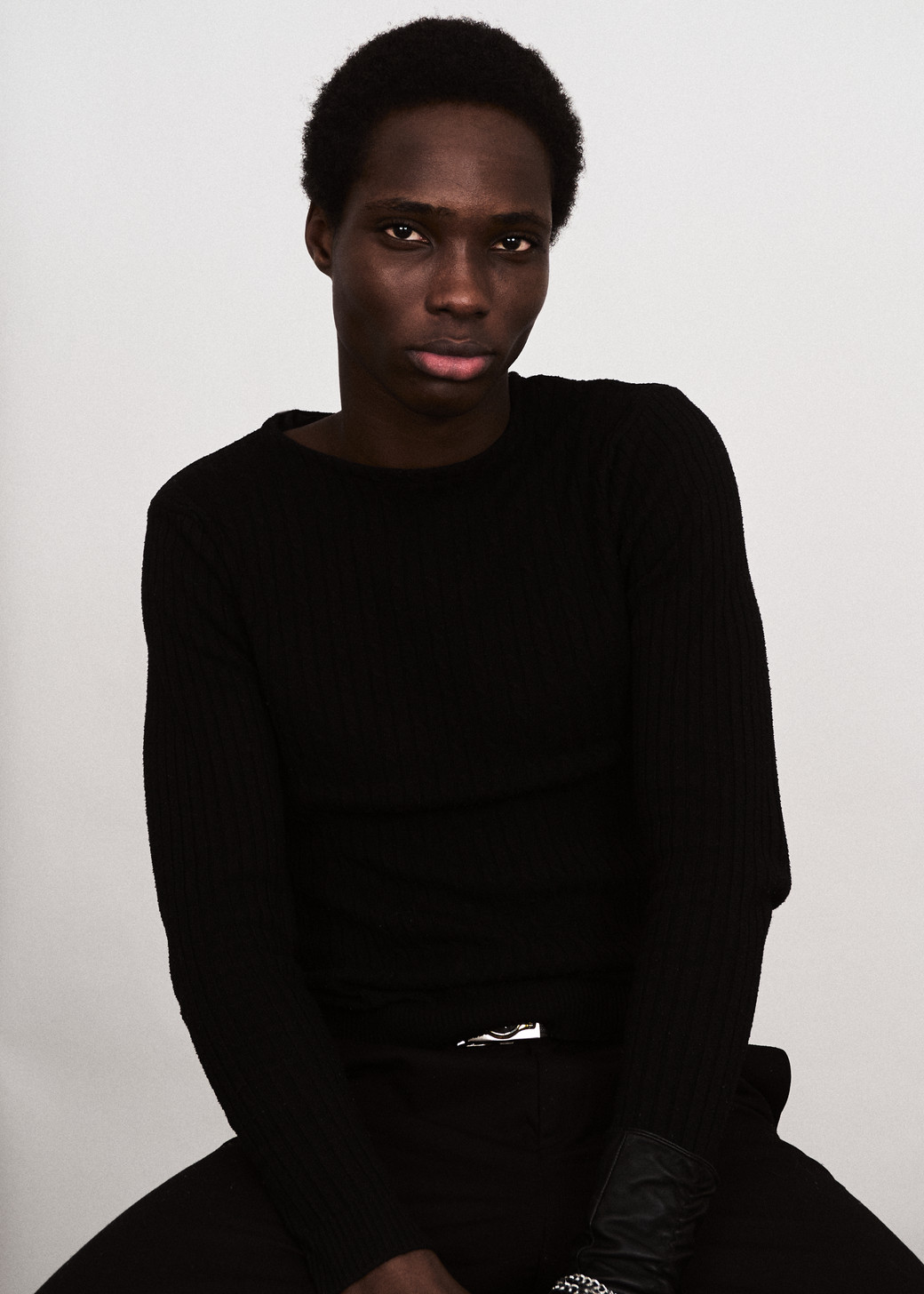
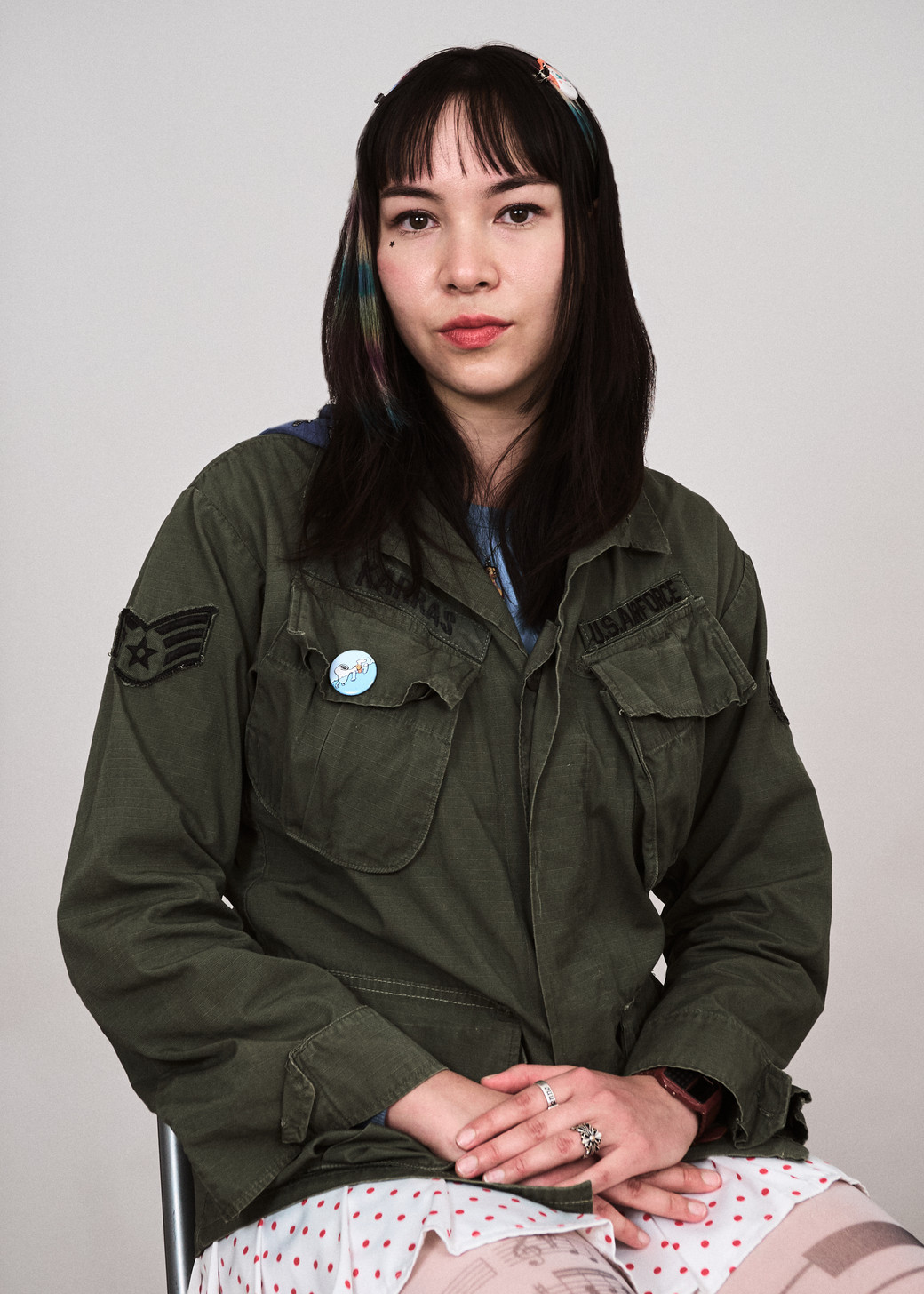
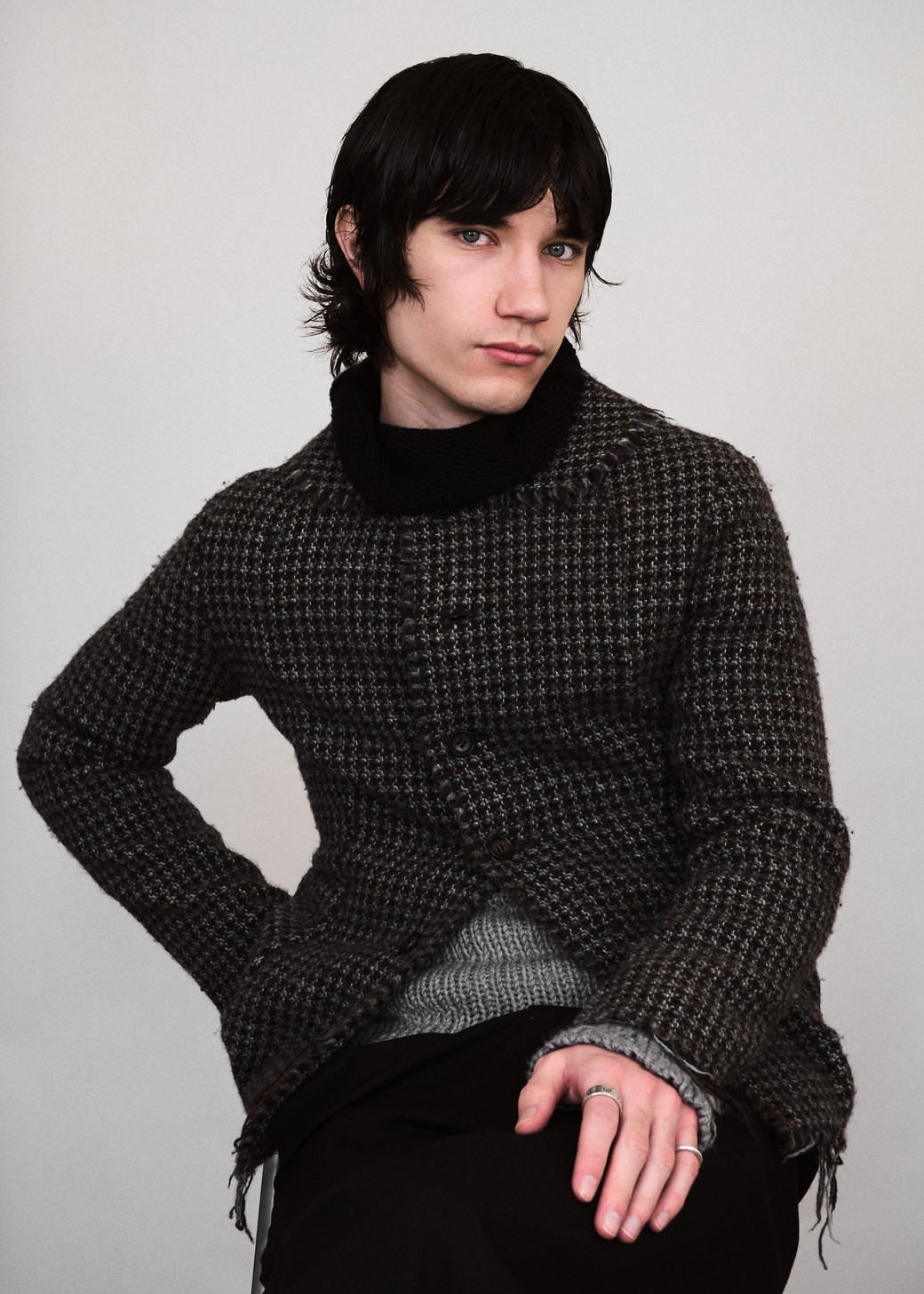
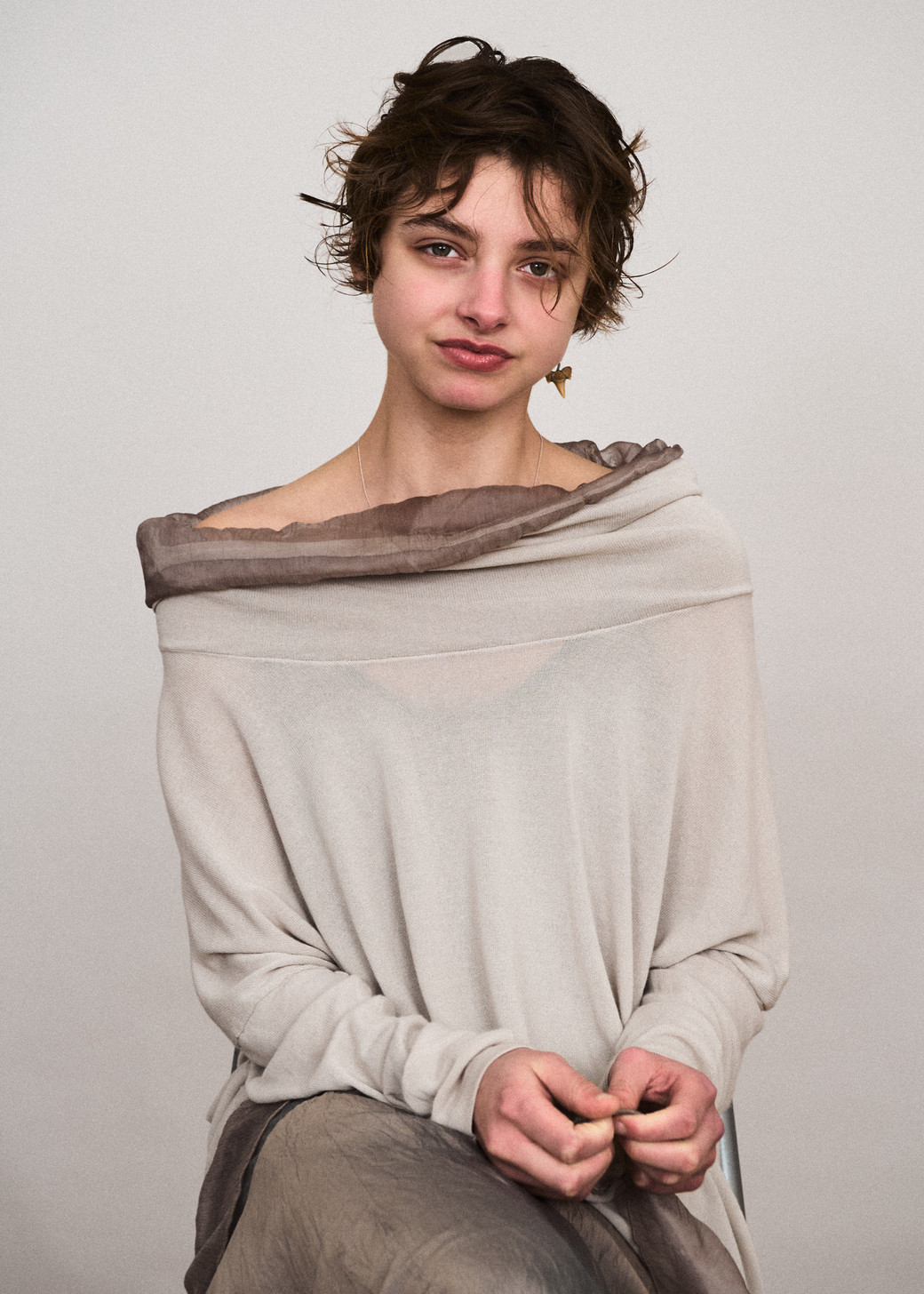
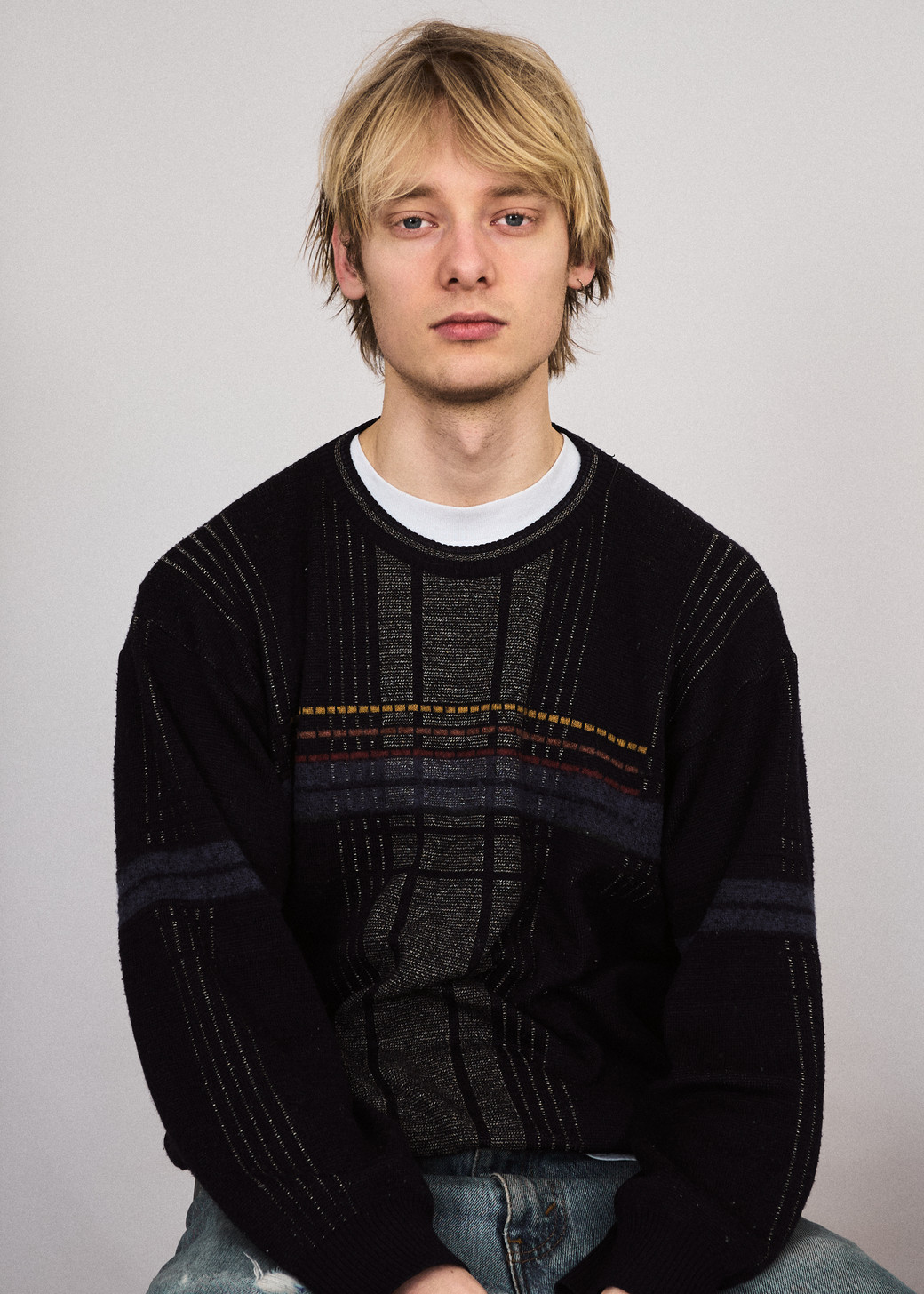
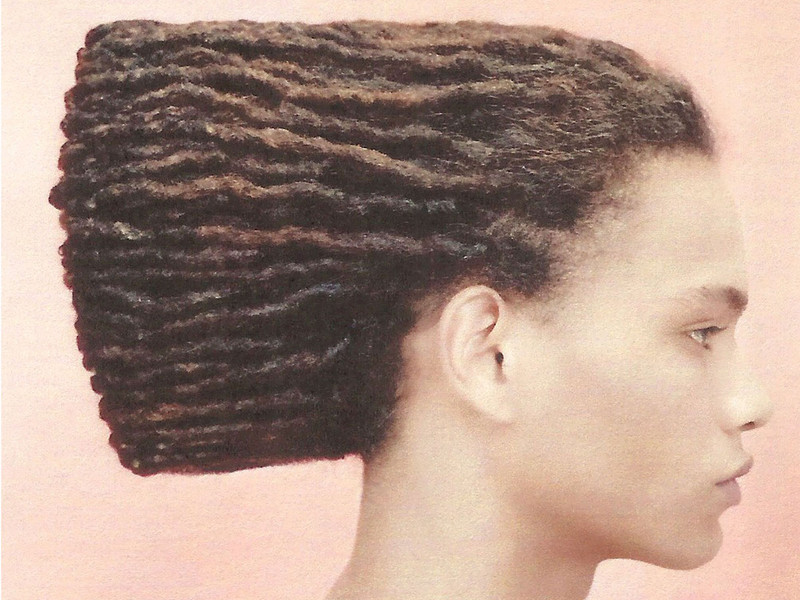
From there, the series developed into an exploration of how fashion and identity differ across continents, but also where they overlap. Rather than travelling the world, I brought it into a single studio space. Shot over eight days, the project brings together two people from each inhabited continent, all of whom were born and raised there. By removing location entirely, the images focus on what remains: personal style, gesture, and the subtle ways identity is expressed without context.
The process itself became central to the work. Reaching out, navigating language barriers, and meeting people I would otherwise never encounter felt increasingly meaningful at a time when so much interaction is filtered through screens. What emerged was not just a portrait of difference, but a shared visual language of global youth.

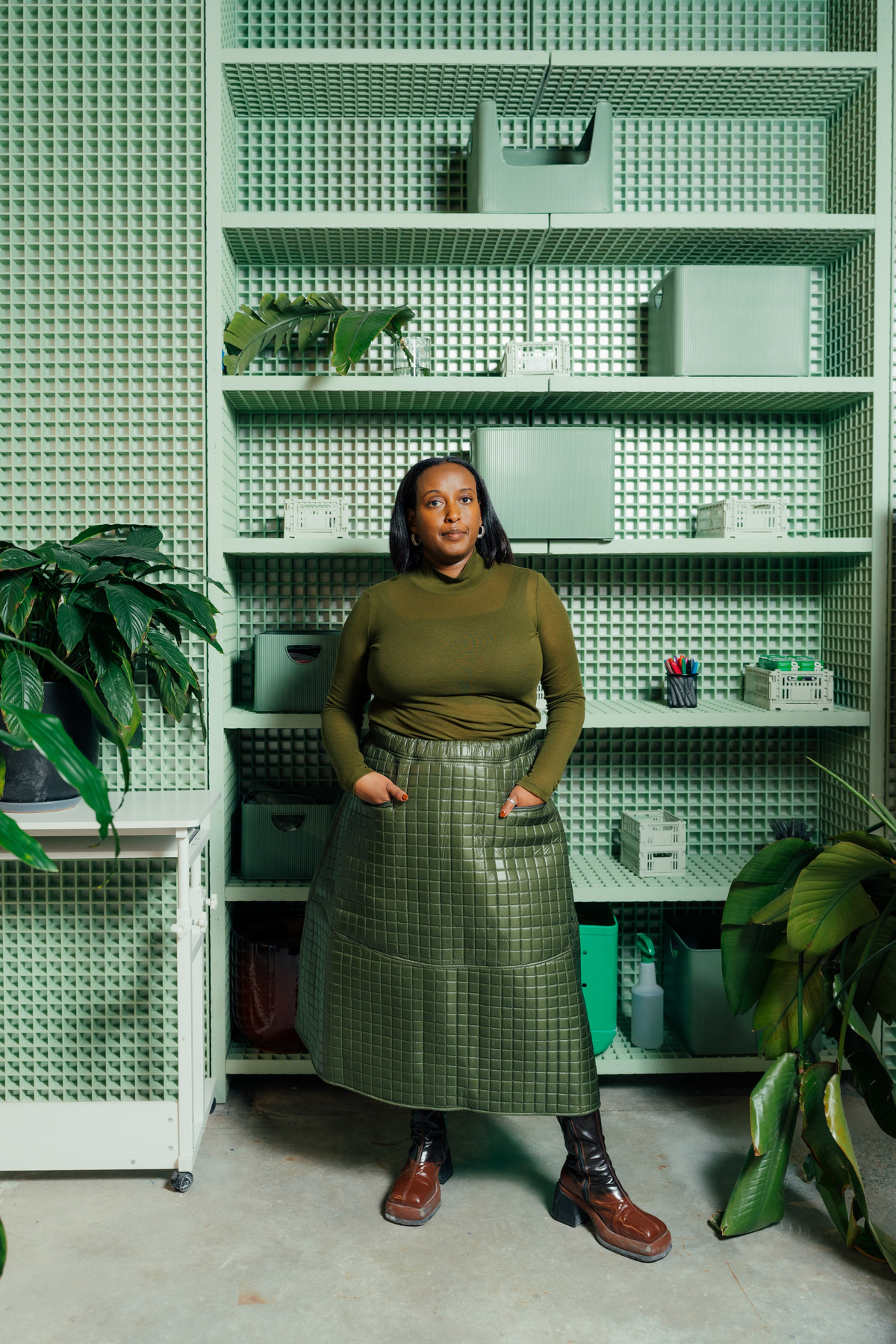
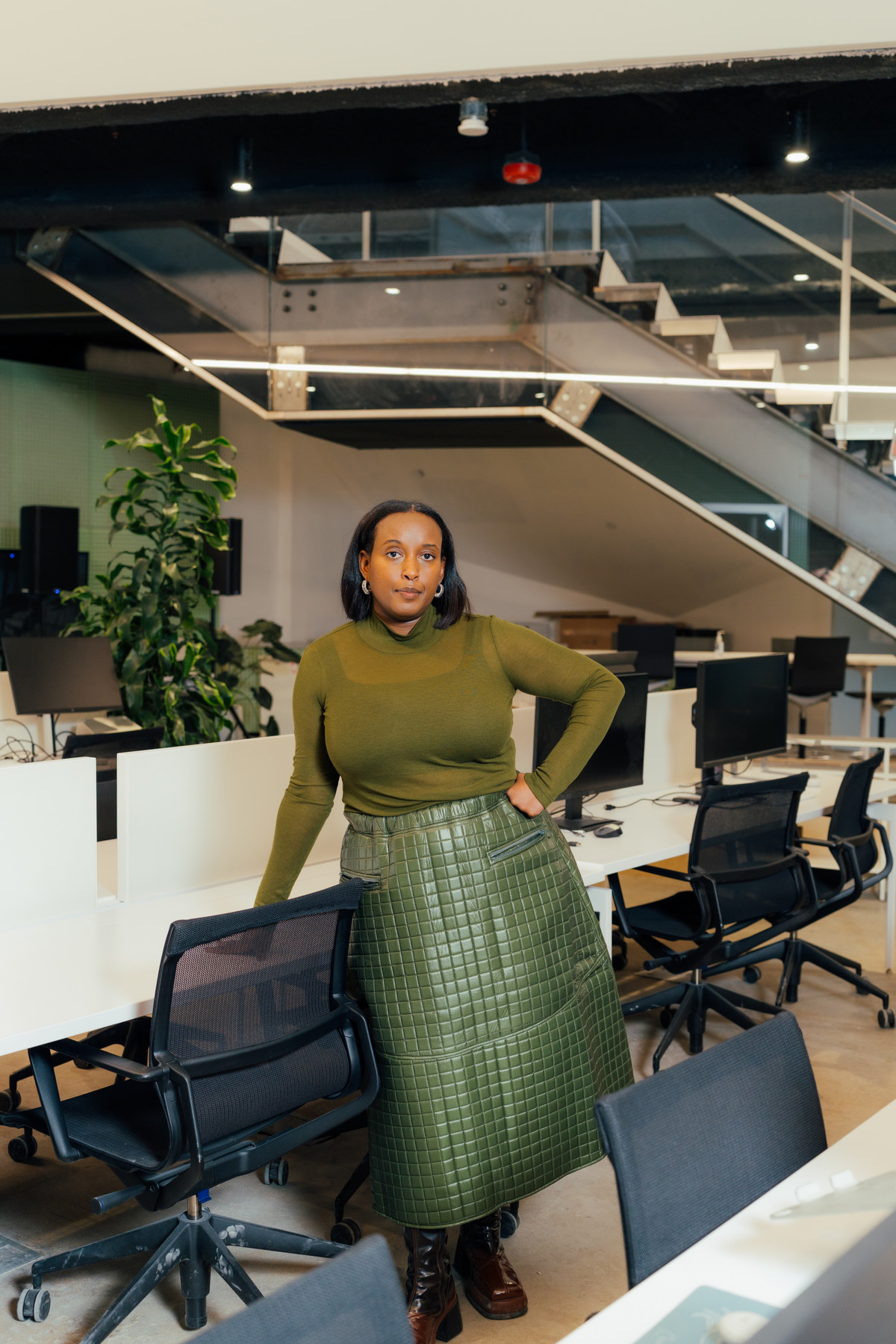
This reopening marks a new chapter for New Museum. What does this moment mean for the creative community?
New Inc. in the last decade plus, has really been a home and champion for incubating and supporting ideas at their early emergence, as they are trickling into culture and society. And what's exciting about New Inc. returning to the museum and having a purpose-built home is that it will be not just a place for community gathering and for incubating ideas, but also for starting to materialize those ideas. And now we have new production resources, including a fabrication lab and a media lab. So I'm excited to extend the already good work we've been doing through our professional development mentorship programming by offering this additional resource.
The new building’s inaugural exhibition is titled New Humans: Memories of the Future. How does that theme resonate with your work at New Inc.?
Yeah, a lot of the creative research that happens at New Inc. happens very early on in contemporary conversations we're having about technology. For example, in the early years of New Inc., we were supporting artists through a Nakia Bell Labs residency program, two artists of which, Stephanie Dinkins and Seguin Chun, were thinking about human machine relationships. And Stephanie was interviewing a humanoid robot that presented as a black woman, but was not designed right or coded by black women. And there were really interesting conversations about this humanoid robot, about algorithmic decision-making and biases embedded in the tools. And she has gone on to have a rich career, continuing to research and explore artificial intelligence, which obviously is now a big conversation. And this is a project we supported over 10 years ago. And that's just to give a sense of how early we are in engaging these ideas.
New Museum is focused on modernity, creating new spaces, and following novel ideas. What feels genuinely new to you at the moment?
Something that feels new to me at the moment is slowing down. Yeah, we're in the hustle and bustle of New York City, but I think finding time to slow down and be with each other and make time for the quiet work of relationship building is actually so important right now.
In a world that’s become increasingly commercial, how do spaces that encourage experimentation push humanity forward?
The special thing about New Inc. is that it welcomes a vulnerable cohort of people who are taking risks. And we often say in the program, the more hyphens you have in your practice, the more multi-hyphenate you are, the lonelier it can feel. And so this is a place for people who celebrate their hybridity, their multidisciplinarity, and I think it's within that working between silos that you actually identify new opportunities for change. Programs like New Inc. push us forward because they're drawing connections, unlikely connections that people don't often see.
You’re also an artist yourself. How has your personal approach and artistic practice influenced your philosophy as you direct New Museum and New Inc.?
So I have a really long history with New Inc., actually. I'm an alumnus of the program. I was in the third year when I was with a group of other artists, and we started a nonprofit organization called Power Plant. It used to have a physical presence in Bushwick, and we worked to establish digital artists to teach workshops to the next generation. There were so many things as a collective of artists we were passionate about and had great vision for, but didn't really know how to operationalize. And New Inc. was a place where we learned those skills, and I think I've continued to develop an operational muscle as I moved into this role as director of New Inc. I think a lot of what I can bring as an artist is just creative problem-solving.
What opportunities will come with the new physical space that weren’t otherwise present?
We’re excited to be a field-wide resource, right for artists, designers, and technologists who are thinking about not only how to sustain their careers, but also how to build and scale their projects. We're also excited about being physically back in the museum and continuing to do all of our public programming, which includes a demo festival or an annual festival that celebrates the cohort, but also brings in external guests to give further context of the kinds of ideas and questions we're asking in the program. You don't really see many institutions that have this kind of workspace embedded in them.
What do you hope visitors walk away with next weekend as they leave the reopening?
I hope when they’re leaving the reopening, that they’re thinking about when they're coming back! And, that they're thinking about bringing friends back. I hope they’re thinking about the museum as a place where they will always uncover something new that drives their career and drives their curiosity.