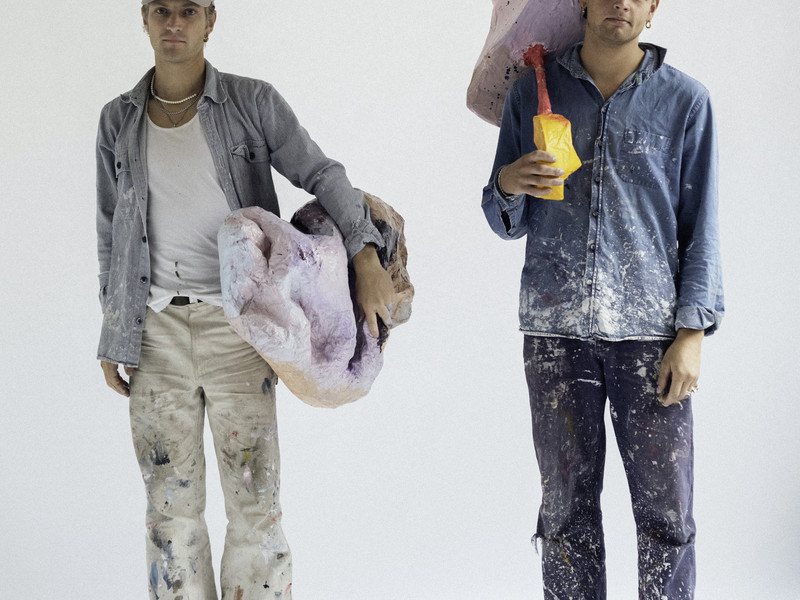
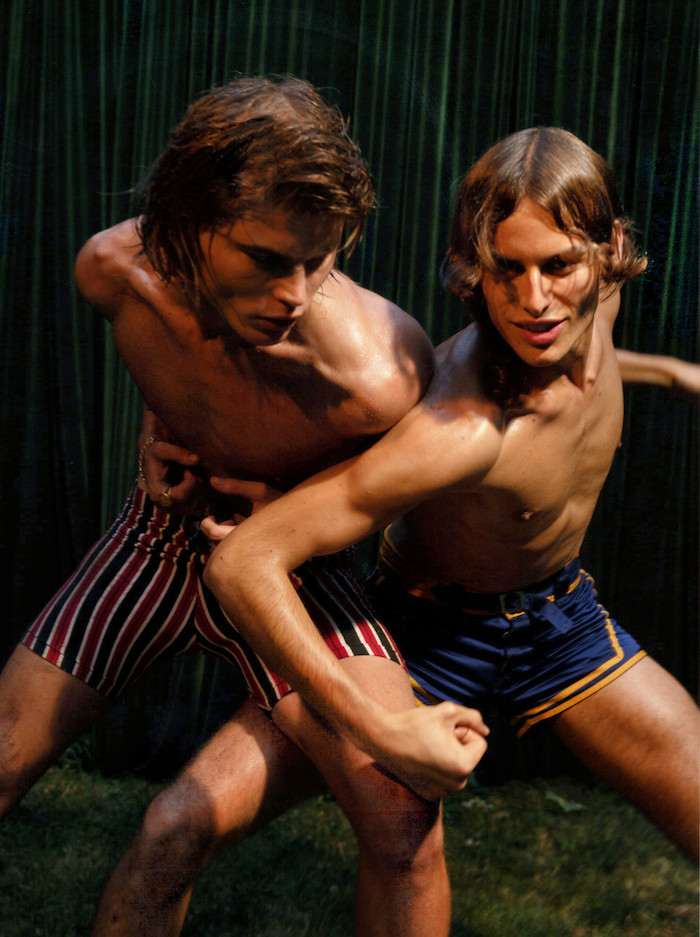
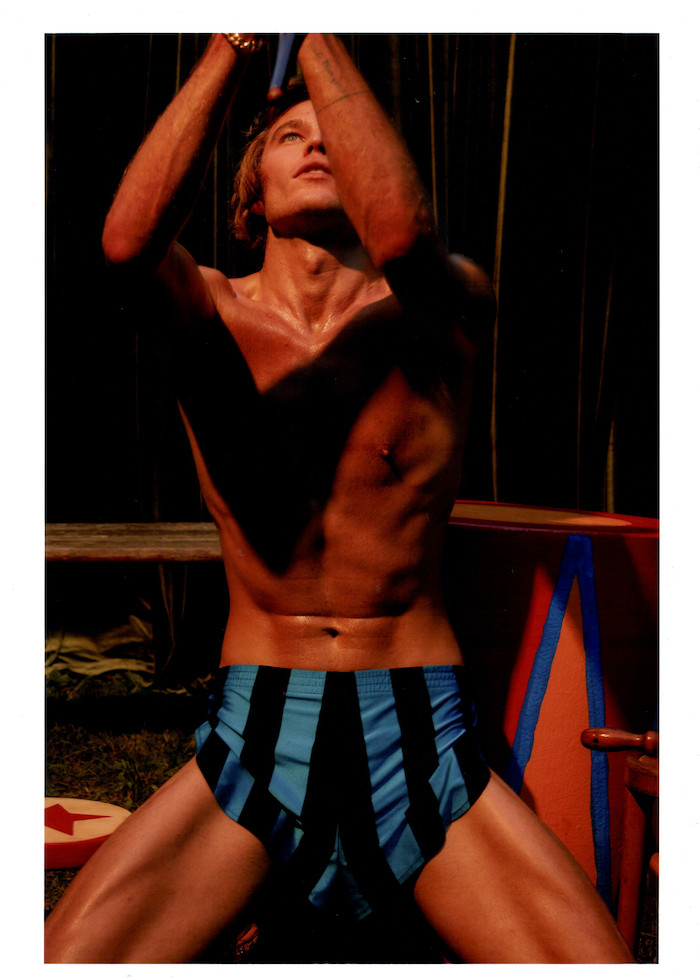
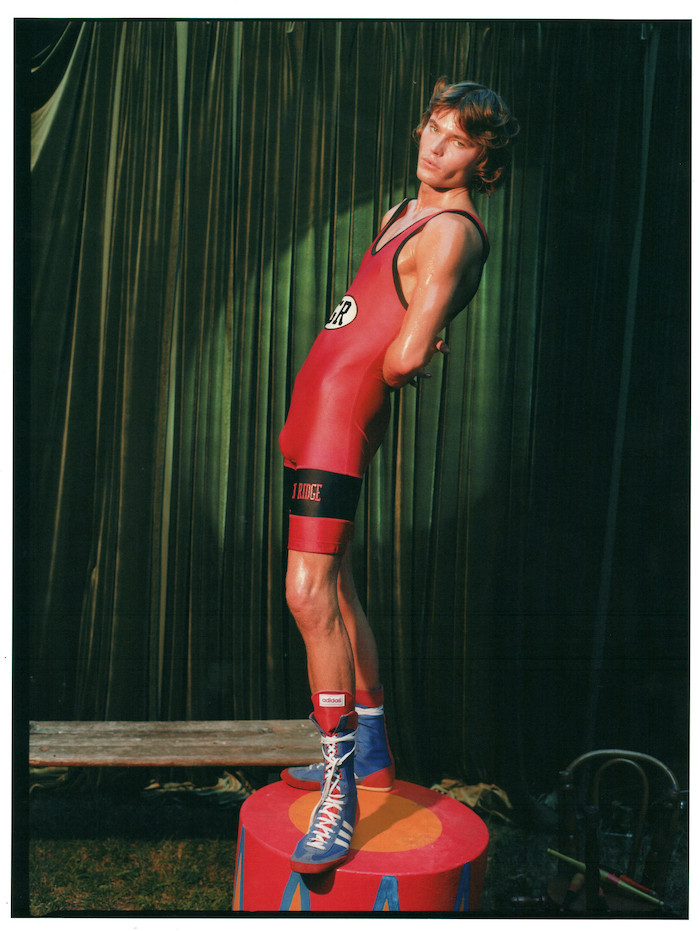
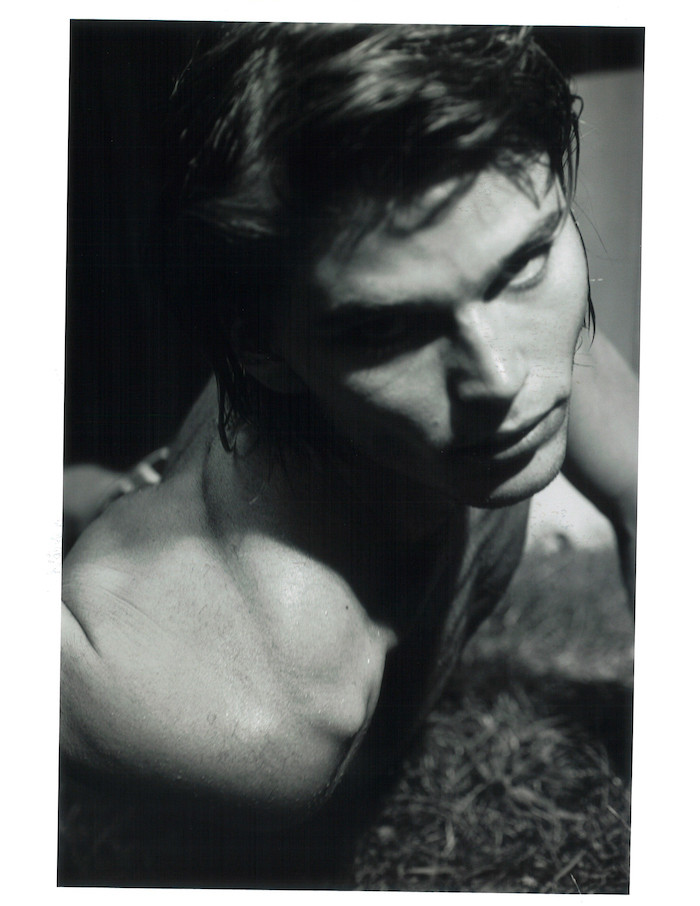
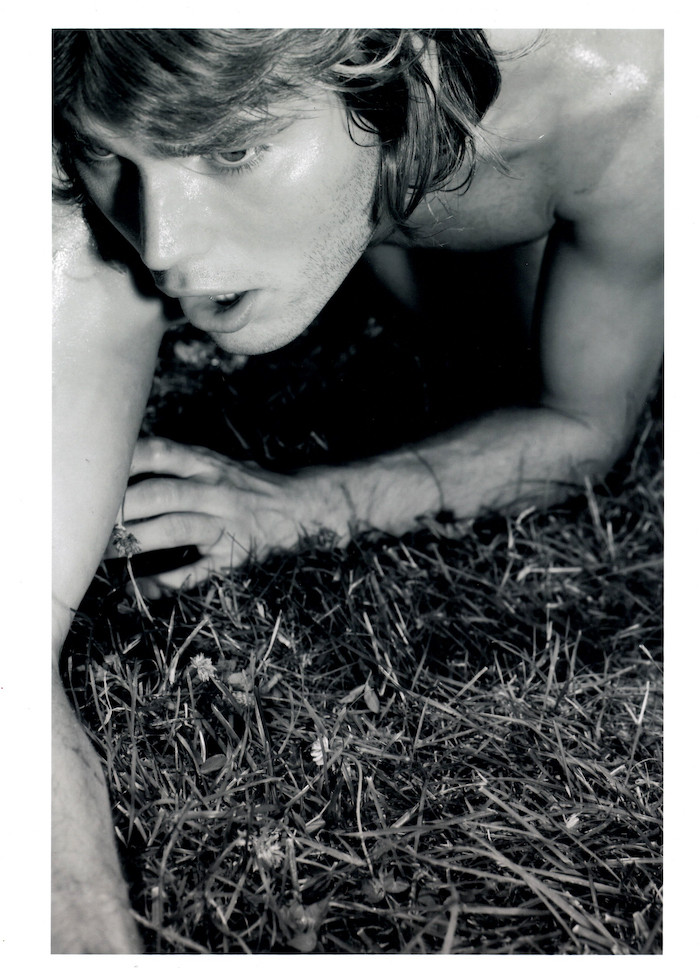
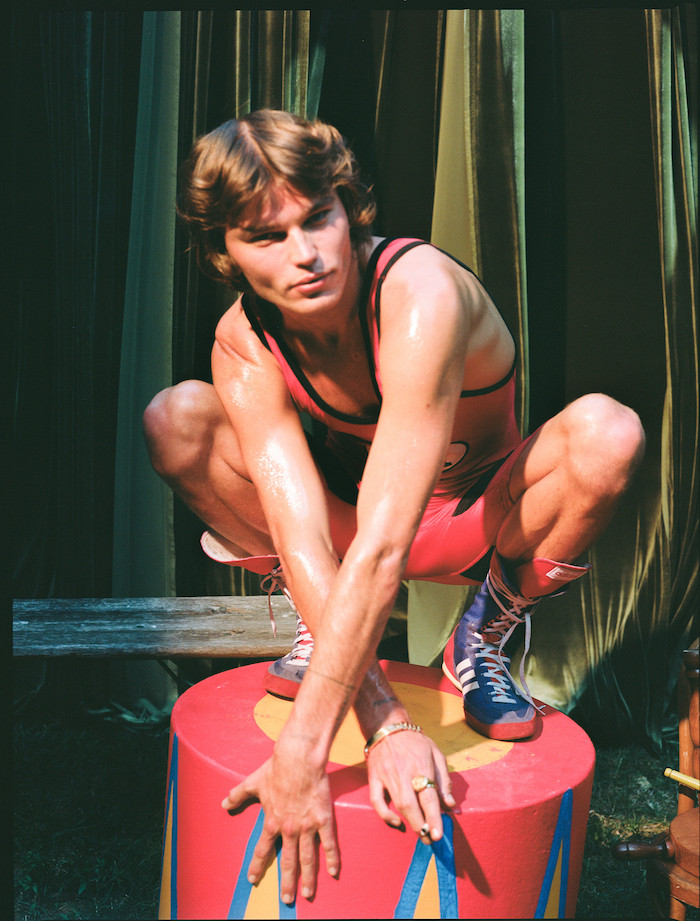
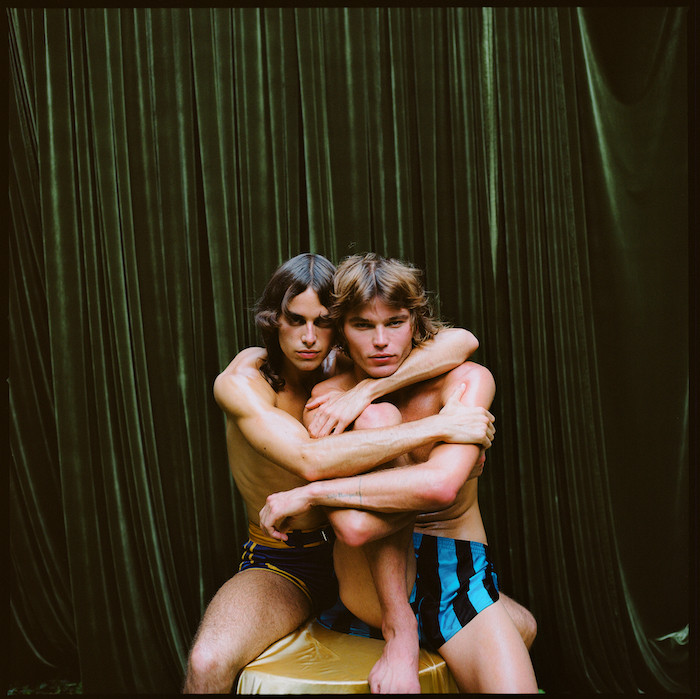
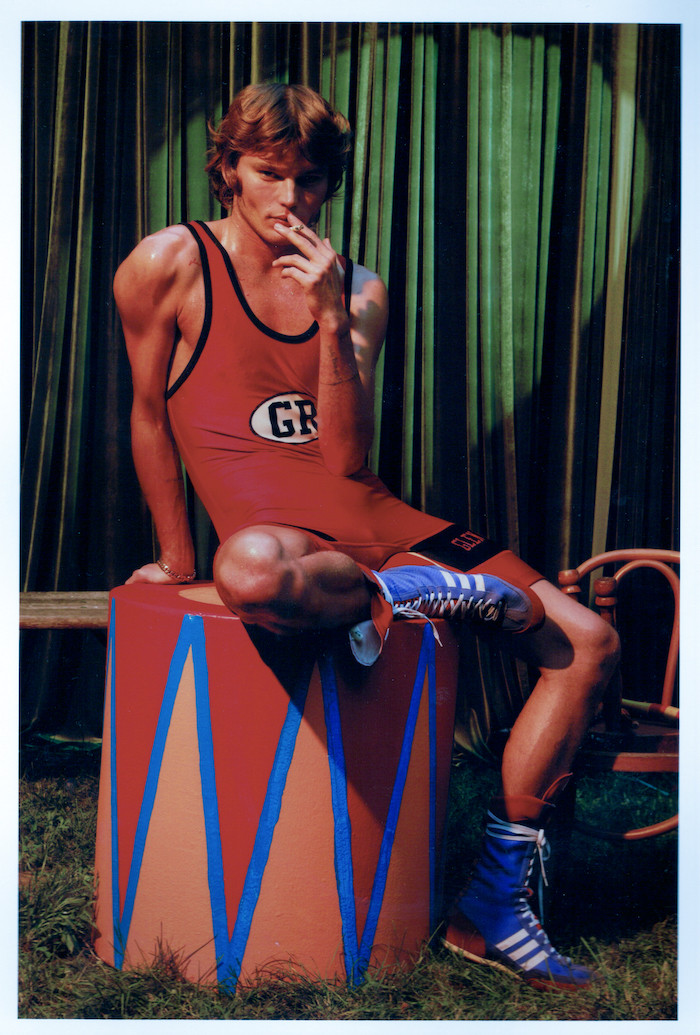
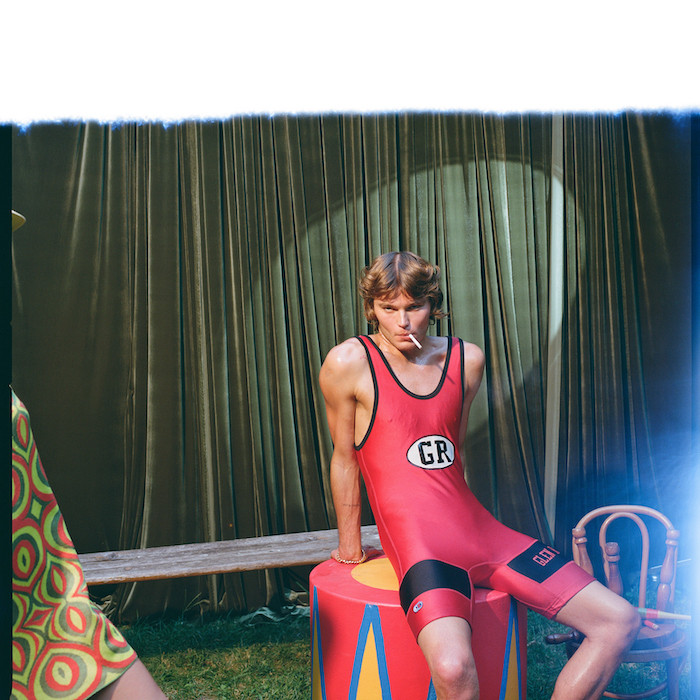
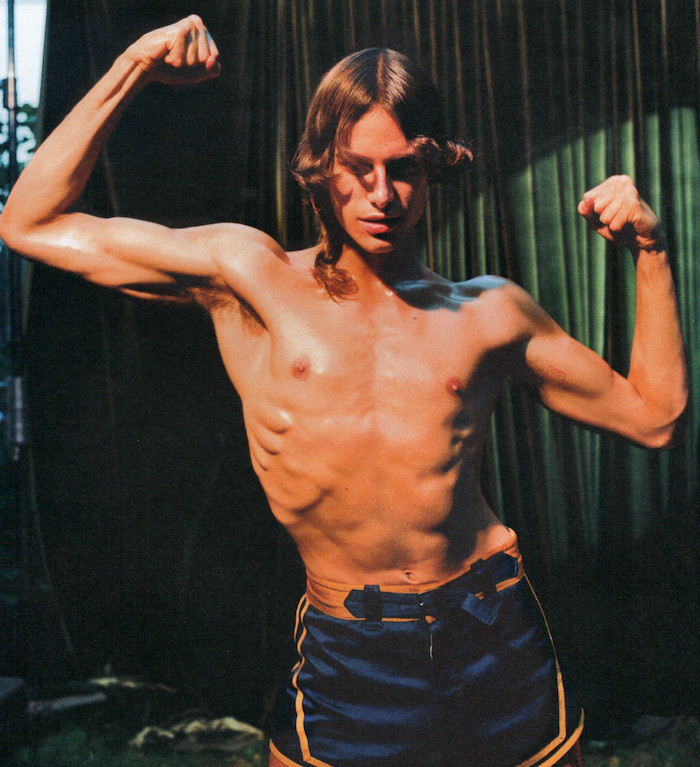
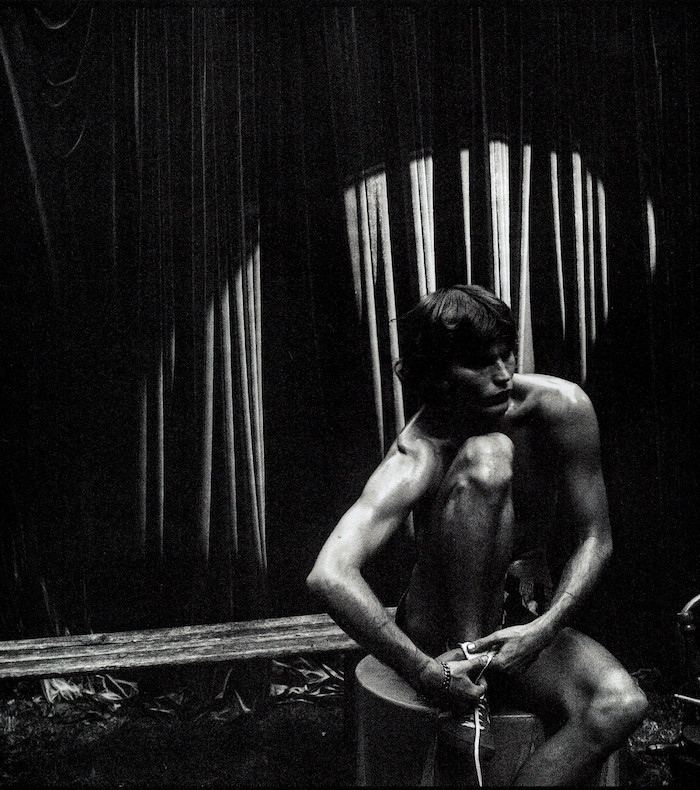
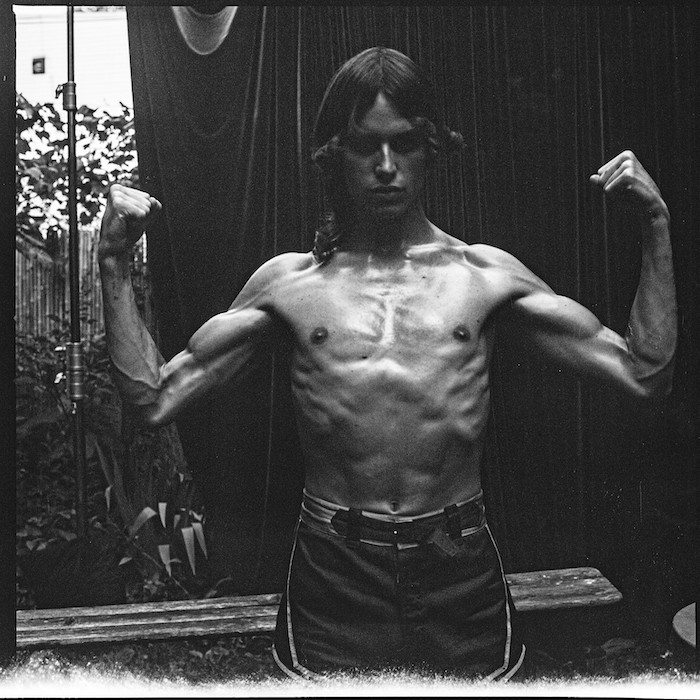
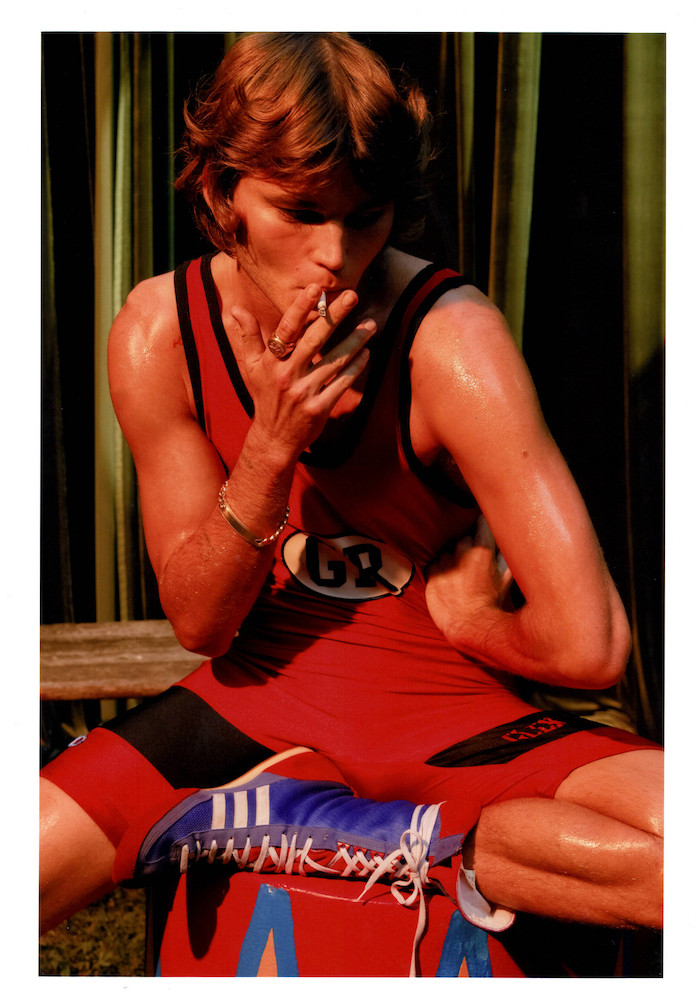
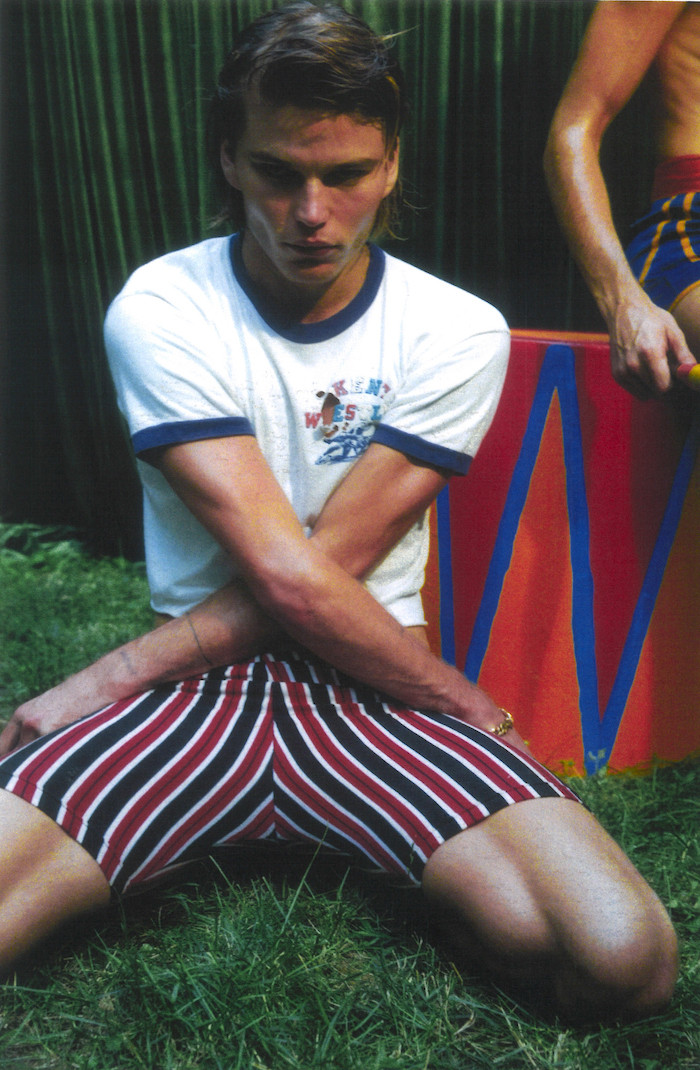
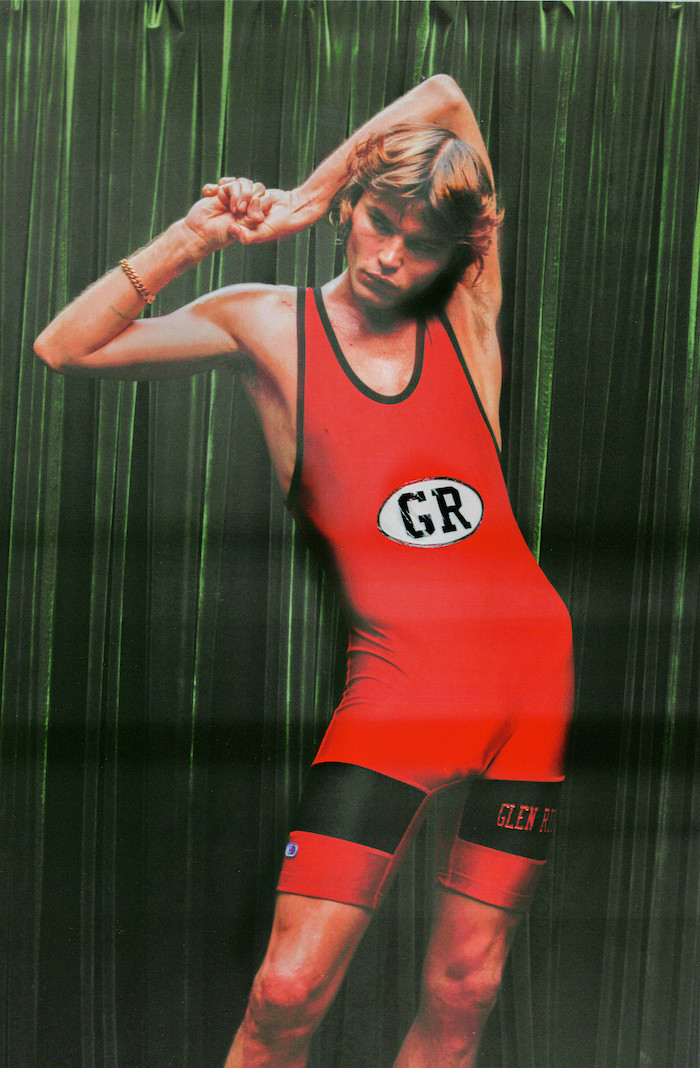
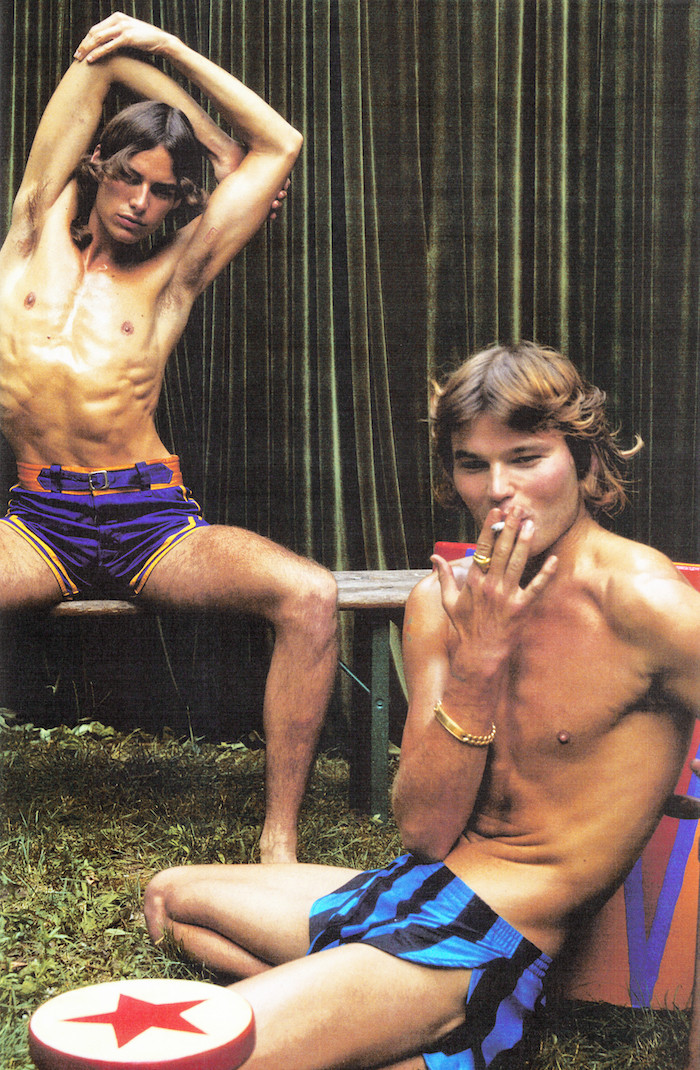
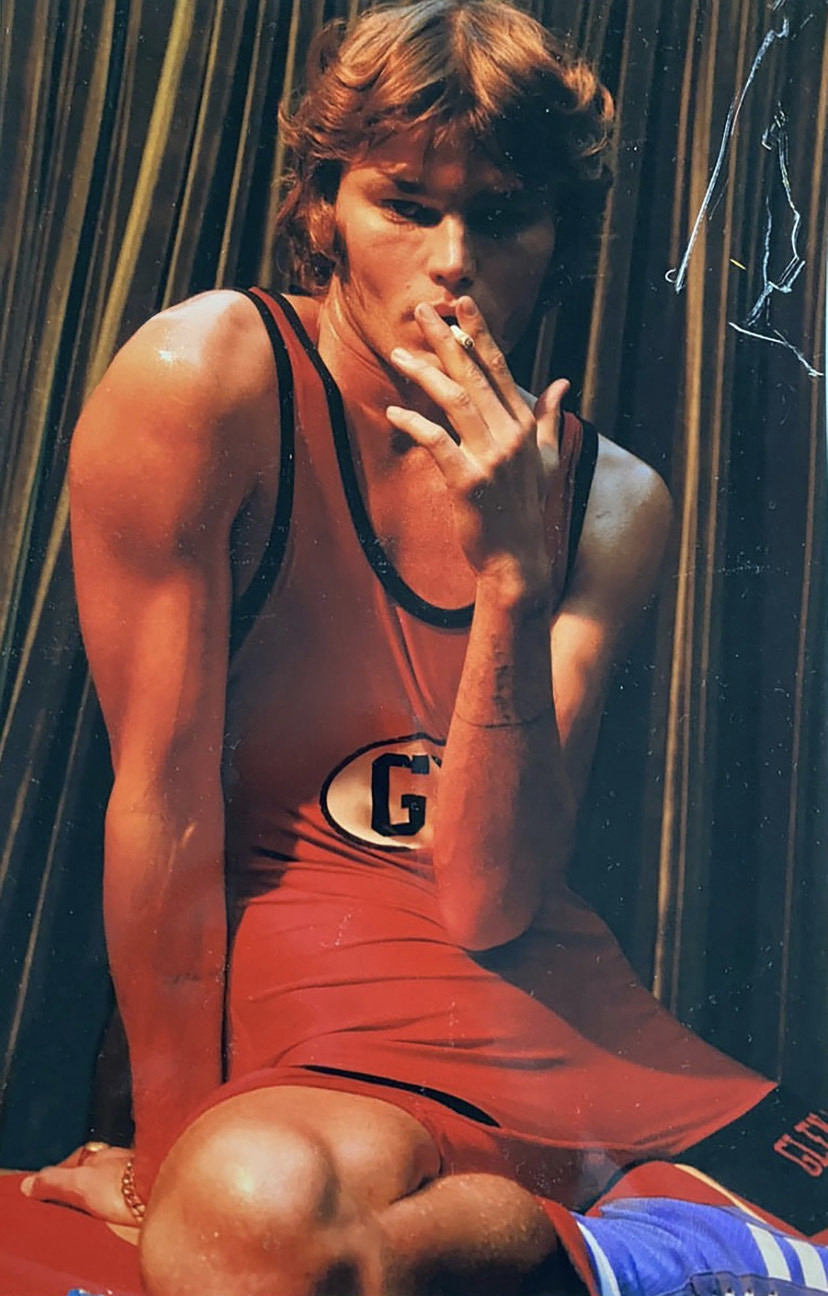
PRESENTE CONTINUO: the intimate ties between then&now

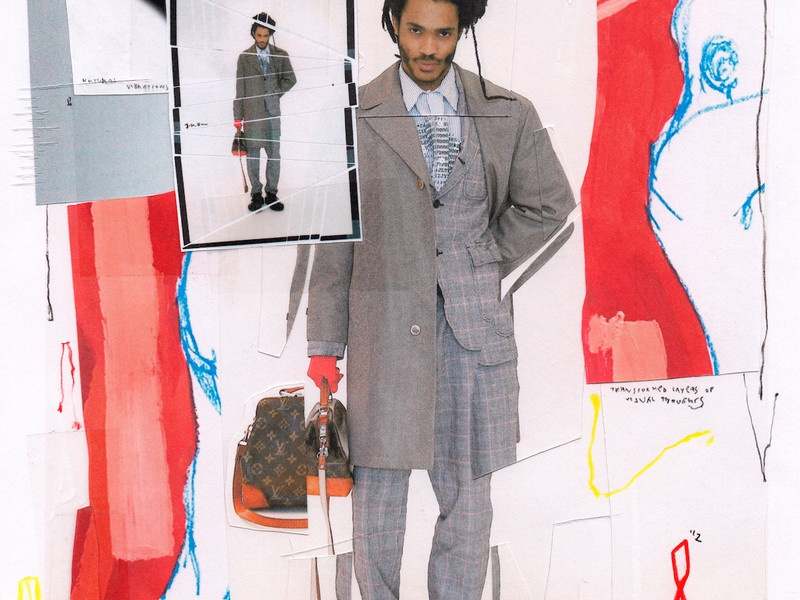
Starting May 30, PRESENTE CONTINUO will be available to purchase on presentecontinuo.com, cpcompany.com, and at the C.P. Company flagship store in Milan, Corso Matteotti 7.
Stay informed on our latest news!

Starting May 30, PRESENTE CONTINUO will be available to purchase on presentecontinuo.com, cpcompany.com, and at the C.P. Company flagship store in Milan, Corso Matteotti 7.

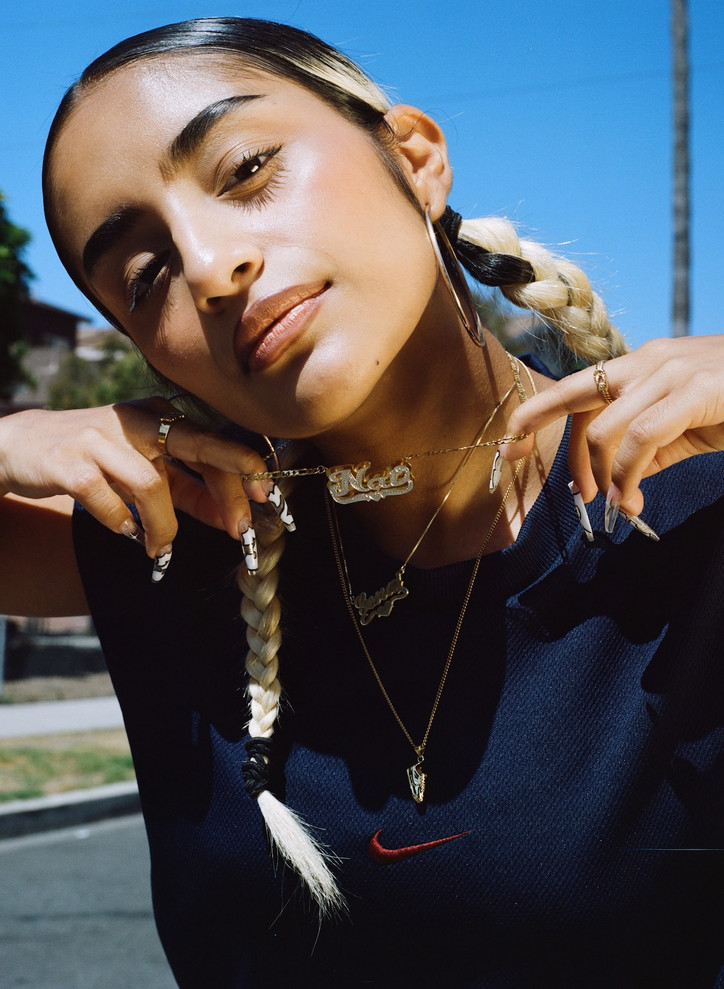
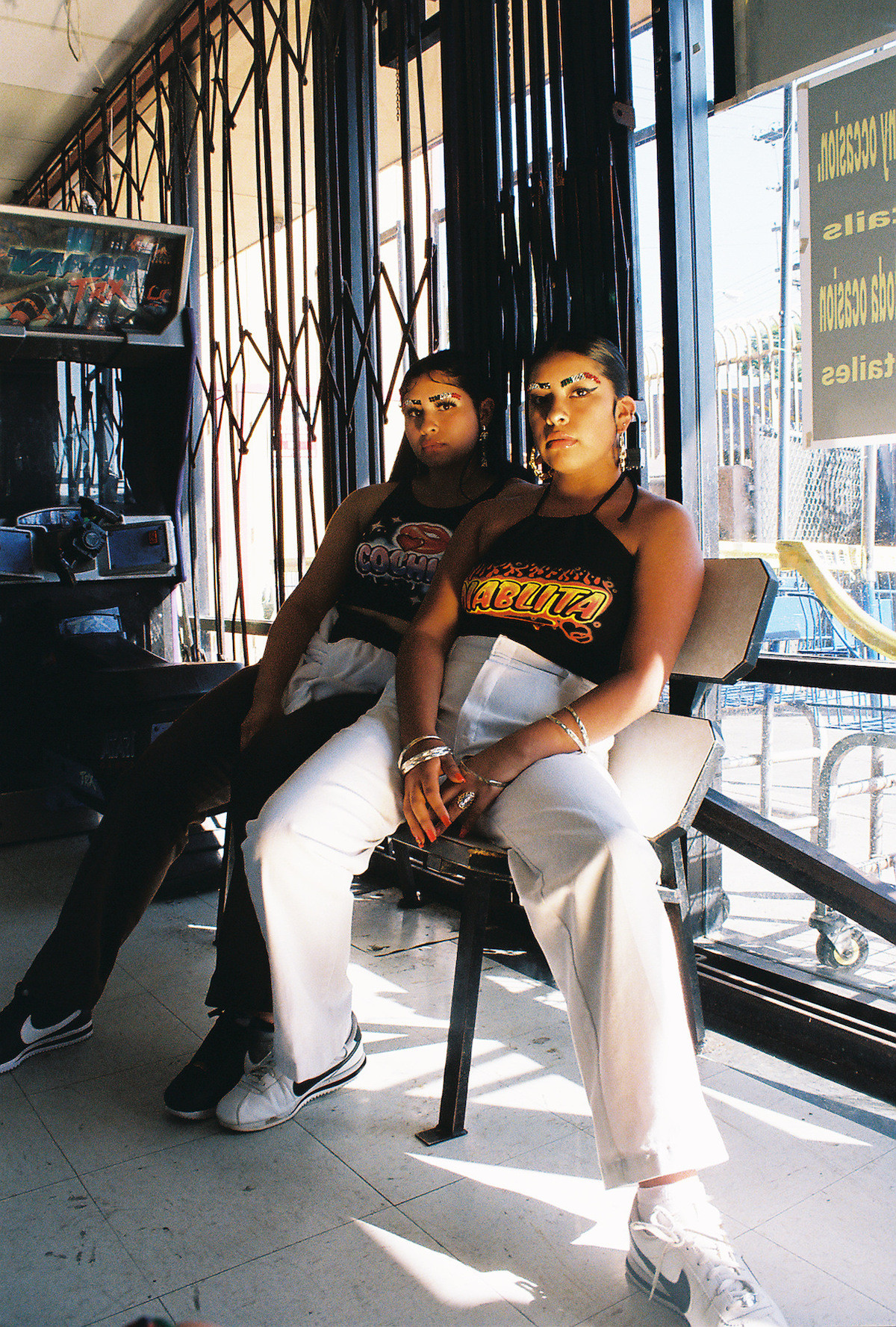
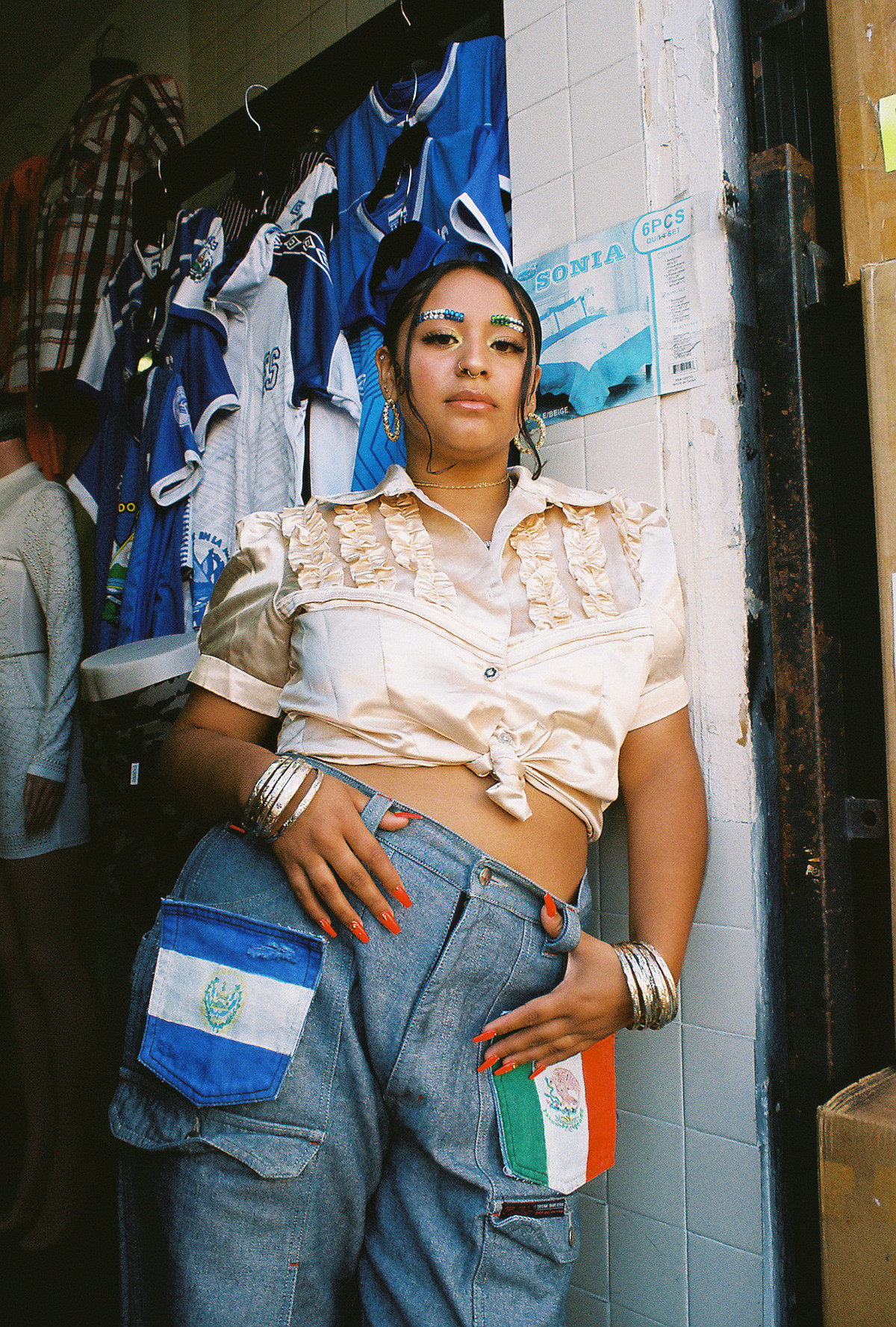
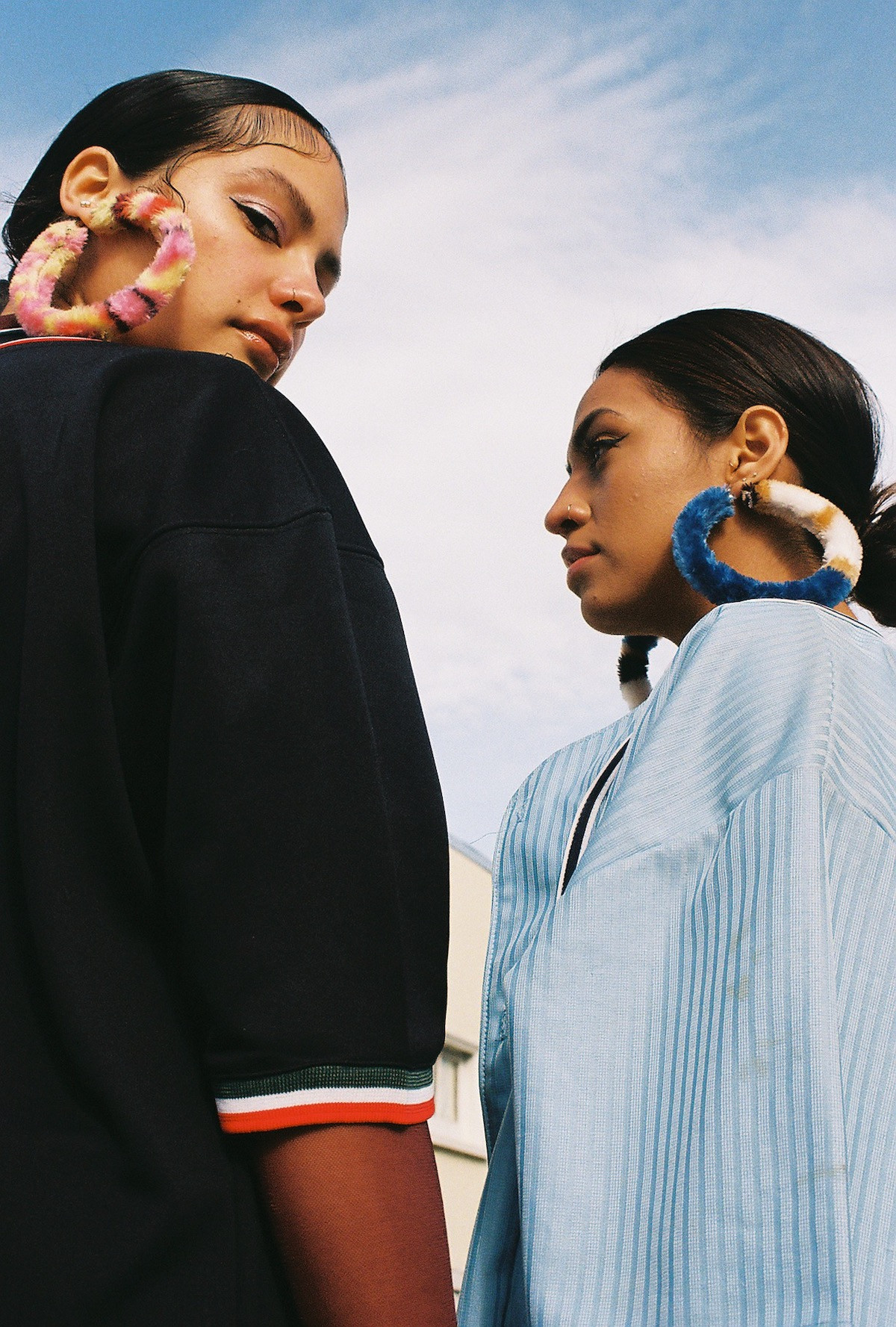
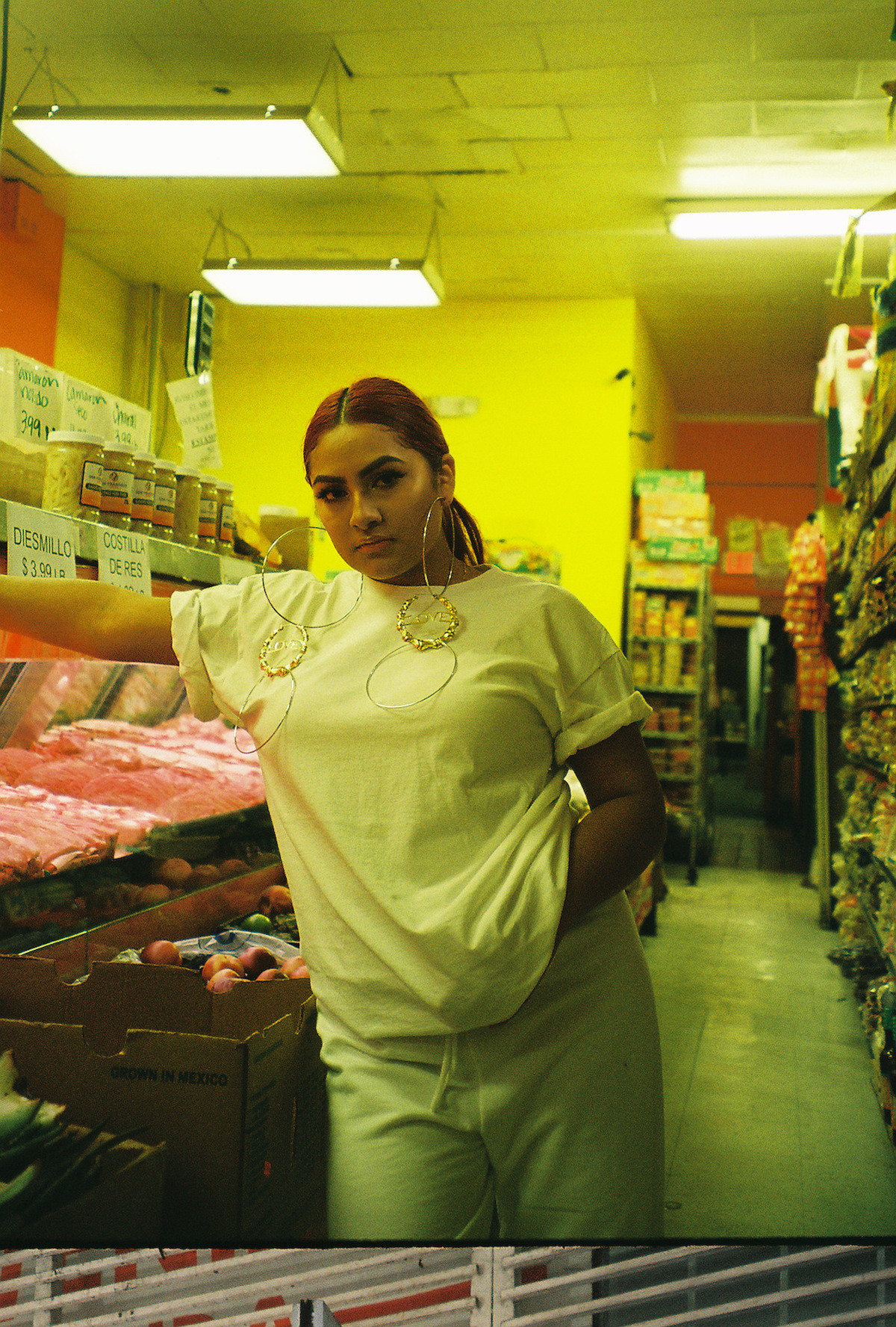
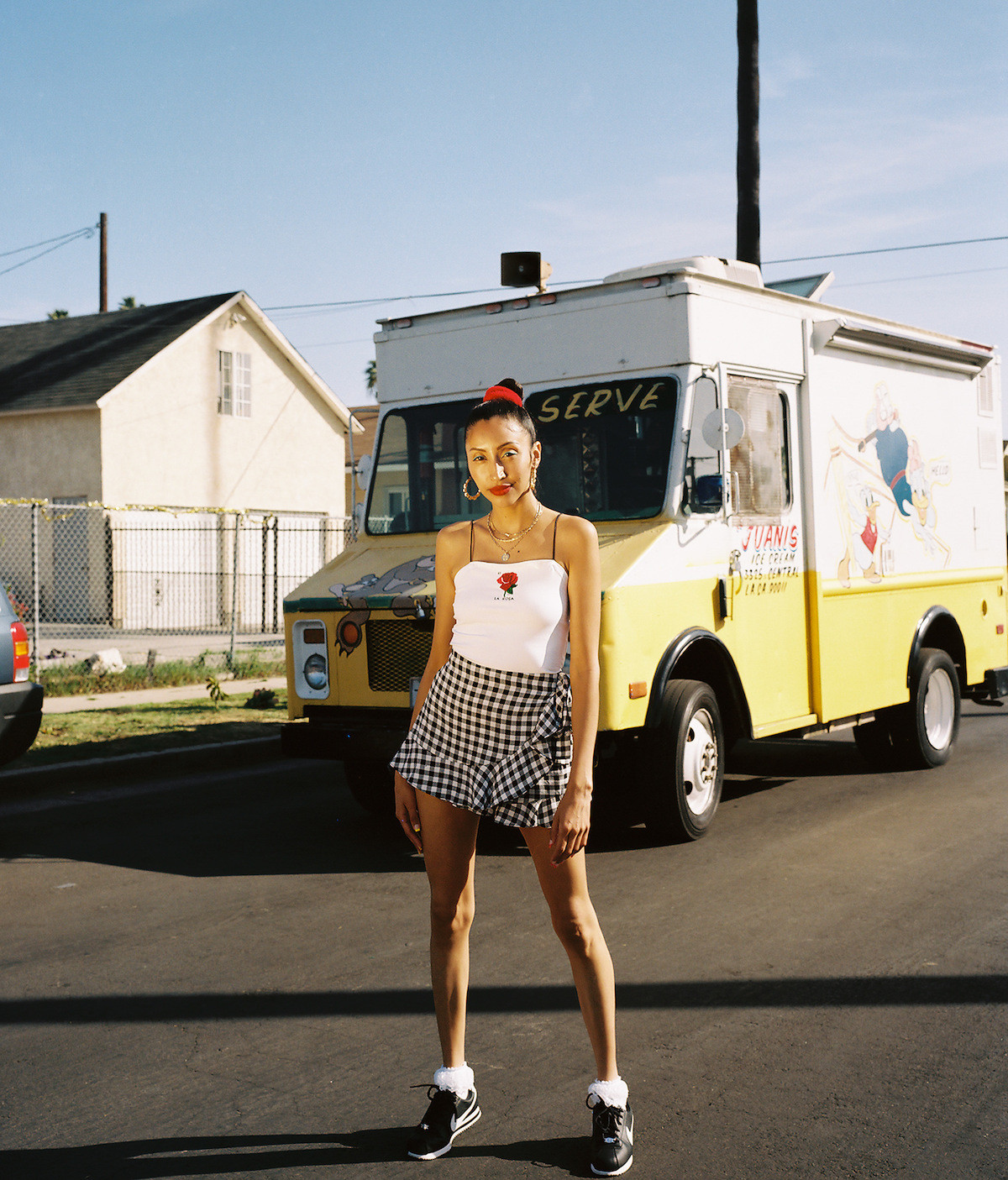
In her photos, the women are adorned with colorful eyeshadow, gold hoop earrings, and rhinestone-studded eyebrows, posing among the baking racks at a local bakery, or leaning against a display of spices in a convenience store. Through her camera lens, Gochez reveals the intrinsic divinity in our everyday communities, whether that be at the local grocer or on the front lawn.
This past year, the Los Angeles-based photographer had many projects, including holding an exhibition of her work in San Francisco, “Hermanas de Sangre"— a photo series that explores the sacred and intimate moments of childhood in San Francisco’s Mission district. Additionally, Gochez was included in Nike’s All For 1 show and was featured in this past year’s Dazed 100 list.
In January, office caught up with Gochez to talk with her about the inspirations behind her work, her creative process, and what we can expect this year from the up-and-coming artist.
Your work is greatly influenced by your own life experiences. Can you talk about how this has shaped your perspective and mission as a photographer?
Yeah, I think as an artist, you kind of have to dig inside and figure out what you want to express, and a lot of what I wanted to express was the environment around me and what I grew up around, which was a Salvadorian Mexican household. A lot of what inspires me is what I feel connected to and have a deep love for, which is my culture and heritage. It wasn't like this initially; it started as way to combat a lot of the feelings and injustices that I felt around my community. But now it's evolved to like, a deep love for it and just expressing it.
I like that evolution, how it started out responding to injustice, but now is more celebratory. I feel like that's very important, especially for the subjects that you tend to spotlight in your photography.
Right.
You’ve expressed the importance of capturing your subjects in an authentic light. How does photographing your subjects in their “safe spaces” impact your relationship with your subjects, and how does your style of portraiture aim to achieve this authenticity?
That's a great question. From the very beginning of when I started, I always felt like it wasn't just shooting people— it was shooting people in their most authentic light, and a lot of the time, that is the environment that they live in. It's their intimate spaces, their sacred spaces, whether it's their neighborhood, their childhood home, restaurants that their family owned, or rush restaurants that they would go to a lot as children. To me, having access to [those intimate spaces] has always been a privilege, but it's always been important to me with the subjects’ consent to explore that. So, a lot of the creative process is me either finding some really cool visual aesthetic, finding a really cool garment, like a fashion top that I really just fuck with, you know, and then also finding the subject that I feel inspired by. And once I kind of have those recipes, [the project] kind of just evolves on its own.
I take the time to get to know the subject. We have phone calls, sometimes we hang out before, sometimes we don't, but a lot of the times, I ask them where they want to shoot. My work is very subject-led. I never knew that my photographs were empowering until other people told me that. I always just wanted to shoot folks that I was inspired by, and to shoot them in areas that they felt comfortable in;I knew that that's how I would get the most authentic image, if they feel like their space is sort of like a big couch. You know what I mean?


What does “sanctuary” mean to you?
Sanctuary, to me, is wherever you find peace. Iit's such a fluid thing. A lot of times it could be our homes, but sometimes our homes aren't safe. Sometimes it's not a safe space, so you find sanctuary wherever you find a deep breath, wherever you find comfort, whether that's in the thrift store shopping, or whether that's outside underneath a tree, or whether that's drinking a milkshake at a cafe.
Let’s talk about "Hermanas de Sangre." What was your inspiration behind that project?
Yeah, so that project was actually one of my first sort of conceptualized projects. Before that, I was kind of just shooting, still with purpose, but shooting folks in their neighborhood. I was doing all the styling, carrying like 50 bags, and taking the camera, photographing it— that was a lot of what my like creative process was like. It wasn't until I met Xhiyó, my friend who I creatively collaborated a lot with. She is from the Mission, which is a neighborhood in San Francisco that is rapidly going through huge changes due to gentrification, and it's almost unrecognizable to a lot of the locals that have lived there their whole lives. It's a predominantly brown neighborhood, and it's completely just been overtaken by the tech boom that happened several years ago. So, we were creatively collaborating on lot of projects, and she was sharing this heartbreak with me, and I noticed that the heartbreak was like a collective heartbreak of her city, her neighborhood changing. And I was like, 'Let's shoot, let's shoot about it. Let's shoot you in areas that you feel that you want to capture almost as as like a cultural archive, because it's constantly changing. These neighborhood grocery stores that she went to her whole entire life may not be there next year. So let's capture it.' And she was like, 'I'm so down, I actually have a sister. And I know that she feels similar. And I would I think it would be really cool if we shot her as well.' It was such a huge collaboration, from the creative direction of the shoot to where we wanted to shoot, so I said, 'Well, why don't we call it Hermanas de Sangre? Like 'blood sisters.'' Down to the exact grocery store they would go to growing up, we shot in there. We also shot in Mission Girls, which is actually no longer there on 24th. It's a nonprofit organization specifically for young girls, like an after school program.
I made sure to know, as a transplant when I was living in San Francisco, that if I did shoot this project and I did shoot in this neighborhood, that I would also give back in some way. A lot of my creative practice is big on an equal exchange. So I had an art show, and I asked the subjects where they would want the proceeds to go, and they said Mission Girls. So 100% of the proceeds from the art show went to Mission Girls. The reason why I'm saying this is because it's so important when you are a photographer to see theconnection gap historically between subjects and the photographer. I mean, it's tied to white supremacy, it's tied so much. I've always seen that, and my goal as a photographer has always been to bridge that connection gap. So when I have these projects that are so personal and intimate, I make sure to communicate with the subject, throughout the whole process, to make sure that they feel comfortable, that they know where their image is living after the project, that they have consent to have their image even in an art show. There's a set of principles that I live by, as a photographer, to ensure that these images don't ever come across as exploitative, because it is a privilege for me to go in there and shoot the space. Even though they are my friends and we are in community together, I wasn't from there, and sometimes as a photographer, you need to recgonize when you’re not from those areas.


What are some ways that you share your work and creative practice with your community?
Well, I feel like my art is an offering, and an offering, to me, is something that's so sacred that I feel like it can't be tarnished by any malintent. Maybe it has been from seeing other photographers not doing it the right way, but I also feel it was just how I was raised. I think I've always had a strong moral compass, my mom and dad instilled that into me. I also think I'm very empathetic. It's weird to say that, but I feel like I feel other people's emotions. I want them to feel good. Sometimes that's a blessing and a curse. But as a photographer, I can feel if the subject is uncomfortable, I can feel if they're not quite sure if they want to explore something. For a while, I didn't know how to utilize that gift or tool that I had, and it would actually cause me a lot of anxiety and a lot of pain. It wasn't until I realized that [my empathy] is a gift, and I can shift this [narrative] to provide a fun environment to create, where people can feel empowered in their space. Sometimes, honestly, I don't even do much. Like it's just them and it's beautiful, and I'm just there, clicking away. I'm not like this savior coming in to capture them in this light— the beauty is already there.
How do you think photography can be used as a tool of empowerment?
I mean, I don't know. For me, I grew up in a Mexican-Salvadoran household, and there were times throughout my childhood, where I was not embarrassed, but still uncomfortable with this identity. I didn't see it reflected in media, I didn't see it reflected around me. I was on soccer teams where there was a lot of white girls, and I was part of the handful of culturally-different girls, and I felt like it created a little bit of a sense of embarrassment or shame. It wasn't my thing; it was what society was throwing at me. So I think, as I got older, and I saw that these rituals and traditions and culturally-specific things that I have experienced, are actually so beautiful and make me who I am. And I feel like that kind of shift in thought helped me become a better artist. It just shifted my whole world where I love who I am now, and I think when you have a deep sense of self-discovery, you become a better artist, you become a better photographer. It goes hand in hand, you know? So I think once I started to develop a love for myself and my culture, I started to become a better artist.
Who are some of your artistic inspirations?
I definitely want to explore more artists, but I think what's always inspired me has been real people. The inspiration is just a constantly evolving thing, but I think some key themes throughout my whole creative process have been women, clothes, bright colors, textures, patterns, the streets, sounds. Just people on the street, people in their neighborhoods, like how a lady is at the bus stop, posing, or how a woman is at the grocery store and how she did her makeup and how her hair is curling— those things, those moments are the most inspiring to me.
Like this girl that I photographed, her name is Yesenia. She's so sweet. I photographed her a couple months ago. I met her at a grocery store. She was in her work clothes. She had her her cute JJ Baby on the hip, and I was just so inspired by her. I just was like, 'Oh my God, she's so beautiful. And she's so rad.' She was kind of freaked out, like 'What do you mean? Like, what I'm in my work clothes?' And I was like, 'No, you're so dope. I would love to take your photo.' To get to the point, it's moments like that that are just inspiring to me versus like other artists. I'm not saying that other artists aren't inspiring, because they are there's a lot in there. I could probably think of 50 people right now, but like the most the common themes are what I just expressed, you know?


You’re a self-taught film photographer. What is your go-to film stock, and why do you prefer film over digital?
I think that there's a softness [with film]; it is very forgiving on different skin. I mean, digital can do that too; you can emulate digital to look like film now. It's ridiculous. But I think starting out as a film photographer has taught me how to be really intentional with my shots. So it's funny because when I'm in other spaces where I'm shooting for big clients, and we have to shoot digital and it's on the screen, they're like, 'What the hell! You don't take a lot of photos.' [Film] has taught me how to be very selective with each shot. It's like a meditative thing for me. I've also been exploring the darkroom so that's a whole other thing that I'm just obsessed with right now. Like actually having a process where I take the photo, and then after, this meditative process of being in a darkroom, and it's like alchemy that happens, you know? You can't get that from a digital session. Yeah, I just love film. I could talk about it for hours.
For the most part, I think I've developed a relationship with my lab guy where like he's able to know what I want. If you go to a generic lab, a lot of these photos look the same. It looks like they're just mass-producing these images. And then there's other film photographers where you see they have a style. There's a lot that goes into like how it's processed and scanned, and I feel like I've kind of developed a recipe with my lab guy to create an image that looks like and feels like me. I never want my photos to not feel like me.
Absolutely. And you said that you've been experimenting with the darkroom? How has that process been when it comes to being able to put more of yourself in your in your work? You have a lot more direct control over your photos in the darkroom.
That's why I wanted to do that, so I can have a little more control of how the image looks. It's been a steep learning curve, but also, it's weird, a lot of these things I kind of innately already knew, which is really cool. I feel like, for a while, I doubted my capabilities as a photographer, and then I get tested and I'm like, 'Oh shit! I actually do know what I'm doing.' But I don't know, maybe that's just being a woman in the creative industry. I feel like there's always a lingering layer of self-doubt, but I feel like the more skills I get, the more that voice just gets quiet. I'm just like, 'Oh, I actually do know what I'm talking about. They don't know what they're doing.' That's been a really empowering thing, going to YouTube university, and learning more about film photography and darkroom work. It's really empowered me as a photographer to take a little more chances and experiments.
After your busy year last year, do you have any upcoming projects that you would like to tell us about?
Well, I have my first global campaign that's coming out in the spring, which I'm really excited for. It's coming out in a couple months for like a very big brand. I shot that last year, and that was really, really cool. I've never experienced that type of production. The idea of a global brand, like the assets are different because you have to cater to different markets around the globe. And that was really challenging, but in a beautiful way. So I'm excited for that to come out.
In the spring, I've also been working on a book, like a coffee table book. I want it to be called, ¿De donde eres? as in, ‘Where are you from?’ A lot of times, I've experienced this where I'll be with my mom or family, and we're at the supermarket, and my mom finds comfort in seeing like, a woman or man that she can tell are not born in America, that they're immigrants, born in a different place. A lot of the times, when she'll greet them, whether it's literally the butcher or just someone getting spices next to her, she'll talk to them, and then the next thing that comes out of either of their mouths is, 'De donde eres?' I feel like that's a greeting thing that they do. Just like, 'Oh, I'm from El Salvador' or 'Oh, I'm from Mexico.' They have this camaraderie that's really special, and I feel like it's very unique to that experience that I want to capture in a book. So I think I'm going to be taking portraits of like just different folks from around California, and highlighting their immigrant stories.


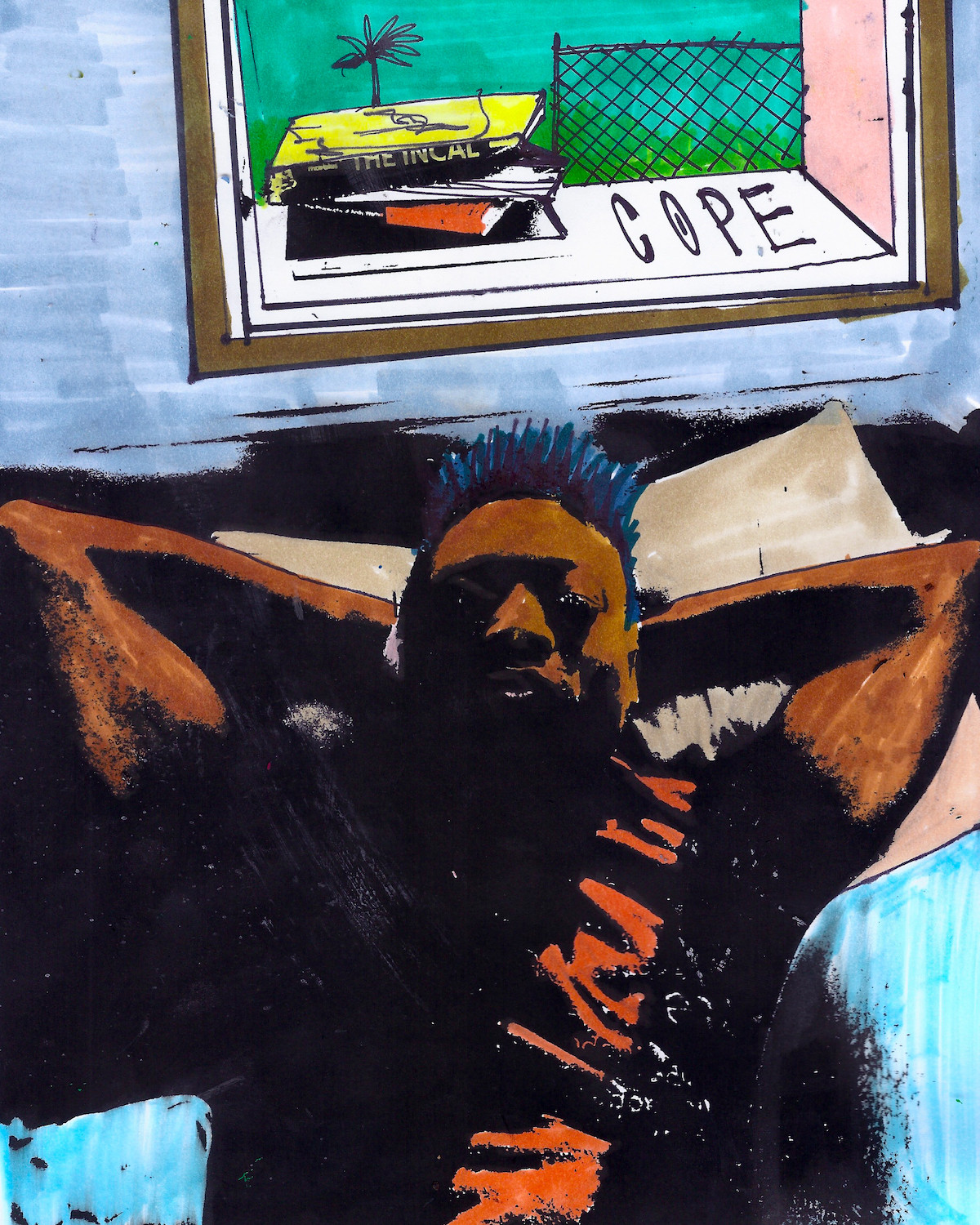
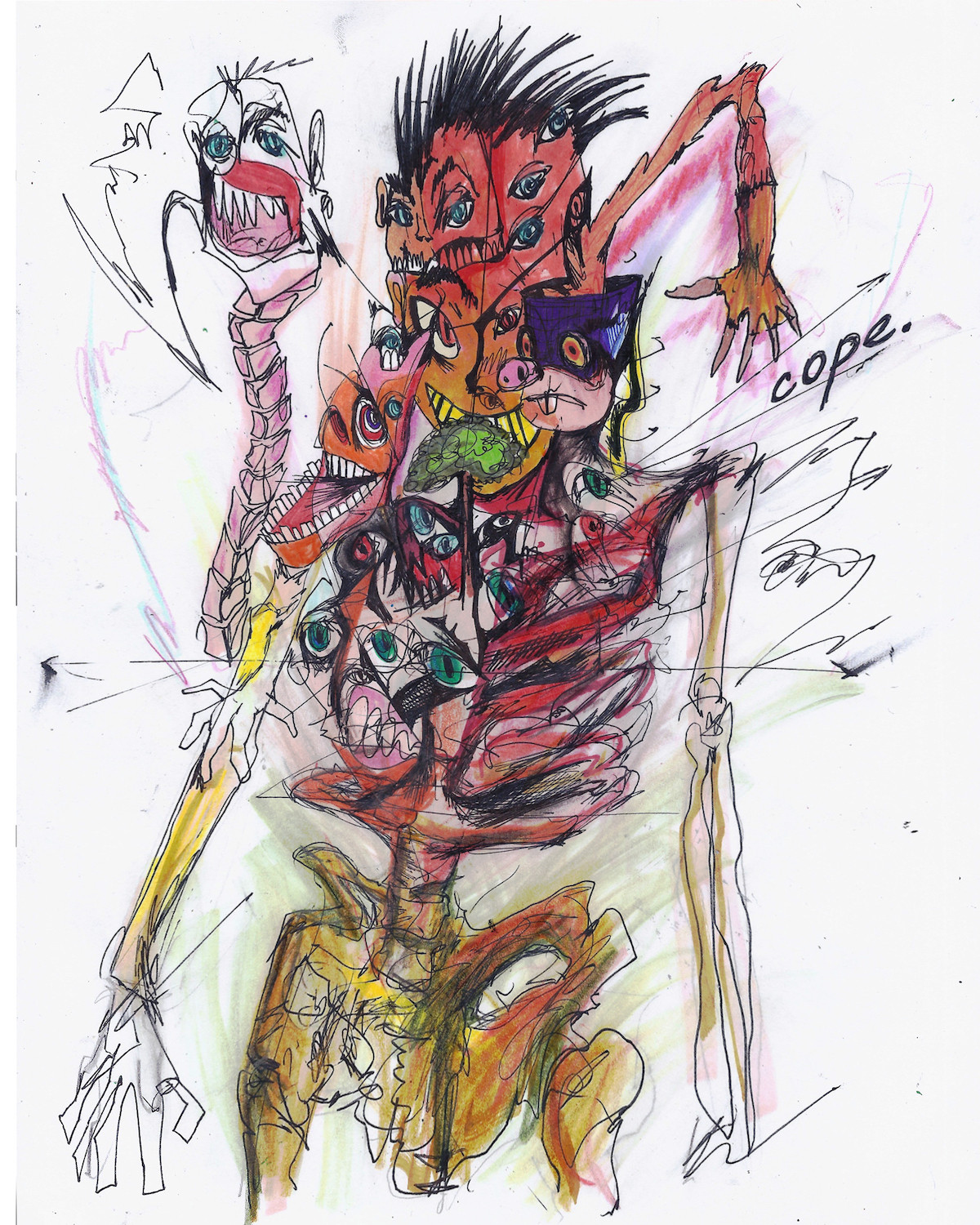
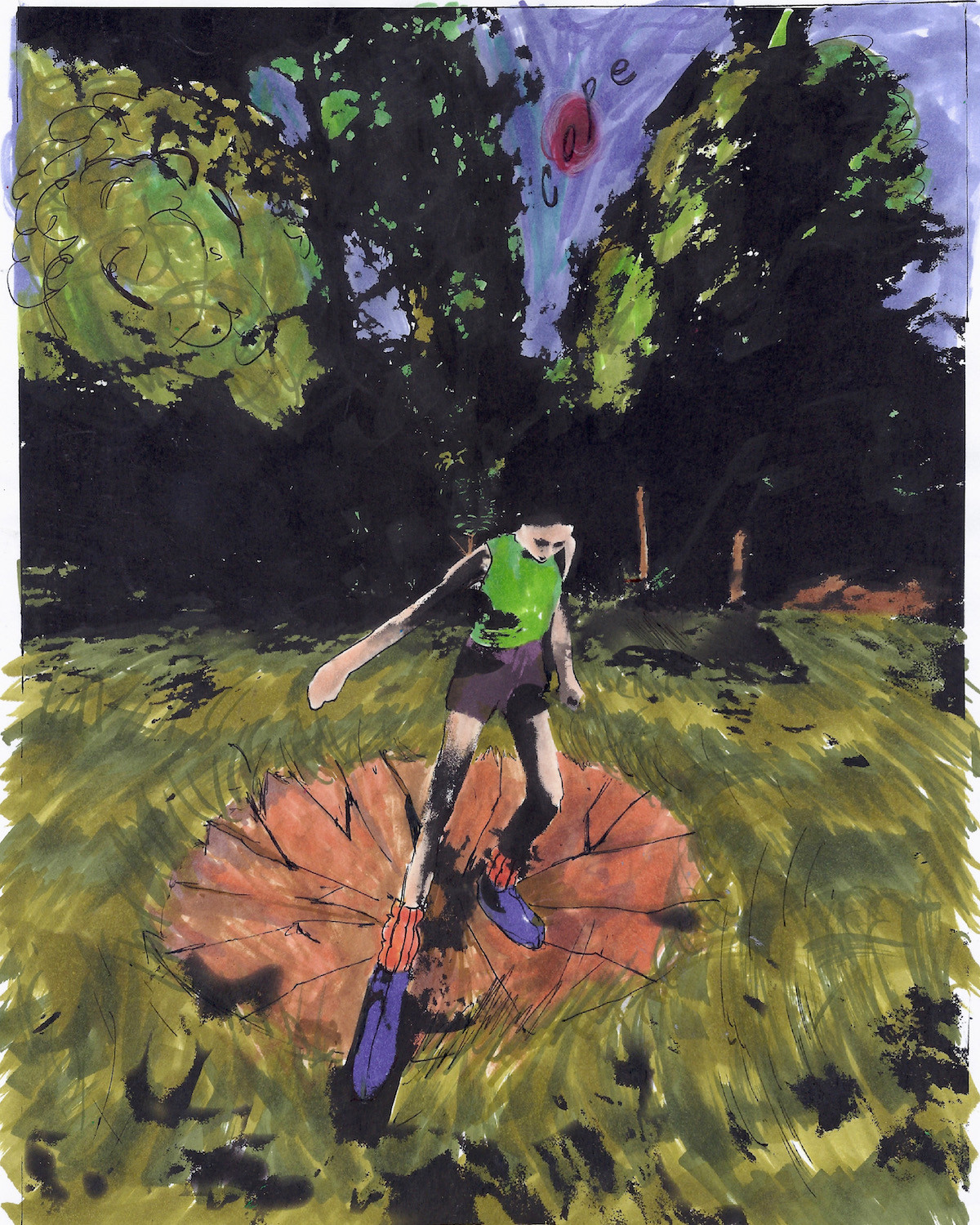
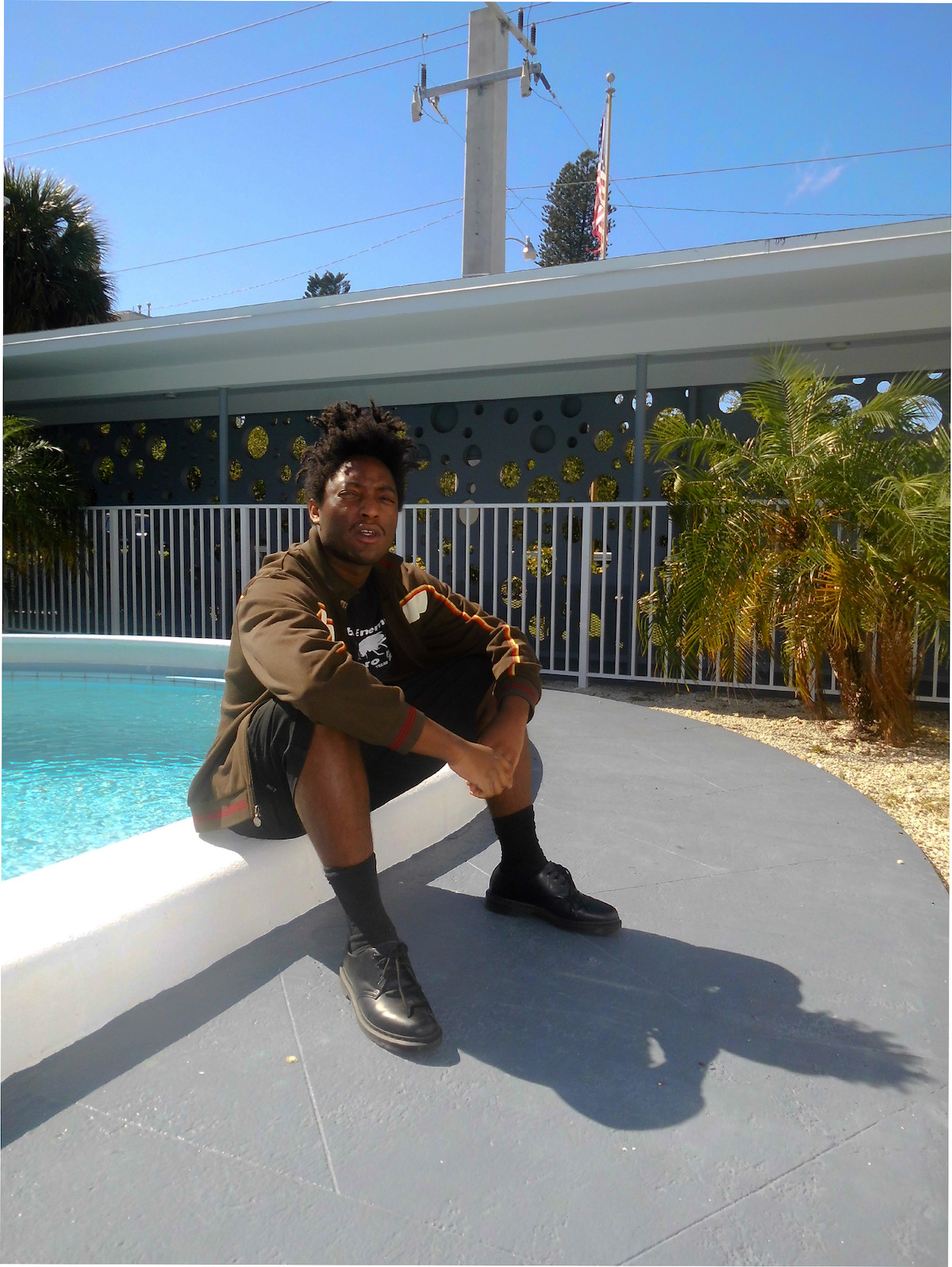
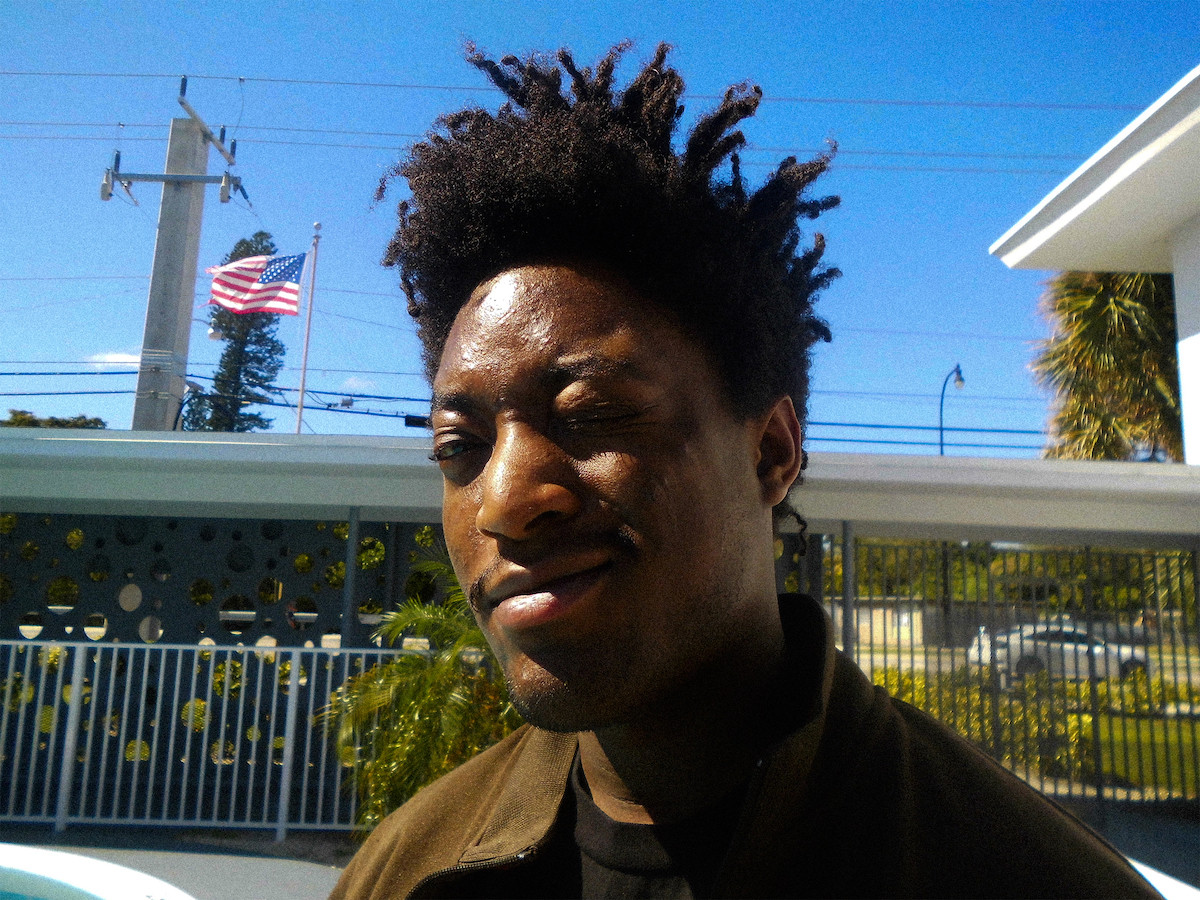
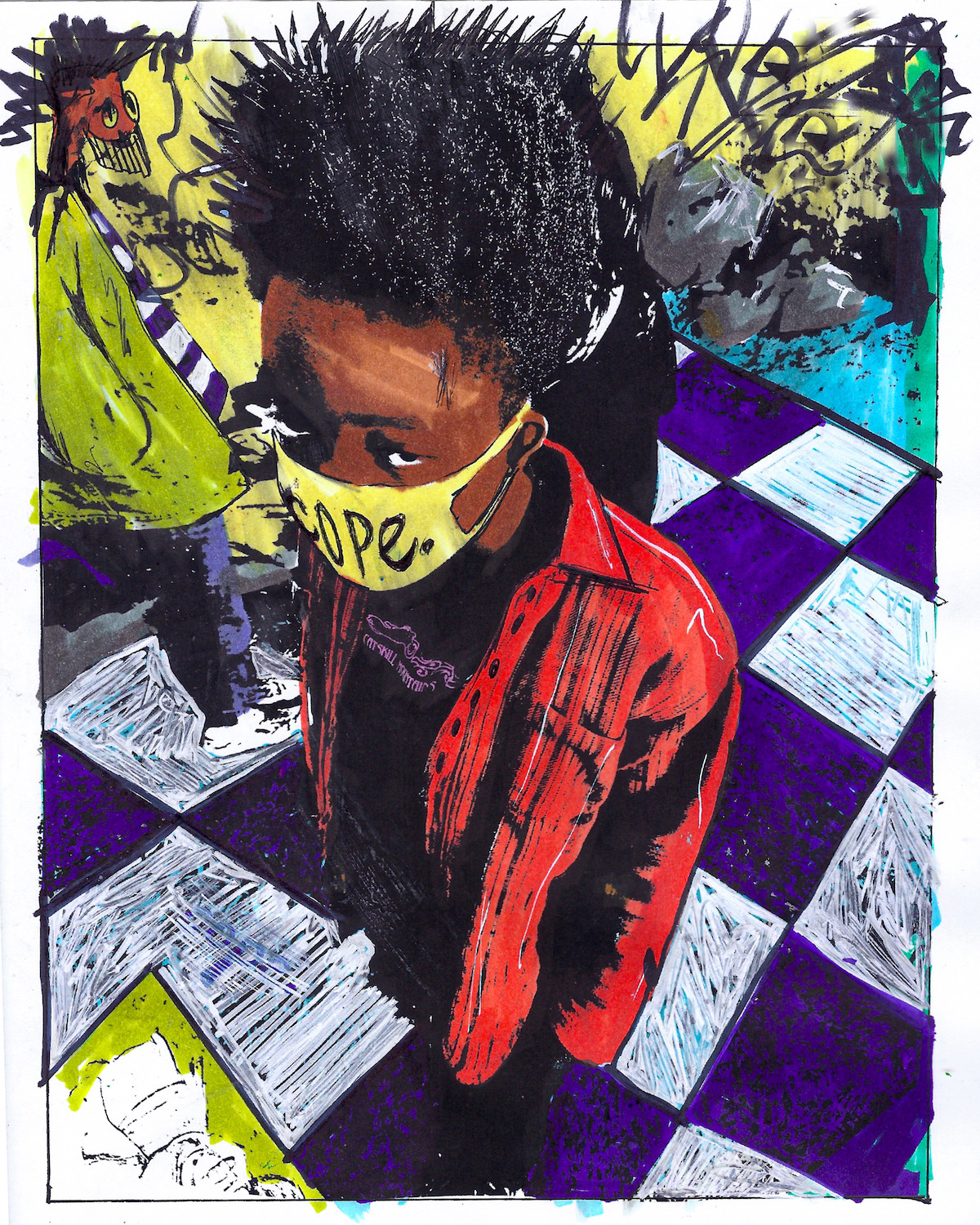
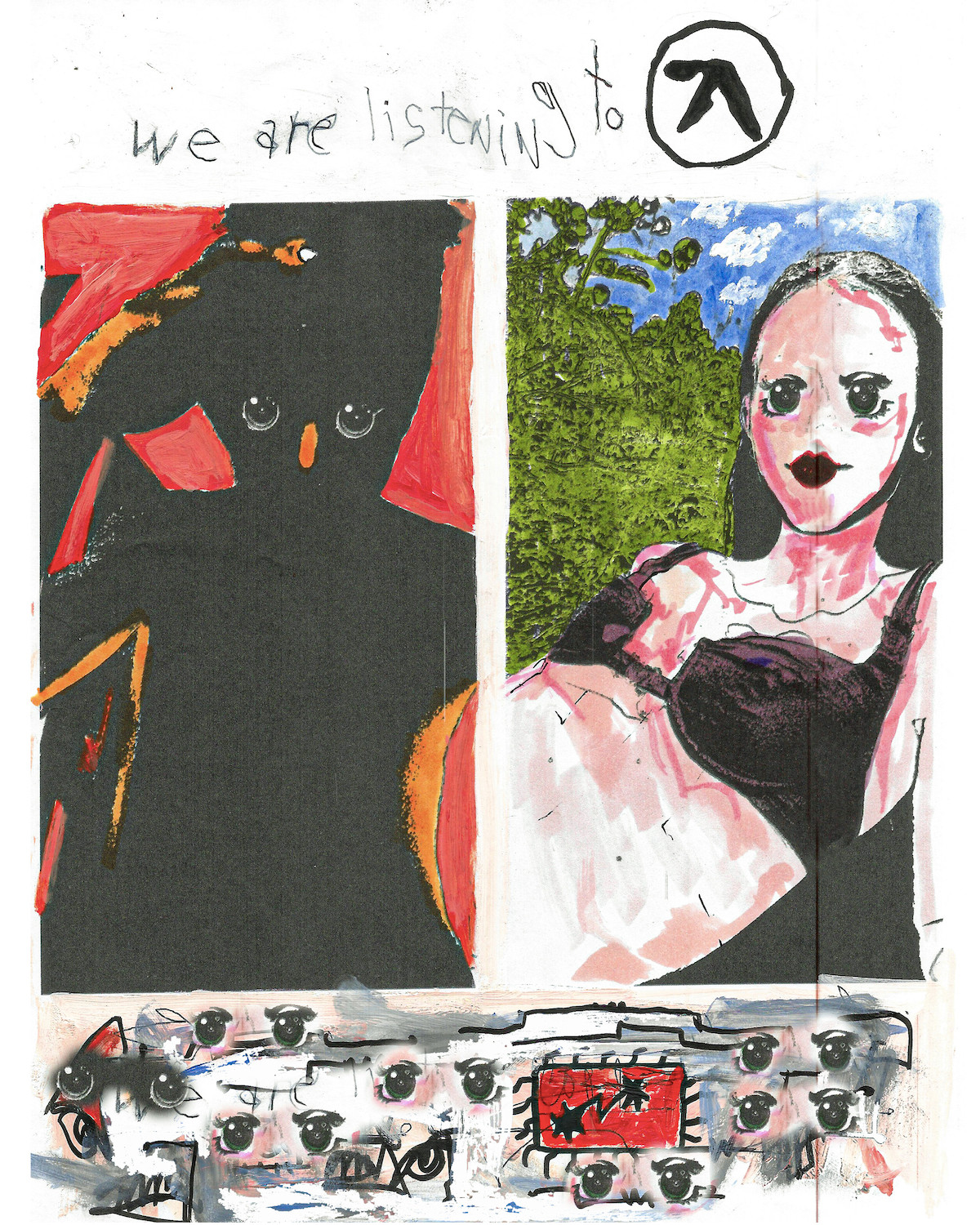
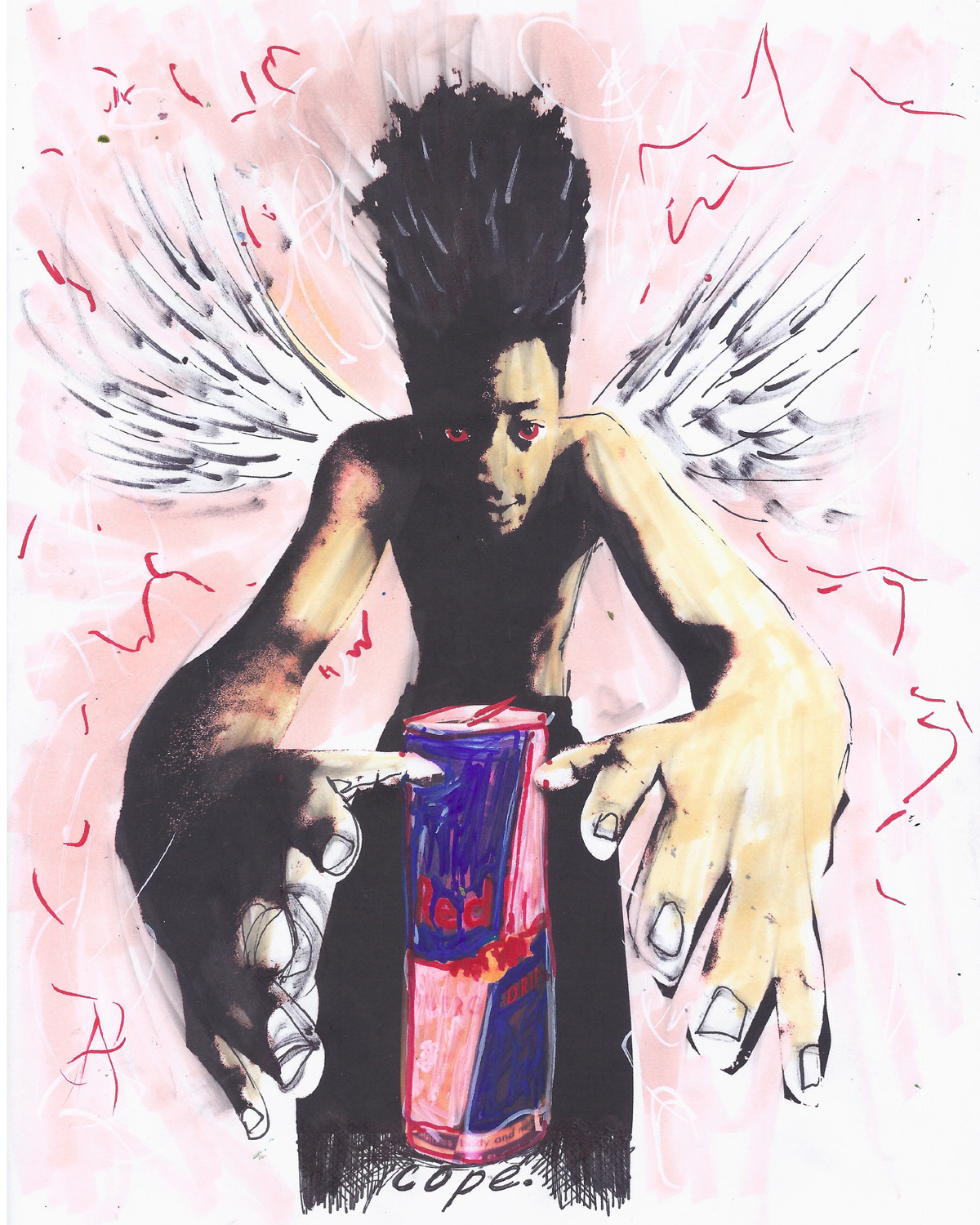
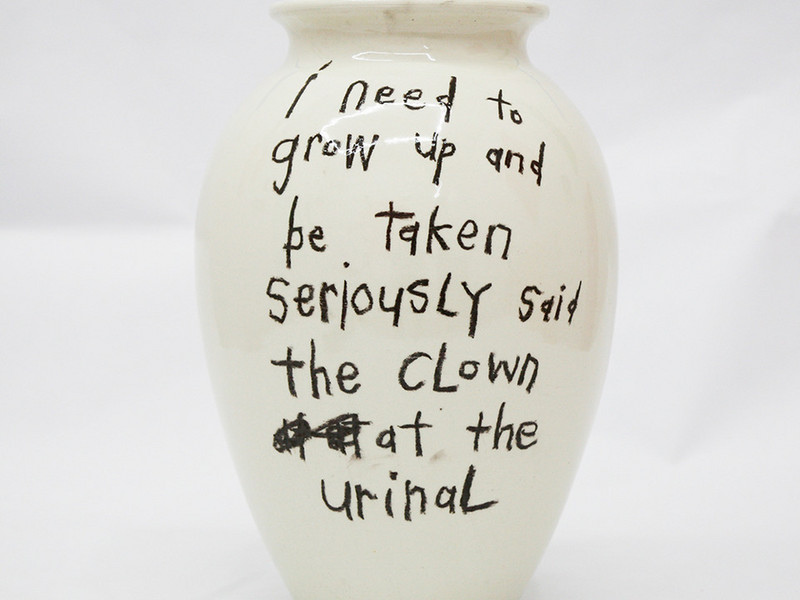
Along with what now seems like the rest of the world, Aleqth is dipping his toes into the digital art sphere. All pages from “cope. VOL. 1” are available to own as NFT’s. However, if you still prefer the pre-crypto construct that is physical media, copies of the book are also available to purchase on his website.
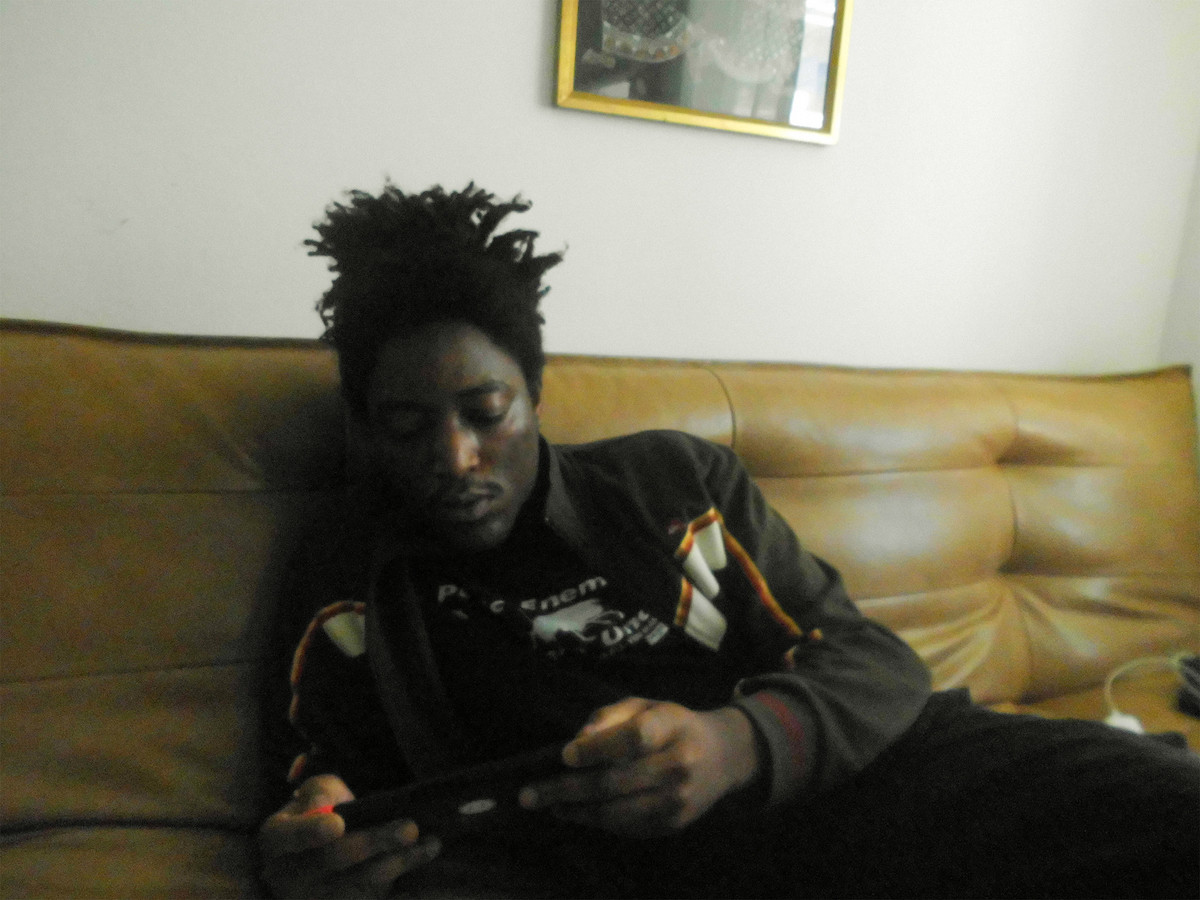
We sat down with the artist to discuss his book, cyber surrealism, and what cope. really means to him.


You made your own book, which is a huge milestone for someone at 22. Can you tell me a little bit about that?
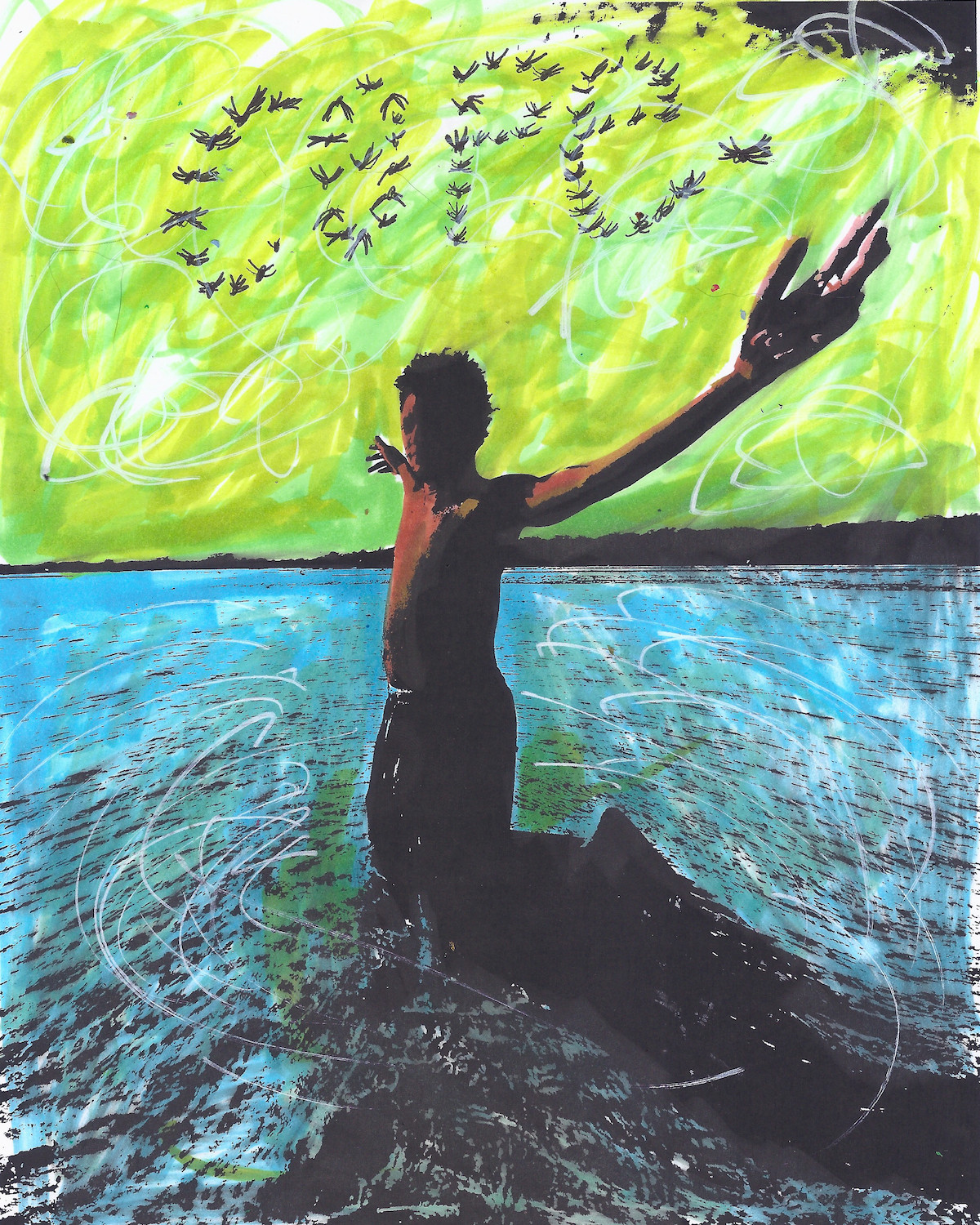
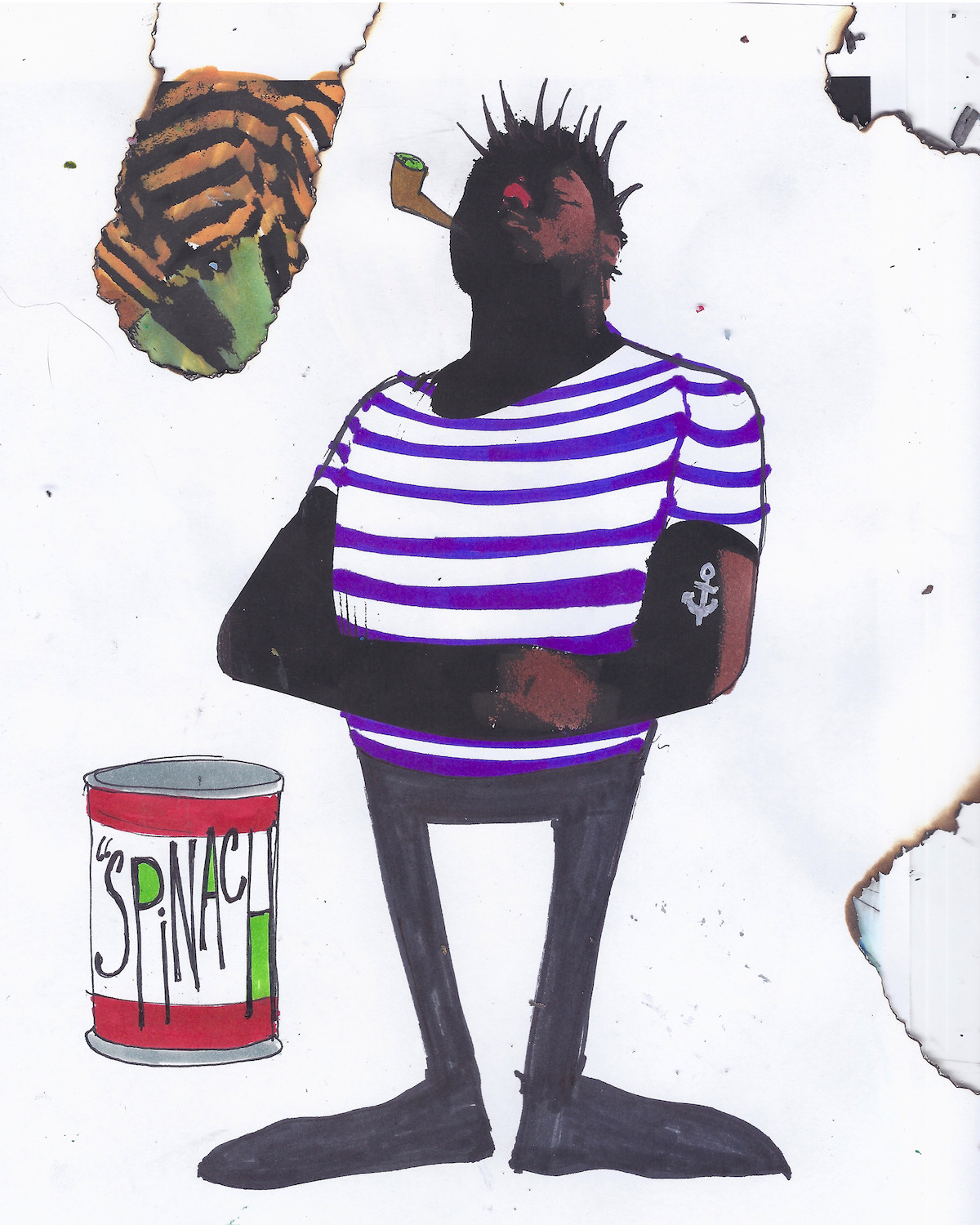
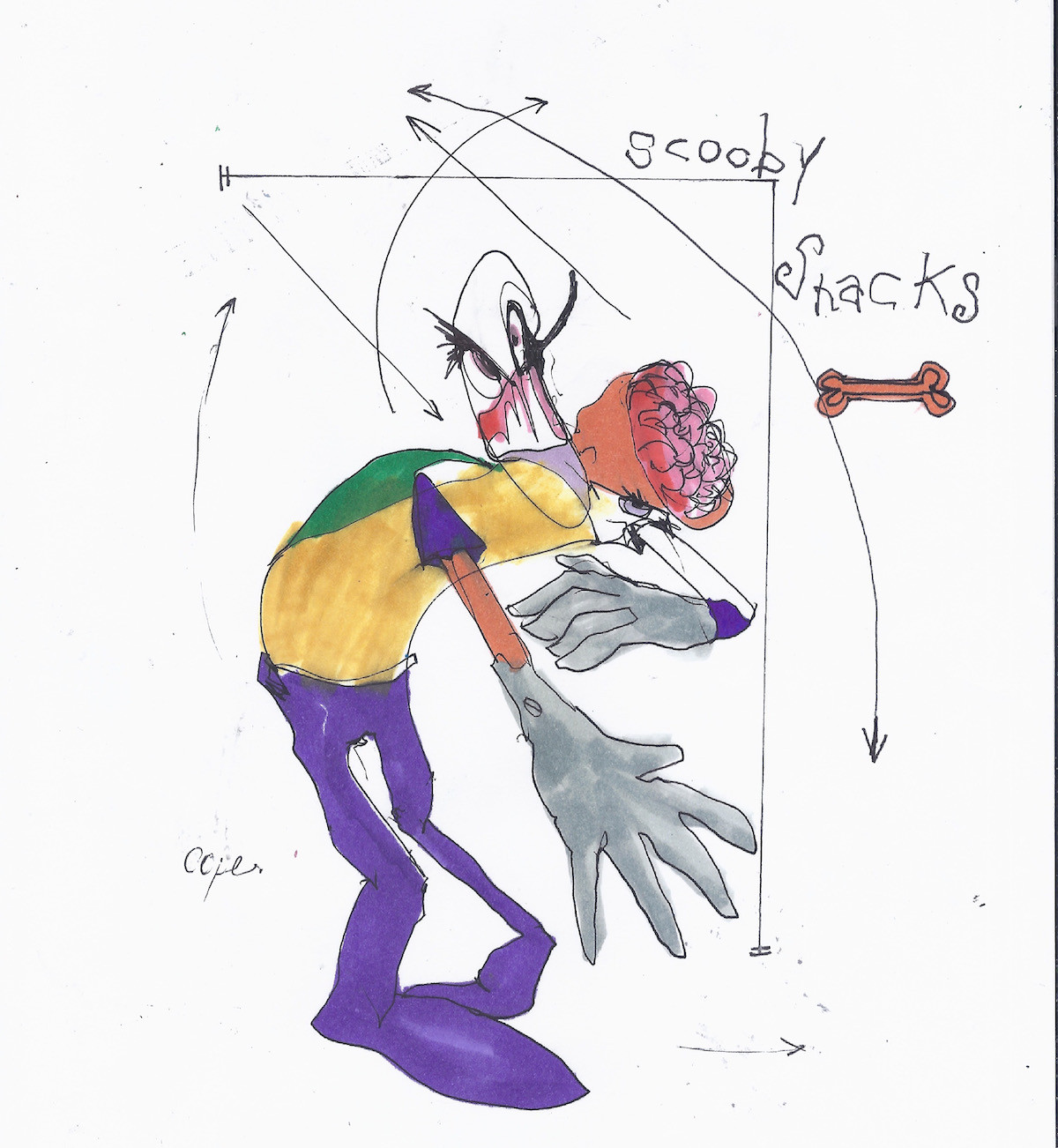
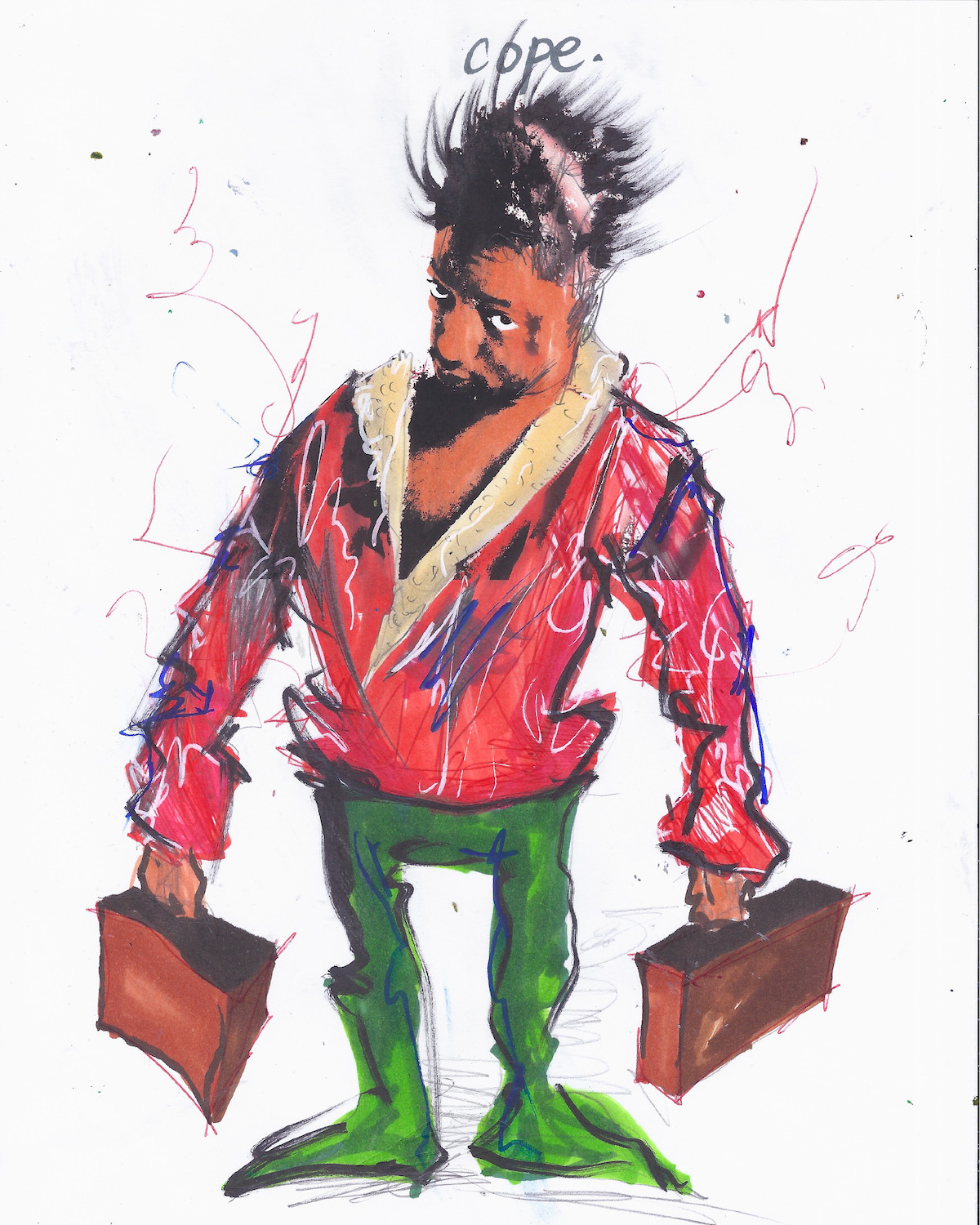
You know, Megan, I'm gonna be honest – I had no idea how I was gonna make this book happen. I had no clue. I just knew, like, 'I need to make this book. However it happens, I'm gonna see it through.' But I didn't actually start the book until March of last year. I had been taking pre-orders in December – honestly still not knowing what I was doing – but people just believed in me. Like, 'Yeah, you'll figure it out. Here's my money.' The process that I started with was very different than my typical art practice. It involved a lot of printing of images and then reworking. It's a mix between digital and also analog – which was kind of in real life with markers and paint and stuff. I think the most special part about working on it was I was sharing the pages as I was making them on Instagram. It's a big deal for me to even have a hardcover book with 200 pages because I grew up on Dr. Seuss. Every night I wanted to read 'The Cat in the Hat' or 'Green Eggs and Ham.' Those were my two favorites. And then 'The Cat in the Hat' movie dropped in like 2006 and completely changed my world, how I saw everything.
That movie is actually insane, but it's also so artistic and camp. It was underappreciated, I think.
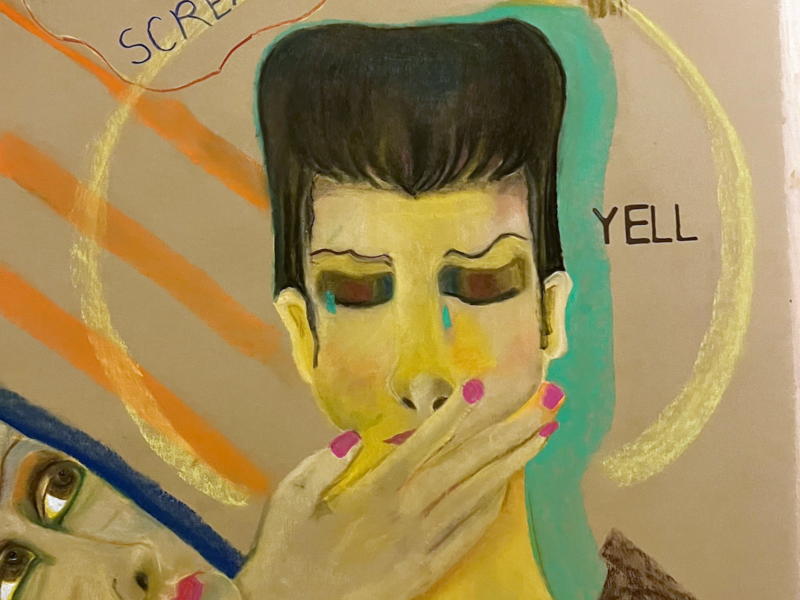
It's so underappreciated! It activated something in me which was, like, a surrealism that was tangible for a child. I wasn't looking at a Salvador Dalí painting, I was watching 'The Cat in the Hat.' Experiencing that world just triggered something within me and I feel like I'm always inspired by that. cope. is very inspired by that world of surreal imagery and energy – a dream-like quality. My friend mentioned that my work kind of seems like digital surrealism, or he calls it 'net surrealism,' which I'm exploring right now because it is very internet influenced.


Definitely. Also with NFTs, I feel like the world of art is changing so much and like there's so much possibility. I don't really understand them, but –
You'll figure it out. I mean, it's so early. It's like trying to explain to somebody what Facebook is in 2006. And it's gonna expand in terms of definition. And of course it's gonna be polarizing, but eventually it'll be a technology that I think revolutionizes how we interact with art and intellectual property. I actually minted all the pages from my book as NFTs.
You did what with the pages?
It's called minting – when you actually put it on an NFT platform and they're available to purchase as NFT’s. So if somebody had the book and wanted the NFT off a page of the book, it could be theirs. It's kind of similar to in Japan – you know Studio Ghibli films? You can get a single frame of that film, and then it’s yours. And when you're watching a movie, you can say, 'I own that frame.'
That’s crazy. I didn't know that about Studio Ghibli.
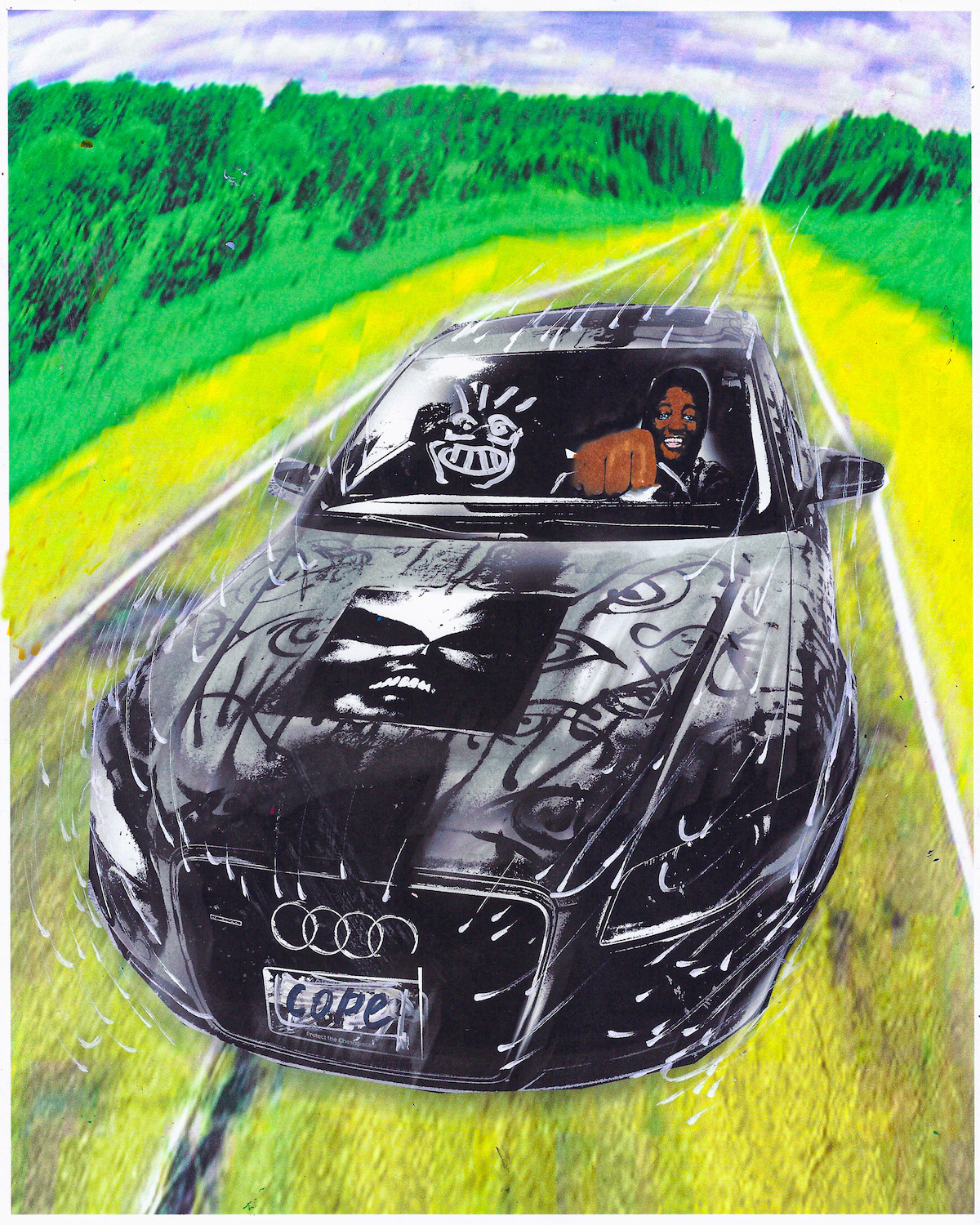
Yeah. On the cover of the book is my car. You know the story of the car, right?


Yeah. Well, I know you spray-painted it.
Yeah. So, the car's spray painted. I used to get so many questions about it. Like, 'Yo, did your girl do this? What's up with your car? What's going on?' It took a certain courage to keep driving it and live with the decision of doing that. But I look at it as my artwork and I think it made me realize just to trust my own ideas and embrace criticism instead of rejecting or running away from it because it's making people think in a different way.
Is that why you made it the cover?
Yeah, but also there's levels to why it's the cover. I'm trying to sell the car as well as an NFT. So I thought that by making it the cover of my first book, it would drive the value of the car in itself. If it's that much of a bigger deal, then it's no longer just a car – it's a part of my life. It's an artwork. It served as a vessel for my previous life circumstance and where I am or right now, cause I drove that shit all down the East Coast to Florida. There's just this crazy relationship with this car. It's still got the same markings on it from before all this even happened, and that's why I don't want to touch it anymore. I feel like it has a strange spiritual charge, like, 'This is building. Trust the ideas that you have.'
Is there an underlying theme in the book or is it different for every page?
Oh, that's a great question. Actually, that drives it even further because the underlying theme in the book was a conscious stream, chronological but contingent based on the techniques and energies of the pages before. So, if I made one page or try to outdo another page or try to expand on certain ideas – they're not necessarily linked in terms of story, but you can see it moment by moment. It was kind of capturing energies on specific days, and I thought that was an interesting way to tell a story. It's kind of like a period – step back and look at things as like, 'This was a moment,’ as opposed to 'This happened, then this happened, then this happened.' So it's expanding on the ideas that I've discovered through this intuition, and I think that's a key component. The book in itself is just intuitively doing it instead of trying to think too hard. There's a lot of pages that I go back to now and I'm like, 'Ugh, that's in a book.' But that 'ugh' feeling is actually why it should be in the book.


Definitely. The last time we talked, you said your art was kind of angry. Like, there were a lot of teeth present. Have you seen it evolve since then? Is there an evolution throughout the book?
I think the book brought my work to a level that it was no longer just the teeth and stuff. I still have the teeth and eyes, but now I'm realizing that my physical body can actually interact with these ideas and forms that I'm creating. That's something I want to explore even more, hopefully in the form of a show. Like, what if I could just put myself into these worlds? That's an idea I was trying to expand on in the book. What that does is it makes it kind of comedic, like a cartoon, and not just dark. It took me a while to even understand that the art was dark. It was usually from people telling me like, 'Yo, what if you're like possessed or some shit.' But now I realize it's a language that's being built and I'm embracing that, cause I see it's a reflection of some parts of me.
Speaking of shows, didn't you have a gallery a while ago? I saw that the editor of The New York Times bought a piece. What was that all about?
So crazy! In June I went to a group show called 'Nightmare' at The New Image Art gallery in West Hollywood. They wanted these two big paintings that I had done to be in the show. But on the night of the show, I get there and they're like, 'Oh, we couldn't put your paintings up. But we put these drawings up that you made on the flight to LA.' I was furious. I thought, 'I finally get to show these paintings that I made in the midst of COVID.' And they just didn't show them. I went back to the hotel and just kind of cried about it – not really any tears, but like I was like, 'Wow, it's over.' But the morning of, we're walking around LA and the gallery owner calls me. She's like, 'Alex, guess what just happened? The chief editor of the New York Times – Dean Baquet – just bought three of your drawings.' And this is something that rarely happens. He comes in every now and then, and the last time he did was like three years ago for an artist who's really big right now – like crazy big. So I was like, 'Wait, what? The New York Times? What's he doing in LA?' But yeah, that was like the first moment for me where I'm like, 'Yo, I'm at a level now that's pretty dope. I gotta take this shit more serious.' And being able to tell that to my mom and dad, like, 'Yo, I finally did it!'


Has the meaning behind the name cope. changed for you throughout all of this?
I think it has changed. It's expanding in terms of definition – to deal with life in a way that just works for you. We're always posed with challenges and how we can manage to handle these challenges best. I feel like a lot of that has to do with perspective, and that's something that I've been really focused on – a shift in perspective. Maybe not seeing things as negative upfront. Maybe acknowledging that it's not what you expected, but this occurrence opens up the opportunity for another thing to exist. I think that kind of embodies what cope. is, but also trying to spread a message about trusting whatever happens in your life and trying to establish a sense of community – that you're not alone in your creative endeavors and that there's a vision of the future that we can all participate in


Speaking of the future, what's next for you?
As far as projects, I'm trying to tackle more film stuff now. I think I'm ready to write more and direct. I want to take on the role of, like, creative director. Now I'm trying to temper with the constructs of reality and our environment – to capture magical moments and showcase that to people, I think that's what's next. It feels like such a natural progression, but I feel like I'm also such a student. I just want to have a limitless expression going forward. But yeah, more music, but definitely trying to capitalize on being a visual artist in the most immersive way possible.
Any final words?
Thank you Virgil Abloh.