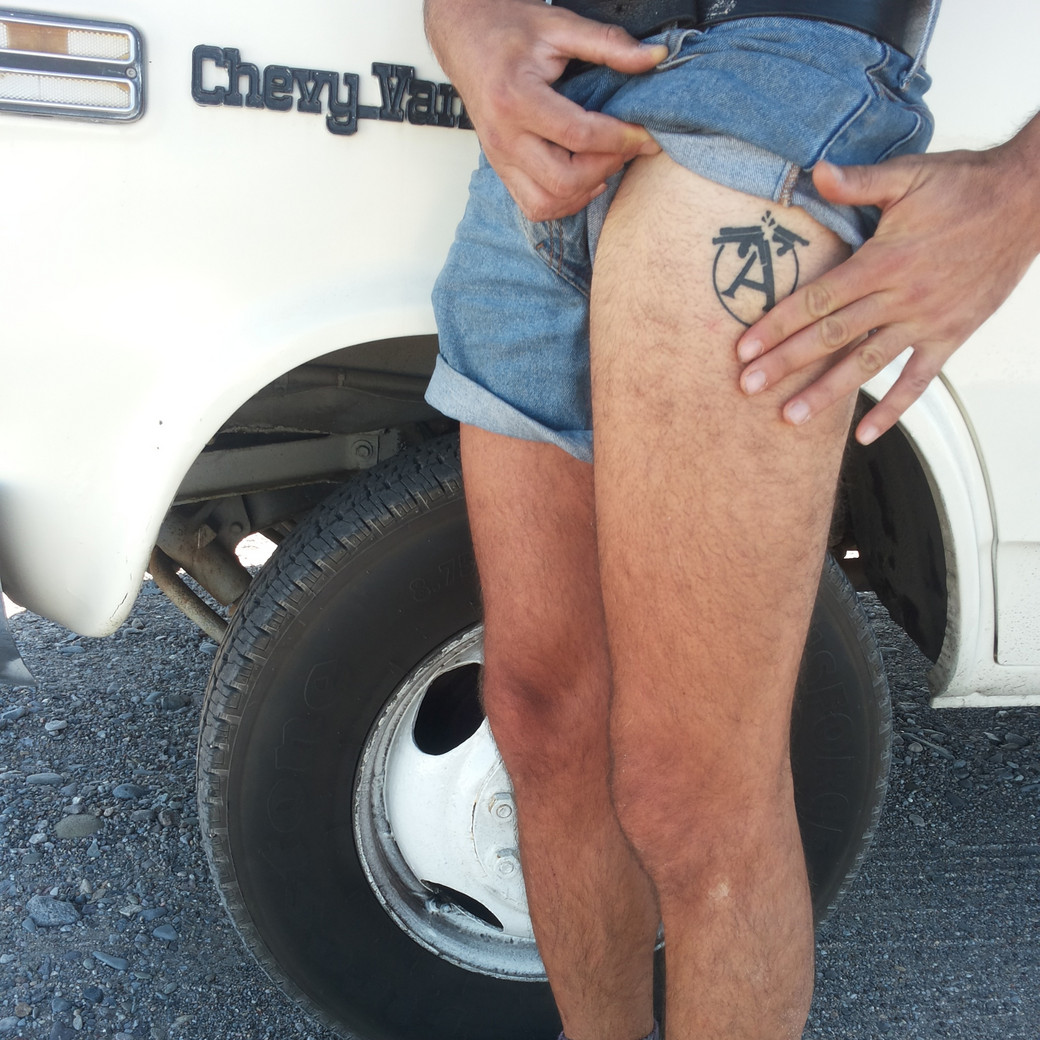
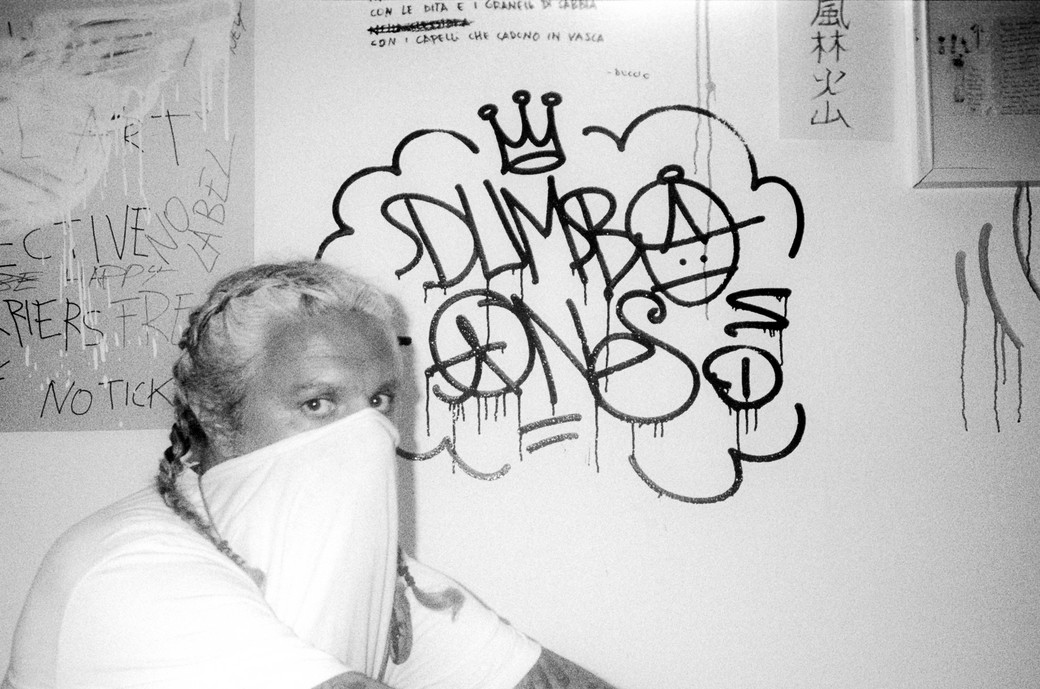
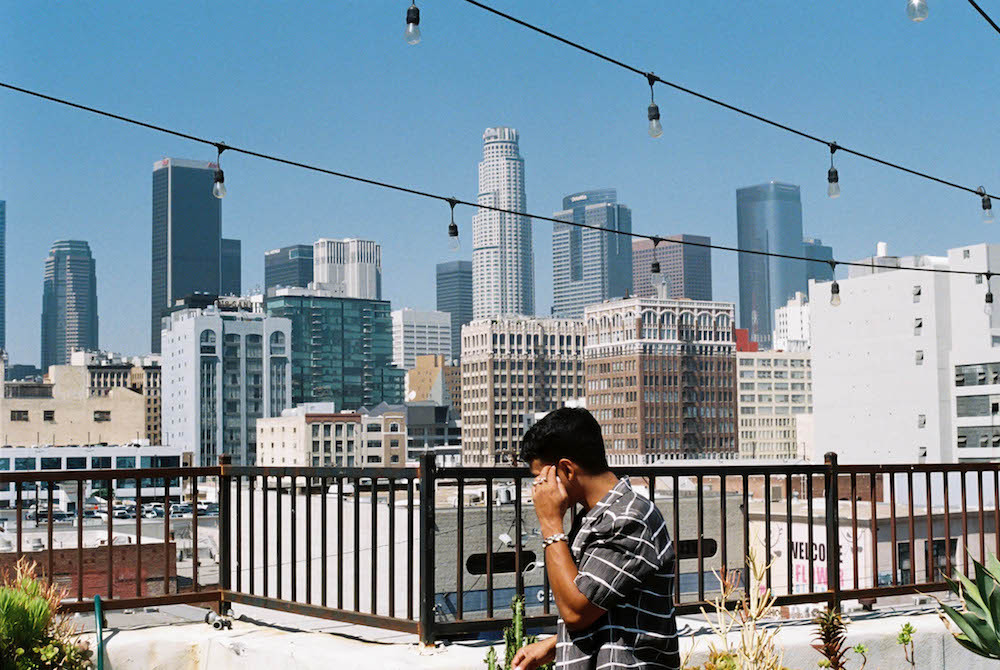
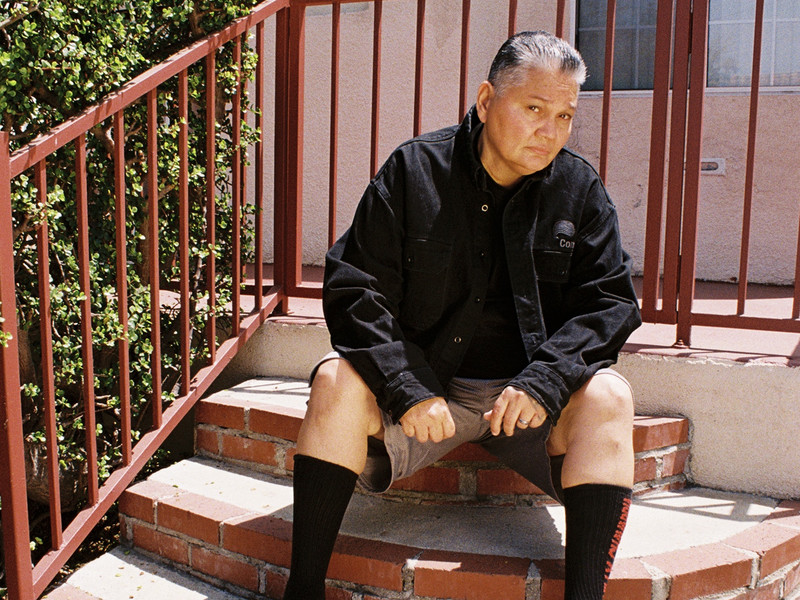
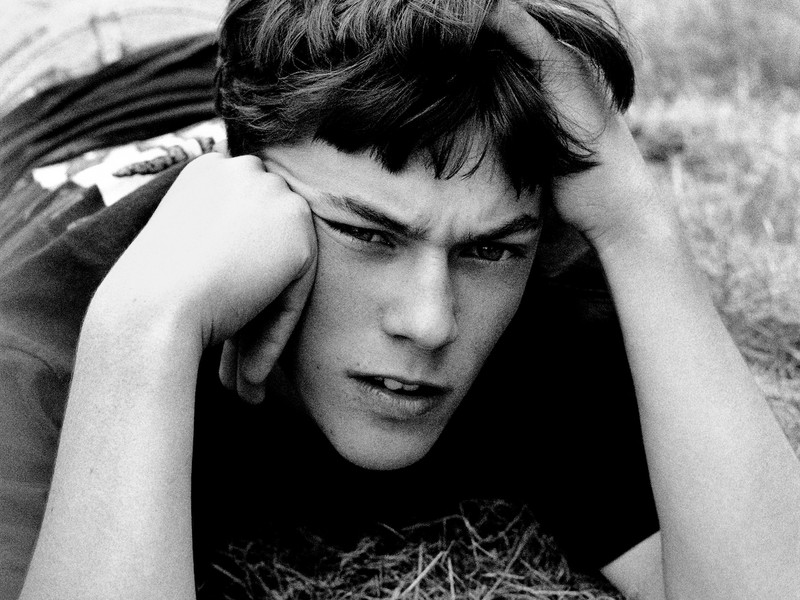
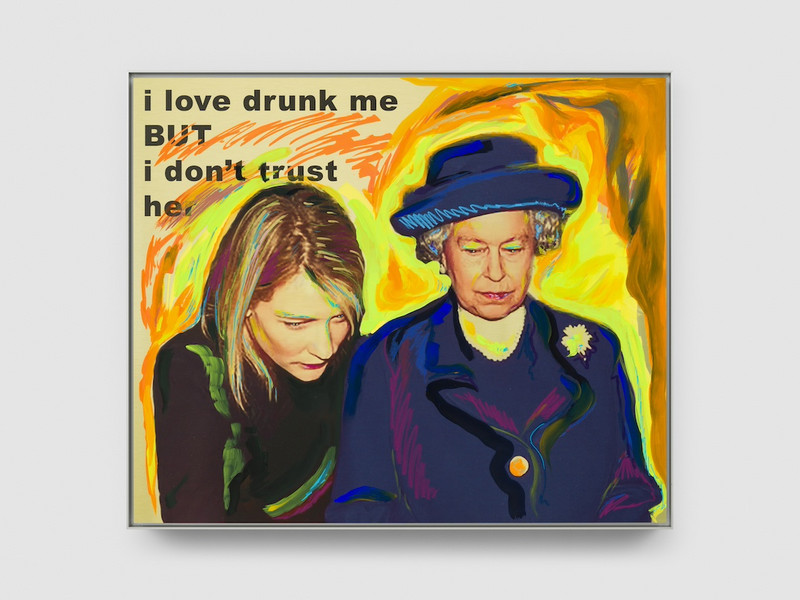
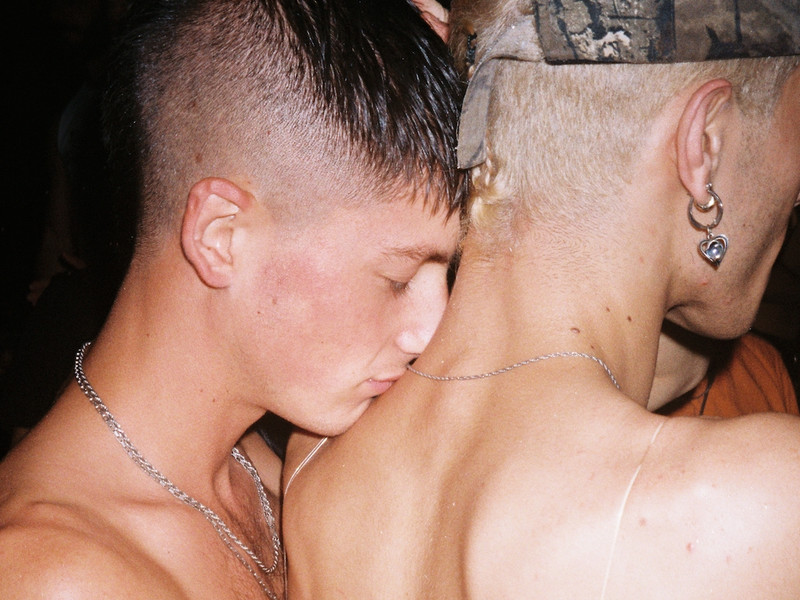
PRESENTE CONTINUO: the intimate ties between then&now

Starting May 30, PRESENTE CONTINUO will be available to purchase on presentecontinuo.com, cpcompany.com, and at the C.P. Company flagship store in Milan, Corso Matteotti 7.
Stay informed on our latest news!

Starting May 30, PRESENTE CONTINUO will be available to purchase on presentecontinuo.com, cpcompany.com, and at the C.P. Company flagship store in Milan, Corso Matteotti 7.

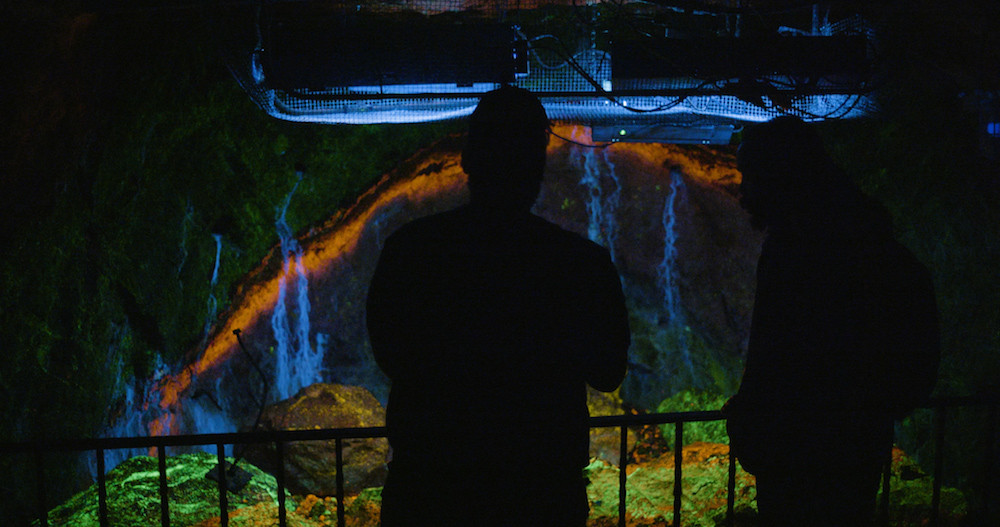
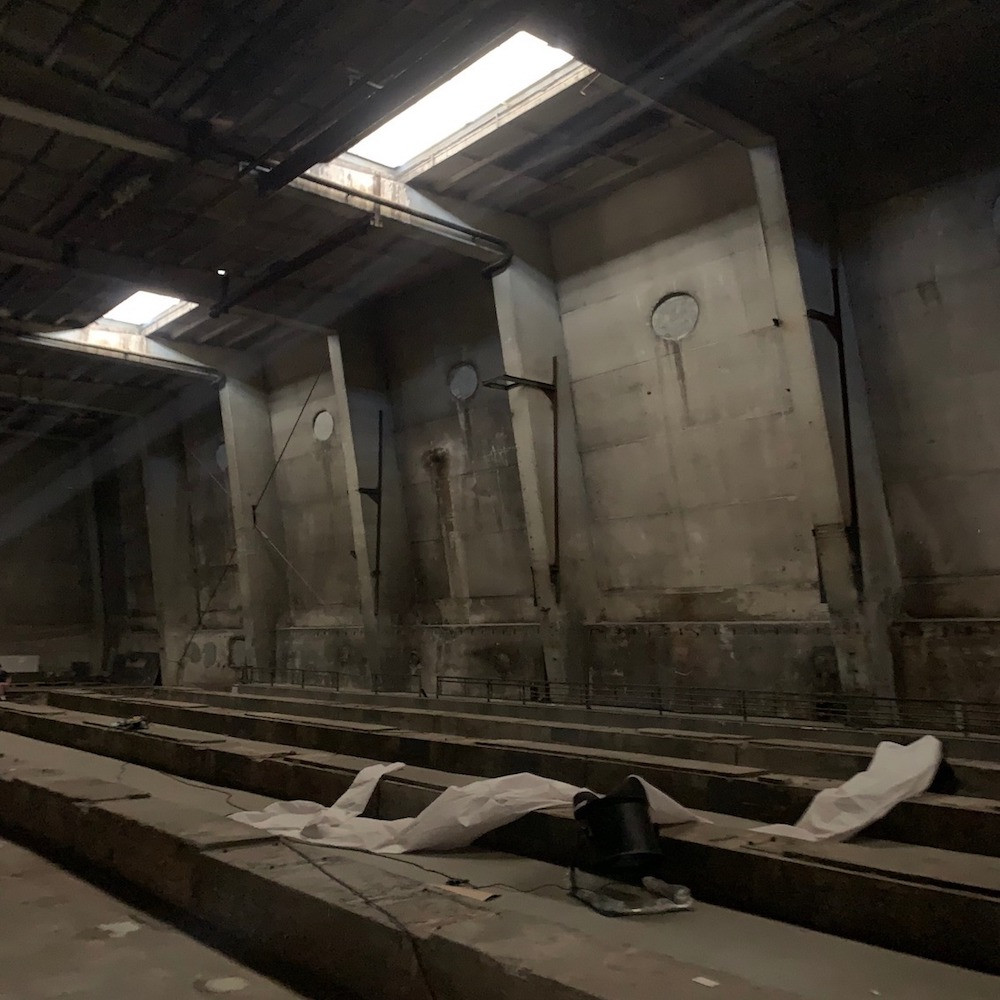
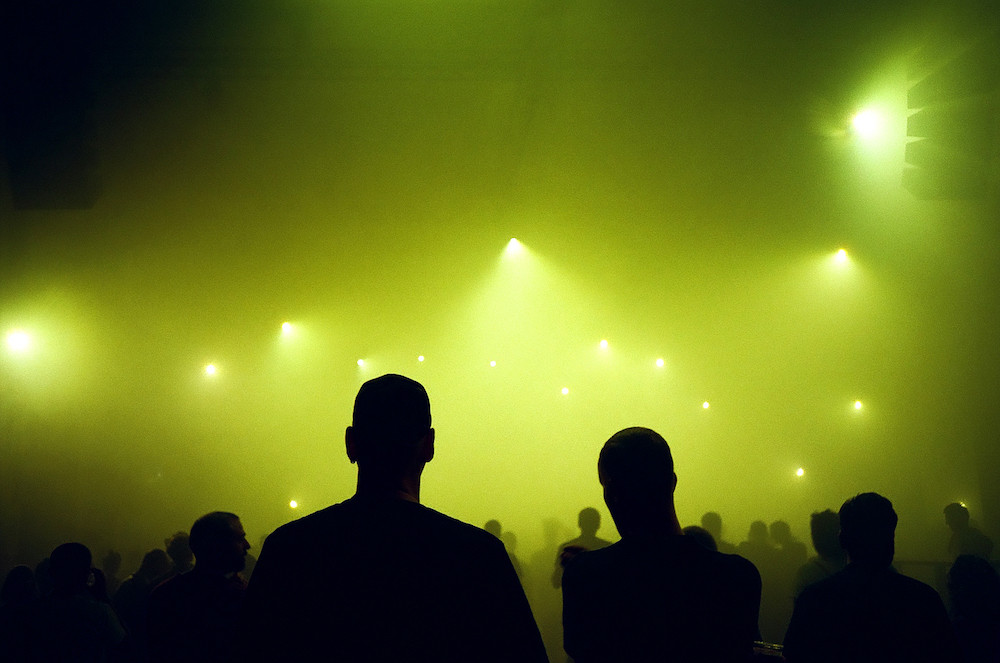
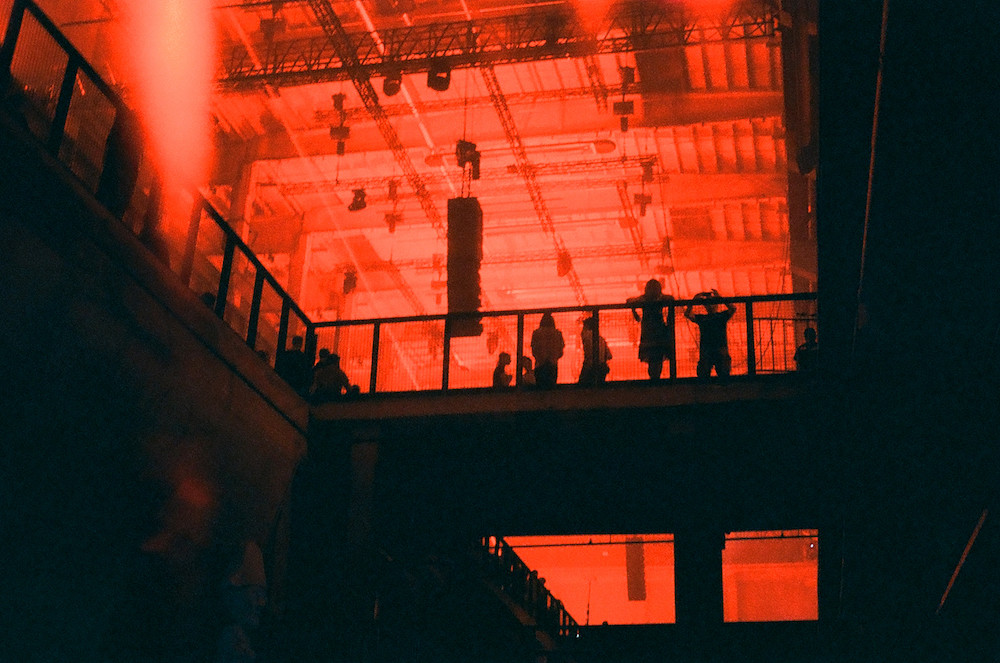
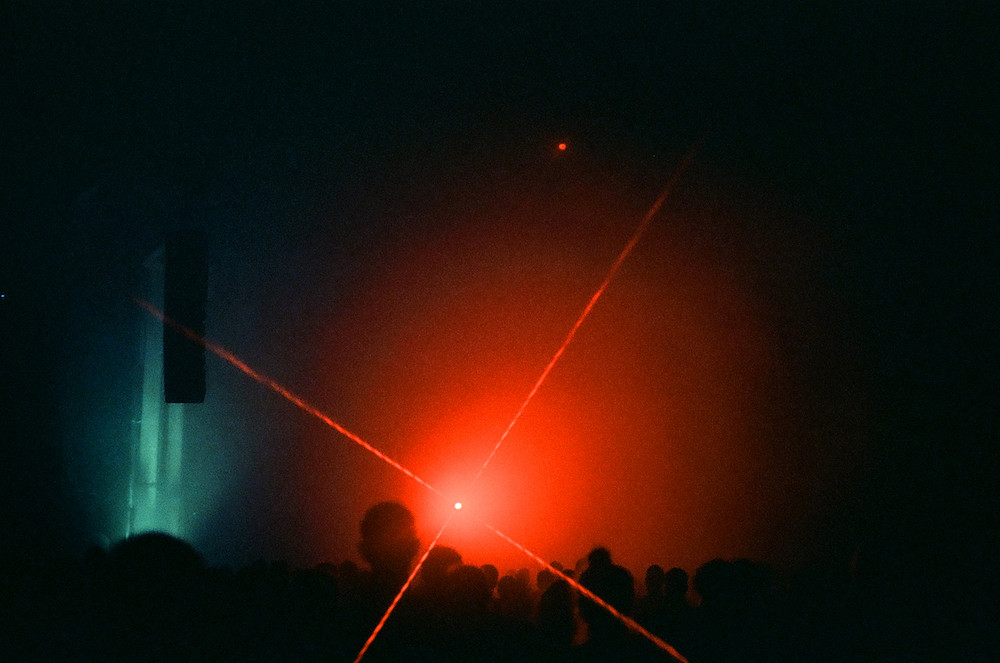
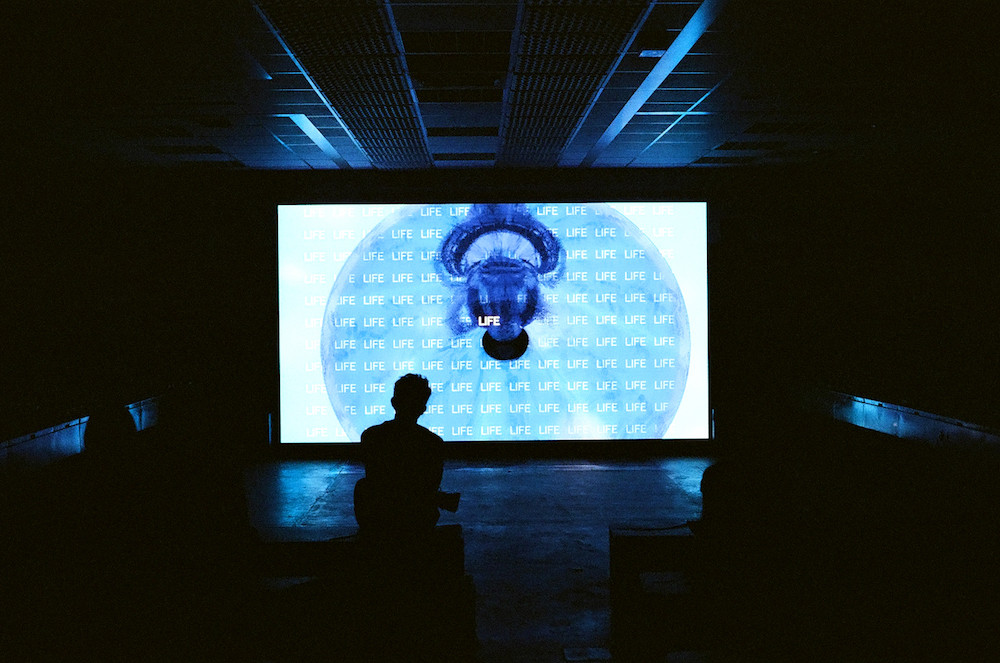
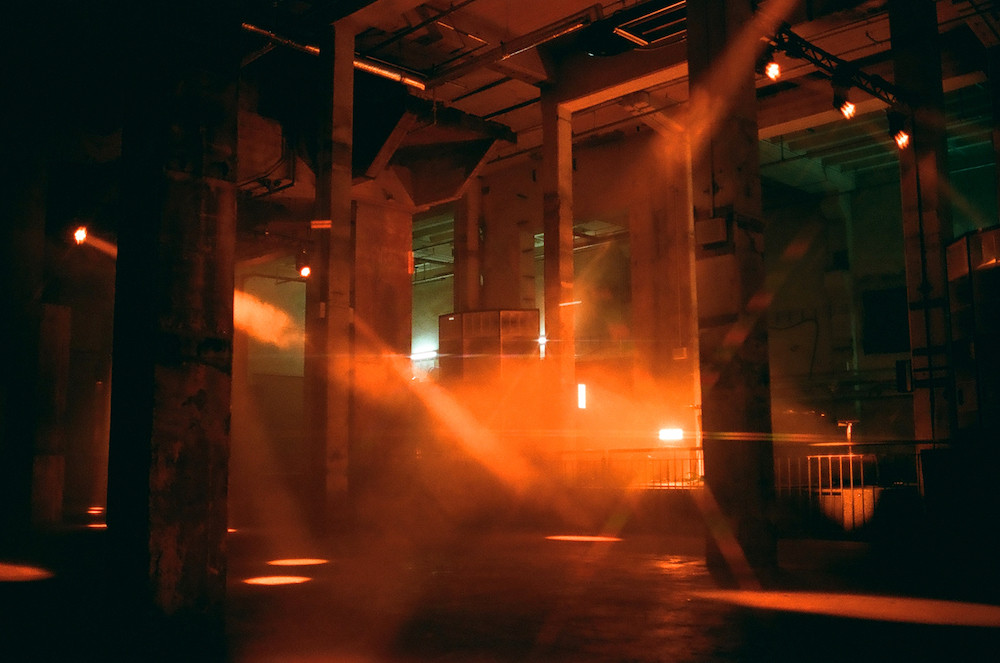
Small groups explore the former power plant, loosely instructed by timepieces and installations that feed into a sequence informed by experimental rhythm. Maneuvering through a futurescape designed by Rigobert Nimi, viewers observe works of nearly 30 artists, from installations by Cyprien Gaillard to sonic material from Daniel Lopatin, Oneohtrix Point Never, and situ work by Sung Tieu. Although dynamic light shows and sound waves provide guidance, the viewer moves untethered, responding purely to energy. “Metabolic Rift,” much like a metabolic system, operates with pathways impressing each viewer resulting in an altered state.
Check out glimpses of the exhibit below and purchase tickets at www.the-metabolic-rift.com.

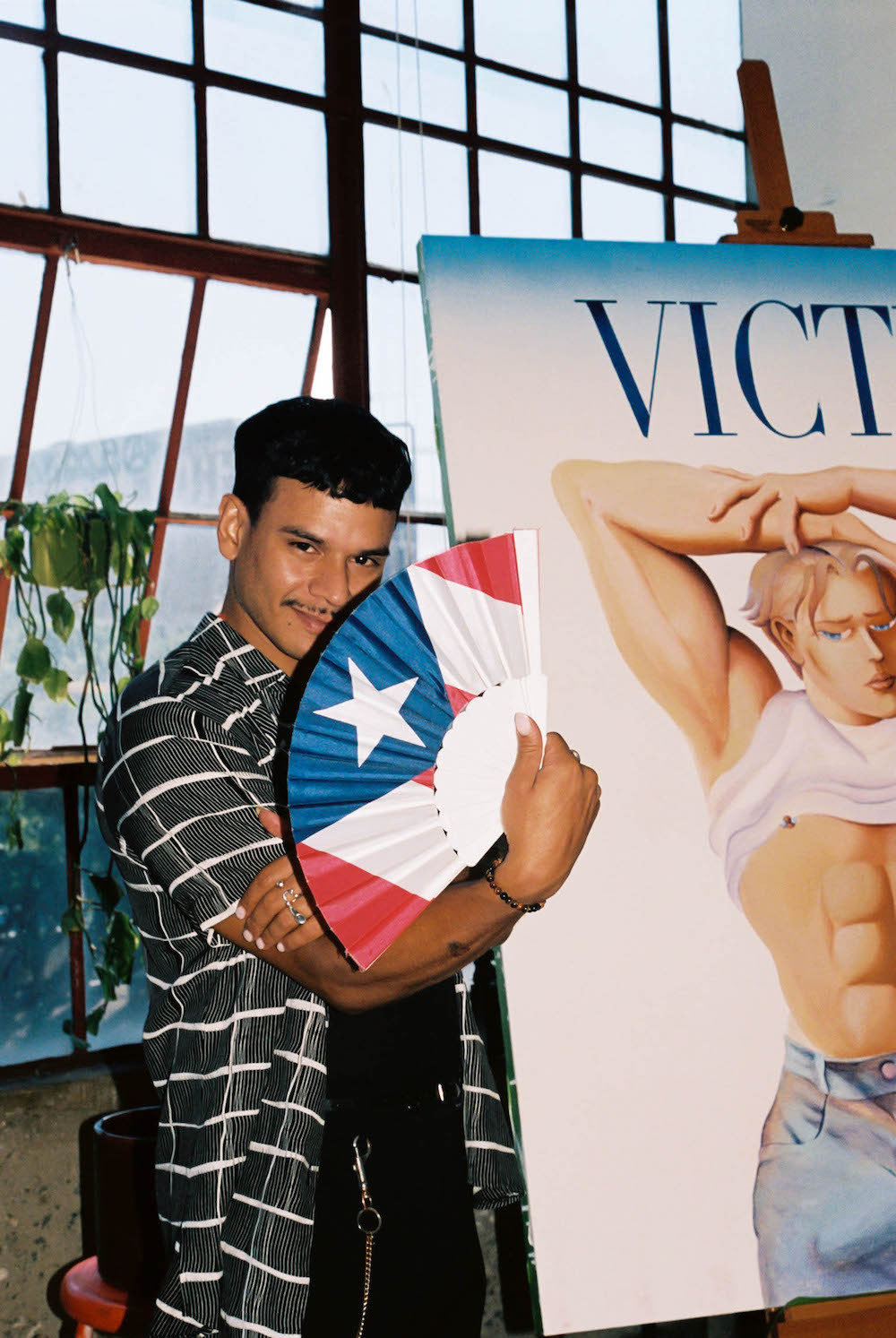
Known for creating comics that cause an audience to double-take, Negron has cemented a reputation for bending realities and forging a multiverse of absurdity. “Grandaddy Purple Erotic Gameshow,” a 2011 comic centering an assassin who's at the brunt of retribution for previous murders in a seductive and shocking manner, sparked recognition among comics and the art scene, catalyzing his career and the chapters that would come.
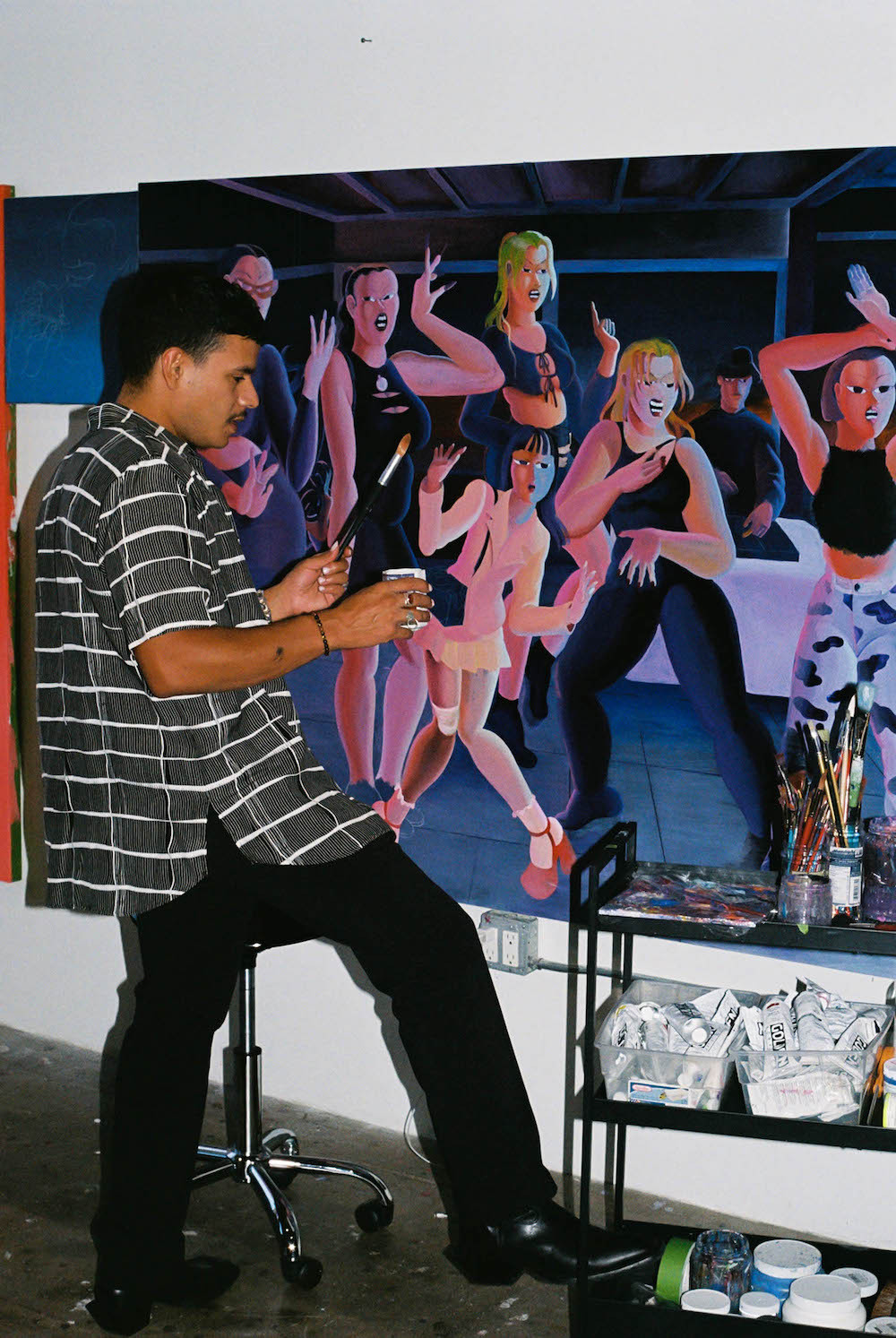
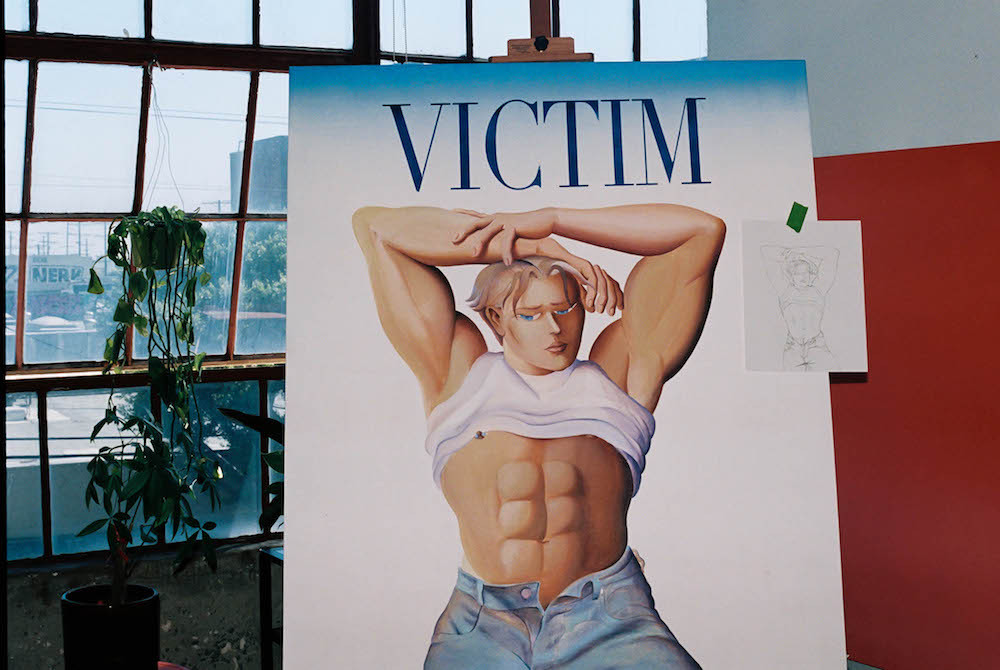
In recent years, Negron has mastered his stylistic fusions of alternative comics and Japanese woodblock printing, casting moments of solace for the world of characters he has created while embedded in intentional chaos. His newest collection of work for his upcoming solo exhibition at Chateau Shatto examines nightlife and club culture including newely explored mediums of music and video work. Balancing nuances of darkness and relief, Negron succeeds in dissecting the complexities of one’s life and the depths of experience. Occupying multiple planes of existence, each piece of work feeds into Negron’s representations of life and the varying emotions that accompany it. Color stories mould one’s experience with his paintings, yet details flood each work tugging onto one’s sense of reality. Depicting scenes that appear on another planet carry pieces of truth that speak to the viewer and their relationship with the world.
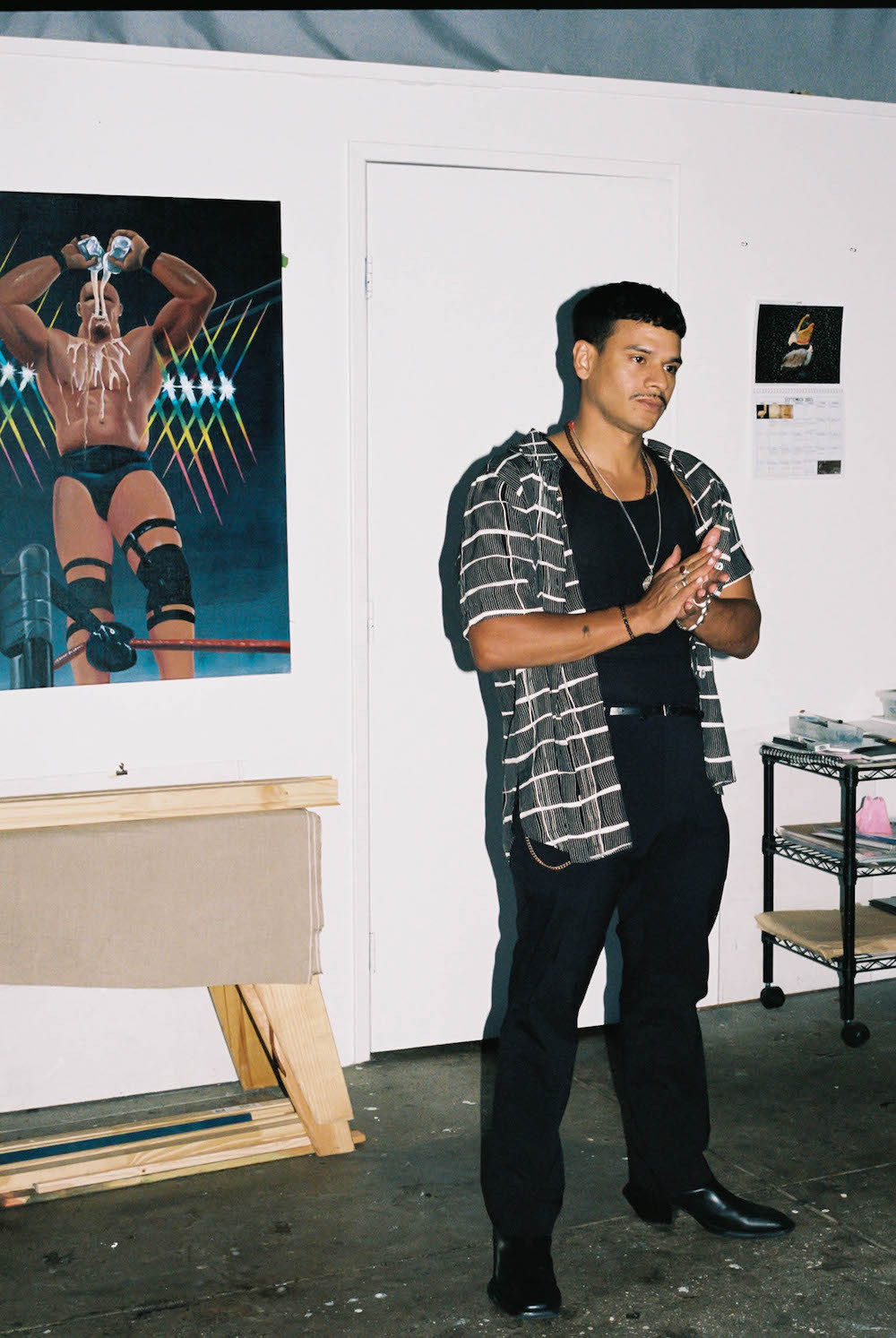
In an exclusive interview below, a journey marked by decades signifying growth and expression, Negron opens up about inspirations, culture, and themes.


How has this year been treating you?
My year, it's been good. It's been busy. There's been a lot of, there's been a lot of production, but I've been motivated.
In comparison to last year, how are you feeling currently?
In some ways, this year has been more difficult. I think just because of the uncertainty with our conditions and the complacency in there. I think last year, there was more optimism, but I think as I got beaten by the reality that we're just inside, you know, and struggling with loneliness and all that kind of stuff. Aside from that, it's been a great year too. I have had good experiences.
How long have you been in this space?
Two years now.
What draws you to create in Downtown Los Angeles?
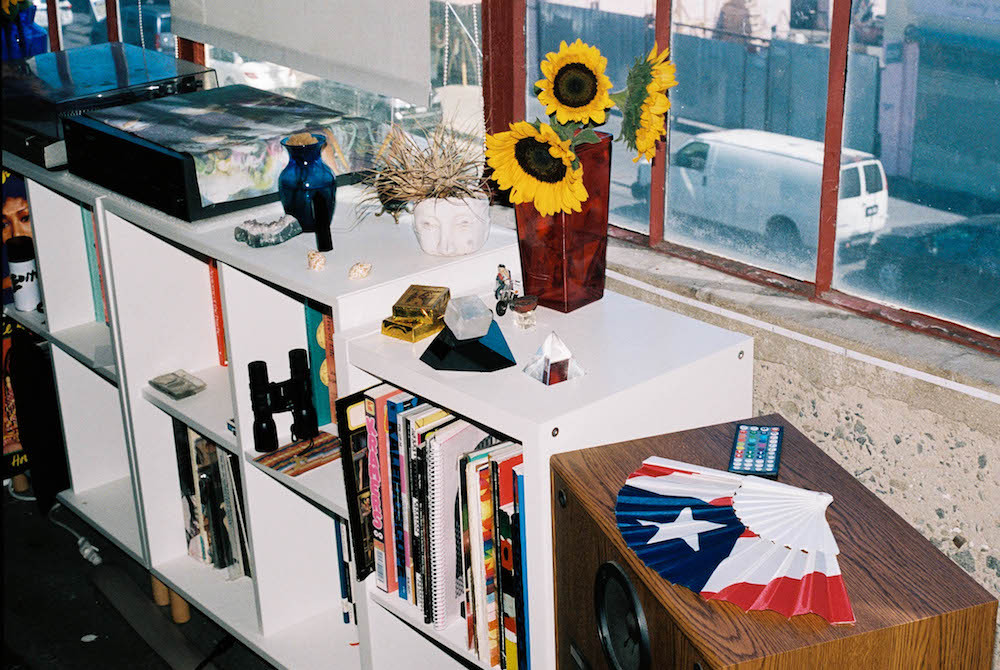
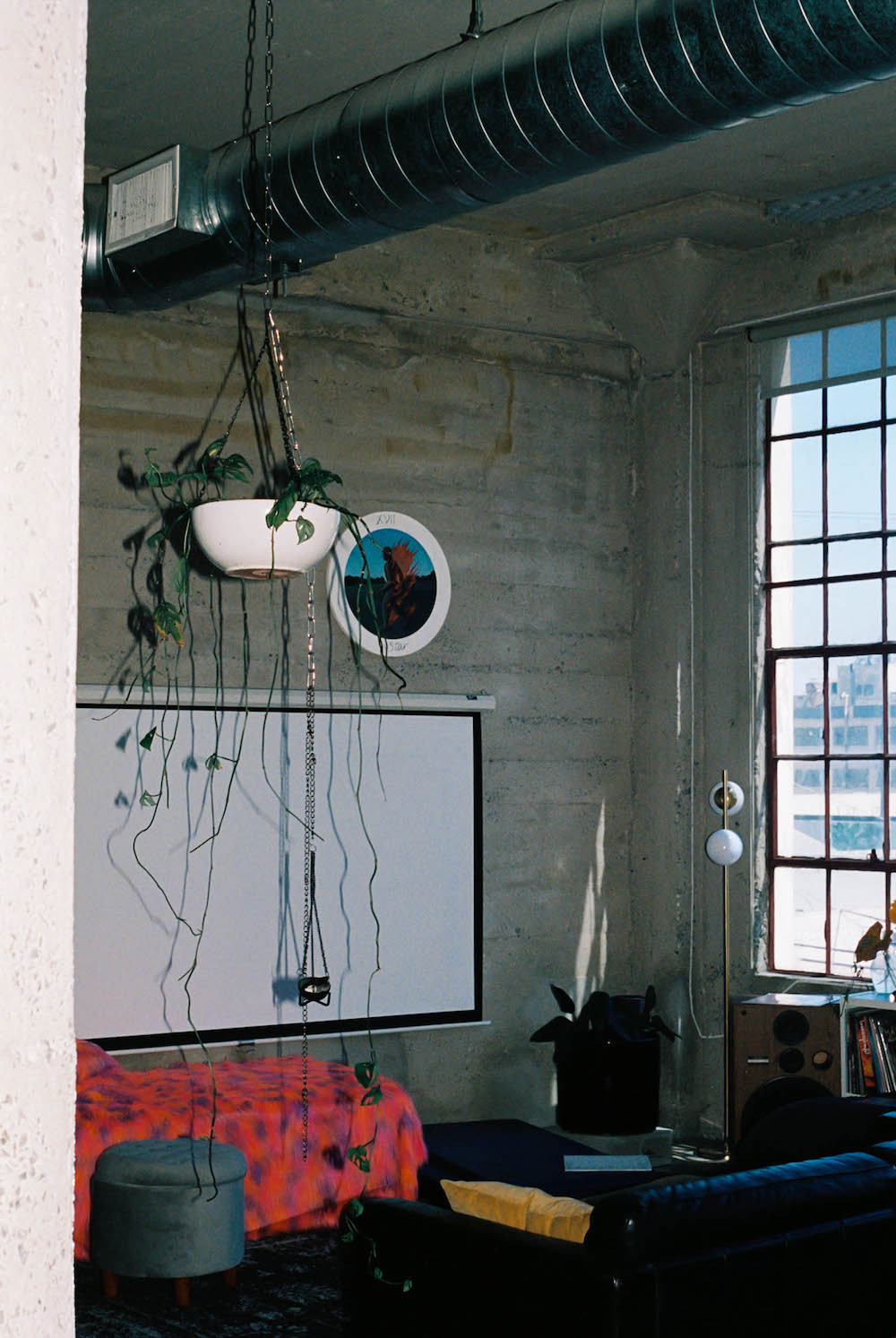
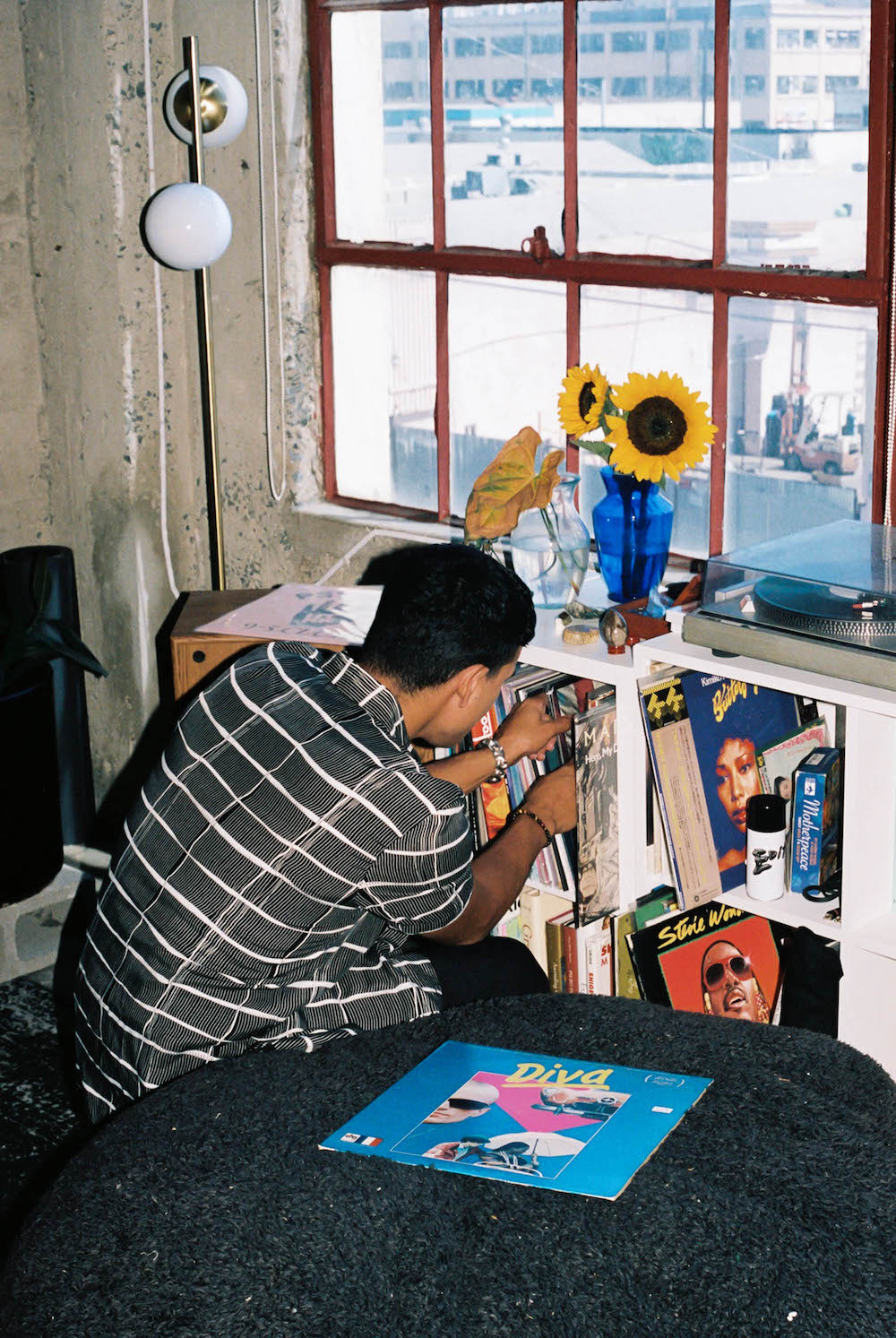
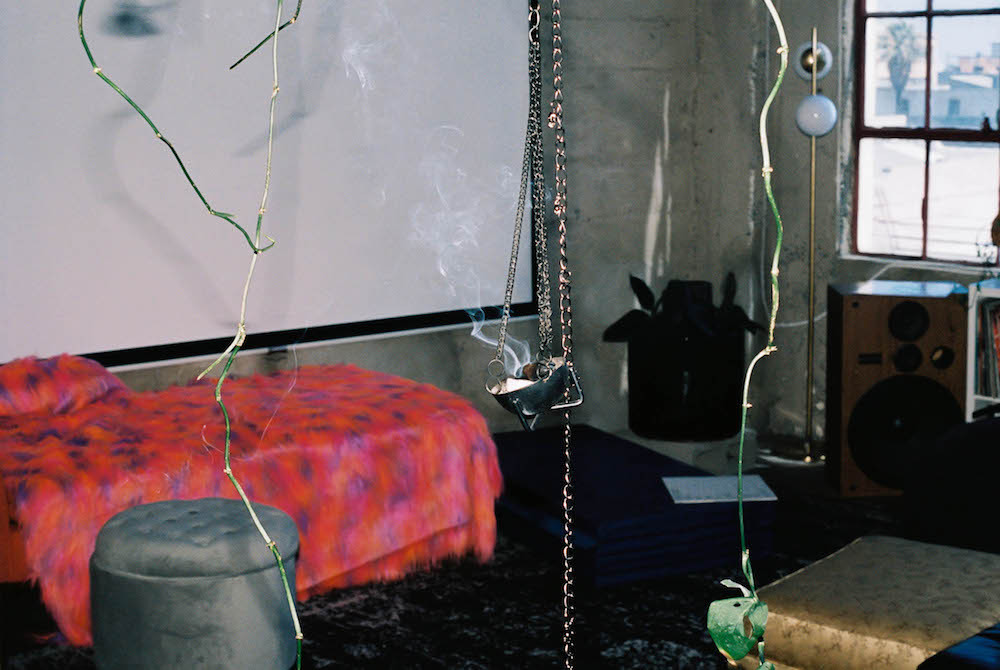
I think there's, there's so much diversity here, and it's like, there's so much visual stimuli just being in the flower district. There's so many plants and flowers to look at, which is great. And then on the other side, all the fabric streets, that's another source of inspiration. Just in the fashion, there's so much style here that I often will see people that I like. I'll take pictures of them just because I'm inspired by their look. And then, of course, the weather, you know, being from New York. It's nice to have the more balanced weather.


Can you speak to the process of creating a piece from inspiration to a final product?
Absolutely. I think there's an amalgam of sources where there might be an idea, but then sometimes, for example, there's a piece that I wanted to depict a bartender, but I didn't quite have the composition in mind. I had the overall theme in mind, but then one day, I was at a bar, and I saw a particular bartender who just had a striking look and the bar itself. It was a nice bar. I referenced that. I was like, "okay, this is what I want to use." Sometimes that'll happen where I'm thinking of an outfit or a color that a figure should be wearing and, if I see a person on the street, maybe that day I'm like, "Okay, that's the inspiration." But then I refer to different compositions of masterworks or ancient works that I think kind of contain the theme that I'm looking to convey.
Your work presents absurdities in a really intriguing way. What inspired that approach?
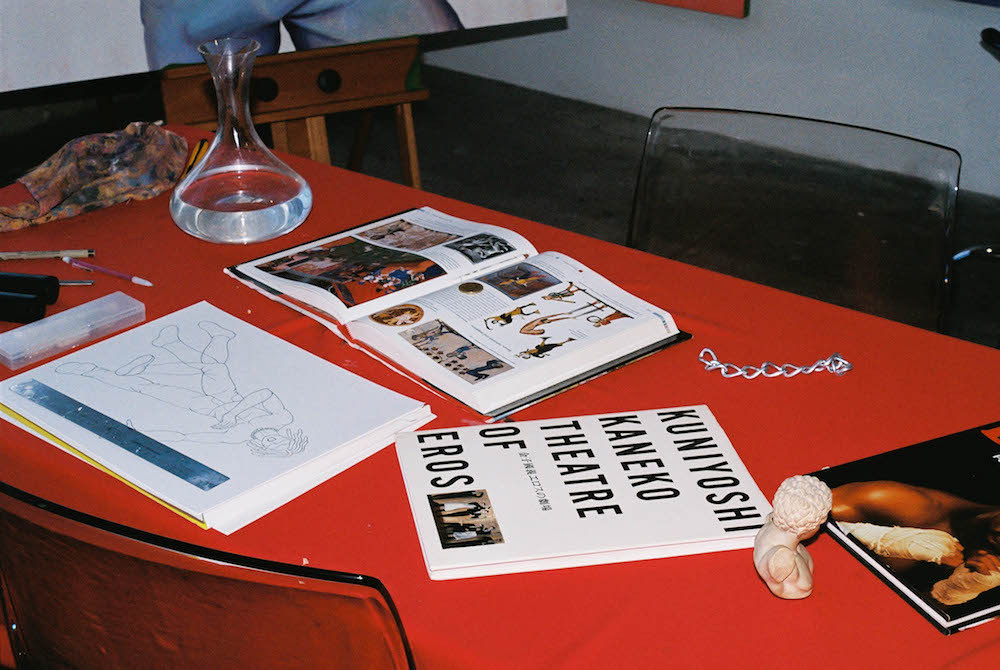
I think it's always been there to a degree. I always gravitated towards art that is unique, you know, something that doesn't remind me of anything else. And even when I was younger and I would see work like this that I fundamentally didn't like, but it stuck with me, and it stayed there as something that was different. I had to realize I was like, "this is actually great." If I'm able to remember it, and it's so like, it's making me feel away. Maybe I didn't want to feel that way, though, but that makes it, that makes it strong. And I think one artist who drew me into absurdity more was David Lynch and his films. Because when I first saw his films, I first saw Blue Velvet, and I fucking hated it. I thought it was horrible, horrible. But then, over time, I think as I matured a little bit, something clicked. I was like, "this is brilliant." I started to want to incorporate these ideas in my work. Erotic manga as well. I mean, there's R. Crumb. I feel like that's definitely an influence that was there.
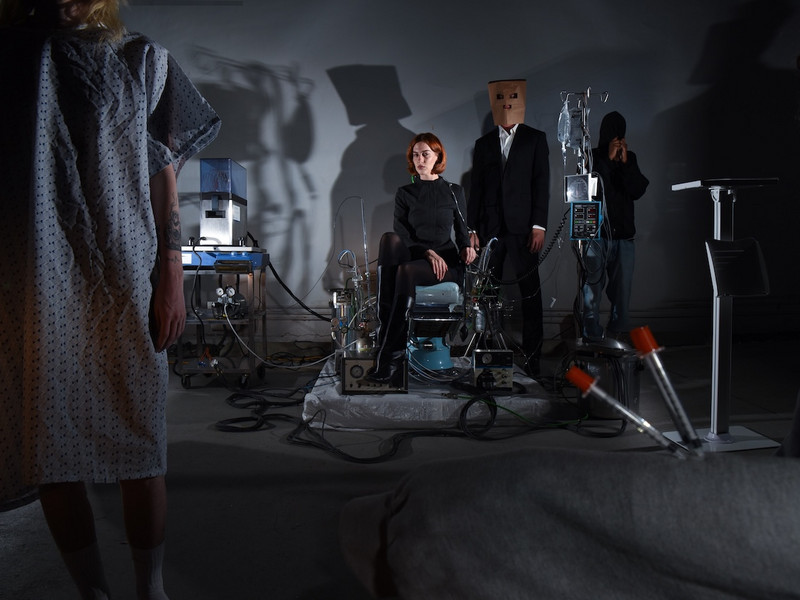
A lot of your paintings, as you say, have consistent themes of anime and eroticism throughout. What sparked the interest of those explorations?
Well, I think anime also challenged me as a kid because with American cartoons, the cartoons are strictly or they were more strictly for children. The content is like PG; you don't see sex, you don't see extreme graphic violence. The manga and anime I was exposed to, it challenged that. I was like, "what? this doesn't seem right." And I remember the first time I saw the cover of a hentai VHS at the video store that I would go to. I remember being mind blown because this is a cartoon. It looked like Sailor Moon but with huge breasts. It burned a hole in my brain. I was so young. I didn't quite understand what I was looking for. I was like, "I shouldn't be looking at this." This is like Playboy, this stuff that I didn't know about yet. I think just drawing back to using classical references; there's so much erotic and nude imagery with fine art. And I think that's where the influence came in also as like a critique in a sense, of porn or what's considered decent or indecent. Till this day, women aren't allowed to show their bare breasts, and it's arbitrary. It's stupid. I think it's the way it's fetishized because it's censored. If it wasn't so censored and it was just normalized as like, "this is our natural body; we're mammals," I don't think it would be fetishized the way it is.


You capture women in a very distinct way. Your depictions are of curvier women and often sexual, yet they appear absent of the male gaze. Have you thought about that absence or how you portray women?
I think it's a transmutation or critique of the male gaze. I think about Venus a lot, especially Venus of Willendorf and this depiction of the maternal, like the female form. And these aspects of motherhood, like big belly, large breasts. That's part of why I emphasize that type of body because I guess there's these sort of religious or cold references that are underneath a lot of these images.
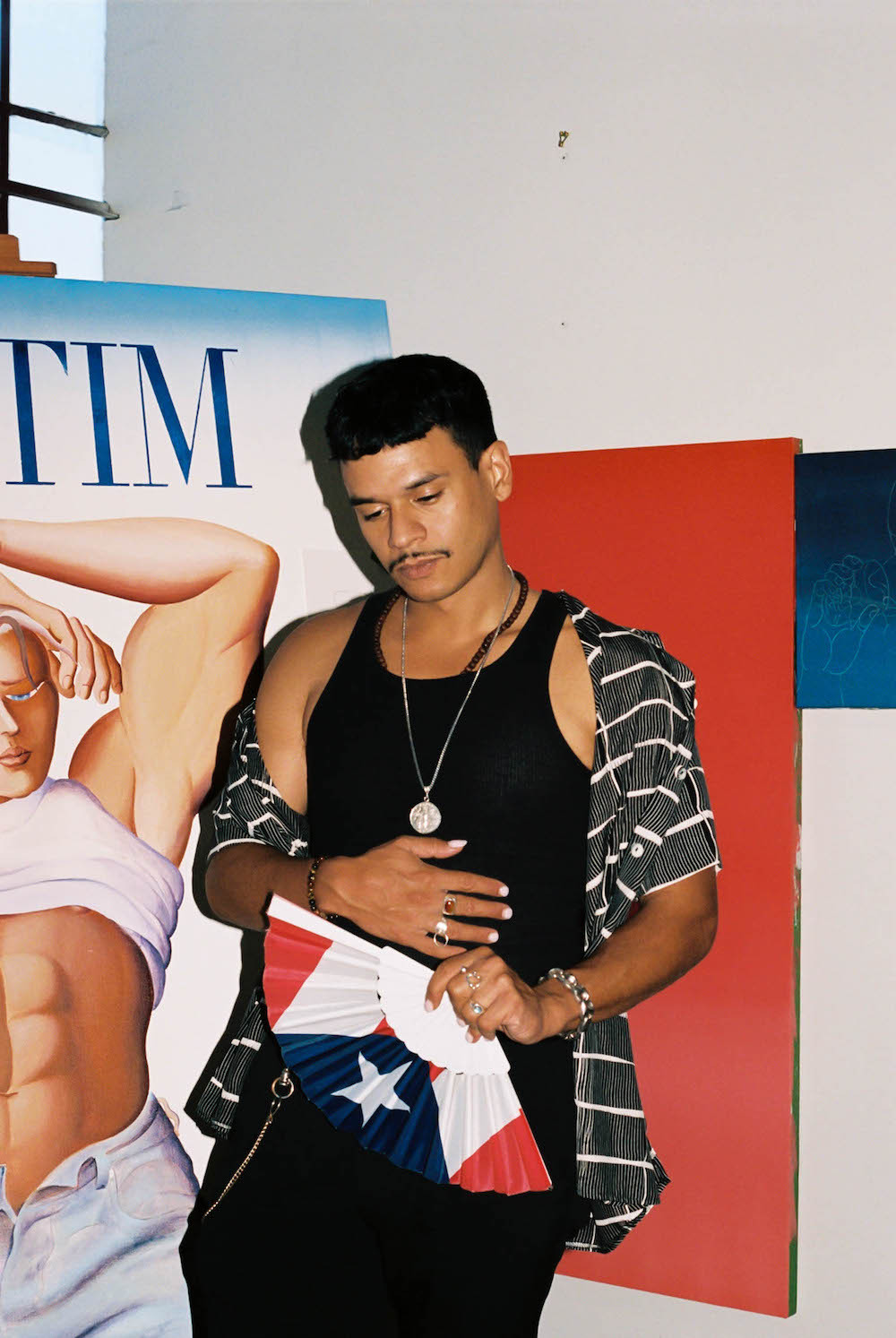
Do you think your Puerto Rican roots or the culture out of New York and other places you've lived have influenced a lot of your work?
Yeah, I think even in terms of figuration, that's another aspect. There's a lot more body positivity, but I think that there was certainly a lack of it only ten years ago in fashion. It made me want to depict this more and also just being from a culture where there's curvier and thicker people. I remember just being a kid and the women around me always seeming to be unhappy with their physique, like always trying to obtain a standard that's not attainable. I think it's beautiful now that I see real women who look like what I was depicting, but back then, I felt like there was an absence of that. Now there's so many more plus-size models.
What are a few moments you cherish or look back on and acknowledge their importance?
I'm always grateful to be able to pursue what I do. And I think, looking back, the times that I struggled and the times when I told myself to give up or pursue something else. I persevered to continue doing what I do, and I'm happy that people enjoy and encourage me to keep doing it. And it's my life. I've always been doing it. I've been drawing since I was little.


It's exciting to watch your journey. I have witnessed tremendous growth. And like you say, you love the evolution aspect of your work. Where do you see yourself in the near future?
That's a good question, but I just think in terms of growth, it's always been intentional. And I think in order for growth to be possible, there has to be growth from within you. You can't just preach it. I think a lot of my work is experiential. And so there's some darkness in my work that does come from life experience, but there's also a lot of those experiences that came from a desire to tell a story or be able to relate to people and tell stories about pain that I think everyone goes through. And then there's that something that threatens to take you over, which I think I've struggled with. But as I progress and keep working on myself, I know that maintaining a positive outlook is what will sustain me. And I try not to worry about the future too much. I think just being in the present and enjoying the simpler things have been really rewarding.
Can you speak to your solo exhibition coming up?
The solo show is coming up in November with Chateau Shatto, and I'm planning to feature about six larger works that continue with the themes that I've recently been working with of nightlife and dancing. I'm planning to do some kind of imagery of people clubbing. I'm also planning to introduce some video pieces that I made, which I'm excited about. And the video pieces will also include original music. So it's been a bit of an undertaking just balancing these three things, but I really love all of them. And I access a different mindset for each one. Do you know? Music is a very different form of expression, but I love it. In some ways making music is my favorite, just because it's the most immediate, like you make a sound, and everyone hears it and enjoys it. And then the video, it's almost like a video diary. A lot of the images and a lot of the video is from my iPhone, and they are from my experiences.
Well, thank you for sitting down with me.
Is that it? Cool! I feel good about that.

Morales' exhibition highlights her love of sketching. The nearly 700 pieces of drawn art emphasize the importance of drawing in her work; many of these sketches were the birthplace of some of her most memorable sculptures and designs. Whether she is drawing and designing clothes at her studio in Montreal or making extraordinary ceramic sculptures in Guadalajara, Morales is constantly finding new ways to push the boundaries of expression and exploration within her own art.
Office sat down with Morales to discuss her new exhibition, check out the interview below.
When did you get started in costume design?
I have been making costumes for my own shoots and projects since I was about 12 years old, but it became a profession in the early 2000's. The type of clothing I made ultimately attracted the eyes of musicians, actors and directors (AllieX, Yelle, Grimes, Arcade Fire, Dennis Denis Villeneuve and Anton Corbijn, to name a few), so I’ve really explored the medium of fashion and design through these kinds of collaborations. I’m particularly motivated by costume design and artistic direction when it connects me to a musician that I love, and even more so when these projects work in tandem with inspiring photographers or film directors.
Where in your life have you found your most significant creative inspiration?
I would cite music and grit as my primary sources of creative inspiration. I’ve had the pleasure of working with a pretty amazing array of artists and artisans, and I’m constantly in awe of the strength of the work and experiences they are creating. I’m also very inspired by the big Mexican cities, particularly Guadalajara, where I’ve been carrying out a residency to continue developing my ceramic practice and produce new works for my show at Dallas Contemporary.
Guadalajara has such a great mix of culture and architecture. From "Porfiriato" style houses to Brutalism, its environment is so visually unique. The city’s boundless creativity, obscure religious temples, inspirational grit, music, incredible street food, and semi-tropical vegetation and weather make it incomparable.
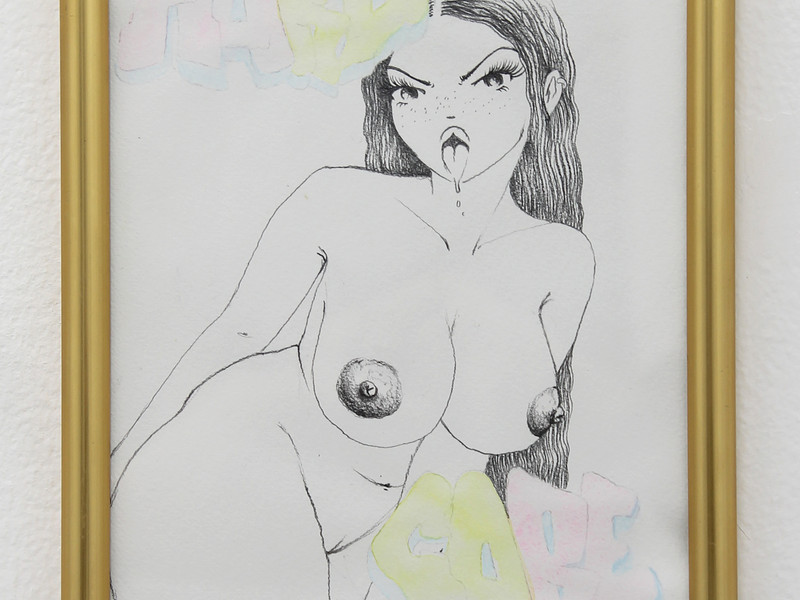
How did this exhibition come to be?
I met Peter Doroshenko, Dallas Contemporary’s Executive Director, in Guadalajara a couple of years ago via Pre-Maco and Jose Noe Suro, the mastermind and visionary behind the global ceramic studio Ceramica Suro. I had not visited Dallas in ages, but after finding out more about Dallas Contemporary and the ever-growing art scene there from Peter, I went back a few times and fell in love with the city and its people (on that note, the team at Dallas Contemporary has been fantastic to work with, especially Carolina Alvarez-Mathies, who is a Rockstar). Meanwhile, Peter had been following a few of my exhibitions—Tecnicas Mixtas at the Demetria Gallery and my ilight installation at Ceramica Suro—and ultimately invited me to have and experiment with this show.
What is your inspiration behind the show?
My inspiration for this exhibition solidly comes from the human creativity and hustle first and foremost found in the street. This show is looking at the individual as a vessel. Over these past few intense years, the people I’ve come into contact with and the stories I’ve heard from friends around the world have made me even more aware than ever of the incredible human resilience and adaptivity that defines us.
This time has made me think more than ever about what human relationships mean and how each can be as complex as a fingerprint, as well as how we each deal with the variable factors of our environments. So many factors can influence each relationship and each environment, even the most banal ones.
Are there any unusual materials that you love to work with in your costume designs?
I treat costumes like individual sculptures, or as an important part to an aesthetic experience. I love incorporating all kinds of materials, finding the best and most nimble, yet noble, ways of doing so. Some of the most elaborate pieces I have made—which have always involved quite time-consuming processes—were woven with bias-cut 1/2-inch strands of silk, lycra and mesh.
This question also reminded me of how I used ceramic pieces as costume embellishments, along with wood, crystal and plastified paper, 12 years ago. They would altogether make a very soothing sound with their movement. I’ve also incorporated brass, paper, you name it, into pieces. I mixed so many materials so early in my career, with varying degrees of difficulty and even before 3D printing technology came on the scene.
What is next for you?
I’m looking forward to creating some larger-scale paintings on canvas, which I haven’t done for a while. At the moment, I’m also obsessed with making accessories out of ceramics, resin and metals, and I just received some finalized prototypes that I’ll be working on. Finally, a couple of my musician friends are starting to plan album releases and tours, as well as site-specific residencies, so we’ll see what those projects will demand from me. Overall, it’s a very exciting time to be working in Mexico, and I’m thrilled to be so immersed in this space as I look to my next projects. There are so many opportunities for stage and costume production here.