PRESENTE CONTINUO: the intimate ties between then&now

Starting May 30, PRESENTE CONTINUO will be available to purchase on presentecontinuo.com, cpcompany.com, and at the C.P. Company flagship store in Milan, Corso Matteotti 7.
Stay informed on our latest news!

Starting May 30, PRESENTE CONTINUO will be available to purchase on presentecontinuo.com, cpcompany.com, and at the C.P. Company flagship store in Milan, Corso Matteotti 7.

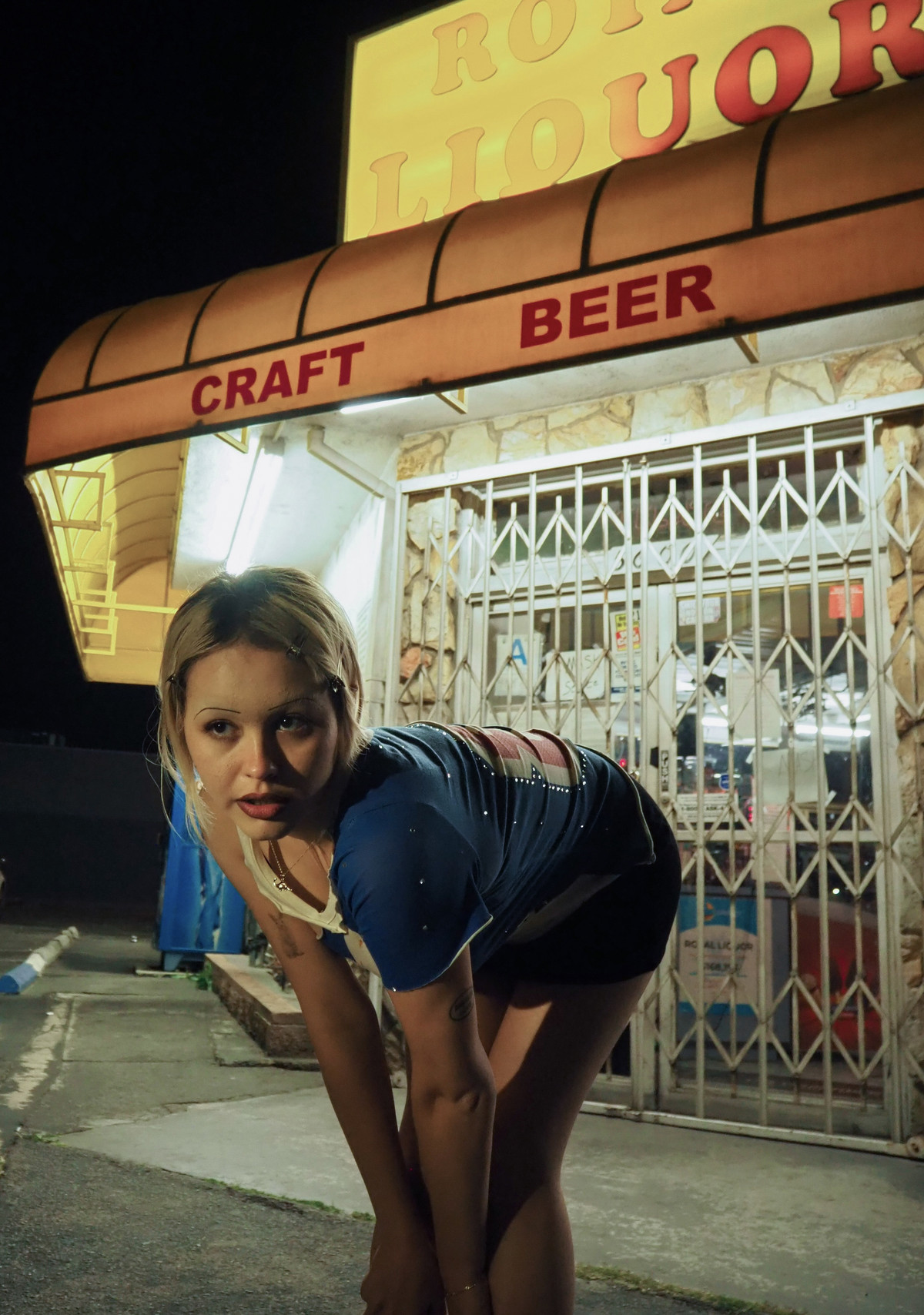
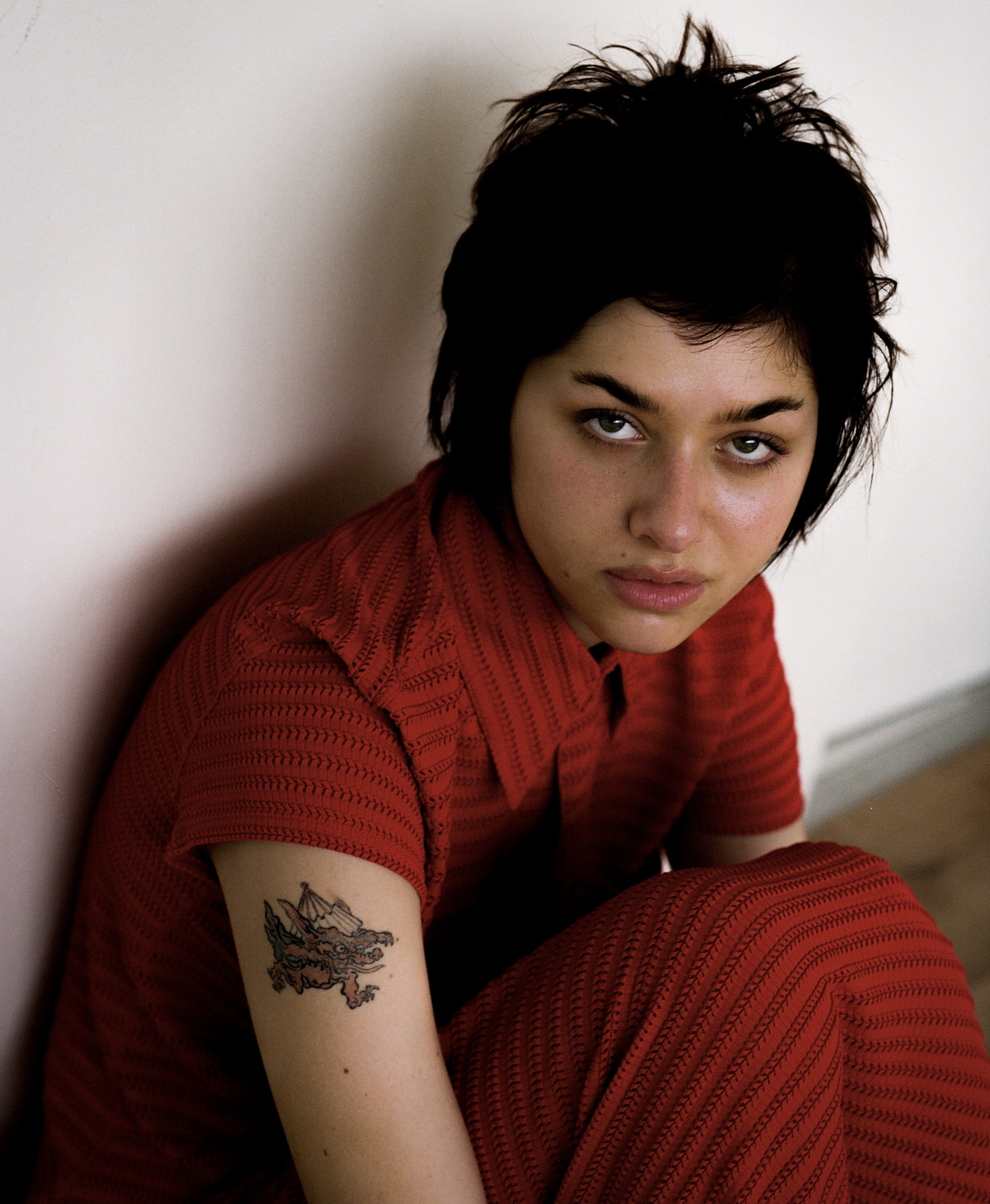
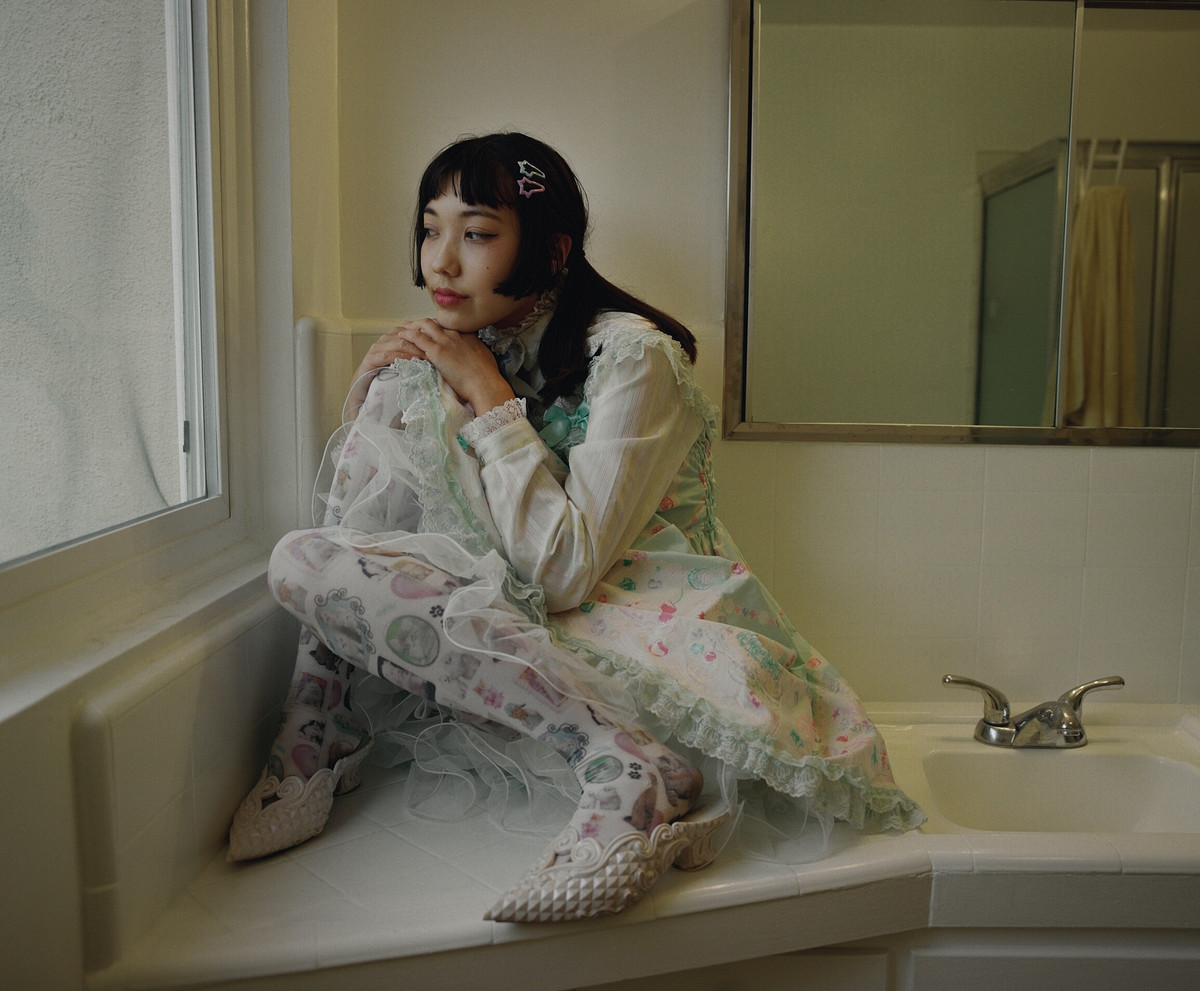
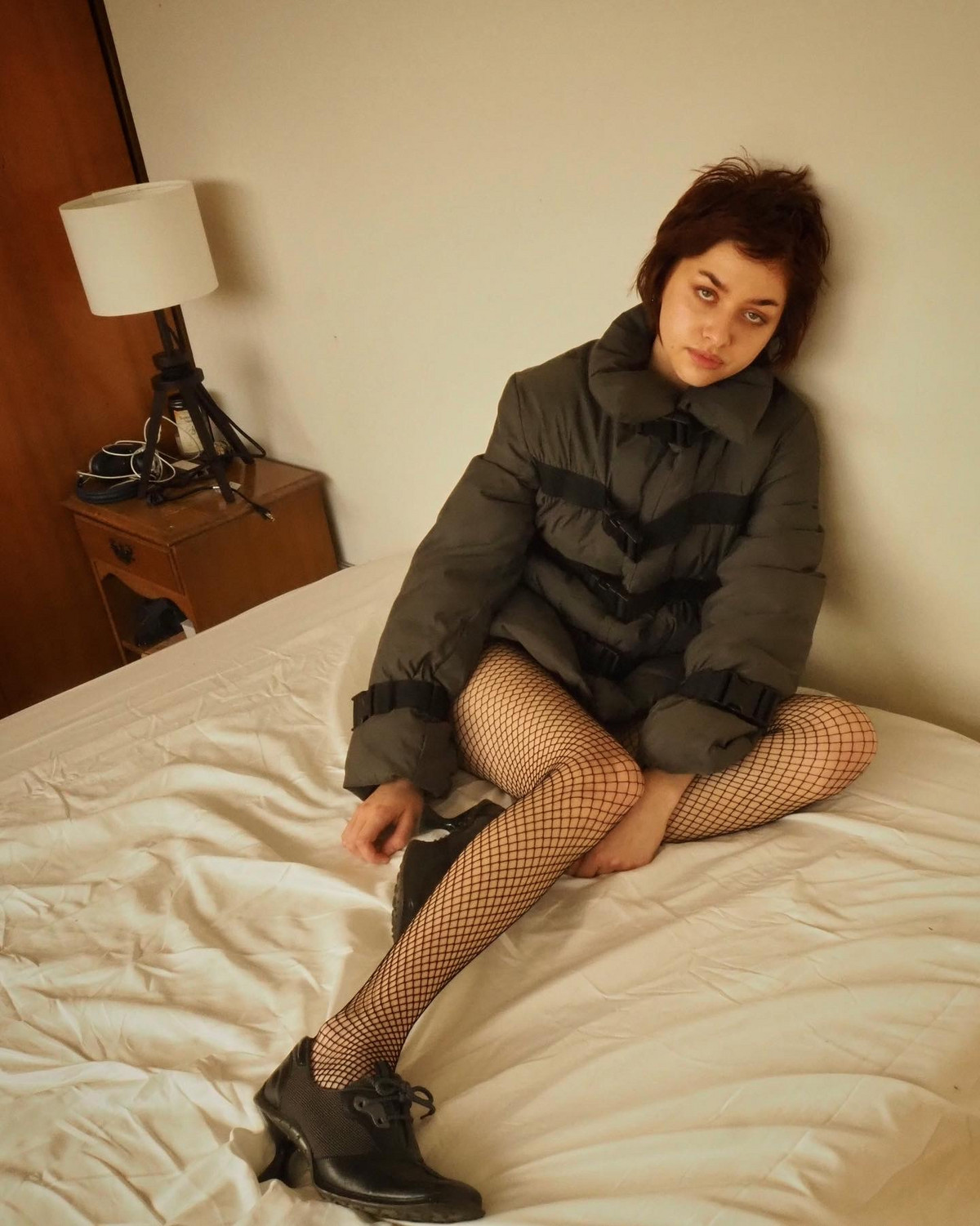
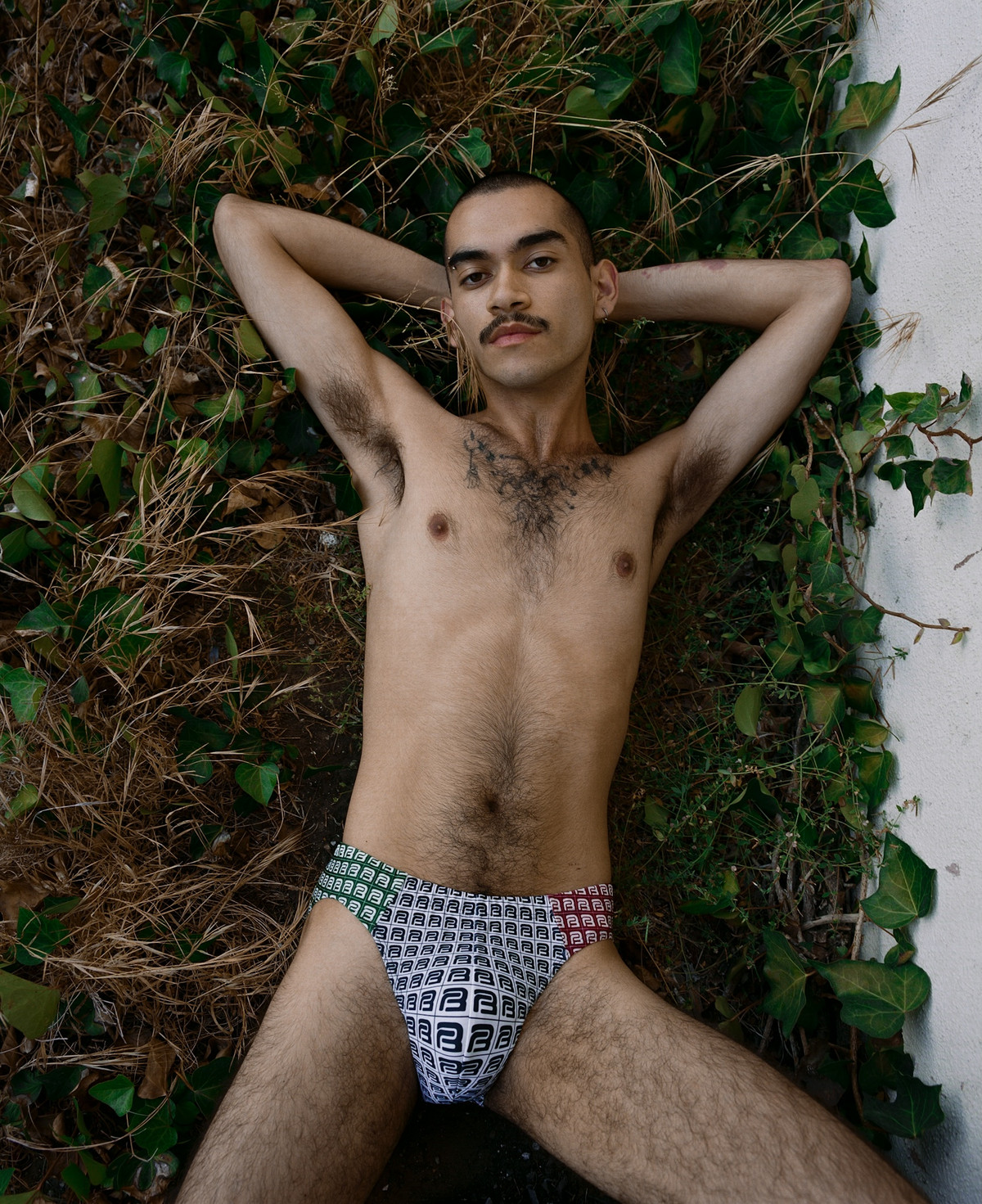
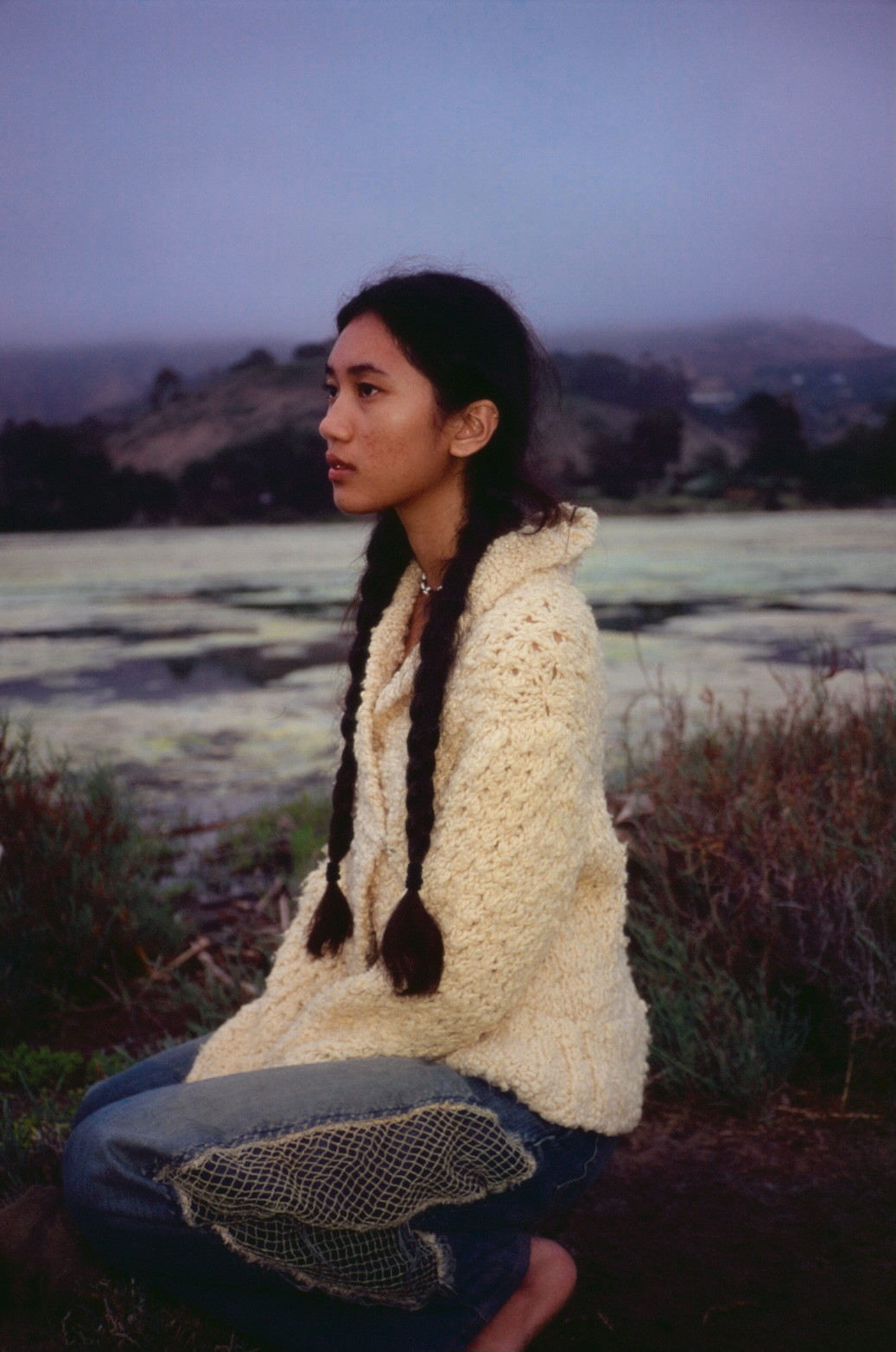
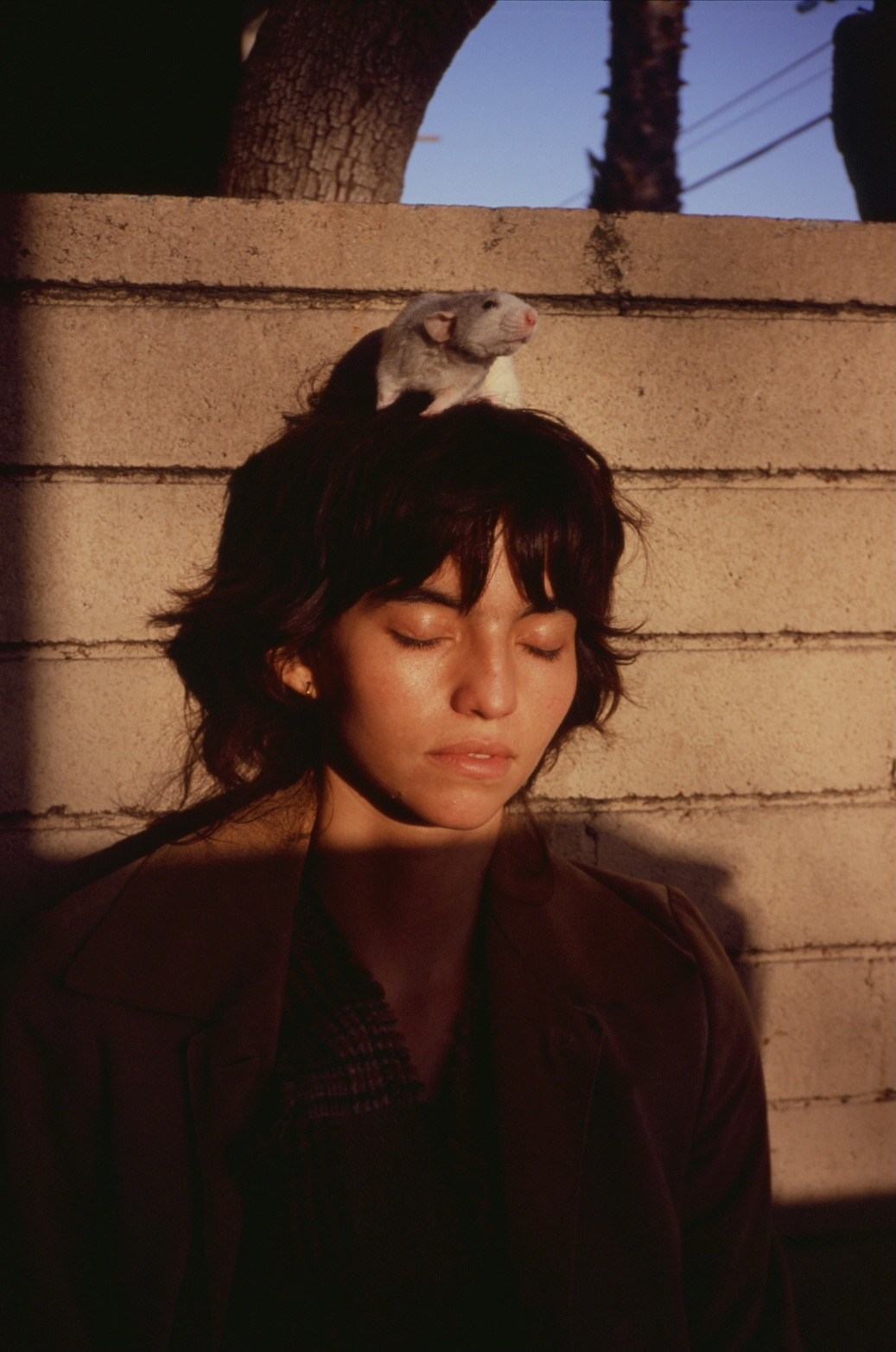
In our interview with Elisa, we got the scoop about her continual Exotic Pets Series, her life as a working woman in the LA Heaven by Marc Jacobs store, and as a mentor at the Korean American Leaders in Training Virtual College Summer Internship.


So take me back. When did you start doing photography?
I started doing photography in high school, that’s when I really got into film photography. Those were like my Tumblr days. I just started taking 35 millimeters sort of point and shoot photos. There were so bad though. There were very, very bad. And then, you know, throughout college, I continued photography, but it was always very casual. I just was kind of obsessed with documenting via film because it seemed nostalgic to me. And I do have a huge obsession with a kind of nostalgia, which I think most people do. I went to UCLA, so I was on UCLA radio and I took pictures for like bands and more music-based photography. And then after college, I really kind of finally, got the encouragement to kind of pursue it a bit more seriously, and go the more traditional route. Now I'm shooting more in medium format.
There's a lot of nuances that come from your work. There is a lot of nostalgia too. And I think it's like since you come from curating as well, I can see how you tie the two together. What goes into your process of photography?
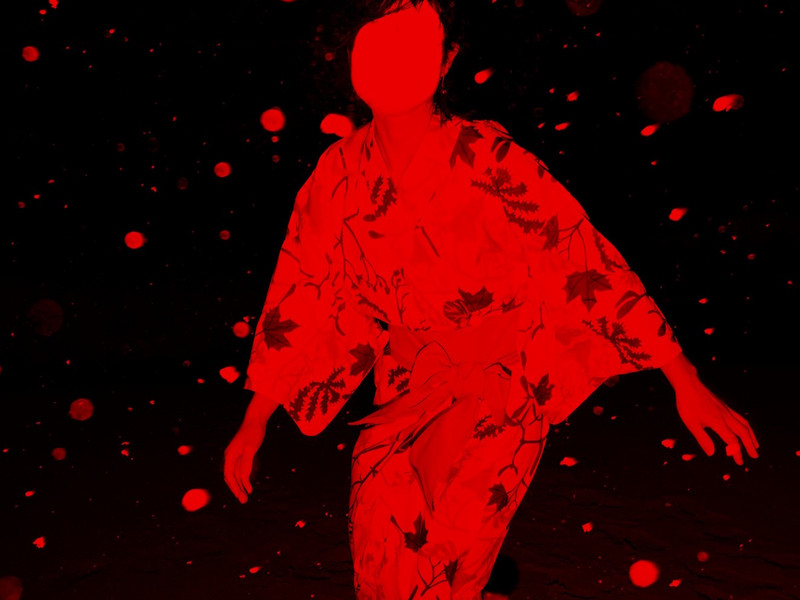
That's a good point, I do tend to style all my shoots because you know, the intersection between fashion and photography is what I am really interested in. I think it's very clear that I'm inspired by 90s Japanese cultures and the Harajuku movement, but also a lot of my curation and photography lens is also 90s Cantopop and 90’s K-pop. I grew up around a lot of different Asian ethnicities, so I'm half Korean, but my dad is Korean and my stepfather's Vietnamese, and I grew up having a lot of Chinese and Japanese friends.
My process starts with usually if I see a reference photo or if there's a photographer I really like, or if there's like a piece — it doesn't always start with the same sort of references. It can be a photo, it can be clothing, it can be like a person I really want to shoot, a lot of people that I shoot with are close friends. The thing that I like about styling is I want them to feel very themselves in it still. I like adding my own style, but I also want the subject to feel like it themselves. Whether that's more an exaggerated version of themselves or not. So usually I will, sometimes I'll have an outfit picked out and then I'll get the subject after, but, it is very collaborative where kind of talk to my subject, make sure like they feel comfortable but a lot of times it's very casual.
As a curator for both fashion and photography, what has it been like immersing both like mediums into one?
I think it's amazing because, you know, initially I was more so just selling clothes and I think being able to document all the clothes I actually source is like a big reason why I liked photography. I'm kind of just like a fashion nerd. So I will find certain seasons I like, and then I'll plan outfits around those and I'll try to source these specific seasons. I always have like an element of my own Asian identity and me being like Korean American, my photos, whether it's subtle or overt. Fashion is a way for me really to express that identity. And that's why I love, I'm kind of a nerd with, you know, seasons and what the actual history behind the clothes. So,I love Junya Watanabe. I love Issey Miyake, there's a lot of Japanese designers I love because Japan has just played a huge role in high fashion for a while.
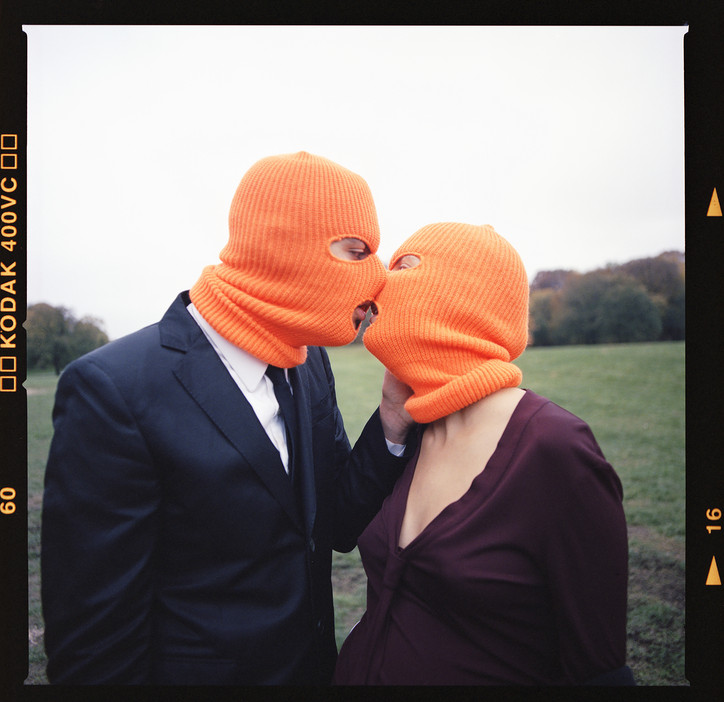
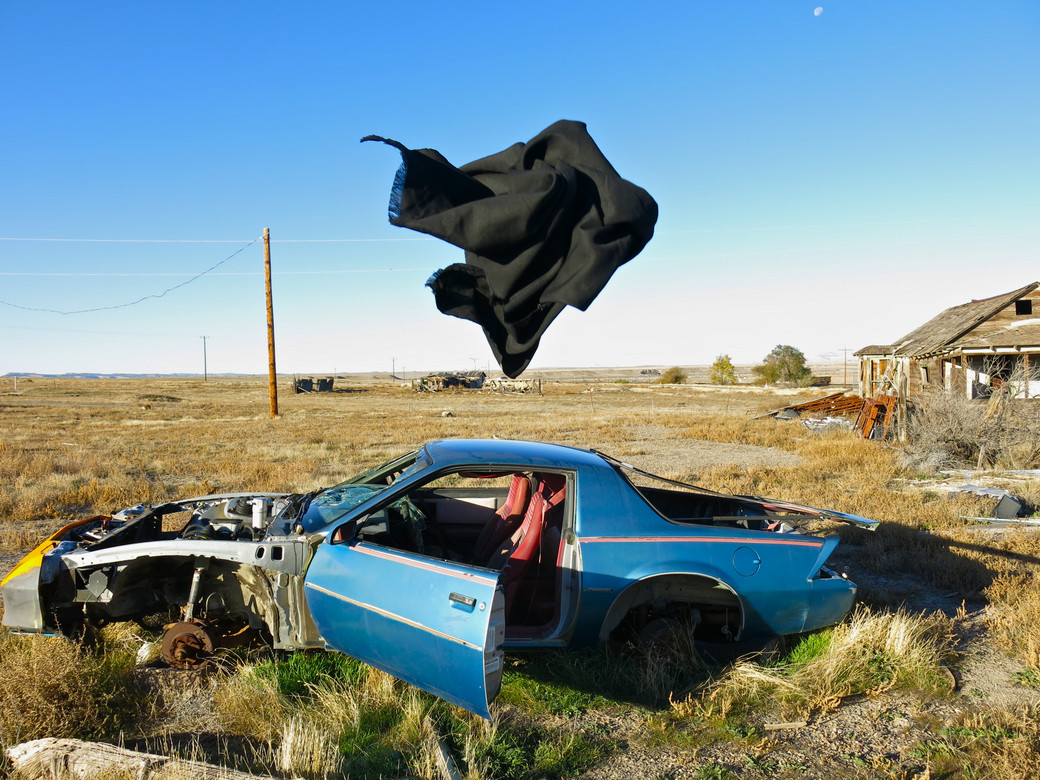
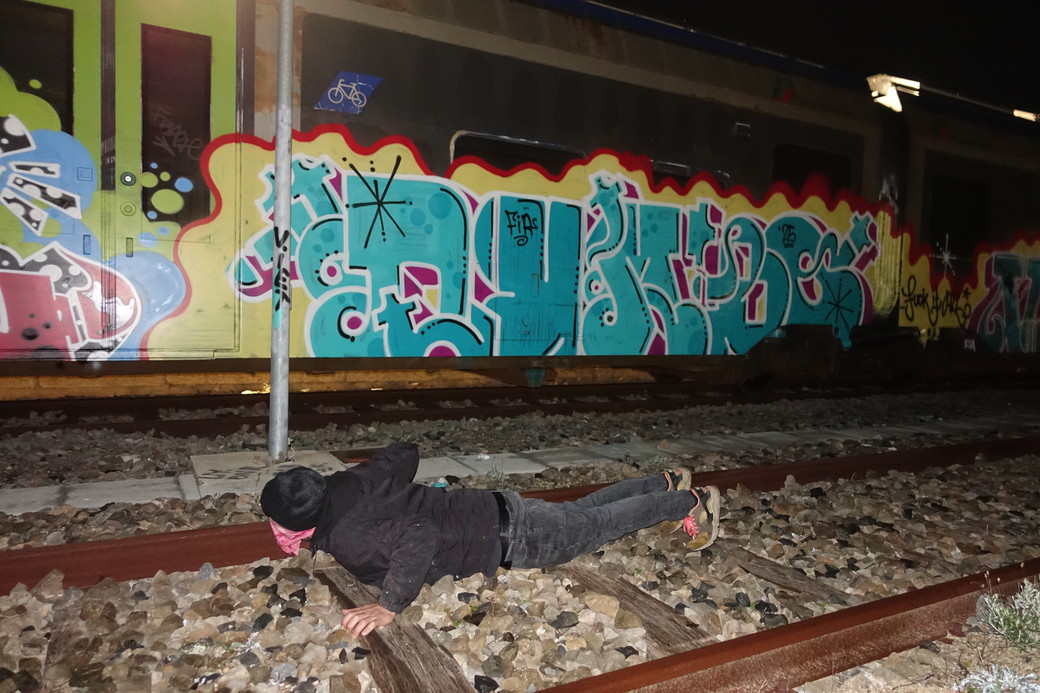

It’s cool because I think in some of your posts, you provide background information on some of these artists and some of these photographers which gives a more educational approach.
I'm coming from a very traditional background of education in a way where I love research and I love sharing and learning as well. So I kind of use my Instagram as a way to show my work, but also to share the things that I'm into in a genuine way. So if I find a photo book that I had been searching for a long time and I'm obsessed with it, and it's really hard to find I'm going to share it because I like giving background to it because nowadays, I think a lot of people don't have like the same references because we don't want to share that information. So it's just a lot of pictures disseminating around the internet without actually any proper reference to what they are. When you actually get those references, it becomes more and more exciting. During the weekdays I actually work for a nonprofit organization, and then on the weekends, I work for Heaven by Marc Jacobs. So again, a lot of my interests come from education and history, whether it be like cultural history or art history, or fashion history.
Has there been anything that you've curated that inspired your work?
So like I'm a huge collector. I feel like everything I do is like a reference to some sort of ad or fashion magazine or anything. I do try to make it a bit more modern, but I can get stuck in the nostalgia of it but I kind of love that. I am interested in documentary photography and a lot of Korean documentary photographers. There’s a kind of a 90s Japanese photography scene and it was called, girly photographers. It was kind of a time where all these young Japanese women were taking diary-eque kind of selfies with a 35-millimeter point and shoots. There's one photographer named Yurie Nagashima and she has a self-portrait book, just chronicling all her like self-portraits from when she was in her twenties and then into her motherhood. It is very refreshing for me to delve into these subcultures, and it's very personal to me.
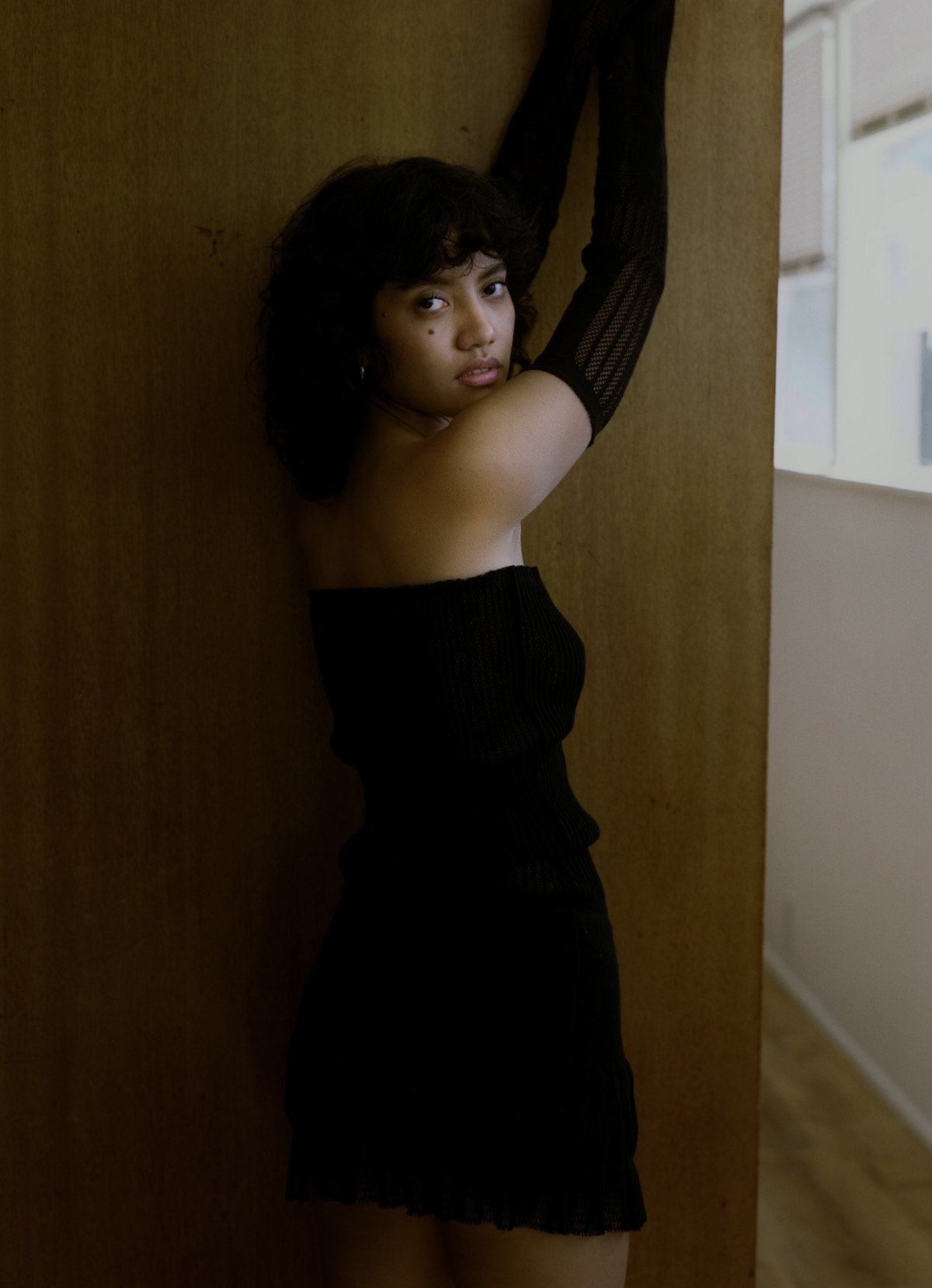
You did a photoshoot for Sugar Cube, that one I think was with Drew, Enya, and Christian, but it featured leg warmers and arm warmers. And you can see that there's a lot of Harajuku inspiration there, but then to see your work now it does show a lot more like couture influence. It's definitely showing that you're transitioning into a different kind of avenue for your work.
Really, yeah. I think even from the time that I started Sugar Cube shop to now. Yeah. Like my photography style has changed so much.
Are there any projects or ideas that you're working on for the future?
Yeah. I do want to kind of continue working on — just like styling more high fashion sort of photos. Besides that, I do have secret projects coming up that I can't say yet but I'm working on several photo series and I want to self-publish a couple of books or at least one photo book next year. I want to do a photo series and exotic pet photo series.

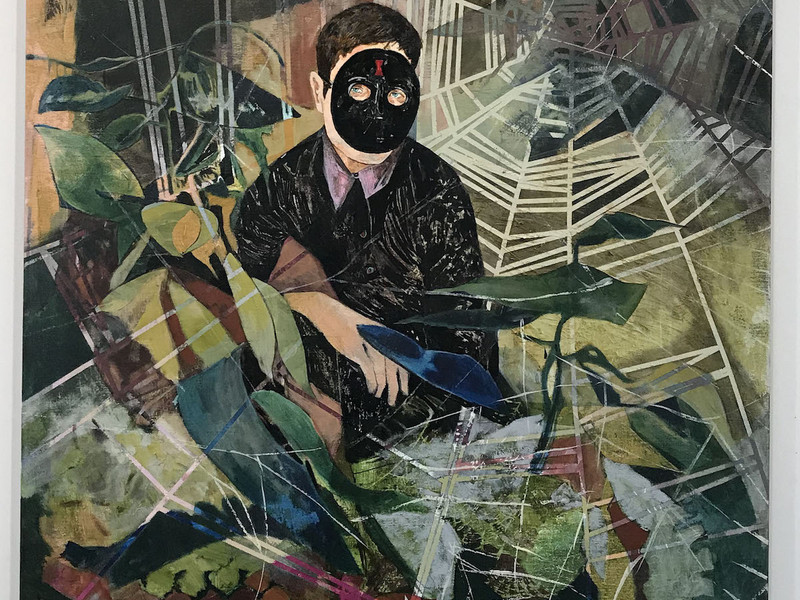
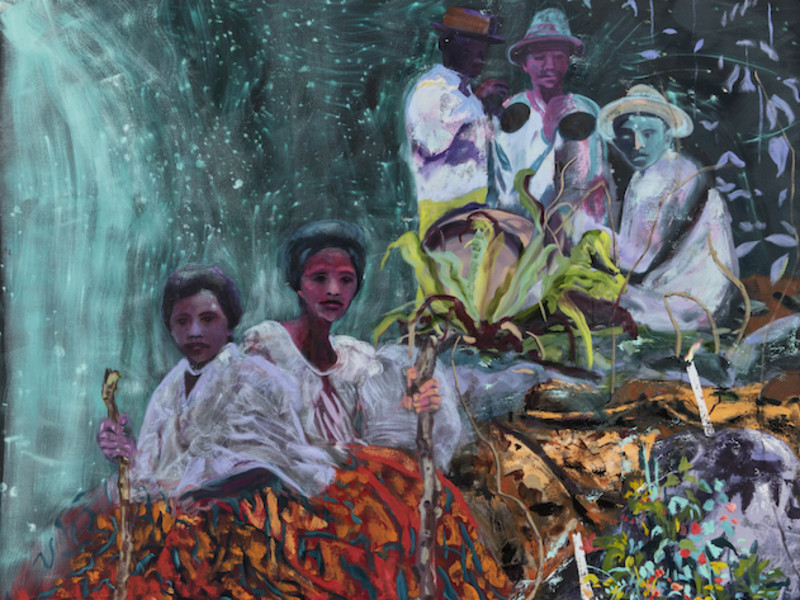
"Mother of Mankind' is the newest endeavor by Mba that enlists female artists from across the world who individually contribute personal experience and identity to an exhibit examining the perception of Black women. These artists create works that center Mother Earth, Mother Nature, and Mother Africa through various techniques.
While centering her and the femininity that flows through the natural world, each artist dissects the conventions around womanhood while challenging traditional standards of beauty and representation. Each work achieves a balance of abstraction and realism, presenting Black women in a new light that evades exhausted representations. HOFA, House of Fine Arts, is allowing space for these artists to reclaim their narrative and elevate the layers of Black women internationally.
Adora Mba states, “At a time when singular voices demonstrate their strength when united, I feel privileged to showcase the works of these remarkably talented artists in one of the cities I call home. The women presented in this show are in the early days of their artistic careers, yet already making waves and drawing attention amidst an industry which tends to be more supportive of their male counterparts. In working with ADA, HOFA is lending us a space for their, for our, voices to be heard; our stories to be told; our creative spirits to conceive, unbound, forging our own narratives. Beyond being artists that I personally admire, these women are my sisters, my kin from across the globe.”
"Mother of Mankind" runs July 22 – August 31, 2021 at HOFA Gallery | 11 Bruton Street, Mayfair, London Curated by Adora Mba.

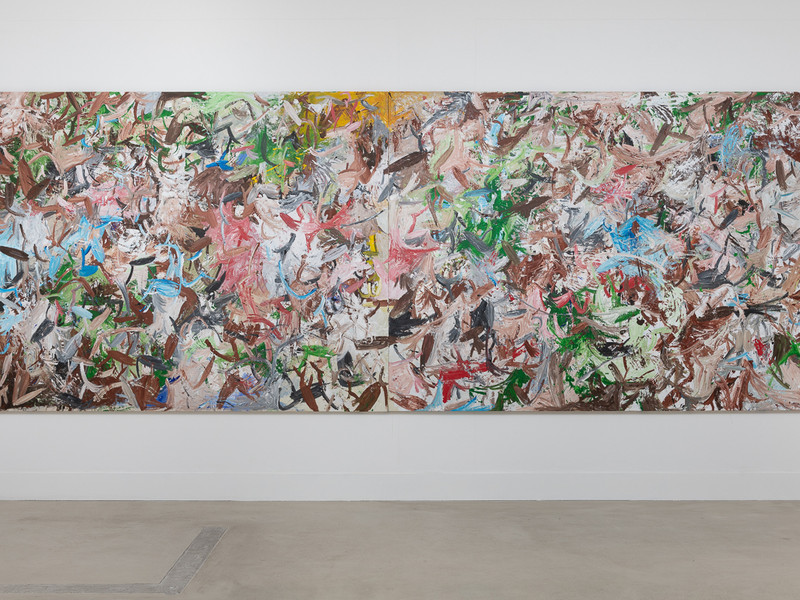
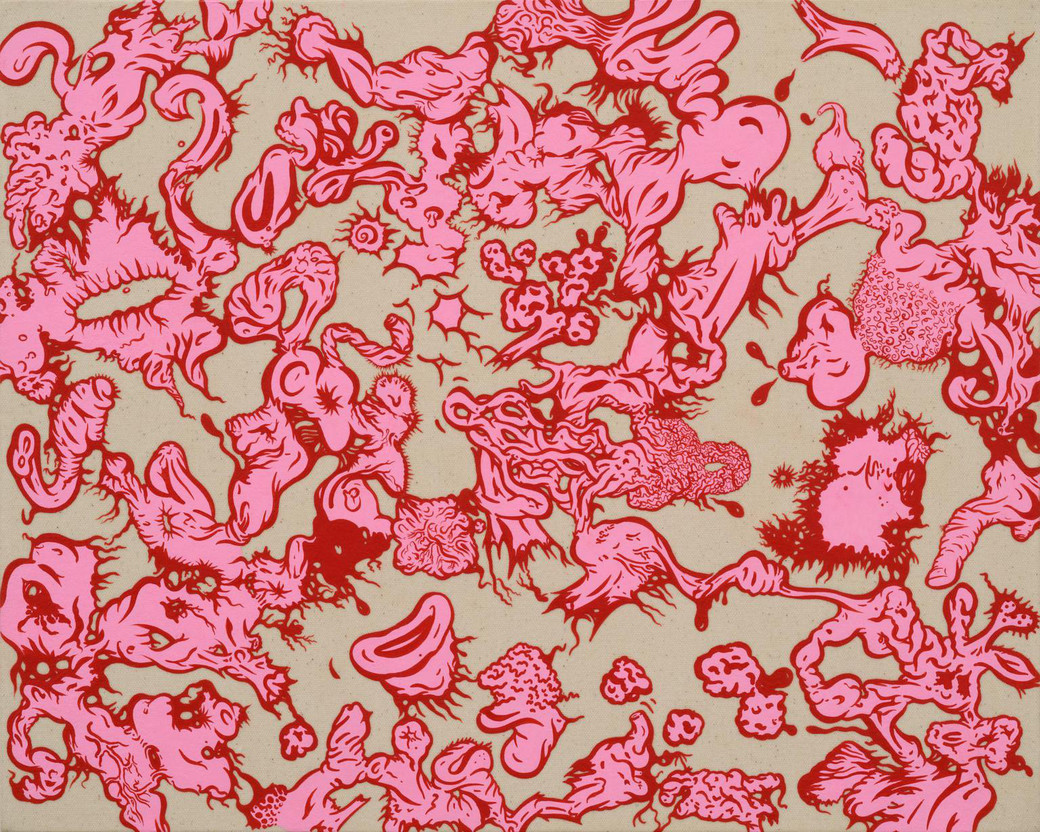
Good Clean Fun is a group show, featuring works by Kyoko Hamaguchi, Ray Johnson, Tony Matelli, Gordon Matta-Clark, James Rosenquist, Maximilian Schubert, Cedar Sigo, Sue Williams, Christopher Wool, and Erwin Wurm.
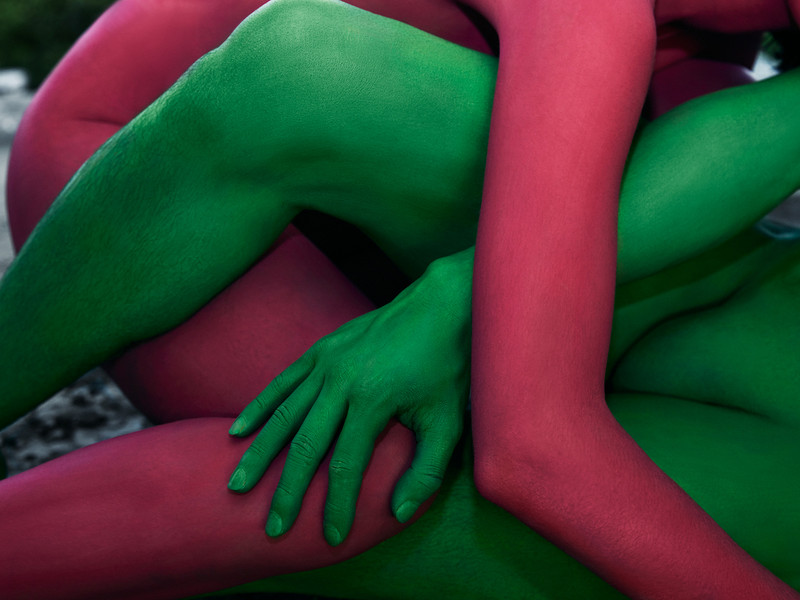
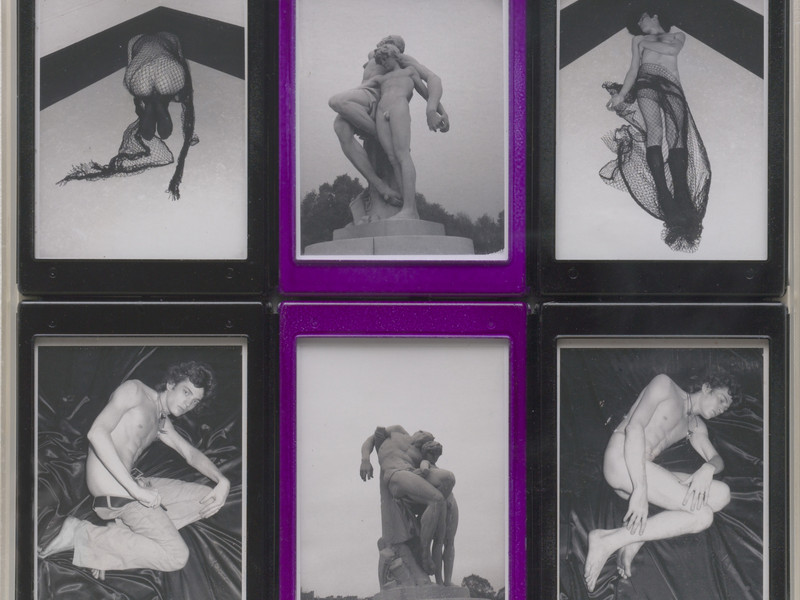
The show, open until August 17th, was inspired by Gordon Matta-Clark’s Belly Curtain, an Homage to Christo’s Valley Curtain (1971), a work Polaert encountered during the biggest snowstorm of this past winter. Matta-Clark had helped Christo construct a model for the 1,300 foot curtain project, and later collaborated with his dancer friend Kitty Duane to create the photographs in which a miniature curtain drapes the “valleys” between parts of their naked bodies.


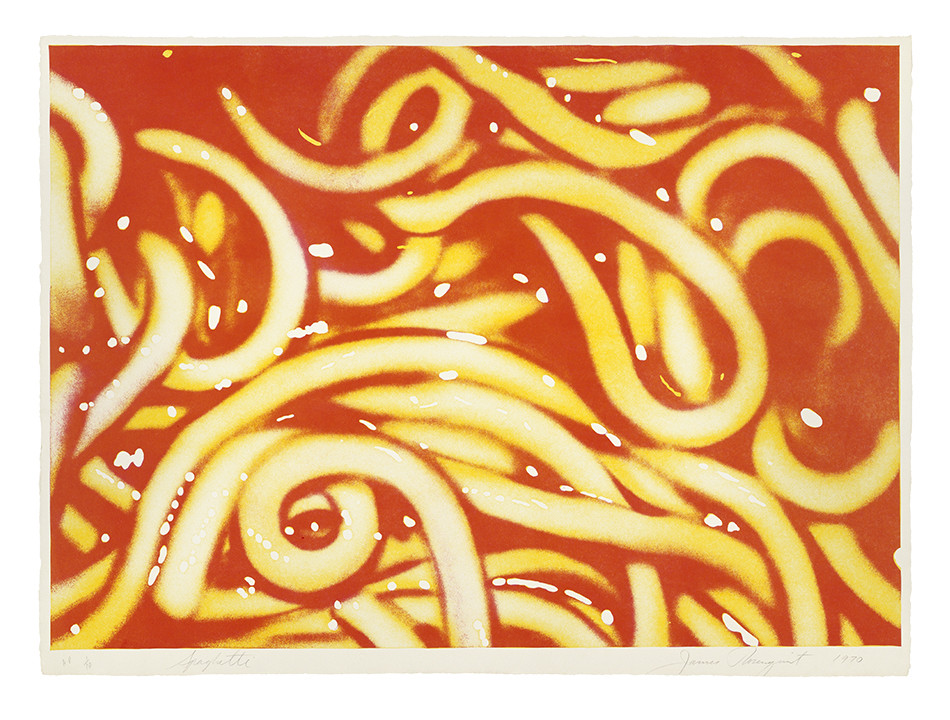
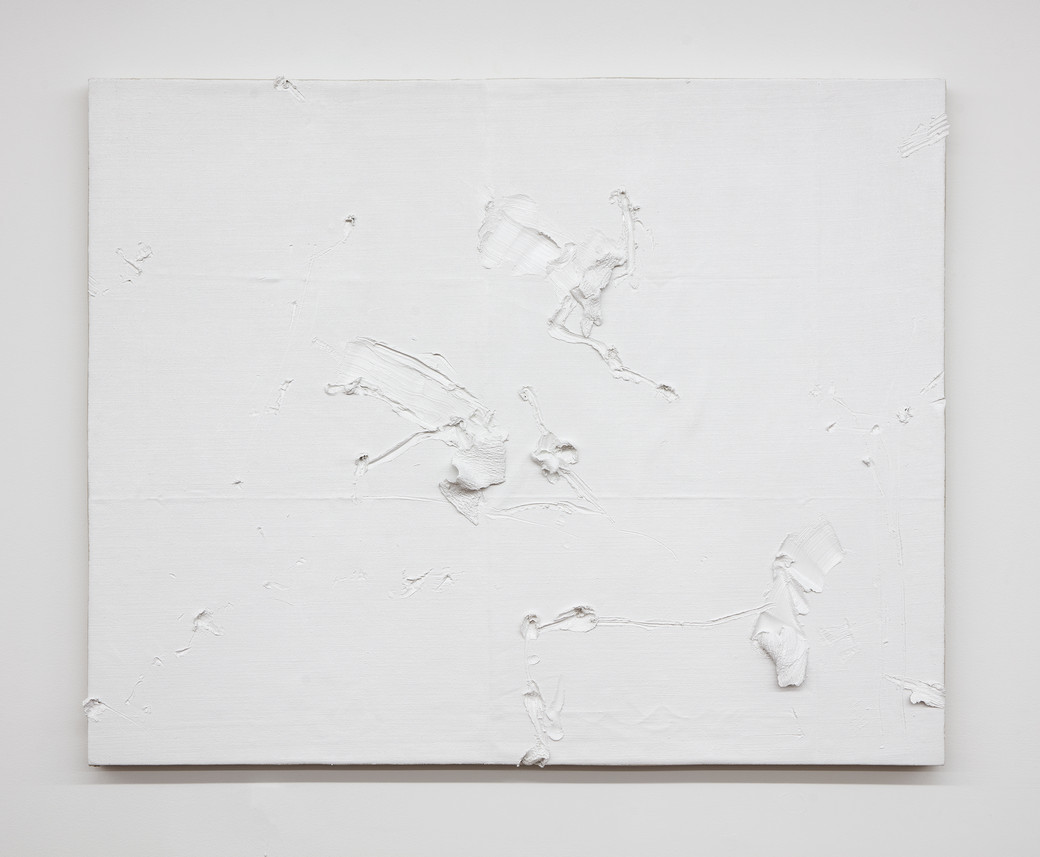
This playful and sensual series of photographs encapsulates the feelings evoked by Good Clean Fun. A hot summer day in bed with a lover, the touch and the sweat, the bodily-ness of it. The tactility of it. The squirming spaghetti in Rosenquist’s Spaghetti (1970) and the creamy delicious scoops of what looks like wet paint in Schubert’s Untitled (2021) echo this.
“ The overflowing
fountain at night
desperate
western formations
perfume
on charcoal
glossy
almost
without design …
… Planetary orange
and yellow vowels
at the tip
of my finger
the roof of my mouth
A vomitorium
is lost
without its close-up
a man of alabaster
draped in
black ”
Cedar Sigo flows. His poem, Texting Spell (2021), which ends the show, reflects aspects of the other works and also the duality of the body and summer as being both sensual and too real. Kind of like being in a way too crowded sauna, like the group of artists in Gordon Matta-Clark’s video, Sauna View (1971).
If you live in New York City or not, Good Clean Fun at Off Paradise, is a show you definitely want to visit in person.