PRESENTE CONTINUO: the intimate ties between then&now

Starting May 30, PRESENTE CONTINUO will be available to purchase on presentecontinuo.com, cpcompany.com, and at the C.P. Company flagship store in Milan, Corso Matteotti 7.
Stay informed on our latest news!

Starting May 30, PRESENTE CONTINUO will be available to purchase on presentecontinuo.com, cpcompany.com, and at the C.P. Company flagship store in Milan, Corso Matteotti 7.

Do you just want to tell me about the show in general?
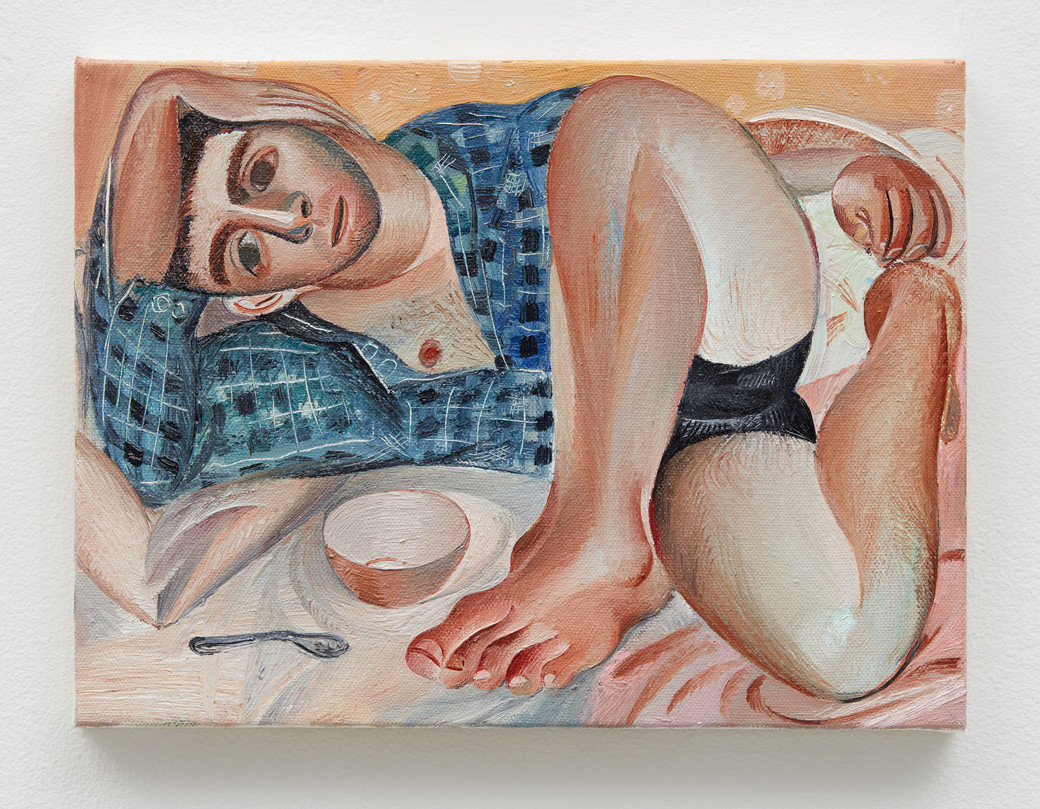
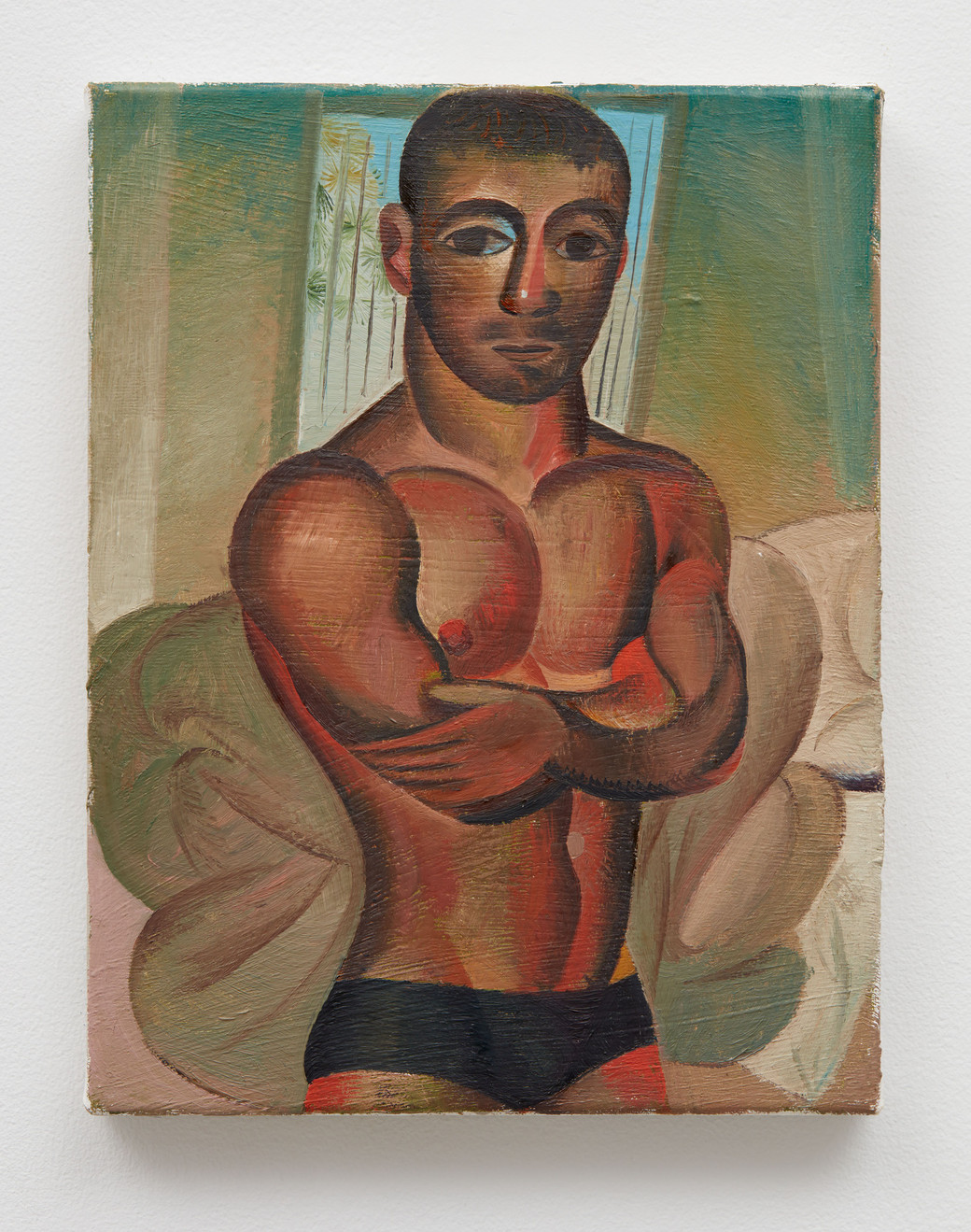
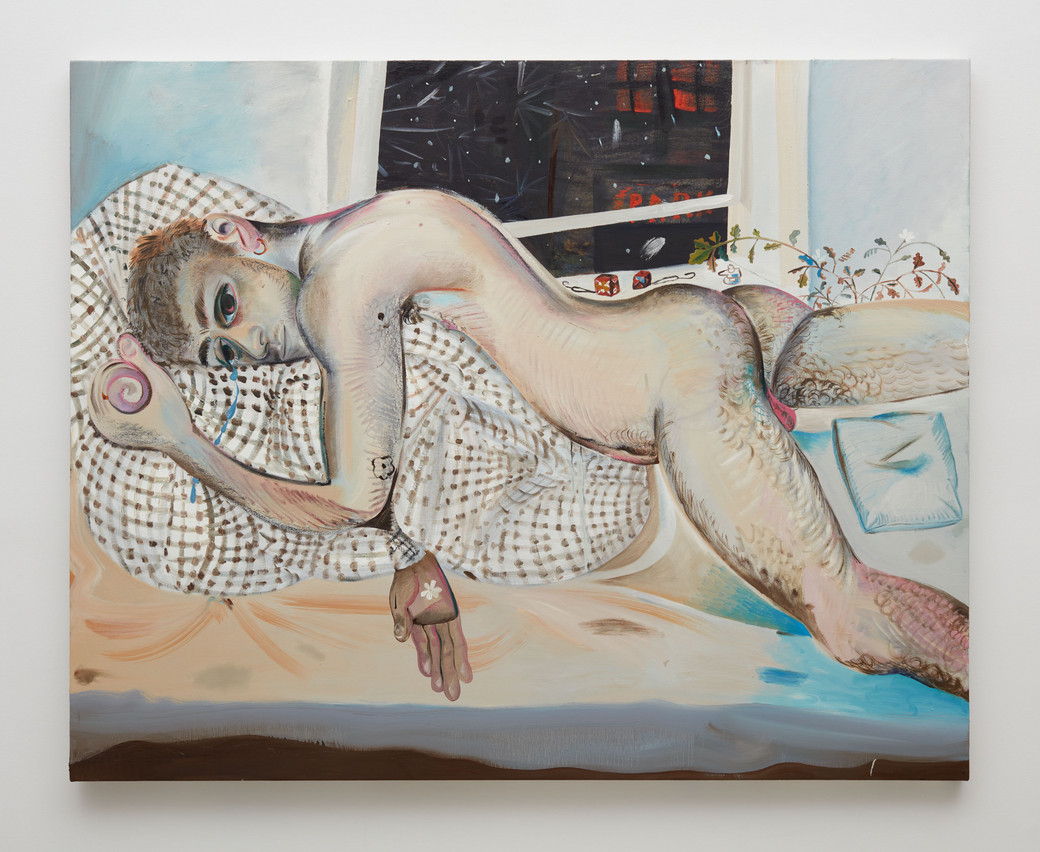
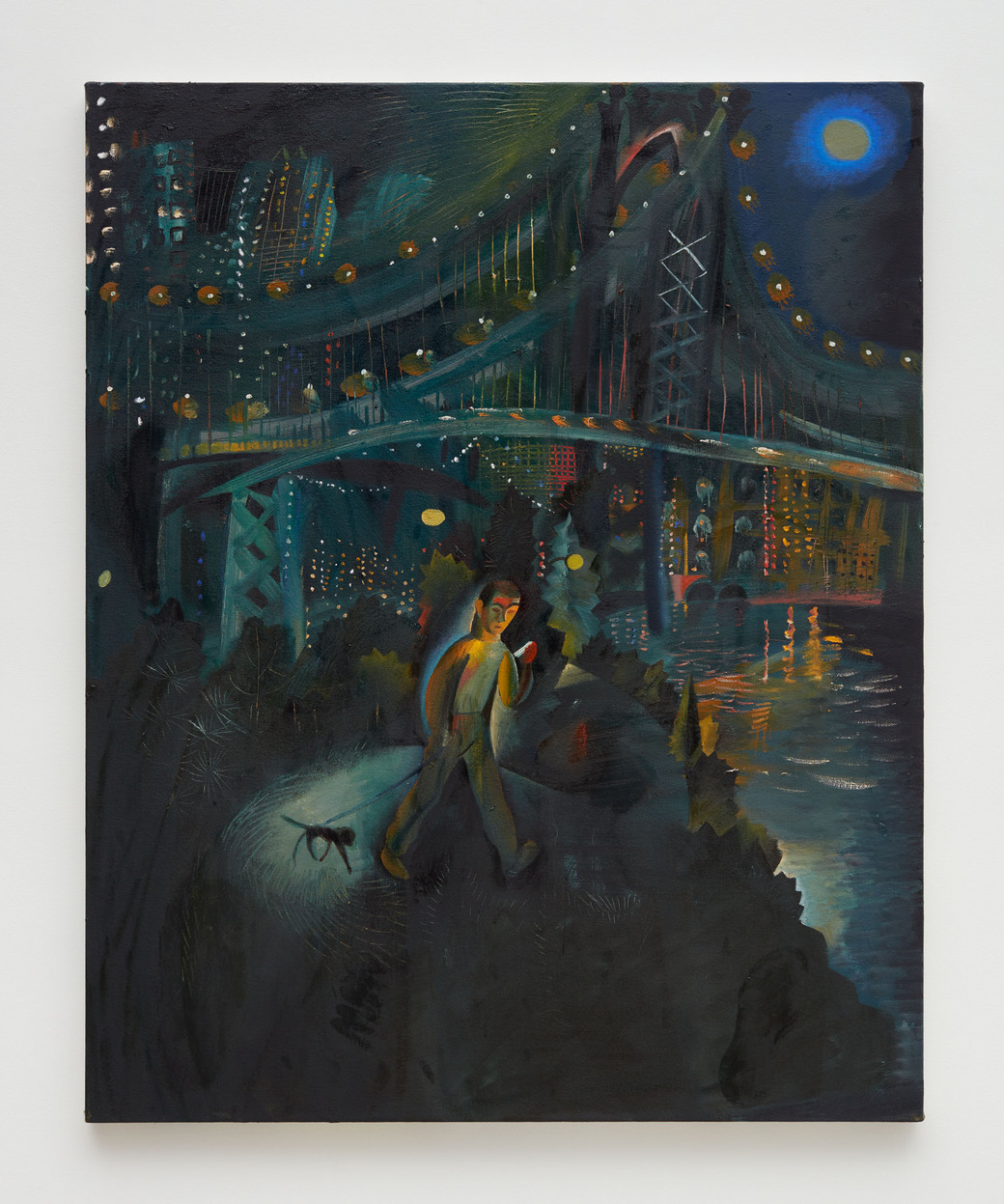
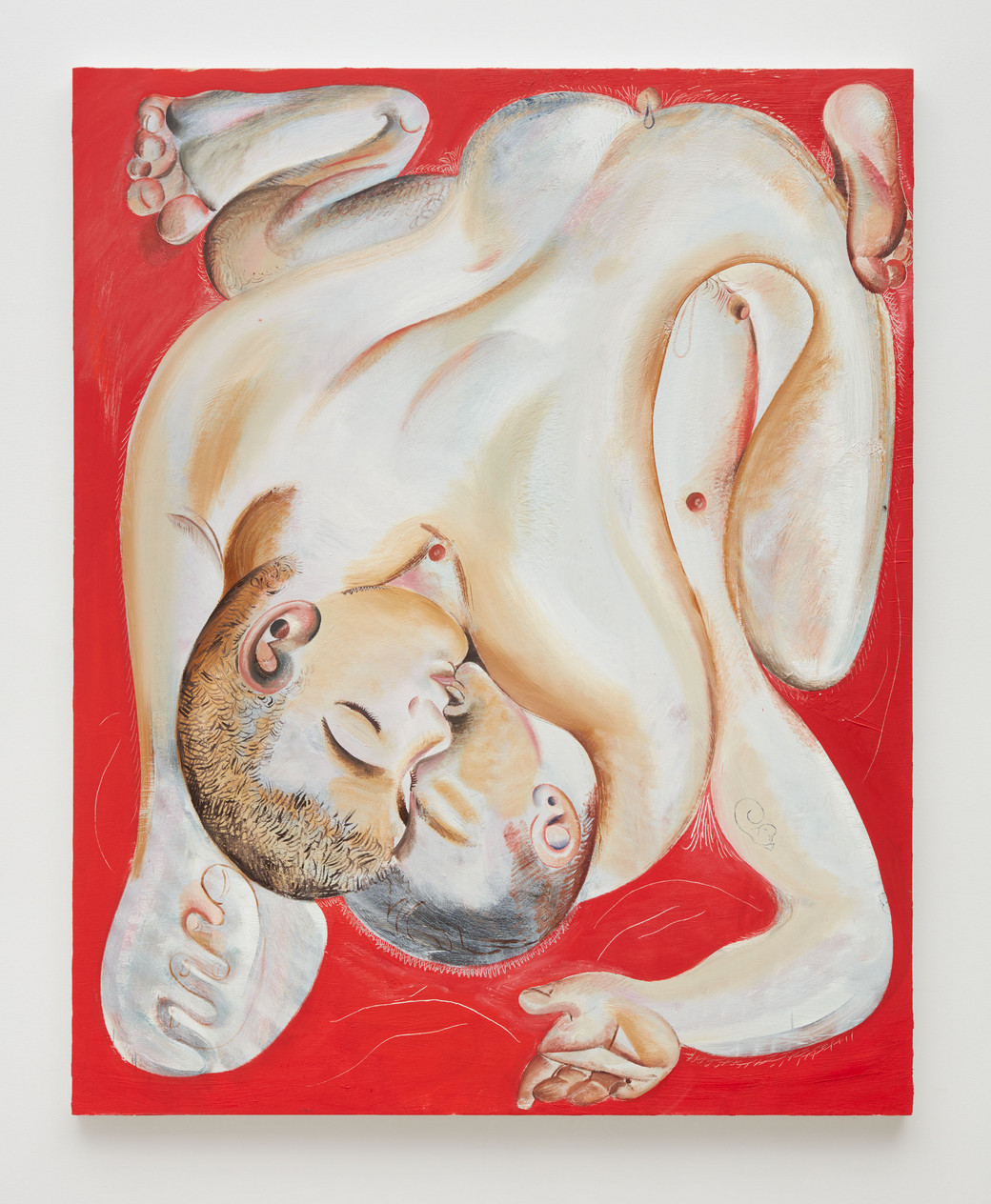
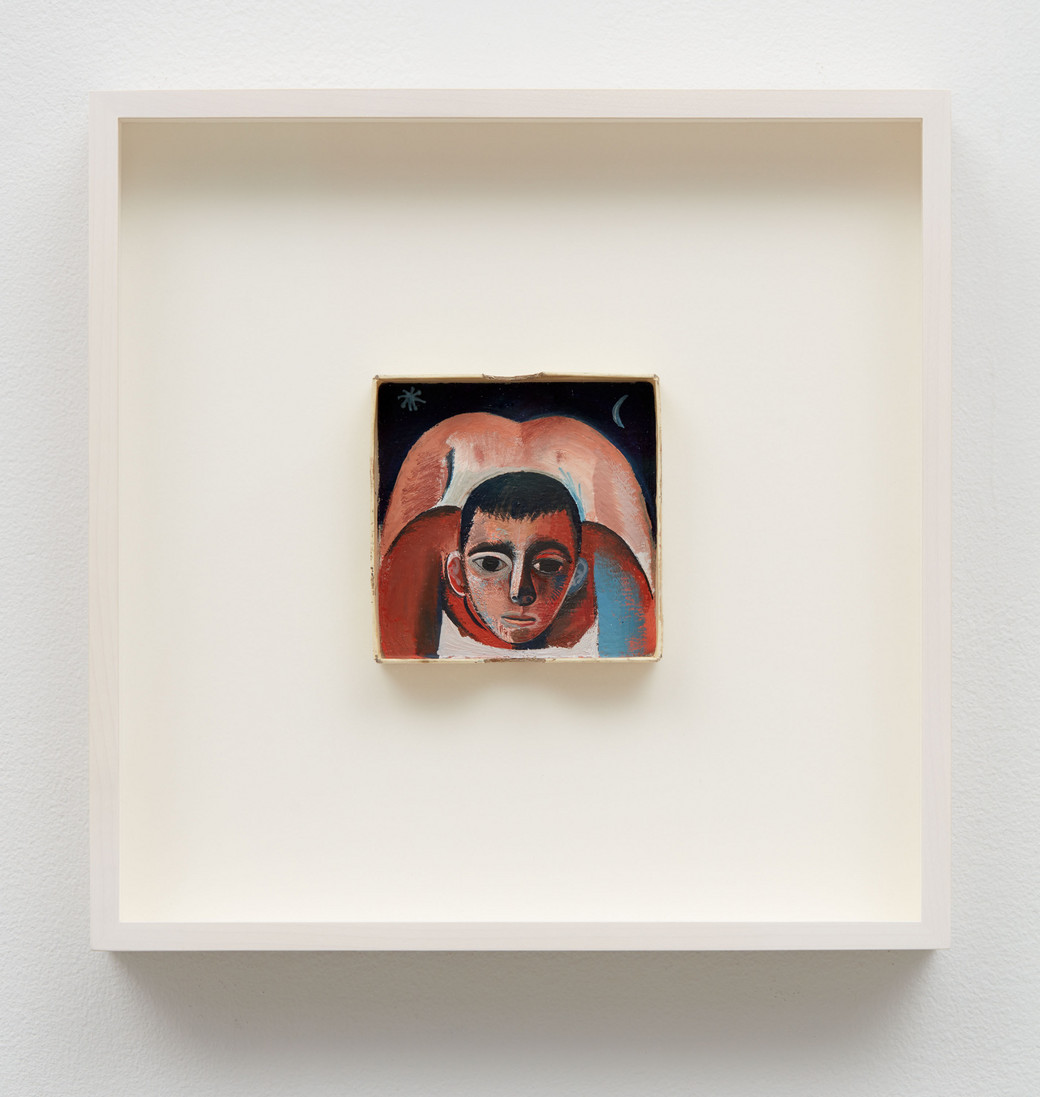
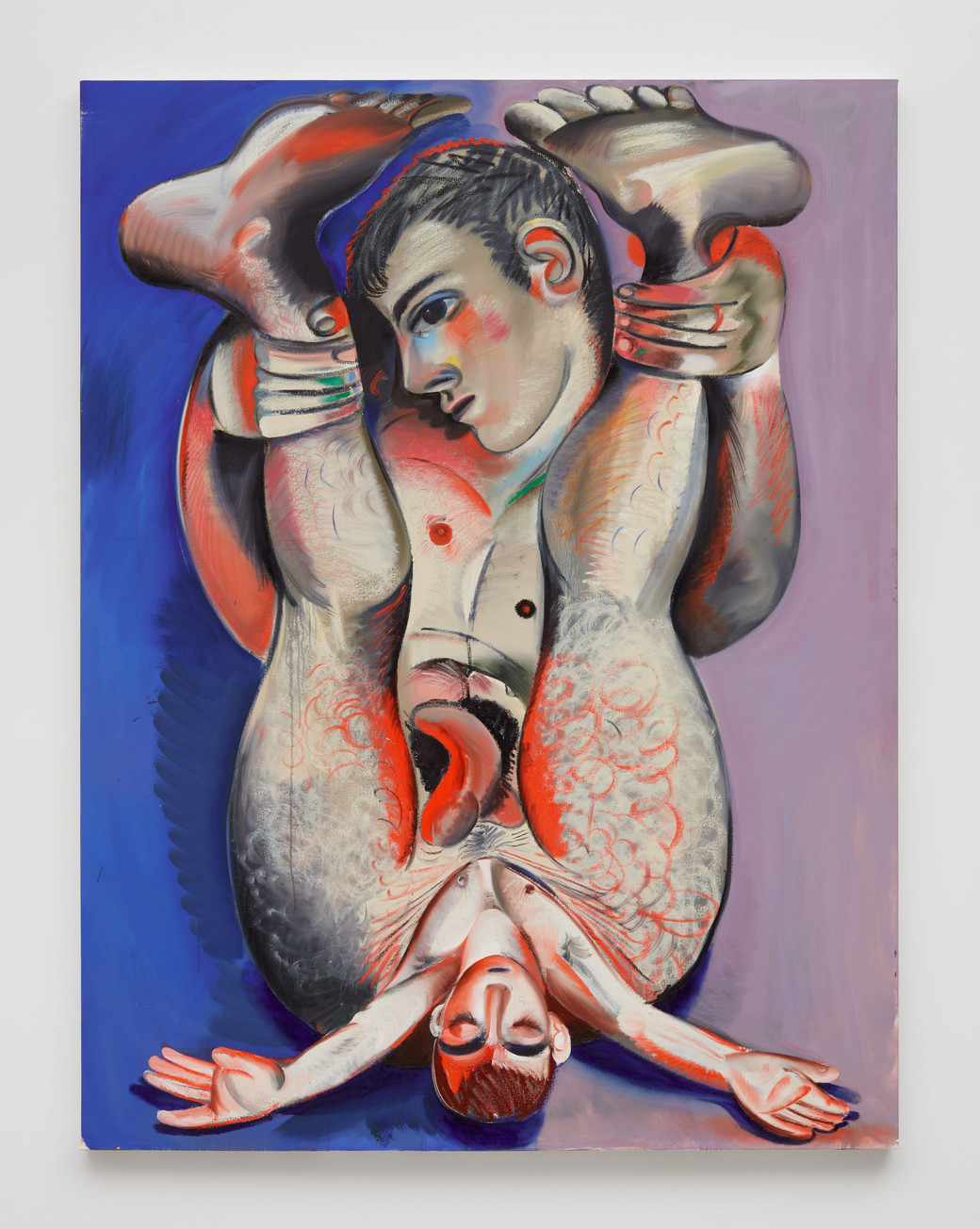
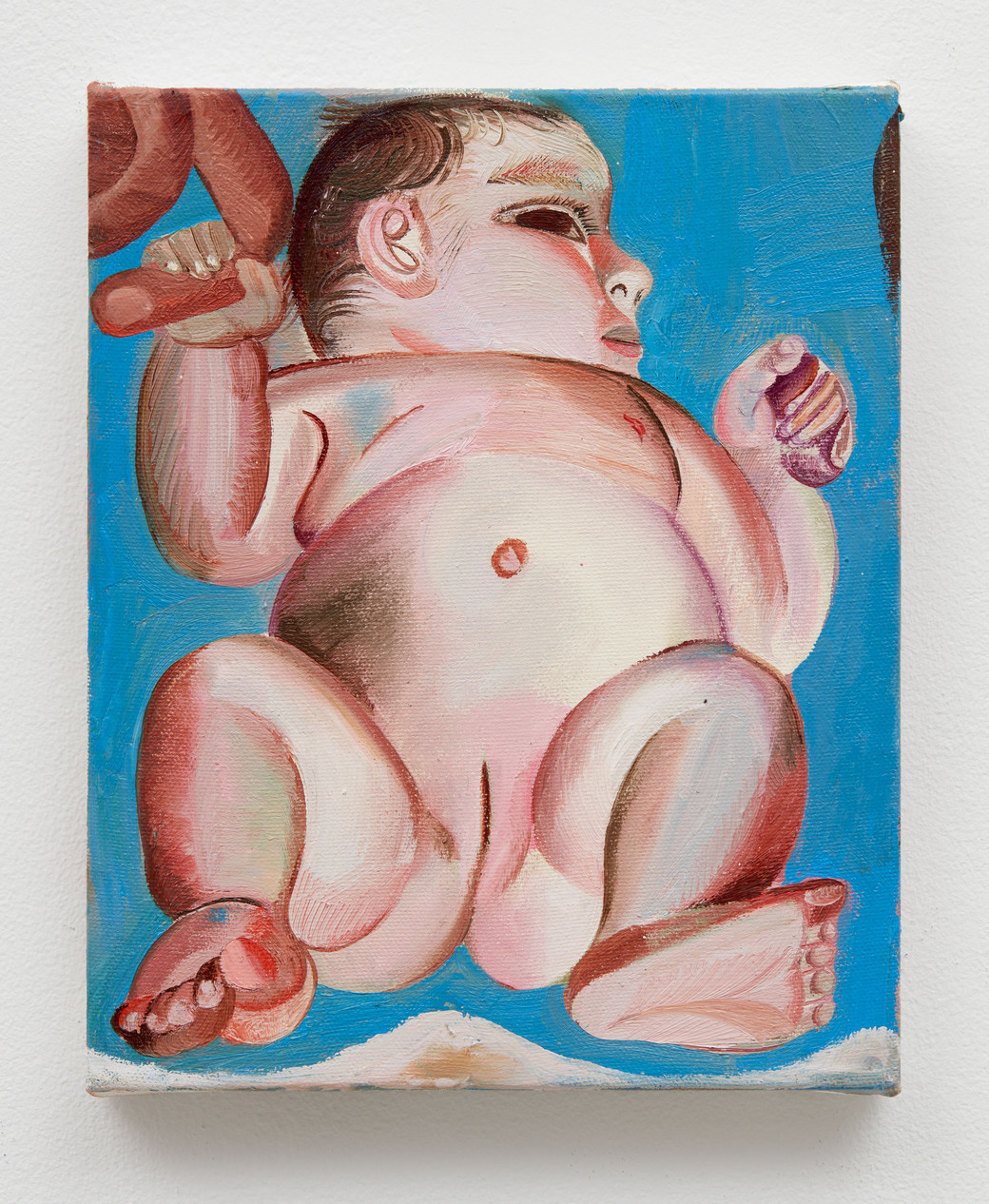
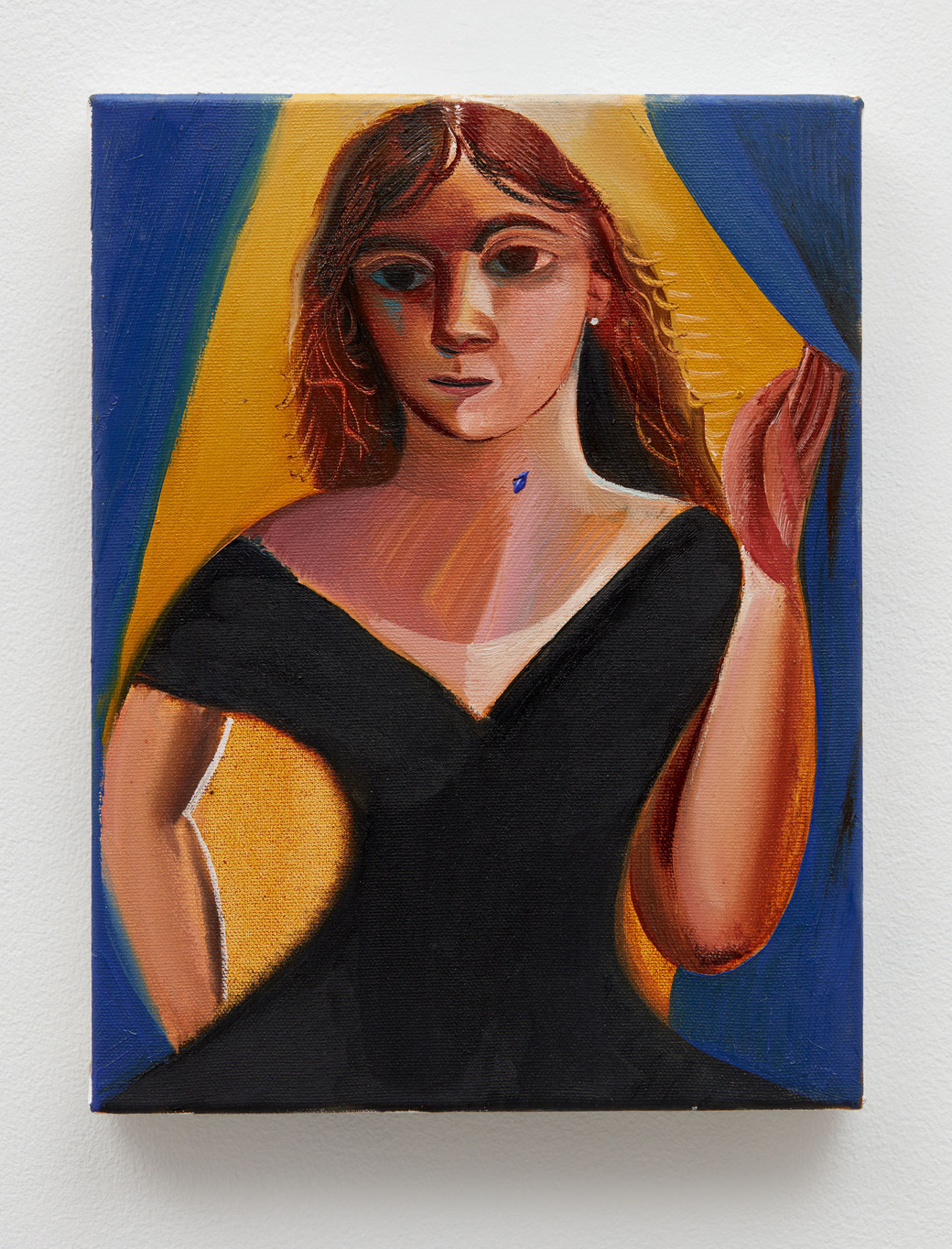
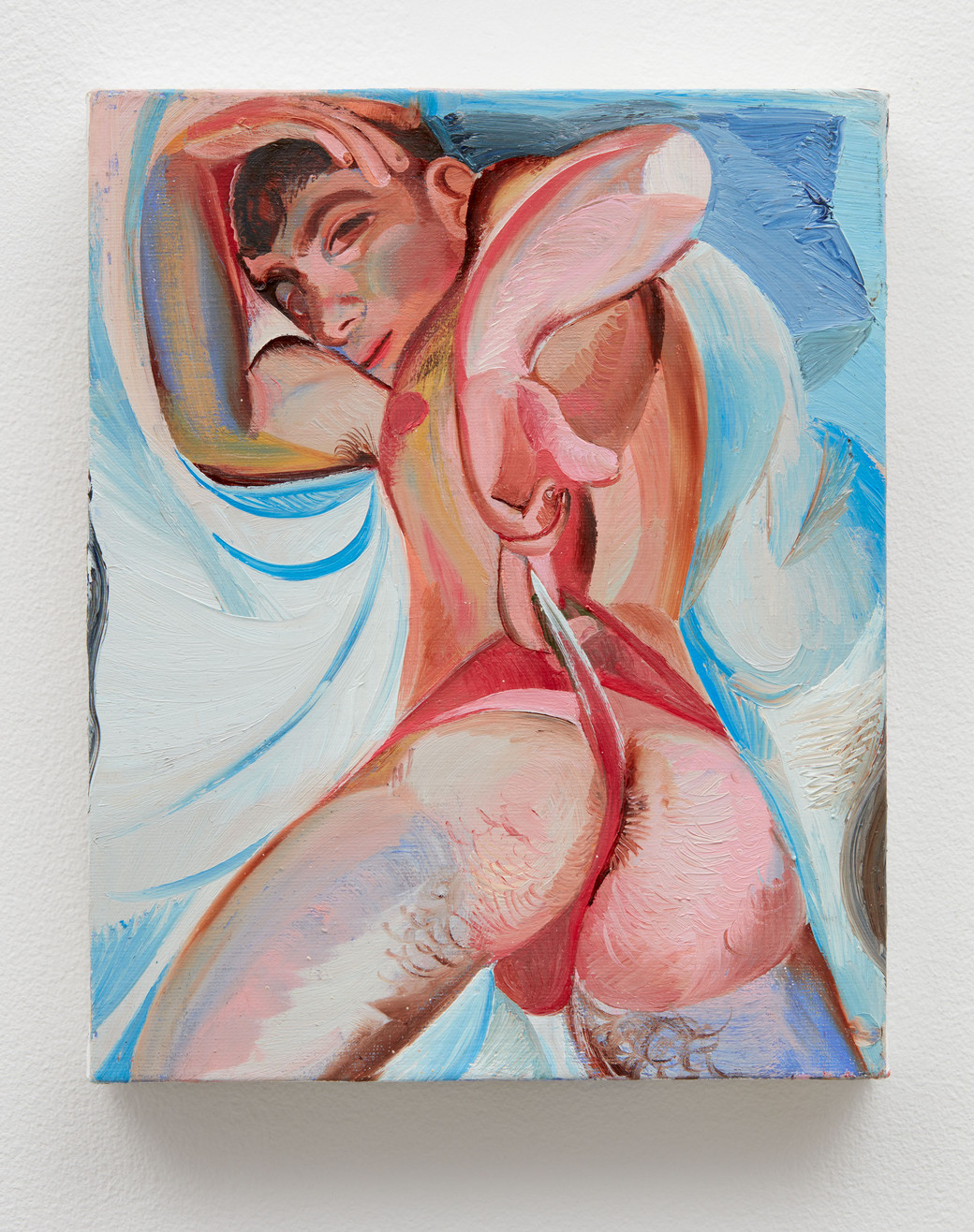
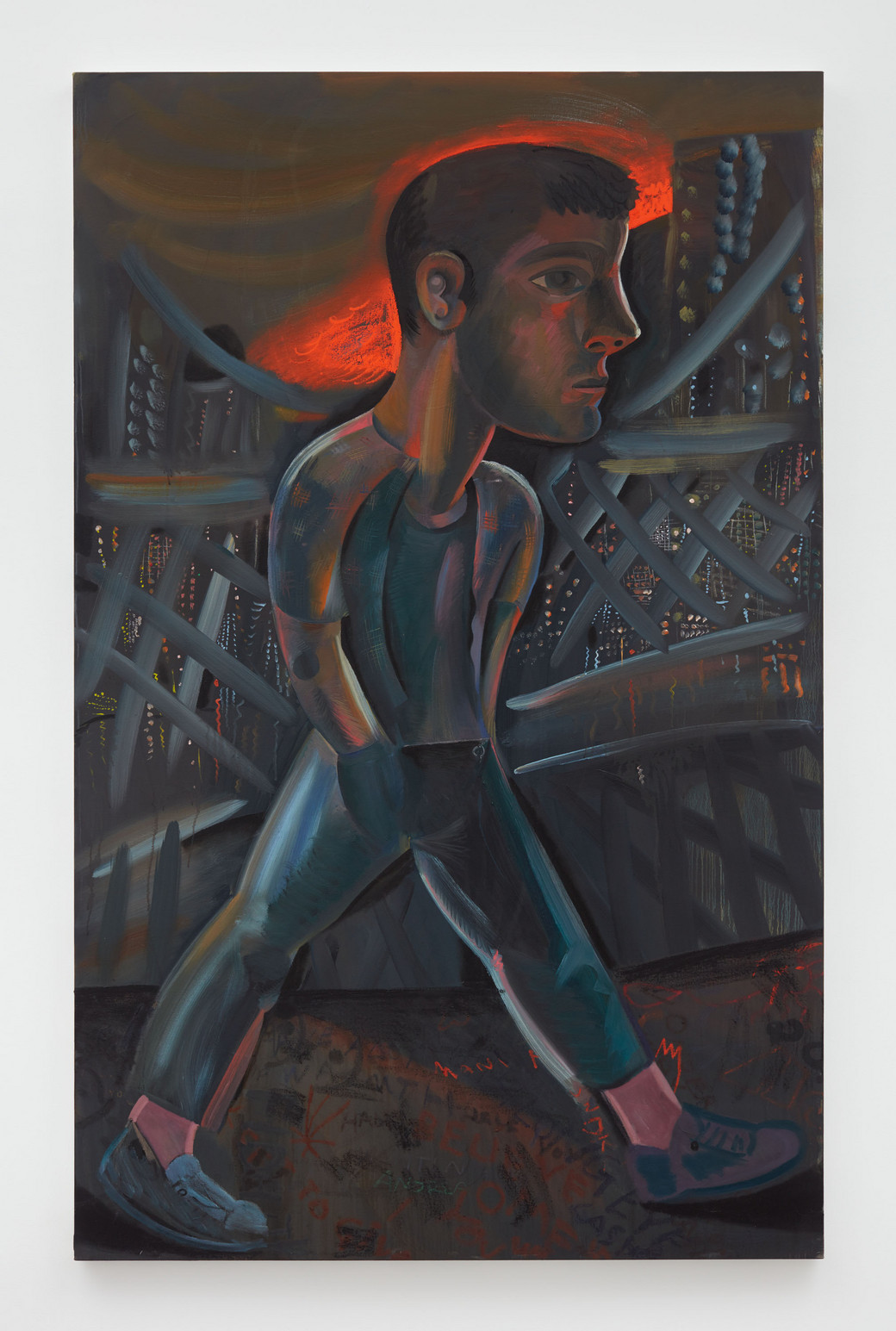
Sure. So I guess this is my second, third technically, solo show in the city. I’ve been making work about the figure and my personal life and experience basically since I started showing, and this was a departure from earlier shows in a couple ways—it was the first time I was able to show work in that big of a space, so the scale definitely changed, they became much larger, even though I identify as someone who makes small paintings because that’s sort of how I introduced myself to the city and that’s where I feel the most comfortable. But because of the increase in scale, I was able to increase the scope of the work, so instead of being mostly nudes and interiors, I felt like I had an opportunity to talk about the city at large and paint myself on the bridge or the skyline, and the Chrysler building, which I think is such a magical thing to look at. I just wanted to show an identity of New York, I think that I can be a pretty romantic person, and the work is about love and tenderness in ways and I wanted to extend that to the city also, or places specifically there. I also think that the work, I was just trying to open it up a little bit—there are some stranger images than what I’d shown before, like the painting of the seashell over the man’s groin, and of the angel writing a letter, just kind of wanting the setting of my work to expand a little bit.
I read in the New York Review of Books that you’d gone through a breakup—is that pertinent to the show?
I think so. But yeah, my work before in 2017 was all about that relationship, and mostly depicted me and him in our apartment and was definitely focused on these feelings of familiarity or comfort or love; and I think that my life just changed a little bit, and I was experiencing a wider range of emotional states in a way, and I was interested in trying to talk about them a bit more. I like that the review said the show had a feeling of ‘charged solitude,’ I think that definitely was what I was feeling the past couple months. But it was exciting, too, as a 25-year-old in New York, it was kind of a time to experience what most people were, which was figuring themselves out for themselves and not necessarily being in a long-term, committed relationship, which most of my friends weren’t.
It’s funny too with gay guys, I feel like we’re either one or the other, I have a friend who’s such a relationship-type and I’m just not, I just feel like in the gay world there are two different types, there’s the relationship type and then there’s the doesn’t give a shit, hookup type. Would you agree with that?
I think that’s true. When I first moved here, you notice that sort of thing, or that there’s ways of having a relationship that I started to learn about when I moved here in 2016 and wasn’t necessarily what my parents did or what I was exposed to growing up in Southern Maryland.


Above: 'Star Nude' and 'Angel Writing A Letter'
So you’re new to the city as well?
In some ways, yeah, I feel like so much of my adult life has developed here that I feel like I’ve been here forever but it’s only been since 2016, before that I went to school in Baltimore, and then I lived in Berlin for a year on a Fulbright grant. But yeah, that feels like a really long time still. I think because when you go through certain things, too, you close a chapter in your life, it sort of makes it feel really far away, or that it belongs to one period that is now over. So I guess this is my third chapter show.
Why do you think people respond to it so much? What is it about it that touches people, in your opinion?
Someone said something really sweet to me—I had this open studios at this residency I’m at, and this older woman was saying that I don’t have any way of knowing how long people have been waiting to see this work, which I thought was a really generous thing to say, and hopefully it’s true that, I guess in some way I hope that it’s one of the first times these kind of images are being represented in full color. There’s a lot of work from history about gay love between men that have been made but were not made for the public eye, and was made in such a different climate than we exist in. I guess there’s a novelty to it. I don’t know, exactly. Most painters that I love just paint what they love, and people respond to that, I think.
I guess that’s kind of the long and the short of it, yeah. It’s so honest.
I hope so, yeah. I think that’s a good place to make work from—just what do you like or what are you occupied by. 9 So you’re occupied by sexuality and intimacy in this moment. Yeah, and I think most people are. Sometimes people ask me, ‘Why the subject matter?’ and to me, it’s just like, ‘What the hell are you thinking about?’ It’s drives so much of what everybody does, you know?
Yeah, it does. And people don’t want to admit it.
I think it’s a beautiful thing. There’s a lot to develop right there.
And I find it to be a shift in our culture at large, even as something that office magazine represents, too, is sort of this honest look at sexuality as a part of life and embracing it as something beautiful and not sinful or gross.
For me, I’d like to make the point too, that it’s not even this other, it’s so day-to-day actually, in some ways.


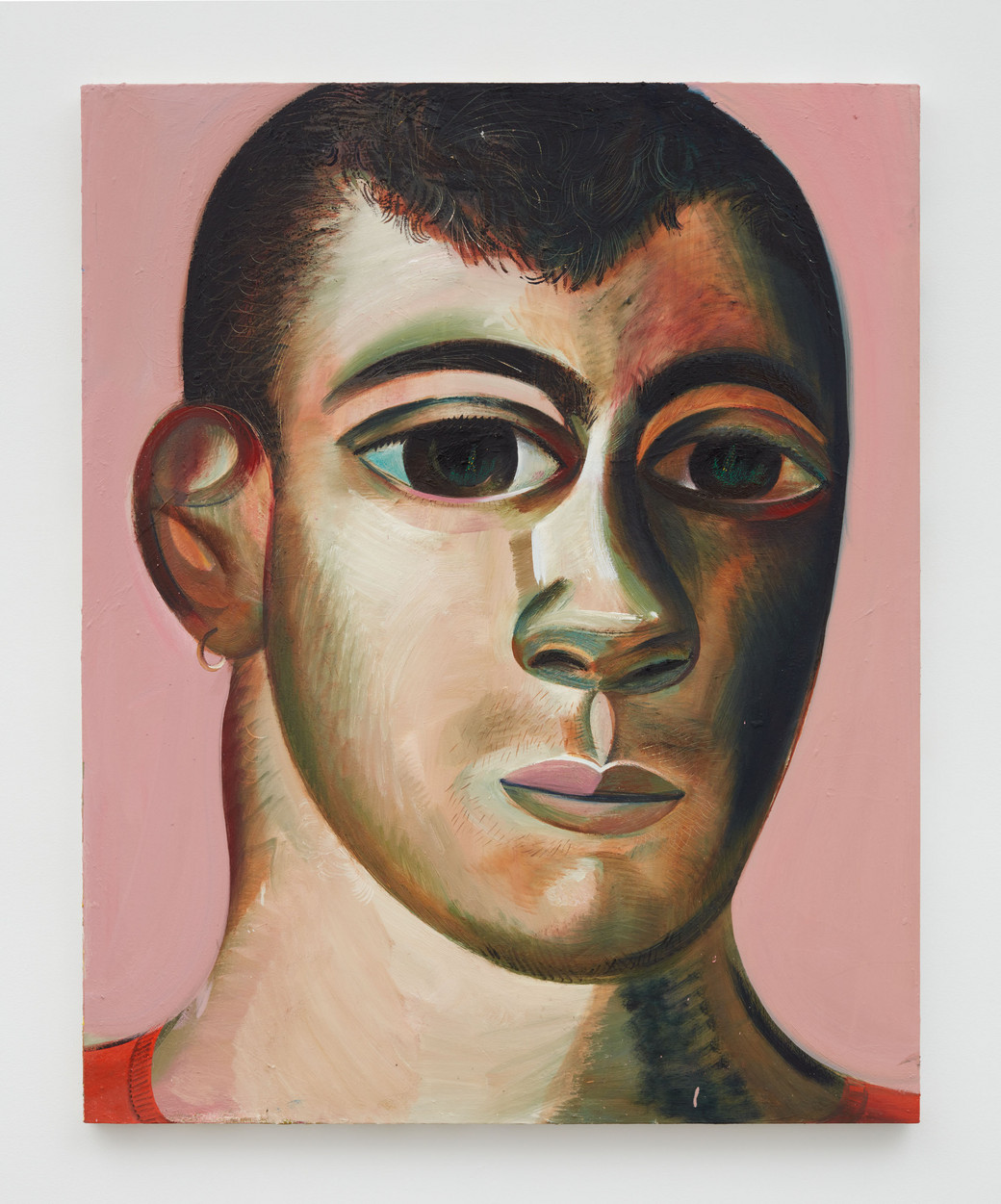
Above: 'Early Spring' and 'Jamie'
Right, it’s an every day thing.
And that’s the anti-spectacle of it that’s beautiful too, is that it’s not always this sort of production. I feel like the ways it exists in society can be so unrealistic.
Or just in culture, in movies or art, the way sex is treated.
Definitely. So I guess, too, the reason people respond to my work, is there does feel like there’s a bit of a void or space where sex, gay sex particularly, isn’t always afforded a space to be talked about that way.
Right, like as something beautiful and elegant.
Yeah, or treated with as much dignity, but also with just the frankness that it deserves.
I love the idea of it being a daily thing, too—especially in New York, we’re around so many people, it’s just this charged energy.
Right, you get on the subway and it’s like, whoa.
Especially in the summer.
You see people for the first time, like actually.
People come out of their shell, it’s like well, hello. So where in the city to do you live?
I live in Williamsburg. My studio is in DUMBO. I think that affected the work, too. I’m on this residency where I’m right on the water, and my view is of the Manhattan Bridge, the Brooklyn Bridge, over the river, it’s really stunning, it’s amazing to be able to look at it every day and really feel yourself here in the city, not in some basement somewhere. I think painters are always look backwards, too, at least the paintings I love reference art history, and the idea of New York painting is so romantic and powerful. That was a big part of wanting to be this New York thing, too.
Like New York is a character or an intimate partner as well. Especially since you’re so fresh here.
I think anyone new here wants to love it. It’s hard to be here, too, so I think you have to make a conscious effort sometimes, like, ‘No this is good, this is special.’
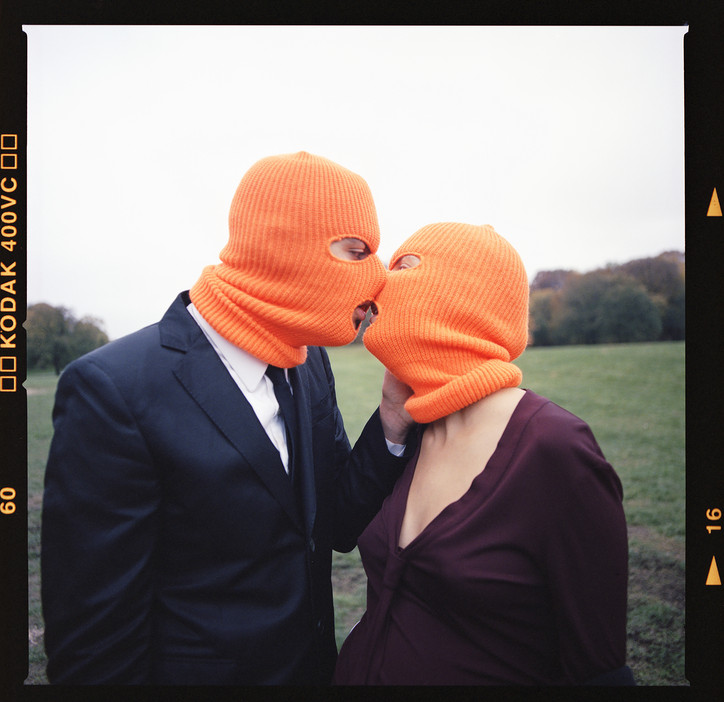
Hurry! 'Come Softly To Me' closes on May 24th, 2019 - see it at Sikkema Jenkins ASAP. Lead image: 'Me and Ray'.

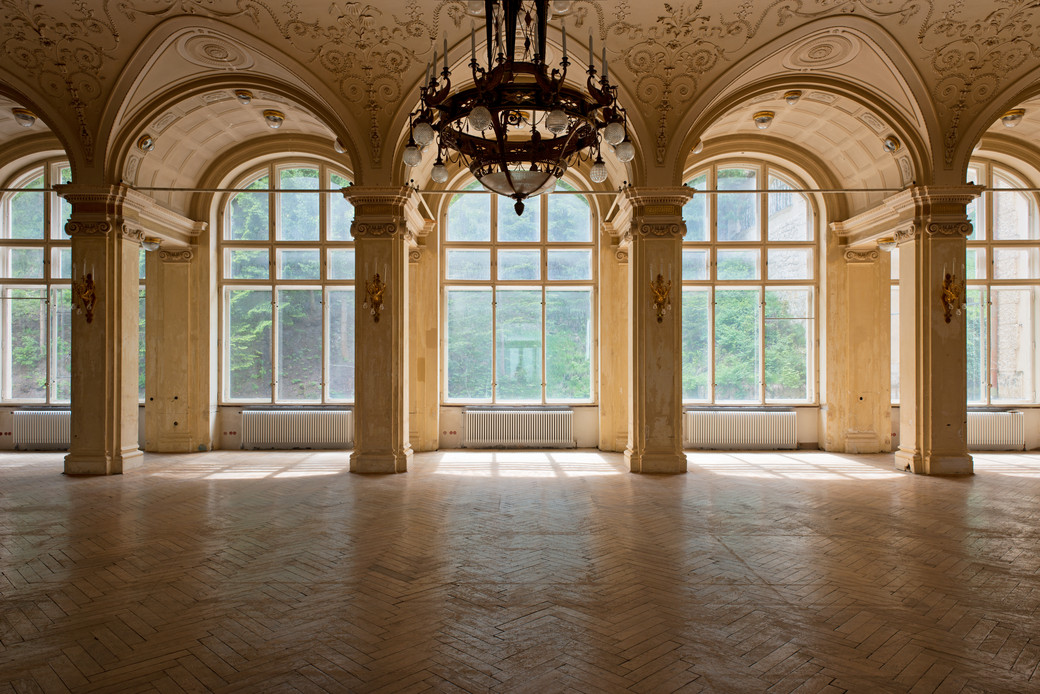
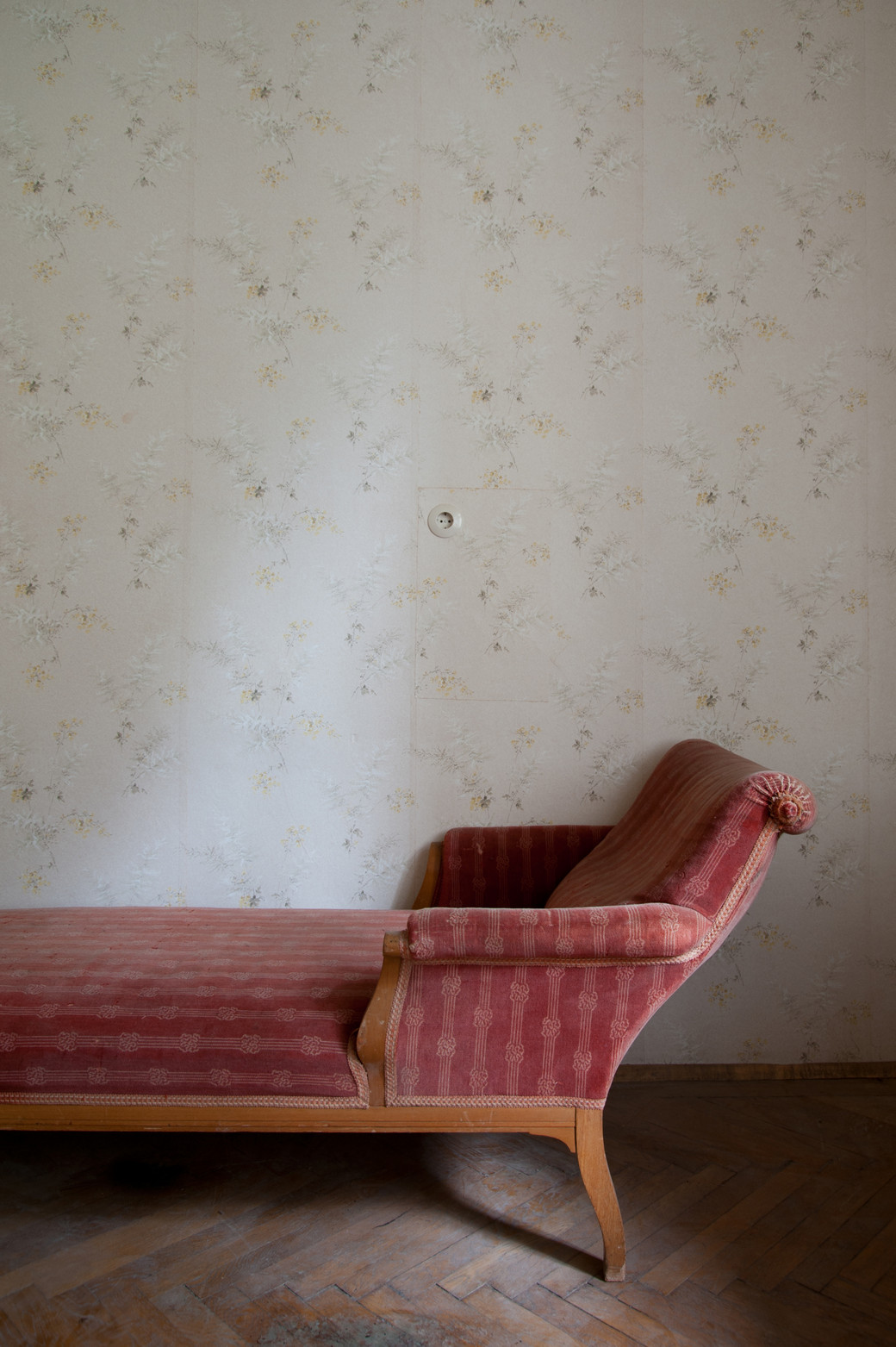
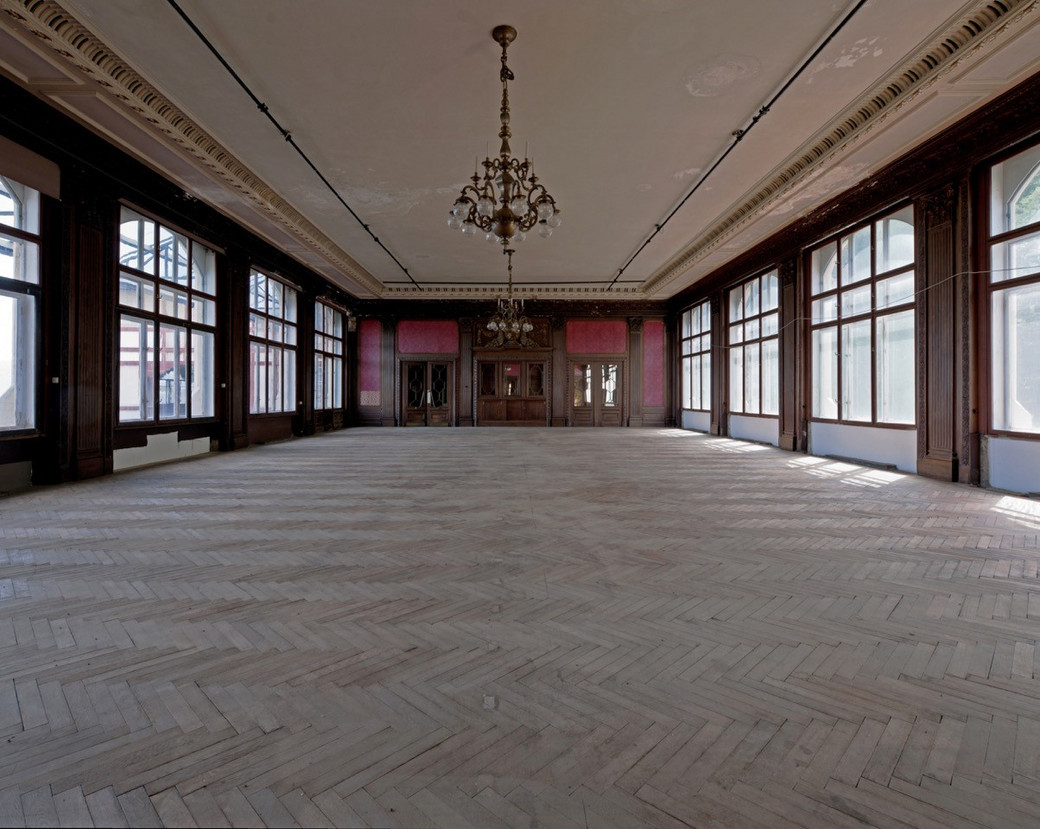
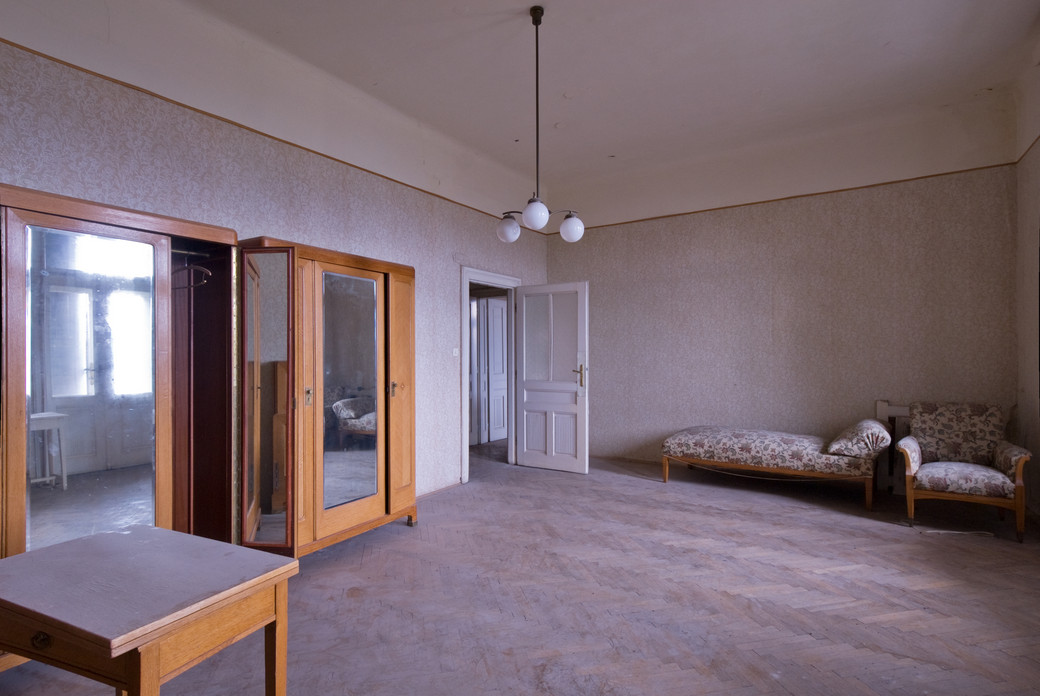
The Südbahnhotel closed in 1976 but remains as a landmark in the mountains of Semmering. Oswald’s photos, taken from about 2009-2014, capture the former and present glory of the hotel, its architectural splendor accented by the haunting reality of its present emptiness. In the image “The Südbahnhotel #24,” light shines through arched windows to illuminate the hotel’s dining room—the intended use of the room, for convivial gatherings, is subverted visually by the echoing absence of human figures, but this is entirely the point. In the images of sun-streaked and tattered, now-antique furniture, such as “The Südbahnhotel #12” of an armchair in room 55, the viewer can still sense a guest perched on top of it.
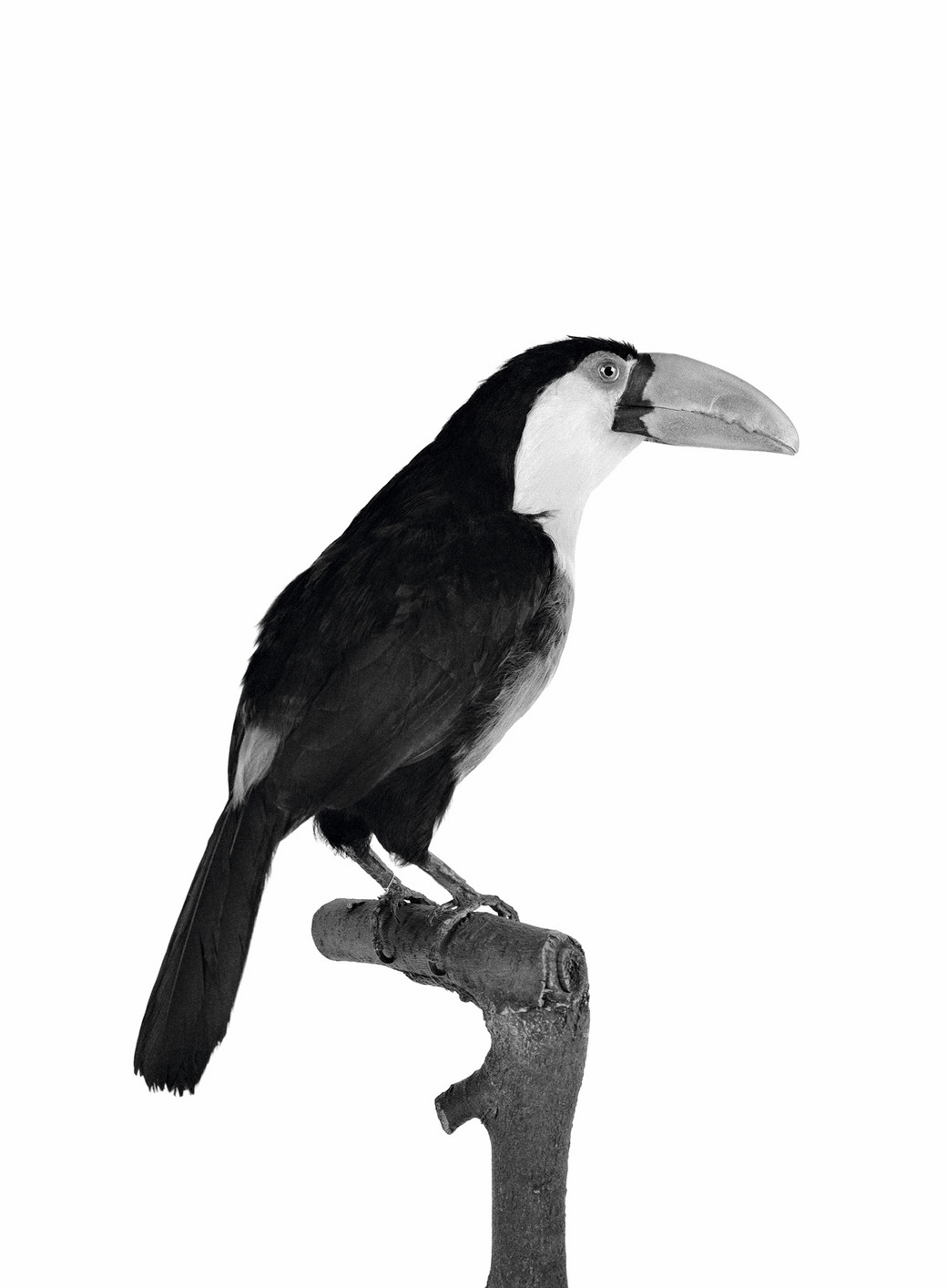
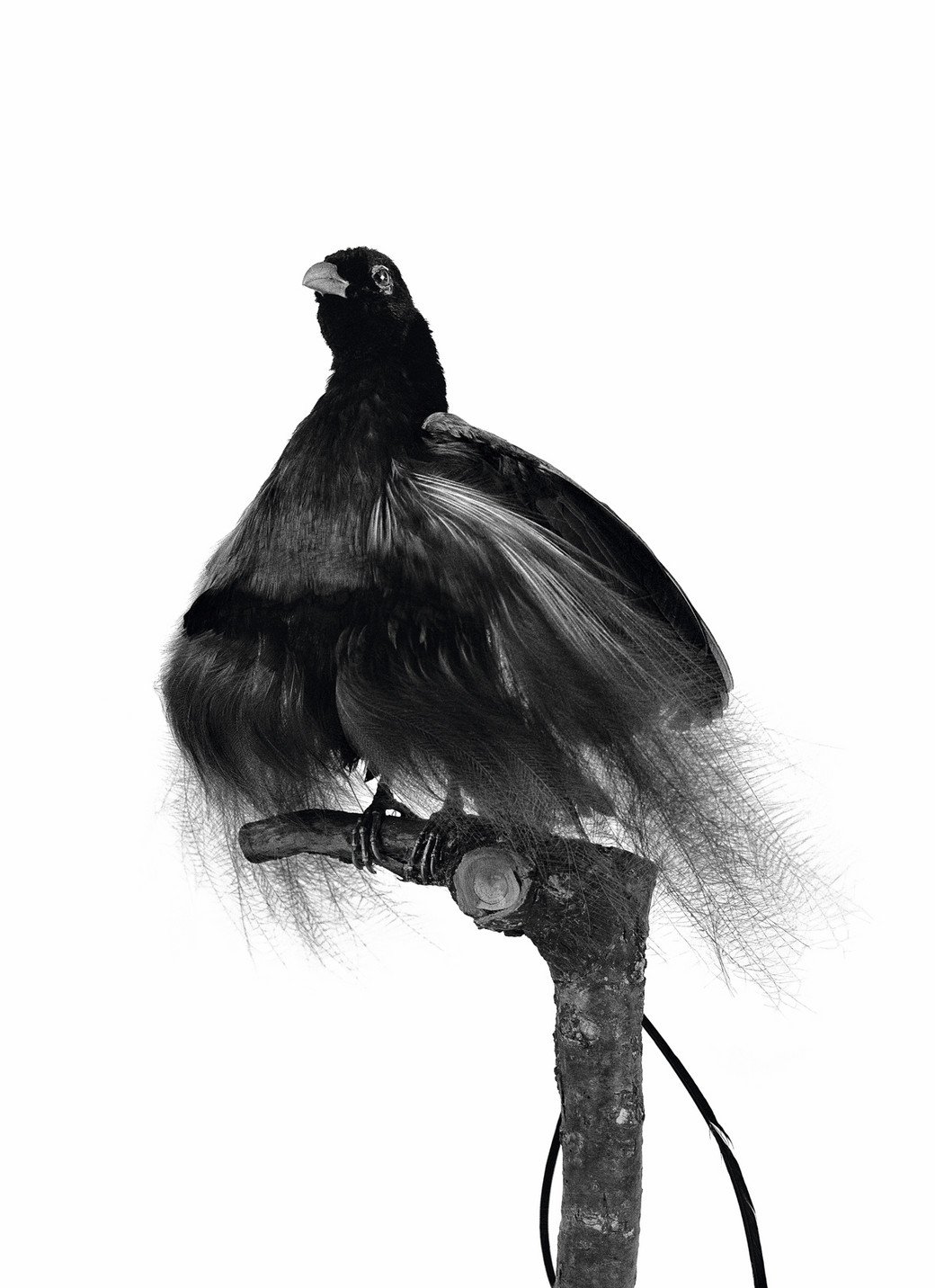
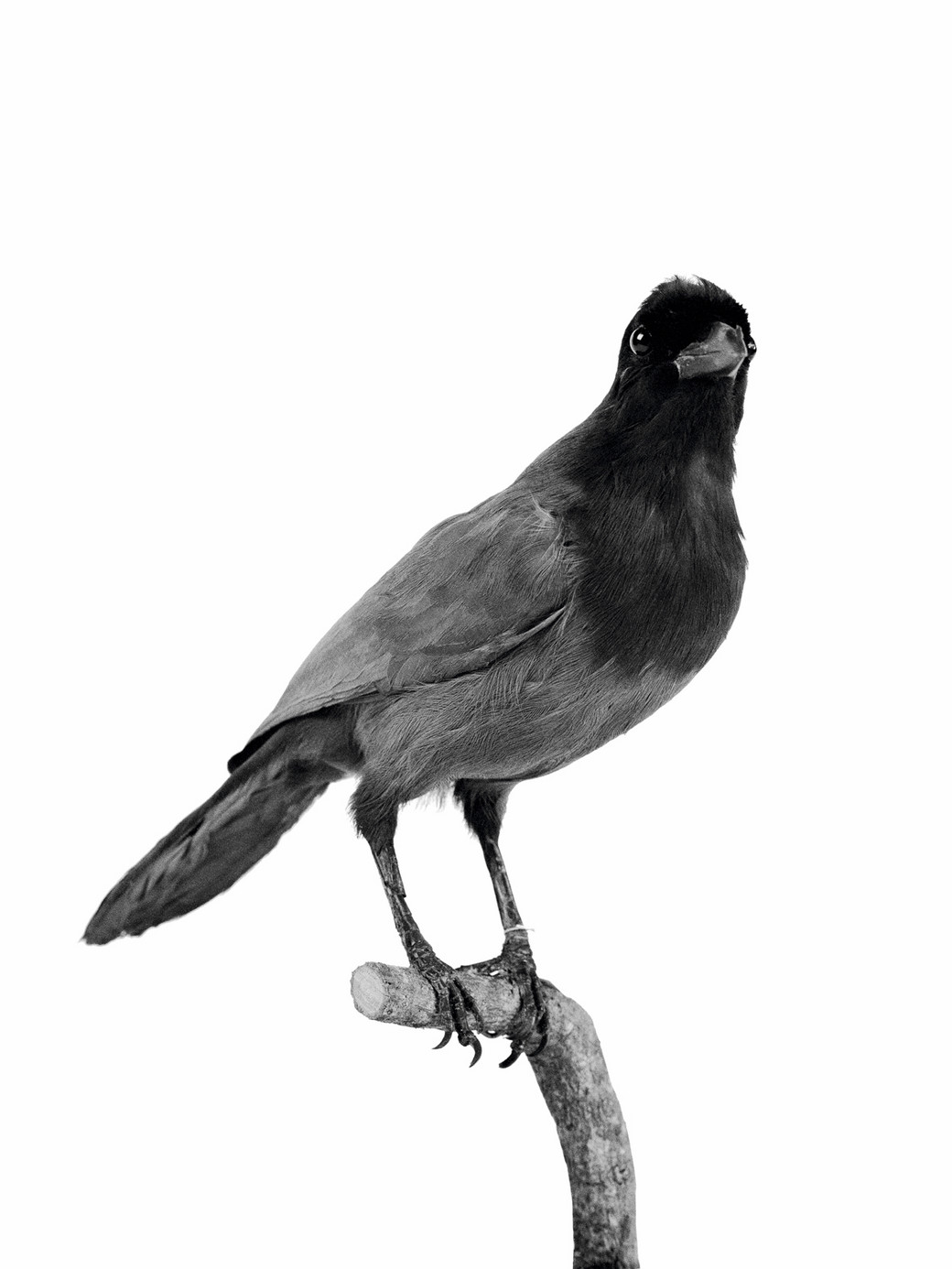
Lecomte’s photos call the photographic representation and memory of the Shoah (Holocaust) into question. In these images, Lecomte depicts colorful birds, like the red-crowned barbet which has a green body with red, blue, and yellow feathers on its head, in black and white analog photos. This contrast, of what we know to be ravishingly-hued birds of paradise stripped of their colors via their depiction in black and white, as well as Lecomte’s use of the the medium of photography, proves to viewers that an image cannot show us all that we know, or do not know, is there. In the absence of color in a photograph, or humans in a room, the artists ask: where does the eye land, on the image itself, or in the imagining of what should be there?
VOID is now at ACFNY. Images courtesy of ACFNY.

As he presented the work, his toddler son scampered about the little tables, demonstrating rather flawlessly how you’re supposed to navigate the piece: little jingle bells are placed on a vibrating drum-table in one corner; heavy bags placed on the central console to control the distribution of the compressed air; balancing levers lightly tapped in order to send them swaying; sliding trap doors on the sides adjusted to create variations in pitch. The sound it produces is an atonal thrum, a tremor felt throughout the body. It is little wonder that the artist is interested in how sound is experienced by the deaf, and his project is an exercise in music made to be experienced by those who cannot hear.


Above: Installation views of 'Organ Within.'
Tell me about he project.
This project is actually the result of two years of work and development on an idea that started with the synthesis of different projects over the last 5-7 years, I’d been working a lot with experimental music and what instruments allow in terms of new ideas of performing and collaborating, improvising, scoring. What I’ve been working on is an exploration between art and music, navigating ideas of an object as a tool for finding new ways of expression.
So it’s like a deconstructed church organ — why a church organ?
Well, because it’s historical and symbolical, also its sonority — it’s one of the most complete instruments.
Do you feel like there’s a religious connection?
Not necessarily, but there’s a spiritual quality without being necessarily religious, you see, in terms of sound.
You know what it reminds me of is the Tibetan singing bowls.
Sure, it has this sine wave quality to it. The resonance of the sound is very pure.
It goes right into your brain. Have your explored that?
There is a very strong connection between the sound of an organ flute and the sound of a gong or a singing bowl.
It also reminds me of the conductor who’s deaf — did you think of Beethoven?
Yeah, of course, definitely. But beyond the anecdote, there’s lots of subtety to the story.
Can you describe that project in the back room a little bit?
It’s the first iteration of an orchestra I built for deaf and hearing people, we started a several-week long program of composers and residents working with amatuers, professionals, deaf and hearing people, and it’s a very long, deep exploration of what it means to play together outside of the ears and outside of any consideration of who’s deaf, who’s hearing, putting all these considerations aside.
How do you feel the deaf people who participated reacted?
The reactions are multiple, but somebody like Robert, who conducted the orchestra, we’ve ended up working together regularly.


Above: Installation views.
And he’s deaf?
Yes, the conductor is profoundly deaf, he doesn’t hear anything. But what they take out of it could be one shot experience where they participate to deconstruct precepts or preconceptions about what sound is for deaf people, or what it means to play an instrument or make music. It can go much further into a series of collaborations that aren’t one shot.
Why deaf people? What led you to this?
It’s the intuition of thinking that deaf people have another understanding of sound on a daily basis than us, and I was asking, what is that like?
Are you close with a deaf person?
A lot now because of this project.
Were you a musician before, or what made you so interested in sound?
I studied sound art. You see, I wasn’t a musician, I’m not a professionally trained musician, I really studied sound from the perspective of contemporary composition and interactive composition, and it being physical matter than relates to space which relates to the body — so these notions were there from the beginning.
Is this your son?
Yes
What’s his name?
Sohal.
Where are you from?
Lebanon.
And how old is he?
Two and half.
Above: Installation views of 'Organ Within.'
He was the star of the show.
He knows how to play, he’s very familiar with all this.
Did he influence the project at all?
No, not really, but he was there through the process.
So you’re going to do a series of concerts with this or?
Yes, there’s a series of residencies that start next week. Every week is a different guest that works with this instrument, and then at the end there is this big finale at the Guggenheim.
And how are they going to manipulate it? Basically they can do whatever they want?
Yes, yes. I’m very curious to see their appropriation and interpretation of the thing.
And how did you choose these people, are they artists or?
It was actually through my assistant Robert (different from the conductor), who controls the music shop, he chose notorious people or people who have been here in the experimental, improv, electronic scene.
So deejays and artists and people like that?
Deejays, sound artists, improvisors, electronic musicians. Some are even deaf, of course.
'Organ Within' is on view at kurimanzutto through June 25th, 2019. Images courtesy the artist and kurimanzutto, photos by Dawn Blackman.