PRESENTE CONTINUO: the intimate ties between then&now

Starting May 30, PRESENTE CONTINUO will be available to purchase on presentecontinuo.com, cpcompany.com, and at the C.P. Company flagship store in Milan, Corso Matteotti 7.
Stay informed on our latest news!

Starting May 30, PRESENTE CONTINUO will be available to purchase on presentecontinuo.com, cpcompany.com, and at the C.P. Company flagship store in Milan, Corso Matteotti 7.
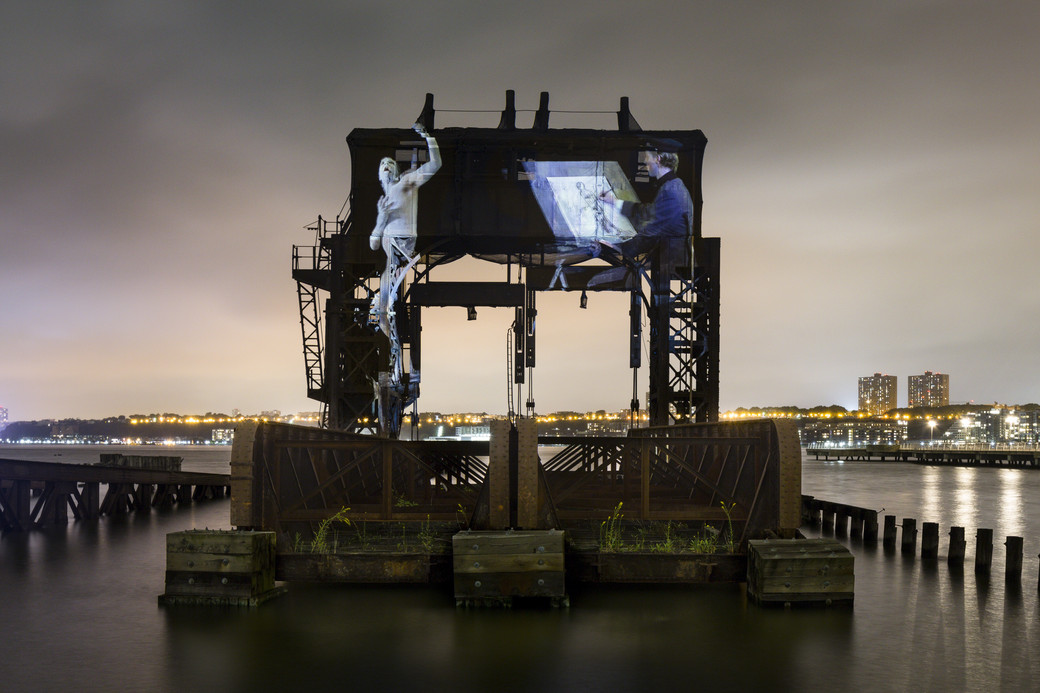
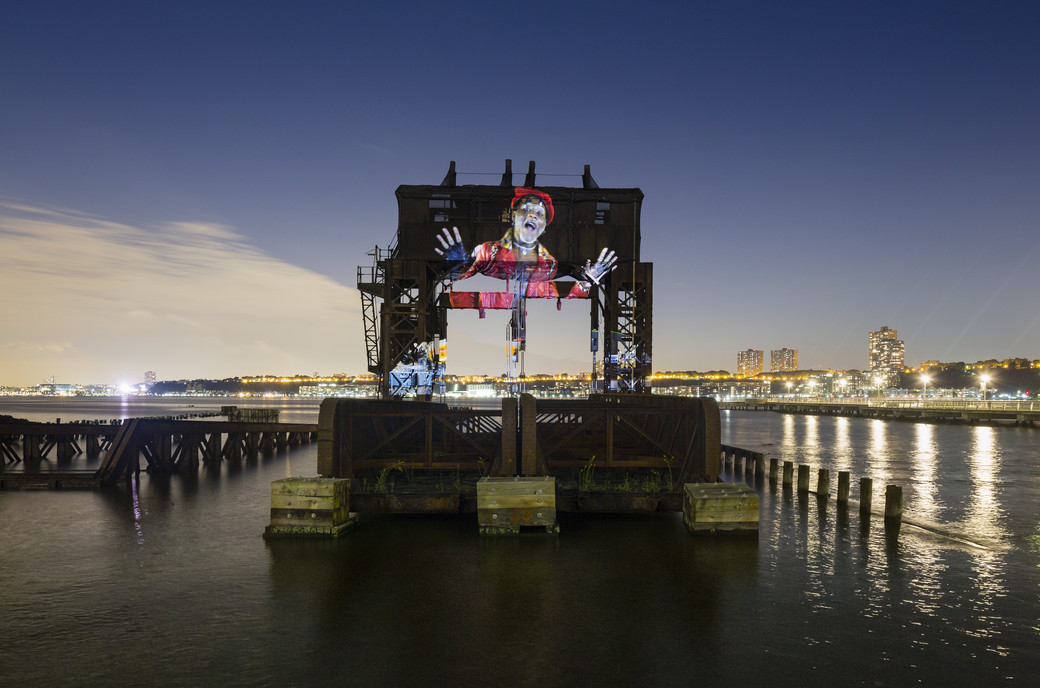
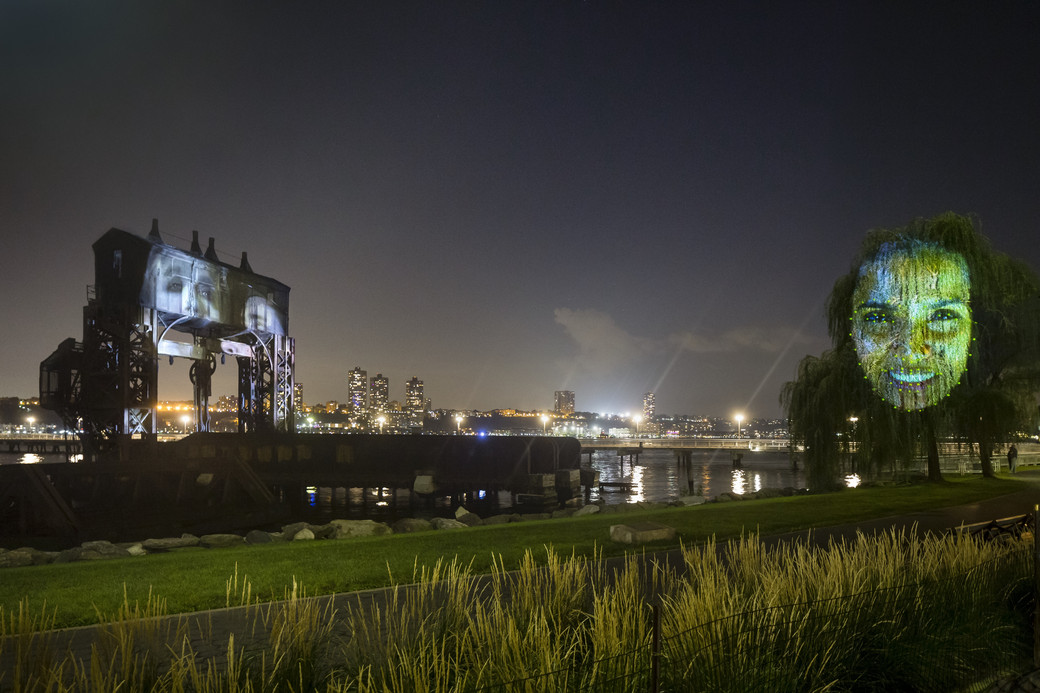
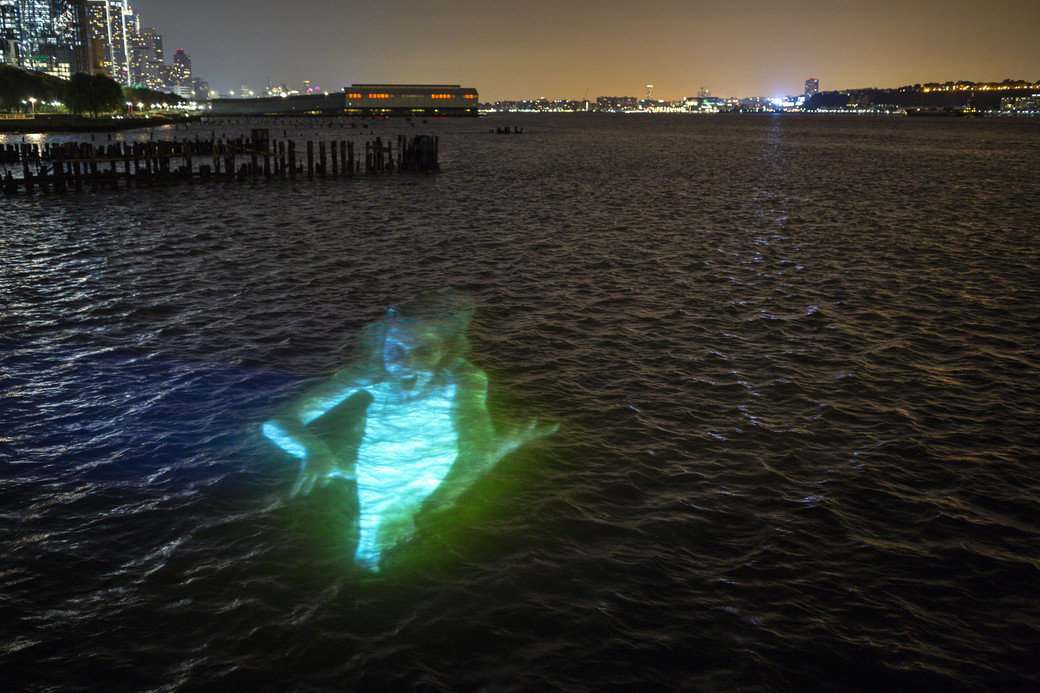
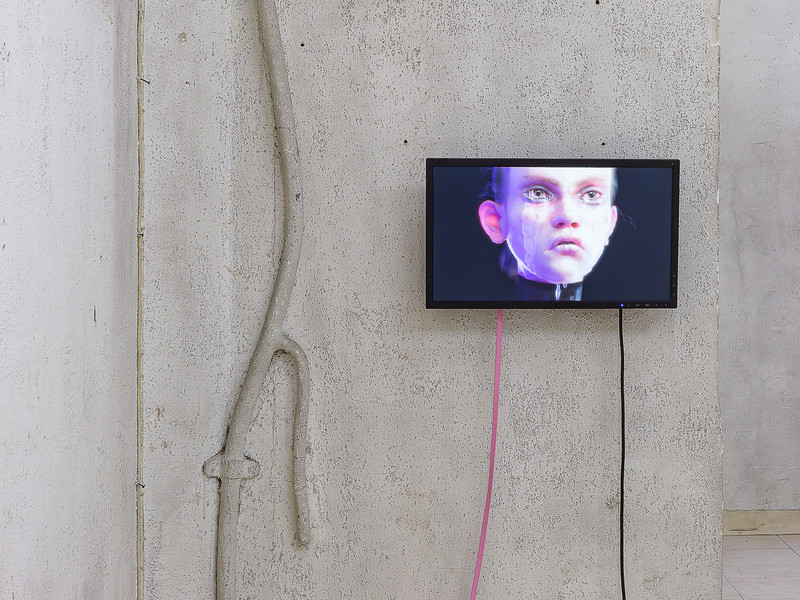
The content of the ongoing streaming art films is connected to the history of the Hudson River and its surrounding environs—and not just the part that touches New York City, but all of New York state. Oursler’s lexicon of references is so vast it requires a site map for viewers to discern the connections (a companion piece in and of itself). From the upstate Oneida commune to the invention of LSD and the psychedelic movement it spawned (also upstate), to Grand Master Flash of the Bronx and the confrontation between white settlers and the Native Americans, as well as facial recognition software and other spooky progressive technology, Oursler draws on a vast and variegated history to compose an incredibly engrossing and original outdoor artwork, the likes of which has never really been seen before.
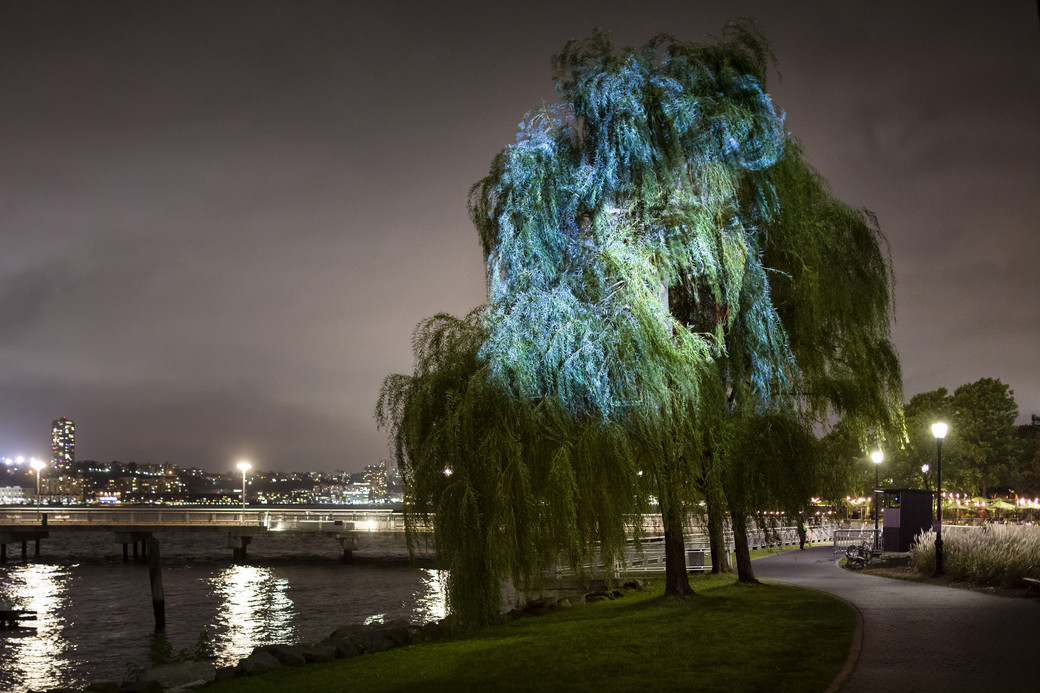
I was reminded of a drive-in theatre—my only real reference from life to compare an outdoor film experience. This was something else entirely. The projections become almost living things, three-dimensional in a way a projection almost never is—as you walk by the weeping willow, the image becomes elongated and distorted among the branches, a moving orb of light.


To a giddy group of journalists, the artist spoke about stumbling upon different places in the city and how you inevitably connect them to your personal experience and memories—something he’s clearly working with, since I’ll never walk by this pier again and not think of his piece. He also mentioned the Hudson’s original Native American name, Mahicantuck, from the Lenape tribe, which means ‘river that flows in two directions,’ and became a propelling metaphor for the piece, which is clear from its multifaceted and clashing-yet-working mentality.
Oursler knew his history—he spoke of the problematic Hudson River School, which was, debatably, the first American art movement, and a rather staid one at that, but one that led to the first land-preservation. It’s this unexpected trajectory that was his artistic muse, as well as ideas about the transmitting of information—Deep Blue, the first computer ever to beat a world-champion in chess, was invented by IBM here in New York, and finds its way into the piece as well, as a harbinger of a new era of data transmission.
He is summoning ghosts from history as well as the cloud—our lives are lived on the net, after all. Looking at his piece is like looking at a scrambled Google search through Hudson river associations flickering this way and that, a parsed collective memory that speaks through its absence as much as its presence, in the same way a projection is not really there, cannot be touched, but its image is nonetheless powerful and magical. Tony Oursler has created a magnificent work of art, but once it is removed, only the gantry, the pier and the river will remain—a majestic note on the power of the ether as well as of visceral, lived experience, since it is a piece that can only really be experienced in person.
'Tear of the Cloud' will be on view through October 31 at the Riverside Park Pier I (near 68th and 70th streets), in New York City.
All images courtesy of the Public Art Fund.

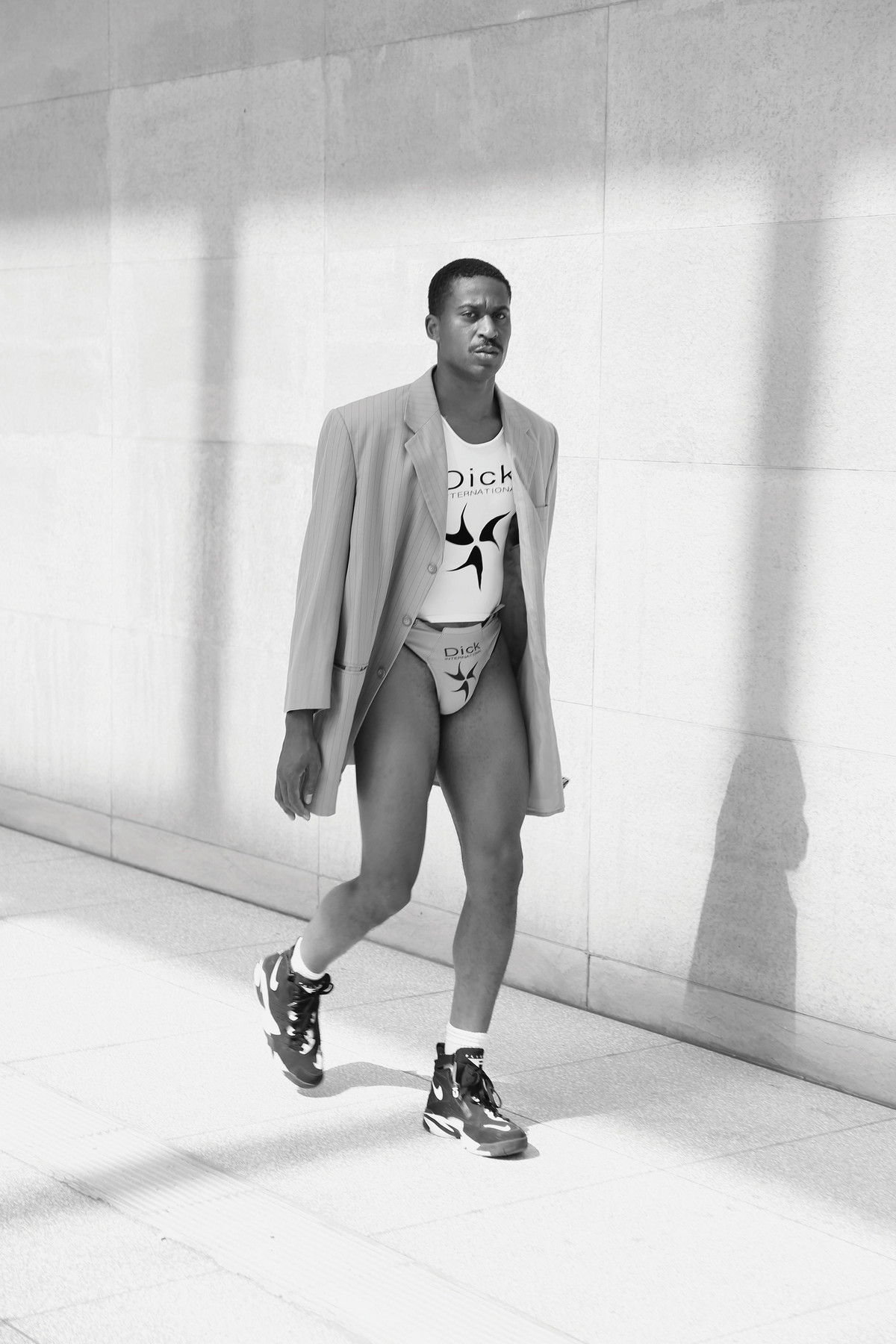
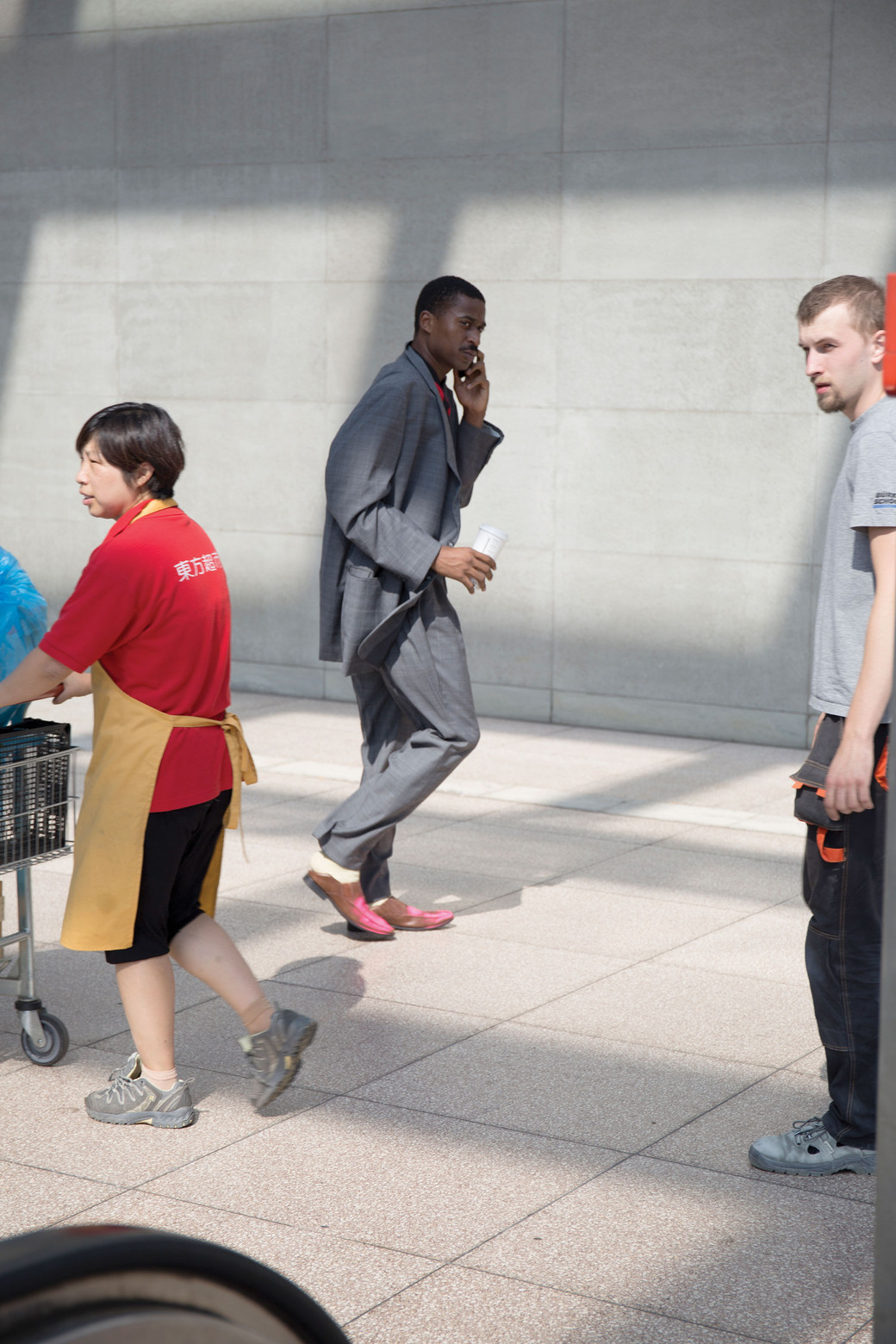
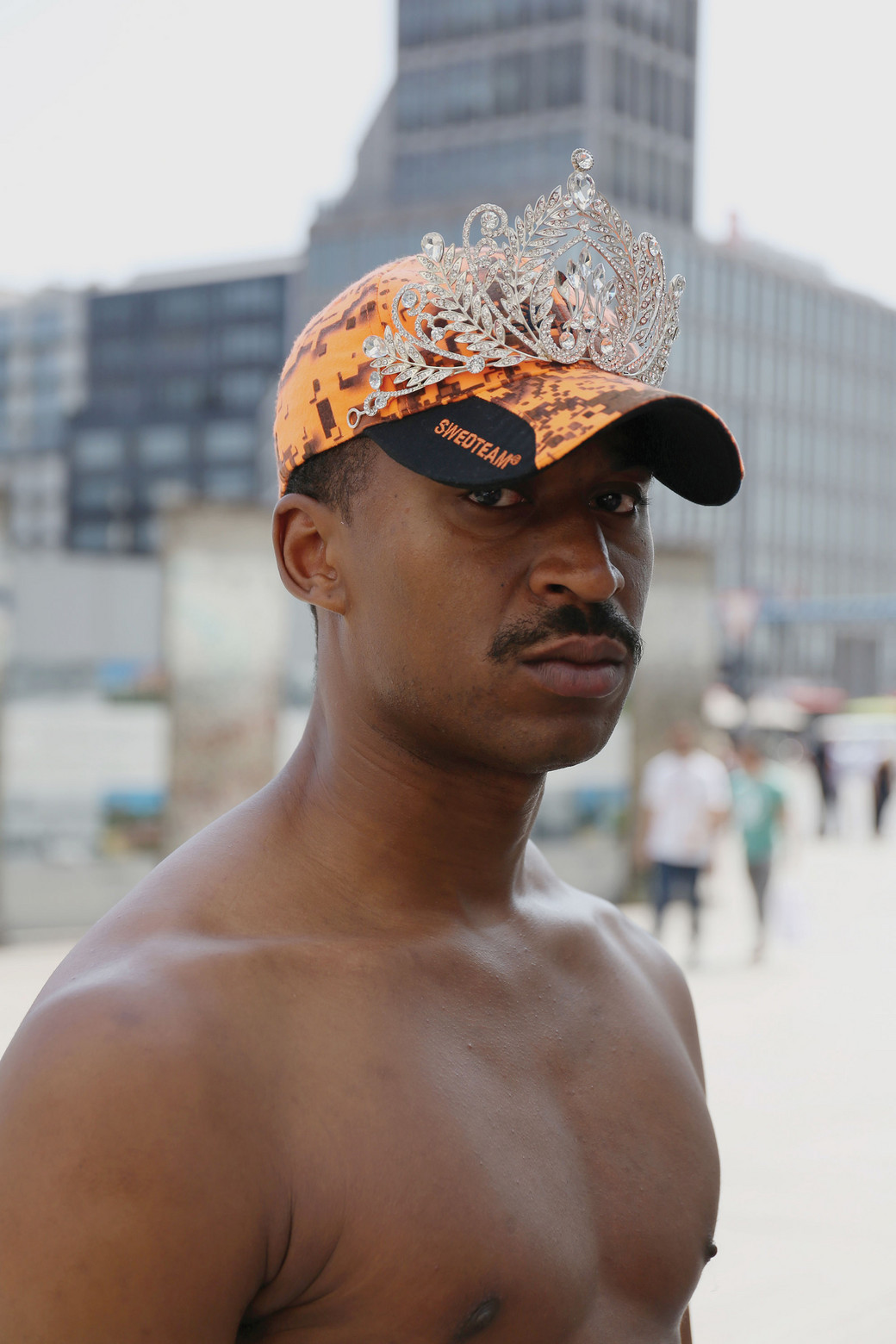
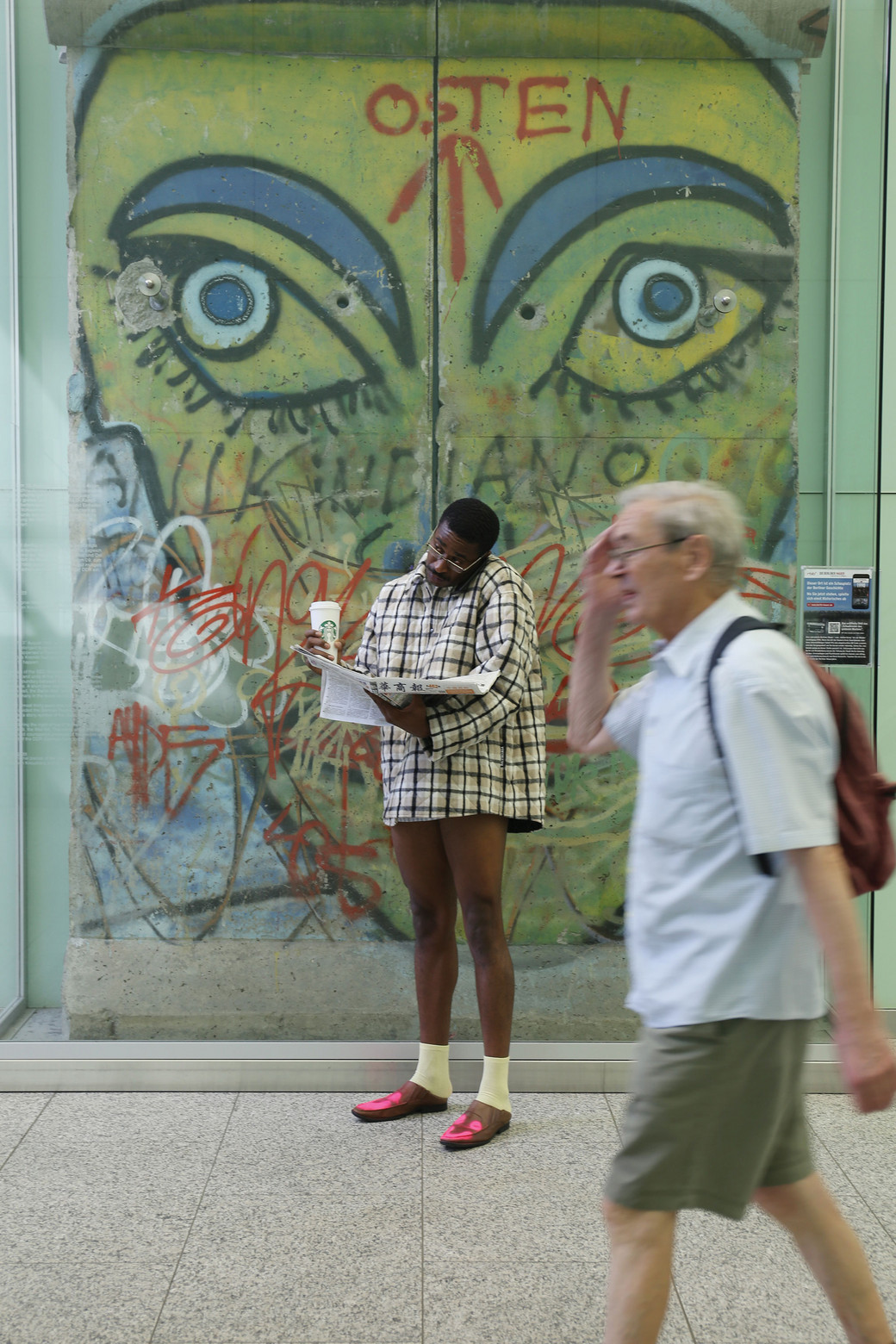
The second chapter, ‘Walls,’ which we’re dropping exclusively below, grapples with the theme of borders in an entirely different way. Comprised of two parts, the first shot by photographer J Ari King, and the second by Henrik Alm, this section explores variations of borders that occur both naturally and artificially within a given landscape. Inserting 3D sketches of the historical Greek columns, icebergs, plots of land, and concrete walls, as well as images of model Josh Johnson in front of German landmarks like the Berlin Wall, the photographers demonstrate that though we are surrounded by examples of division and separation, these examples should not inform how we regard one another.
"With the book, we want to propose, instead of otherness, we want togetherness, coming a bit closer to one another and just seeing things in a different way," the publishers explained.
BORDERS serves as a beautiful reminder that there should be none. We should all take a page from this book.
office caught up with Walker and Haal to discuss BORDERS. Read our interview, and view images from ‘Walls,’ below.


Tell me about Borders.
Nicole & Anders: The book itself consist of 4 chapters: ‘Proxima B / Temporary Planets,’ ‘Walls,’ ‘Post a story of the protest, later delete it,’ and ‘What We All Do.’
In ‘Proxima B / Temporary Planets,’ Alex de Brabant presents parts of HAAL S/S ‘19, as well as the HAAL Duplex Lens depicting Earth versus Proxima B, the planet predicted by Stephen Hawking as our second home to be—our second chance after the ultimate fuck up. With ‘Walls’—borders are carved into the idea of the landscape of our planet. In this chapter, we have images by photographer J Ari King from different places around the globe, along with inserted 3-D sketches of the domesticated fence, the historical greek columns, the concrete wall, the ever sinking iceberg; photographer Henrik Alm also shot performer Josh Johnson by the remains of the Berlin Wall, as a good reminder that we don’t want history to repeat itself. In Chapter 3, photographer Chris Maggio’s photos portray the reality of everyday human life in America, and in “What We All Do,” Valter Törsleff documents his close friend Sasha Melnychuk and their trip on the French Riviera. We all sleep, fuck, eat, drink water, cry, smell, and take a shit.
What was the impetus for curating the book?
Nicole: I have been upset for years—upset about Trump becoming president, about right wing and Nazi parties growing bigger all over Europe. So, I felt that I had to do something that speaks for the opposite of all that, opening minds and eyes for peace—a book that questions the ideas of borders, which also define today’s media landscape, but to do it in a rather poetic way. I approached my friend Anders Haal, and we decided to make it happen together. The goal: making a book that questioned the separations between humans, the idea of we versus them, and showing absolutely zero tolerance for racism.
What do you hope to achieve with it?
Anders: With the book, we want to propose, instead of otherness, we want togetherness, coming a bit closer to one another and just seeing things in a different way. Also, seeing that we, as creators within the fashion and art community, have the power to raise our voices louder, to fight hate and racism in every possible way.
Why do you think now is such an important time for a project like this?
Nicole: There is a lack of belonging in today’s society—the world and the universe feel bigger than ever with all the information we’re constantly being fed, and scientists finding new planets in the galaxy every day. Now is the time to be closer and to break down our own personal borders. There is no them—only us.
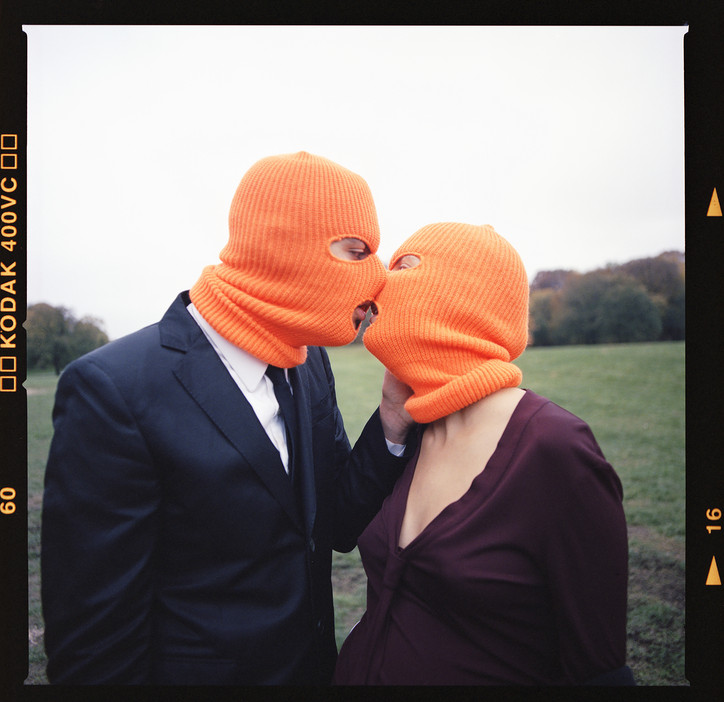
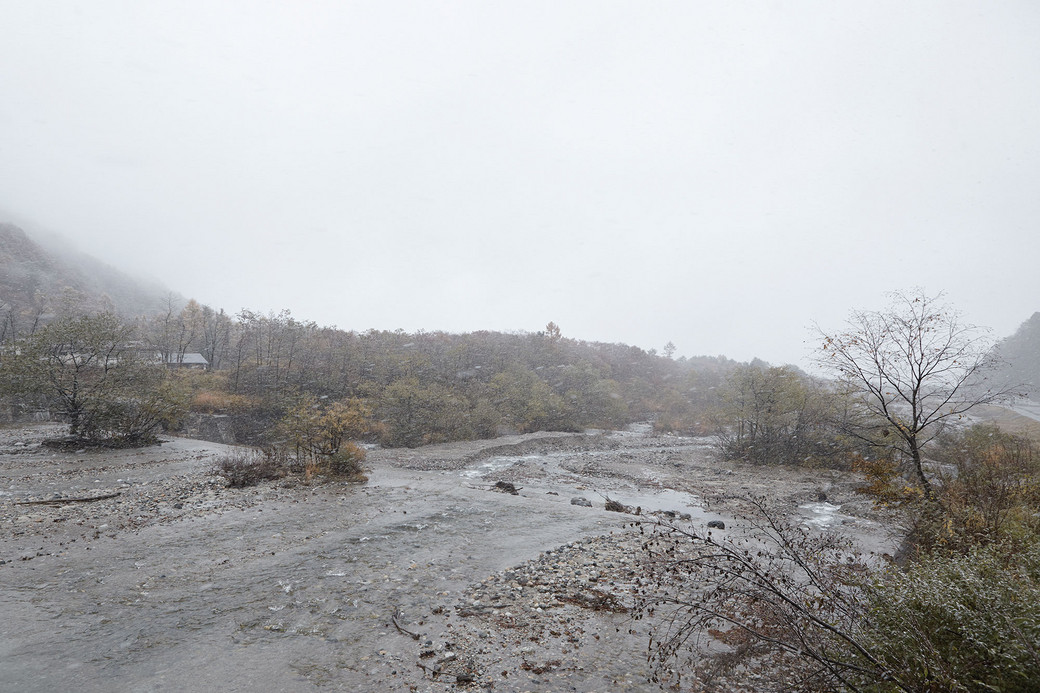
Chapter 2.1 'Walls:' Photos by J Ari King, 3-D Modeling by Malcolm Carter, Art Direction by Nicole Walker & HAAL.
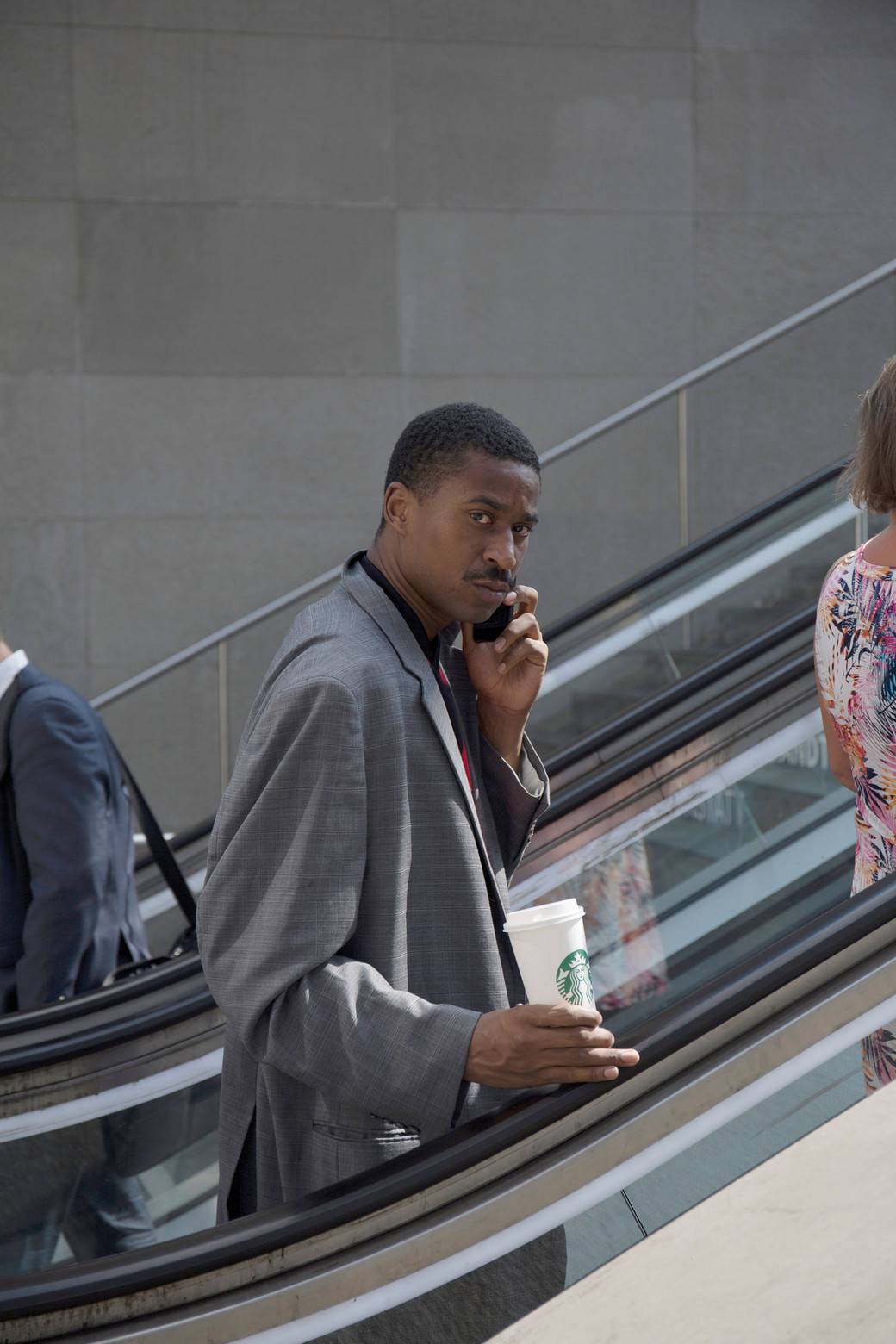
Chapter 2.2. 'Walls: Power Dressing:' Photos by Henrik Alm, Casting & Styling by Nicole Walker, Art Direction by Nicole Walker & HAAL, Styling Assistant: Freia Fee Wolter, Model: Josh Johnson wearing Balenciaga, Burberry, Calvin Klein, Dick International, Dressman XL, Martine Rose, Starbucks & XXL. Shot on location in Berlin.
All photos courtesy of Nicole Walker & Anders Haal; book supported by Swedish Fashion Council.
'Borders' is out now.

Tell me about the show.
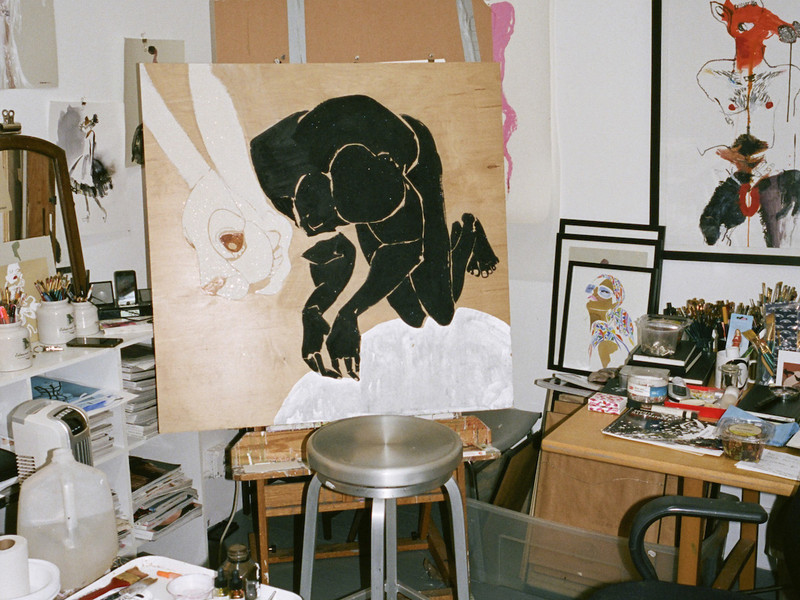
Well, we were staying in Vermont for a month, in the forest, out in nature, and there was a little stream where I would mix the paint with the water from the stream to make the works. It was really fun.
Where are you from originally?
Japan, but I’m based in New York now. I moved here 15 years before my daughter was born, and when I was pregnant, I went back to Japan to have my first baby. And after that, we’ve been traveling.
How would you define your style as a painter?
Rubbery hand, maybe? Or comedy. Something like life—it’s hard to explain.
Comedy, I love that.
I’m from a comedy town—Osaka. They have a comedy university. I didn’t go there, but people go there and become comedians, goofy people.
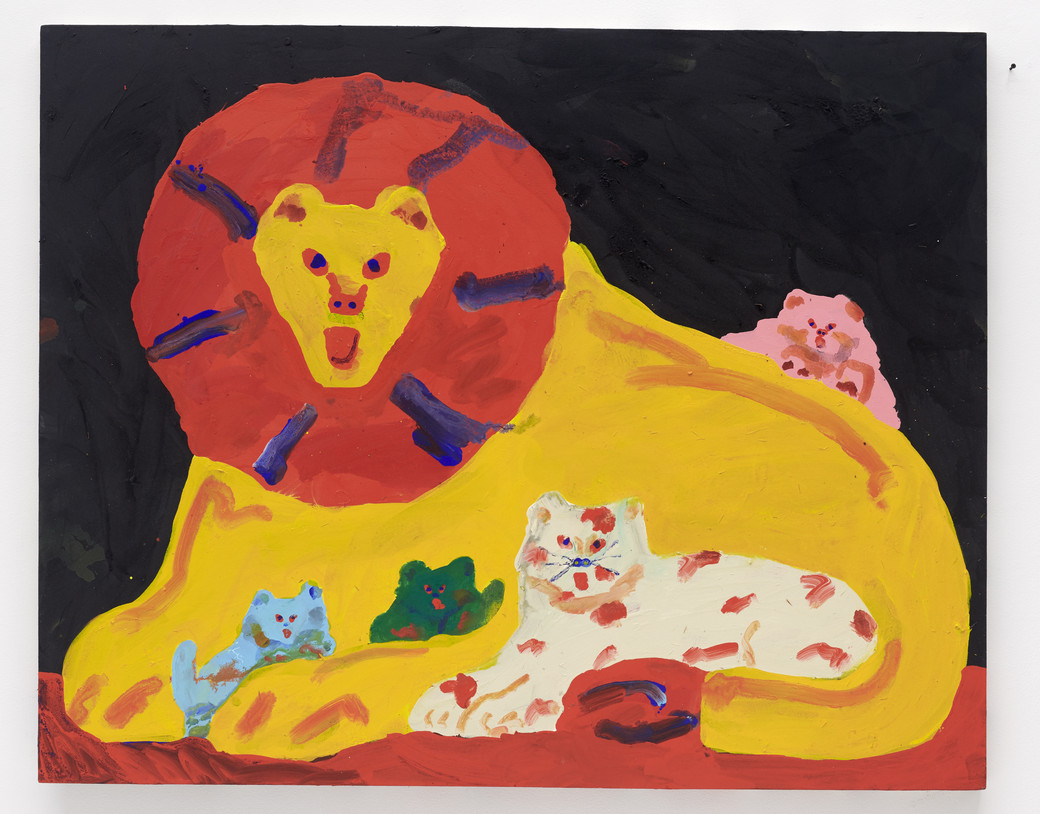
Your work definitely makes me smile, especially the cats. Do you have any cats?
No—maybe my imaginary cats.
Do you think of yourself as a Japanese painter?
I was born there, but I traveled after going to art school. I’ve explored many countries. Maybe I have a Japanese comedy soul, but visually, the colors, I don’t know if that’s from my country.
Do you feel like it has a cartoon aspect, like anime?
I only watch a couple of cartoons. I love cartoons, but I don’t really get into them—I don’t read Manga or anything.


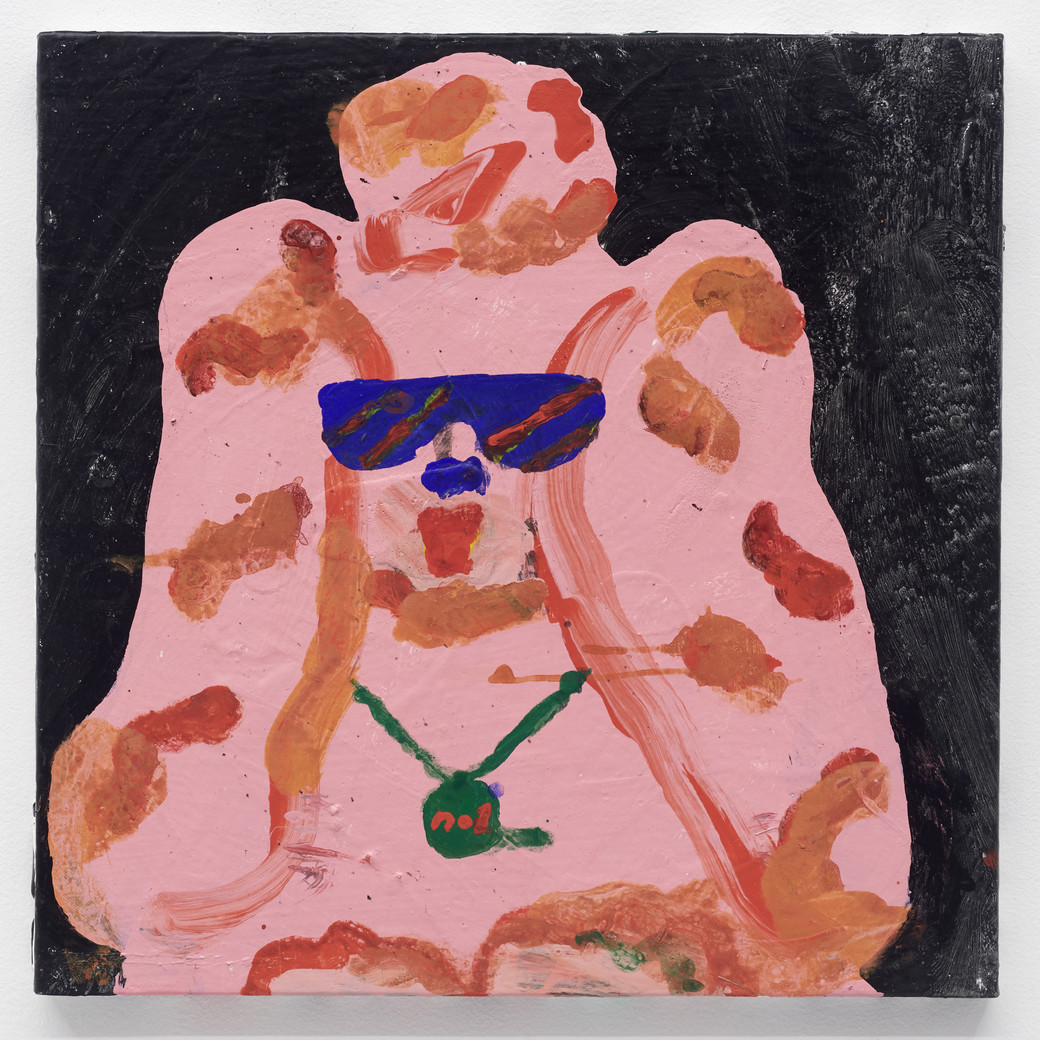
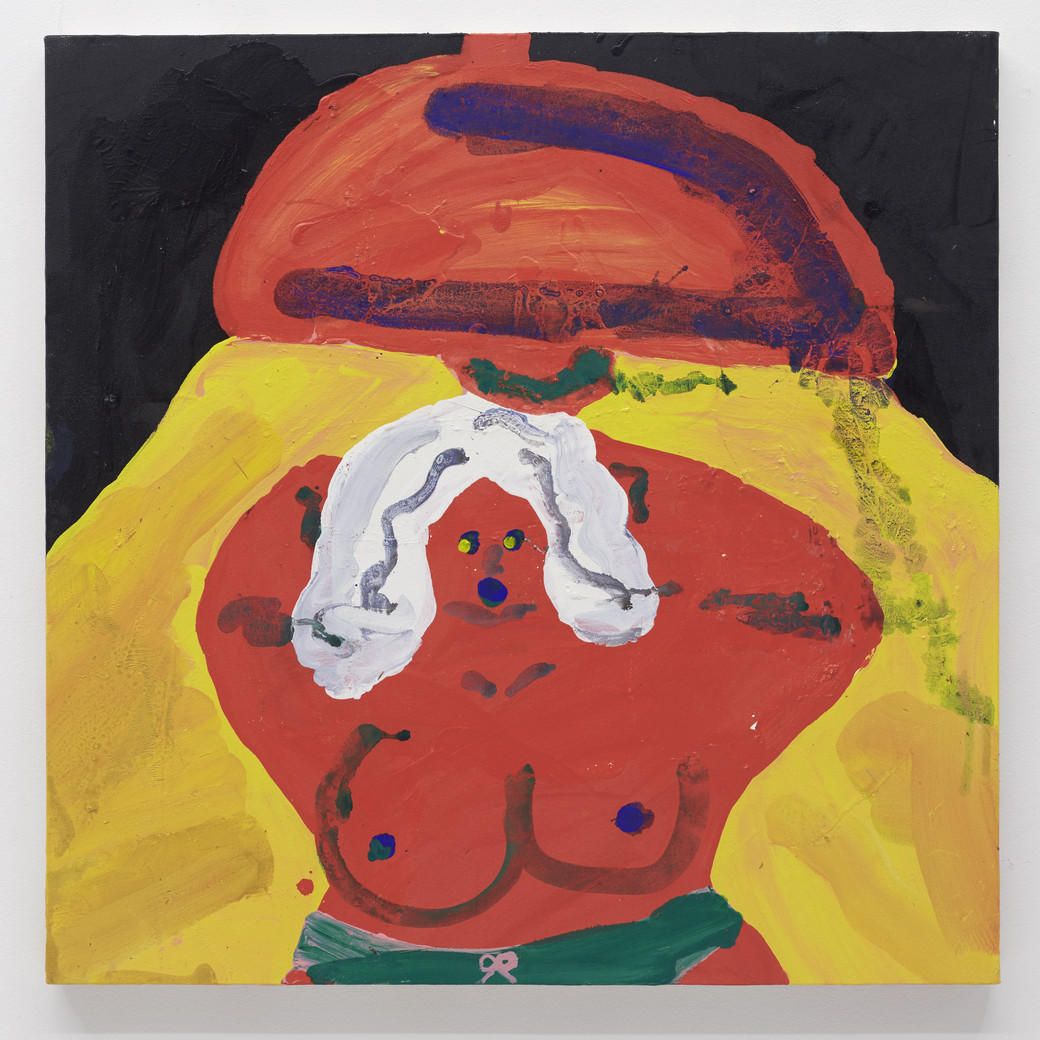
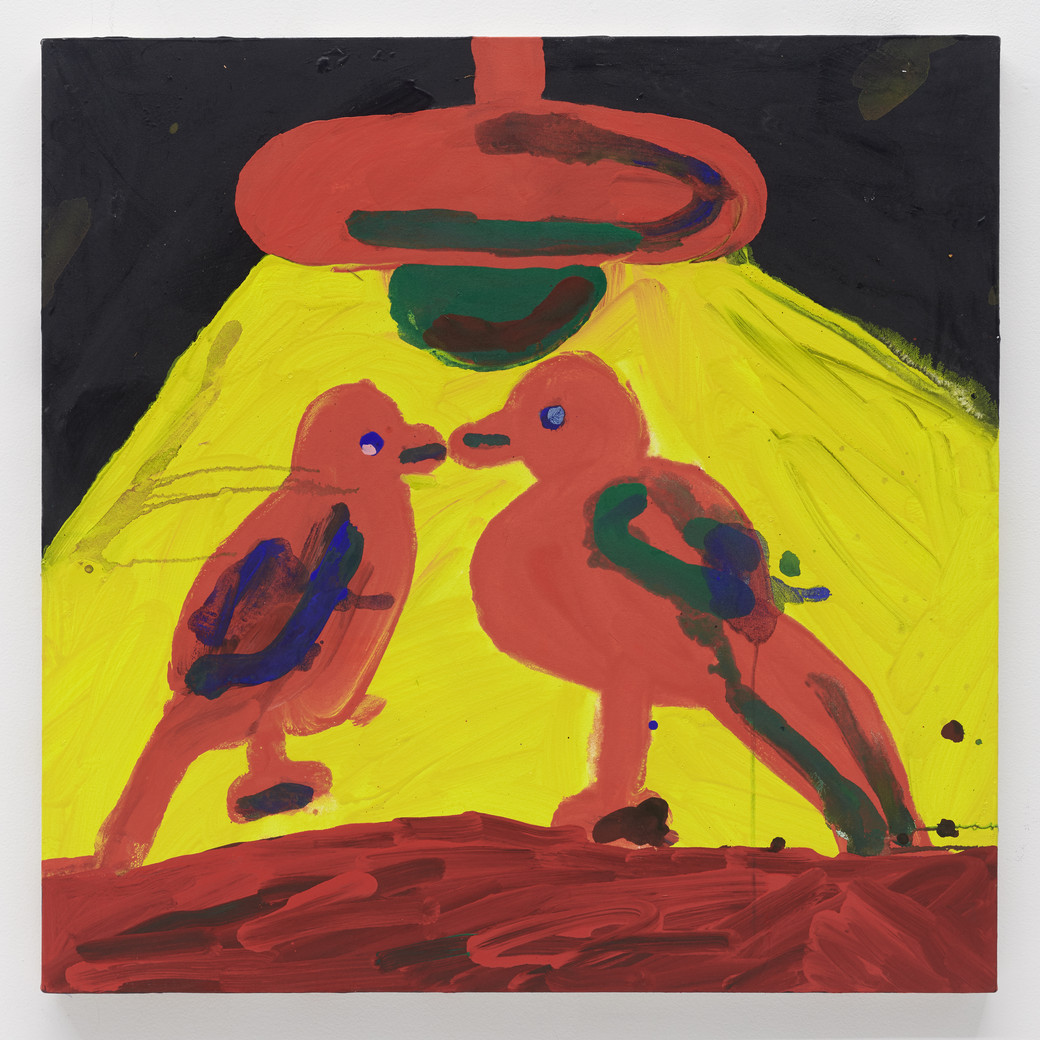
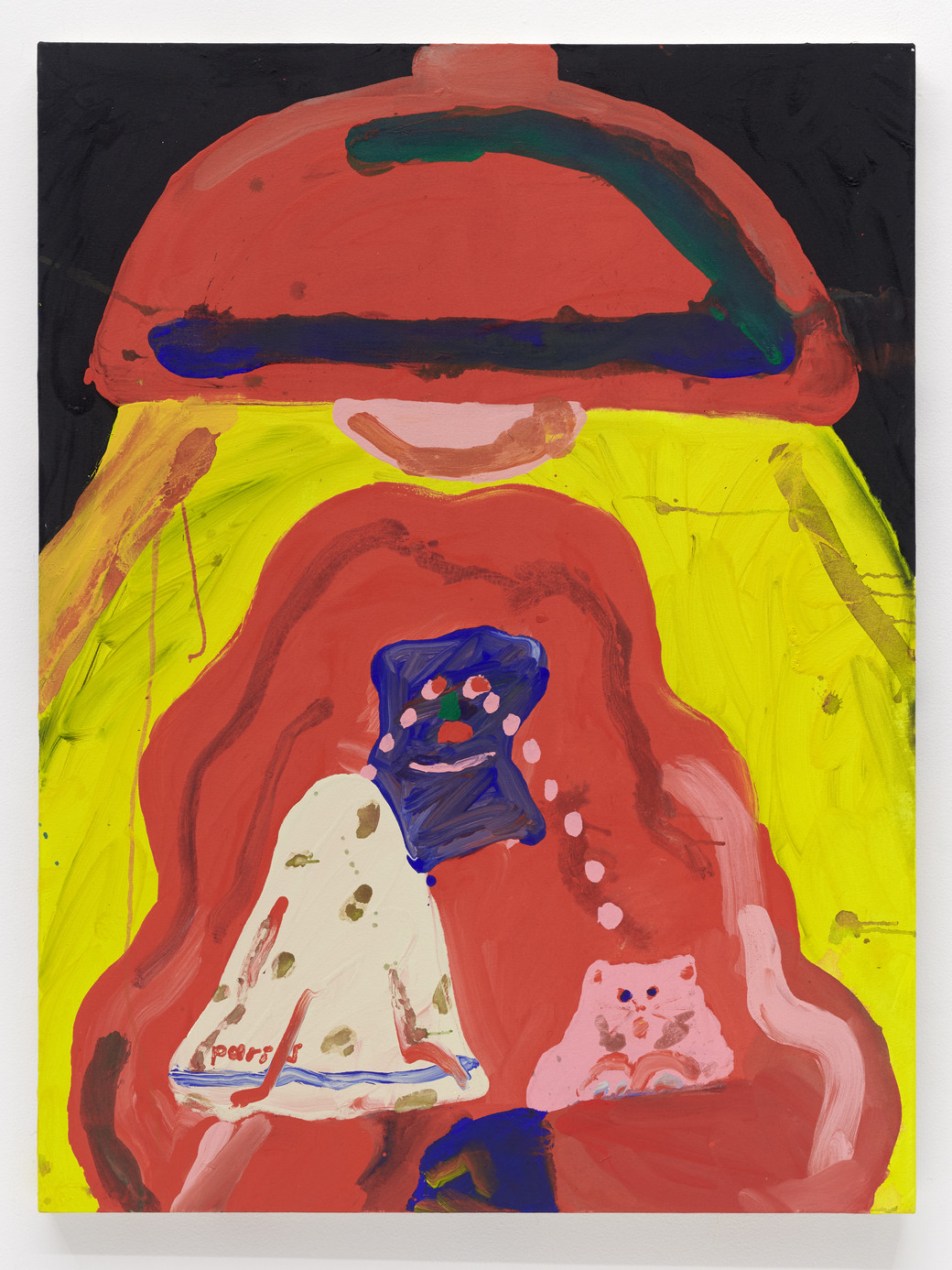
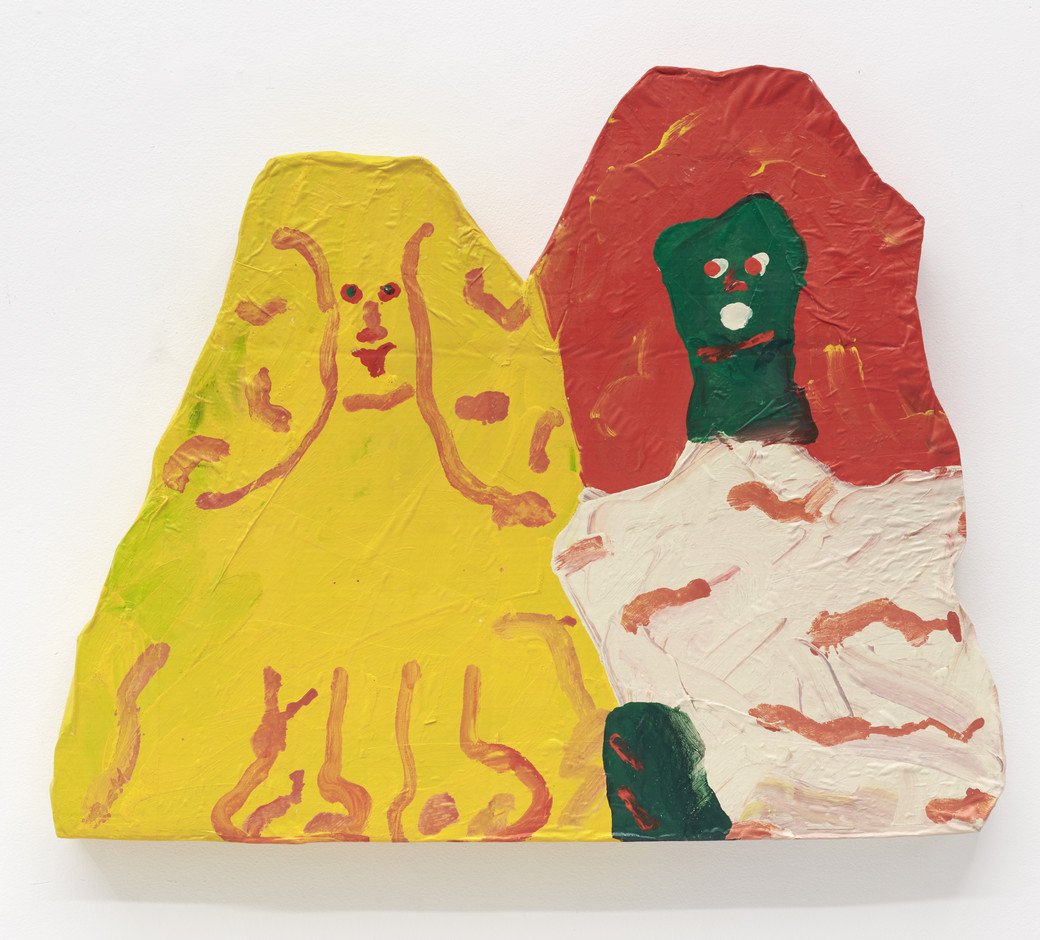
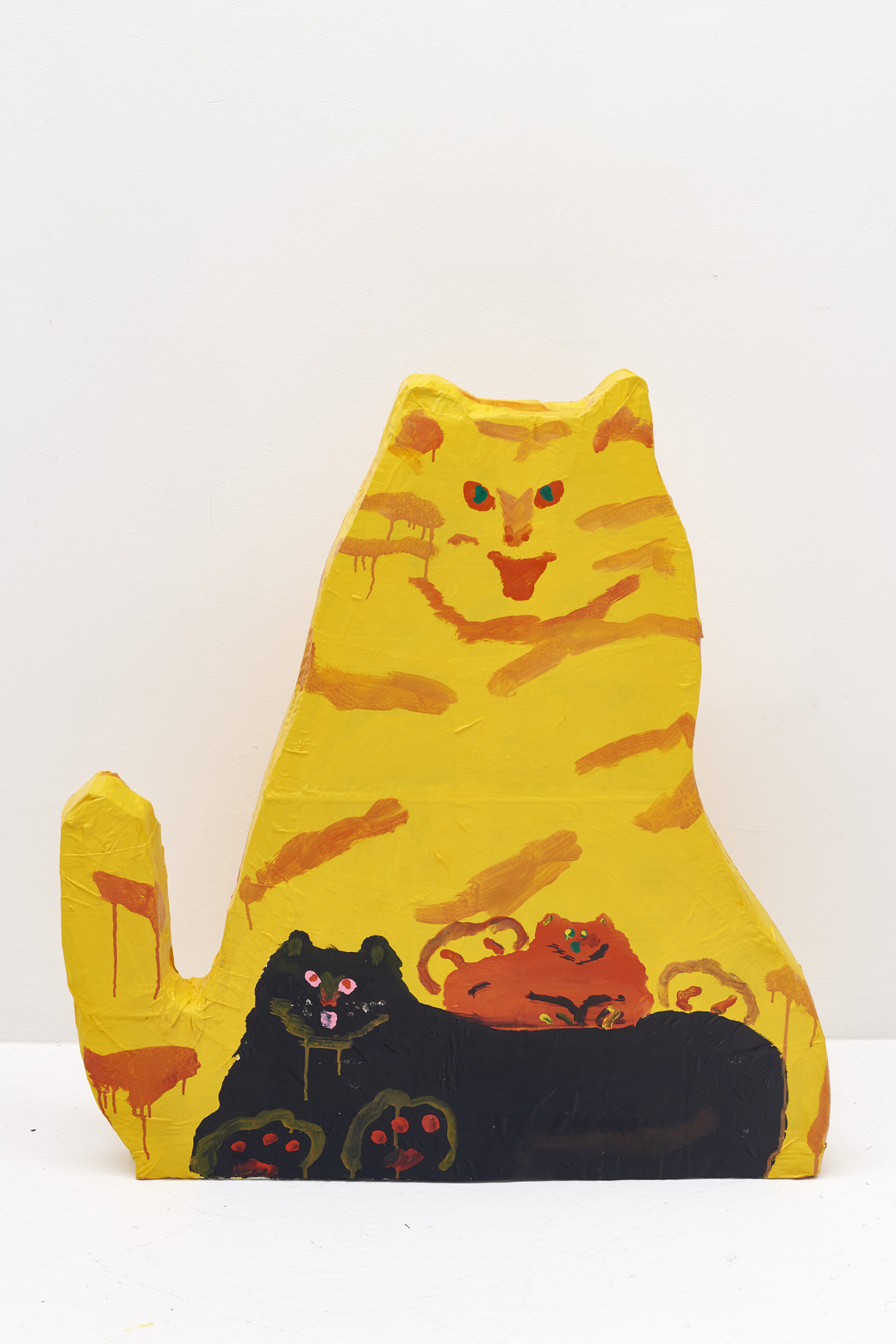
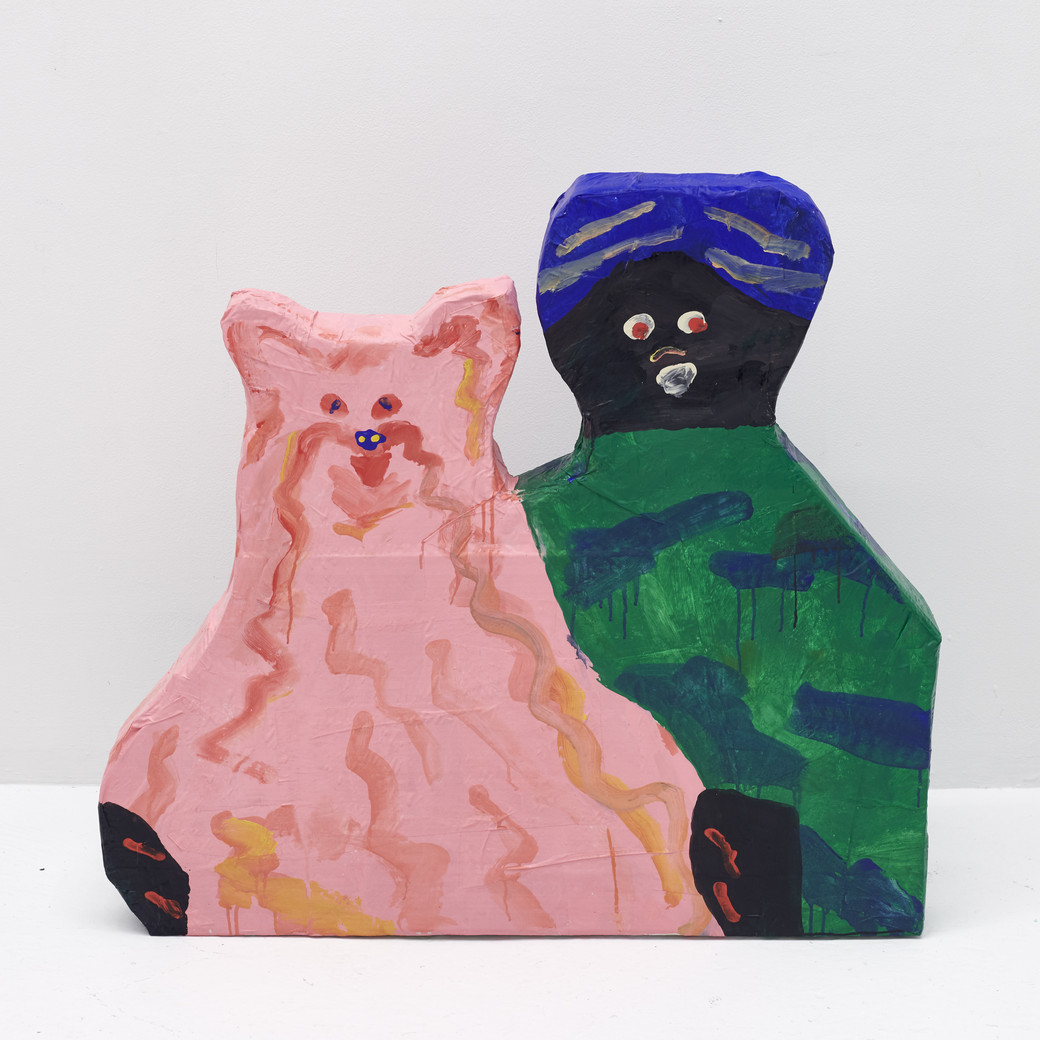
Above: 'Chinatown Cat' and 'Fluffy Date.'
Do you watch cartoons with your little girl?
We have no TV—for over ten years.
Why?
I don’t know. I watch some stuff sometimes online, but without a TV, we can do more creative stuff. I think TV is also fun, though.
So, you were staying in Vermont. How did that affect your work?
It was very nice—the nature, the wild. And in the nighttime, you couldn’t see anything, only by moonlight. That’s amazing. It gave me a free mind just to paint, nothing else, which is very amazing.
Was it really quiet at night, like almost scary quiet?
Actually, it wasn’t scary at all. It was very peaceful. I didn’t see anything crazy—I just saw lots of animals and nature.
It seems like animals are really important to you.
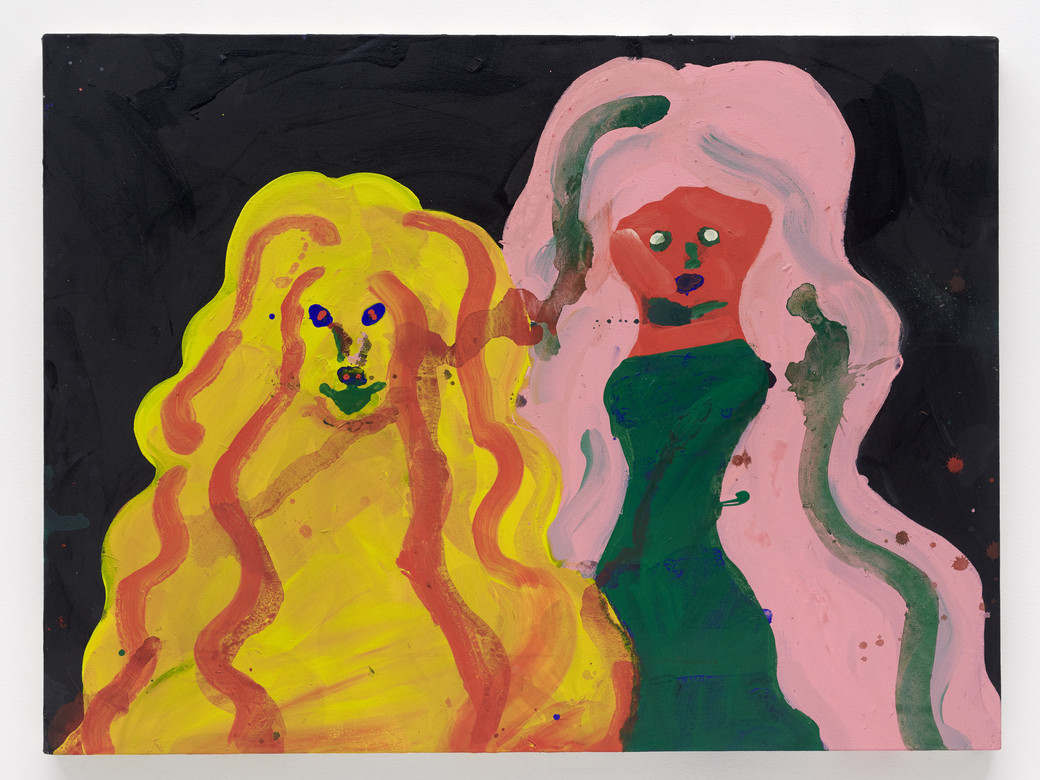
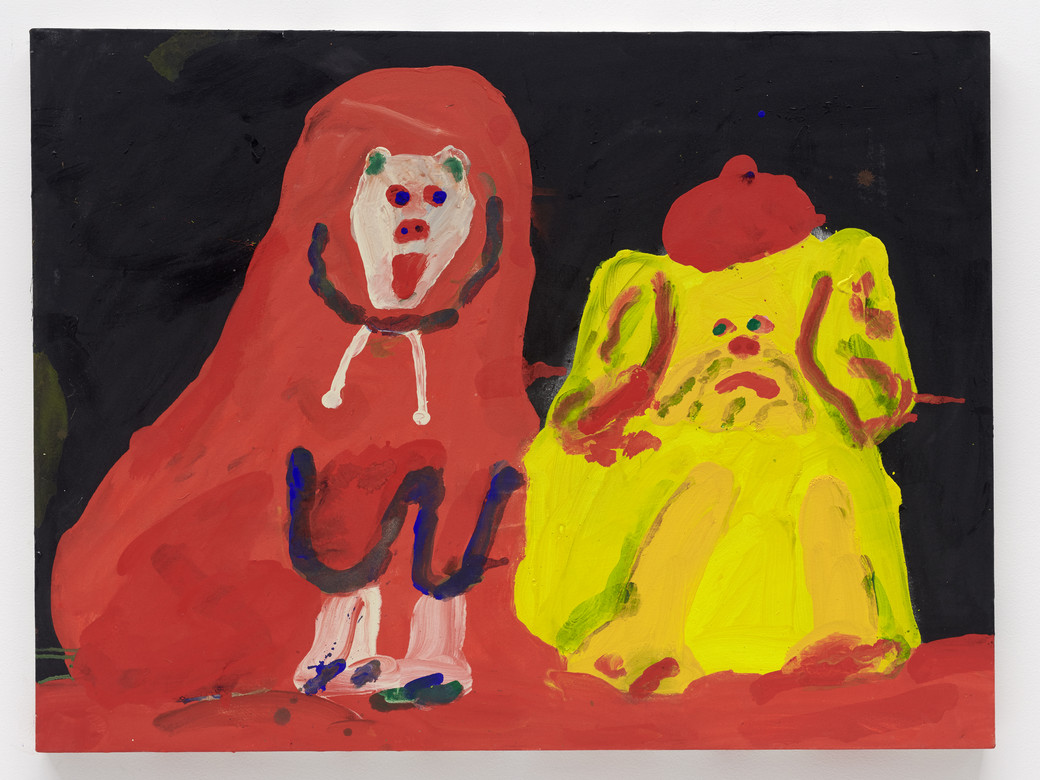
There are so many hairy, goofy, cute animals. I like hairy animals. Hair makes them more goofy.
What kind of animals do you like?
It could be a camel, a panda—it would be nice to have a panda in your apartment, right? Sitting on the couch, hanging out.
Do you ever come up with names for them?
Yeah, sometimes.
Do they have stories?
These are just moments from their whole lives—their whole stories.
Do you feel like your daughter has had an effect on your work?
I think so. She told me yesterday, I asked her, 'What do you like to do?' and she said she likes painting but she’s more interested in singing and dancing. We were listening to The Beatles at the time, and she wanted to go to a live show, but I had to explain to her that John—you can’t see him anymore. She said, 'Maybe I’ll make music with Paul.'


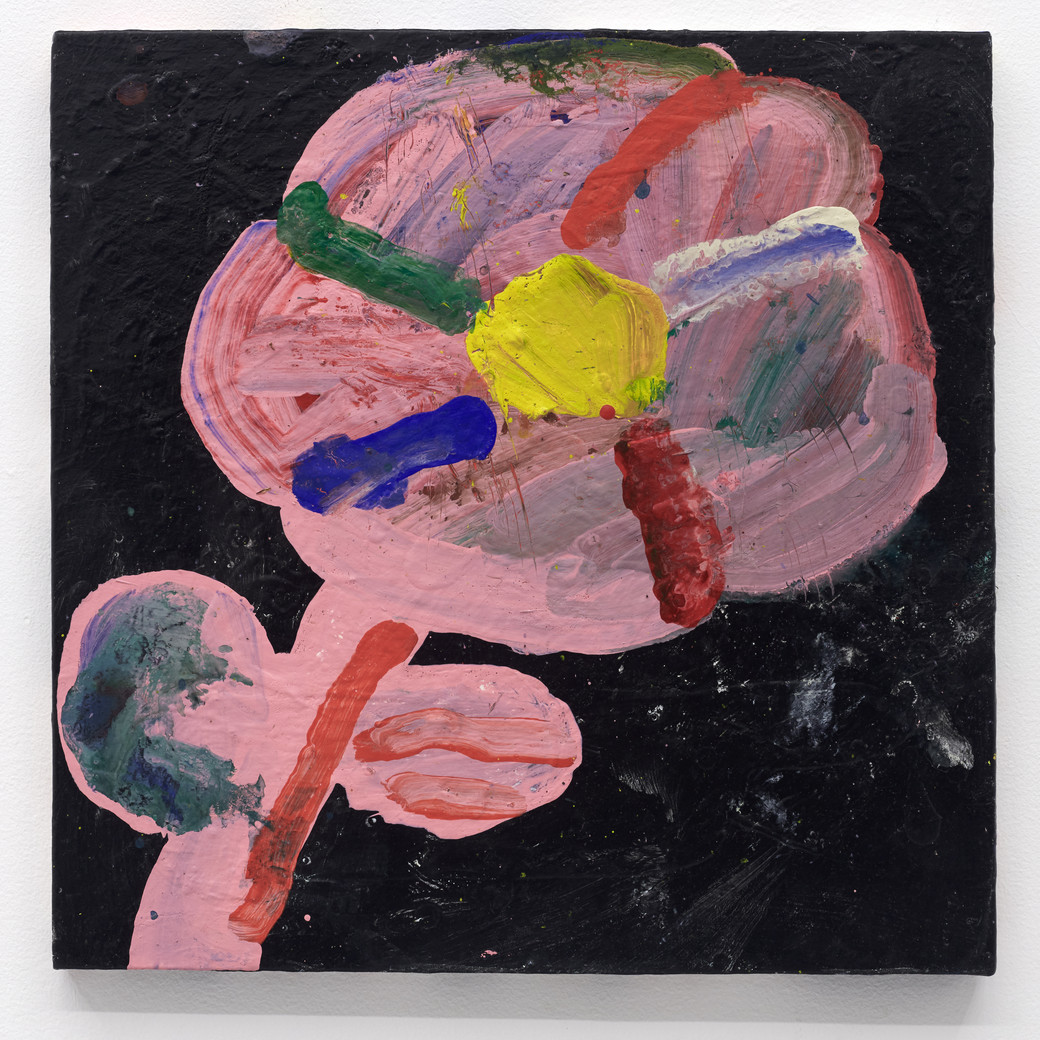
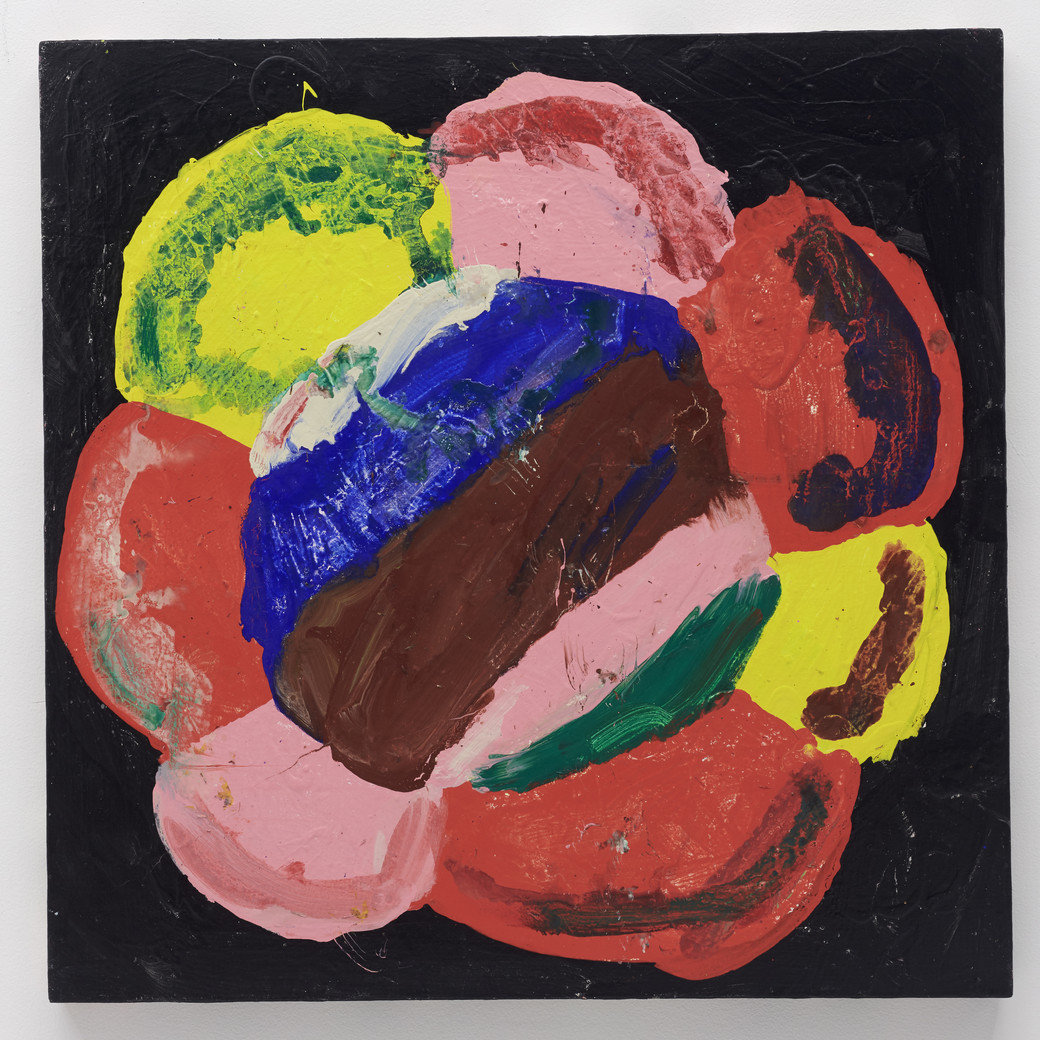
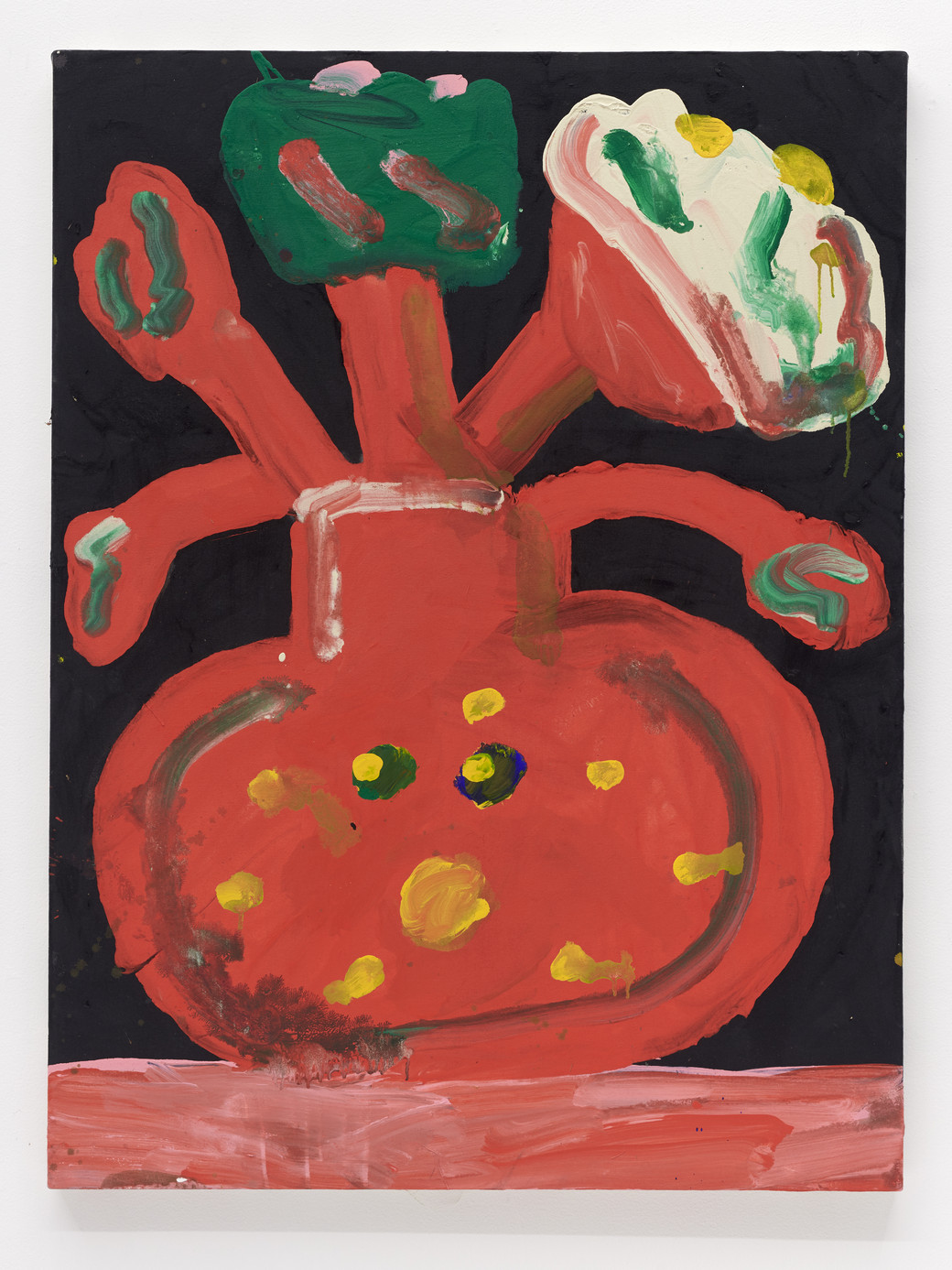
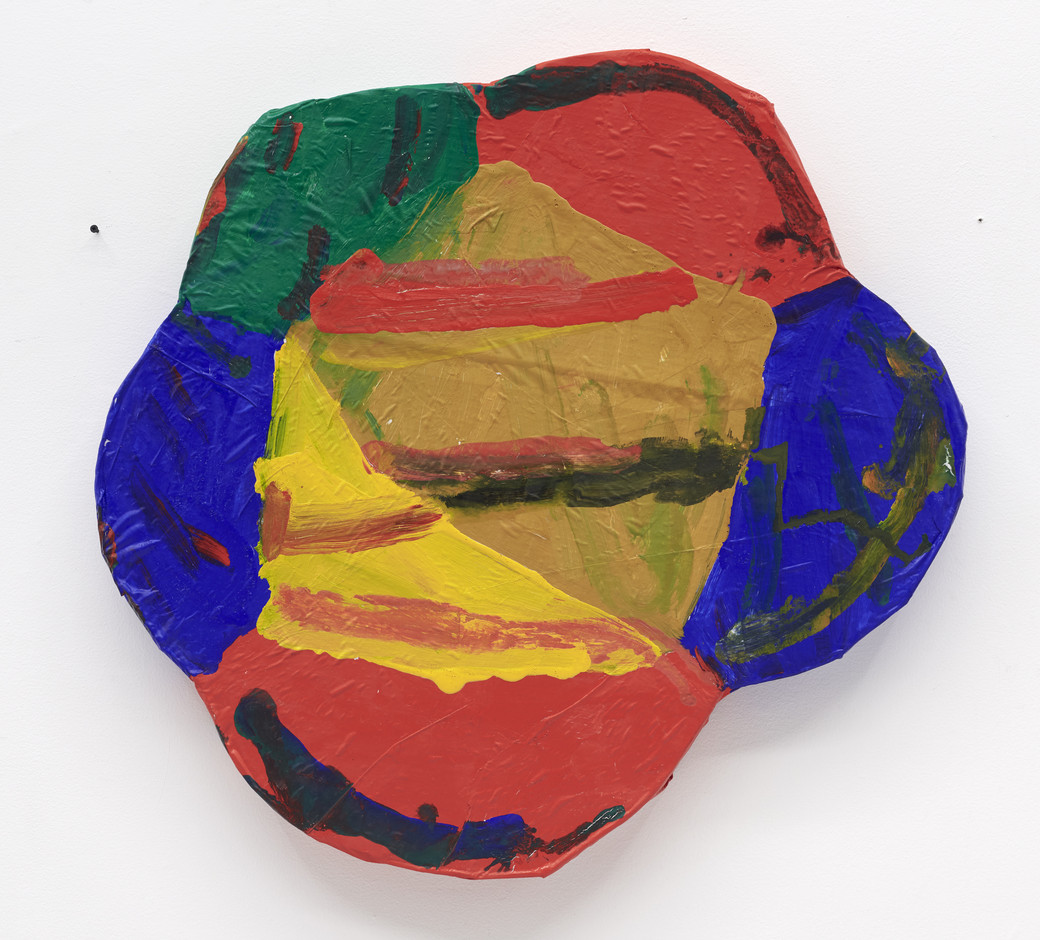
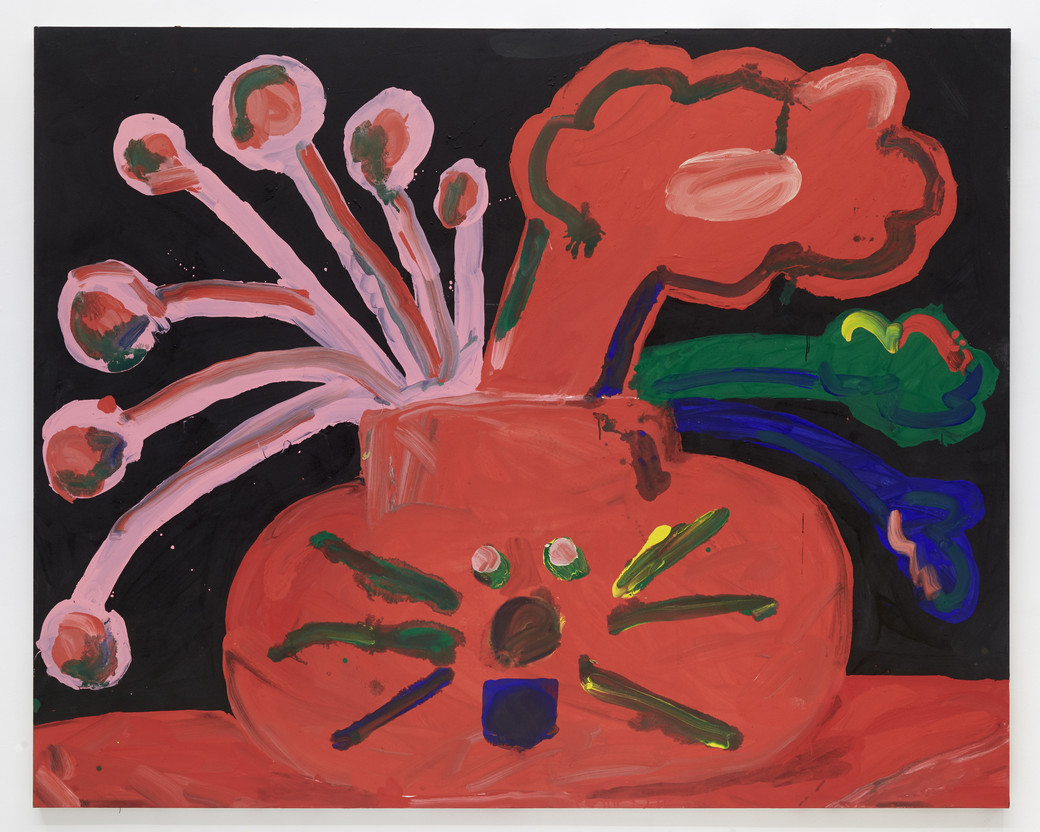
Above: 'Comb Out Hair' and 'Flower Candy.'
Your work has a lot of movement in it.
I think action is kind of fun. I like Jackie Chan—I’ve been a fan of Jackie Chan for a long time. He’s awesome.
So, there’s an element of karate?
Maybe—it’s something I like, so it could be a part of it. But naturally, it comes out in the work.
Do you study martial arts?
Not really, but actually tonight, I’m going to go see Xiao Ling Kung Fu.
Is that a live thing?
Yeah, my friend is in the class, and tonight the master is doing a demonstration, and the one master came from China and he has his own dojo. I’m very curious. And actually, when I was little, I studied Kendo, a Japanese martial art. I just picked Kendo—I don’t know why. My mom gave me a catalogue in the first grade and told me to pick something, anything I wanted. It was all sports, like karate or judo, or soccer—all kinds, like a YMCA catalogue. I don’t know why, somehow I just chose Kendo.
Do you feel like your animals are doing Kendo and karate?
Yeah, they’re very wild. You don’t want to get too close. But they know us. They’re just playing—they look wild, but their friendly.
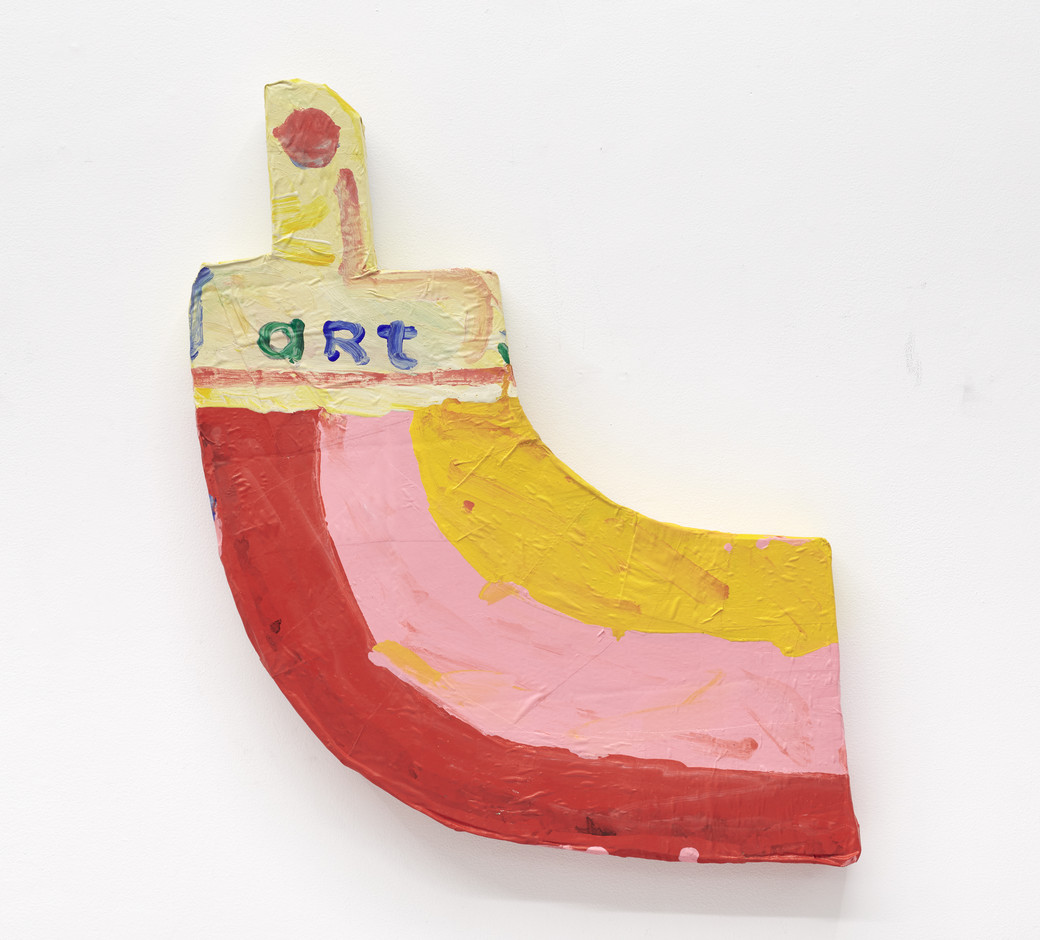
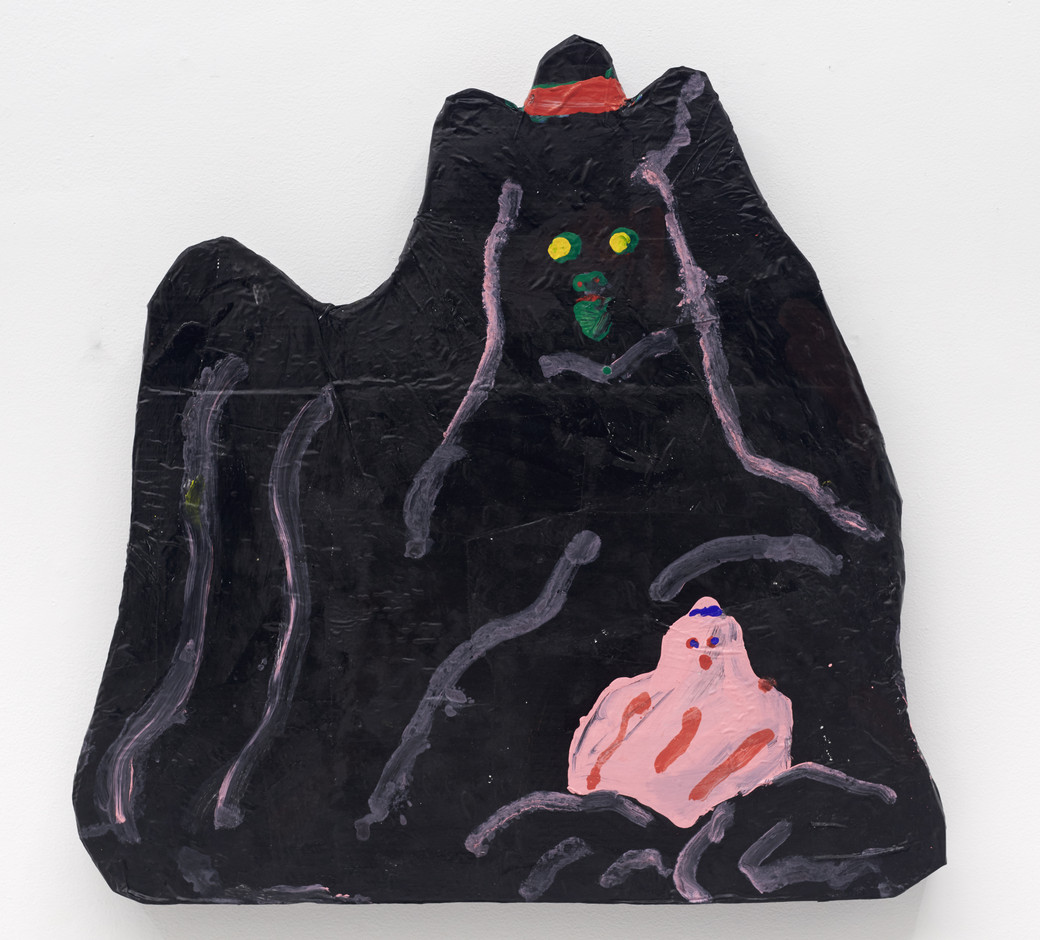
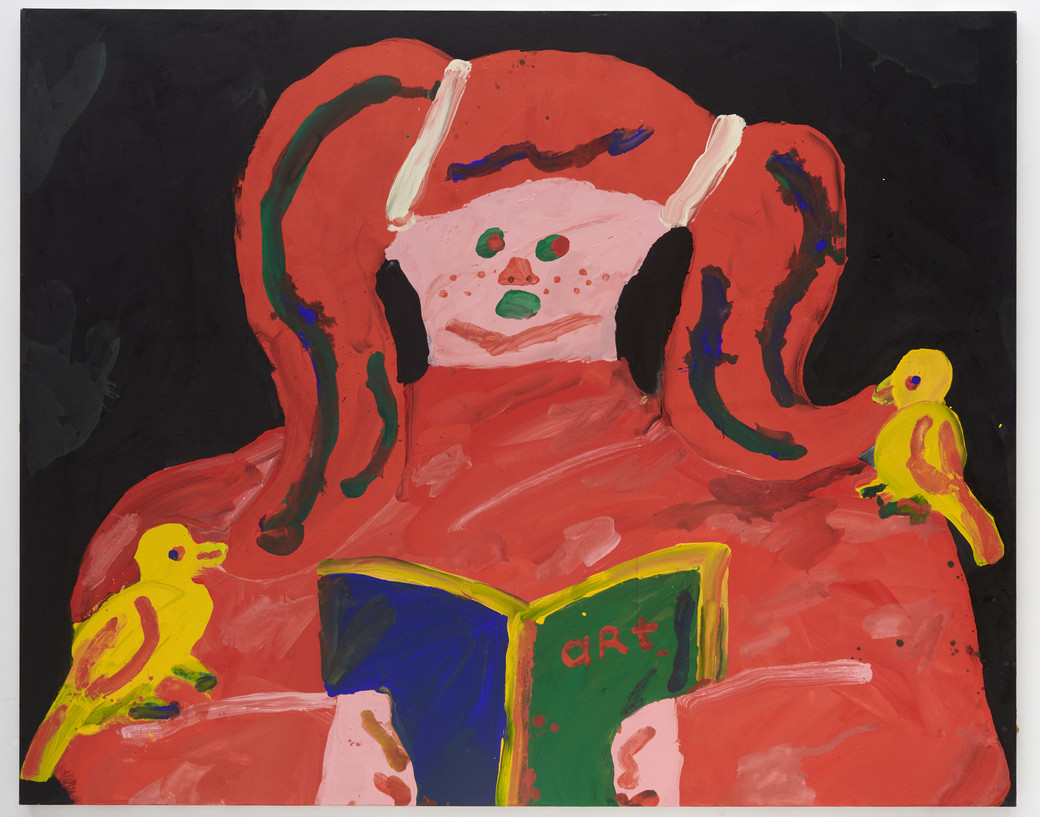
Cover image: 'Preppy Meow;' all images courtesy of the gallery.
'Pine Cone Times' will be on view at The Hole through November 11, 2018.