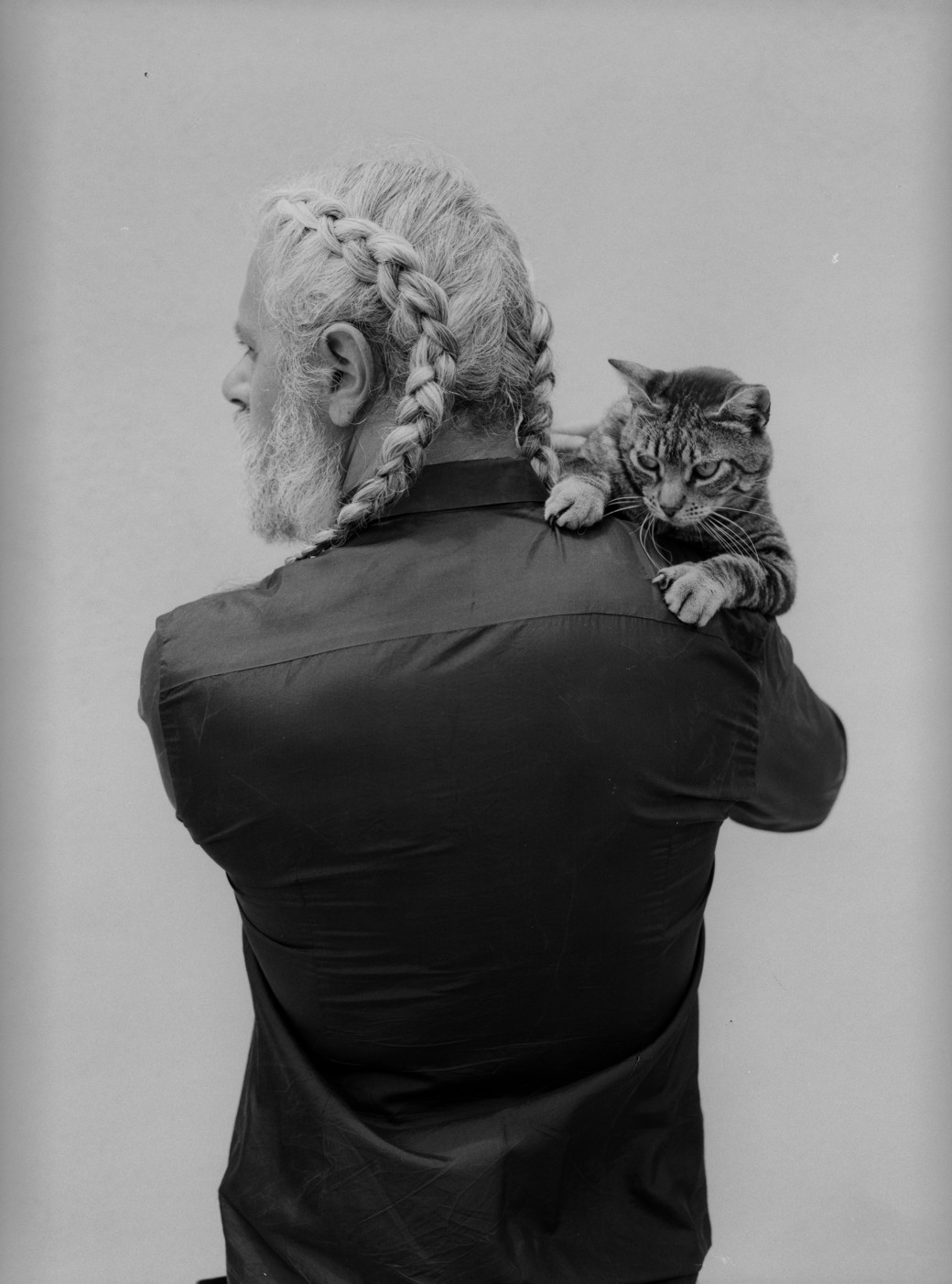
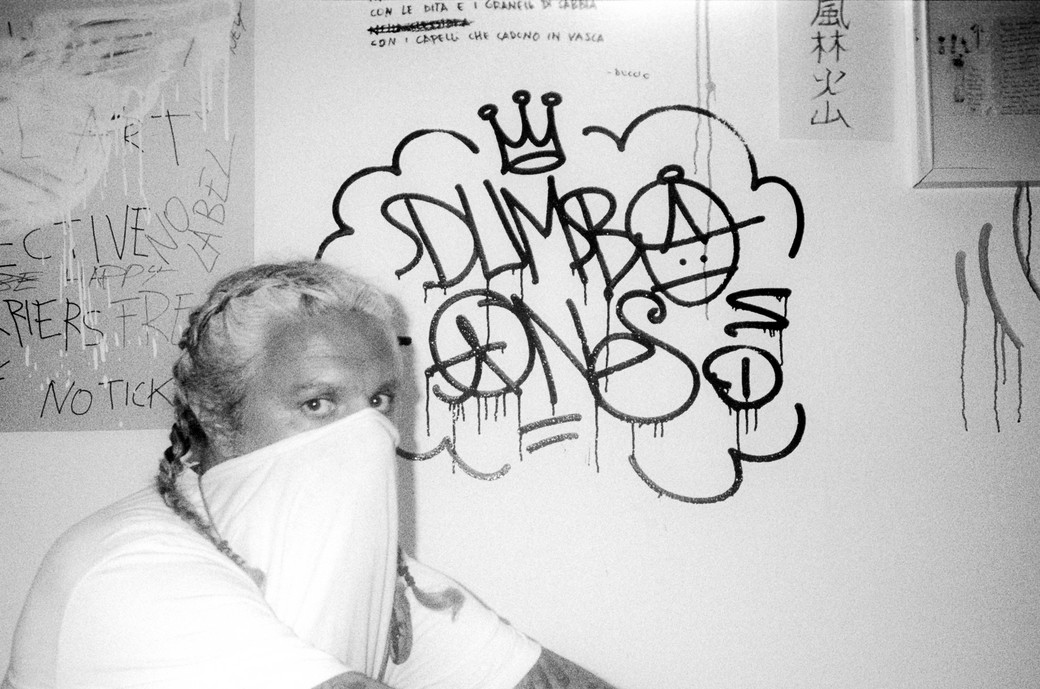
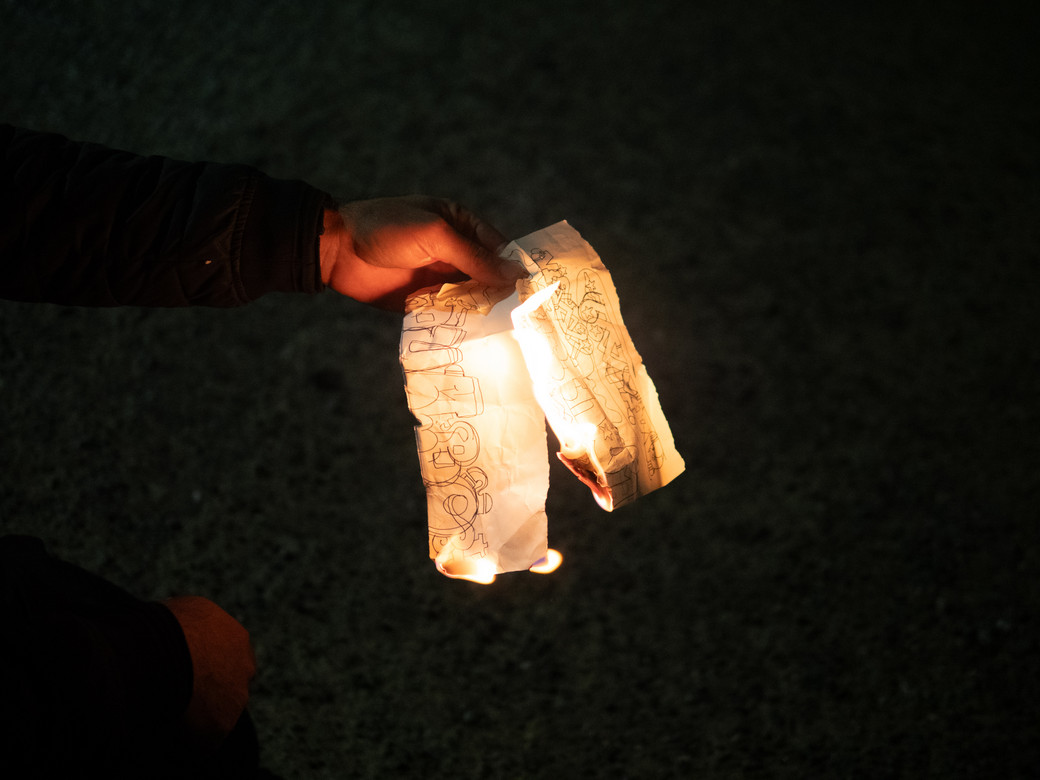
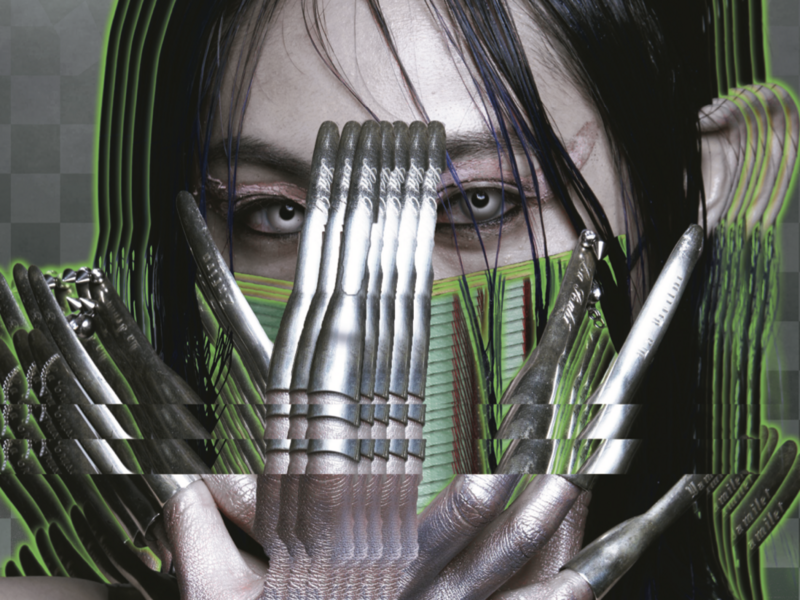
PRESENTE CONTINUO: the intimate ties between then&now

Starting May 30, PRESENTE CONTINUO will be available to purchase on presentecontinuo.com, cpcompany.com, and at the C.P. Company flagship store in Milan, Corso Matteotti 7.
Stay informed on our latest news!

Starting May 30, PRESENTE CONTINUO will be available to purchase on presentecontinuo.com, cpcompany.com, and at the C.P. Company flagship store in Milan, Corso Matteotti 7.

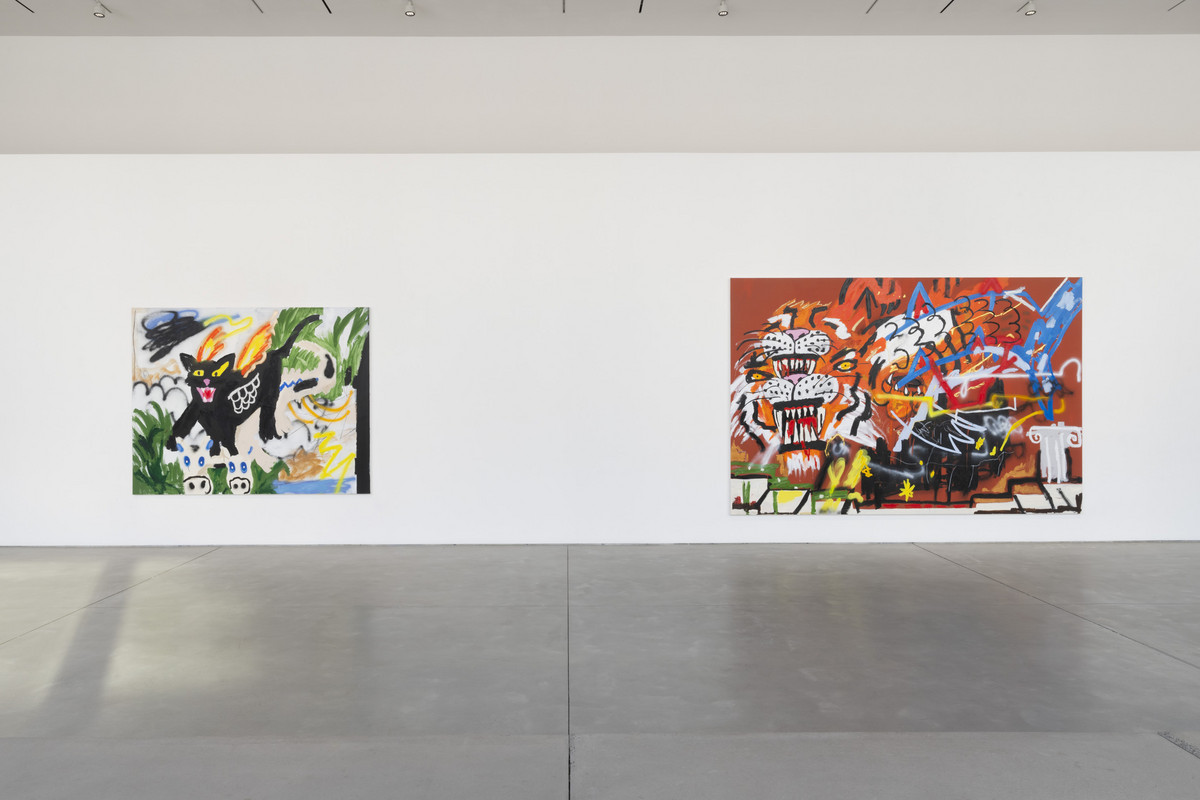
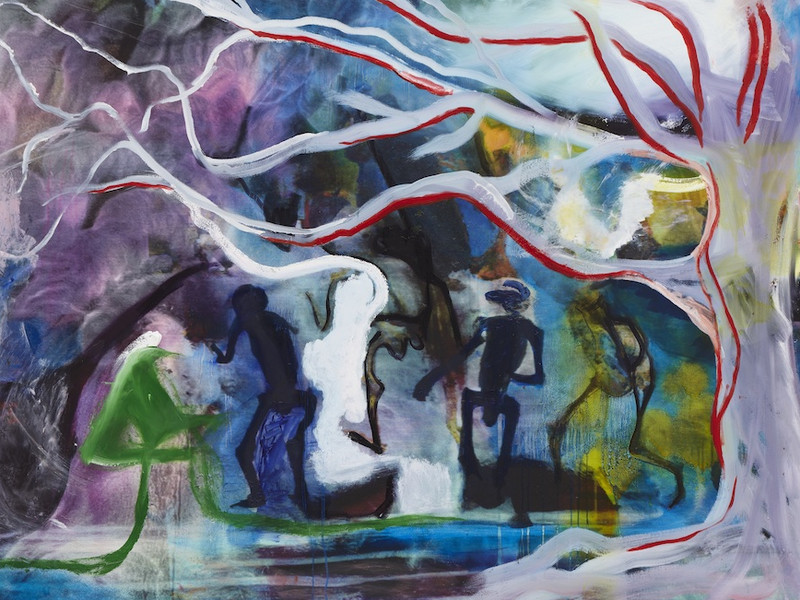
During a recent conversation, Nava described his process as one of unrelenting exploration. “I can’t really explain what they are,” he admitted. “I go for it with a lot of trial and error.” His paintings often begin with no clear subject in mind—just spontaneous marks that evolve into shapes and figures. “Sometimes it’s wolves, sometimes tigers, dragons, or death,” he said. “I go more for energy than subject.”
This organic approach drives Nava’s creative process. Paintings might start with a simple color gesture—a patch of blue or green—that mutates into something altogether different. “The painting starts doing its own thing,” he explained. “I don’t architecturally design a piece. I don’t paint like that.” Instead, Nava embraces spontaneity, building layers through impulsive movements and instinctual choices.
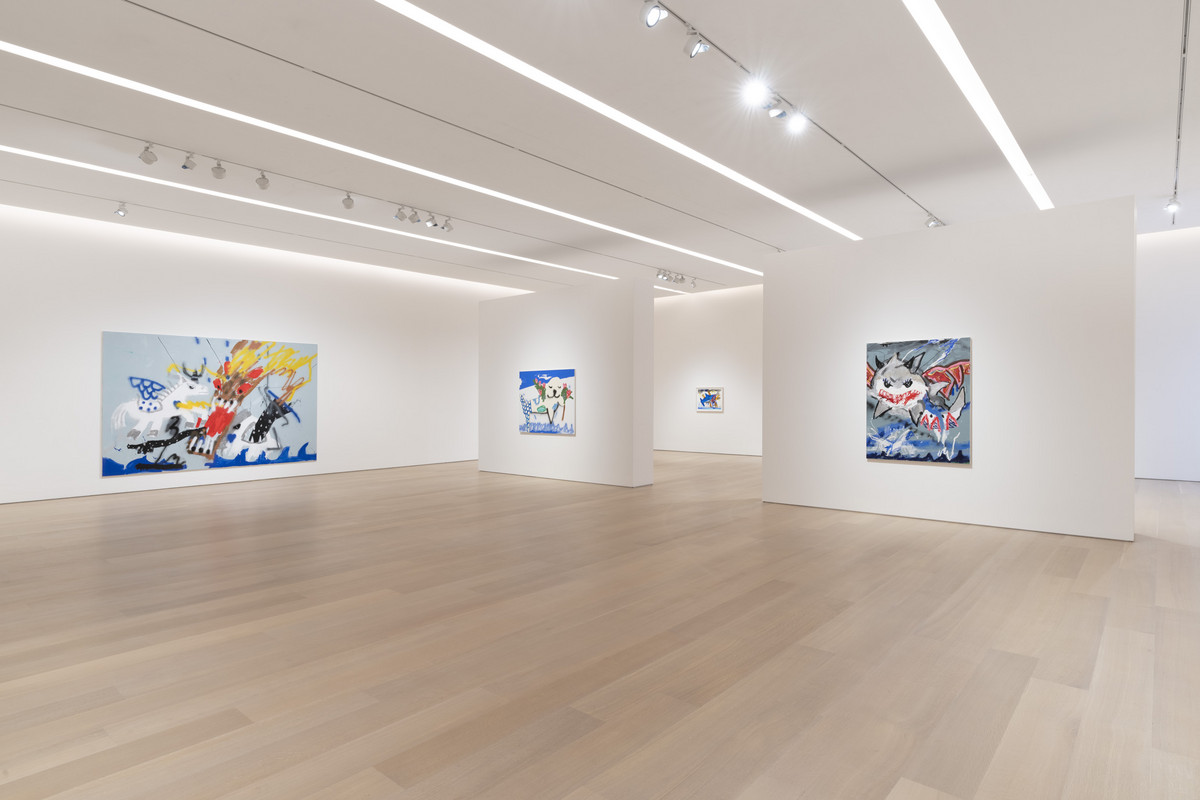
The new exhibition at Pace reveals an emerging fascination with certain recurring figures. “The bunnies started from abstraction,” Nava noted. “A cloud of paint turned into a cotton tail, and then they became two-headed rabbits with horns.” Other pieces emerged similarly, with vague ideas transforming into vibrant, chaotic compositions filled with fantastical creatures and imagined worlds.


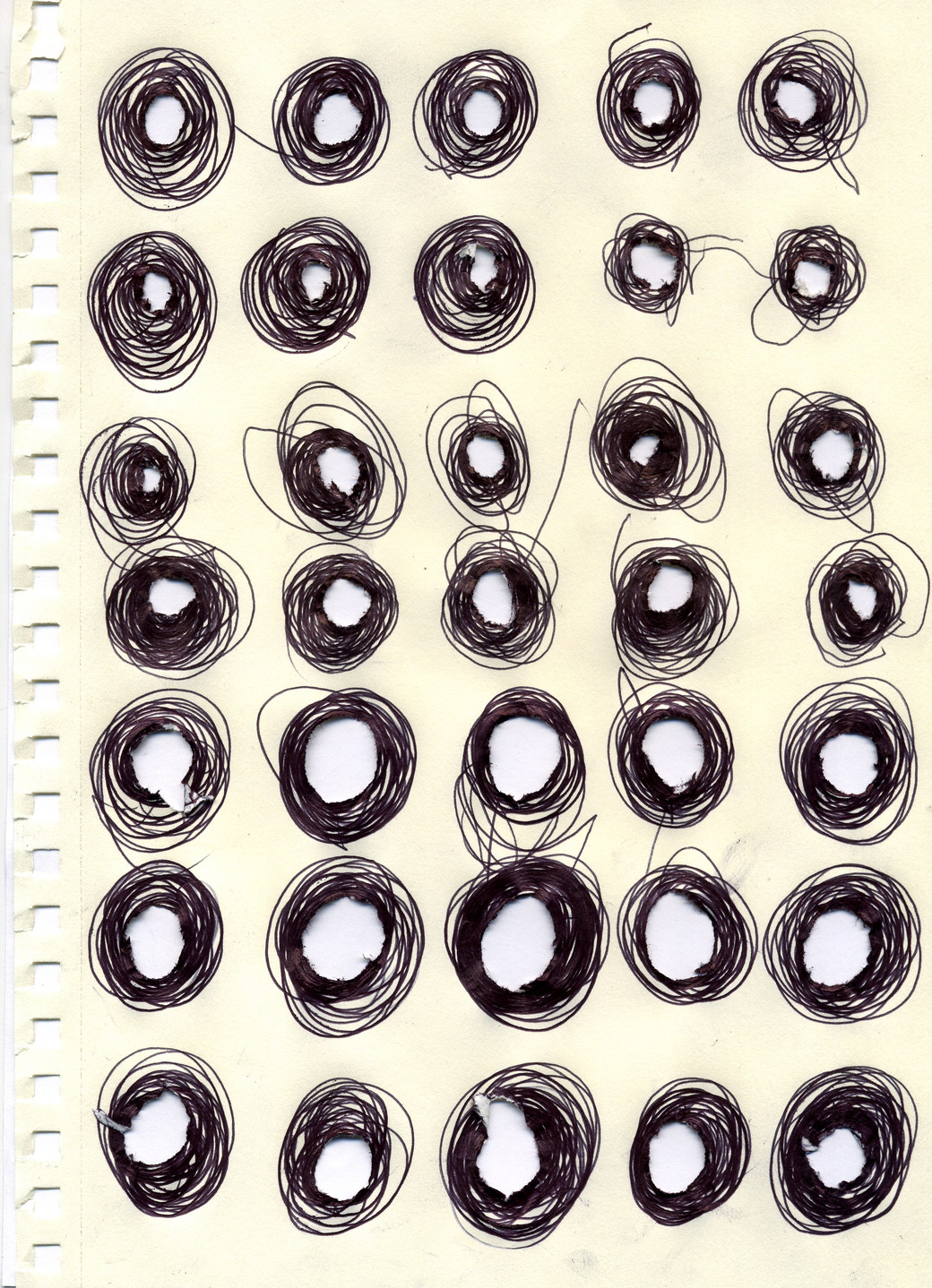
While Nava’s art appears unrestrained, he admits that refinement is part of the process. “It’s a lot of trial and error,” he said. “Sometimes I’ll paint something, hate it, and paint over it again.” His sketchbooks are filled with rapid marks and ideas, some of which evolve into larger works, while others simply remain experiments.
Nava’s practice is obsessive—a constant need to create. “I can’t help myself,” he said. “If I’m away from the studio too long, something feels missing.” He compared this drive to being in “the zone,” likening it to athletes hitting their peak performance.

This sense of instinctual flow extends to how Nava views his work. While some viewers connect his paintings to themes of childhood healing and emotional release, Nava resists fixed interpretations. “People want me to say my paintings are about one thing,” he explained. “But it’s not that simple. It’s a mix of everything—experimentation, obsession, and a constant search for that feeling of being fully immersed.”
For Nava, painting is an endless process of discovery. “If an idea starts to feel boring or forced, I know it’s time to move on,” he said. “I trust that the work will naturally evolve.”
Nava’s new exhibition at Pace Gallery captures this raw, unfiltered energy. Each canvas pulses with life—dragons, seals, and mythic beasts emerging from chaotic marks and vibrant splashes of color. It’s a world where imagination reigns, and where, as Nava puts it, “the painting starts making itself.”
Robert Nava: After Hours
540 West 25th Street,
New York, NY
10001
March 14 –April 26, 2025

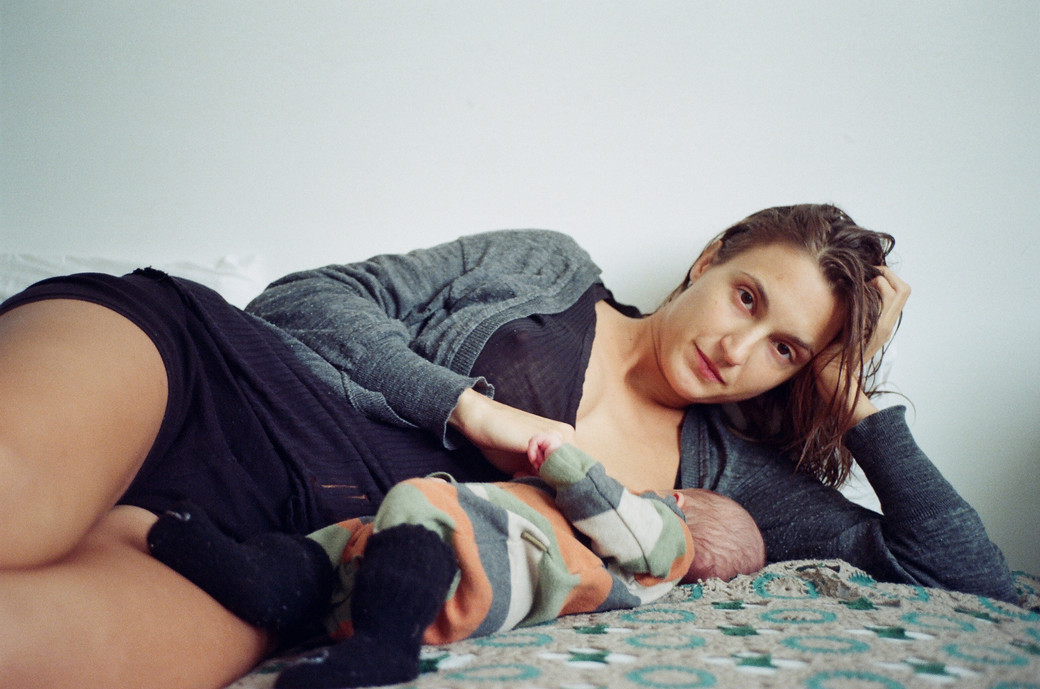
Shakht admires them for their natural beauty, a quality that floats across her body of work. One of the defining elements of Shakht’s work is her exploration of the body as both a subject and an object of meaning. Her soft yet quietly commanding style of portraiture addresses the ways the female body is perceived, challenging traditional and often sexualised portrayals by subverting the notion that the women’s place in art is as the ‘muse’.
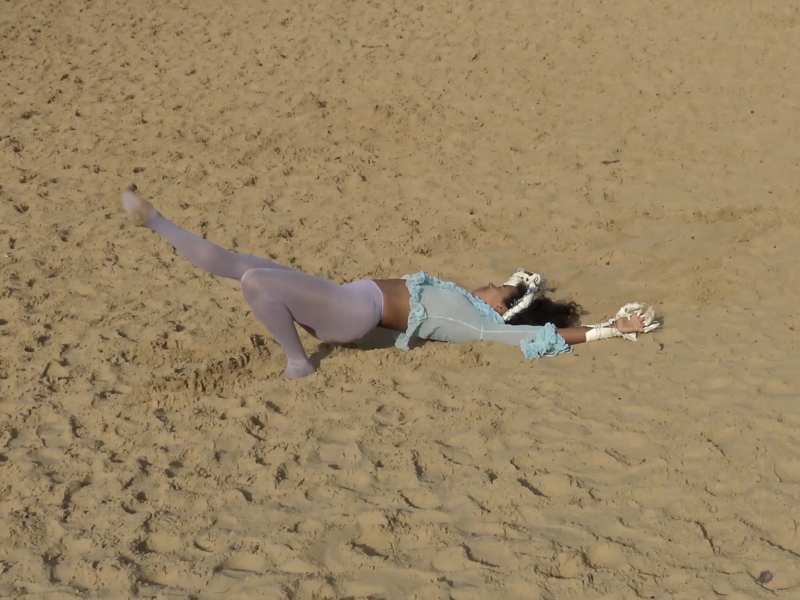
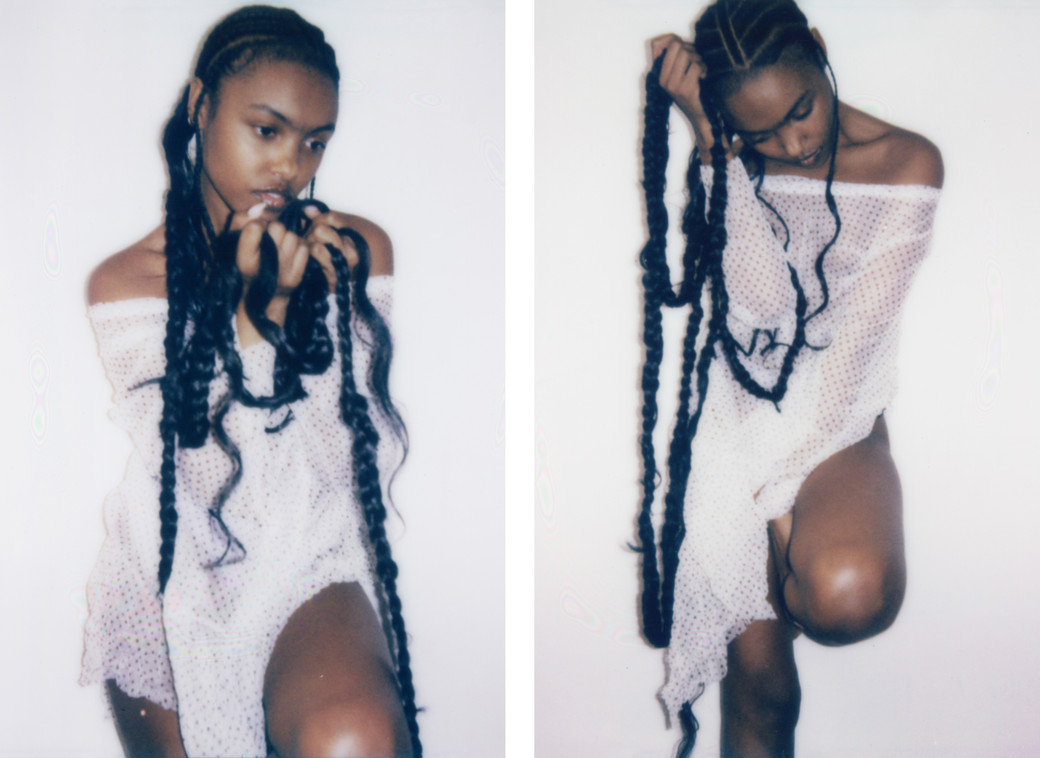
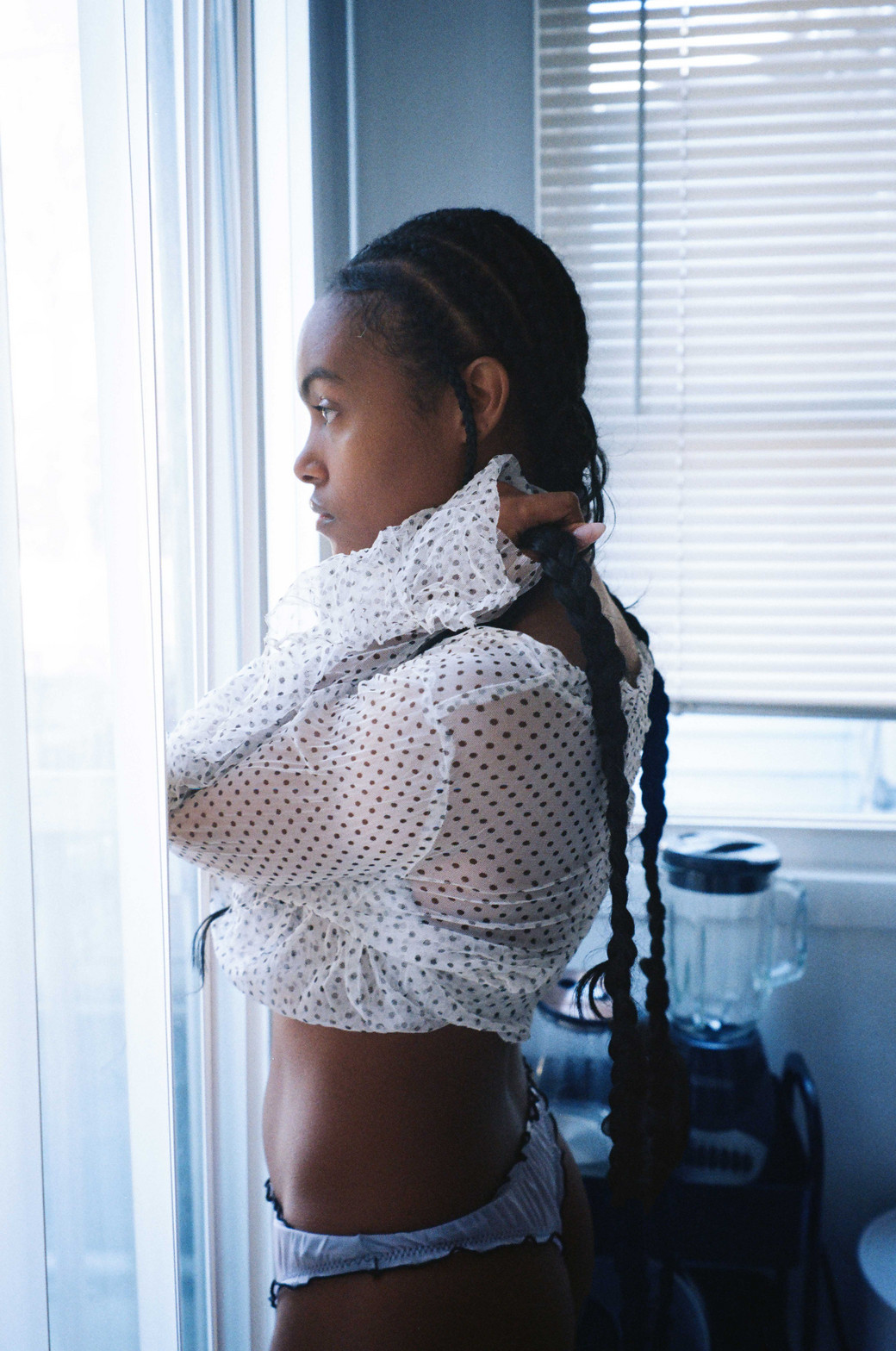
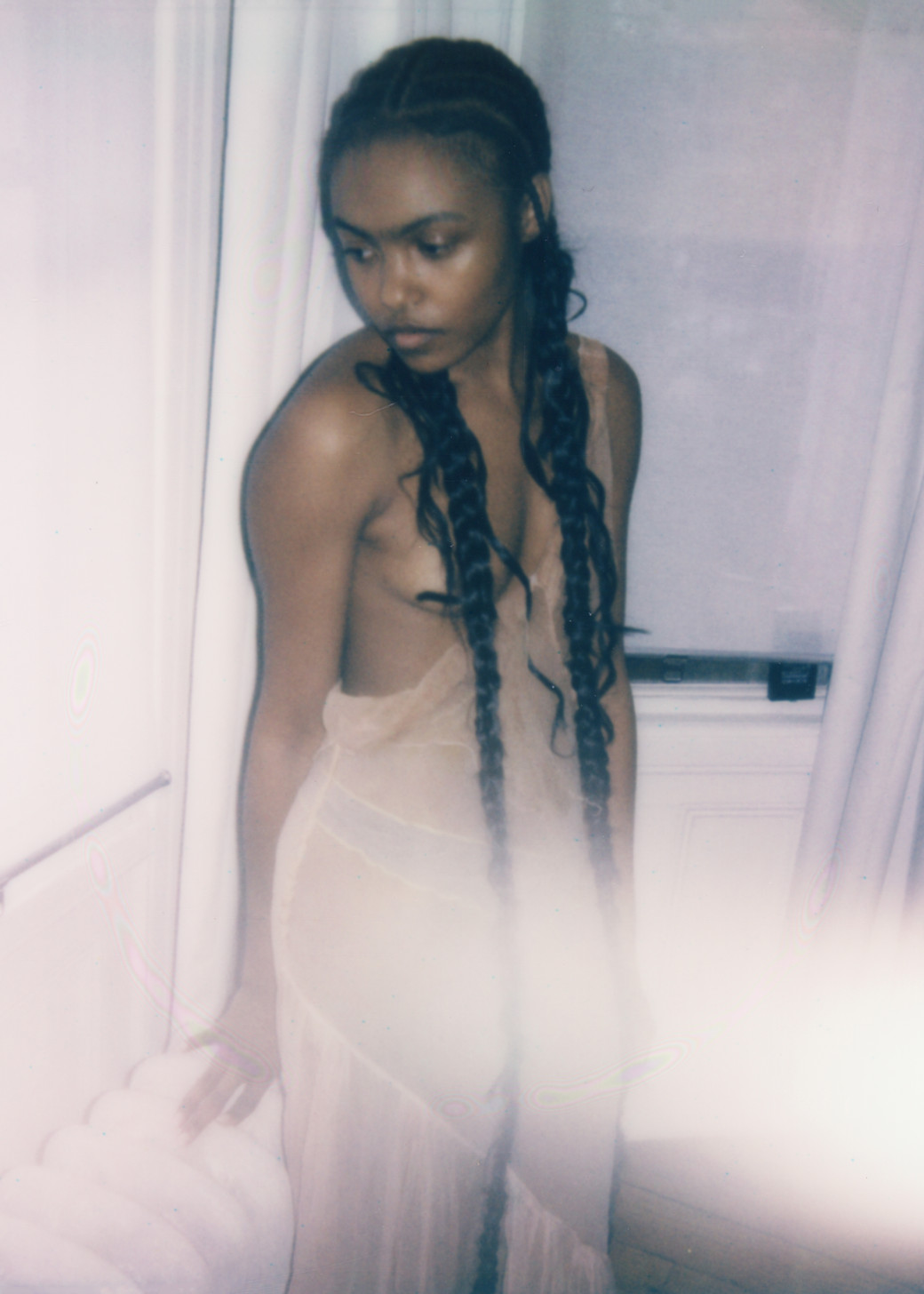
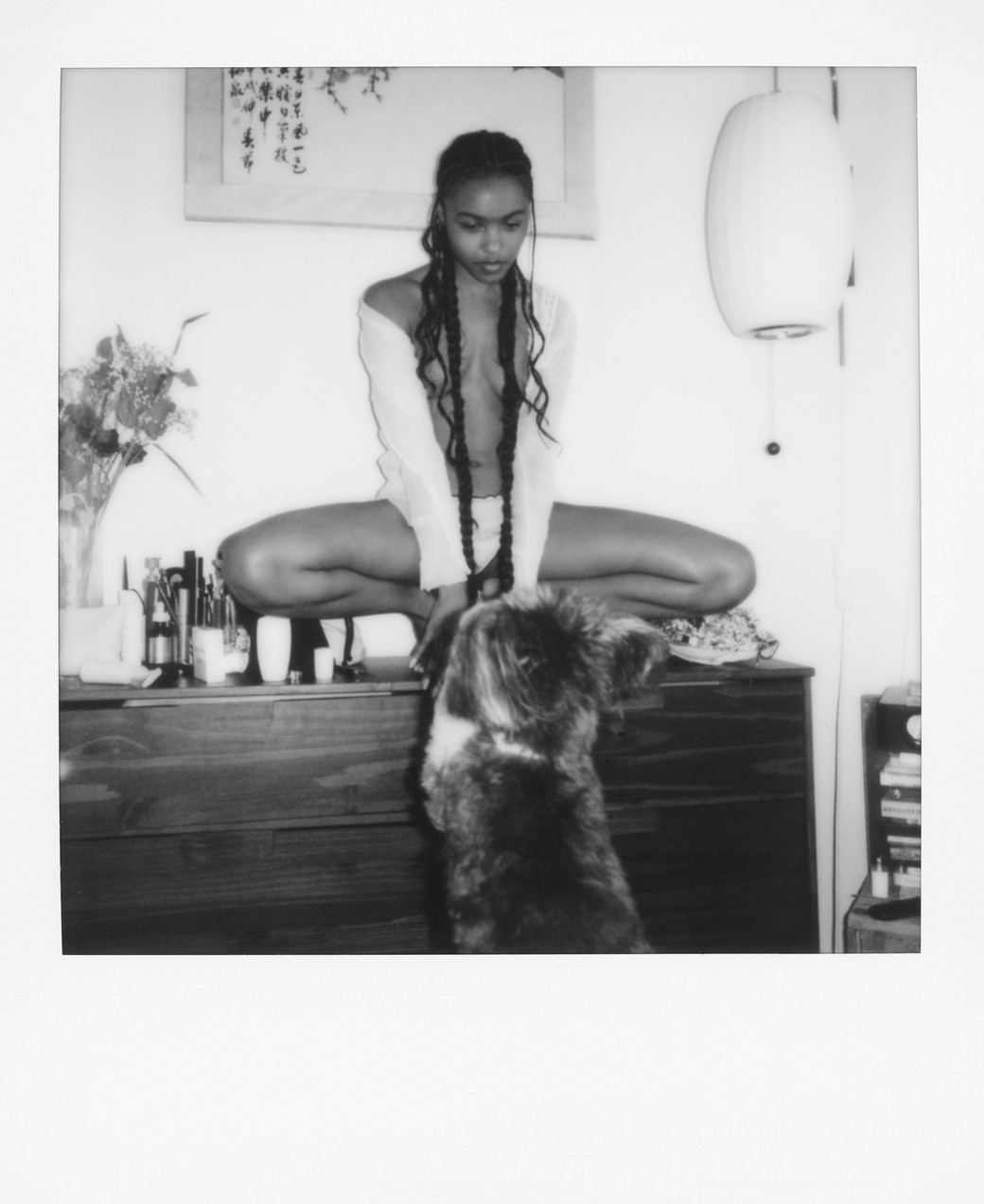
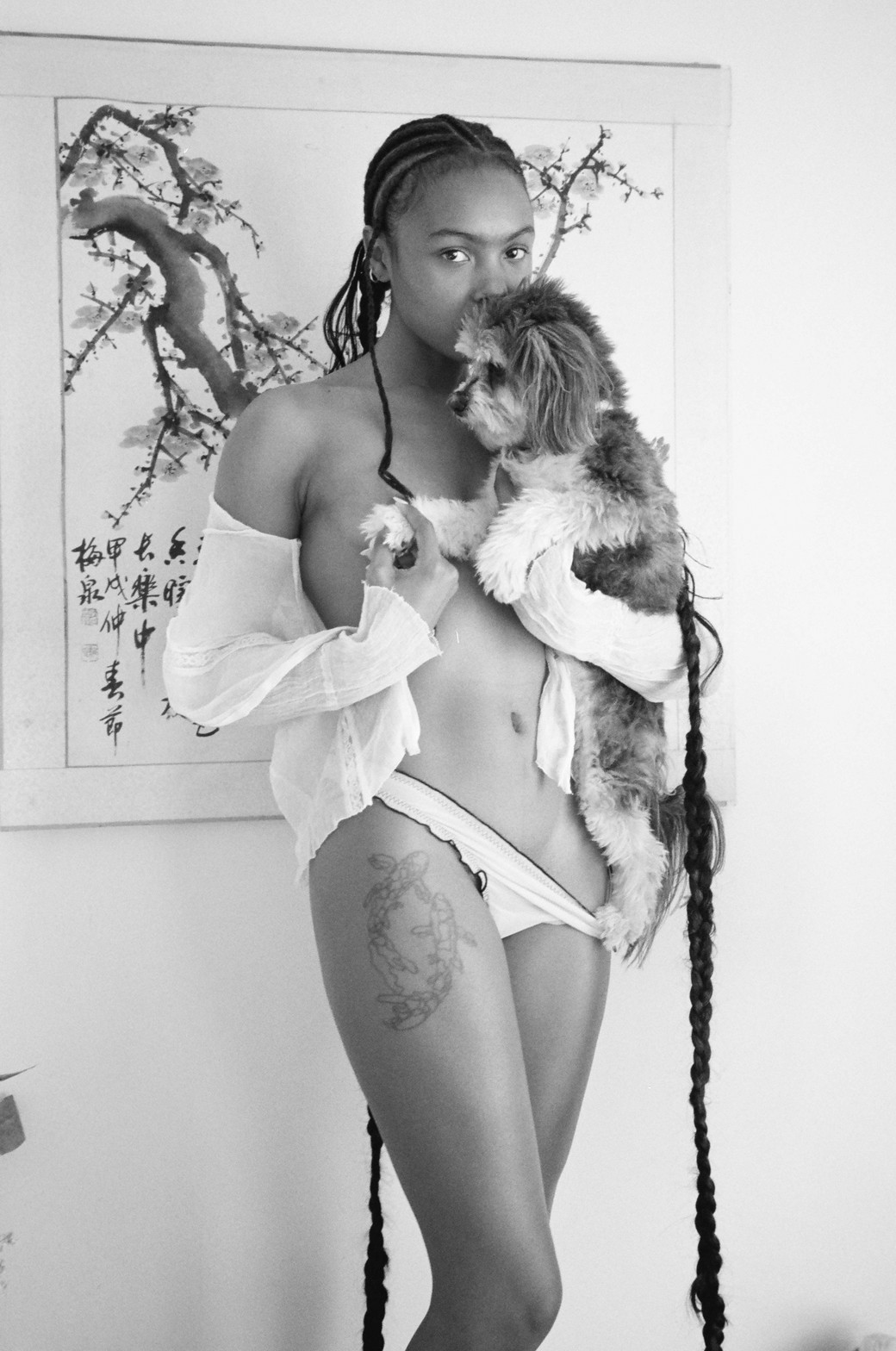
Her most recent project, Destiny, does just that. As she describes it, the photo essay is about “exploring the raw emotions women are often discouraged from expressing—anger, rage, and sadness—while also embracing playfulness, self-exploration, and boredom.” Shot during a transitional time for both Destiny, the model, and Shakht herself, the series portrays intimate moments of vulnerability and curiosity.


In true Shakht style, Slavic influences are woven through each image like a near-forgotten myth. Shakht's models often embody the Slavic idea of the rusalka or siren-like figure: an ethereal, otherworldly presence.
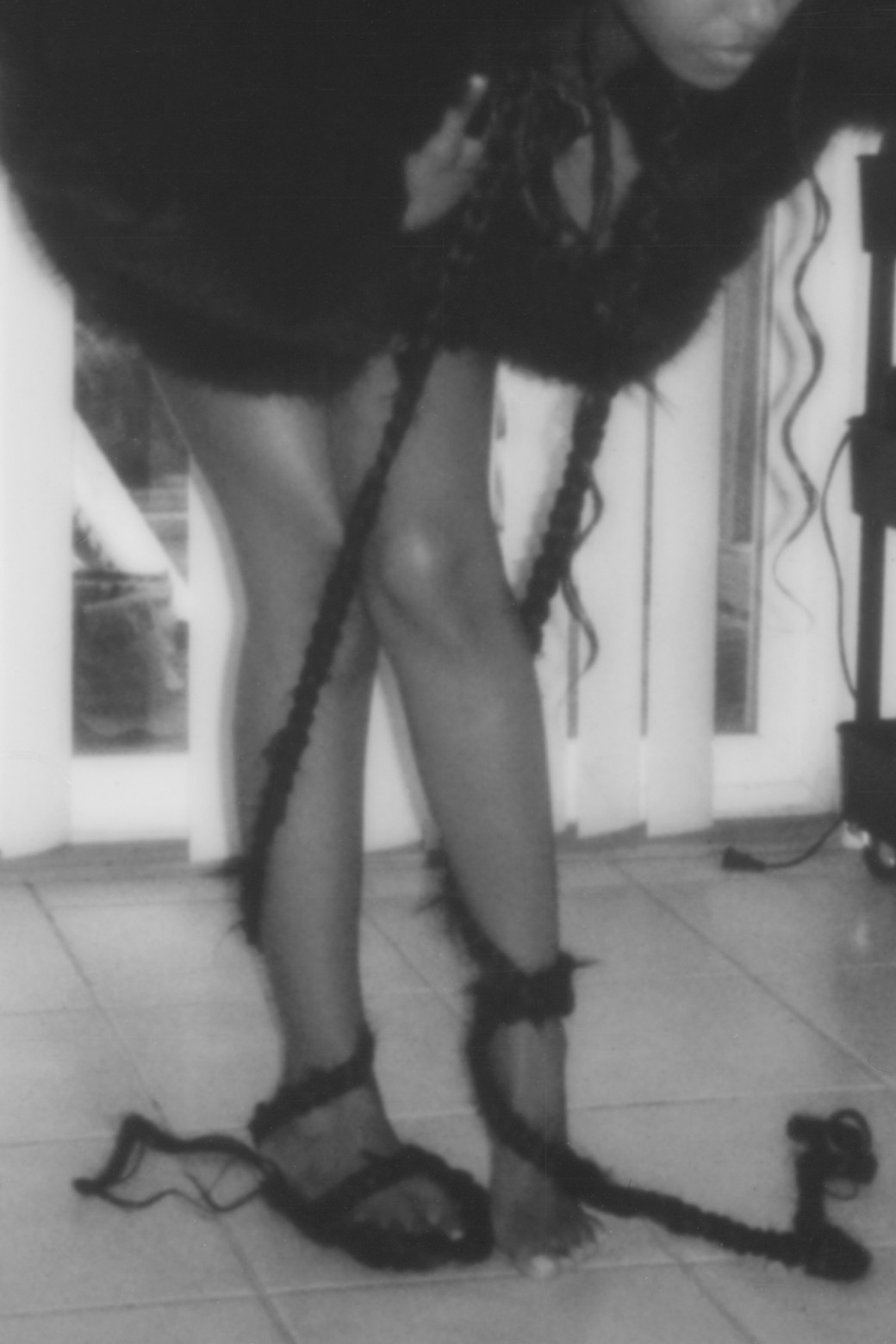
Destiny holds this tension between softness and severity. Styling within the images was very deliberate. Shakht and Destiny worked together, intentionally matching the underwear, which has a kind of the waviness to it, to match Destiny’s hair. Light plays a crucial role within the styling to evoke this Slavic sensibility. Wrapped in sheer fabrics, Destiny bathes in this very diffused, silvery tone, similar to the way moonlight reflects off dark waters in Slavic fairytales. Her presence is not passive; it is charged, enigmatic, untouchable.
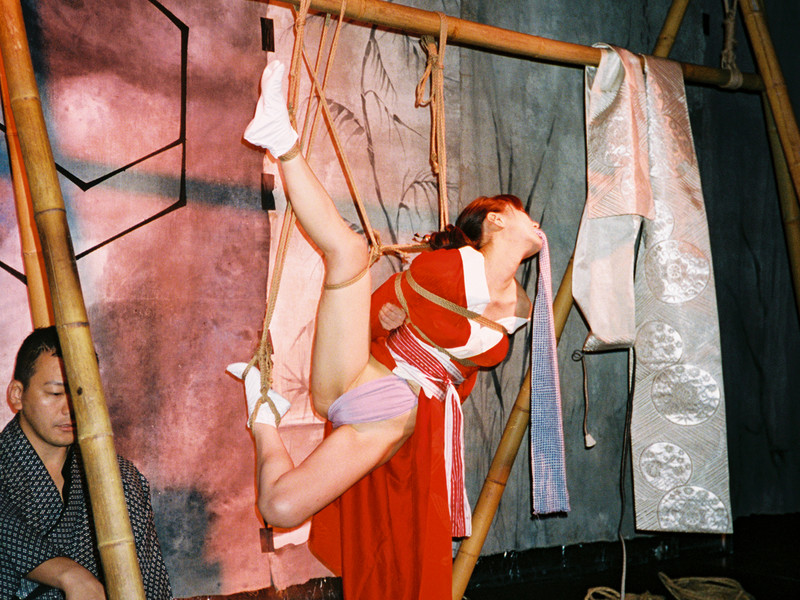
Shakht explained that Japanese photographer, Nobuyoshi Araki, was a shared reference for both herself and Destiny.
Like Shakht, Araki sees the world through a lens that does not blink. His work moves between desire and loss, capturing Tokyo’s undercurrents of eroticism, loneliness, and fleeting beauty.
The similarities between Nobuyoshi Araki’s Kinbaku series and Shakht’s photo essay lie not just in their shared exploration of subjection, but in their approach to power, intimacy, and the act of looking itself. Both artists use the bound body as a visual and emotional focal point, creating images that oscillate between vulnerability and strength, submission and agency.
Hair plays a big part in the storytelling of Destiny. Shakht explained that braiding artist Tre’Nae Larez helped shape the narrative with two seven-foot-long braids, further deepening this exploration of identity. Braids, within Destiny, much like in Kinbaku, are not physical restraints but metaphors for emotional entanglement or the complex dynamics of desire.
Kristina’s subversion of the role of the muse is arguably her greatest power as an artist. The pouty lips, porcelain skin and haunting gazes that envelop women in the Pre Raphaelite and Renaissance art of her childhood, Kristina saw through. She’s redefined the gaze and the act of seeing, creating images where the model's autonomy is not only acknowledged but celebrated, in doing so giving voice to the quiet moments that often go unnoticed in the grand narrative of femininity. Moments of introspection, intrigue and contemplation. She acknowledges that these elements are not opposites, but rather coexisting forces that shape the complexity of the female form and experience.


Public Screening In collaboration with Dover Street Market Paris
Friday, March 7
9:30 to 21:00 3537
Rue des Francs Bourgeois, 75004 Paris, France
PANCONESI Spring/Summer 2025 collection will be available for purchase at Dover Street Market Parisfrom March 7th until March 17th