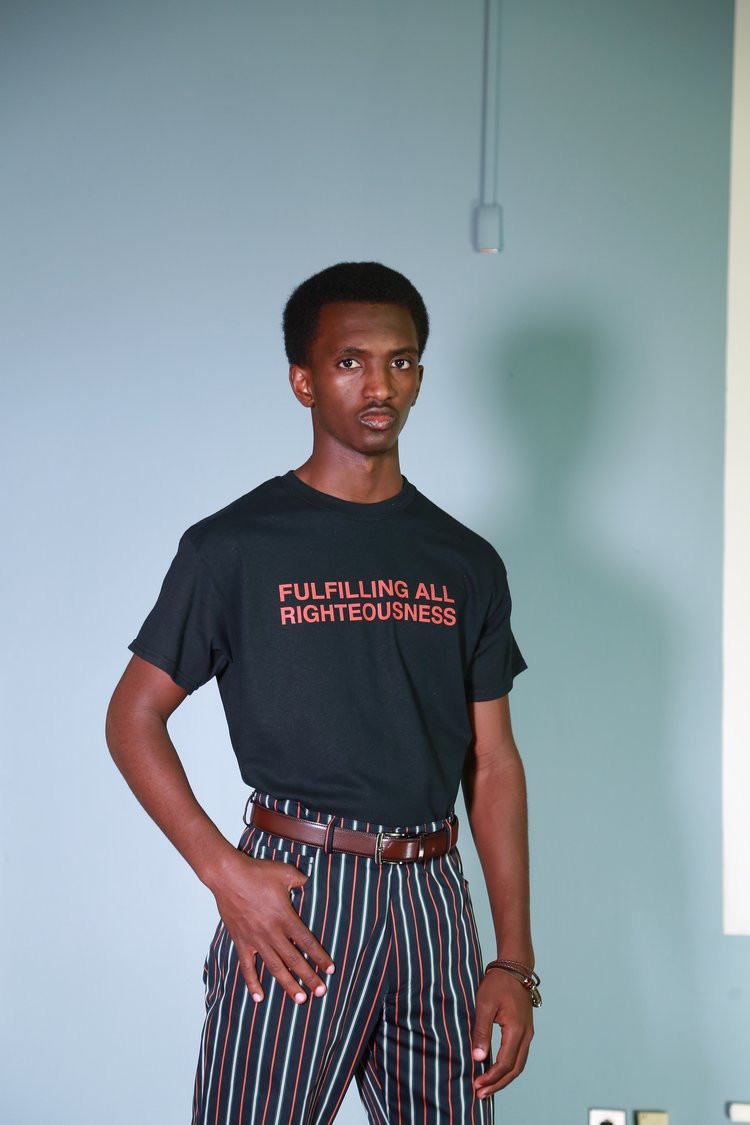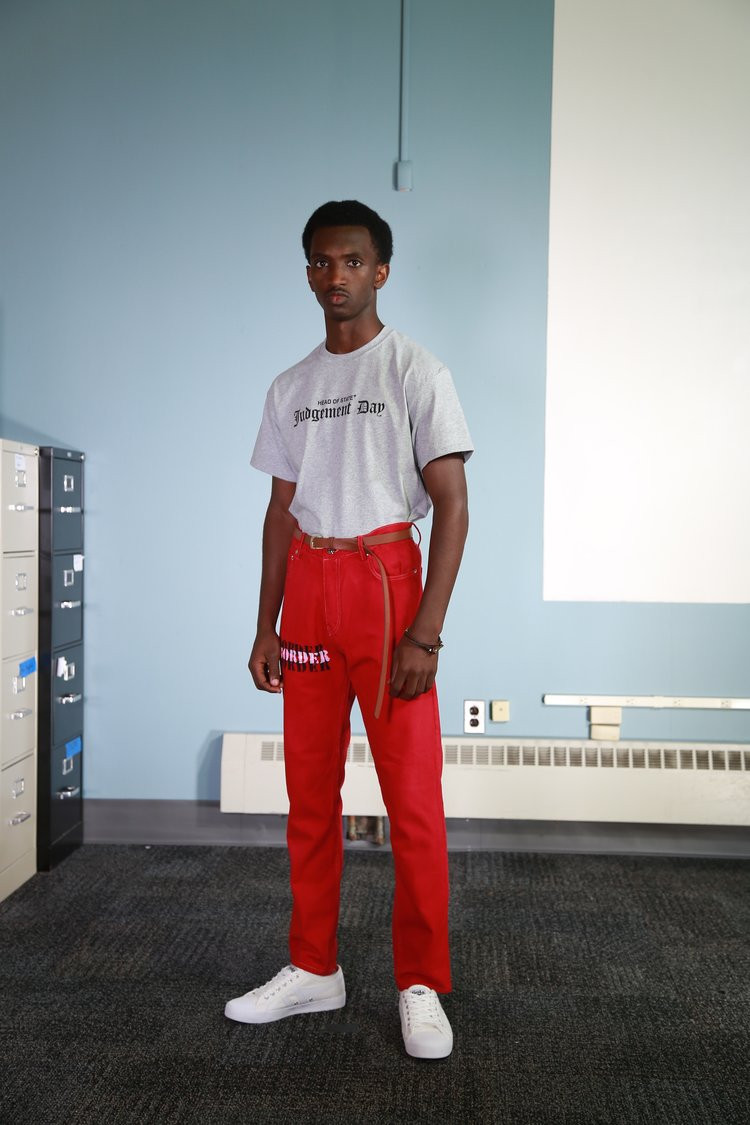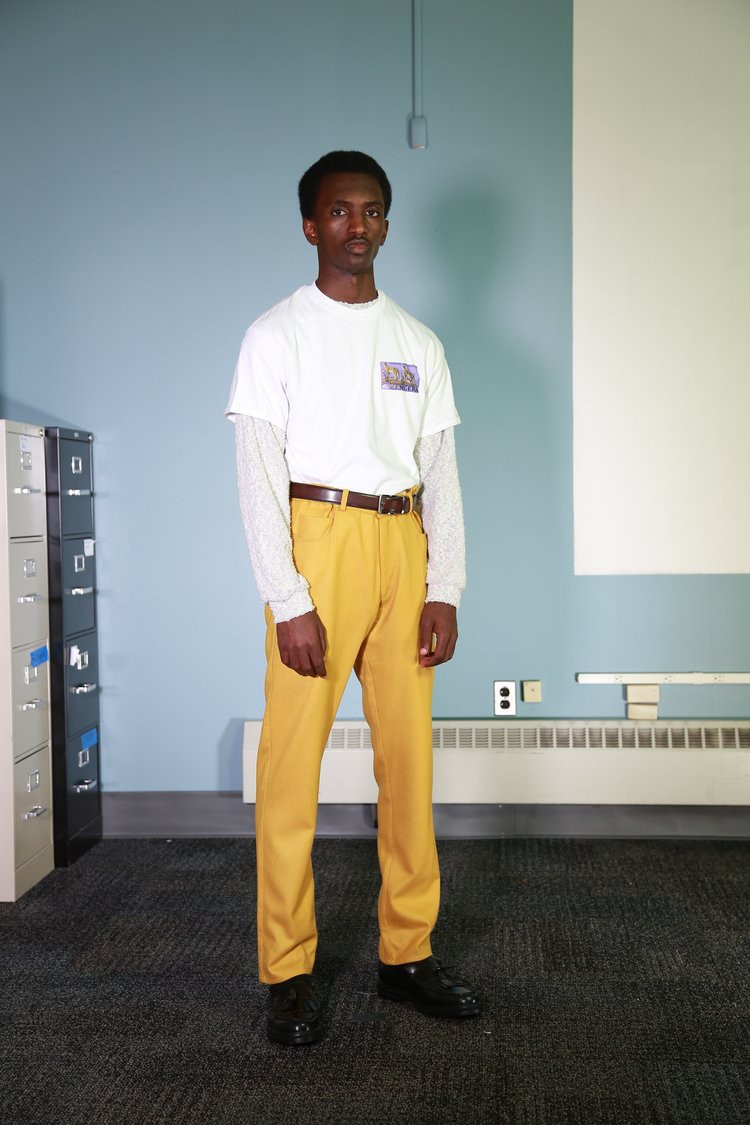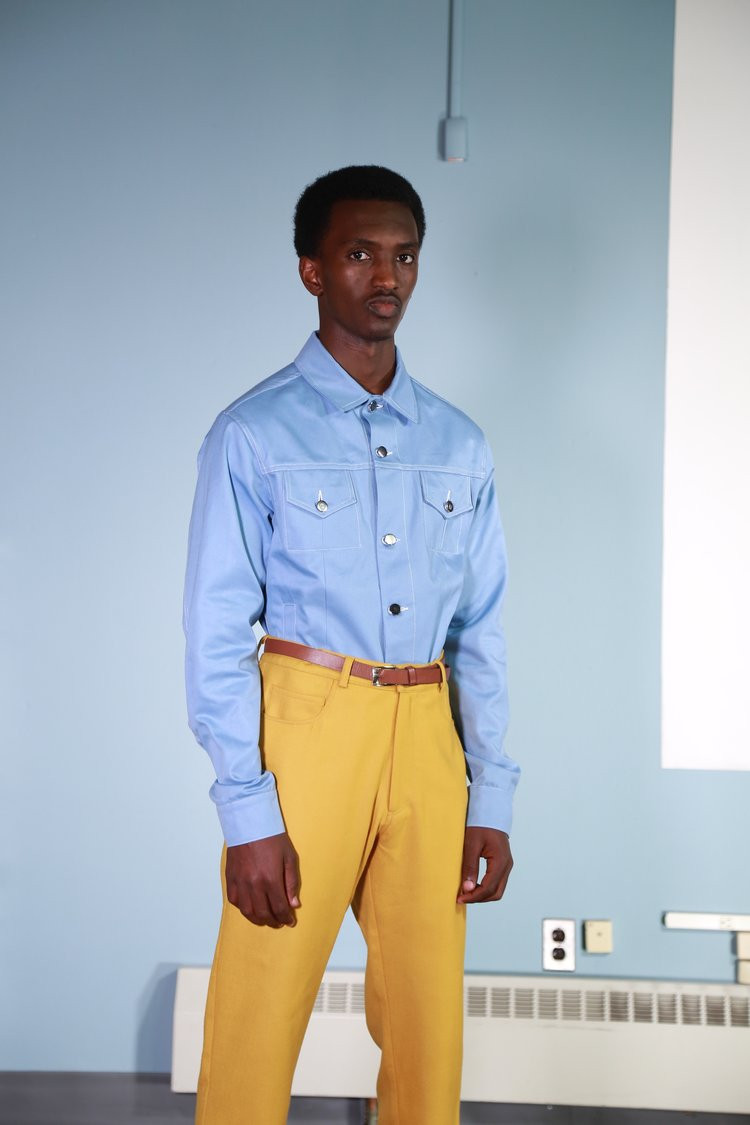
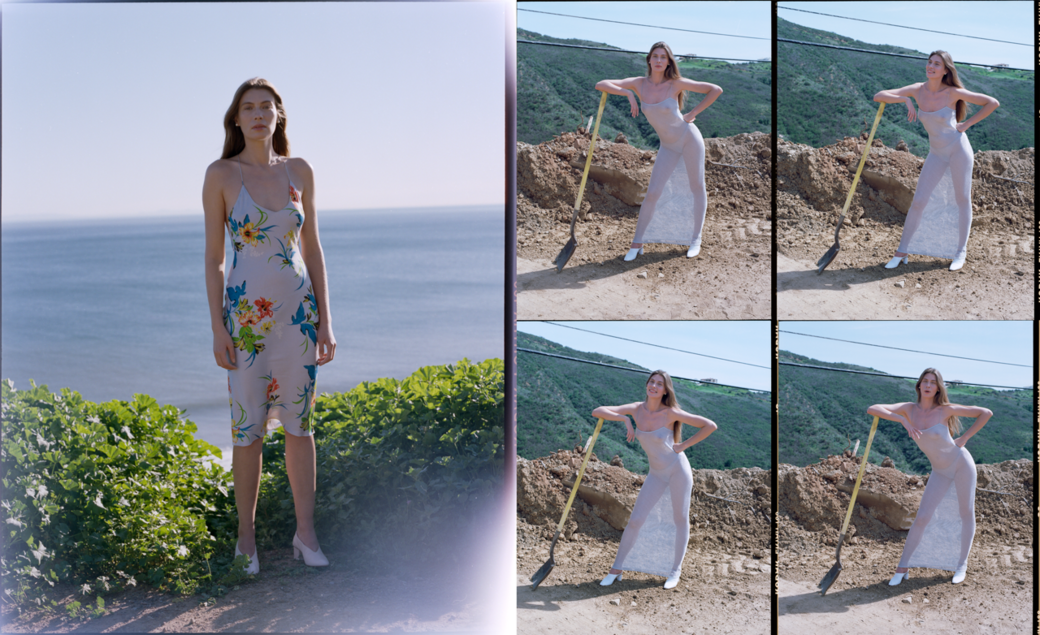
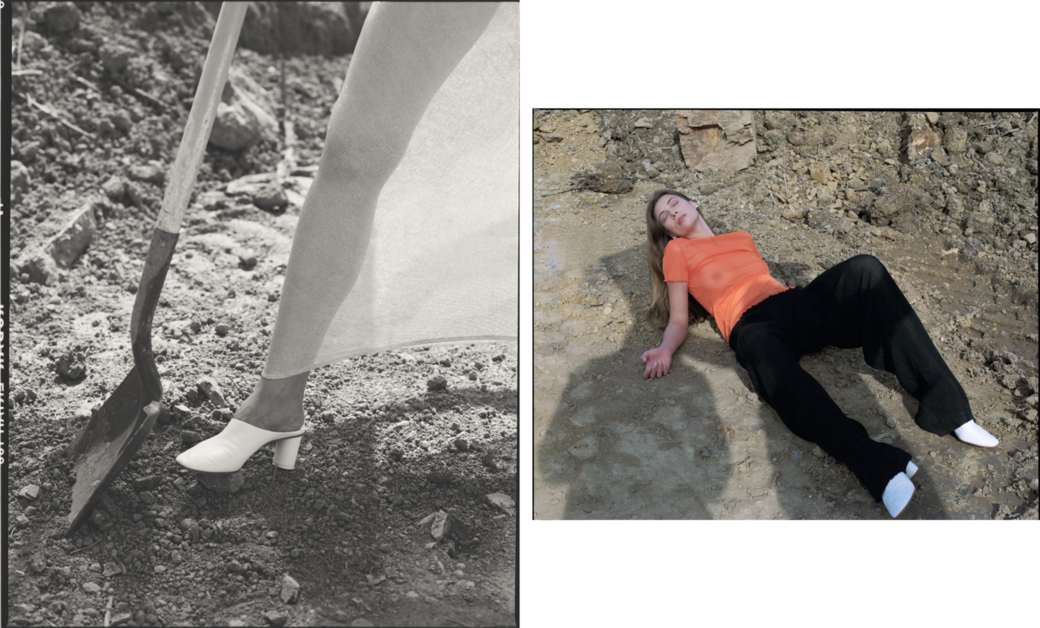
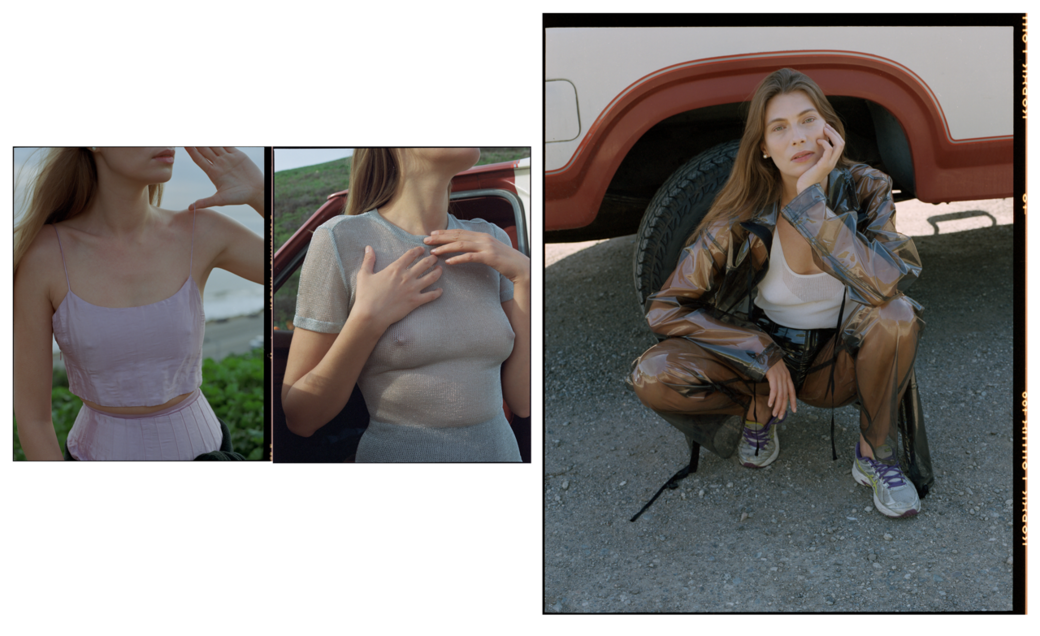
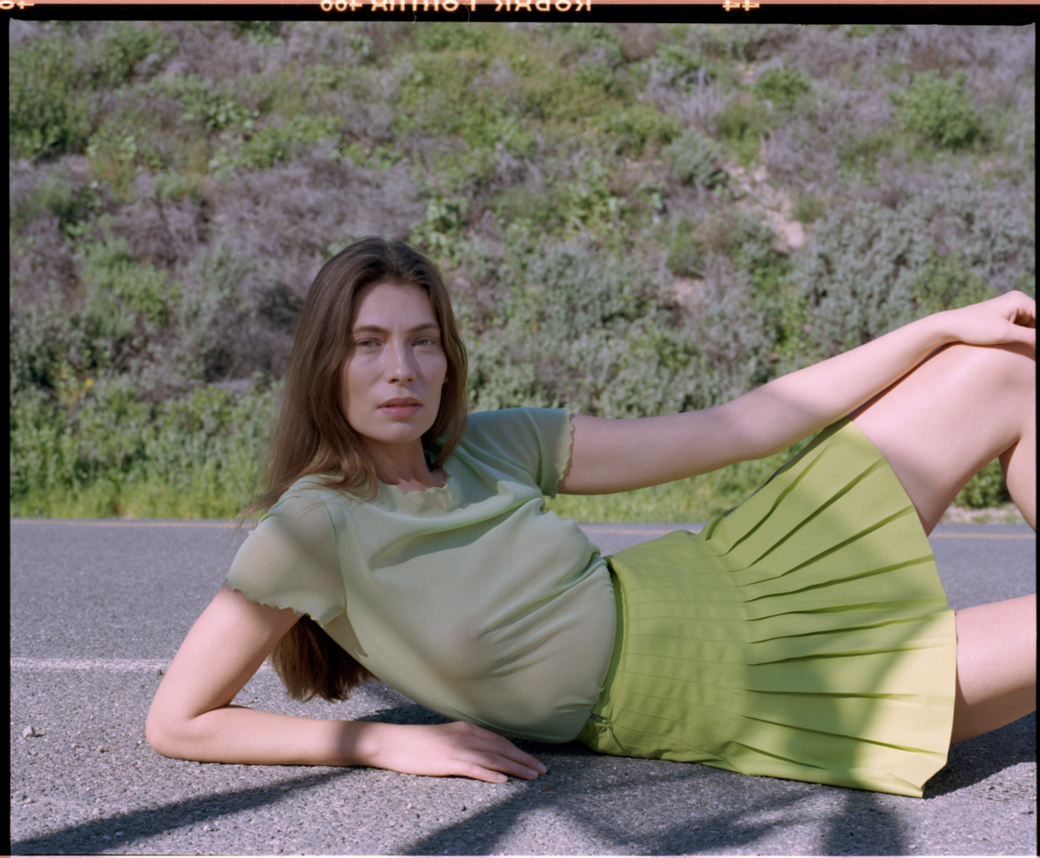
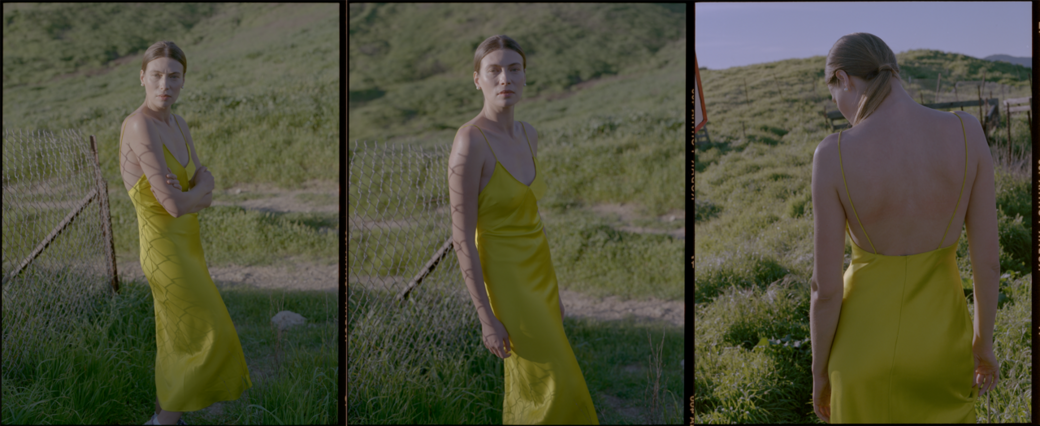



After the show, office caught up with Campbell to chat about the presentation and what’s next for the brand.
Talk to us about the primary ideas and structure behind Lordele.
My first collection that I showed last September was called ‘Heartbreak And The Bowery,’ and that was basically about Trump getting elected and me figuring out what it was that was going to keep me happy, and that is the Bowery. It’s [only one] part of New York City, but if you know the specific culture around it, then you know what I mean. Classic downtown—that was the start. For this collection, which is called ‘Beyond the Valley,’ I took major inspiration from a recent trip to LA where I was very late-to-the-party in discovering that the gorgeous pink sky that it’s known for is actually all fucking pollution—it’s actually like the death of us. So, I became interested in this dichotomy where we can find something so grand that’s actually killing us. That was a starting point.
Did you have any other references?
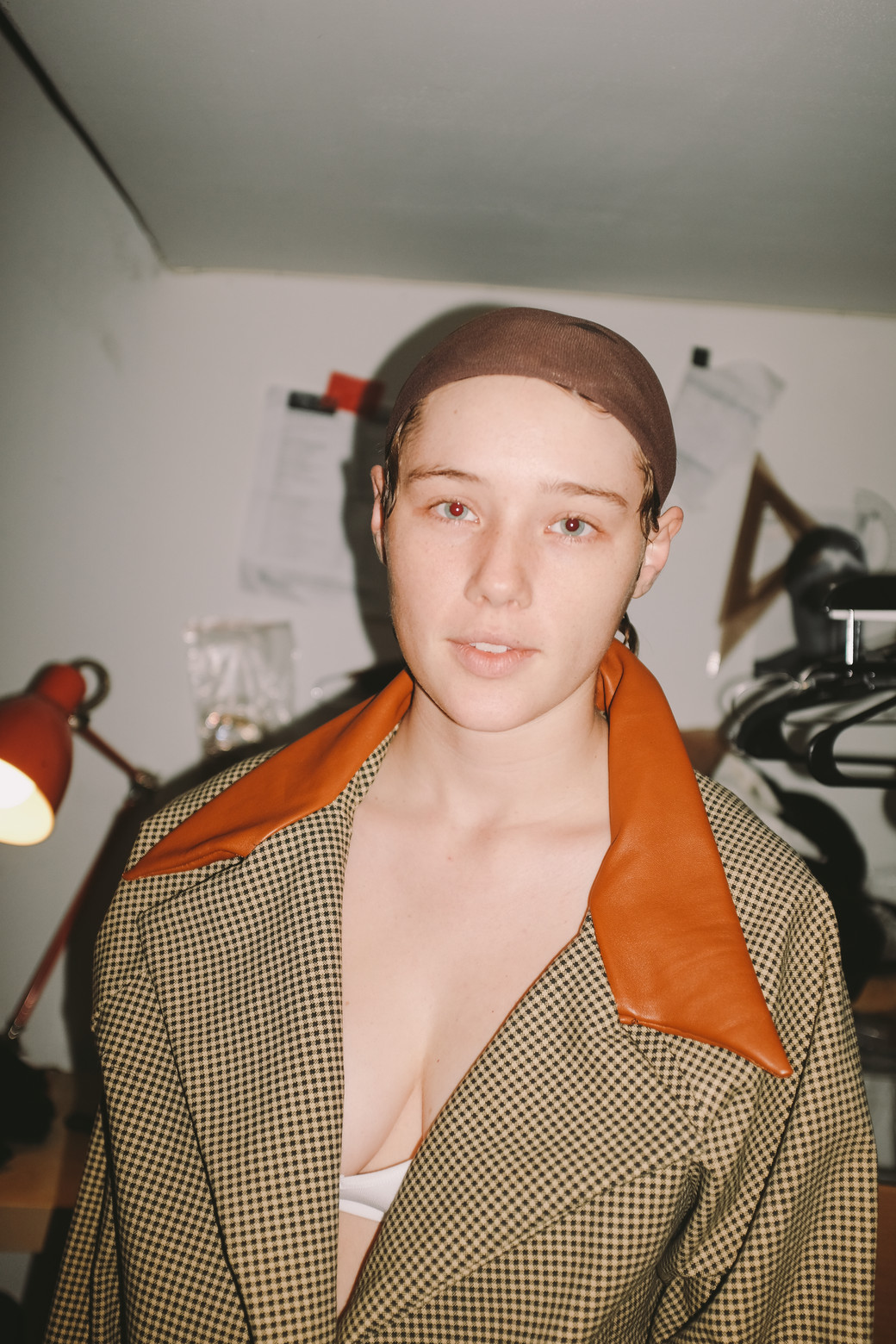
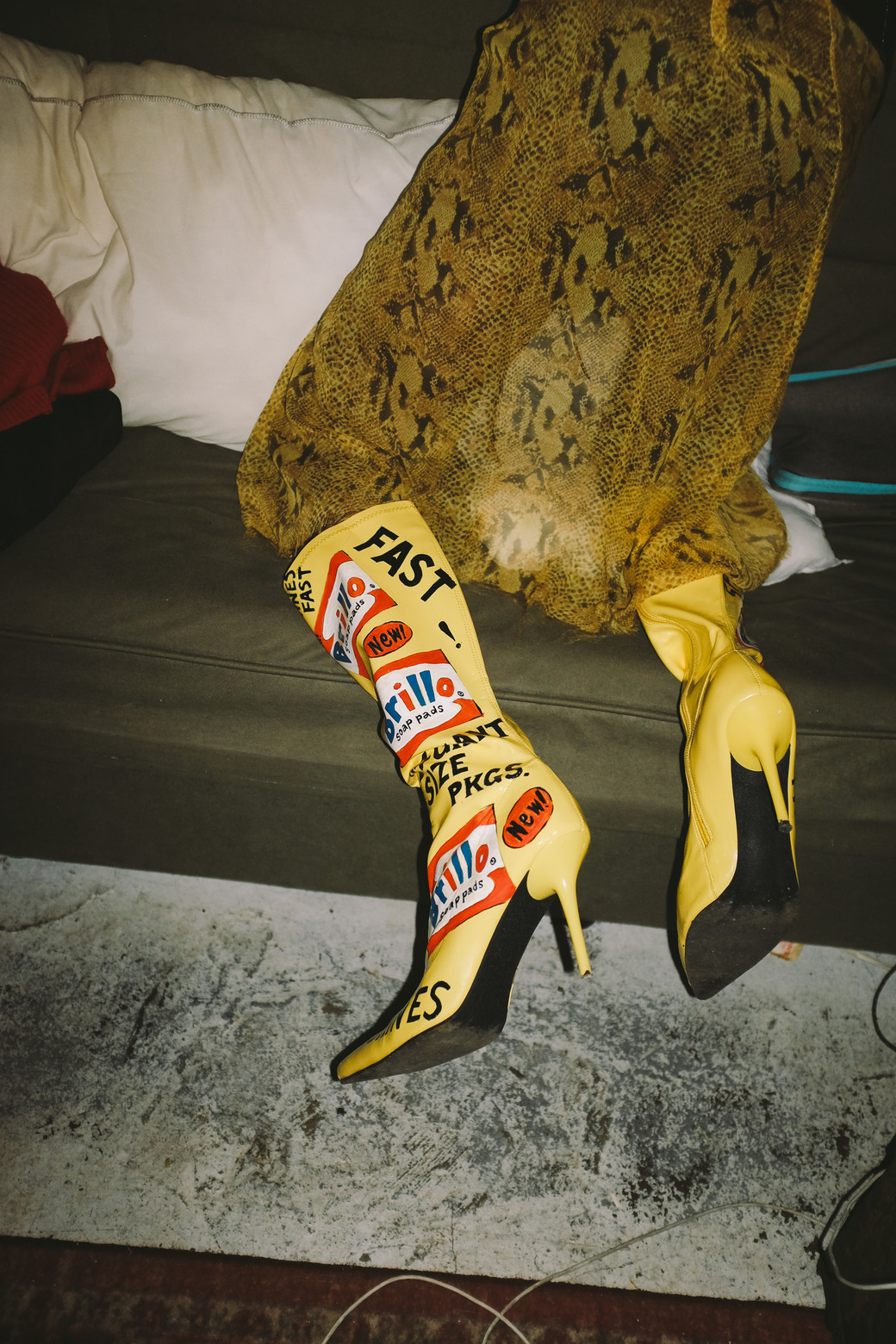
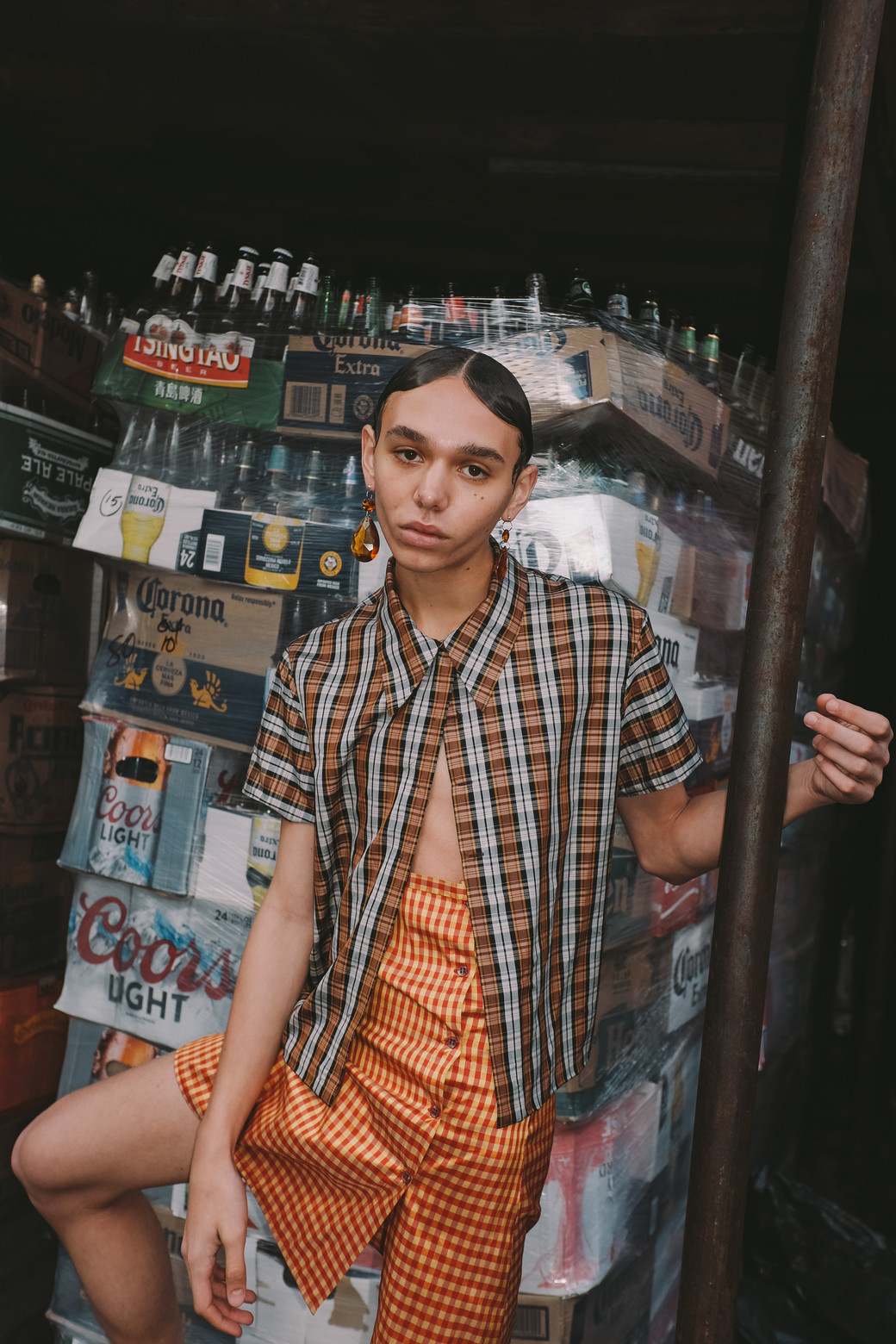
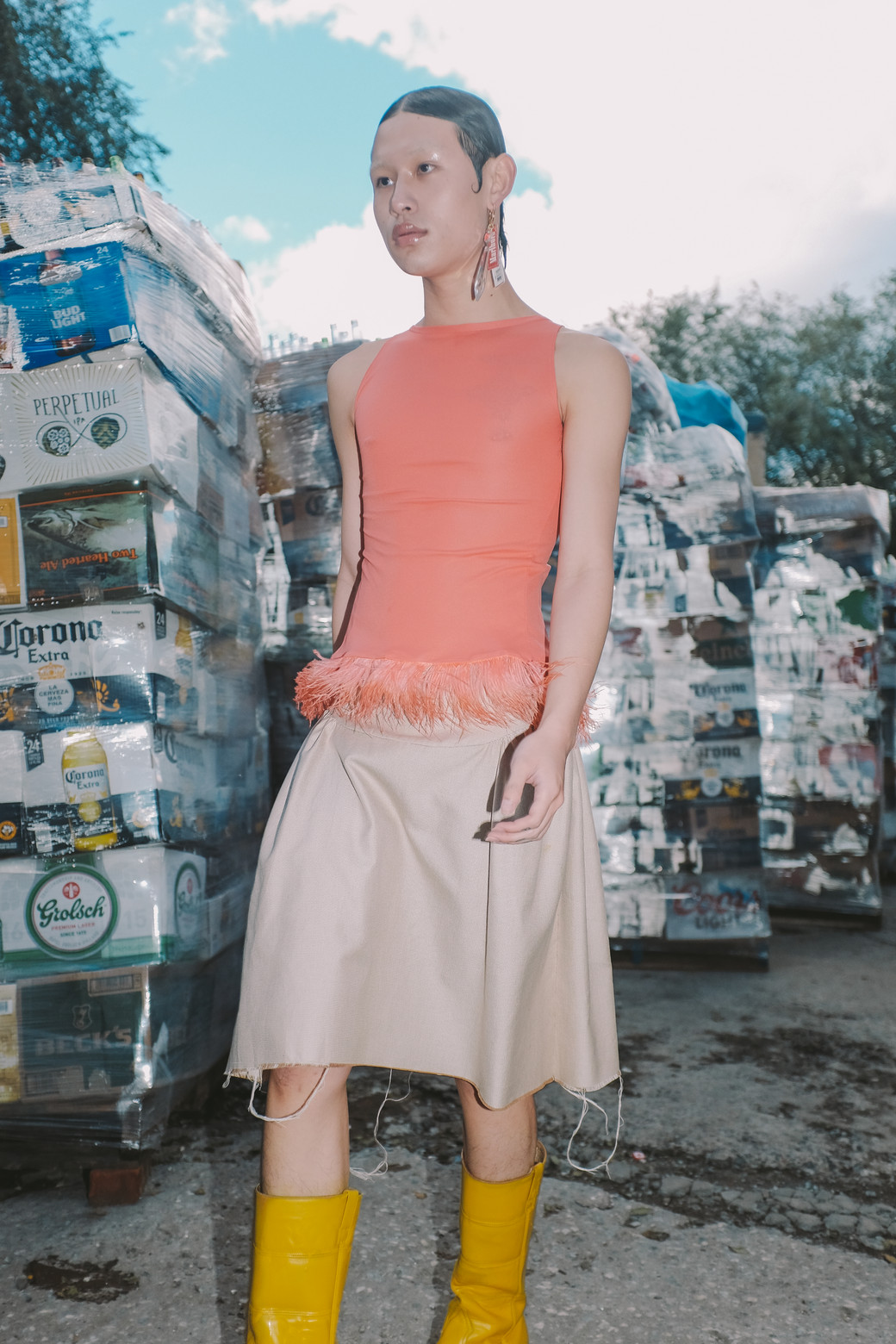
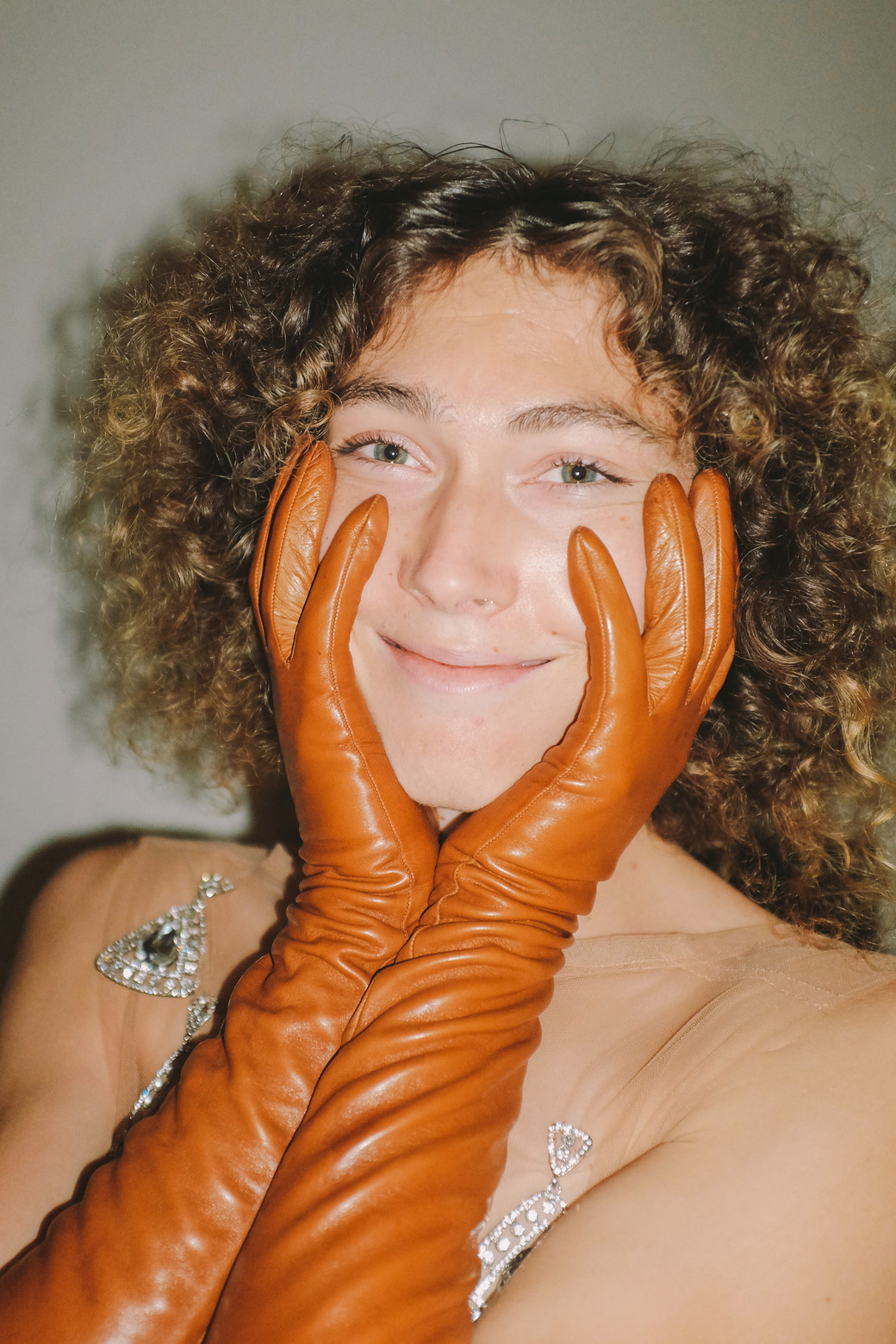
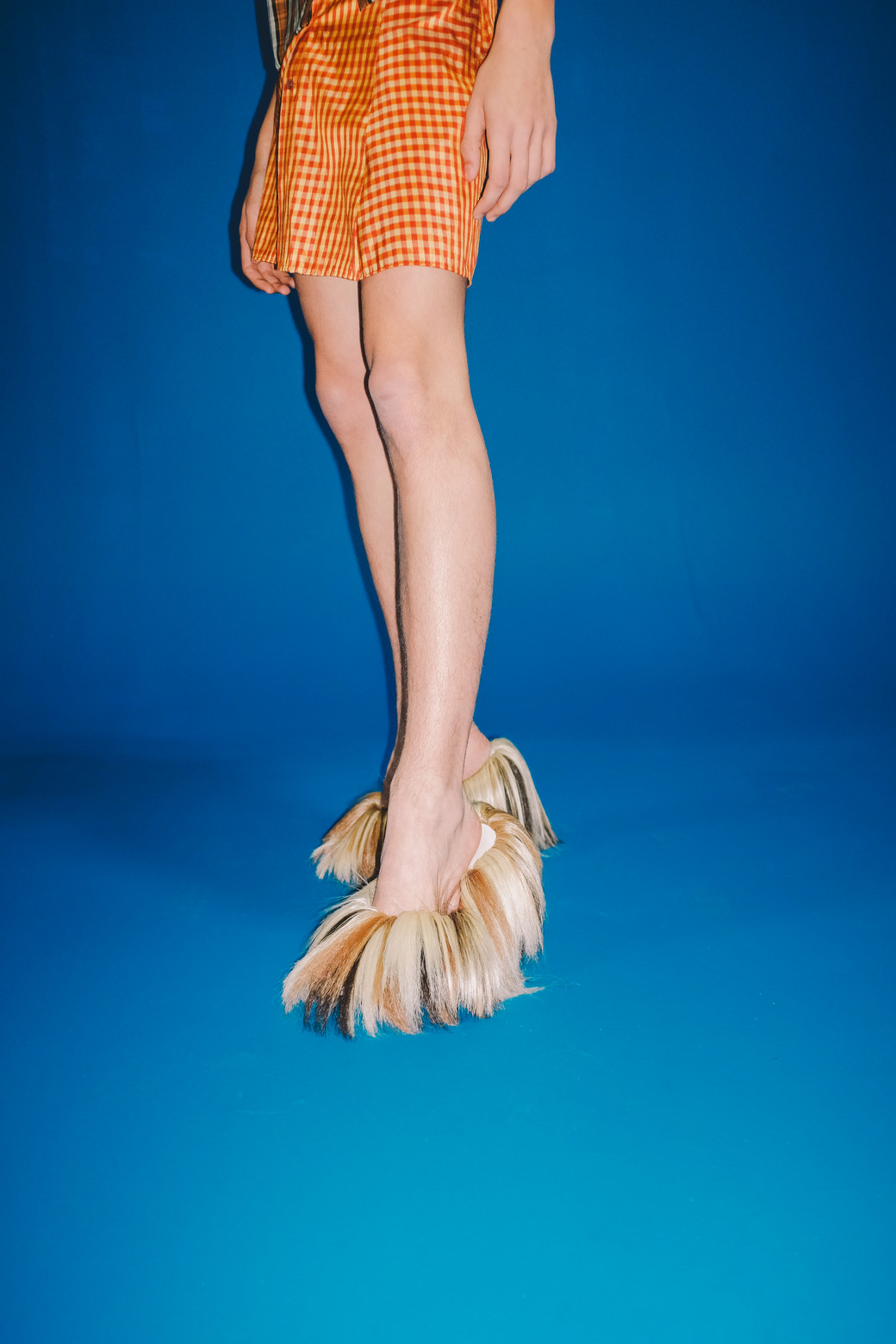
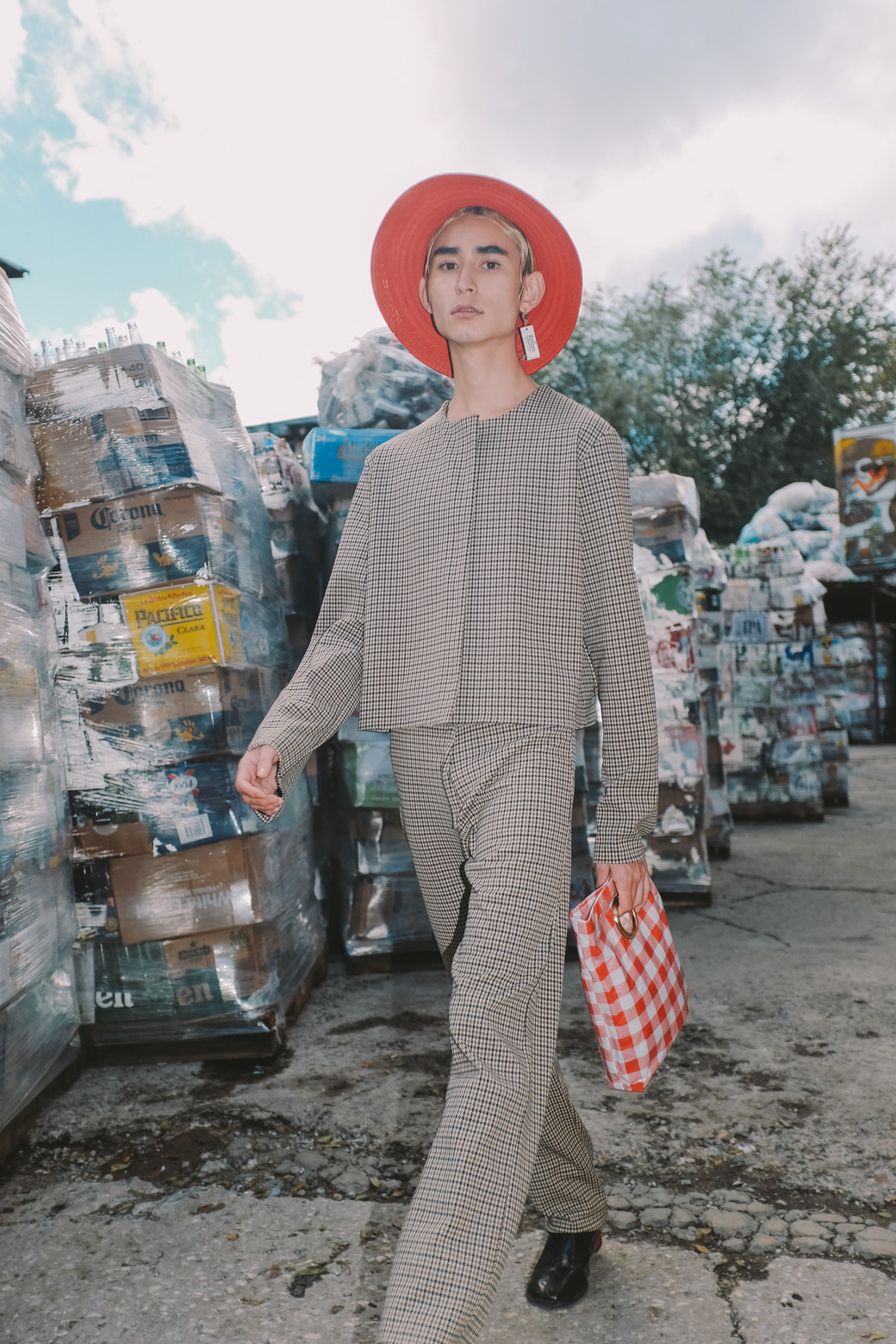
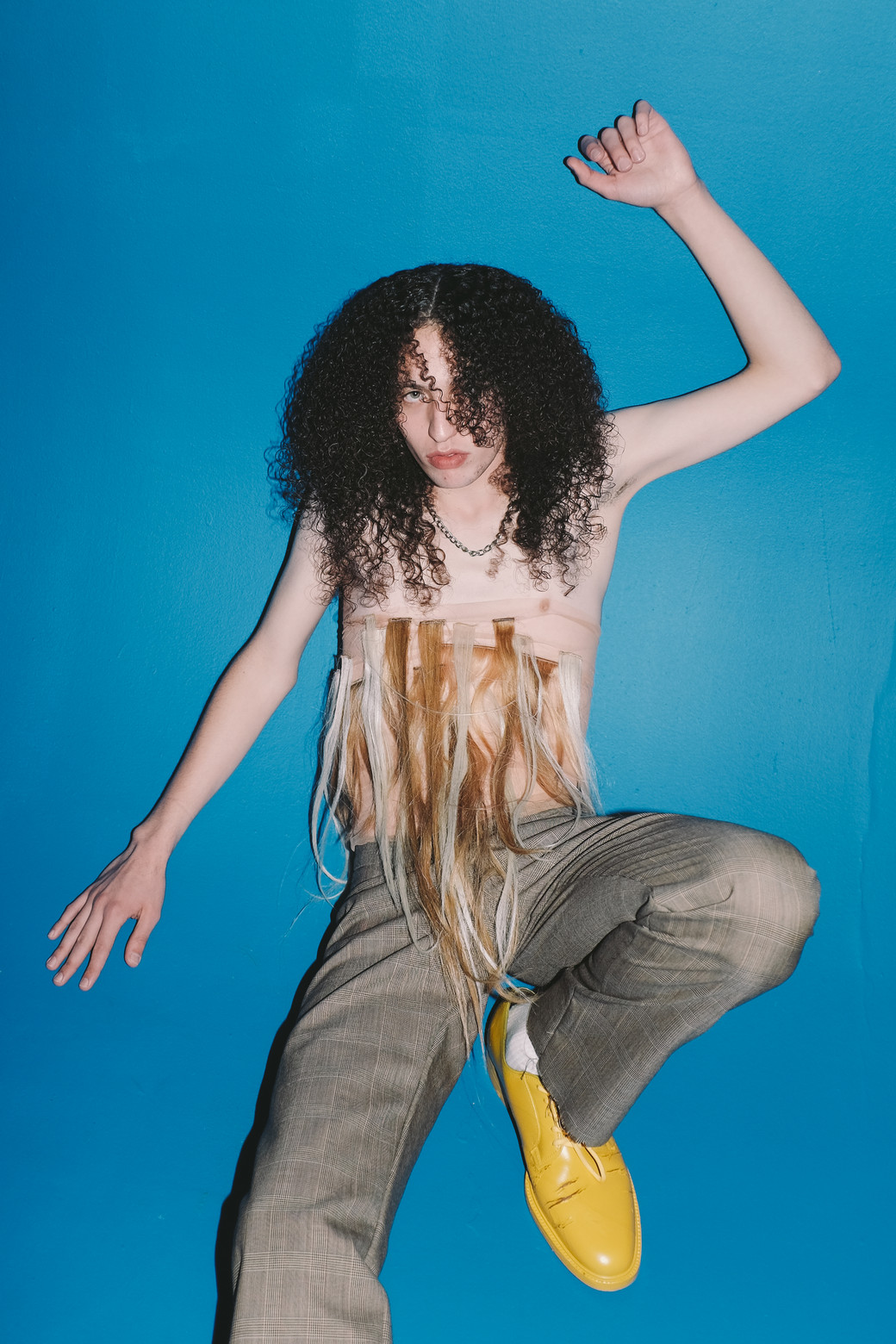
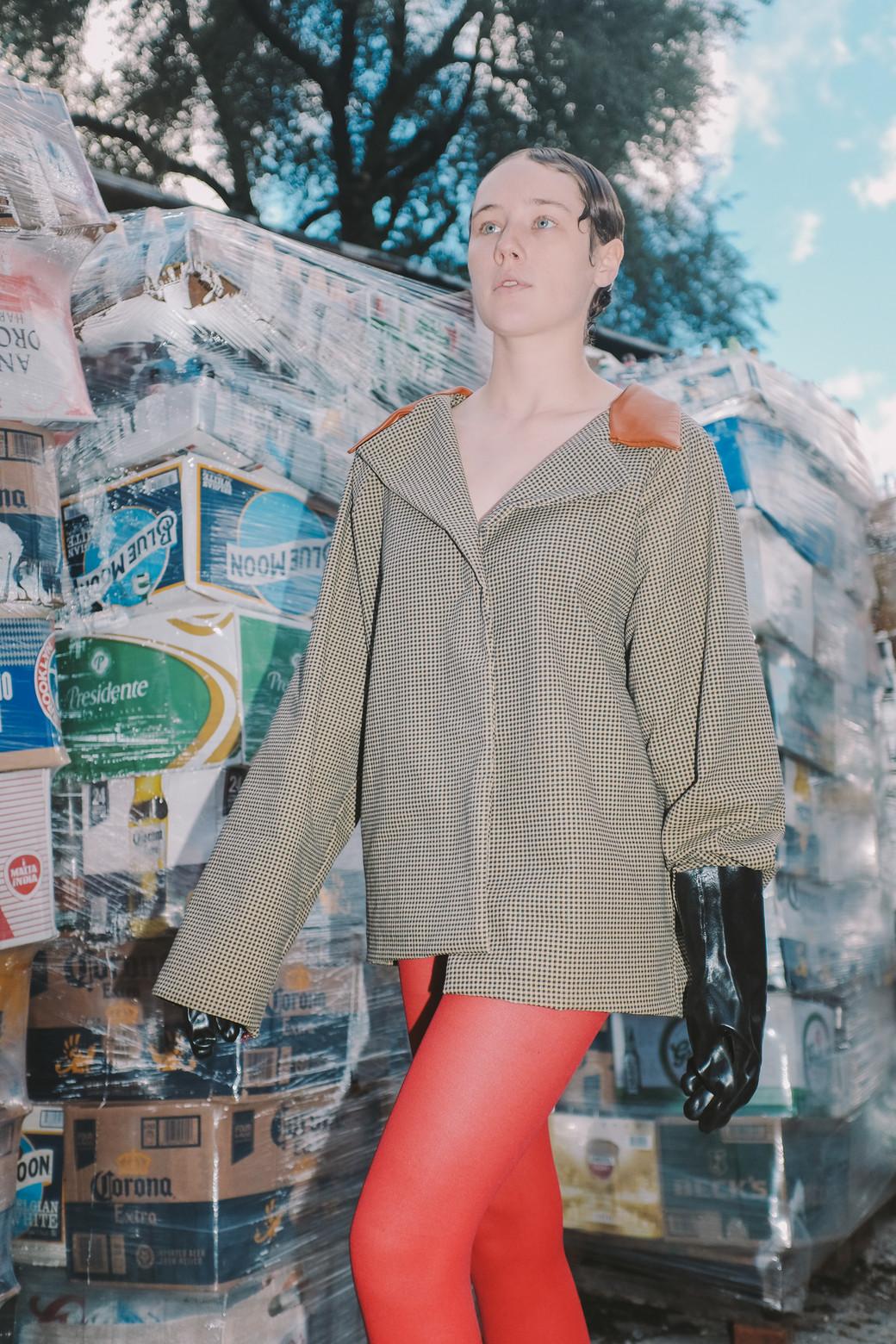
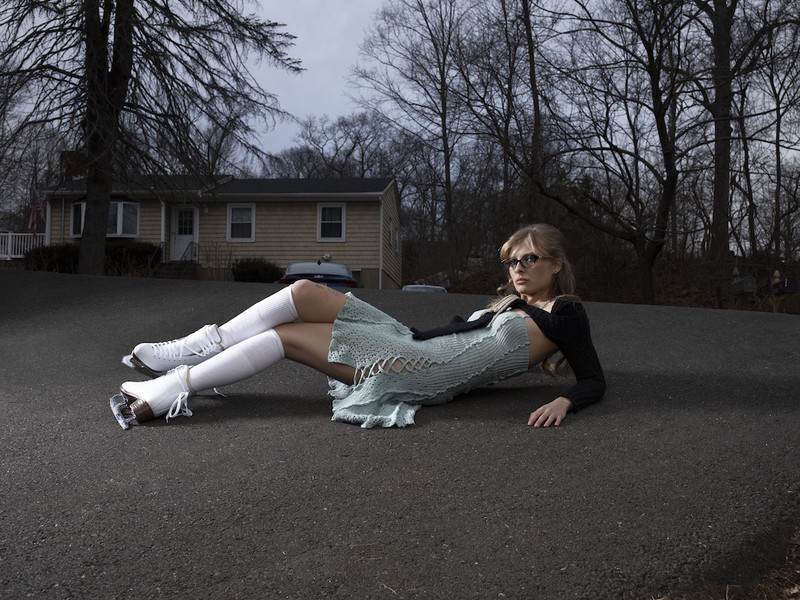
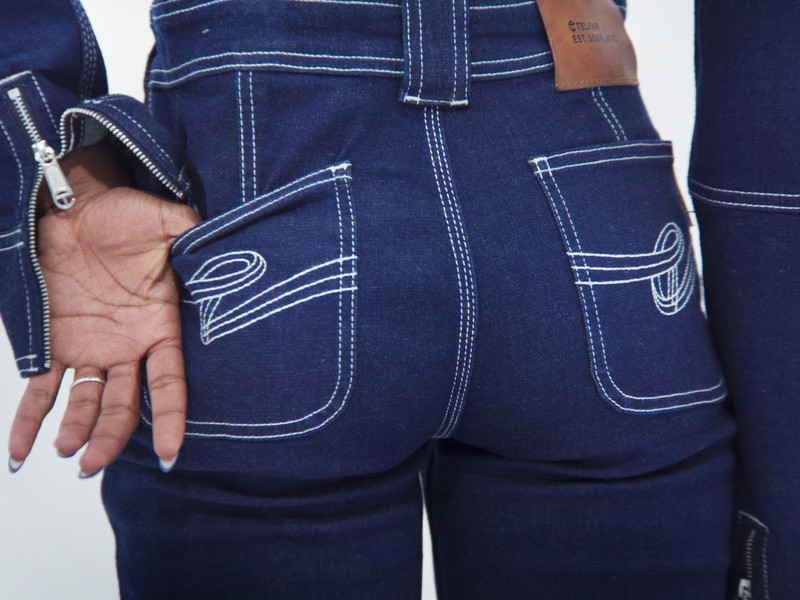
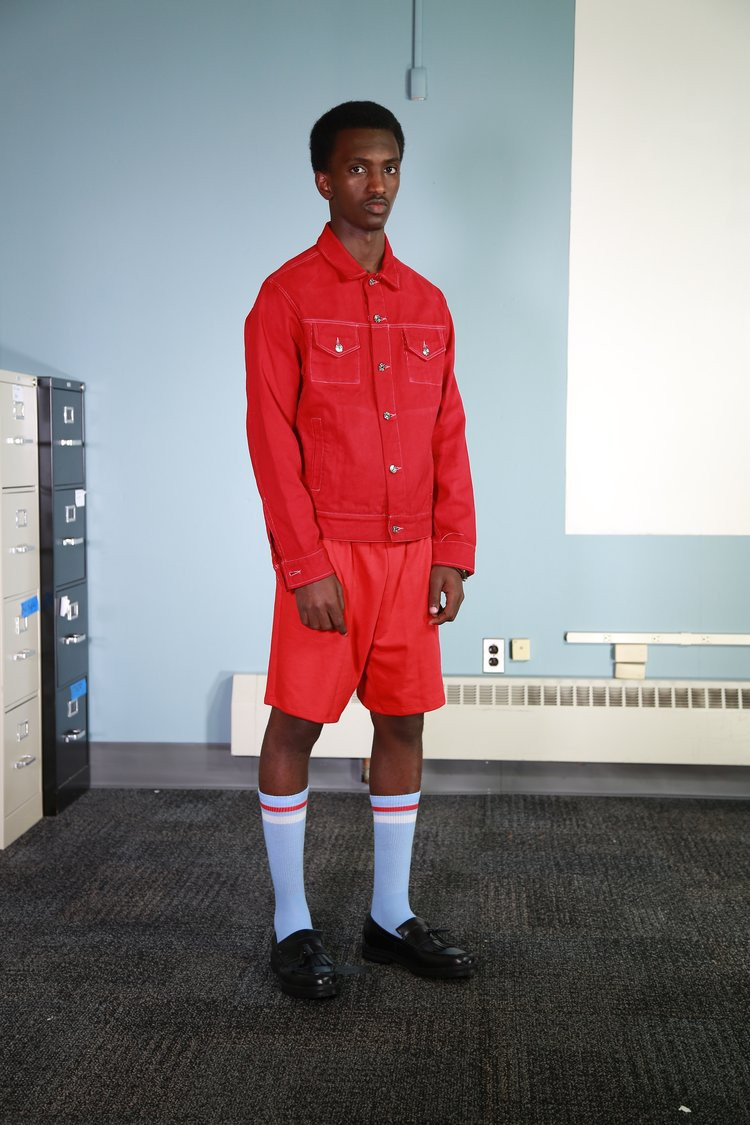
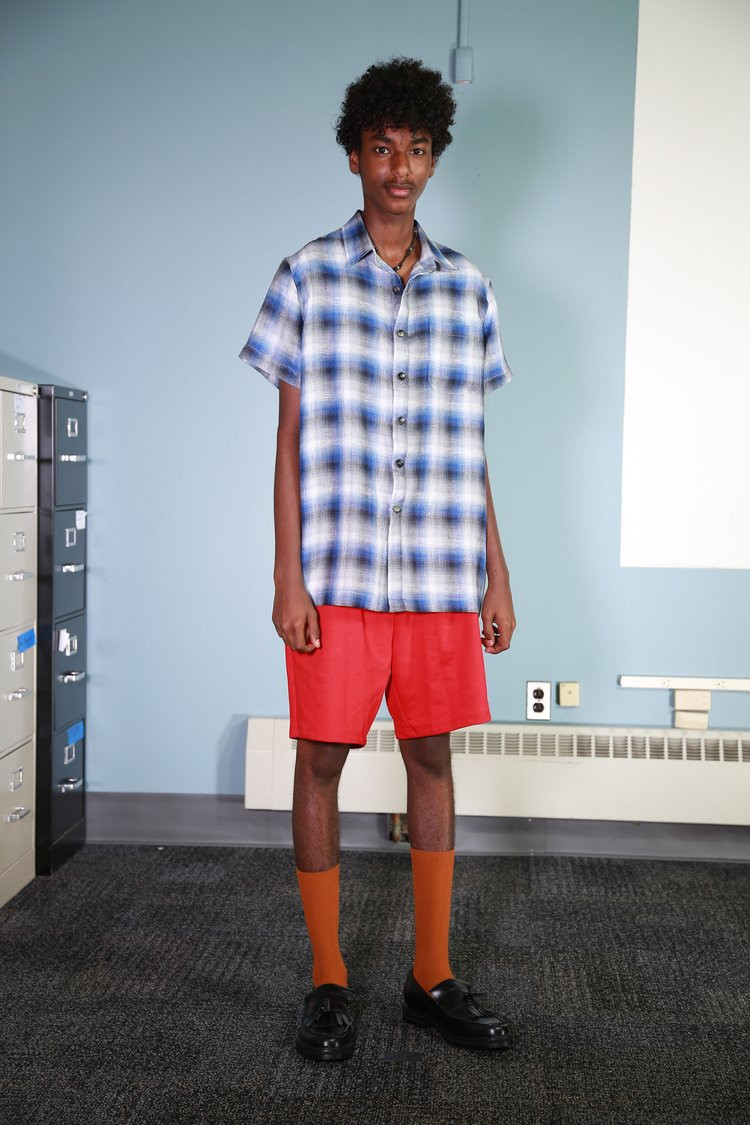
I’m also very inspired by vintage culture—I was watching Beyond The Valley Of The Dolls by Russ Meyer and Chinatown. A lot of ‘70s stuff for aesthetic ideas. In ‘Beyond The Valley’ there are four main characters: Pop Star and Politician vs. Farmer and Schoolteacher. With the actual clothes, I wanted to make workwear for queers that they could feel comfortable and also glamorous in. On a deeper level, I wanted to address how do these different forms of American culture affect each other—like how does a pop star affect a schoolteacher and how does a politician affect a farmer. There are, of course, literal ways, like politicians finding ways to destroy farmer’s careers and teachers educating people to become pop stars now that we’re in the age of Instagram—kind of showing the connections between everyday jobs and ideal jobs; the connections between people with lots of power and people with no power, cause that’s a lot of what American culture is—we often stifle one community to uplift another. It’s awful because so many marginalized communities are affected by that. I want to add my voice to these topics. We all play a part in this no matter who you are—from littering, to voting for someone like Donald Trump; from petty things to heavy things. I think it’s important to be educated in that.
This location is so unique. How did you go about choosing a recycling facility for this presentation?
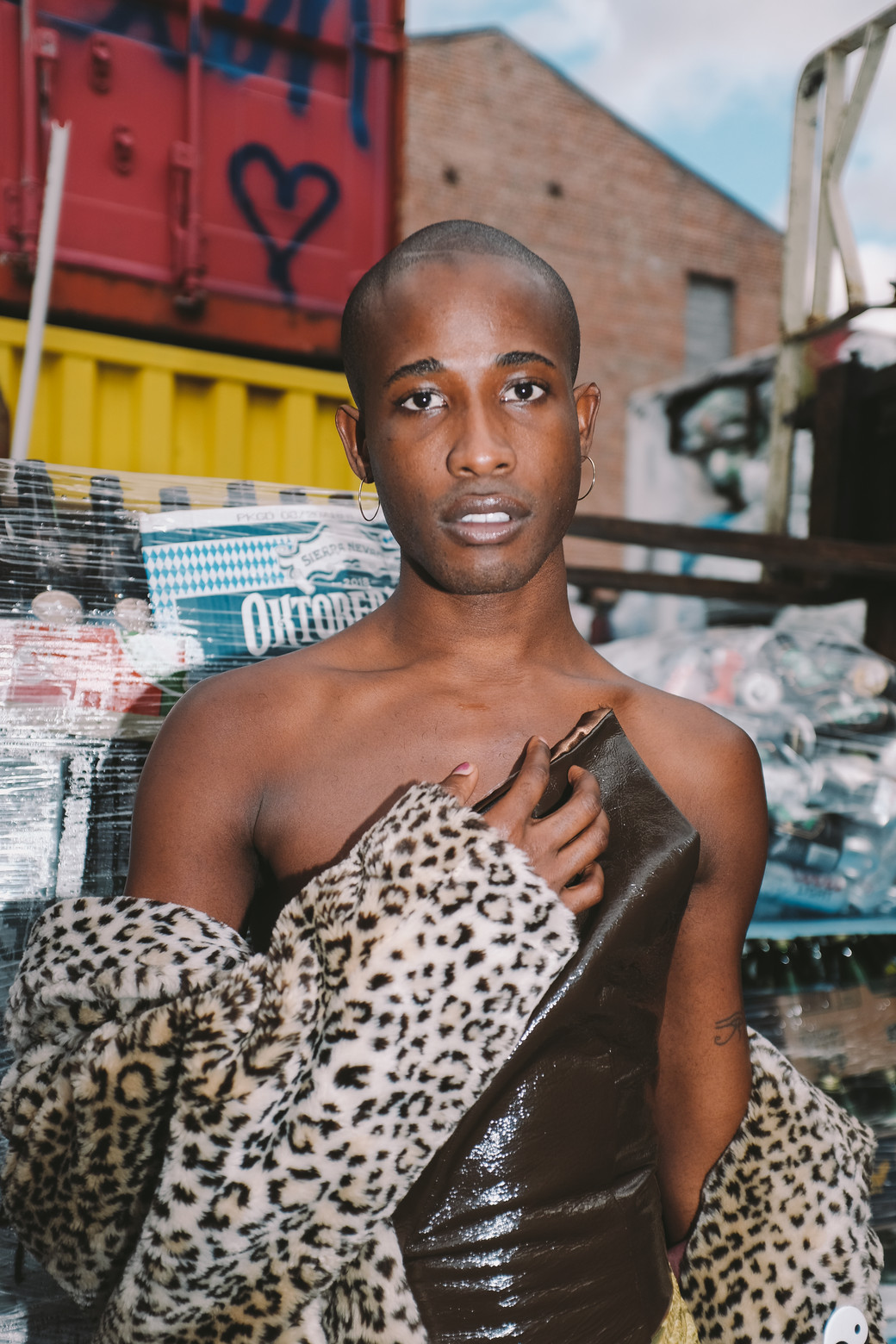
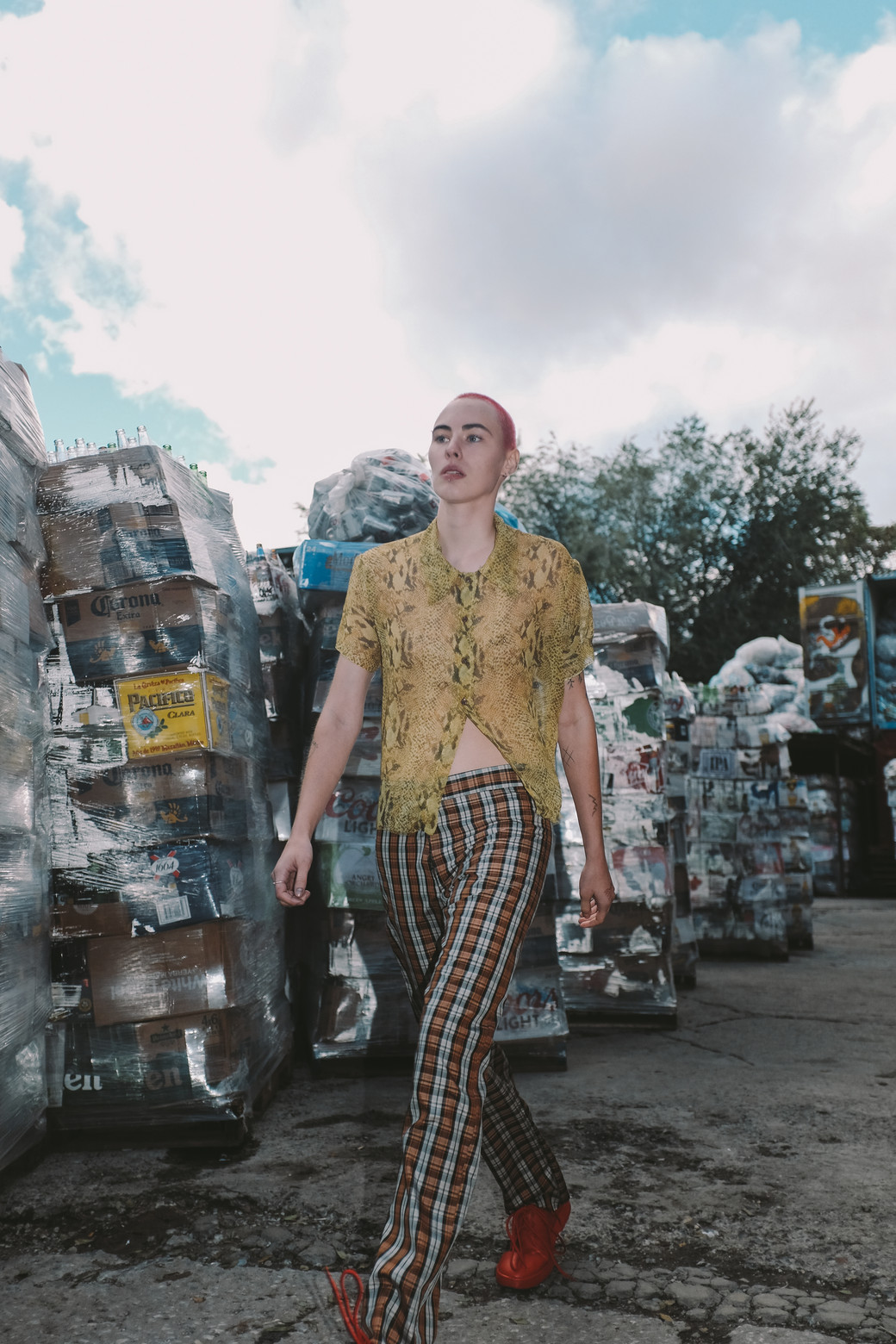
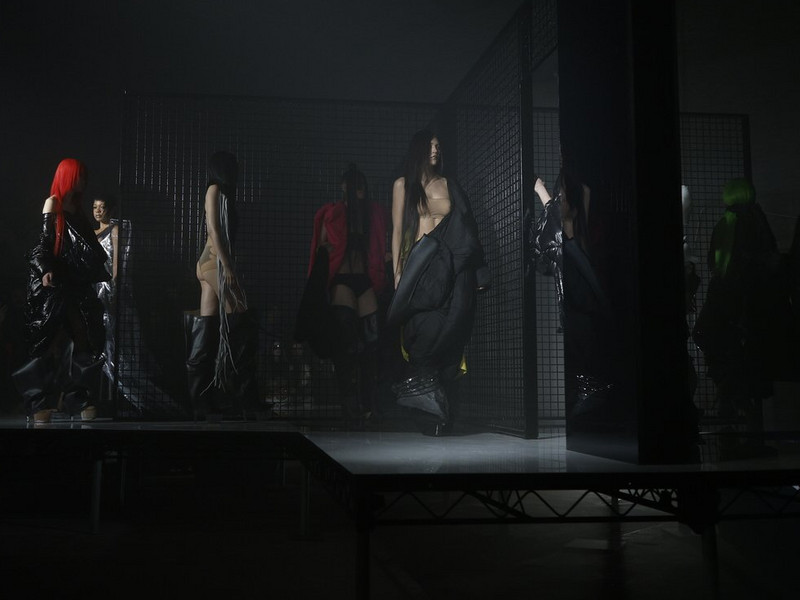
I’ve always wanted to have a show at a junkyard, but then I was like, ‘Wait, it smells.’ So, once I encountered this location and noticed it’s all just plastic, I felt a true sense of Americana. Like all the Coke cans made me think of Andy Warhol—into it. It very much matched what I was into for the collection. Then our stylist Kristi Kruser educated me a lot about sustainability and how to compost, which I never knew about and am very grateful to have learned. That knowledge brought me further into the collection—we’re all just starting to understand the problems. We don’t all have a direct solution but we can know how to help. I wanted to translate that to my clothes.
It also speaks to the larger theme of teaching—like, if you teach someone how to recycle this is where their recyclables will end up.
Exactly. I hope people arrived for the show and were like, ‘What is this?’ before learning that they can also compost here and help out.
Do you have a personal favorite look or piece from this season?
I’m a small designer and I work with small budgets. I really put my all into the evening gown worn by Miss Kenzo. I love that dress. I love glamour and I’m not afraid of it. So, I’ll definitely say the gown.