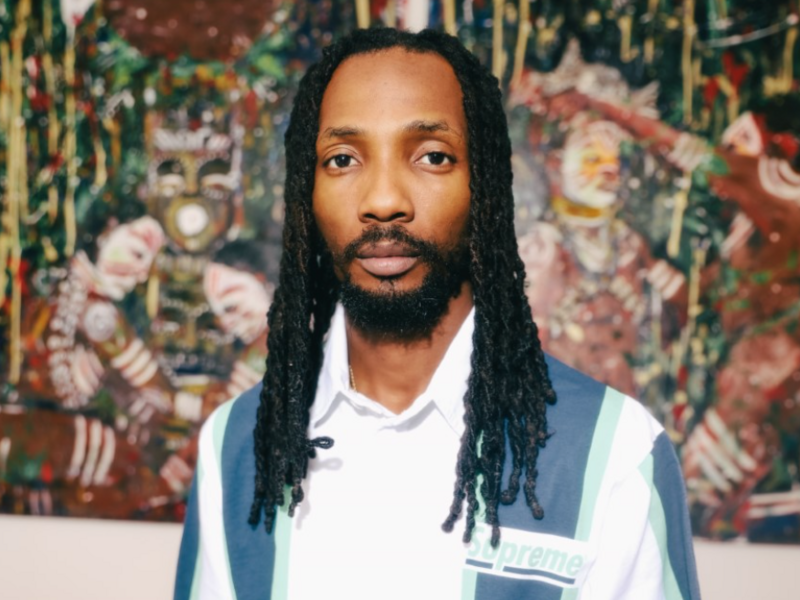
Call me Dean.
Got you. How's your day going? It’s about three o'clock over there, right?
Yeah, it's three o'clock. It's a nice day given that it's London. I just got here to the studio. I was gonna do a bit of painting but yeah, things are good. Pretty smooth. Can't complain.
I've noticed that your last name is X. Is that in any way related to Malcolm X?
I think for me, it's predominantly about my experiences of racism here in the UK and learning about its history. Through studying I got connected to figures like Malcolm X but for me, the X is more like an algebraic X. I think people should be able to self define and the X is a replacement for the ambiguous slave name my family has had for generations. It stands for infinite possibilities.
How do you think the Black experience is different in the United Kingdom versus the United States?
My grandparents came from Jamaica and Barbados. Black people have been in America since its establishment whereas the UK is an older country with longstanding traditions and norms. While the UK was complicit in slavery and the things we associate with it, the task and challenge here is different. In America, the power structure is newer but in the UK, you can see how things have been maintained structurally.
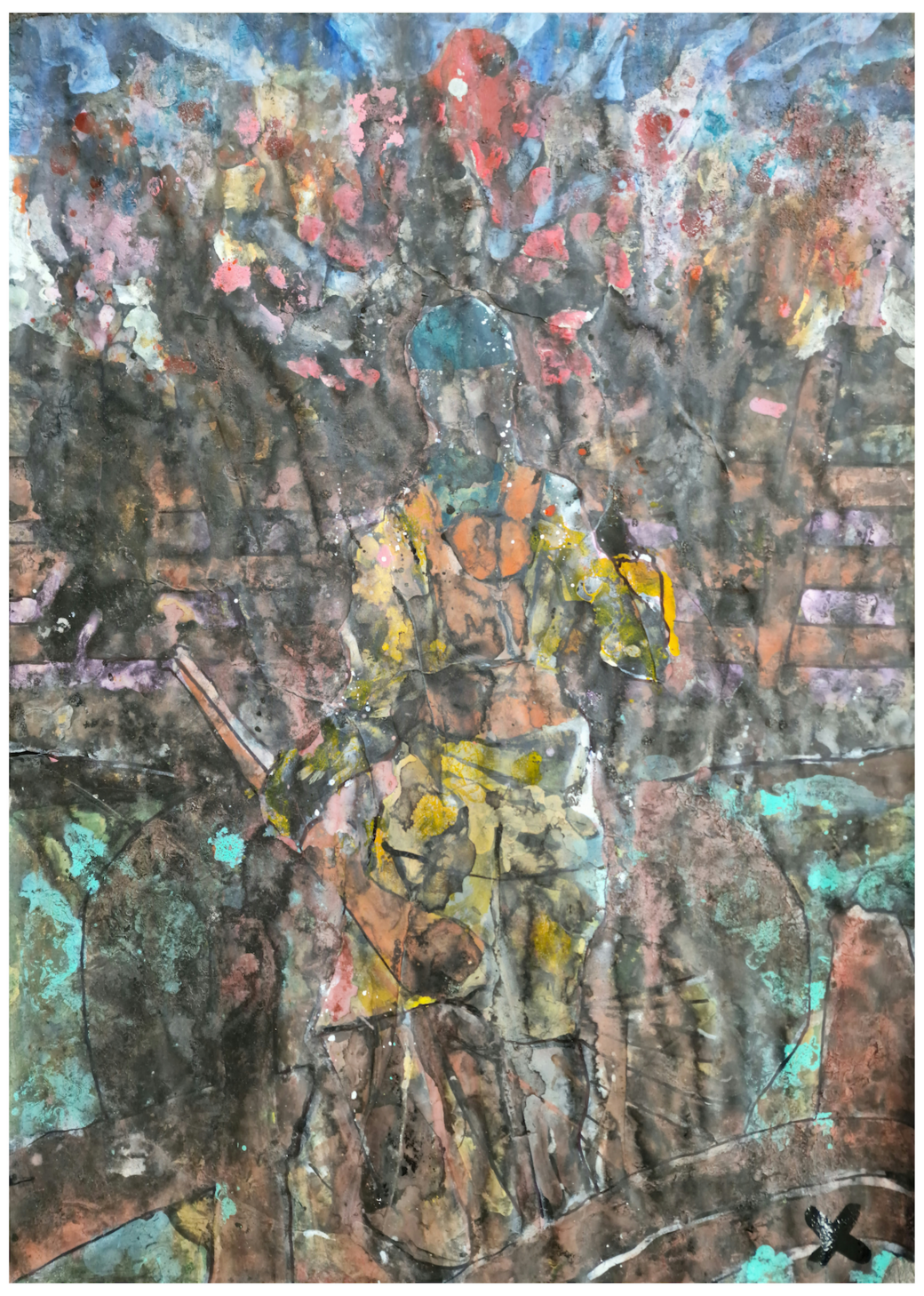
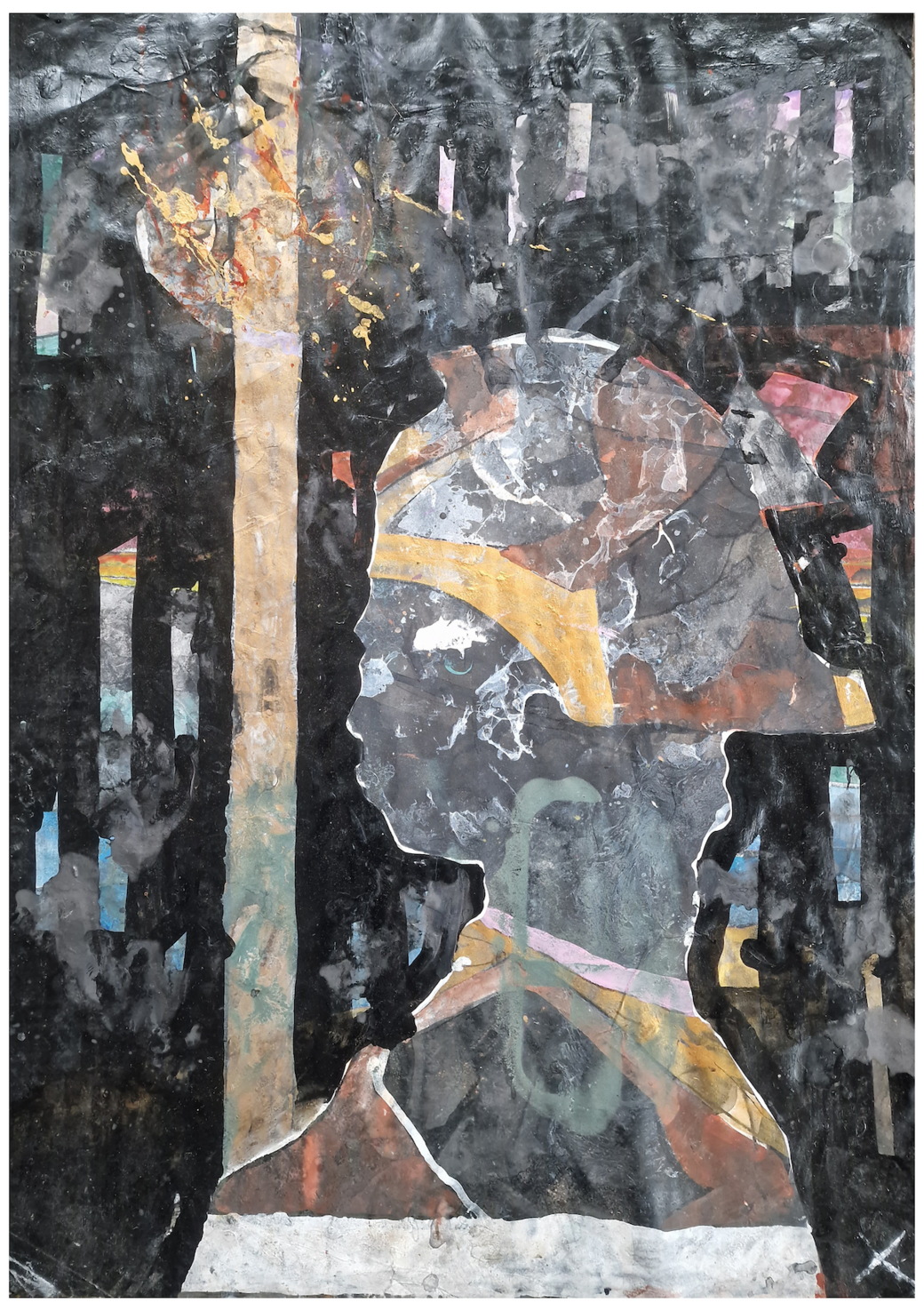
Your exhibition taught me alot about Black American soldiers in World War One. What is the importance of bringing attention to unknown history?
I've always been a curious kid. Growing up Black in the UK, I always saw a lack of representation in the stories, histories and art that I saw. In school, I got my degree in American Studies which involved primarily looking at canonical history and literature from America. So for me, I wanted to develop a visual language to be seen. I couldn't paint if I didn't have something important to paint about.
What drew you specifically to tell the story of the Harlem Hellfighters?
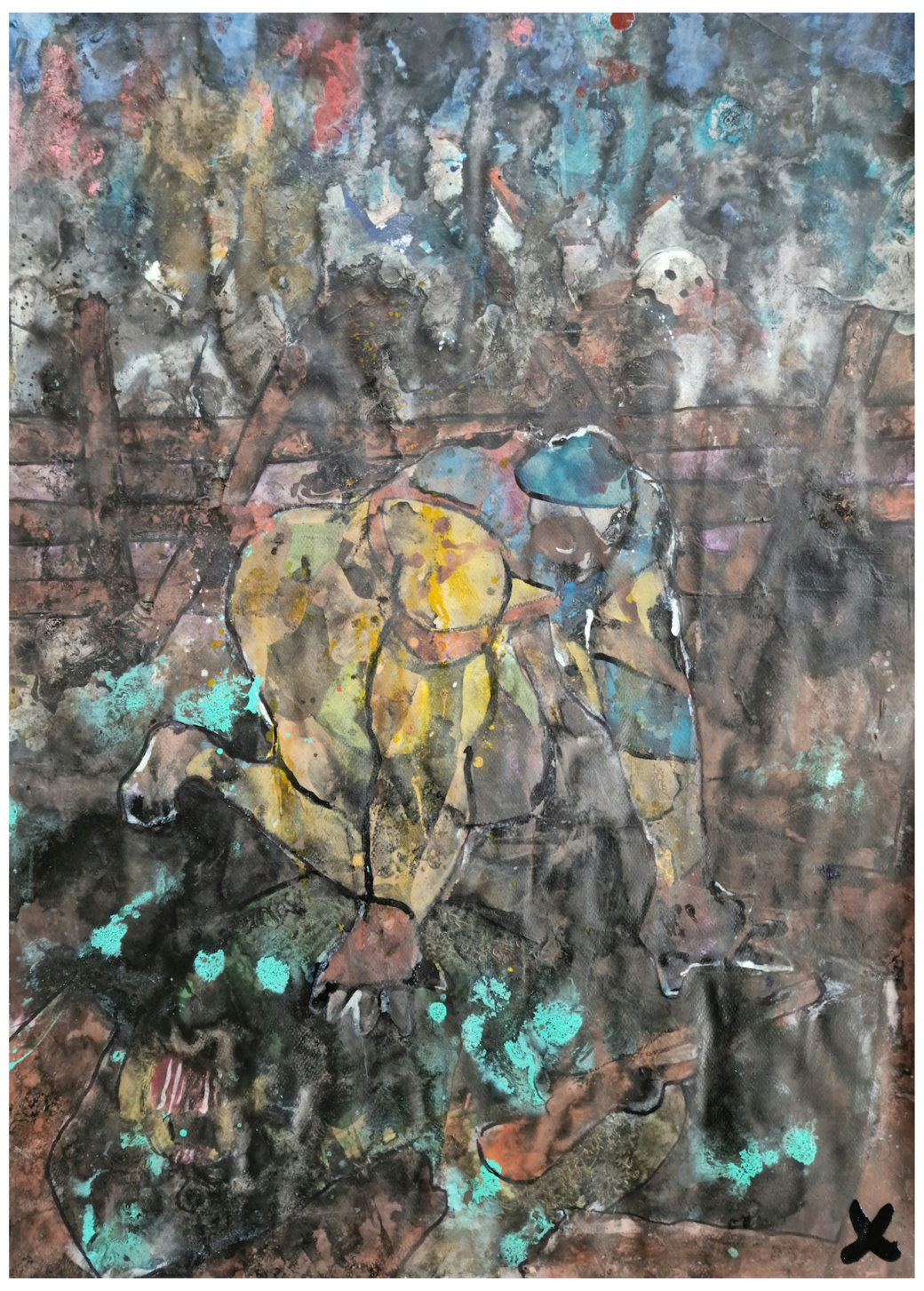
For me, it's about trying to fit in the gaps of the African experience and presence predominantly in European societies like the UK. I started looking into the roles of Caribbean and African soldiers and then I discovered the British West Indies Infantry. They sent them into the trenches, but didn't give them guns, they gave them shovels.
With the Harlem Hellfighters, the United States didn't want Black soldiers or non-European soldiers being glorified, but they were praised and they enjoyed experiences in France, where they felt a lot freer. Obviously there would have been loads of racism but in their minds, it was nominal compared to what they experienced at home.