Rolling Loud
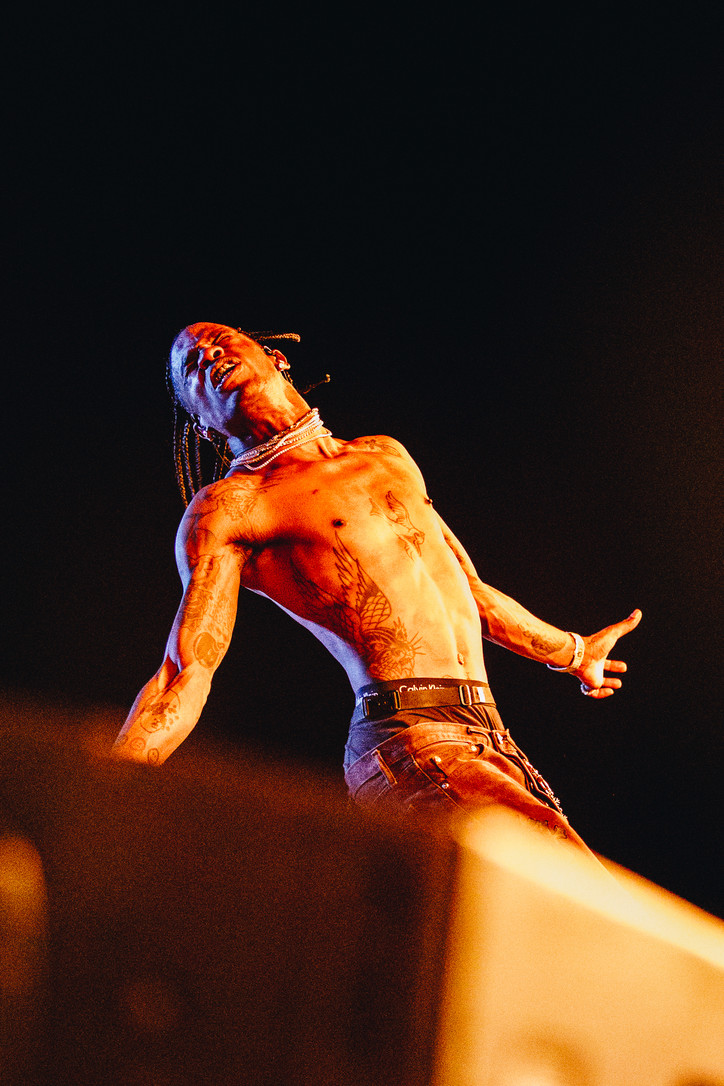
Check out more photos from Rolling Loud below.
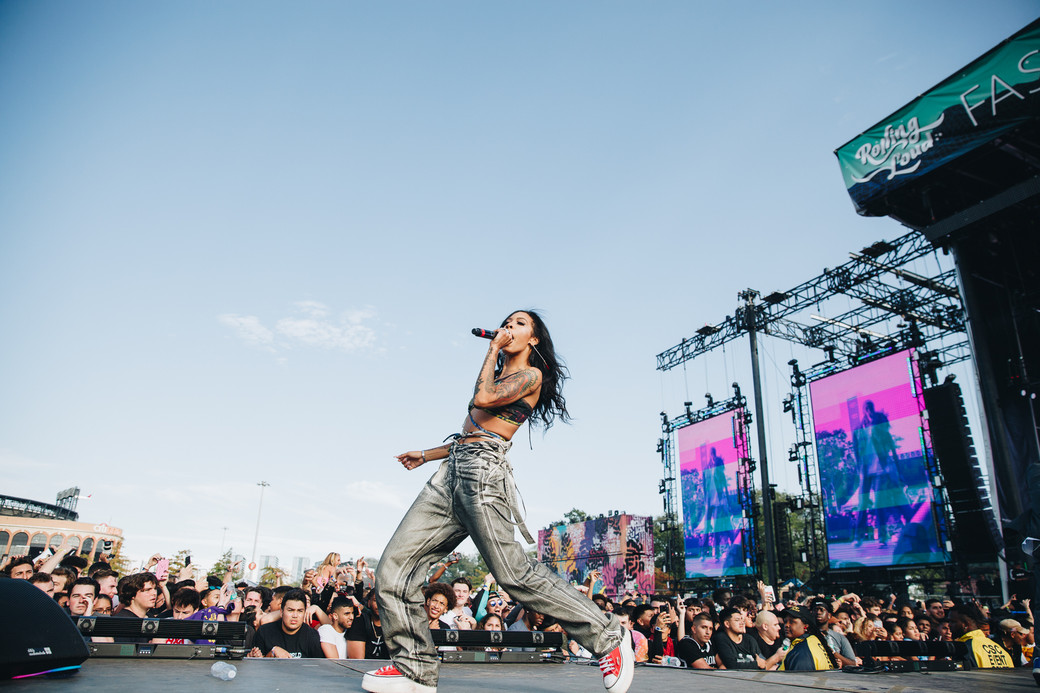
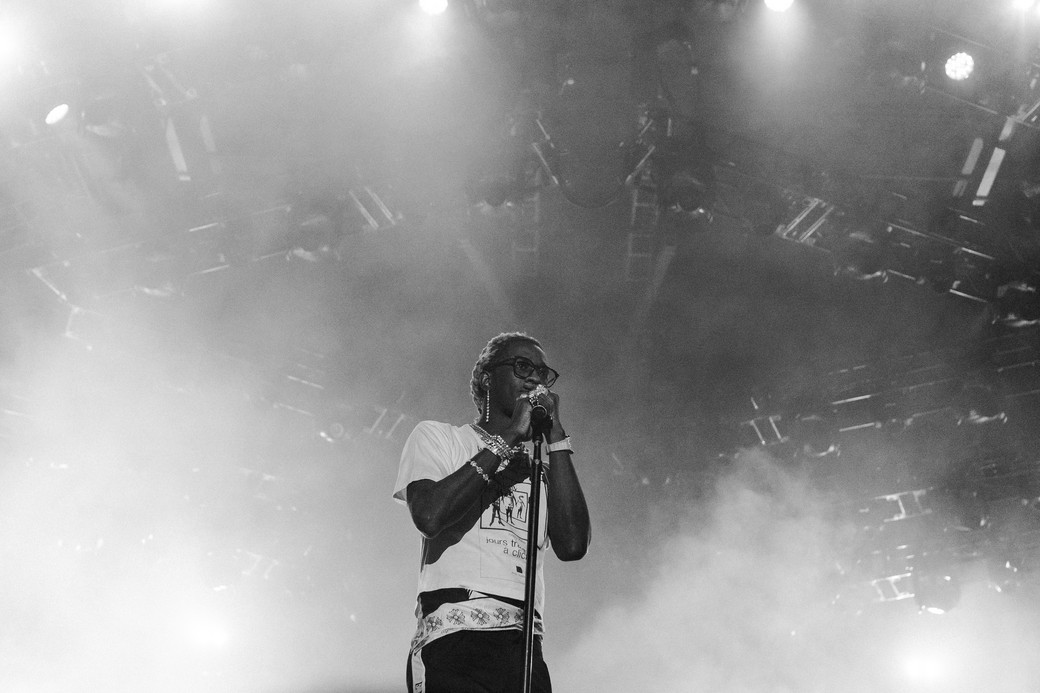
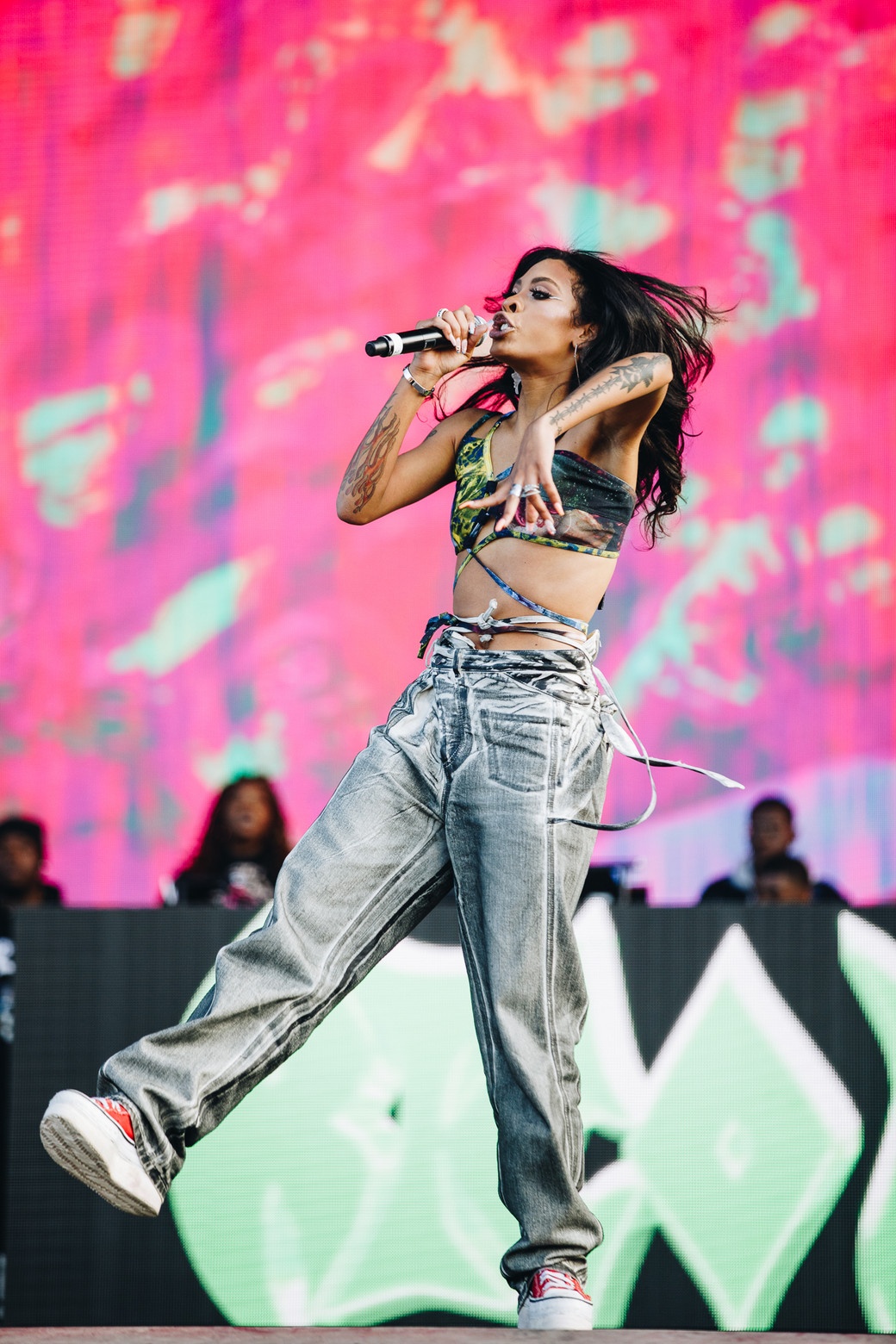

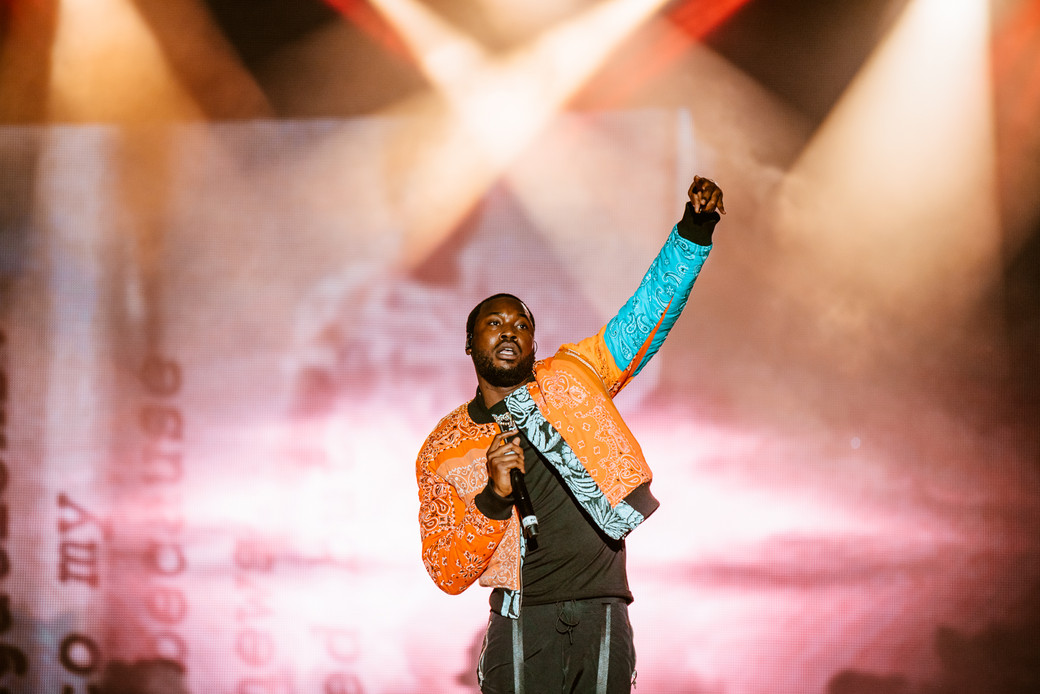
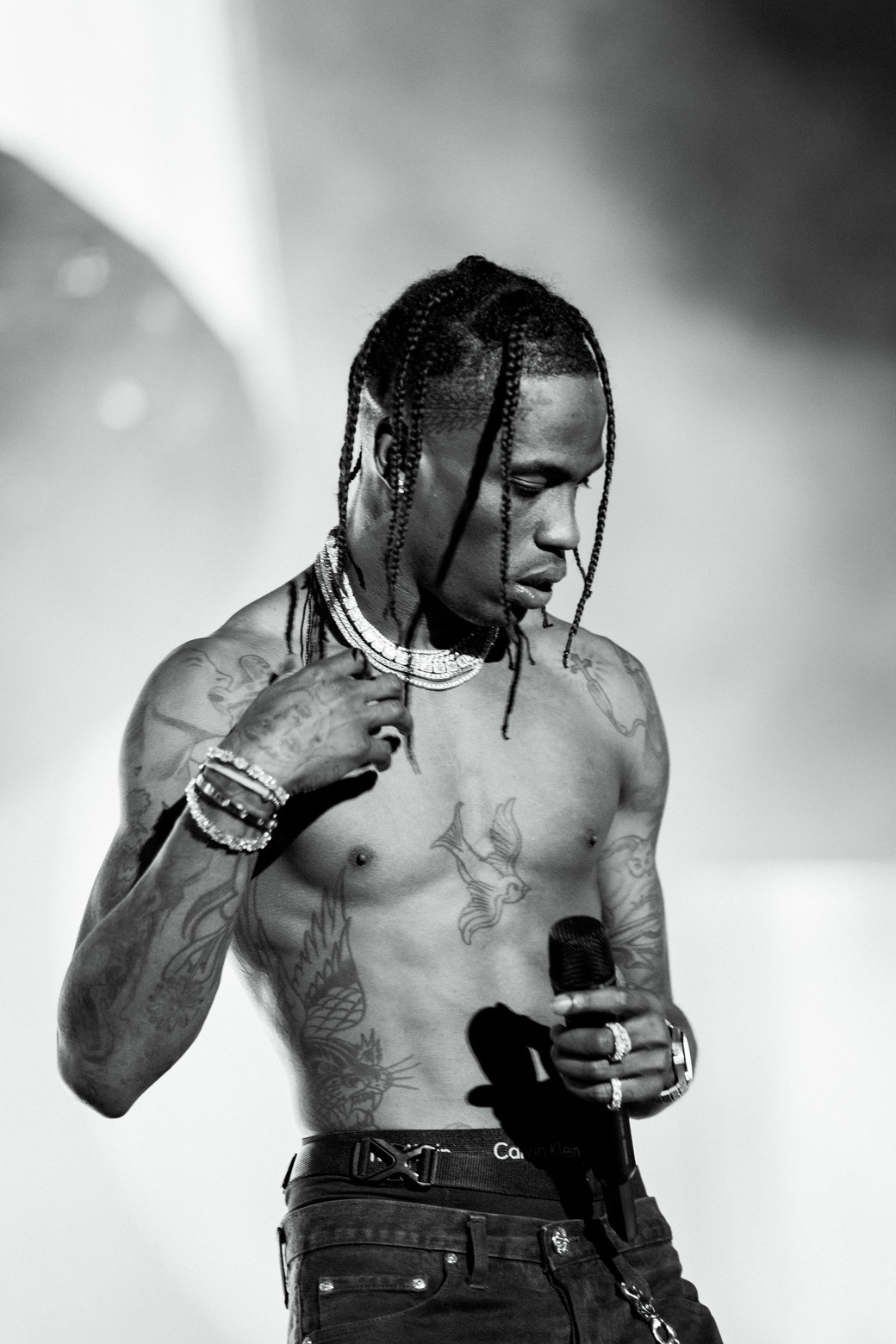
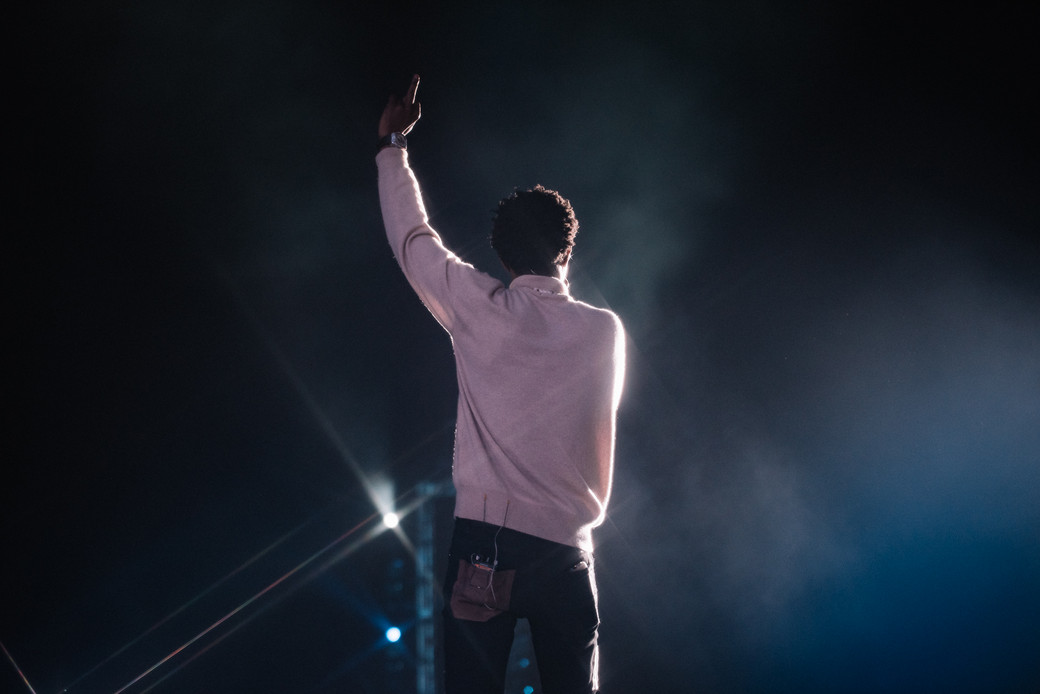

Check out more photos from Rolling Loud below.
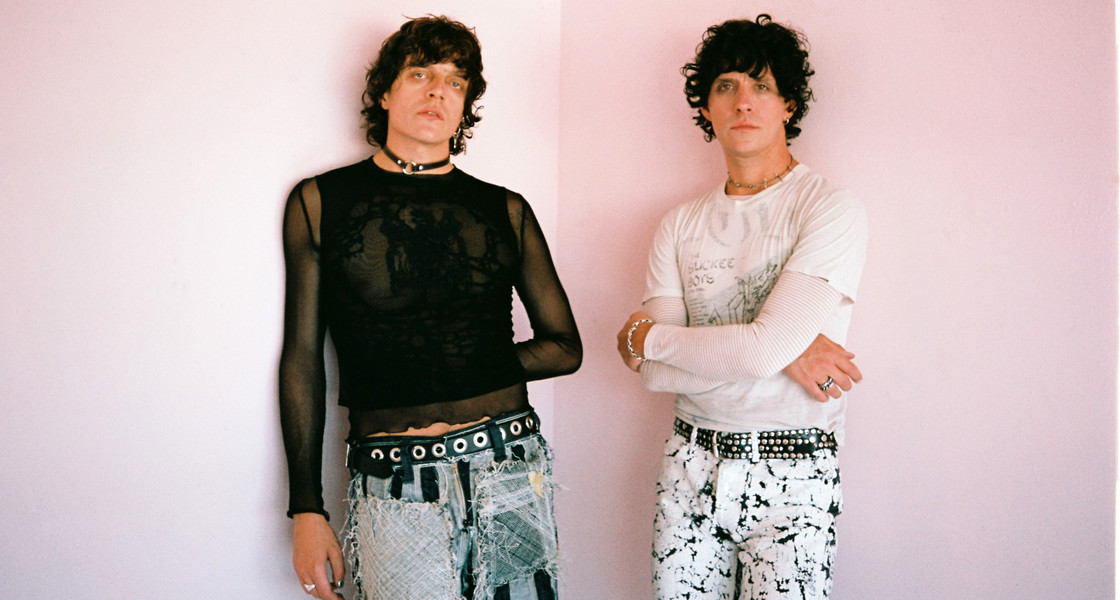
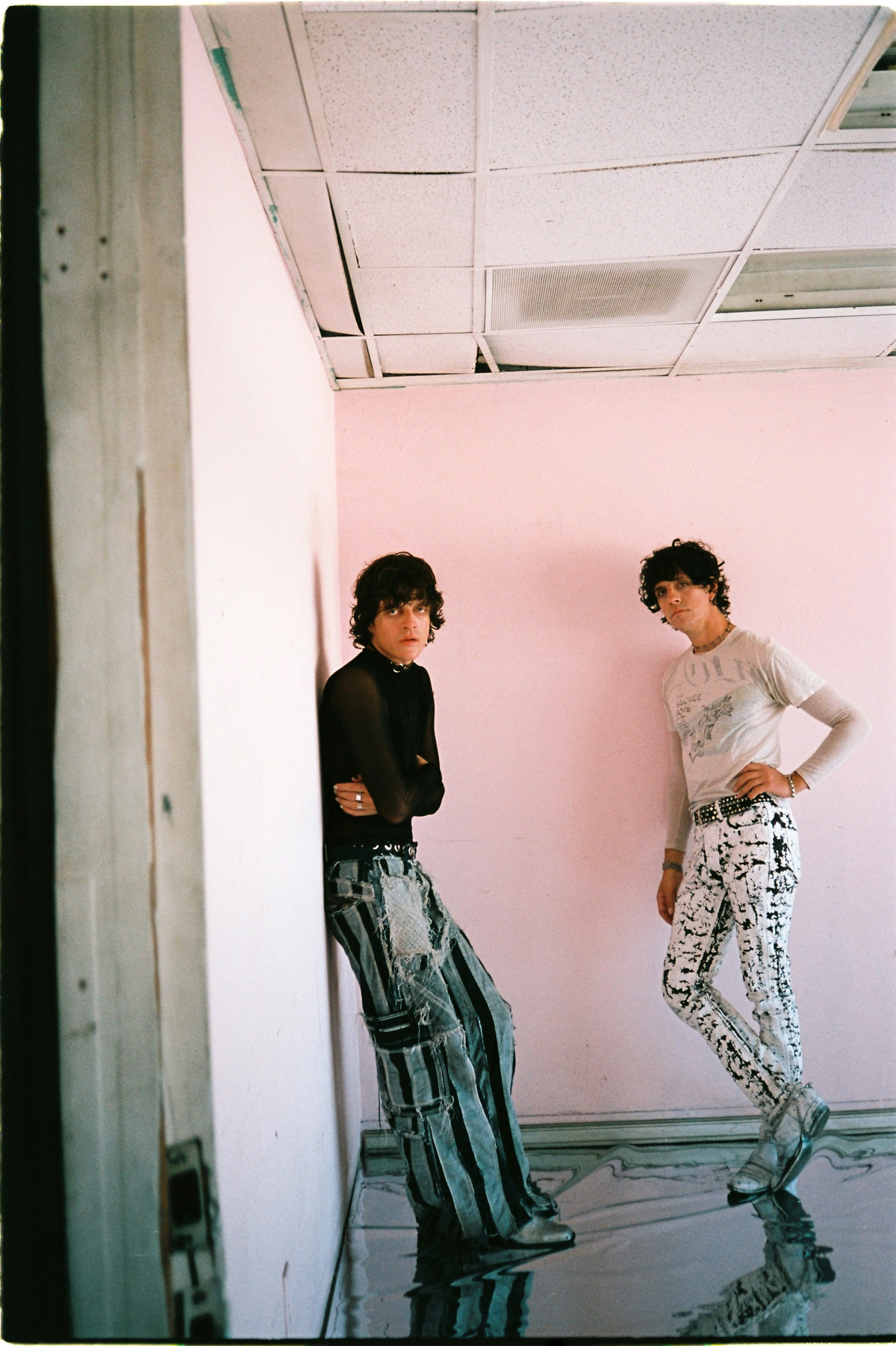
Can you tell me about Poison Time as a concept, and define it as a term?
The name Poison Time came to us during the making of the record, and we were writing a particular song where that was a lyric. We just thought that "poison time" was maybe an era in our minds, and it felt like we were all in poison time right now.
We quickly decided that we weren't gonna try and explain it too much because it was also a name that spoke for itself. You know, it's evocative enough, and it raises questions more than it answers them.
There's definitely a desire for artistic statements to be completely whole when in fact the opaqueness makes it more immersive and enjoyable.
We're definitely on that boat, as huge David Lynch fans, who famously refused to ever explain anything he did.
Similarly to David Lynch, Part of Faux Real’s impetus as a performance project feels tied to the faux-reality of Los Angeles, the city that you now call home. How did the uncaniness of the city lend itself to this project?
This album came together pretty quickly and it was all written in LA in our bedroom studio. I think definitely the city has an imprint on the sound, but what you're saying about the uncanniness of this place is definitely a major and constant theme for us.
We elected to come here, you know, we chose to live in the city five years ago for these same reasons, because that drew us in. Geographically speaking, this is our first LA record, so it's in there a lot. The song [from] which the lyric Poison Time is lifted is a song called “Hides of March” that we started writing right around when the fires were happening last winter 2025. We were just waking up, and there were half-burnt books in the garden, just traveling in the wind. It was just a really strange, surreal time.
Tell me about “I Got Mine.” The lyrics seem to portray someone relenting to heartbreak and disappointment. Where did this song come from? How does this single sit alongside “Seesaw” and “That Far?” Do they all follow the same emotional arc?
“I Got Mine” is one of the more intimate songs on the record, which is funny because it's also one of the singles. It's about heartbreak and and getting over it and spiraling back into peace after a moment of turmoil.
There are a few overarching themes. One of them is "The Myth of the Ship of Theseus." [For] our first album, we were kind of obsessed with Sisyphus rolling the boulder up the hill every day and having to do it for all of eternity as punishment. There's less guilt on this record. The ship of Theseus was a really interesting myth or story for us, because the paradox is, if you replace every board on the ship to preserve it, after a while every board is new.
When we finally sat down to start making album two, we'd just been touring for three years straight. It was this relentless go-go-go up until we finally dropped the album. When we finally sat down after all that, we were like, wow, what a crazy crescendo that was. Well, the next logical step is just to do it all again.
Another thing that we were interested in writing about on this album was mythology, and these things have as much depth to them as something that can be so small and mundane in your everyday life. How the micro and the macro affect everyone so significantly. When you read a sentence in The Odyssey, you feel like whoever wrote it is making fun of you, like directly pointing the finger at you through the centuries.
There's so much of the sublime in the mundane, and that's where good lyricism and good poetry are meant to take you.
In the same way, you'll read the label on the back of a cereal box, and it just breaks you down into tears. That's why there's this mythology name-dropping throughout the record, but it's also countered with hyper-mundane ritual acts of everyday life.
The song where we literally say, ‘The Ship of Theseus’ is a song called “One by One.” The song is bookended by found sound. The sounds are just us at the beach on a vacation, so it's the most intimate and the most grand, meshed into one. I never even thought about that.
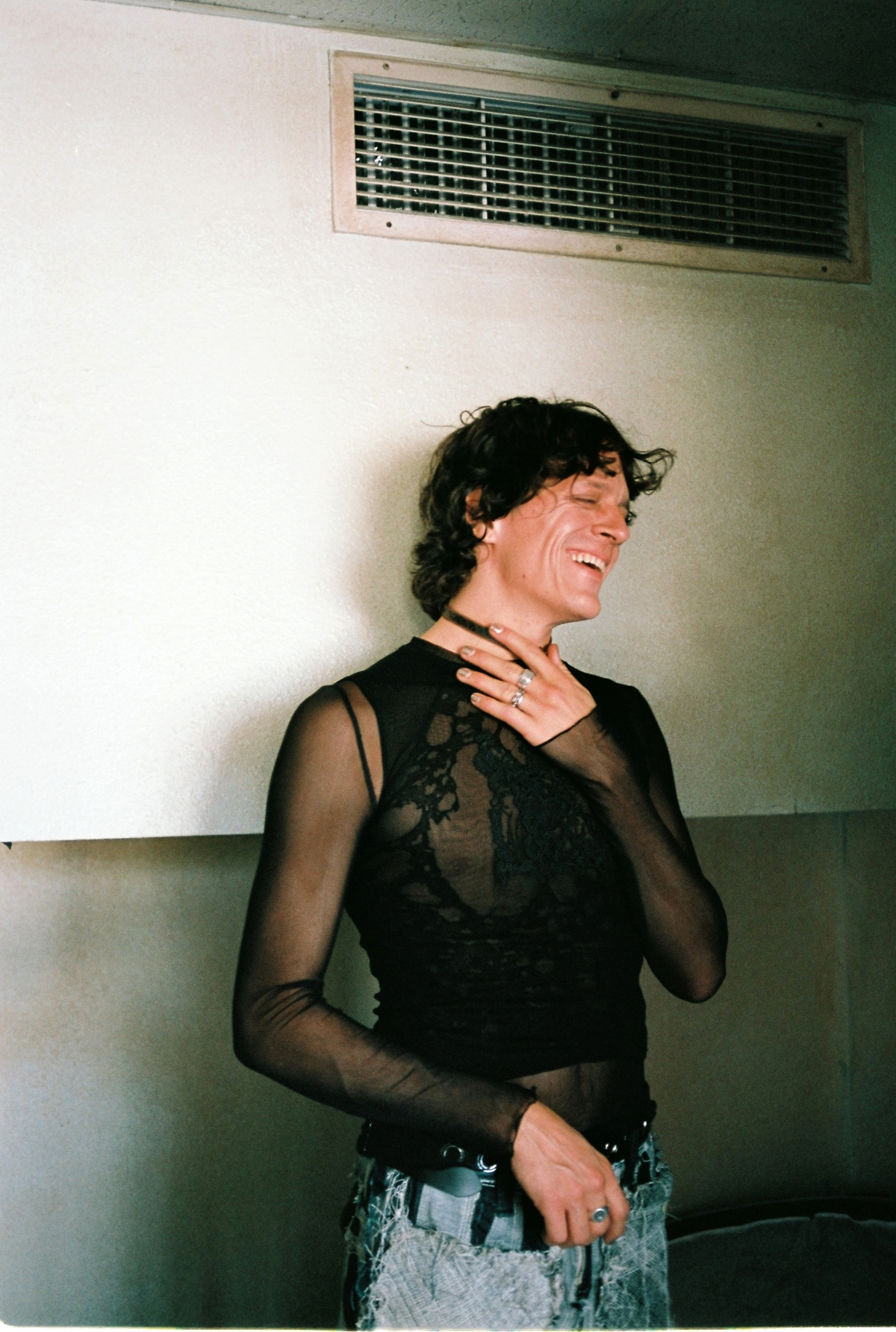
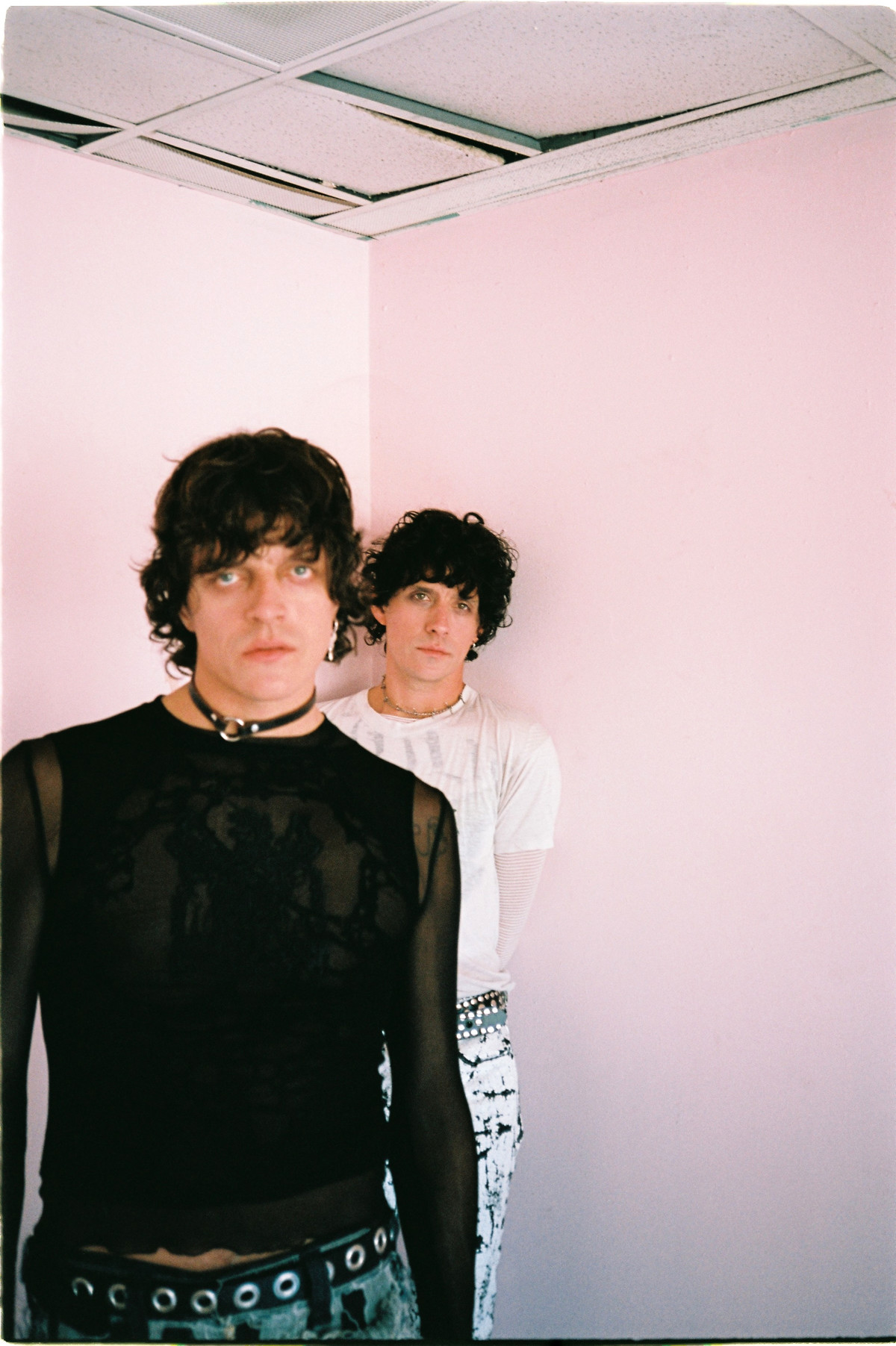
Are you the ones who choreograph your performances?
It's all self-taught because we don't have a dancing background at all. We just started dancing for the sake of this project, and it was an inside joke that went a little too far, and now we're working with choreographers. It was largely to just give us something to do on stage at first, and we were like, okay, what looks good? We do have a sort of visual arts component to this. Elliot's a filmmaker and a painter, and so that was the lens through which we looked at it.
We've done over 200 performances now, and also with the brother thing, we definitely have just a shared language and understanding of spatial awareness of each other by now.
What was the process of making this music? Is it similarly insular?
Our history with music-making is a little bit different because we've both been in bands and projects and making music for almost 20 years now. By the time we started the project, we were both coming from more traditional rock band backgrounds. When we started writing the songs that would become Faux Real together, we were like, let's forget everything we think we know about making music and just go purely off instinct. Because we're brothers, there was immediately some ease into what we were trying to say.
The insular nature of the start of Faux Real allowed us to experiment and find the sound that would become our first and then second records. So it was a necessary tunnel to go through in a way.
It’s kind of like that band, The Shaggs. They didn't really know how to play music or write songs, and [their dad] just had them rehearsing until they made a record, and it's so bizarre. The music sounds like nothing else you've ever heard because it's so disjointed. That's a big North Star for us.
What are your thoughts on nostalgia culture? Where does iteration versus inspiration come from?
I definitely have participated in musical projects that were revivalist in a way. As fun as it is and as niche as it is, I think that's something we tried to steer away from. Of course, our music's gonna be informed by our wealth of knowledge, and we know our classics. It's not that we're consciously trying to steer it into a modern direction; we're just interested in doing something that feels original to us, that feels fresh and new
I think generally speaking— and this has been a good and a bad thing for the project— is that every time we feel like we're doing something that sounds like that or looks like that one thing, we're like, nope.
When there's a reference, it's usually accompanied by another that offsets it or subverts it. I think that's kind of how we feel about nostalgia. It's a super powerful thing to draw from emotionally, but if you pursue it for its own sake, it kind of bites its own tail and stops being productive.
How do you balance emotional surety and closeness with satire in writing? Do you think it’s possible to satirize without a monoculture to speak to?
I think it's about dosage. A little bit is good; too much of it kind of spoils the fun. And I think an emotionally close song is heightened by self-awareness and sometimes self-deprecation in small doses.
I think even lacking a monoculture, because now everything is fragmented through the internet, it's like what I was saying about the philosopher talking to you through the centuries and making fun of you for not getting out of bed because you're sad. You still gotta get on with it. Everybody understands that. That's like, fundamentally human.
There's a degree of self-awareness and us poking fun at certain things that we do knowingly, and it's just part of the language. In the stories we tell, there's always that element of, what if we threw a pun in this song that’s about something really dark? It's not something you necessarily pick up on the first time you listen, and then the second time you listen, you're like, wait. I think there's a lot of flavor there.
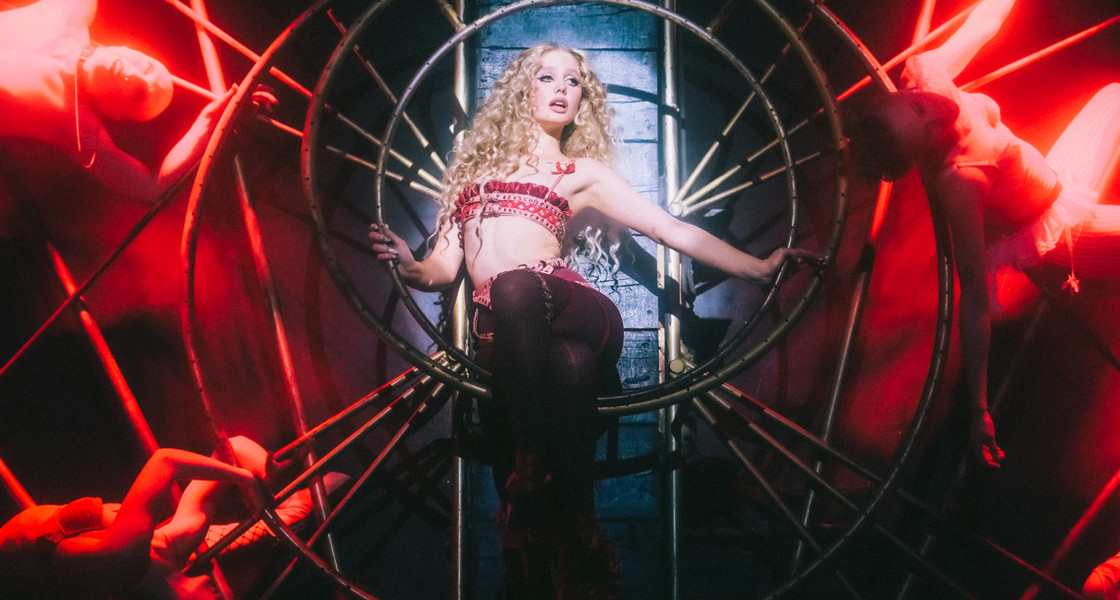
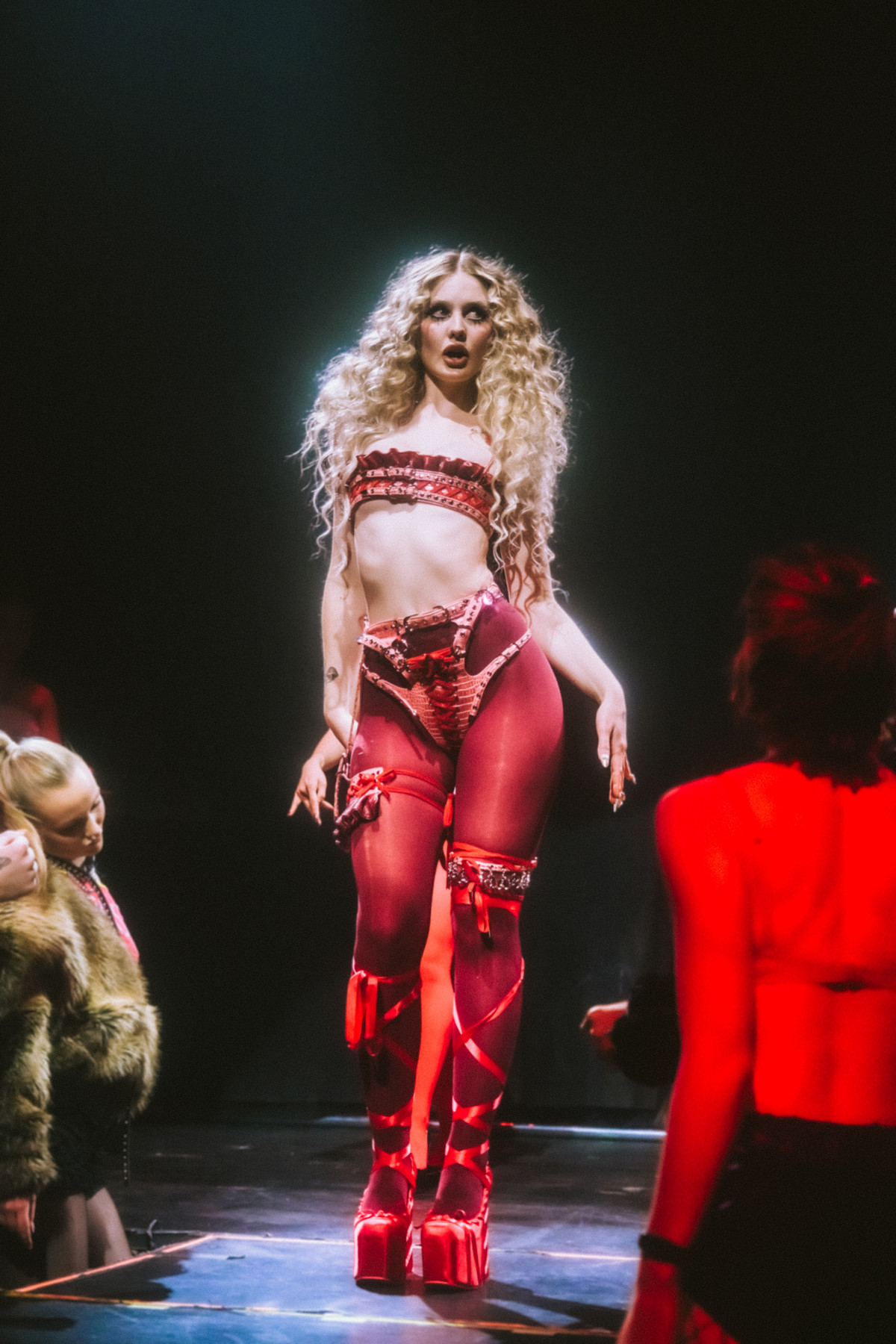
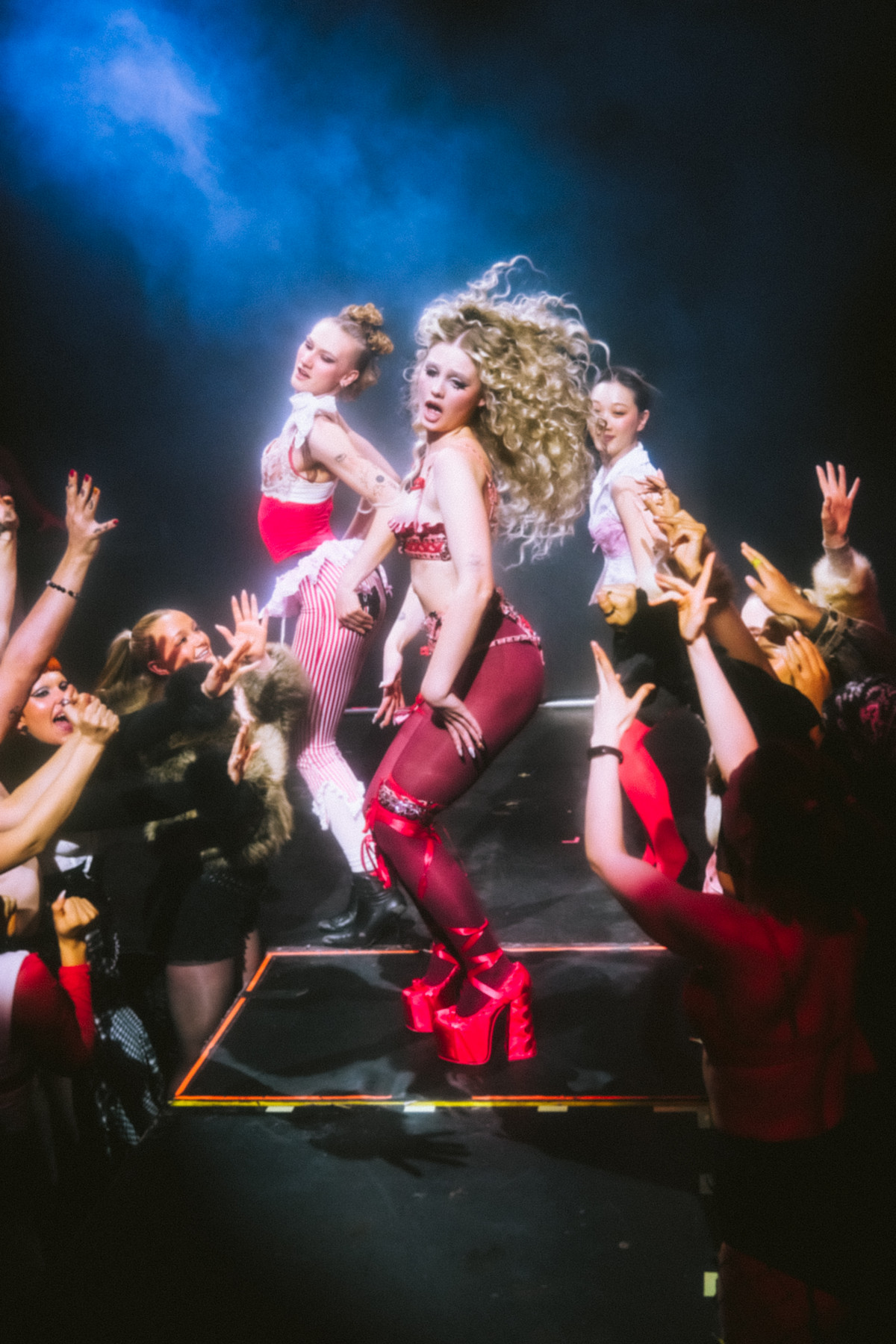
What does “musical theatre pop” mean to you?
It's the way that I approach music sonically. You can hear the representation of musical theatre. But it’s the overall storytelling and bringing out the theatricality of pop. It’s already theatrical in a lot of ways, so it is really exaggerating that, really making it camp, really making it as dramatic as possible.
Are there any particular musicals that have inspired you?
Yes, I have a lot. I grew up listening to show tunes. But I love Chicago.
Oh yeah, absolutely.
I love Burlesque, which was a movie first. Now is actually on the West End. Hopefully it’s coming to Broadway soon. But that movie overall really inspired me.
Yes, Christina and Cher are amazing in that movie.
Yes, I love it so much. I would say those are my go-tos because they're so diva and I just love a diva show.
Do you ever want to go on the West End or Broadway?
One day I would love to be on Broadway, when the time is right. Pop star first.
It's definitely a pipeline, pop singers going on Broadway.
Yes. I've been seeing that pattern lately.
Are there any dream shows you want to be in?
This is hard. I would love to play Galinda [in Wicked] one day. That would be awesome. I would also love to play Roxie in Chicago. That would be amazing. I don't know. I have dream roles of shows that don't exist yet.
You can make them.
I've been thinking the same thing.
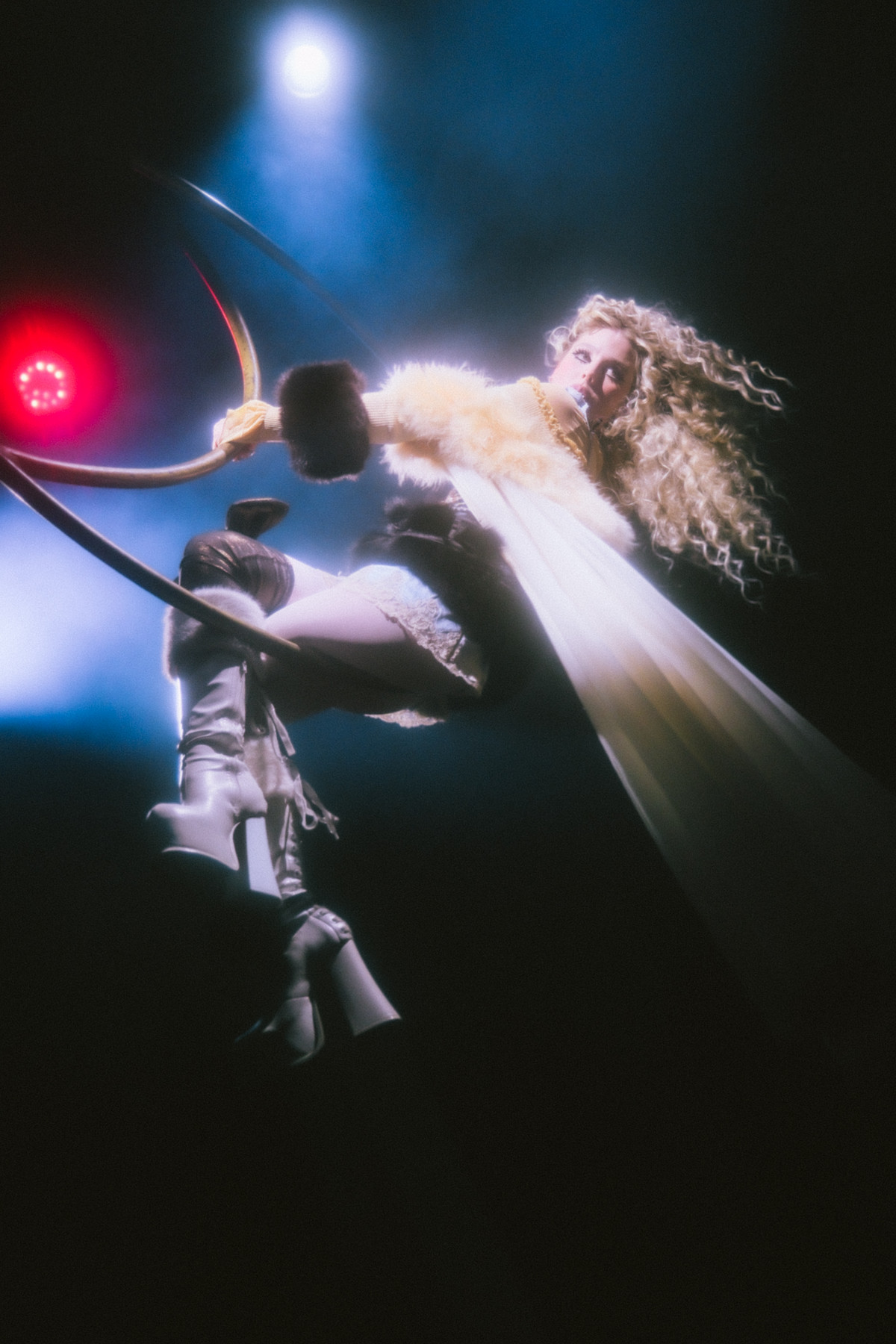
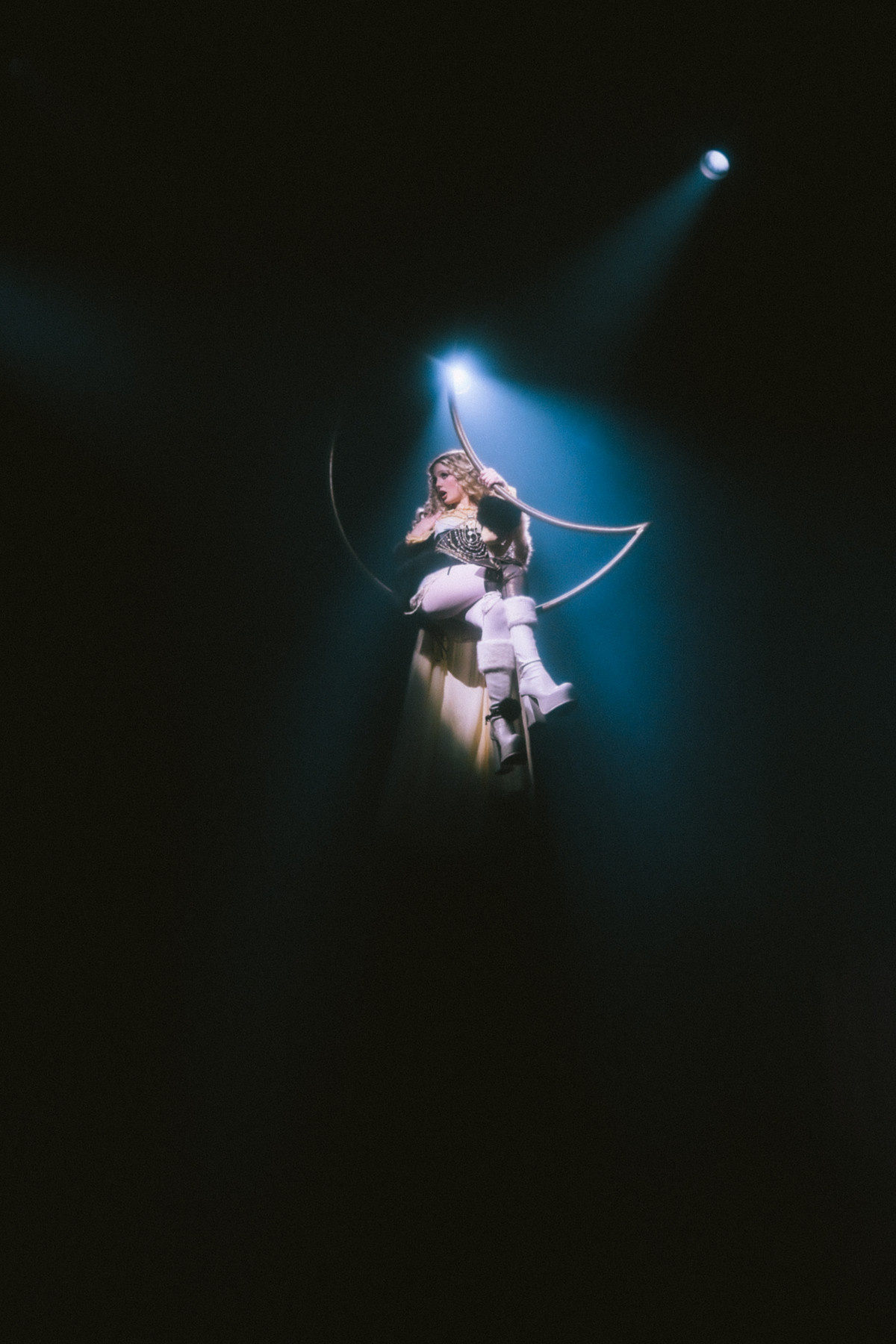
Moving on to your new project, RAEGAN CORE. The title sounds like a trend. What was the inspiration behind that?
RAEGAN CORE happened by accident. It was in rehearsal. I always dress very Raegan core, no pun intended. Very experimental and very me. I like to represent myself through fashion. It's my self-expression. One of my band members was looking at my skirt and she was like, “that's so Raegan core”. For me, it's the theatre kid manifesto, the queer kid, the drama queens, the crybabies. It’s a space where we can all coexist and be unapologetically ourselves bold and loud. That's what RAEGAN CORE means to me.
When you write, do you start with lyrics or production?
It depends. A lot of the time I start with production first because production is how I feel within my body and then lyrics are how I feel in my head. But there have been so many times that it hasn't been that where I come with my notes app already decked out with paragraphs.
Is there one song from RAEGAN CORE that you feel like fans are going to connect with most?
When it comes to live performance, I would say It's So Hard to Be Me is always a crowd favourite. That's the one that will drop September 18th with the full project. Every time I perform it, it's like a magnetic energy in the room. I live to perform that song.
What are your first memories of musical theatre?
I've done musical theatre growing up, literally since I came out the womb. My first memory of me doing a musical was me completely forgetting my lines. I was a cheerleader, and I went to go do a cheer and completely froze. I just forgot every word. Since then, I have never remembered what I was supposed to say. I remember it distinctly and I remember feeling in the moment that you have to keep going. You can't freeze. So, I just improvised and I will never forget that. That's a huge lesson that's carried on through my whole career and all of my performances. You have to be locked in. If you mess up, it's part of the show. Keep going. No one needs to know.
Does that happen a lot?
No, but it can happen in different ways. I don't often forget the words because I've written the songs. I can't say that it hasn't happened. But it's very rare. I also think it's easy, when you have this persona and when you are musical theatre; you can make it part of the show. One time I was like, “wait, wait, stop, stop” and stopped the band. I was then like, “okay, now go.” No one in the audience knew. Even my girlfriend was like, “oh, I thought you rehearsed that.” Perfect. I'm glad you thought that.
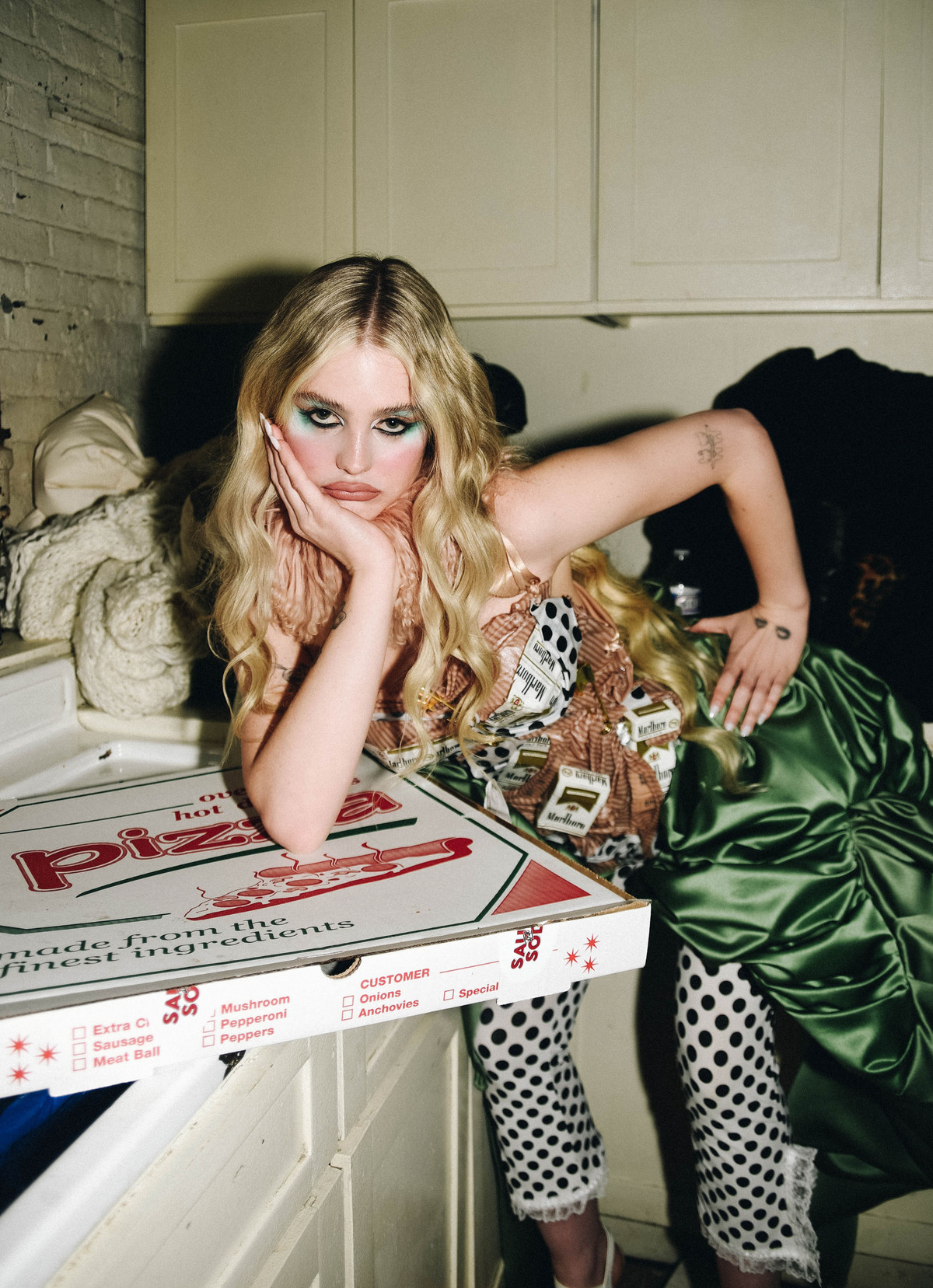
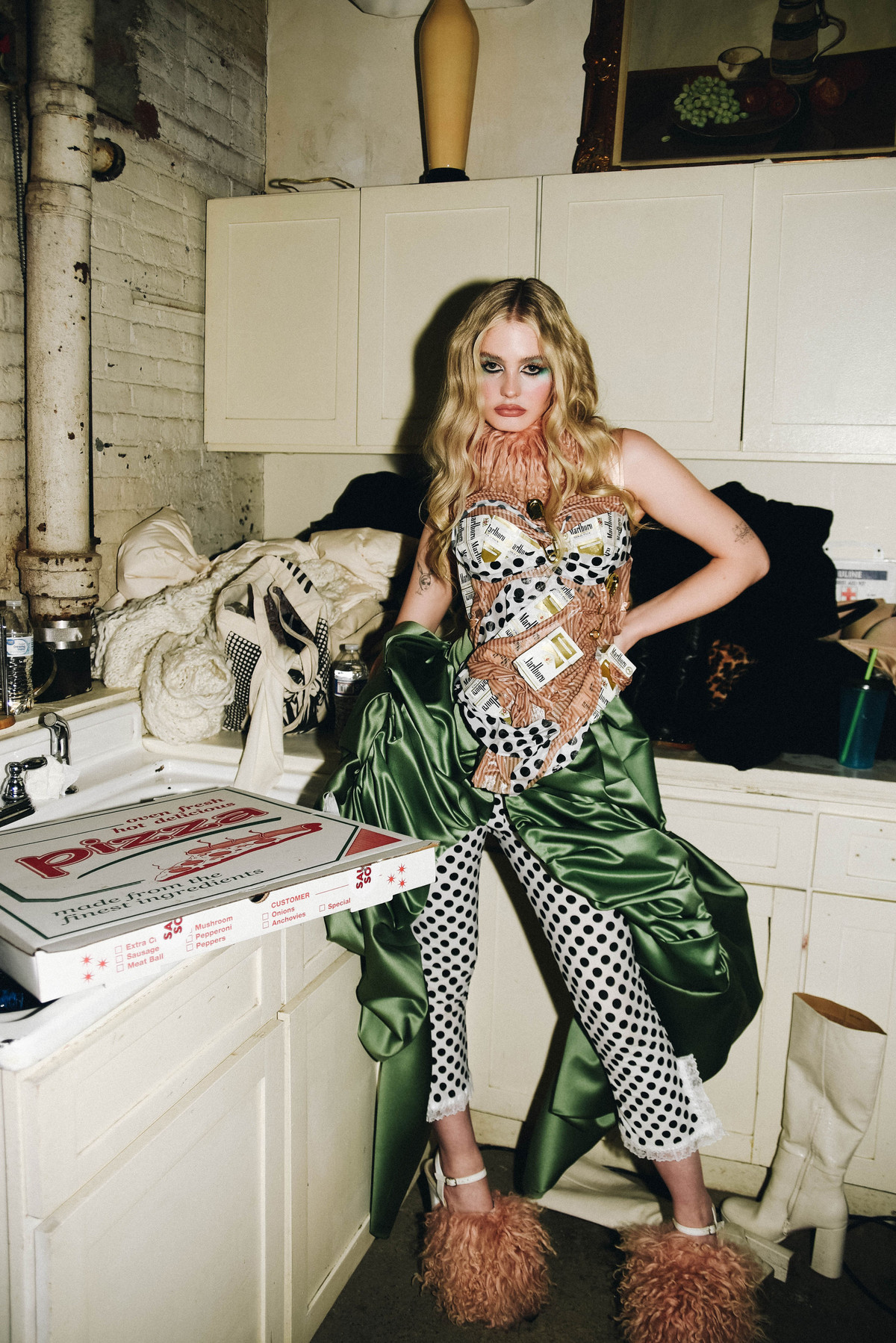
How is this project a development from your previous work?
I think my goal was to represent who I am now. My first project, FUCK RAEGAN, was made in high school. So, it was me coming of age. When you're a kid, you just exist. Then you're like, “oh, I'm alive.”
Consciousness.
Exactly. That was the word. And then you're like, “okay, who am I?” And I think that's what FUCK RAEGANwas. It represented who I was when I was 16 to 18. I think RAEGAN CORE is self-reflection and realising who I am and who I want to be; who I am as 23-year-old Raegan.
Tell me about your upcoming tour.
I’m doing my first headline tour, which I'm really excited about. It will be in New York, LA, and Chicago, end of September, early October. It will be a cohesive RAEGAN CORE production.
Are you nervous for it?
I'm not nervous. Honestly, I'm just excited. The thing about performing is I don't get nervous until the second I'm about to walk on the stage. Right before then, I'm like, “oh shit, this is scary.” My heart goes crazy, and then I get on stage and it all subsides. In the preparation period, I don't feel nervous. I need to give the best show that I can give and really entertain people. That's my intention.
Which song on RAEGAN CORE is most like what you want to create in the future?
I'm just going to say one of my favourite songs on the project. The Angel of Los Angeles. I love that song. That's the song I'll listen to on loop, of my own music. You do it a lot before it's out, listening to your own music. The Angel of Los Angeles will never get old to me. I want to always be obsessed with my music.
So, do you think you could ever get tired of performing any of your songs?
So, like most artists, I would say yes, if I didn't continue to recreate them. I think that if I were to do the same song in the exact same way over and over, of course. That's human nature. But I think that what makes it exciting and new is when you have a band and it's live, you can always recreate them. So, I try not to get tired of them and try to make ways that feel new. So, yes and no.
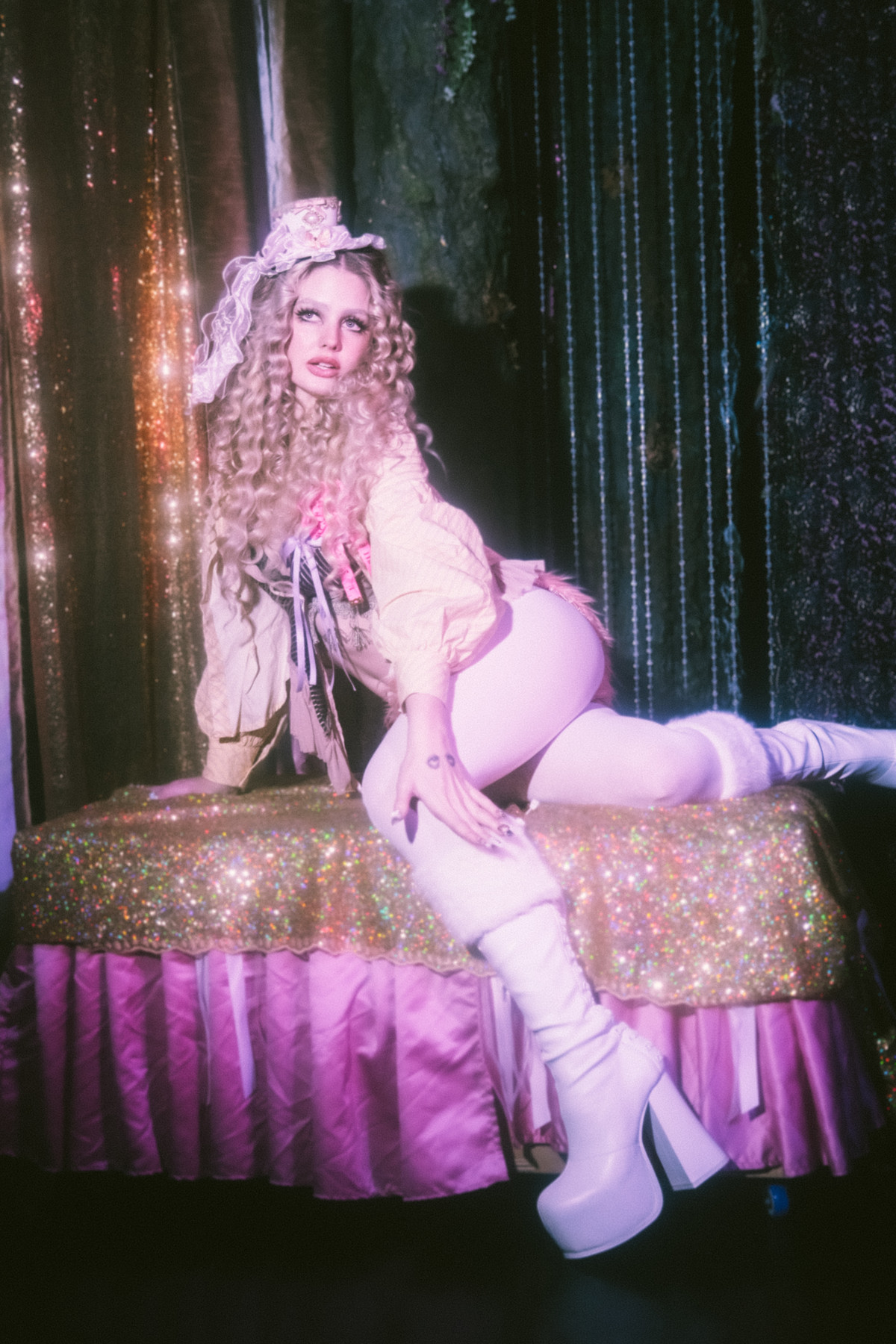
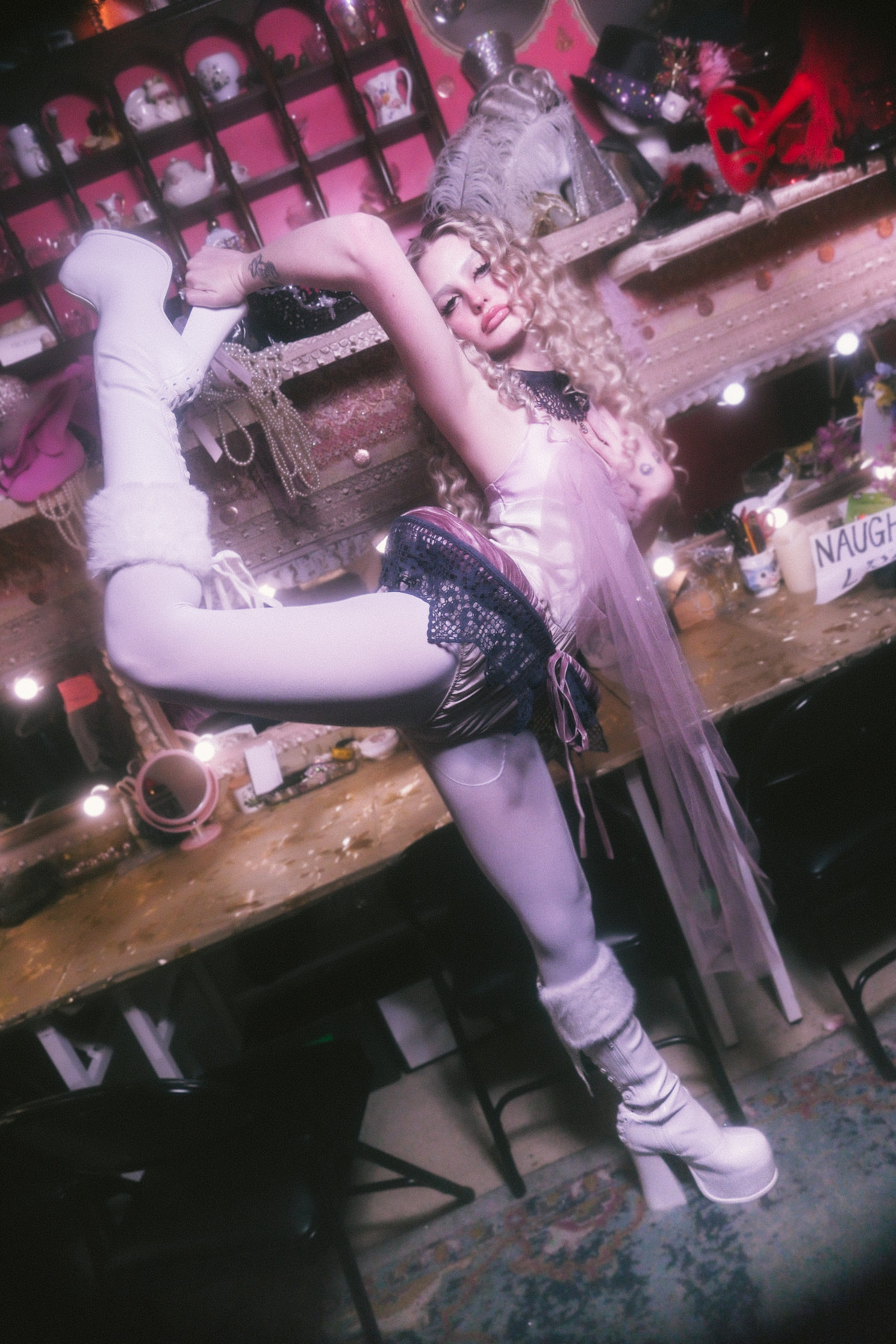
What's the costume situation going to be like on tour?
I'm working on that right now. All I can say is that I want a lot of costume changes. I want it to be extra.
Outfit changes every song, basically.
That would be ideal.
Is the show going to be a big surprise for everyone?
Oh, for sure. I always like people to leave feeling inspired, feeling energised and feeling entertained. That's my key word. I get bored easily and I never want to be a person boring somebody. The art of performing is continuing to win people's attention.
That's relevant these days with TikTok and everything. People’s attention is spread thinly.
I know, and mine too. So, I'm the best judge of if it's going to be entertaining or not. Because I'll be bored of myself if it's not.
Do you have any dream collaborations?
I have so many.
Everyone always loves that question.
Yeah, I love it. Just tell me when to stop. It's like cheese [at a restaurant].
Say when
Lady Gaga, of course, would be a dream. Ariana Grande. Marina as well. I grew up listening to Marina and the Diamonds. She raised me. That would be insane.
She's so theatrical as well.
She's so cool. I love her. Like we said in the beginning, I would love to be a part of Broadway. I'll stop there.
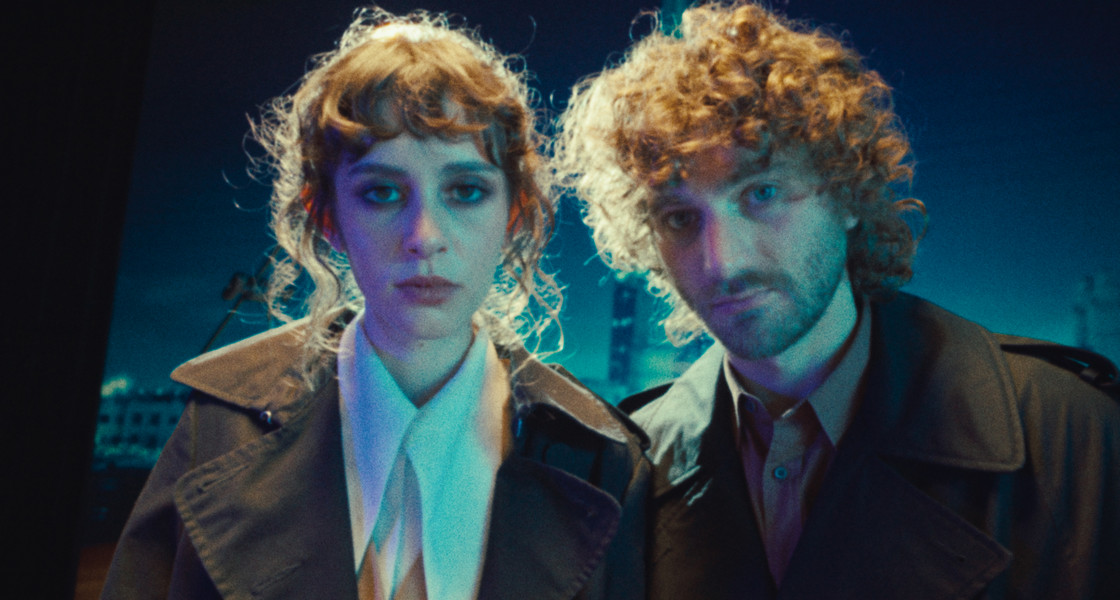
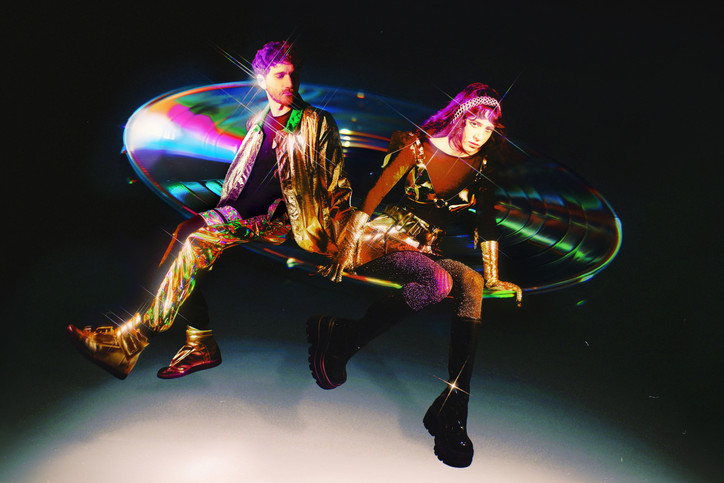
In the arts, historically, there are many styles of duo. Recently, I spoke with Rico Nasty about her latest album, a collaboration with Kenneth Blume (Kenny Beats). Asked about their communication style and why it works, she scoffed — according to Rico, their success is not in spite of, but rather because of, the sheer amount of disagreement and push and pull between their dichotomous ideas. But with Tenenbaum and Lewin, common ground has been fruitful, and easier to find. “For the most part, we have the same opinions creatively on everything. It's very rare where I’ll feel very strongly about something, and she won't like it or the other way around. That's rare. But it happens, and then usually we'll be like, ‘Okay, you're right.’ Because sometimes you get caught up in something and you get tunnel vision on a specific idea you're working on, and then you need someone else's perspective to be like, ‘It's not actually working.’"
They’ve perfected the recipe between themselves, and the proof lies in their discography, a tight and eclectic catalog. But this year, its limits were tested. Their proverbial kitchen expanded to include more cooks, sous chefs, and the like when Magdalena Bay embarked on their first film. It was a challenge in finding a new sort of balance. Tenenbaum explains, “The way we write and make our music, it's kind of like whatever we think of we can do. There [are] no limits. There's no limit. When you're making any video, any music video, especially when [it's] so long and potentially expensive, there are so many limitations that you're up against that it's like you could address creatively and whatever. It all works out. But it is more of a logistical-meets-creative, collaborative kind of thing.
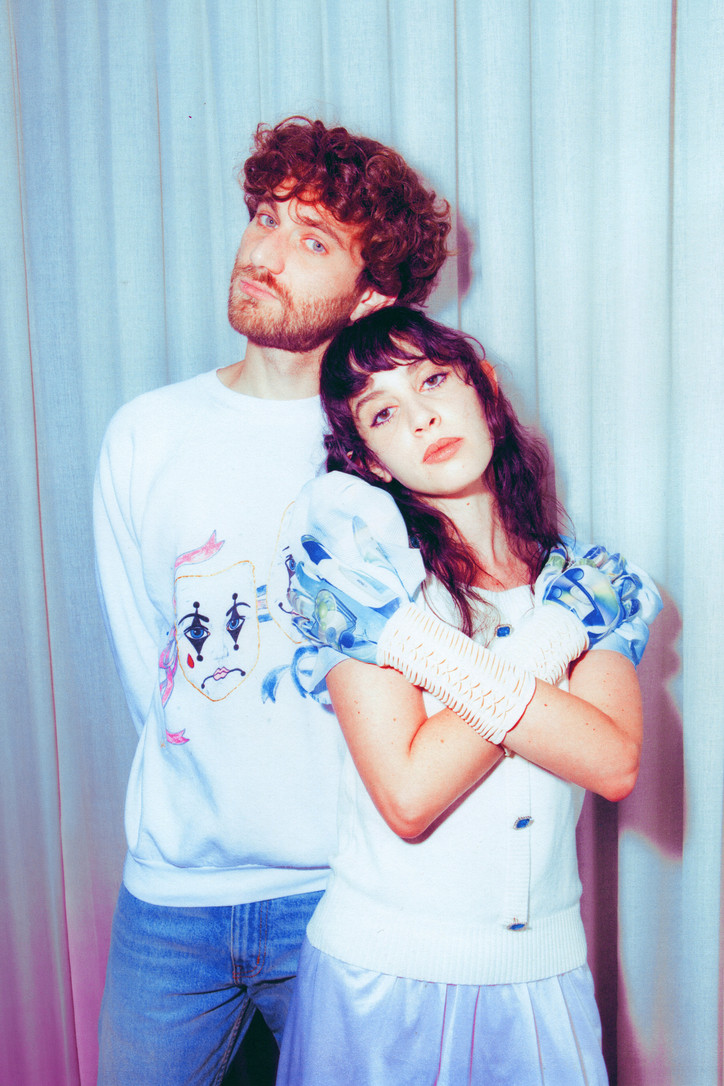
Lewin continues, “[With music], we work with our friends doing drums, Nick on mixing, but the vast majority of the time spent is just us two making the music. With the film, it involves so many other people. There's a lot more, I guess, creative discussion for the people you work with. It's more collaborative… it also forces you to, I mean, not necessarily compromise, but change the thing you have in your head. Where I feel like with music, it's much more like I have this thing in my head and I could get it onto the recording, and you're not limited. Especially now with modern music technologies, you could do anything with a laptop. There are very few things that you can't produce musically without your laptop, but mostly you can just get the thing in your head out onto the computer. But I feel like with film, it's just. Yeah. It's so much more logistically complicated and expensive. Yeah. So it does force you to change this thing you see in your head so clearly into something that resembles it, but is not quite that. So it could be frustrating. I feel like the endless possibilities of modern music production, I mean, a lot of people will say it's a bad thing, but I think it's just like, I like it. It's the way we've learned how to make music, and it's what we know. So I think going from something where you really have endless possibilities to something more constricted is."
Tenenbaum jumps in, with an addendum. “It becomes a new thing.”
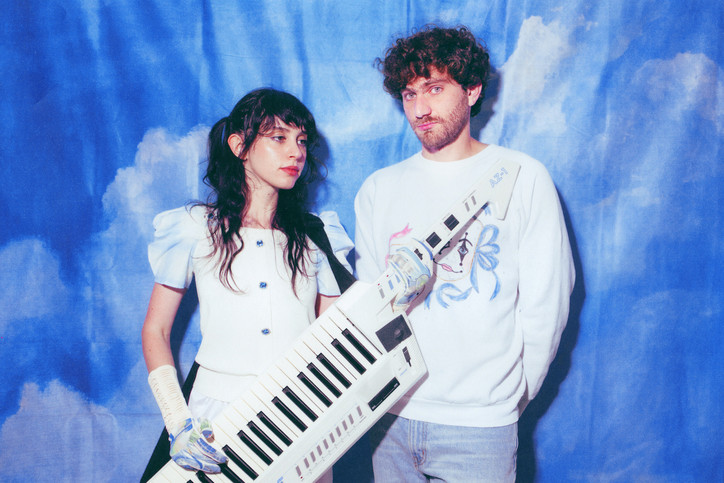
Limitations, for the duo, had been a help and hindrance in the past. Starting out, with little budget, they’d always found a way to make their own music videos— which both constricted and pushed them creatively. “It forced us to come up with unique ways of editing or performance. Those limitations force you into being creative with how you try to get an idea across. So I think it is a good idea. I don't know why I don't feel the same about the music itself.”
Both on a musical plane and visually, with limitations or not, they’ve always eschewed boundaries. Having initially bonded as teens over fantasy worlds and outlandish characters they both loved — Harry Potter, The Book Thief, the TV show House — soon Lewin’s musical palate began to infiltrate Tenenbaum’s taste, and by way of bands like Genesis and Yes, she adopted an affinity for prog rock and its off-kilter time signatures. From there, in unison, their palate expanded. Pop entered the picture.
“We definitely discovered PC music around age 16. Coming from an anti-pop background, that sort of ironic take on it was the gateway for us,” Lewin explains. Magdalena Bay, however, outgrew the cloak of irony almost immediately. Once in the door, the only feeling they had for the pop landscape was reverence. Tenenbaum explains, “We were like, this is actually amazing stuff. In fact, I've always taken it too seriously. We've always been very earnest — maybe sometimes to a fault with it.” Lewin nods, “We don't have that punk ethos.”
Contrary to their self-identification, there’s quite a bit about Magdalena Bay that is punk in approach. Fiercely DIY, the film originated from an offhand urge the duo had to make a music video for every single song on their album, Mercurial World with little to no budget. Timing didn’t align. Then, while in the studio working on the following and most recent LP, Imaginal Disc, it came up again. “We had the idea for the title and the cover really early on.” This was the kicker, creatively. Tenenbaum unpacks the process as it unfolded in real time, "We wrote the story while writing music. Maybe halfway through the music creation process, we started talking about what it might look like to do a movie for it, and superimpose a narrative and characters over the lyrics.”

Like a ball bouncing through a sunburnt festival crowd, the two finish each others’ sentences with an eagerness that mounts as we get further into the details of their craft. Lewin continues, “As we were finishing writing we started thinking about characters and plot. We weren't changing lyrics per se to fit the plot, but we were thinking more just on the emotional progression of the album, and how to correlate it with the story and the characters’ journey… It’s a semi-concept album — where the album can be enjoyed without knowing anything about the character and the plot, and the lyrics don't directly correlate to the story. But I think emotionally, the album mirrors the story. You can then interpret the lyrics to fit the story, or you cannot. The story is sort of just one way to interpret the album.”
Magdalena Bay is the Choose Your Own Adventure book of alt-pop. Rooted in a real appreciation for rock, they are a shimmering, shoegaze-steeped synthpop version of Coheed and Cambria — made for and by fantasy lovers, avid readers, LARPing fans, as much as those who purely want to get lost in a dreamy wash of good music. The key, for listeners and the artists themselves, is to leave it all wide open. “A beautiful thing about music,” Lewin says, “is that it's up to the listener's interpretation of what it means to them, and it has a personal thing. That's why we like to frame the album movie as just one version of what the album means. This is just one way that we're seeing it. Even to us, it's just one version of the lyrics because I think the lyrics are very personal to me as an individual person, not the character we've created.”
And they’ll continue to offer more and more iterations of their work. While they’re constantly ideating on new music, it doesn’t end there. With the album and film out, and a whole tour cycle behind them based around Imaginal Disc and its visual identity — including their memorable red and blue costumes and set choreography, motifs from both the film and live show — there’s still more to come from it. Next week, Magdalena Bay will hit the road with Paramore’s Hayley Williams on her highly anticipated solo tour, The Hayley Williams Show, alongside Rico Nasty as support. As far as their production plan? Unclear if they hoped to keep things a mystery, or if they were just as curious as I. As an opening act, there are limitations. “It’ll be a different perspective of thinking of them as songs, rather than as part of the story,” Tenenbaum thinks out loud. But, as has been proven by these two, limitations mean little when it comes to what they can, and will, create. After a pause, she smirks, giving me the last hint. “We don't like doing the same thing twice.”