Where do you find inspiration?
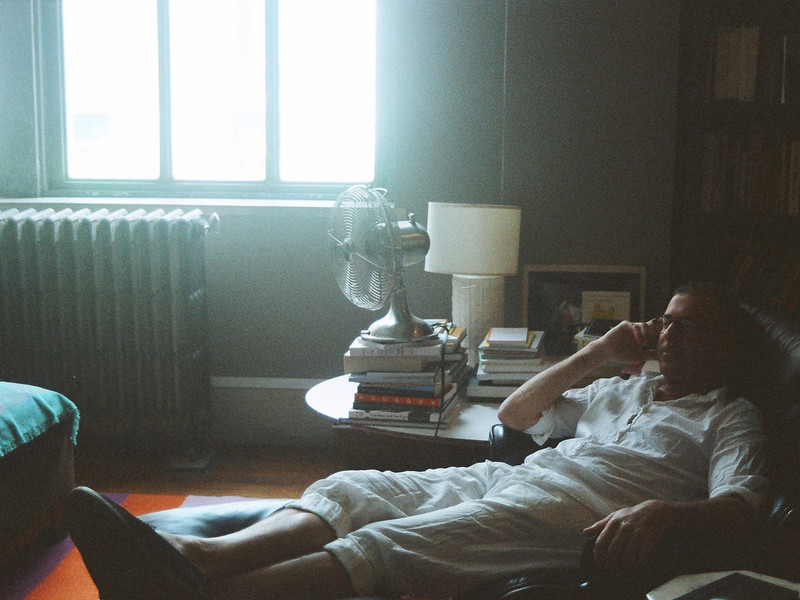
I hyperfocus easily and can get lost in small, seemingly unremarkable gestures and in-between moments. I’m fascinated by how differently people inhabit the same 24 hours, even when their lives look similar from the outside. I love learning about their rituals.
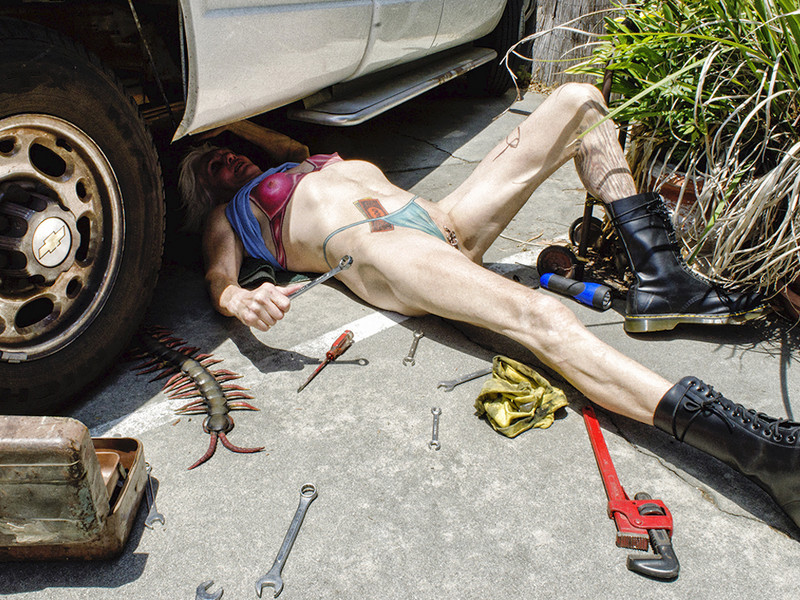
Behind that curiosity is a fear of death and an interest in how we respond to the knowledge that our time is finite. I find beauty in people’s pursuit of life—in their hopes, their rituals, and the inner worlds they build. I’m especially drawn to people who live at the fringes, and to the dreams that sustain them.
Many of the themes come from philosophers and sociologists whose work interests me. For this series, I was very inspired by Marc Augé’s idea of non-places. Visually, a scene pops into my head, usually something surreal, and I can’t leave it alone until I find a way to make it. The conversations with my subjects are where those two threads meet. Their stories give the imagined scenes a personal meaning, and the image takes shape from there.
Most of your subjects look outward; what does this represent?
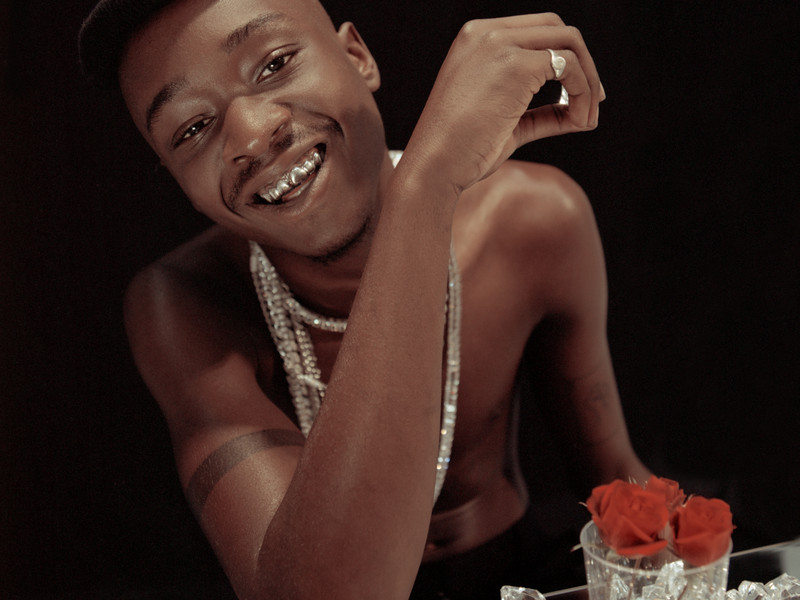
Each person carries an inner world with them all day, and so little of it can be explained to anyone else. Our daydreams sit alongside the tangible lives we can point to. They have their own continuity, their own characters, and a logic only the dreamer can follow. We can see a face and follow the direction of someone’s attention, but we cannot know where their mind has gone.
What photographic techniques do you use to distort your images?
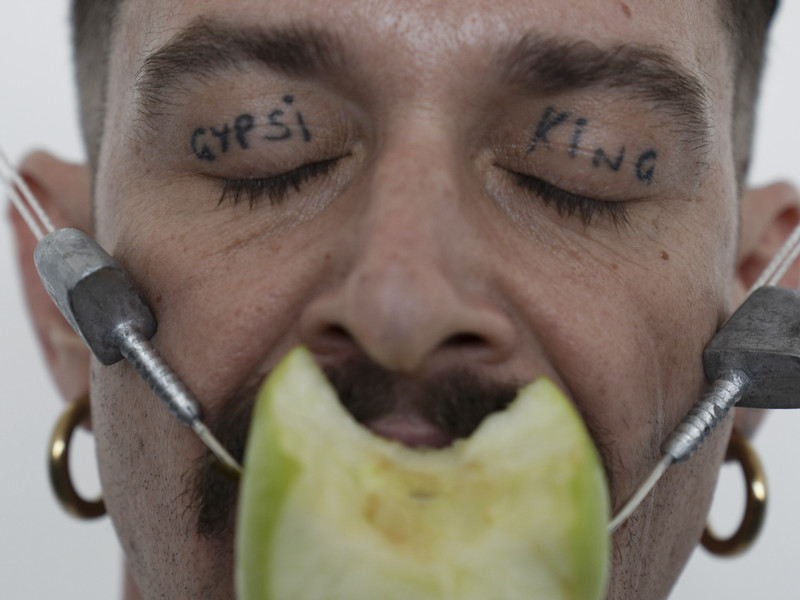
Everything happens on set, in-camera, without post-production. I construct scenes where the subject appears layered, obscured, or held in more than one place simultaneously. Those overlapping layers suggest how we experience ourselves, with memories, daydreams, and the present moment existing together.
I like leaving certain things unresolved. You can recognize the person, but you can’t grasp everything at once. I want the viewer to spend time with that feeling.
How did living in Paris affect your work?
Paris encouraged me to question things more deeply. A catch-up with friends could easily become a philosophical conversation that lasted late into the night. There’s even the expression philosophe de comptoir, the bar philosopher, which captures something I loved about living there.
That connection began before I moved to France. I grew up with a French parent and a French education, so the language and culture were already part of how I understood the world. Living in Paris deepened that influence and gave me an appetite for questioning things that might otherwise seem ordinary or settled. That curiosity carries into the images.