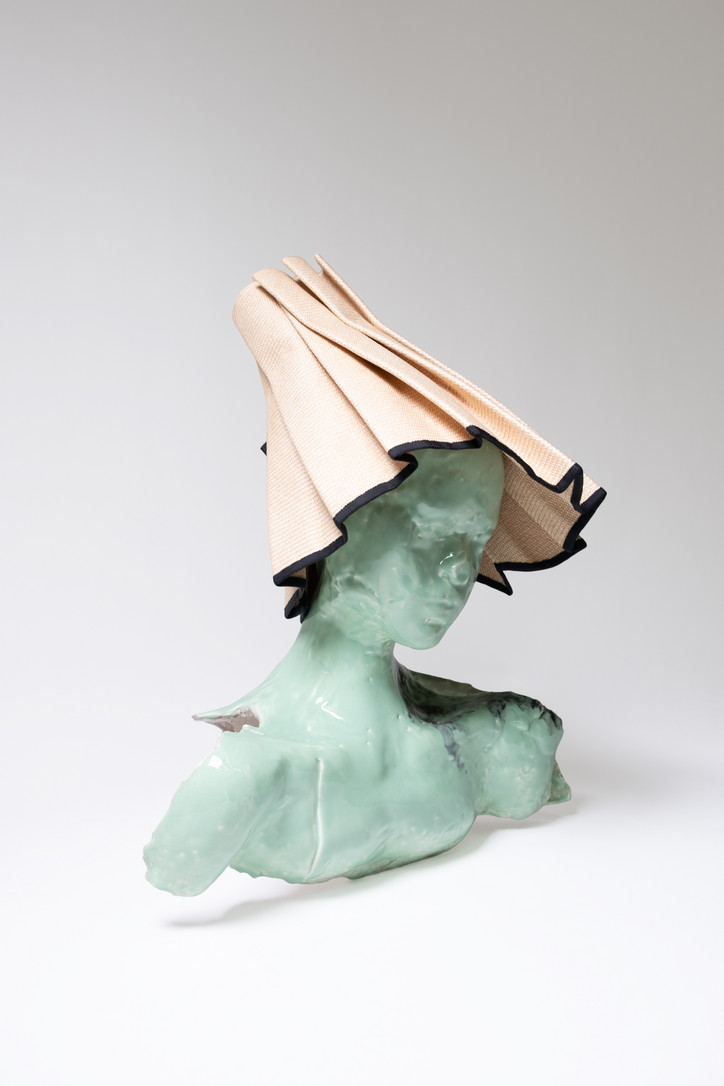
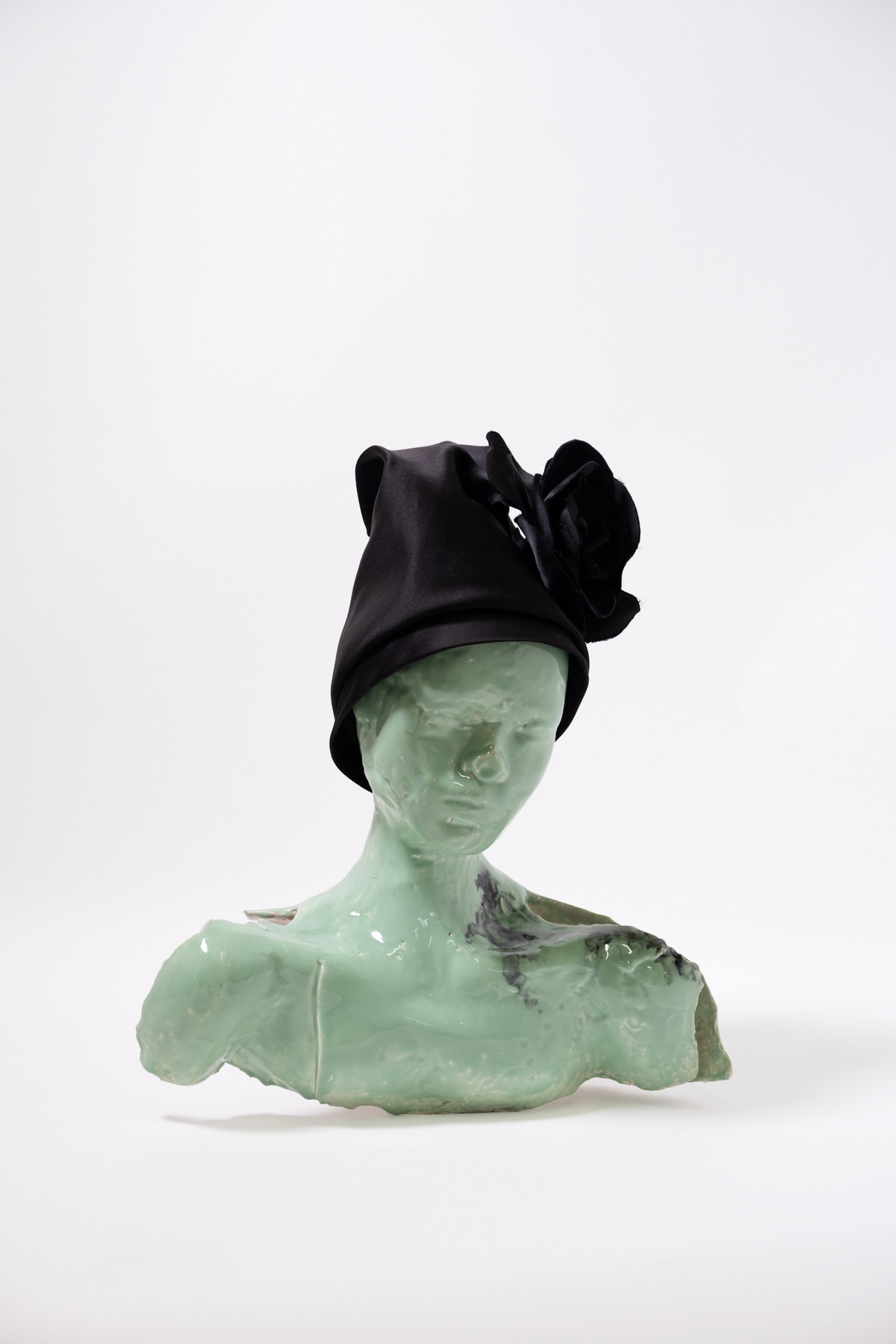
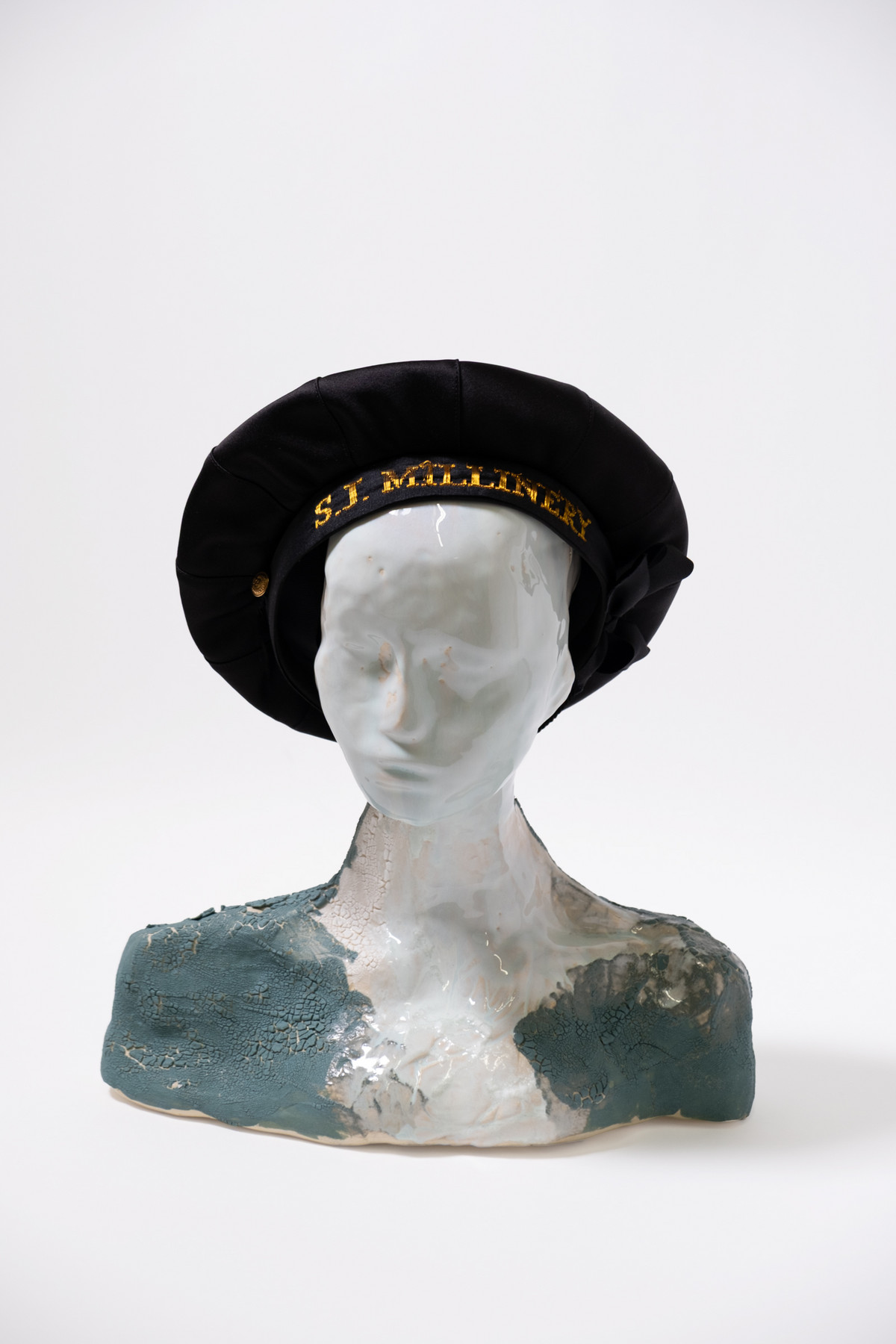
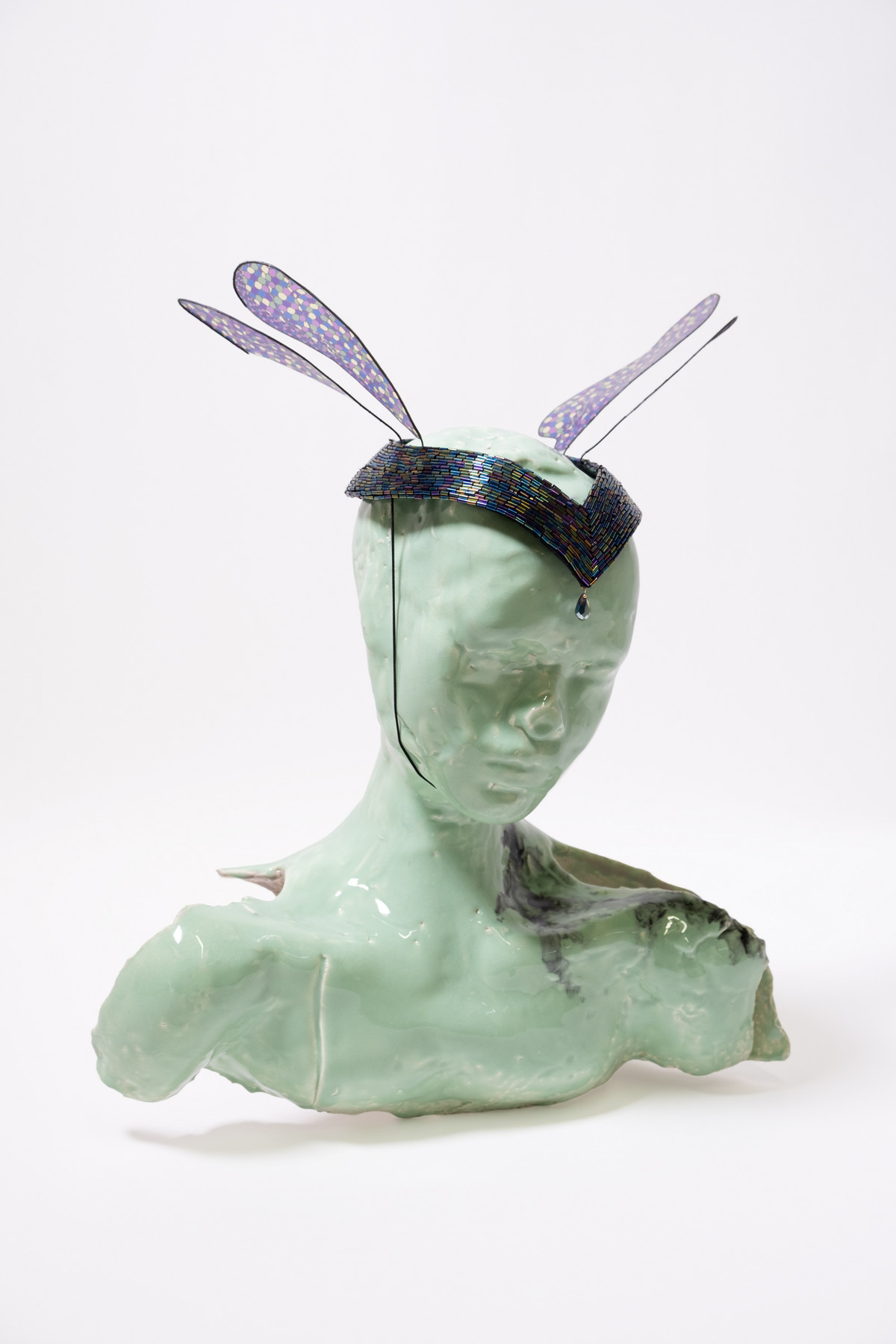
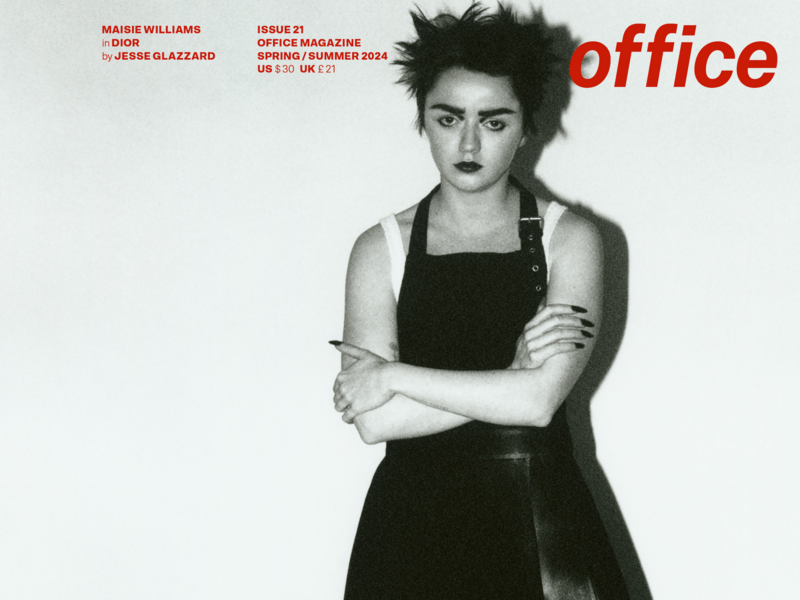
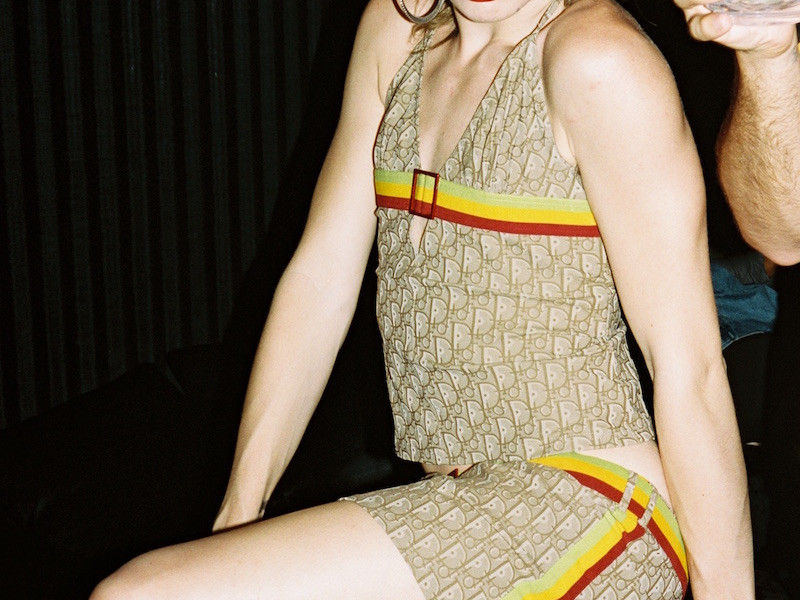
How do you see the evolution of how people see and wear hats throughout your career?
SJ: It’s very different, hats used to be very much occasion wear and now they have polarised it to be fantasy or totally functional as a beanie on a Monday morning.
Tell us about your design process. Where do you start? How do you think about the hat and the body?
SJ: I live my life and put it into a hat, so I never really stop designing in my head it’s just occasionally those ideas are put down on paper and become hats. I always think about the hat with the body because a hat is not a separate object it needs to become a part of the person
Tell us about your ability to bring other designers' vision to life. How are you able to be so creatively adaptable through your numerous collaborations and long-spanning relationships?
SJ: It’s really about bringing their imagination to life, it’s what we create together. That’s the key they couldn’t do it themselves and I couldn’t do it myself, it’s something we do together. I have to get inside their mind which is very unusual for an outsider.
" I live my life and put it into a hat. "
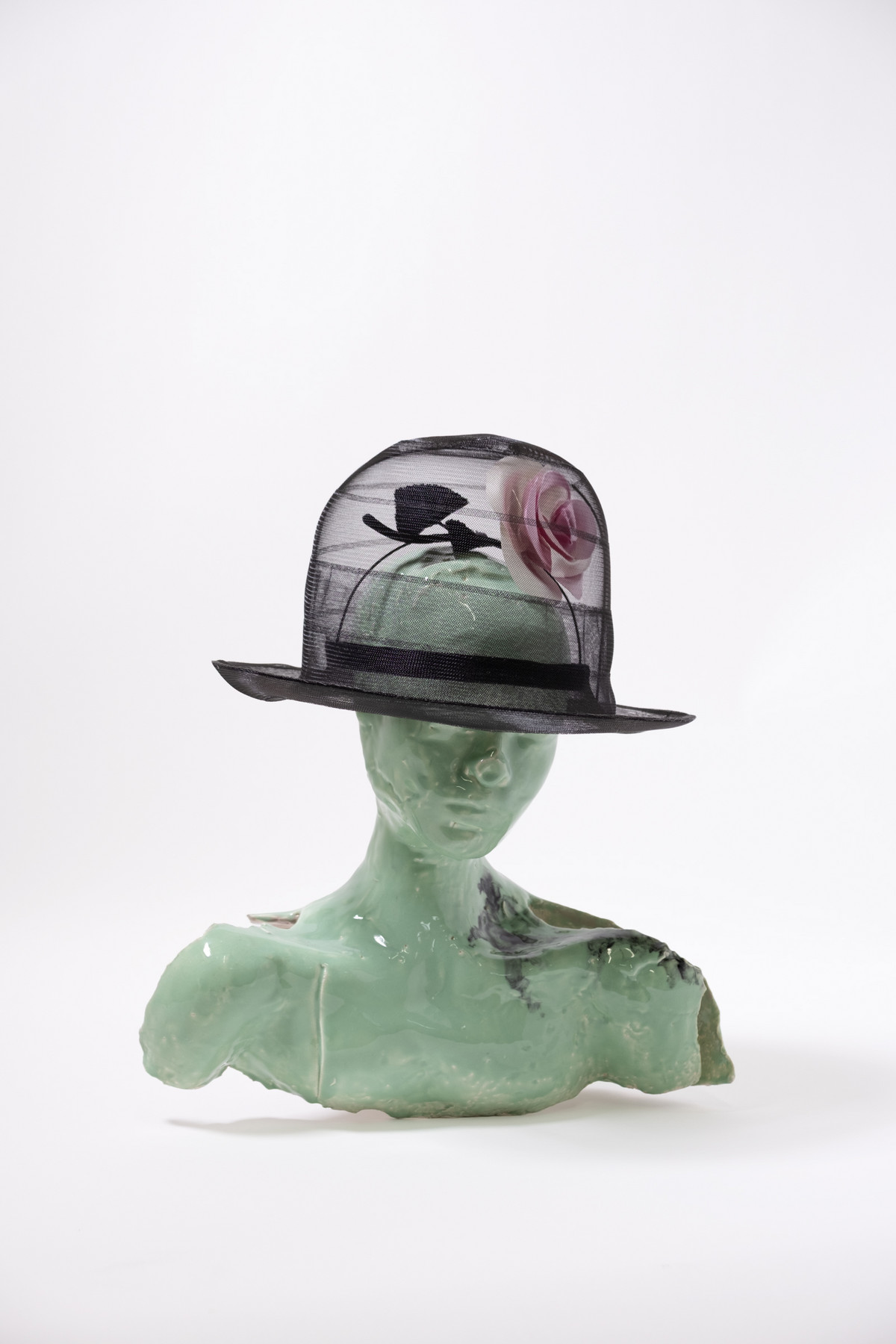
Tell us about your mentorship with Shirley Hex. How do you see the importance of learning the rules before you break them?
SJ: My time with Shirley Hex was extraordinary and she taught me the main principals of millinery, however after a couple of years she forced me out the nest and encouraged me to develop my own style in my own way.
How does British, London, and/or Paris culture influence your work?
SJ: Completely; British culture is a weird dichotomy of something that is very aristocratic or something that is very punk, but Paris brings something which is coquettish and mannered.
" It’s really about bringing their imagination to life, it’s what we create together. "
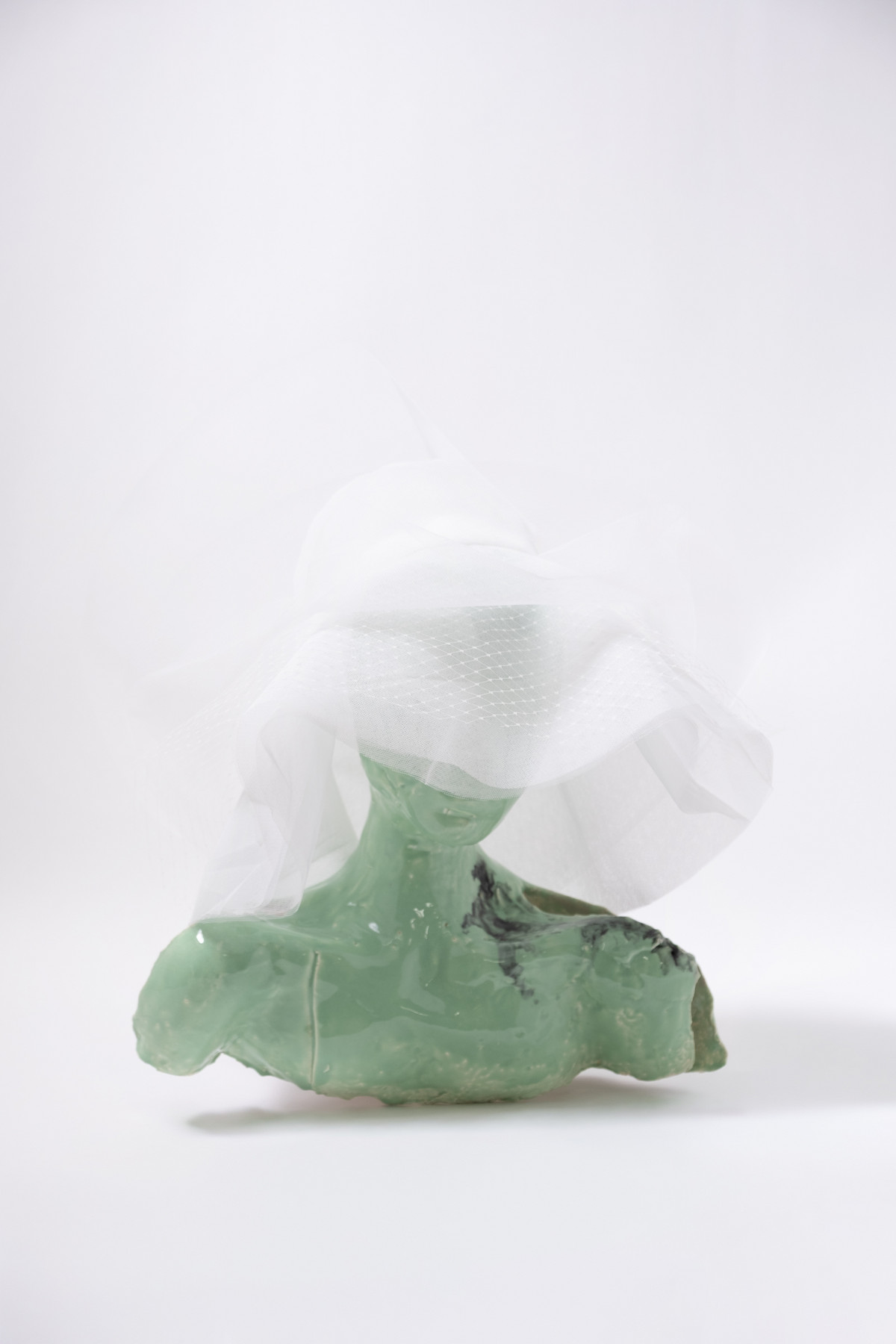
You've experimented with so many unconventional materials, how do you decide a material is meaningful to transform into a hat?
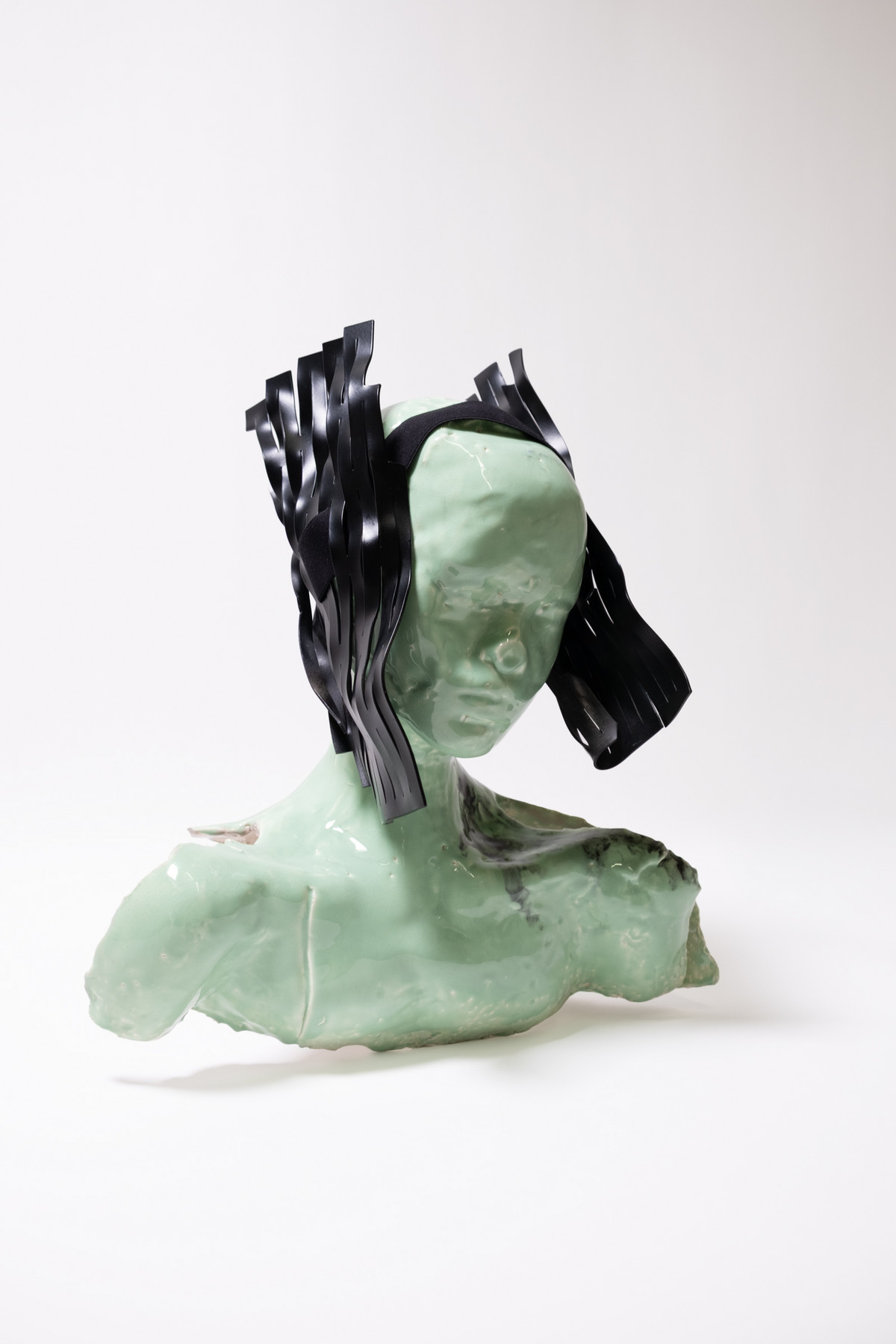
SJ: Well it has to serve the purpose of what the hat is trying to be, but also when you are making it, the hat serves the purpose of the fabric.
The Palais Galliera devoted a full retrospective to your work, what was it like seeing your work in this presentation? What do you want your legacy to be?
SJ: Number 1 it is an extraordinary honour to be included there. I could see my work, almost in the 3rd person, I didn’t see it as being uniquely personal but saw it as it being presented to others and I could analyse it quite dryly. My legacy to be that the pursuit of dressing can be a wonderful extension either of your character or who you want to be.
What do you think is a misconception about hats and the process of creating them?
SJ: That they are quick and easy, it’s very laborious because they are 3d objects.
Do you feel your design process is more learned or instinctual?
SJ: I think it’s a conversation of the two. I love learning about a particular subject and trying to transform that into a hat, but at the same time spontaneous expression is important because it looks fresh.
What other mediums of art inspire your hats the most?
SJ: I would probably say the most is architecture but nature as well as painting and sculpture, but the form of everything and everything, whether it’s an Opera or an apple, they tell a specific story.
SJ: Is there a hat you would never wear?
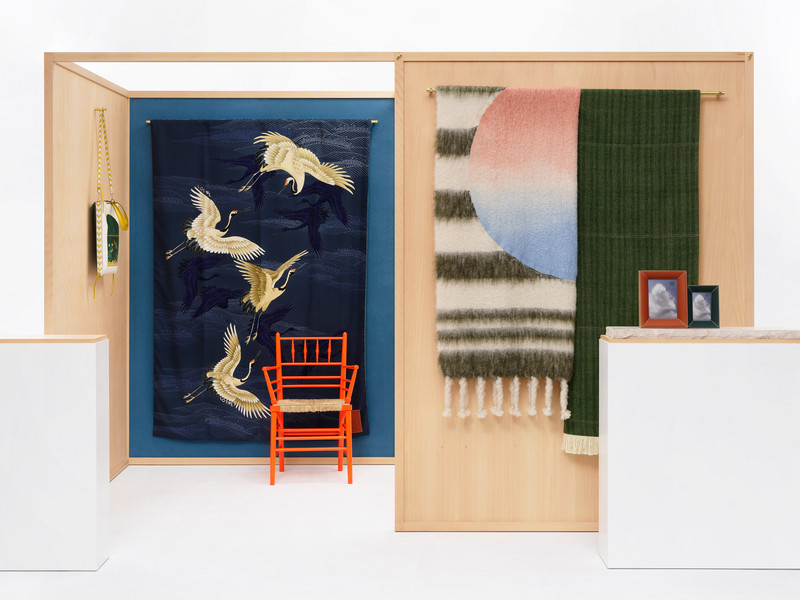
I would try everything, but not wear things which I didn’t feel were convincing i.e. a cowboy hat
What made the environment and culture of The Blitz a fertile ground for creativity?
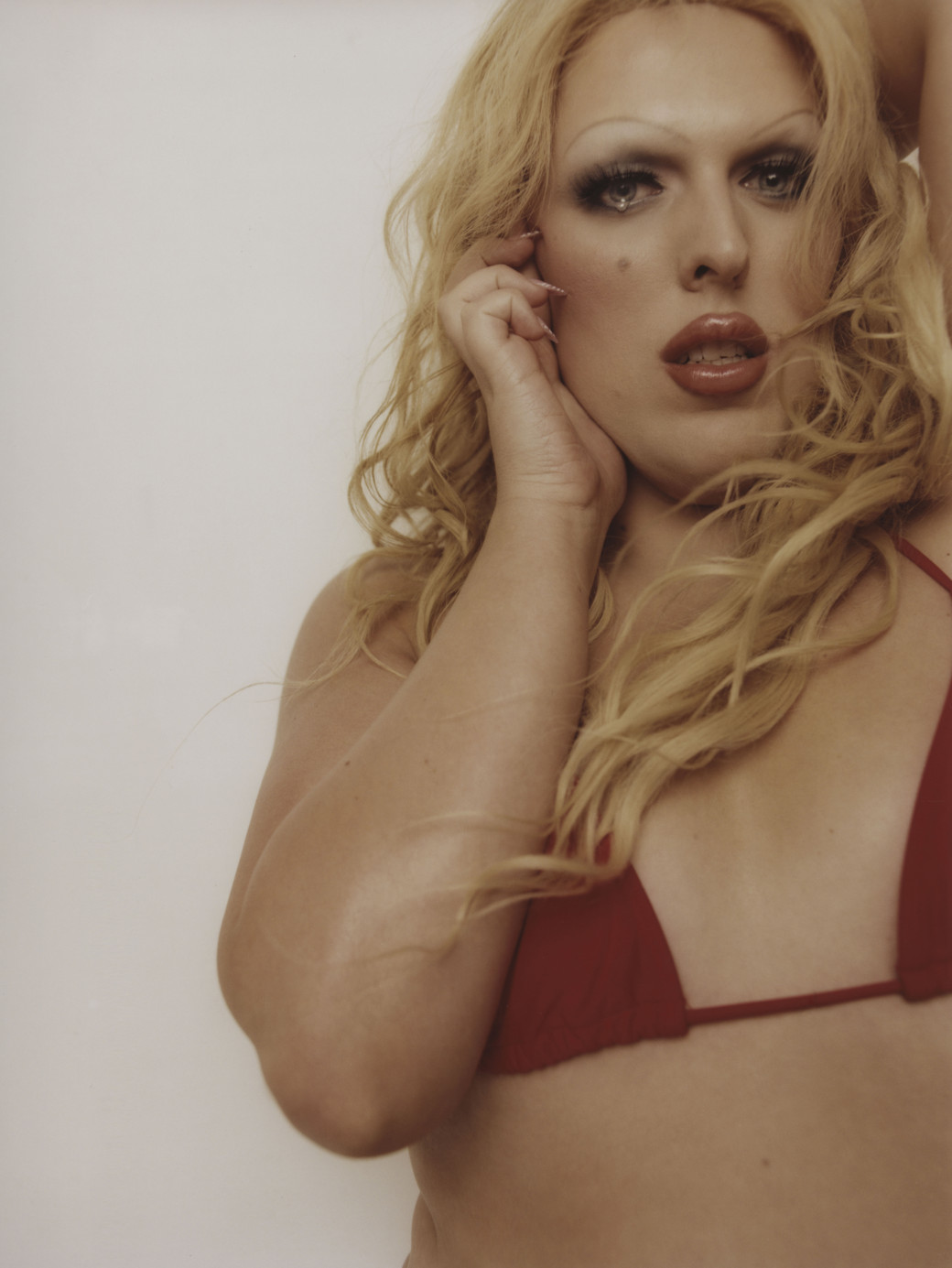
SJ: Because it filled the vacuum that had been left by punk.
Do you have any favorite young milliners?
SJ: As the Chairman of the British Hat Guild, I am not allowed to say whether I do have or not
Where do you think people's fear around wearing hats comes from?
SJ: Sometimes it’s the fear of standing out too much and therefore assuming a greater importance than they feel they should have but often you can hide underneath hats too and hats can be the conversation for you.
Is there a hat that got away? An idea you've wanted to create but haven't yet actualized?
SJ: Yes I am always looking for that hat around the corner.
The Ugly Pretty Party by Perfectly Imperfect x Back Market
In an era of airbrushed perfection, The Ugly Pretty Party is a move toward radical transparency and sustainability.
“It’s what’s on the inside that counts.” Back Market centralizes this conviction as they fill the walls of Silence Please, a multi-hyphenate speakeasy where you can, on a normal day, browse records, drink handcrafted teas, and sit among a sea of silver laptops when coworking is of personal importance. On this particular night, the lounge is filled with a selection of young people who have worlds of creativity existing inside them. Surrounded by fiction writers, fashion designers, and visual artists, the notion is abundantly true. That which is on the inside seems to instantly beautify that which is on the outside.
The night is full of sounds by Nation, DJ Thank You, velvette blue, and rockie rode. The thematic choice of Silence Please alongside such exceptional soundmakers is to cut through the noise, putting a pause on the cycle of routinely tossing old items for new ones. The party drew a narrative space for The Ugly Computer, riddled in residual sticker marks and abundant in cosmetic issues. Imperfections that add character without compromising the functionality and integrity of the technology. In this way, Back Market leads us in a reclamation of the word “ugly,” and teaches us to repurpose this language into a term of endearment, a term of empowerment.