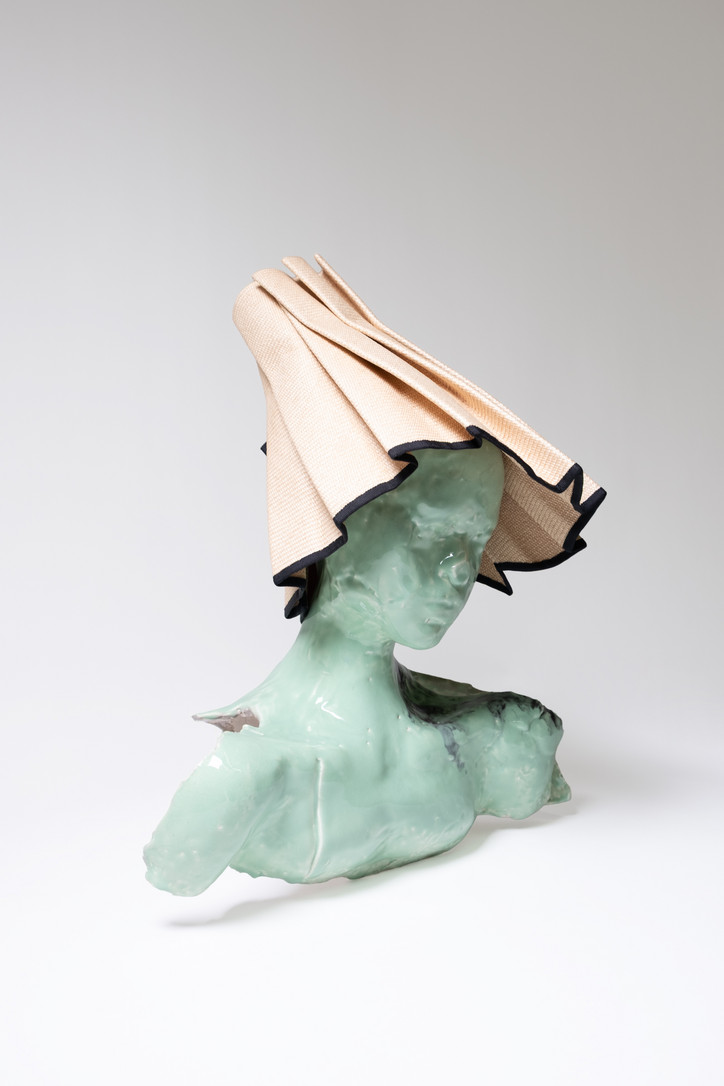
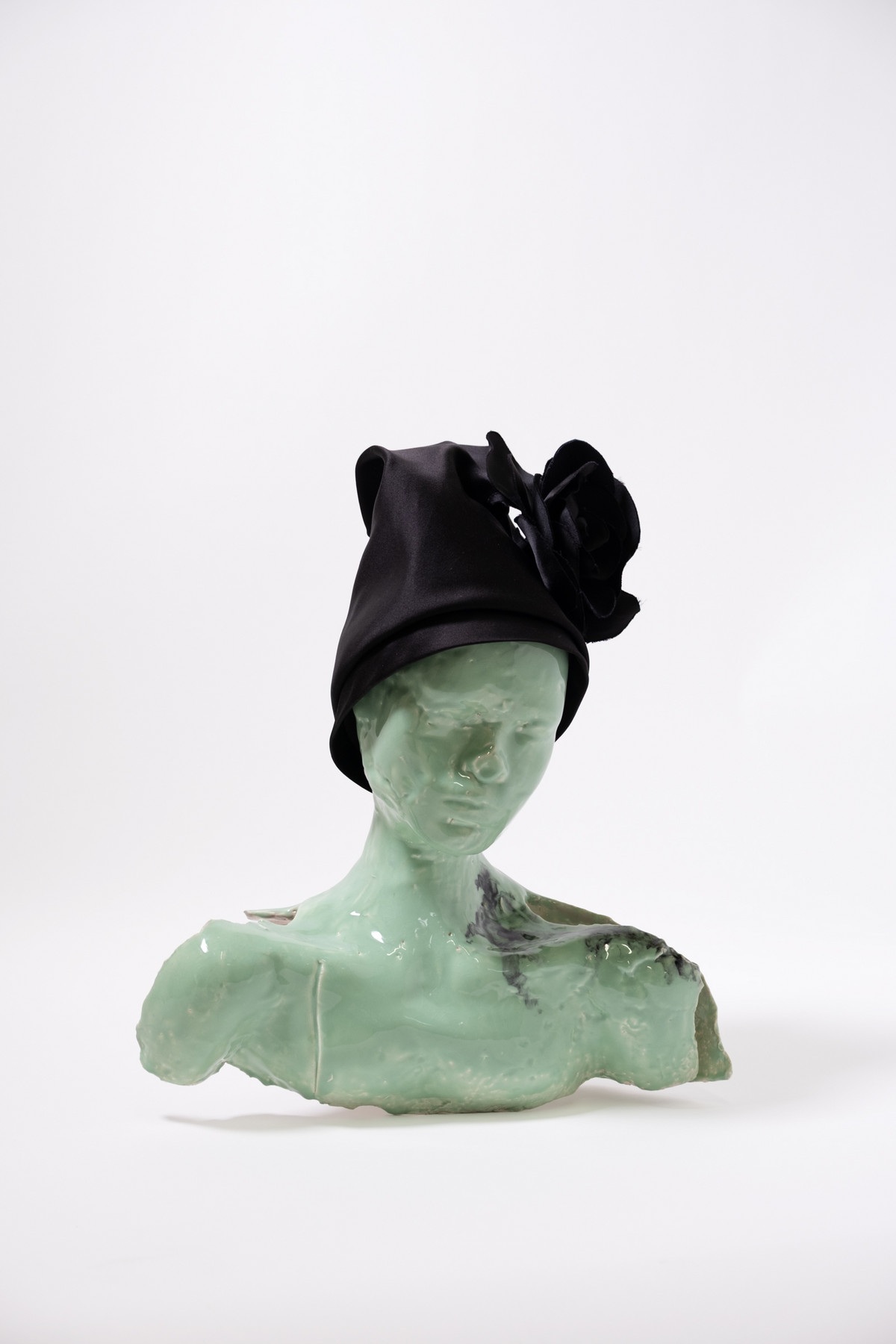
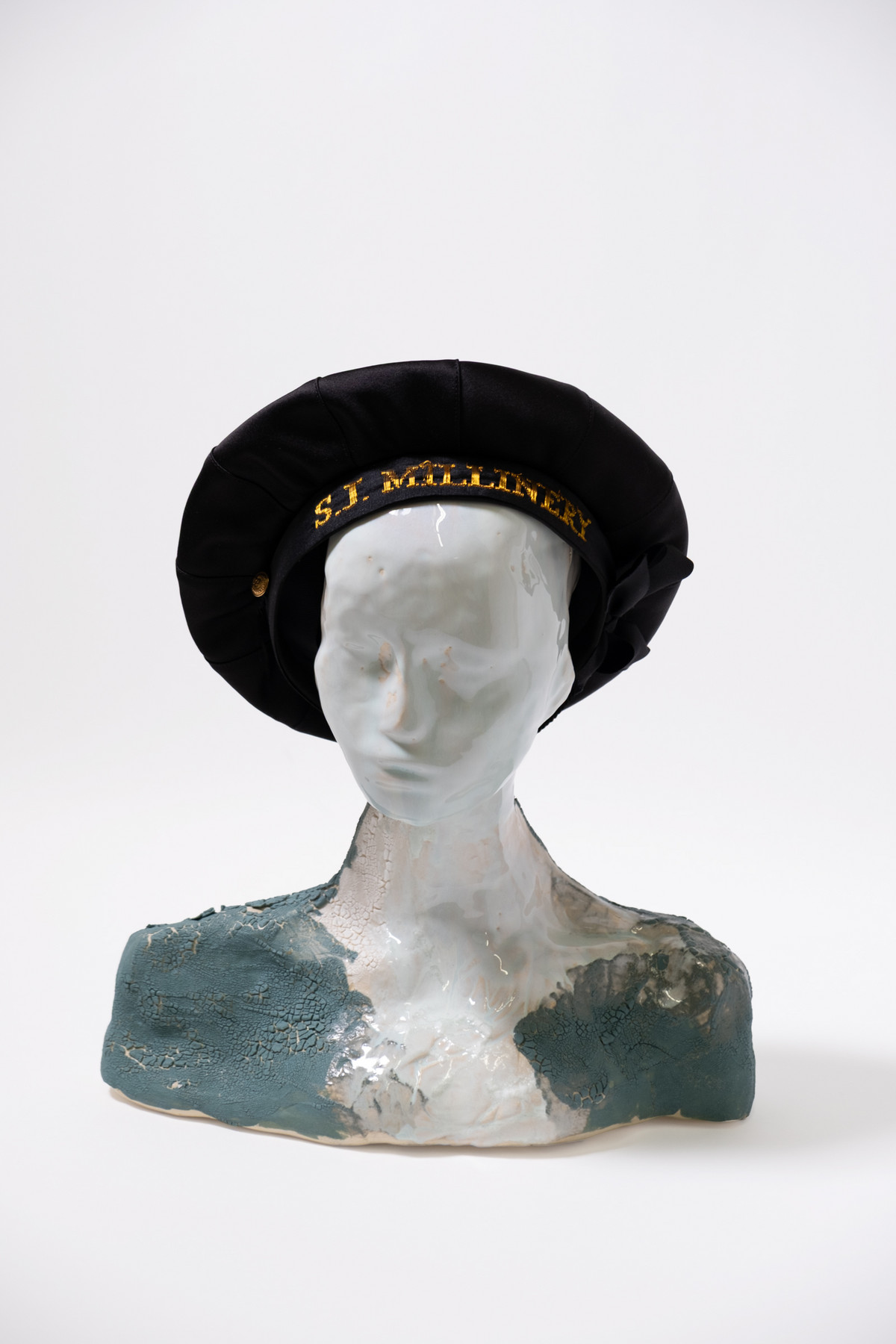
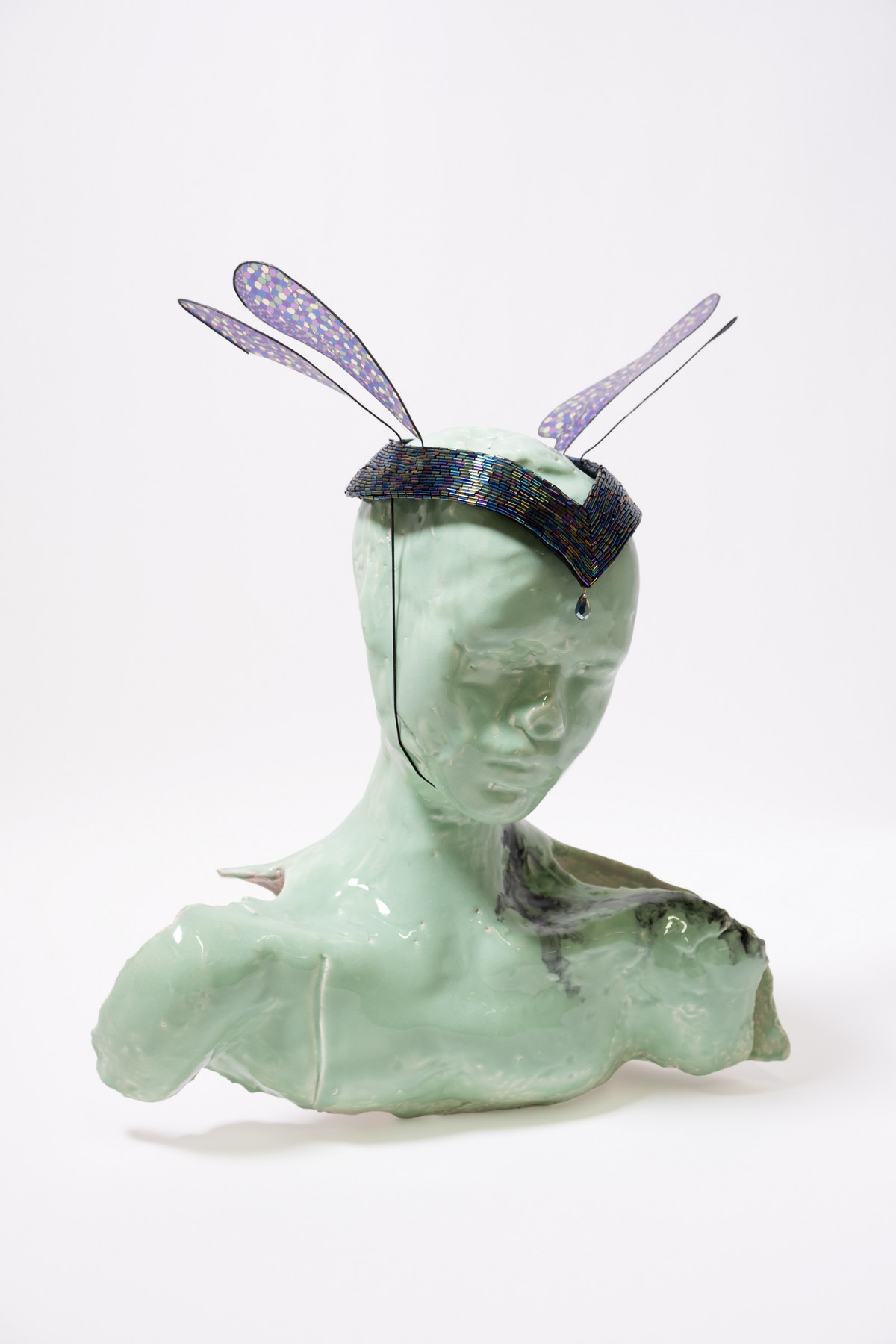
How do you see the evolution of how people see and wear hats throughout your career?
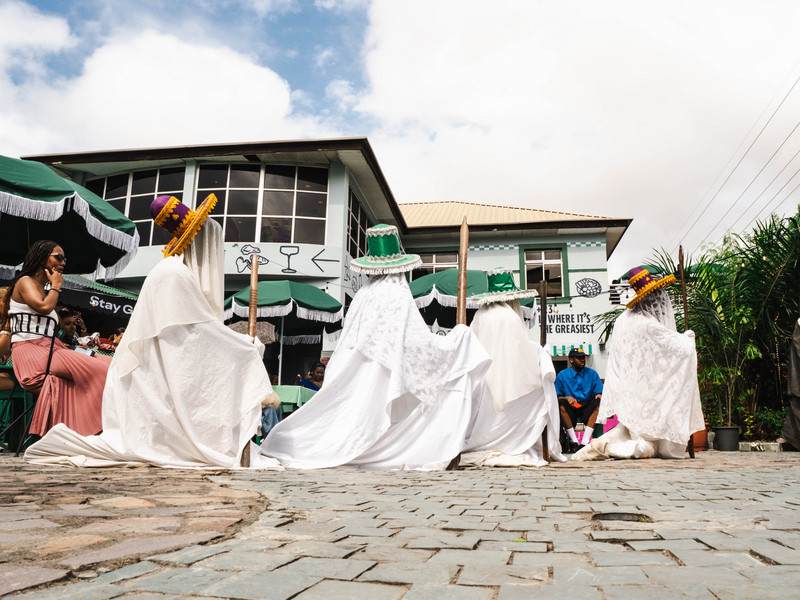
SJ: It’s very different, hats used to be very much occasion wear and now they have polarised it to be fantasy or totally functional as a beanie on a Monday morning.
Tell us about your design process. Where do you start? How do you think about the hat and the body?
SJ: I live my life and put it into a hat, so I never really stop designing in my head it’s just occasionally those ideas are put down on paper and become hats. I always think about the hat with the body because a hat is not a separate object it needs to become a part of the person
Tell us about your ability to bring other designers' vision to life. How are you able to be so creatively adaptable through your numerous collaborations and long-spanning relationships?
SJ: It’s really about bringing their imagination to life, it’s what we create together. That’s the key they couldn’t do it themselves and I couldn’t do it myself, it’s something we do together. I have to get inside their mind which is very unusual for an outsider.
" I live my life and put it into a hat. "
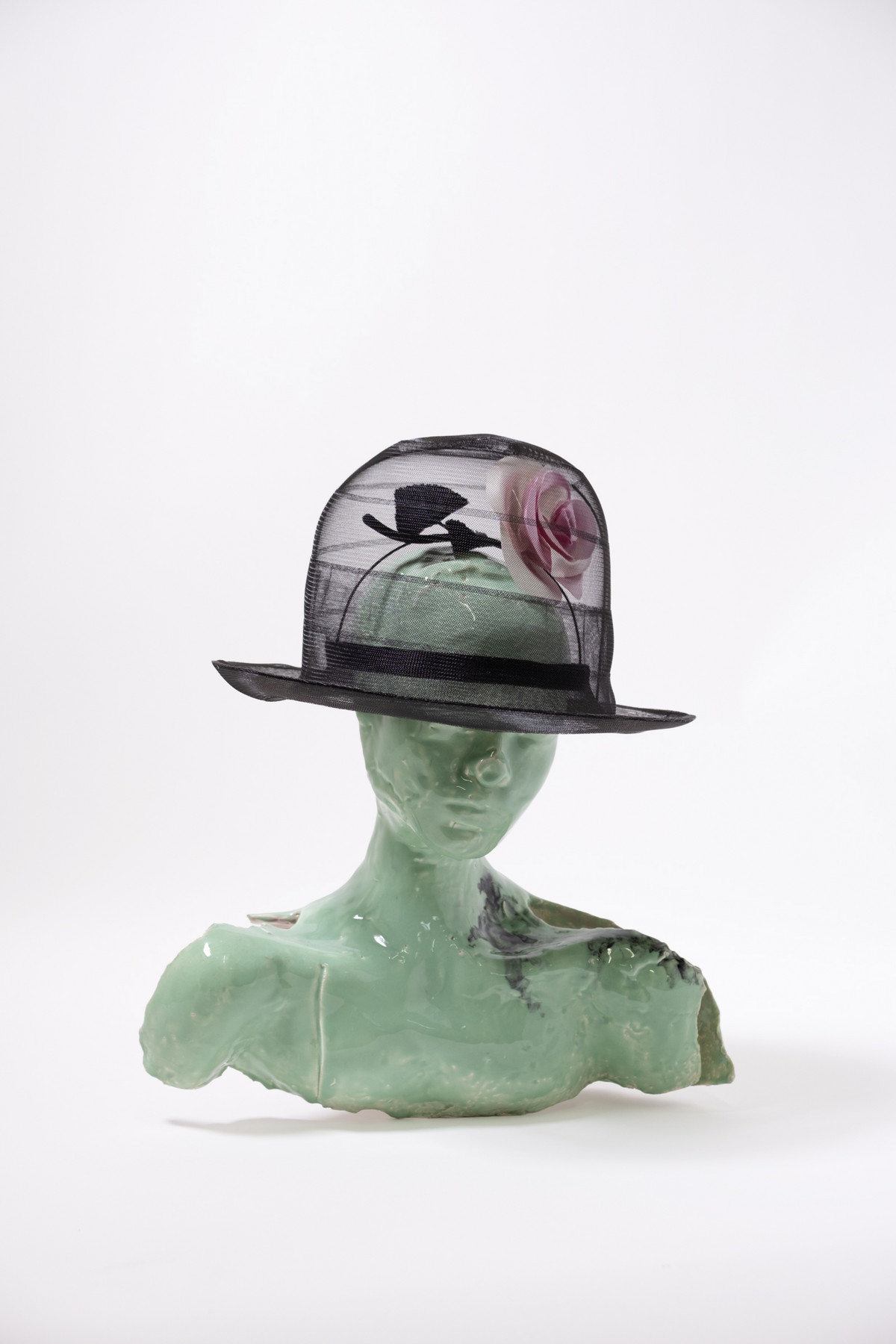
Tell us about your mentorship with Shirley Hex. How do you see the importance of learning the rules before you break them?
SJ: My time with Shirley Hex was extraordinary and she taught me the main principals of millinery, however after a couple of years she forced me out the nest and encouraged me to develop my own style in my own way.
How does British, London, and/or Paris culture influence your work?
SJ: Completely; British culture is a weird dichotomy of something that is very aristocratic or something that is very punk, but Paris brings something which is coquettish and mannered.
" It’s really about bringing their imagination to life, it’s what we create together. "
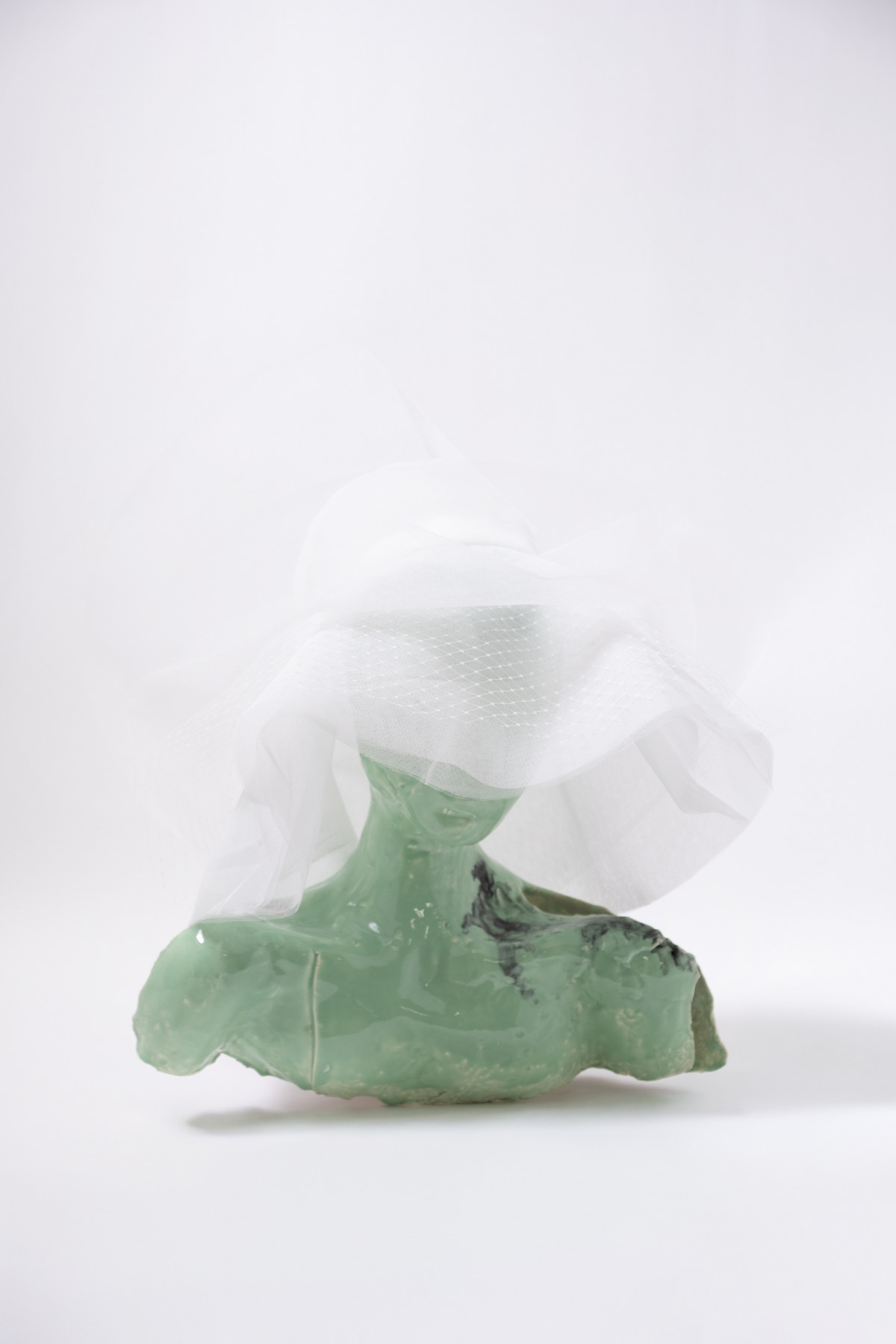
You've experimented with so many unconventional materials, how do you decide a material is meaningful to transform into a hat?
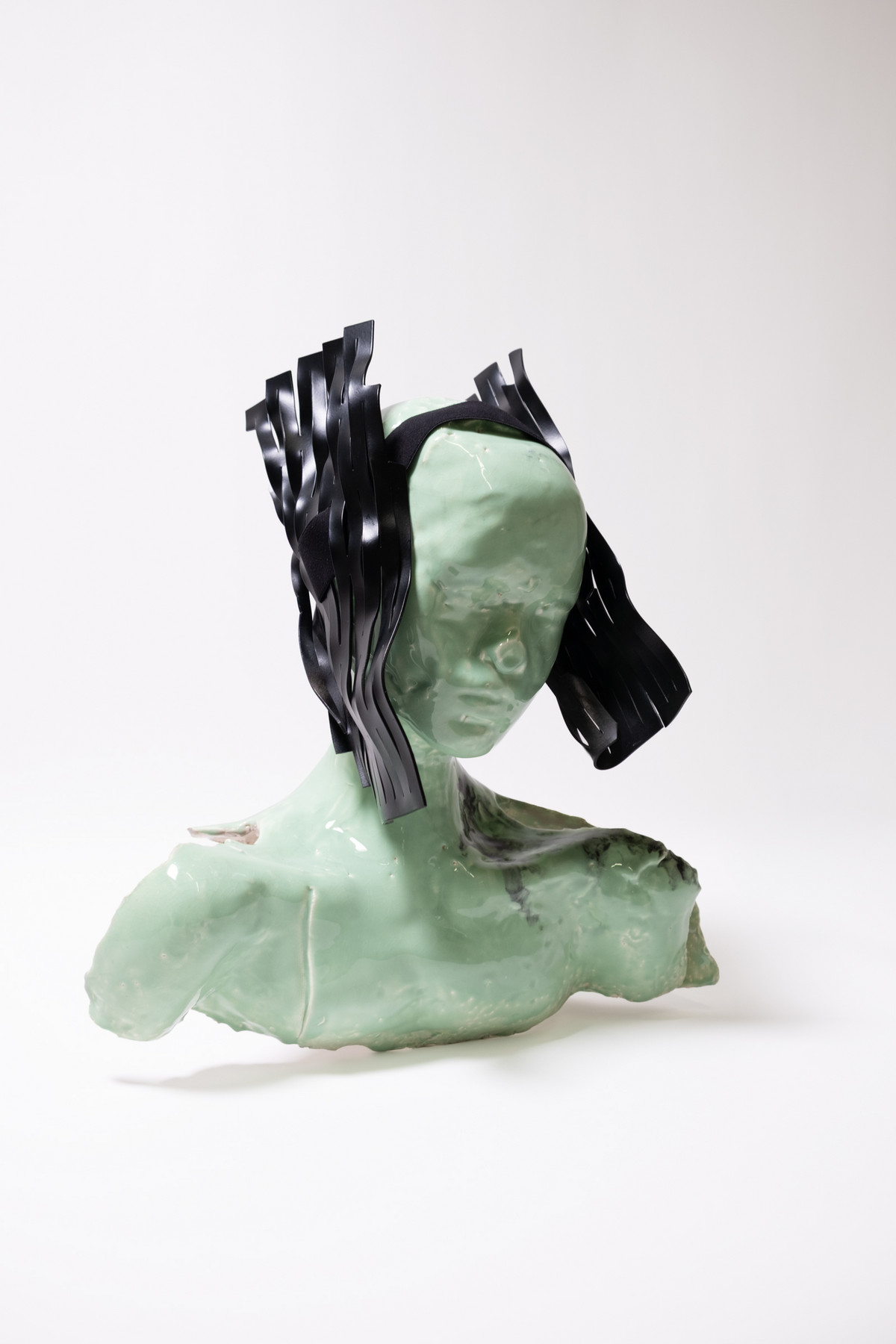
SJ: Well it has to serve the purpose of what the hat is trying to be, but also when you are making it, the hat serves the purpose of the fabric.
The Palais Galliera devoted a full retrospective to your work, what was it like seeing your work in this presentation? What do you want your legacy to be?
SJ: Number 1 it is an extraordinary honour to be included there. I could see my work, almost in the 3rd person, I didn’t see it as being uniquely personal but saw it as it being presented to others and I could analyse it quite dryly. My legacy to be that the pursuit of dressing can be a wonderful extension either of your character or who you want to be.
What do you think is a misconception about hats and the process of creating them?
SJ: That they are quick and easy, it’s very laborious because they are 3d objects.
Do you feel your design process is more learned or instinctual?
SJ: I think it’s a conversation of the two. I love learning about a particular subject and trying to transform that into a hat, but at the same time spontaneous expression is important because it looks fresh.
What other mediums of art inspire your hats the most?
SJ: I would probably say the most is architecture but nature as well as painting and sculpture, but the form of everything and everything, whether it’s an Opera or an apple, they tell a specific story.
SJ: Is there a hat you would never wear?
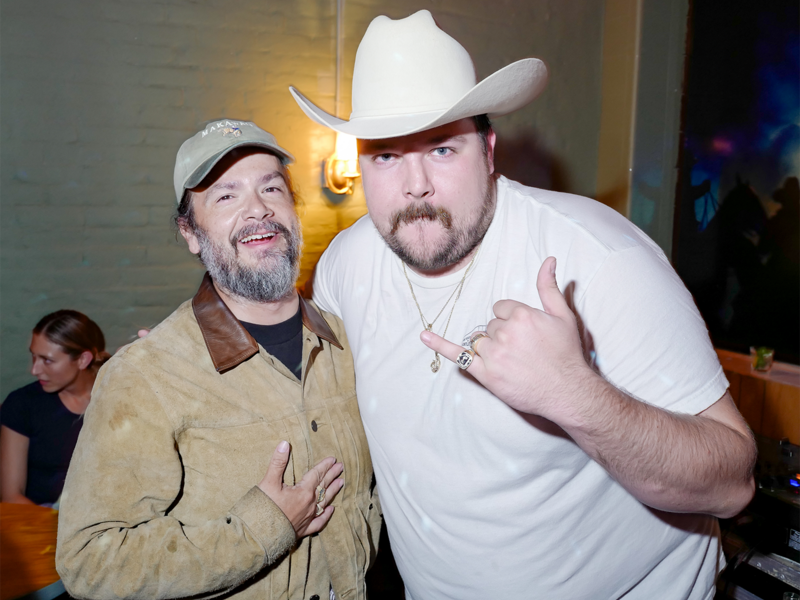
I would try everything, but not wear things which I didn’t feel were convincing i.e. a cowboy hat
What made the environment and culture of The Blitz a fertile ground for creativity?
SJ: Because it filled the vacuum that had been left by punk.
Do you have any favorite young milliners?
SJ: As the Chairman of the British Hat Guild, I am not allowed to say whether I do have or not
Where do you think people's fear around wearing hats comes from?
SJ: Sometimes it’s the fear of standing out too much and therefore assuming a greater importance than they feel they should have but often you can hide underneath hats too and hats can be the conversation for you.
Is there a hat that got away? An idea you've wanted to create but haven't yet actualized?
SJ: Yes I am always looking for that hat around the corner.
W Punta Cana, Adult All Inclusive: all-inclusive, remade
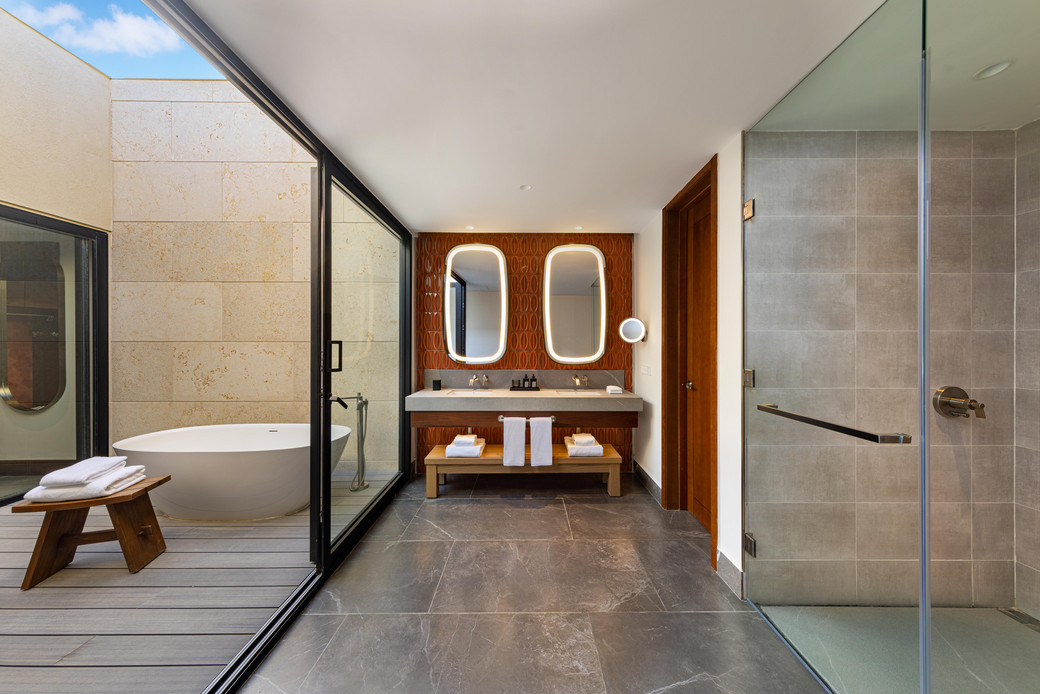
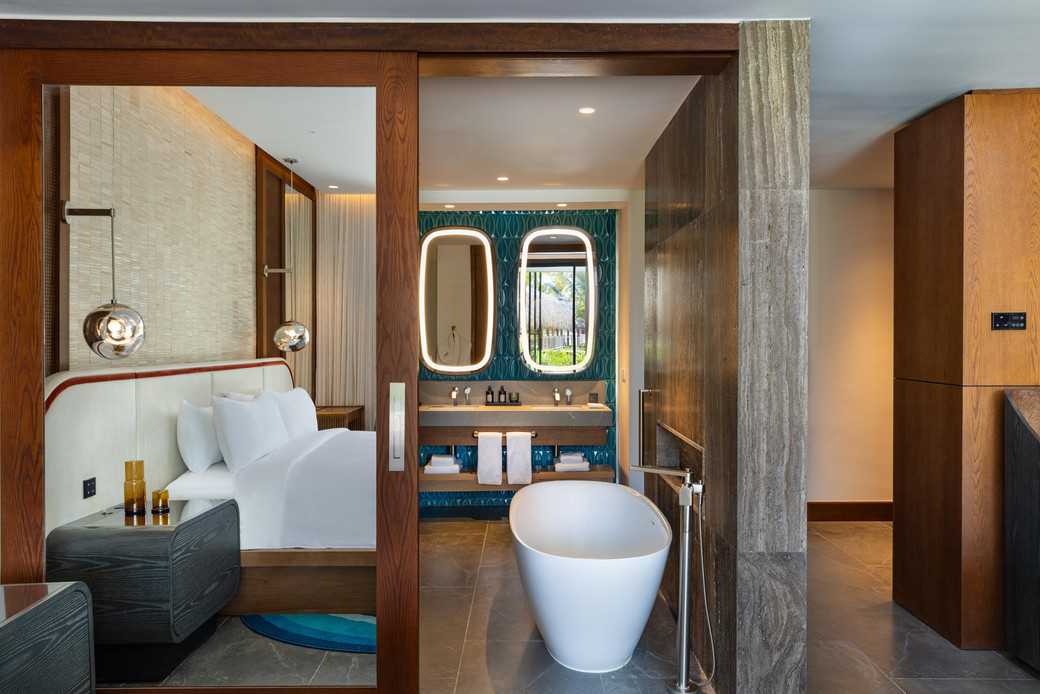
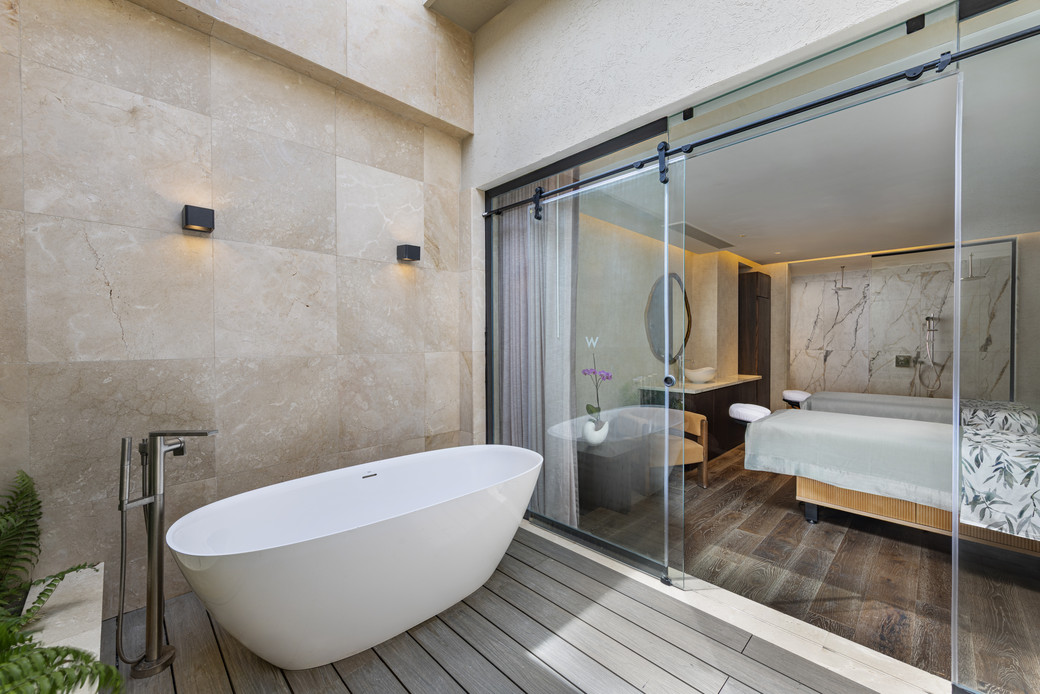
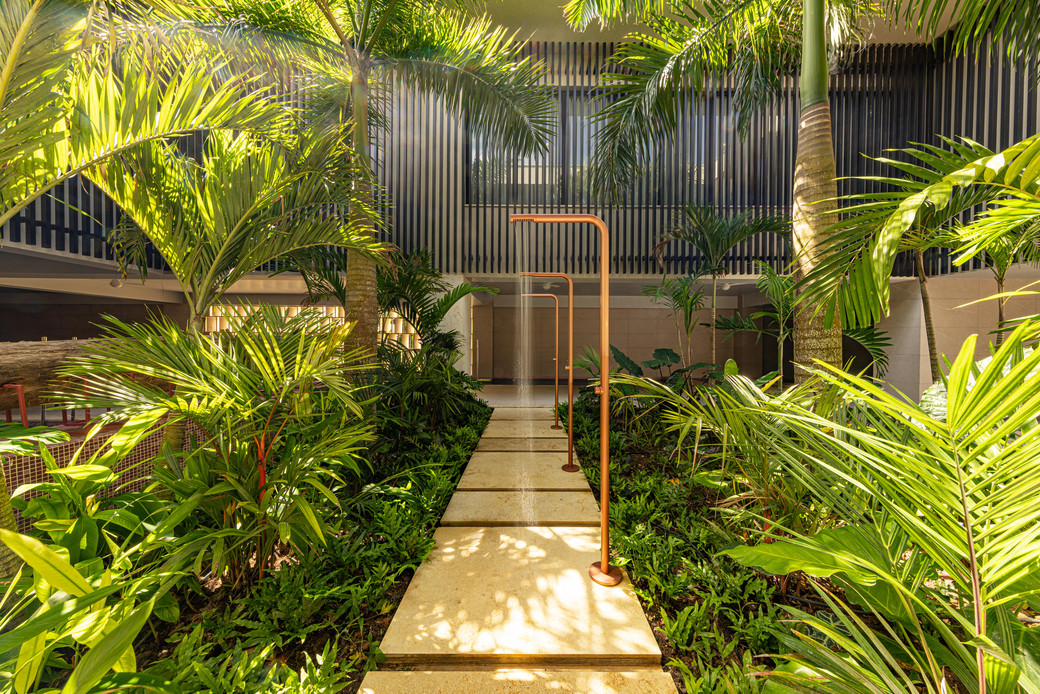
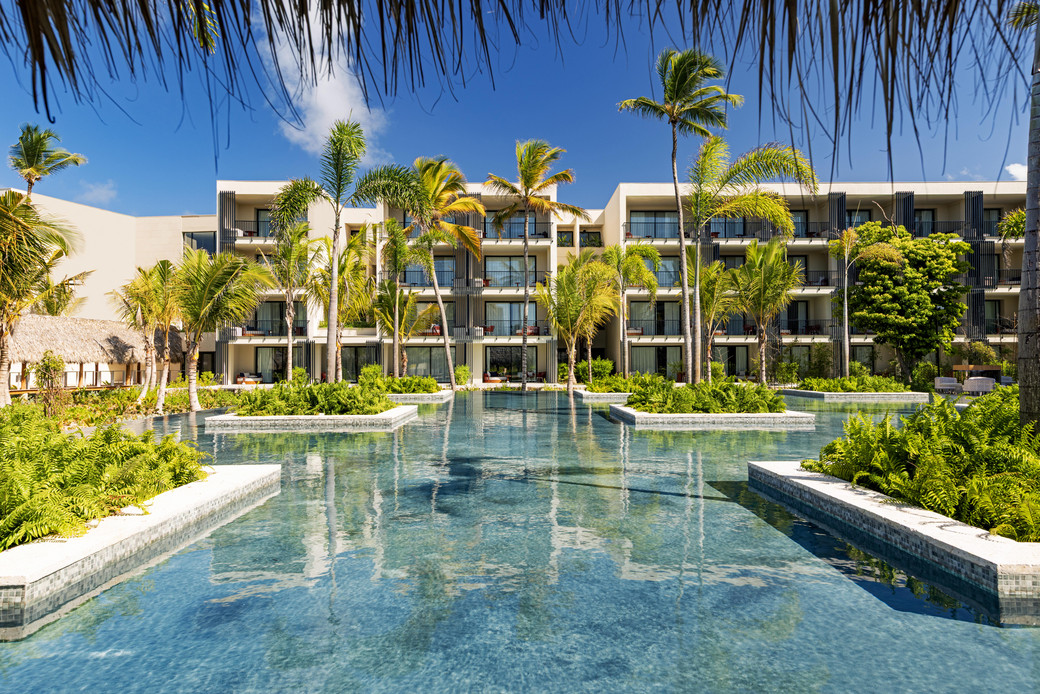
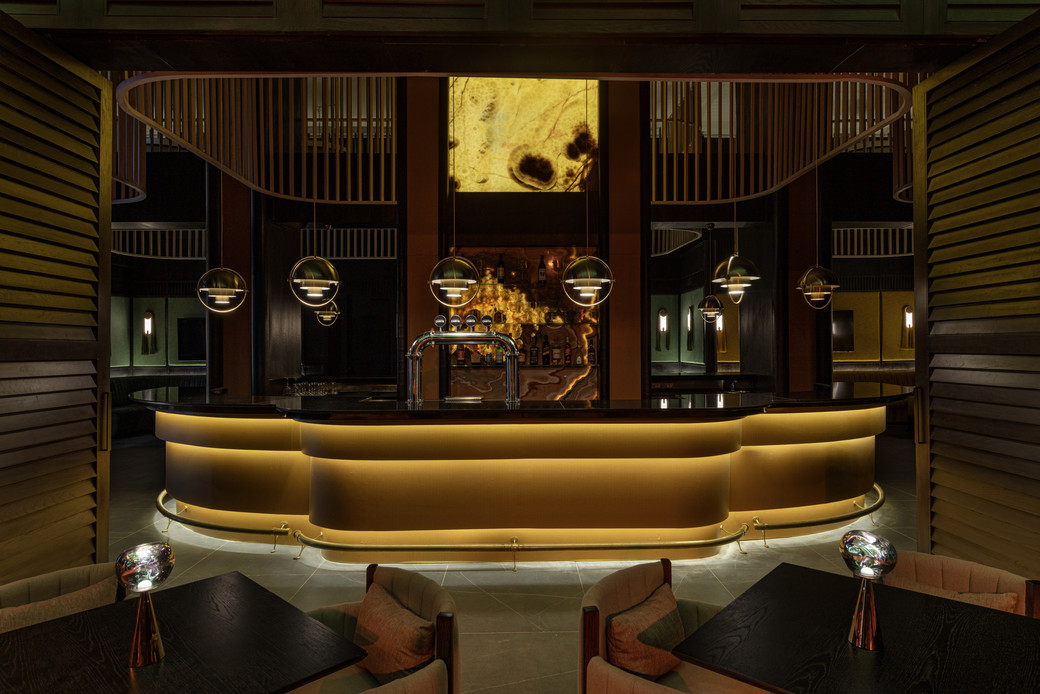
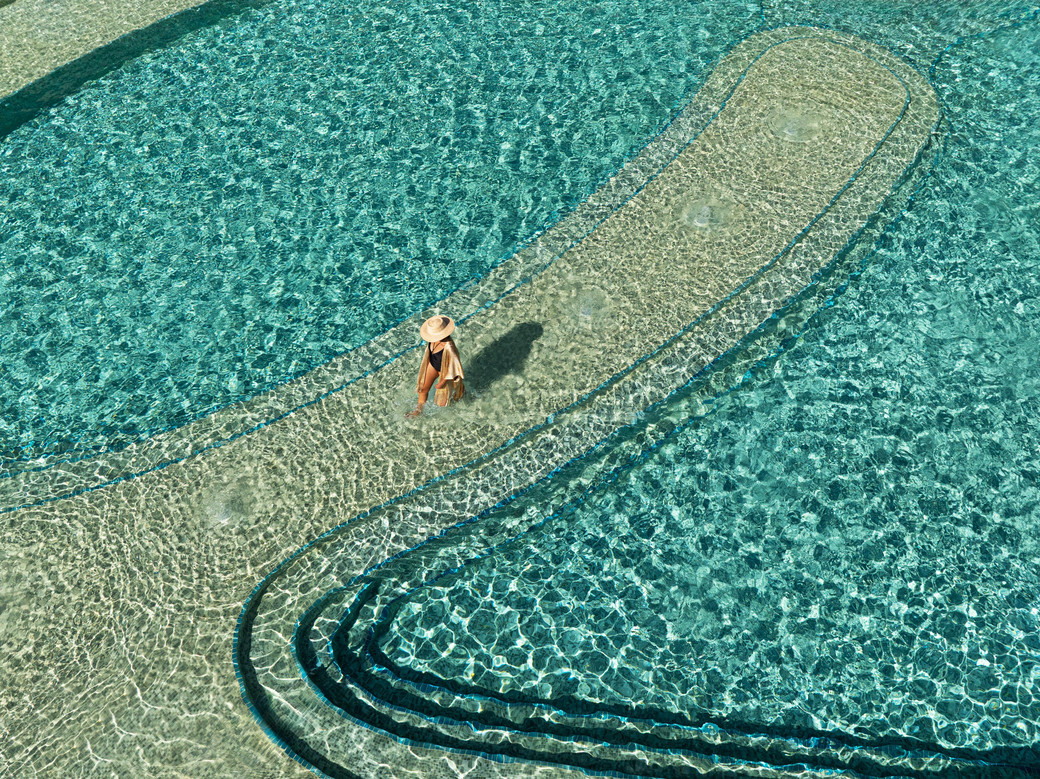
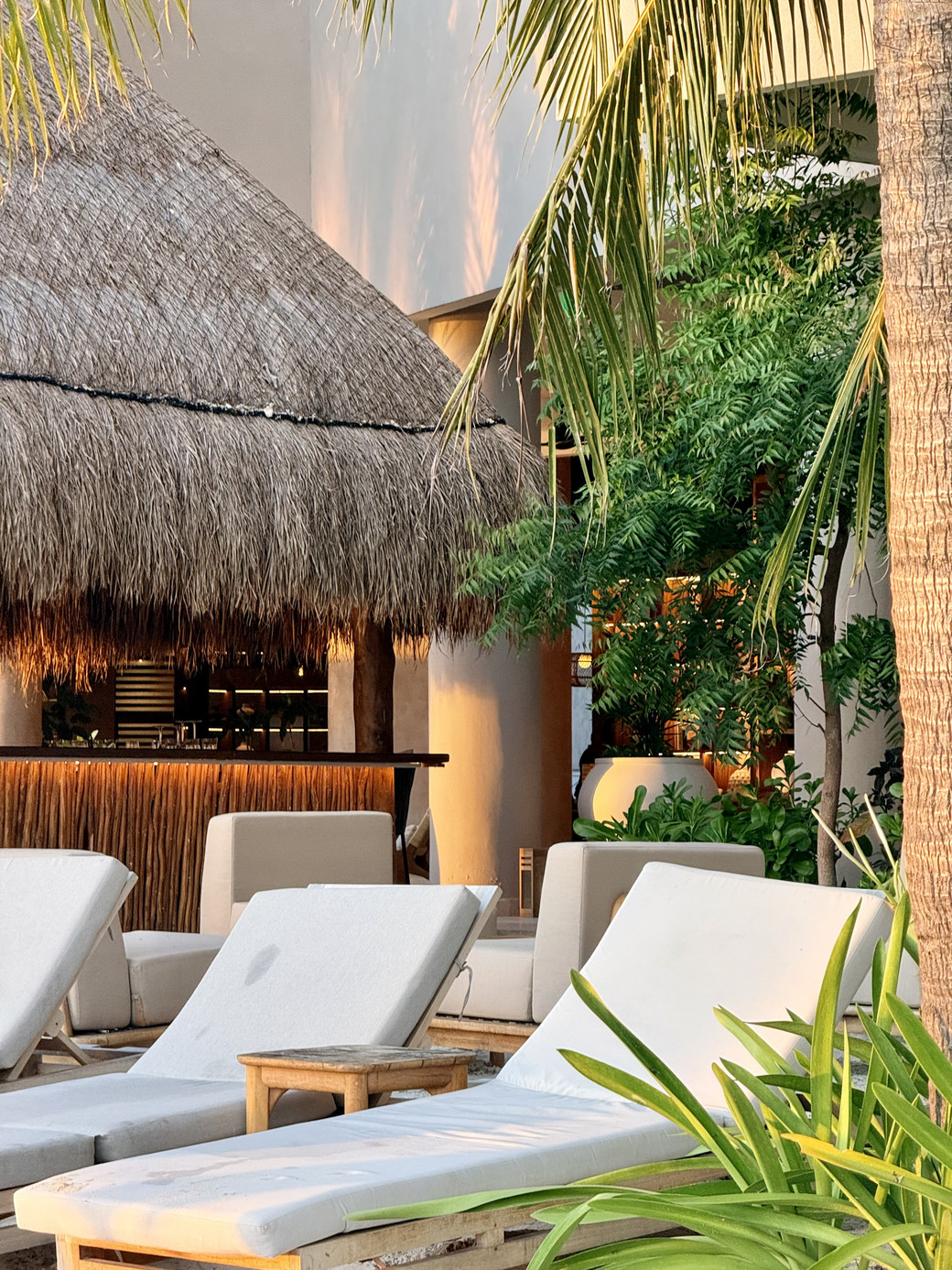
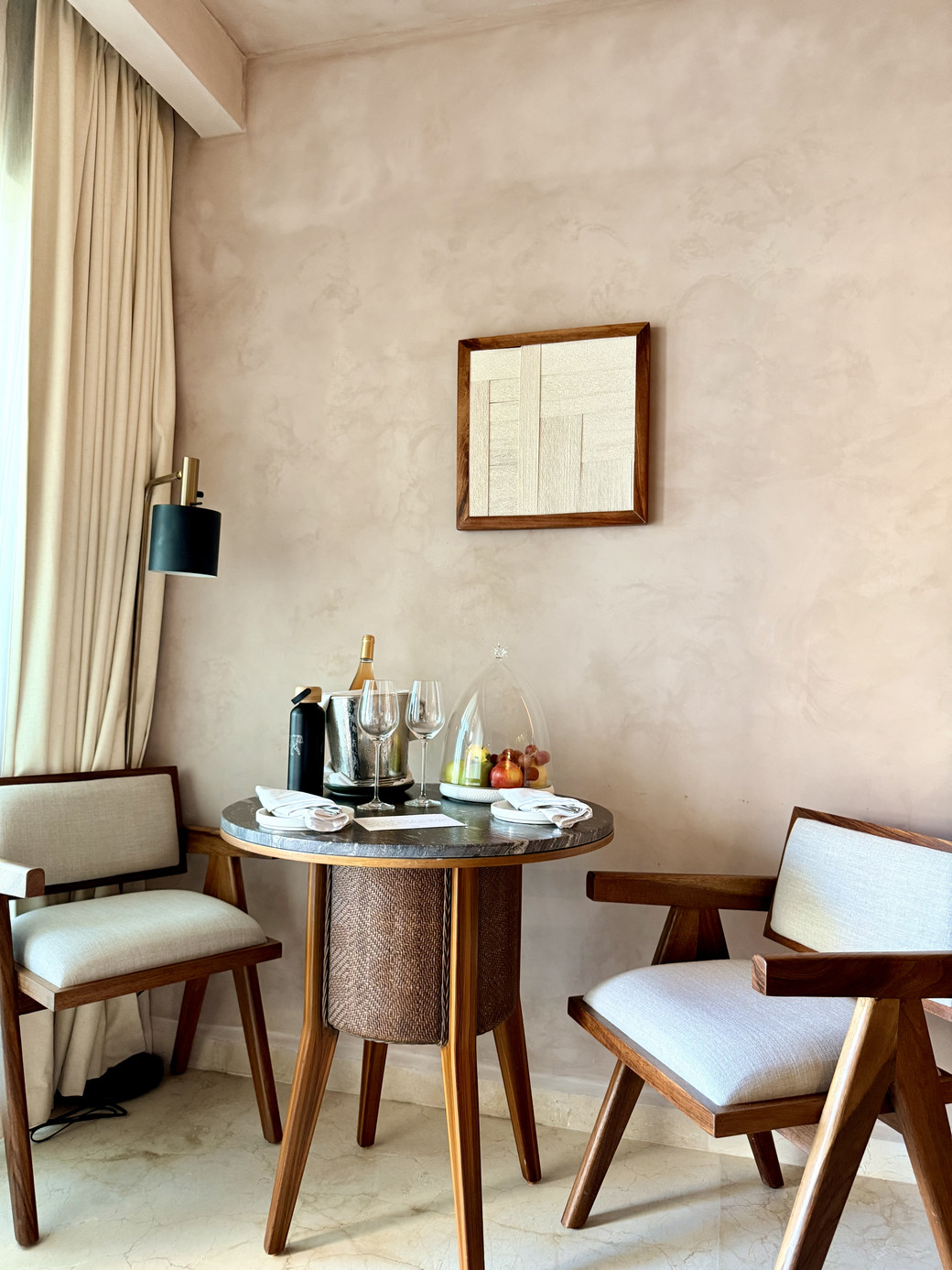
Rooms are generous — all begin at roughly 700 sq ft — and many suites include swim-up access, so stepping from bed to water is part of the day. Every room has a bathtub and a king bed, plus 24-hour in-room dining and a signature maxi bar for small comforts. Food is a clear focus: 12 dining concepts give you freedom to choose. Trade Market is a lively food-hall style option, Scena offers a refined chef menu, the Noodle Bar is a playful comfort stop, and 33 1/3 Speakeasy feels like a secret late-night hideout. I wandered between concepts and it never wore me out.
Service here is quietly sharp. Staff asked my name and remembered it; it didn’t feel staged. The team trains hard to read small cues and act on them — a chef nudging you to try “something really good today,” or a therapist who times a cold plunge and steam to land at the exact right moment. Those small, human touches add up to a stay that feels attentive, not scripted.
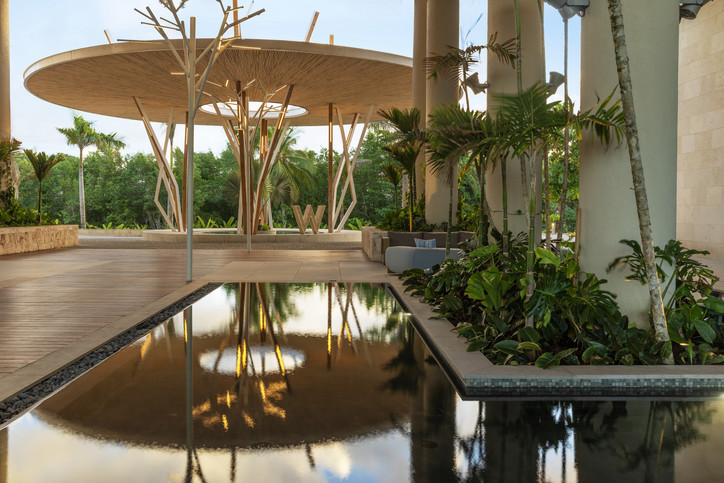
There’s a strong sense of place. Design by Zanobia Arquitectura pulls from Dominican textures, larimar tones and local patterns. Spa treatments and menus lean on island ingredients like moringa oil and turmeric. Behind the scenes, the resort invests in local hires and training so staff can build careers without leaving the island — a meaningful move that shows up in the service.
This is W Hotels trying something different: an adults-only all-inclusive that isn’t a checklist of freebies. George Fleck - SVP and Global Brand Leader, W Hotels, put it simply: “For me, luxury is choice.” He also told me, “It should feel like it’s your backyard, and you just choose your own adventure.” Both lines capture the point — the resort gives you space to make the stay yours.
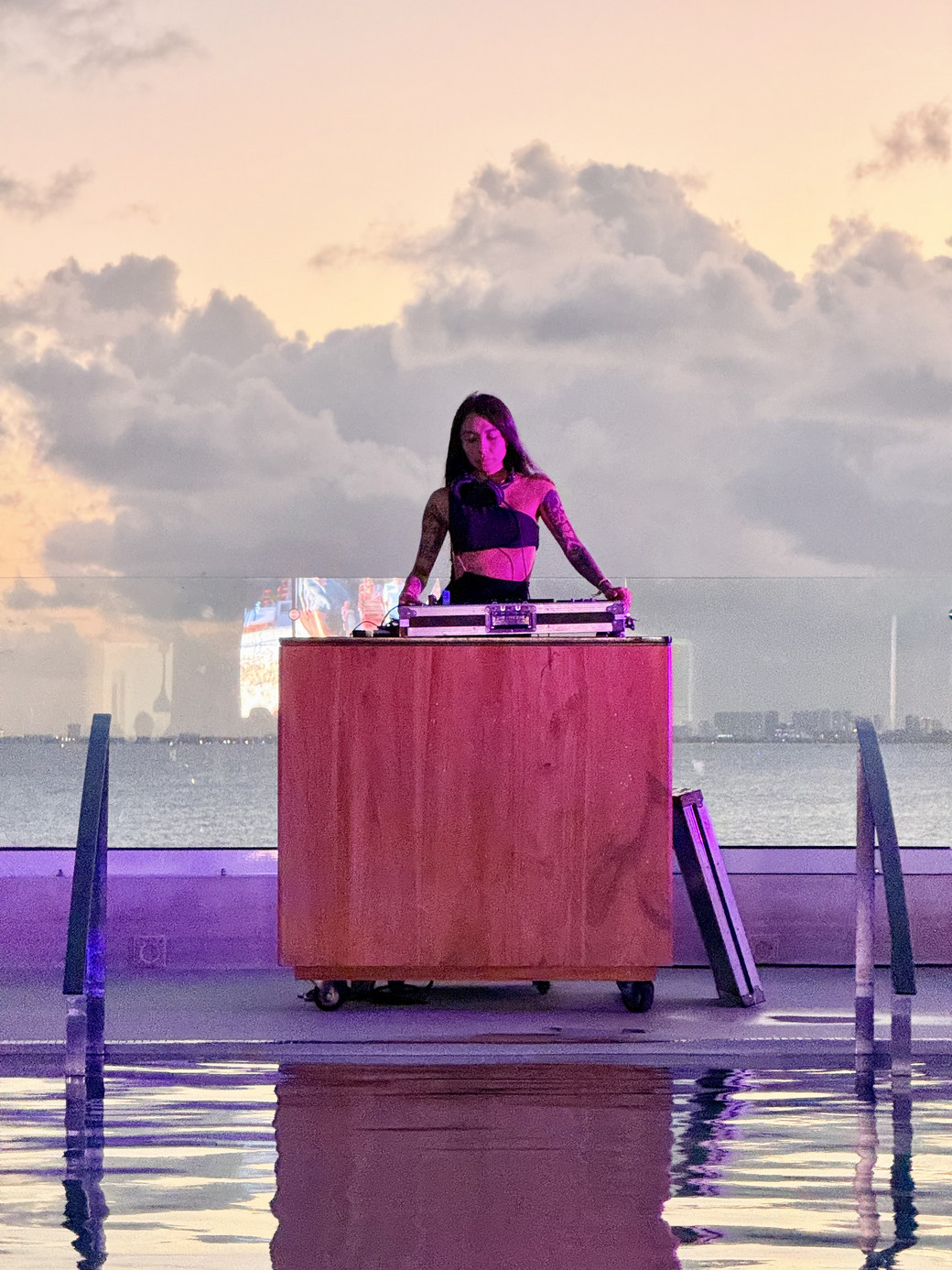
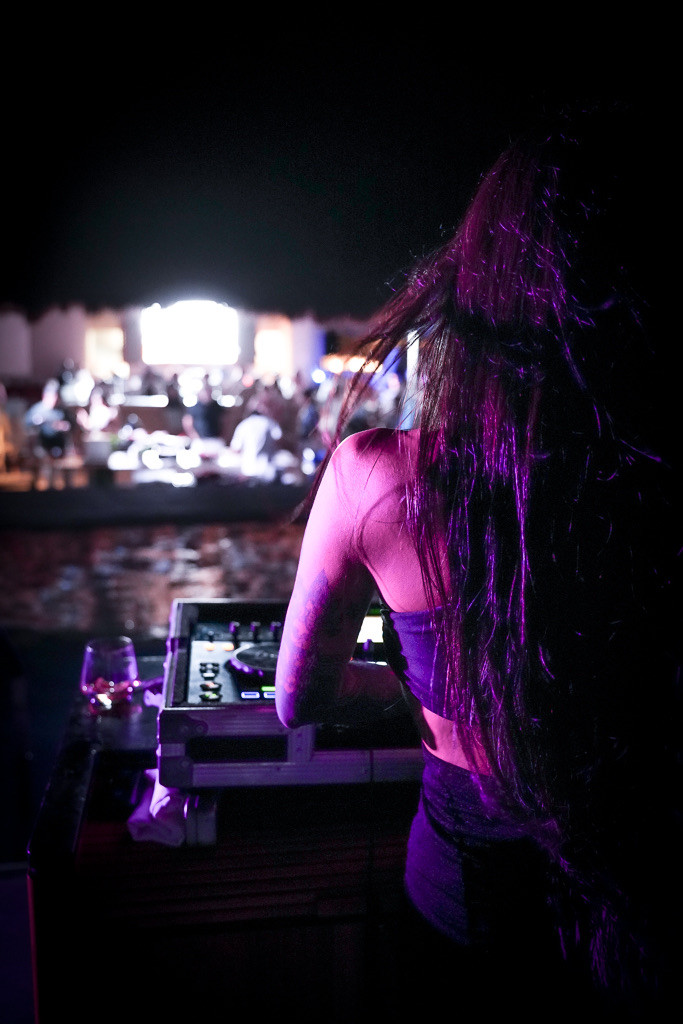
Beyond the food, rooms and spa, the programming balances mellow and electric. Morning sound baths and wellness sessions sit beside rooftop DJ sets and late-night parties. The soundtrack shifts through the day, and it feels natural — you can join the party or slip away without missing anything.
What stays with me is a sense that someone curated a backyard where you can play, rest and come away with small stories. Maybe it’s a song you Shazam at a rooftop set, a spa ritual with local moringa oil, a surprise tasting from the chef, or a gelato at three in the afternoon. W Punta Cana, Adult All Inclusive doesn’t just give you a holiday — it gives you moments worth telling.
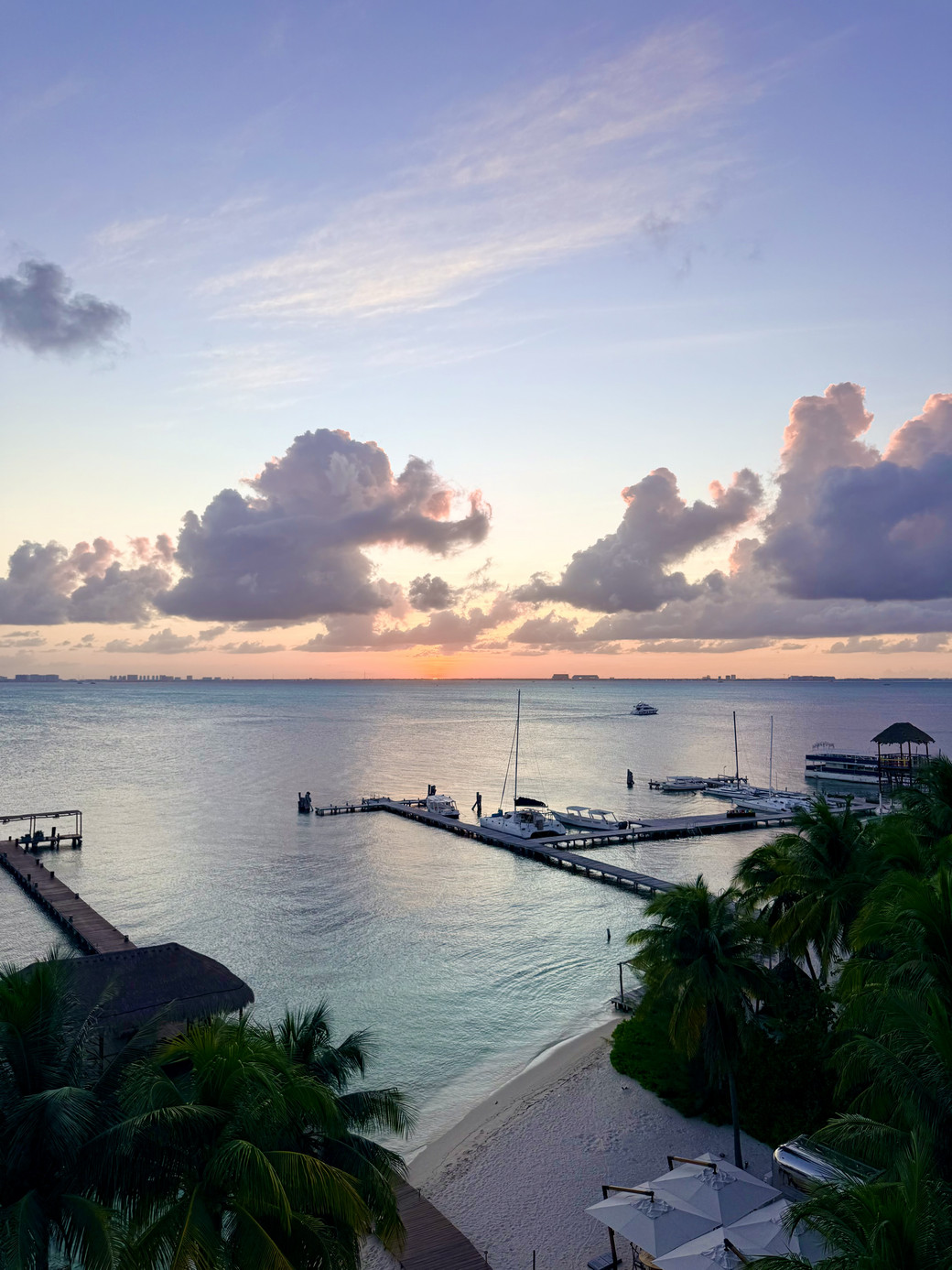
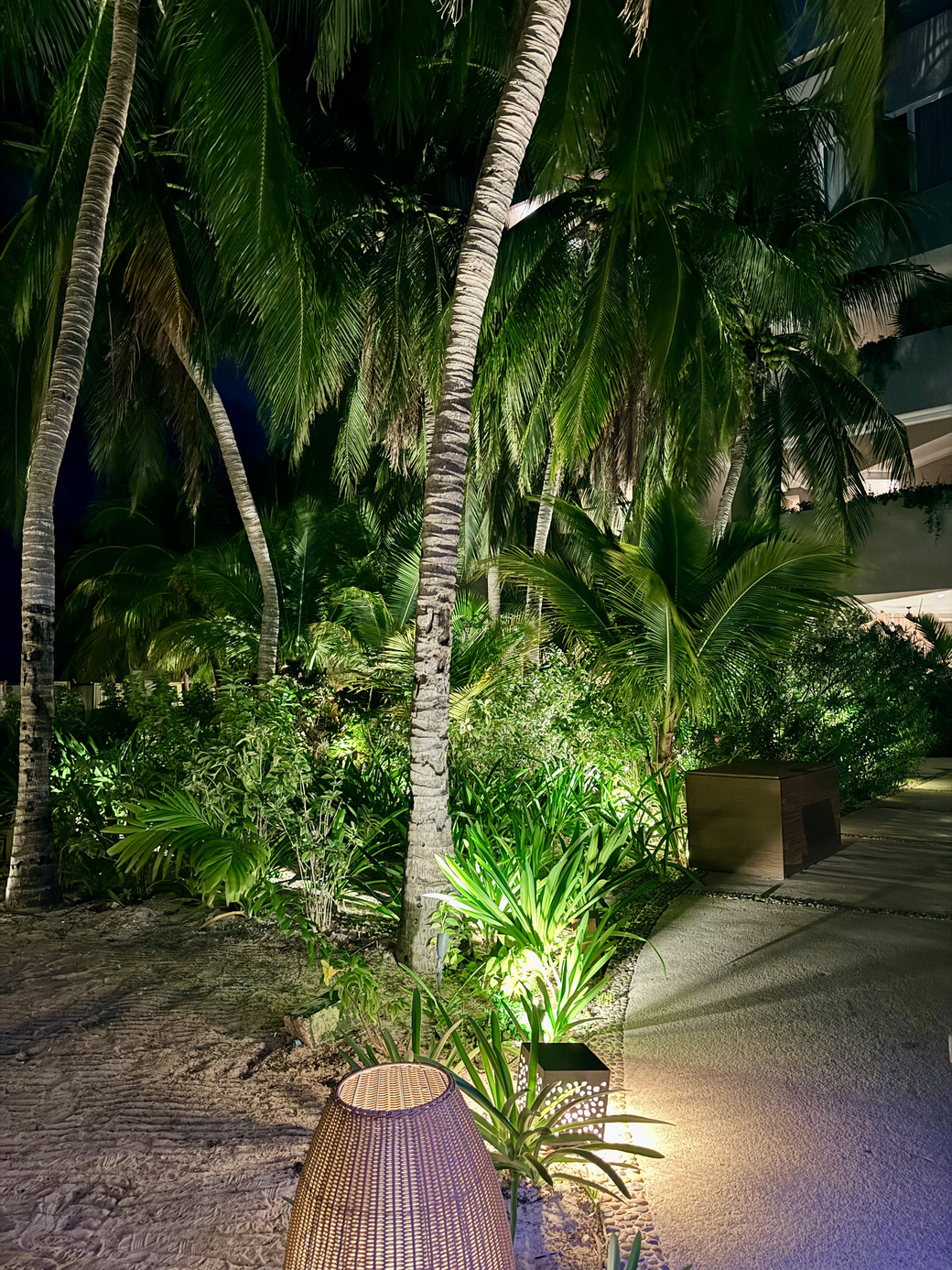
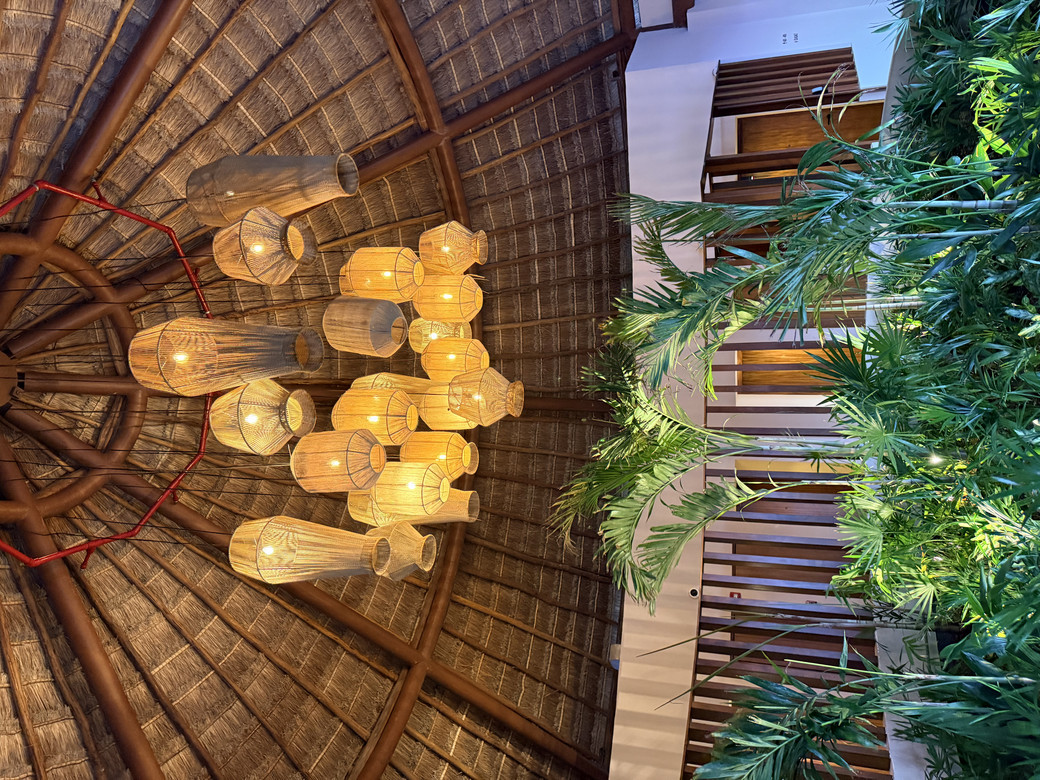
Feeling invigorated as we docked on the island, we were ready to celebrate Almare’s first anniversary. It was a true welcome, with complimentary cocktails, warm smiles, and a full view of the 109-room resort. Guided down the pier into the open-air lobby for check-in, we met Abril, who told us more about the importance of the hotel’s Mayan heritage.
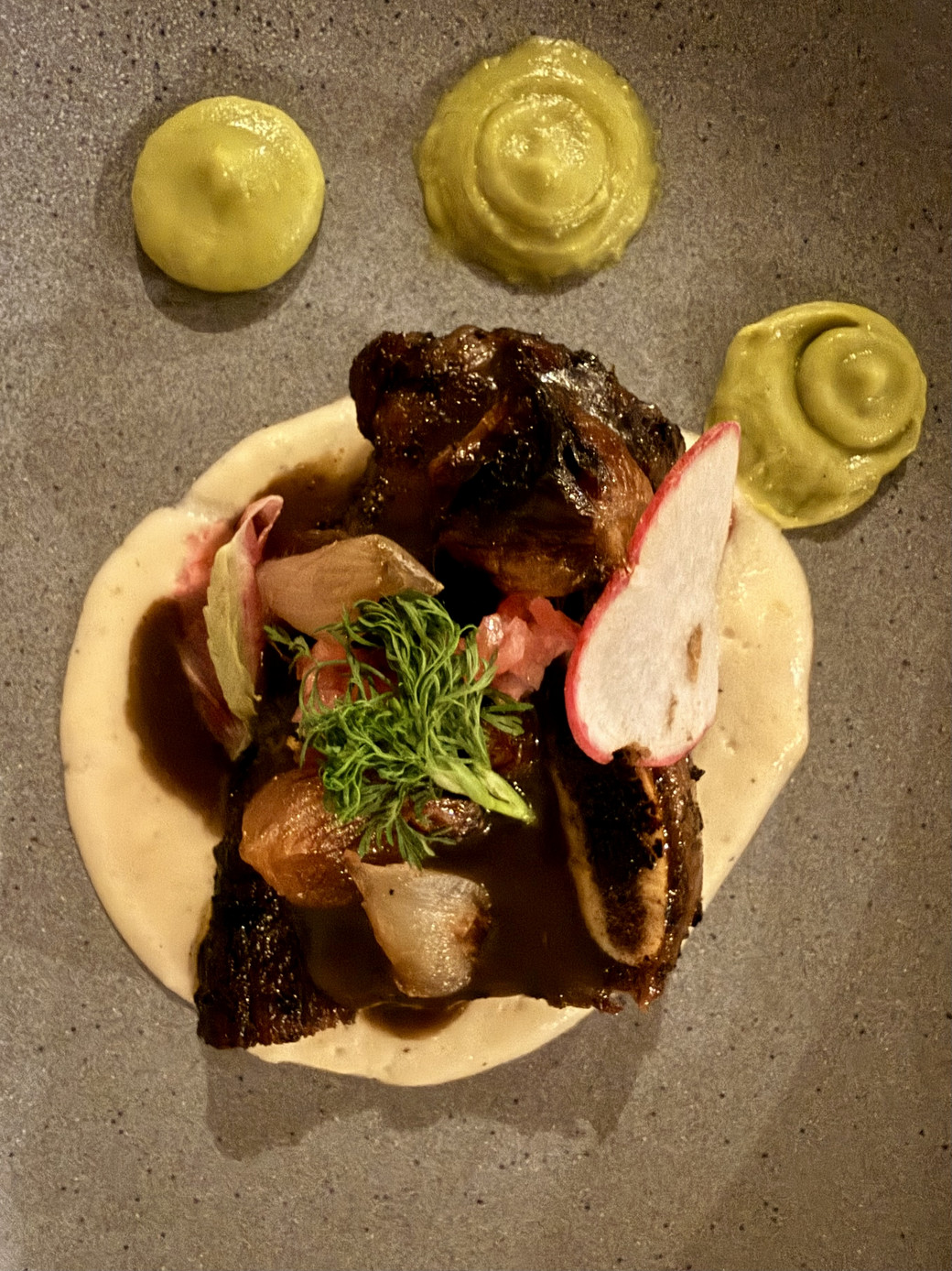
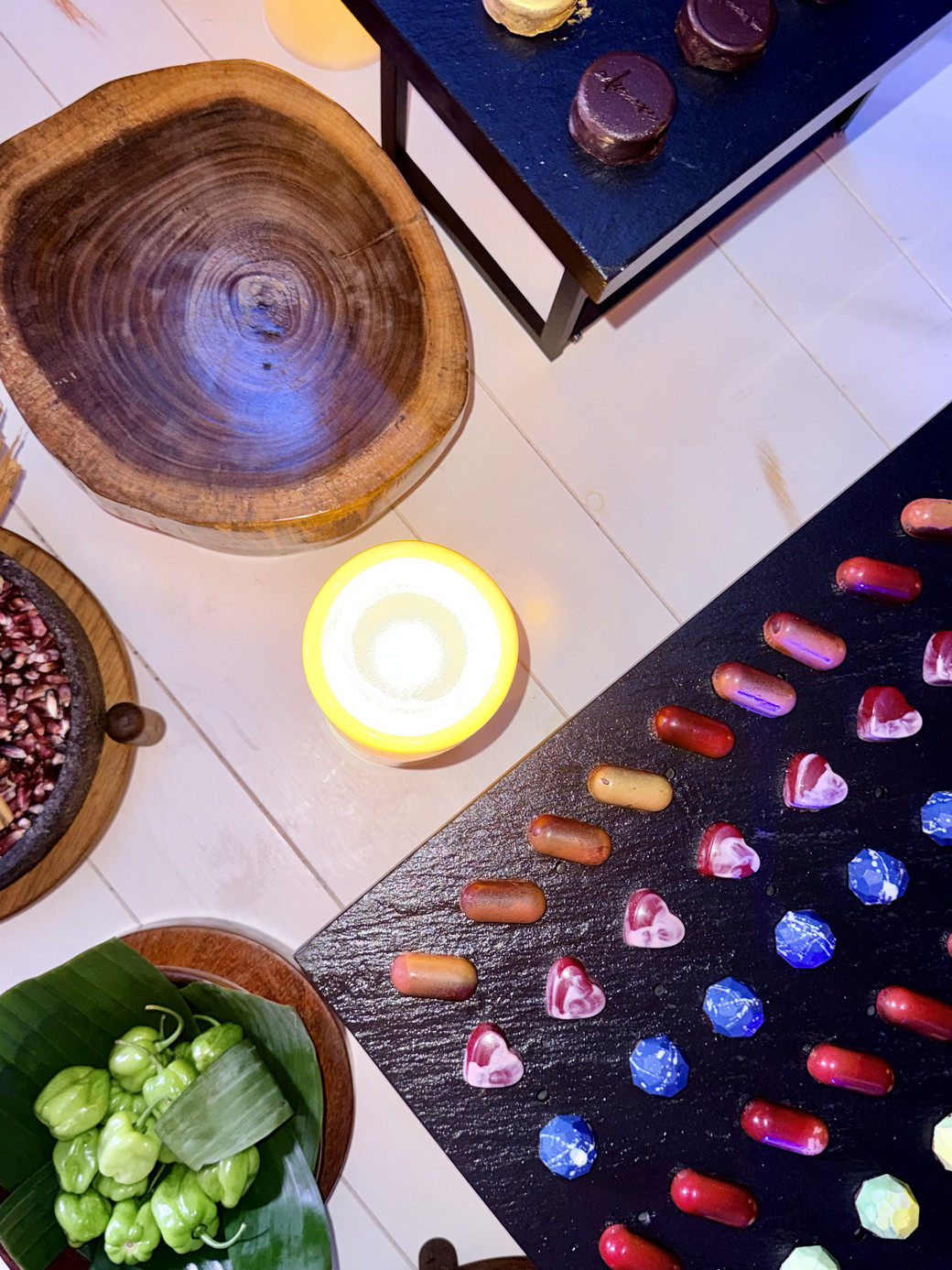
Mayan culture runs through every detail, from the underfoot feel of the Mayan calendar in the lobby to the ingredients featured on the restaurant menus. Shortly after a quick introduction to our room, it was time for dinner at BOGA, an haute cuisine restaurant and champion of innovative flavour combinations. Even if initially intimidated by the foreign ingredients, we enjoyed a culinary adventure far away from our day-to-day meals. An exhaustion-induced early night capped off the day, ready for an early start filled with a flurry of classic resort activities.
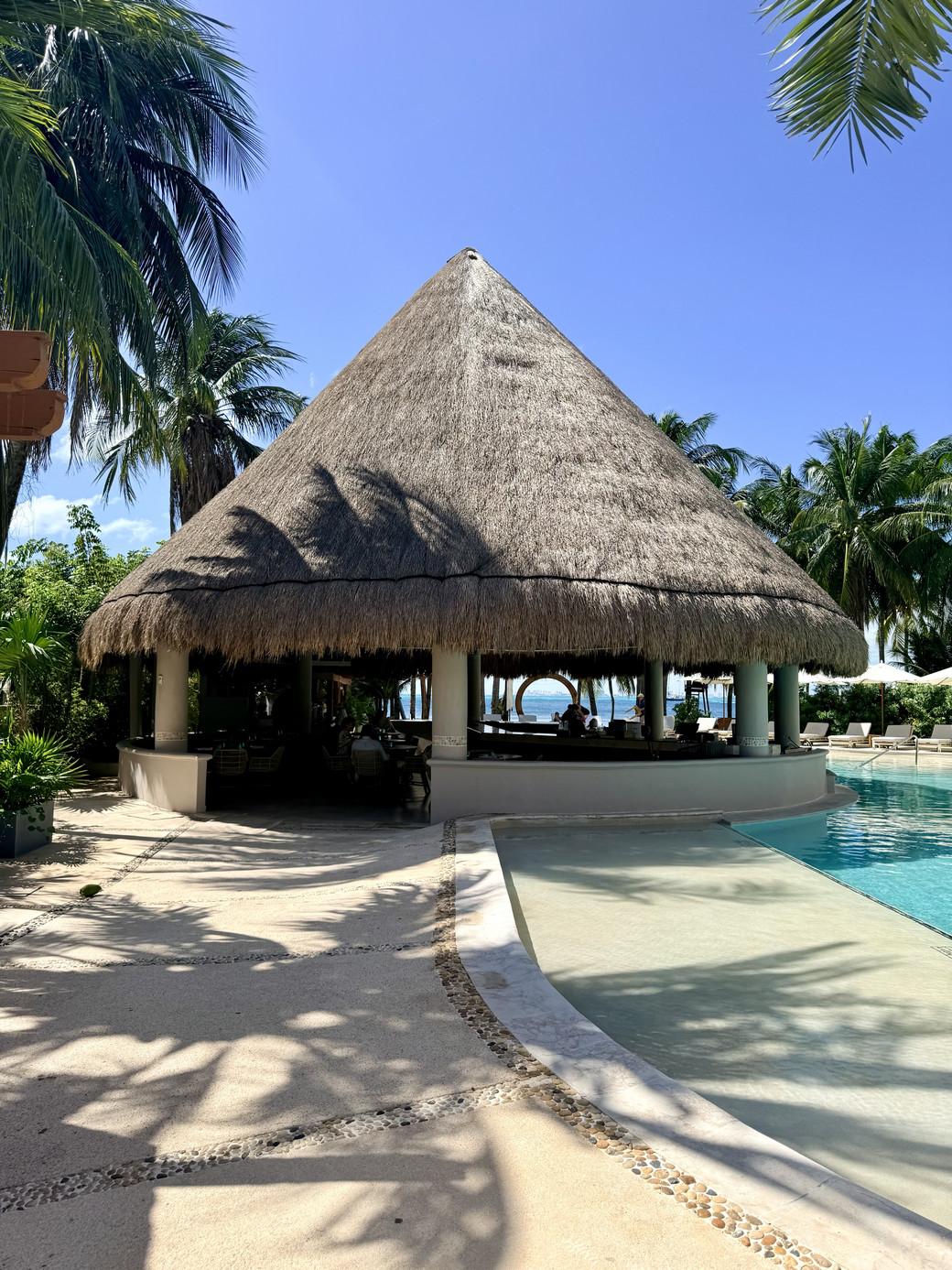
Day two opened with a paddleboarding lesson followed by hydrotherapy and kayaking, all back-to-back. Feeling well exercised and very ready to eat, we walked to The Breeze Pool Bar for lunch, in sharp contrast to the previous night’s cuisine, this meal was a relaxed selection of burgers, tacos and fries. Then after lunch, we walked to Botanik, the on-site café, for a coffee and a piece of rich opera cake to satisfy our cravings.
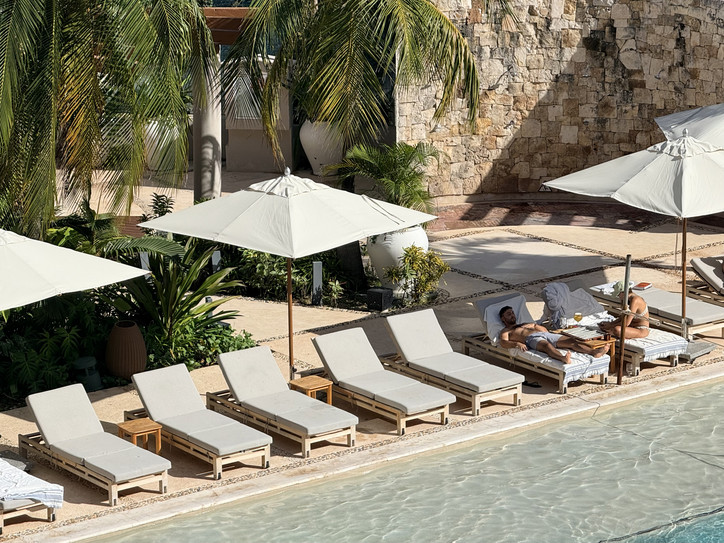
Nicely fed from the all-inclusive offerings, we sat by the pool to let our food settle before taking a dip in the water. Nearly running out of sunscreen and risking a sunburn, the cool water was a relief from the heat.
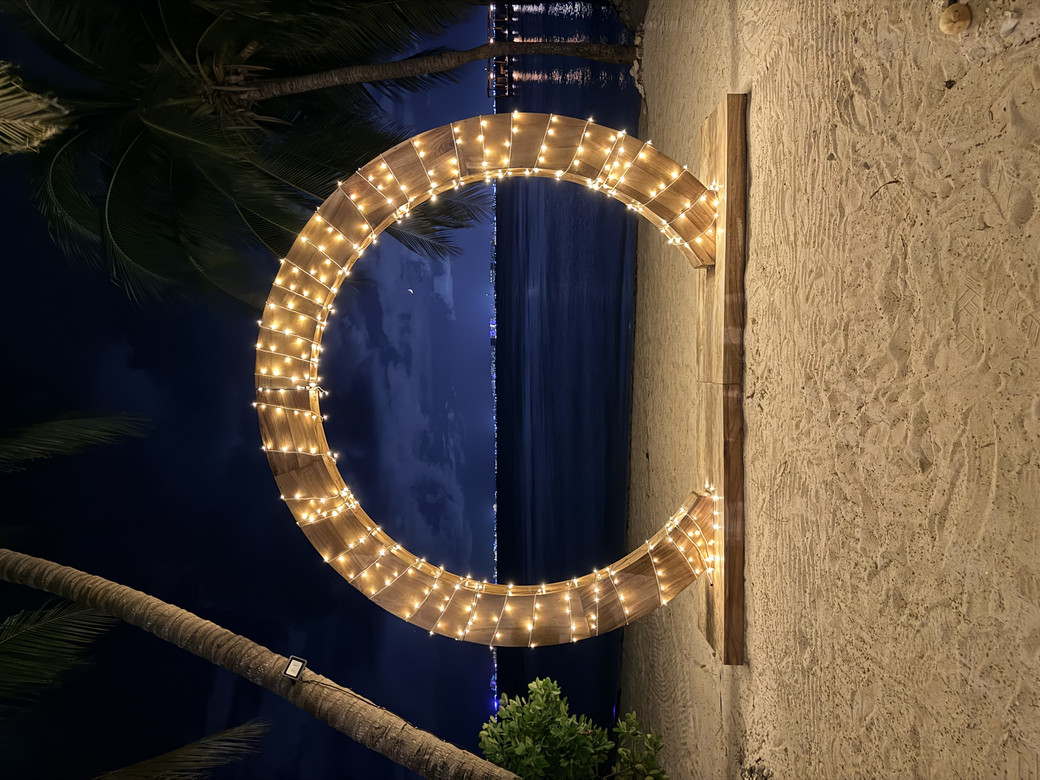
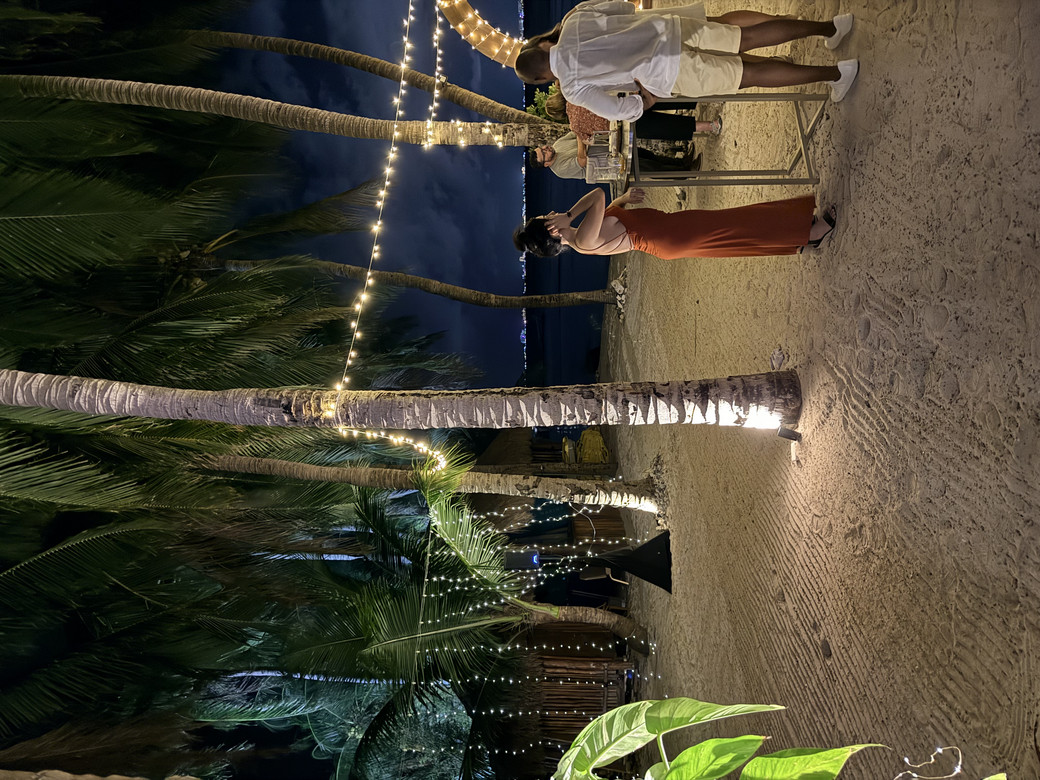
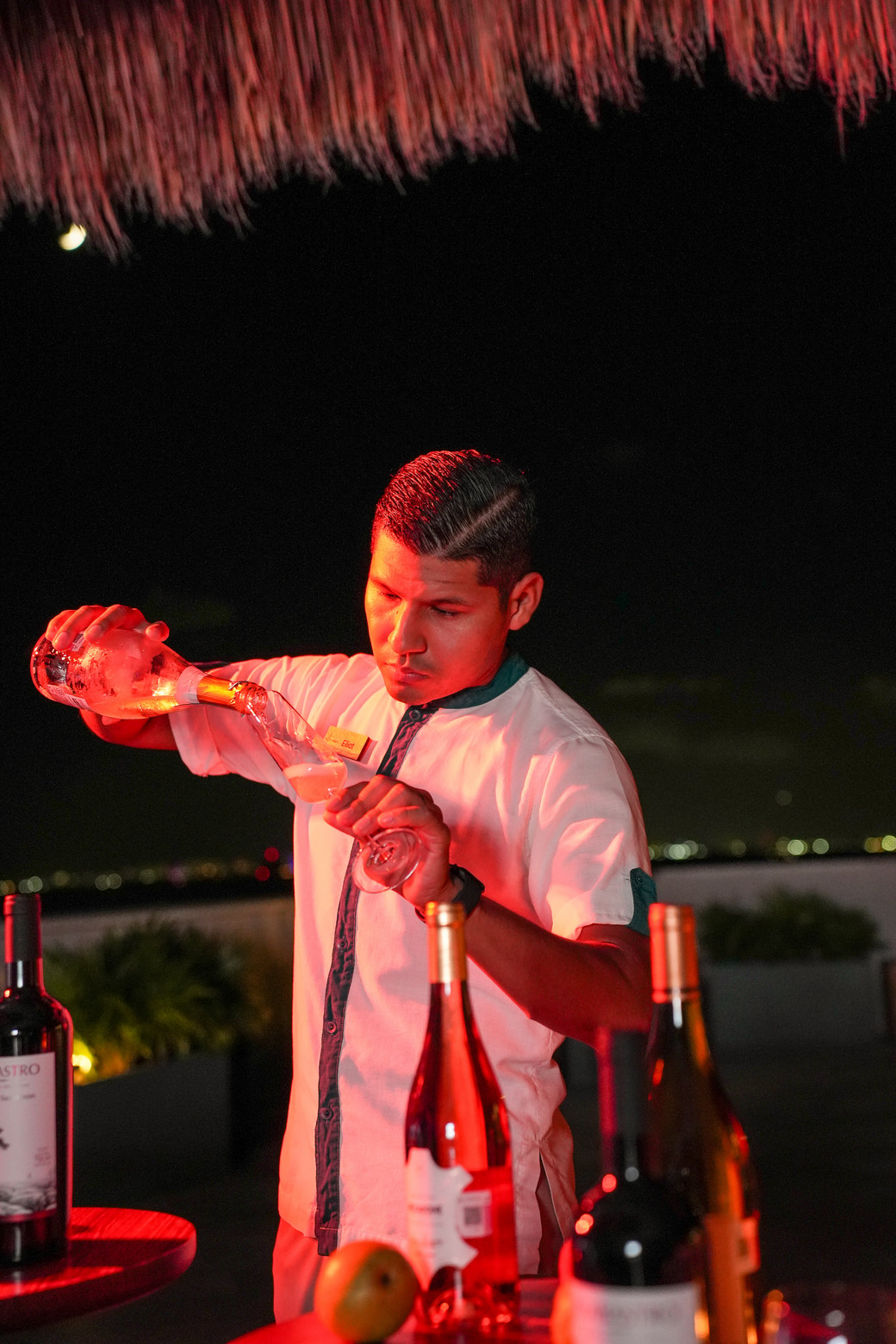
A sunset dinner at Seasalt rooftop was next on the itinerary, offering us a 360-degree view of the ocean, beaches and island foliage. Night two was yet another culinary highlight offered at Almare. To close out the night, we wandered to the beach for the official beginning of the first anniversary celebration with a drinks reception and canapés.
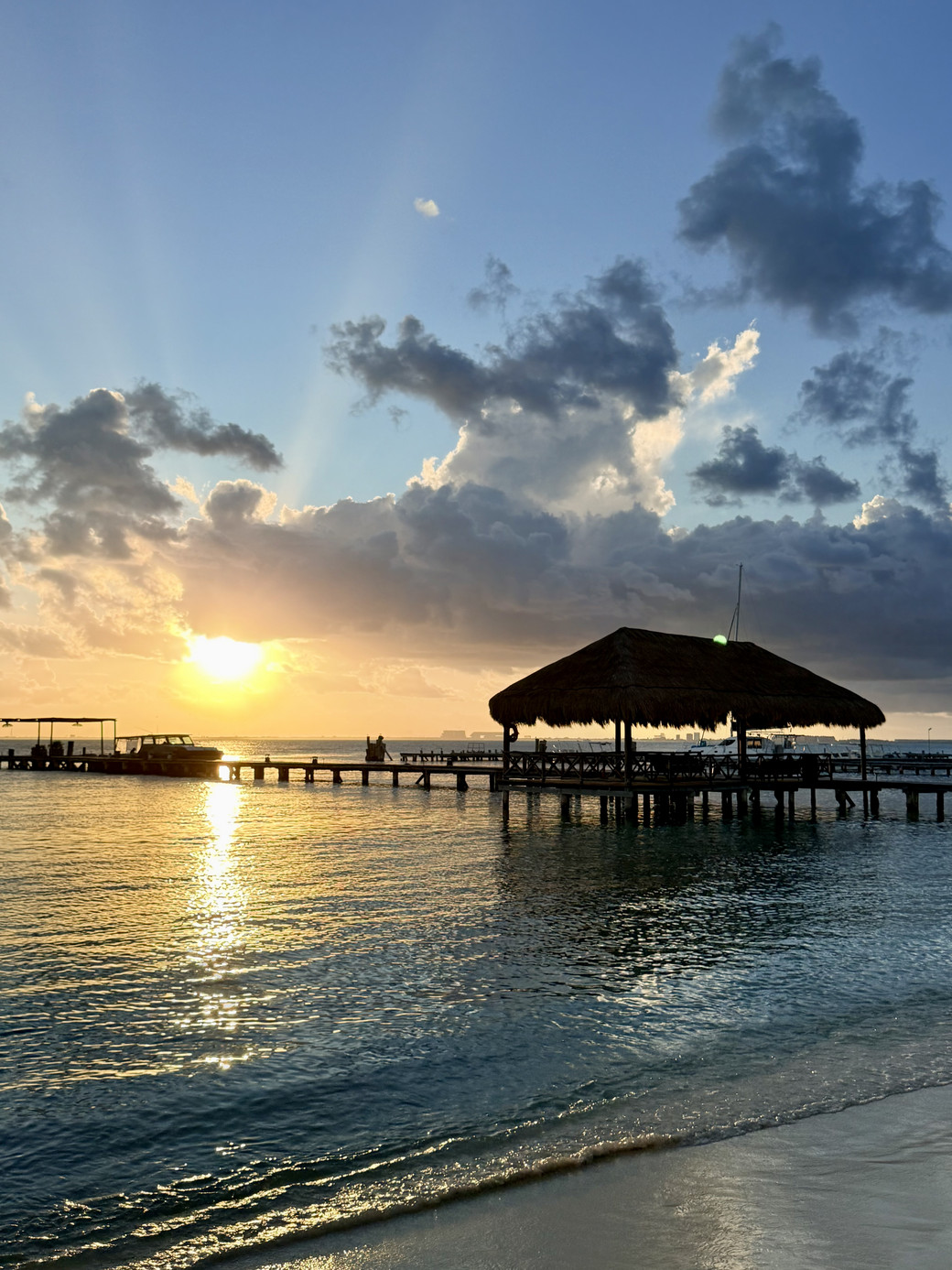
Our final full day opened with an early morning to watch the sunrise. Completely cloud covered, it was a somewhat disappointing start to the day. Onwards and upwards, it was then time to return to BOGA for breakfast. An enjoyable ensemble of Mayan inspired takes on iconic pastry and brunch options followed.
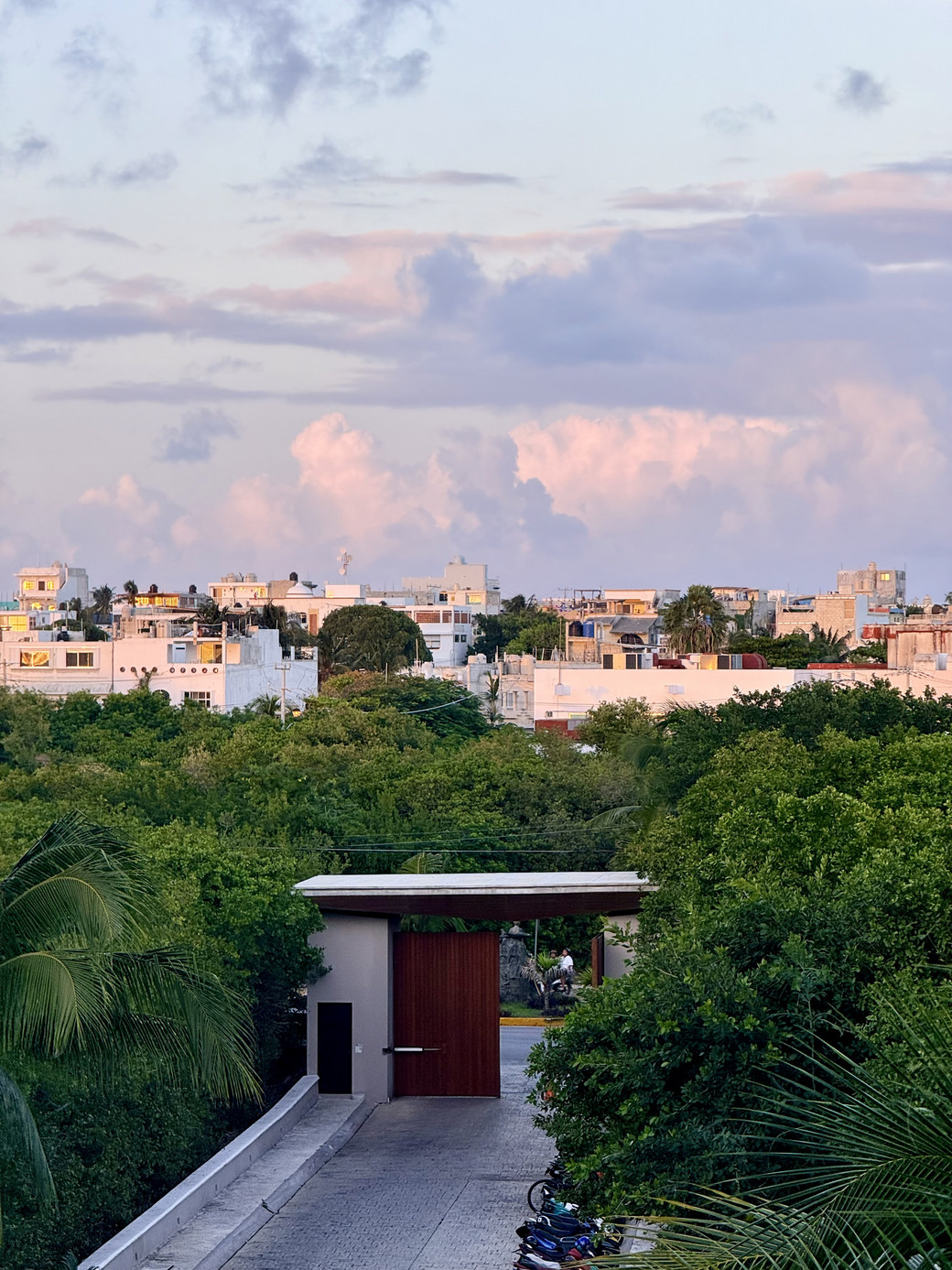
The main bulk of the day was all about exploring the local culture, in stark contrast to our time at the resort, the town was a real insight into the modest life of Isla Mujeres. So, unlike the fast-paced urban culture, island life seemed stripped back and personal.
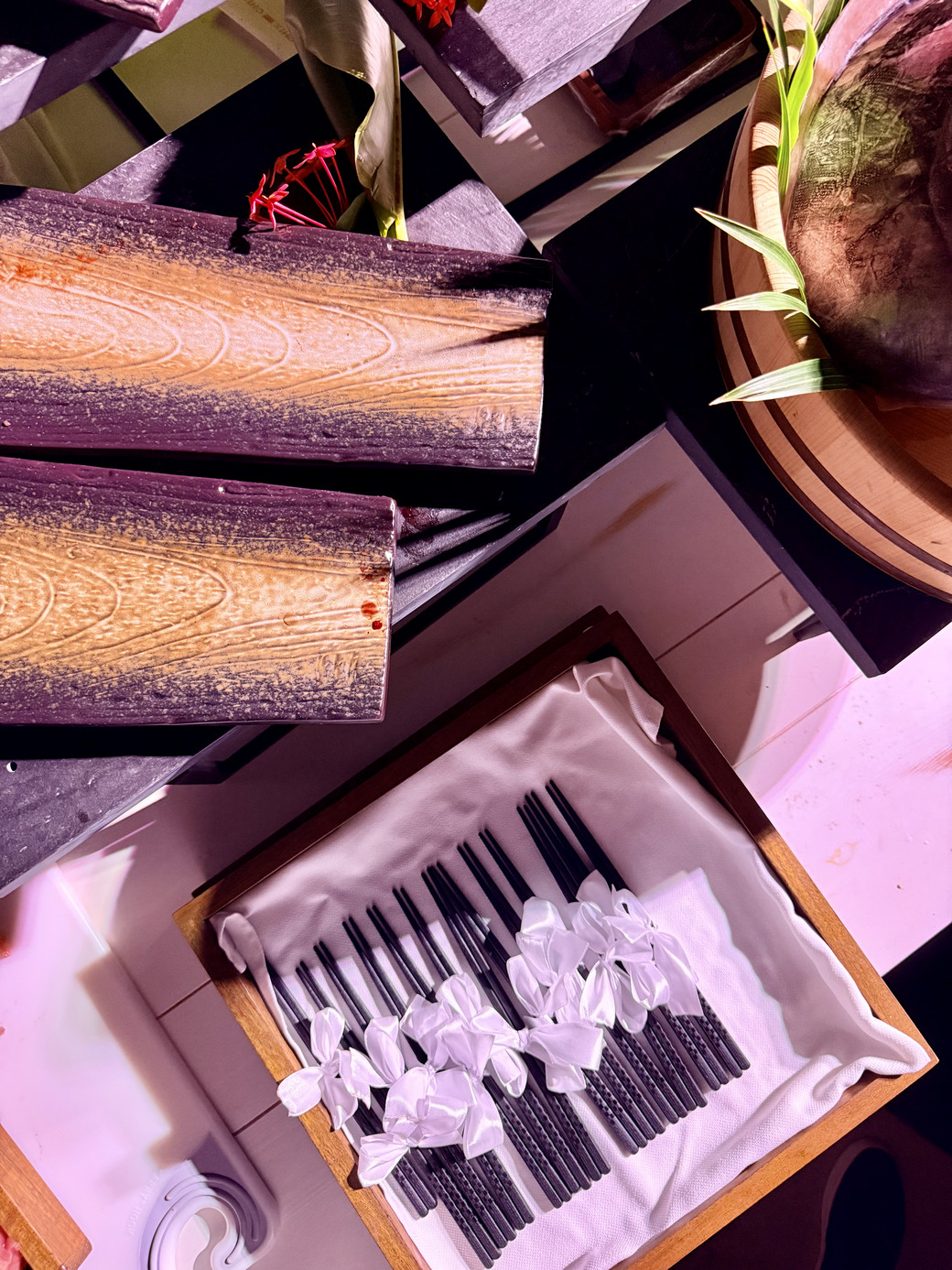
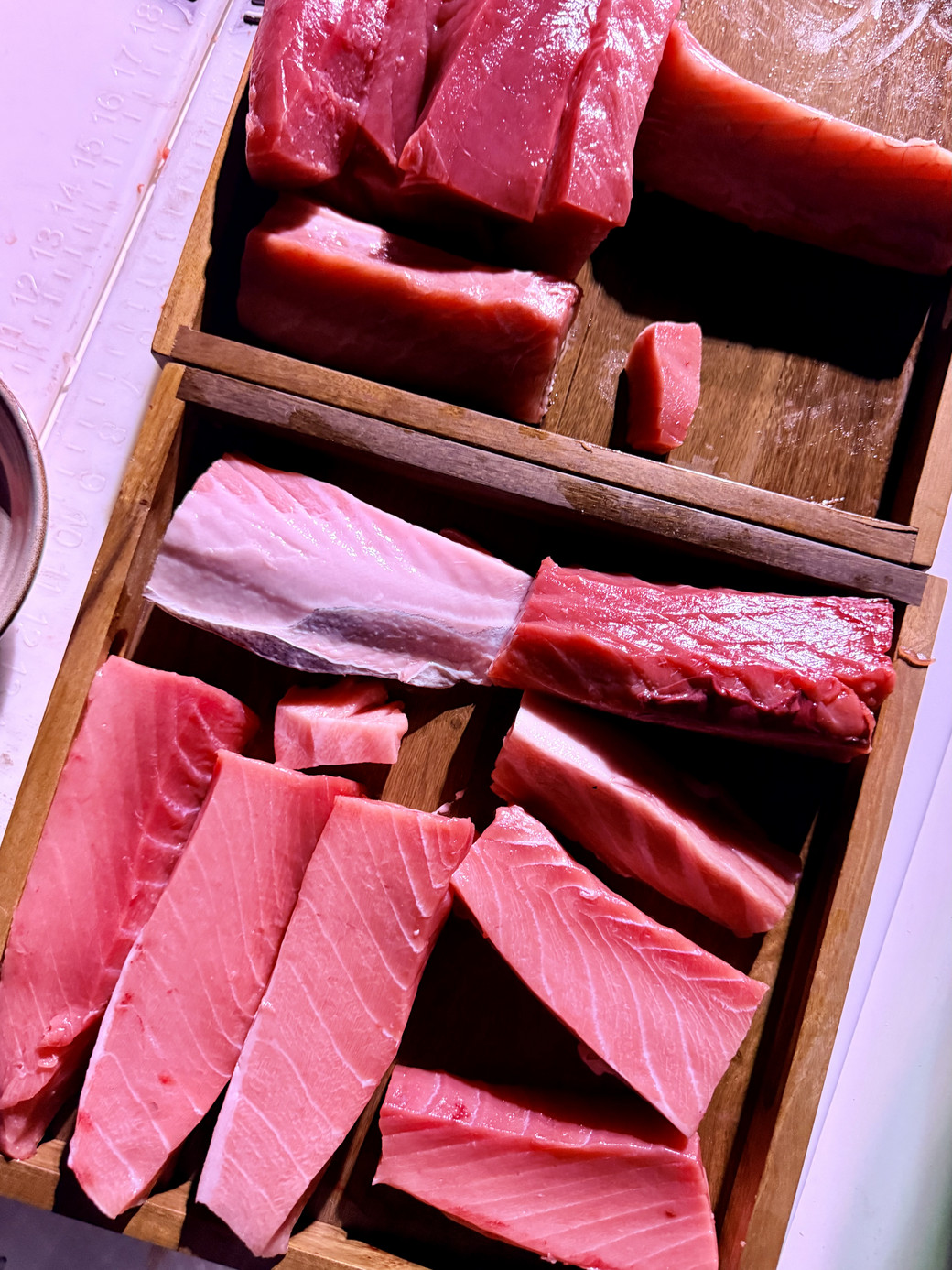
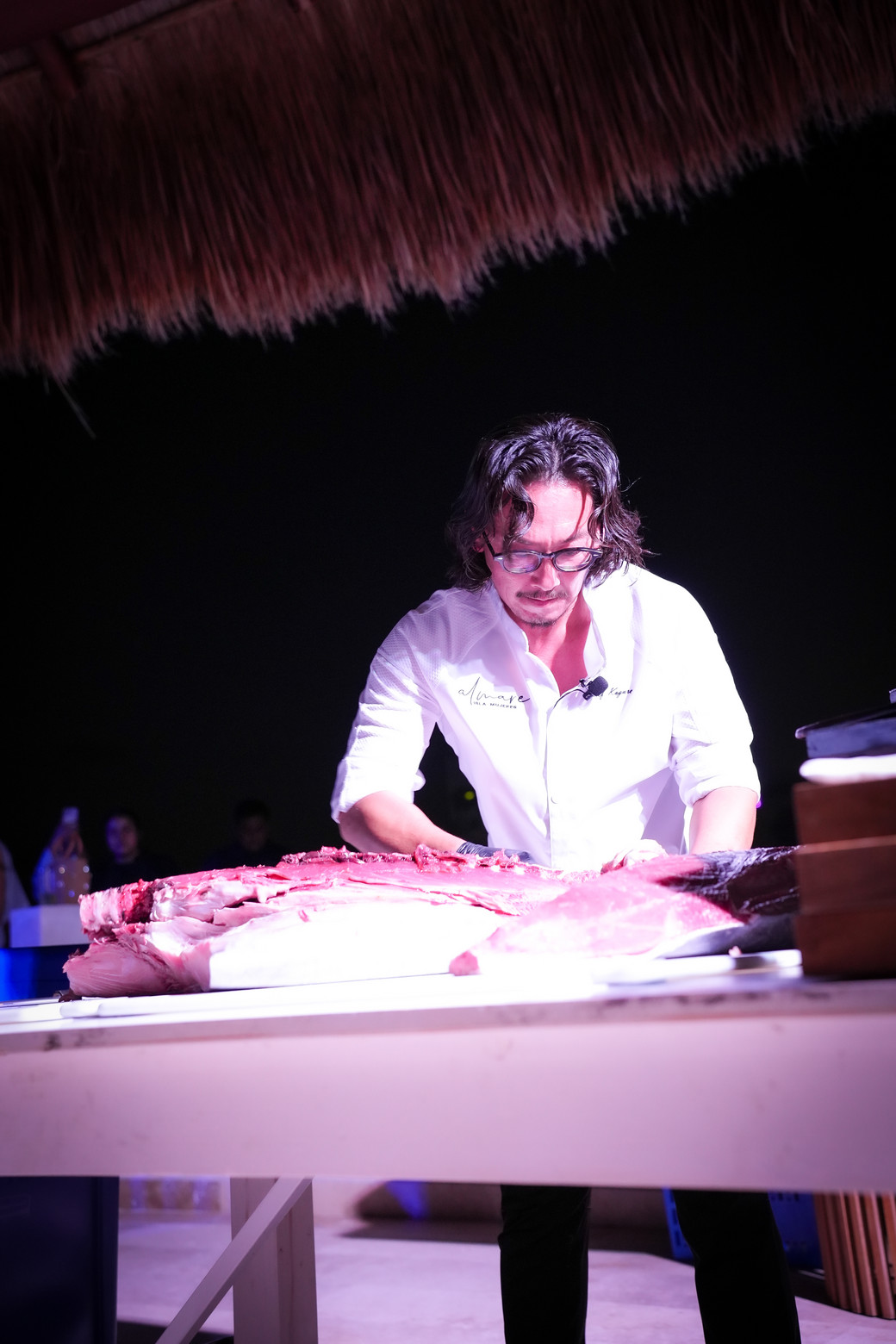
The grand finale to our trip came in the evening, with the first anniversary party. The highlight of the party and potentially even the whole trip was the live tuna breakdown by chef Yusuke Kogure. The 10-minute experience was an awe-inspiring show of skill, and having the opportunity to eat the tuna after was a perfect finish to a memorable island weekend.
Sunday’s boat ride off Isla Mujeres was bittersweet; the ocean was as beautiful as on Friday, but the cold of winter loomed over us. A few hours later, on the way back to New York and tucked away on the last row of the plane right next to the bathroom, we dreamt of our next trip to the quiet bliss of Almare.