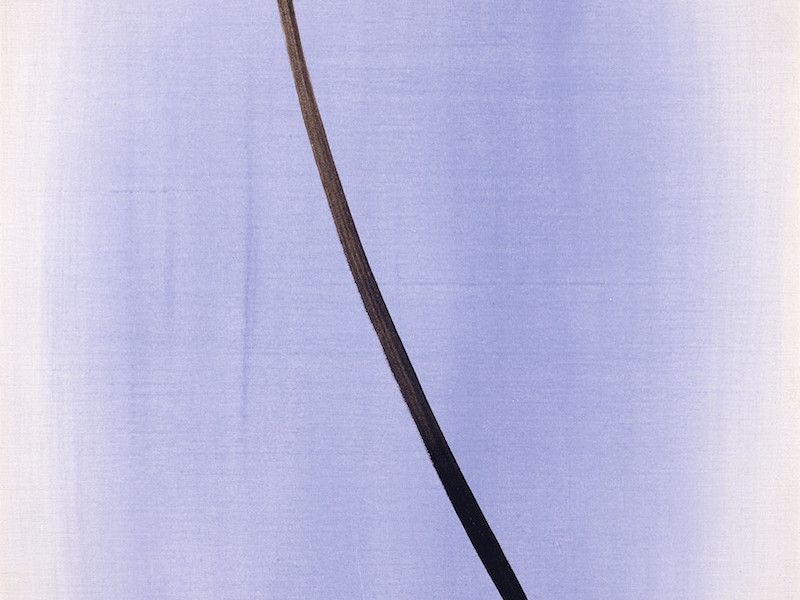
Stored
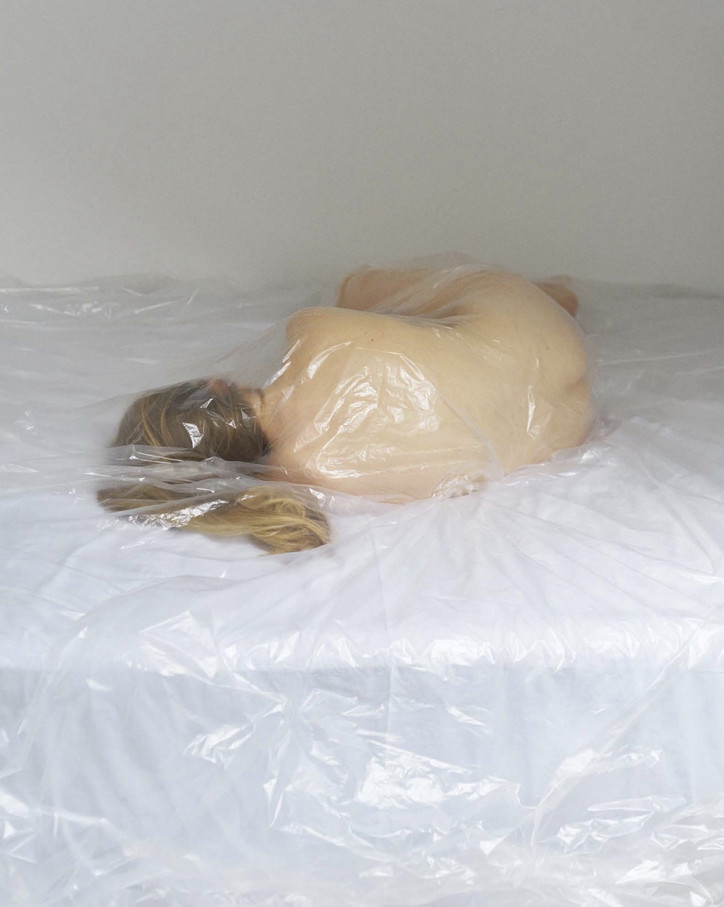
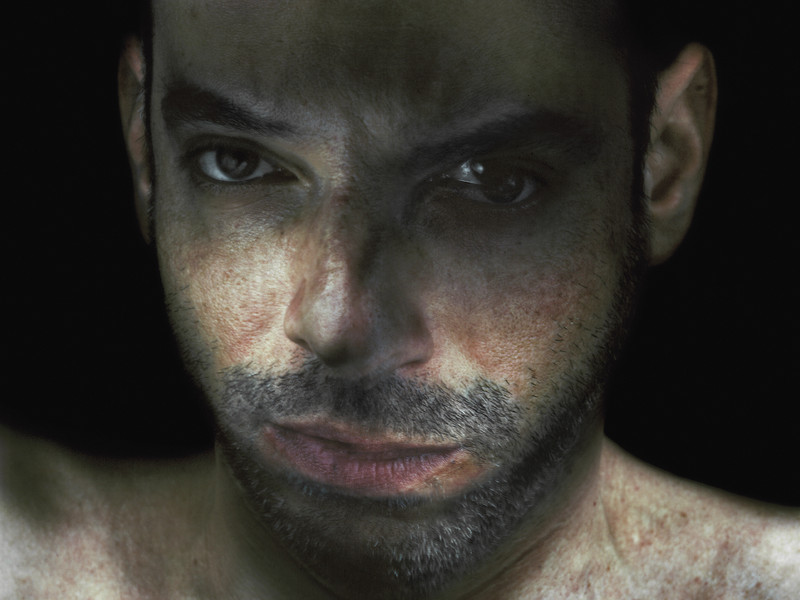
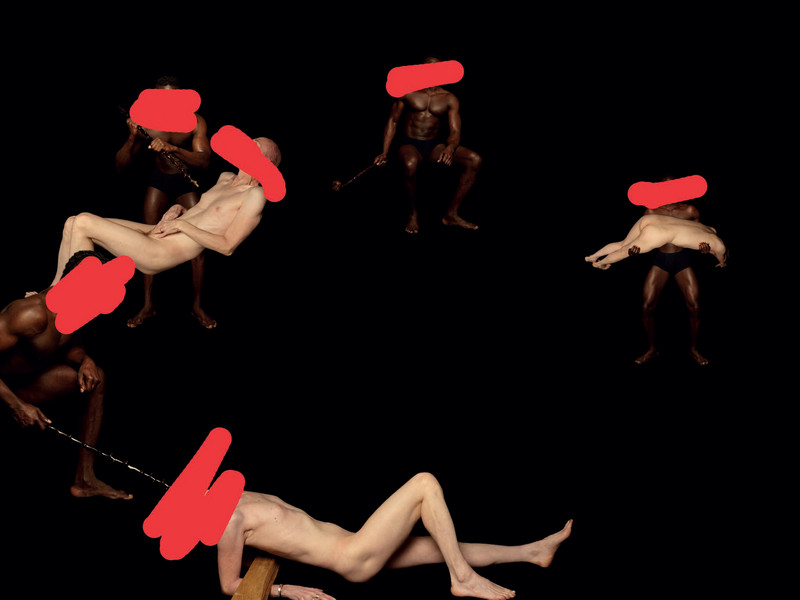
The series produces an eerie prediction for what's to come. "A day in summer 2020. Social isolation has become normal. The new disease is called hypochondria," says Roché.
Check out the rest of the series below.
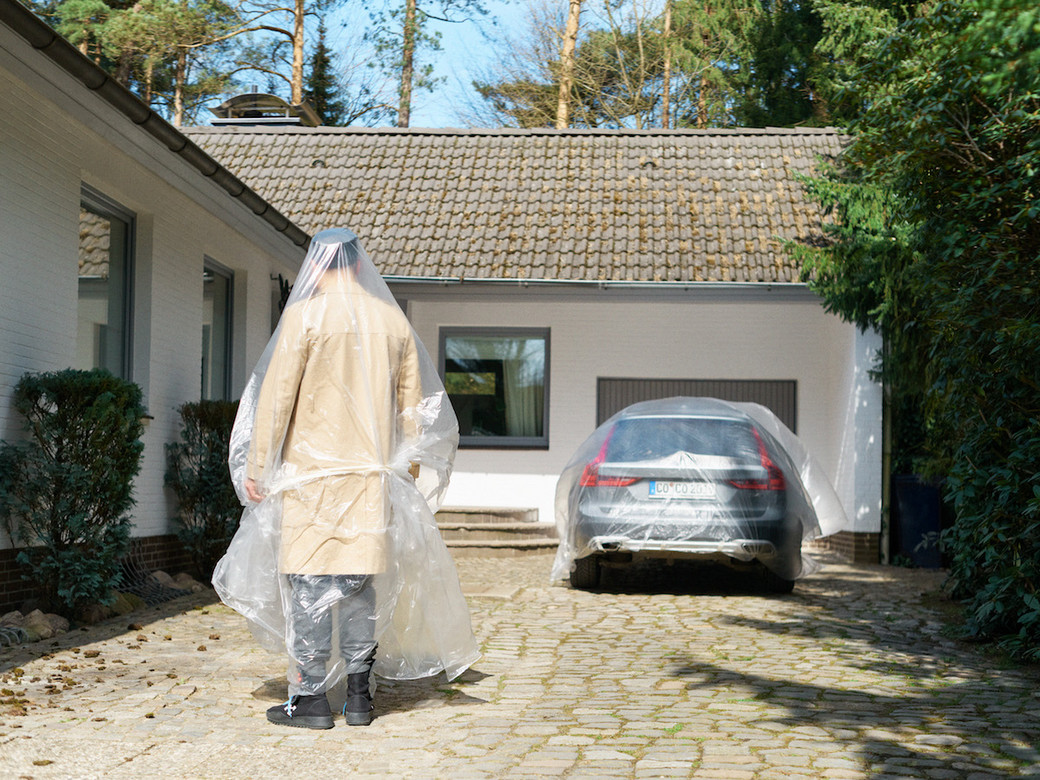
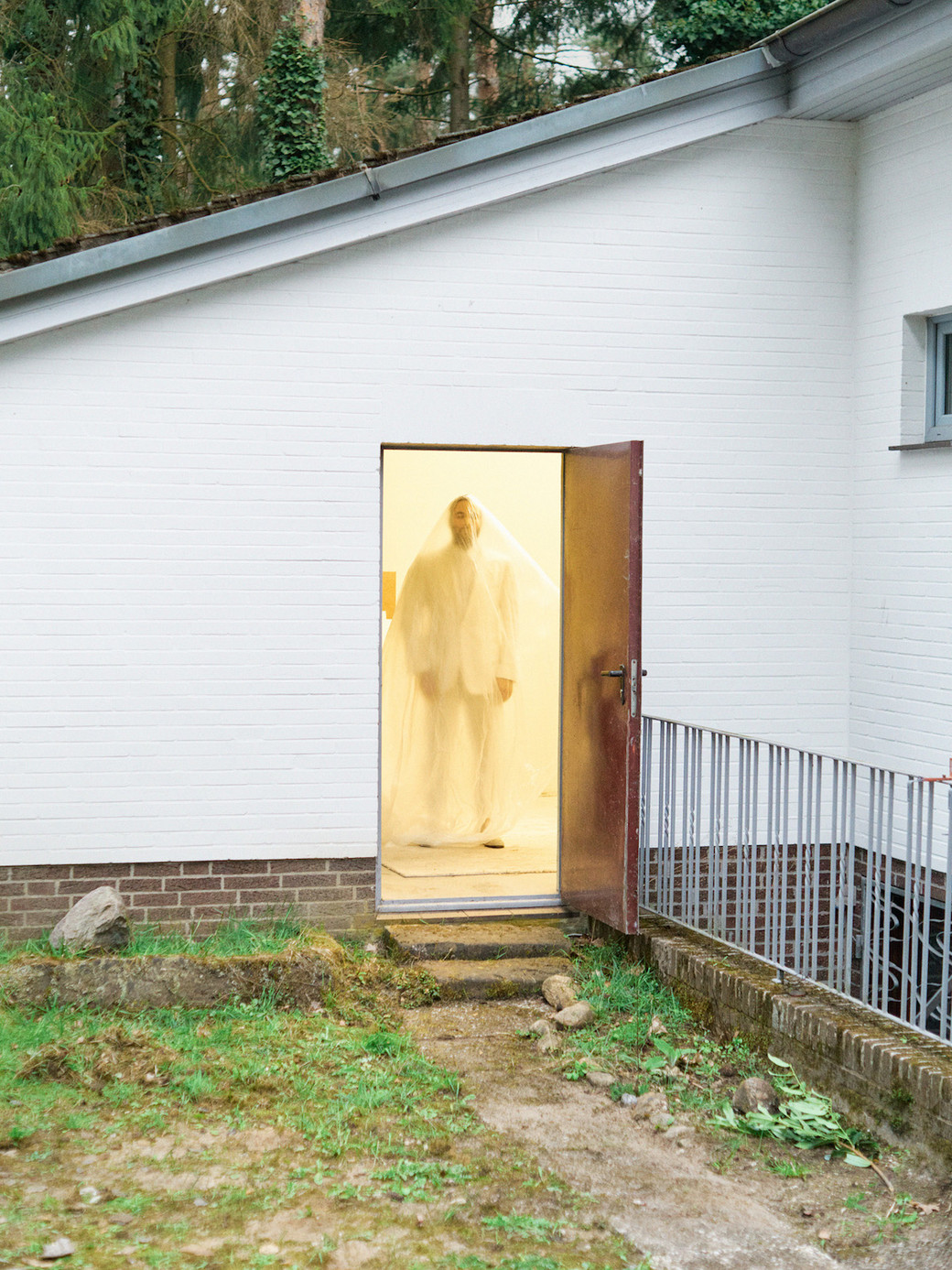
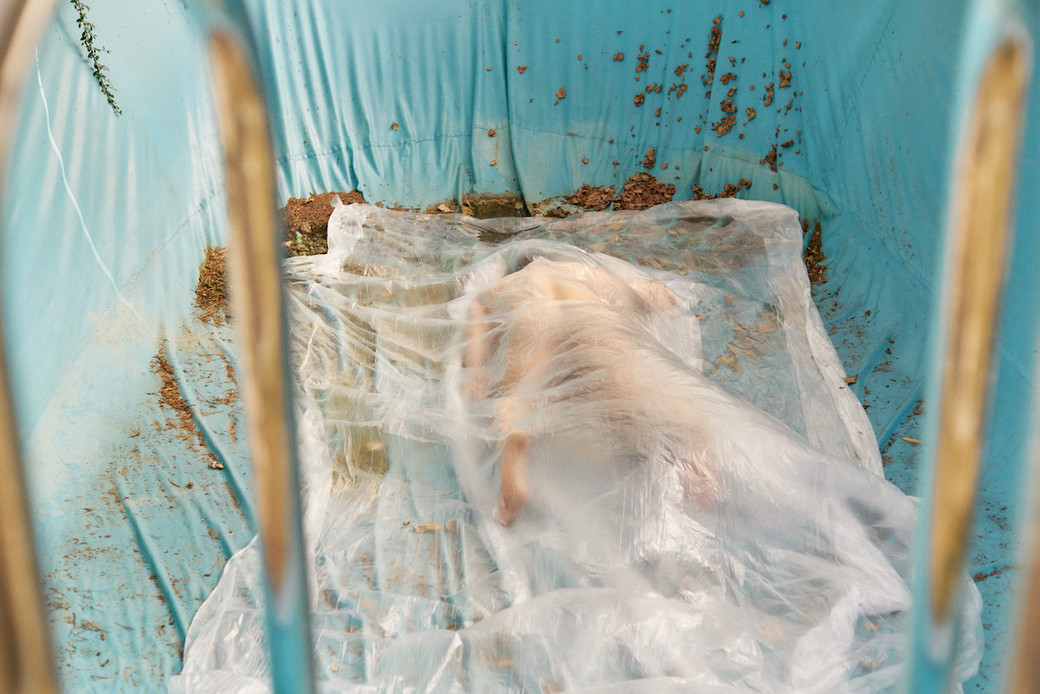
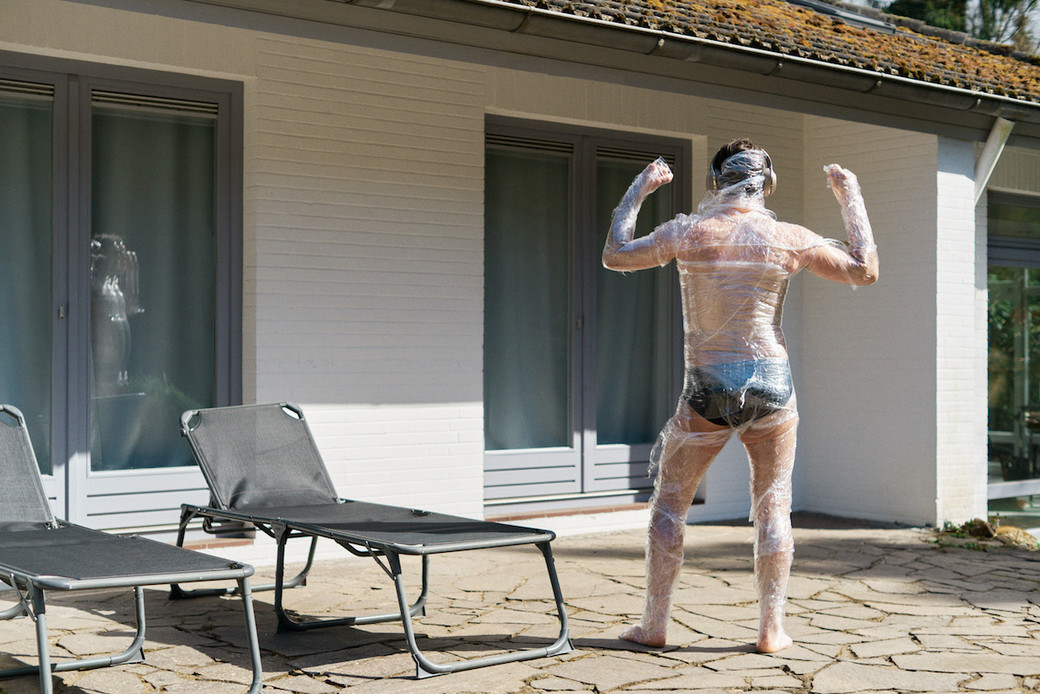
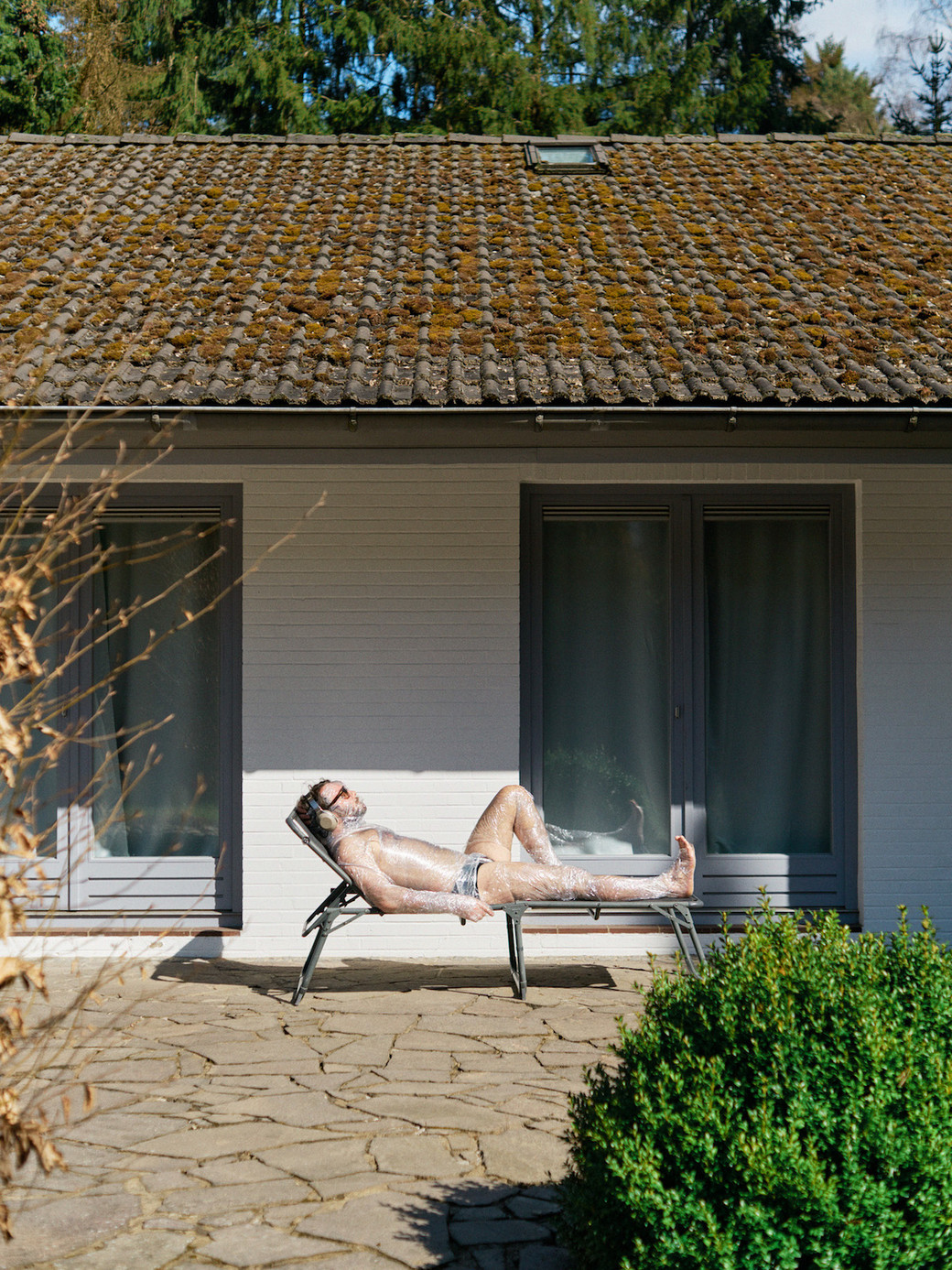
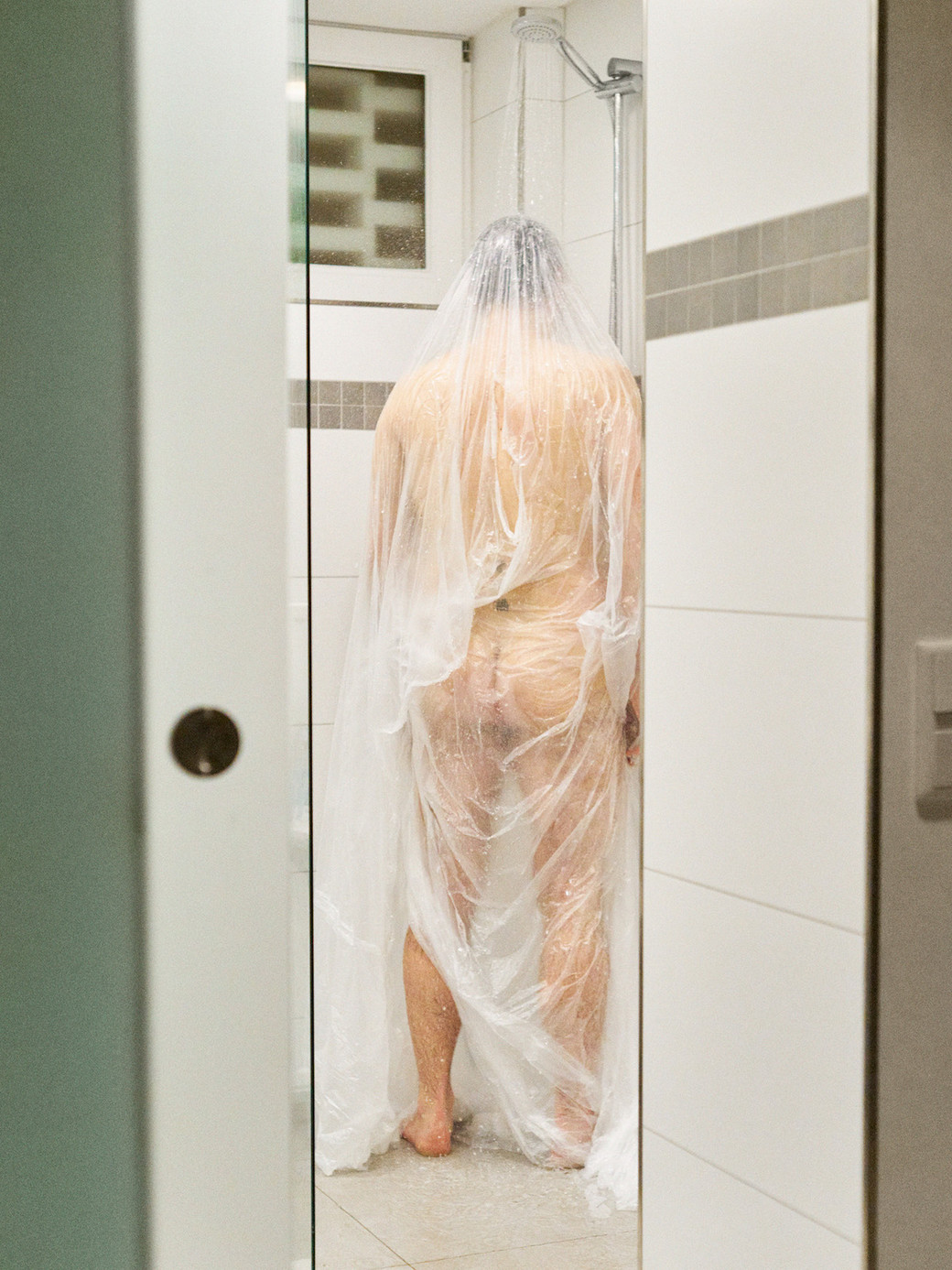
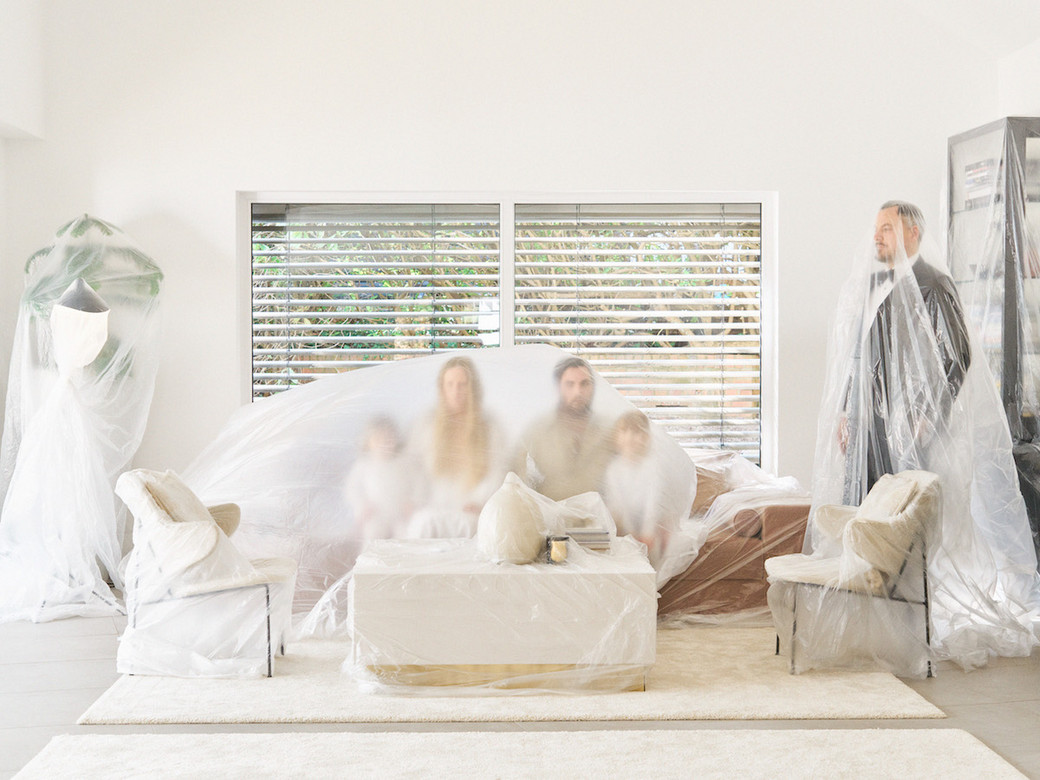
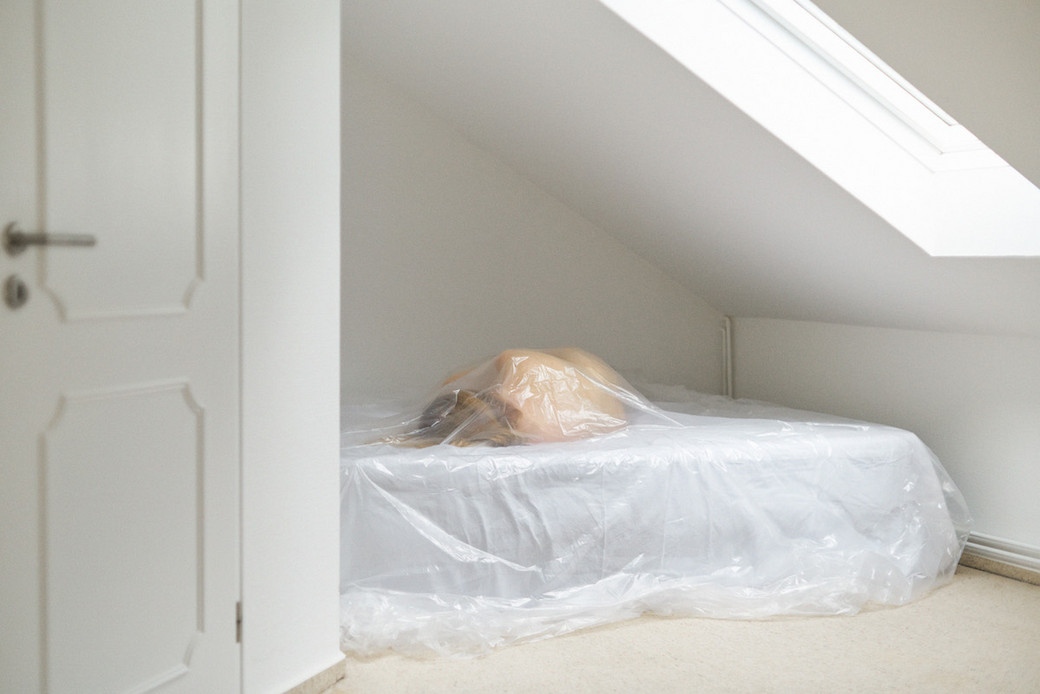
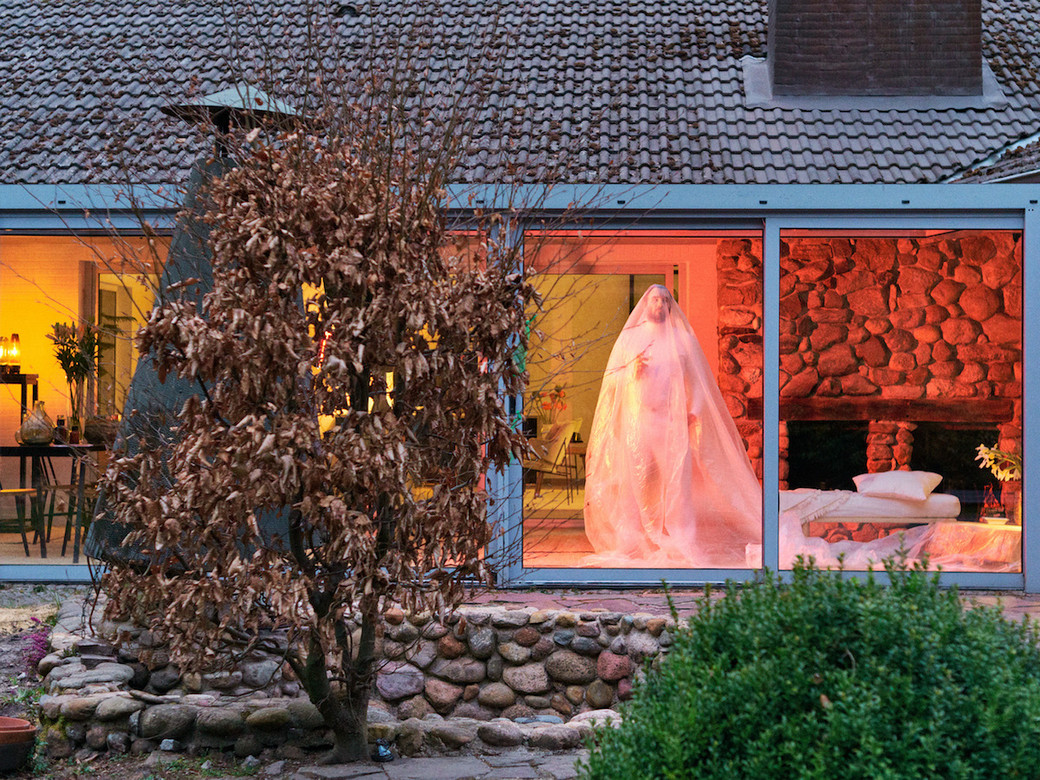
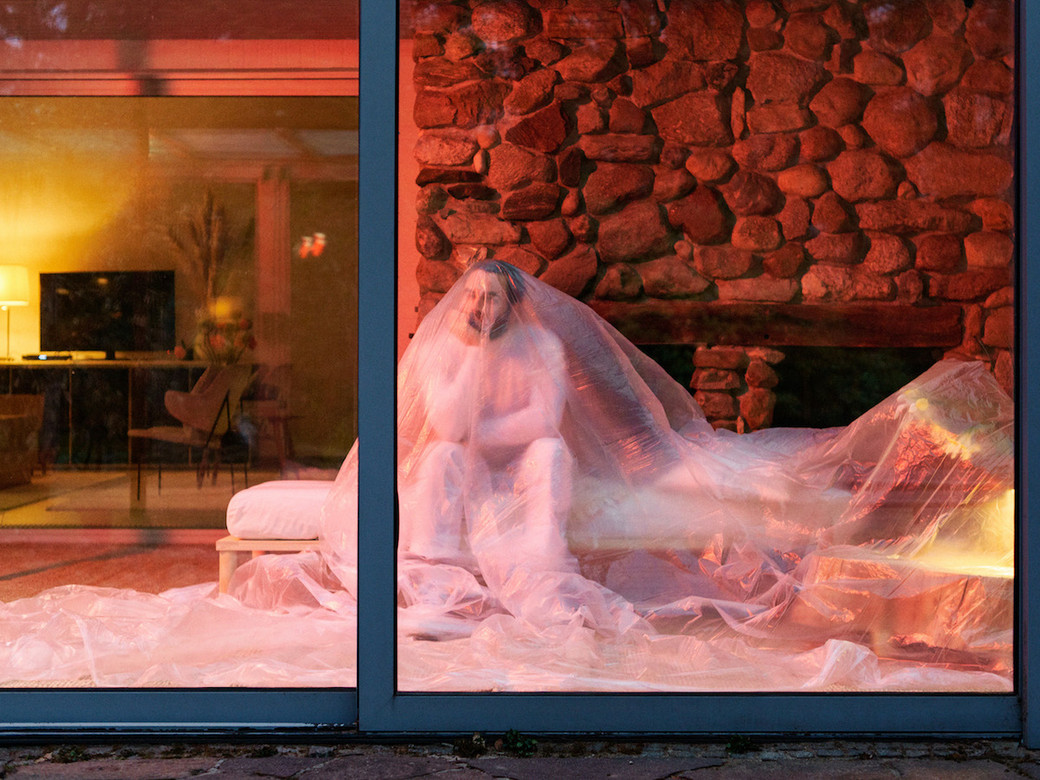
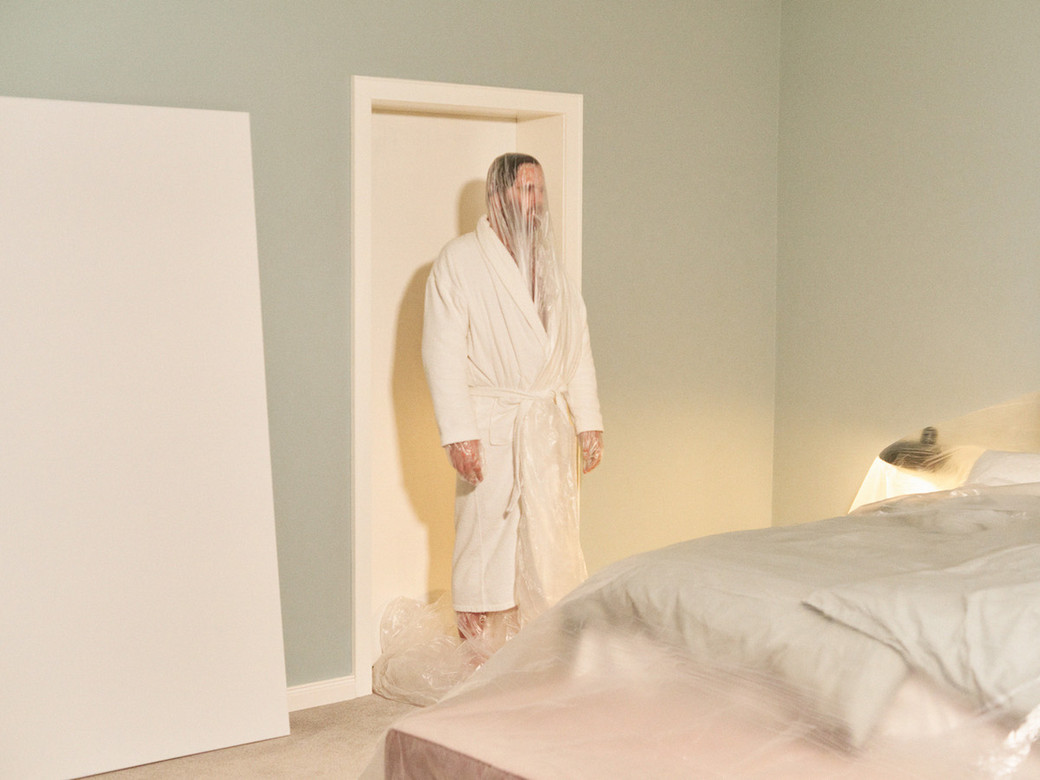
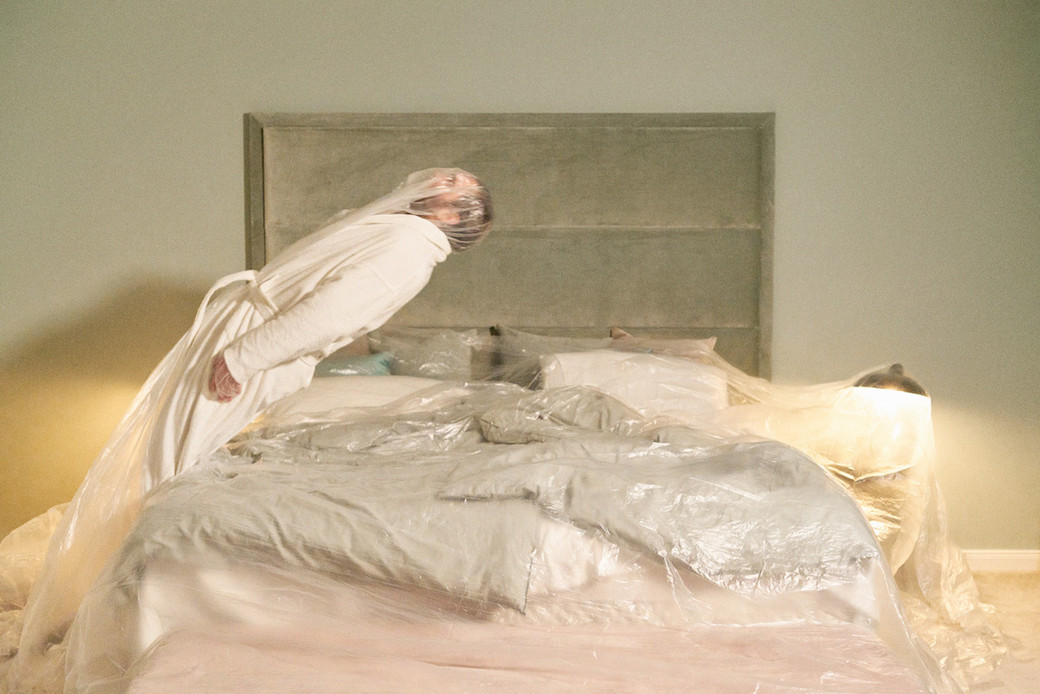
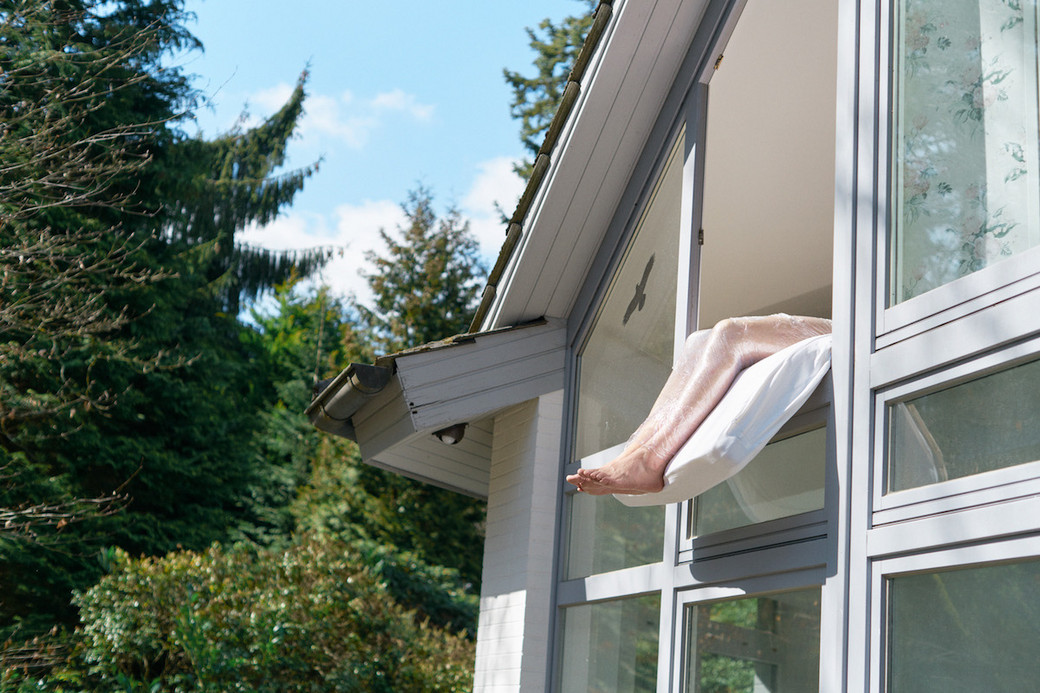
The series produces an eerie prediction for what's to come. "A day in summer 2020. Social isolation has become normal. The new disease is called hypochondria," says Roché.
Check out the rest of the series below.

Produced by Red Expanse, an art label and agency founded by "22" in 2014, creating boundaryless art, video, and music with global artists– empowering voices of radical art worldwide, and directed by artist Jo "22" Frias and conceptualized by himself and artist Nadine Blanco, 'Sin Mañana y Sin Fin' is a visual account of a dancer following the night until dawn. Over a phone call this past summer, Blanco sat down with office to discuss New York culture, revisiting the past, and the intentions behind 'Sin Mañana y Sin Fin.'
Michael Anthony Hall- How long have you lived in New York?
Nadine Blanco- I was born and raised in NY. I’m here now, but I did spend the last five years in LA.
MAH- What are the differences you've witnessed from before you left New York to when you came back?
NB- In my opinion, when it comes to nightlife, I feel like people danced more at shows, and there were more spaces to just enjoy nightlife. You could walk around certain streets, hear music coming from a loft somewhere, go in, and just dance. Certain areas feel more populated now, which has made things less inviting, I think, for those specific situations. I still love New York, but the city moves really fast; there are always new faces and new scenes.
MAH- From observation, New York has become so expensive and difficult to live in and survive.
NB- Yes, that's a reality for many people, especially for many NY natives and creatives. People are moving farther or just leaving the city for different reasons.
MAH- But as you say, it's still one of the most creative places in the country and the world, so you want to be tapped in. I want to talk about your transition from your teenage years to adulthood in New York. What was occupying your days? What were your driving forces when you were younger?
NB- I really loved dance, visual arts, and other art forms, but transitioning into adulthood, the focus on my education and money started to take up more thought. I was kind of lost when I was younger, and I just didn't really have an idea of how to funnel my interests for something bigger than myself.
MAH- When did you start commodifying your love for dancing to help support your life in the city?
NB- I was 19. The experience felt familiar in some good and bad ways.
MAH- Did the people in your life know that you were dancing at clubs, and if so, what were the conversations like?
NB- Only a few of my friends knew; some didn't care, and others were fascinated, but I refrained from letting most people know.
MAH- The culture is becoming more accepting of the lifestyle. What changes have you seen and experienced with people being more comfortable with the commodification of strip club culture?
NB- I’ve seen people who have never stepped foot on stage wear pleasers to parties, haha, which is cute. I’ve experienced more in-depth conversations about the lifestyle and safety of these spaces. I think being more open and allowing for these discussions can lead to more advocacy. Yeah, there's a lot more acceptance these days, I just hope people exercise their critical thinking when it comes to getting involved. You should know what you're getting yourself into.
MAH- Your film Sin Mañana y Sin Fin explores through abstraction the space between a world that is often glamorized and the reality that many aren't aware of. Do you remember the beginnings or initial motivation to create a project exploring your past?
ND- I guess the initial motivation came from just having these crazy stories to tell when I was younger. I always felt like I could use that experience for future creative reference. When I met Jo (22), I wasn't participating in that world at all, but our talks reignited those initial thoughts. Jo had been creating works and producing projects for underground and radical artists around the world with Red Expanse. He's a real powerhouse, and I really respect his perspective, it inspired me. We started talking about the idea over Facetime, and it really snowballed from there. When he got back to LA, we just threw ourselves into filming right away.
MAH- When approaching this project, what was your conversation with Jo, the director, in the beginning stages?
NB- We both had seen a lot of examples of the media taking pieces of this world, along with high fashion, etc, watering it down, and glamorizing it for everyone else. We are people who appreciate raw and real experiences, so we just wanted to show another side that's not always shown. The film isn't sexy.
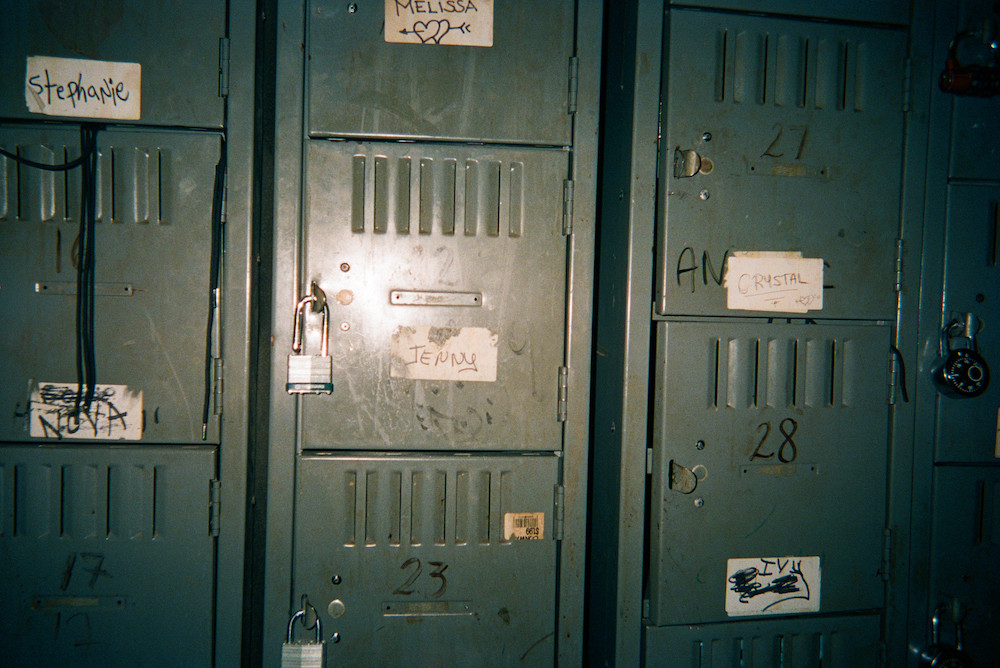
MAH- The abstractness allows the viewer to attribute their own meaning or understanding. You're just following this woman throughout the night– where you feel connected to her stripped from a hyper-contextualized or overt depiction of a night of a club dancer. It allows insight that feels more boundless than confined in this orchestrated and digestible view of this world. You see the protagonist as a person first and foremost than anything else. This film pieces together real-life footage of you going back into this world, and I wanted to touch on that and ask what it was like going back into these spaces, collecting footage, and simultaneously reconnecting to this time in your life.
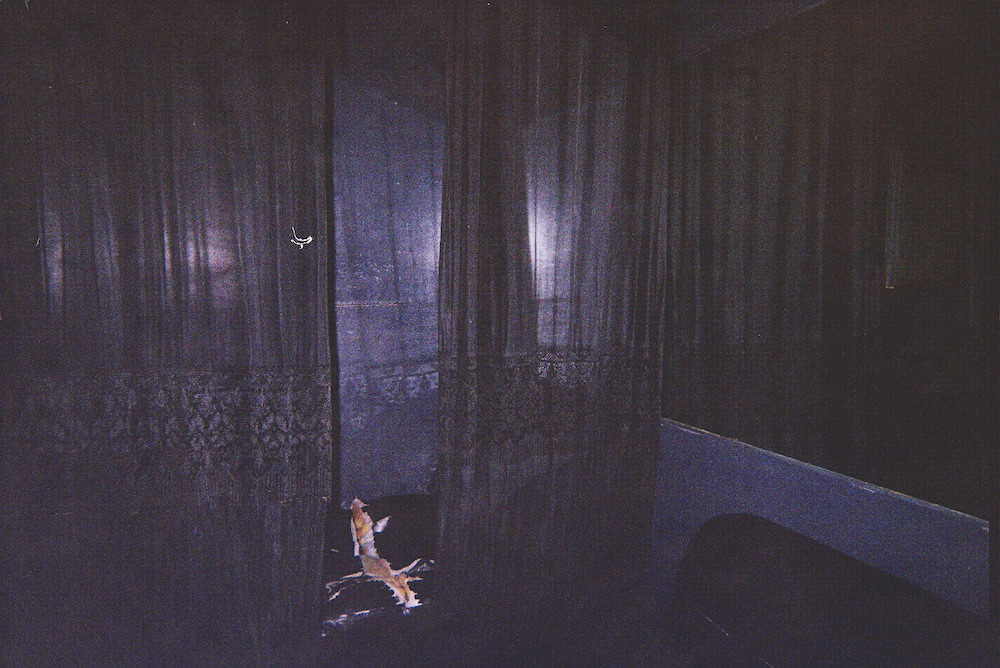
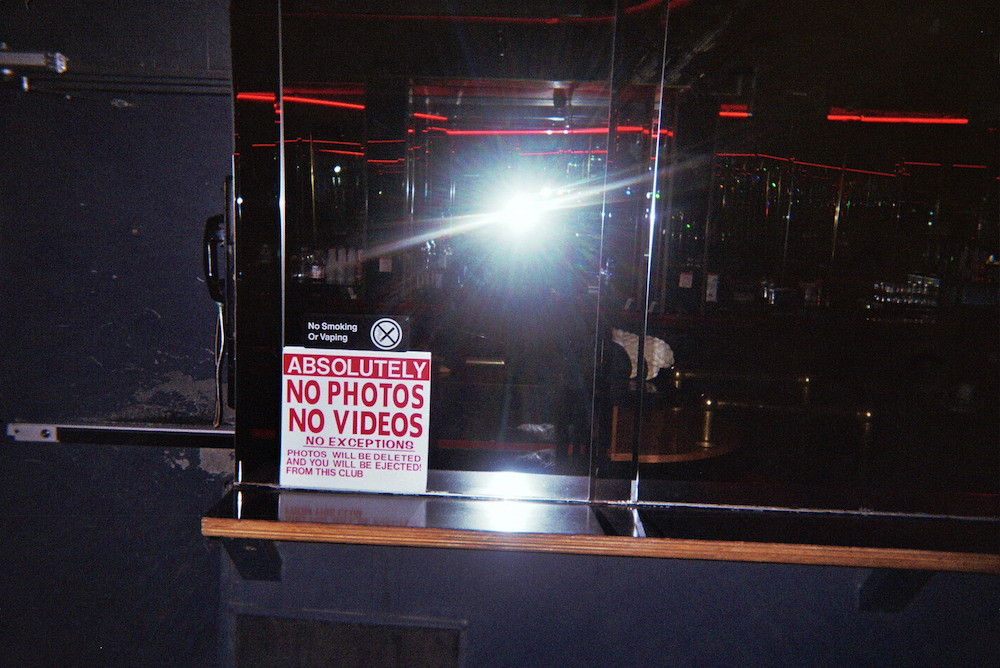
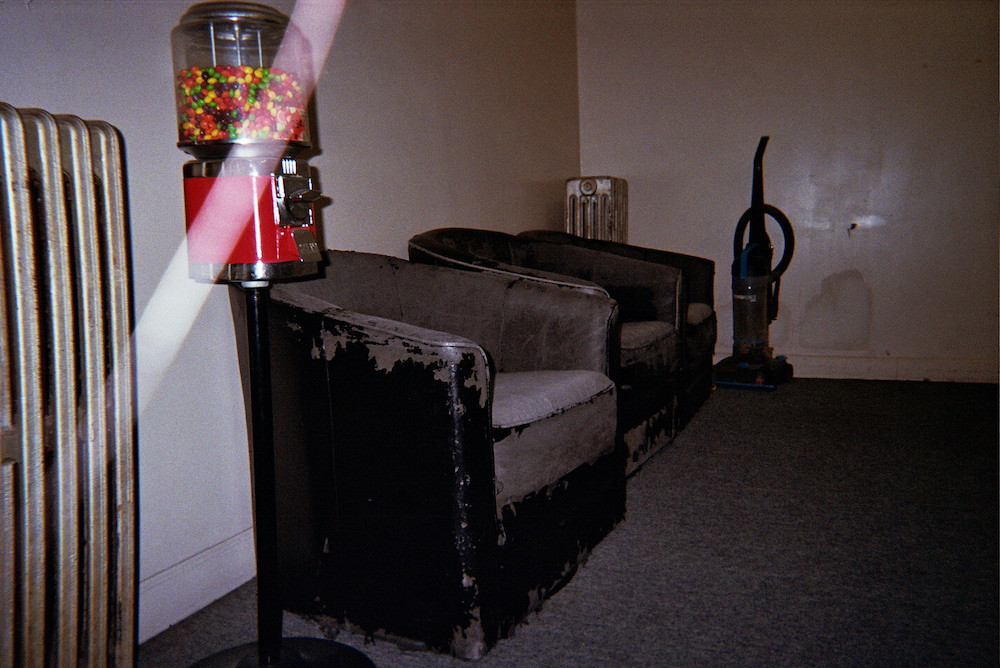
NB- It was interesting on many levels. Being in such a different place now, my objectives were very clear. Also, the club I took pictures of was actually closing down that same day, so it felt like a full-circle moment and the literal closing of that chapter. Reconnecting to that time helped me clear up some things about my younger self, and I'd like to think that sharing those findings has offered some guidance to others in those spaces.
MAH- Capturing the last day of the club being open is such an incredible moment because now those photos and this film act as a time capsule, where you can refer to the memories through them. Did you always want photographs to accompany this film?
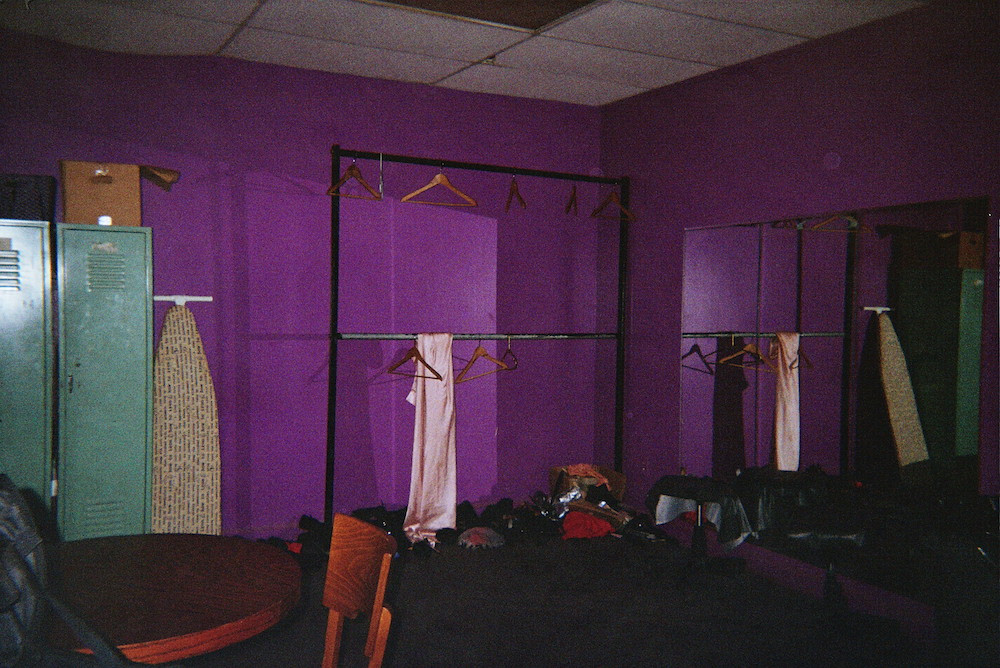
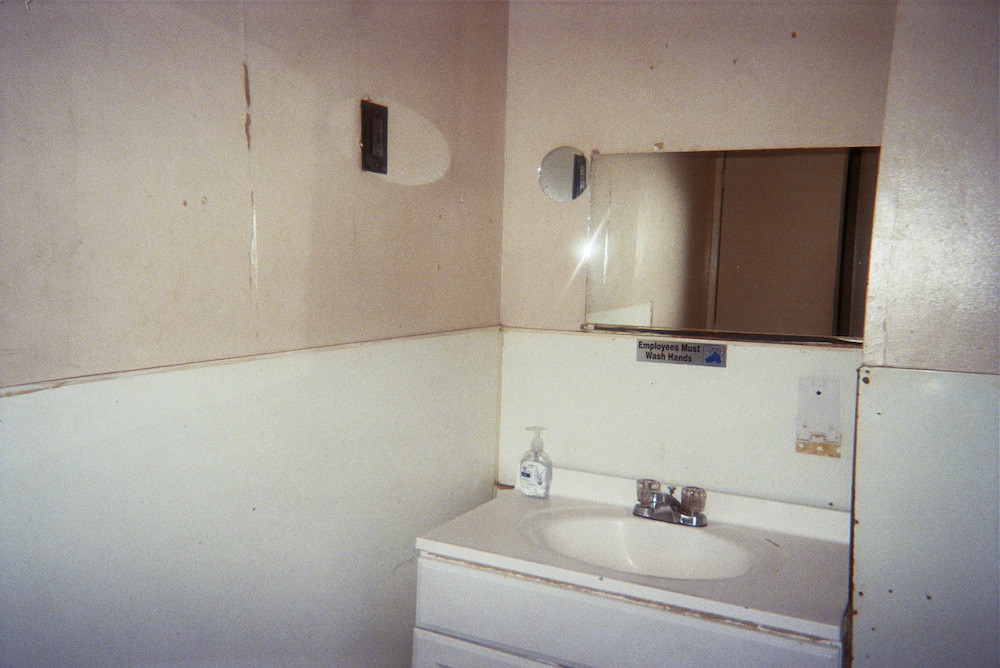
NB- Jo was very particular about including my photos. The club I photographed, the main floor, is appealing and has character, but when you go upstairs to where the employees rest, it's the complete opposite. We were interested in capturing that duality.
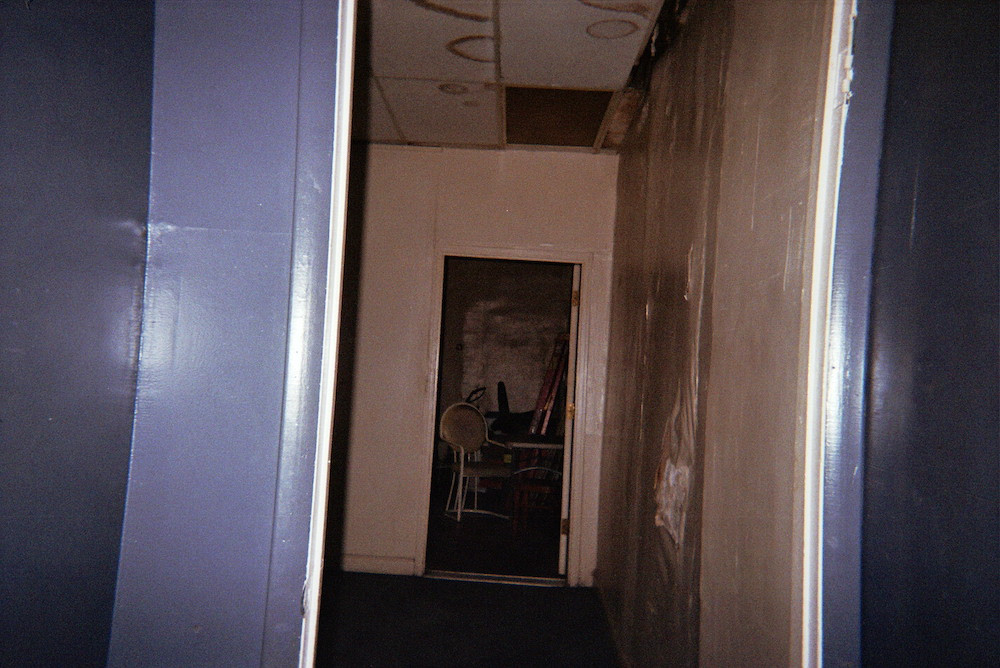
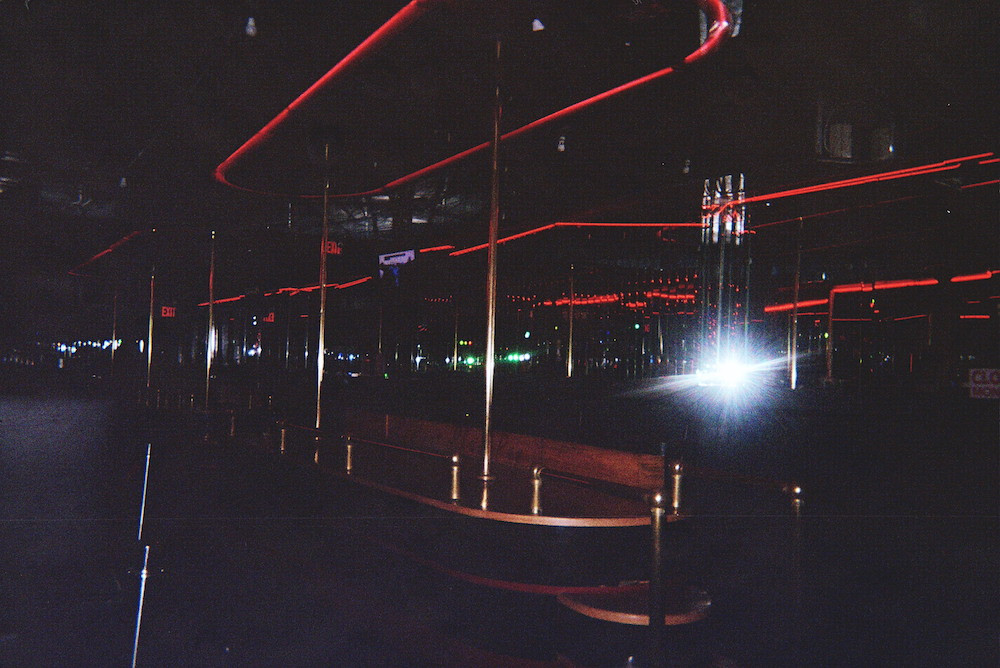
MAH- Both of your guys' creative perspectives really collided, which resulted in this dynamic film housing so many different elements. Also, the film is very personal to you, where the subject is you, instead of an obscure protagonist. That must have also been an adjustment, having this story so intrinsically tied to you. Can you speak to the poem at the end of the film?
NB- Because I’m going back to parts of myself that make me who I am today, I felt it was only right to express the poem in Spanish. The poem is from the perspective of being in a dream. Many institutions have sold this culture as a dream. Sin mana y sin fin translates to without tomorrow without end. I think that phrase alone encompasses living in a way that has no regard for tomorrow, something very freeing but, at the same time, can inflict pain.
Watch the premiere of 'Sin Mañana y Sin Fin' below.
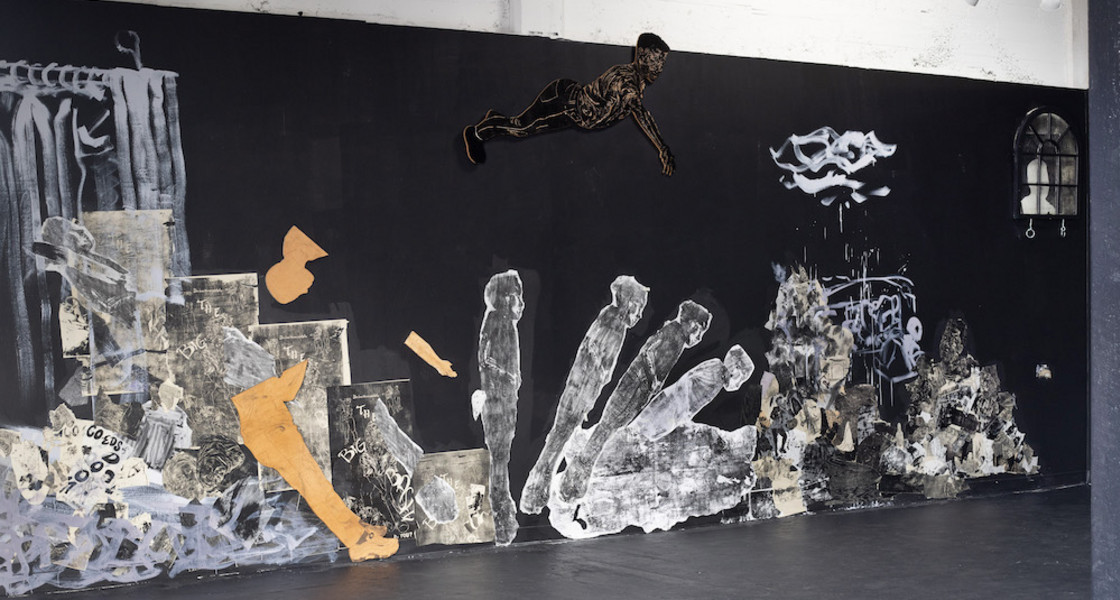
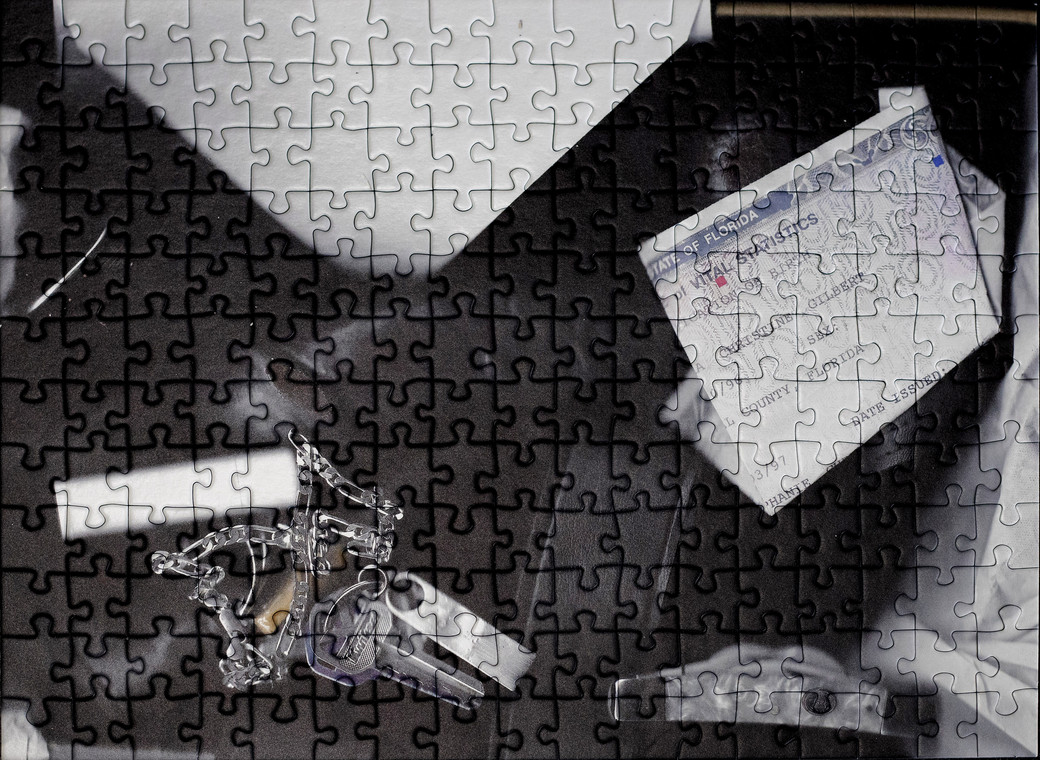
Gilbert uses sculptural media, installations and kitchen lithography relief woodcut printing to reflect what it means to be remembered by the collective. The Jacksonville, FL born and Atlanta,GA based artist uses the fullness and sway of their subjects to make the palpable always in motion depicting ecstasy as an experience of spectrum instead of moral judgment. Gilbert’s partial exhibition is available to view at Kai Lin Art Gallery.
office sat down with the multi-medium artist to discuss reclaiming queer sexual histories, lesbian pulp fiction and blurring the lines of a critically fabulated queer life.
You do a very specific kind of printmaking, can you say more about the kind that you do and how it differs from more popular forms of the medium?
Yeah so, I predominantly do [woodcut] relief printmaking, which is basically when you just carve into a surface. But my specific medium is woodblock prints. Because initially when I was getting into it, wood could be found in the dumpster.
I also do screen printing and lithography, but lithography needs a lot of materials and access, so I do something called kitchen lithography, which is a more experimental process where I draw with an oil based crayon on tinfoil, and then etch it with vinegar or Coca Cola, and then you can print it with oil based ink.
With [woodcut] relief printmaking, it's basically like carving a stamp, and then you roll it up with ink, run it through a press, or in the case of the larger prints I make, you have to print it by hand.
I want to dig into your relationship with queer history and how its helped you build out this current exhibit?
For this body of work, the research for it started with me learning about the history of Lorraine Hansberry's queerness and reading about A'Lelia Walker, Madam C. J. Walker's lesbian daughter. Walker was known for throwing really lavish parties and orgies that kept the queer community of the Harlem Renaissance afloat. Walker's role in history gave me a lot of the inspiration about how parties are a point of exploration in my work because the spaces she made were a cultural touchstone in the community. I wanted to make an ode to the queer party in my own work because I was also learning a lot about the lack of lesbian bars in the US. I think there's only 35 of them left in the United States. As opposed to the six billion gay bars.
Understanding that throughout history, one of the ways we've survived as a people has been because someone was cool enough to let everybody hang out at their house was important to me. There is also this push and pull of every gay person you've ever known being at the same house party. Those spaces transform and are no longer a private space, but now an intimate public space. But it's still technically private from the outside world, but in terms of your social circle those parties are the front page of the news. Then you can have even more semi-private spaces in someone's bathroom or bedroom, of the party but the tension of that kind of existing is what I’m always trying to make real in my pieces.
I really was interested in this idea of private versus public for this collection specifically for some of these works. And then also... I was thinking alot about what gets left out of history, for folks like Pauli Murray and her relationship with Eleanor Roosevelt, that history is often not recorded properly or taken seriously and I really started to understand the need for historical speculation.
I had been reading Sadiyaa Hartman’s work while making this show, whose work on critical fabulation really impacted me. Haartman's concept is basically about taking history and reimagining the narrative to be something that's realistic but still living in the gray space between history and fiction.
I wanted to get into embodiment and how it plays a role in your work? With your last show in 2022 at Prelude Pointe Gallery, your primary piece, “Shouts Out to the Hot-Mouthed Women of Babylon", was centered around the kind of private and public queer intimacy that you’ve described through this new collection.
I think, learning about the historical queer movements, specifically that there have always been factions of like people that are more conservative about public discussions of sex.
Queer community in my experience is sexual, like that's another part of that publicness, it's like every party is a cruising spot, is the other thing, and then also sometimes a cruising spot is just a cruising spot.
And not shying away from the fact that a lot of our historians and record keepers are, like, members of the leather and BDSM communities because they have tight knit communities that look out for each other. I wanted to not shy away from that and just lean into the body a little bit more through history and narrative.
What is your archiving practice and how does it show up? Because it seems really clear in your work that memory is imperative to how you curate moments of transformation.
In terms of archiving, I try to or I should say I used to not be so good about this, but I'm trying to get good photos of all my work so that at least I can have more to look back on.
I look to artists, such as Felix Gonzalez Torres, who did a lot of insulations and inspired some of my work. Torres has this window seal exhibit installation “Untitled” (Loverboy) 1989, where the wind blows through the windows and curtains but it's constantly in motion.
Because his work is mostly installations, it only really lives in photographs now since his death so that honed in the importance of photography for my non-permanent work because some of them are site specific.
For my largest piece called, The Thin, Slick Membrane Between There And Here, I really was just trying to reach a critical mass of printed ephemeral. So, if you look in all these little things, there are faces and fabrics from various aspects of my life. There's a fabric thatI got from my ex, from a shirt that's made out of belts, that's actually my grandmother's shirt and a harness. For some of these prints I tried to screenprint the texture of spit to show its importance in BDSM culture. I haven’t done it yet but I have definitely tried to screenprint lube. All of that to say Torres’ work reminds me to always archive my work because it will live differently everywhere it goes.
What kinds of literary and film inspiration helped make this body of work come together?
Yeah, I read a lot of bad pulp fiction novels from the fifties and horror movies from the seventies and eighties. I've been reading a lot of Anne Bannon books, which are canonically lesbian pulp fiction. Mary Renault was actually my introduction into these terrible lesbian pulp novels. Like no one can be gay and survive. It's one of those kill your gays kind of series but I loved it.
I love the queer horror movies, specifically in my mural piece I have odes to Carrie (1976) and The Slumber Party Massacre (1982), and the cinematic idea of the angry lesbian that hates men and doesn’t get invited to the dance and takes it out on everyone. Outside of film and reading to just get this entire collection done I listened to a lot of podcasts such as Making Gay History and The Deviant’s War. I’m also an artist with ADHD so I normally keep a 154 BPM playlist going in my studio to keep me focused.

I wanted to ask about your piece, Make It Yours Again, because it is such a technical departure from the rest of the show. Yeah, how did that come about? And maybe just some context on how it came together?
So for Make It Yours Again, I was reading C. Reilly Sorton's book Black on Both Sides which I'm a huge fan of. It dives into trans history and the making of gender and pleasure in the public landscape. Originally I was going to build a pedestal for this sex chair and have stirrups coming out of it and footrests for like boot blacking and then a bowl at the bottom.
I wanted to talk about the differences of pain in the body and how it can transform into pleasure in the body in the use of the item and in my own construction of the device. I read The Black Body in Ecstasy by Jennifer Nash and I think a lot about that framework of life around shifting pain into pleasure and its context in BDSM spaces.
So that thinking was happening while I was building this pedestal but in the process of trying to make this machine, I got really frustrated because the wood warped, the material wasn’t good quality and all the iterations of how to install it fell through so I said fuck it and decided to deconstuct it. So now in the deconstruction the pieces are the body and the images surrounding it are the elements of my gender that have brought me pleasure and affirmation. Specifically this belt, this spoon for spanking, a note from a lover and bottle caps because beer has been a big part of my gender experience. All these images are prints that I made by hand. My goal was to think about how I’ve made myself and how I’ve alchemized the media perception of queer history to build my own internal world.
Can you give me a little bit of detail on these dichotomous pieces, The Most Wonderful Time Of The Year and The Most Wonderful Time Of The Year II?
Yes, Most Wonderful Time of the Year is a reference to how Halloween is basically gay Christmas. So these characters are at a Halloween party and this main character as you can see their reflection twice in the bottle, and through the libations of the shot glass this person is moving through their body to something higher. And then, you have the person facing away engaging and the person facing towards us who's looking out at the audience almost not fully engaging with the scene behind them and also focusing too much or being curious about what's, what else is out there.
And then you have the cowboy with no mouth who isn't capable of reaching that higher plane, but is still trying. Over here on the diptych or Pt. II, I want to show the morning after energy of the previous piece. The main figure in this second piece is now walking towards us, almost like getting out unscathed from the night before. And then you have the cowboy here who is maybe struggling but is still hanging on. And then you have the outlooker, the person who is not really engaging with queer community, and wants to focus on the outside world. I feel like vantage points of who's looking at who, whose body is turned to who reflects the politics of what each character deems important whether it be community or personal vanity.
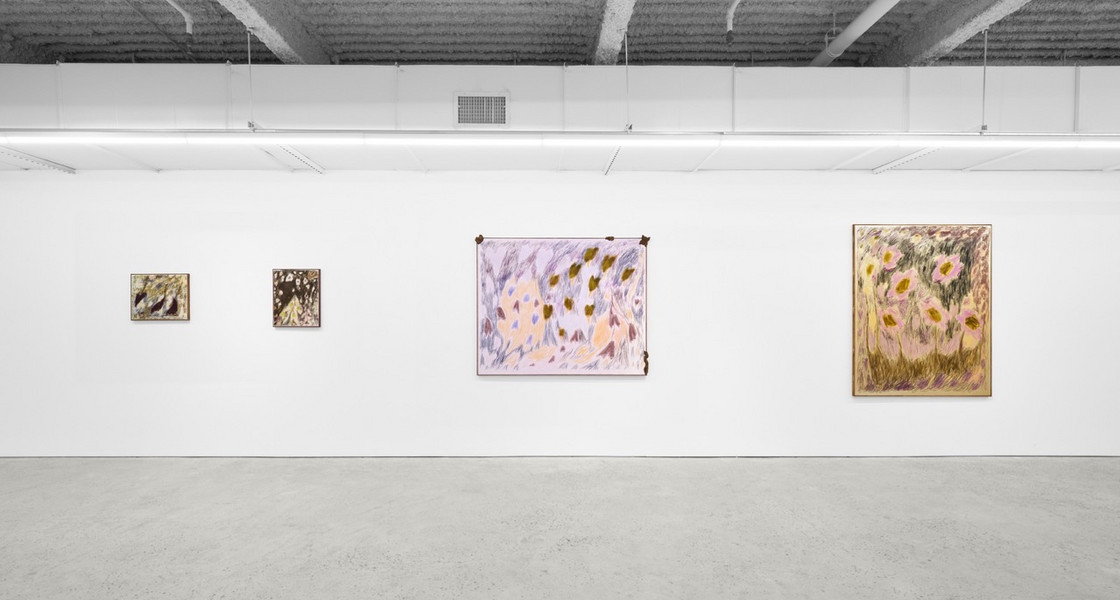
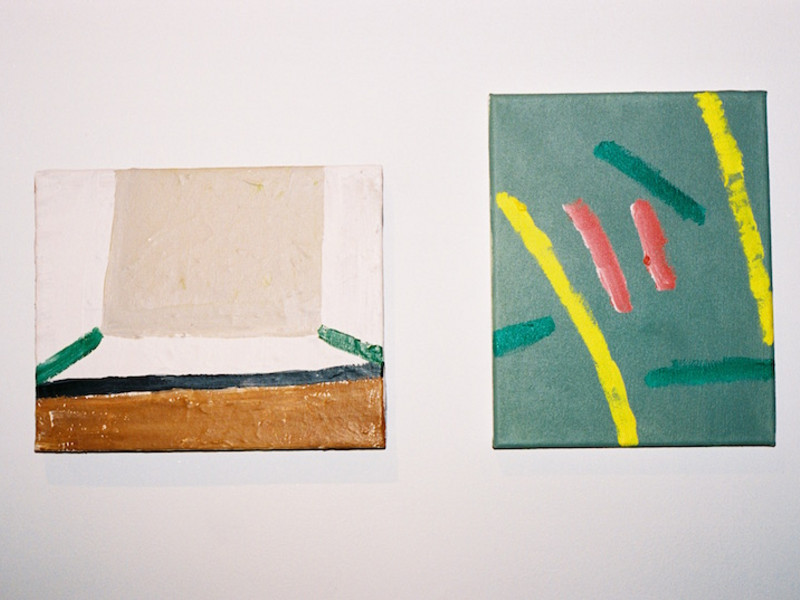
The show ends in late September, and missing it would have left me relying on assumptions. Lockshin paints on satin, a shiny material that changes with light and perspective. Her process is both precise and fast, creating marks that feel urgent, like a fading memory. The exhibition, 'Clear Moon, Frost Soon,' feels like a visual poem meant to make you feel something.
In the gallery, I felt a trace of femininity in her work — a reminder of girlhood and the sense of wonder we try to hold onto before it fades. She uses colors and symbols that echo familiar patterns in nature.
After the exhibition, Lockshin spoke with office about the poetry in her work and the experience of painting on satin.
What is your creative process like when you start a new piece, and how do you decide on the direction it will take?
It's really just my mood. The first mark will indicate the second mark, et cetera. It's hard to explain how I know when to stop — sometimes I don't quit on time. The paintings are very easy to overwork, and I'll have to start again with a completely new piece of satin. I’ll paint for a while, not overthinking it, and then I'll step back and see where it is. Then back to the fugue state, and so on and so forth.
Your work is described as having "soft ocellated forms" and "mottled marks." Can you elaborate on the symbolism and emotions these shapes and marks represent in your pieces?
I would attribute it to the materials. I use soft pastels and oil sticks, drawing materials, so the pigment is applied directly by hand rather than with a brush. I'm applying a lot of pressure so the forms and gestures become more concentrated and urgent. The paintings don't intend to be representations of nature, but I try to capture the feeling of a hazy memory, or a fleeting glimpse.
What motivated your transition to using hand-dyed fabrics and hand-carved frames in your artwork, and how do they contribute to blurring the lines between painting and sculpture?
All of the paintings are on satin, which is so shiny that it becomes an active ground and changes in various lighting or positioning to the viewer. The negative space is important — the luster prevents the painting from being only an image. The viewer is required to move around it as they would a sculpture. Because I see them more as objects than images, I felt that the carved elements on the frames would emphasize that. The dyed fabric adds another layer of depth and variety to the work, in my opinion.


Untitled (Cinder Hill), 2023
Oil and soft pastel on dyed satin with carved wood frame
60.5 x 48.5 in


Untitled (Forgotten Gift), 2023
Oil and soft pastel on dyed satin with carved wood frame
60.5 x 48.5 in


Untitled (Glimmer Mist), 2023
Oil and soft pastel on dyed satin with carved wood frame
48.5 x 60.5 in.
Your carved clouds, butterflies, and flowers are said to evoke poetic nostalgia without being sentimental. How do you strike this balance in your work?
The motifs are also pulled from nature, but I try to use things that have a feeling of universal recognition outside of language or culture. I like the idea that symbols like this have appeared throughout time, in cave drawings and stone carvings and kids carving shapes into tree bark.
How do you choose the titles for your artworks, and what significance do these titles hold within the context of your exhibition?
I take each painting name from an existing racehorse in the historical database that is available. There is a rule that no two horses can ever have the same name, so as time goes on, the combinations of words become stranger and more disparate. I see the names as mini poems.

Your art is said to capture "various states of being." Could you elaborate on the different emotional and psychological states your art explores?
If my work should make people feel a certain emotion, it feels like a success. It's not intentional, but maybe my energy stays with the piece a little bit.
What role does the concept of being "mesmerized" play in your work, and how do you aim to transport your viewers into a state of fervor and zeal? It reminds me of creation from a child’s POV — an innocent, unsullied form of expression.
My process is not at all logical and I don't plan anything in advance. I usually paint with music playing — I listen to a lot of 90's dance playlists and Vivaldi — and I totally zone out. I think I'm trying to activate secret parts of my brain, hidden memories or emotions I haven't felt for a long time. It helps me remember that I am human. After I work for a while, I step back and try to analyze the piece — create a vague plan for its future. It never turns out the way I think it will, and that's both fun and frustrating for me.