EO – Yes, I agree. I think in this day and age, as a creative, it’s important to stay fluid. So, Is functionality a guiding tenet of your fine art proactive, or are you primarily focused on the aesthetic nature of what you are creating?
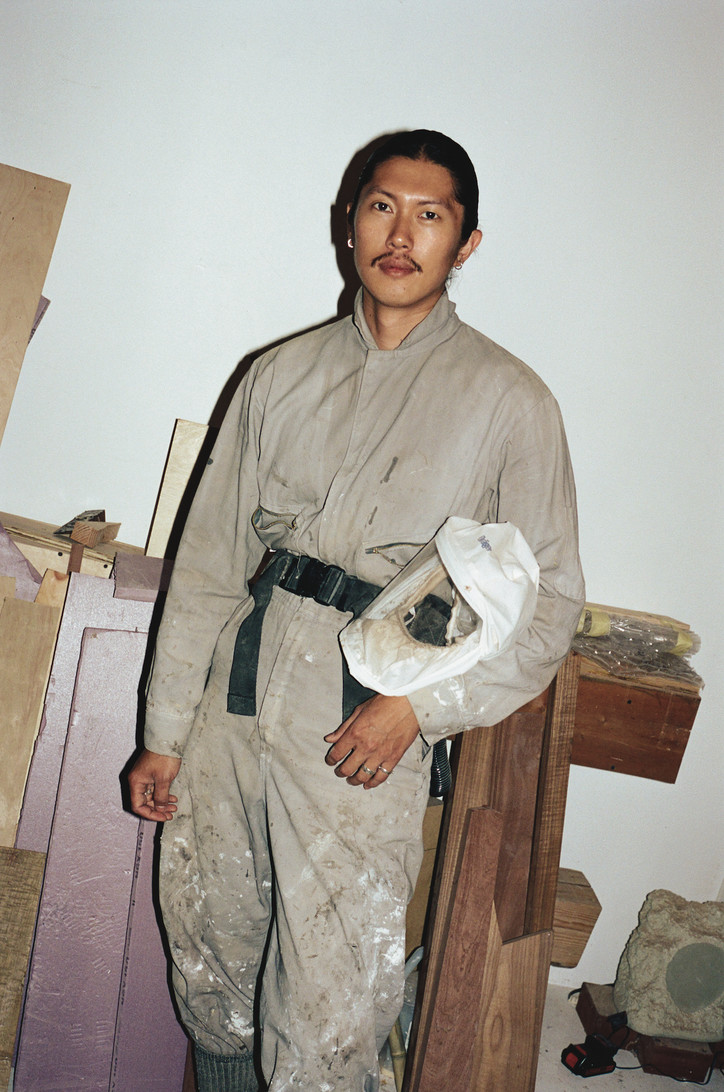
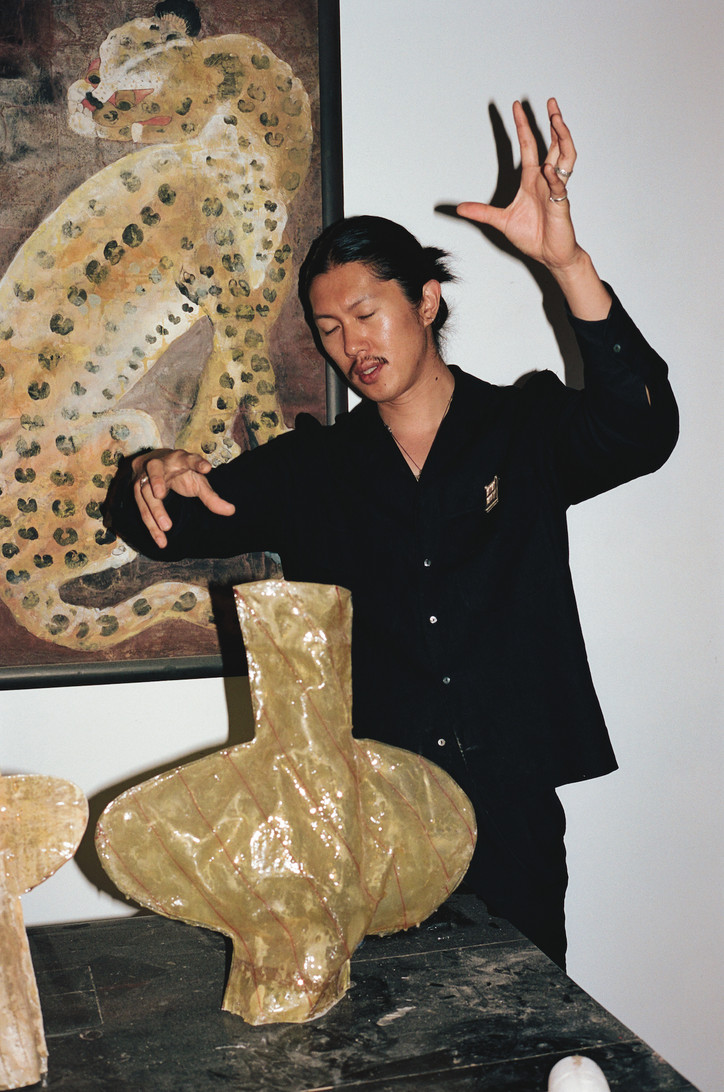
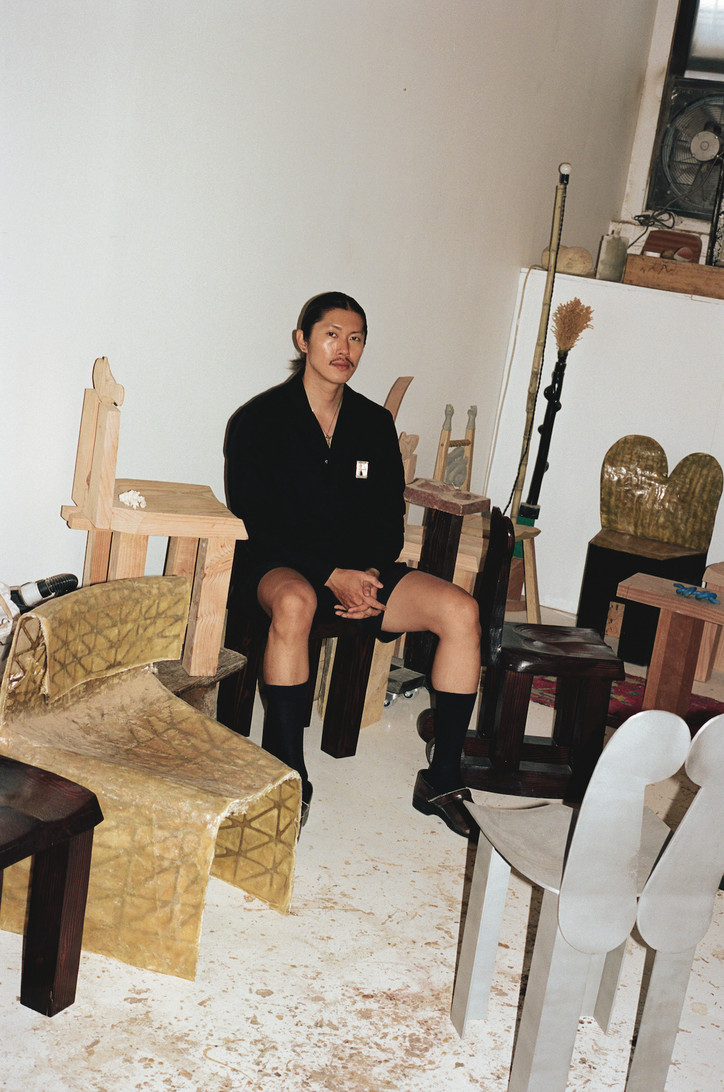
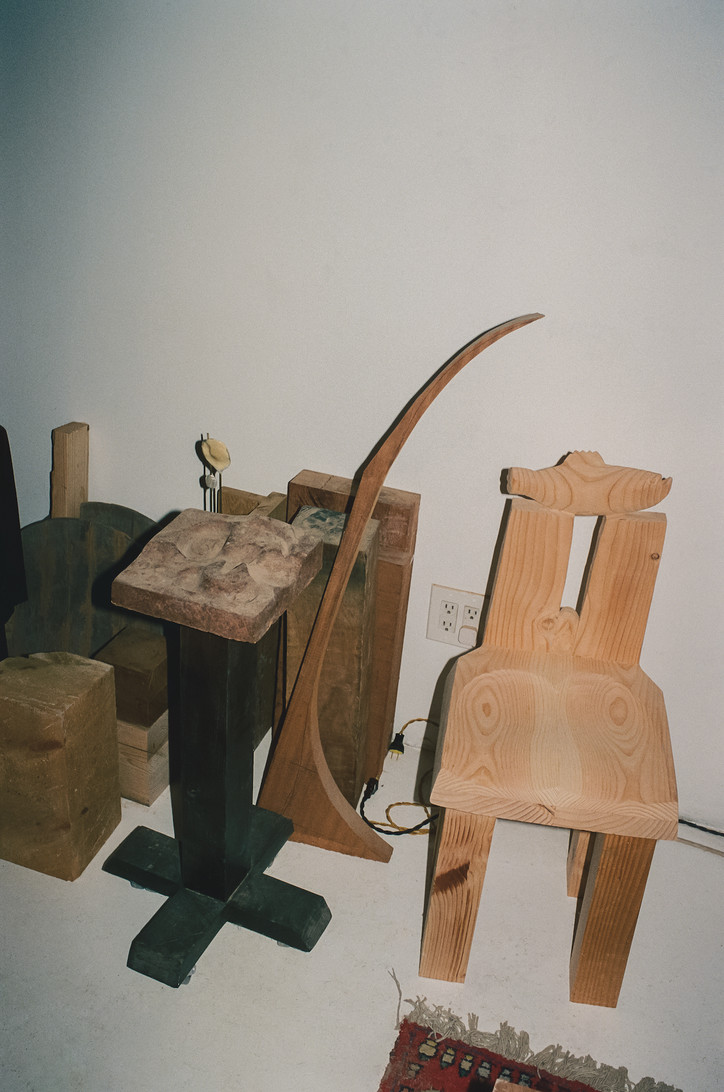
MK – I always try to do both. I’m pretty firm about that. It does have to function. It's also only to a certain degree. In the design world, there’s a sense of, “this is the best way to solve this problem,” but that's not what I'm trying to do. This is a way to build this, or assemble it, and it might not be the best way, but it's what I choose to do. It does have to function. That is a big part. Especially with the fiberglass, people who are not familiar with the material or process don't really expect it to hold any weight. Especially because now with so many people's work, you just see the work through images. Part of the challenge for me is to make satisfying aesthetics, but I don't think it’s an elevated or interesting work if it doesn't function as its typology. If it's a chair, a person should be able to sit on it and be relatively comfortable.
EO – I’ve seen that you collaborate with your mother who is also an artist. Can you tell me about what it’s like working on art with your mother? How does she influence your art works? Has becoming a fine artist strengthened your relationship with your mother?
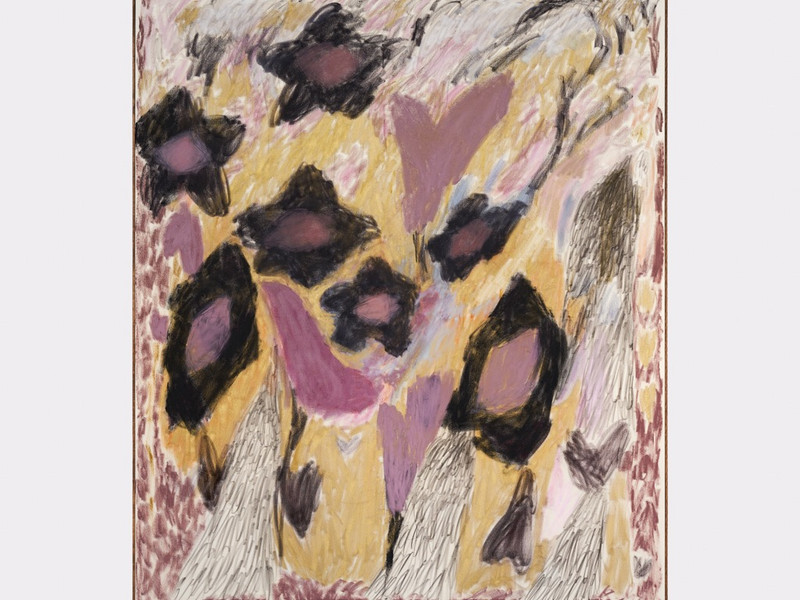
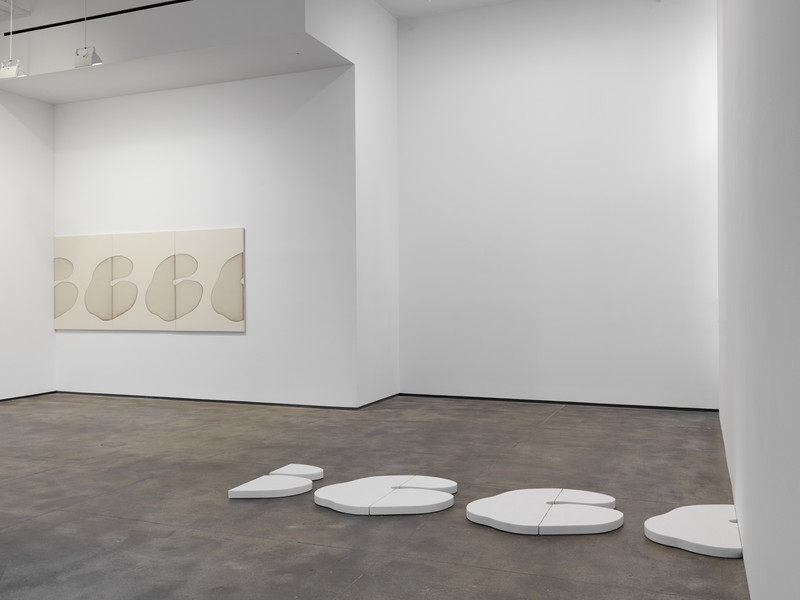
MK – Basically, the way she influences my work is no longer a conscious thing. That’s something that we were establishing when we did the show together, was how well our practices worked together. which to me, means there's a genealogy of aesthetics or work method that I picked up from her that's so deeply ingrained in me, that I almost can't avoid making work that doesn’t relate to hers. When you simply put it together in a room, you can see that. I think you can argue that, in the show we did together, all the work was done by a simple hand or single vision. So that's the baseline, and then she always gives me feedback, but there it turns into the whole parent-child thing, and then me seeking approval and never really getting it. That was kind of our day-to-day experience. There was this constant challenge of, “can you just like this,” or, “can you just get over yourself?” So there’s this huge kind of gap between these two realities. One part is super petty, and the other is so deep. Part of working on this particular show together was bridging that gap by formalizing all these steps or logistics into it. Now she's back in Korea after the show, but if I send her something I made, I still get annoyed when the first thing she says is not like, “wow this is amazing.”