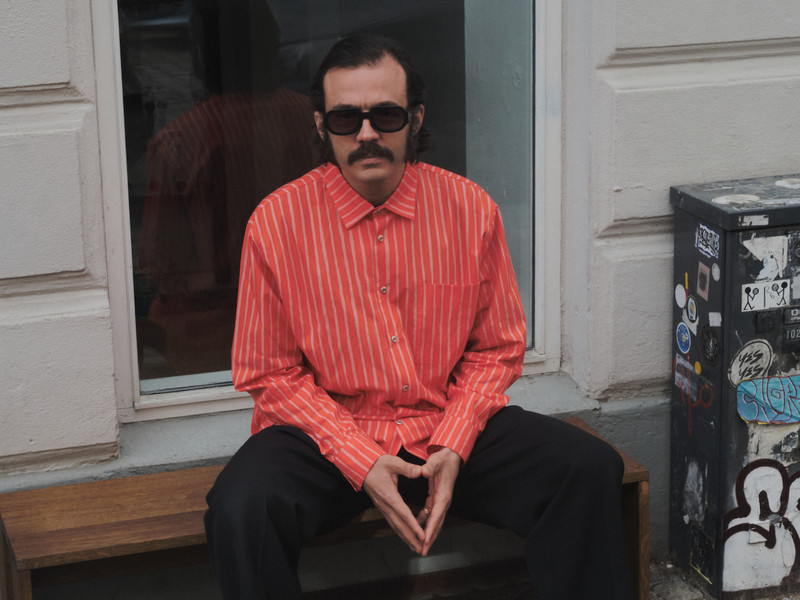
How does KUNST straddle multiple worlds from art to fashion and music? How did you come to work across these intersections?
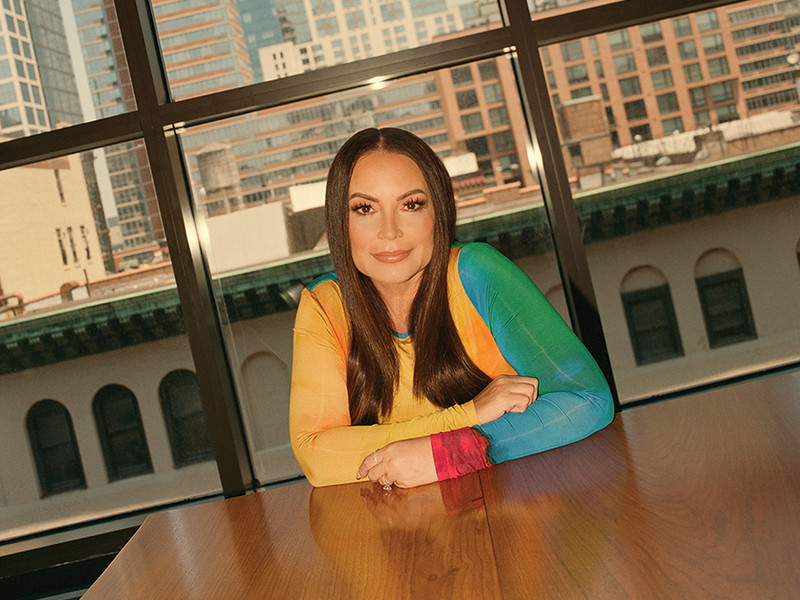
Well, I essentially grew up in the fashion and entertainment industry, so working across multiple industries never felt like straddling.I see all of these worlds as part of the universe of culture. It always felt like home.
What's changed is the landscape. Artists today have the ability to build their own brand, cultivate audiences, and pursue opportunities across multiple industries simultaneously. That’s rare. It opens possibilities, but also requires a different kind of management. Someone who can see across all of those avenues at once, ensuring they're complementary rather than contradictory. What I do is connect the dots.
What is something you wish more artists knew about representation and working across multiple industries?
That a good representative is a genuine business partner, not a service you activate from time to time. The relationships that work best are the ones where the investment is mutual. The best opportunities are created from the best materials. The input directly impacts the output. When artists are engaged, there's no limit to what we can build, and those careers move the fastest and the furthest. Similarly, the reverse is also true.
What do you love most about your work?
What I love most is finding ways to turn an artist's vision, an idea, into something real, something tangible. Providing the financial foundation that makes ambitious work possible, and helping shape how that work reaches the world, is what makes my work so exciting. Whether as a project, a collaboration, or an experience. That moment when an idea stops being an idea and finally comes to life is what gets me very excited.
There's creativity and a strategy embedded in making a deal. People don't always see that side, but structuring an opportunity and finding an angle that makes a collaboration meaningful rather than commercial is exciting
Where do you see KUNST in the next 5 years?
KUNST will always be a talent agency first and foremost.
The agencies and companies that will matter in this space five years from now won't just be facilitating other talent's visions. They'll be originating them. KUNST is building toward that goal. A company where artist representation, cultural strategy, and ambitious production all sit under one roof, working together, informing each other.
The natural evolution of what we’re building means we aren’t just managers, we’re makers, shaping the field for the future. Our team is already moving in that direction, working as creative producers of artist-driven projects, events, and cultural strategists for brands and corporations that want to engage with the art world in ways that are genuinely meaningful rather than purely transactional. The through-line is always the artist. The ambition is to build the infrastructure around them that provides the services they require to grow and build sustainable careers.
What trends are you seeing in the art and creative industries that are impacting your work the most?
I've believed for a while now that as our digital lives expand, the value of physical, lived experience will only grow. Offline experience is the new luxury. I think the rise of AI is going to accelerate that, not diminish art, but deepen people's hunger for it. When images and sounds can be generated infinitely, what becomes rare and precious is the irreplaceable human experience. Work that makes you feel something in your body. Work that you encounter with others, that you carry with you afterwards.
I see this in the artists I work with, such as Lily Kwong or Boris Acket, whose practices create environments so immersive and emotionally precise that audiences leave genuinely moved. Sometimes in tears. That kind of collective, bodily experience is increasingly what people are seeking. It's where culture is going. And it's where the most interesting work, and the most meaningful opportunities will be.