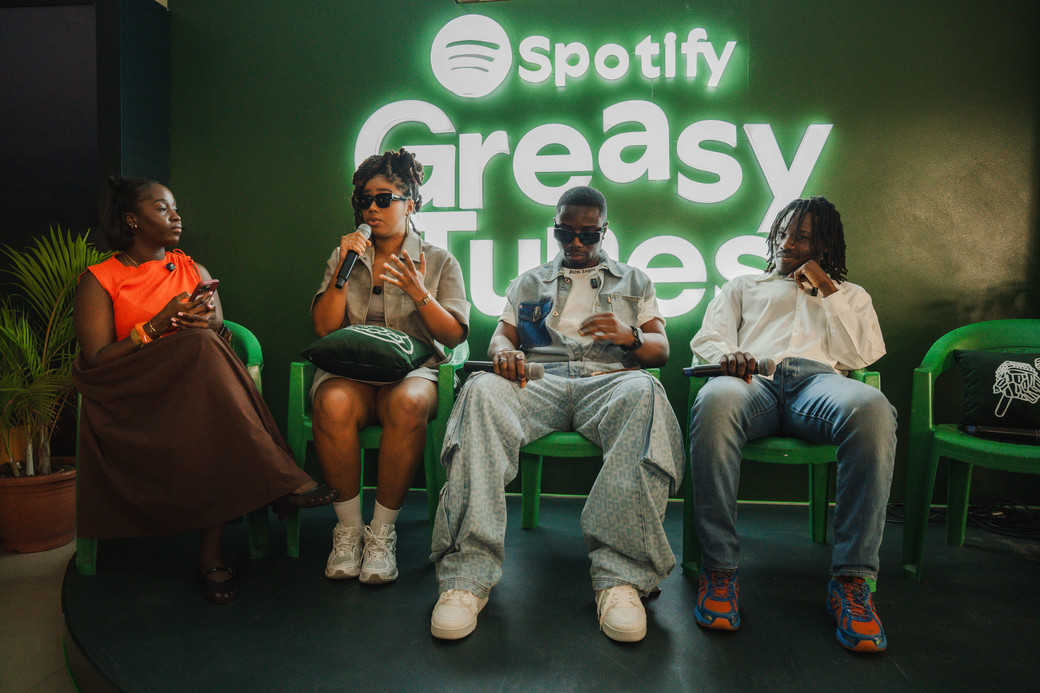
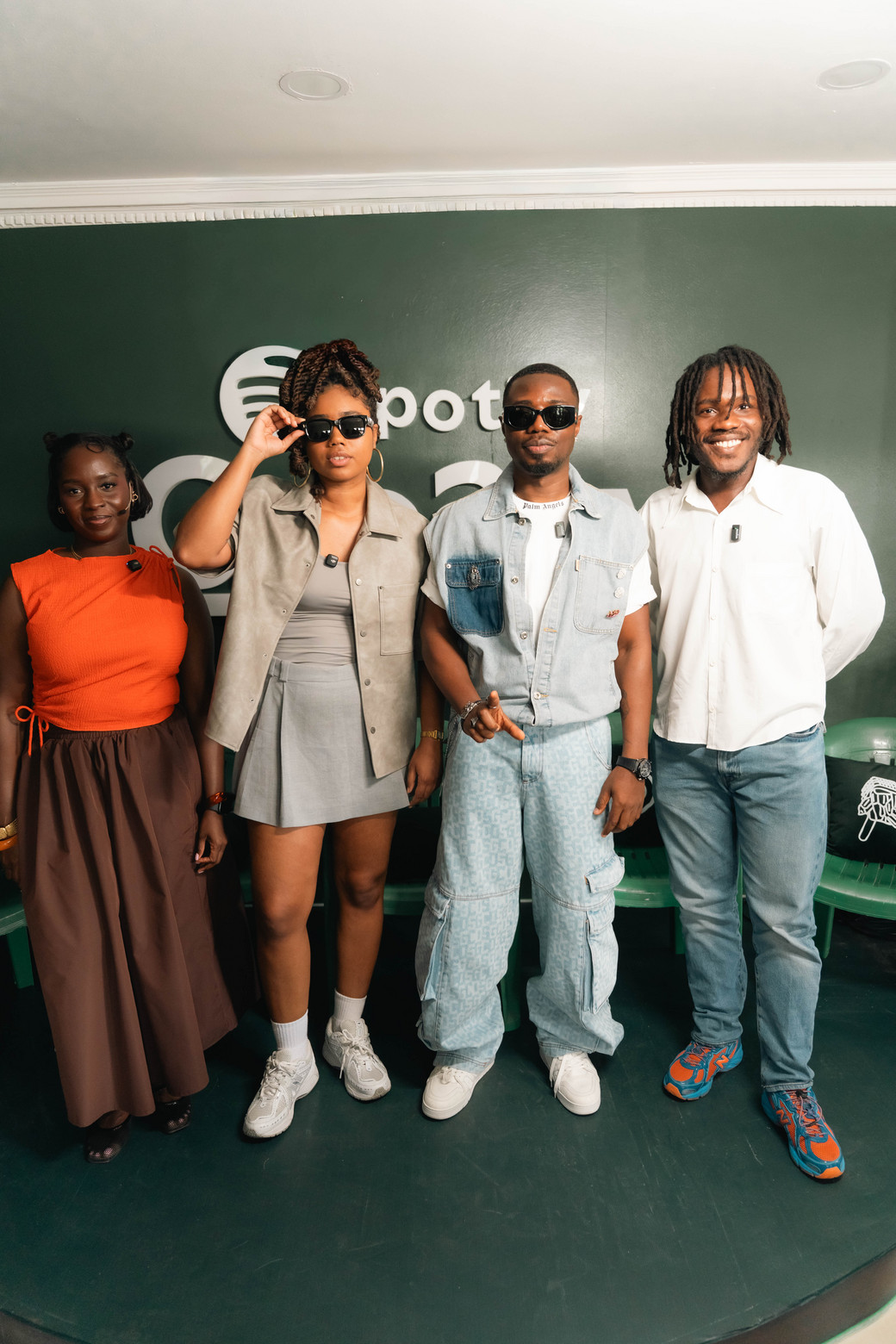
Indeed, as Afrobeats has risen in omnipresence, there’s been the proliferation of a homogenised sound that has come to define its mainstream characterisation. Leaving artists like Braye who exist on the sidelines bereft of the support and push afforded to those less interested in innovating newer sensibilities. Musicians of that ilk are often branded as “alte” – coined for artists like Amaarae, Lady Donli, Odunsi (The Engine) and Cruel Santino whose output is non-linear and more experimental. Recognising that the use of the term “Afrobeats” may have worn out its welcome, Andre Vibez remarked “I think we should leave Afrobeat as Afrobeat, and name what’s happening now as something else”.
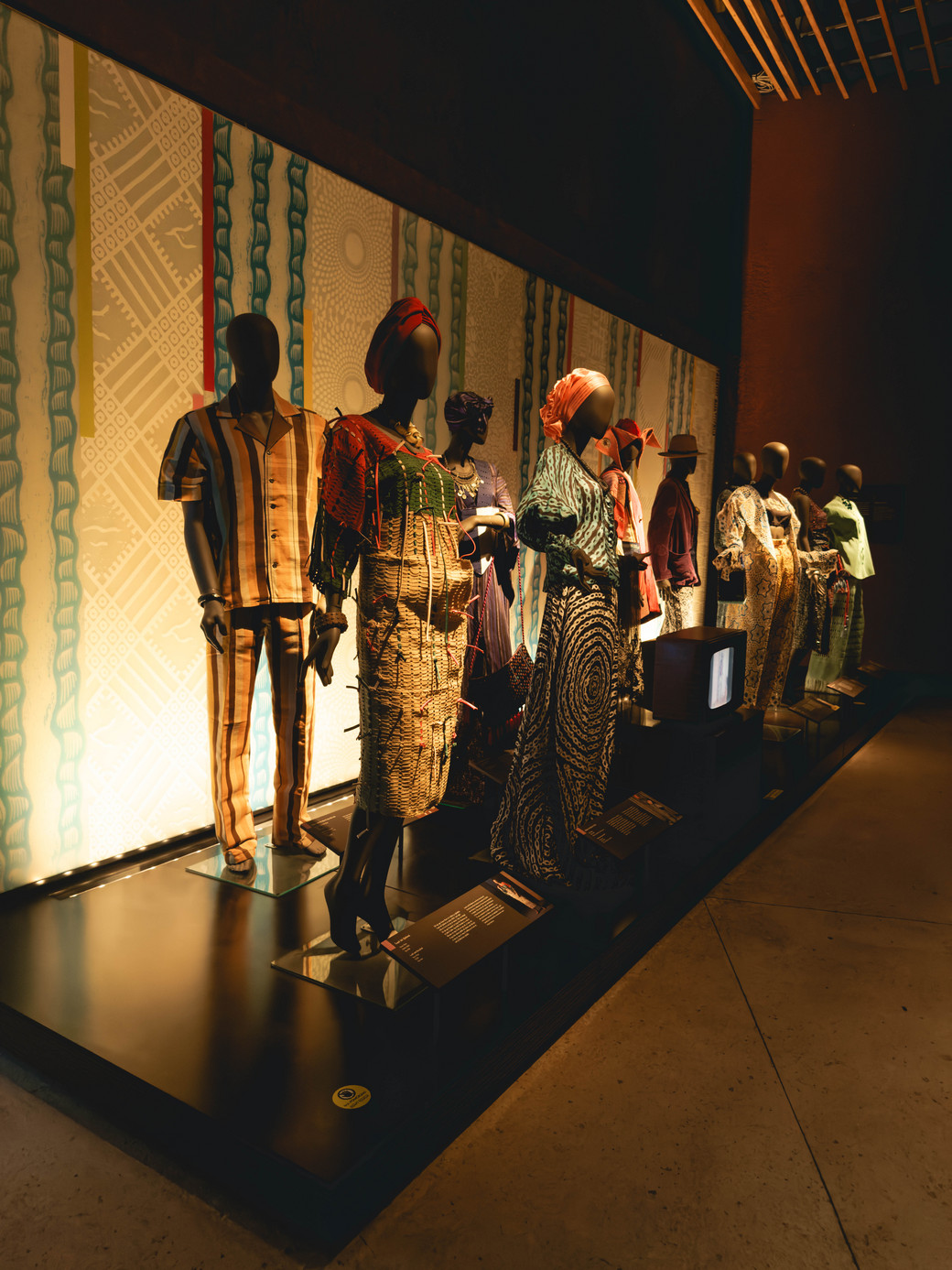
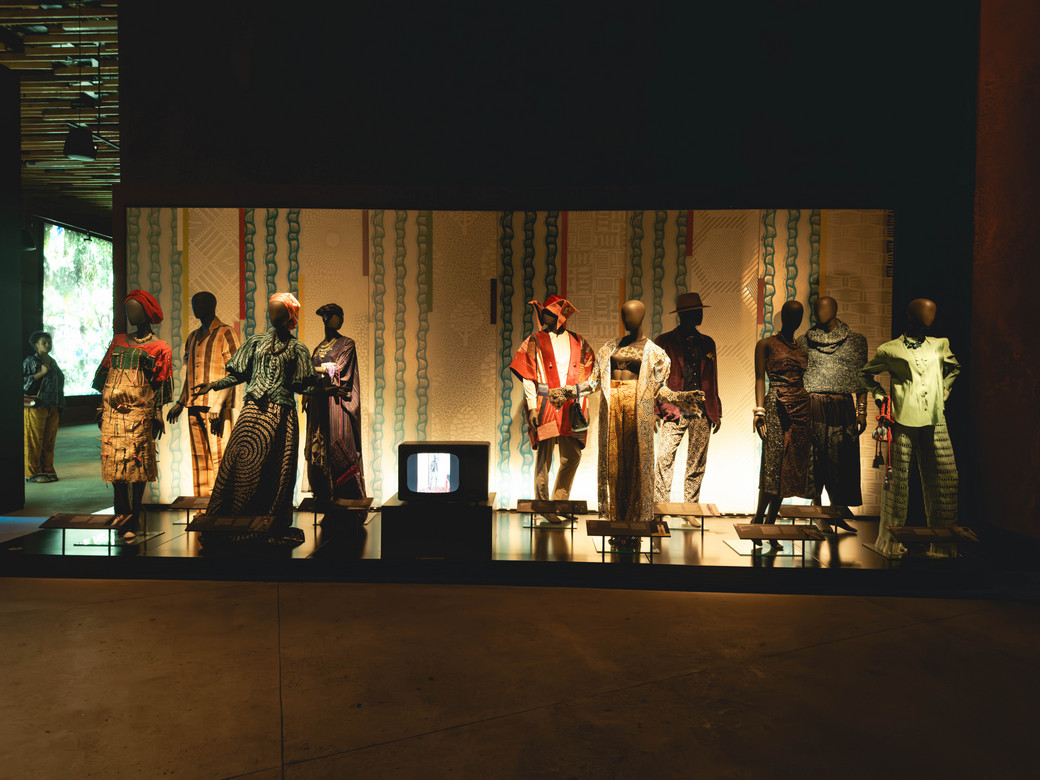
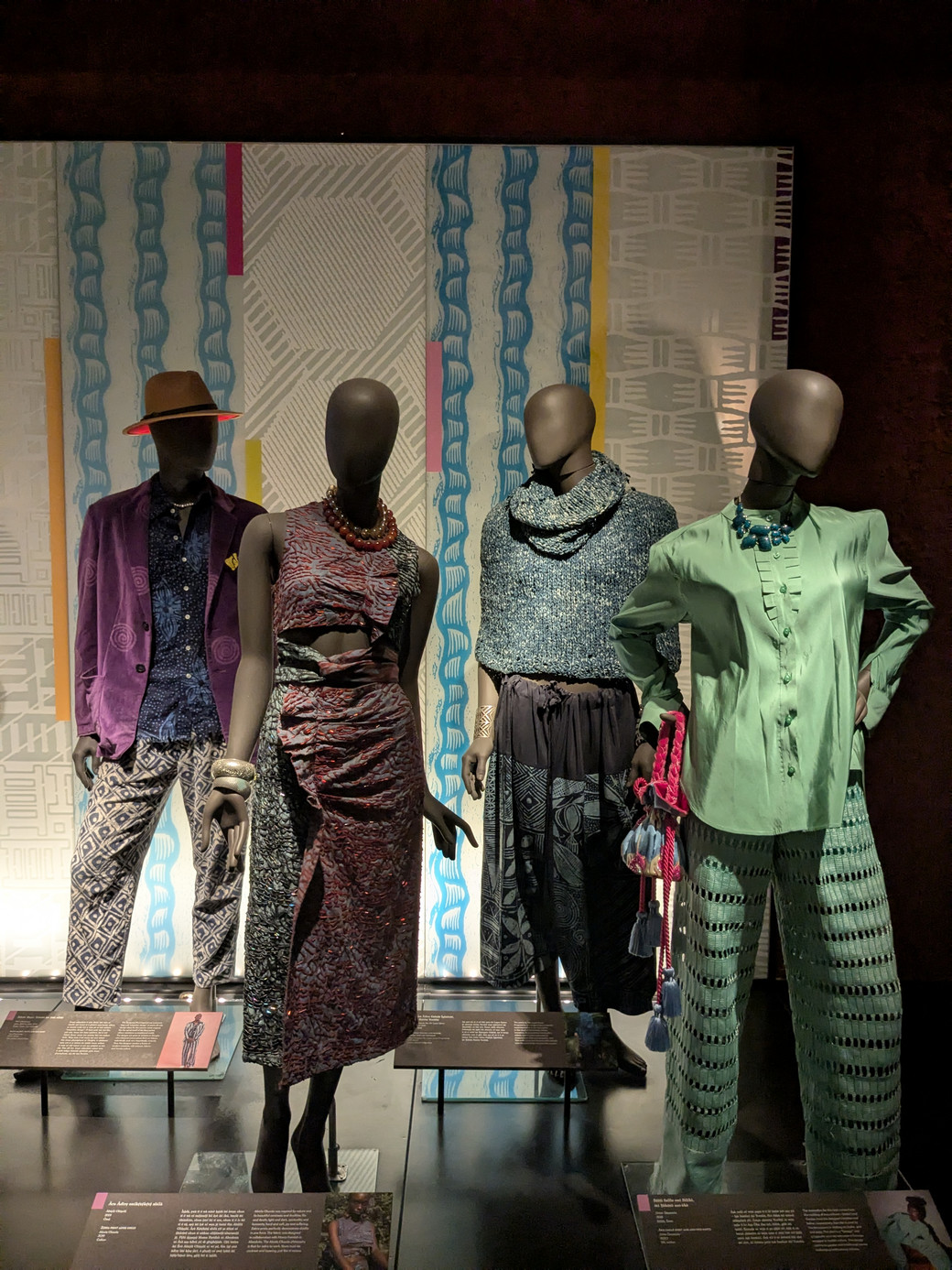
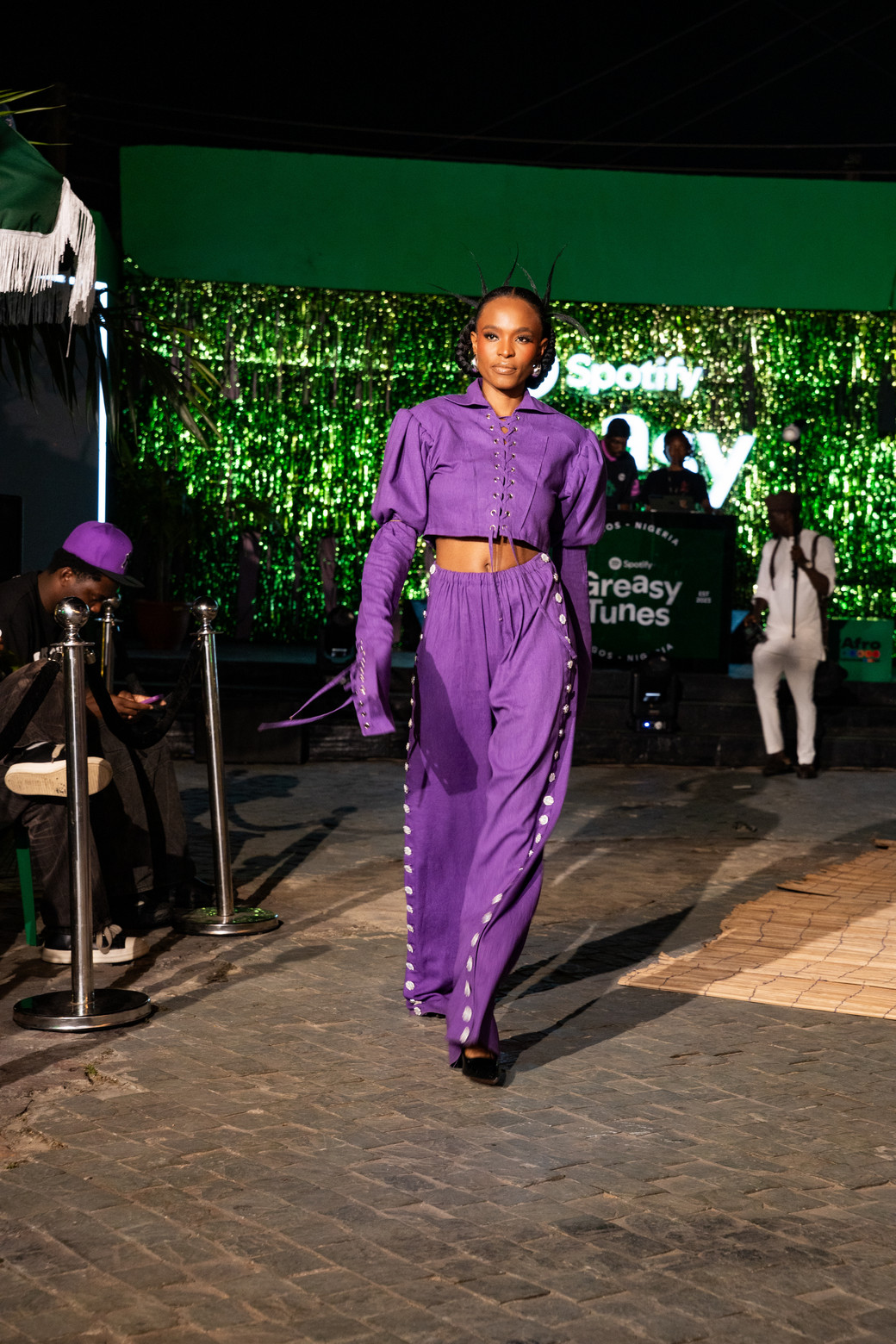
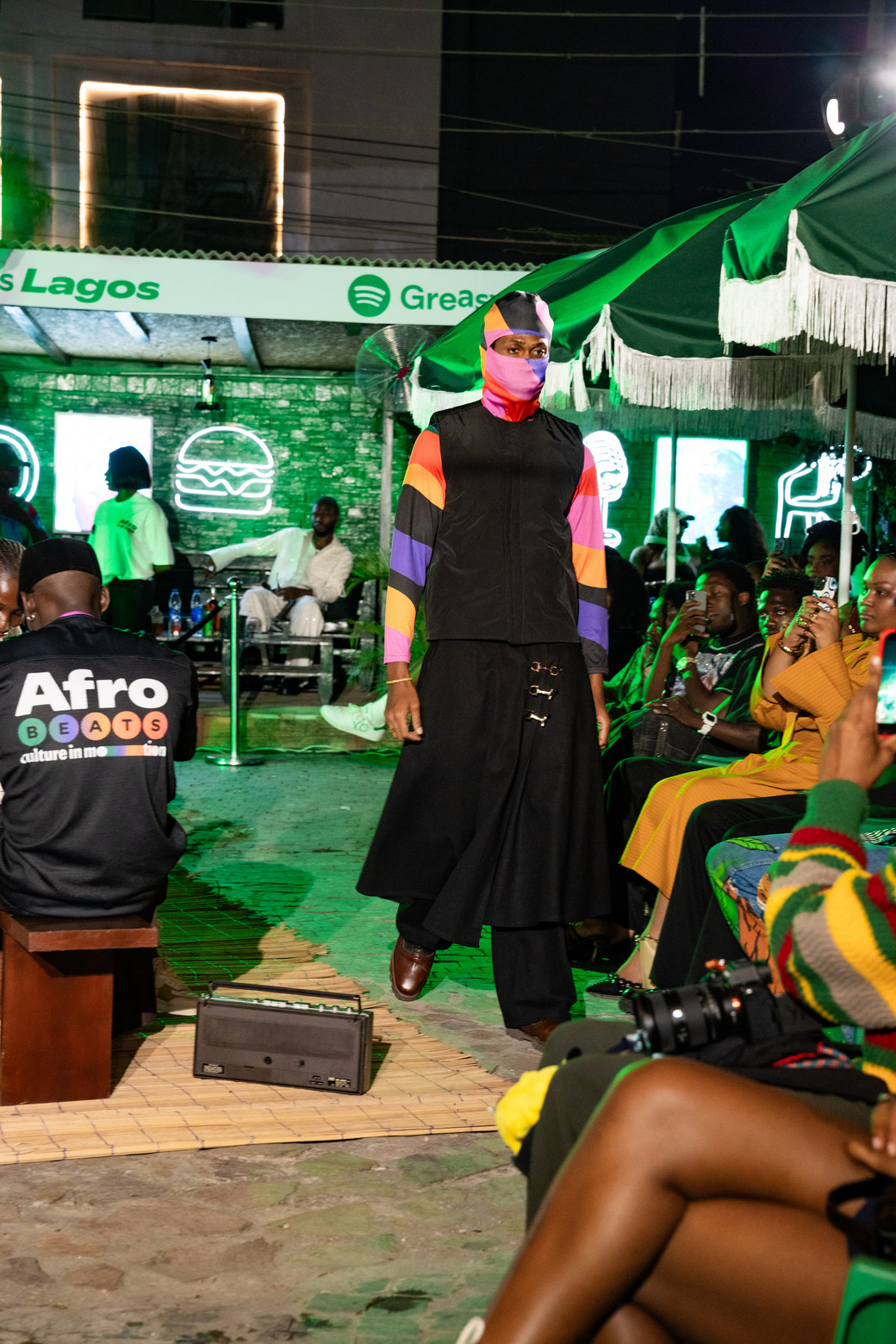
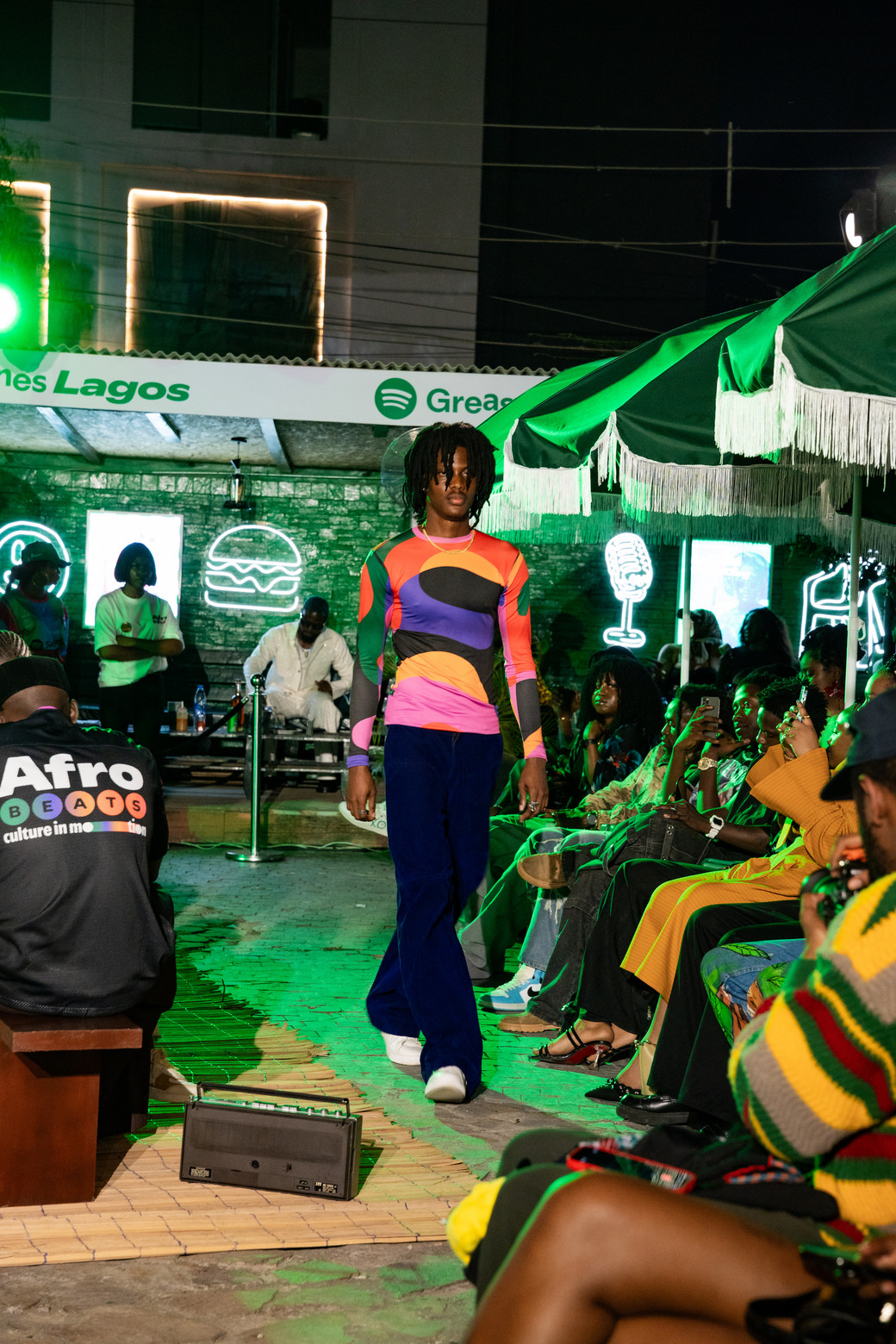
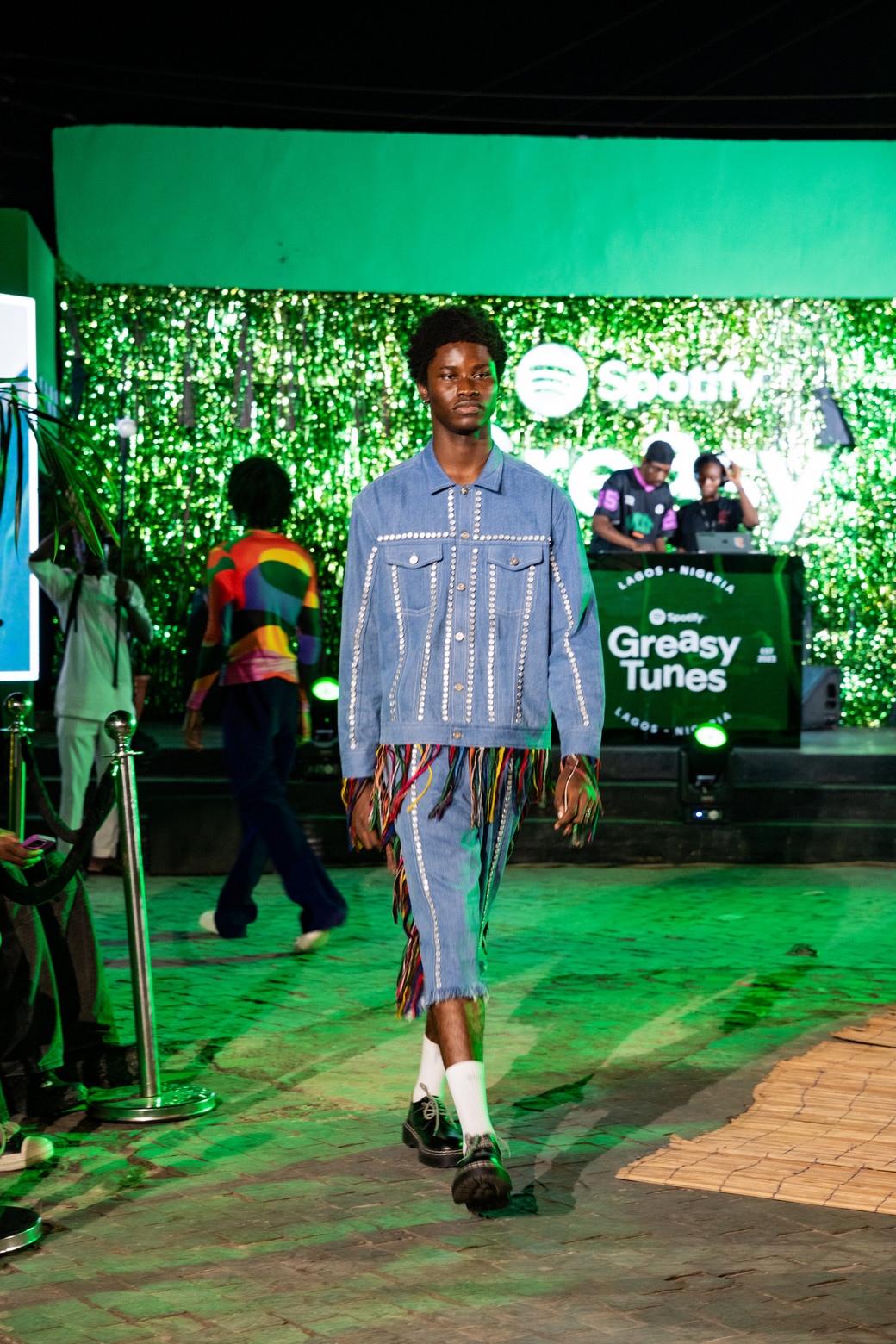
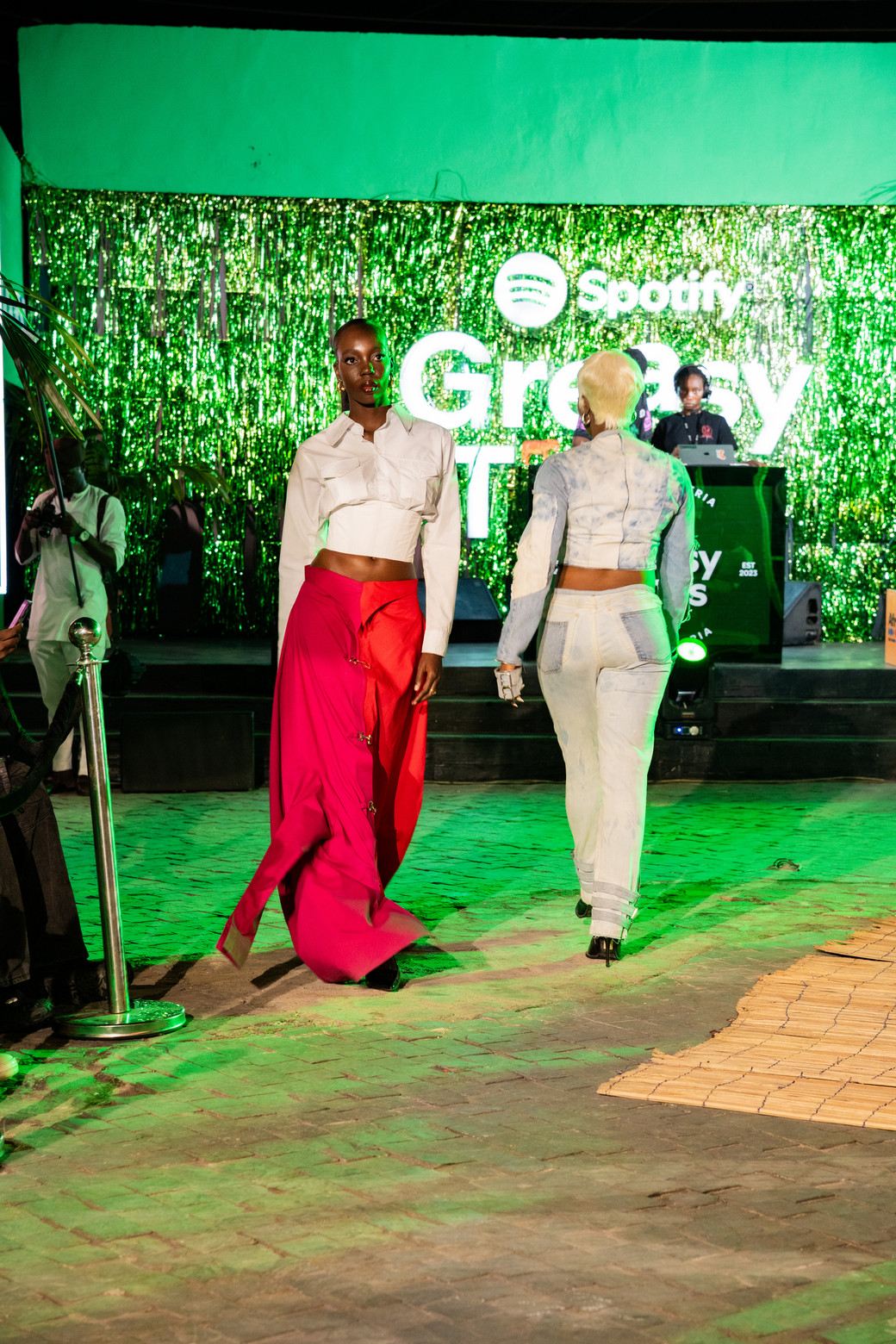
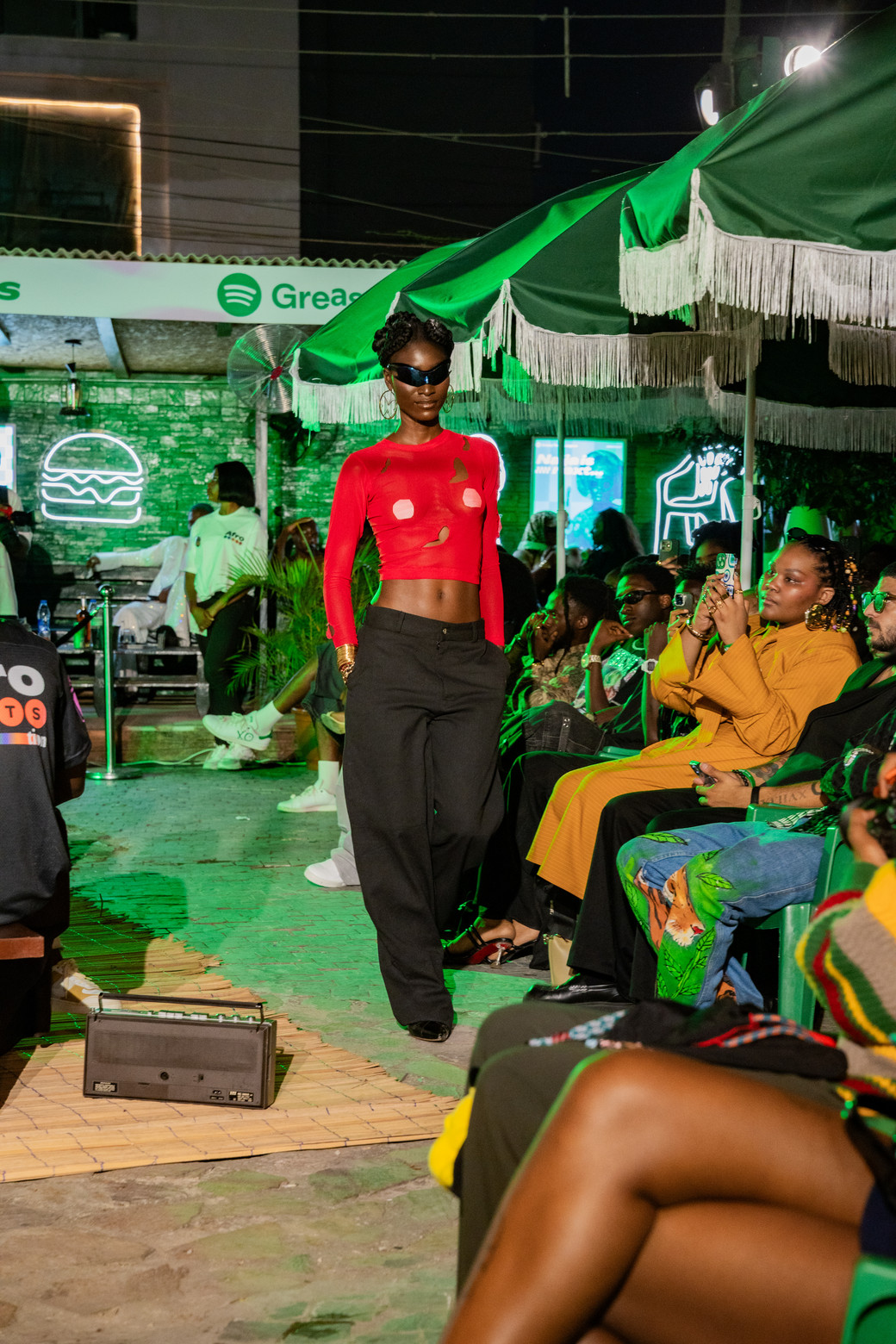
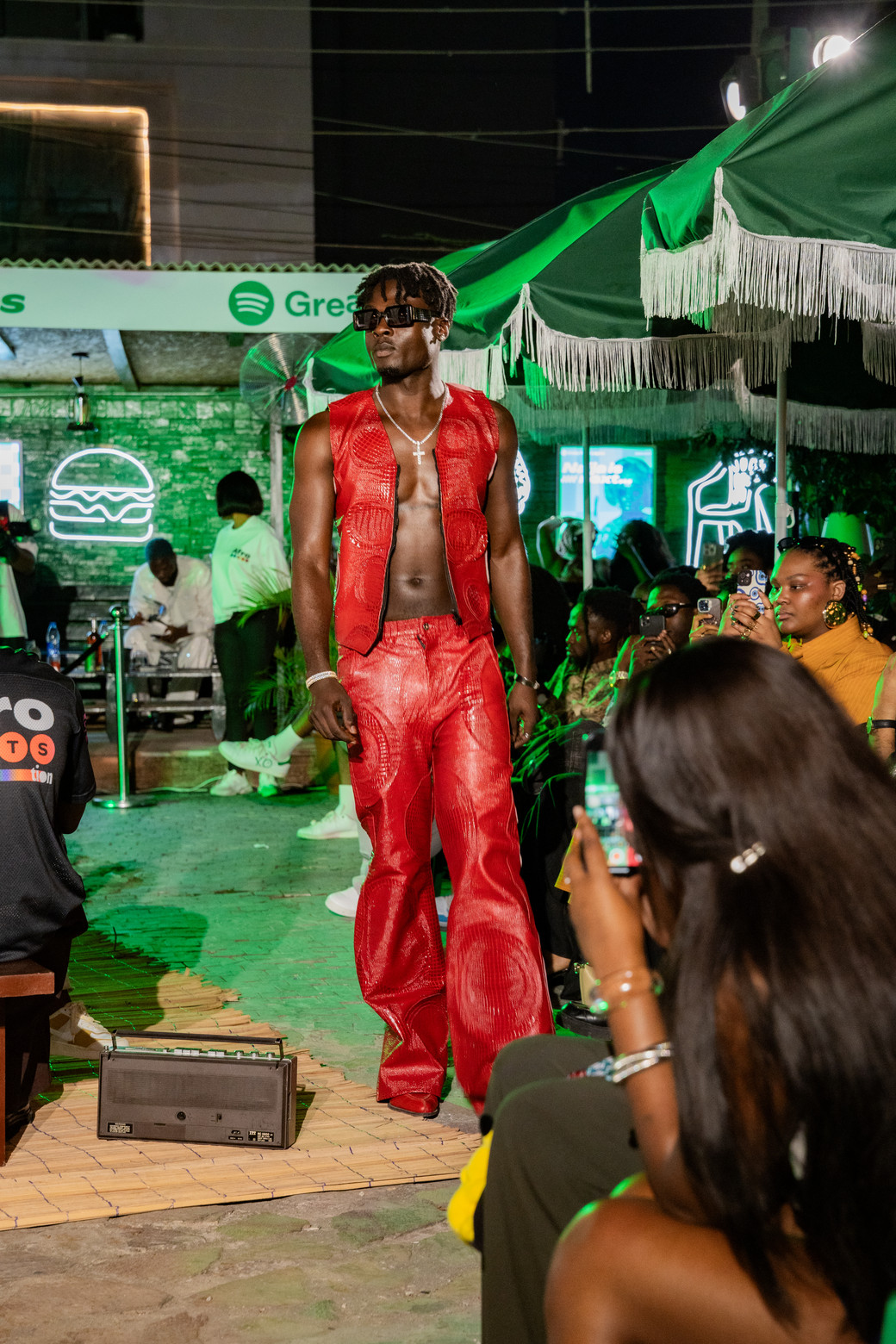
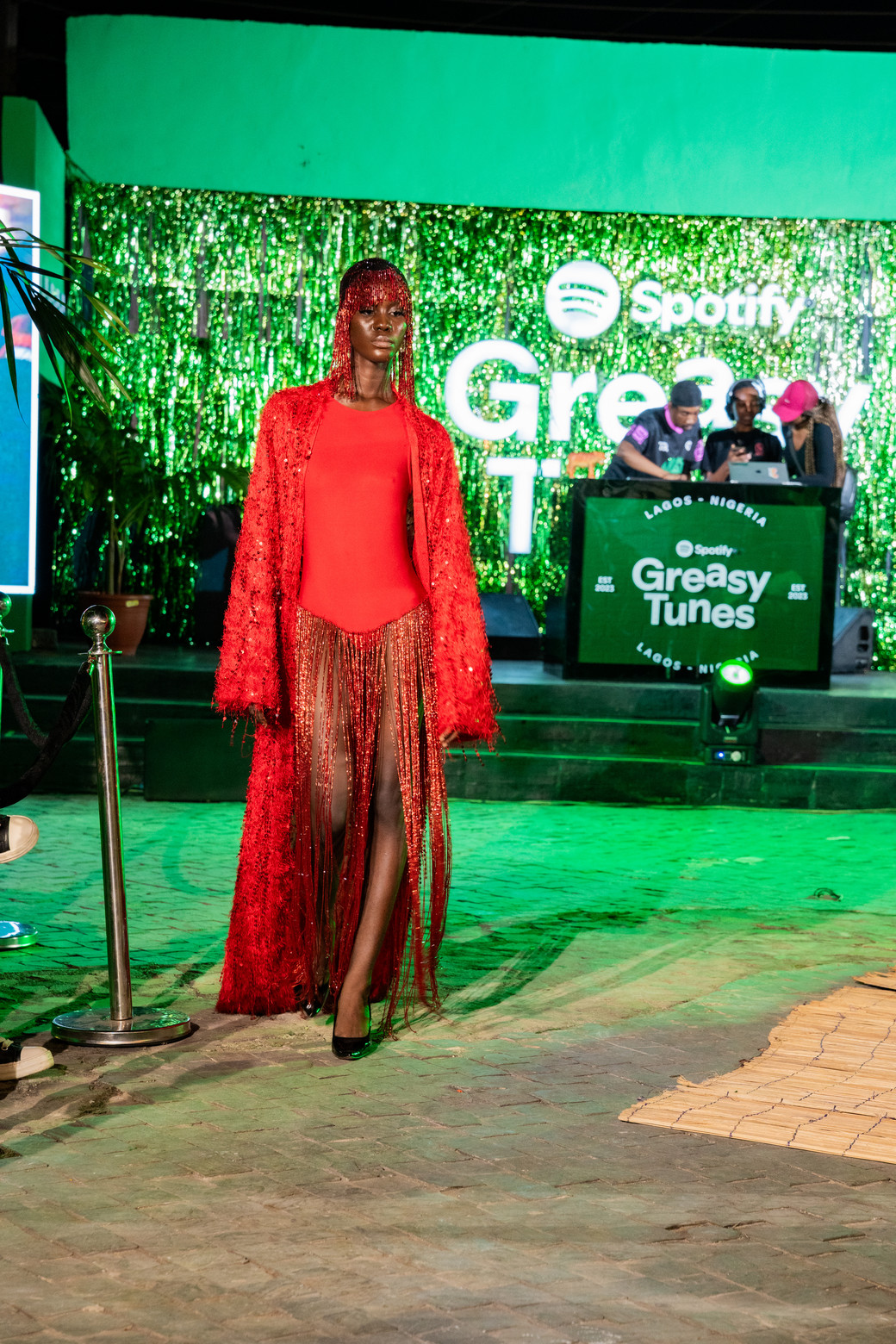
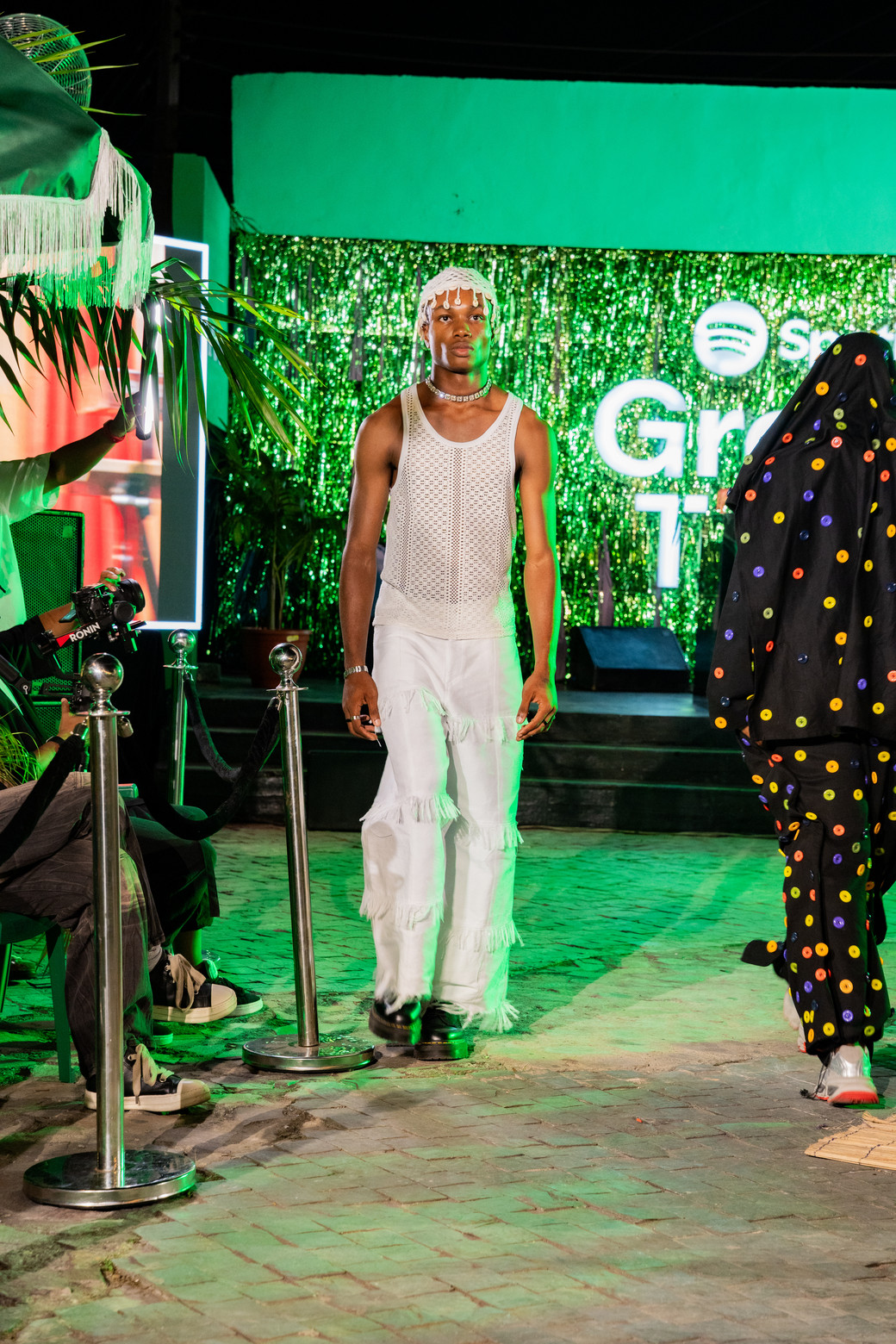
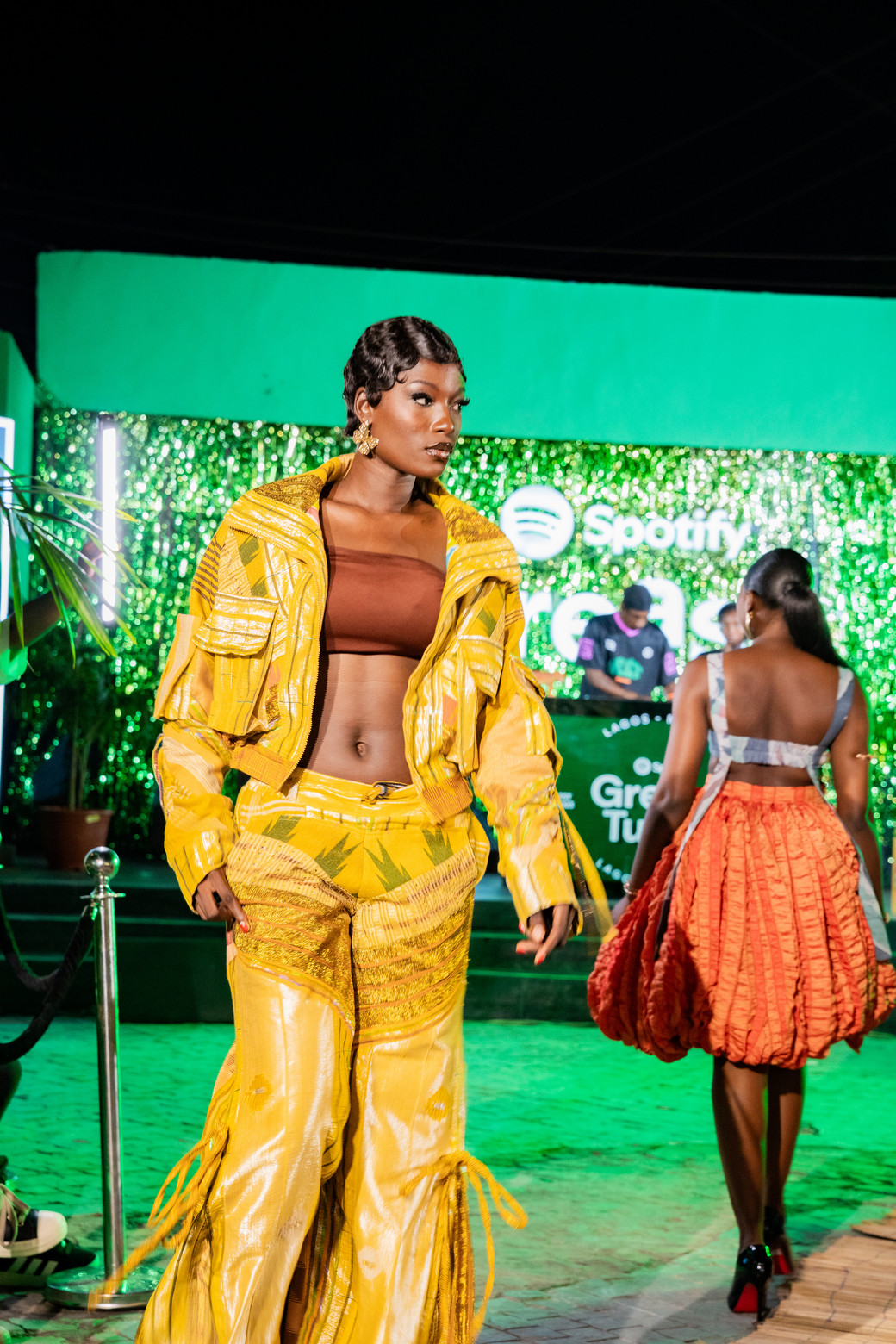
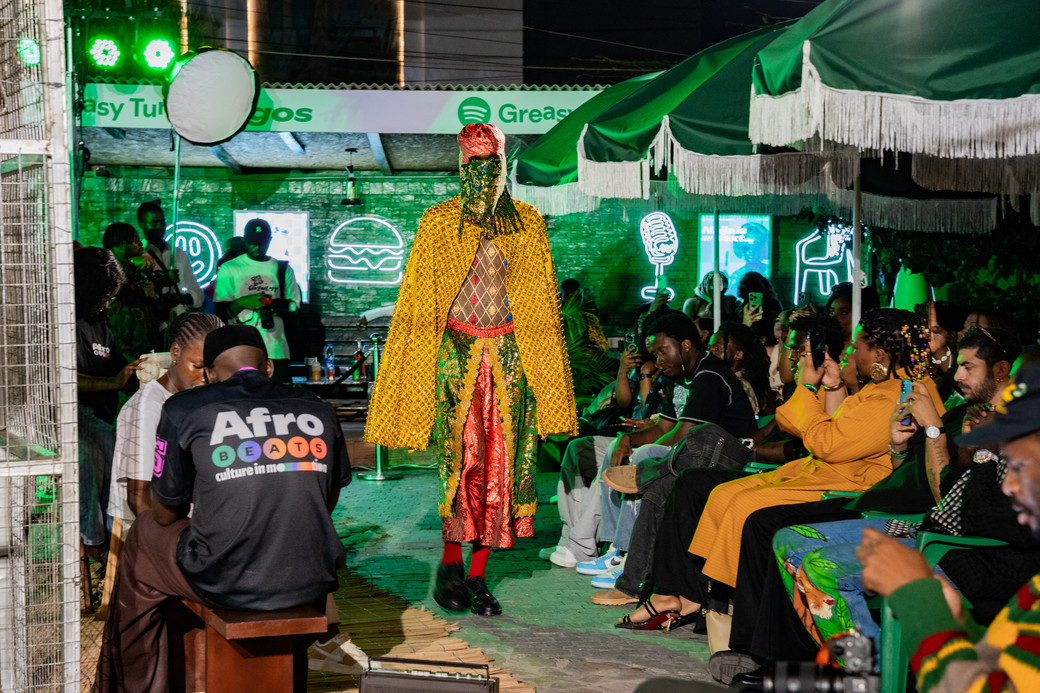
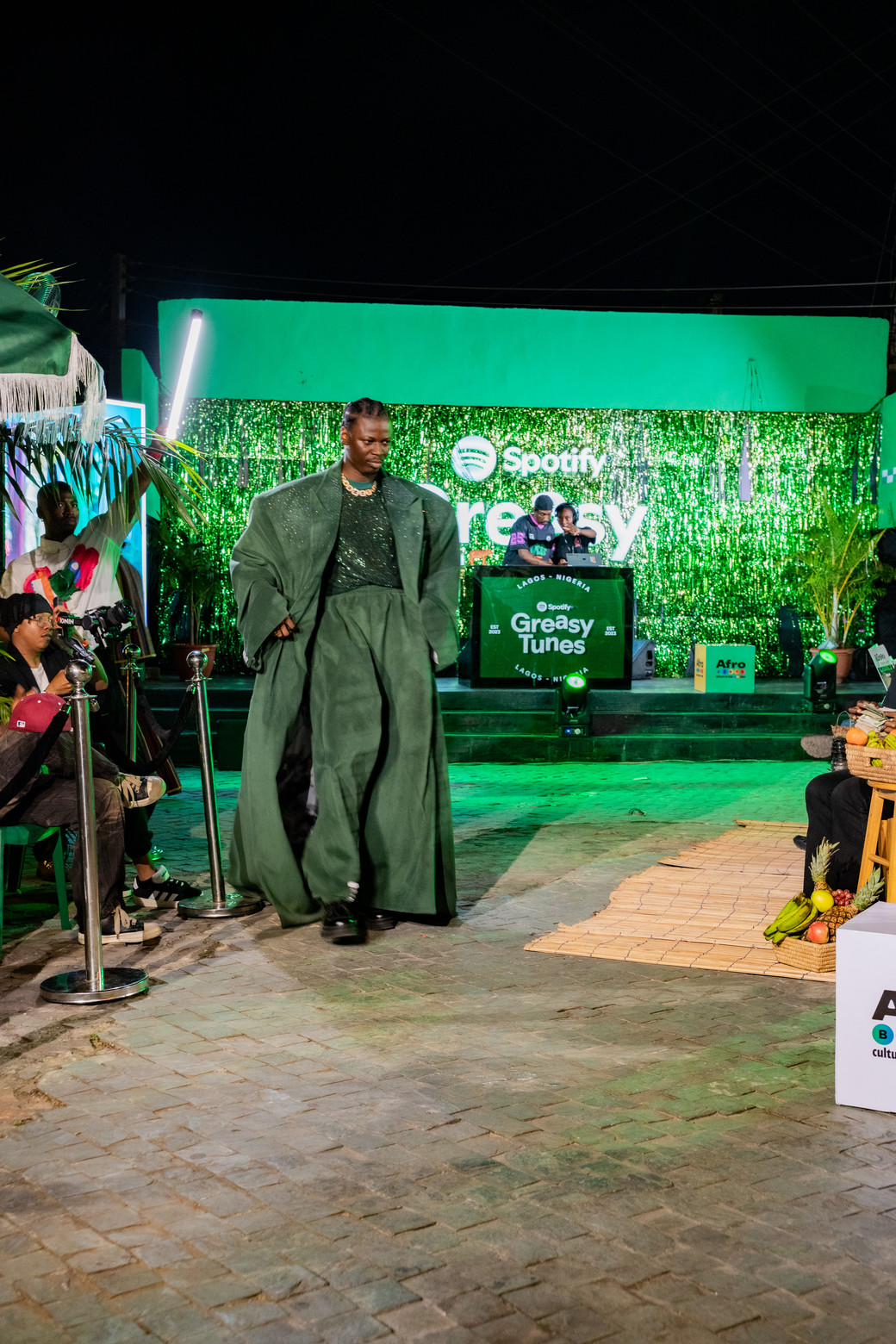
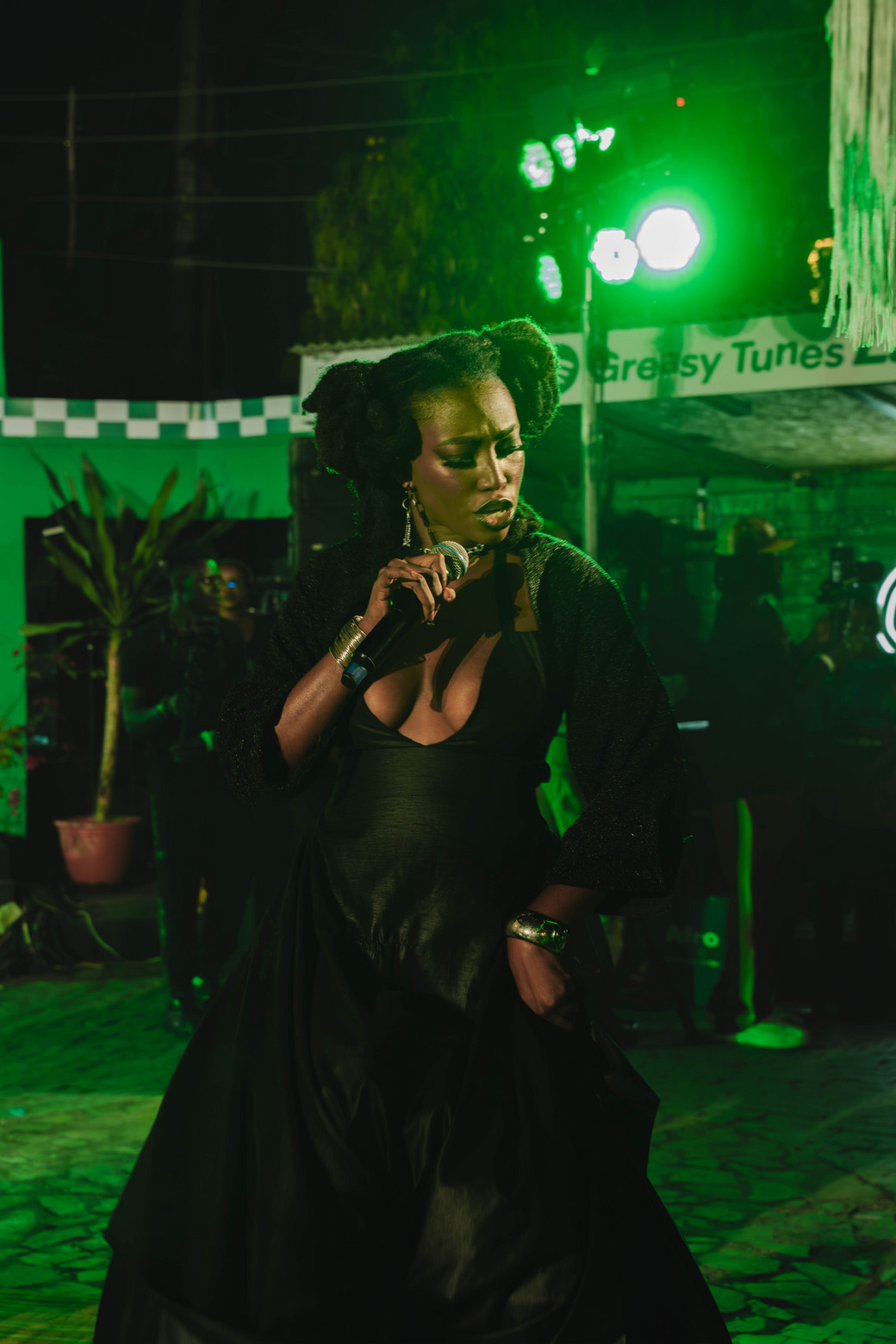
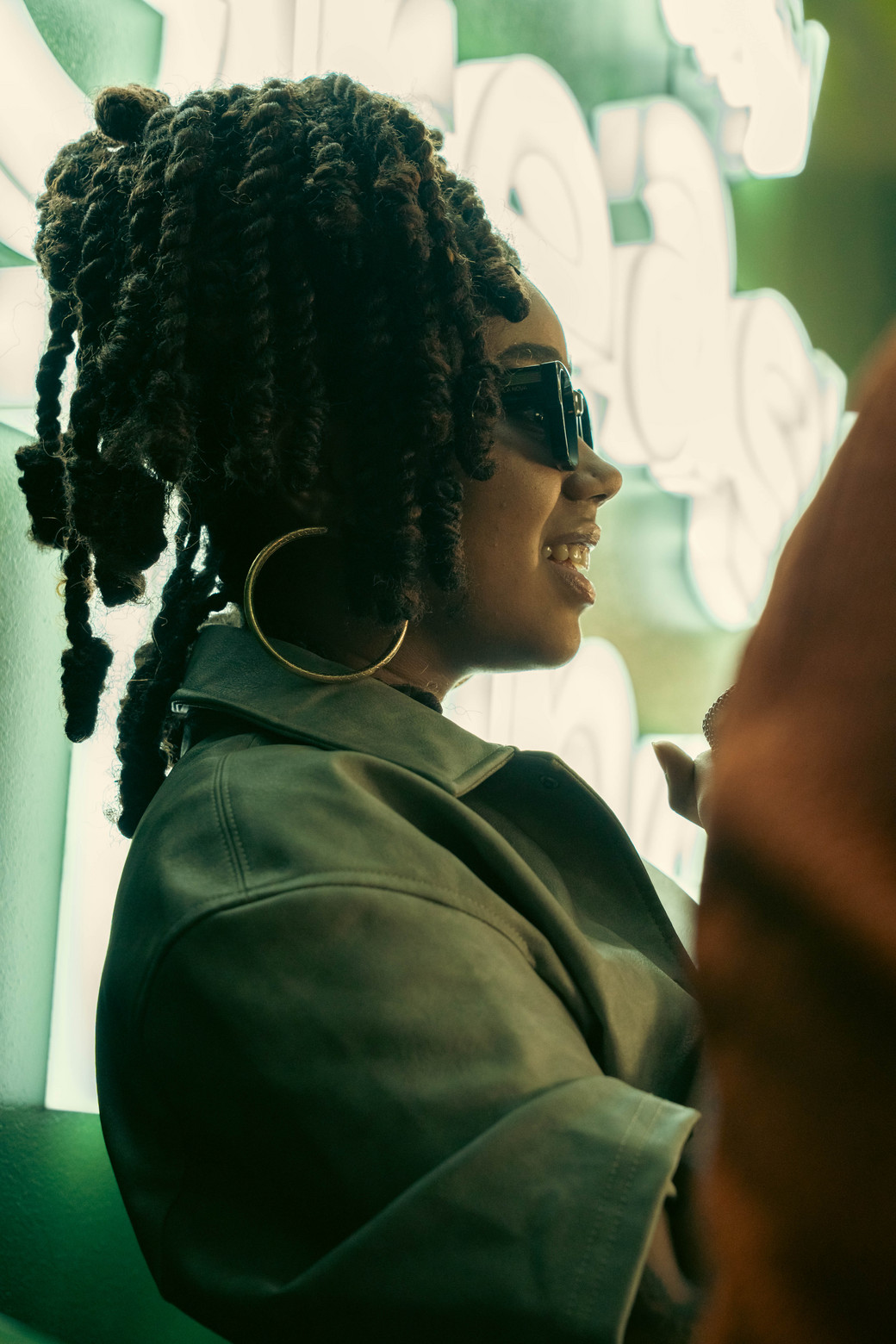
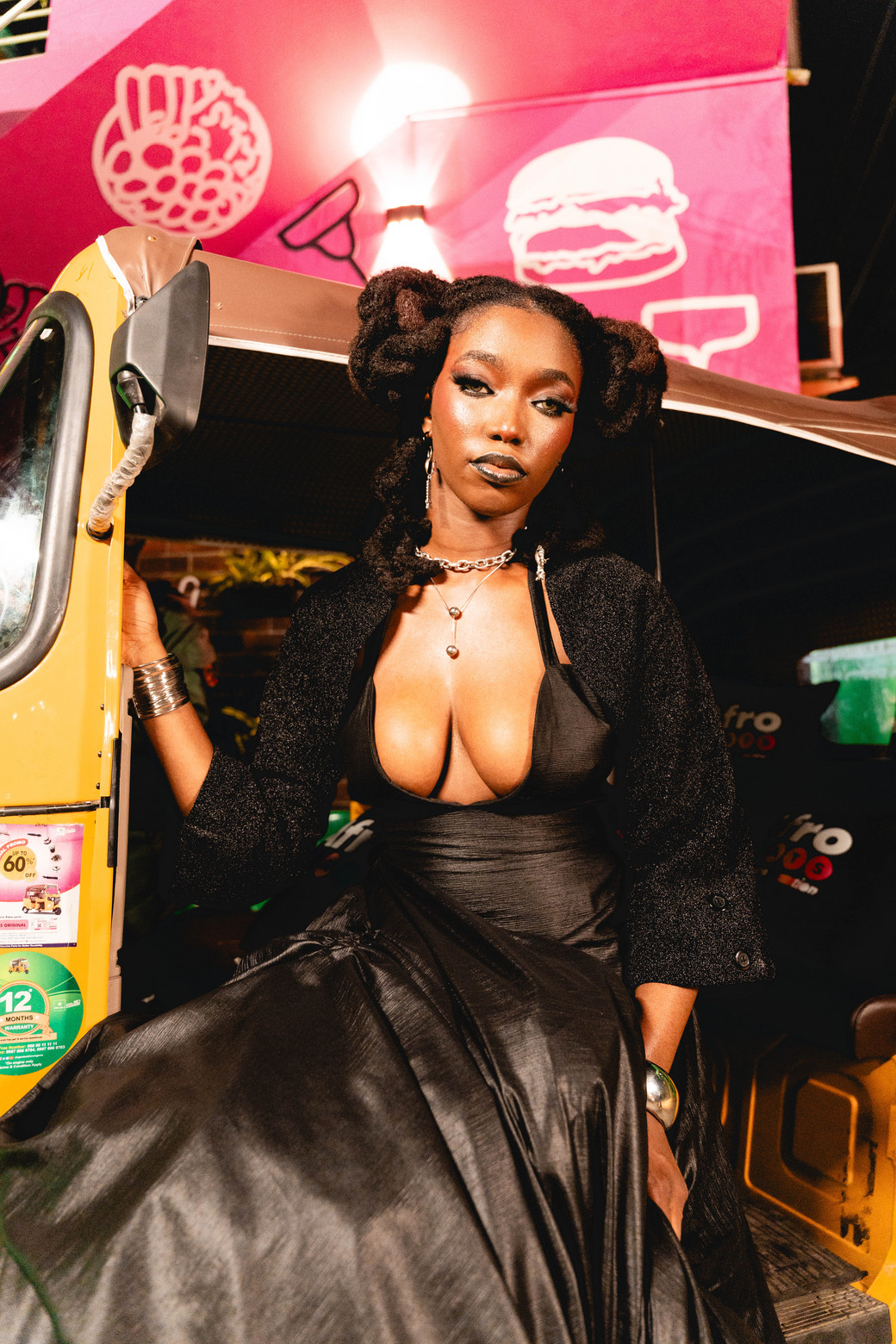
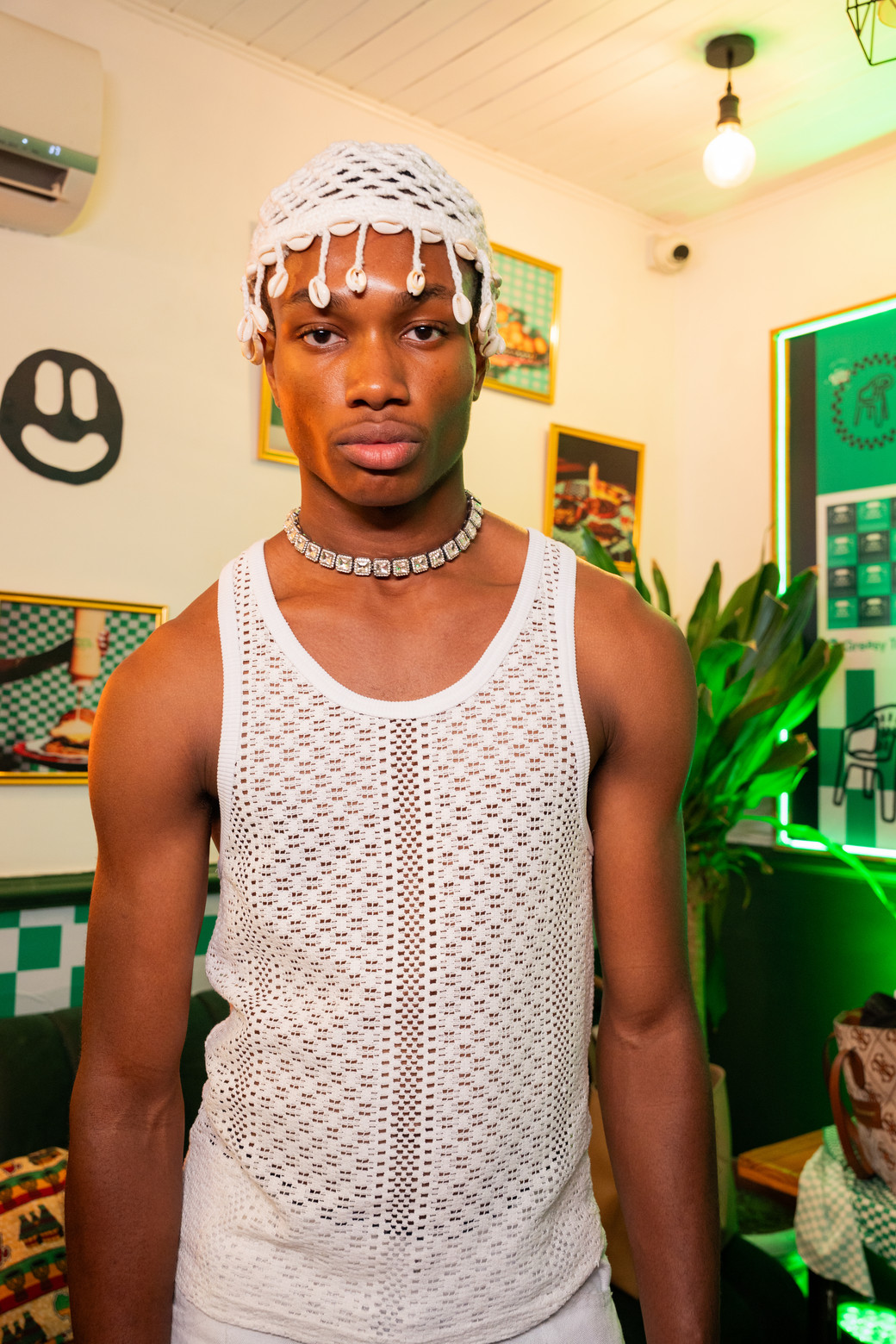
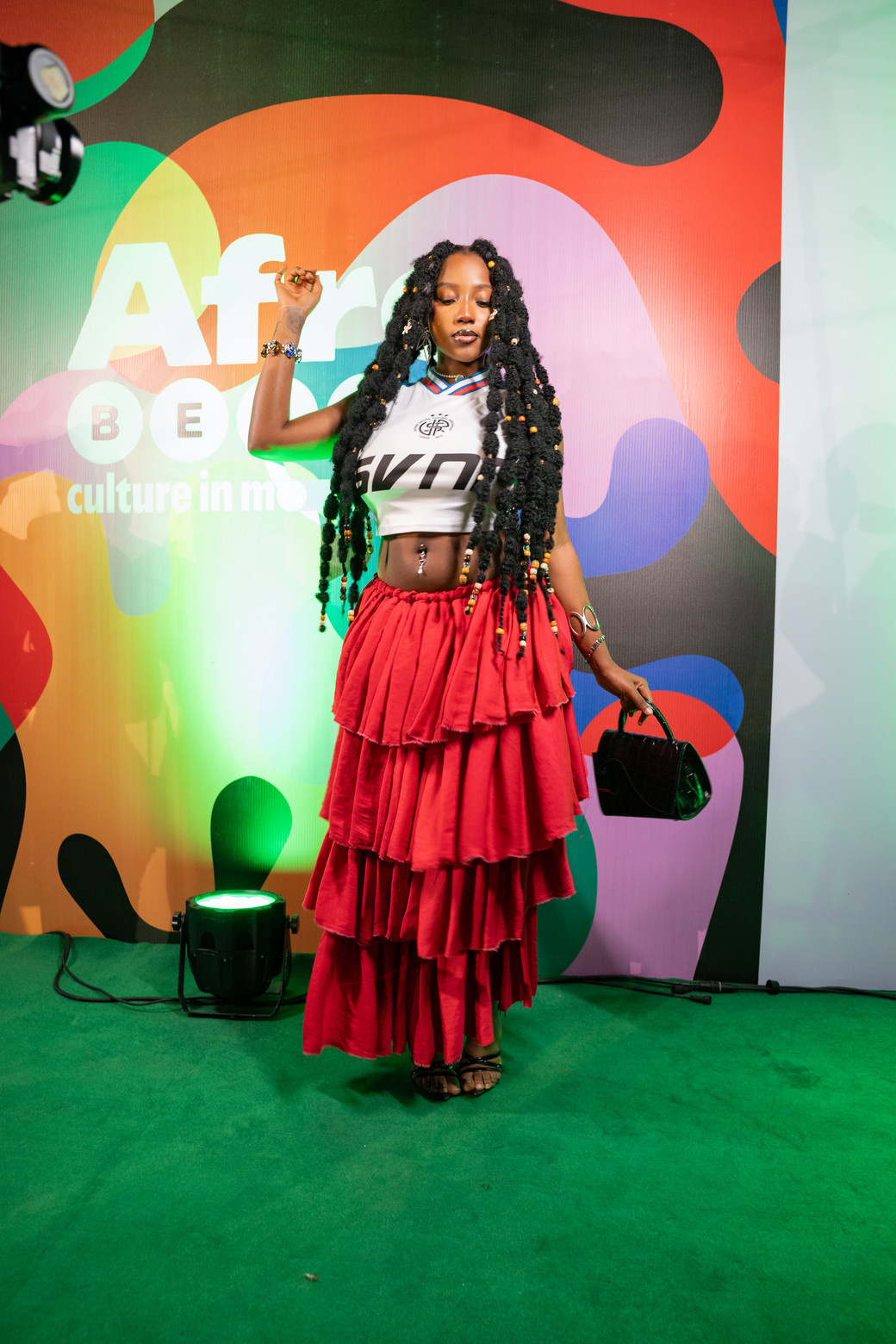
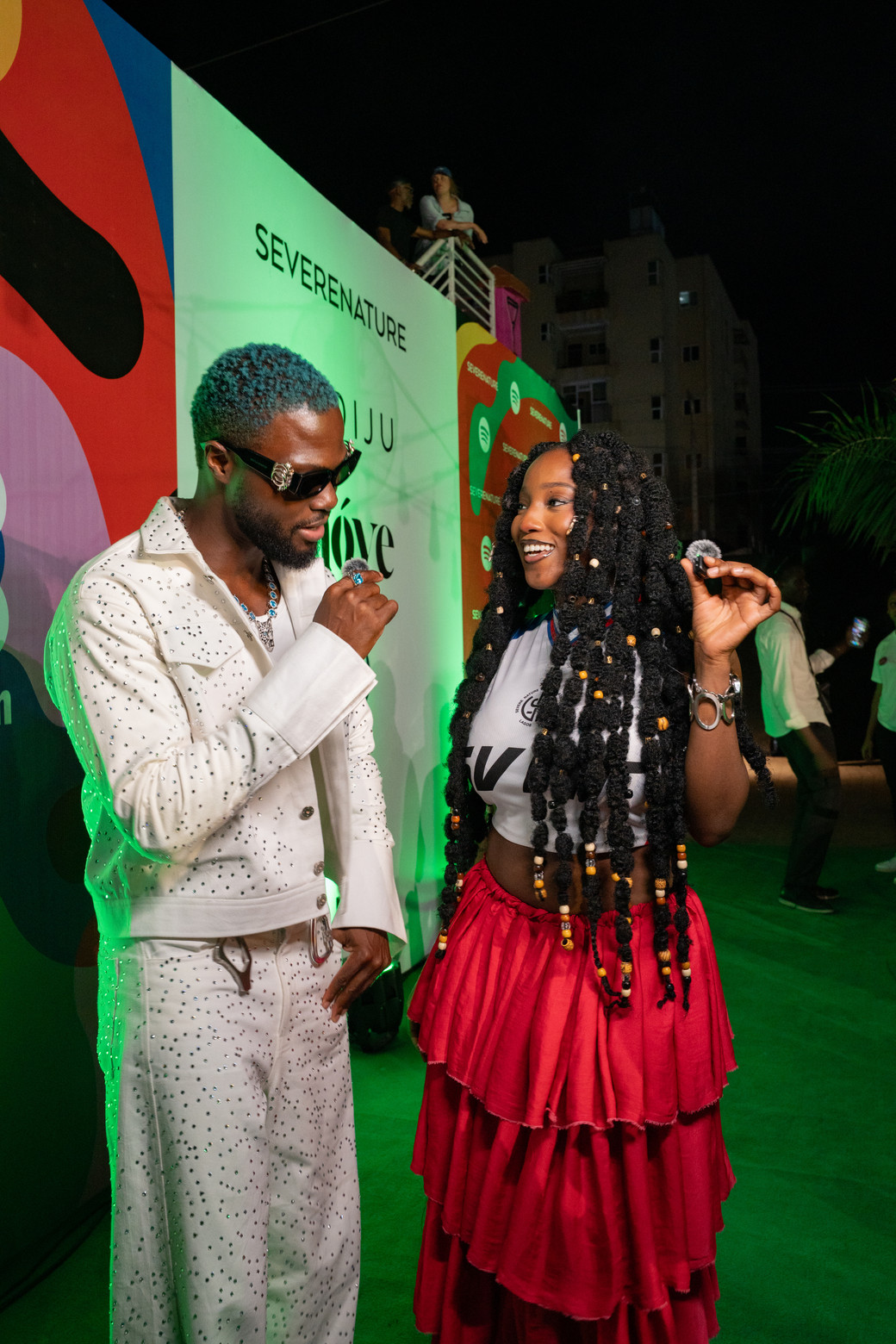
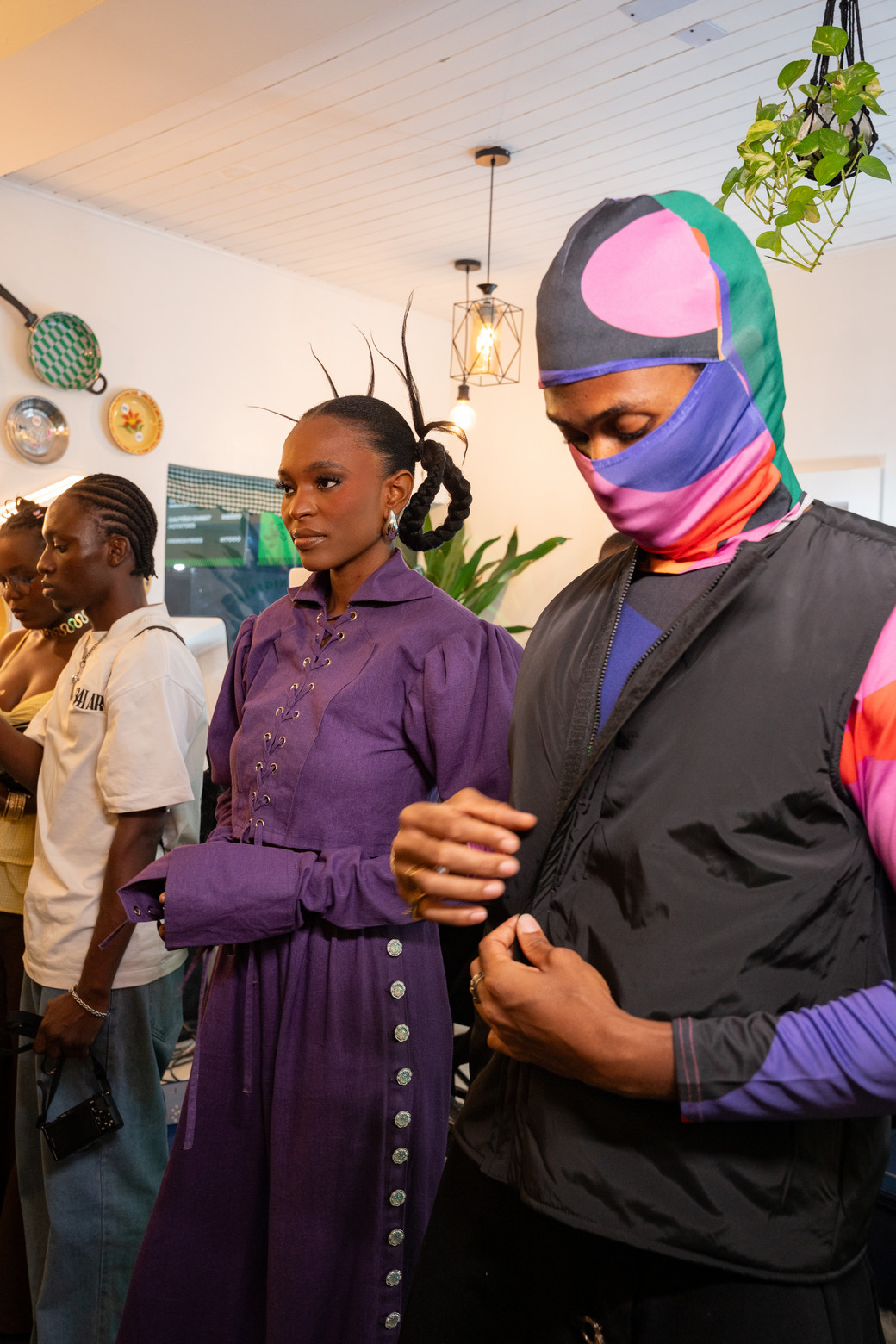
While the genre’s artists, creators and musicians continue to debate and re-frame whether “Afrobeats” is a term that serves them or limits them, the fashion world has chosen to adopt its multiplicity as a muse. In response to this plurality, Spotify produced a fashion show in collaboration with streetwear brand Severe Nature, charting how each studio-born divergence has given way to a distinct aesthetic. Each with their own set of sartorial hallmarks and characteristics. With sections inspired by alte, highlife, street-hop and “the big 3” - meant to signify artists at the epitome of the genre, the runway showcased 19 looks created by Severe Nature alongside emerging brands Móye Africa, I.N Official, KADIJU, and Pièce Et Patch.
The runway show made it abundantly clear that “Afrobeats” isn’t solely a sound or genre anymore. It’s a cultural ecosystem that has parlayed into wider curiosity about Nigerian culture and creativity at large. Commenting on this phenomenon, Severe Nature’s co-founder and creative director Christopher Afolabi said: “There was a time when nobody cared about what was happening in Africa. Now everybody's looking at African brands. Brands in Nigeria get to have more of a presence and build an audience. We now have brands showing in Copenhagen, London and all over the world”.
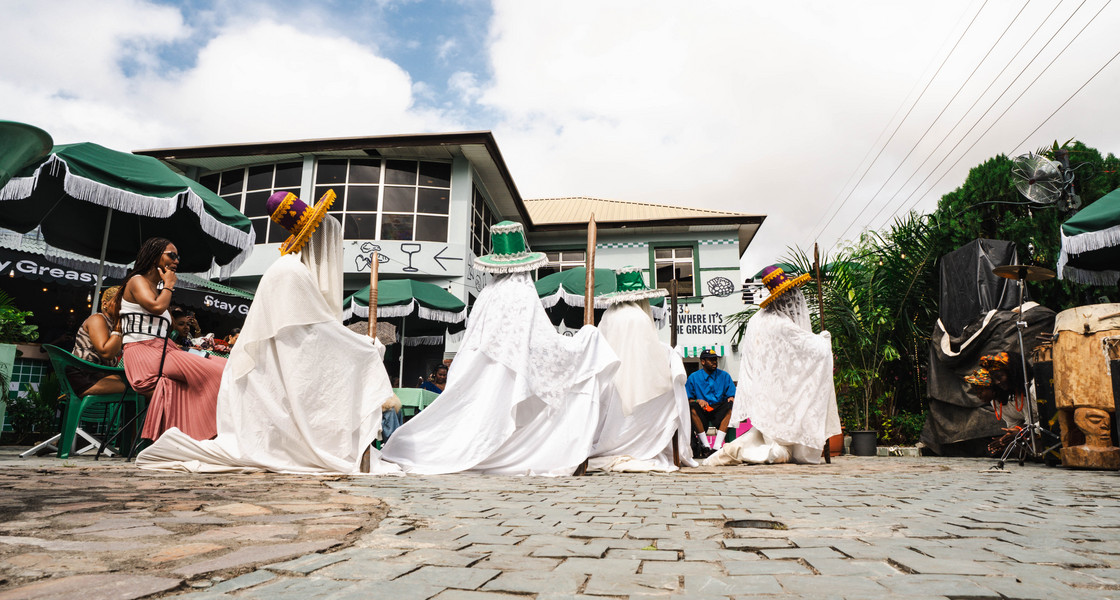
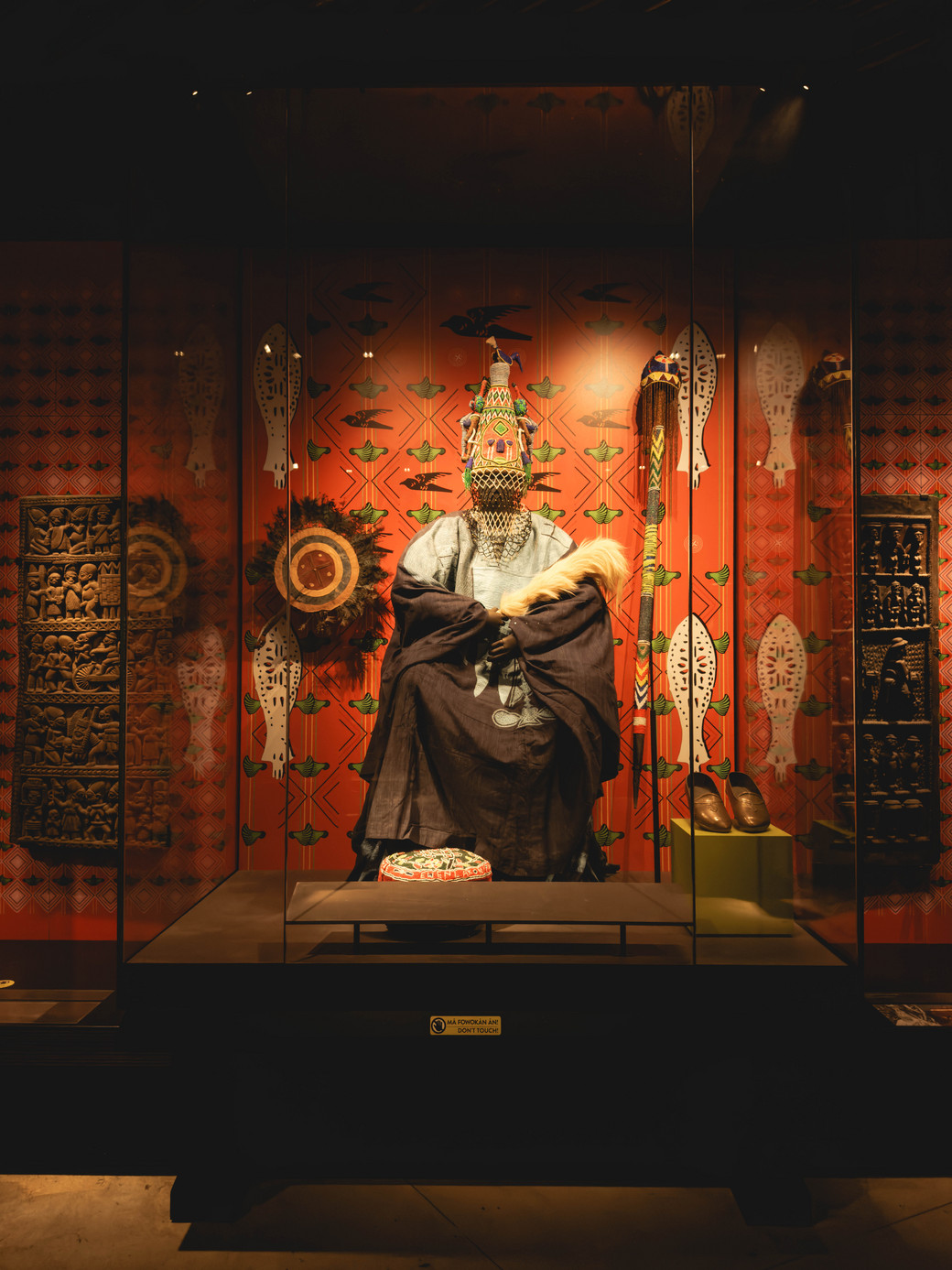
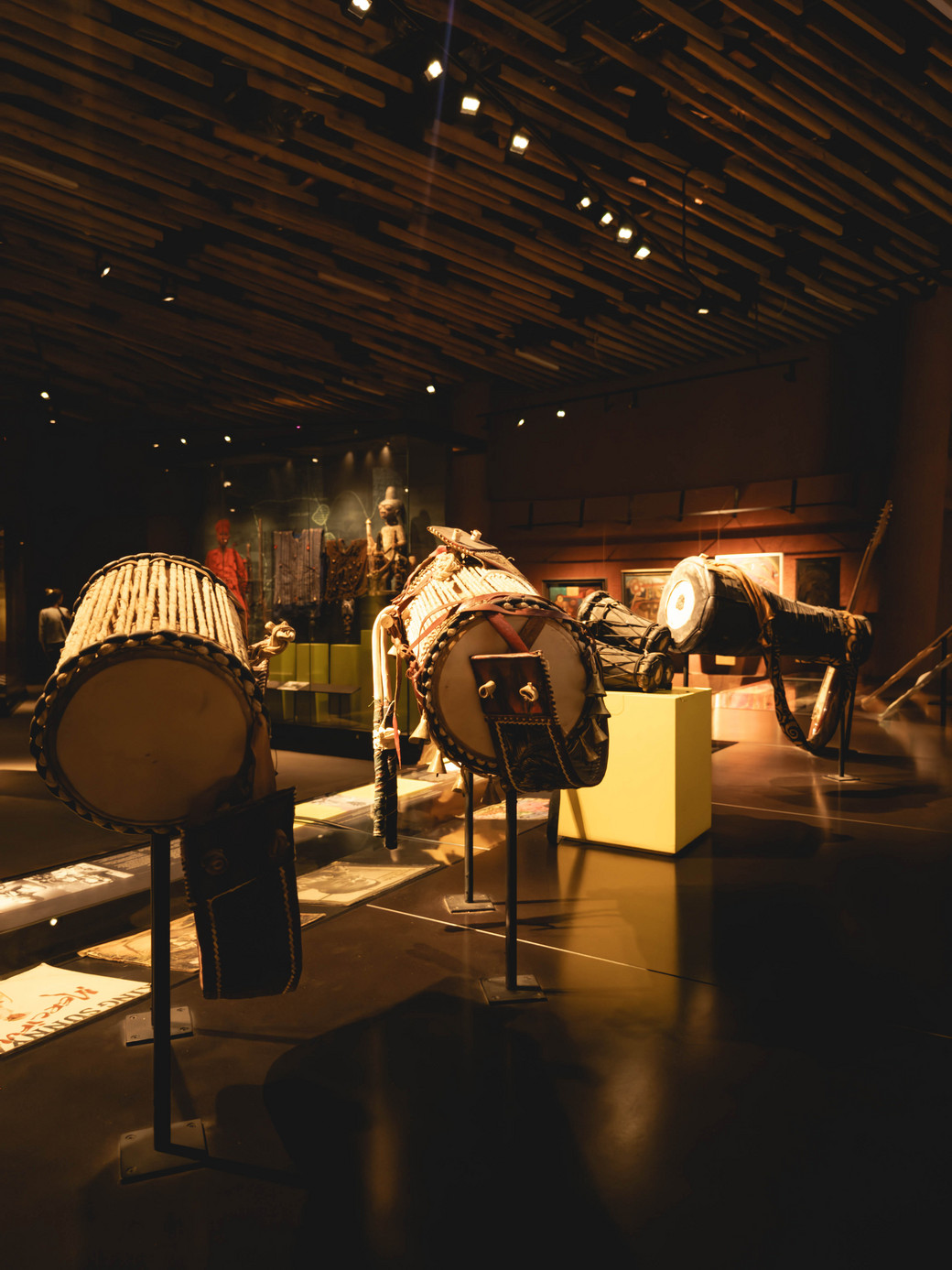
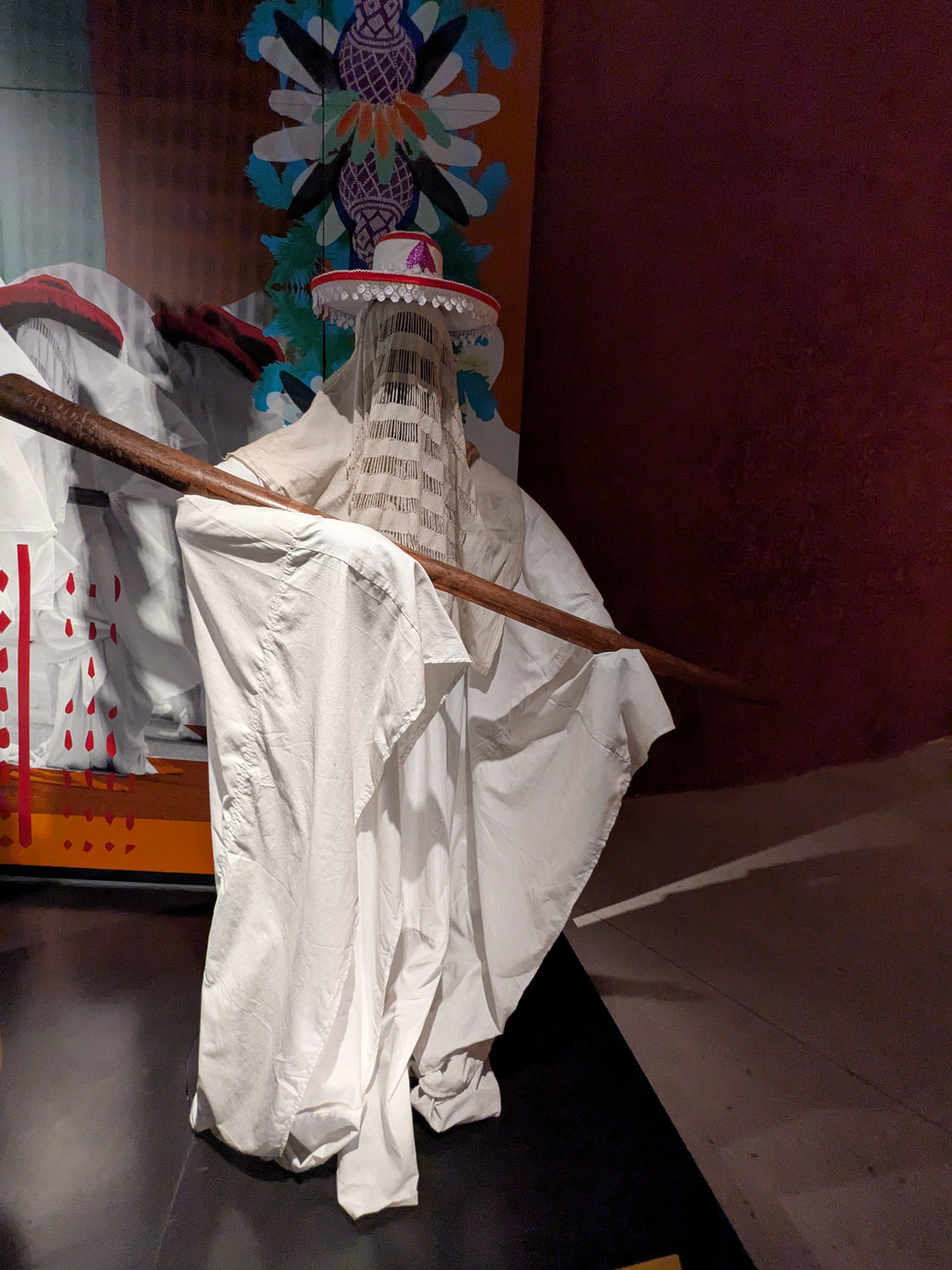
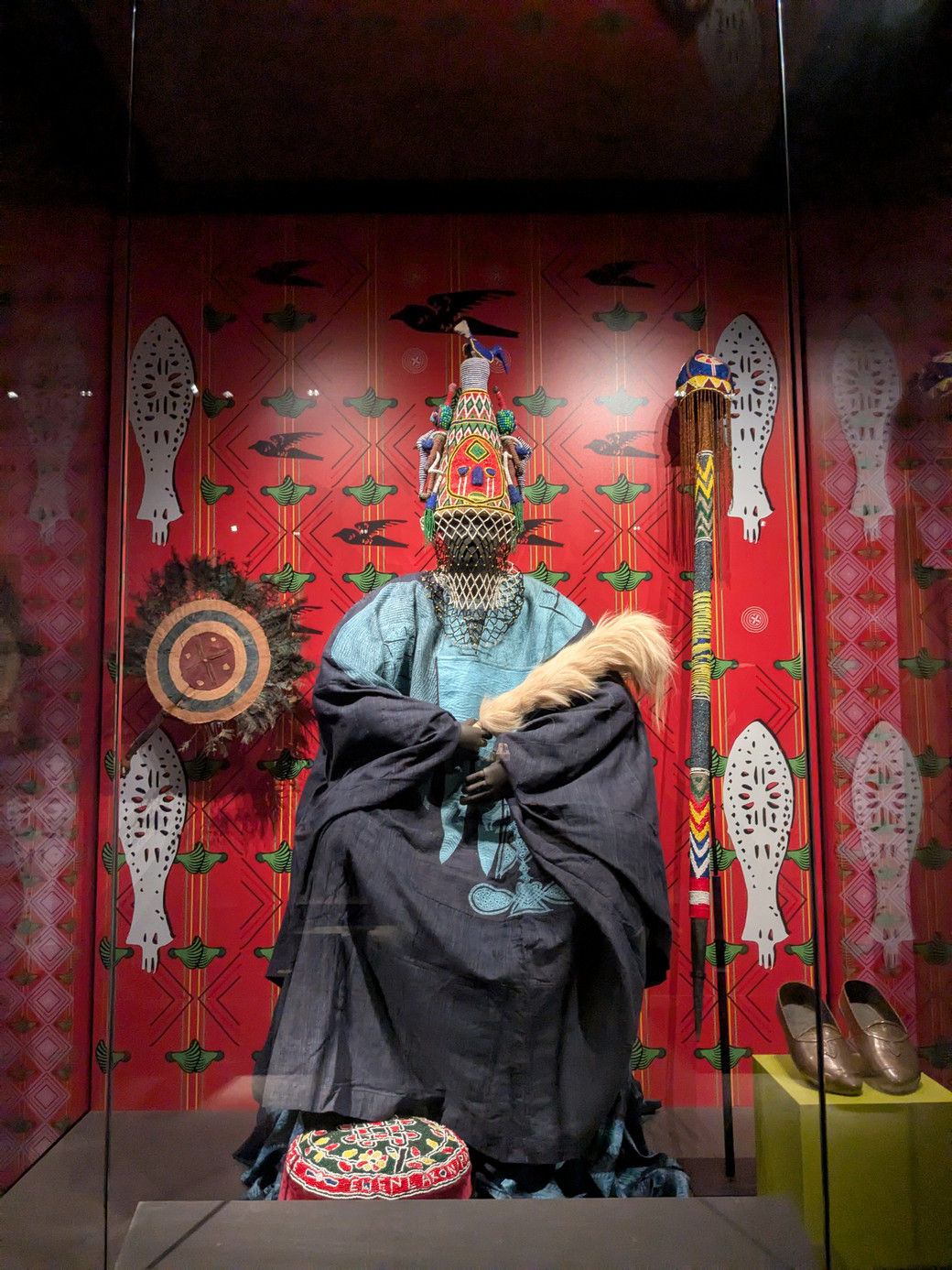
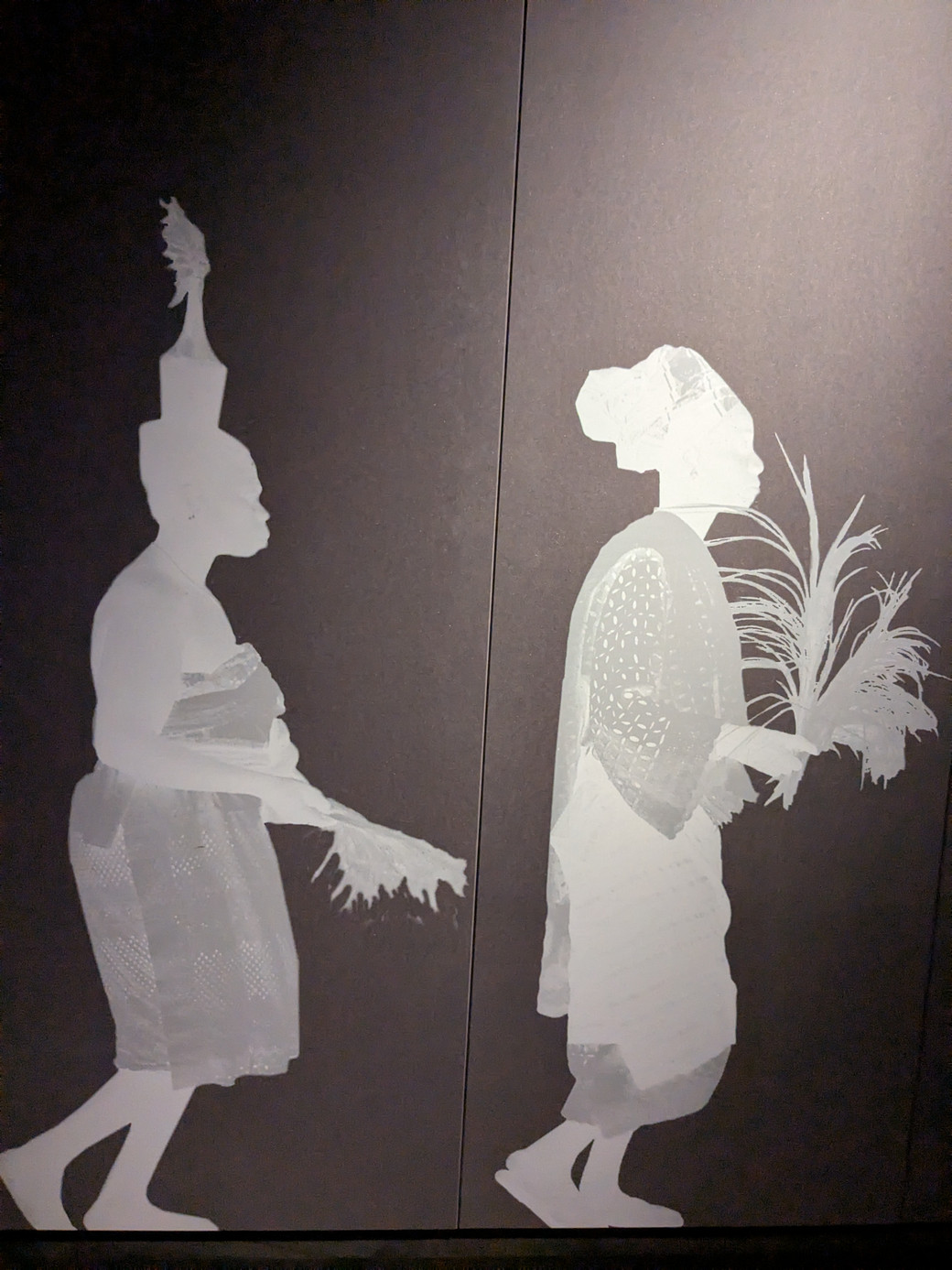
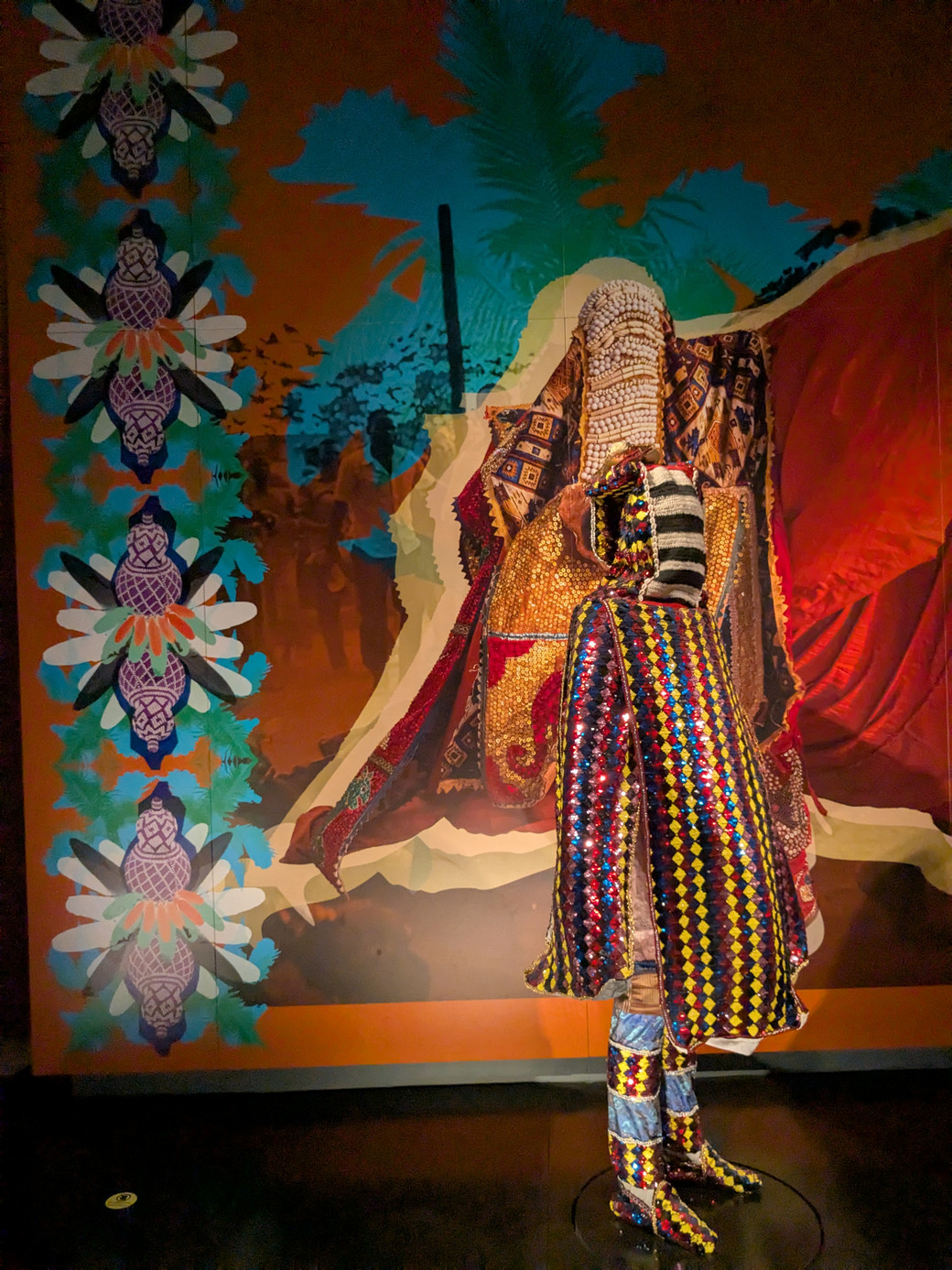
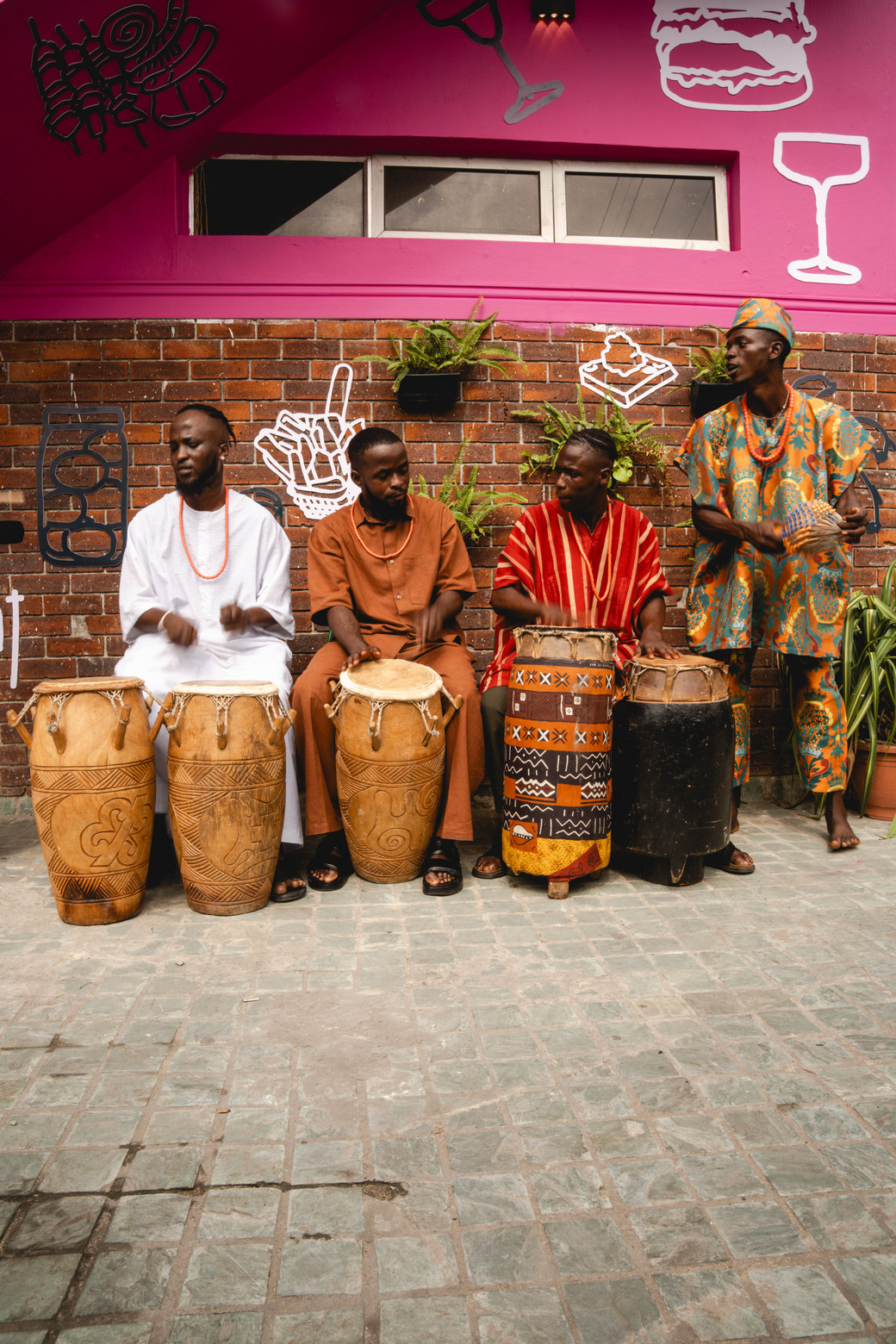
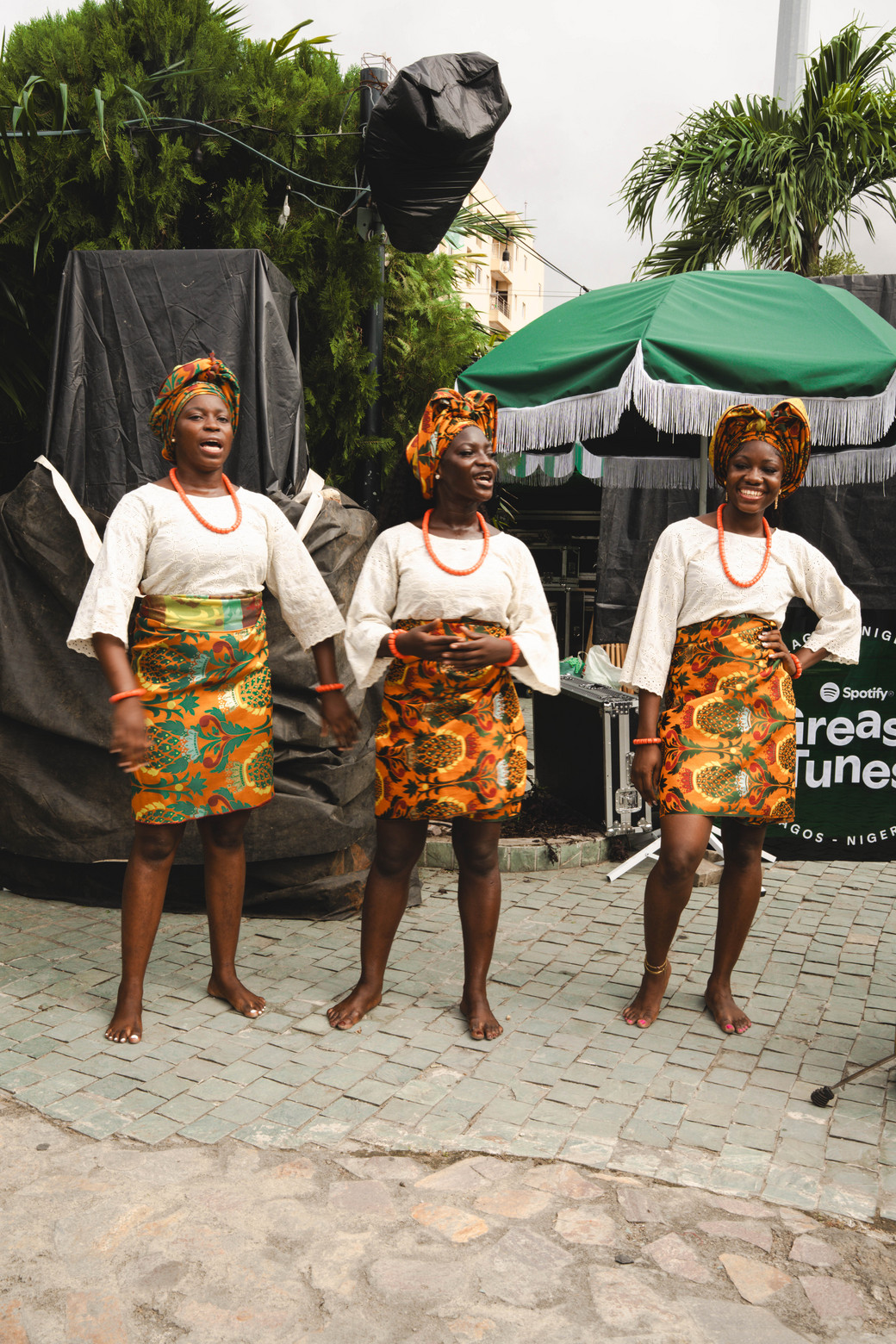
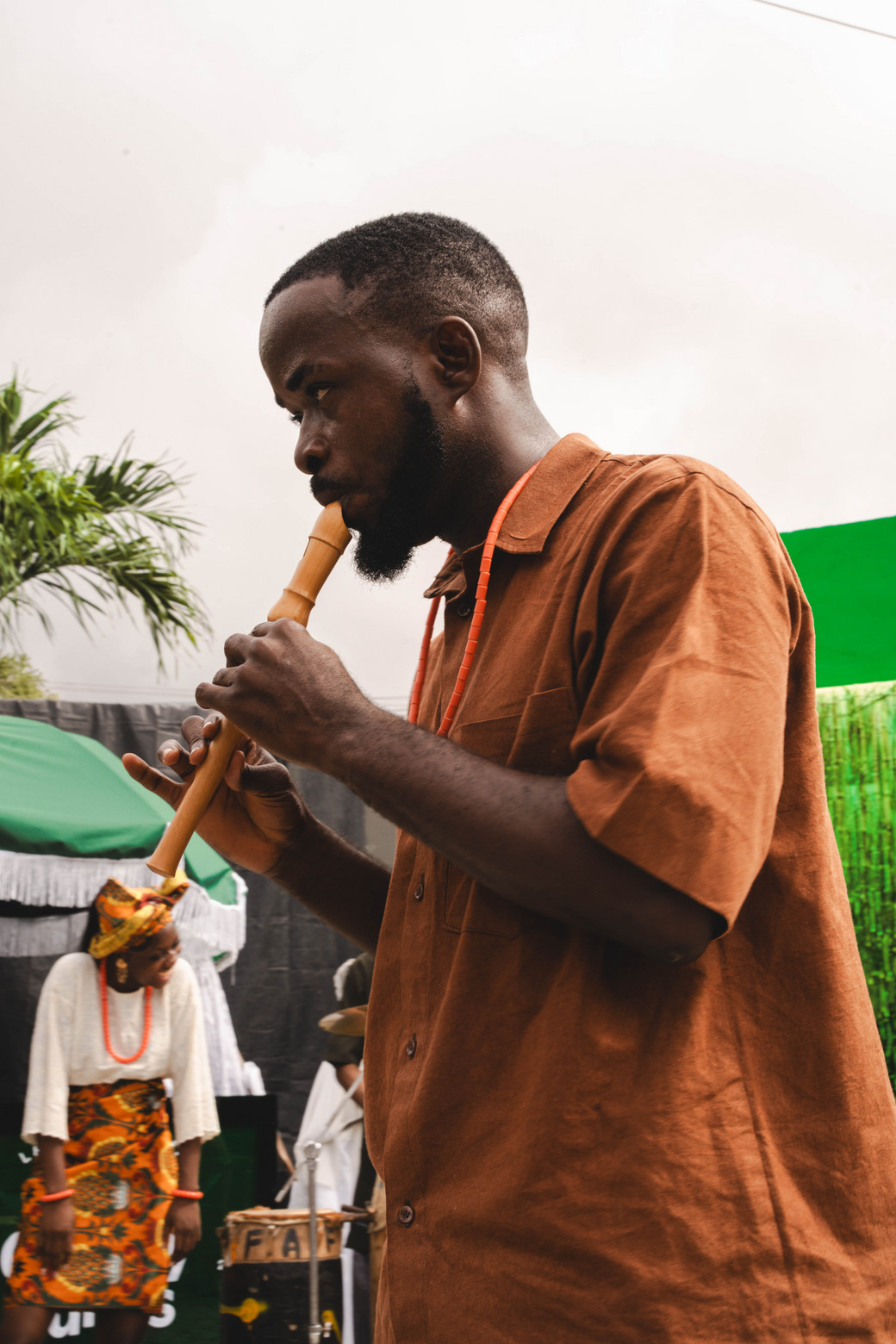
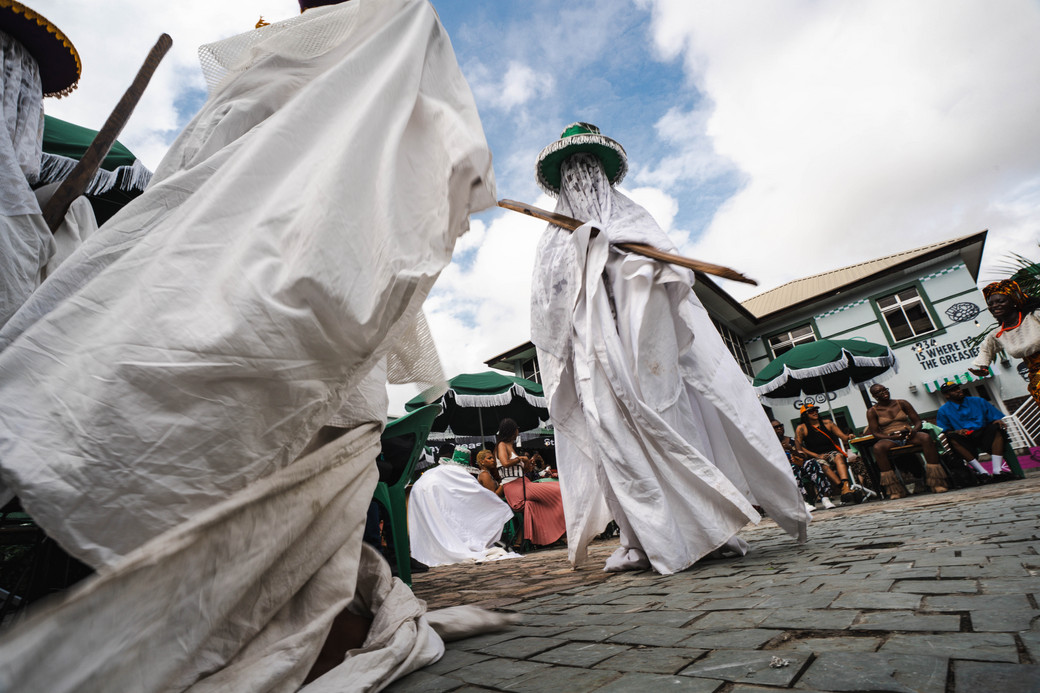
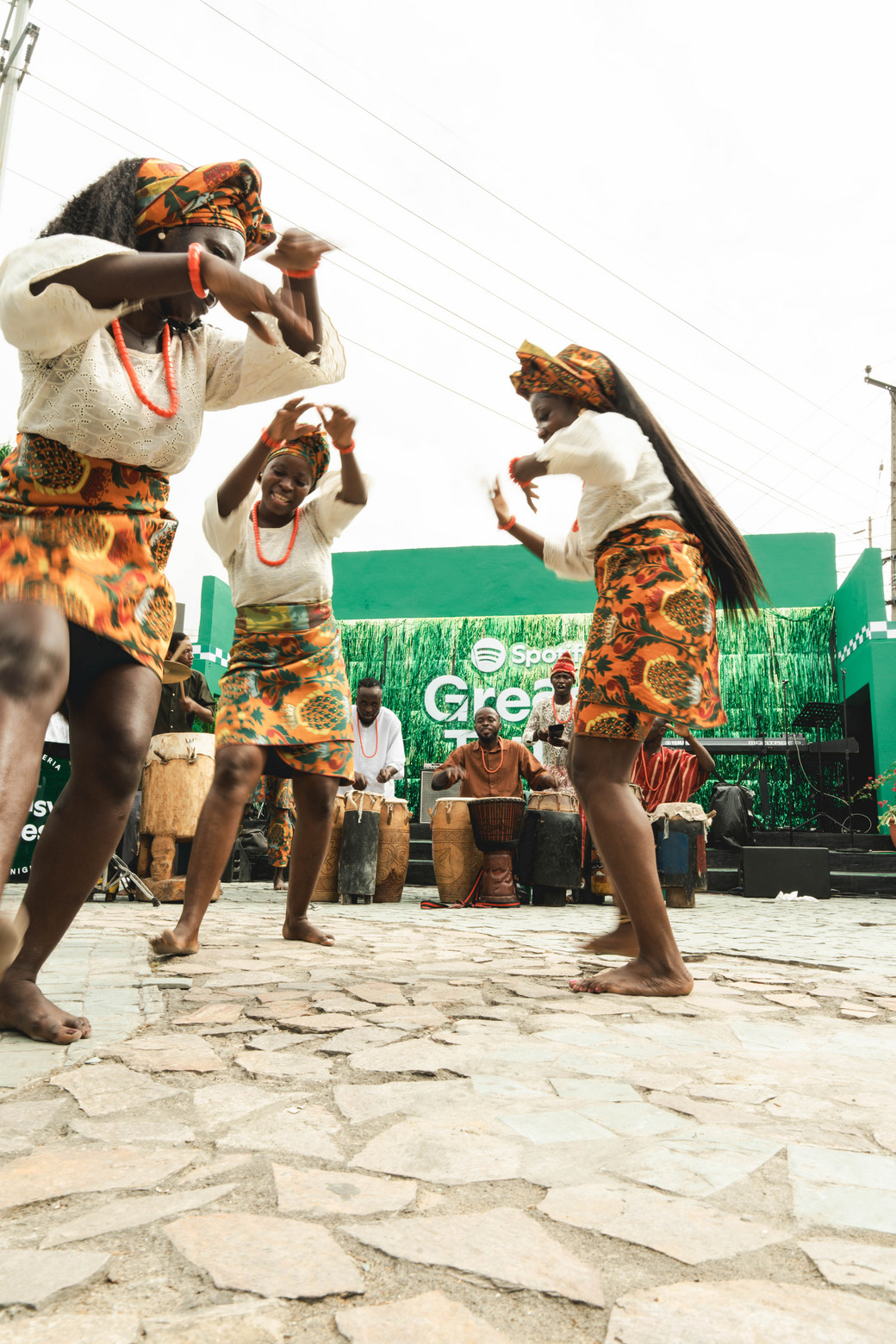
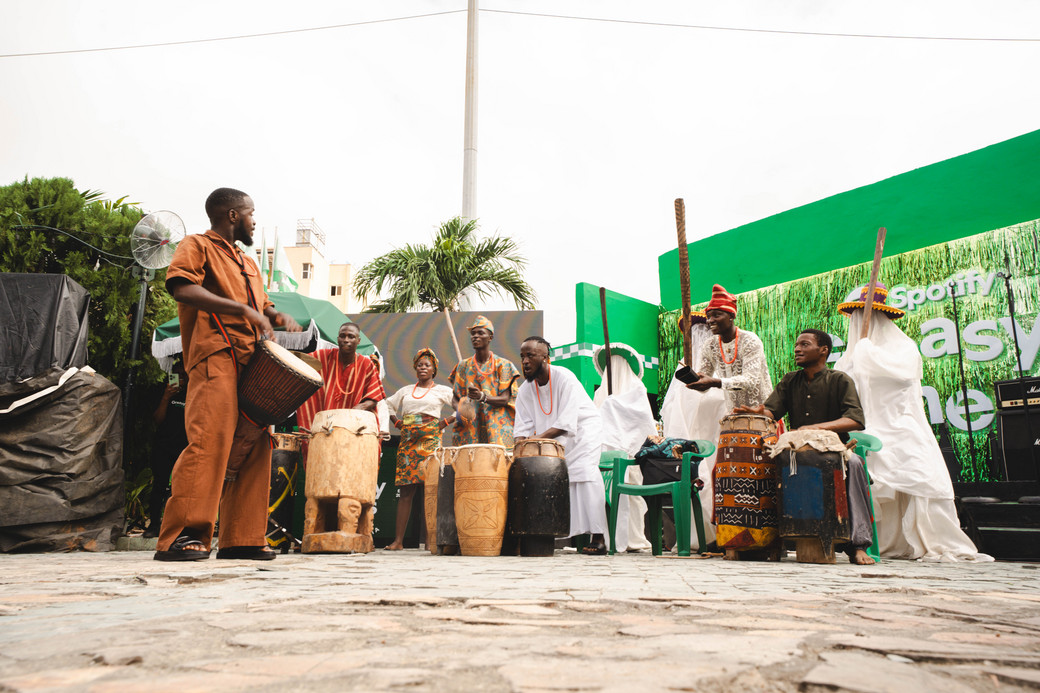
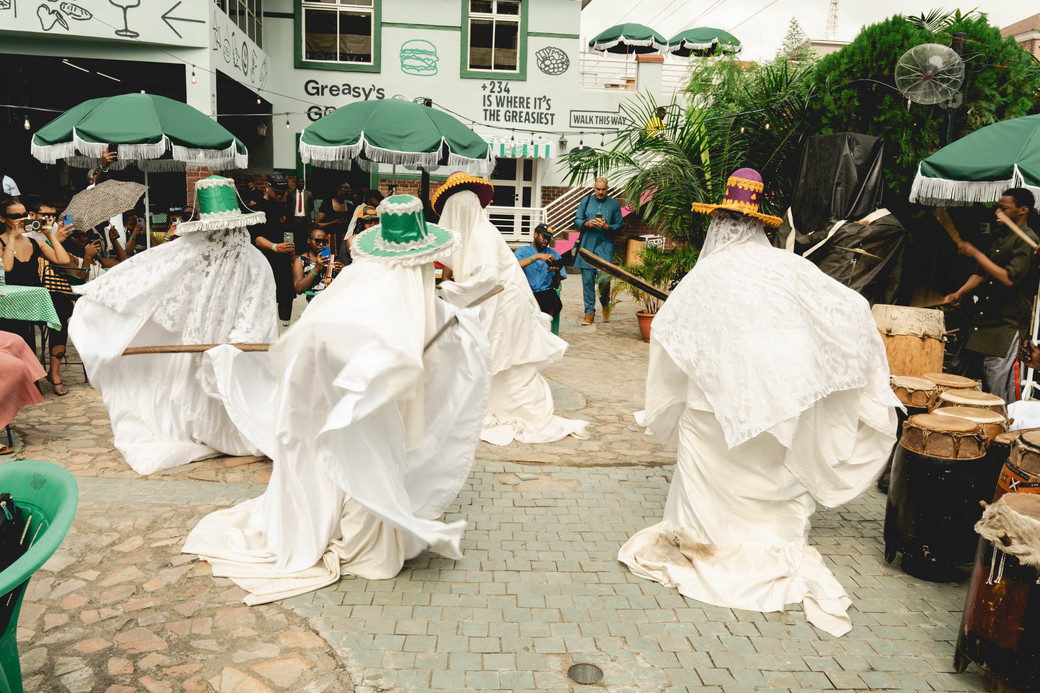
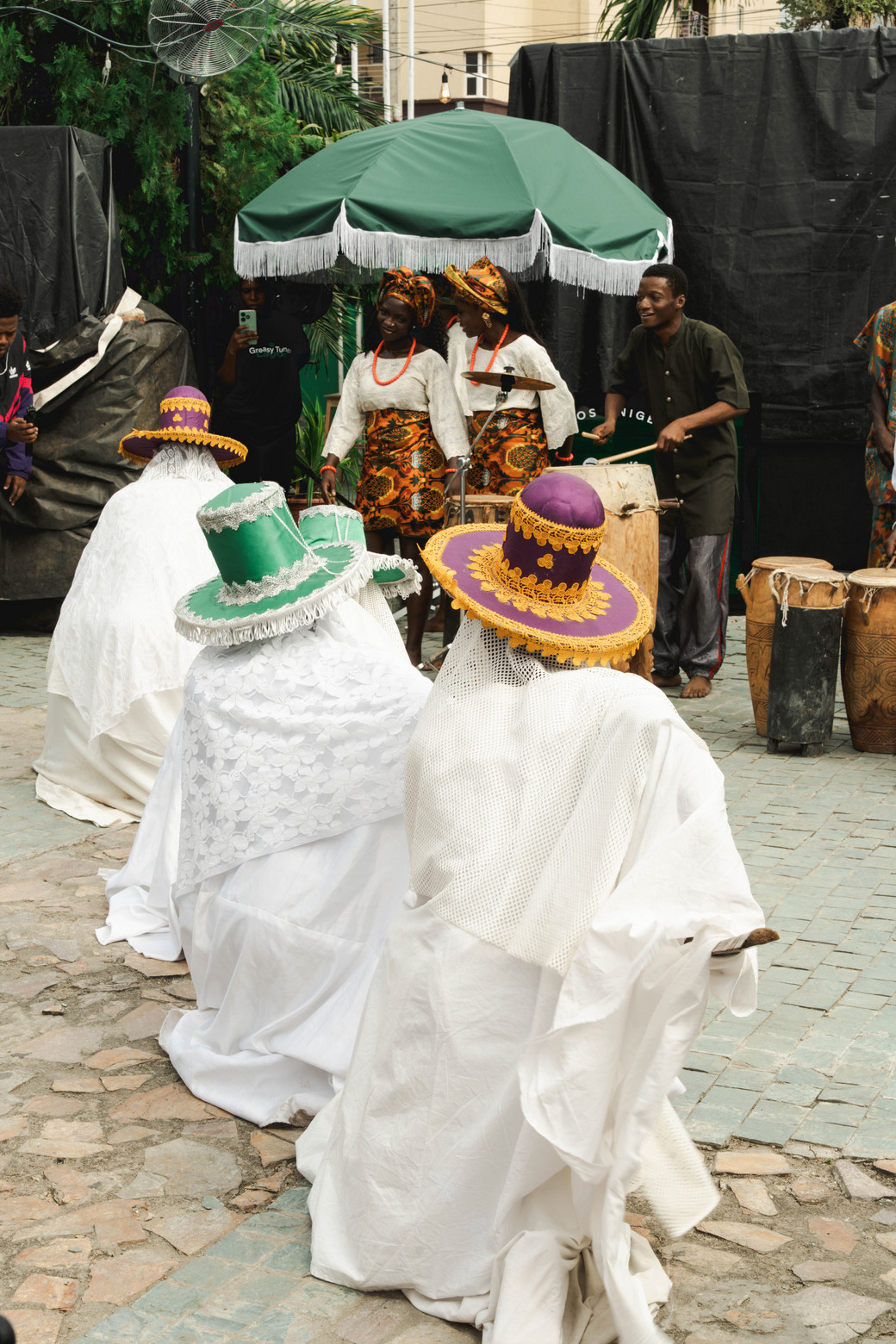
This celebration and acknowledgement of Afrobeats as a multi-dimensional force travelled seamlessly into the final day of the excursion titled ‘Legacy & Labels’. Watching the mesmerising Eyo masquerade performance that morning, I couldn’t help but recognise how this proto-form of performance would become a building block for the rhythmically boisterous sound of contemporary Afrobeats. The previous day Andre Vibez contended that “There’s one thing that’s constant in African music and it’s the percussion. Before we started incorporating other instruments, African music was mostly percussion-based”.
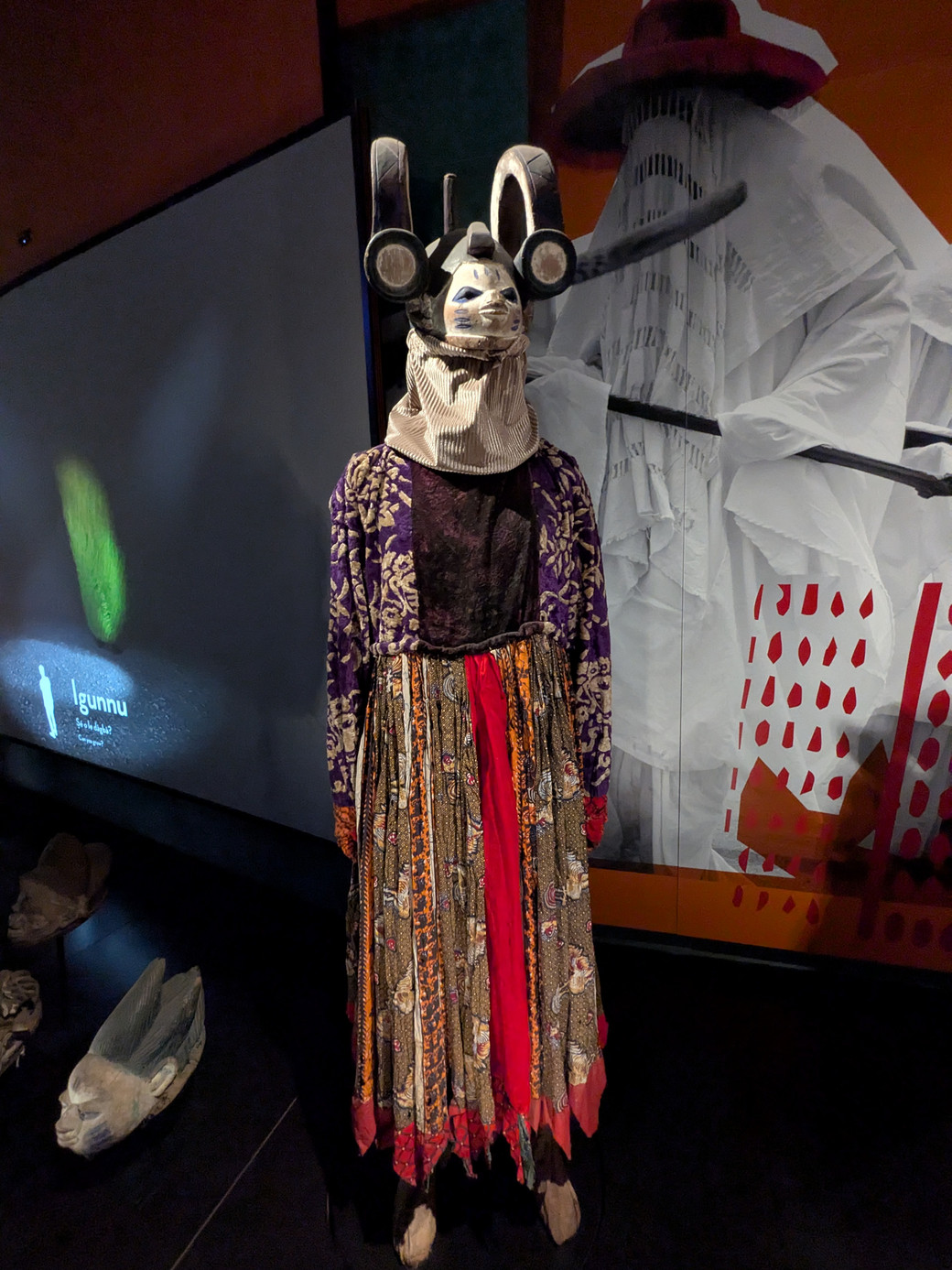
Similarly, there was a level of pageantry beheld in the musicians and dancers. All awash in flowing white regalia, beaded jewellery, patterned sashes and custom-designed face coverings analogous to the style of 90s icon Lagbaja. An artist whose sartorial blueprint was laden in the collection Severe Nature curated. “We put a mask on one of the guys for a look in our collection and it was similar to something Lagbaja would wear, who himself was pulling from the attire one would wear in a masquerade”, Afolabi explained.