JUNIOR:
Can you tell us about your experience at the Forensic Anthropology Center?
ANGEL:
Yeah, the Forensic Anthropology Center is an outdoor facility where donated bodies are placed on the land to decompose naturally. It’s used for students, law enforcement, and search-and-rescue teams who take courses to learn about search and recovery, exhumation, and how to identify human remains in different stages of decomposition.
I took courses there in 2018 because I was doing humanitarian work at the border. Walking into that space was overwhelming — it’s a very private research site, and as you move through the field, you see disturbances in the soil from burial plots, alongside bodies placed directly on the surface.
The smell, the openness of it, the sheer reality of being outdoors with human remains — the only other context I could imagine experiencing something like that would be in a place affected by war or genocide. That was the immediate thought I had. The space was intimate, direct, and strangely accessible, and I felt that people needed to have some way of understanding this for themselves.
JUNIOR:
You've said that you can taste the odors through your nostrils as you eat during lunchtime?
ANGEL:
I was staying in a hotel in San Marcos because the facility is in San Marcos, TX. And after I would return to the hotel, I would eat lunch, or sometimes they would order food there on the premises. And I always found it so bizarre, like, that I'd be there eating a sandwich. And this is my first time actually smelling like human remains. And when you taste, when you're eating, because your nose connects to what you are tasting, it feels like you’re tasting it.
There were hundreds of blowflies on the corpses, and we’d study maggot sizes to determine how long a body had been out. The flies would land on us, too — just like any insect landing on you outdoors, except you know exactly where it came from. The touch becomes a shared territory. I realized people needed to experience this kind of intimacy in a context that isn’t catastrophic.
JUNIOR:
This touch carries into your material work, the Petri-dish dresses?
ANGEL:
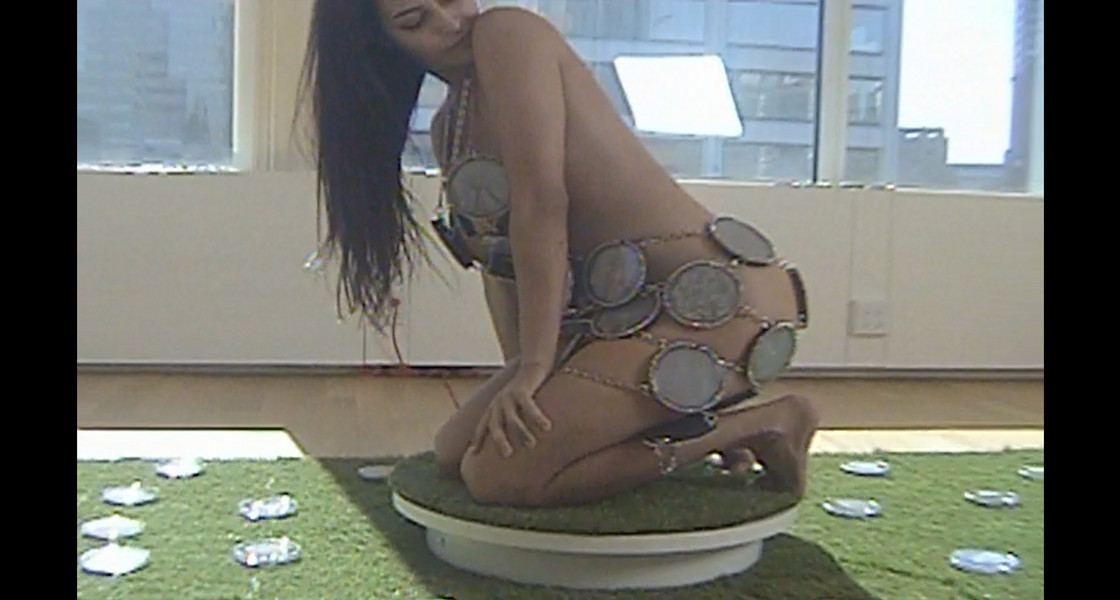
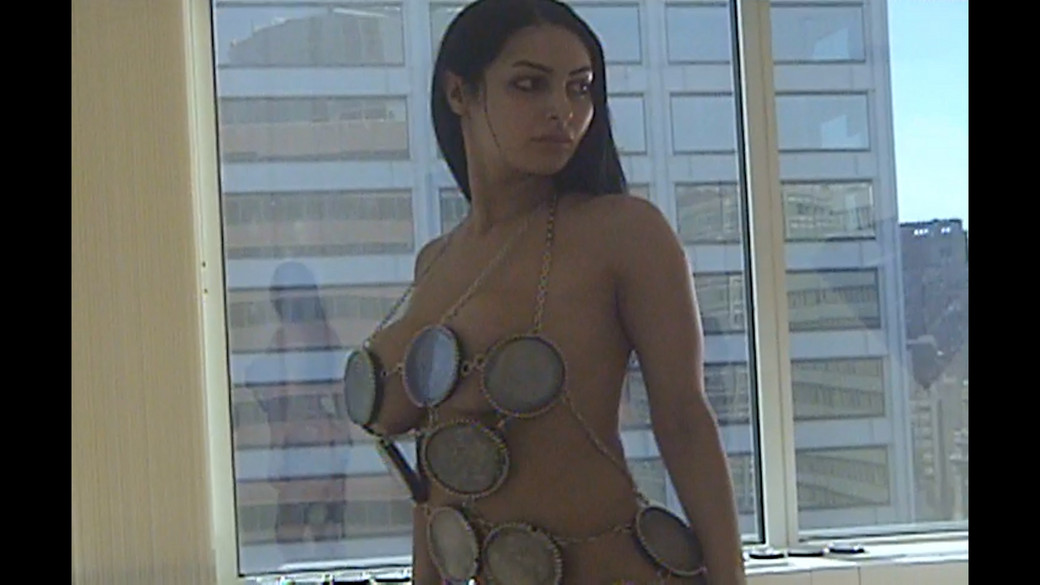
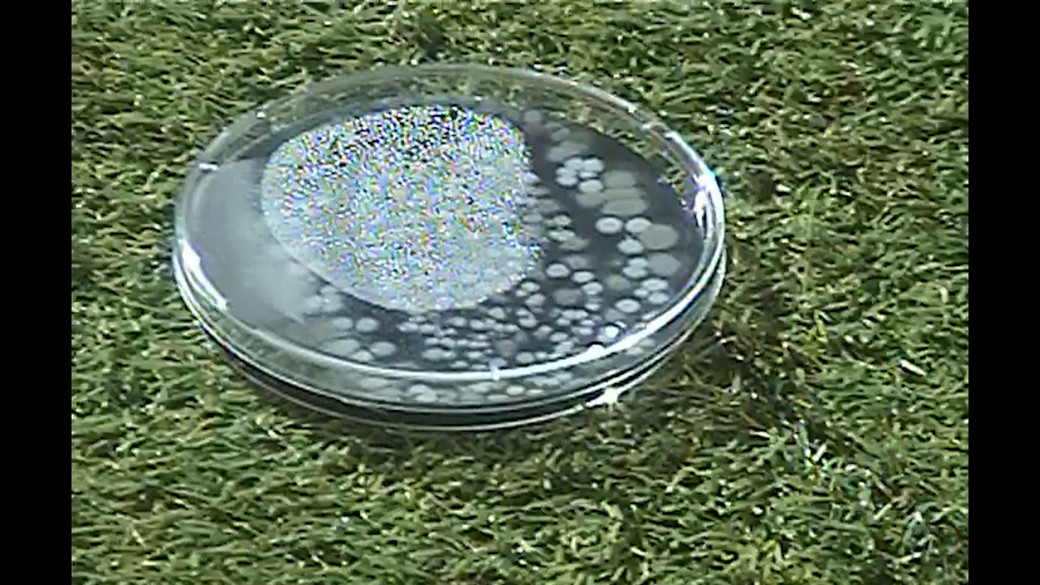
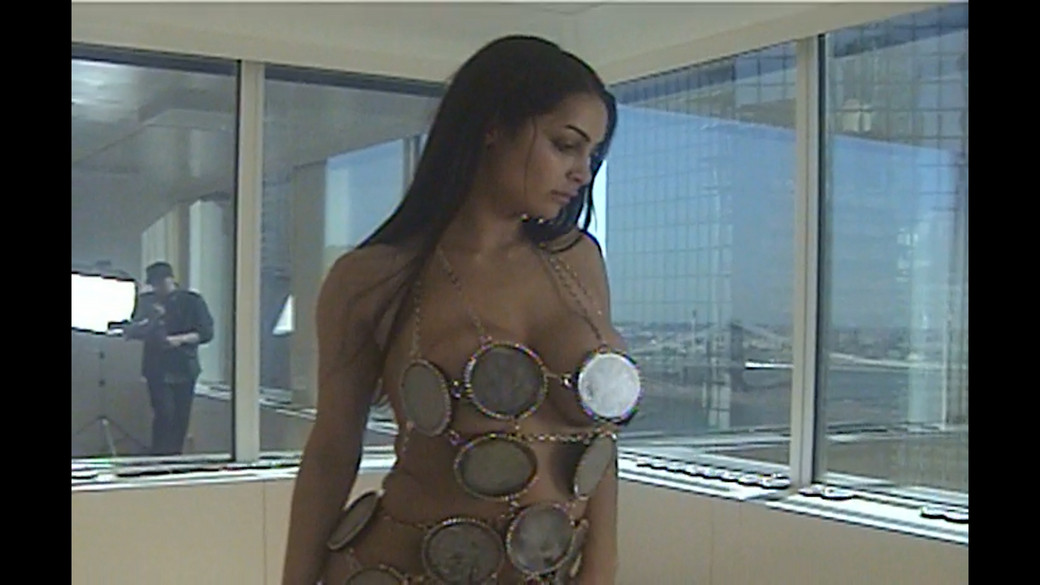
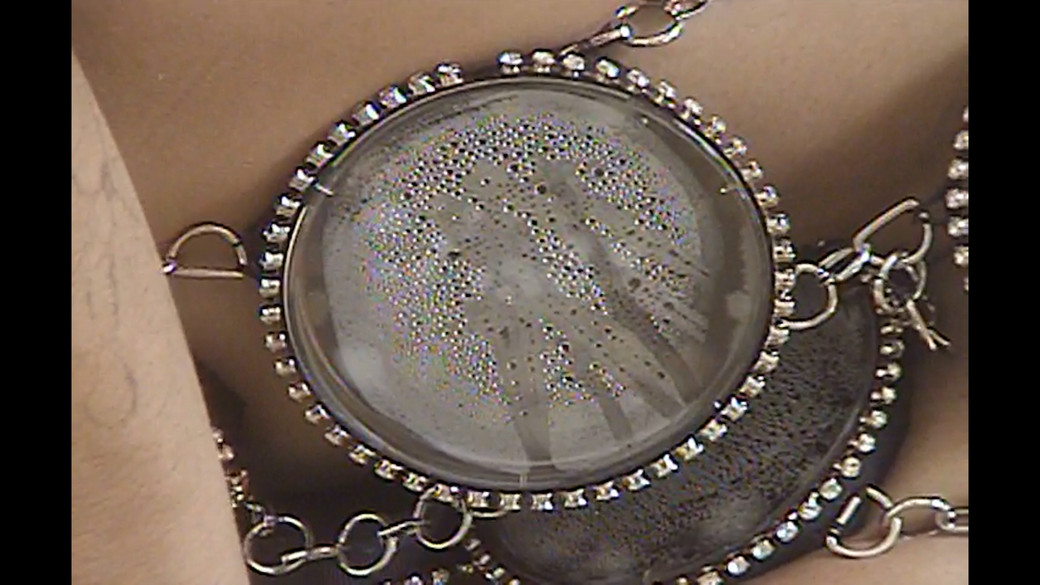
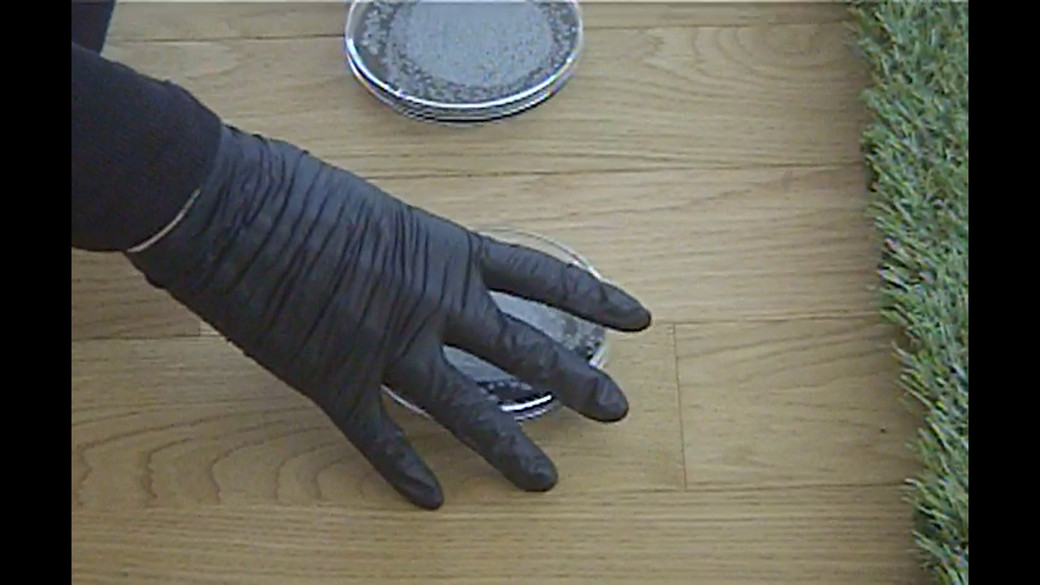
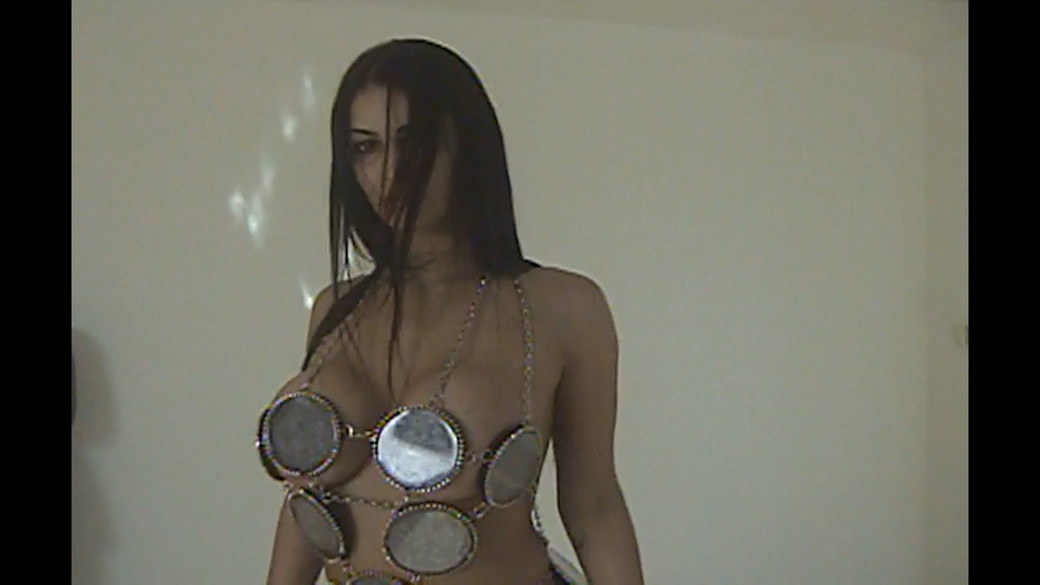
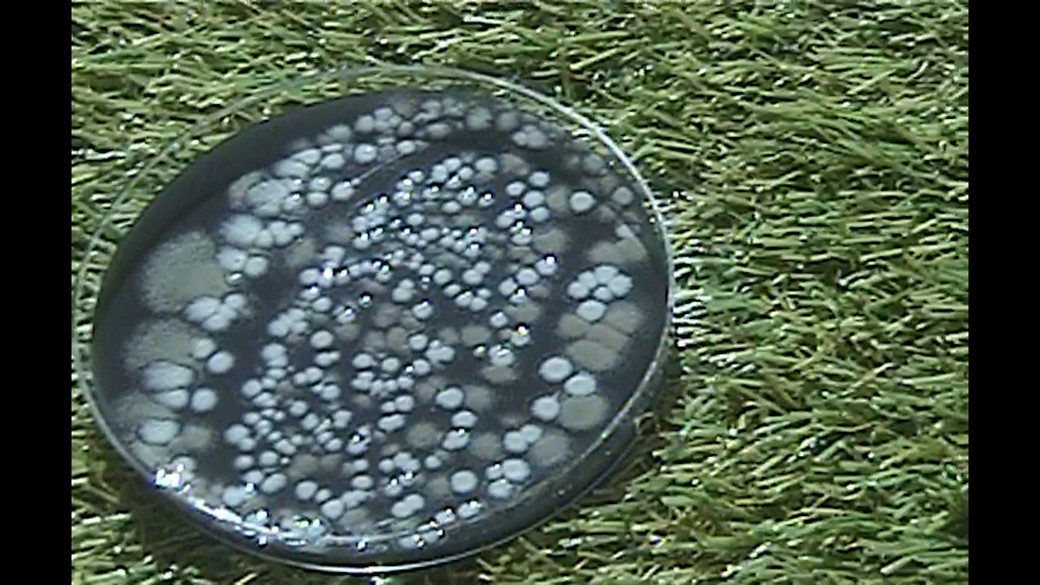
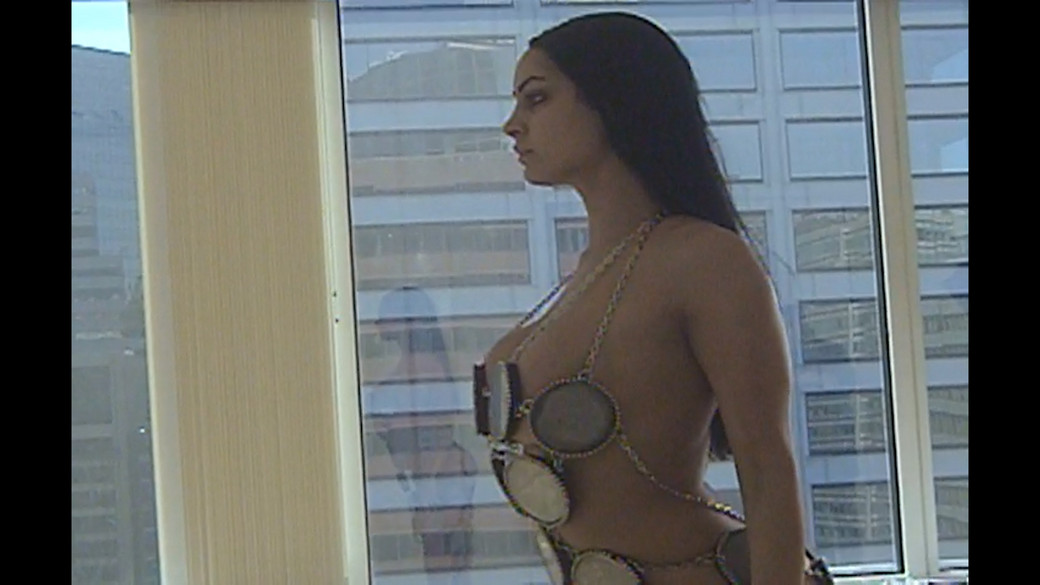
I kept the gloves I used. I didn’t wash them — I pressed them to Petri dishes, and they grew whatever microbial material was on them. It was the invisible made visible — like magic. Artists have that magician side, that mystery you don’t fully disclose. That became a Petri-dish dress—these little universes sealed in plastic. And this was before the pandemic. People became more conscious of touch afterward, but I was already thinking about these invisible transfers.
RABIT:
I read a piece in The Guardian recently asking why empathy for animals is humanity’s “last frontier” that scraped up against your concept—it shatters the idea that we’re disconnected from everything around us. Honestly, it also reminded me of why I kept my last two cats in a deep freezer. I didn’t know how I wanted to bury them, and part of me thought maybe one day I’ll clone them.
It sounds crazy, but it’s a real idea people have. I’ve always felt the resonance of what we do in life matters more than the physical remains.
ANGEL:
People don’t always know what a Petri dish is, or what bacteria or fungi look like in that form, so when they see it, they’re engaging with something that is part of them. They start to see the invisible world that’s been shaping their lives from the inside.
Sound is very much part of this orchestration, too. I see my work as waves, as rhythms—almost like making music but through decomposition. I’ve always been intimidated to make music because it feels so close to me, but the logic of sound and the logic of bacteria aren’t so different.
RABIT:
I’ve been thinking about that too—sound as resonance, as something shared among bodies. I was invited by some friends to see a show for a musician they work with. And there's like a cliche thing about this artist that it's like “dark”. And then I just had like a last-minute reaction where I was like, oh, I'm not going, 'cause it's like when I started thinking, OK, there's an entire stadium full of people all resonating with this, like, same emotion. It's like, do I want to be a part of that?
Not in a “demons will latch” way, but in a real energetic way. It gave me pause. And it makes me think about what music I put out into the world—how sound moves through people and affects them. It reminded me to be conscious of what I’m contributing.
JUNIOR:
Is any aspect of this speculative? Do you think MASS BODY will materialize?
ANGEL:
I mean, part of this is that I’m first and foremost an artist; my work has always been its own context. I think sensually before I think about the logistics of building an institution at this scale. But you start painting, you start making music, and eventually what you’re imagining begins to materialize in reality.
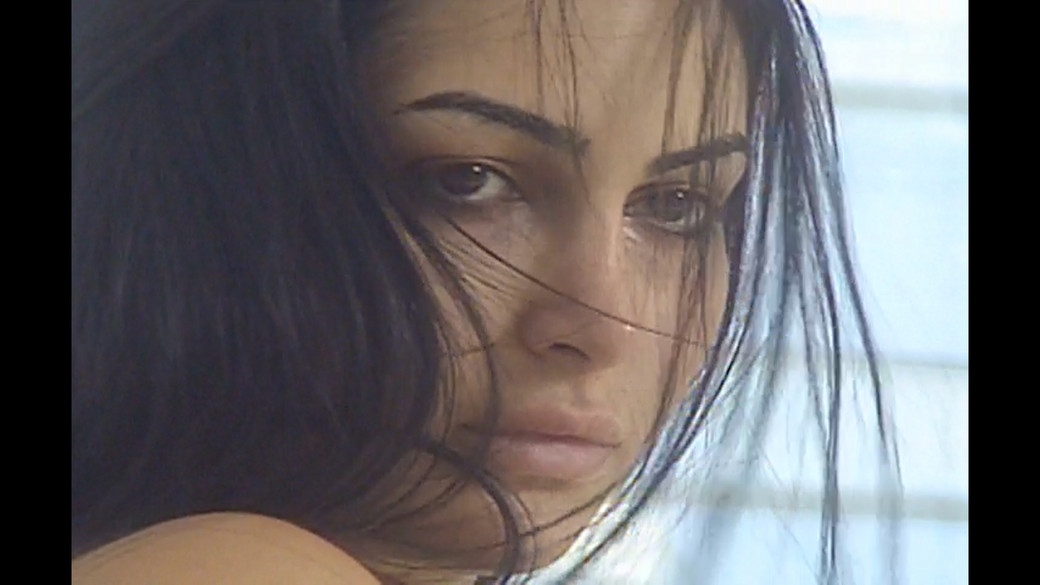
I’m working with the motto “A new world awaits” and releasing a campaign with a series of short films, each accompanied by a unique culture-plated dress as part of the world-building of Mass Body.
It’s already attracting people — we’ve had our first body-donation signups, and I’m working with landowners and lawyers who are interested in crafting the language needed to navigate the jurisdictions around human remains and what it would mean to actually establish something like this in the States. So yes, I’m in conversation with different people. And again, because I’ve always naturally collaborated with others in my work, the lawyers almost feel like another type of collaborator coming in. They’re very interested — it’s almost like a space where they get to create new structures of law, which I find fascinating. You start to move differently.
So… yeah. What are your thoughts, Eric?
RABIT:
Mhm. My question is, what state will it be in?