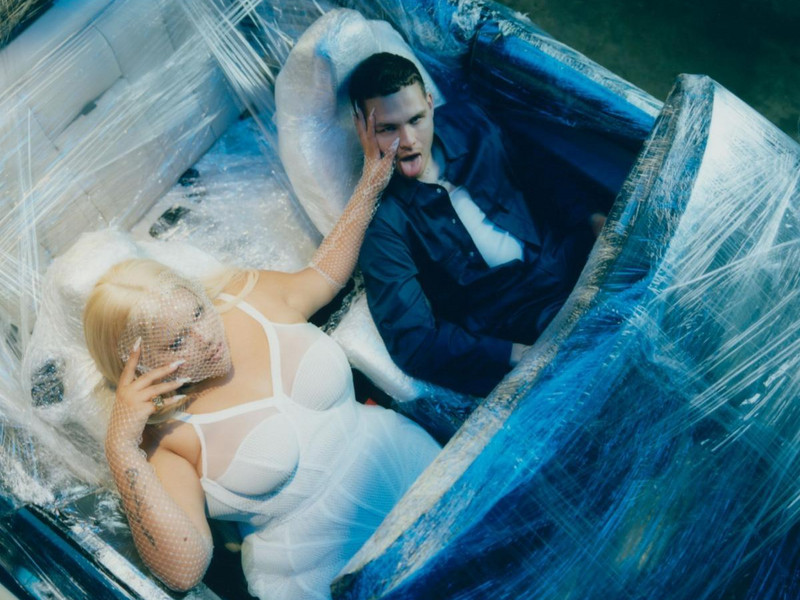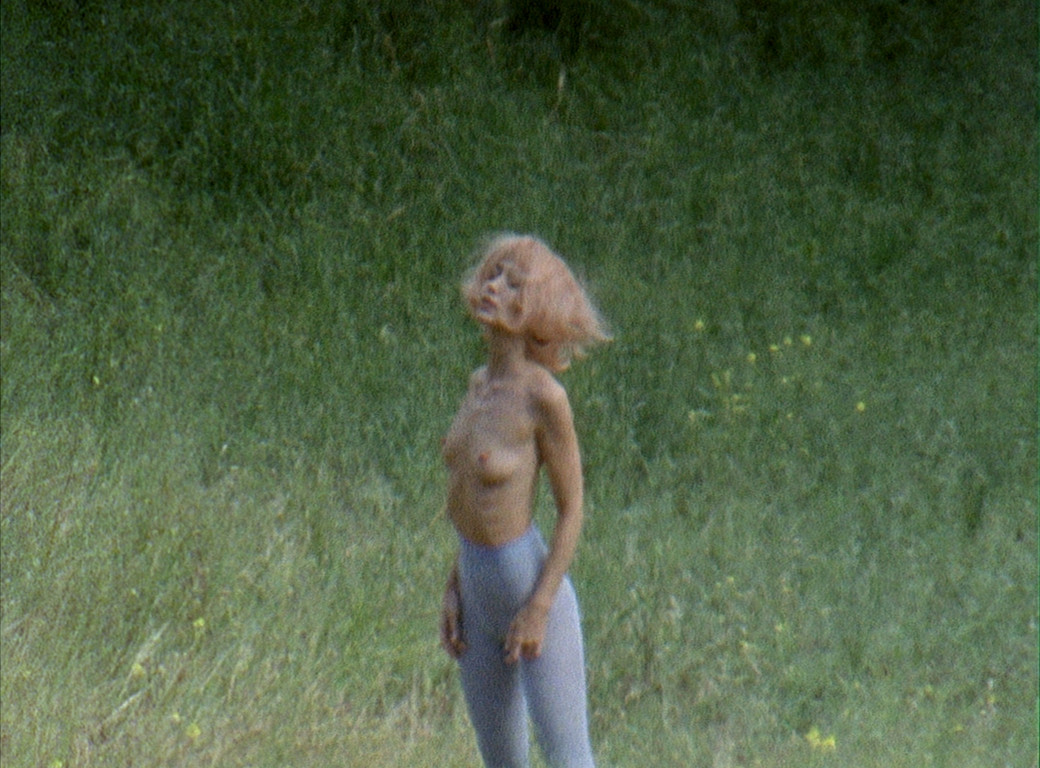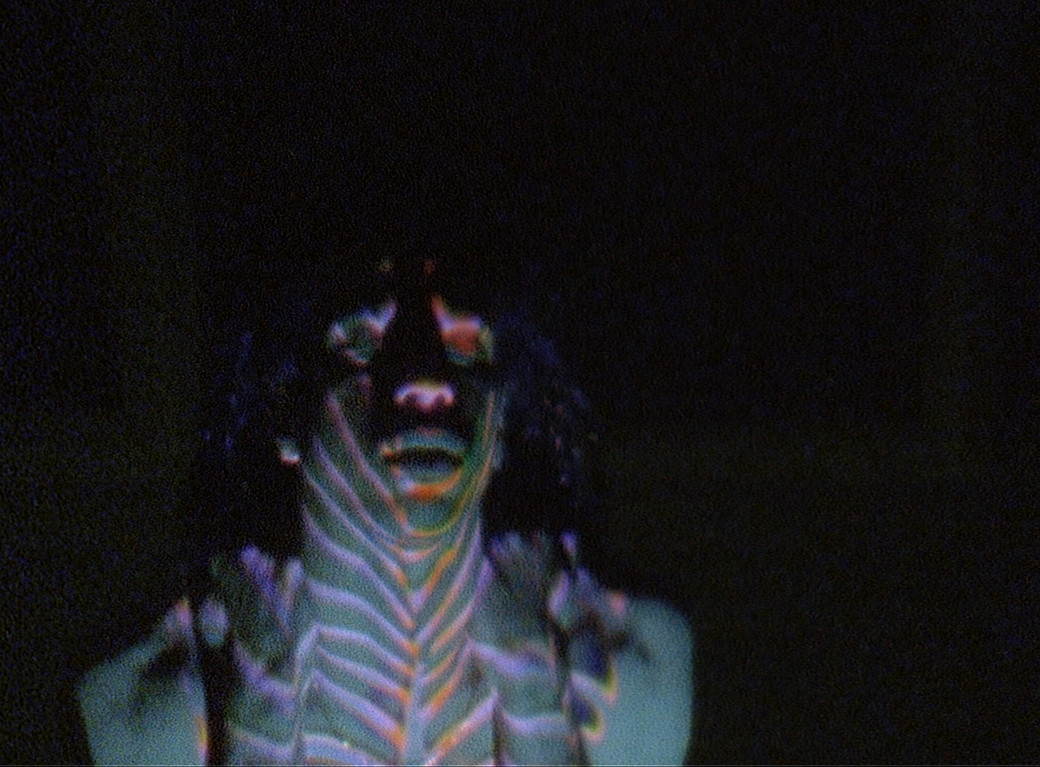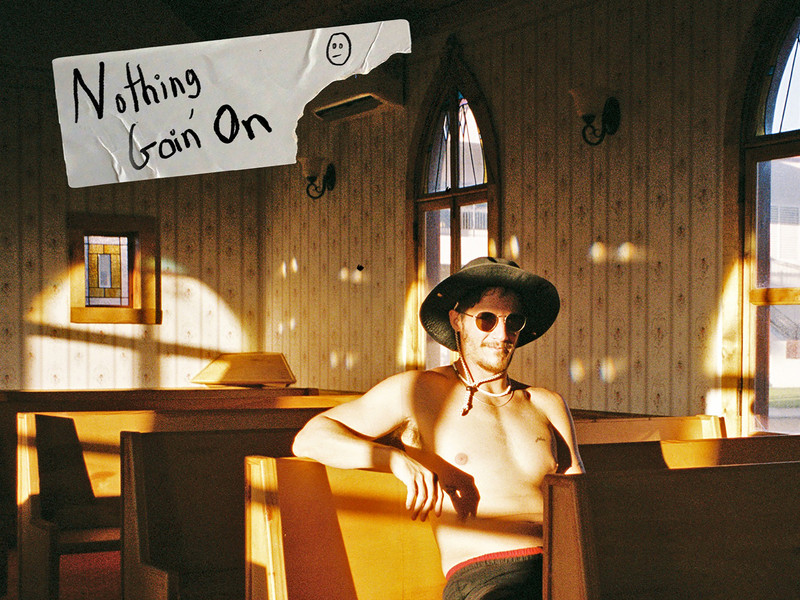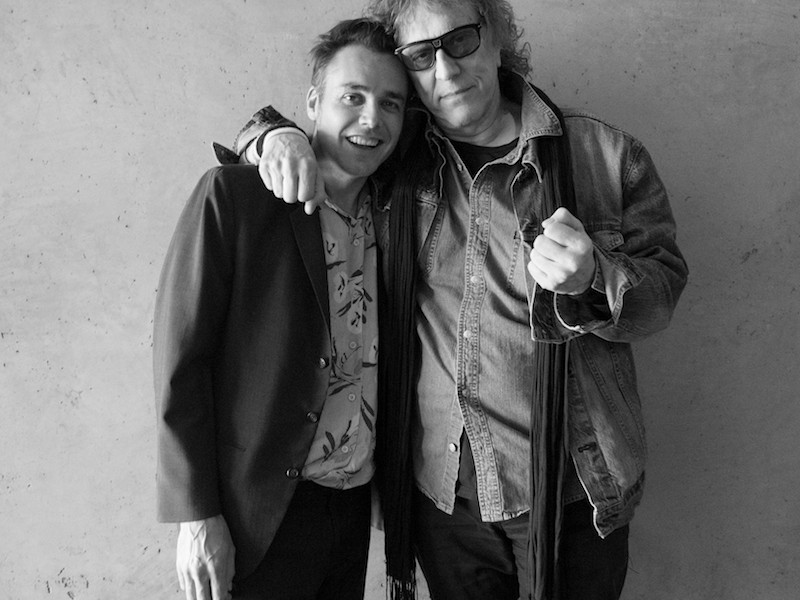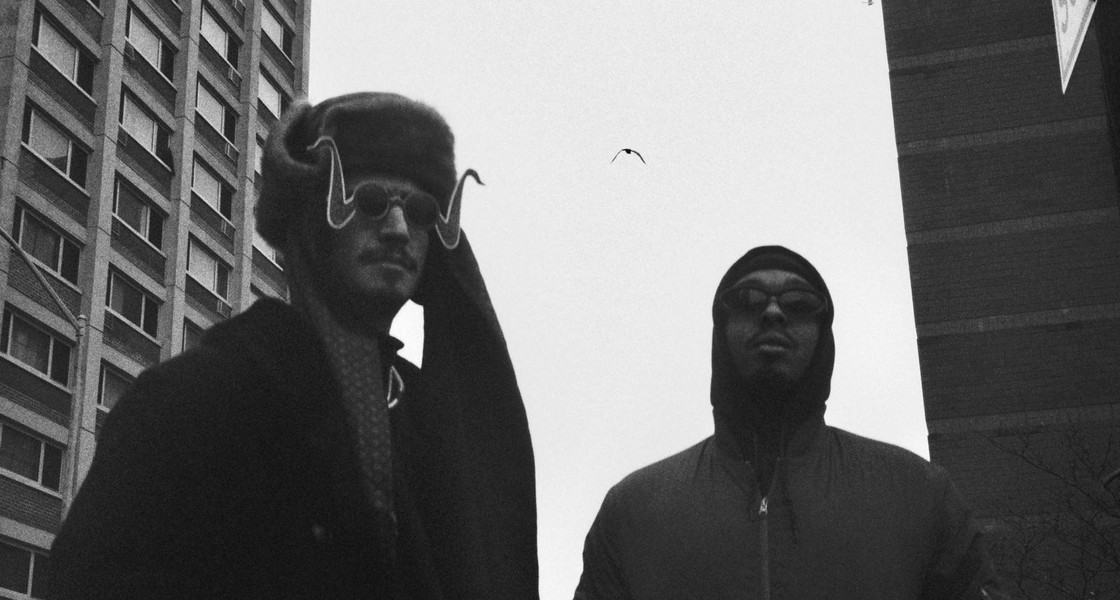





Today on office, they premiere “Waste Your Time,” a nearly 170 BPM belter of a tune, while simultaneously announcing their signing to independent music darling, Terrible Records (Solange, Le1f, Kirin J. Callinan, Miya Folick). Accompanying the single is a string of grainy footage featuring youthful partygoers, heralded by the nonpareil jack-of-all-trades, Reggie Watts, all of which visually harkens to a scene on the well-worn floors of Hurrah or Danceteria. S. Product spoke with office on the duo’s origins, the shortcomings of genre-labelling, and producing music videos under $200.
Share with us the genesis of S. Product. What’s the meaning behind the name?
Kyle—We had met years before while working at a record store in Hollywood and both were inspired by each other's music tastes and musical worlds. Mel had been playing in a band that had just broken up and both of us had just come out of relationships but wanted to keep our musical momentum moving forward. We had been playing with a few different band names that never really felt right. Ultimately, we were inspired by SPK’s approach in changing up what their name meant on every record they put out. "S. Product" felt like a way to leave it up to interpretation and allow us not to fall into any archetypes of what people perceived our name to be associated with, musically speaking.
Describe in your own words S. Product’s sound? Are there any descriptors you have found/would find annoying?
Kyle—I find music descriptors increasingly more dangerous, at least when it comes to this project. Like our name, our music also shifts depending on what feels right at the time of recording. "Waste Your Time" is the first single for this EP but really, nothing else on the record sounds quite like it. There's a kind of industrial/acid track on the record, there's a synth-pop sounding track, and there's like a funky, playful, 80's dance track. Even with the seemingly chaotic amalgamation of genres, I do feel that there is a constant thread to each song that ties them all in a cohesive and natural way. How exactly that thread can best be sonically described is up to the listeners.
Melissa—Throughout musical history, all genres seem to be completely bastardized after 20 years. What did R&B become? How has techno progressed? What about house music? What is the definition of post-punk anymore? Unfortunately, I hear it used as a blanket statement to describe mainly dark wave bands now, but what happened to the fun of post-punk or the amount of disco influence in its formation? In my opinion, the existence and actualization of true 'Post Punk' has not been heard or seen since Mark E. Smith died. Understanding the history and impact that a genre made during the time period in which it was popular is crucial to preserving its integrity and is consequently what makes me hesitant in claiming association with one.