Vulvatious

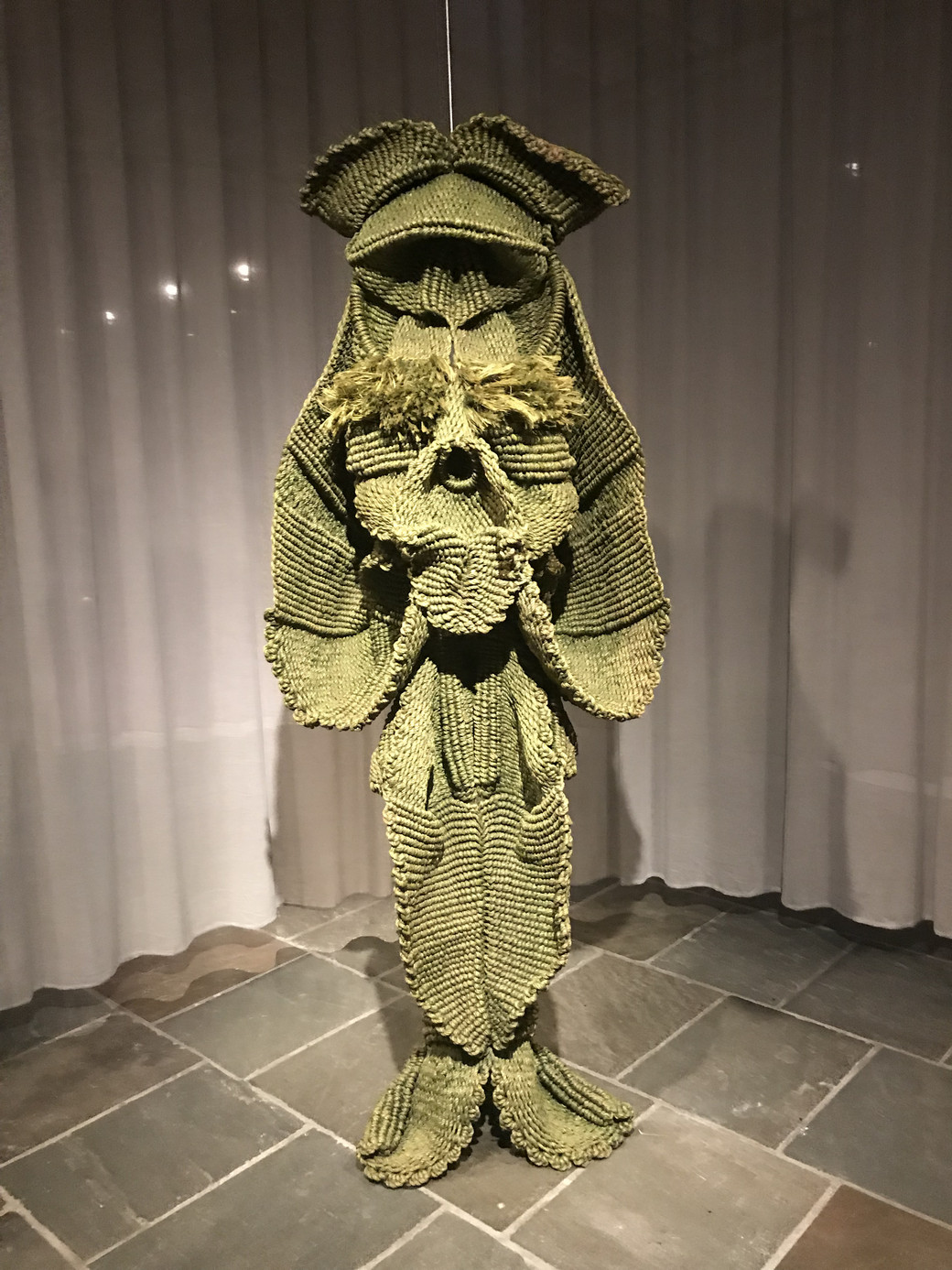
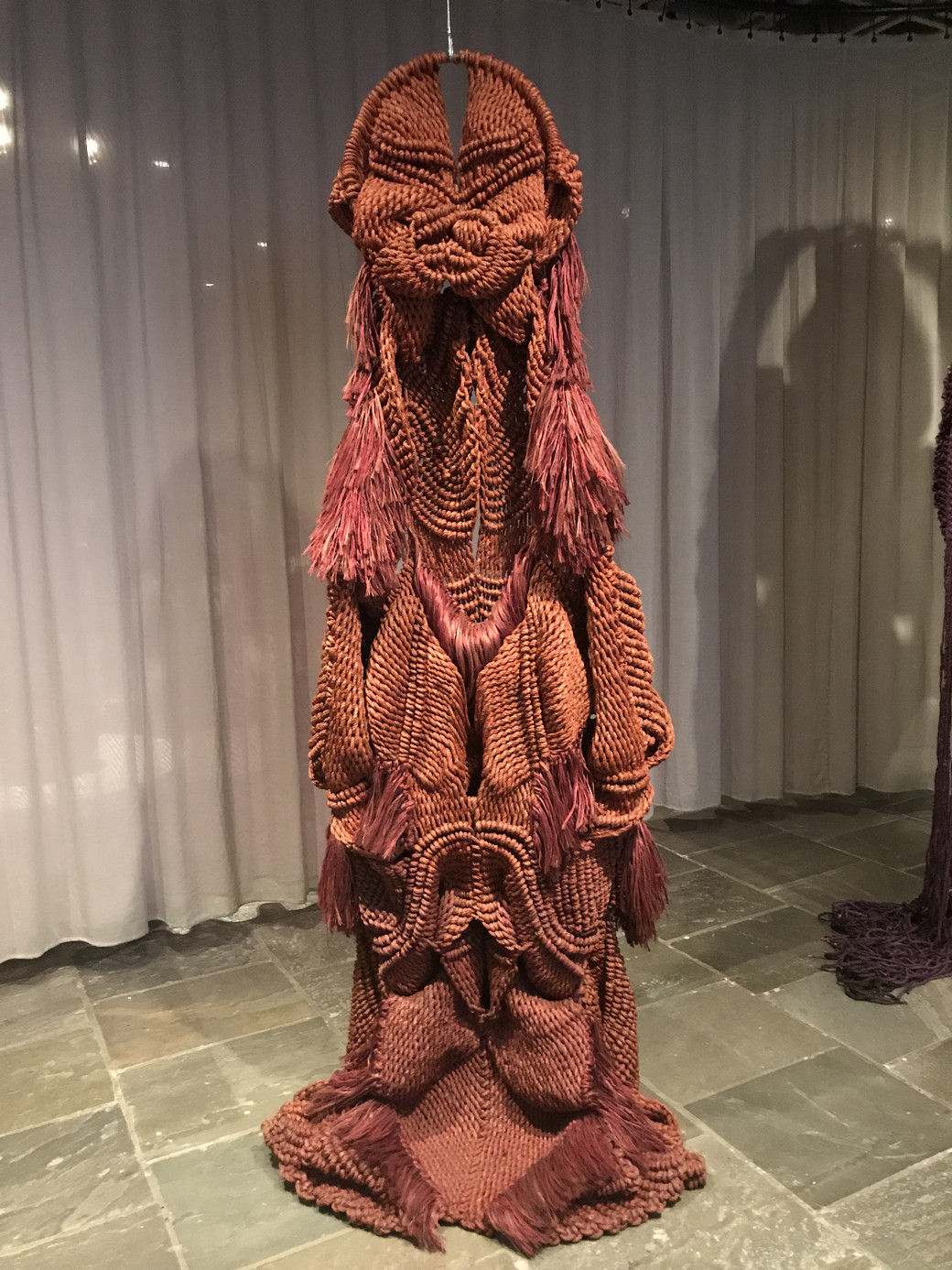
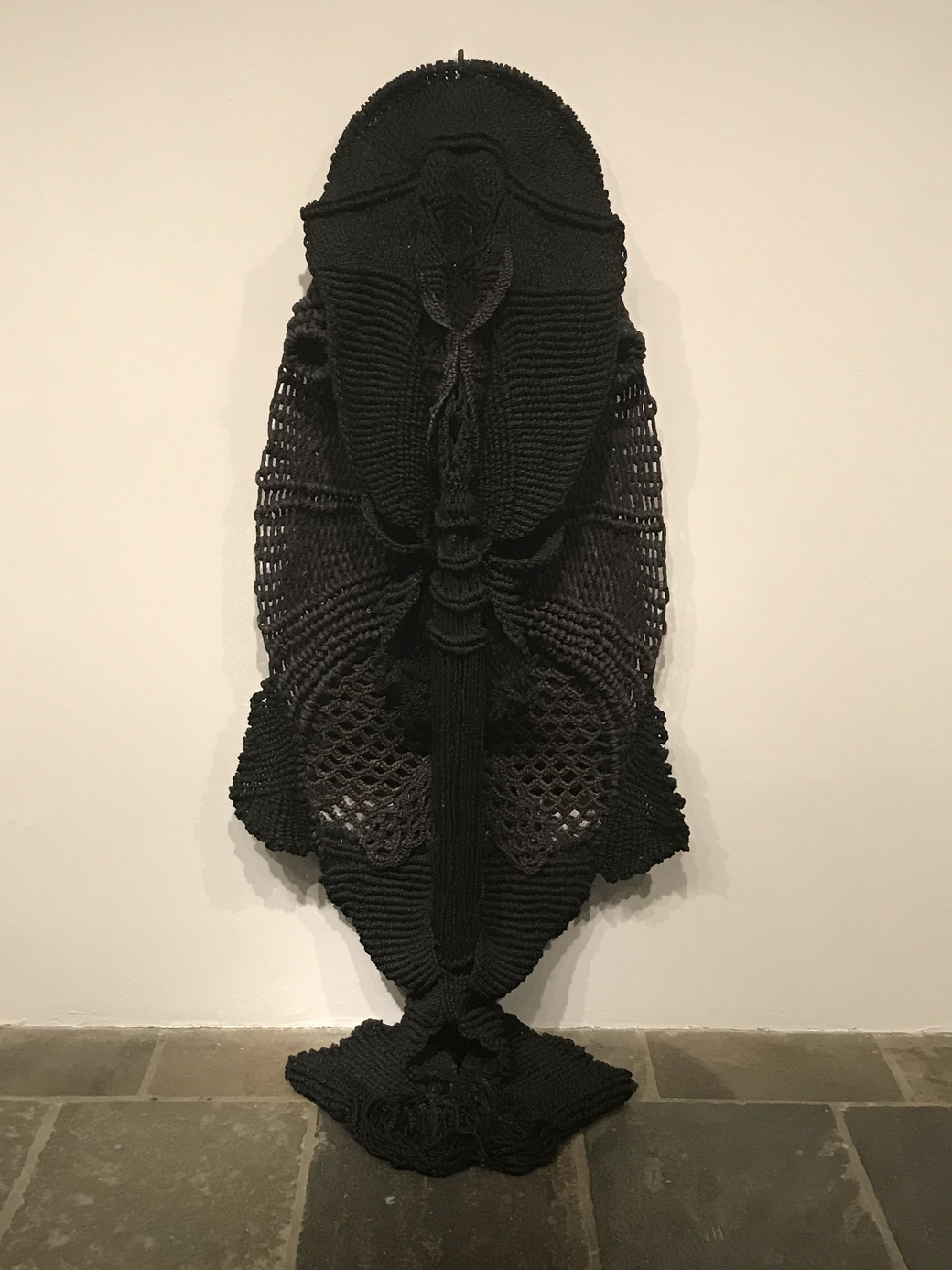
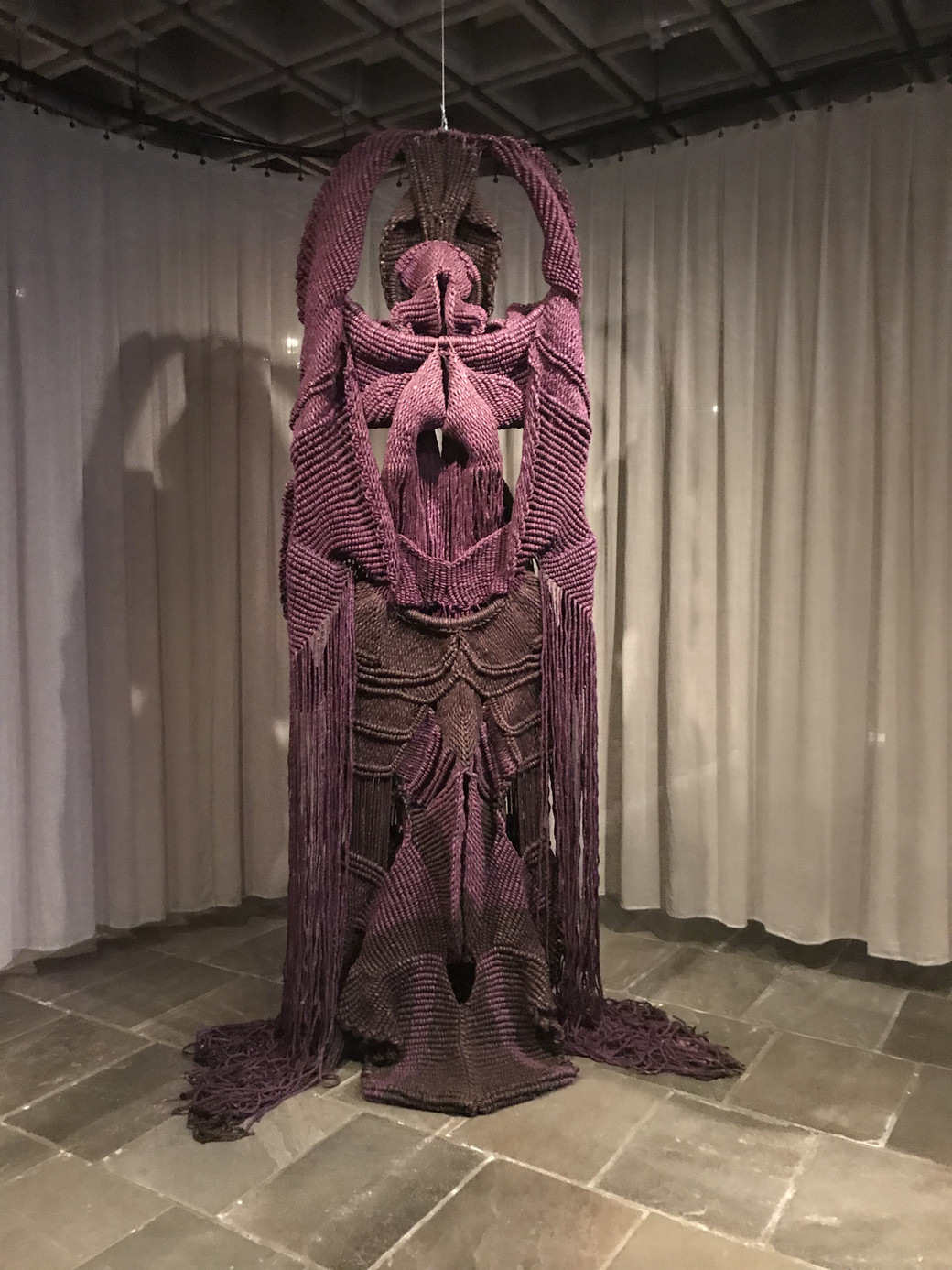
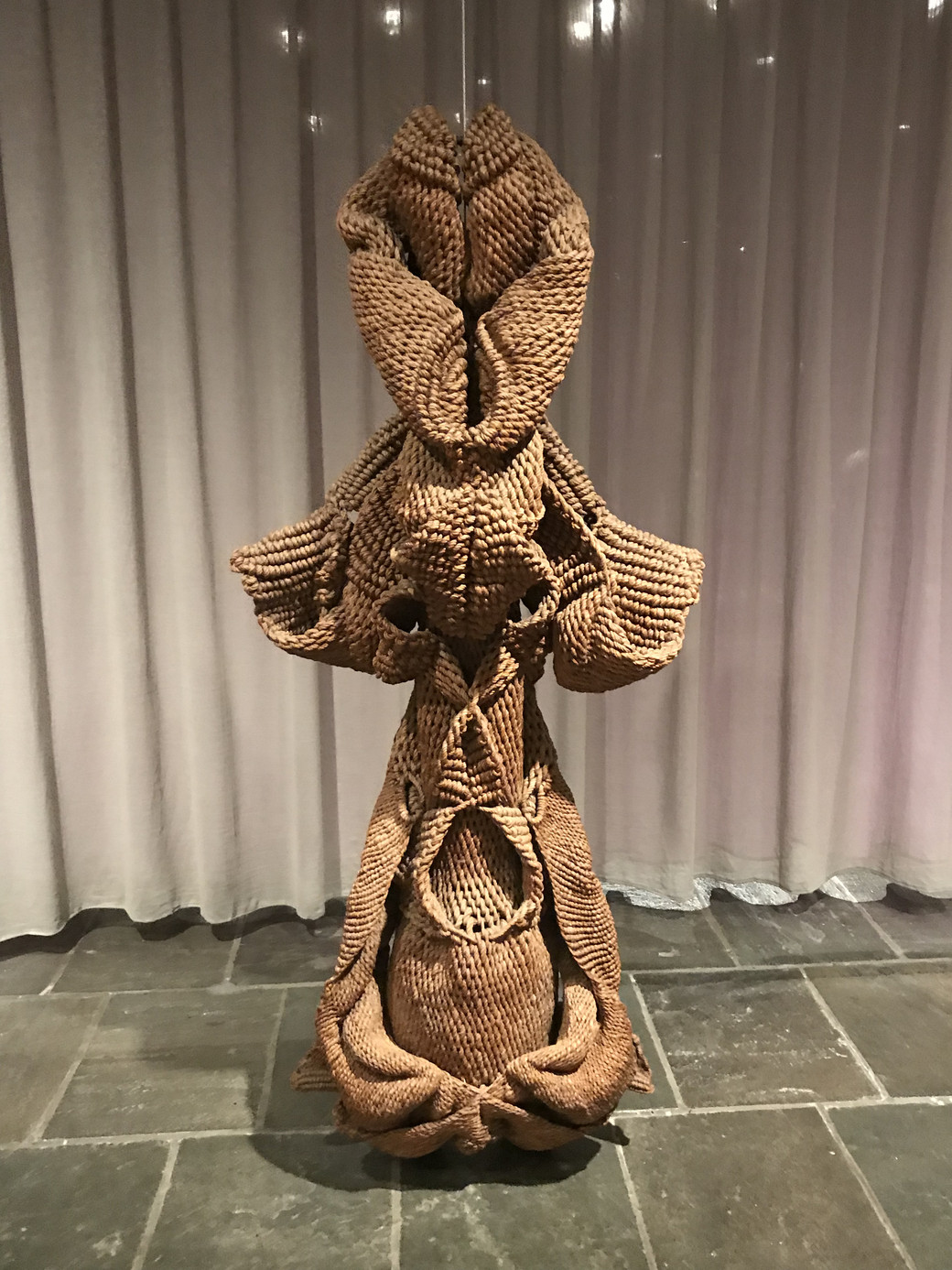
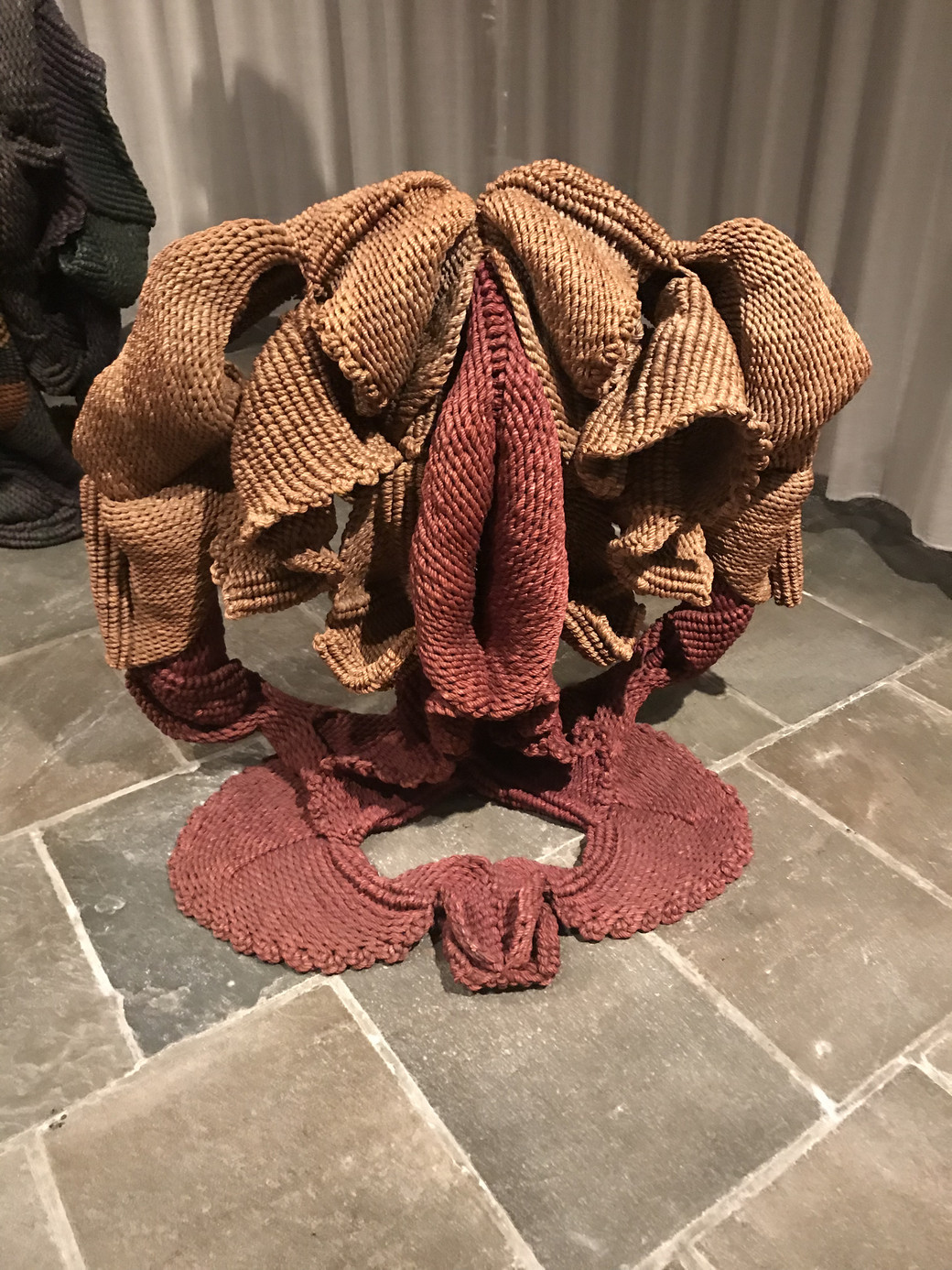
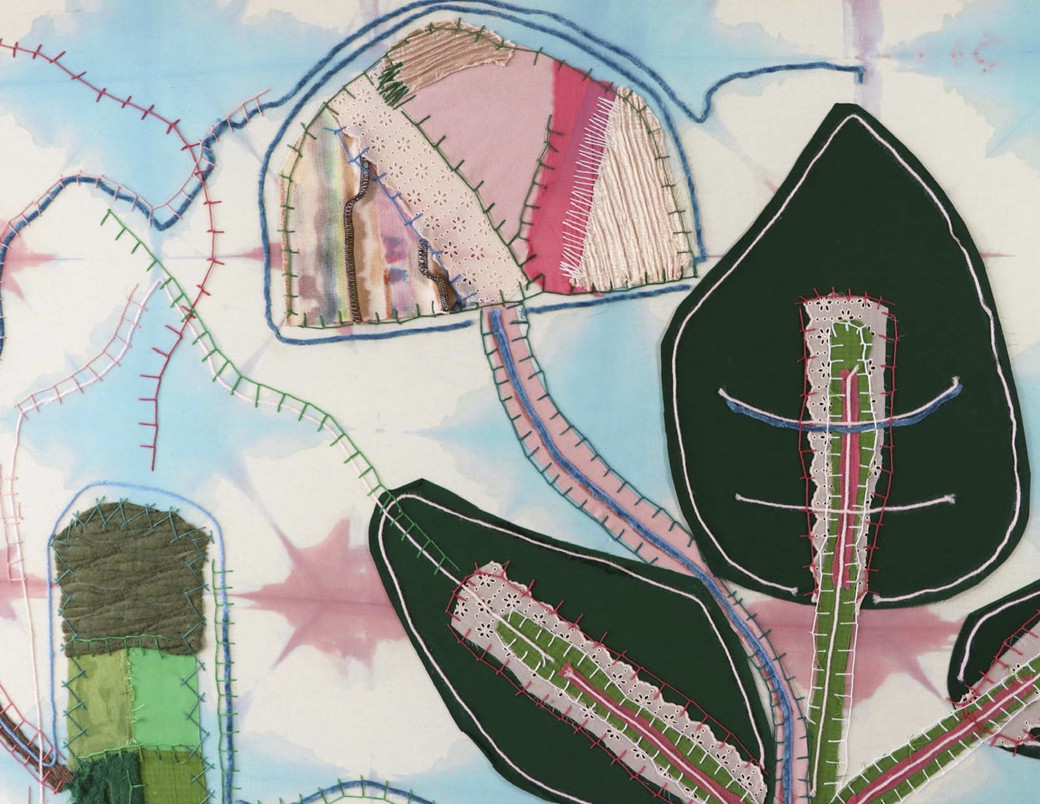
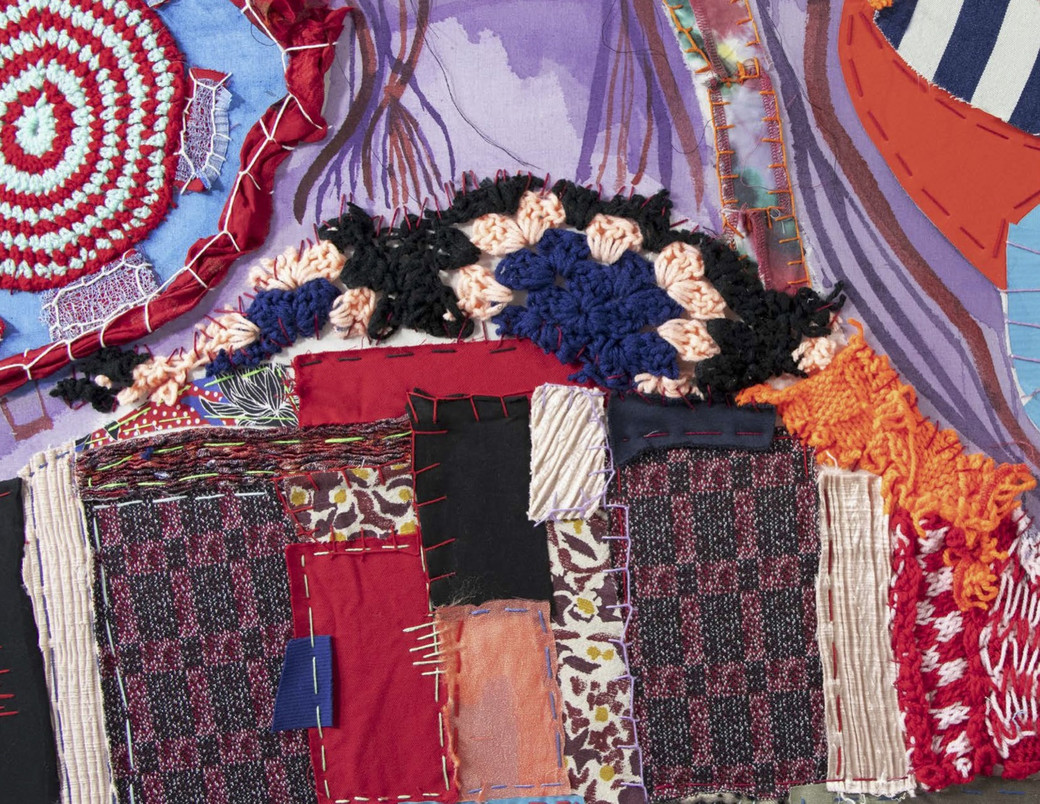
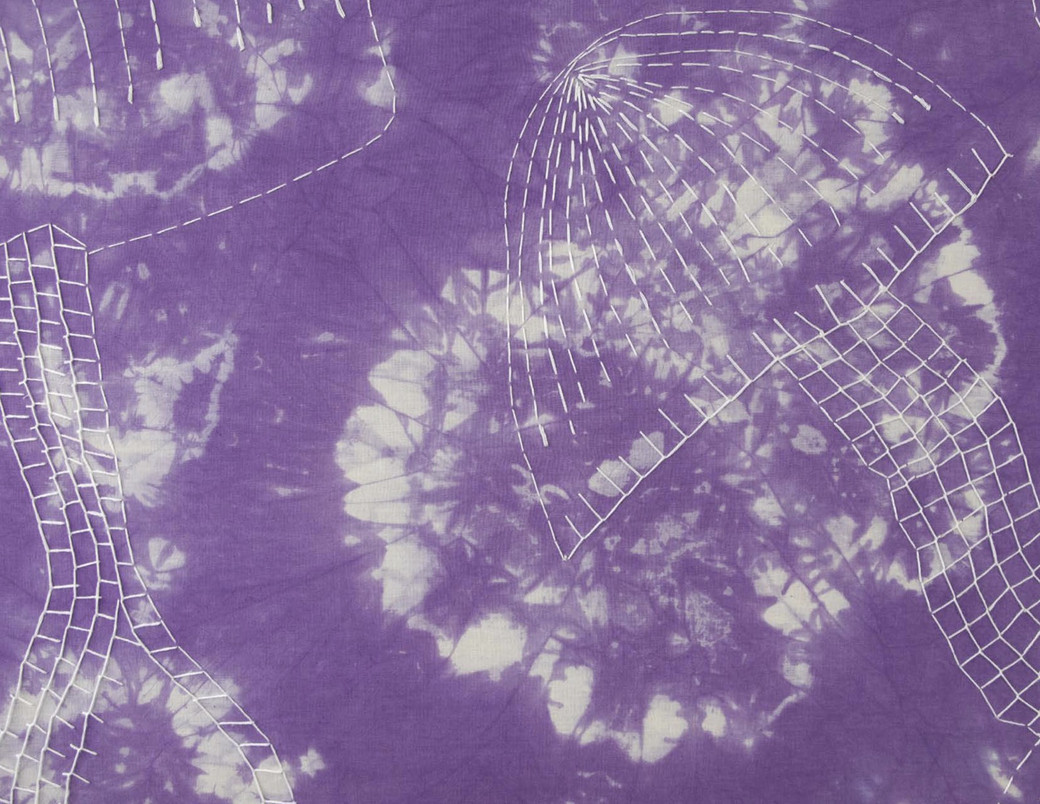
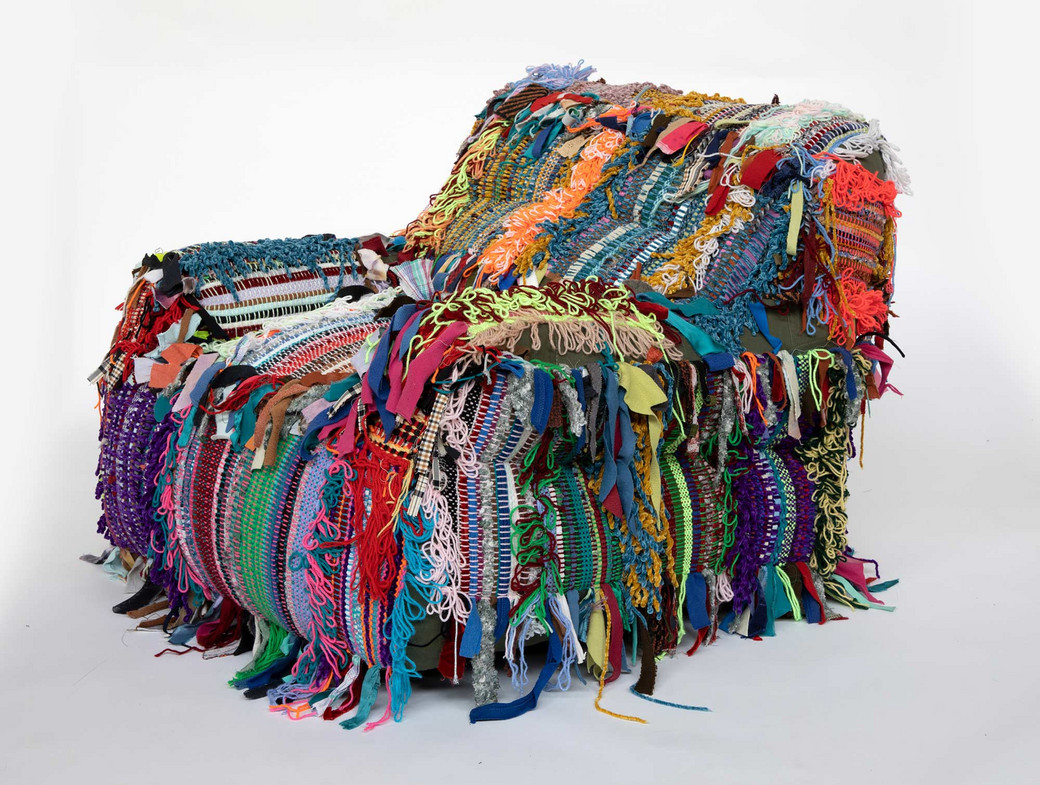
"Phenomenal Nature: Mrinalini Mukherjee" is on view at the Met Breuer through September 29th, 2019.
"Phenomenal Nature: Mrinalini Mukherjee" is on view at the Met Breuer through September 29th, 2019.

Coming off the heels of her latest solo exhibition at Harper's Los Angeles Whisper Temptations in My Ear, the playful and meditative artist has poured herself into works that explore the self-questioning of perception and hypotheticals— often through an irreverent lens. Stretching each canvas, gluttonous depictions appear other-worldly, centering conversation surrounding body image and identity. Although each piece speaks to various imaginative states drenched in neon, Choi teeters a fine line between fantasy and reality, prompting the viewer to open themselves up.
"I always battle between, what's really believable, and what's unbelievable in my work, and sometimes the figures can be more virtual and unrealistic, but also the world they are in could be that. I have to leave room for the viewers. It might be very celebratory and festival-like with the toxic, candy colors that I'm inviting you to, and then you come in, walk around the work, and at the end, we figure out that there's something kind of fucked up in there. You feel some catharsis in it. There's pure joy that you get, but sometimes you also feel something is wrong; it's like eating candy, right? If you eat candy, you feel so good, like you love it, and I want to eat it, but you know, that's not good for you either. Right? It's kind of an illusion," she says.


Approaching each piece in a fluid sense, like her identity, Choi's characters play in tandem, stripped of societal confines– an acceptance of self and the unknown. "The things that people don't understand. I don't understand myself either. So I like to talk about that ambiguity, not because I want to be honest. Like, if I'm confused about this, I'm going to talk about that. I'm not gonna try to define this. I'm just gonna live my life because if not, that's stress, right?" she explains. While each figure poses nude or partially nude with indecipherable genitalia and odes to feminity, Choi is intentional when drawing on gender to contextualize a thought or past experience. She notes, "I started creating either super gendered figures or like genderless figures, and it has to do with my experiences; dating a lot of people and doing some stuff or when I'm more of the villain character in my life, I make more genderless, more outrageous works. When I'm more reserved, then it's more genderless."
A curiosity unwaveringly matched with a technique that makes the inconceivable conceivable, Choi's use of pigment holds a lot of the work's allure, bringing to life the fantastical through impasto and fine oil details. After years of practice building color and working with various mediums, Choi has bridged her lessons from one material to the next. "When you do watercolor, the material itself is so sensitive. So if you make one mistake, it can dull the color. So it's like very sensitive. So I learned how to build and sculpt objects by color without dulling the color. That's why I think that all these little changes over colors or vibrations of the colors happen through that practice," she states.


Painting portals into dimensions where pieces of her identity lives, among other wild thoughts, Choi's work is not only influenced by raw emotions but simplicities like a comfort meal or feelings of home. "I made this painting called Rice Power at the show, the orange kitchen painting in the back. Personally, that's like one of my favorite paintings in the show because it explains my habits. Koreans survive the day like we're parsing through the day with rice, balls of rice. In that we call, if you directly translate it, it's called rice power," she explains. With a deep admiration for her culture and community that constantly stimulates her, Choi remains grounded even when an idea sweeps her off her feet. "I think it is really important now, especially that many Asian-American artists are getting attention and just taking up space. We never really had that in the art world."
In celebration of her spectacular show at Harper's, that has come to an end, Choi's immediate consists of days off turning into long nights in the studio, preparing for new shows, and works exploring itches she's more than excited to scratch. On view at Jeffrey Deitch, coming to Los Angeles in September, Wonder Woman is a group show bringing together Asian artists, but most importantly, friends, a cross-pollination of creativity. As days and weeks seem to go by faster than ever, take some time, sit back, and get lost in the universe that is HyeGyeong Choi's art.


Located on the first floor is Studio to Stage, a staggering exhibition of music photography that spans the last seven decades. Moving between eras from early jazz, to European techno, 90's New York hip hop, and British punk, the show offers an eclectic exploration into the vast and varying world of music. Though technically ordered chronologically, the show doesn’t operate like this in the slightest — in the gallery, the constraints of the timeline format are ditched and transformed into a rare melting pot of music’s most disparate.
Realized through the curation of Mark Beasley, curatorial director of Pace Live, the show depicts a plethora of iconic musicians of the last 70 years, effectively capturing what it means to be both a performer and an audience member — a goal as applicable to the music world as fine arts, appropriately. Among the highlights in the exhibition are Ming Smith’s photographs of jazz musicians, Ari Marcopoulos’ images of the Beastie Boys and Iggy Pop, and Paul Graham’s photographs of Berlin clubs and raves.


STUFF, a show curated by sculptor Arlene Shechet also uses the “melting pot” trope to develop a non-linear progression of ideas and impulses into a group exhibition that brings together artists such as Nicole Eisenman, Arthur Jafa, Donald Judd, Isamu Noguchi, and Louise Nevelson. Spanning various mediums and periods, the exhibition does not purport to be a comprehensive survey, but rather a spirited gathering of works that the artist cares about and aims to present them in unconventional ways. At the front of the show is Peter Hujar’s 1974 photograph of writer Fran Lebowitz in her childhood bedroom — Shechet takes the presentation of this work further by hanging it on a wall covered with her own interpretation of Leibowitz’s wallpaper, extending the photograph outside of its frame.

Perhaps the most telling piece in either show regarding their curatorial approaches is a preliminary sketch by Ad Reinhardt for his piece “A Portend of the Artist as a Yhung Mandala” (1956). An ironic attempt at establishing causality between a mass of art movements, the work interrogates the ill informed attempts in the field of art history to find examples of cause and effect that riddle the ground like minefields. Taking this concept to heart, both shows work to prioritize improvisatory and intuitive impulses to establish a deeply internal logic.

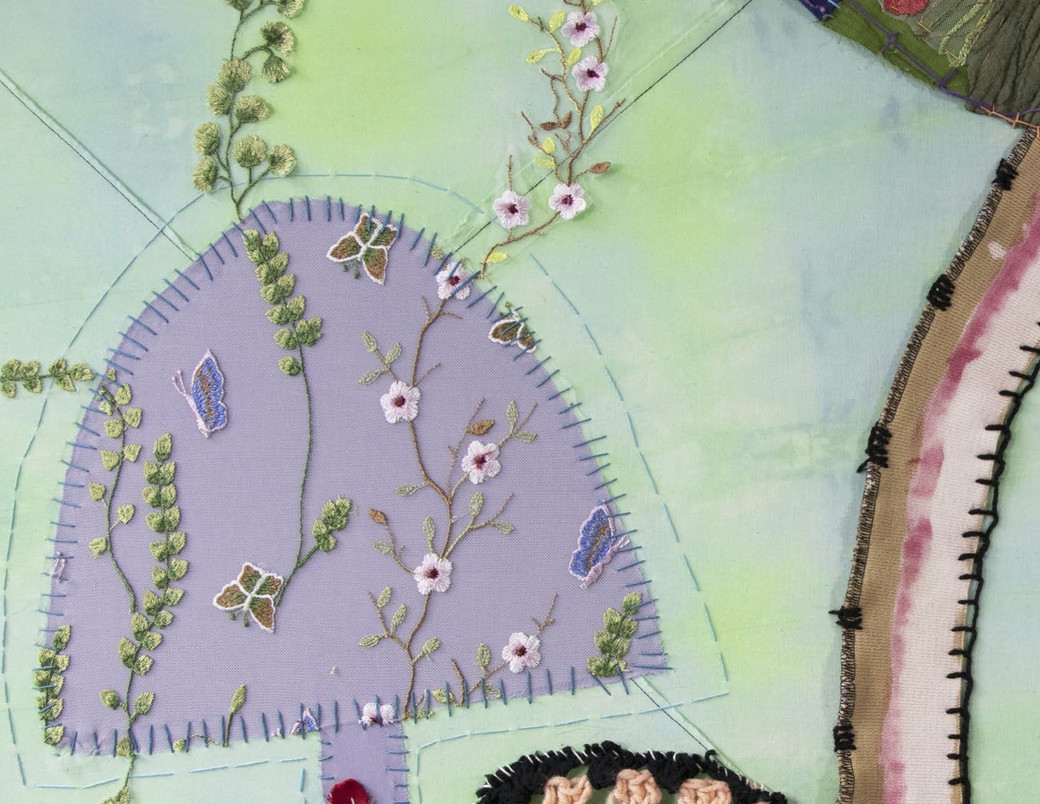
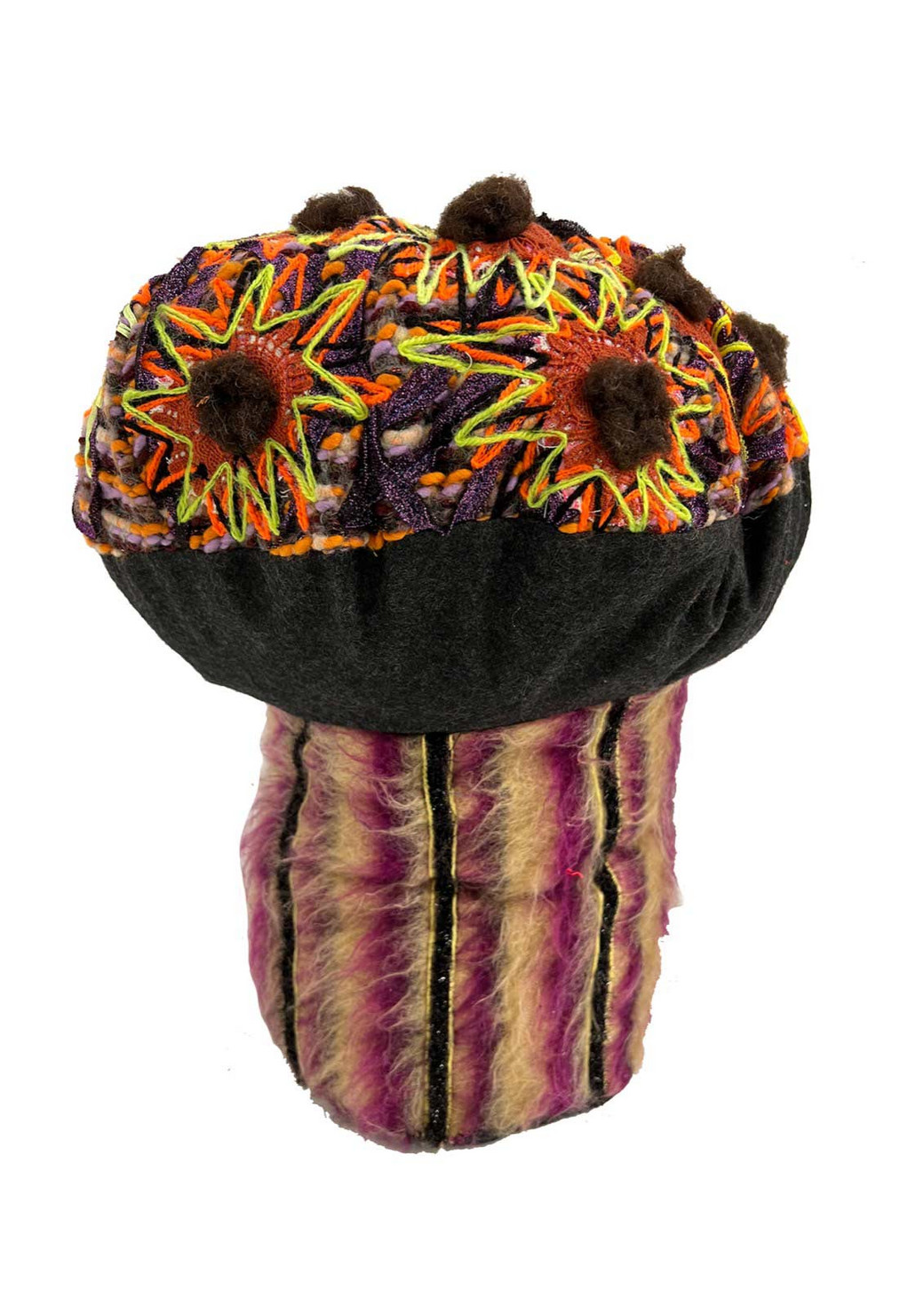
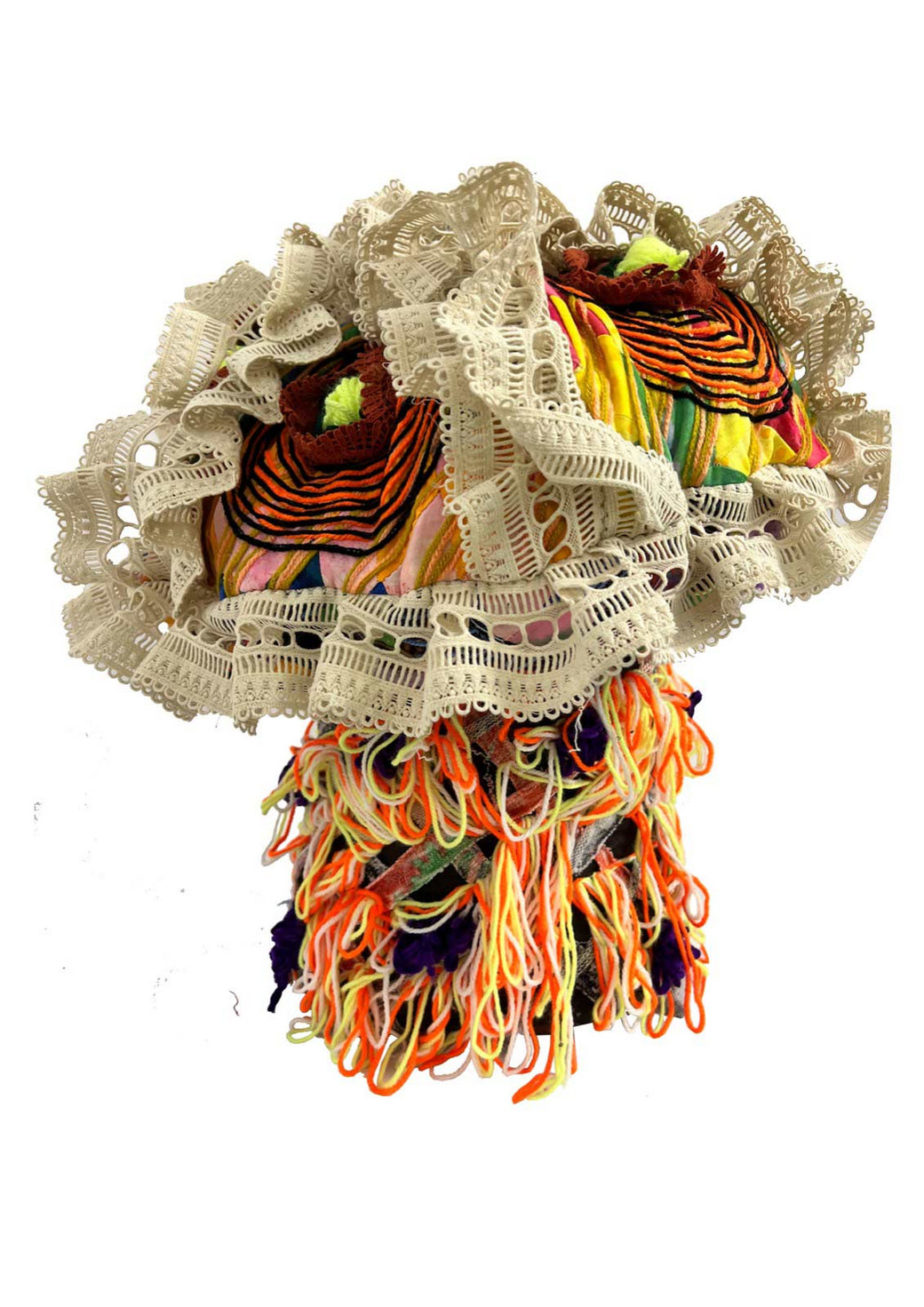
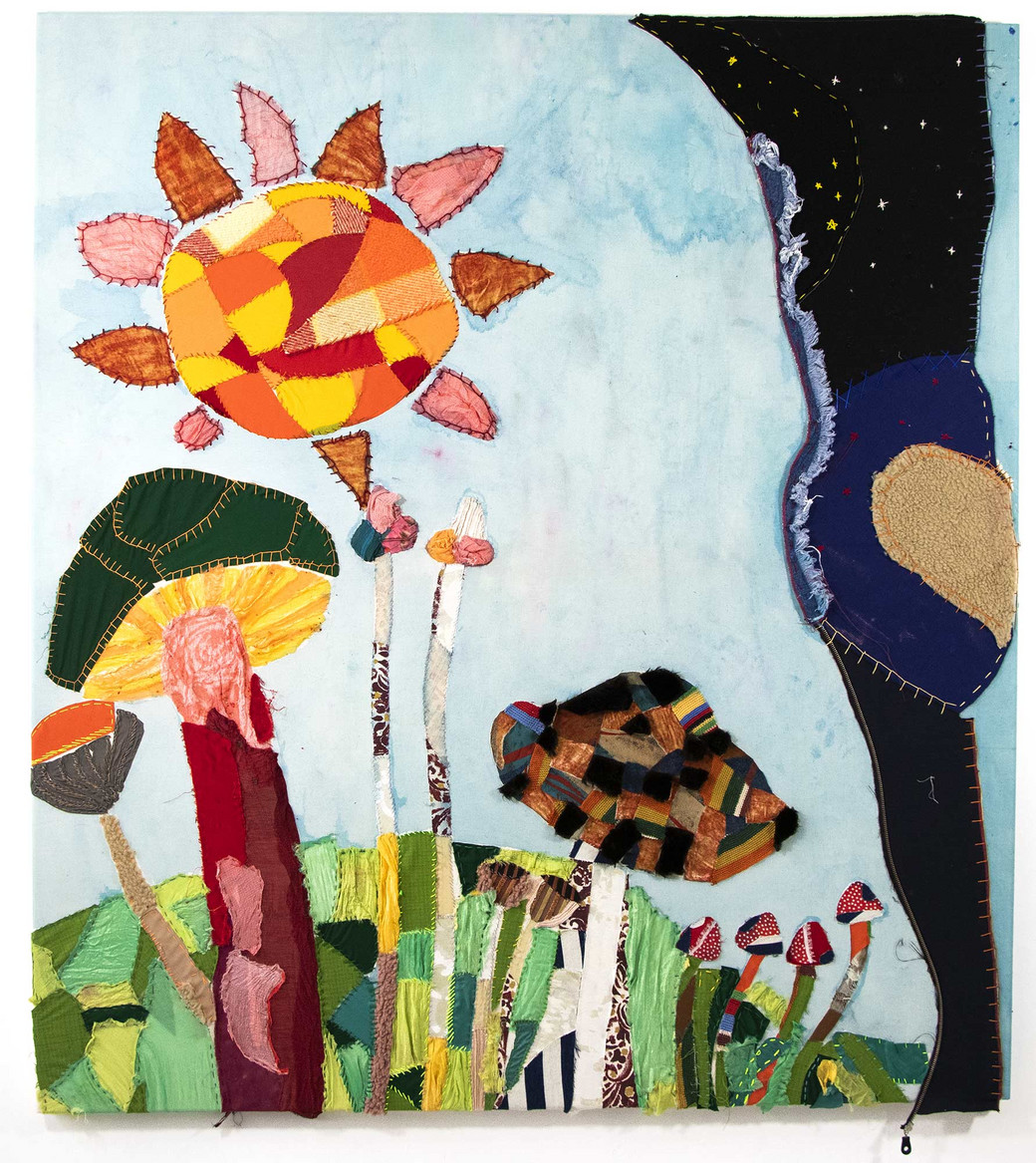
In an industry that produces an estimated 92 million tons of textile waste every year, the exhibition explores ways in which this waste can be lessened. By leaning into vintage as a trend unto itself, the pieces consult how regeneration can serve as a convincing antithesis to overproduction. The project began during the pandemic, the thrust of the work taking place in Murmaid’s female-driven atelier in the heart of Paris, where, as the project’s creative director, she turned old jeans, zippers, hoodies, buttons, and other warehouse throw-aways into fresh new items — quilted coats, capes fabric display, lounge furniture, and more. “We were adamant, we don’t want to add extra waste into the fashion industry” says Romanelli.
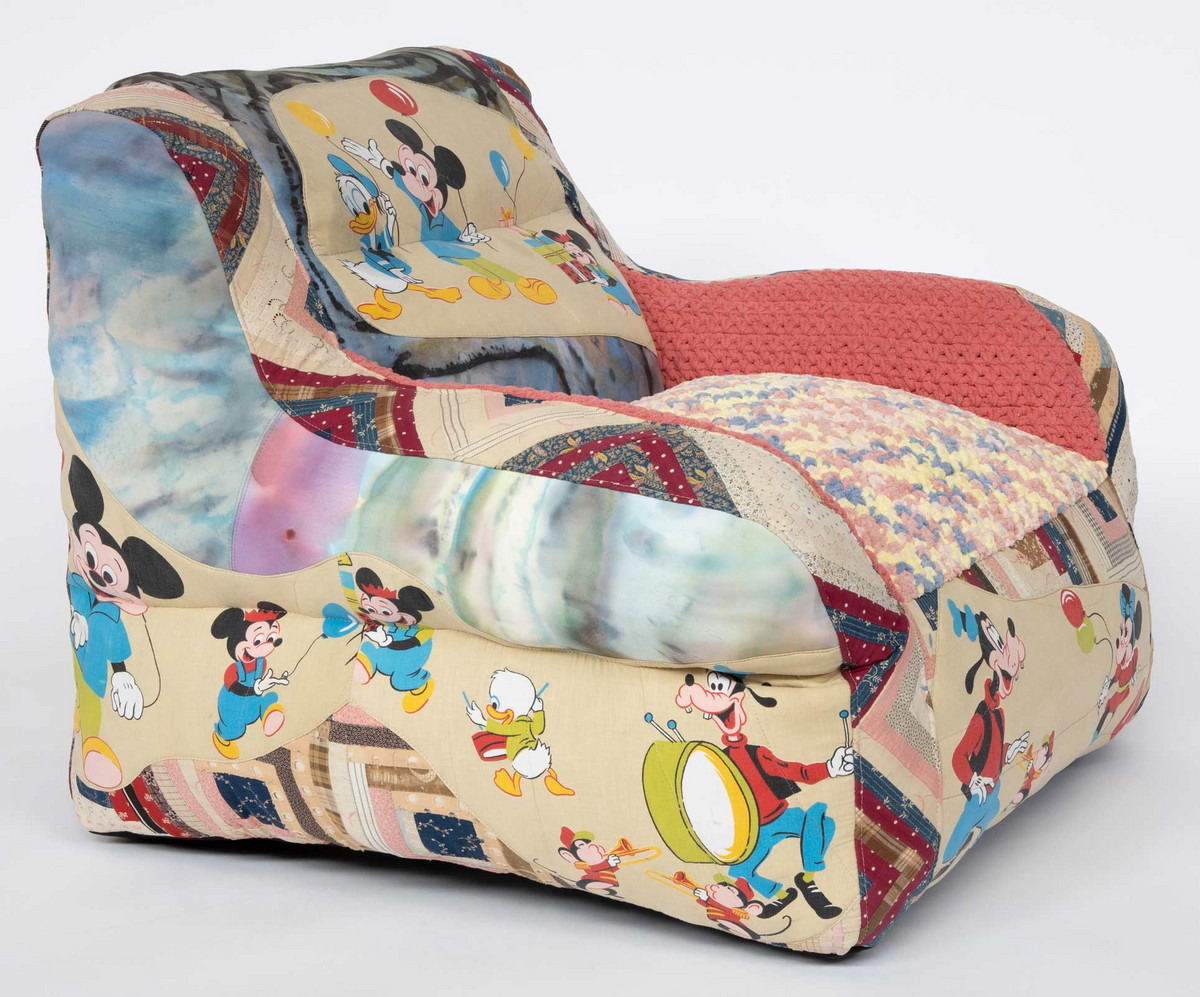

Through the blending of earthy colors with psychedelic hues that pop, the exhibit reflects the noetic truth that unity can be found in the most disparate of things, and, in this case, using thread to eliminate the textural degrees of separation. The work is accompanied by a soundscape made by singer-songwriter and producer James Faunterloy, adding a cosmic dimension to the material sculptures that are scattered throughout the gallery.
As we examine the systems that govern the most basic parts of existence — our food, our medicine, our clothing, and the cycles defining their existence — through art, we're able to imagine and engage with a better world. One that values connection, sustainability, creativity — and which honors the key components at the center of it all. In this case... mushrooms.