Vulvatious

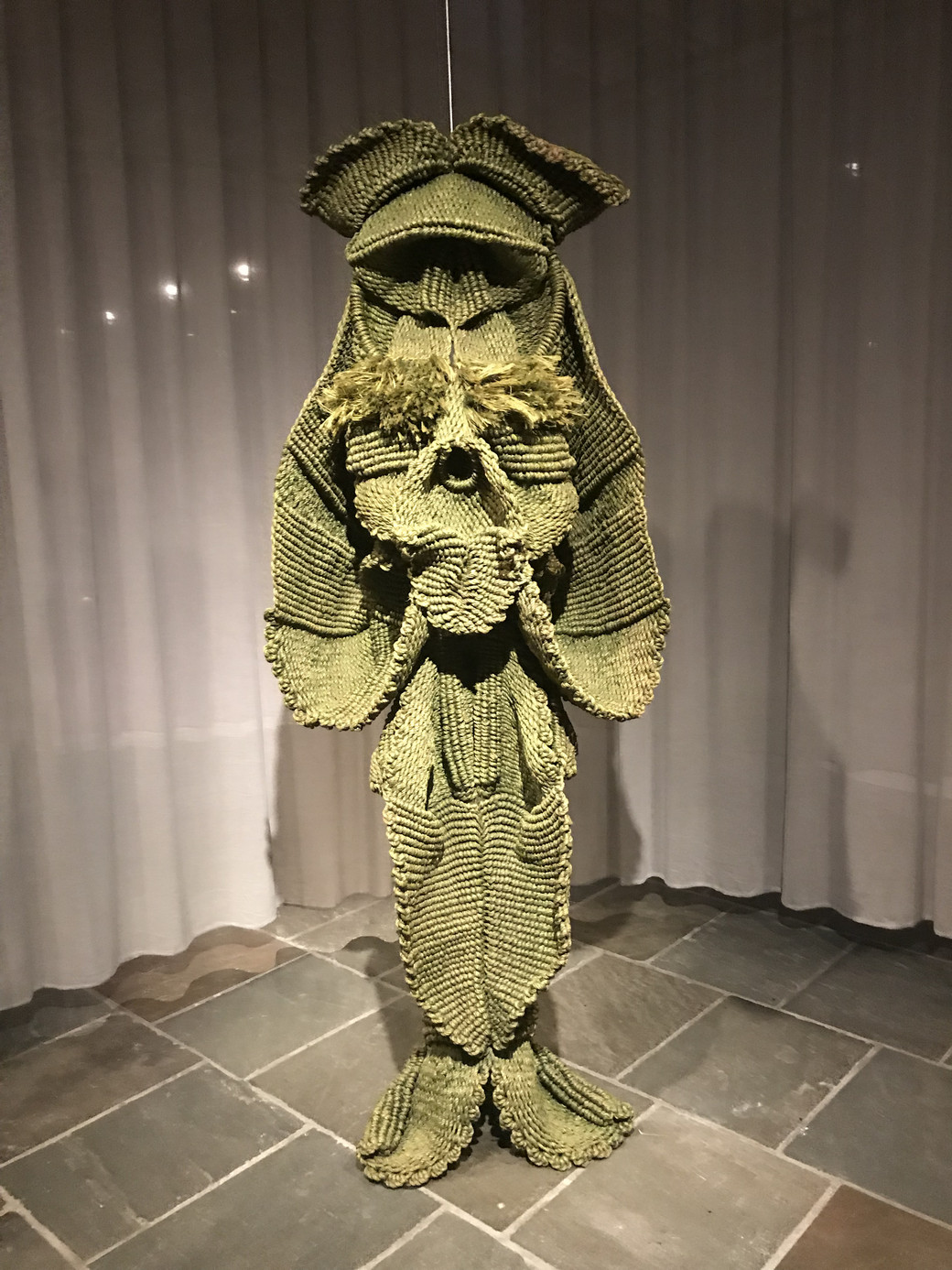
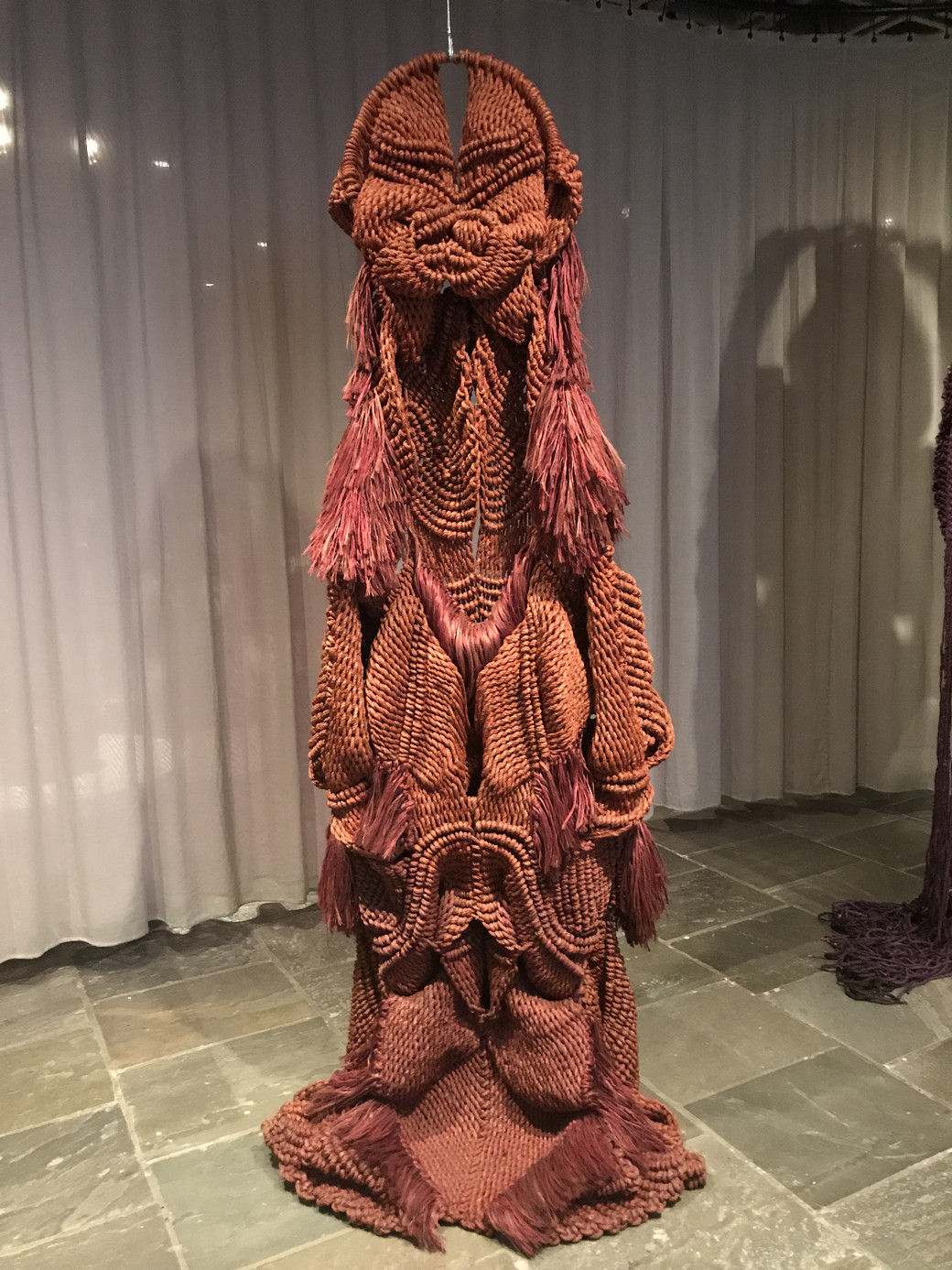
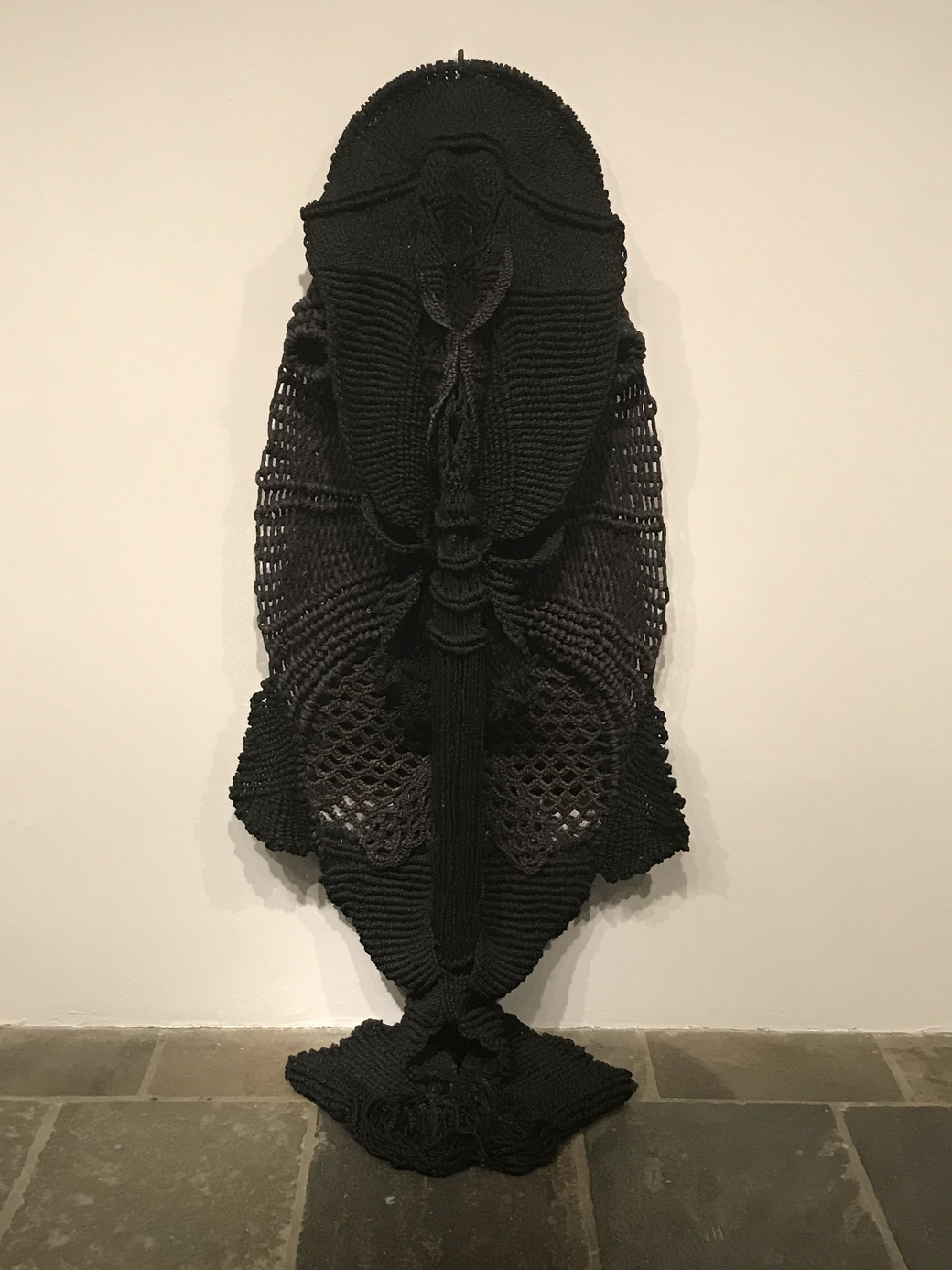
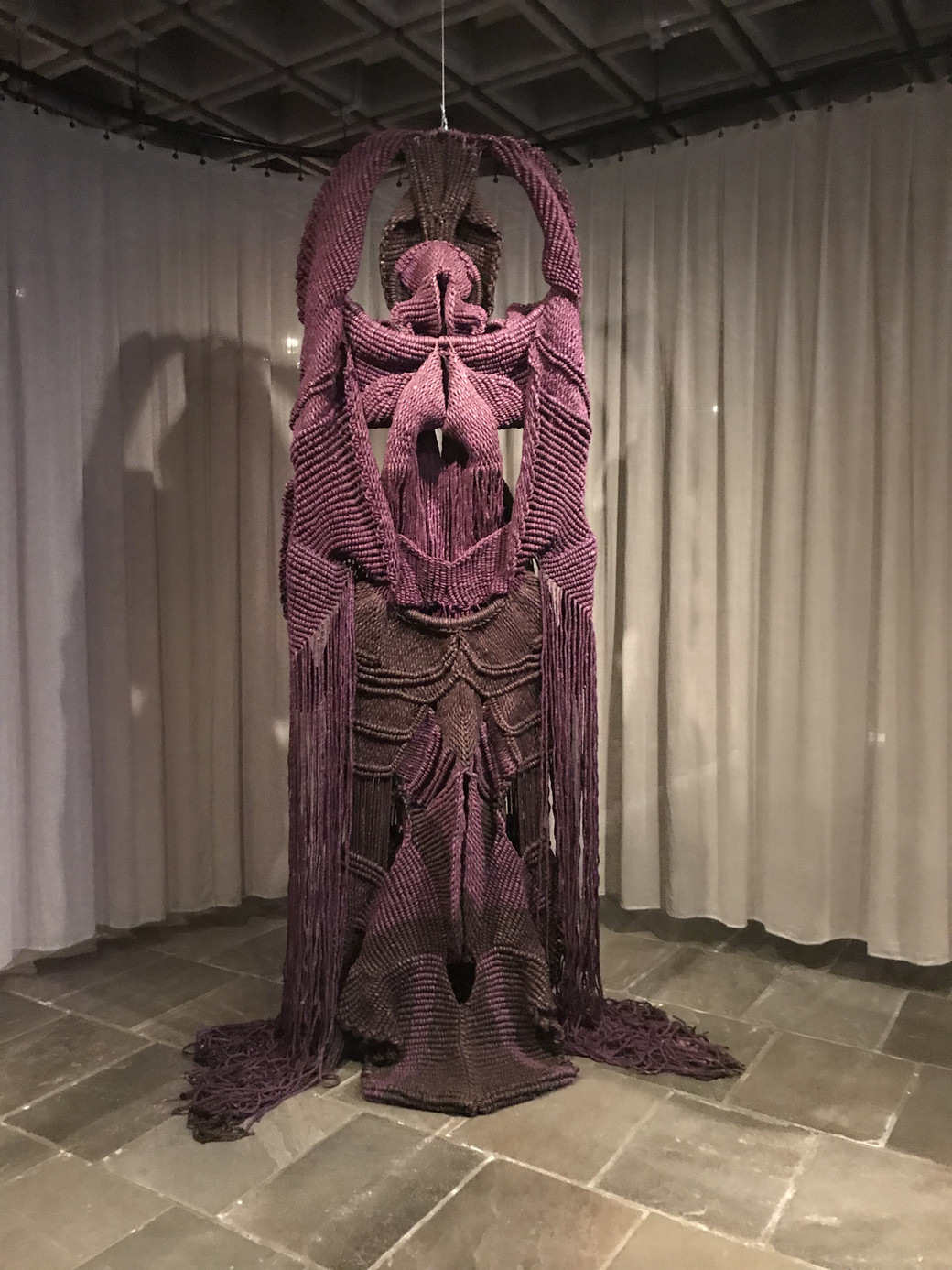
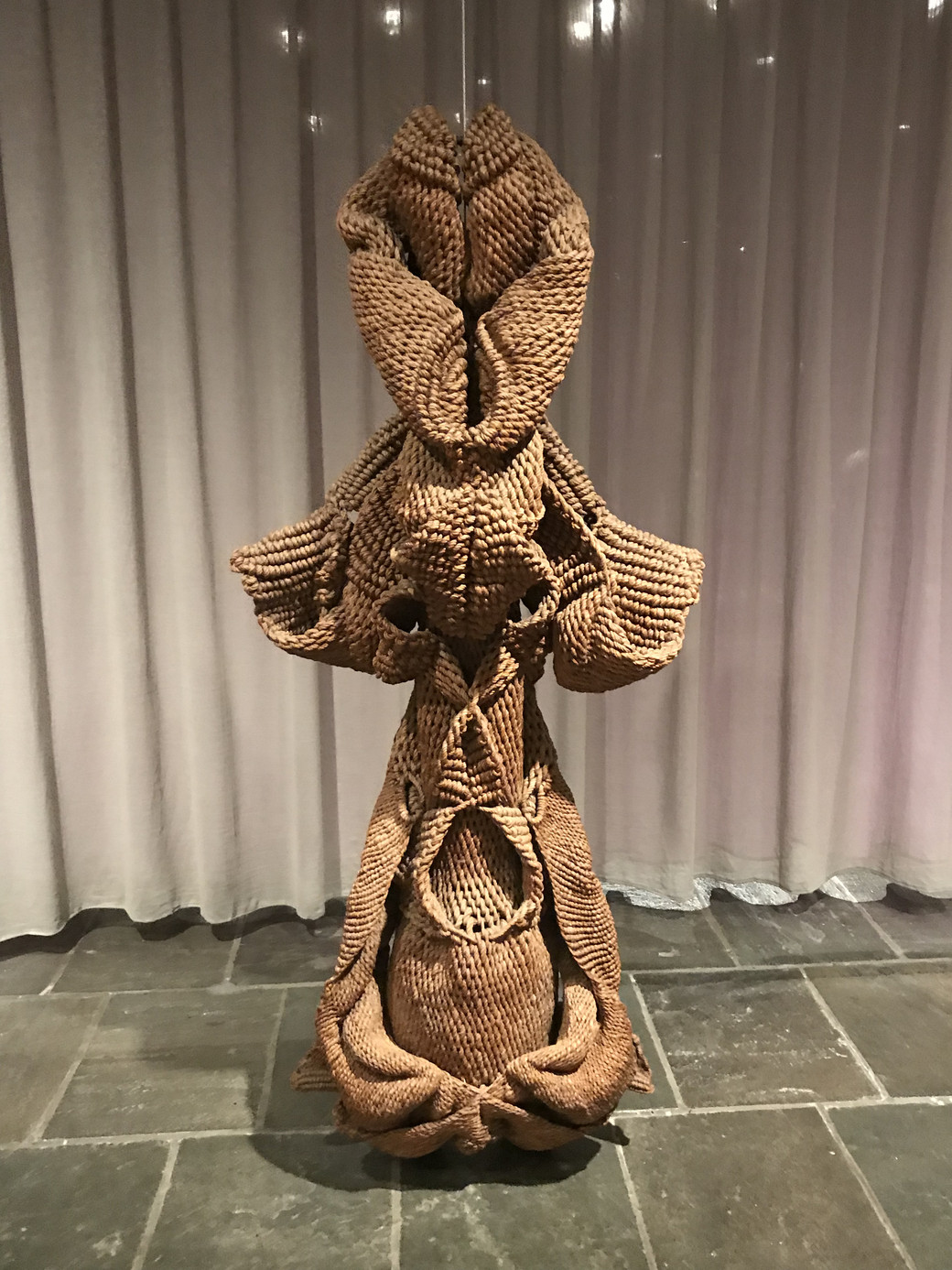
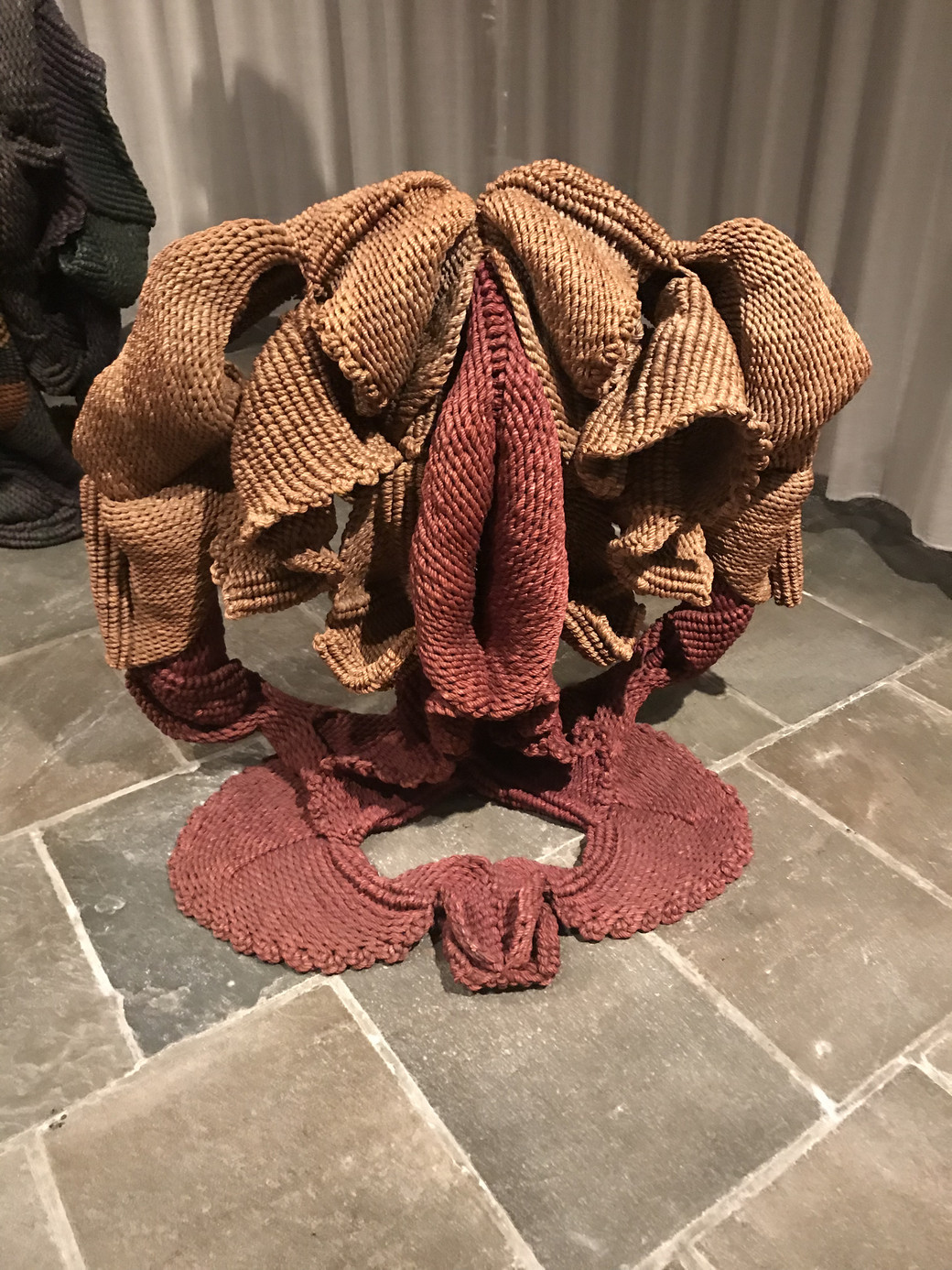
"Phenomenal Nature: Mrinalini Mukherjee" is on view at the Met Breuer through September 29th, 2019.
"Phenomenal Nature: Mrinalini Mukherjee" is on view at the Met Breuer through September 29th, 2019.

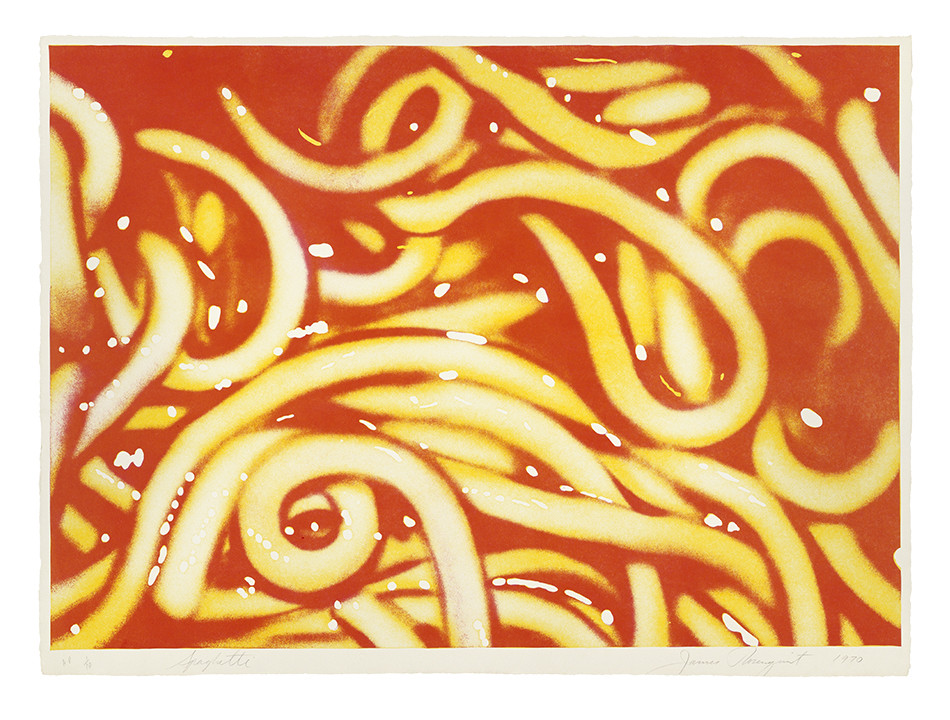
Good Clean Fun is a group show, featuring works by Kyoko Hamaguchi, Ray Johnson, Tony Matelli, Gordon Matta-Clark, James Rosenquist, Maximilian Schubert, Cedar Sigo, Sue Williams, Christopher Wool, and Erwin Wurm.
The show, open until August 17th, was inspired by Gordon Matta-Clark’s Belly Curtain, an Homage to Christo’s Valley Curtain (1971), a work Polaert encountered during the biggest snowstorm of this past winter. Matta-Clark had helped Christo construct a model for the 1,300 foot curtain project, and later collaborated with his dancer friend Kitty Duane to create the photographs in which a miniature curtain drapes the “valleys” between parts of their naked bodies.


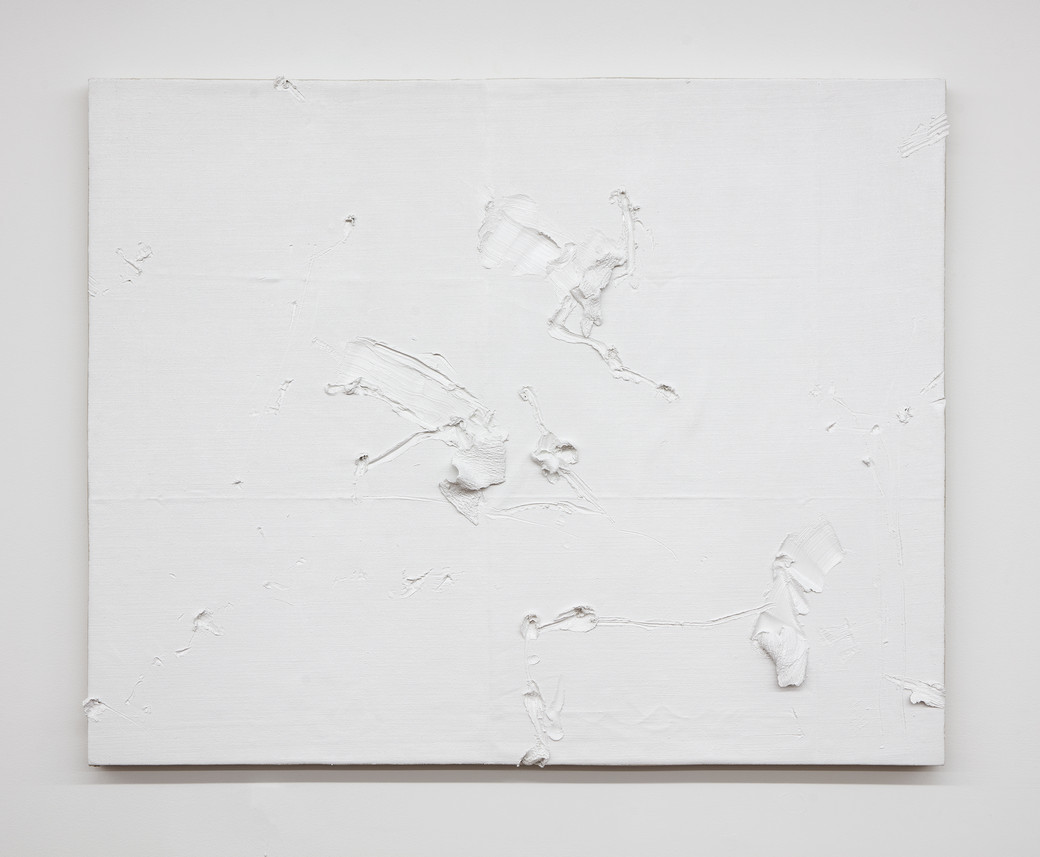
This playful and sensual series of photographs encapsulates the feelings evoked by Good Clean Fun. A hot summer day in bed with a lover, the touch and the sweat, the bodily-ness of it. The tactility of it. The squirming spaghetti in Rosenquist’s Spaghetti (1970) and the creamy delicious scoops of what looks like wet paint in Schubert’s Untitled (2021) echo this.
“ The overflowing
fountain at night
desperate
western formations
perfume
on charcoal
glossy
almost
without design …
… Planetary orange
and yellow vowels
at the tip
of my finger
the roof of my mouth
A vomitorium
is lost
without its close-up
a man of alabaster
draped in
black ”
Cedar Sigo flows. His poem, Texting Spell (2021), which ends the show, reflects aspects of the other works and also the duality of the body and summer as being both sensual and too real. Kind of like being in a way too crowded sauna, like the group of artists in Gordon Matta-Clark’s video, Sauna View (1971).
If you live in New York City or not, Good Clean Fun at Off Paradise, is a show you definitely want to visit in person.
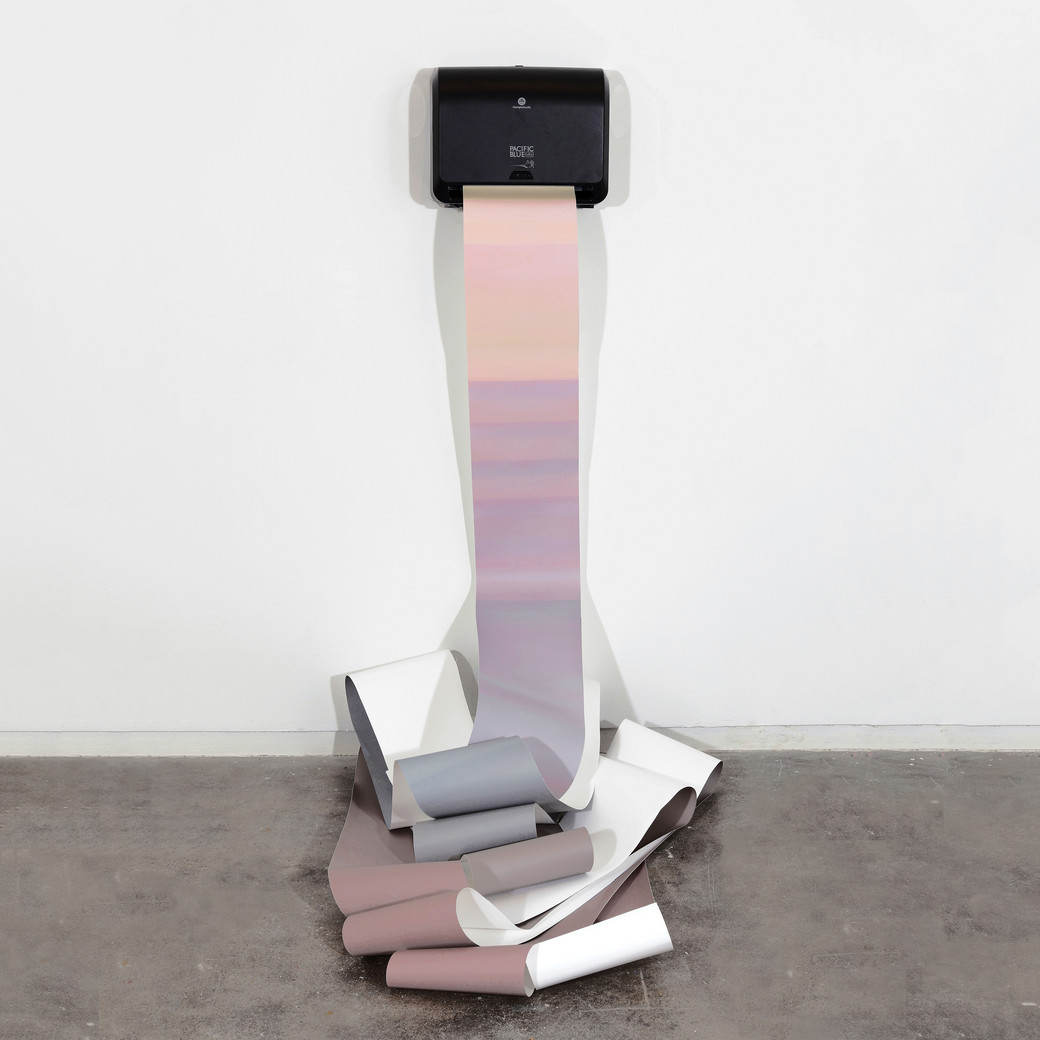

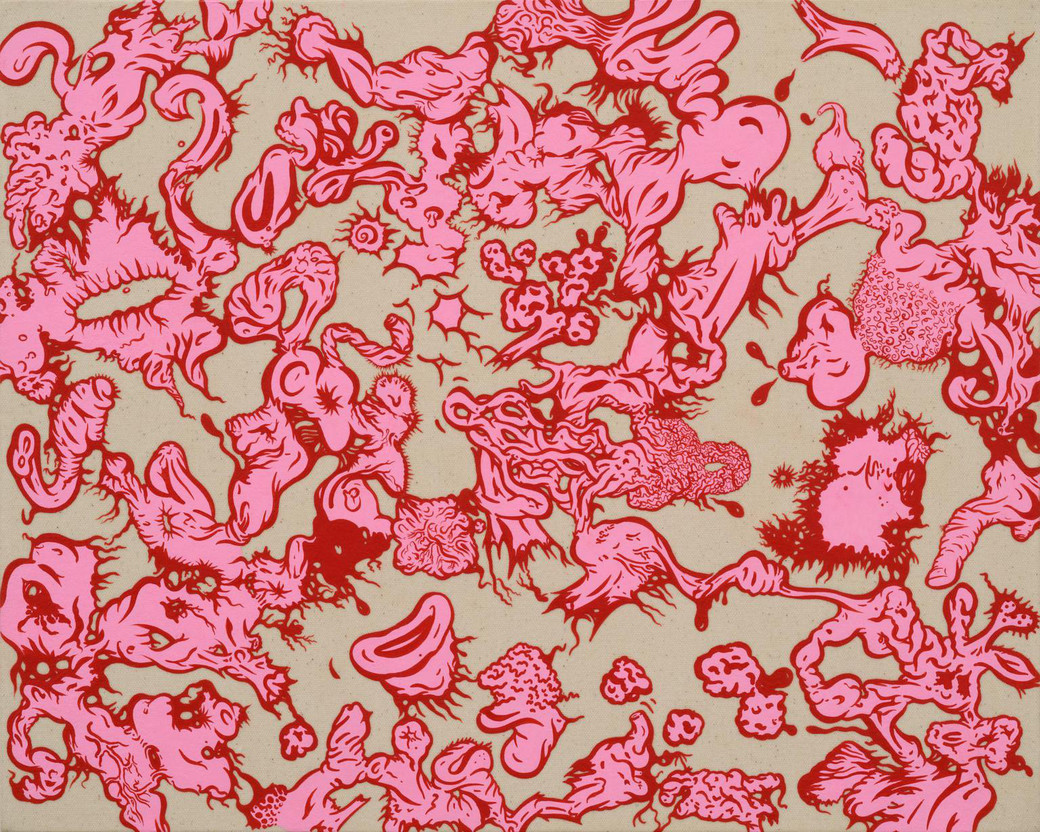



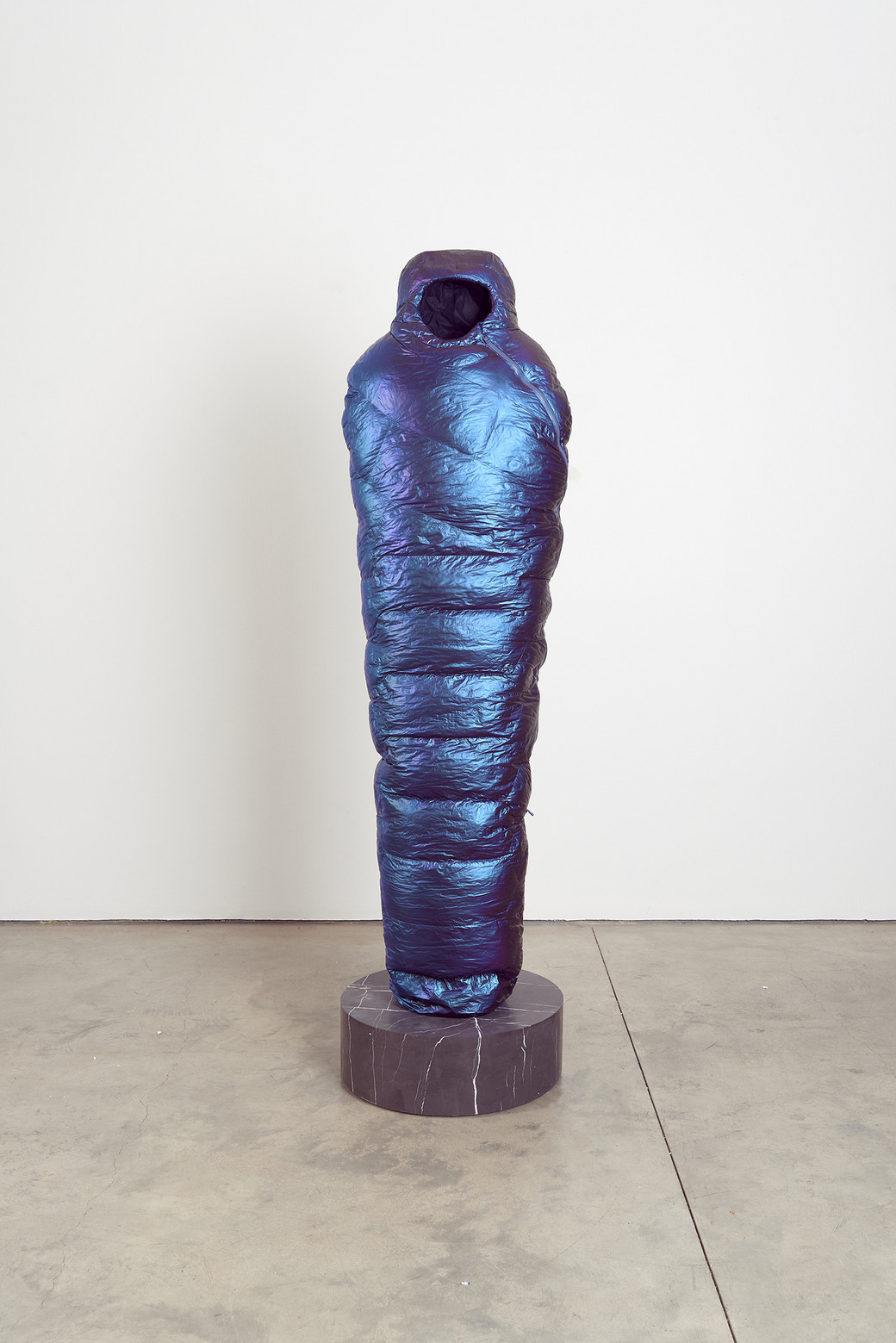
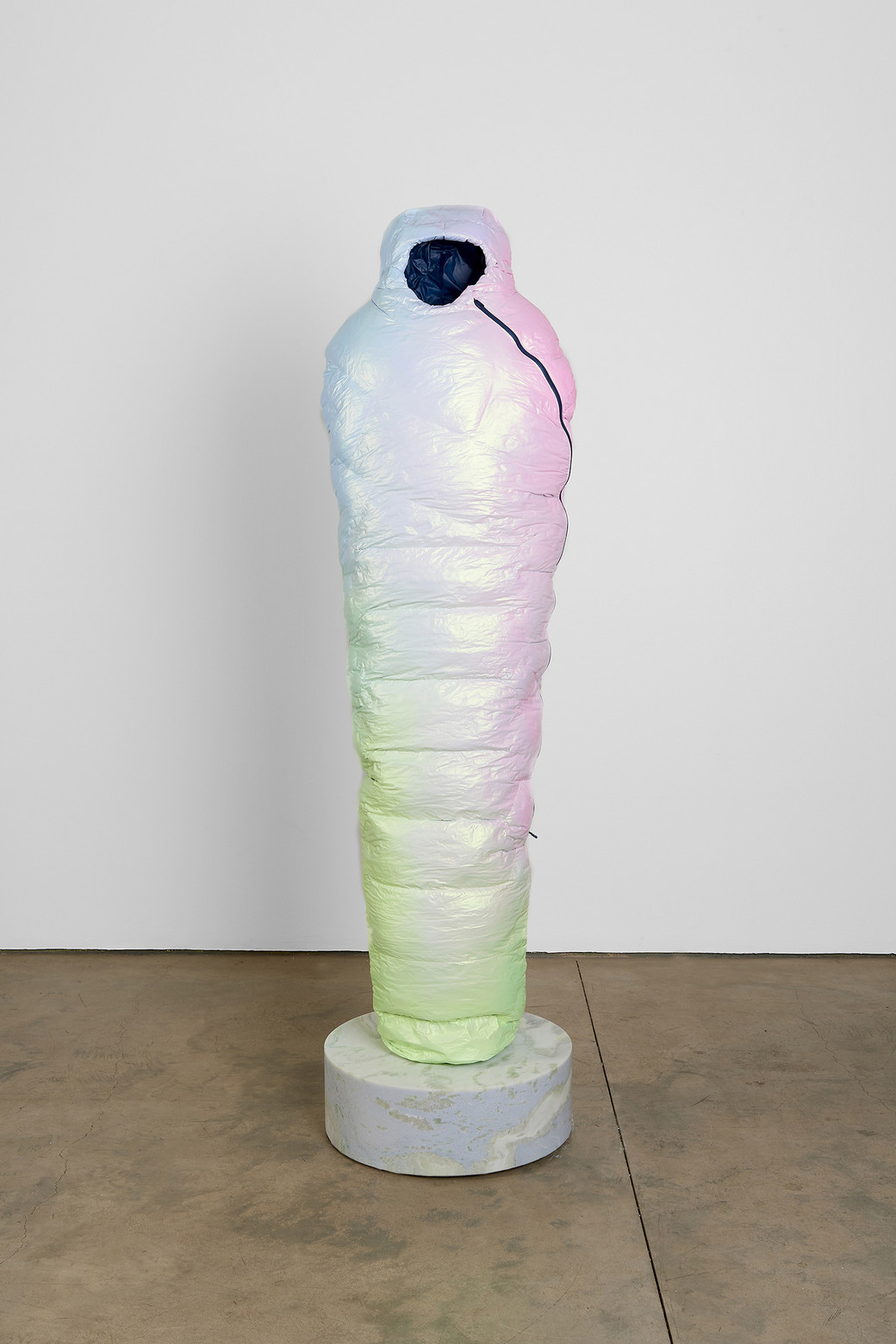
The sculptor, videographer, and mixed-media artist employs a playful sensibility in much of his work: for example, his casts of mylar balloons, pool floats, and other synthetic objects. However, there is a grounding sense of emotion, weight, and environmental commentary. The sunset paint jobs and plastic monuments will outlive us all.
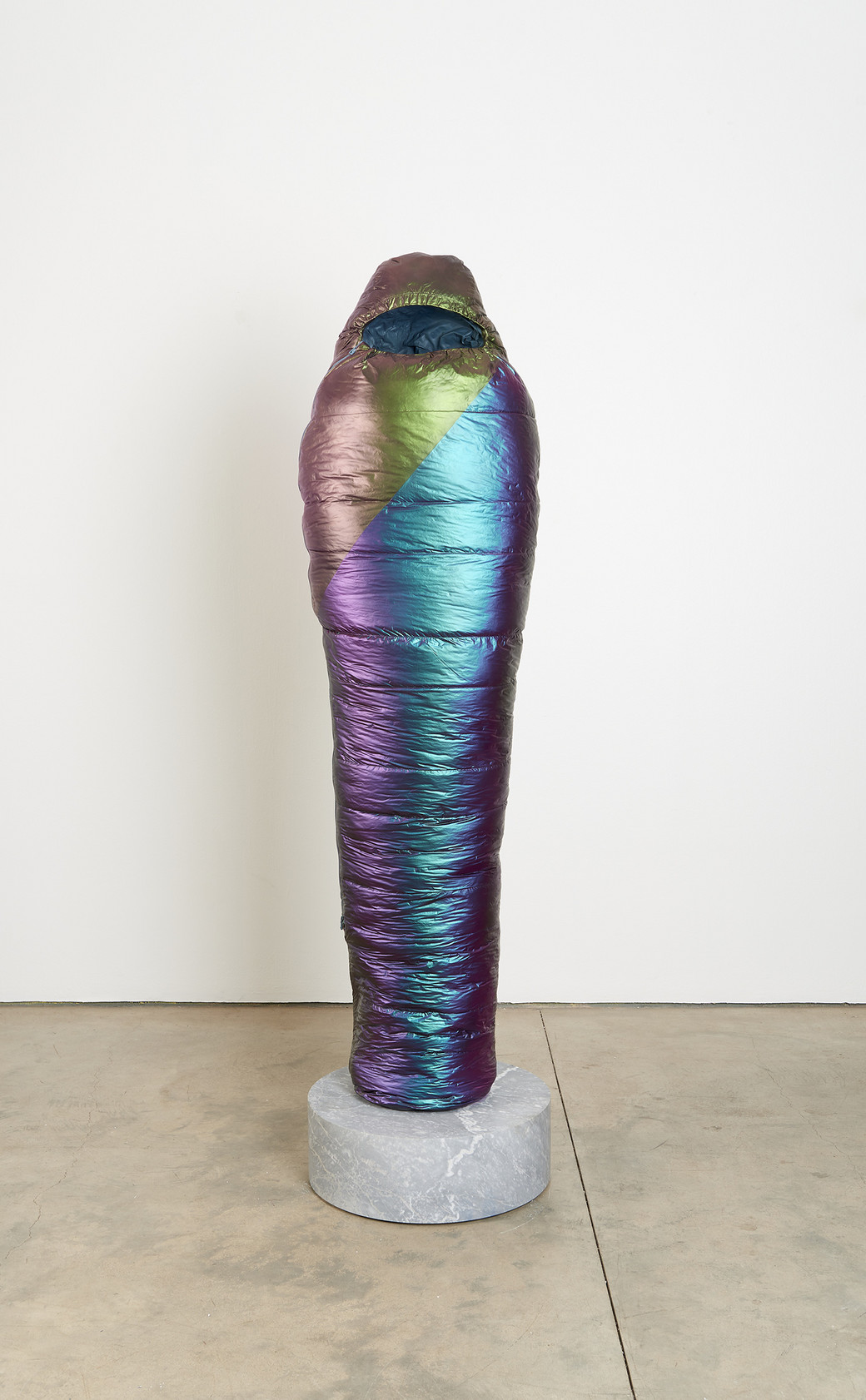
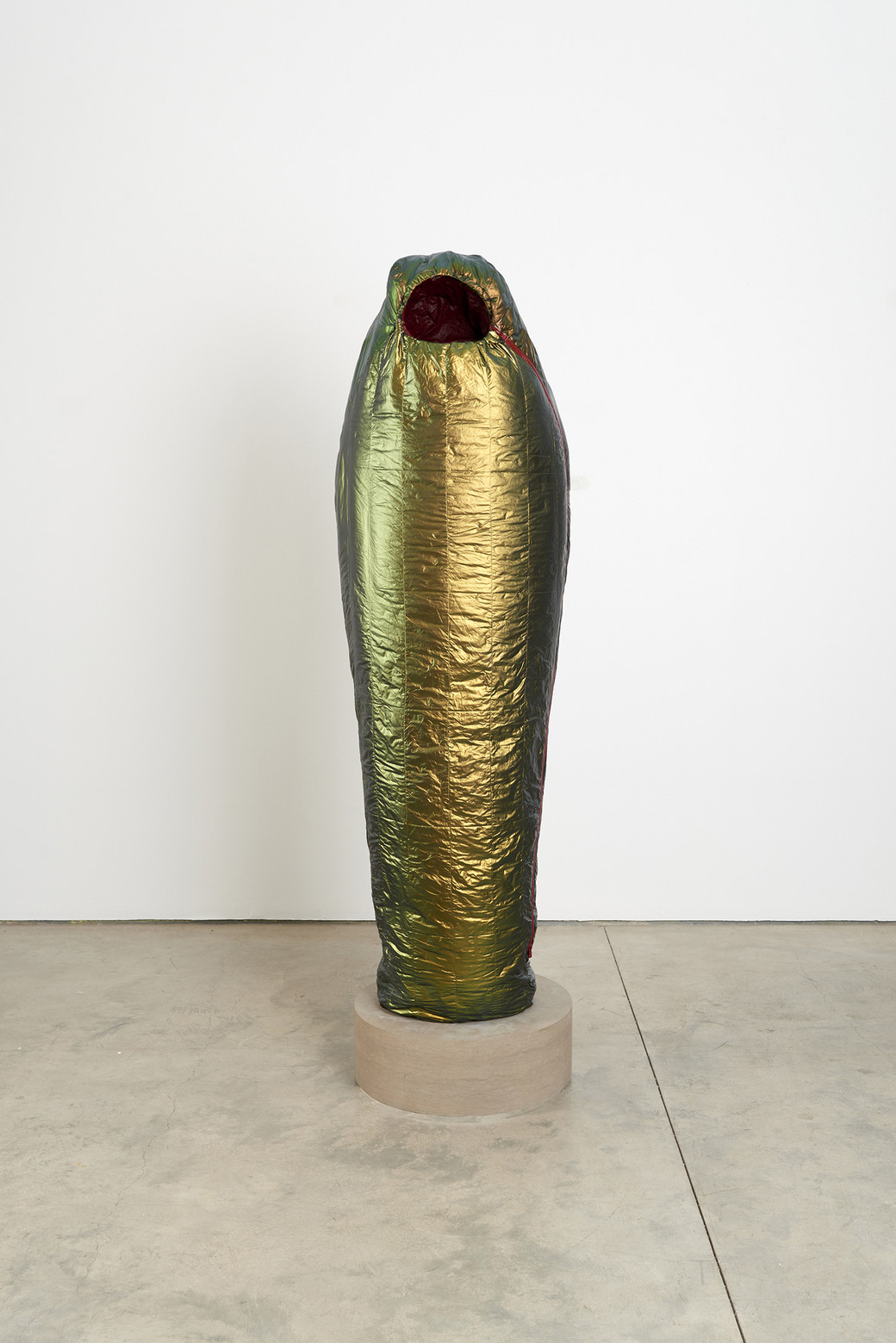
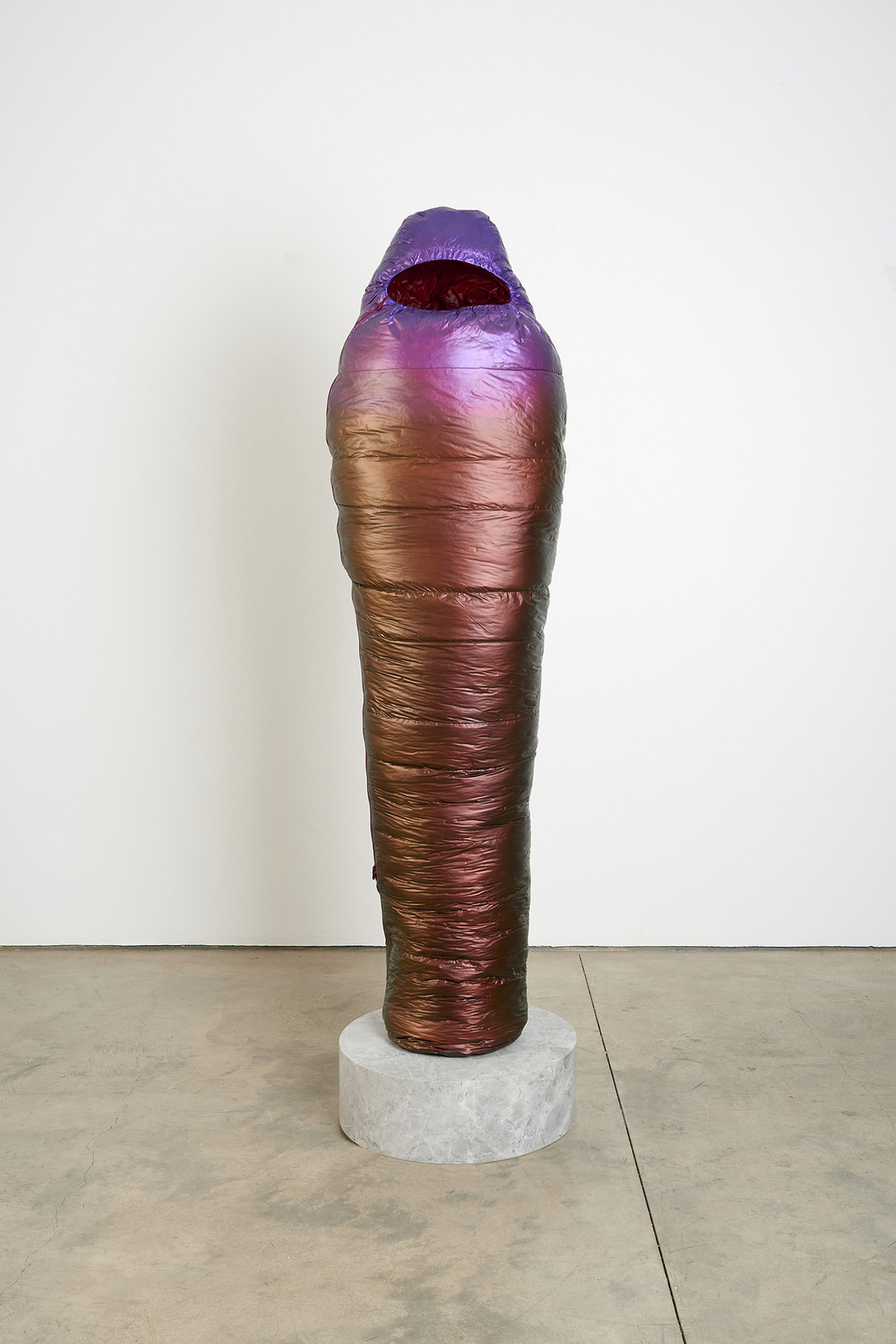
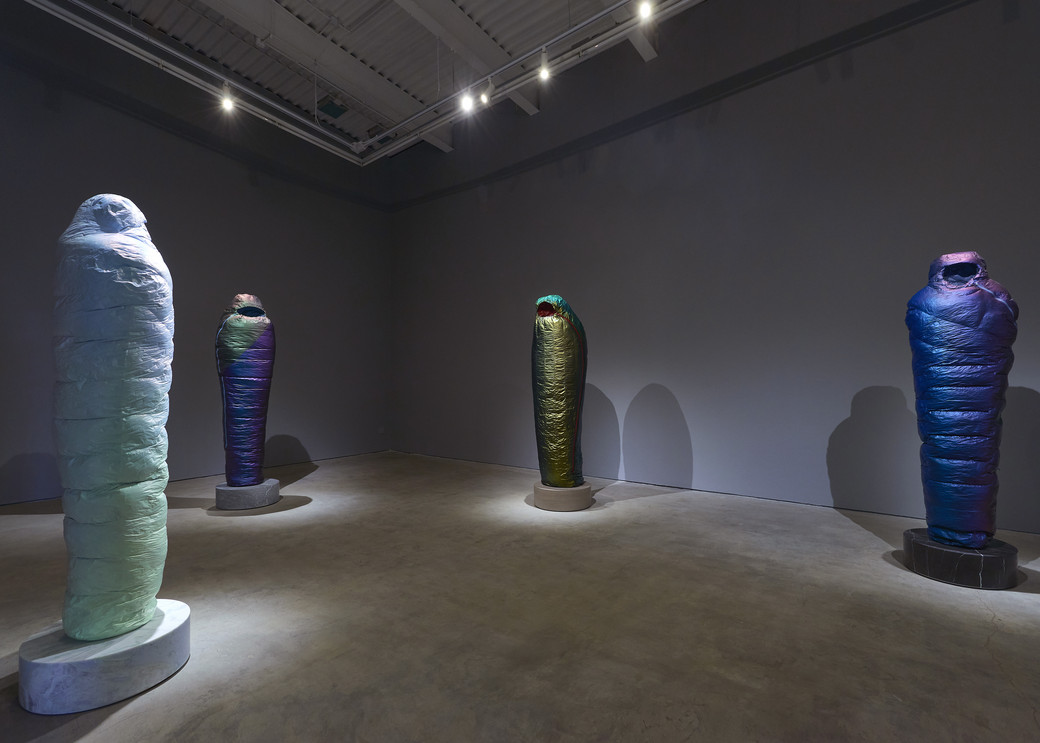
Smith’s Standing on the Moon sculptures really need to be seen in person to see just how strong of a presence they have. Standing in the gallery alone, you will feel something looming there. These anonymized human forms are reminiscent of a time when bodies were preserved through mummification, but are a response to the recent global loss this planet has suffered in the last couple of years.
In regards to the title, Smith said, “The title of the show is crucial for a full understanding of the show, both conceptually and emotionally… ‘Standing on the Moon’ is a song written by Robert Hunter and Jerry Garcia… The song starts with the protagonist doing just what the title describes — standing on the moon. They are looking down at earth and detailing all the flaws… This is contrasted against the signer’s own surroundings, which are entirely quiet and peaceful… As the song goes on it seems very much to be an antiwar anthem… It’s not until almost the very end of the song that everything is flipped upside down. The singer admits that while they are standing on the moon, they would ‘rather be with you, somewhere in San Francisco, on a back porch in July,” and so, forsaking all the heavenly tranquility on the moon, to be back on a very flawed earth, just to be with the one they loved. The first time I heard this song, I realized that I always thought of loss as the living mourning the deceased, but never as the deceased missing the living… What a wonderful thing it is to be here with everybody.”
The show, open until August 8th, is the debut of the full collection of Smith’s iconoclastic sarcophagi, and you won’t want to miss seeing the mourning monuments face to face.

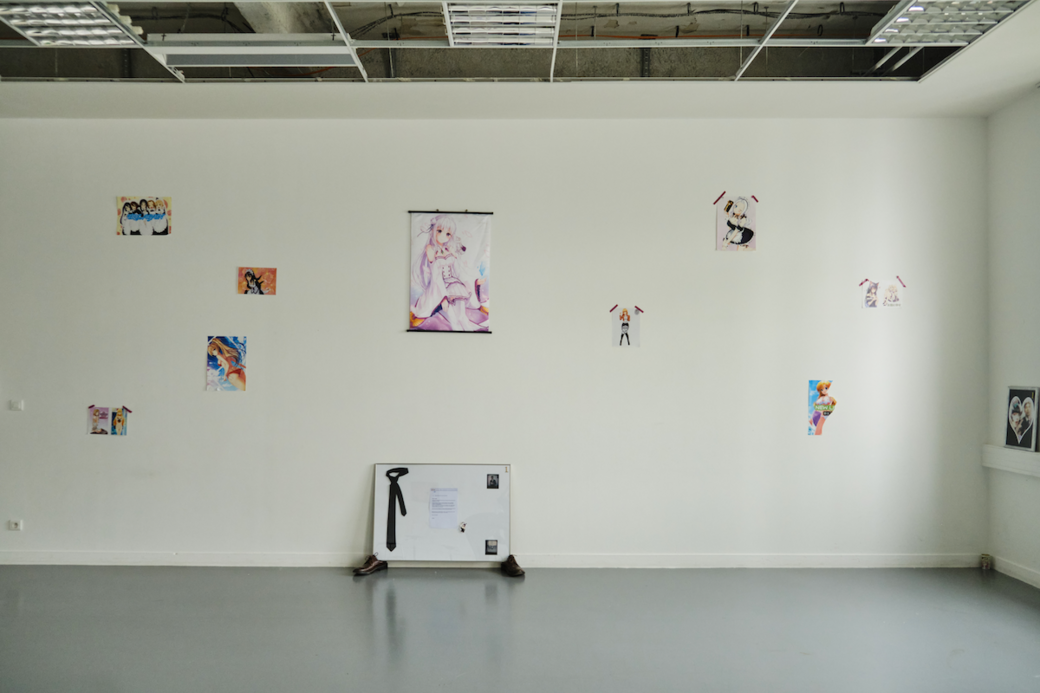
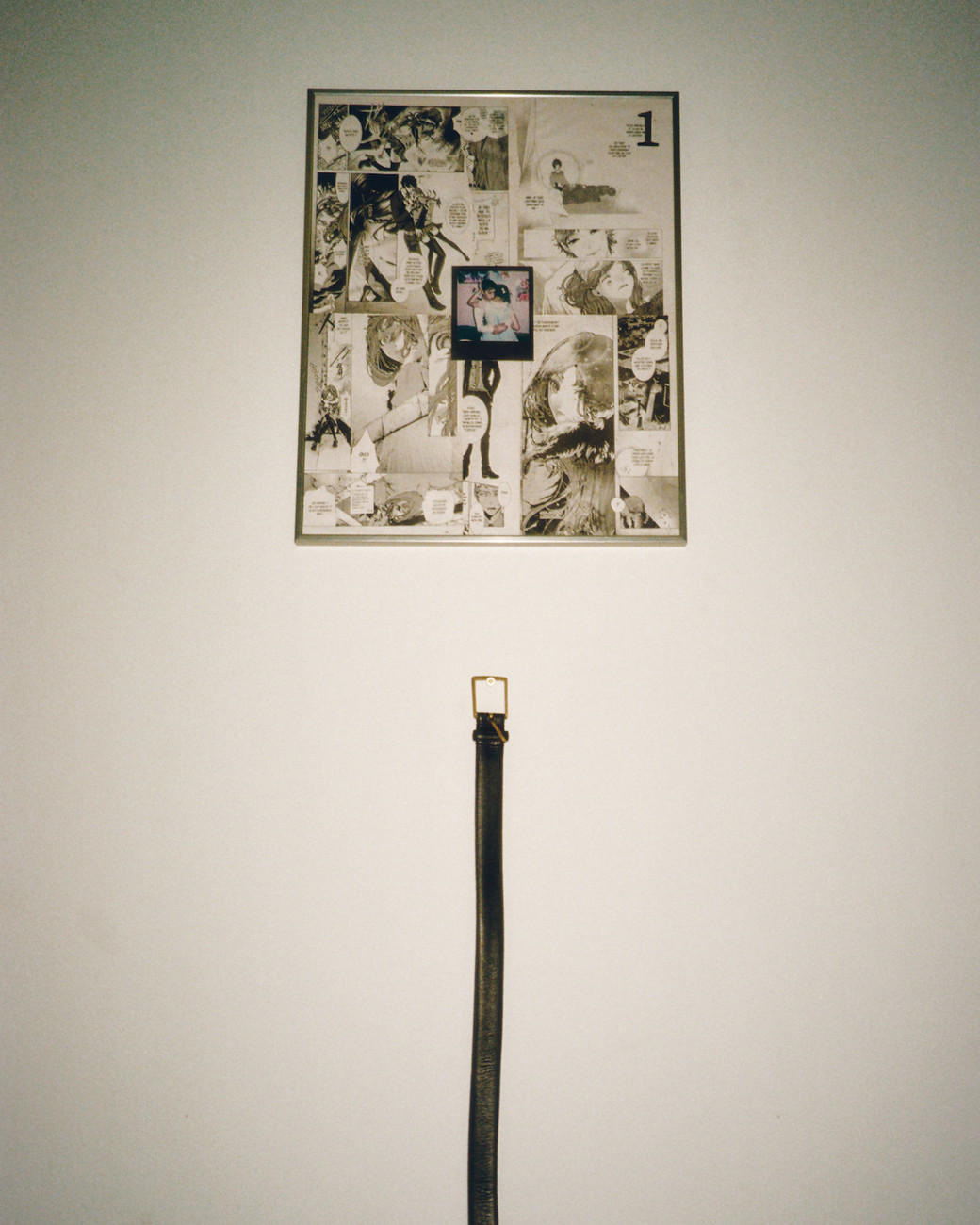
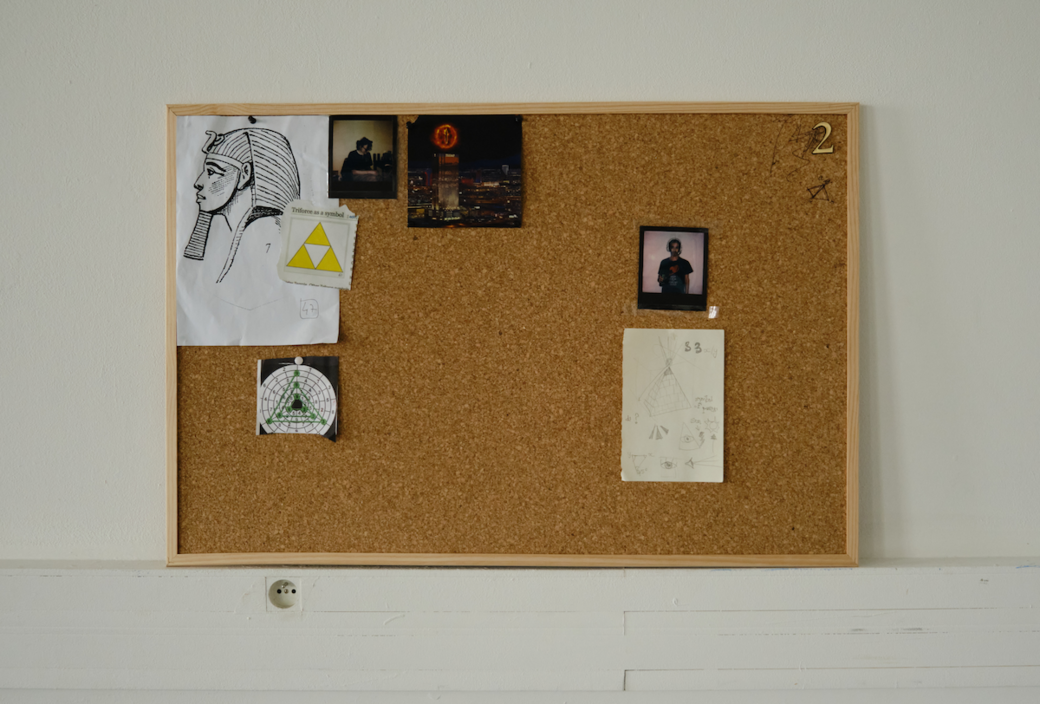
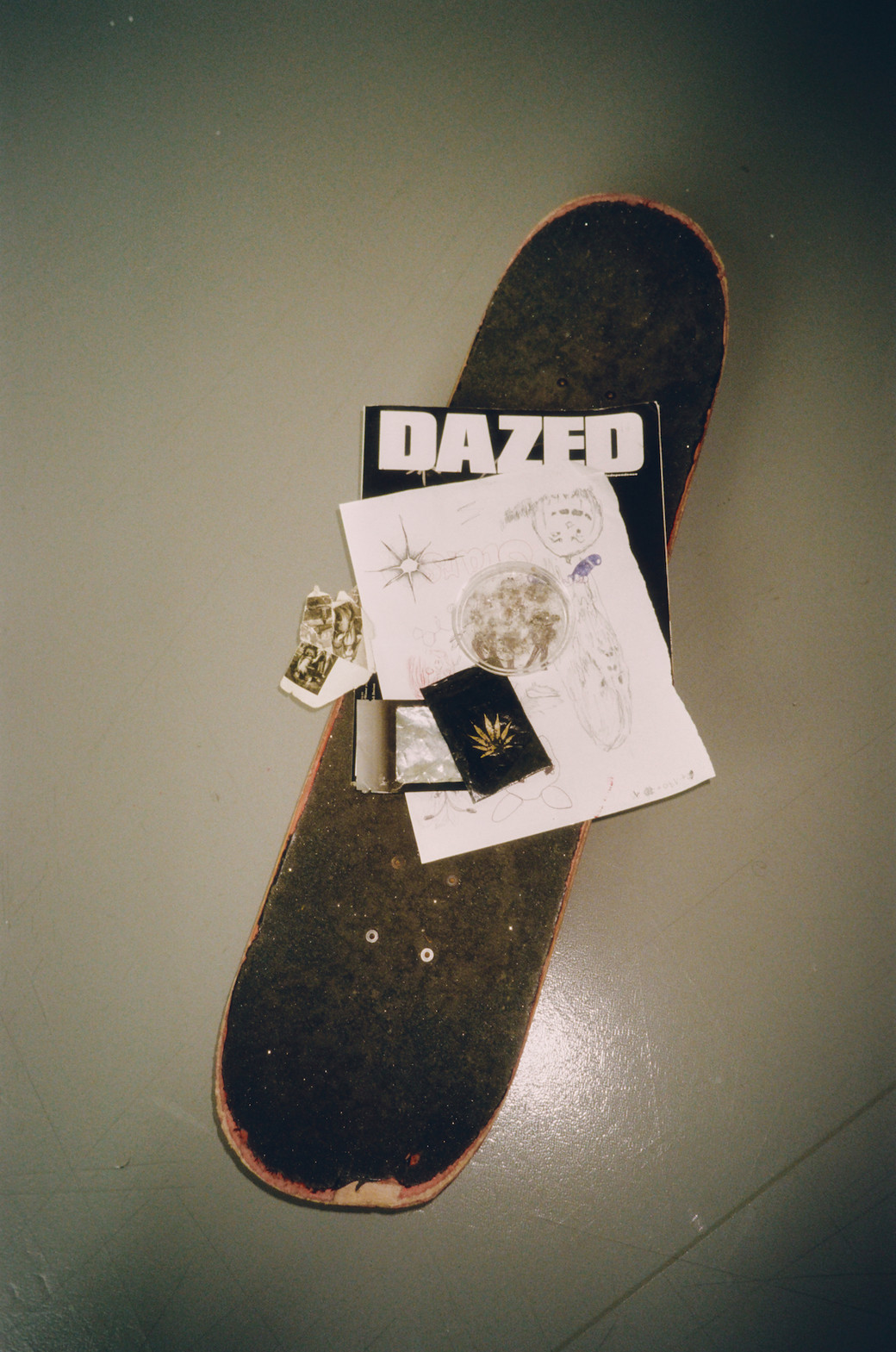
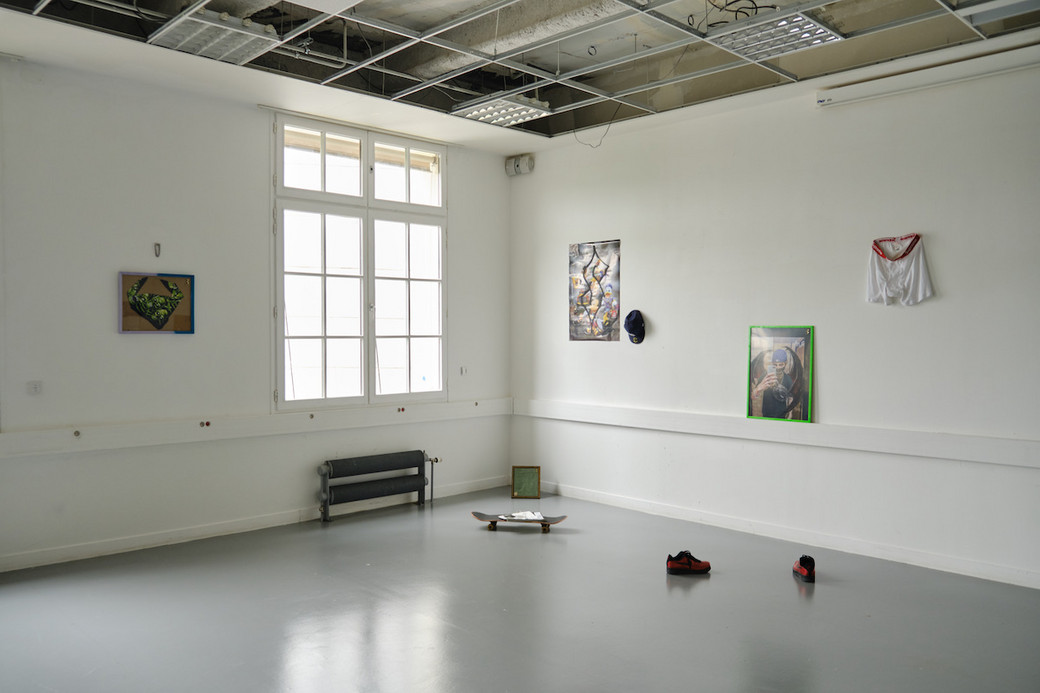
As a Muslim LGBTQIA+ identifying POC, Mertad often felt conflicted with his identity in the sense that it felt more like a burden rather than something to embrace; the solution? Divorcing those assignments and placing a wedge between himself and his overall identity. Today, the 23-year-old artist still faces a hindrance in celebrating his identity, this time, however, he decided to capture the fluidity of his physical and mental form while exhibiting them for the world to see.
“I started to find commonalities between the spiritual idea and the way we’re living nowadays. How our representation on social media is just an image that can be changed at every moment, how the internet created what we call aesthetics,” he says. “How my generation loves to be part of a visual community and change it completely years/months/weeks or even days after, how the movements of personal development are constantly telling us to be the best version of ourselves, to let die the previous version of our person, how fashion is a way of identification and how the rhythm of trends is faster than ever.”
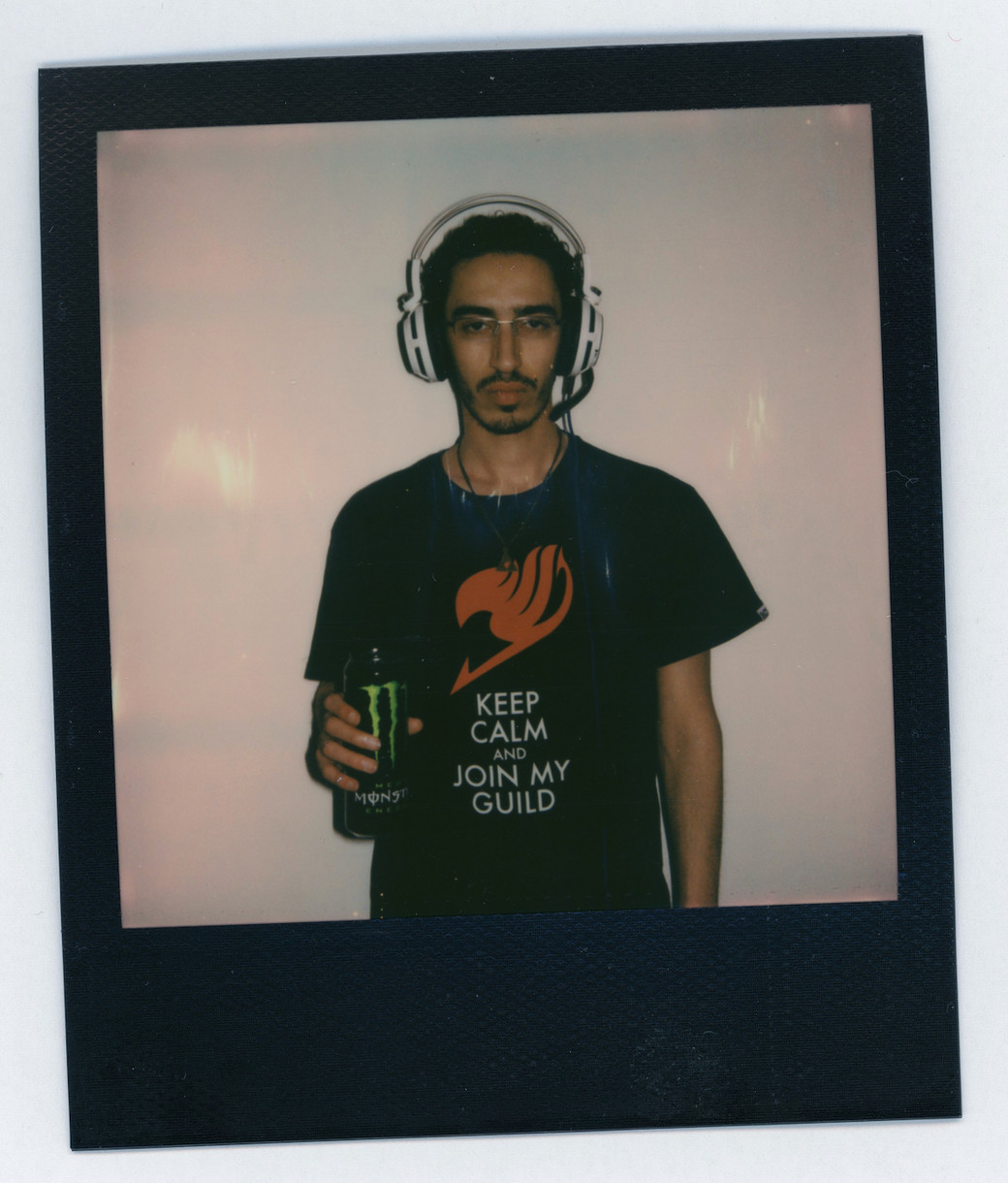
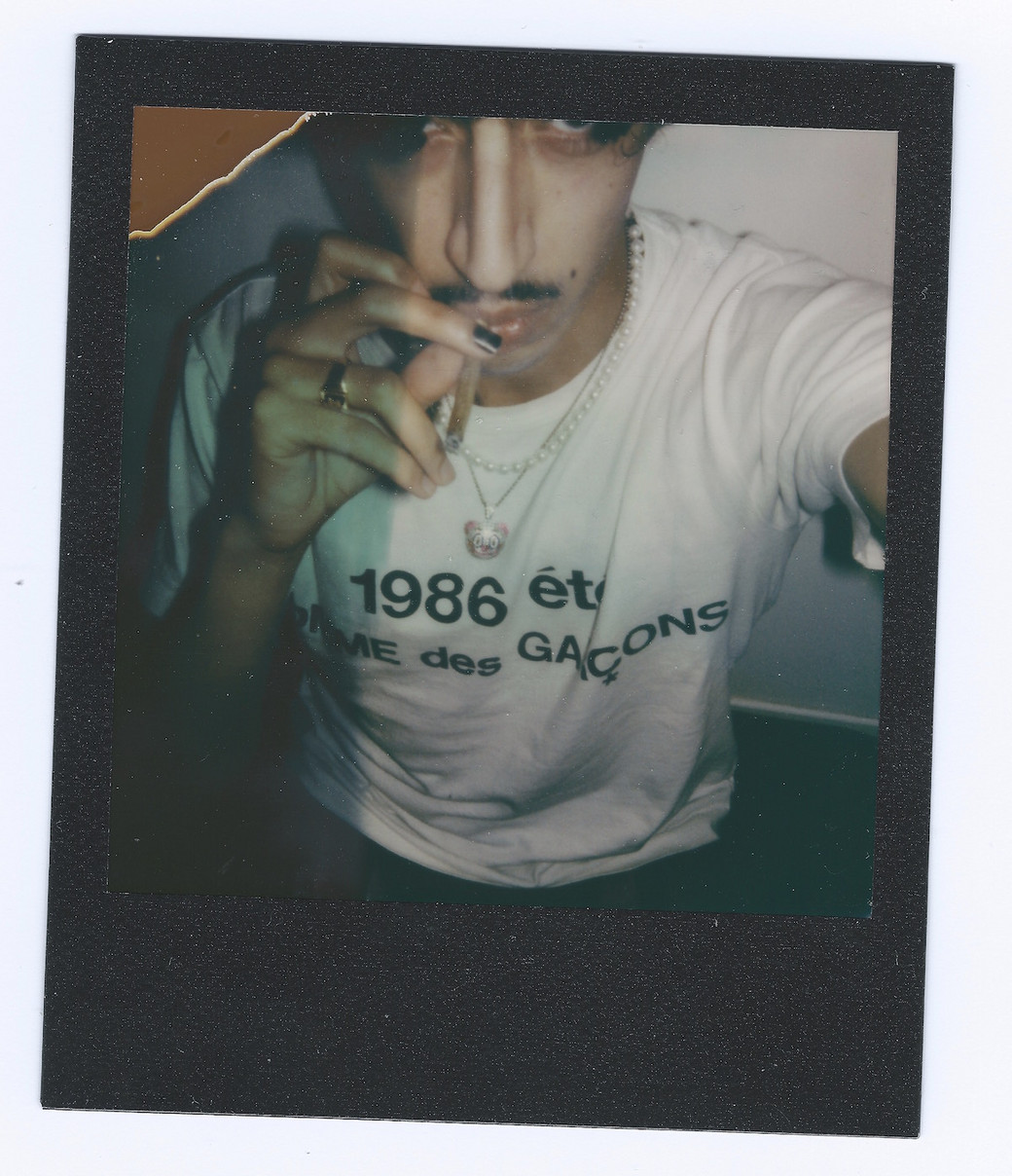
This unique paradigm paved a pathway into his decision to breathe life into 5 reincarnations that included narration from within. An interactive experience cascaded across his social media platforms, providing the viewer with insight into each life through various forms of media. At the core of each identity lies contrasting values whereby the metaphorical death of each identity conjures up conclusive thoughts about contemporary ideas.
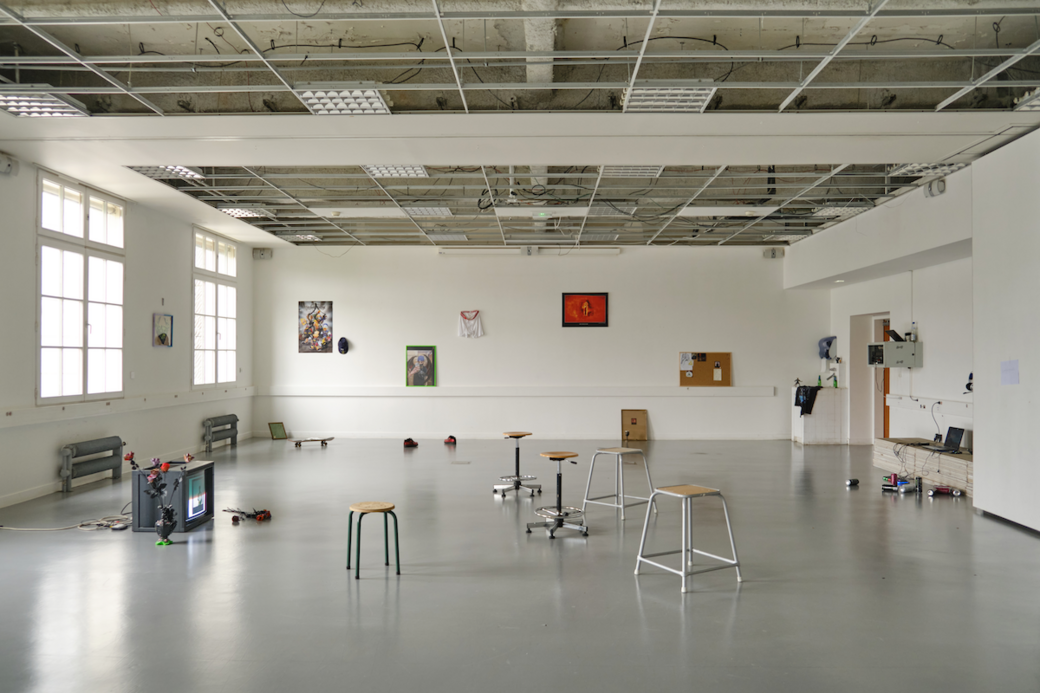
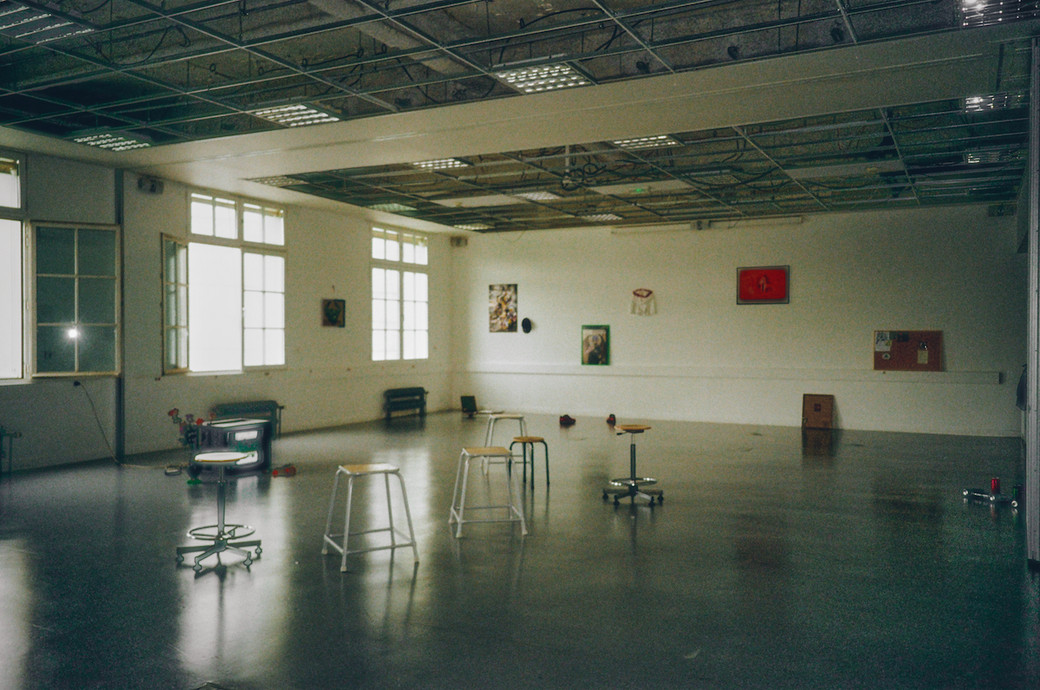
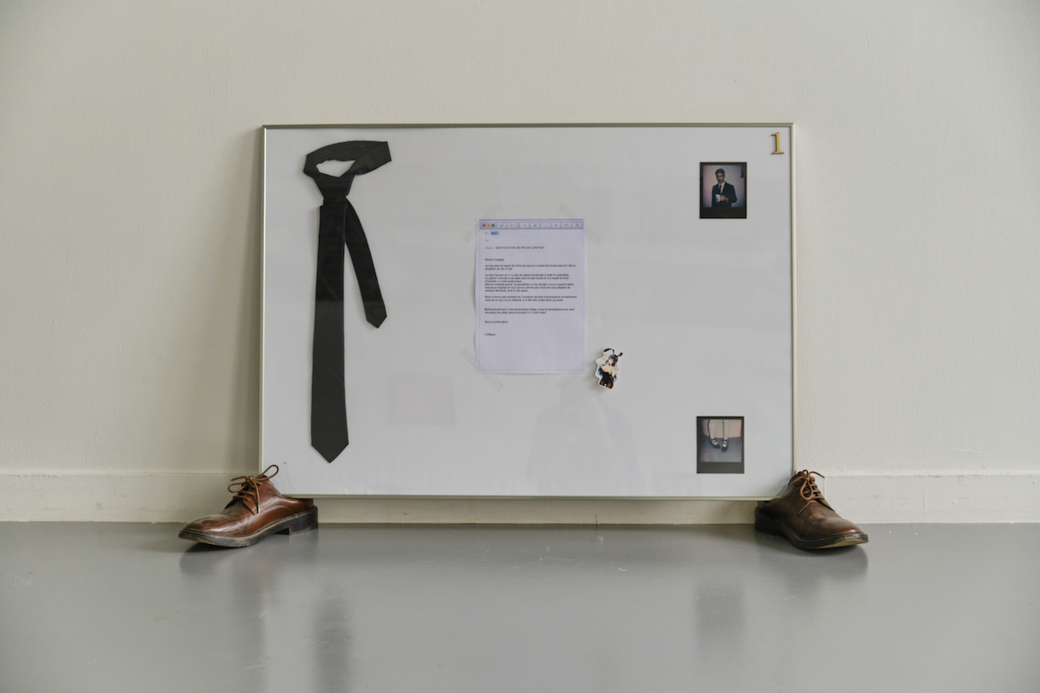
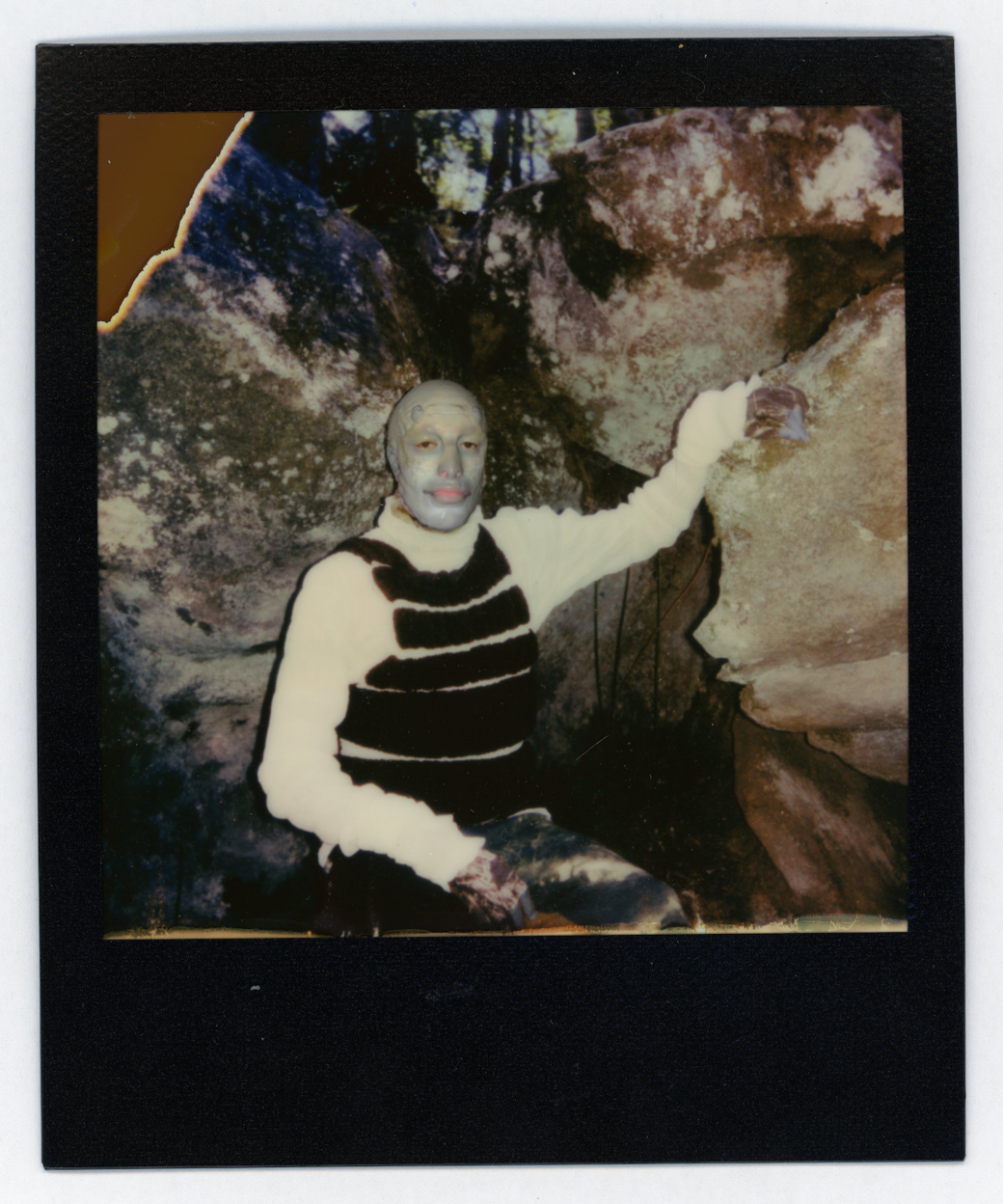
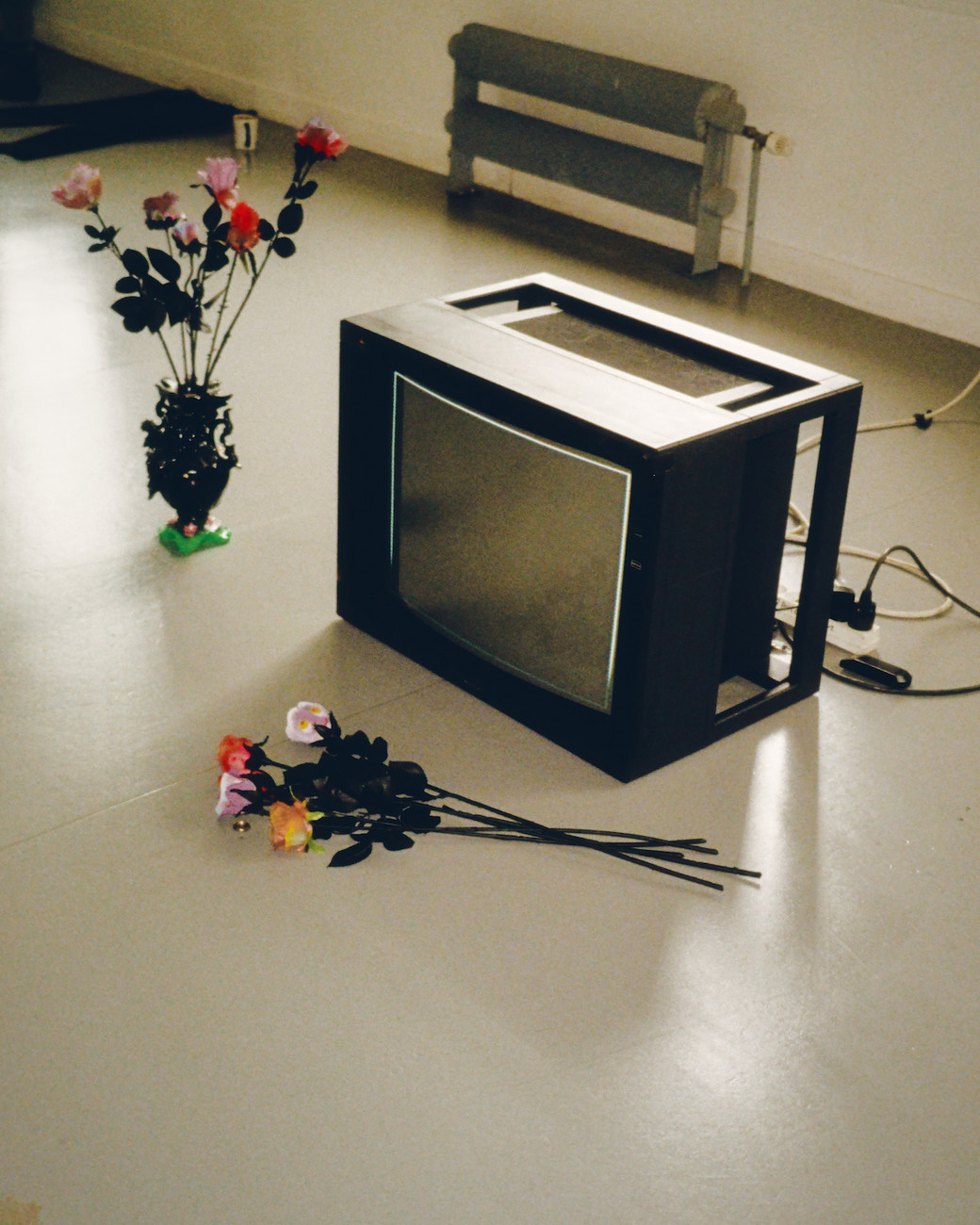
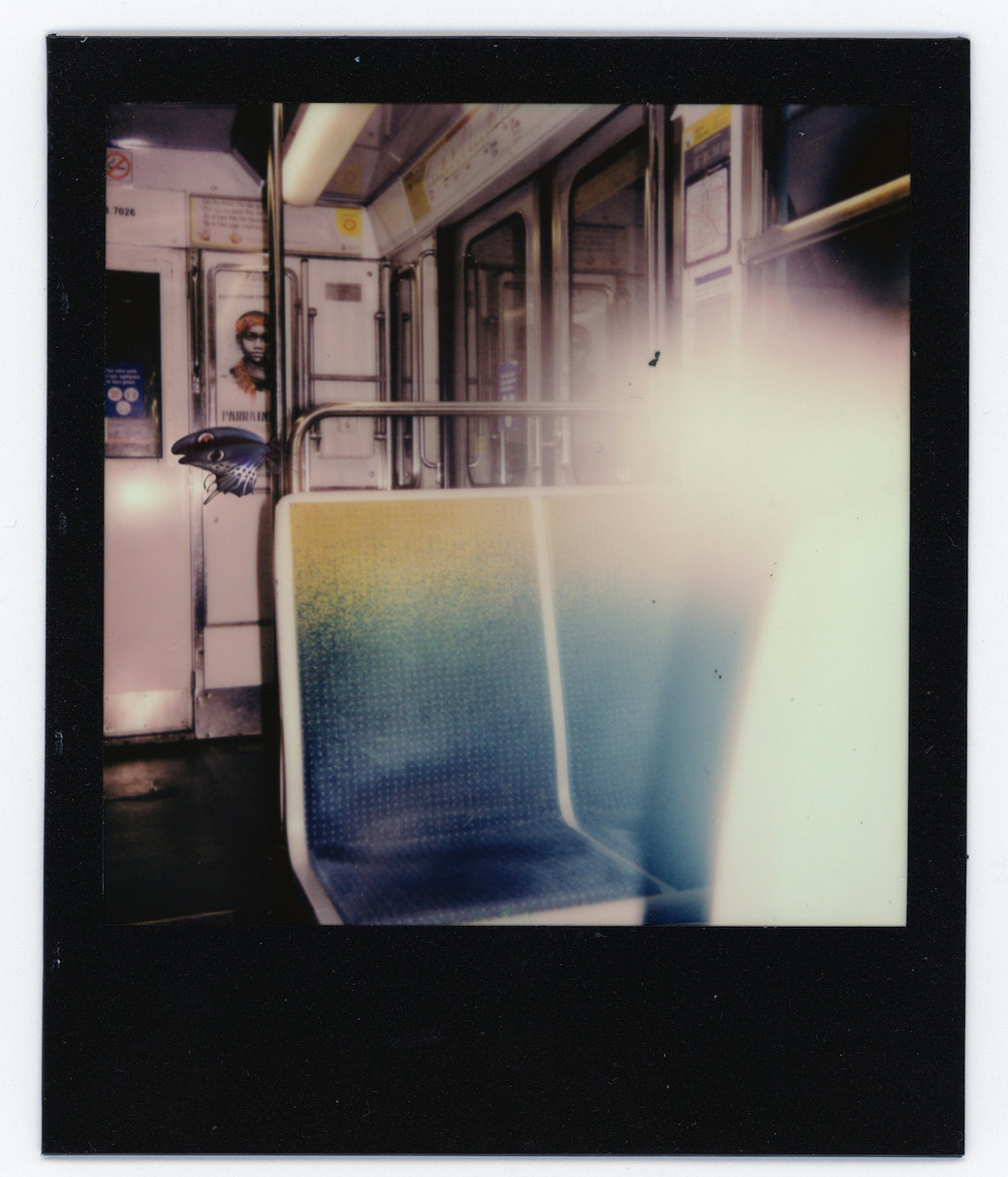
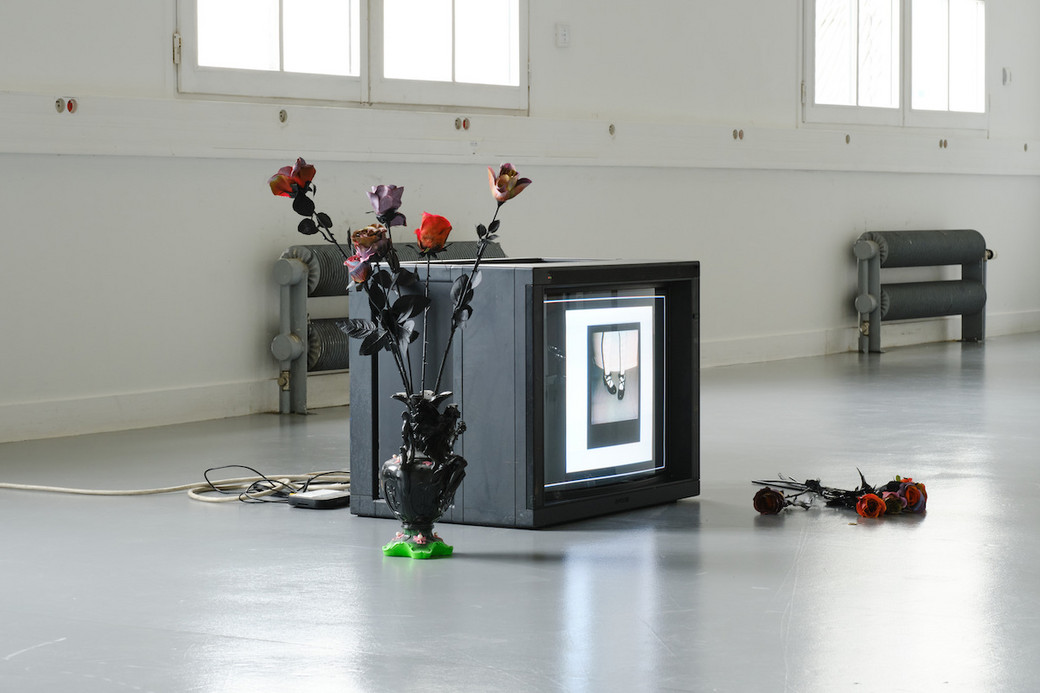
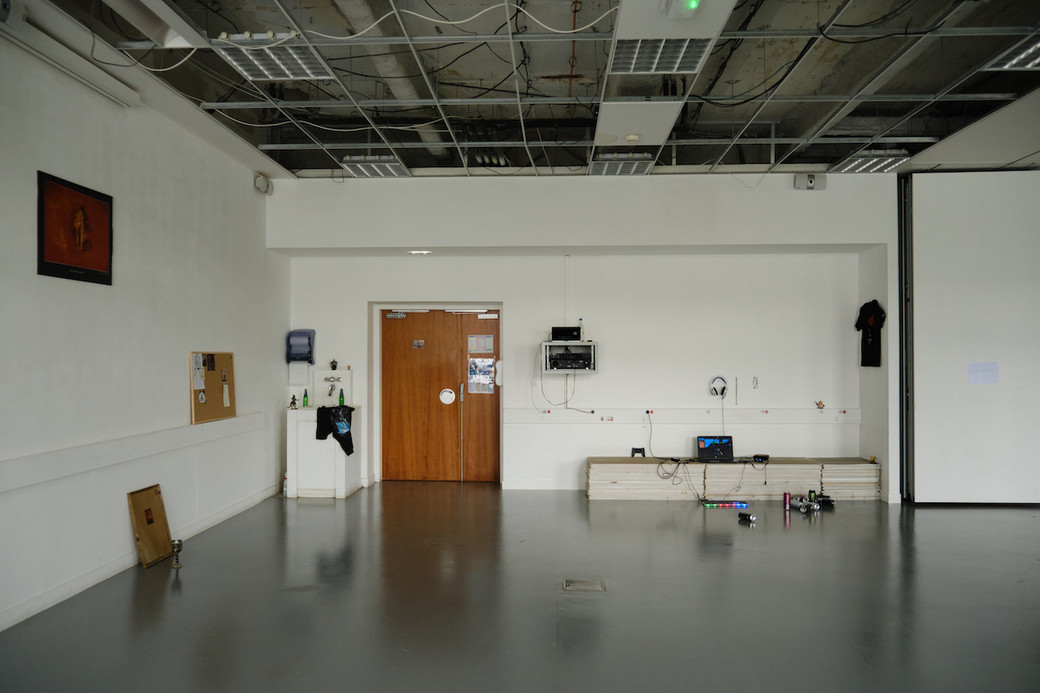
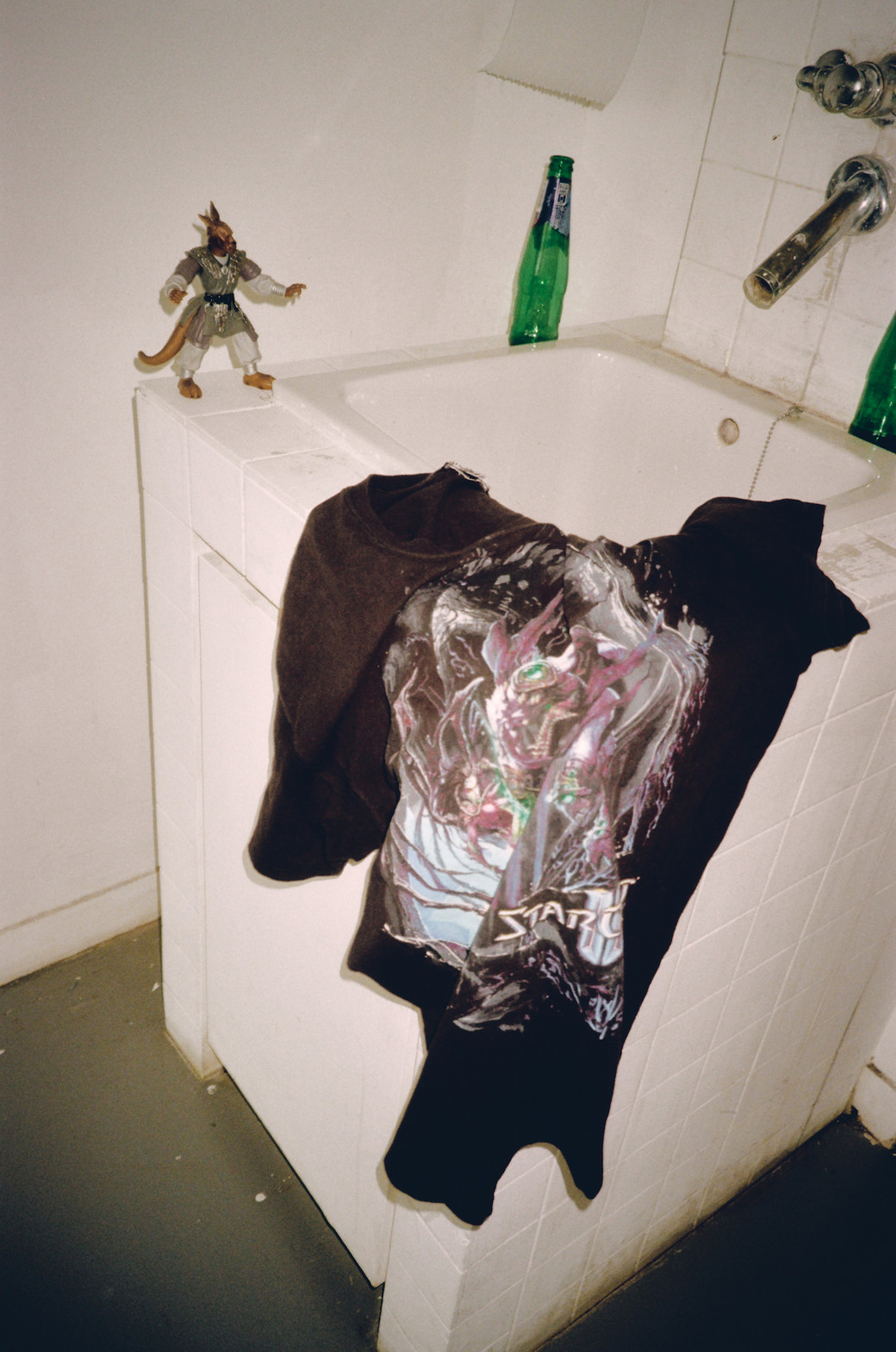
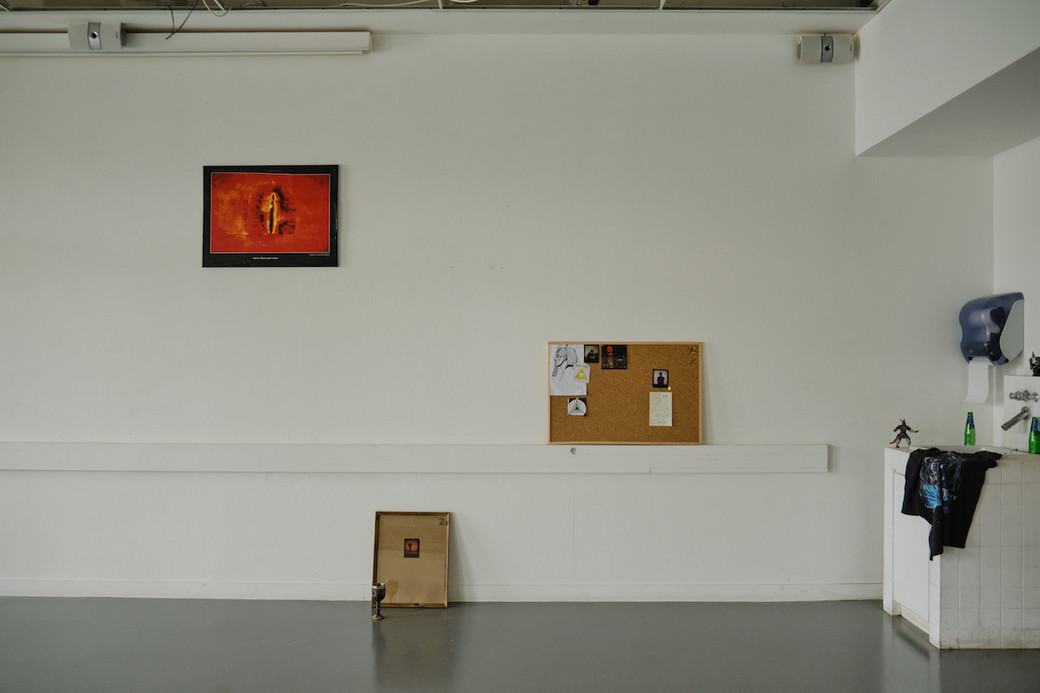
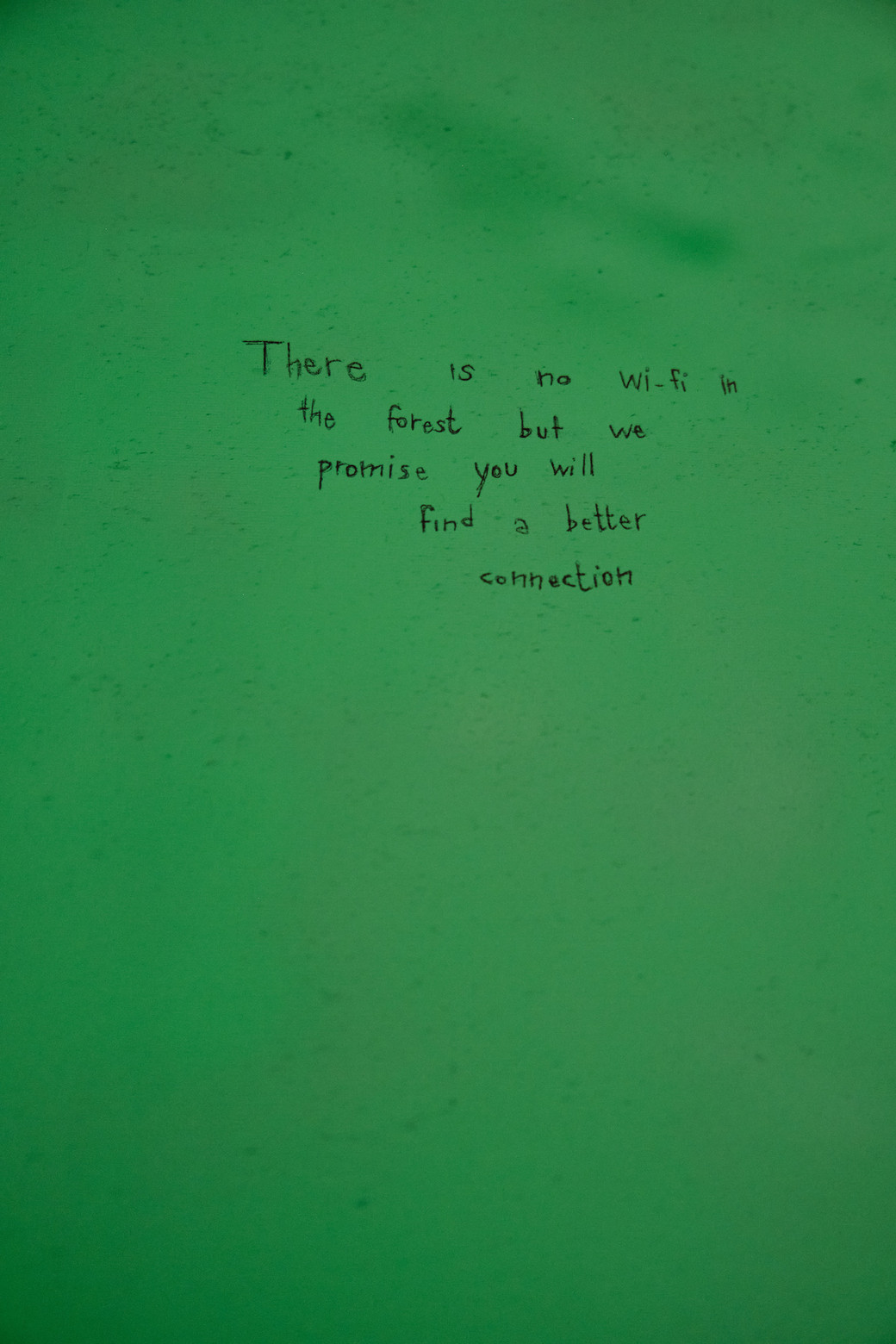
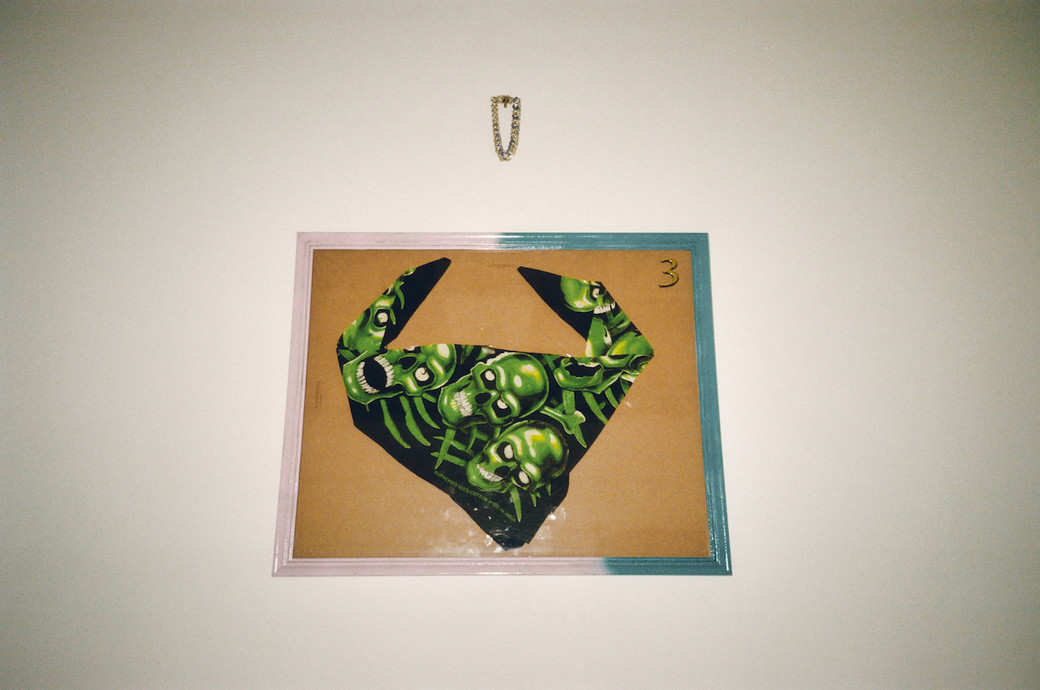
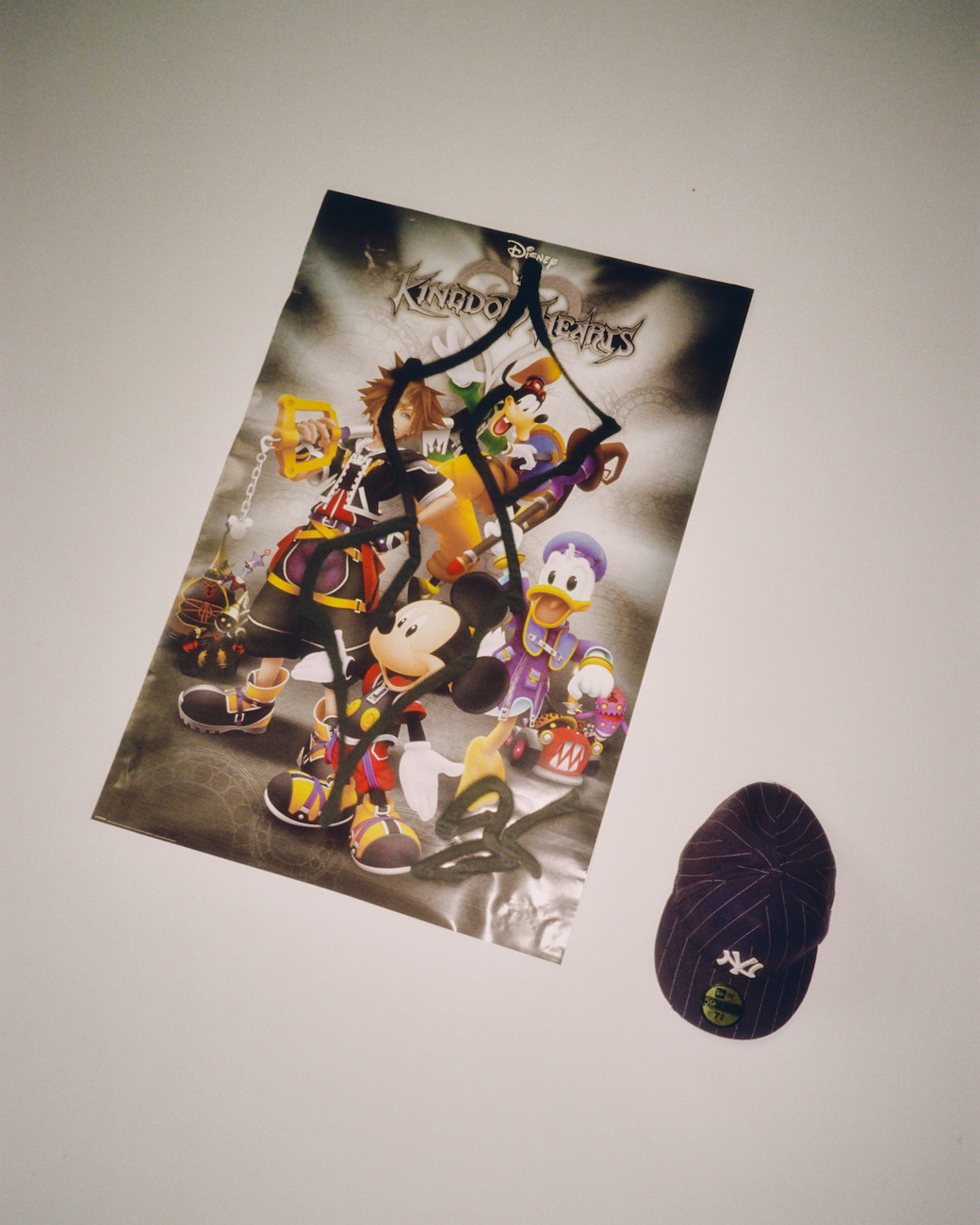
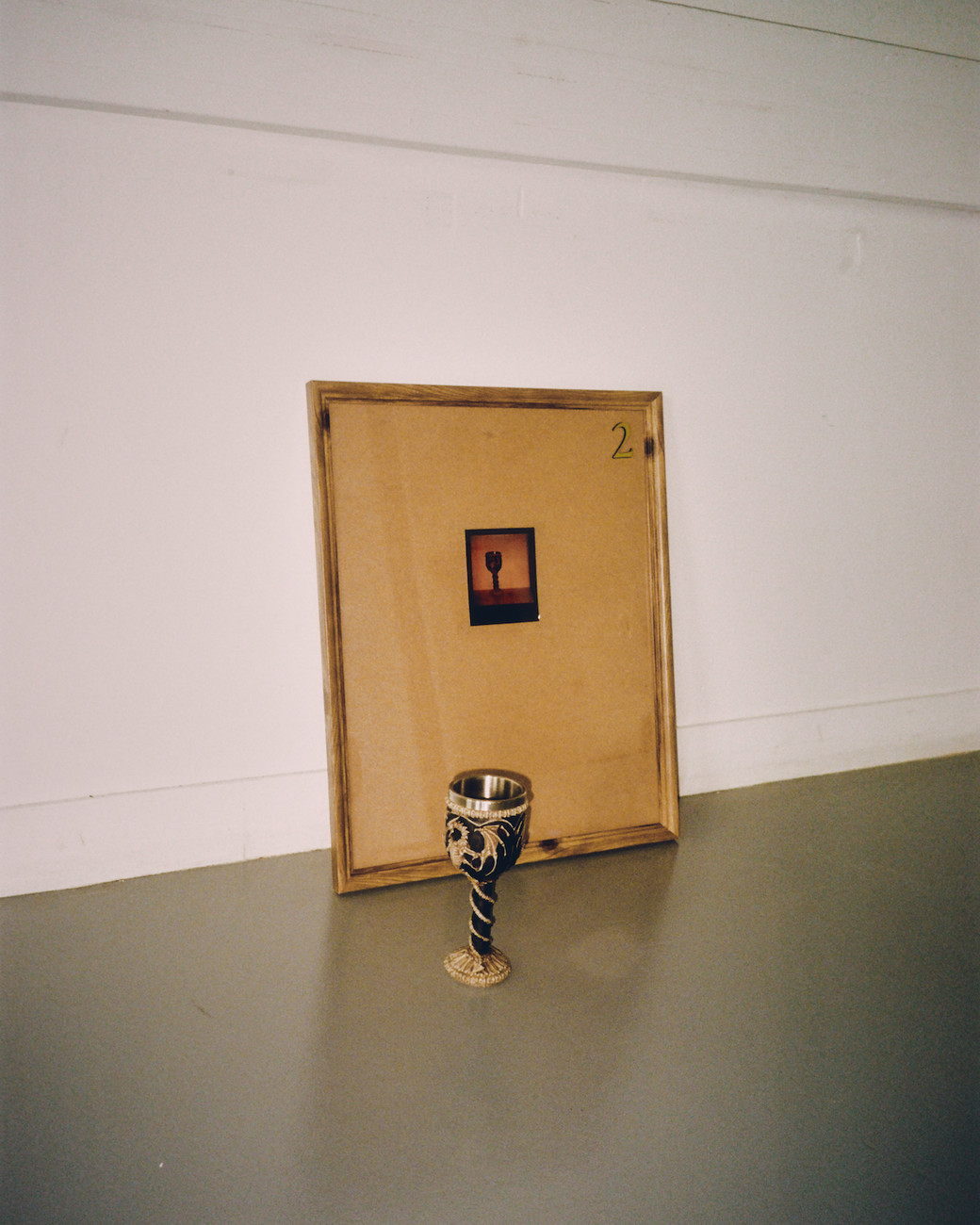
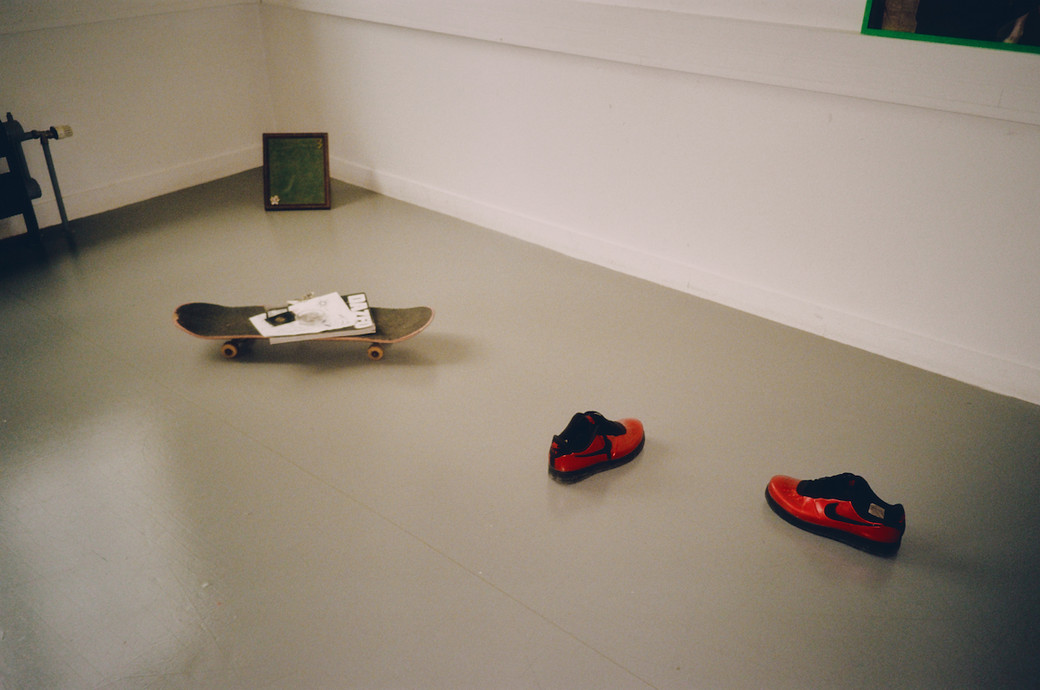
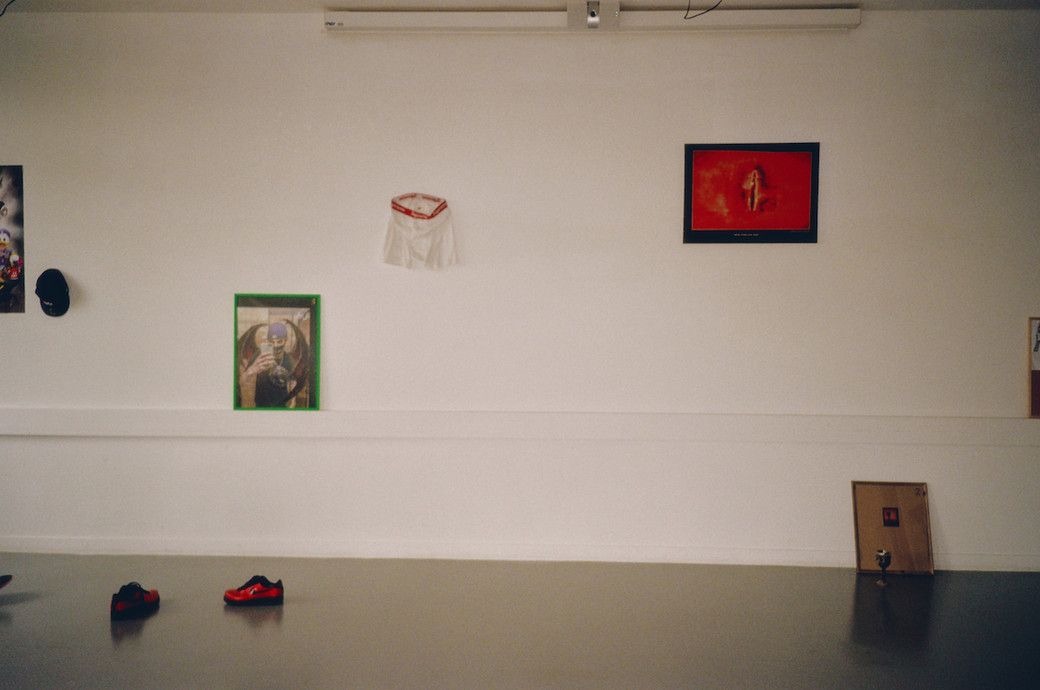
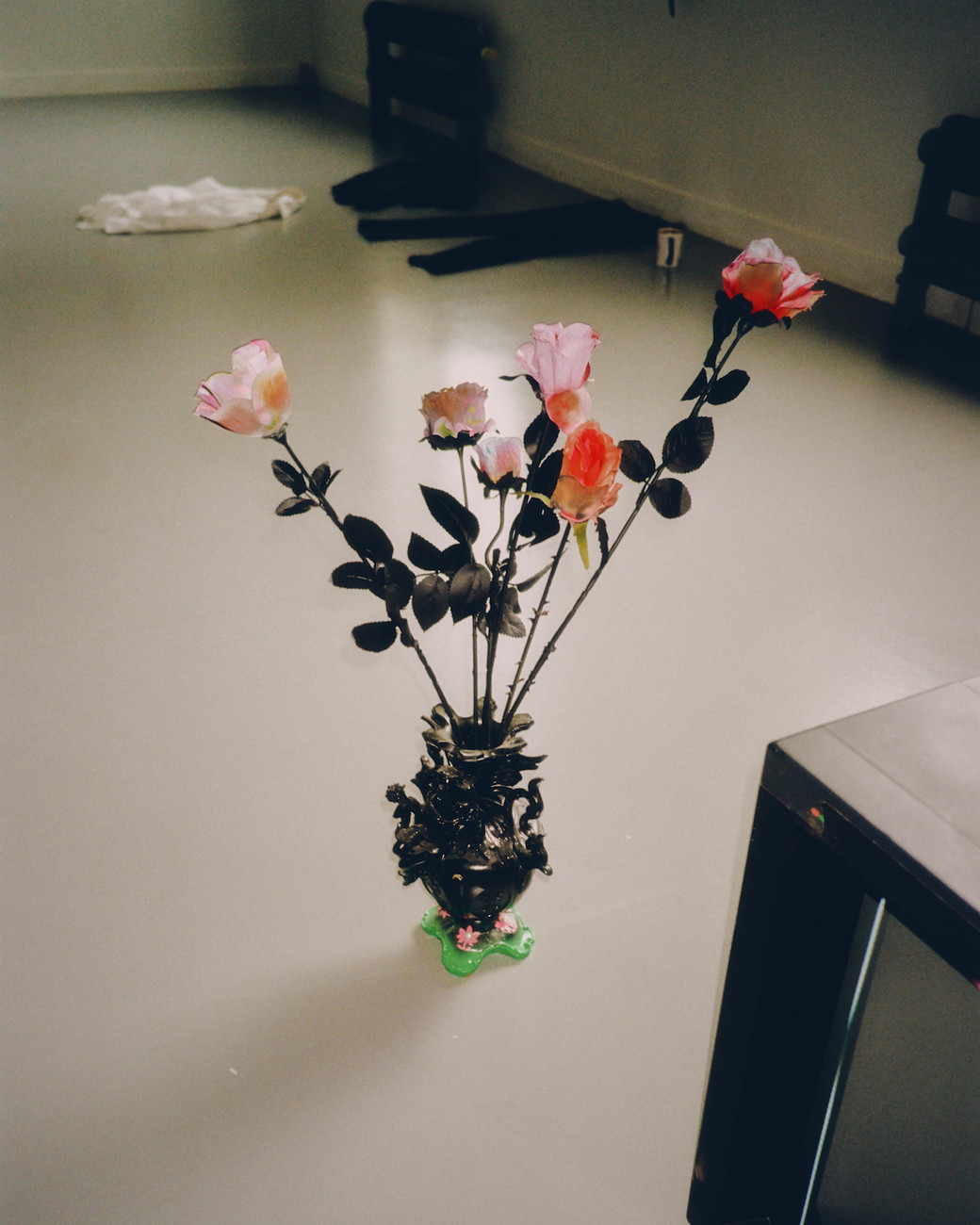
The final installation stitches together a linear narrative through the synchronization of 3 distinct parts. A soundtrack echoes throughout the room, creating an atmospheric ambiance, imbued with music and sounds that amplify the mood and aesthetic of each reincarnation. Additionally, the frameworks of every photo analyze different elements for each life — symbolic of an artifact or object totem. Lastly, the objects personify the last signs of life, whatever is left of that being.
Check out the project below.