Vulvatious

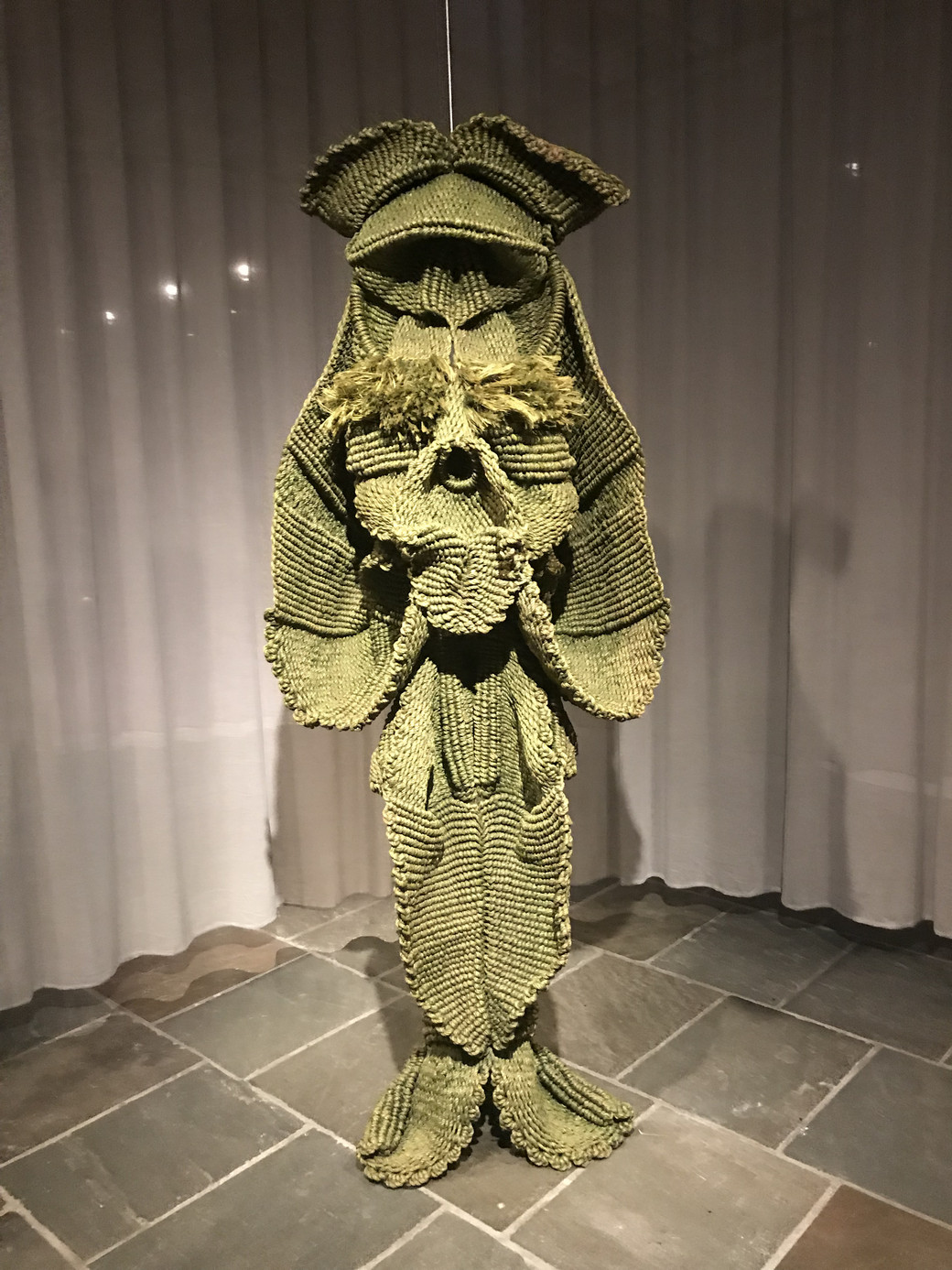
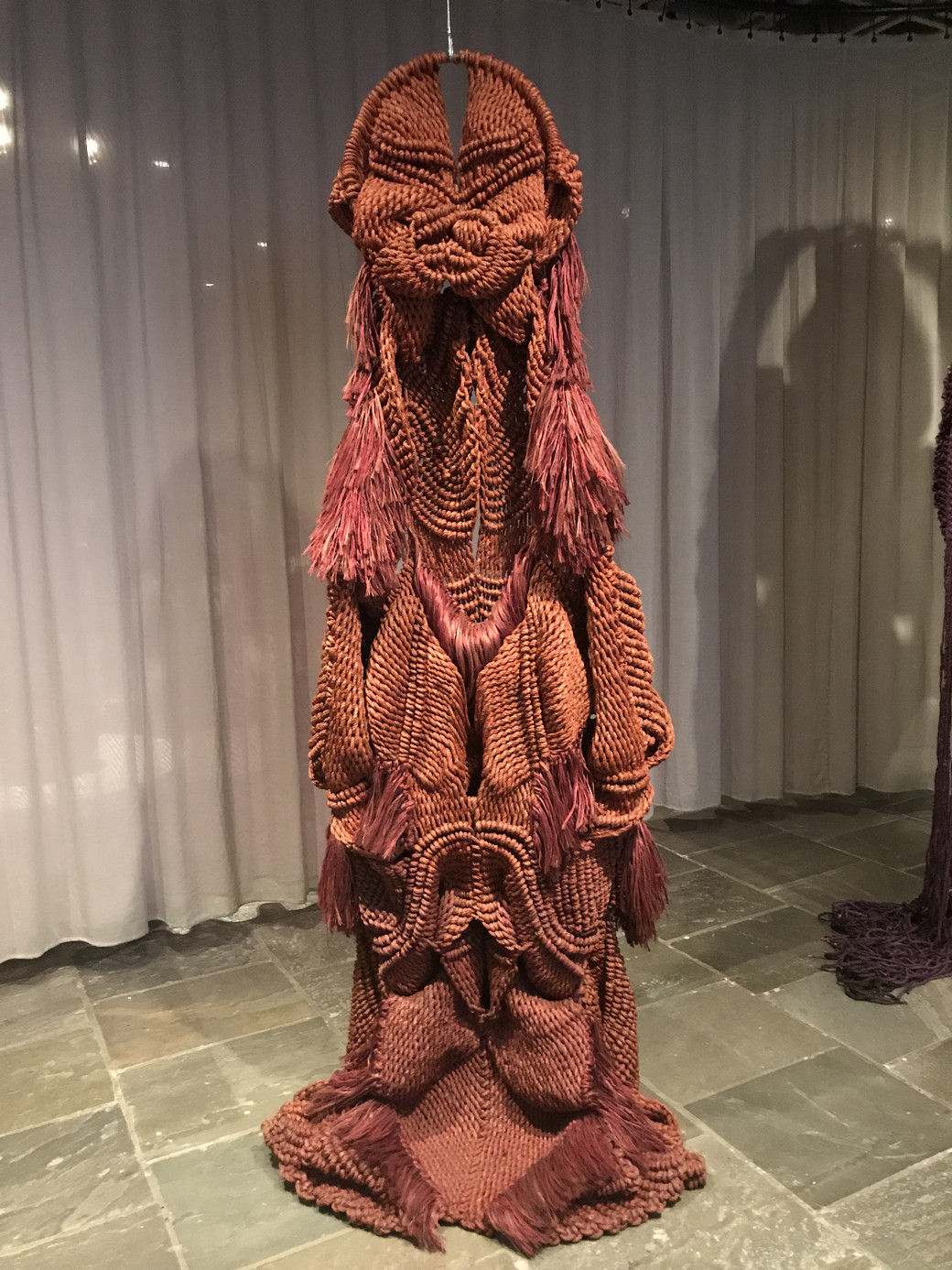
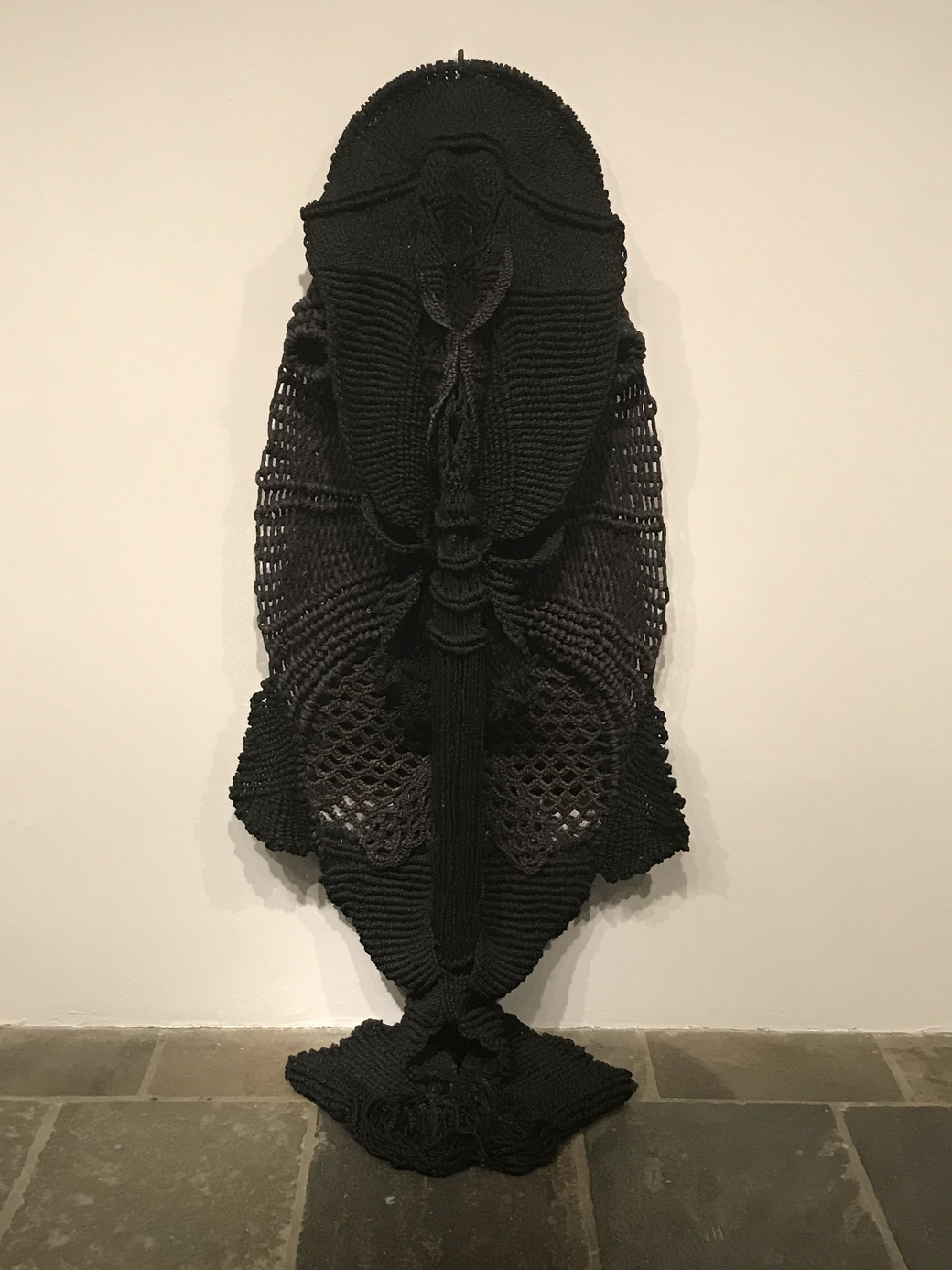
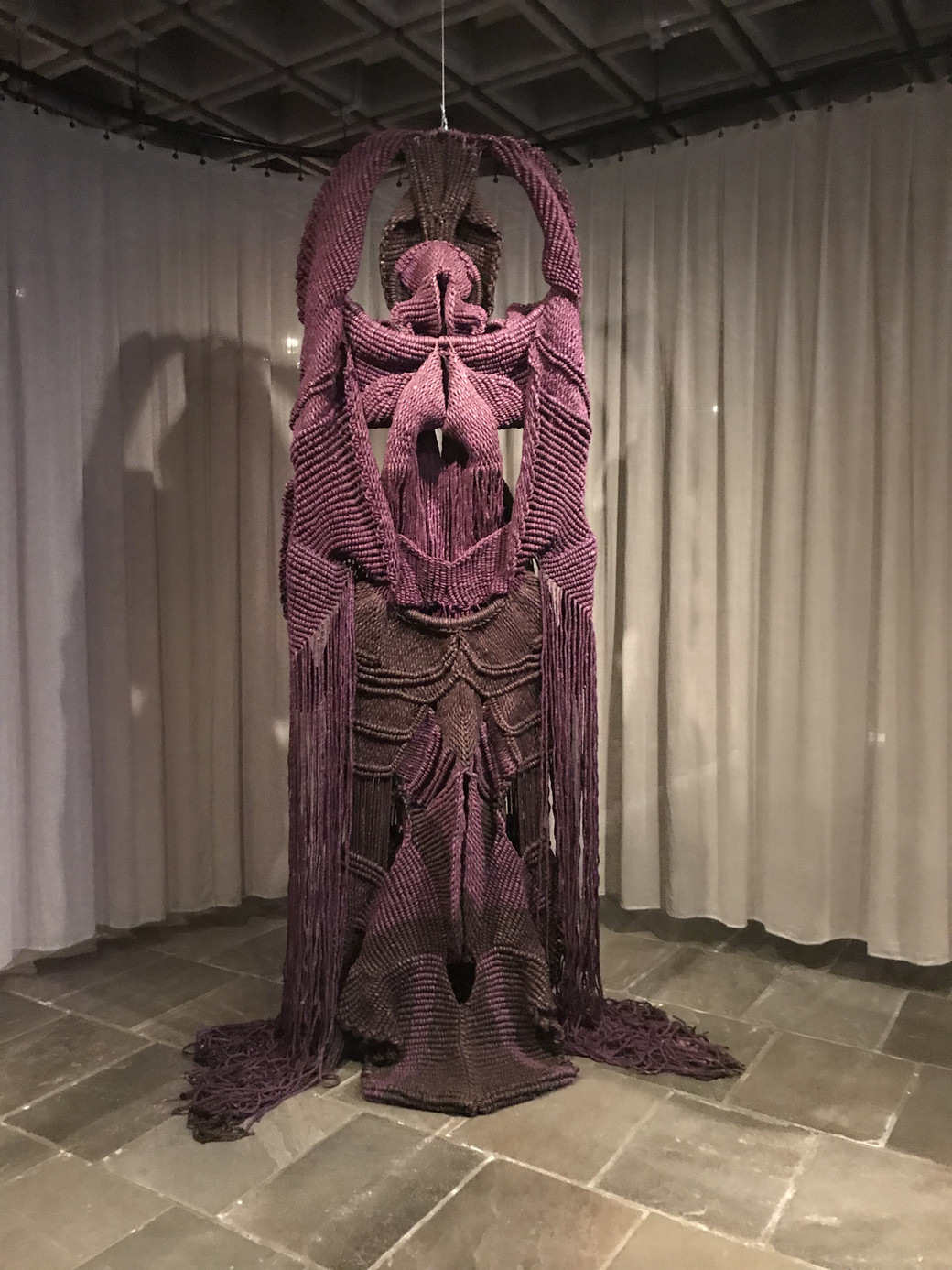
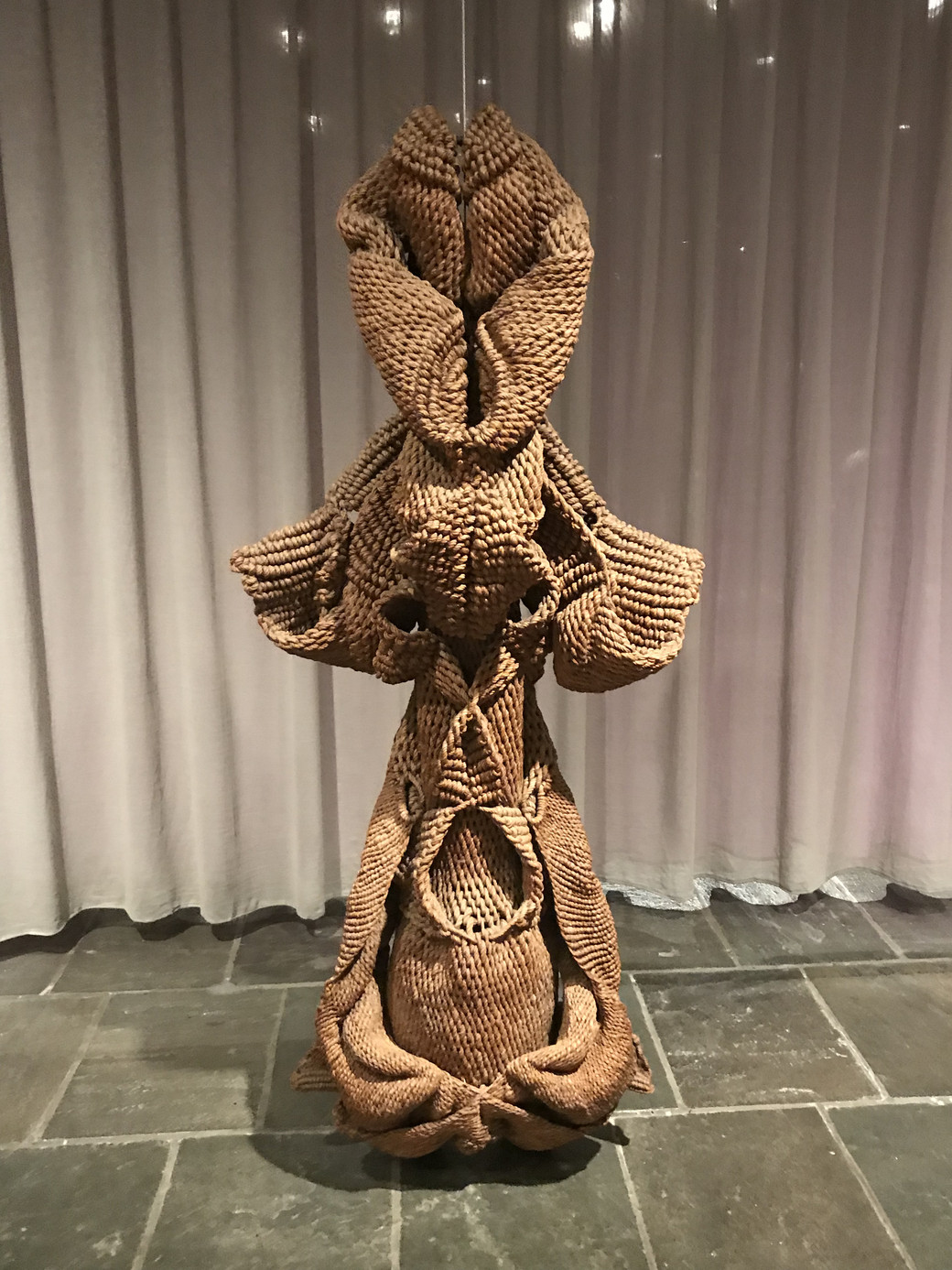
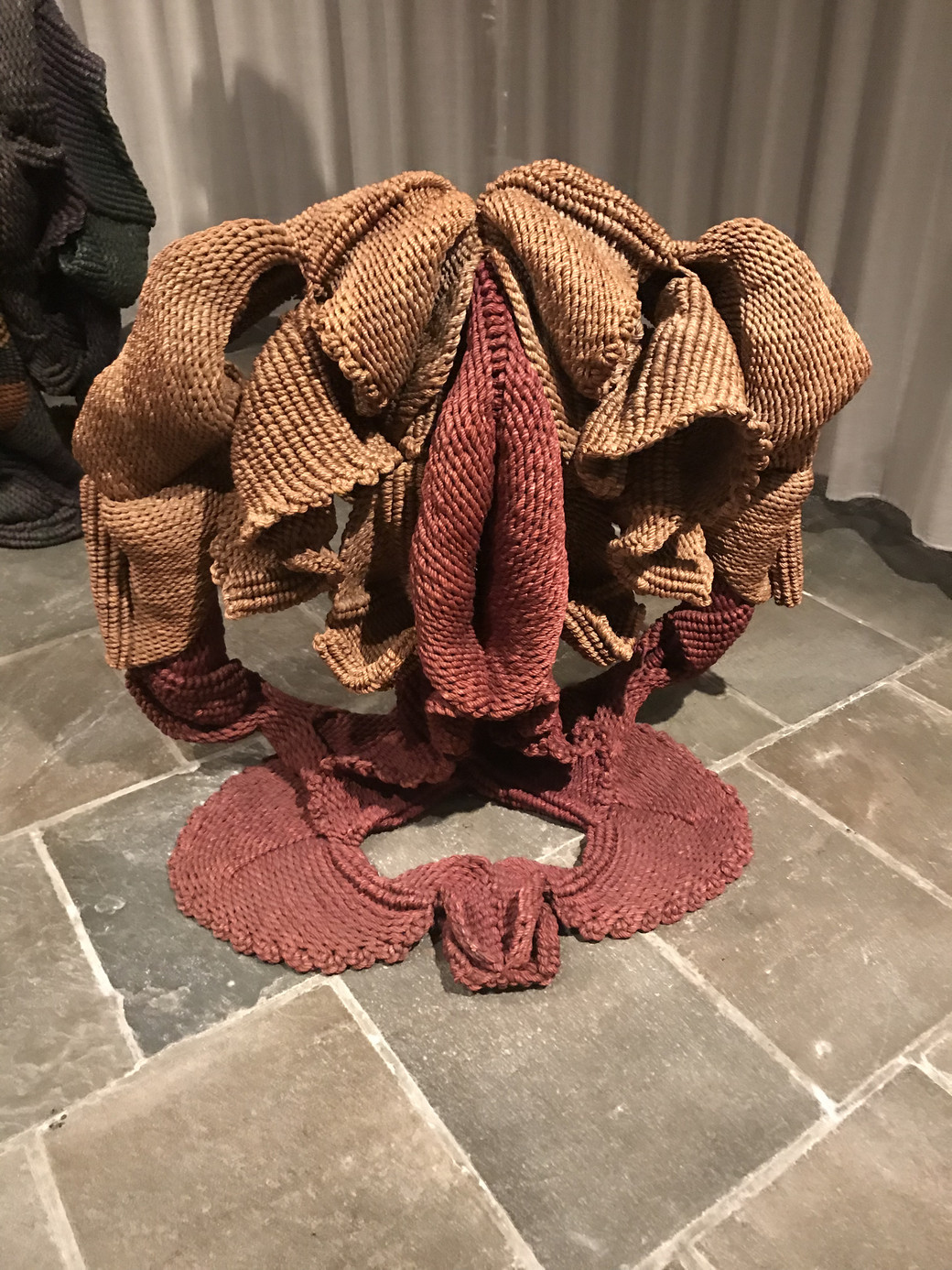
"Phenomenal Nature: Mrinalini Mukherjee" is on view at the Met Breuer through September 29th, 2019.
"Phenomenal Nature: Mrinalini Mukherjee" is on view at the Met Breuer through September 29th, 2019.

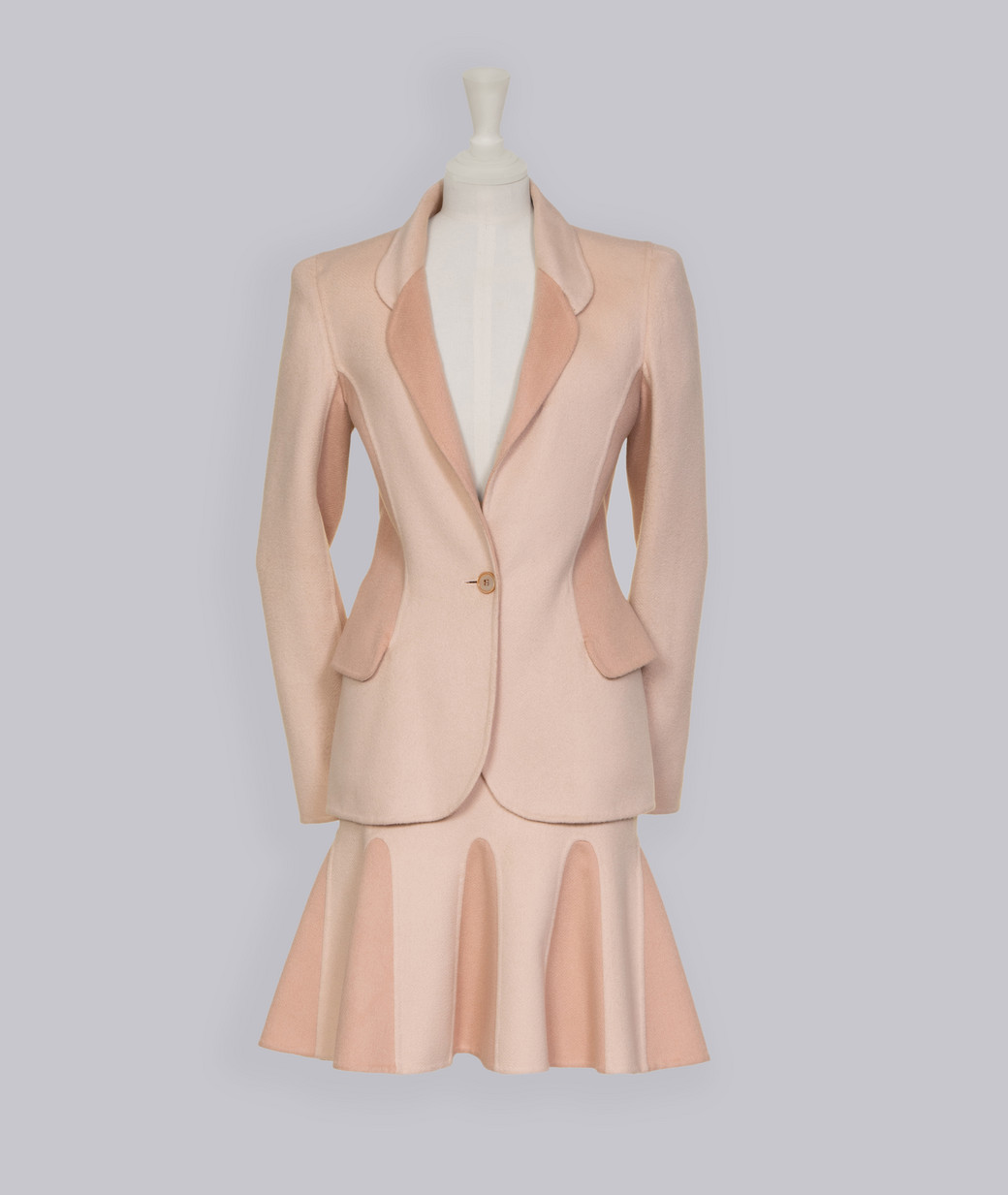
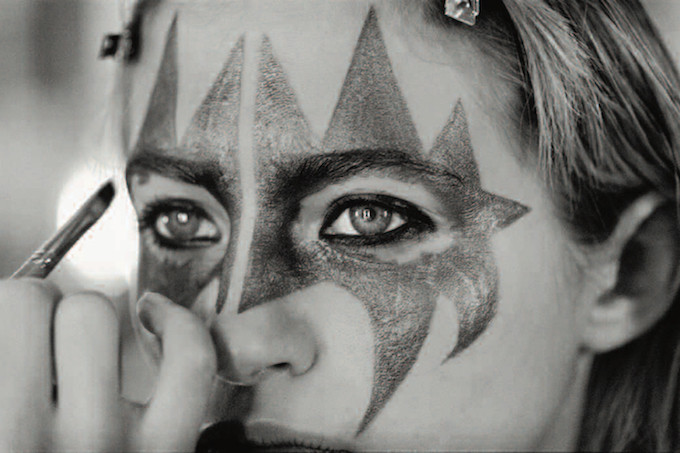
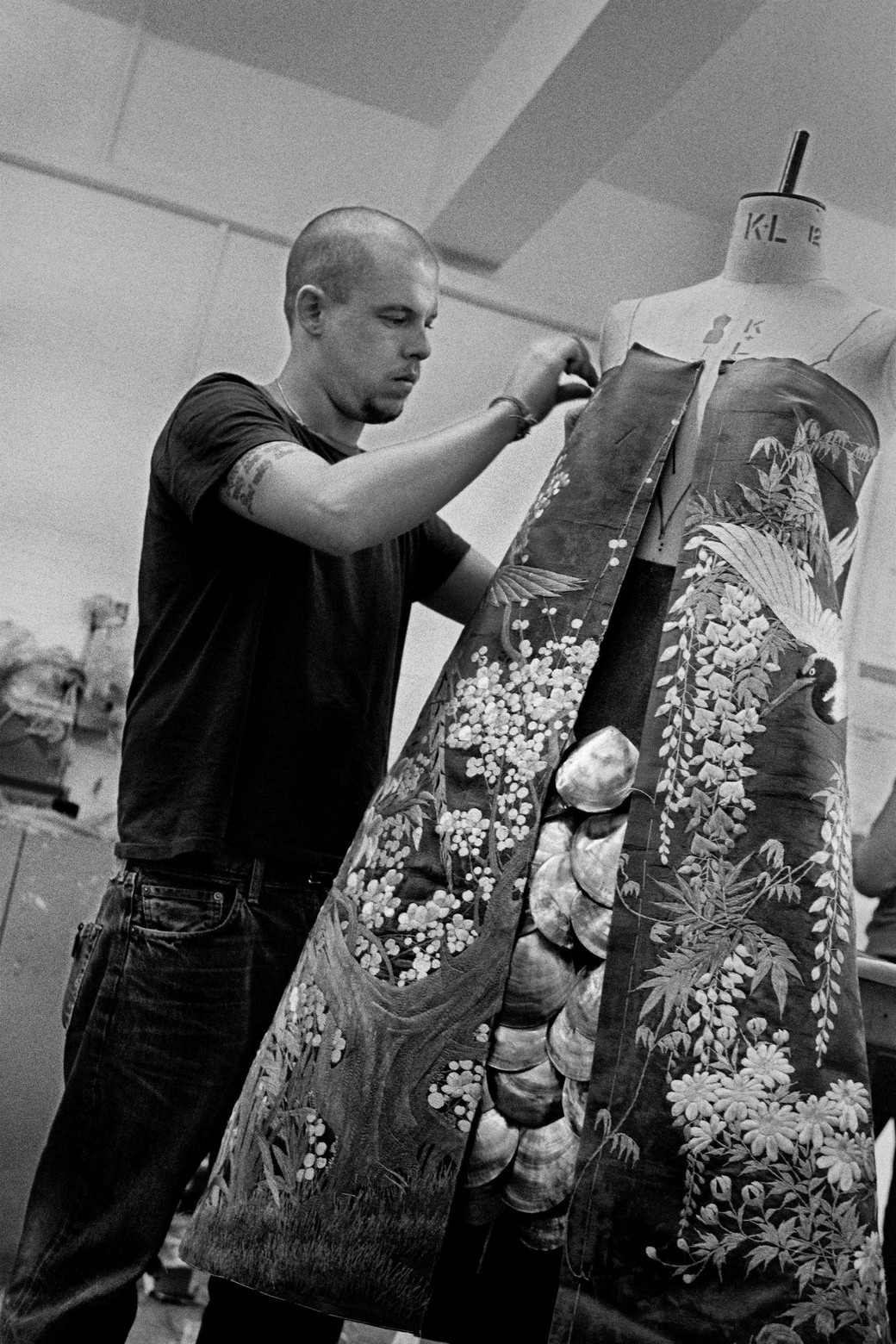
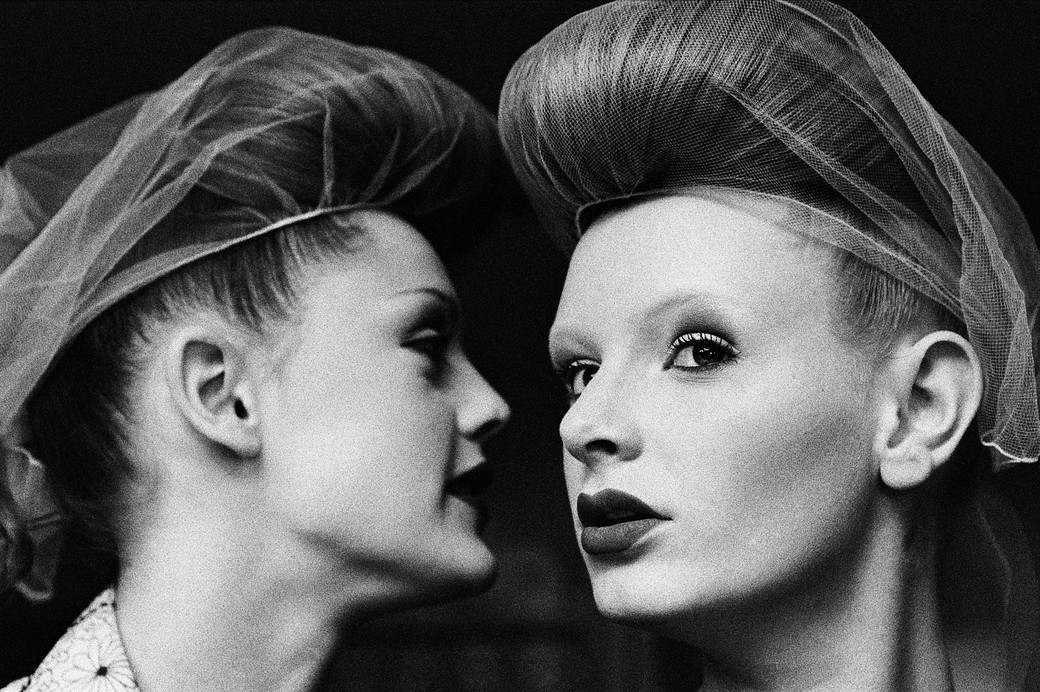
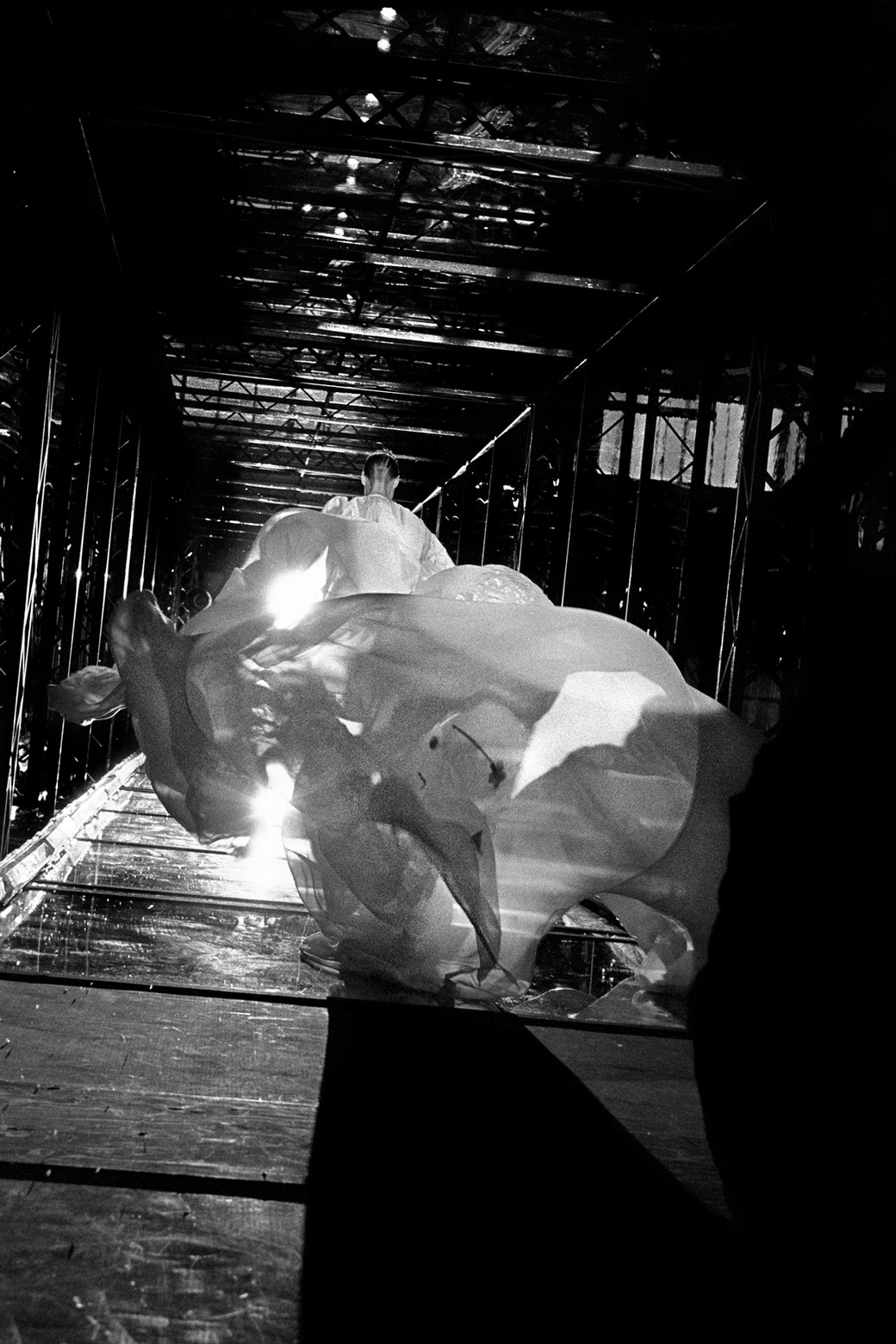
The photographs capture intimate moments backstage, McQueen’s hands visible here and there, and occasionally the man himself in all his rough and tumble glory — that such ethereal fashion magic came from a South London boy prone to sleeveless shirts and baggy pants is one of the many sweet puzzles that lend to the McQueen mythos. Beyond the photographs is a smattering of the original pieces Barrett was able to gather, with a few from Ann Ray herself — in the early days of her collaboration with McQueen, he was unable to pay her in anything besides clothes, a barter she willingly accepted.
office caught up with Ray to discuss her work, his work, and everything in between.
You said during the walkthrough that McQueen’s genius lay in his ability to make things happen, to dream things into being—do you think this energy of his has come out in your work?
I have always been fiercely independent, but Lee encouraged me to be strong, to believe in myself and to follow my instinct. To try and search and learn and create. He disliked what he called “ignorants.” I guess I am the same. There is no problem in being ignorant – we all are, in some respects – however there is no excuse for not trying hard to learn and understand. Observe, absorb, try. I would certainly not be the same person if I had never met Lee. I am immensely grateful and I will always miss him. I feel connected to most parts of Lee’s life, including his lucidity and the melancholy that comes from it sometimes. Life is a strange process. I learned from him what was summarized in his now famous formula: “No compromise / If you can make it small, make it big / There comes a time in your life when you do what you believe is right, regardless of what everybody else is doing.”
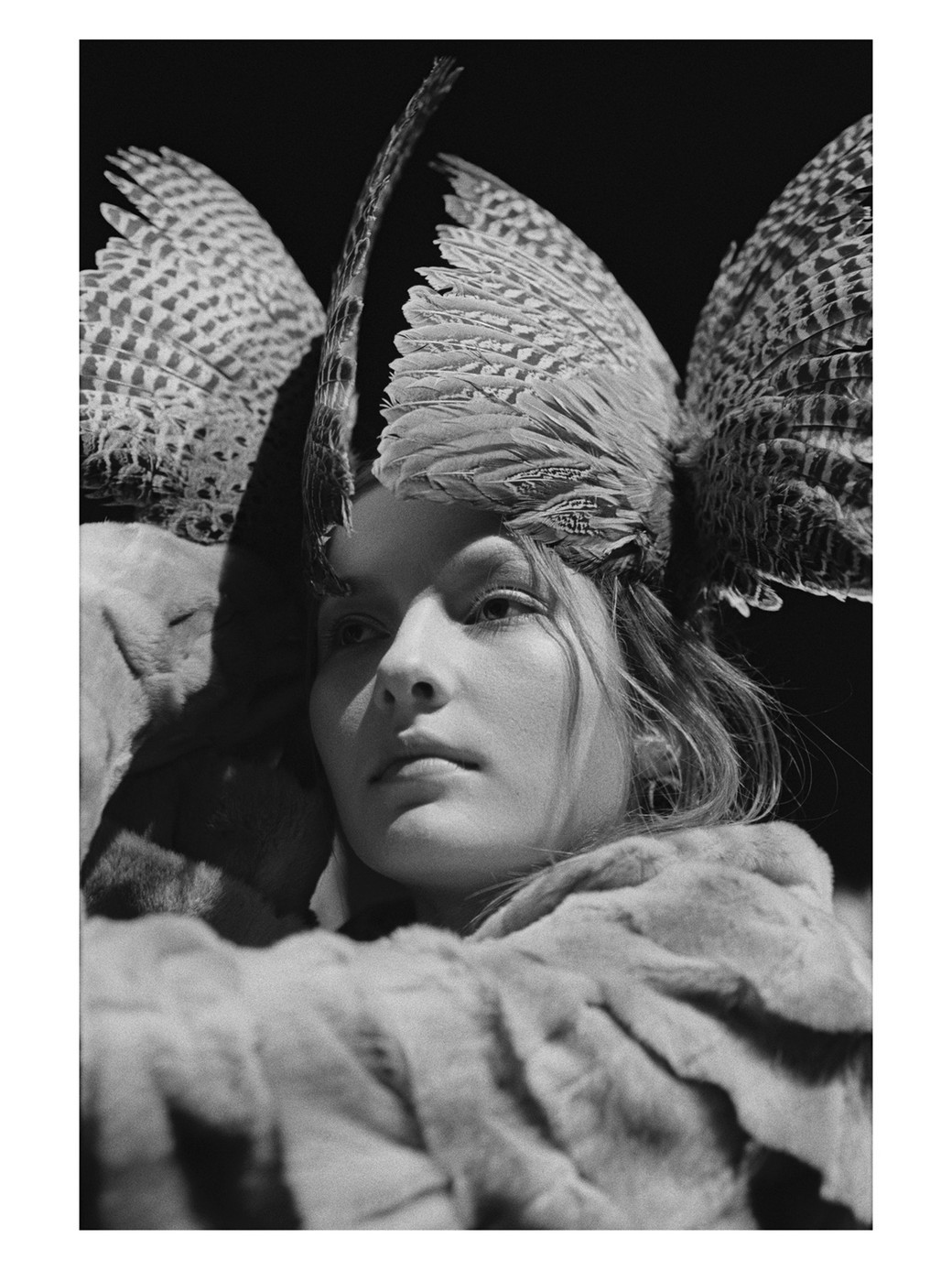
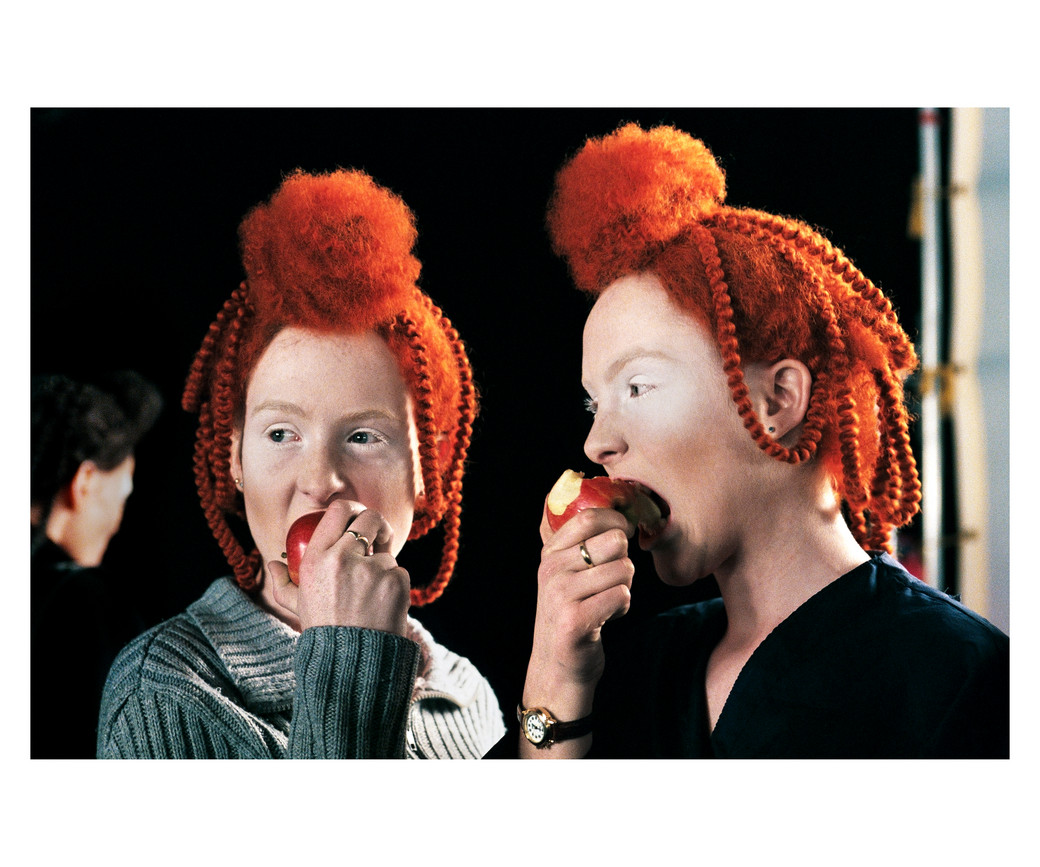
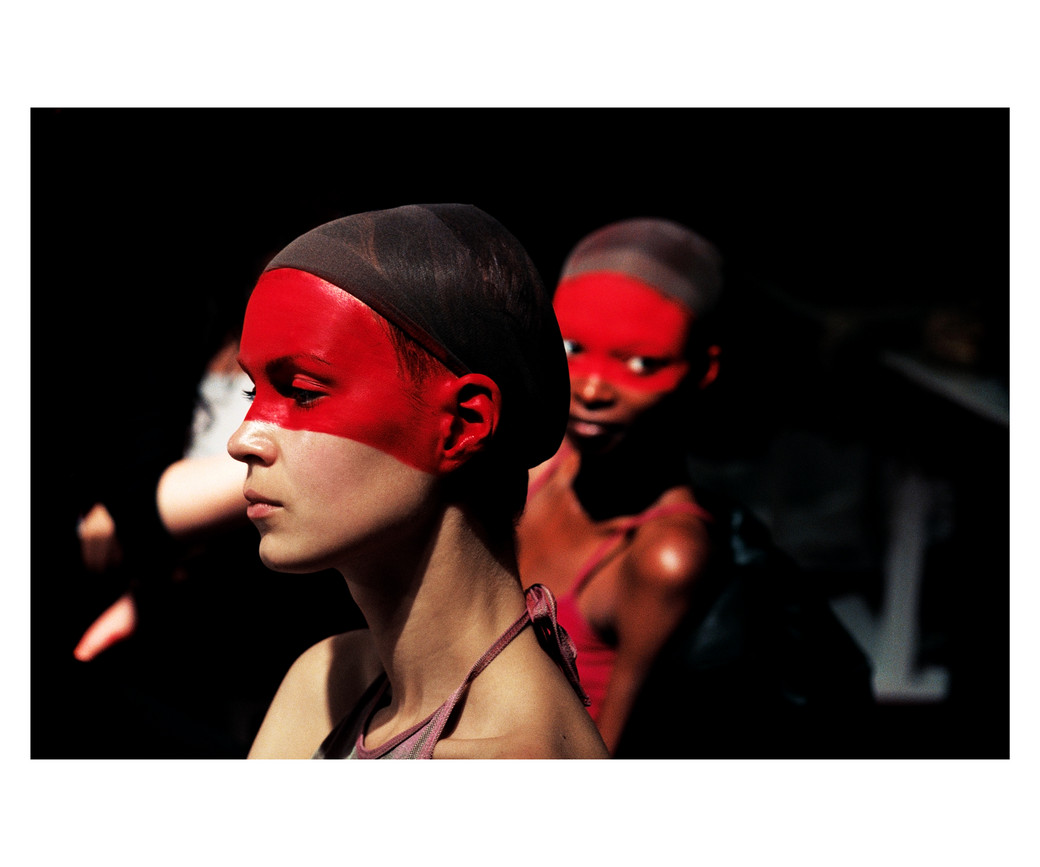
When I worked with Lee, I never thought of « documenting » his life. I was in the presence of something raw, sincere, overwhelming: himself, and his creations. As an artist myself my photographs were my answers to what was delivered by Lee, in front of my eyes. Like a silent conversation. I want to believe he liked what he found in my images, like an echo maybe, otherwise I don’t think it would have lasted so long. It just happened, it started, and never stopped. I loved him and felt the necessity to put into images, as symbolic as possible, what was happening in front of me. Many people were talking about fashion, whereas for me it was something else. Far beyond. I was in search of the naked truth, his truth, and mine probably, through interstitial moments, who may reflect the ephemeral beauty of what was visible for a few moments. Of what it inspired in me. It had nothing to do with fashion, it was more like putting silent screams, hopes, dreams, nightmares into photographs that would last.
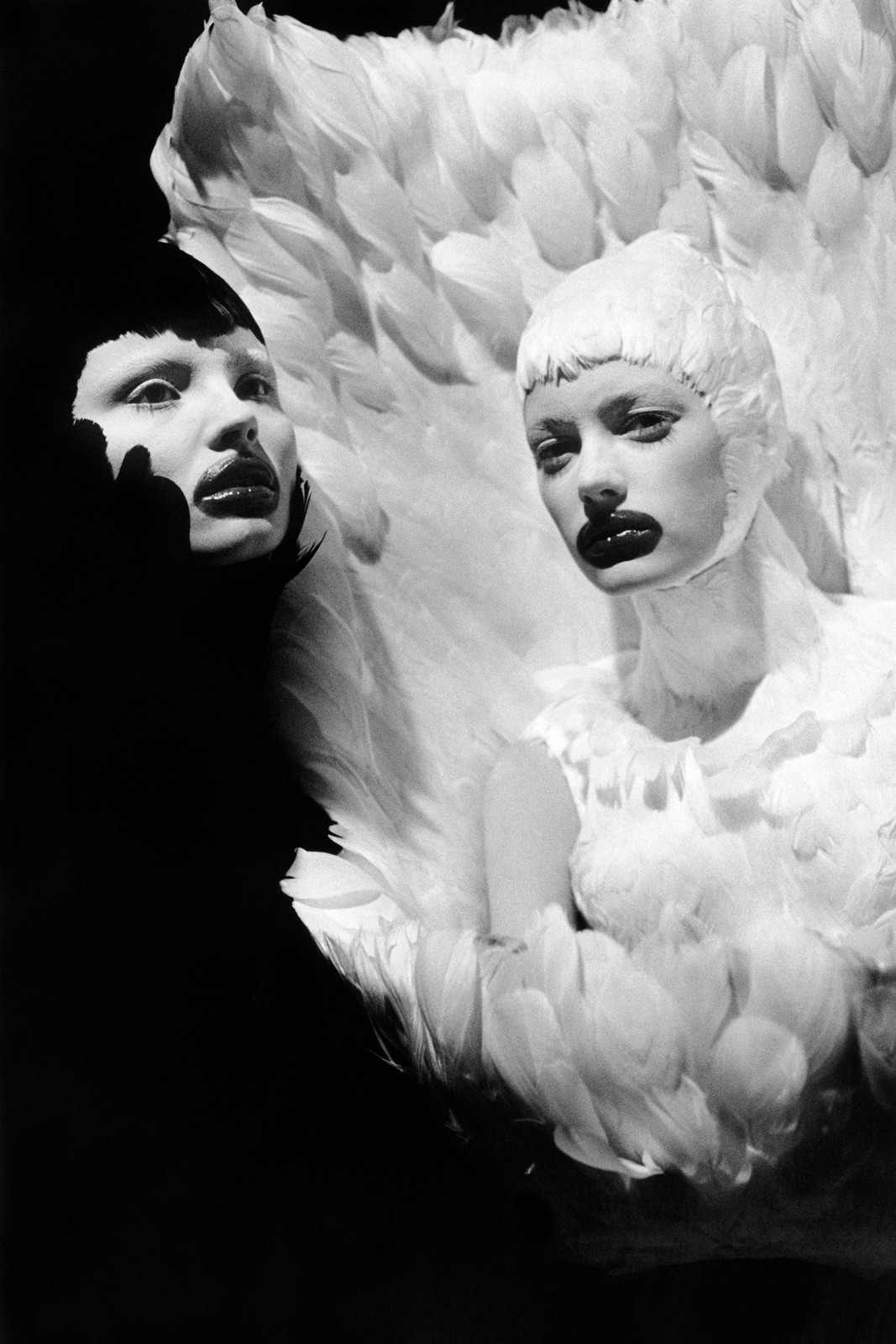
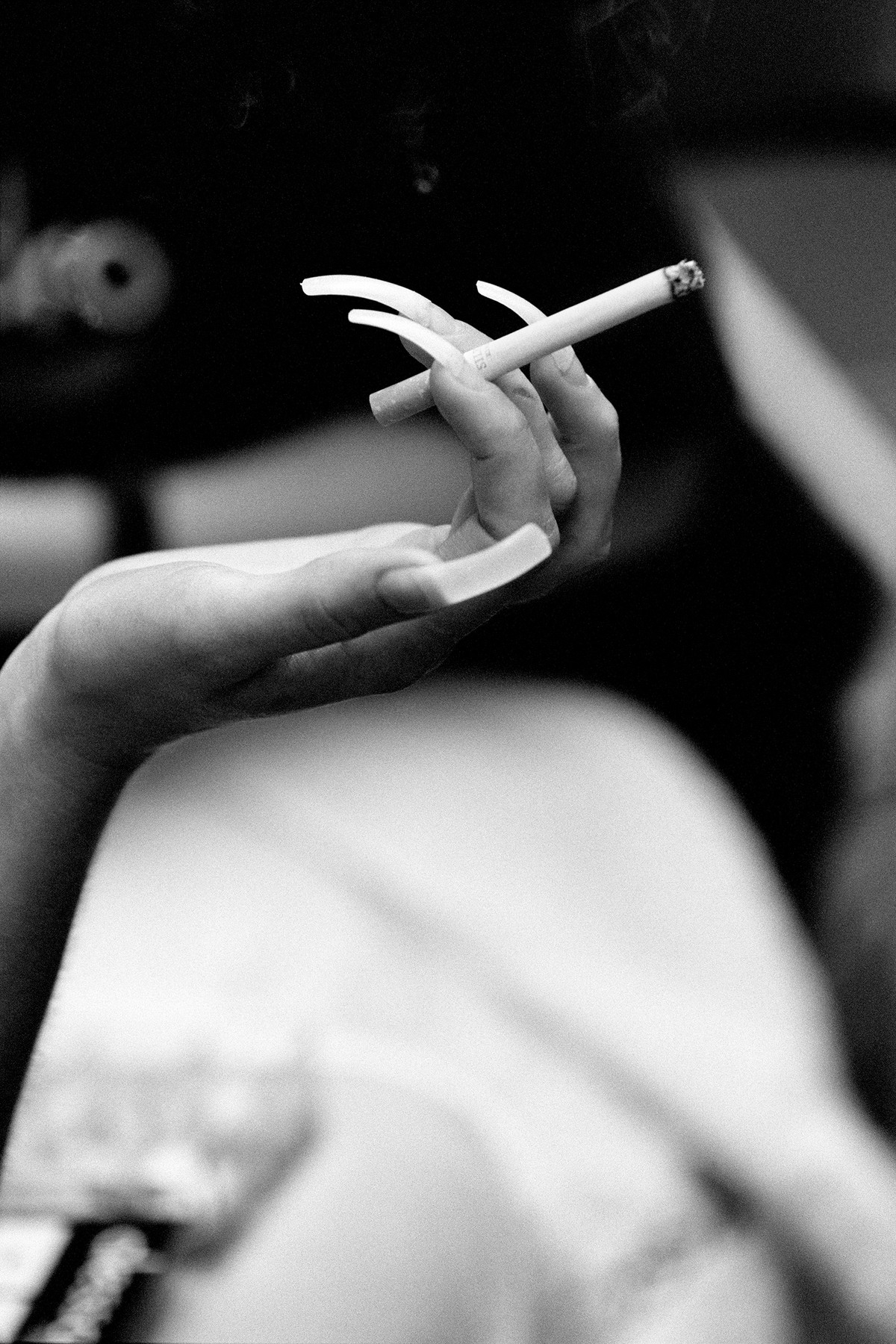
Above: 'Unfallen Angels' 2009 and 'London Years' 1997.
What conversation are the photographs having with the clothes?
You have to put things into prospective. As strange as it may seem, clothes are not the subject of my work. They were only one element of a global act of creation. There was a concept, coming directly from Lee’s mind, and a group of people doing their very best to make it happen, to materialize Lee’s idea, according to his very precise vision. Scenographer & production team for the set, the studio team working in the ateliers around Lee for the clothes, the fabric makers, shoe-makers, the hair & make-up artists, Philip Treacy for the hats, and Shaun Leane for the jewelry or metal pieces (crown of roses, corset, etc.), to name a few. That’s precisely why, when I started to work on a selection of images for Arles, I said to my curator, Sam Stourdzé, Director of Arles Festival: “I don’t care about the clothes, they cannot be the main thread. The main thread is an artist and his visions, Lee McQueen. I am going to select images that reflect the soul and work of my friend, images that he liked too, whether there are clothes, or not, in the images. Clothes will appear, of course, but I am not talking about fashion. I am talking about art.” Sam was surprised but he understood and respected my intention. L’homme, et l’œuvre. L’esprit de l’homme, et l’essence de l’œuvre. Or: the truth of the legend.
Lee McQueen expressed it himself, actually: “Fashion is just the medium.” That says it all.
In St. Louis, with the “Rendez-Vous” exhibition, which is another project and therefore another approach, it is slightly different. The main thread is friendship & creation. How friends make things happen together, focusing on Lee McQueen, of course. But not only that. Susan Barrett is a close friend, and so is Myriam Blundell, my manager. These two make things happen. Thanks to them, and the fabulous teams at Art Cinema & Barrett Barrera projects, I can keep going which what I call my duty: transmission. I feel sometimes like a keeper, with these heavy 35,000 analogue photographs. It’s my responsibility to transmit, as accurately as possible, to draw the portrait of a man I loved and an artist I admired. To have him remembered in the right way: truly. Therefore I need help. Therefore I am very grateful to Myriam & Susan, and very admirative of Susan’s dedication and efforts to gather an astonishing collection of McQueen’s garments. Her collection is truly unique, worldwide, and only a small part is exhibited in “Rendez-vous”, because we all wanted to let the images speak and breathe. To let the visitor wander in Lee’s universe and “see” him – and then, in the second part, to watch – very closely, in details, in real life – these astonishing garments that he created and which sometimes appear in the photographs.
In her way, Susan is doing with her McQueen garments what I am doing with my images: celebrating Lee McQueen and his unique artworks. Our works are complementary, based on these wonderful things which are friendship and memory. Photographs evoke, invite, charm, shock or propose interpretative elements, like a train of thoughts, about Lee McQueen, whereas clothes crystallize the thoughts: voilà, McQueen’s garments, this is it. One common intention, two processes.

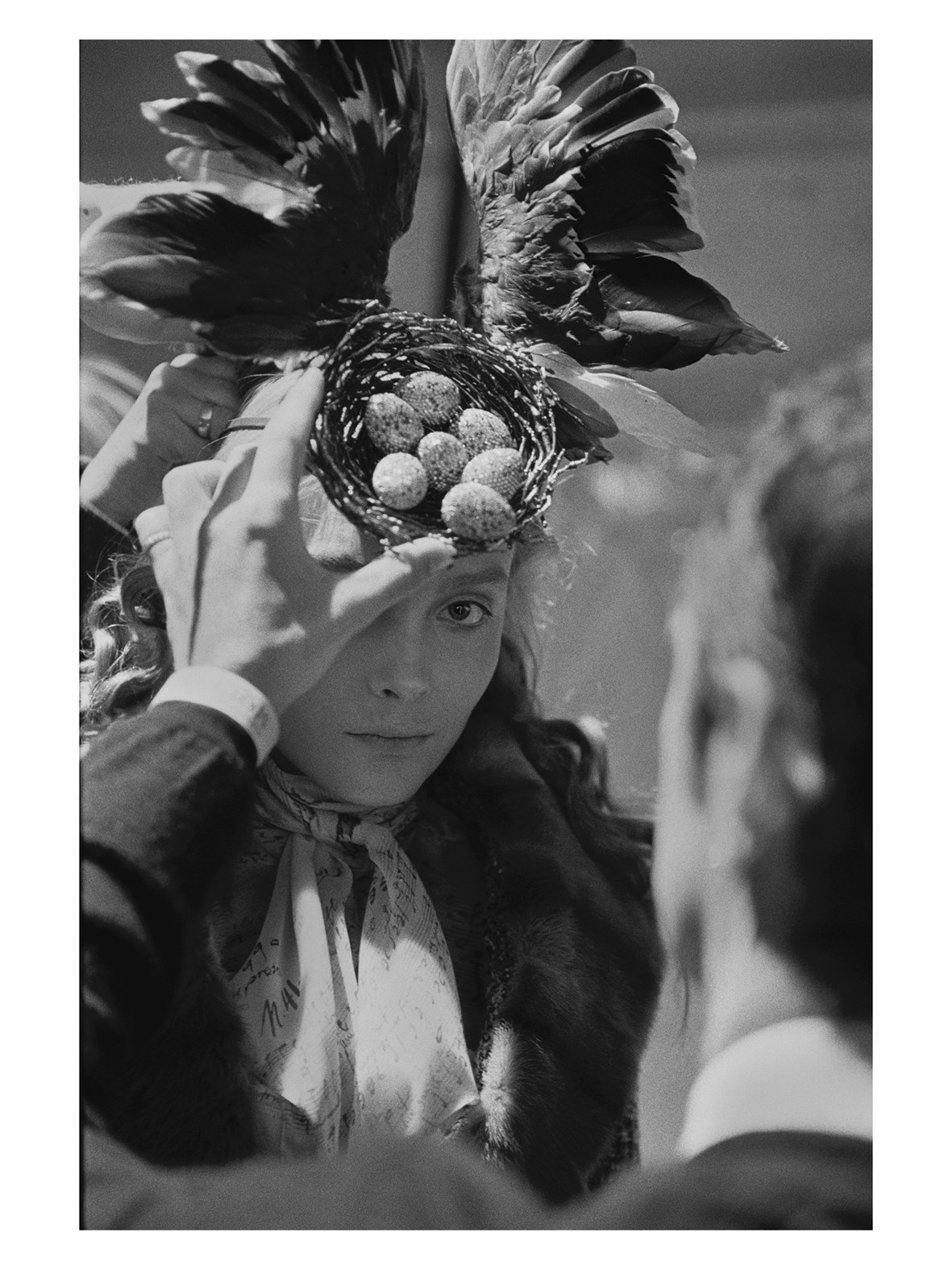
Above: 'Inside' 2000, and 'Cycle' 2006.
How would you describe your relationship with McQueen?
I met Lee McQueen at the end of 1996 in Paris at Givenchy. I was asked to photograph him for 2 weeks during the creation of his first Couture collection. We were both very reserved, so it was a kind of mutual observation – what shy people do. We didn’t talk much, but the connection was intense. Then I moved to London during summer 1997, and the first people I met on my arrival was the McQueen team, in the Rivington street studio at the time. Lee had no money, so the deal was settled in a very simple way : “I love your photos. Give me photos, and I will give you clothes.” It never changed afterwards. It was all about freedom, and trust. We worked as much as we laughed, that time – January 1997 — was a blast. I precisely remember observing Lee create a dress as a volume in space from a roll of fabric in 30 minutes or so. It was astonishing. I was observing, absorbing, and Lee watched me observing. I remember with the same accuracy the night before the show, in the atelier, when Lee asked me what I thought of his work… tough question. It was already about truth. It seemed obvious though that the only possible way between us was radical honesty. So I told him honestly what I loved in his collection, and what I liked a little less, and why. “You’re right, I failed, it’s crap,” was his answer. I denied and nuanced his words, and reassured him the best I could. He was hearing much more the criticisms (even carefully formulated) than the compliments. Already in search of excellence, by all means.
It’s an interesting location for the show—St. Louis. How do you think the locale influences or speaks to the show?
The exhibition in St. Louis is about friendship and artistic adventures. The main thread in the exhibition is to explore my link with Lee, and also links between people who create things together. Who make something happen together. In the McQueen context, and generally, in a lifetime. Susan Barrett was the first one to exhibit my McQueen photographs in 2013 in St. Louis. It felt like a necessity to work again with her. We wanted to make something happen together again! We agreed very quickly with Susan and Jessica (the curator) on the main theme and the title, “Rendez-Vous”. Then it seemed interesting to exhibit as well some garments form BB Projects’ private collection. Susan devotes so much of her time and energy in gathering for this collection, it is meaningful to share it with an audience. I love St. Louis, the beauty and history of the city (with very strong French connections), and the amazing people I met there, thanks to Susan. St. Louis has a very active artistic life, and many fascinating art lovers. It’s a blessing to exhibit in a city where you feel understood. On top of that, there is nothing “blasé" in St. Louis. The positive energy of the city, of the people, is truly extraordinary. I enjoyed every second working on this project and can’t wait for the next one.
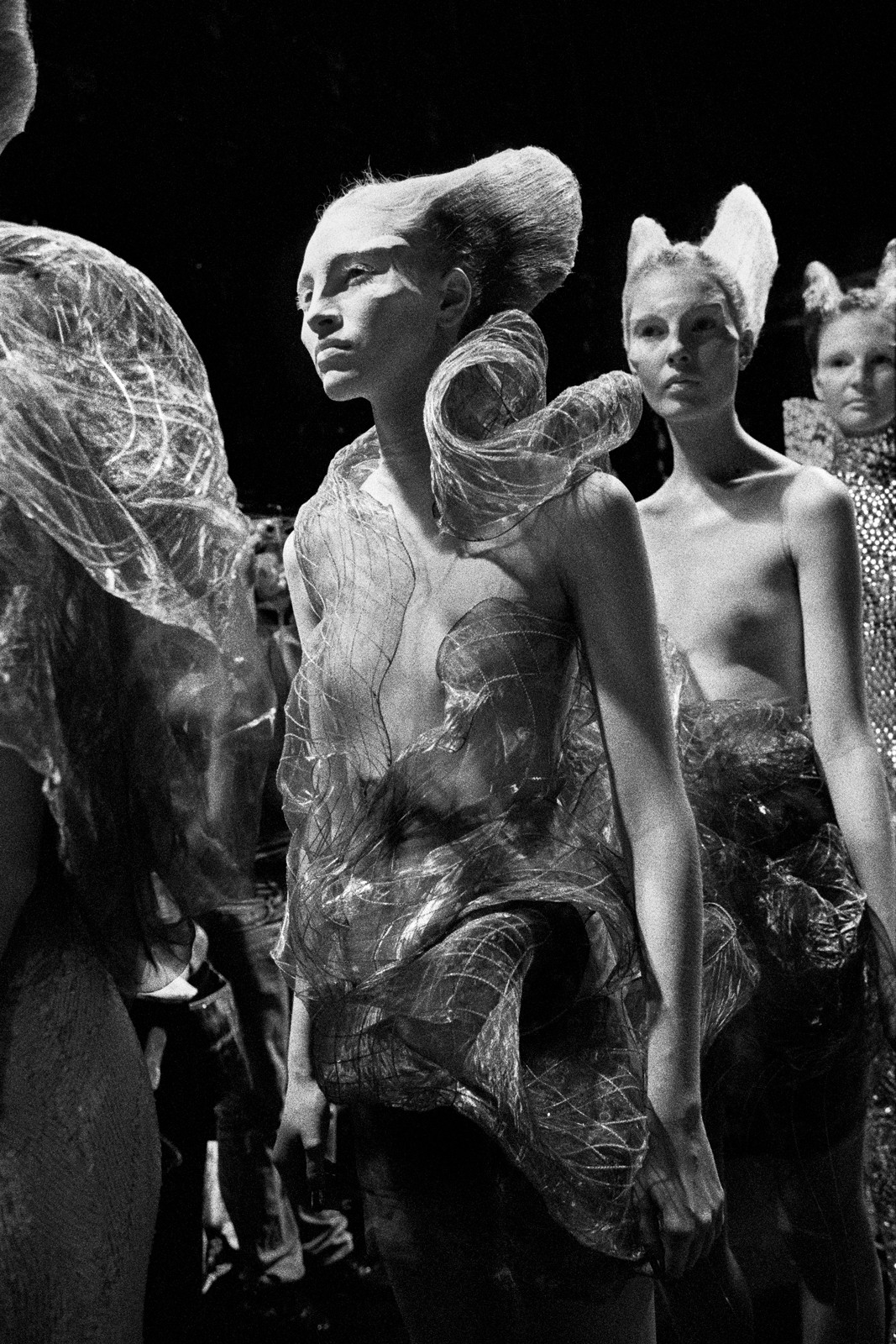
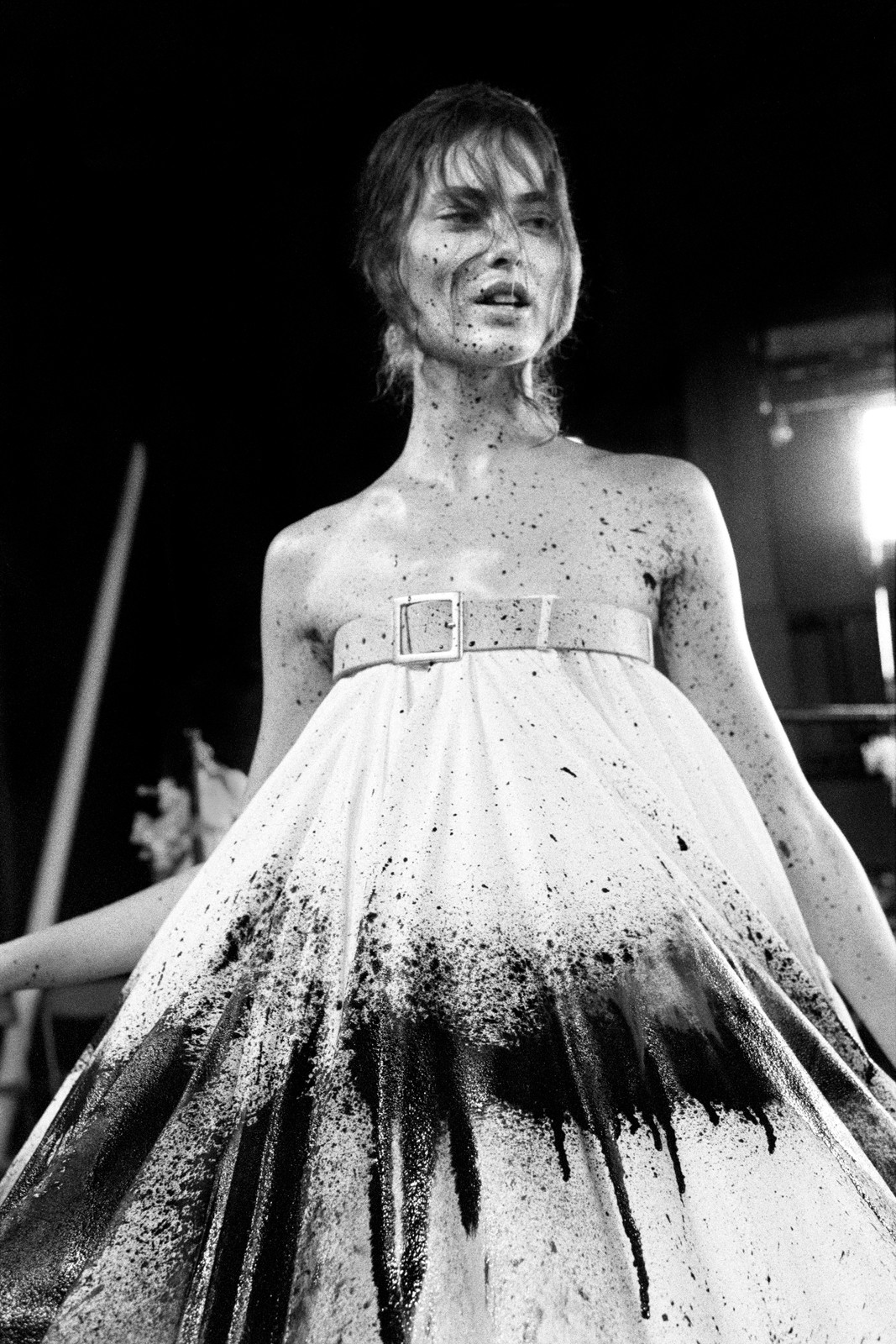
Above: 'Deep Dive' 2009 and 'Intense' 1998.
There are many photos of McQueen but none of you—how does your work reveal you?
It’s very common not to see photographers. They see you, you hardly notice them. Meaning, when trust is involved, is fundamental in my photographic works. The truth is that, obviously, I am in my images. Every joy, every crack-up, every fear, every enlightenment you may see or feel in one of my photographs is a part of my soul. Each and every emotion. No image is innocent. Photographs speak for themselves, and they say a lot about myself. I don’t need to appear, except with my family and my close friends. These two worlds are pretty separate, I need that level of protection. Because photographers are over-exposed, indeed.
What sets McQueen’s work apart from that of other designers, in your opinion?
The fact that Lee McQueen was not a designer. He was far beyond that. He was an artist, a one of a kind artist. Often imitated, never duplicated. I loved the man and admired the artist. Of course I miss them both. In my opinion, McQueen belongs to another era, when creativity had a wide place in fashion. Nowadays I see fashion mainly as an immense business, which is sad and not very interesting to me. Luckily there are always exceptions. I will name just one: Sarah Burton. Sarah’s work has been touching me endlessly over the last 10 years, since Lee’s tragic death. Sarah has given me many emotions through what she has been doing, through her fabulous dedication to the McQueen house. I am endlessly grateful to Sarah for continuing Lee’s oeuvre, in her own way. It reminds me of these words from Rodin about Claudel: “I showed her where to find gold, but the gold she finds is very much her own.” This could apply to my photograph’s too, I guess.
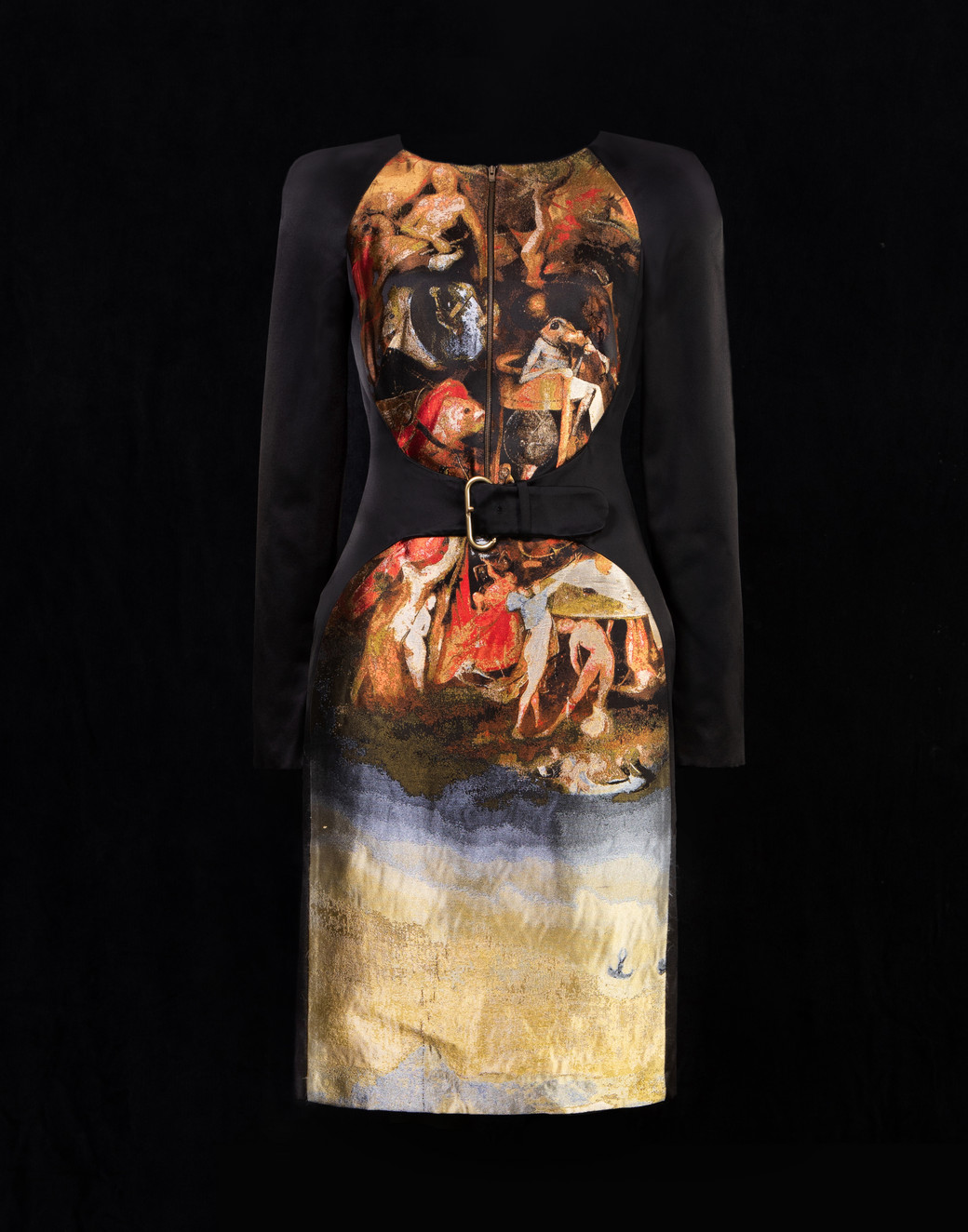
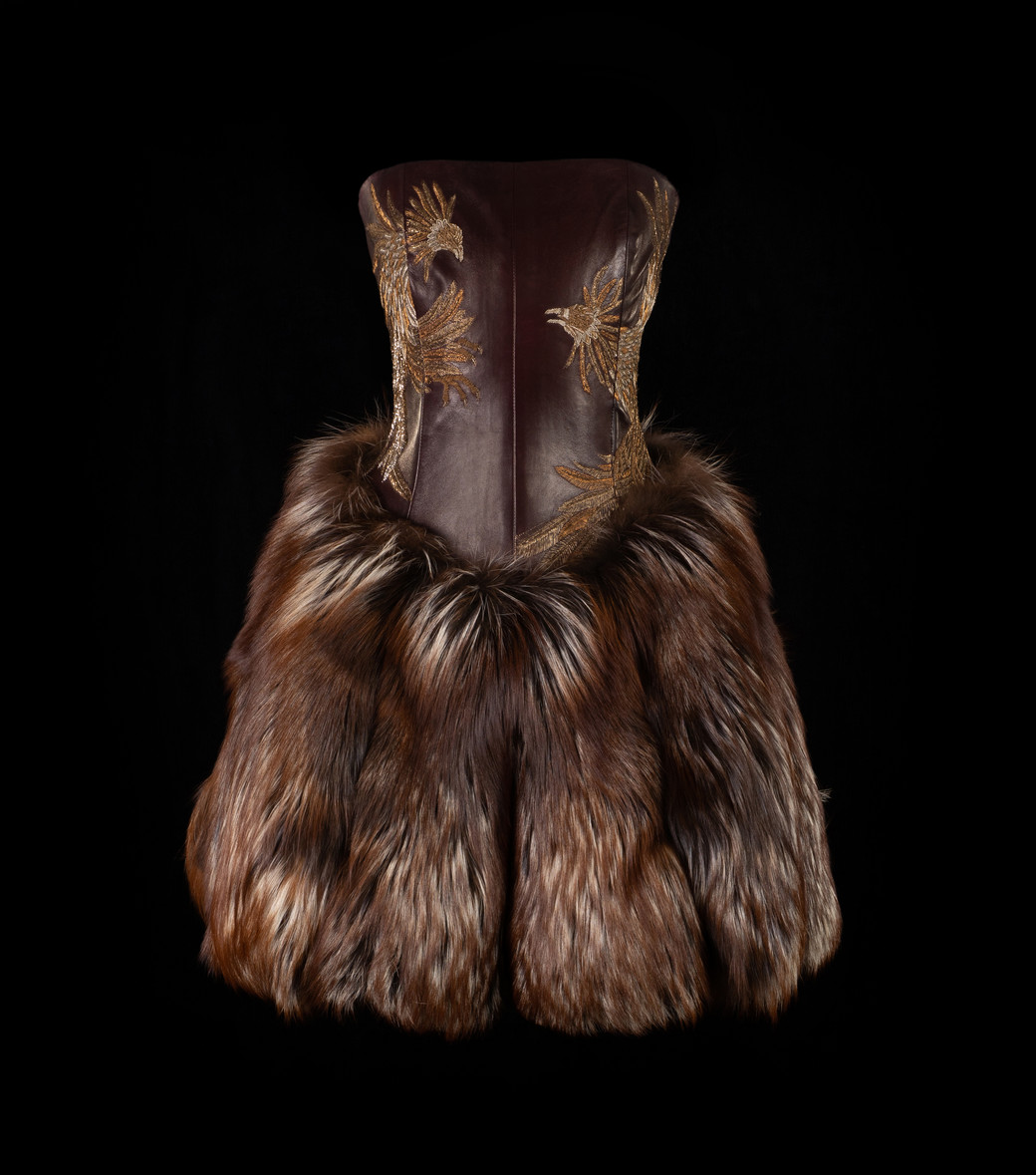


'Ann Ray & Lee McQueen: Rendez-Vous' is on view at Barrett Barrerra Projects in St. Louis, Missouri through February 15th, 2020.

I did the show very quickly, Nino gave me the okay in mid-November or something, which was in the middle of the magazine. So I didn’t have a lot of time but I have to say that this thing as very professional. Though, it has been a long time since I did any curating.
I was a curator in the '90s, and maybe 2005 or 2007 was the last show I did. 2007, I think, was a show in a big institution in Paris. I used to curate a lot of shows. In the '90s, I curated a show almost every month. I love curating, and there was a time in the '90s when curating was really interesting to me. It was a way to say something with art, and art was changing in the '90s. I was really into making a statement on what could be art today, in the time of commercialization of art. Art had really commercialized in the '80s, and then in the '90s there was a movement going back to the more interesting, non-commercial avant-garde.


Left - Ex, 2019, Amanda Wall
Right - Brad Phillips, October 13, Age 44, 2018, Brad Phillips
But then it became super commercial once again in the 2000s and I got tired of it and didn’t want to curate anything anymore. And not curating, for me, is also a statement. I am not interested in galleries, I am not interested in museums. They became a payment system, very commercial and very predictable. So I did not want to curate any shows anymore. My connection to art was entirely connected to my magazine. In the nineties, it had gone hand-in-hand— curating shows and creating a magazine, to me, was a very similar activity.
But then the situation changed again. Now, because of social media, you have access to a lot of artists without the need to go to a gallery. You don’t need the art world to promote and make art public. So in this new situation, the artists still need to sell their work, but do not need the art system to express and show their work. To me, Instagram is an open gallery. Over the last eight years, I have ended up following a lot of artists and especially painters that I have never met. I have no idea who they are, but do not need to know who they are, how old they are, whether they have a gallery or not. This is a new situation for me, and to the art world, where the artist and their art can be disconnected from the art system again, by way of social media.


Left - Two Worlds Colliding, 2017, Alphachanneling
Right - Double GTO, 2019, Joe Andoe
I thought this could be the starting point for a show, based on painting, but on painters that I have never met, and don’t know anything about, but I like it because I have been following what they do on Instagram. That was the idea, and I didn’t stick totally to the idea because I wanted to also show some friends and artists that I knew before social media— some aren’t even on social media. Urs Fischer is not on social media, and I am not sure if Paul McCarthy is on social media…
They offer a point of view on what it is like to paint today. Instagram was just the starting point. Selecting people I don’t know because I truly don’t have time to go do studio visits anymore. My life is a nightmare I'm just doing my magazine, which is constant and permanent work. But this show is about even more than painting today, too, it is about what painting means to me today. I came from a generation where art curators and critics in the late eighties were against painting, which was a very controversial move against the avant-garde of the seventies.


Left - Sleepless Night, 2019, Luca Giavagnoli
Right - South of France, 2019, Alison Elizabeth Taylor
So my generation in the nineties, we were attacking what was called the “trans-avant-garde” at the time. All of these artists like Julian Schnabel were reacting to the idea that painting had become really conservative. I was more into the graffiti scene, and the movement in the nineties called, “Bad painting”, and the artists who really used painting as to make a point. This was my connection to painting in the late eighties and nineties, which was problematic. I was not against painting, I was fighting for painting that was fit in with the idea of Bad painting, using painting as a weapon. I was part of the group of people who loved the Boxing collaboration between Jean-Michele Basquiat and Warhol. Everyone said, “this is the end of Warhol, he’s trying to be too trendy and Basquiat he is trying to be recognized under Warhol’s label”. But I loved it, it was totally punk rock to me.
The punk rock approach to painting today is to see it as a free, spontaneous medium outside of the art system. So that is the idea, and painting means a lot to me because it is also connected to a deeper way of picturing everyday life. Picturing movement, emotion, love. Life. I deal with so much photography, because of my magazine, but I consider painting as a different category of photography. It is actually an anti-picture—a form of resistance to the permanent flux of photos that we have to see every day. And not only on social media but everywhere. Painting is an opposition to this constant communication consumption, it is a way to slow down. We are consuming imagery, but with painting, we have a chance to interact. It is a one-on-one relationship with the painting in front of you, and mentally with the painter. It is quiet and intimate, and very connected to love. A delicate moment. And this is what I wanted to express. Painting can change our life, and how we communicate with each other.


Left - Birth of the Universe, 2014, Judith Bernstein
Right - The Outdoor Type, 2003, Mike Kuchar
For the installation of the show, I did a sort of different layout. I wanted everything to be on the same line, like Instagram. Every painting is on the same level— those from famous artists, as well as unknown artists. The eye-level layout is a political statement, as much as it is trying to tell a story. Just like a magazine layout, each piece is purposely installed very close to each other and has elements that relate. I also used the floor, because generally the floor is not used in painting shows. It gave me a bigger format and was inspired by an installation by Yayoi Kusama. I liked the idea that you see the back of the painting too, you’re immersed, almost inside of the painting. I was afraid to have so many different artists, but in the end, I loved the diversity and the lack of over-intellectualization. These are cool artists telling the story of their everyday lives, painting their girlfriend, picturing their mental state… Day to day emotion.
Check out To Paint is to Love Again while it is still up, at Nino Meier Gallery.


Palace of Errors — Closes February 2
Lila de Magalhaes — Deli Gallery
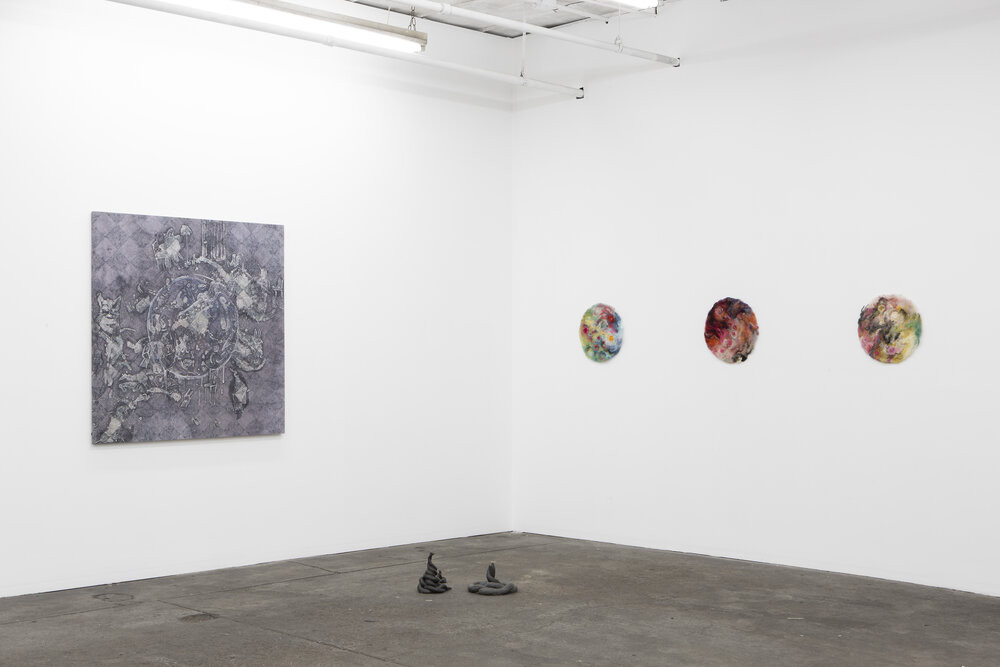
In a small, nearly-bare gallery space, the Brazilian-born, LA-based artist Lila de Magalhaes accomplishes something special—a deconstruction of consumption, abundance, and longing.
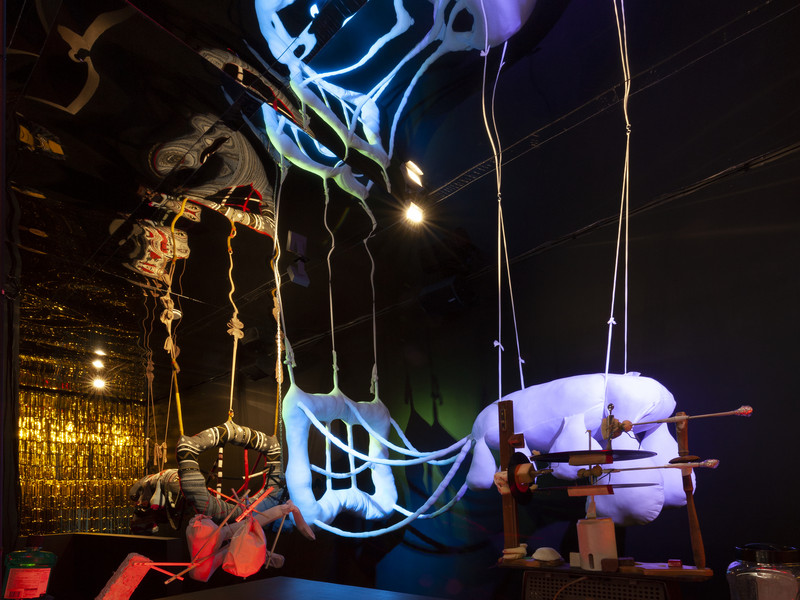
Palace of Errors is as playful as it is erotic, tackling mass production within the context of sensual desire through a series of embroidered, dyed bedsheets and two sets of ceramics. One mother-of-pearl glazed group, titled Milky Gummy, offer curious little creatures, while another set of slate-gray sculptures, named Sssssss, Sssss, Sss, and Ss, are all, well, snakelike coils that wind into piles on Deli Gallery’s floor. Each snake stares up at the lush tufts of vibrant fabric and the scenes threaded into soft-hued sheets.
de Magalhaes’ show is precious and precocious, whimsical and unnerving all at once.

Photo courtesy Gustavo Murillo Fernández-Valdés
Insurgency of Life — Closes February 8
Goldin+Senneby — e-flux
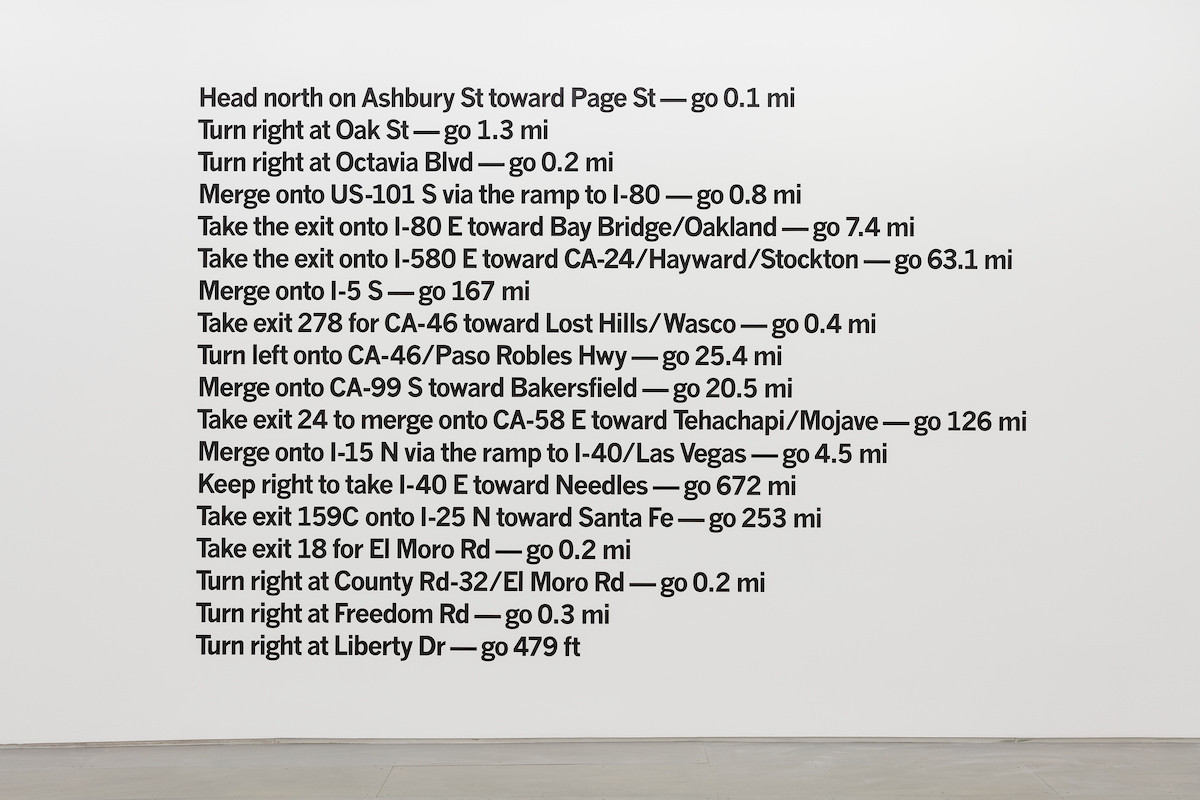
When the Stockholm-based artist group Goldin+Senneby talk health care, it’s a little more abstract (and compelling) than what you’ll hear at the Democratic debates. At e-flux Gallery, they’re reaching deeper underground, to examine the parasitic fungus that blooms from the head of a cicada; back in time, to the moment the artists’ left foot went numb; and into the future, when robots perpetually shake phones in order to confuse, and ruin, the patient pedometer data harvested by insurance companies.
Don’t get that glazed-over look just yet—this isn’t a health exhibit per say. It’s about the reality of the human body, our relational dependencies, and the commercialization of conditions. And it’s more off the wall than your average gallery, so to speak. Credential line ups for the exhibition cite x-ray physicists, biologists, mycologists, musicians, designers, and YouTube machines. Plus, if you see Insurgency of Life on January 30, you can also catch Triple Canopy's event Crying Pine Tree hosted by the artists.
Every Crack, Every _ _ _ _ — Closes February 9
Martin Beck, Amy Lien & Enzo Camacho, Elle Pérez, Charlotte Prodger, and José López Serra — 47 Canal
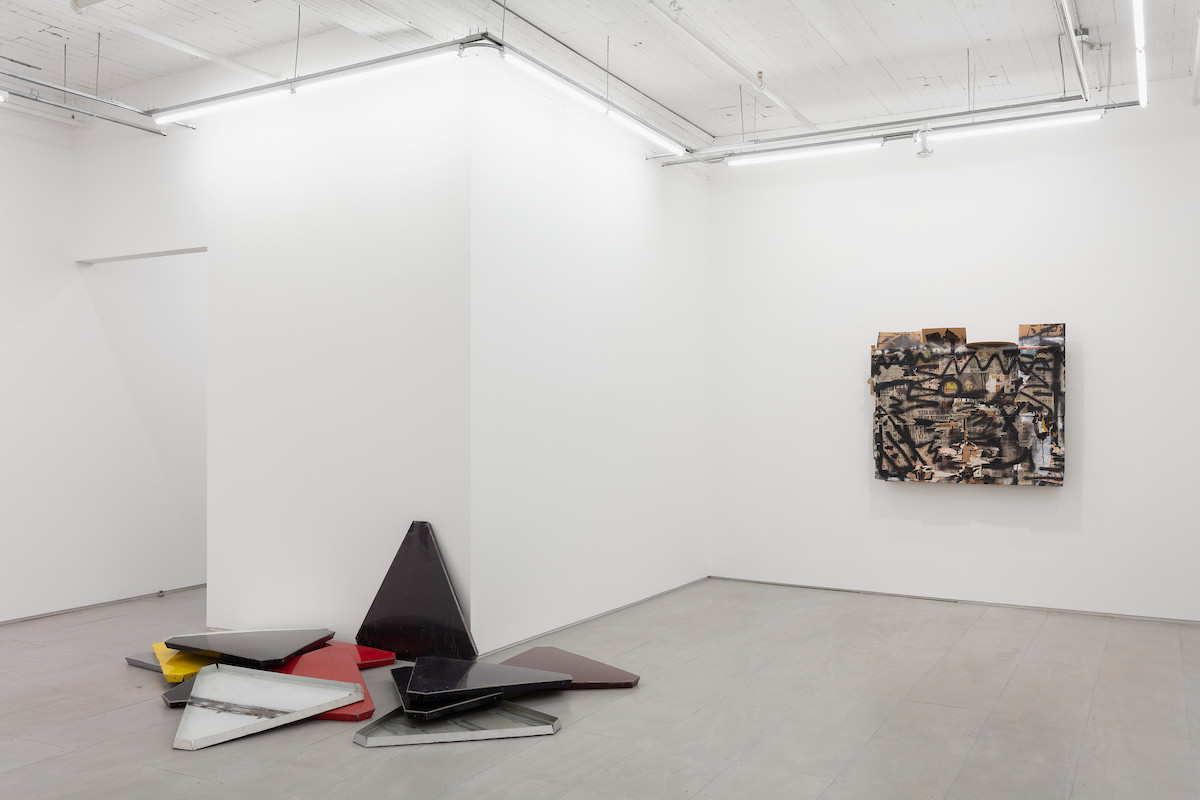
How do you quantify emptiness? What noise do you make in a quiet place? How gentle can (should) you be? Maybe more than anything else, 47 Canal’s latest group of artists want to know the answer to the question: “What’s been overlooked?”
Every Crack, Every _ _ _ _ hosts a wide range of artists, including Martin Beck, Amy Lien & Enzo Camacho, Elle Pérez, Charlotte Prodger, and José López Serra, interpreting a variety of landscapes with an open mind. On the whole, it’s an optimistic show. The artists each offer their own approach to trading ignorance for possibility, withdrawal for integration, eradication with regeneration.
There’s something for everyone here. Perez’s’ intimate photography, collage work by Serra, Beck’s sculptures, and videography by Prodger are all worth seeing on their own, but are only made more exciting in conversation with the work of their peers.

Currents: An Overwhelming Response — Closes February 9
Mimi Bai, Sera Boeno, Nikesha Breeze, Becky Brown, Caryl Burtner, Bernadette Despujols, Priscilla Dobler, Debora Hirsch, Elektra KB, Nsenga Knight, Le’Andra LeSeur, Nikki Luna, Stefana McClure, Rosemary Meza-DesPlas, Nelson Morales, Pamela Rush, Alicia Smith, Caroline Wayne, & Connie Zheng — A.I.R. Gallery
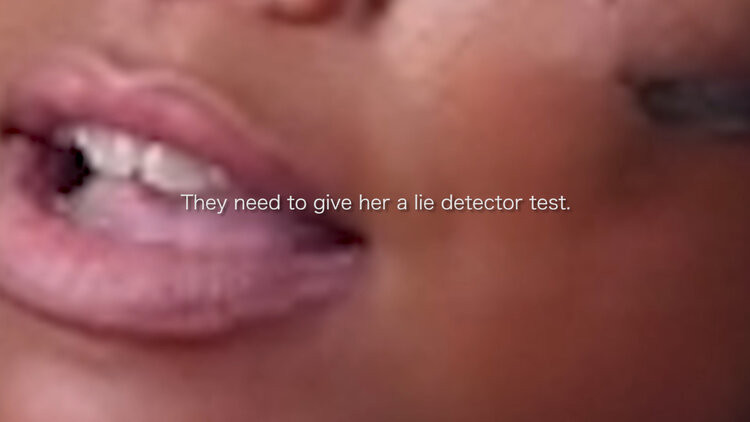
As you can imagine, an open call for artists to submit work on gaslighting in 2019 might get An Overwhelming Response. The 19 artists that Brooklyn’s A.I.R. Gallery chose to show in their latest exhibition show work under a title referencing Le’Andra LeSeur’s videos, which examines resistance to Black women who report sexual assaults.
The entire exhibit is a multimedia homage to experiences of manipulated realities, and it’s as full as you would hope and expect. Expect to be vindicated. Expect to feel hurt. And, breathe a sigh of relief, because Currents leaves us hopeful of healing.
LINEAR MOMENTUM & THIS MUST BE THE PLACE — Closes February 16
Stephen Somple, Russel Tyler — The Hole
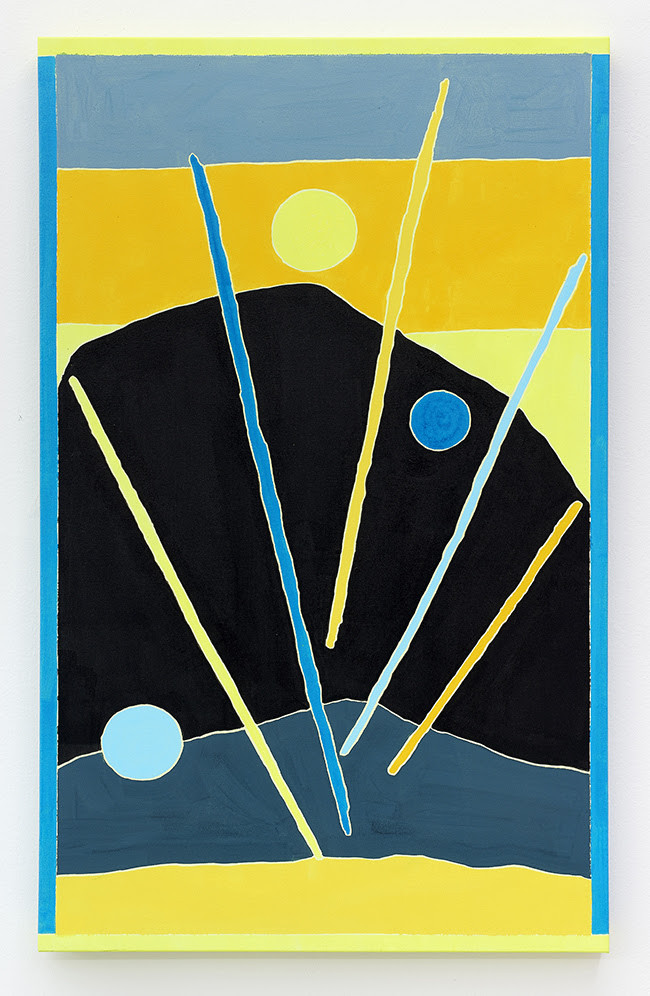
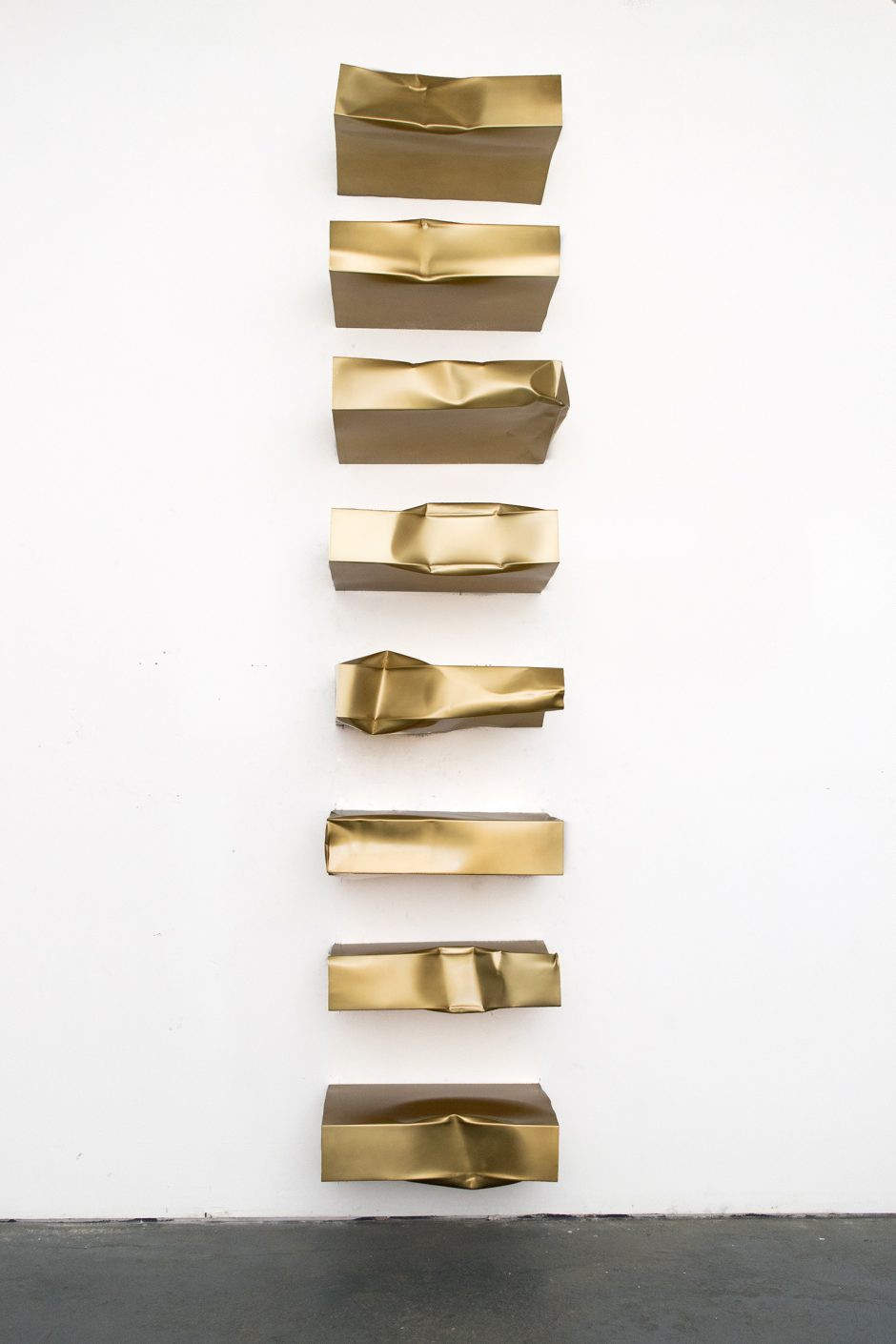
Stephen Somple and Russel Tyler, at first glance, have very little in common. But visit both solo shows at The Hole on Bowery and you’ll find yourself happily exhausted by the endlessness of either artist.
Somple’s Linear Momentum is a room lined with gold and black brass hunks, one even dented by the weight of his own body. Tyler’s fluorescent painted colorfields stand in stark, contained contrast, yet almost every single canvas is graced with the same line and circle forms. In either show, there’s something physical at work echoing throughout the gallery space that’s worth seeing for yourself in person.