Vulvatious

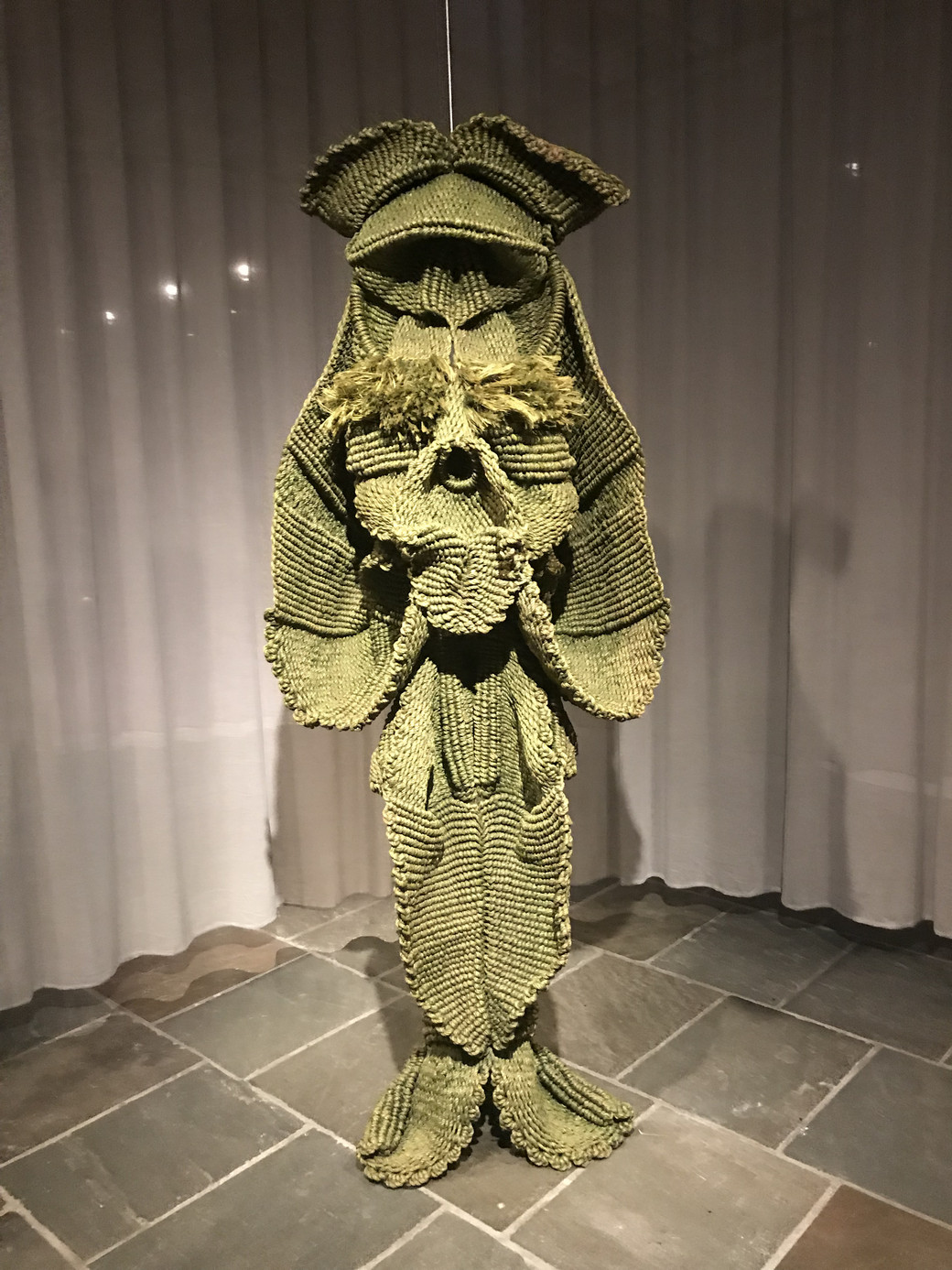
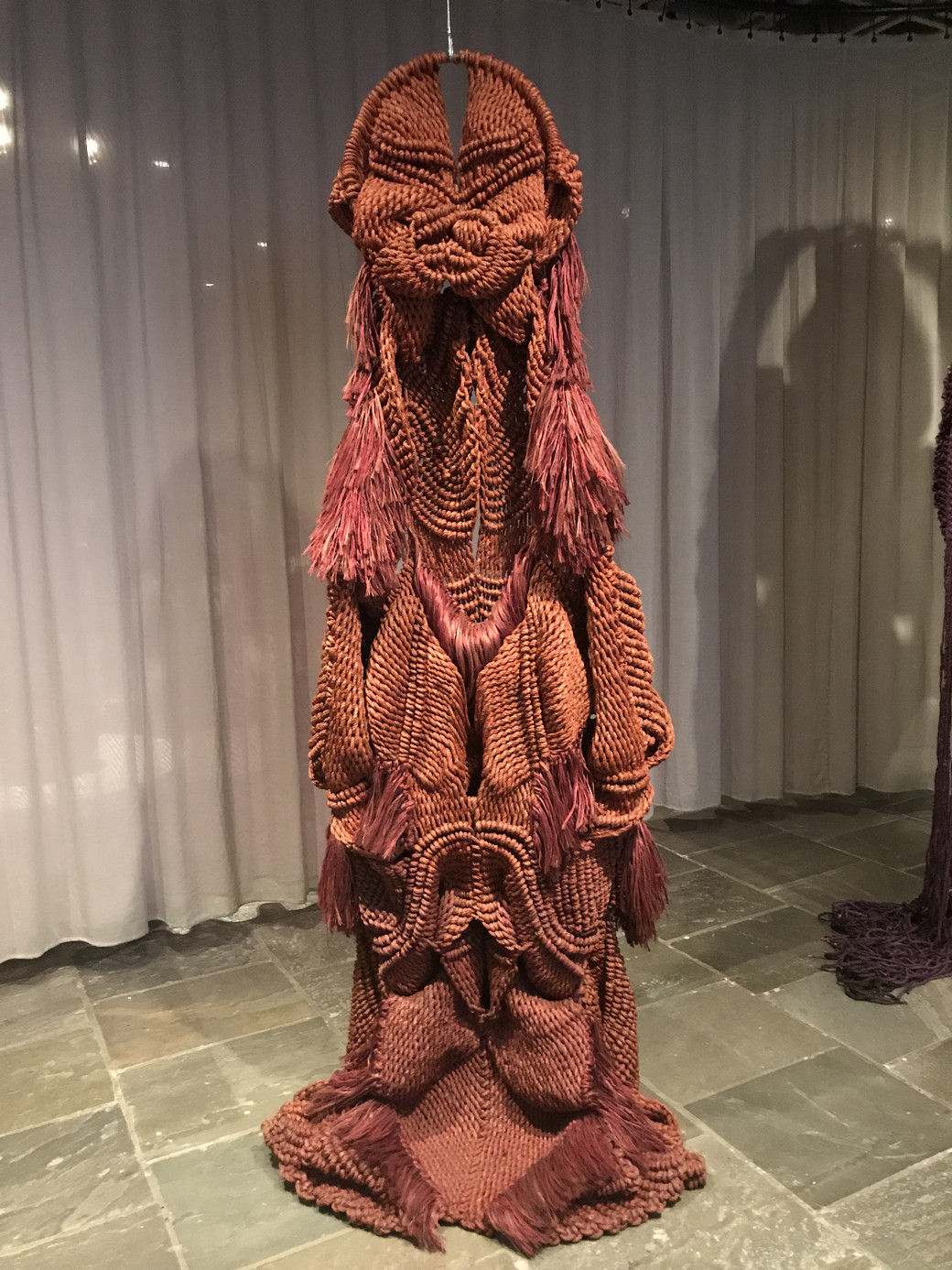
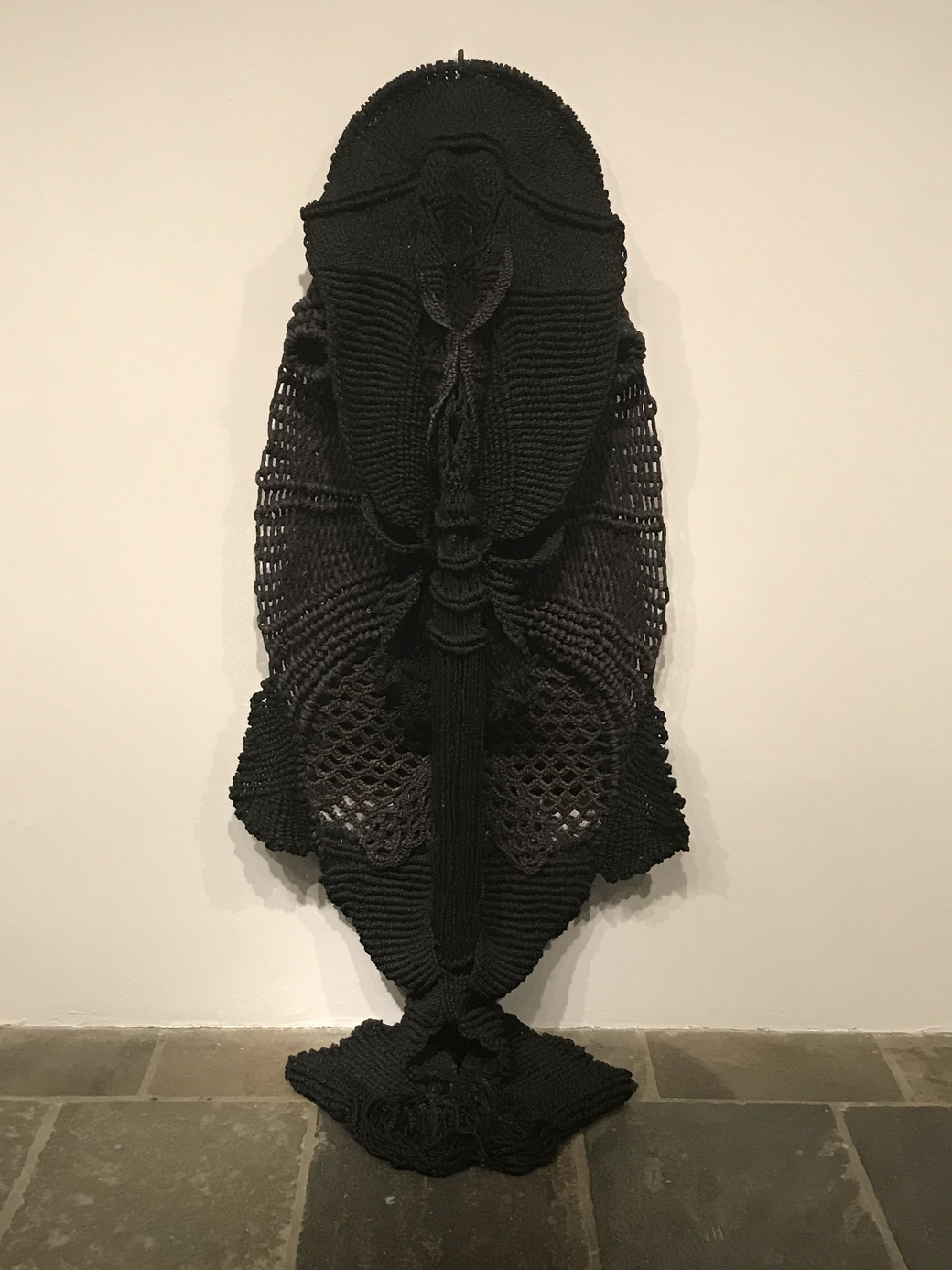
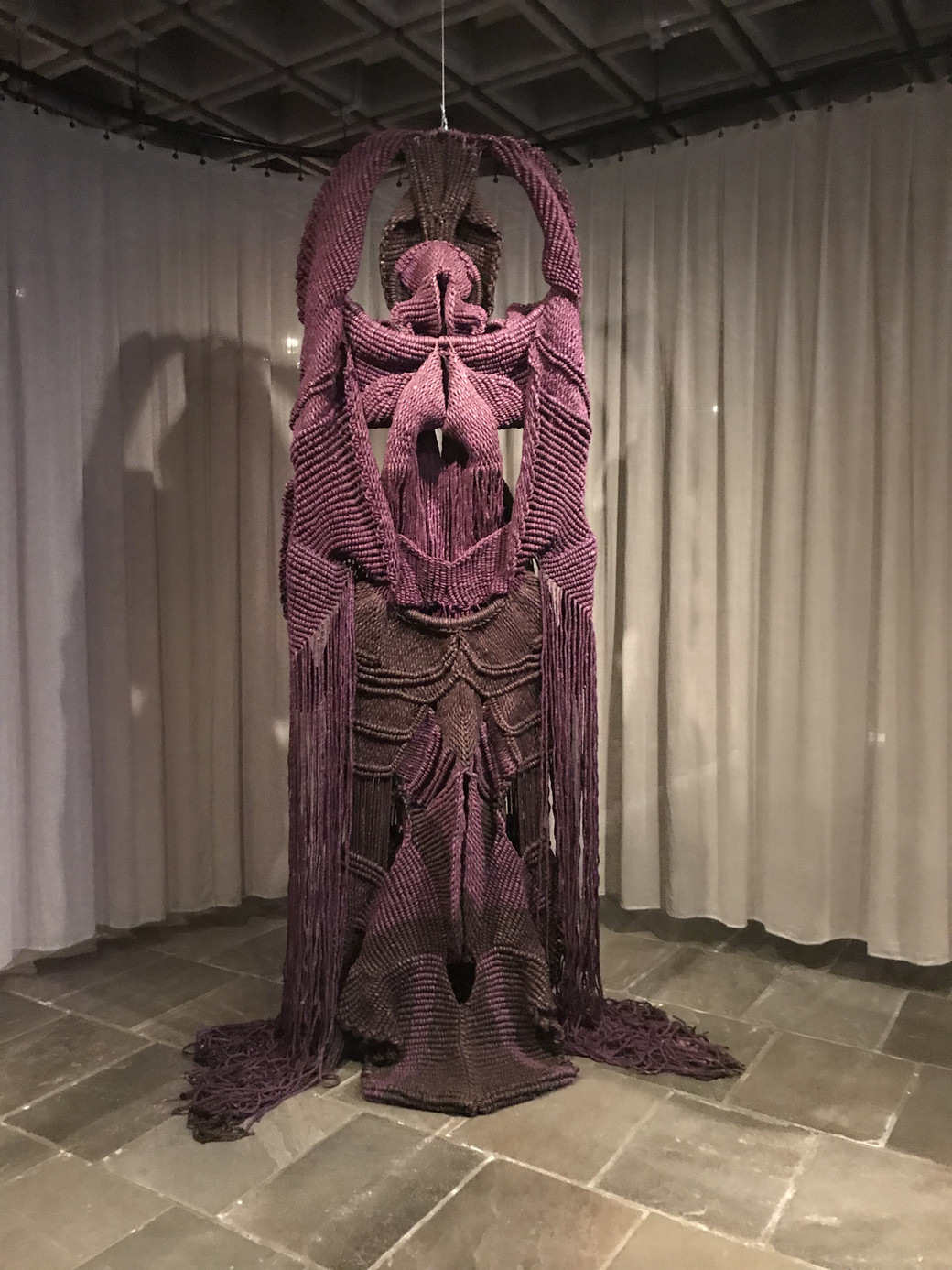
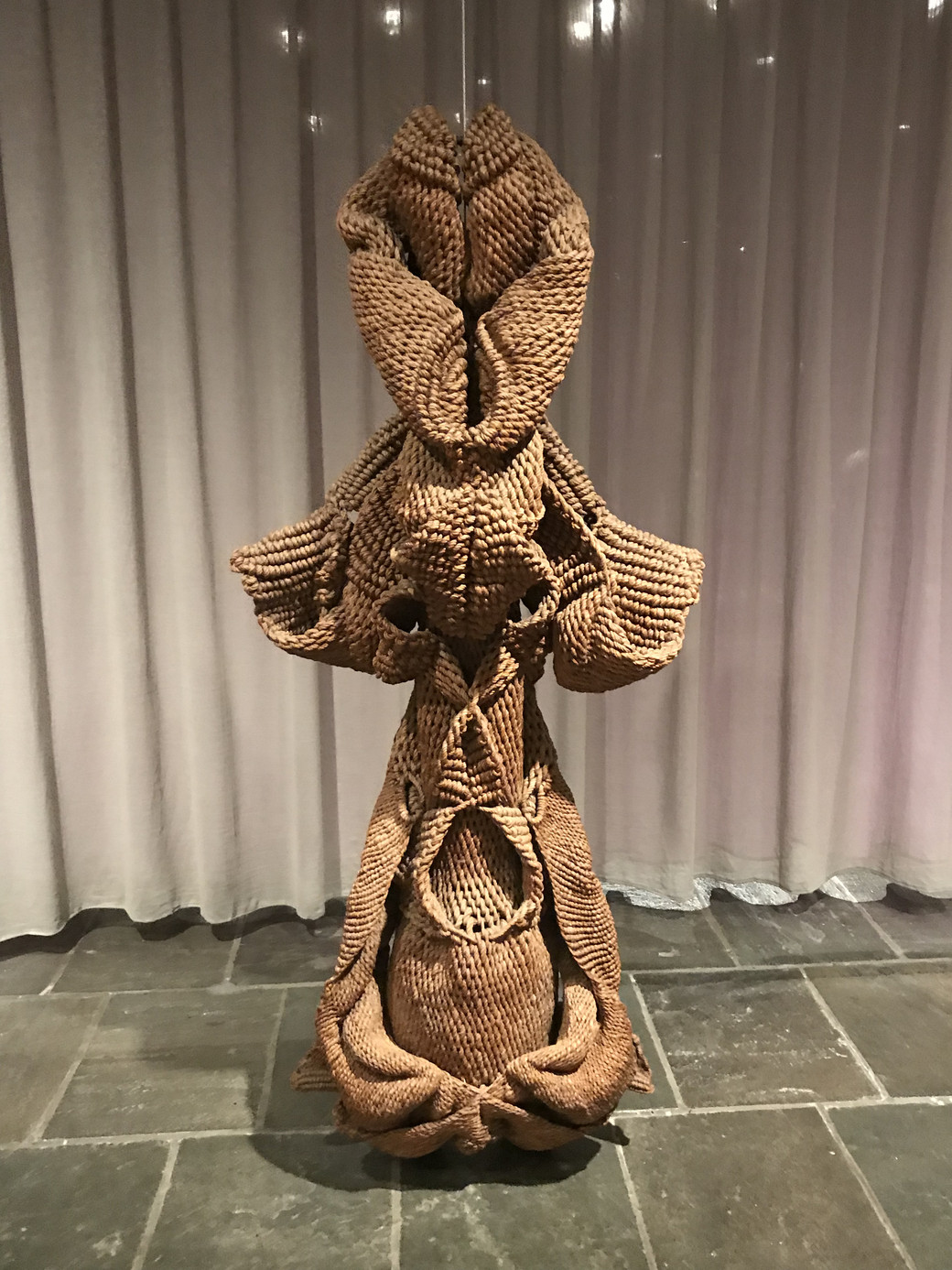
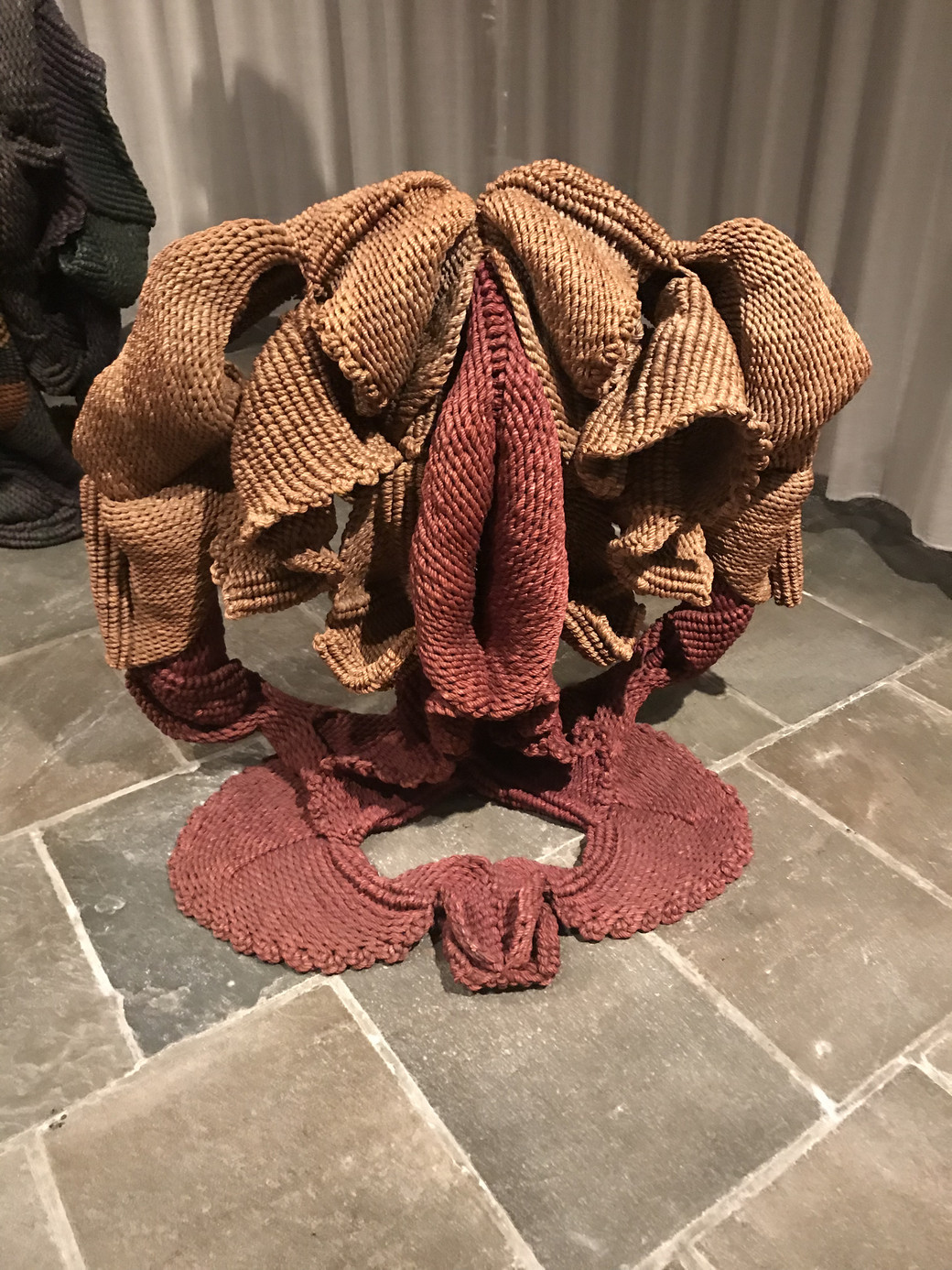
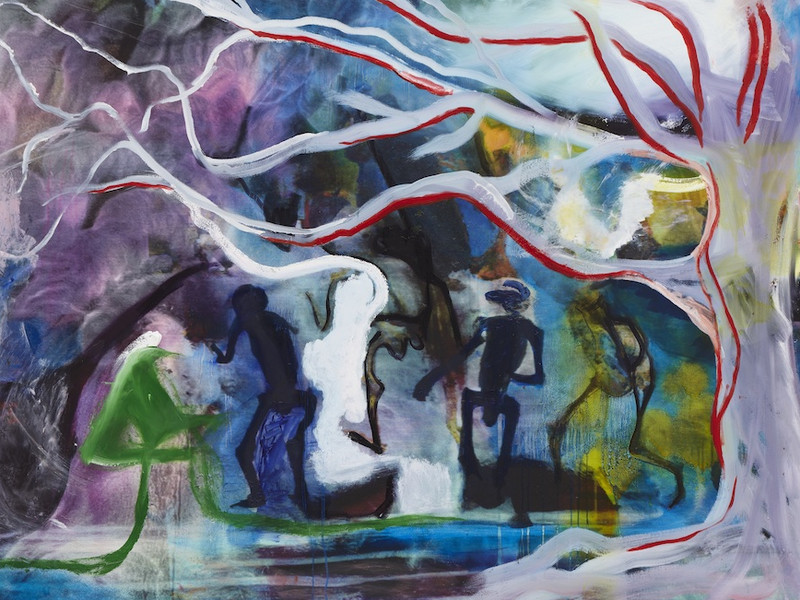
"Phenomenal Nature: Mrinalini Mukherjee" is on view at the Met Breuer through September 29th, 2019.
"Phenomenal Nature: Mrinalini Mukherjee" is on view at the Met Breuer through September 29th, 2019.

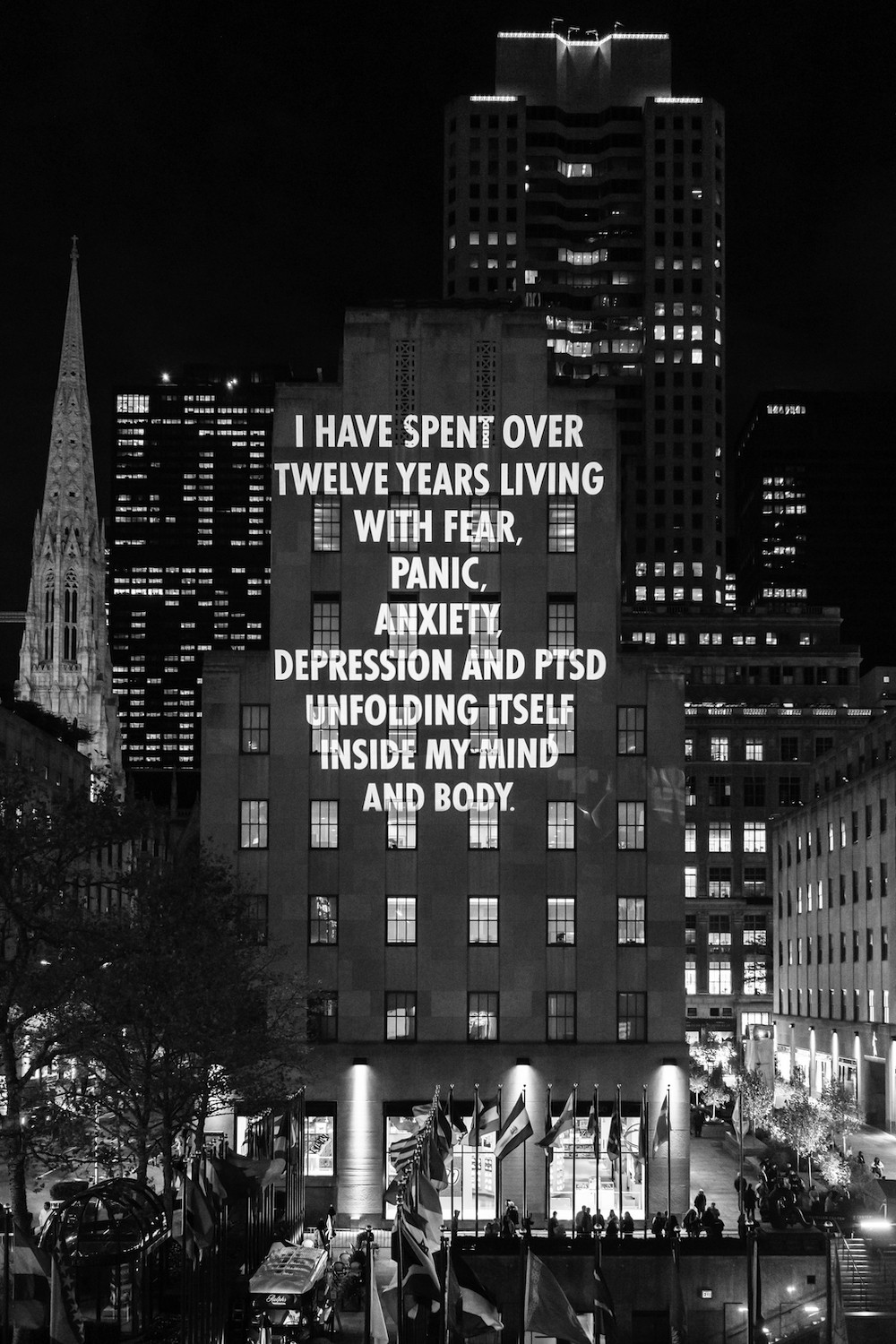
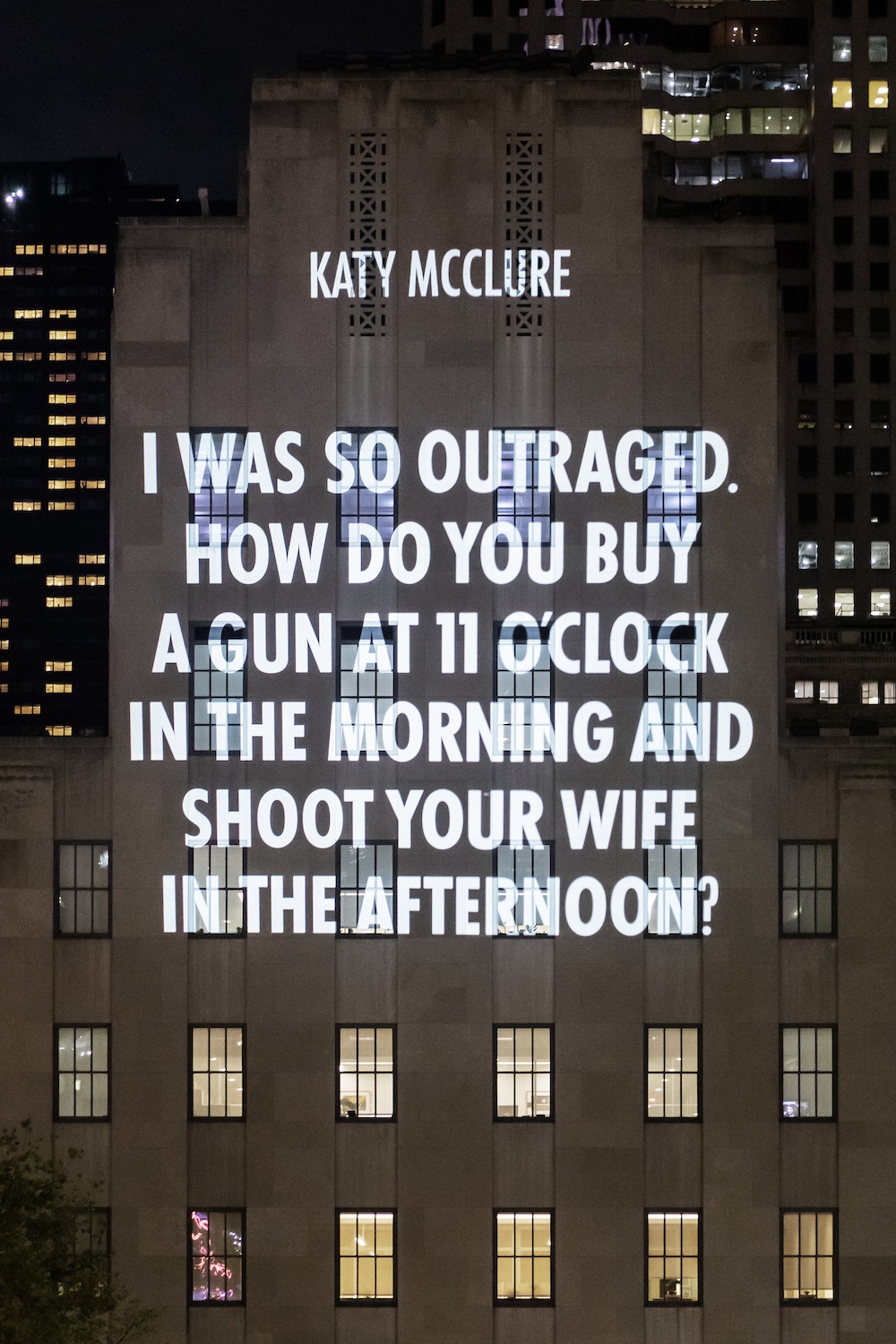
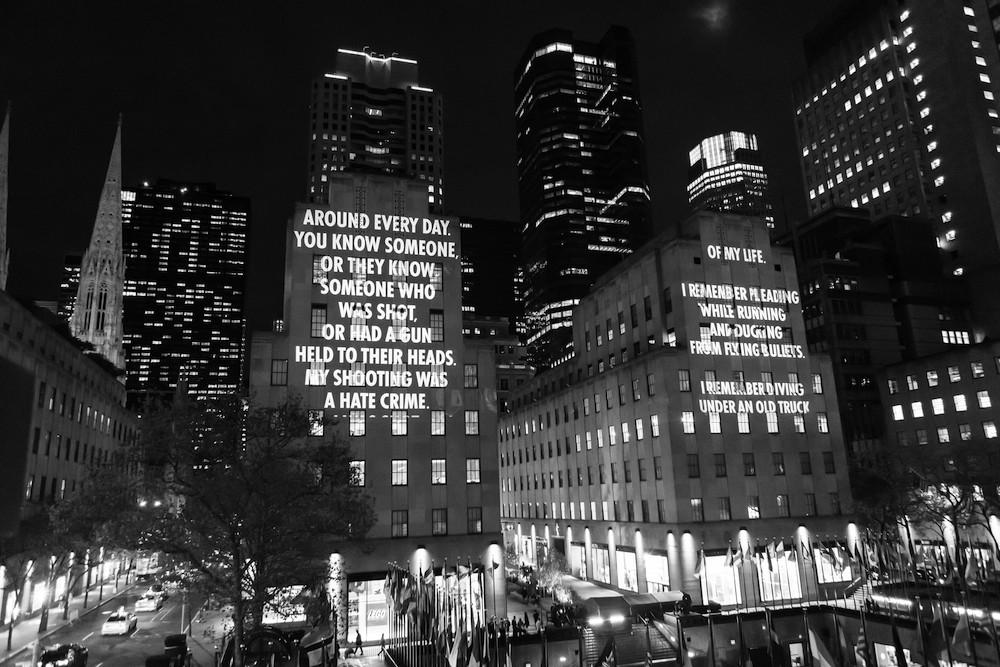
Over the course of those very 72 hours, gun violence claimed the lives of a handful of people and injured dozens more. We live in a time when people are afraid to go to the movies and children need to practice special drills at school. Gun violence is so mundane it’s almost forgettable, and we become numb.
Yet the poetry and personal narratives chosen for VIGIL maintain both the empathy and immediacy needed to make the work akin to a punch in the gut. A very much needed punch in the gut. It almost felt wrong to put peoples’ deepest wounds on display so publicly, but that was Holzer’s point: this is, while a deeply personal reality, also a very public problem.


What inspired you to start a magazine? Why a magazine?
I started the magazine in 2012 as a platform for me and my friends to publish our work. The first few issues featured literally only people who lived in my building, which was kind of a communal artist building in Montreal. Also, I was part of Petra Collins’s collective “The Ardorous,” and I was inspired by how she gave a platform to me and so many other unknown artists. I think that’s a big reason why I started Editorial. I didn’t have any special respect for the medium, I just wanted to get our work published. There are so many things I didn’t consider, like the cost of printing and how to design a real-life thing. It’s taken years to learn the actual craft of producing a carefully curated print object. And even now real designers comment on how Editorial’s design is “outsider.” Sometimes it’s good to not know about the field you’re entering into otherwise you’d never do it.
What things did you come to find out you didn’t know?
I didn’t even know that files had to be high resolution and CMYK to print! [Laughs.] Learning the tech stuff was hard. I wanted the immediacy of making art, like “look here it is,” but there were all these hoops to jump like converting files, graphic design, etc. Learning how to work with artists was also a big learning curve. Artists have to be handled with care, they need compliments and cushy deadlines.
When did you realize you needed to bring other people on? And, similarly, what’s it like to be producing a collaborative object as opposed to the more solo process of working in your studio?
I think immediately I needed other people’s help but I’ve managed to maintain a sense of solitude in it. I’m really good at turning meetings into email threads. I don’t go to shoots, or even meet with our editors IRL to discuss things. “Send it to me in an email!”


Are there references you’ve looked towards in making Editorial?
I love Mould Map and always have an identity crisis when they put out a new project. For design, I pull from porno magazines. My friend bought a house in L.A. and in the basement was a huge collection of porno magazines so she sends me those for inspo. Drummer mag [a 1970s gay S&M lifestyle magazine] is amazing.
How has the magazine shifted over the years—both as an object and in how you run it?
When I look around at my apartment filled with boxes and Editorial merchandise piled up around my bed I think it hasn’t changed at all. Sometimes I worry I haven’t grown enough, that we should have a warehouse and glass office with nap rooms. In small ways though, it’s changed a lot. In the last year a good amount of my team moved elsewhere and I got gallery representation for my painting. I was really worried that meant the end of Editorial, but if anything I think it’s made us more committed to the project. I use the sales from my painting to pay for the printing now which has removed a lot of financial pressure. Also, because I’m an artist and the magazine began as a vessel for that, Editorial had always been visual-heavy. In the past few years my editor, Olivia Whittick, has made a push to make the magazine more literary, as well. We’re working with a lot of writers now.
This issue looks a lot different in some respects than previous ones. Why did you change it up?
It used to bother me that Editorial was always changing; I wanted consistency in content and design but I realized that was actually limiting. This issue we embraced the fact that the magazine is always shape-shifting. We made a new logo and got our first mascot, an early Cabbage Patch Kid. The concept for the logo was actually supposed to be shit. We had a picture of Zaina on the toilet that her boyfriend shot, and a big brown sloppy "Editorial" up top. I’m really glad we threw that idea out.


There’s a long history of artists making magazines—Avalanche, 0 to 9, and File all come to mind. As an artist, primarily working in the more traditional field of painting, how does Editorial fit—or not—into your art practice?
I rely on the opposition of the two projects to keep them both going. I typically can’t paint when I’m putting together a new issue, it’s too hard for me to split my brain from Richard-Branson-entrepreneur-mode to the childlike vulnerability required for making art. Artists talk about the necessity of being involved in the art community, like going to openings, meeting other artists, studio visits, etc. I hate openings and socializing so I use Editorial to interact with the art world. If there’s ever an exhibition I want to see, I’ll review it from the comfort of home. It’s a rabbit hole effect, learning about what inspires other artists, or what they’ve stolen from where. I reviewed Koak’s recent exhibition Breaking the Prairie; the title’s taken from a 1930s Grant Wood mural. The work was meant to challenge masculinity and liberate nature and femininity, but my research sparked an obsession with Grant Wood’s hyper-masculine prairie scenes which I’m now pulling from for my own work.
What are your hopes for the future of Editorial?
I’m such a Taurus I just want it to stay the same forever. [Laughs.] I don’t want it to get bigger than it is, but maintain the same kind of niche loyal following. I should be more lofty.
Speaking loftily, what would your dream story be?
A dream story...I actually do want to feature a celebrity in Editorial one day, but an irrelevant one like Cameron Diaz or Ray Liotta. And I want more scandals!

Check out Jarvis' film for North Face and our interview with the artist below.
First of all, tell me about your work behind the new short film series Rare Species for North Face—how did this collaboration become a reality?
I have been a massive fan of North Face and have been wearing it since I was 16 years old living in NYC. My first interaction with working with them was through Social Studies last year. A friend suggested that I should work for them on a larger scale. So they came to me and wanted to work with me as a creative director. I came up with a new concept, casts, and photographs for them. Then they also wanted to include me on the Rare Species which is a film series where they share little stories about artists that they like working with. When they approached me I was like, “Oh yeah sounds cool”—but I am super shy and did not want to be in the film, so I asked them if I could make something myself and create my own piece.
How do you feel about portraying yourself in a short-film?
Yeah, it’s like a joke for everyone ‘cause it shows my extreme level of trying to do everything to not be in something! A large part of this film has a lot of footage from when I went to Africa, my time at swim camp and then also a bunch of photographs that I have taken. I used reenactment so I had a young girl named Frances to play me as a young kid, and a model named Sasha who played me in college. I thought it was cool to not be in the film, but to cast someone to play myself. It was nice to share my own voice and see some of the old footage that I took when I was younger and kind of reconnect with myself.
I love your idea of mixing a modern reenactment of a “younger you” with your older footage. Tell me about the two girls Frances and Sasha who play you in the movie—who are they and why did you choose them to play you?
I chose Frances because the first time I met her I was like, “Oh my god - you are me”. She had the same attitude, and I thought that If I should ever choose someone to play me in a movie, I would choose you. The first time I saw Sasha was in a MILK advertisement and she looked just like me at that age. So again, I thought that If I ever needed an adult to play me, I am gonna get her. They both captured what I really wanted to do with the short film.
Can you recall a specific moment that made you fall in love with the camera for the first time?
As a kid, I took pictures all the time and I always had a camera on me, but for a long time, I didn’t think about doing photography as a real thing. But I think the biggest turning point for me was when I was interning at Paper Magazine and they would send me out to work with fashion stylists. Being on set with them was probably the first time that I kind of had a real flashback moment for myself to be like “Oh wait, I have always wanted to do this”. Then I just decided that it was time to go for it.
Do you think it would have been the same if you had grown up surrounded by today’s iPhone mania?
I don’t know—I want to believe that the answer is yes, and that my love for the camera is because of my parents and my grandparents, who all did photography. They introduced me to the idea of having a visual language early on. So I think that yes, I would still be doing it, but maybe in a different way.
In what way has your mom been an inspiration to you—not only in this project, but also to photography in general?
I always laugh about this because my mom is a Virgo and I am a Pisces so we’re supposed to be at opposite ends. So where I am super dreamy and fantastical, my mom has always been more “practice, practice, practice”. She is a practical perfectionist and she has taught me that sometimes it is easier just to get it right the first time. She really instilled a good work ethic in me and taught me how to be a good soul in the way of helping others feel good, while also sticking up for yourself.
You have been traveling a lot around the world with your work, including London, Tokyo, Los Angeles, and New York—if you should choose your most exciting project what would that be?
I think this one has been the most exciting - It’s hard to say but a mix of working on this project and then working with Social Studies as well. They have both enabled me to really push myself into something that I really like and to work in a creative direction. And then also being able to work with a bunch of different people such as designers, stylists, and artists. Working with these people has been amazing and probably the most fun part of it - it’s so great to work in a good team.
What would your advice be to young aspiring photographers who are trying to make it through the fashion industry?
Do everything, try everything, and speak to everyone. Also, work on yourself and know what you want to say. I think that it’s super important right now, as a young artist, to be aware of what your message is and to understand what your own story is. I don’t think that what I’m doing now would have been any different if I was doing it 20 years ago. The core of what I’m trying to do has always been the same.
Can you give us a hint on what to expect from the rest of the series?
I really want to do a day at Harlem School of The Arts, which is an art school that I did an after school program at from the age of six to 13. I went there and I did piano lessons, African dance, ballet—I did everything there! So I’m definitely planning to spend a day there in collaboration with North Face.