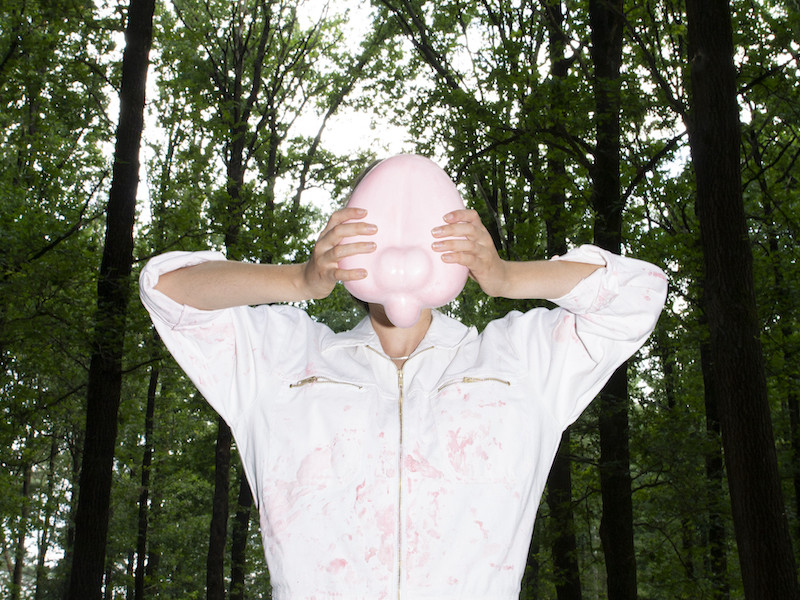
Vulvatious

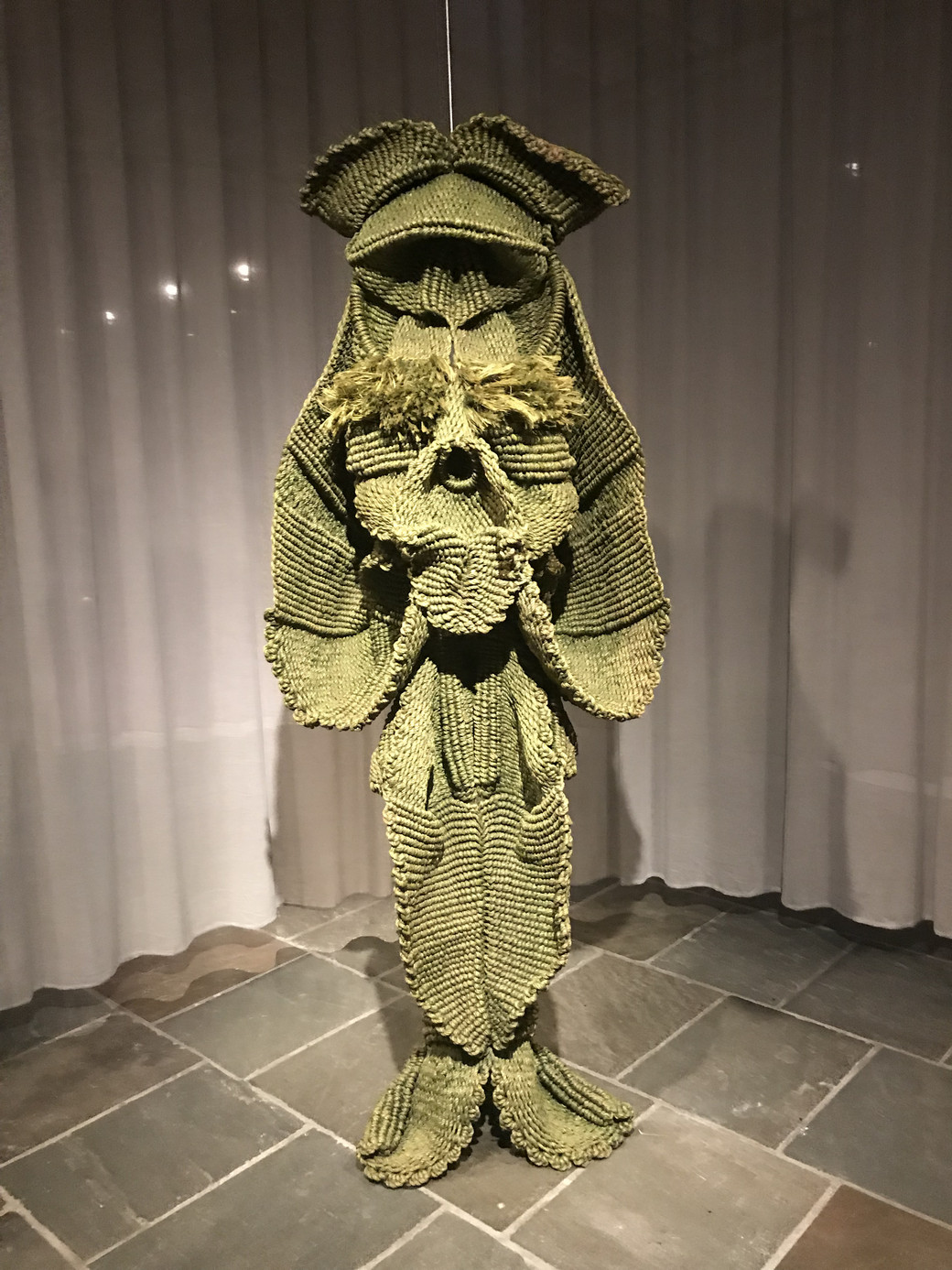
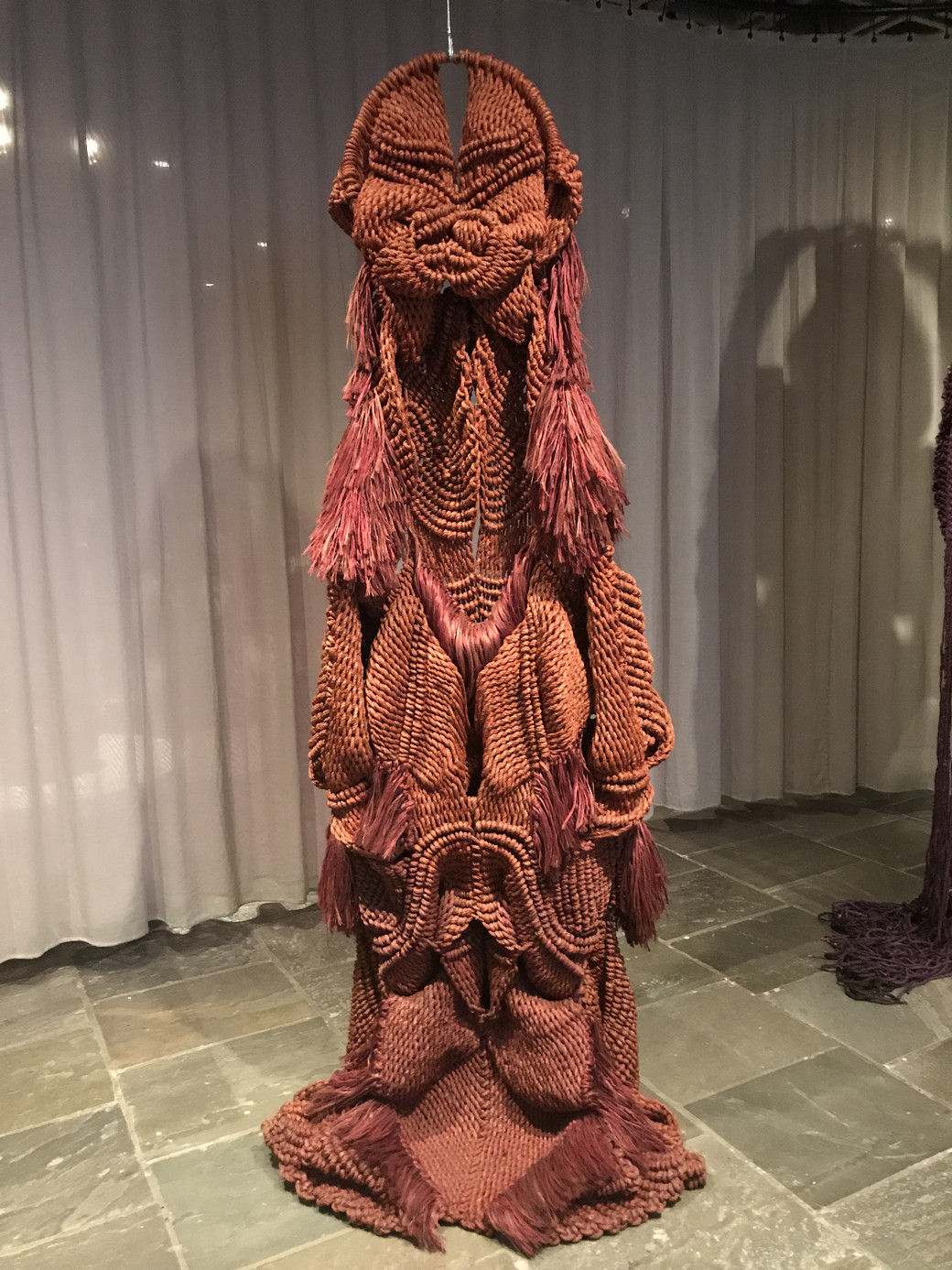
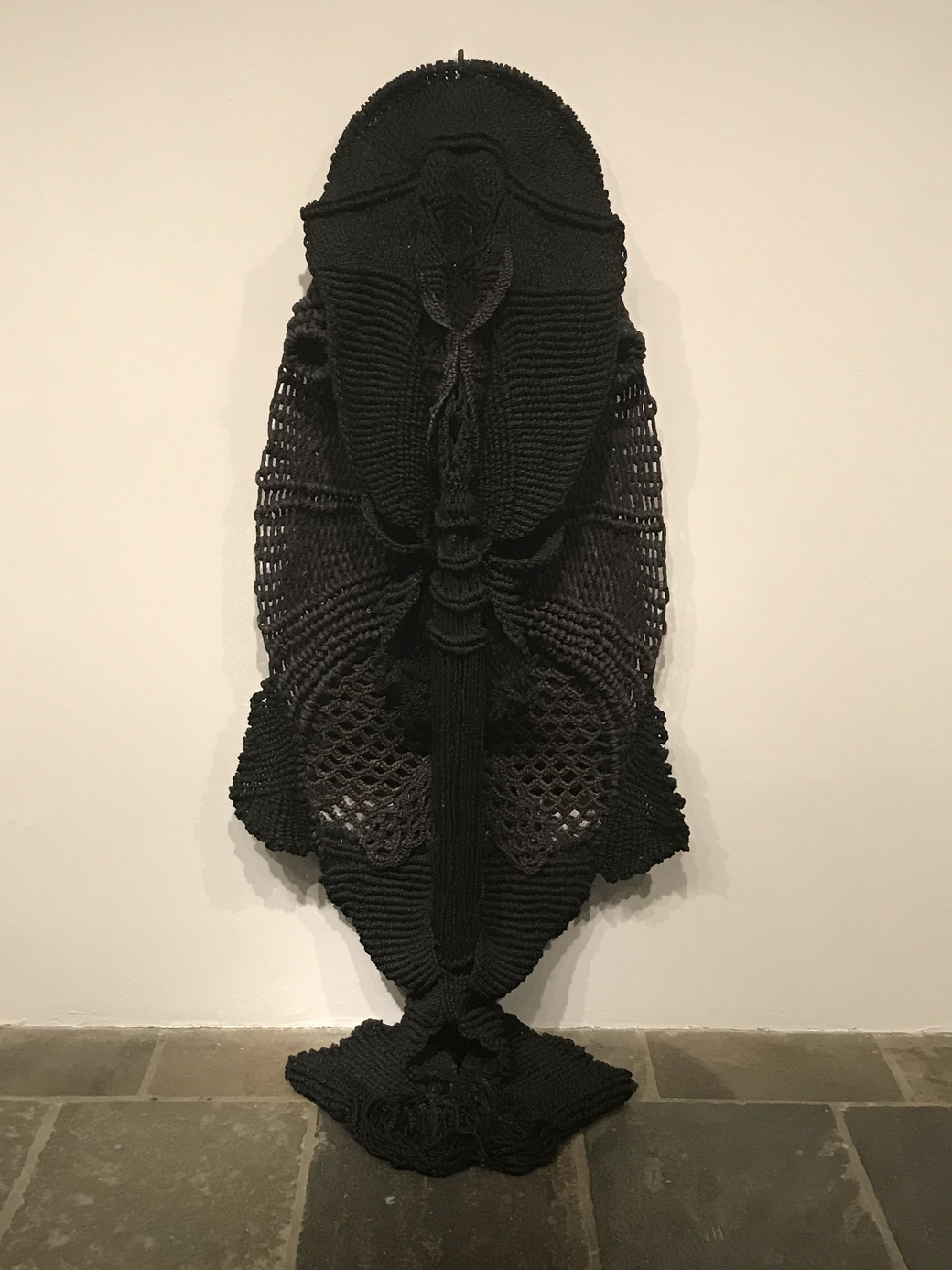
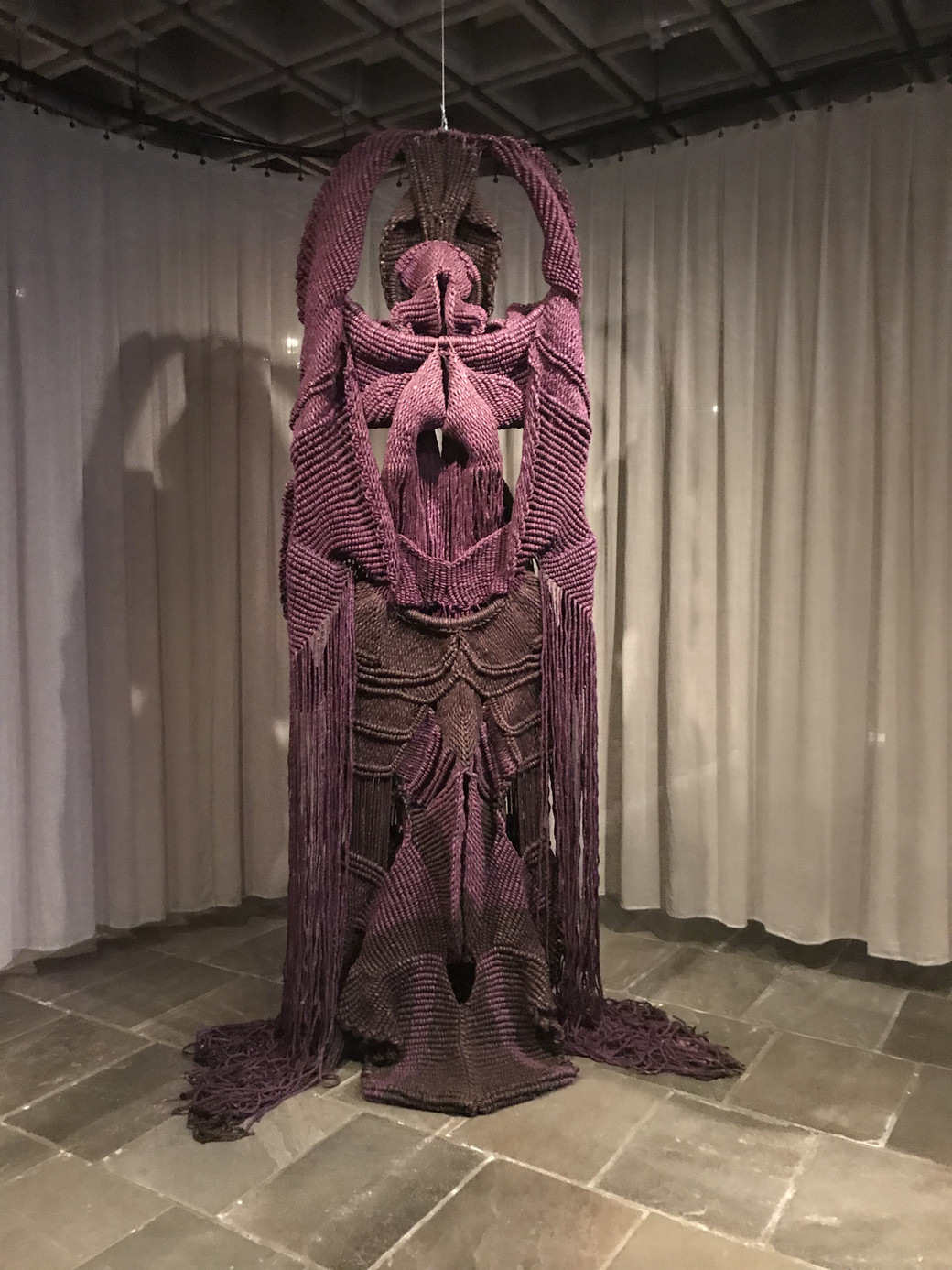
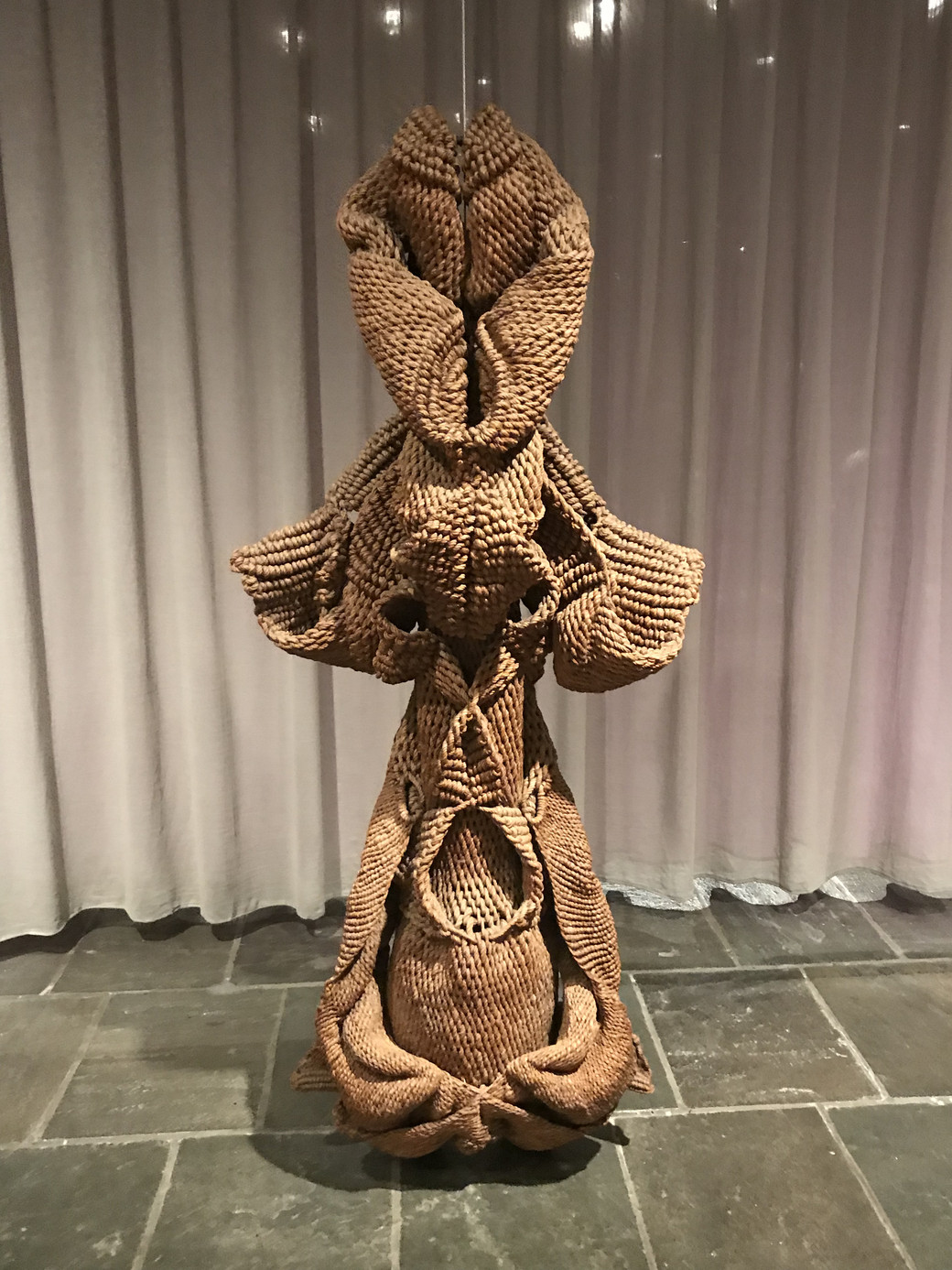
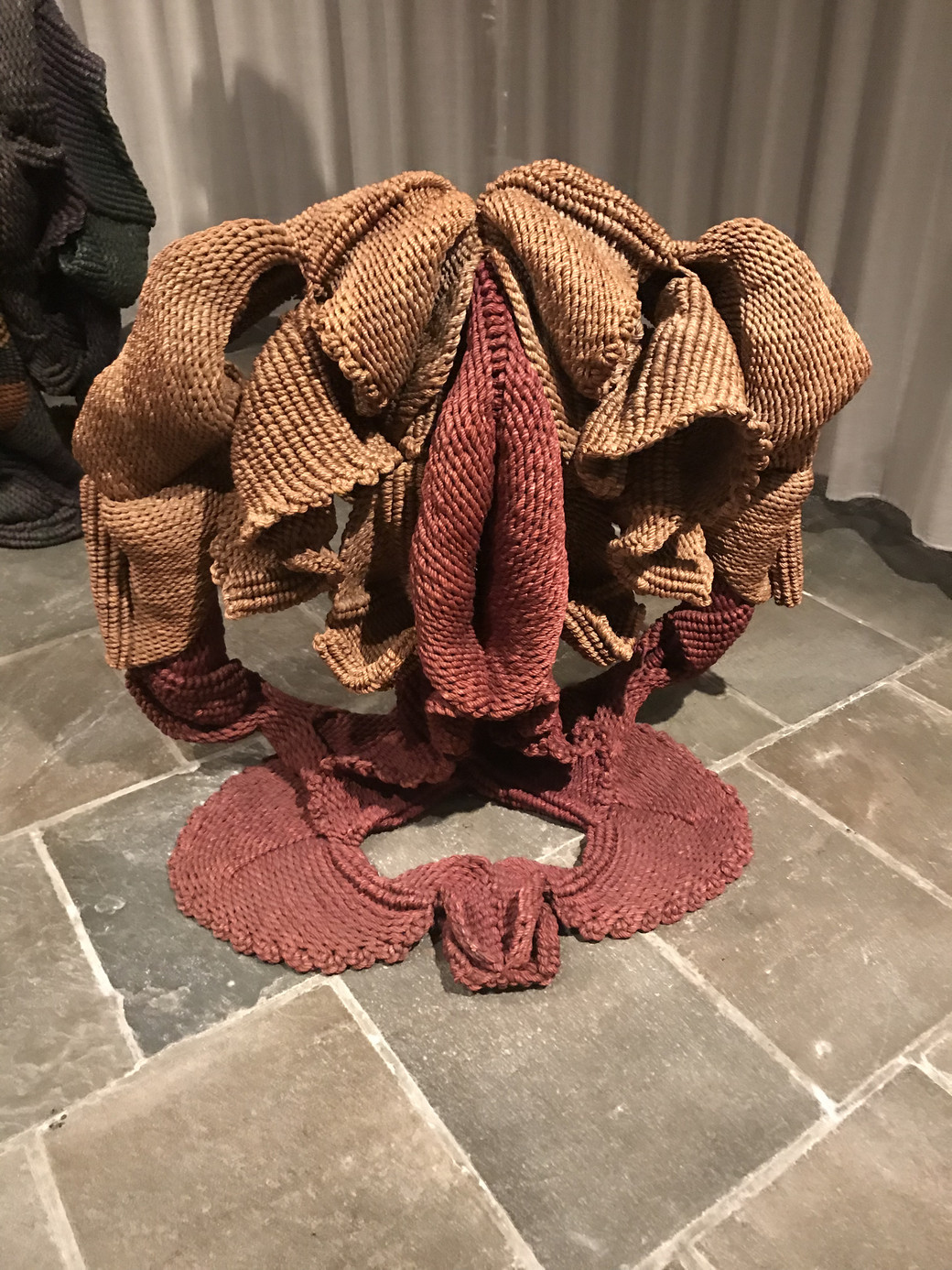
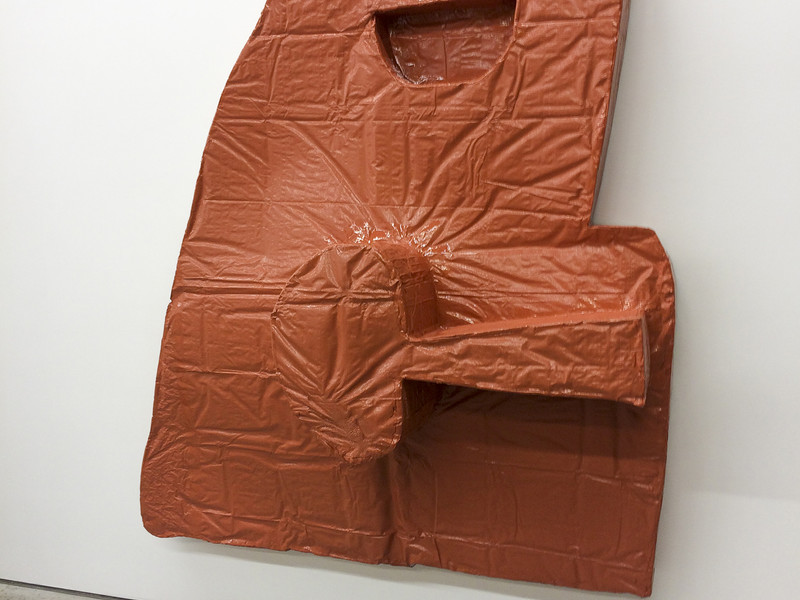
"Phenomenal Nature: Mrinalini Mukherjee" is on view at the Met Breuer through September 29th, 2019.
"Phenomenal Nature: Mrinalini Mukherjee" is on view at the Met Breuer through September 29th, 2019.

Theresa Volpp
Theresa Volpp is a painter exploring the perception of painting itself, having had a background with graffiti art. She studied at Kunstakademie Düsseldorf in the class of Katharina Grosse. Volpp is currently working on her new exhibition with painters Clare Price and Goia Mujalli, opening in London in November.
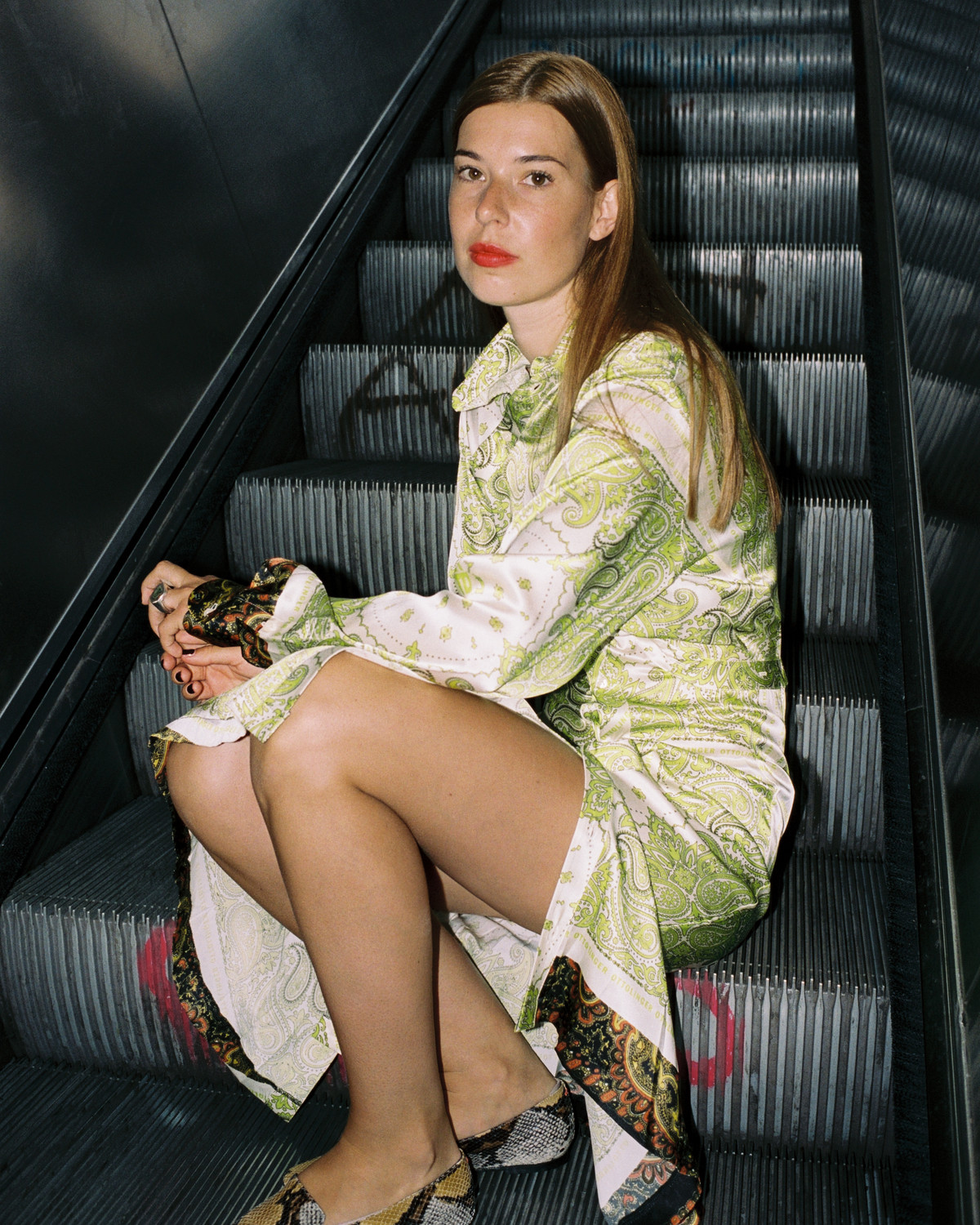
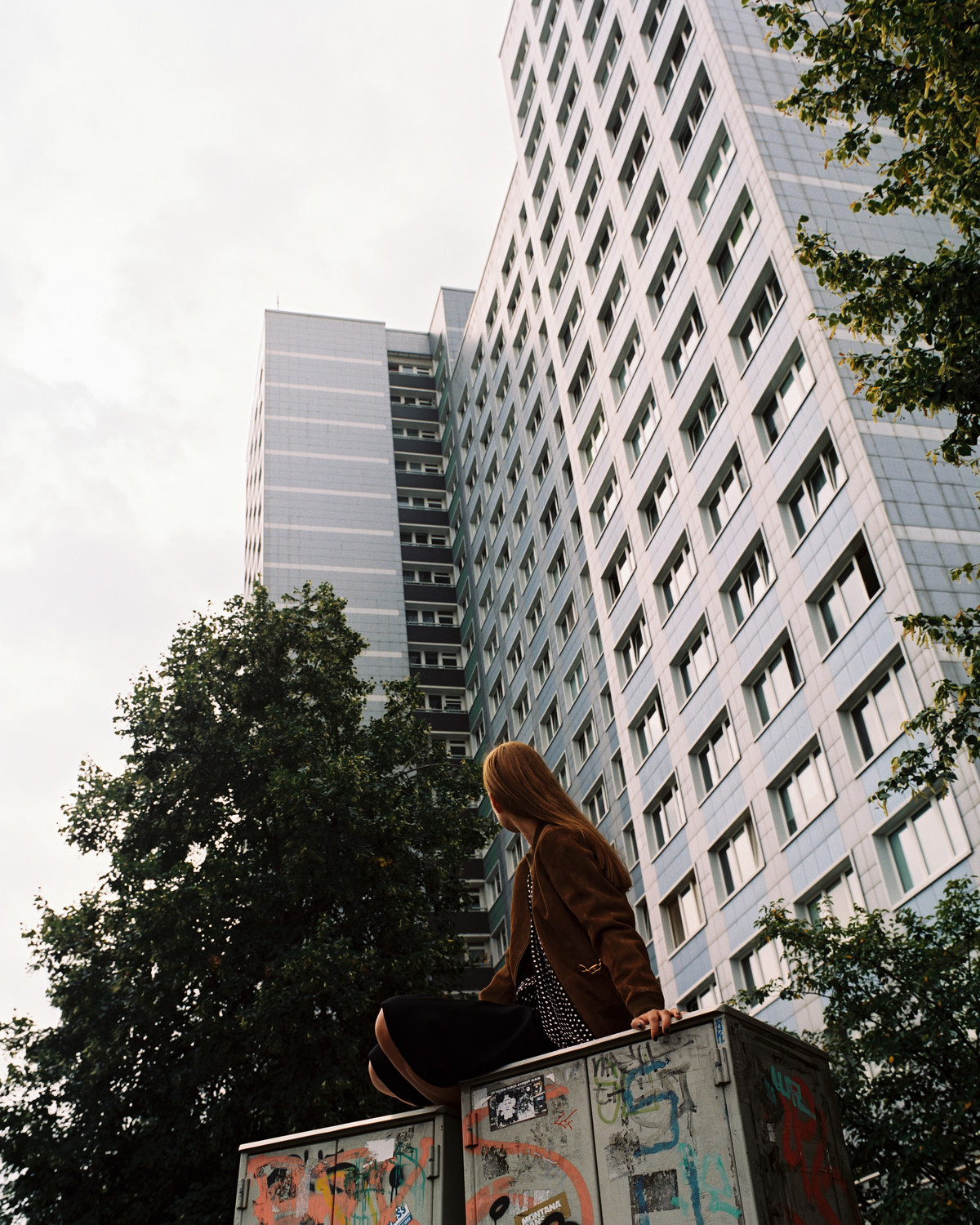
Left - Deconstructed silk dress by Ottolinger, slippers by Aeyde, jewelry her own
Right - Suede leather college jacket, polkadot silkblouse, wool cullottes, all by Celine
"I came to painting and art when I started to be bored with the standardized aesthetics of graffiti. I felt the need to evolve personally regarding my paintings. Being shot at Tierpark was a nice opportunity for me to look back to my journey of becoming an artist. I painted my first subway there around 12 years ago when I was at a very different point in my life. After having finished my MFA at Goldsmiths in London I wanted to move back to Germany. The only real option for me regarding art and friends was Berlin. It was and is the only city in Germany I can imagine living in. I’ve been living here for about three years now. I was completely in love with Berlin when I arrived, but after three years I’m more aware of the development of housing prices as well as of the persistently low salaries."
Berlin might appear cheap when you come from New York, London or Paris, but the low salary puts living in the city in a different perspective. I love my neighborhood of Schöneberg, the diversity and the freedom to walk around however you want, no matter if it [means] a fetish latex dog suit or no clothes at all. I haven't seen such a big range of crazy, ugly, funny, weird outfits in a lot of cities before, and I love how nobody really cares about it. Because it's Berlin. Every surrounding one is living in influences and informs the work. I definitely do different paintings here than I used to do in London. In Berlin, I always found the strange mix of architecture very strong, the clashes and breaks which seem to be fundamental for the whole city. It’s visually outstanding.
The main aspects of my work are definitely color, scale, and movement. Movement of a brush, a spray can, an oil pen. The different stages a body can reach, different levels of power and pace working on a surface. When I started studying in the class of Katharina Grosse in 2016, I consciously worked on forgetting about most things I learned—how ironic. I started to think about painting in a more material-based way again, instead of justifying everything I started to enjoy the act of painting again. It was a relief for my way of painting and for me personally. I grew up in a small village with around 600 to 700 inhabitants in the south of Germany. I realized quite early what it means to be constantly watched and to be judged on for not fitting in the picture."
Marius Glauer
In 2010, Marius Glauer co-founded the artist-run gallery Heit in Berlin, which he was part of until 2017. His work is neither painting nor sculpture nor digital, but something in between. He just opened his show "GLAUER JOIE DE VIVRE“ at Fructa Space in Munich, which he describes as "a moment when dopamine begins to dance, and we fall prey to euphoria."

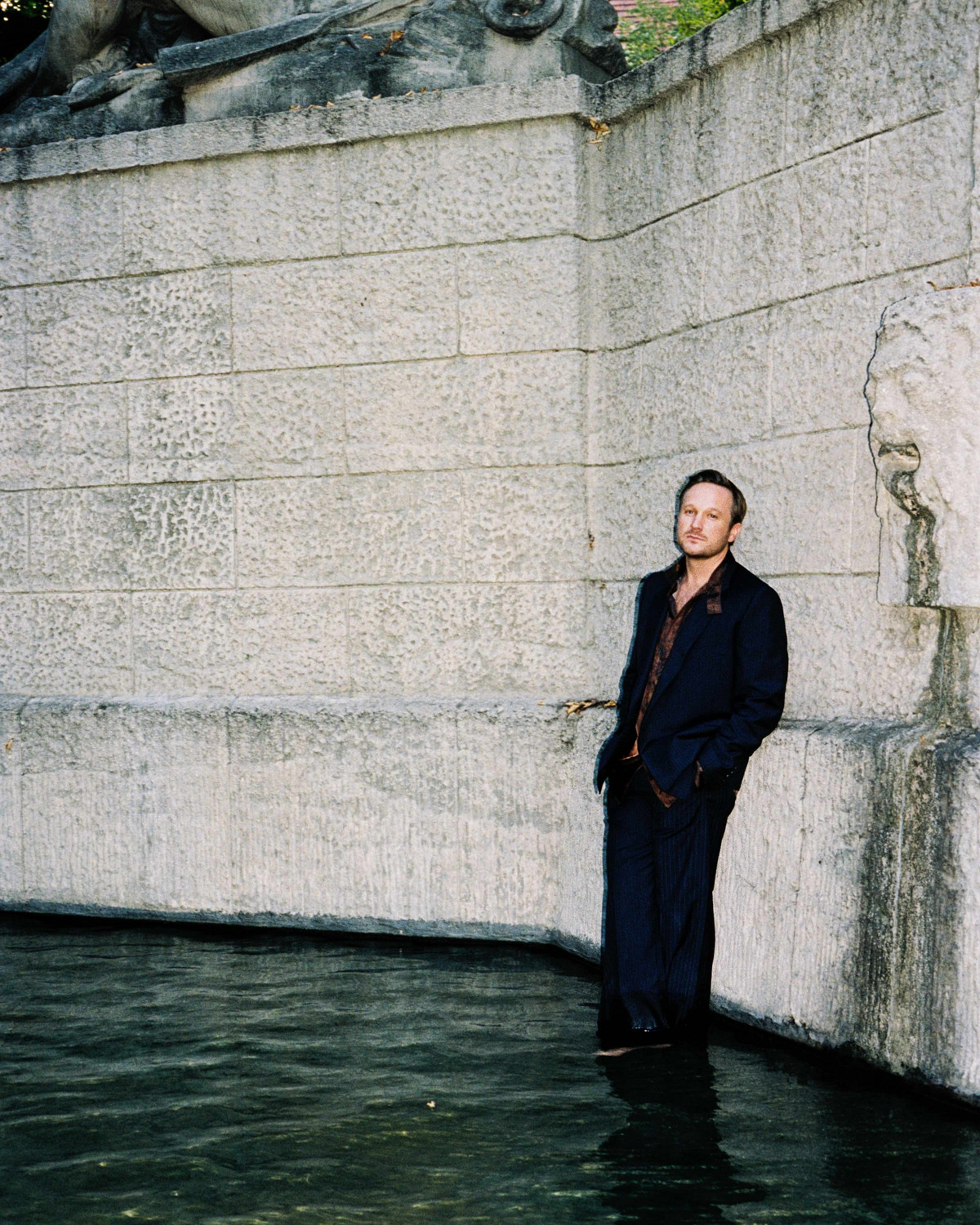
Left - Houndstooth wool jacket and cordoroy pants by Wales Bonner, short-sleeved silk shiry by Edward Chruchley, jewelry his own
Right - Pinstrip suit in navy and a brown tie-dye silkshirt by Dunhill, jewelry his own
"Rüdesheimer Platz is an old neighborhood in the district of Wilmersdorf, West Berlin, where my father’s family is from. As a kid, he was playing in the ruins around Rüdesheimer Platz. The Siegfriedbrunnen where my picture was taken was one of his playgrounds that was not destroyed during the war. Back in the 1980s, I would also play there. Surprisingly, it feels like my personality and life developed in parallel to the city’s maturation. Berlin kept on progressing and merging in many aspects at the same time as I became an adult. When I was a teenager in Berlin in the 1990s and early 2000s, Berlin was too—gnarly, driven and wild! Now we are both professionalizing. What I love about Berlin are its progressive cultural vibes and the spirit of growth as well as the limitless expansion of new ideas. The worst would be if we cannot protect this.
In Berlin, I now work steadily and concentrated. Over the last couple of years, I have set up my personal infrastructure to produce and present my work. This is essential for me. When I lived and worked in NYC, my workflow accelerated a lot. I loved the speed and energy as well, and I was greatly inspired there too. I think I would work similarly well there. My creations blur the lines between high and low, abstract and concrete, organic and digital, serious and ironic, sexy and obscene. In terms of material and discourse, I am ambitious to cover the full range of anything and everything that can be considered photography. My particular point of interest is the threshold between digital photography, sculpture and painting.
Berlin is the place to be! Humans living free in an open-minded, multicultural and affordable city in a secure and vividly political country. We are the heart of modern Europe. Here, I work closely with the wonderful writer Simon Elson, the amazing curator Christian Ganzenberg and my companions, the artists Gernot Seeliger and Linus Dutz. Many other creatives from the program of Heit Gallery are part of my close network. I also admire the work of Clara Brender (Sprüth Magers Gallery), Diandra Donecker (Villa Griesebach) and my wife Kiki Albrecht, with whom I share a deep intellectual relationship.“
Clara Brender
Clara Brender has been working with renowned gallery Sprüth Magers since 2014. In her current role she is connecting esrablished as well as up and coming artists with potential collectors. Sprüth Magers represents artists like John Waters, Stephen Shore and Cyprien Gaillard.
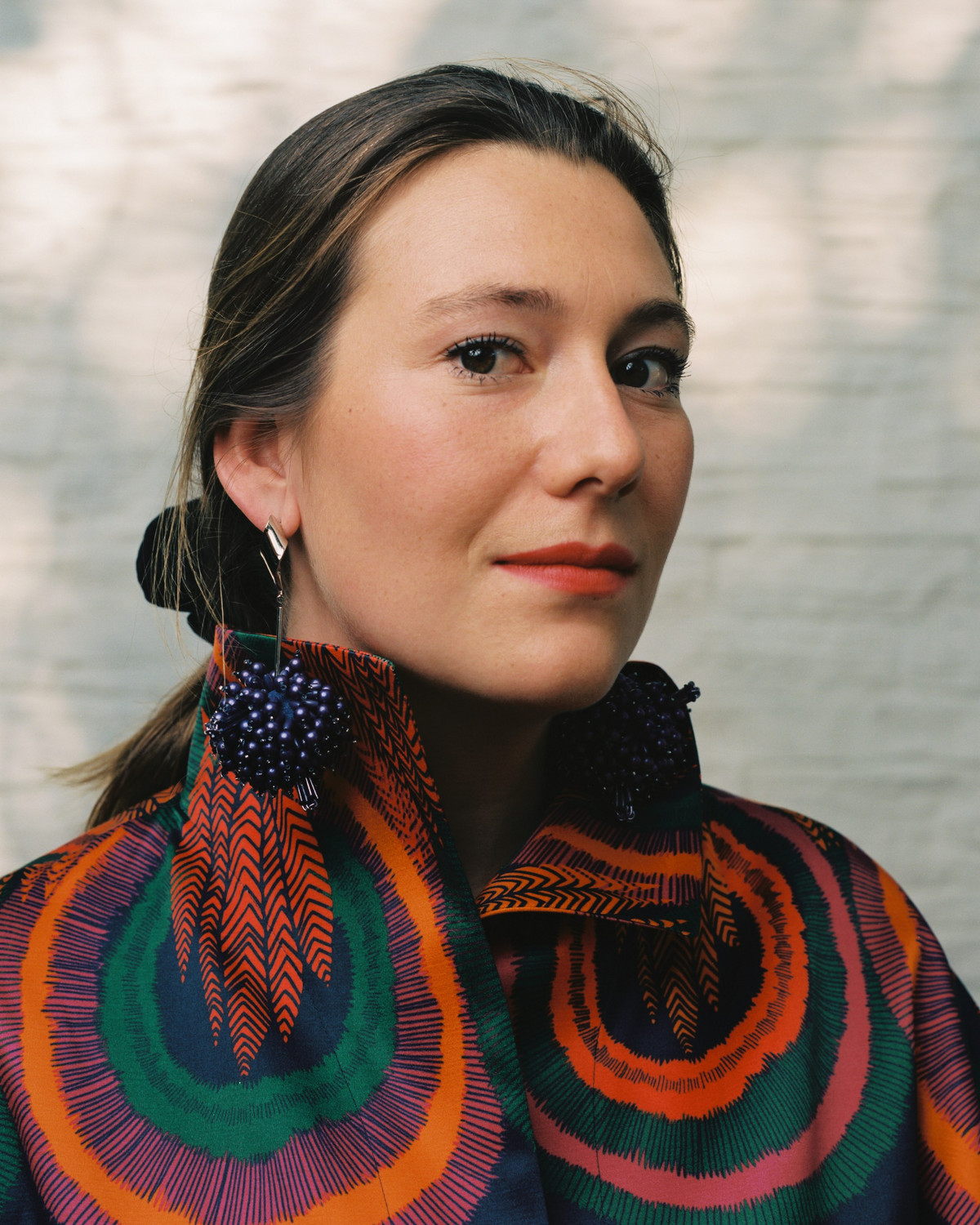
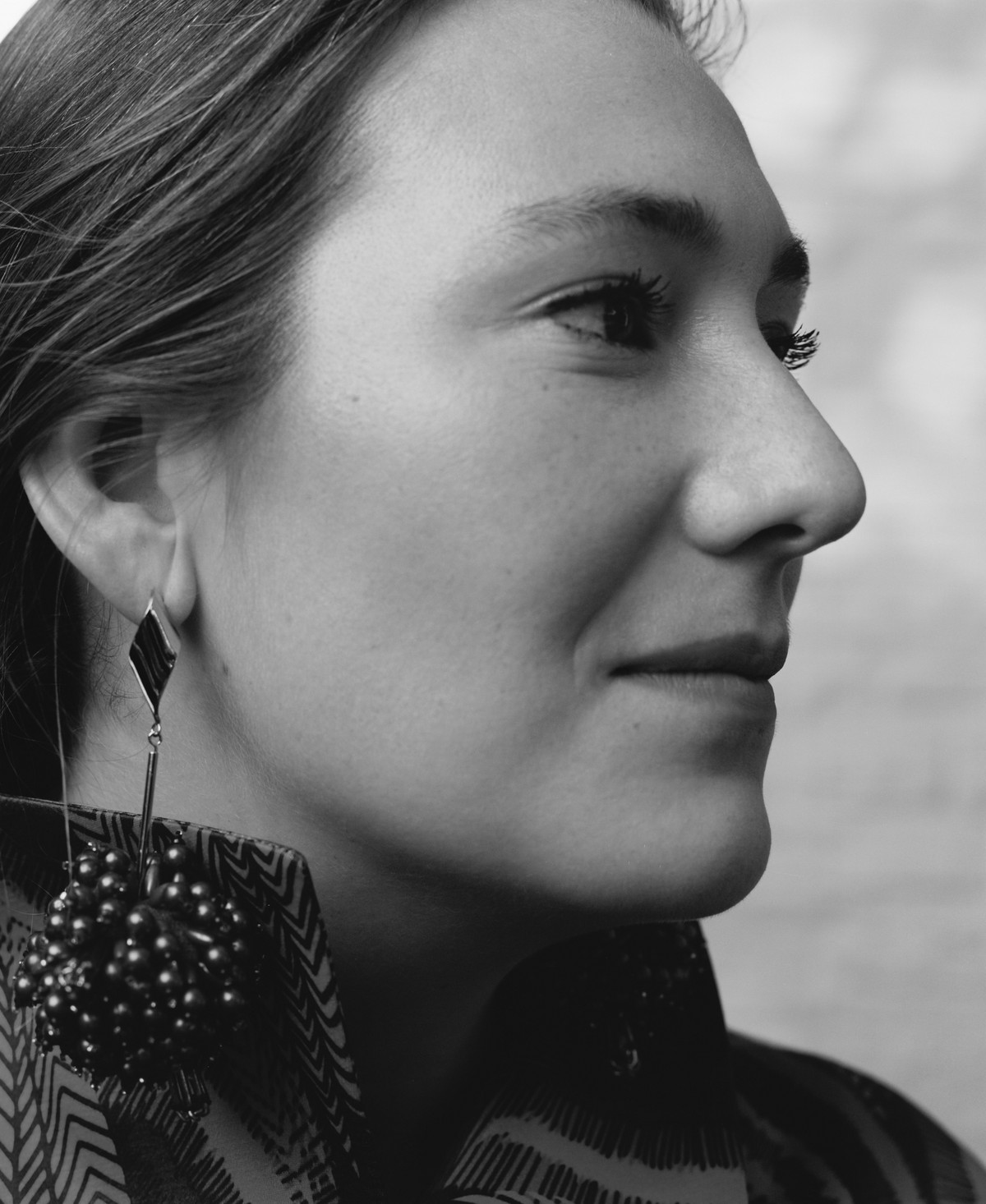
Left - Silk top by Rianna + Nina, earrings by Toga
Right - Silk top by Rianna + Nina, earrings by Toga
"The road where my picture was taken under the bridge once led through two countries—East and West Germany. Coming from one side of the hip Berlin centre, one suddenly slips unnoticed into pure roughness. In former times, the great Jewish family Loevy owned the most important bronze foundry of Berlin. They worked closely with Peter Behrens, Walter Gropius and the Bauhaus. Today, only the family grave nearby reminds us of this part of the past. A few metres further Theodor Fontane is buried. I visit this part of the city very often. It is a place that has been forgotten about its importance in history. When you move to Berlin you are confronted with Berlin's size and long distances. It feels like a never ending puzzle of unknown corners und endless suburbs. Instead of finishing this puzzle, you just get used to it. These long journeys between important spots are a result of the former division of Berlin. During this time, everything existed twice: two parliaments, two zoos, two art academies, two cultural centers. The result: you travel twice as long, and that's fine too.
Soon, Art Week 2019 will start in Berlin. Almost all galleries will have an opening, and the Art Berlin fair will take place in the former Berlin airport Tempelhof. Exactly 70 years ago, the Candy Bombers flew over this airport. Today, a lot of pigeons fly around at night in this huge building. I moved to Berlin because of the opportunity of an internship at Sprüth Magers. I will never forget one of my first tasks: organizing production material for the artist John Bock, a typical vienna saussage! John Bock often works with organic material, and I have admired his work ever since. I grew up in Cologne. It is said that Cologne has ugly buildings and the friendliest people in the world. In fact, I like ugly post-war architecture, and I laugh a lot. In the 1980s, Cologne was one of the most influential cities of art. That's also where Sprüth Magers has its roots. Now Sprüth Magers has its exhibition spaces in Los Angeles, London and Berlin. Kölsch‘, the famous Cologne beer, tastes just as good here.
In my role at Sprüth Magers, I am at art fairs, visiting collections and galleries, on the computer in front of catalogues, in museums and on the telephone. In the art world, you communicate a lot. I am in constant dialogue with curators, young collectors and those who want start collecting, and of course always, with the artists. The actual moment of a sale is usually the end of a long process of personal talks, consultations and exchange. There are always new aspects of interest, individual taste and space to consider. The great thing about working with contemporary artists is the opportunity to accompany the different stages of new artworks and then try to find the right collection or place. When an artwork is handed over after a successful sale, it is placed anew, and then something happens. I love how works of art behave in another environment, how they communicate.“
Robert Grunenberg
Opening his own gallery a little over a year ago, Robert Grunenberg quickly made himself a name, bringing together the coolest curators, artists, and often, photographers. For his upcoming exhibition during Art Week Berlin, he has invited Precious Okoyomon and Quinn Harrelson who have organized a group show around the themes of entanglement and faith.
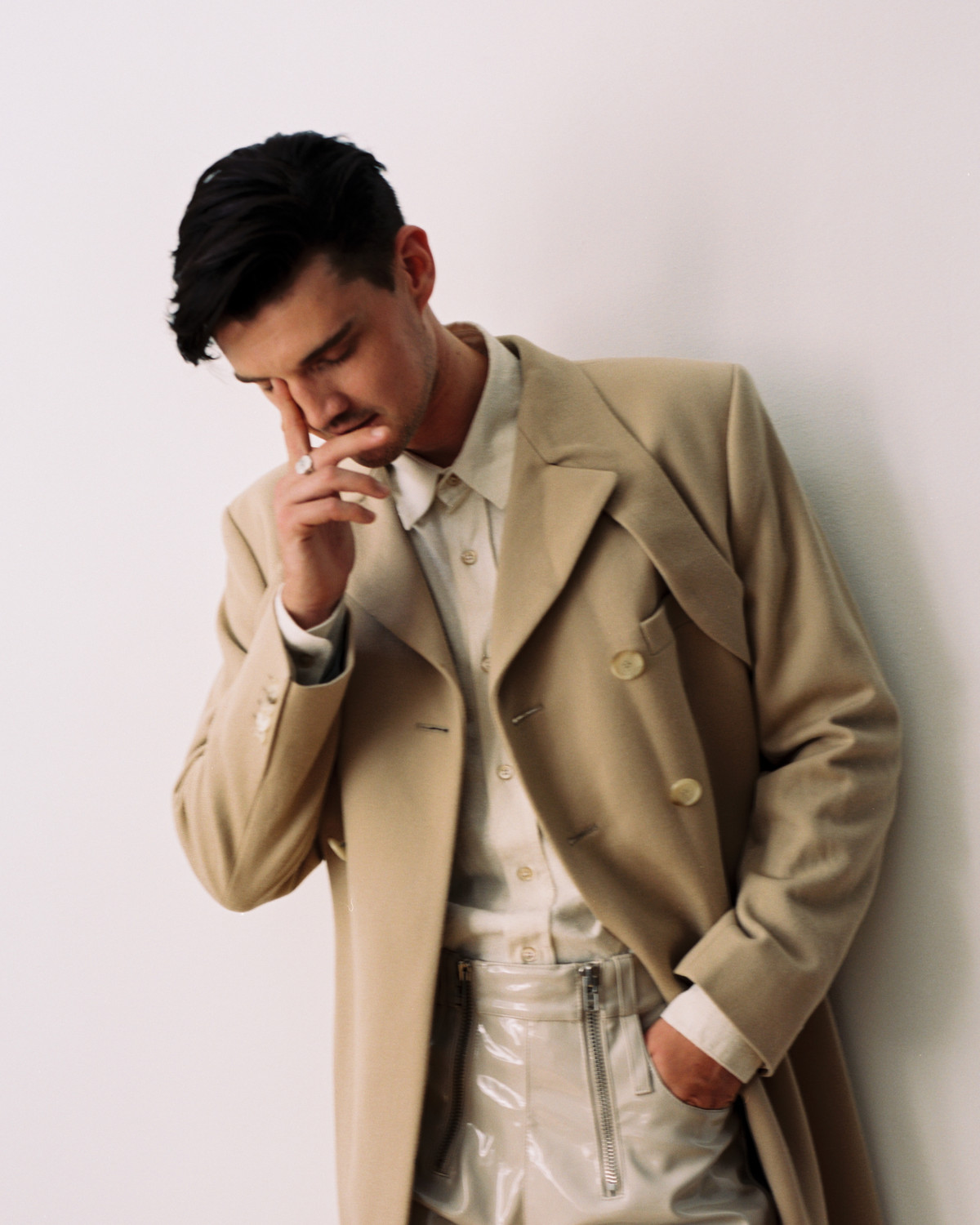
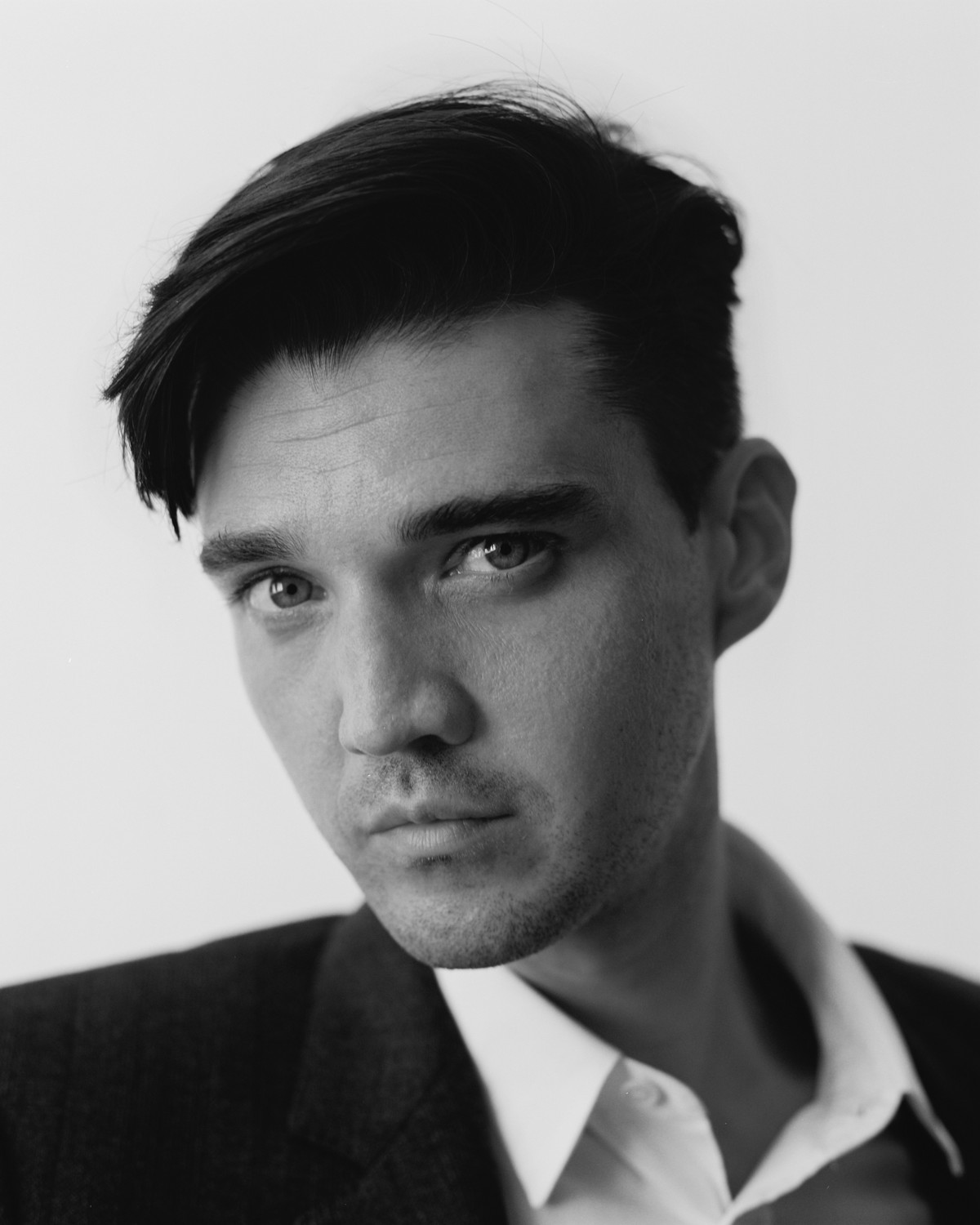
Left - Wool coat and patent leather pants by GMBH, cotton shirt by Our Legacy, jewelry his own
Right - Grey tailored wool suit, white shirt and shoes, all by Celine, jewelry his own
"The reason I moved to Berlin in the first place is a simple one: love. For the first two years I had hard time settling in. I just finished my masters degree in London. I thought I would find a job in the art world in Berlin. That was an illusion. I worked as a waiter while writing for art publications, like Frieze and Monopol. Berlin has an obscure pace. Other metropolitan cities force you to go with their fast flow; in Berlin you need to craft your own way. That can be confusing and tiring at the beginning. Today, I feel this freedom has helped me to acquire a set of different skills, a combined knowledge of writing, networking and selling. I’m not sure if Berlin is still as full of freedom as it used to be. Free and open spaces in the city are vanishing—alternative infrastructures of organizing cultural events, too. Housing is getting expensive. The idea of freedom is marketed by the city itself. It’s commerzialized through a billion euro club industry, though the urban myth lives on. Many young people are enticed to move Berlin.
What is still true: Berlin does have a different pace than any other city. The Berlin flow interrupts your patterns of perception, and you will get inspired by things that surprise you. You meet new people, or you find a quirky business model in an unpopular space. Berlin can help you look away from succesful patterns from the past, and instead, create. Today, for the art world here, I find it important that the interesting and unconventional players of the Berlin art scene work together more closely. For instance, the Gallery Weekend—a very successful project that is now copied in many other cities in the world—was started in 2005 by galleries who organized it privately to create synergies and establish a new model of a market place without the help of the City of Berlin. Now, Berlin benefits from the impact that Gallery Weekend has [in terms of] international reputation and tourism. In a globalized world, the future is collaboration.
I opened my own gallery in spring 2018. This is also where I was photographed for this story. It has a become a platform for artists, culture and community. Every day I learn and make less mistakes, so it’s a constant change. Therefore I also look at the art world and the industries around it differently. I think we live in interesting times. It’s urgent to anticipate cultural and technological change. Don’t react. Instead, anticipate and create. I am like a spider in a web of artists, collectors, curators, academics and people from press. I am navigating and mediating between the different parties. Some of the people are asymmetrical to each other, which makes it exciting to build bridges, communicate and create a better understanding of each other. Around the artists, I am building a gallery program with exhibitions that I hope appear to be sensual, dedicated, urgent, daring, beautiful, seductive and meaningful."
Jeewi Lee
Jeewi Lee is an alumna of Universität der Künste Berlin, the city’s most influential art school. Her work tends to fluctuate between photography, sculpture and performance. For her new project called "Ashes to Ashes,“ she made about 500 soaps from the ash and charcoal of a burnt forest in Tuscany. She also constructed paperworks that are imprints of the burnt trees. "It is talking about the phoenix phenomenal,“ Lee says.
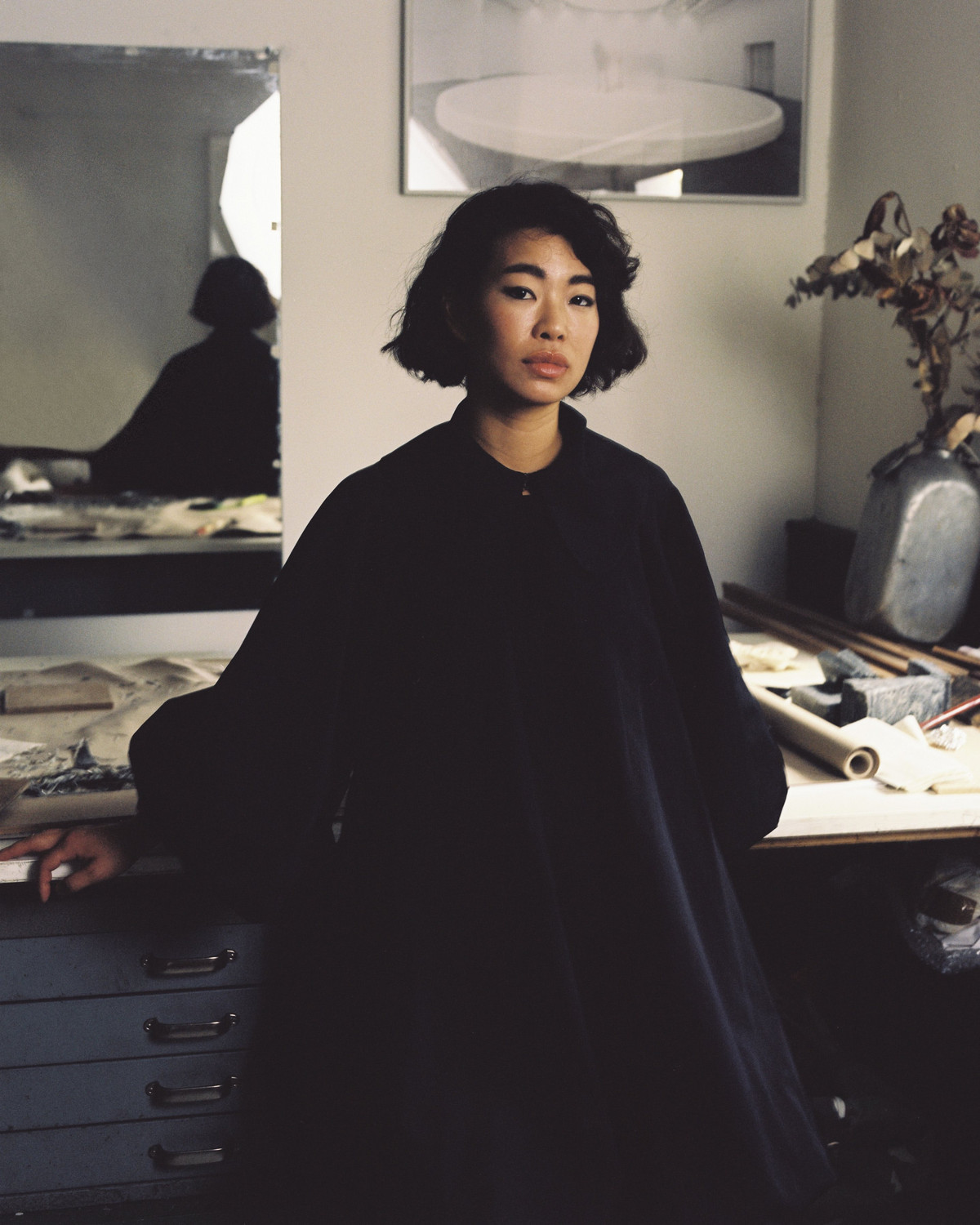
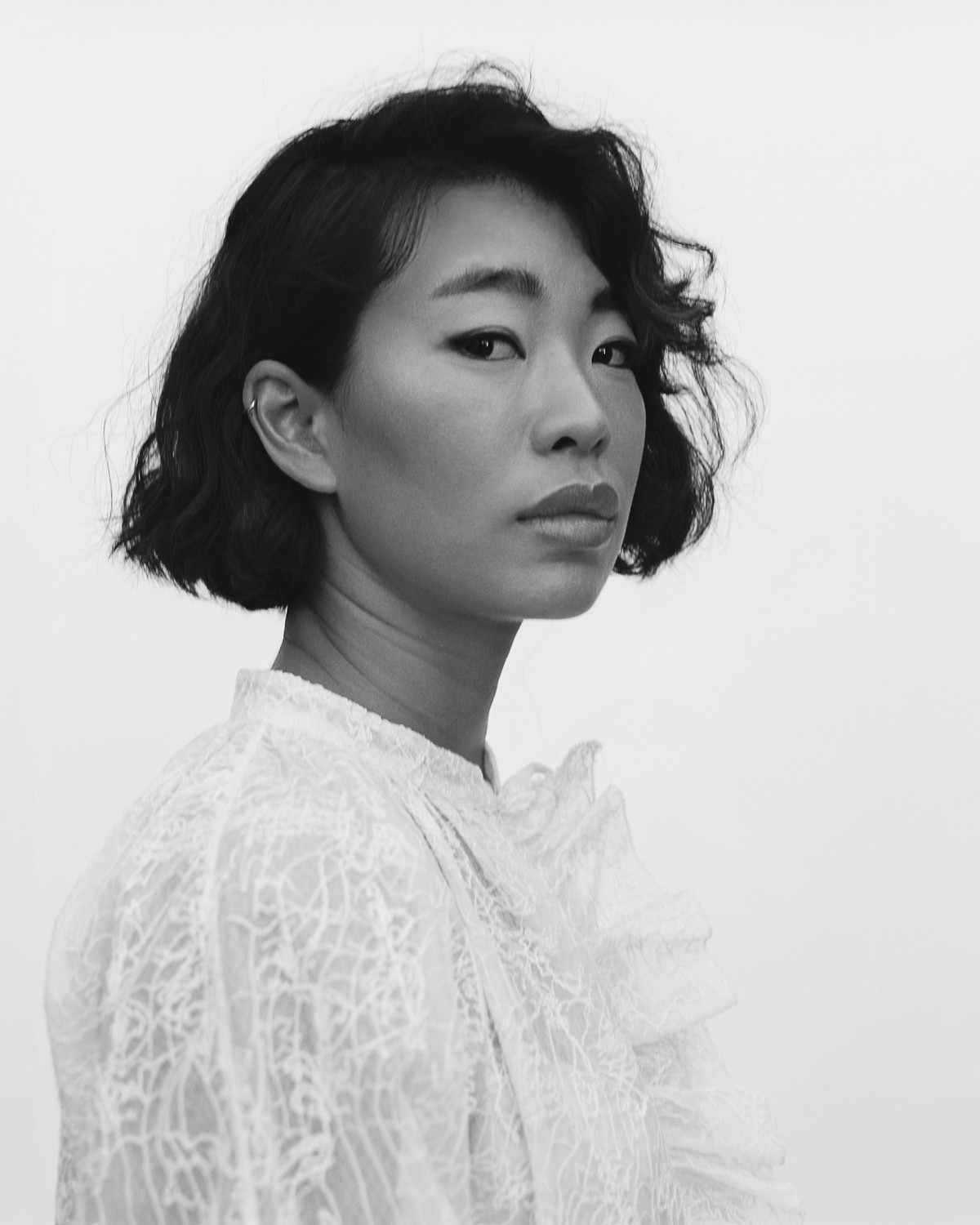
Left - Nylon coat dress by Simone Rocha
Right - Embroidered dress by Renli Su
"It was important for me to be photographed in my own studio. It is a place where fulfilment and humility meet, where emotions like passion and hate clash. This ambivalence makes the place important. The greatest thing in Berlin is that there is a place for everybody with every kind of lifestyle. The sad thing about Berlin is that gentrification is knocking on the door. All the authentic places in Berlin have to close down, and a concept-store and pale ale bar are opening up. I’m happy that the city is still full of great and inspiring people. For me, that includes my gallerist Jan Philipp Sexauer, but also my artist friends like Mischa Leinkauf, Fabian Knecht, Ana Lessing Menjibar, Eva Vuillemin and Henri Haake. They are my great mental supporters.
I spent a part of my childhood in Berlin. So when I moved back here as an adult, I came back to my roots somehow. I kind of grew up in the back garden of the University of Fine Arts Berlin when I was a kid, because my parents studied there in the 1990s. Later, we were back and forth between Korea and Germany, mostly in Seoul and Berlin. Coming back, I remember feeling that Berlin was quite apocalyptic in the beginning. Then it became the most pleasant and inspiring city for me. Even if the city is changing rapidly right now, I´d say that Berlin is still a very open city of freedom with a lot of different co-existing bubbles.
Environments are always influencing work a lot, and it does in my work. I think in Berlin, I do very conceptual-based work even if I study painting. I think you can feel and taste an Asian and European cultural mix quite well in my works. I am very interested in bringing the past to the present and questioning absence and presence. Many of my works deal with leftovers and traces in a physical way, but also in a metaphoric way. In the past years, I hope I've changed [in terms of] opening up borders of thinking and experimenting with different materials.“
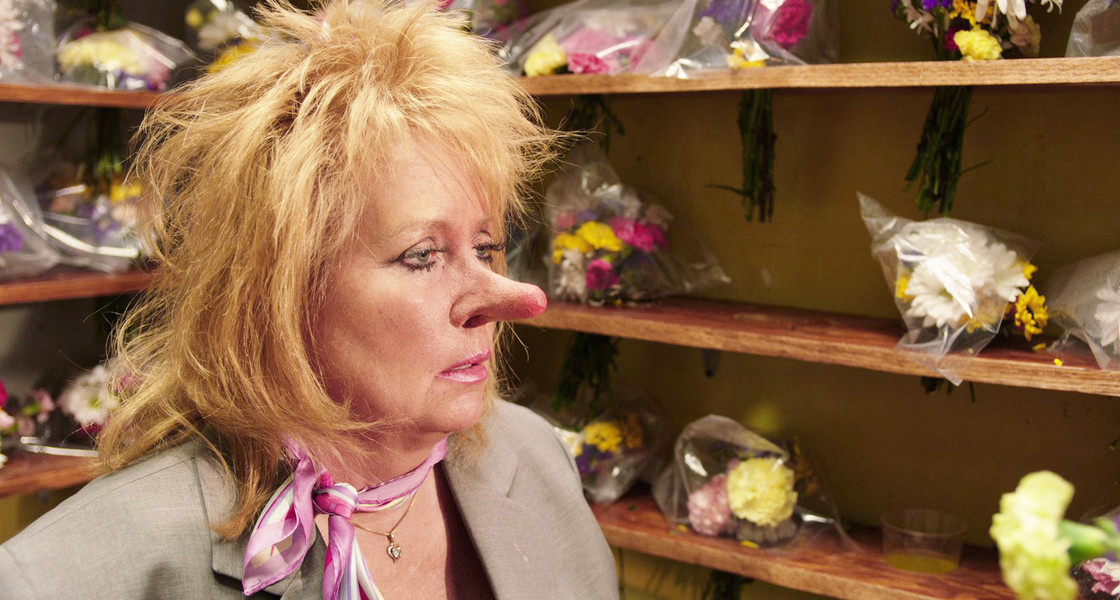
That stuff, in a strategy I always find both disorienting and germane, is what makes up the physical approaches to the films themselves—the objects precede their context, plucked from the innards of the films, and become collectible totems that you can’t really collect: the room full of pearl-covered bunnies, replete with baskets of multi-hued teardrop pearls, is peppered with the not-so-seldom squawk of the museum guard scolding people not to touch. One itches to touch.
Splendidly normal objects that are in constant mindless mechanical motion—ceiling fans spinning, frying pans catching drops from the ceiling, an air conditioner whose condensation waters a plant, a pony tail bobbing as if in a rhythmic jog—struggle with their own inner tormenting itch: they yearn to break free from the inconvenient physical matter that forms them and the context that defines their purpose in the world of humans. Matter changes forms all around them—liquid into gas, gas into liquid, liquid into solid—when, they seem to wonder, will it be their chance to transform? Perhaps that is the real purpose of the Sisyphean drudgery that the films display in kaleidoscopic detail; by mutating these objects beyond our earthly comprehension, the artist and her unlikely cast of cohorts attempt to achieve something transcendent and primal: to set these objects free.

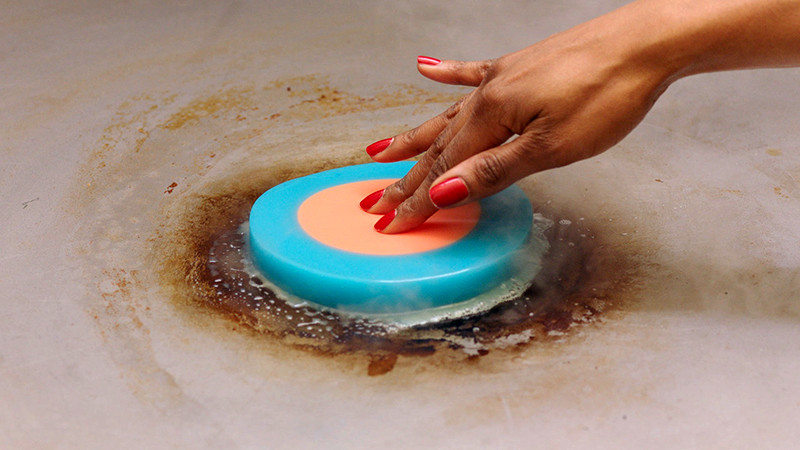
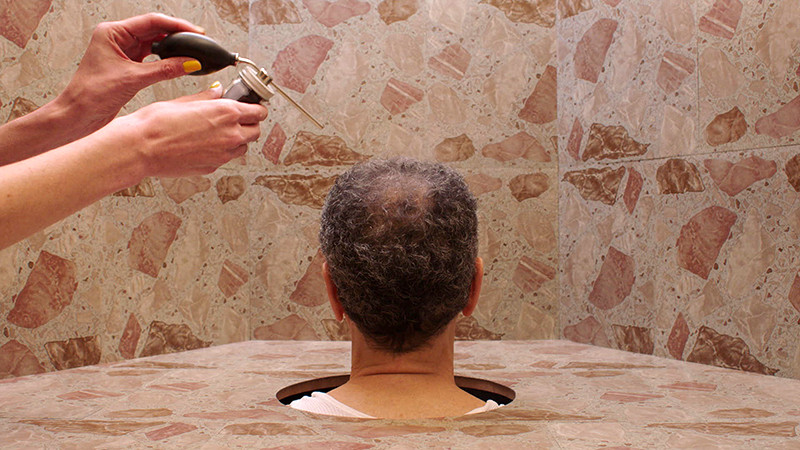
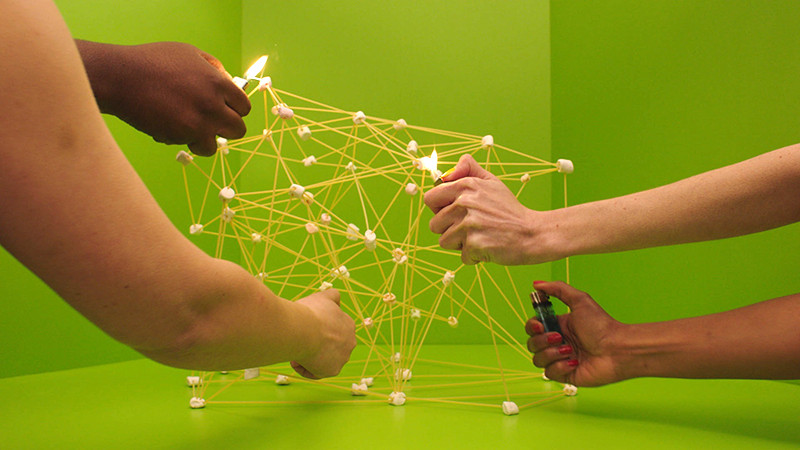


Hurry! 'Mika Rottenberg: Easypieces' is at the New Museum through September 15th, 2019. Lead image: Film still from 'No Nose Knows'. All images courtesy the New Museum.

Basically, Frederik Nystrup-Larsen and Oliver Sundqvist want you to stop buying shit and throw it away. So now, they’re selling it back to you as a work of art. Check out our interview with the duo below.
Tell me about ‘Off License – Cash Only’.
Oliver Sundqvist - 'Off License – Cash Only’ is a pop-up storefront that sells sculptures named after real life objects. The first edition will open in Copenhagen. It’s a happening that merges the concepts of art exhibition and commercial event.
Frederik Nystrup-Larsen - The exhibition is a critique of the overconsumption of our society, but also questions the process of art valuation and channels our irrational fear of online shopping, all with a slight twist of dark humor. I don’t think we’ve ever done something that has so many layers to it.
Why make it a storefront?
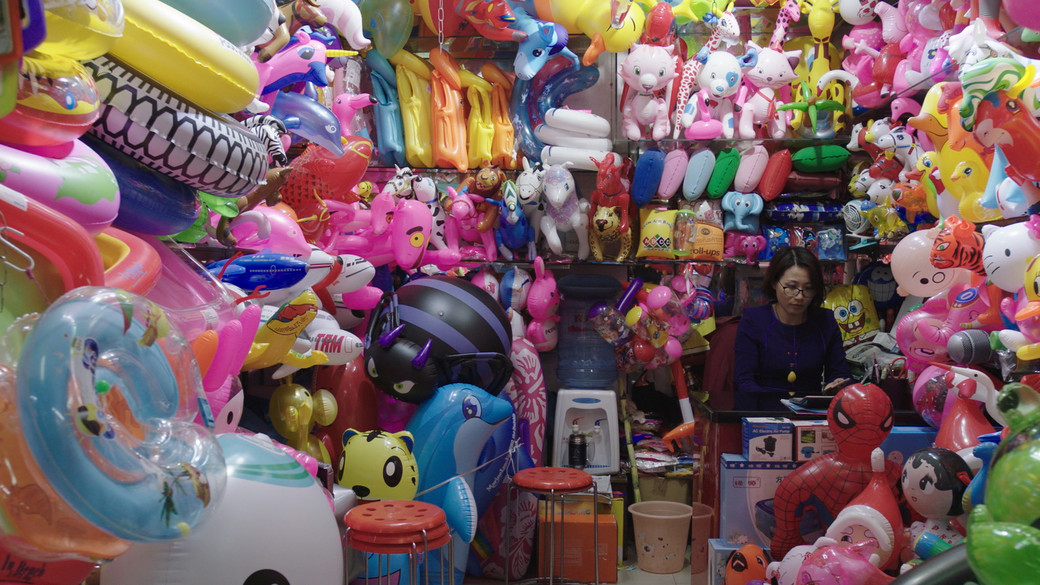
OS - In London, where we’ve both been living for the last six months, off-license is a term for shops that are allowed to sell alcohol off the premises. They’re basically liquor stores, but you can buy almost anything. In one place we went to, they had New Year’s decorations for sale in the summer. There was something really fascinating about these shops and all the weird stuff they were selling. At the same time, we’ve been having a lot of discussions about the way art is valued and sold compared to other commodities. Somewhere along the road, we stumbled upon Claes Oldenburgs ‘The Store’, a happening circumventing the traditional art gallery by selling sculptures through a storefront on the Lower East Side of Manhattan in 1961, and we decided to use his work as a reference for our store in Copenhagen. We’ve rented a retail space just off the central main street, and we’re hiring sales assistants to serve the customers.
So, you’re essentially turning the process of buying art into a shopping experience—like getting yourself a new pair of shoes.
FNL - You could say that, yes. And simultaneously, we’re transforming the shopping experience into an art exhibition. We call it a sculpture supermarket.
You say the exhibition is a critique of overconsumption. How so?
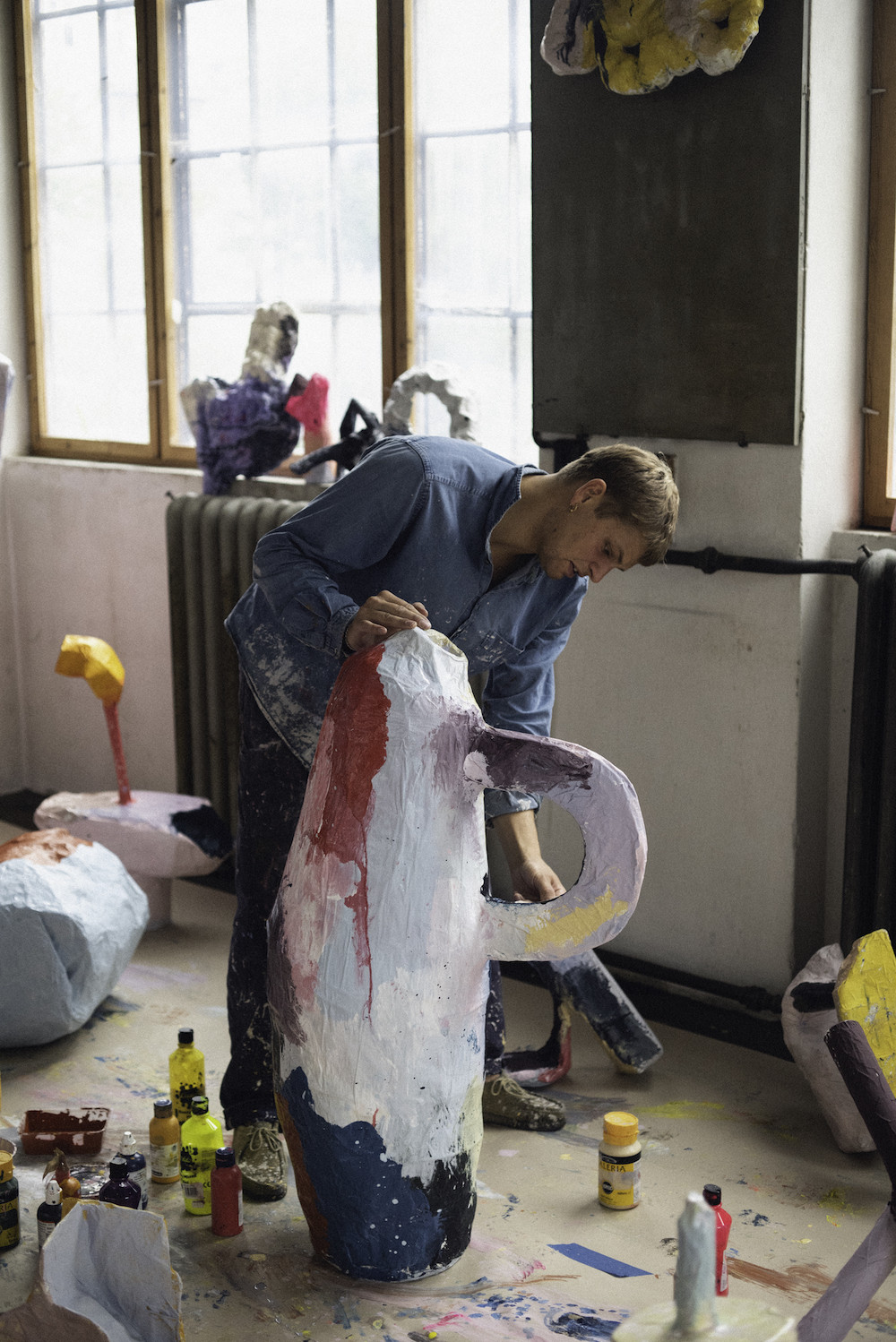
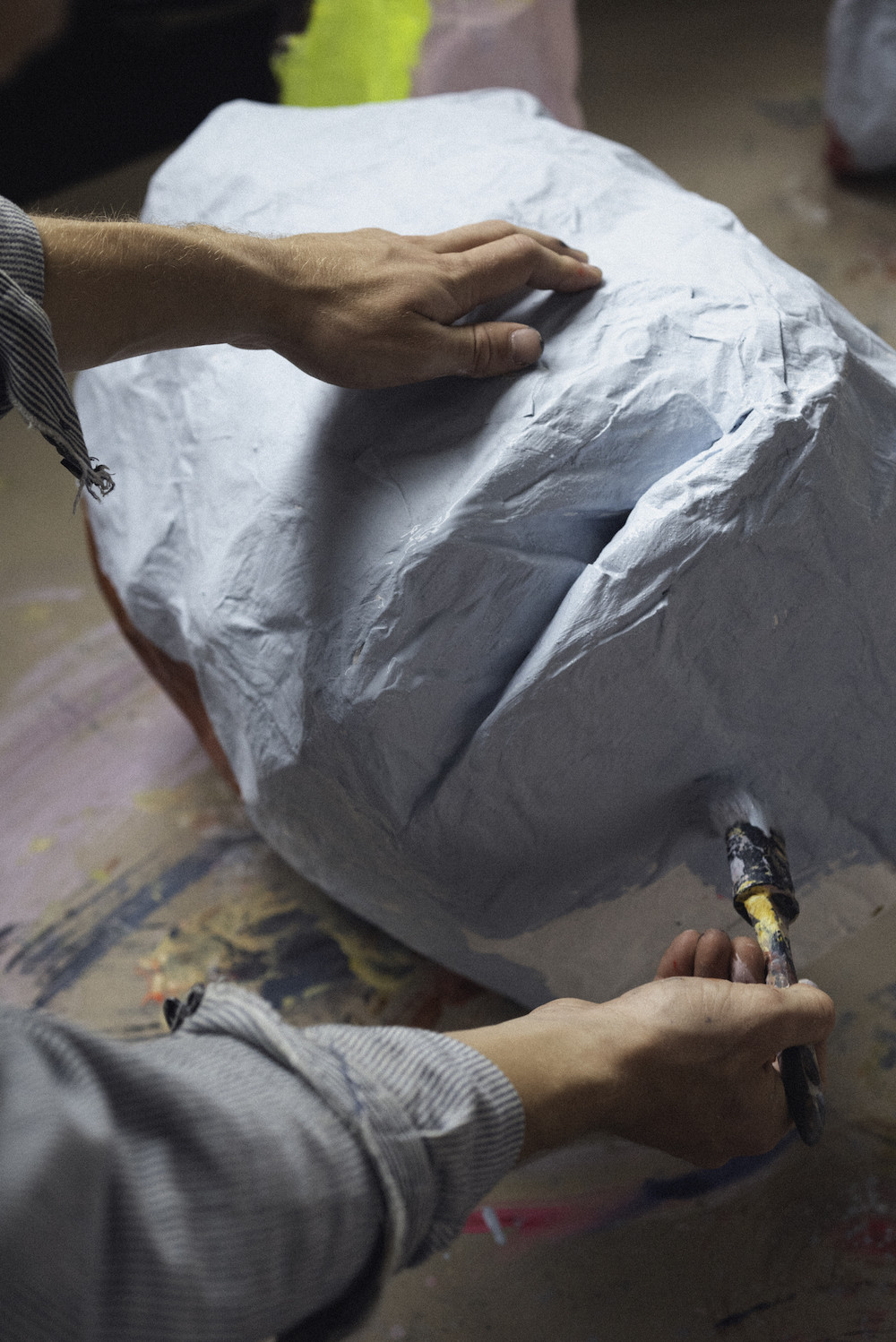
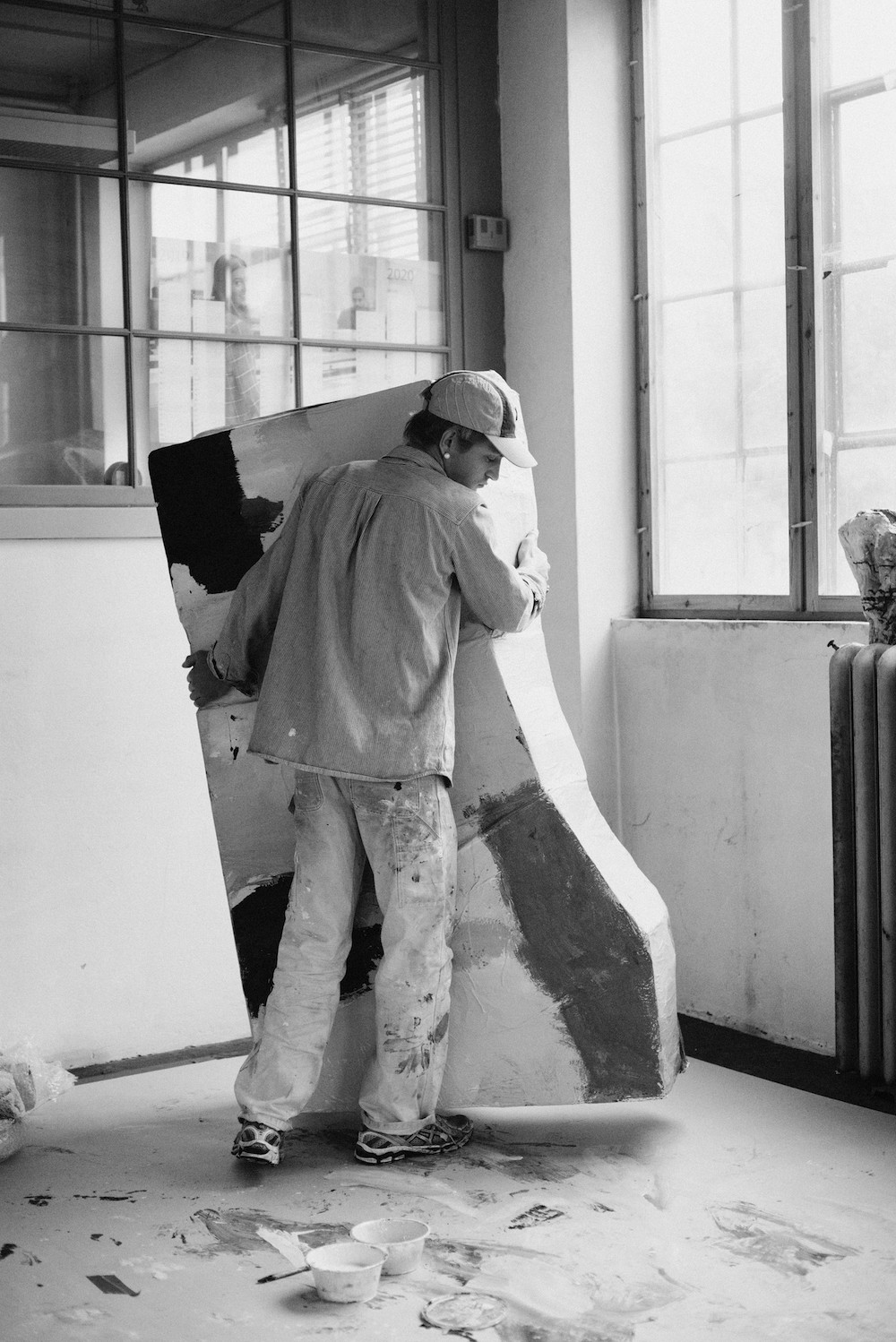
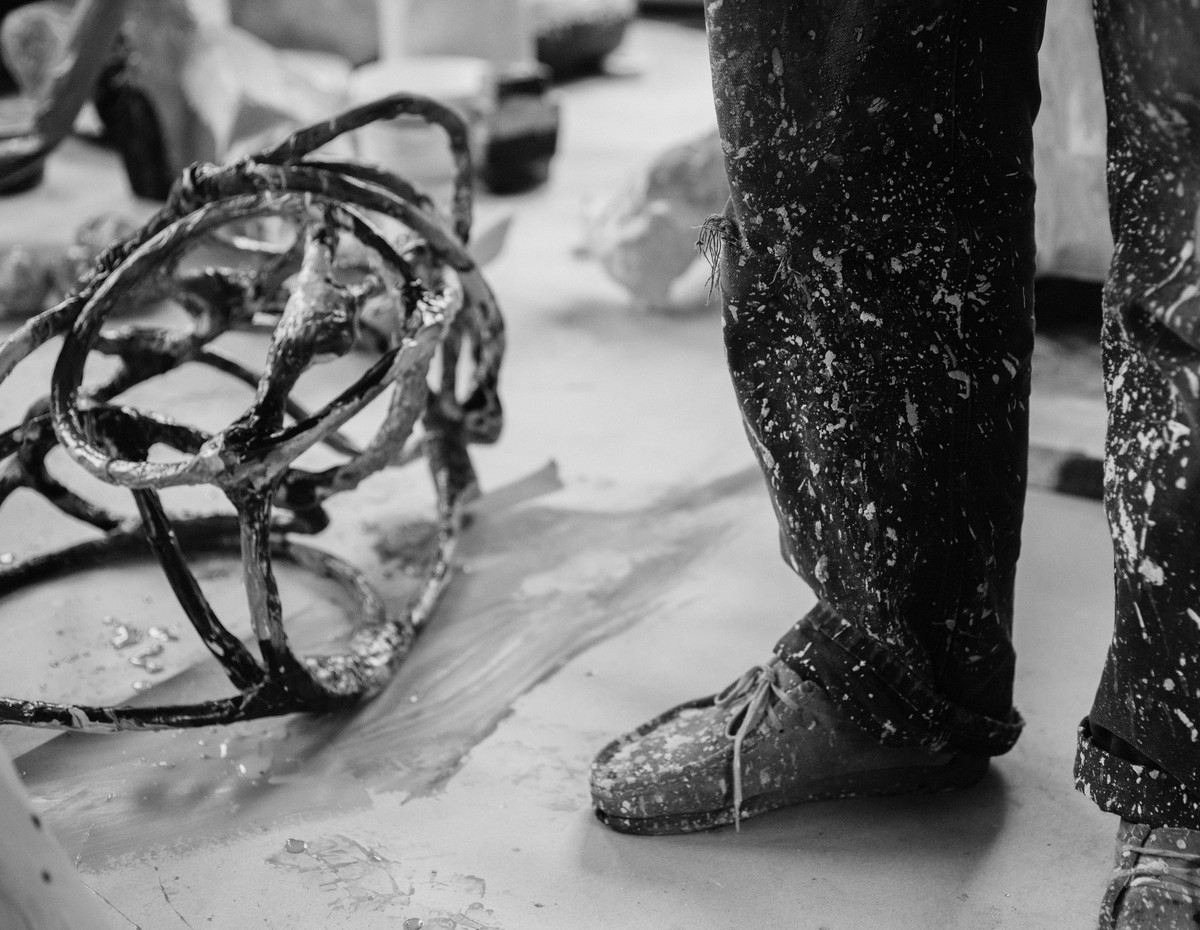
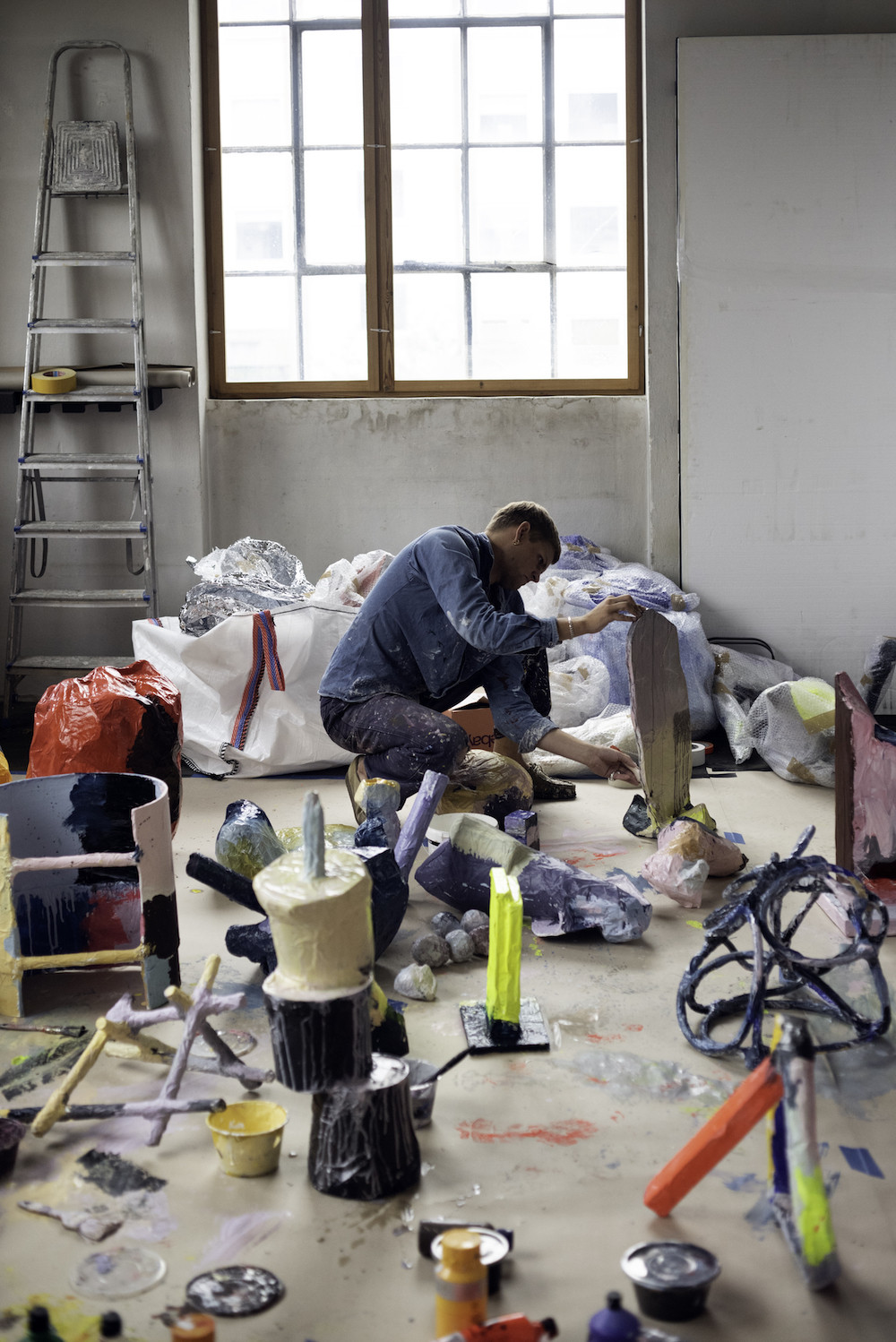
FNL - Personally, I become so annoyed, almost angry, when I see the kind of shitty things people mindlessly buy for themselves. That goes for food, fashion, furniture and so many other things that we consume on a regular basis. We’ve been quite concerned about sustainability for a while and that shows in all our work. For instance, all the materials of the sculptures for ‘Off License – Cash Only’ are made out of trash. It’s basically polished pieces of garbage made from of all the things people throw out that we’re now selling back to them.
That’s a bit ironic.
FNL - I guess it is. But we hope that it will encourage people to question their habits as consumers.
The project is inspired by Claes Oldenburg. But he made objects that actually looked like the things they represented. Yours don’t. Why?
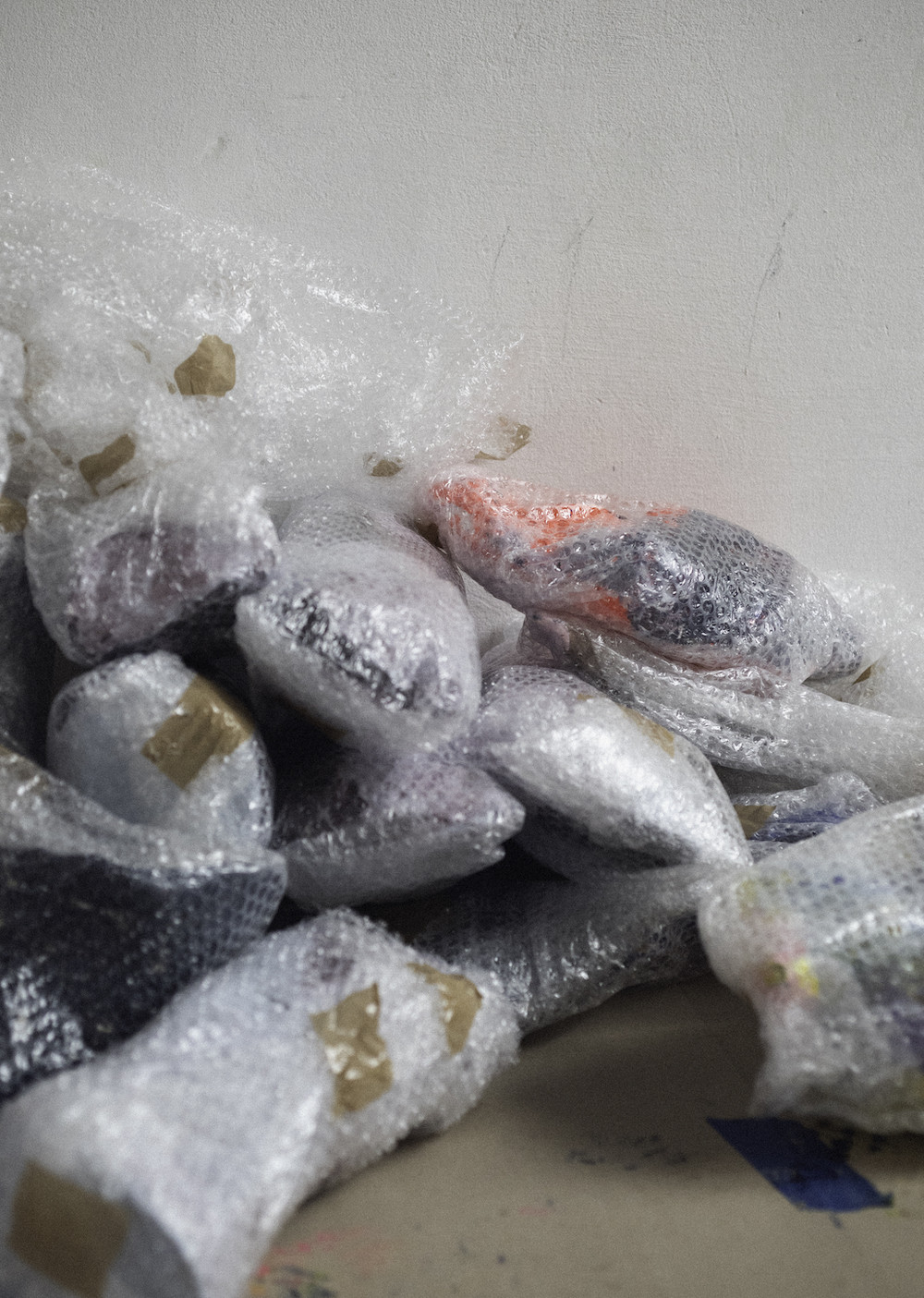
OS - You know that feeling of buying something off a slightly sketchy online store, and when you open the package, what you see is completely different from the product images? That’s what we’re aiming for here. What we did was to take photos of the sculptures and send them to India where a company retouched them for us, making them look all shiny and perfect. Then we posted them on Instagram without stating the size of any of them. When people enter the store, they’ll find out that both the size and the finish of the sculptures look completely different from the images on Instagram.
FNL - We also bought a bunch of fake followers. I tried to buy 100.000 but got tricked and ended up getting just 20.000, but that’s actually a perfect number. If we had too many followers, people would obviously know that it’s fake but now, they aren’t sure whether it’s real or not. We’re poking at people’s critical sense by serving them something that’s not completely transparent.
Do you think people will get what you’re trying to communicate here?
OS - Hopefully, the Instagram-profile will make them so intrigued that they’ll show up to the opening just to see what the fuck is going on. And when they enter the store, I think the coin will drop. We’re really excited to see how people will react to this method of displaying and selling art. In that sense, the exhibition is an experiment for us as well.
Usually, the price tag of an emerging artist is supposed to go up from exhibition to exhibition. Here, you can buy an original work of art by Frederik-Nystrup Larsen and Oliver Sundqvist for less than two dollars. Is that wise?
OS - We had a lot of discussions with our gallerist about this and from a financial point of view, this exhibition probably makes no sense. But we’re so tired of the traditionalist ways of the art world and at the same time, we want our work to be democratic and accessible, though we might not be able to keep it that way because of how the art market works. The price range goes from a 1.5-dollar avocado to a sculpture titled ‘Convertible Soft-Top Sports Car (2013, 418.429 km)’ at $10.000.
You mentioned that this is just the first edition. Where will the store go next?
FNL - We don’t know yet. Maybe New York, maybe New Delhi. But we’re excited to see how the exhibition will be received and evolve from city to city.
‘Off License – Cash Only’ will open on August 28th in Copenhagen.