Vulvatious

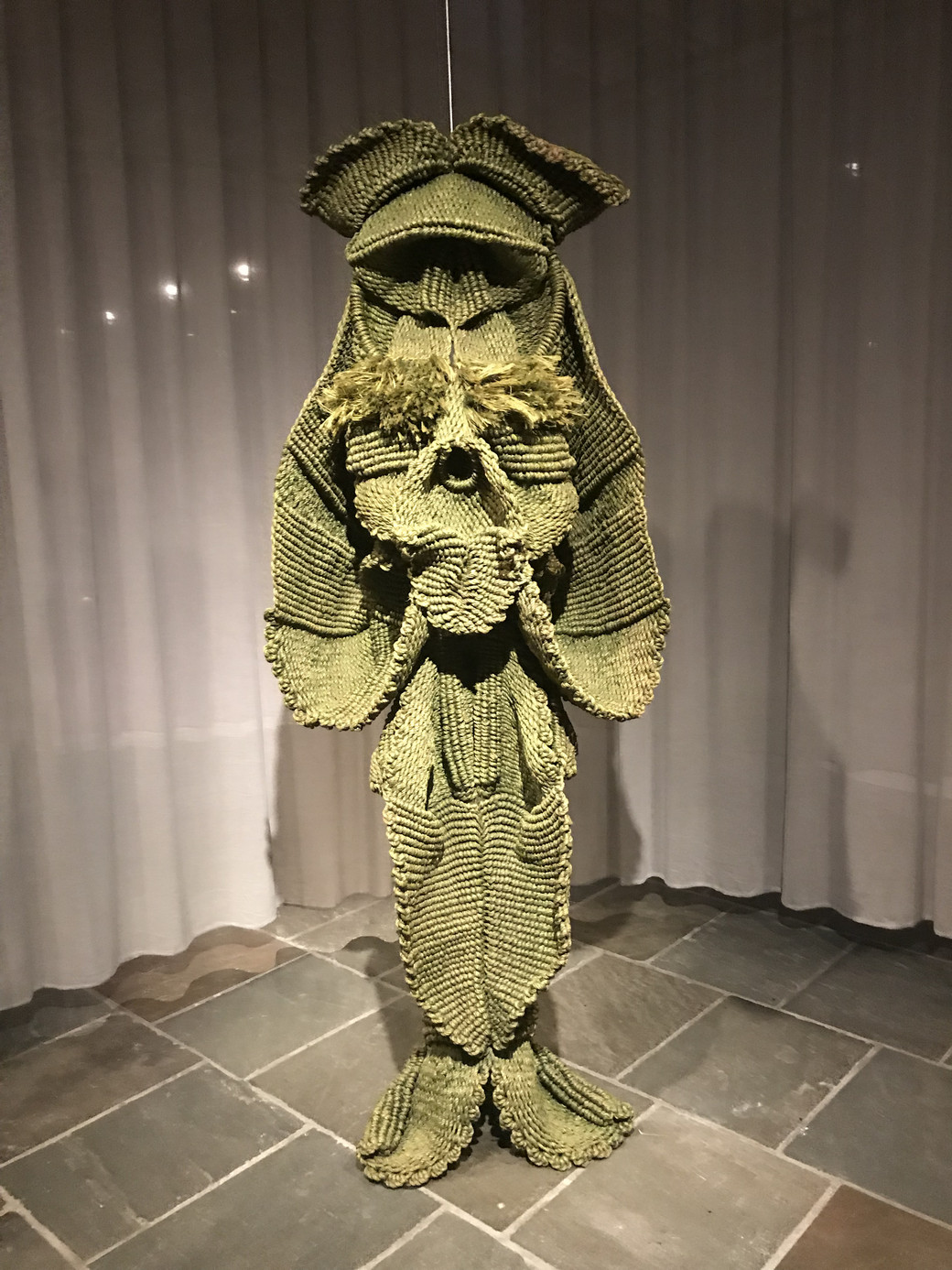
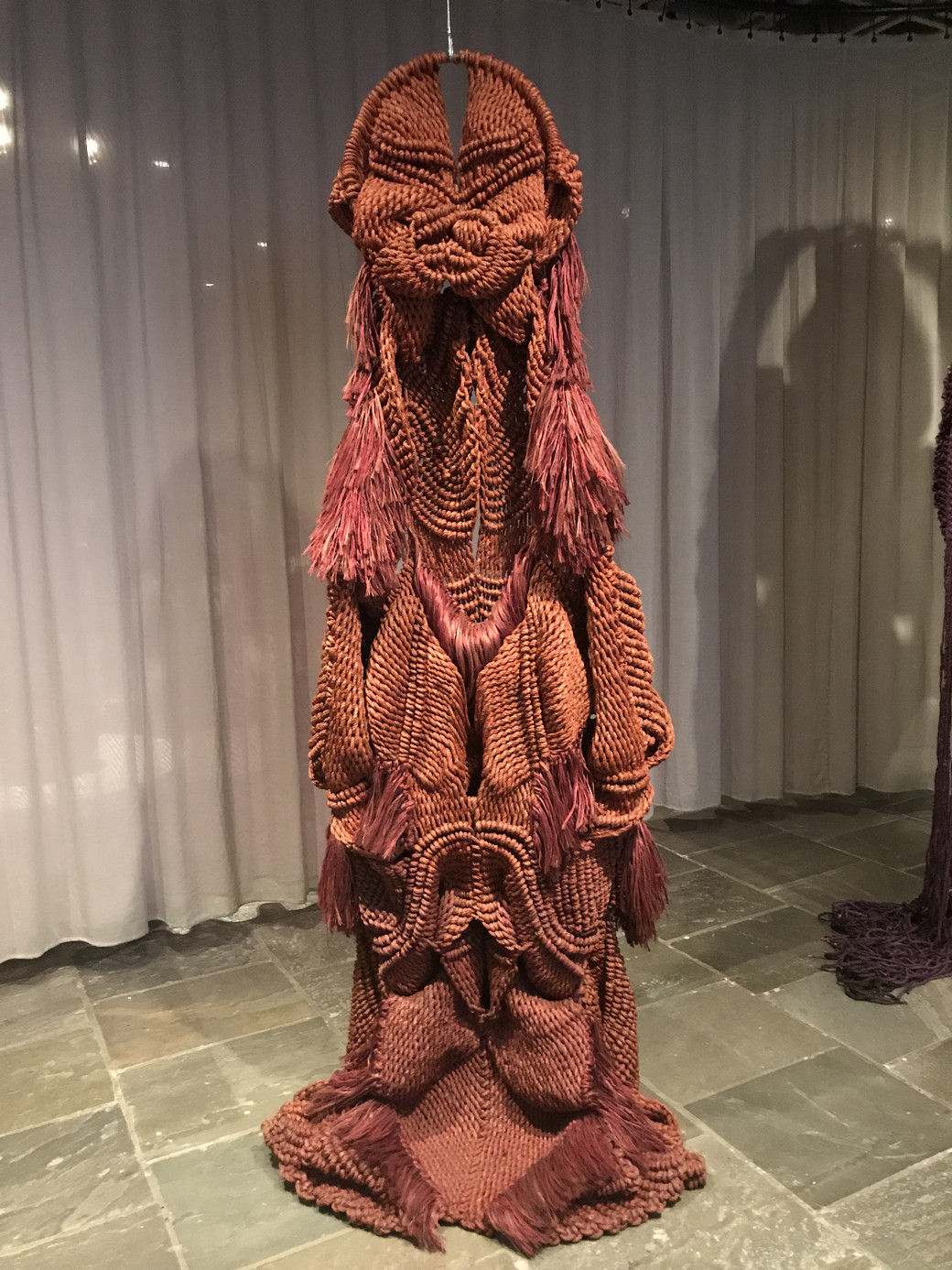
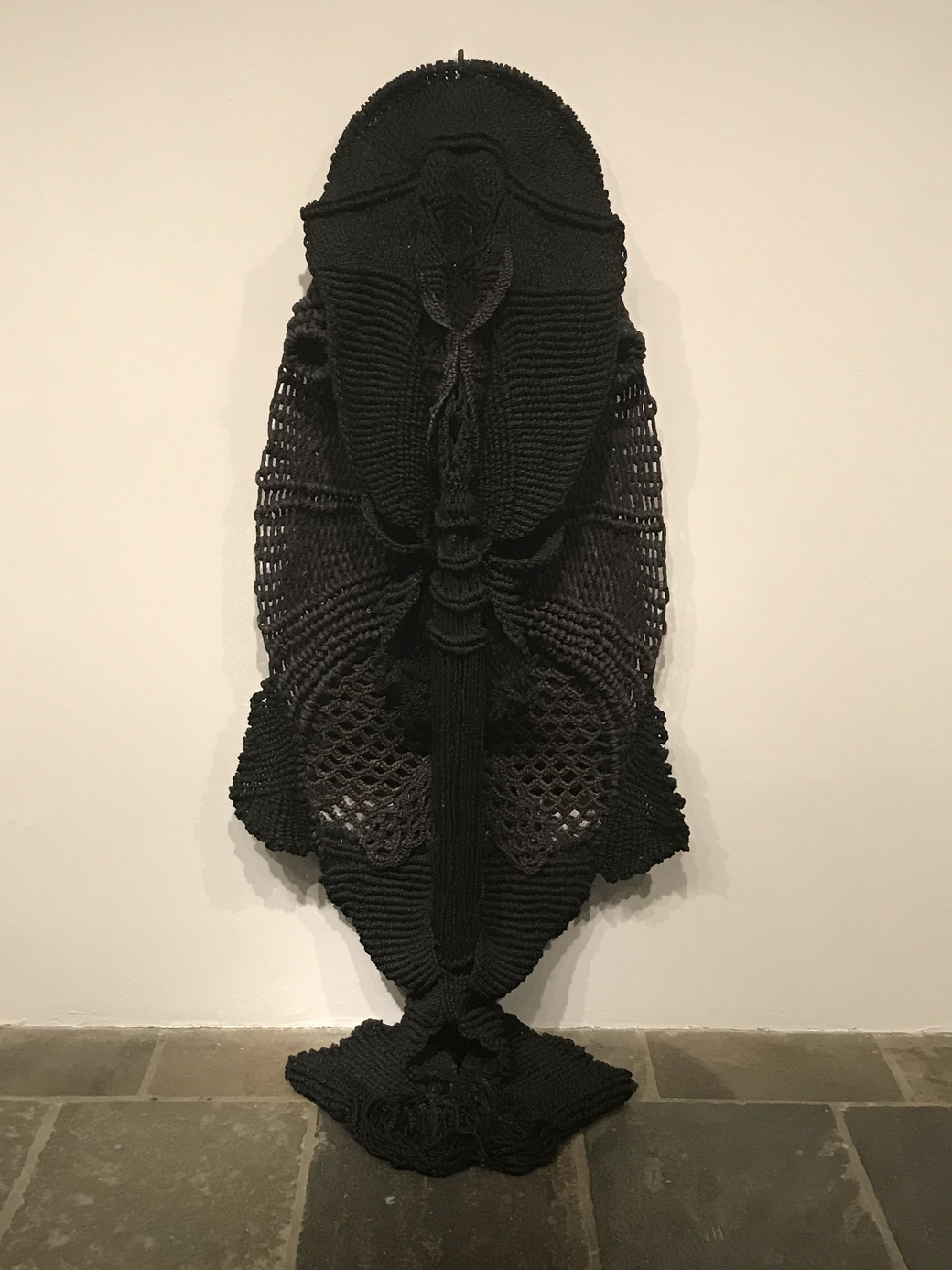
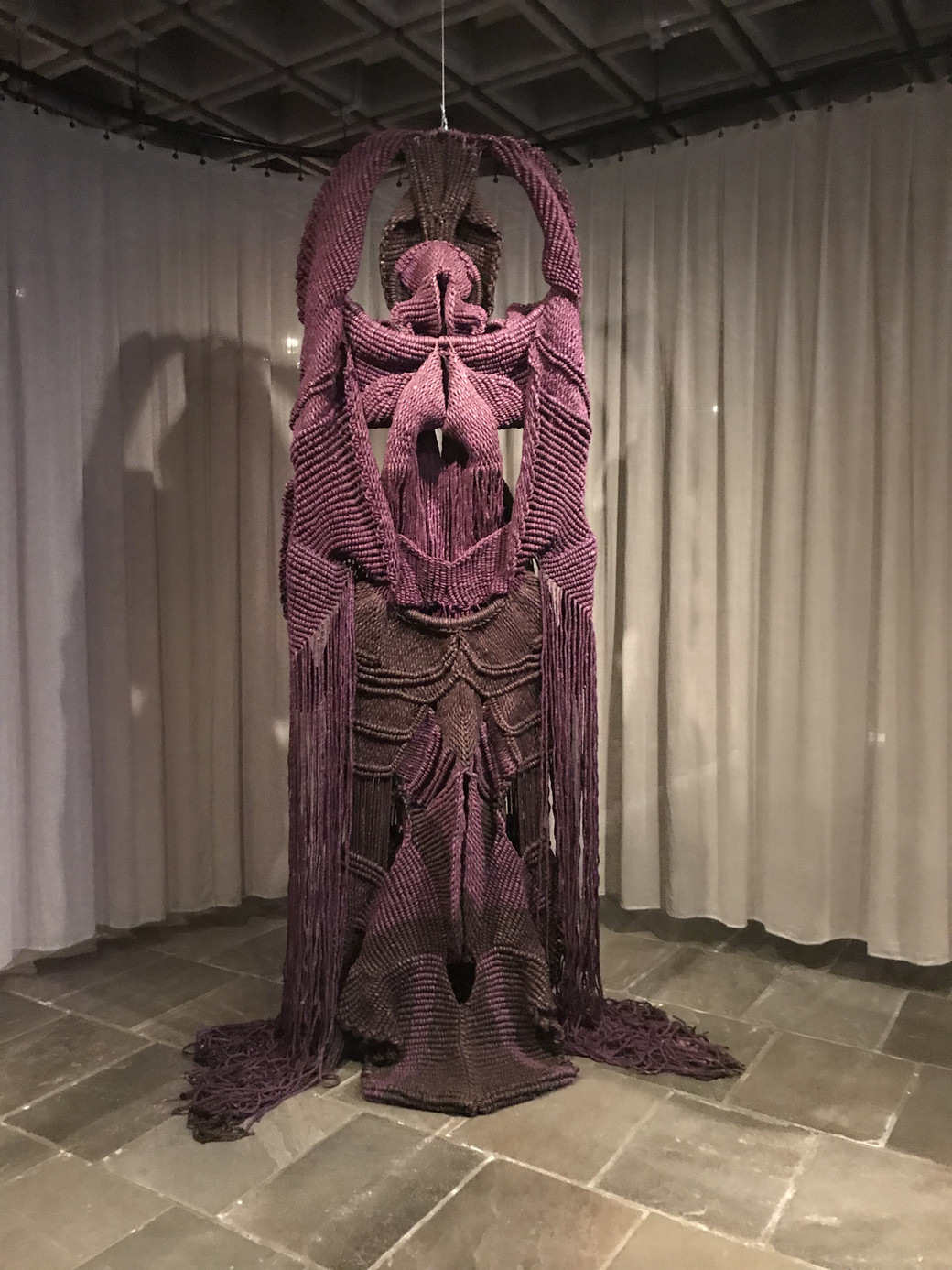

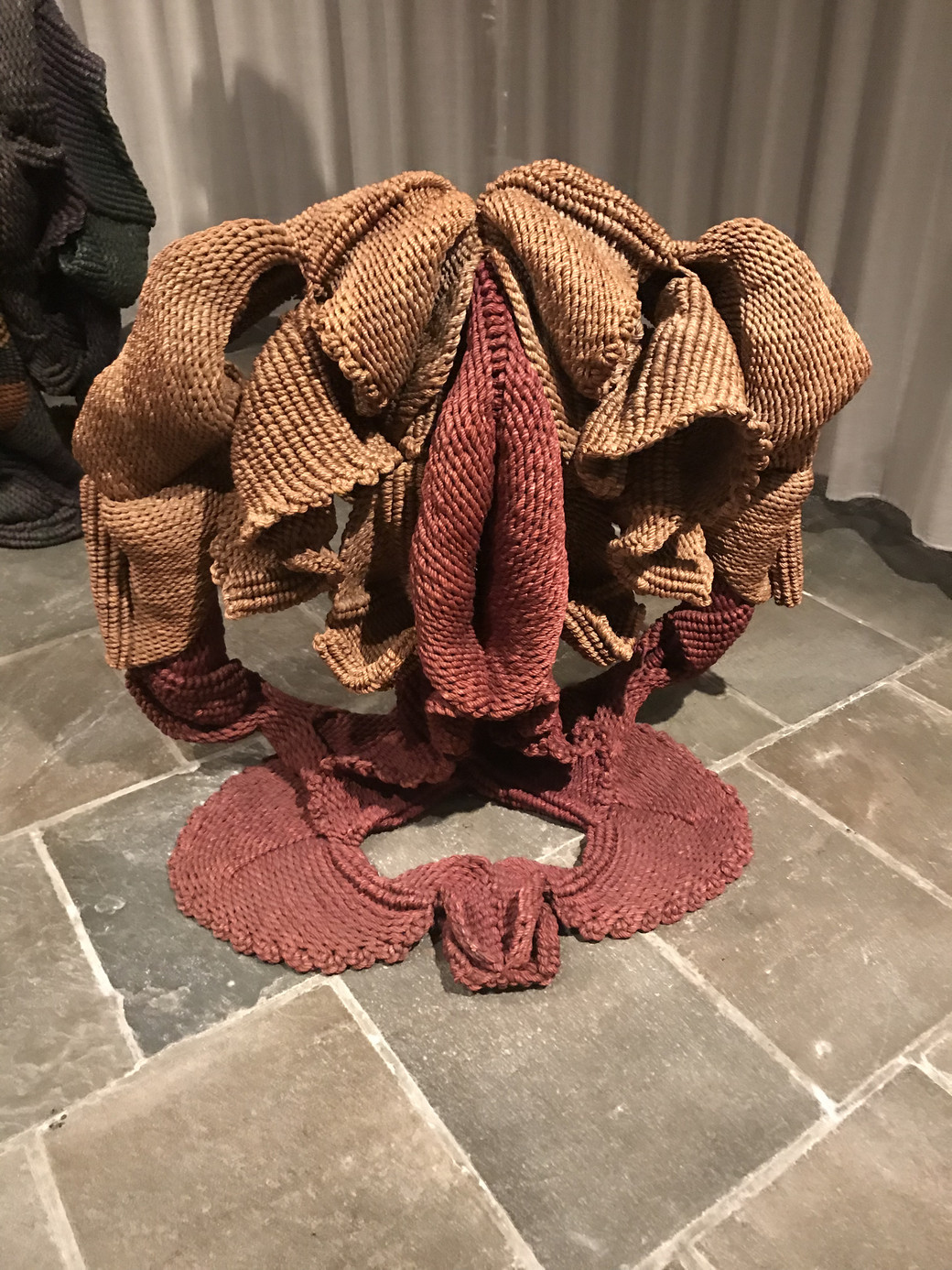
"Phenomenal Nature: Mrinalini Mukherjee" is on view at the Met Breuer through September 29th, 2019.
"Phenomenal Nature: Mrinalini Mukherjee" is on view at the Met Breuer through September 29th, 2019.
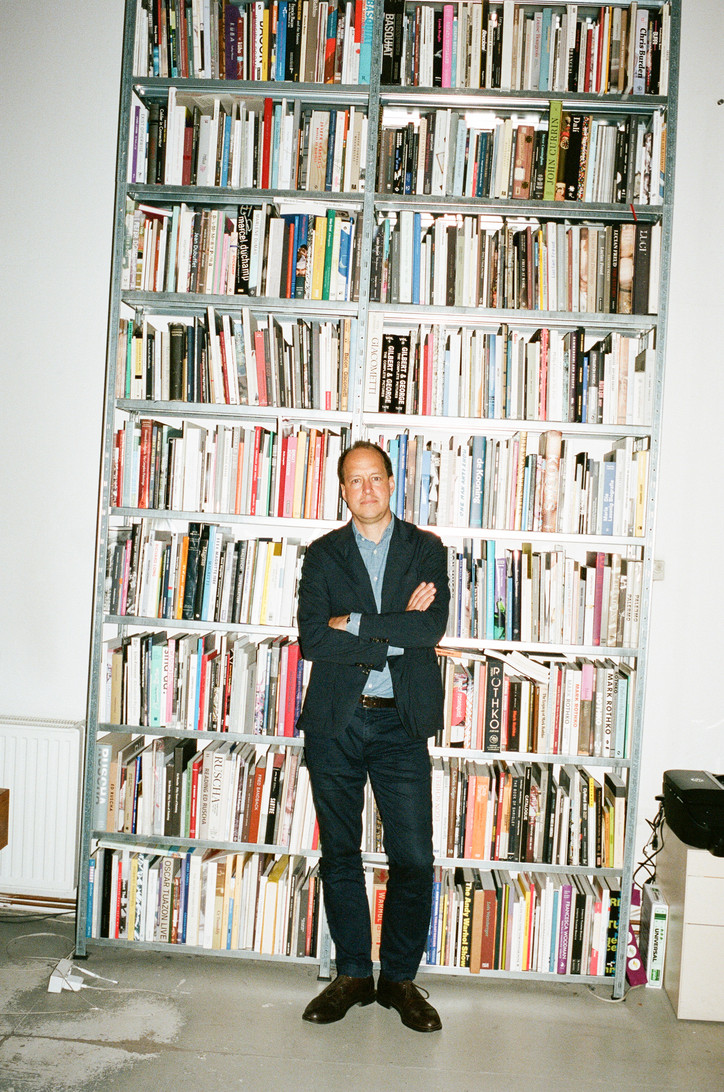
Since 2012, the museum has invited a well-known artist to complete a two-year “residency” of sorts to curate their own show at the museum. Over the period, the museum’s “insides” are completely exposed to these guest curators, in which they are allowed free reign of the museum’s collection of about four and a half million objects, from Old Master paintings to Greek antiquities and everything in between. While past curators have included Edmund de Waal and American painter Ed Ruscha, the big unveiling comes on November 5, as filmmaker Wes Anderson and his partner Juman Malouf debut their curatorial exhibition, Spitzmaus Mummy in a Coffin and Other Treasures.
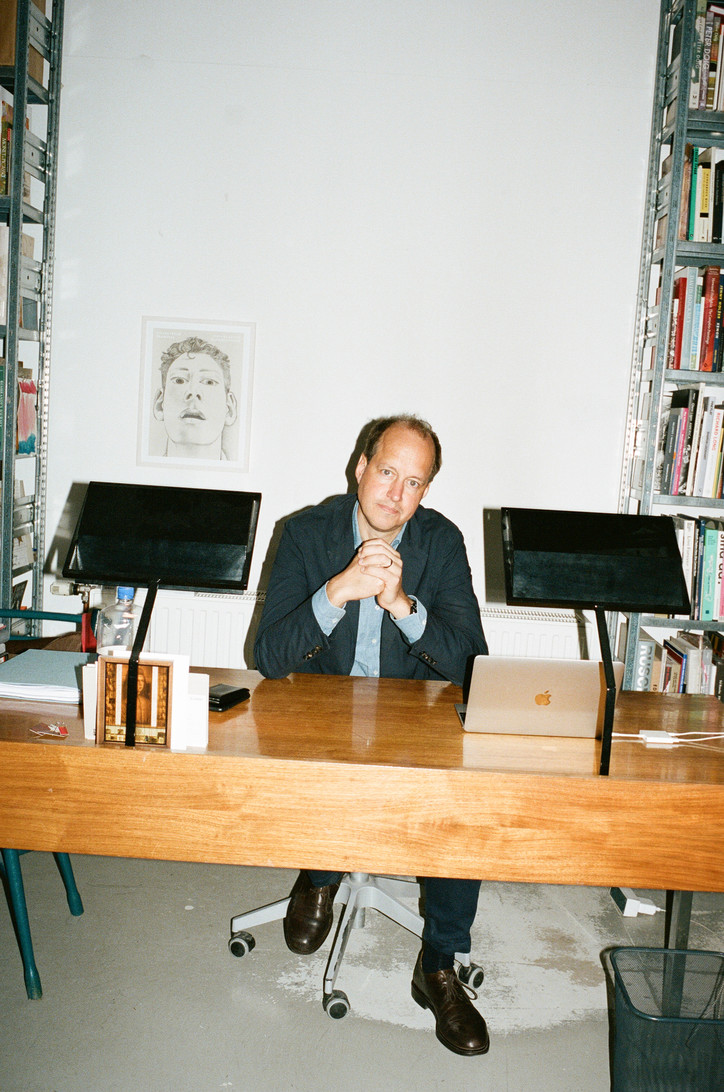
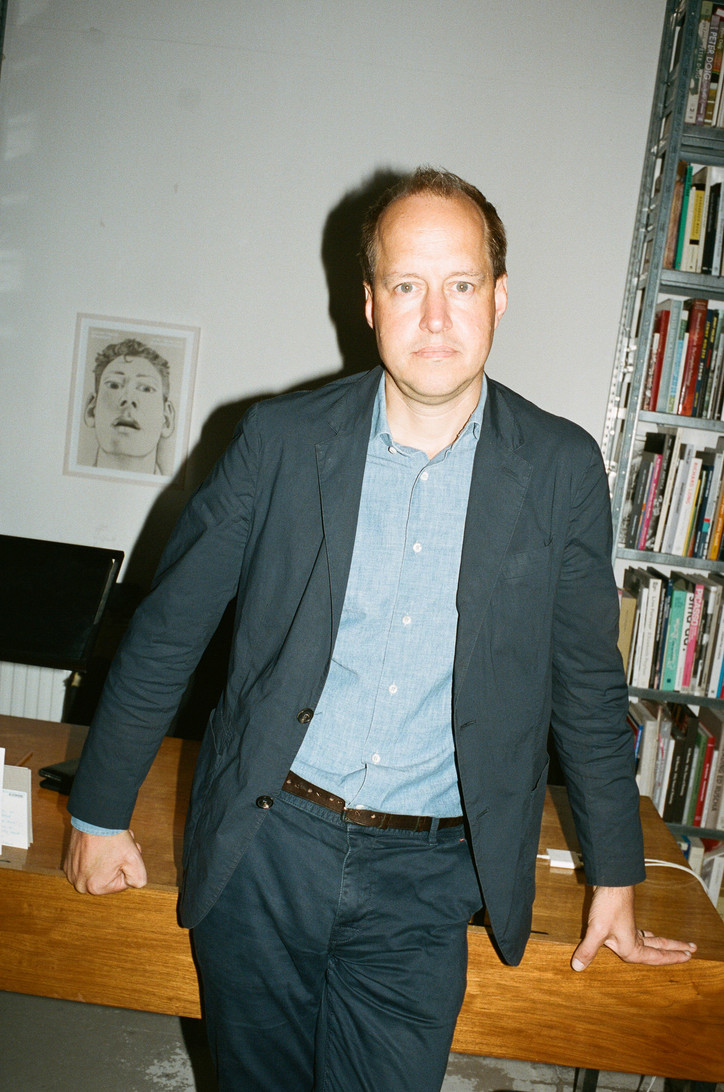
“I deal with the art of the last hundred years in a museum that deals with the art of the last 5,000 years,” says Sharp. “I’m sort of dealing with the last five minutes of what’s being made.”
On living in Vienna:
It’s not a straightforward city—it has it’s darkness. We have a landscape of museums, opera houses, libraries, which could sustain a city three or four times over. At the Kunsthistorisches, we have the greatest painting by Vermeer. You can go and stand in front of it and you’d probably be alone in the room for an hour before anyone walks in. We have the luxury of time and space. There’s a pace of life here, which I used to think was slow, but I’ve come to realize this is normal. I probably bump into a friend every day on the street and I have time to have coffee with them.
On the characteristics of Vienna’s contemporary art scene:
There’s a lot of cynicism. The two main strands of contemporary art that have come out of the art schools, on the one hand, [you have] a very bodily, performative, quite visceral, often quite sexual or fecal art, which is the legacy of Actionism, like Gelitin; on the other hand, a very reduced, cerebral, conceptual strand. They very happily coexist here. They are completely diametrically opposed to each other in terms of sensibilities for each other, but they both have a place here. I think you find that in a lot of places that have this historical “baggage.”
On working with Wes Anderson on his curatorial debut:
They’ve chosen 423 objects from all of our collections. Many of them have never been seen in public before. It’s a contemporary look at historical objects. They’ve pretty much laid eyes on most of our four million objects. He’s very thorough. The exhibition display they’ve done is completely bespoke. They’ve assembled the display of these objects with the same madness and pathology and hunger for possession that the Hapsburgs themselves had when they were collecting these objects in the first place. He selected the objects with very little importance for their provenance, their rarity, their size—all the normal “yardsticks” by which our normal curators judge objects. It was about the object and what does this object say to me—judging it by your guts or your heart, rather than your brain. He said to me once, “Is it any less important to like an object than to know about it?” To be able to respond to an object is a skill in itself. Feeling an object, you can’t learn that.
Read more about office's trip to Vienna here. Next Stop: to the 6th district to meet gallerist Nathalie Halgand.

So, at first, it may be unclear what Robert Zash’s smoky photos from a Muscle Mary club, or a “three-tit lady” have to do with that concept. But they speak, respectively, to the use of death as a moral compass in society and the mythical nature of death, in general. Growing up as a gay man at a time when the media only spoke about homosexuality in relation to HIV, Holroyd picked up on the influence of death on gay culture; the widely perpetuated prejudices—that gay people were all sick and that HIV was a gay man’s disease—at least partially gave birth to Muscle Mary culture.
"Growing up as gay man, I have been constantly exposed to death due to the constant narrative from the media about HIV and AIDS, and this translates with the way that I look," he said. "I’ve become obsessed with looking healthy."
And the three-tit lady is a reminder that we have no idea what the end of life looks like. They’re both mythical creatures.
As for Bergfors, her collaboration on the book was essential to Holroyd, who hadn’t had many personal experiences with death upon starting the project four years ago. Bergfors had recently lost her mom, and found a good listener in Holroyd; he could handle hearing about all the taboo parts of watching someone die, like the moments where it gets boring. So, the book became a place of grieving and exploration for both of them.


Can you tell me a little bit about what inspired The Death Book?
I’d been teaching a little bit of photography at the University of the Arts London. Some of my students are exploring the subject of death in their work, and I remember when I was that age I was doing the same. I also work a lot with photographer Edith Bergfors who I created the book with, and she just had a personal experience with death—her mother died. So, I thought it’d be great to collaborate with her because I hadn’t, at that point, had much personal experience with death other than some grandparents dying.
How old are your students?
They’re all from 18 to about 22. And I think at that age you’re still really obsessed with the unknown and learning about life. Sex and death are themes that students explore in their work quite a lot. And I really liked the images they were making—they made biblical references often mixed with images of pornography or erotica. It was all sort of quite distasteful—it wasn’t fully realized work—and if you look at my work, there’s lots of grotesque themes.
Then there are the biblical scenes with fake blood and it reminds me of the work I was making at that age, as well. I think that’s a recurring theme throughout the book—it doesn’t have a solid theme, it’s lots of different ideas and themes about death. In a way, it’s a sketchbook of different ideas of death.
What’s special about the relationship between photography and death versus any other visual art form?
I teach the teach the students basic photography theory from Susan Sontag, Roland Barthes and Walter Benjamin. Those theorists talk about memory and death in photography and I wanted some of the images in the book to reference this introduction or starting point to photography.
I’m curious about how some of the images relate to death. For example the drone shots of land surrounded by a body of water?
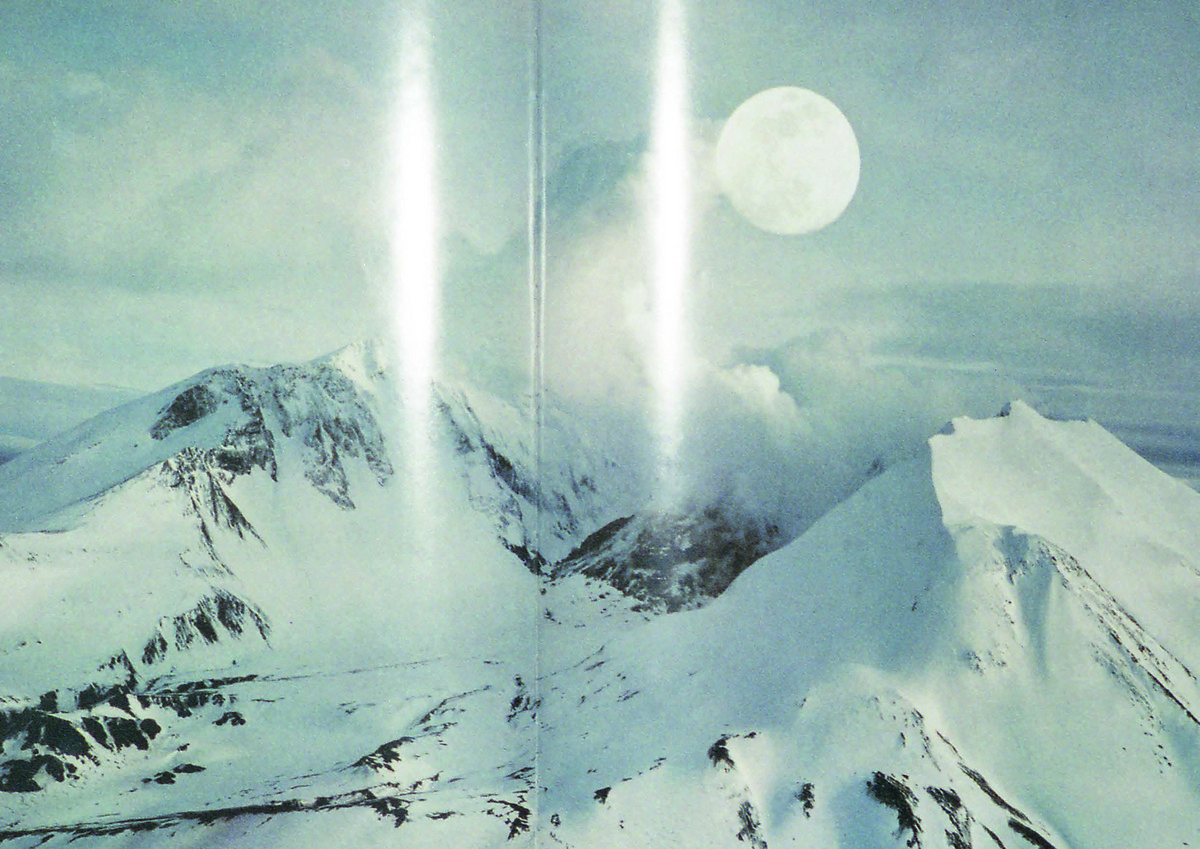
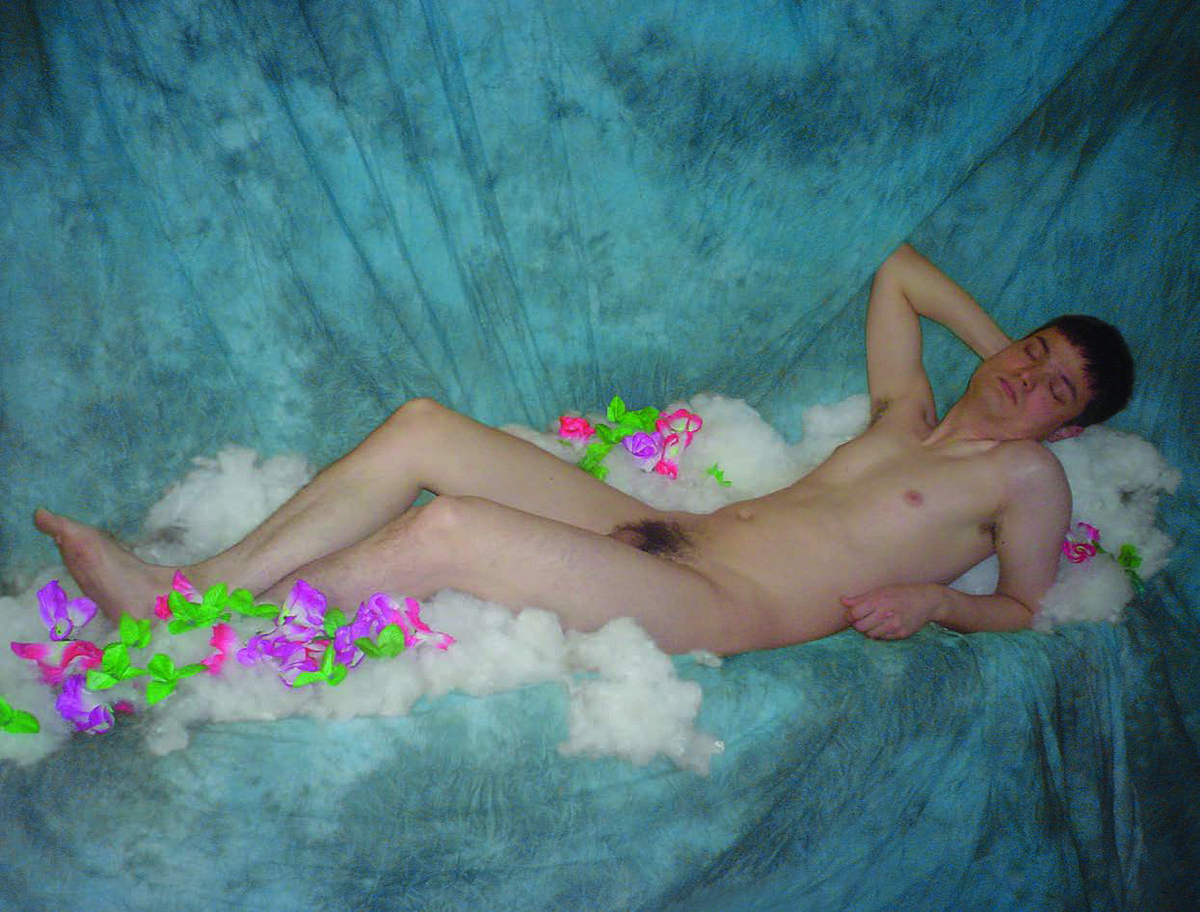
The landscape images are in reference to hospices, because when you visit a hospice there are lots of calming, scenic imagery on the walls. The three-tit lady was again, my students were making pornographic images about biblical stories, so that image is sort of a mythical story we made up. And there’s a cherub as well, and obviously, the devil.
The clubbing scenes, those were in relation to how biblical stories, and—because death as we know it, when we look at it visually, it’s created by us. We don’t really know what death looks like, what we see is a representation of death. So, death throughout history has been used as a moral compass to control people. So, the devil, for example, is actually a gay male escort, and the club photos in there are from a gay club. It’s a gay Muscle Mary club and we were interested in how communities such as the gay community have been controlled so much by death, for example by HIV.

Are there any other icons of death in the book?
There’s another Hell scene in the book. We were searching quite a lot, looking at how death can control people, and if you look at early representations of death and Hell and the devil, it was always portrayed as a black man. So, we incorporated one scene by an unknown painter that sits in a museum in Lisbon—it’s a famous painting that depicts Hell. The devil is depicted as the black community, which again, is a method of controlling people, persuading people to think in a certain way.
There’s the man with two penises and the woman with three breasts. He’s this mythical creature we created that’s really about sex and death and controlling people through sexuality.
So, The Death Book is a pretty natural step for you, having done a lot of erotic work with Baron Magazine and exploring sexuality.
It’s quite uncanny how similar sex and sexuality—their historical discourse—is to death. People use sex to control people and people use death to control
How did you get the letters from Danny Rolling?
That was another person I revisited from when I was a student. I was obsessed with GG Allin, the lead singer of The Murder Junkies, and found him in lots of my research sources during that period of time. He’s the ultimate masochist really, so I was always intrigued by him. We contacted his brother Merle Allen, and Merle Allen had all these letters from serial killers that we wanted to include in the book.
Overall, how do you think death portrayed in Western society thematically?
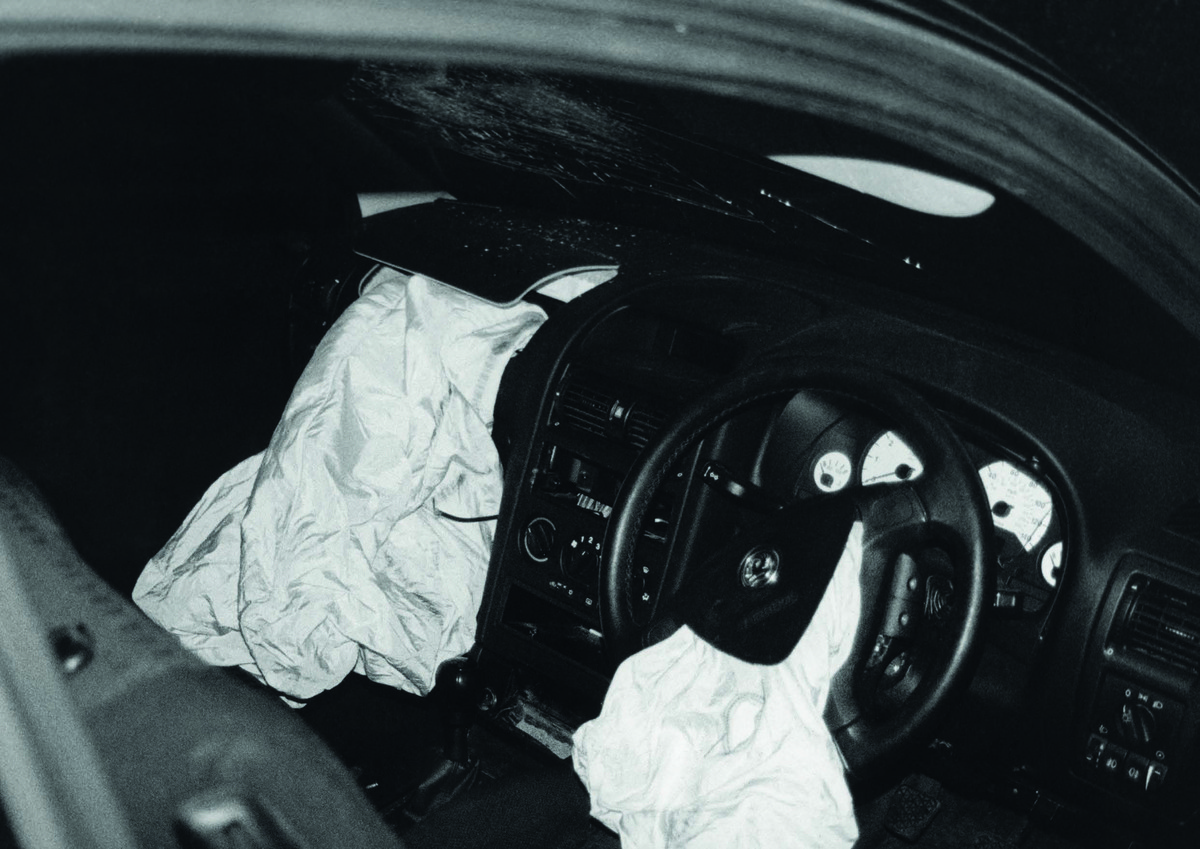
The main thing we discovered is that we don’t know what death is. It’s been used as a moral compass to control people—that’s definitely something I’ve experienced being gay and we explore that quite a lot throughout the book. And there are, from Edith’s perspective, personal images made from her experience with death, her mother dying. It’s really looking at death from a naive perspective—but I think, in conclusion, we’re always naive about it.
'The Death Book' is available now at the office Newsstand.
Photos by Bill's Playhouse and Edith Bergfors; courtesy of the artists and 'The Death Book'.

During a sabbatical trip to Mexico City and Tokyo, Sagmeister developed his arguments for an objective view of aesthetics—the show reasons this conclusion by leading the viewer through many visual experiments which support his idea. For example, by showing images of buildings in different cities around the world that all mirror the same ugly brown box, it seems that architecture in the world’s largest cities have decided that the manifestation of beauty equals function. Sagmeister thinks that this should change, and has the blueprint for a more “beautiful” future world.
On Vienna’s ugliest spots:
For the exhibition, we asked people to vote for the most beautiful and ugly place in their hometown. In Vienna, it’s Matzleinsdorfer Platz [railway station], but I would say the one that is more prominent is Schwedenplatz, a main plaza. In the center, ugly places are few and far between.
On why Vienna is a haven for creatives:
There are a couple of cities around the world that rest on their laurels, like Rome, for example. In Vienna, there is a better mix of clearly having an incredible history but also having stuff going on. [The MAK museum] is proof of that. Even at the Museumsquartier, the Albertina, there is very much a desire to look into the future. Ultimately, these are the things that keep a place alive. At the extreme other side of the spectrum, there is Venice. I don’t think there are many people who go to Venice and say, “This is where I want to live,” because it’s so museum-like and not an actual place anymore.
On how Austrian culture has influenced his work in NYC:
Strongly. I would feel New York is home for me, but I feel very Austrian. I’ve been living there almost 30 years. We know that our brain stops growing at 28, but most of what it means to be myself was formed while I was in Austria. Many of my own influences come from here, including the Wiener Werkstätte, where design, art and architecture was very much seen as a whole. All of the big people like Klimt made art and applied arts. Klimt would do a poster, he would do a mural, and then he would do a painting, and didn’t see a difference between them. That’s how I grew up. When I went to New York for the first time, I remember I saw a catalogue for a famous MoMA show, High and Low. I had to ask, “Who is high and who is low?” It was so unusual to me that they would make this differentiation, that they would think that art is high and design is low. I still don’t agree to this day.
Read more about office's trip to Vienna here. Next Stop: get to know curator Jasper Sharp.