Vulvatious

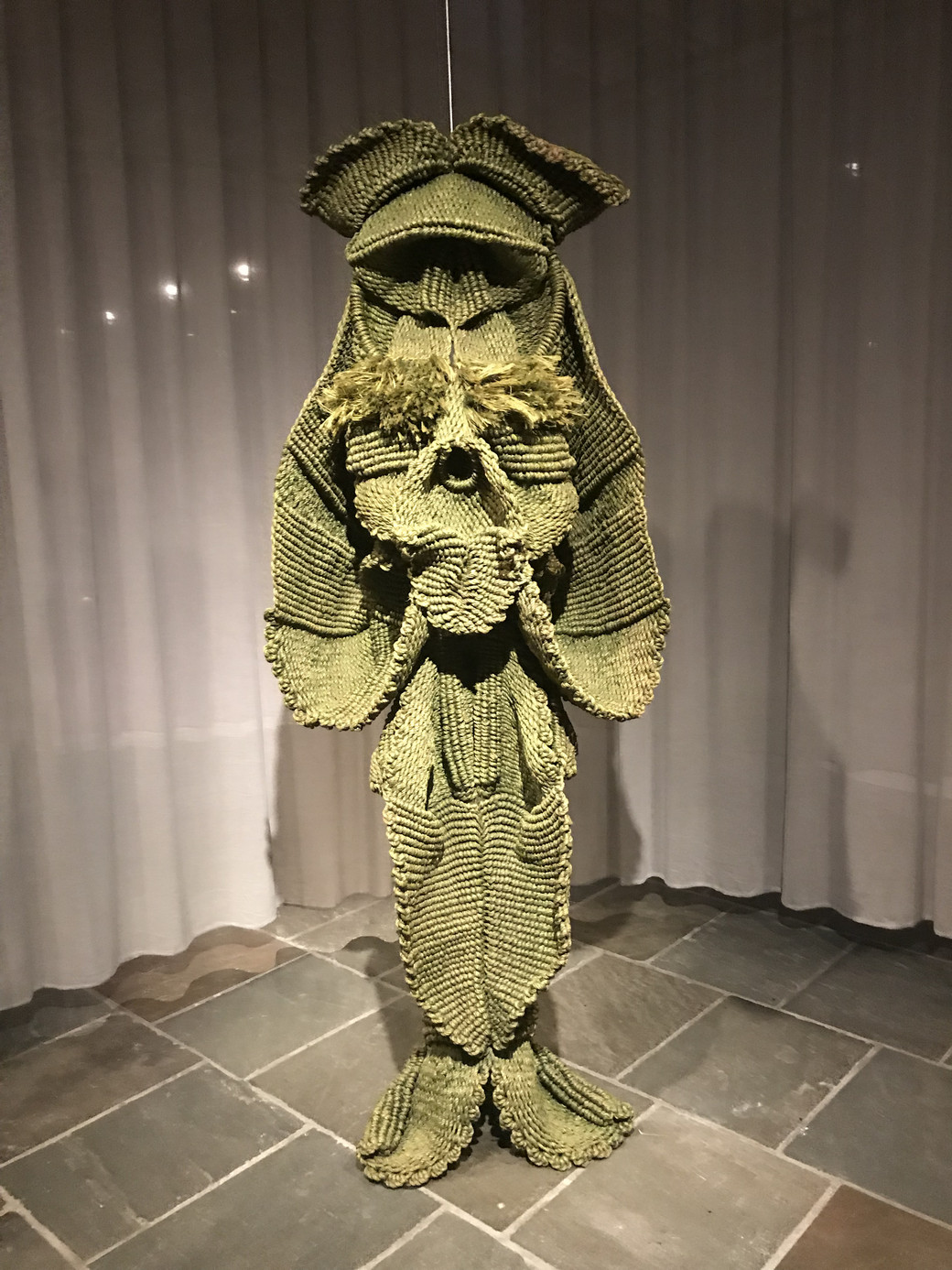
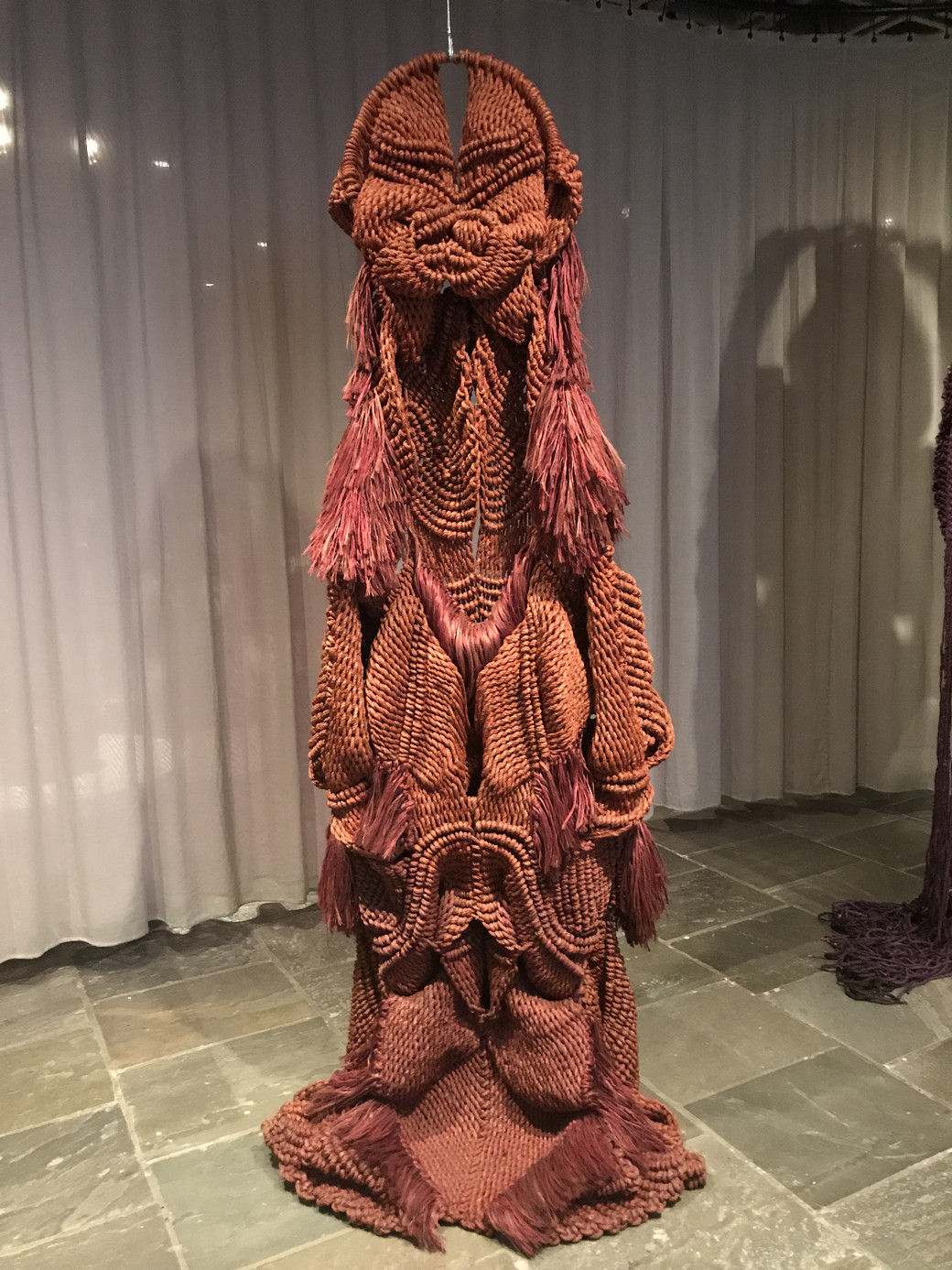
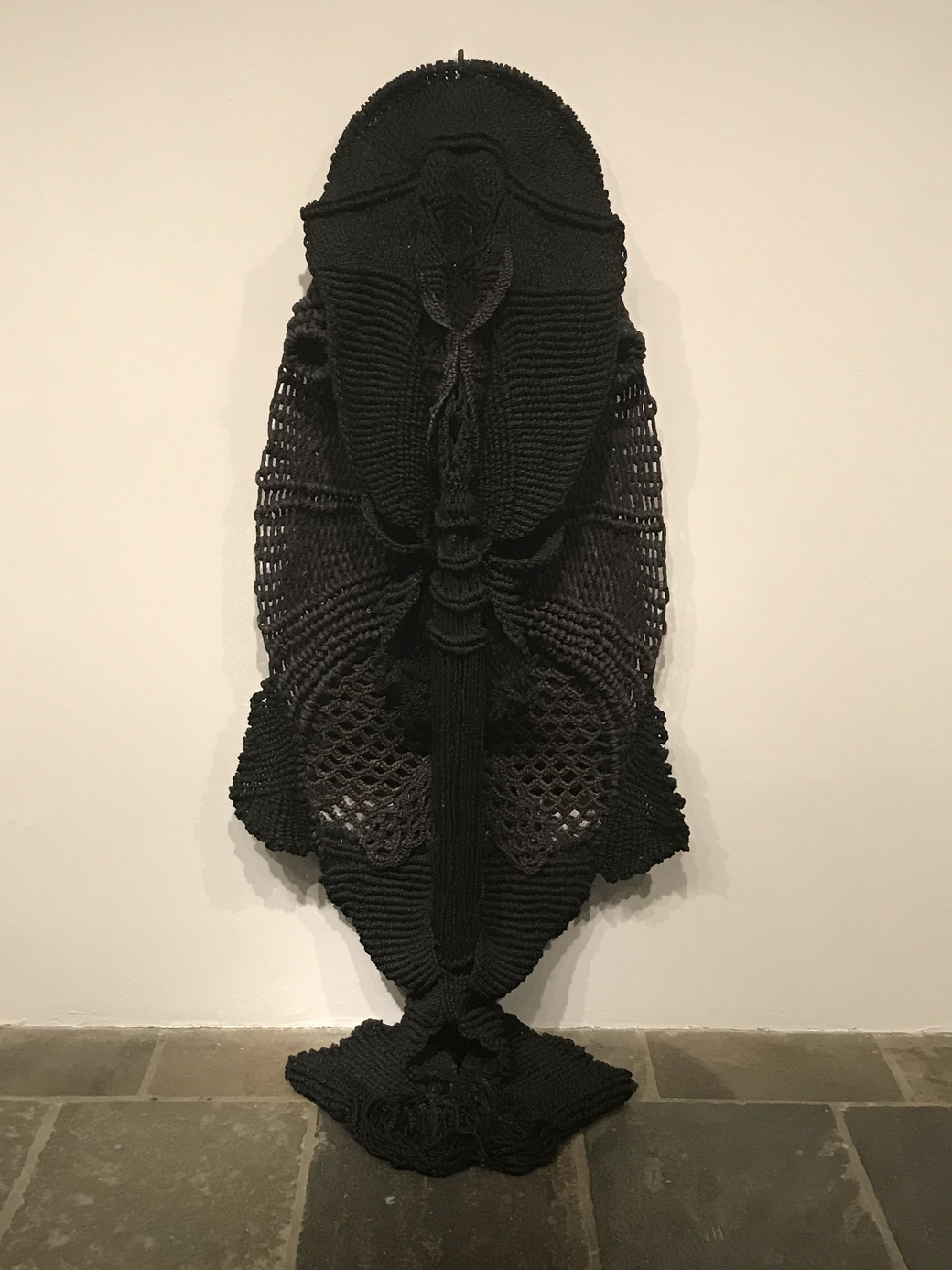
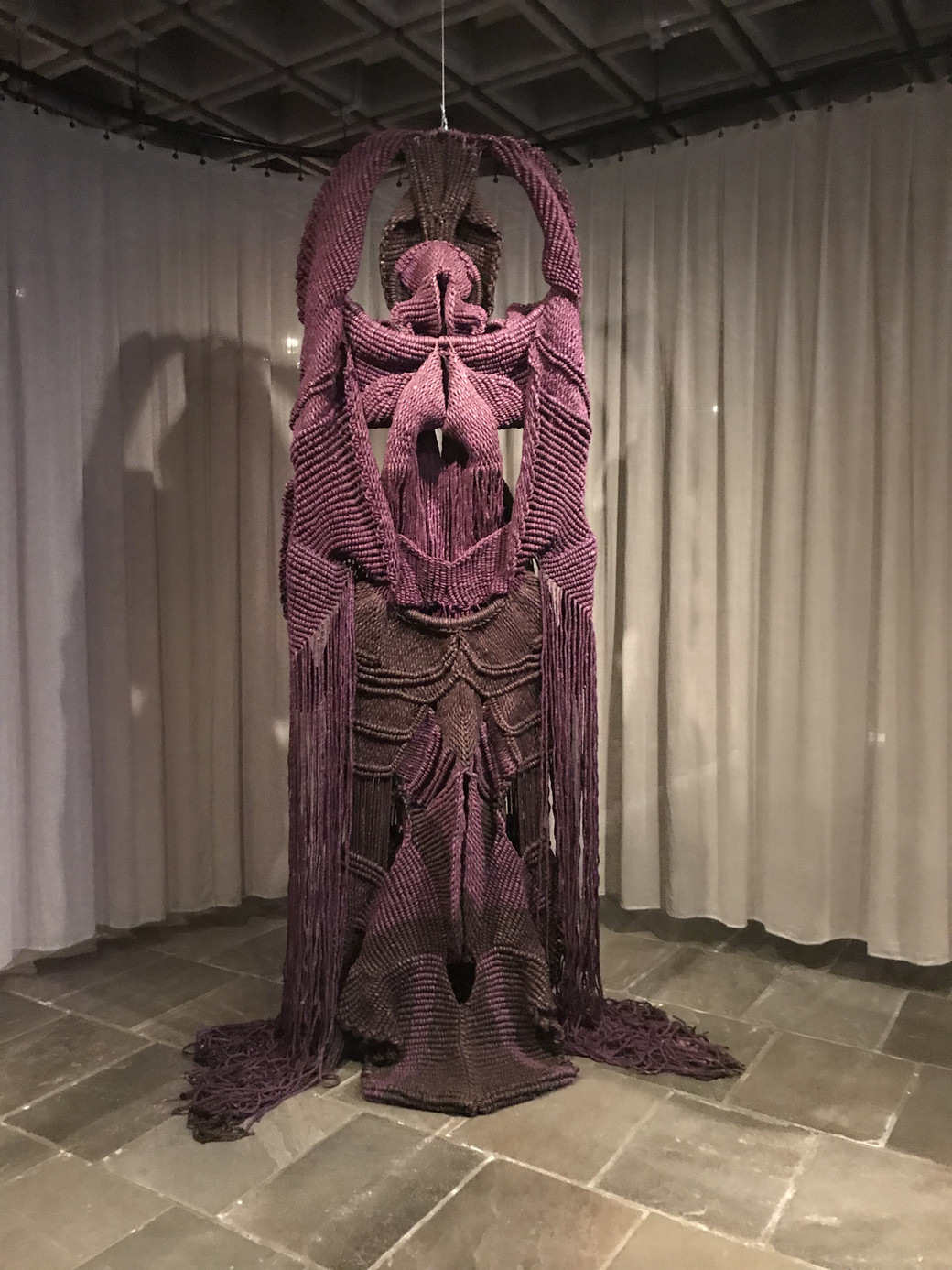
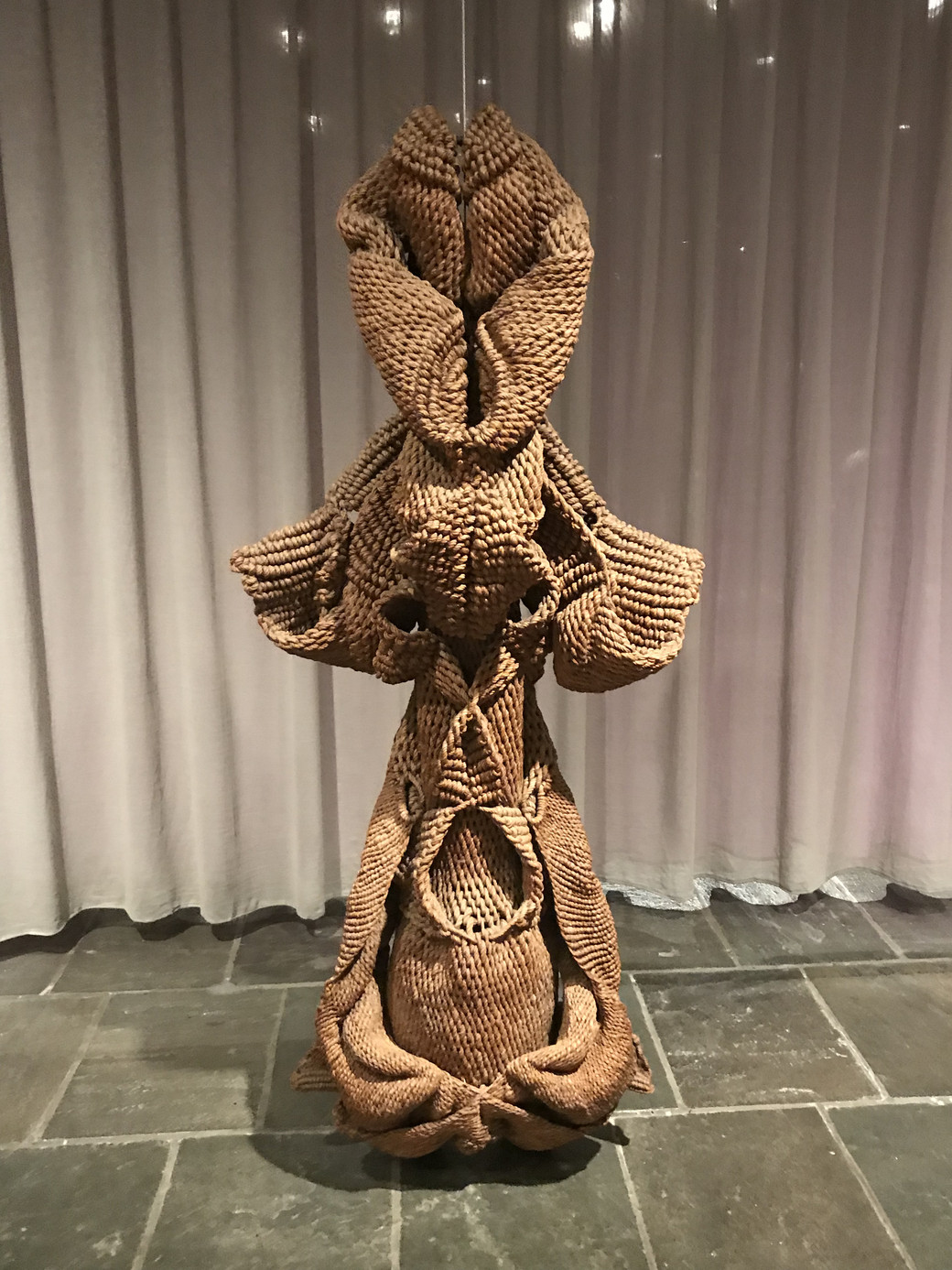
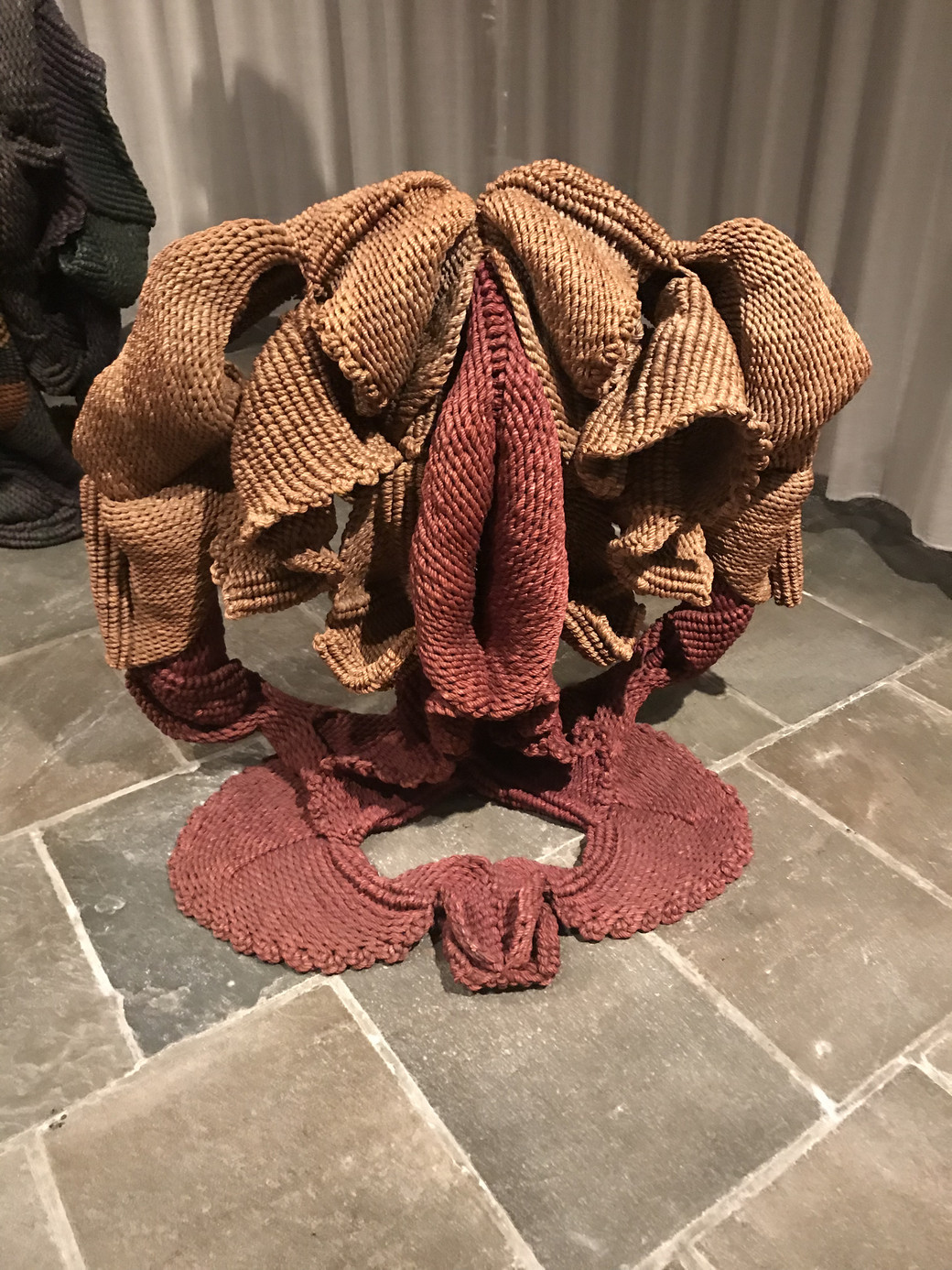
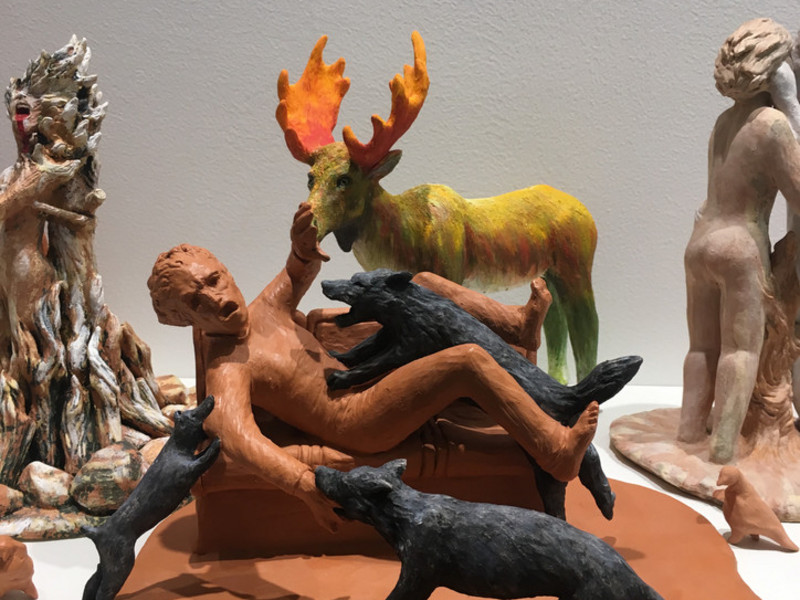
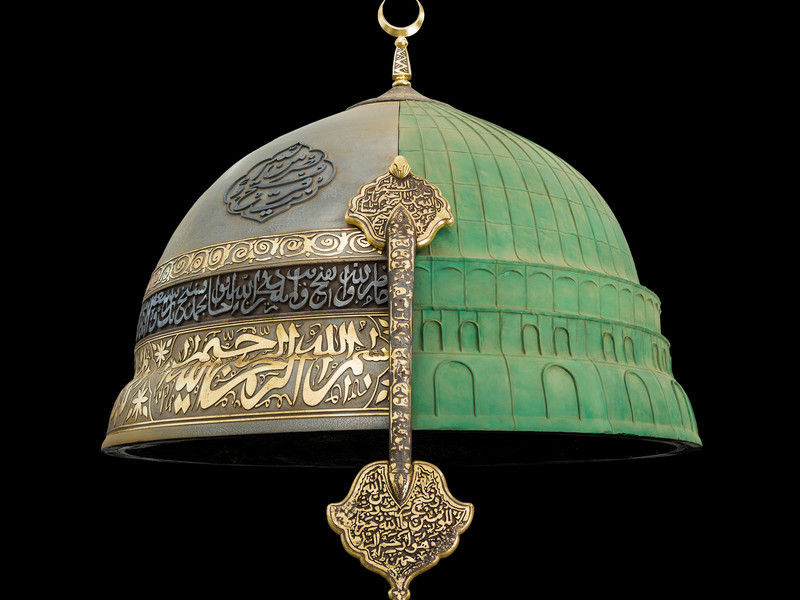
"Phenomenal Nature: Mrinalini Mukherjee" is on view at the Met Breuer through September 29th, 2019.
"Phenomenal Nature: Mrinalini Mukherjee" is on view at the Met Breuer through September 29th, 2019.

Why choose the small town of Dahlonega, Georgia to shoot this project?
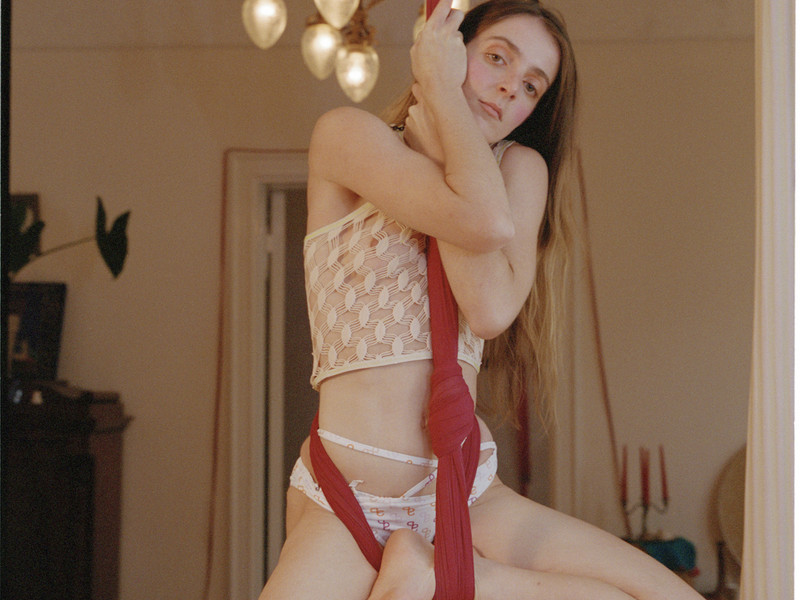
Carolyne—I wanted to shoot in my hometown of Dahlonega because it has always been one of my most complicated relationships, and I wanted to explore this project with Michael there. Although I’m very close with my family and have some incredible lifelong friends, I’ve always felt like somewhat of an outsider in Dahlonega. It's a beautiful place in many ways, surrounded by dreamy mountains, rivers and wineries. However, the social norms and outlooks on issues like race and sexuality through a hyper religious veil have always brought a sense of pain and confusion to me.
What was the catalyst which prompted these shoots?
Michael—Carolyne and I spoke a lot about the South, Georgia in particular, and the battles that come along with growing up here. And from these discussions, I've found that it doesn't particularly matter who you are, or where you're from, but there are common experiences that allow us all to relate to one another. For me, the images evoke a sense of weight and release. Surrender and Victory. Isolation and Liberation. Etc. All of these emotions and sensations that we are constantly facing, accepting and overcoming.


Was your family religious while you were growing up?
M—Religion was present in my family, but it was never weaponized. We definitely attended church and blessed the food at large family gatherings, I was even baptized and sang in my church choir, but I wouldn't say religion or worship was a huge part of my household growing up. Religion used as a means to shame, belittle or chastise always came from an outside party.
What does religion mean to you, if anything?
M—To me, religion is a tool used to teach, mainly where morality is concerned. For example, Christianity has The Ten Commandments, Judaism has the Decalogue, Islam the Islamic Decalogue and Hinduism the Ten Dharmas. All of these basically explain what one should and should not do, and hopefully, you end up with a moral compass that allows people to coexist. But with all things, there is a spectrum and with a spectrum comes extremes.
How has Michael’s experience defined this project?
C—After meeting in Georgia fifteen years ago, Michael quickly became one of my closest friends. I have an immense amount of respect for him, who I watched come of age in this environment alongside me. I’ve been inspired by the way he has always carried himself with such dignity and pride in a culture that sometimes seems to be fighting against who he is innately. Photographing him for this project in my hometown felt a bit surreal, and I’ll always consider it an honor.
Were there any unexpected outcomes from being shot so vulnerably?
M—Not at all. Carolyne and I have known one another for so long and quite comfortable around one another. I am also such a fan of her work that I knew she could really capture something stunning. The experience was almost a bit of a time warp for me honestly. Before we headed out on location, Carolyne's mom, and my badminton partner, made an actual picnic for us to take. I had my dog with me. It was just a really nice day, reminiscent of when we were younger.

Was the process of having your photo taken under this project at all cathartic?
M—Not during the shoot, no. Honestly, most of the time Carolyne and I were trying to make sure we weren't going to get arrested! However, getting to see the images for the first time is when everything comes together. Carolyne shot these images on film, so there was no way to see what we had captured that day until everything was developed. And I have to say I am really proud of what Carolyne was able to capture.
How do you hope these photos will speak upon prevalent stigmas throughout our current society?
M—I hope that anyone looking for answers within this work does not find them. I hope instead that they are filled with enough questions to start a conversation.

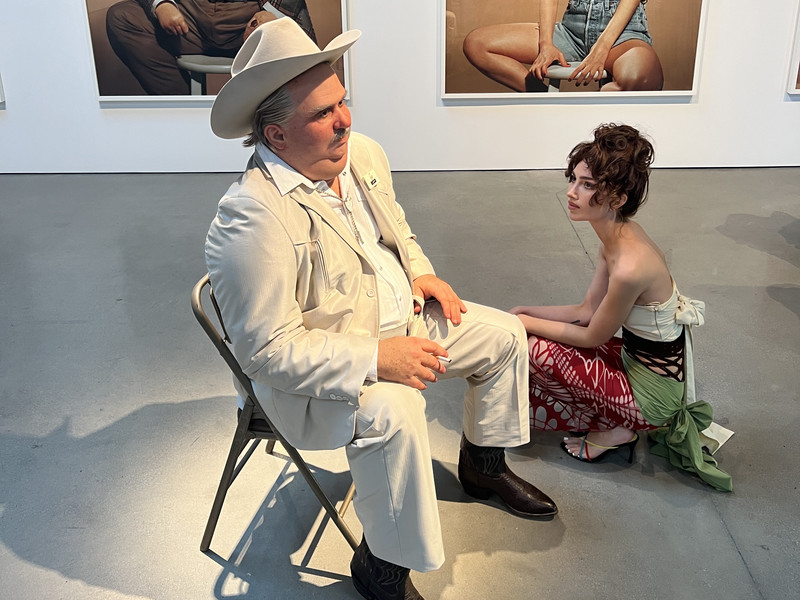
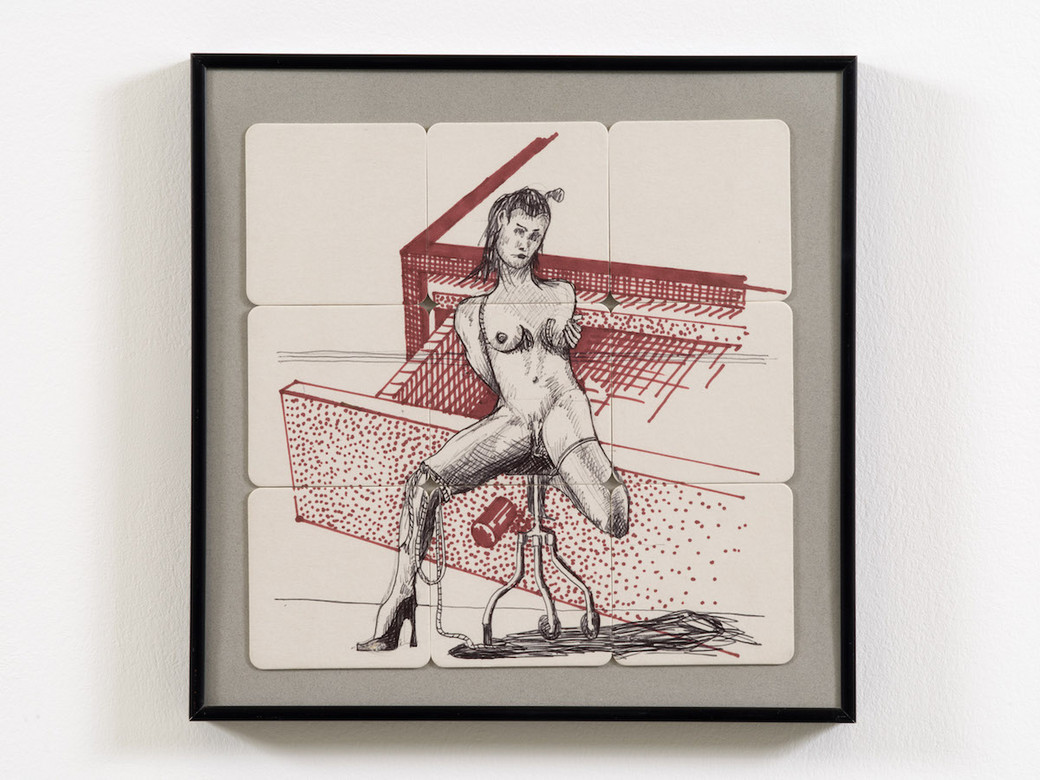
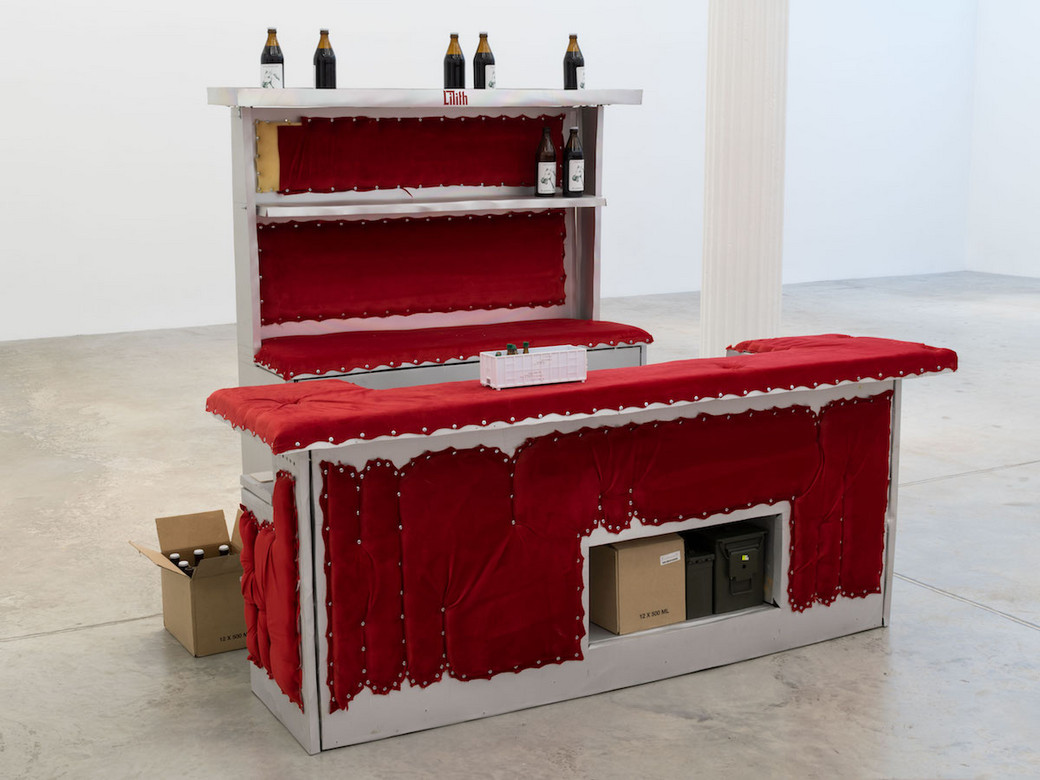
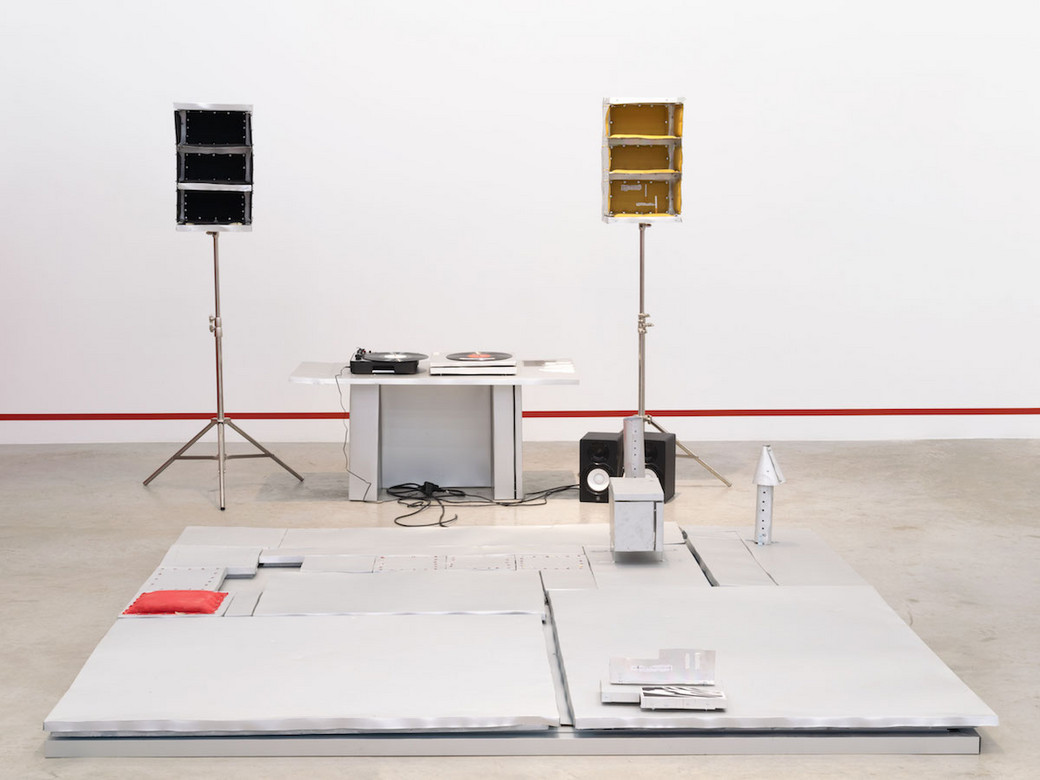
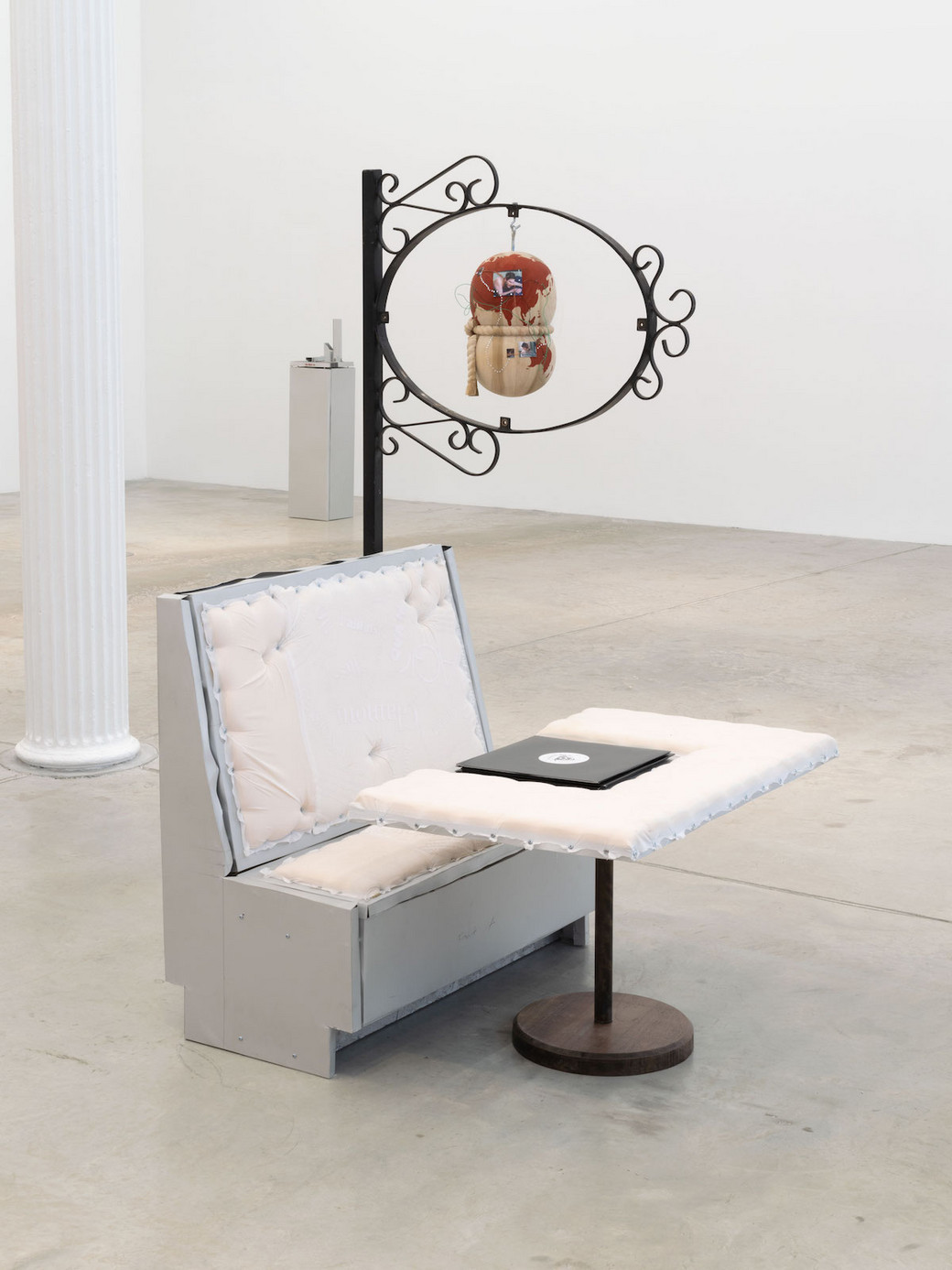
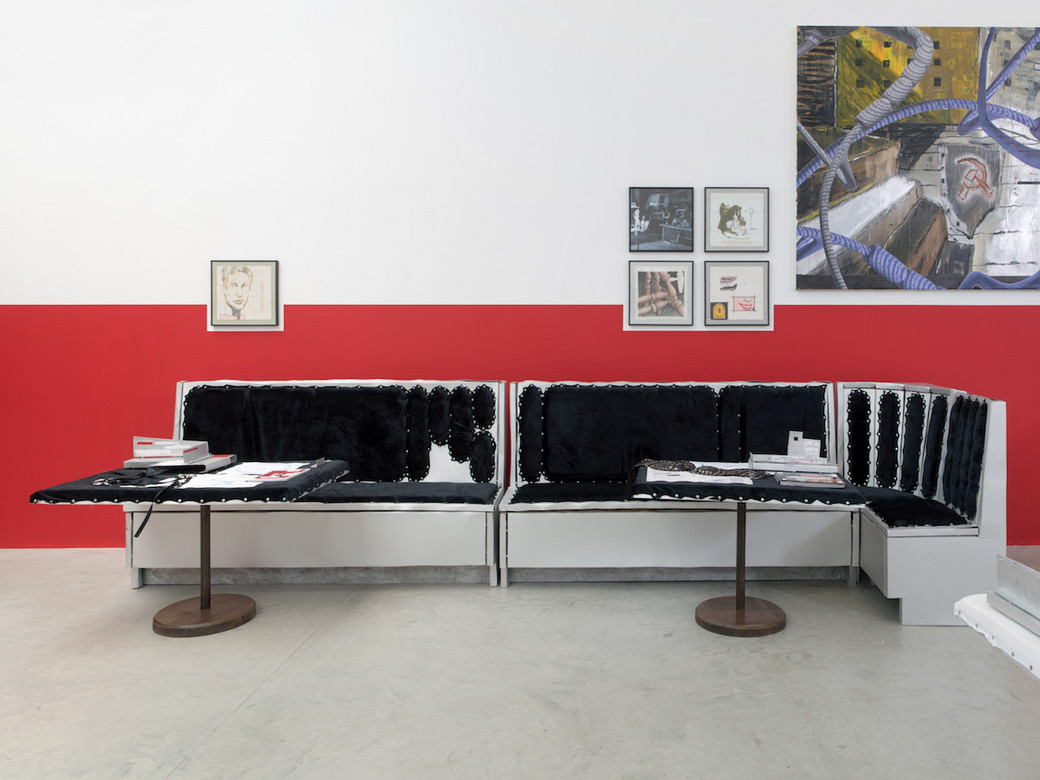
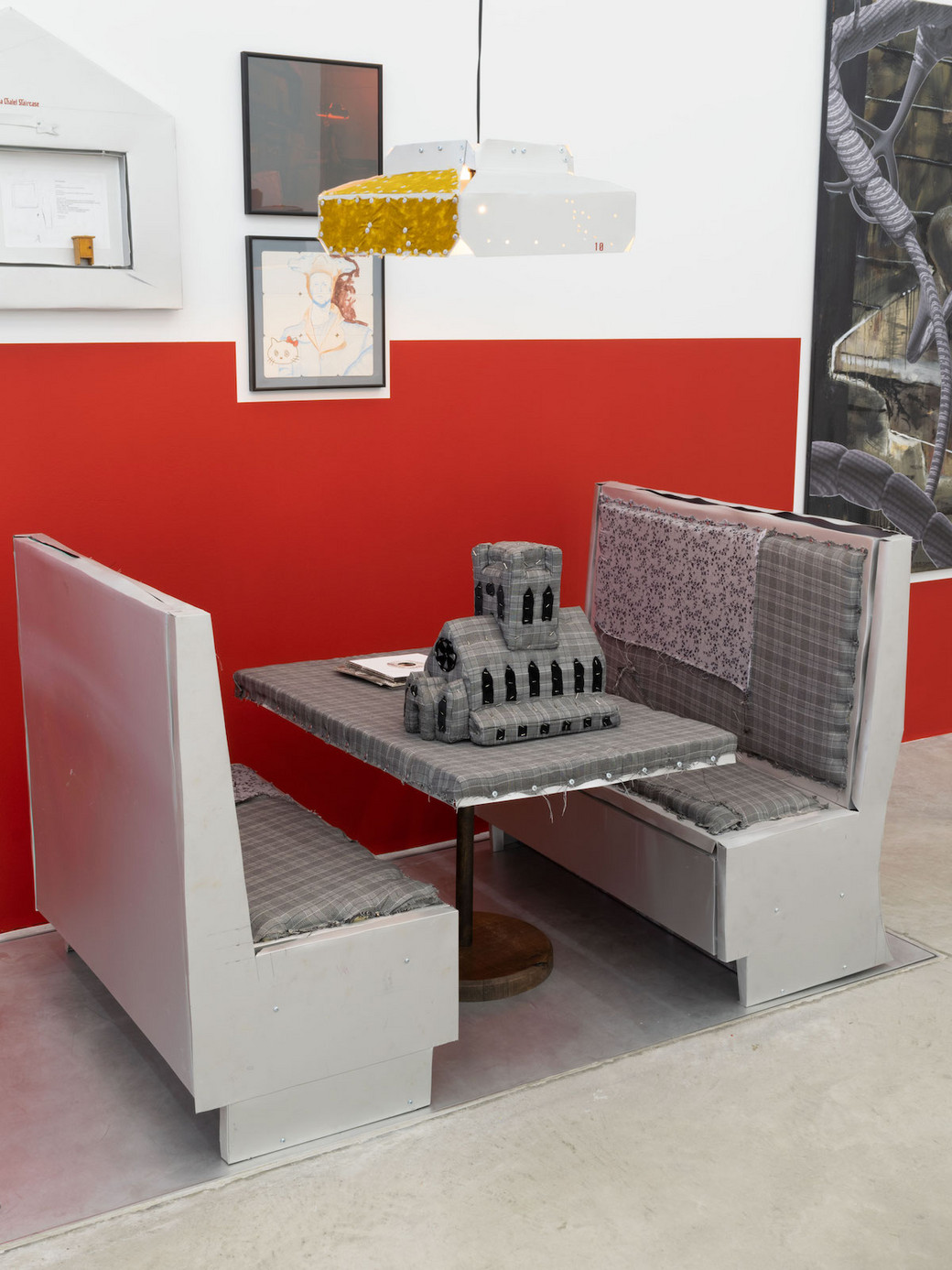
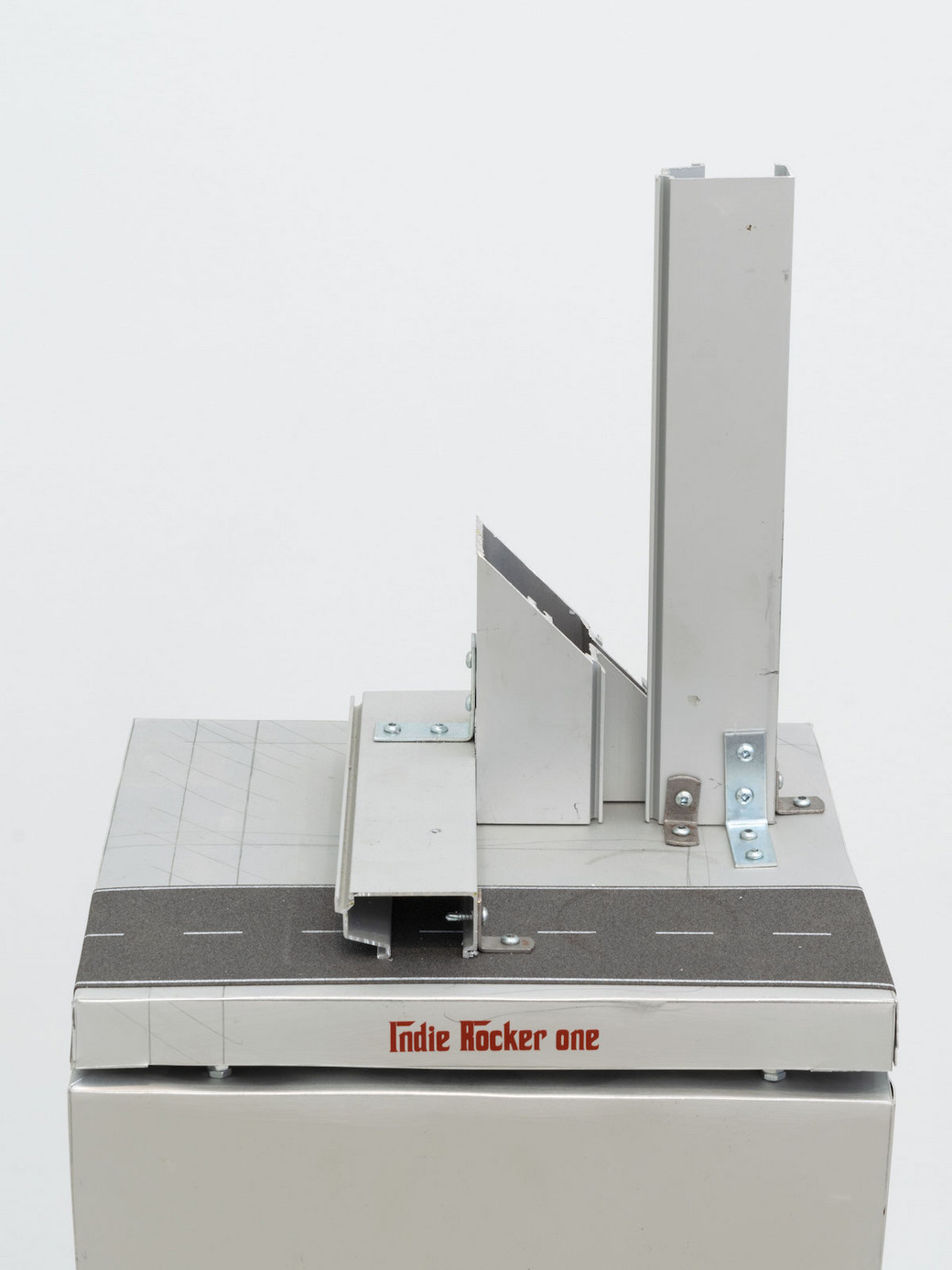
Rendered in cardboard, aluminum, and scraggly upholstery, the booths, bar, and dancefloor (which also references a classic New York rooftop) re-imagine the banquet hall in sculptural form, disarmingly simple in the gallery’s bright light. Each gleefully shoddy table, with titles like Jealousy and VIP - Vito’s Theme, is laden with cigarettes, records, even a harness for a strap-on dildo, and has a maquette that traces Schumacher’s own personal, artistic biography with miniature versions of shows the artist has curated and sculptures he has made. Although arranged as an installation, each piece is a sculpture unto itself, likely to take on a separate life after the exhibition comes down.


Gossip-y texts in the style of a screenplay are pasted onto various surfaces, tracing moments and movements through the space in a haze of vodka soda memory, inscribing the furniture-cum-sculptures with personal history and the remnants of a scene. The furniture itself often bears written names like “Indie Rocker One,” enlivening the furniture as actors in this show. There’s an air of festive necromancy, of chemical allegory.
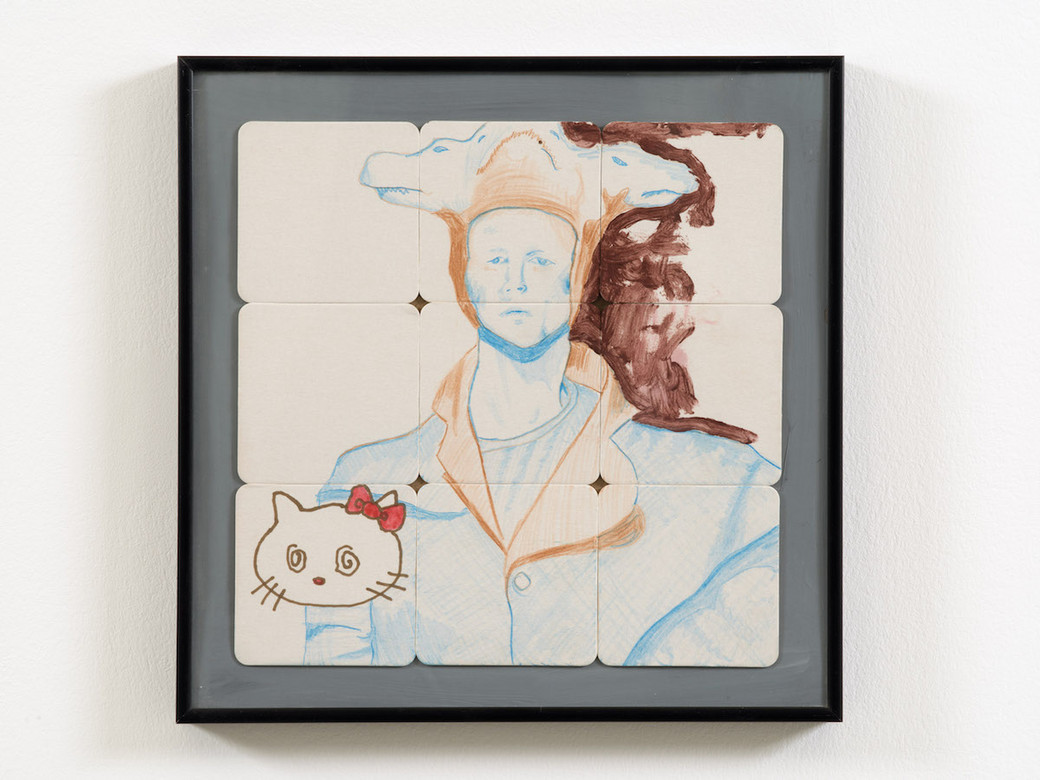
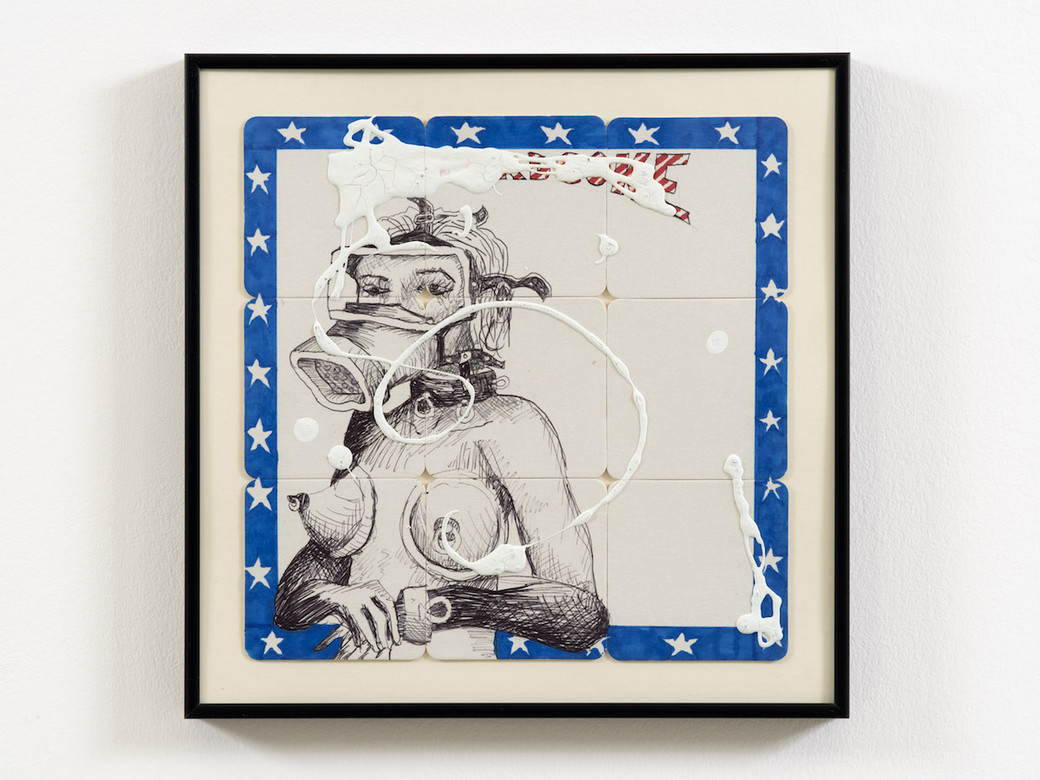
The mise-en-scène of this “China Chalet” in this layered exhibition serves as a platform for Schumacher’s more traditional, wall-friendly artwork—oil paintings, ink drawings, collages, and other two dimensional compositions all from 2018 that, so arranged, not only embed the practice of making and selling these works within a sociality, but also lays bare the formation of an individual and artistic trajectory and identity as something that marches through the spaces one occupies and performs the act of self-manufacturer within. As much as situating the wall-mounted works, the setting disorients them, forcing the viewer to contend with conflicting contexts and complex narratives.


It is worth mentioning Schumacher initially studied architecture at Waterloo University in his native Canada before coming to New York to complete his MFA. Not only is The China Chalet Group a spatial construction and not only could we imagine these miniatures as a part of developing architectural plans, but the use of space and place to evoke a certain collective (mis)remembering, a certain trail of togetherness, insiderness and outsiderness, gossip and gaiety, is particularly deft and resonant.
However, as the title The China Chalet Group highlights, this is not merely a portrait of China Chalet as a space, but a group—however transient and incoherent—that a space convenes, if only for a night. These sculptures, in their just-off scale and just-useless construction, serve as phantoms, lingering on the work that dots the walls and in the memories of all who occupy it.

What’s the difference between Shibari and Kinbaku?
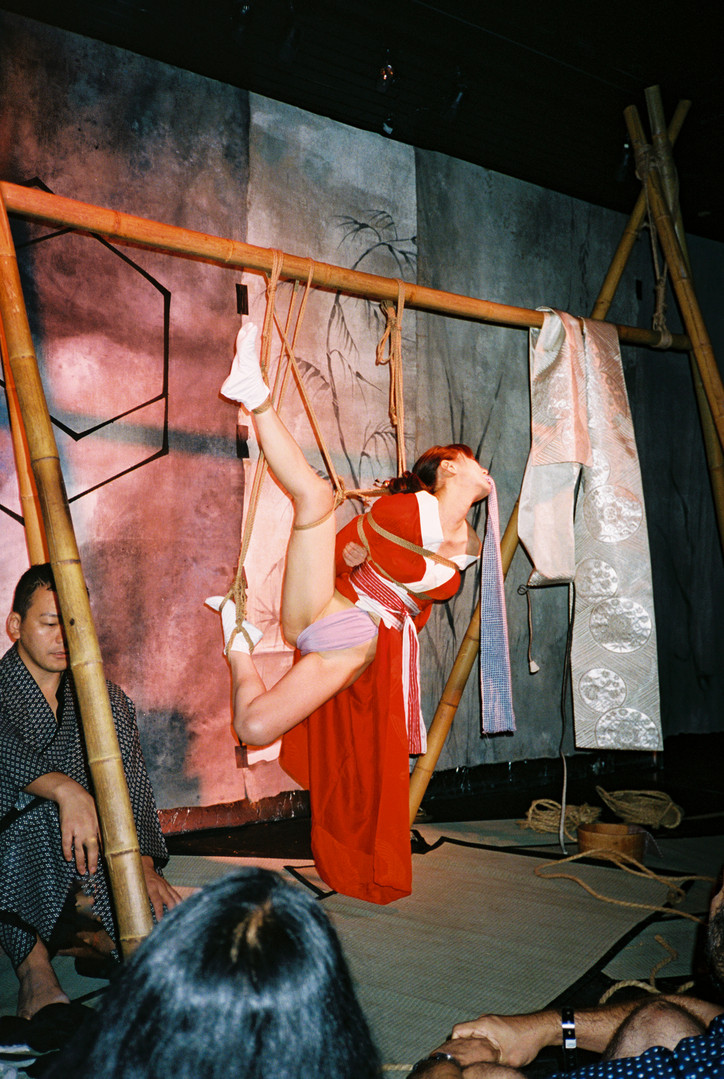
In the Japanese dictionary, Kinbaku means “to bind tightly,” while Shibari means “to limit someone’s movement so they can not move freely.” But the way I think about is: Kinbaku is to tie people in the way of BDSM, and Shibari is to bind people, but also bind something that's not human. I think Shibari has more variety.
How did you get into it?
I started to learn Shibari 20 years ago because of my ex-girlfriend. She liked it, so I wanted to be able do it for her. [At the time], I was working in a fetish bar, and there was a customer named Yumeko who taught me how to do it.
Do you see your practice as strictly sexual?
No, I see Kinbaku as art. But sexuality is an essential element for Kinbaku, [in order to] give it great depth as an art form.
What does the act of physically tying and knotting ropes feel like for you? Is it empowering?
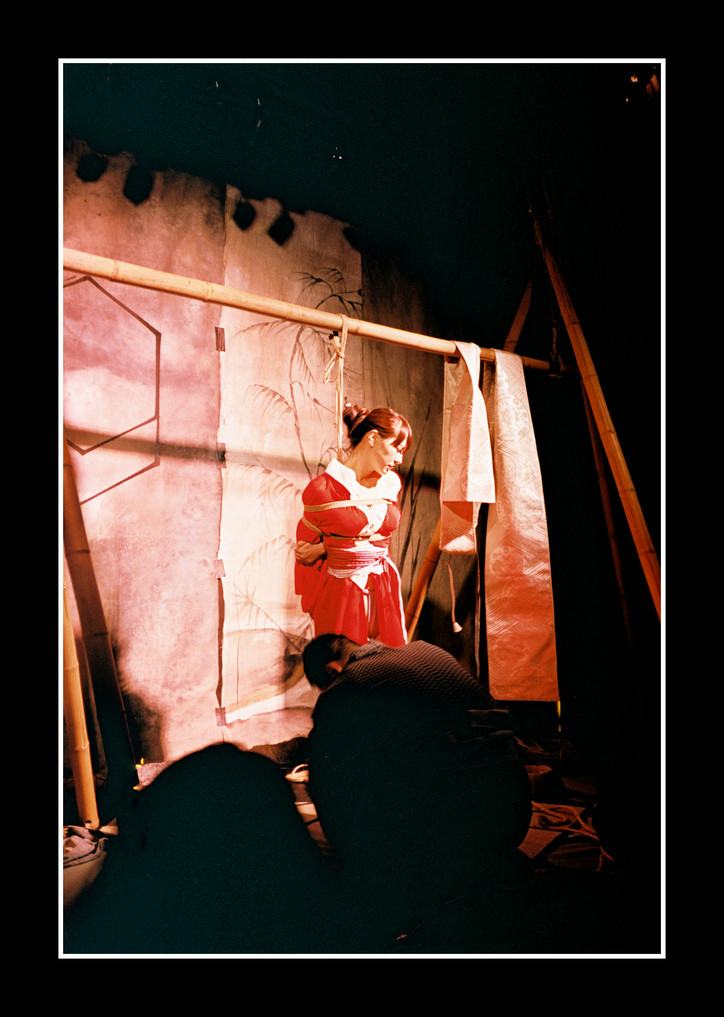
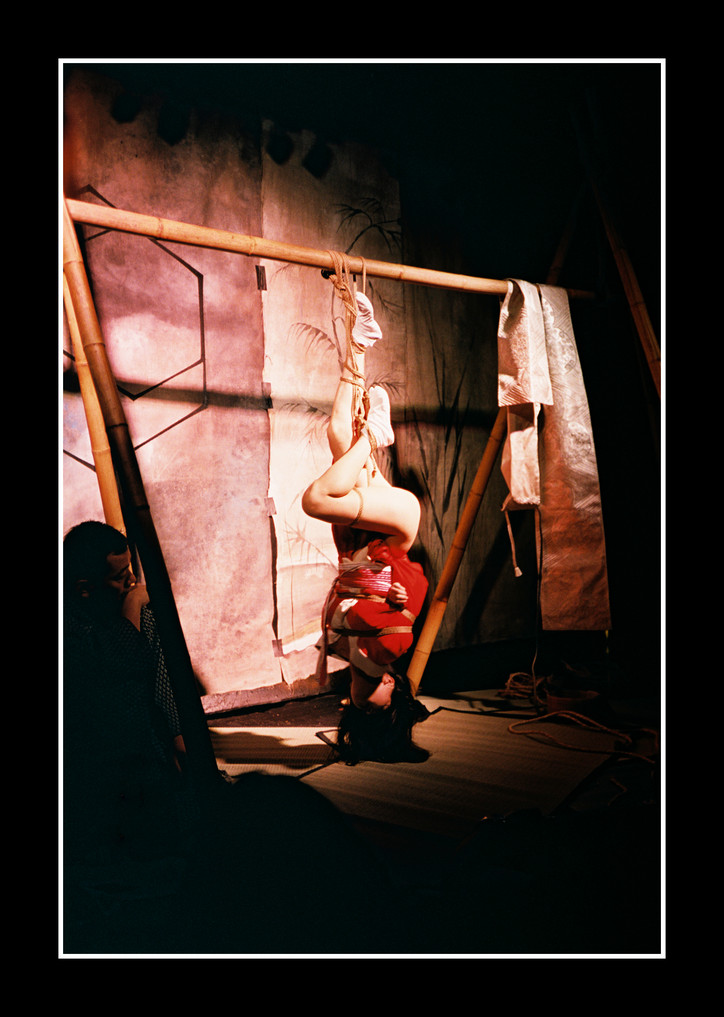
When I bind people, something interesting happens. Like, when I bind an energetic person, I also feel energetic; when I bind a person with negative feelings, I get negative. Tying people is a way to for them share their hearts and bring our senses closer together.
Still, in most of your pieces, it’s women being tied up. Do you see the submissive (the person being tied up) and dominant (the person doing the tying) roles as equally empowering?
Many people have master and slave relationships in Kinbaku, but in my case, the model and I have an equal relationship, or if anything, I am the inferior — the woman is the main subject, and I am just a supporting role.
So, you consider your work to be a celebration of the female body?
Yes. I do Shibari because I like to make women feel beautiful in that form.
Your works are so much more detailed than a lot of Shibari/Kinbaku performances I’ve seen. They also often take on obscure forms, like that of a spider web. What’s the goal behind that?
In Japan, people think Shibari is abnormal. It’s discriminated against by the Japanese media and the public. But Shibari is very beautiful and an important tool for people to build loving relationships. So, I want people to know about it. But I also believe it’s important to [show] a strong beauty when I’m sharing Shibari. That’s why I make my work so detailed — to express a connection; how everyone is connected with someone, somewhere, and never has to be lonely.
What do you want people to take away from your work?
Power.