Vulvatious

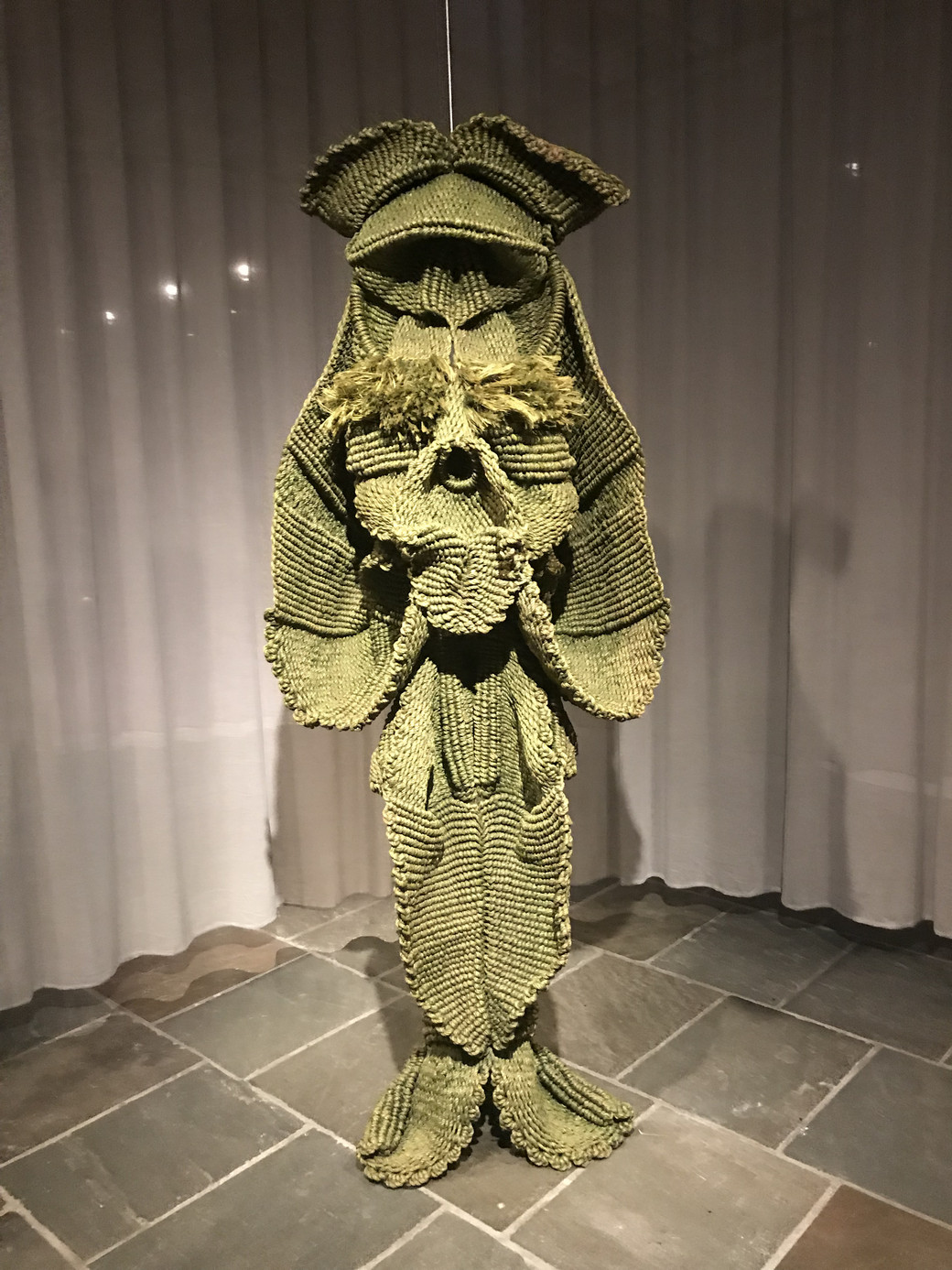
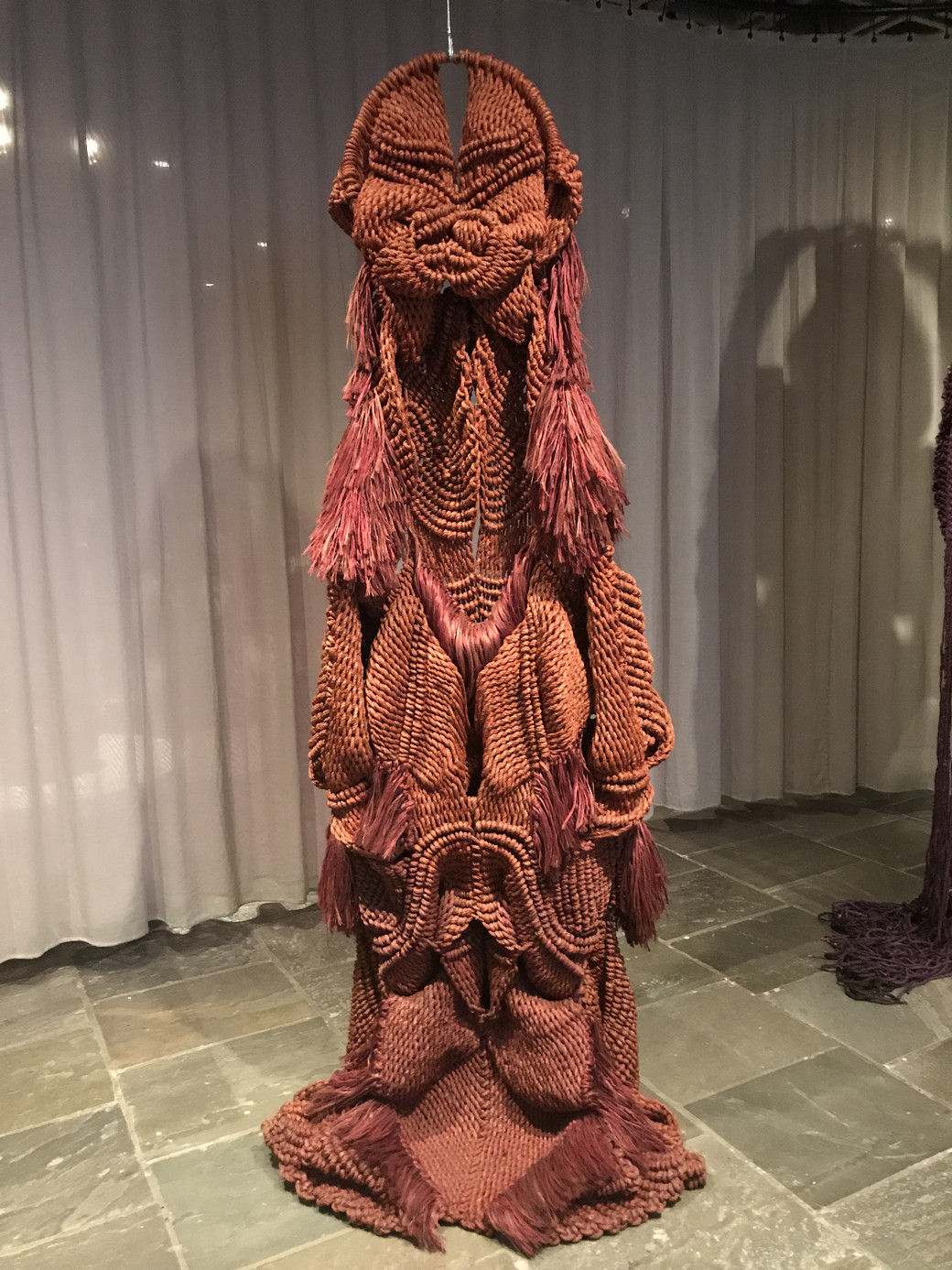
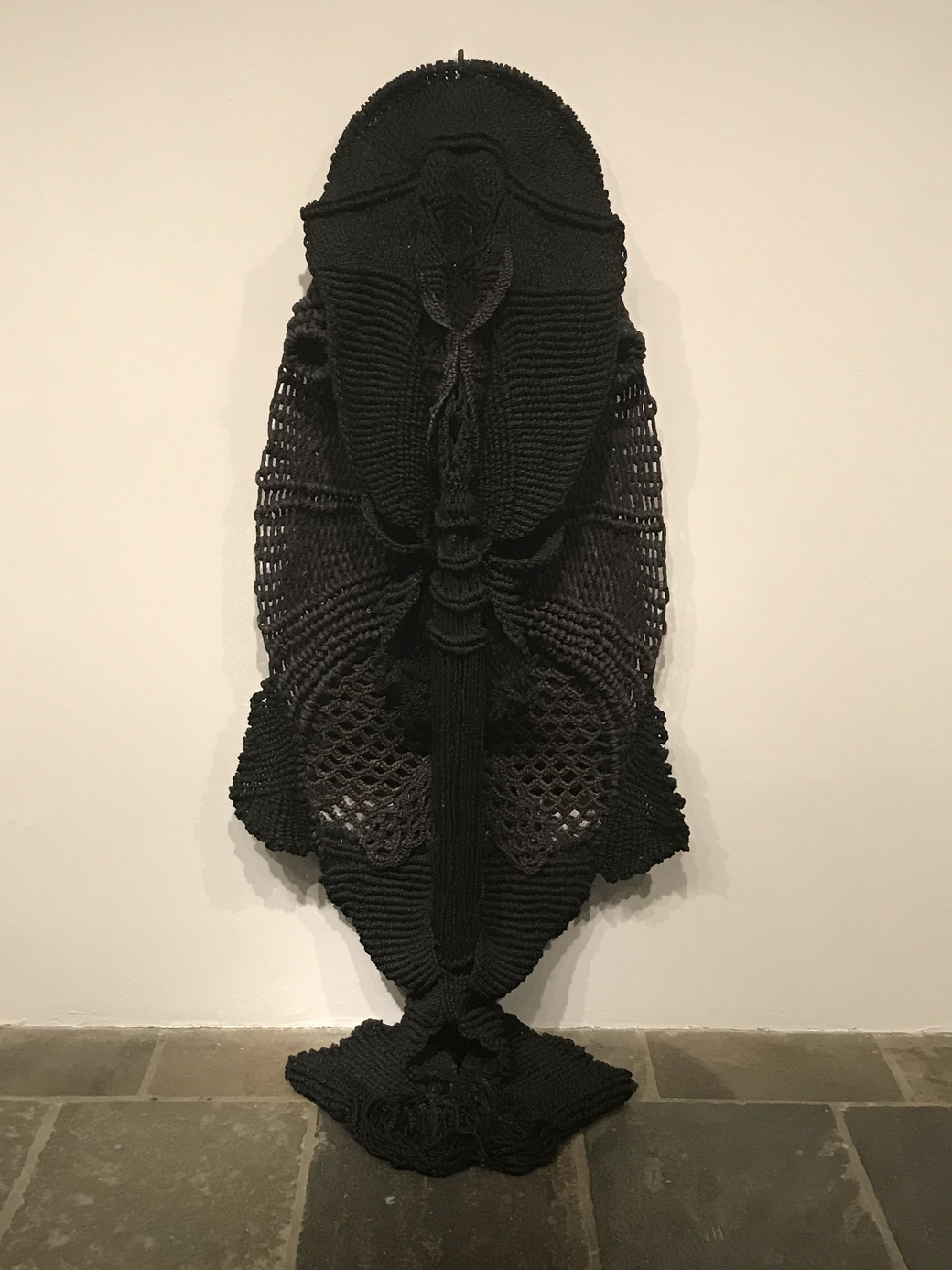
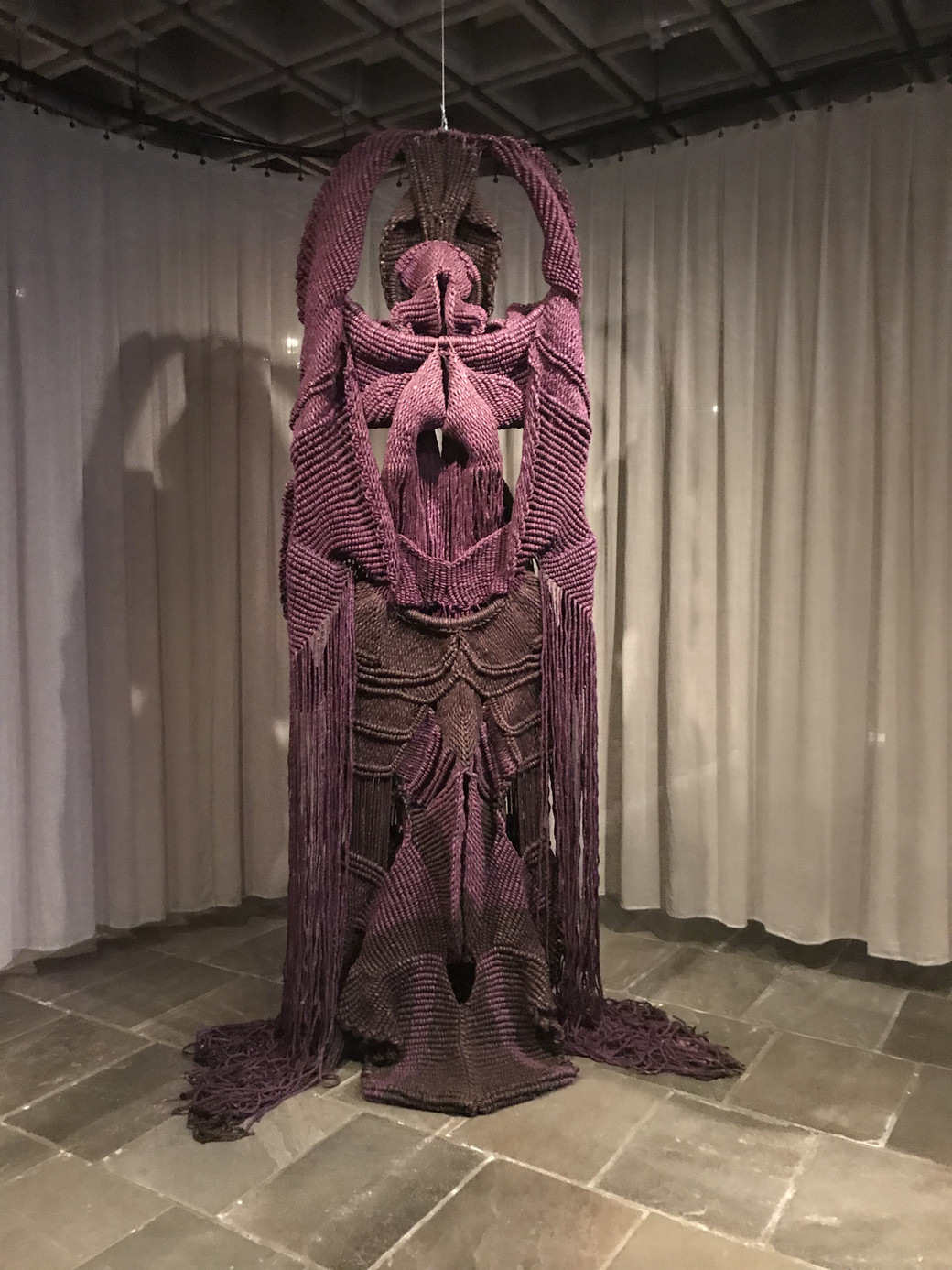
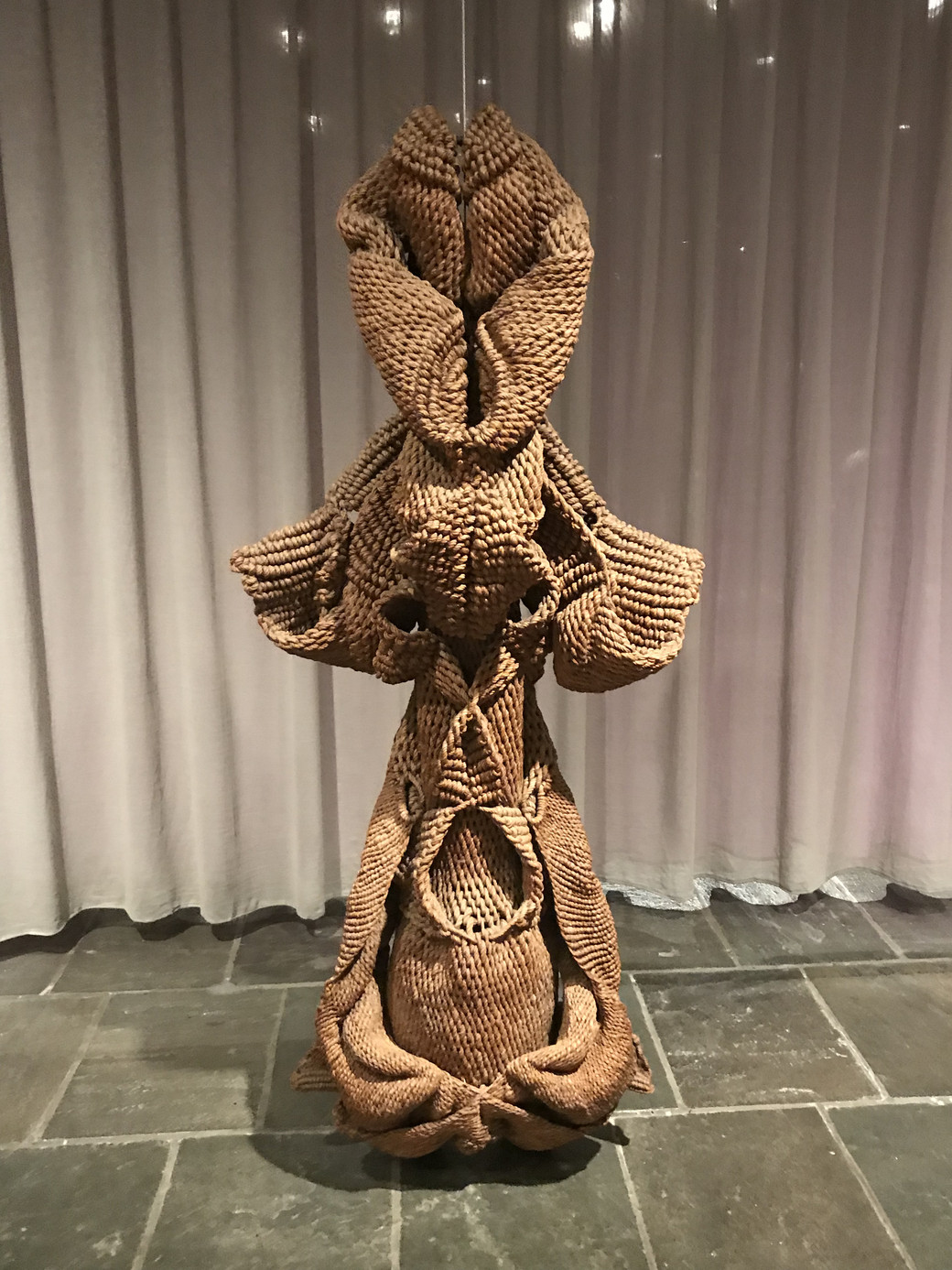
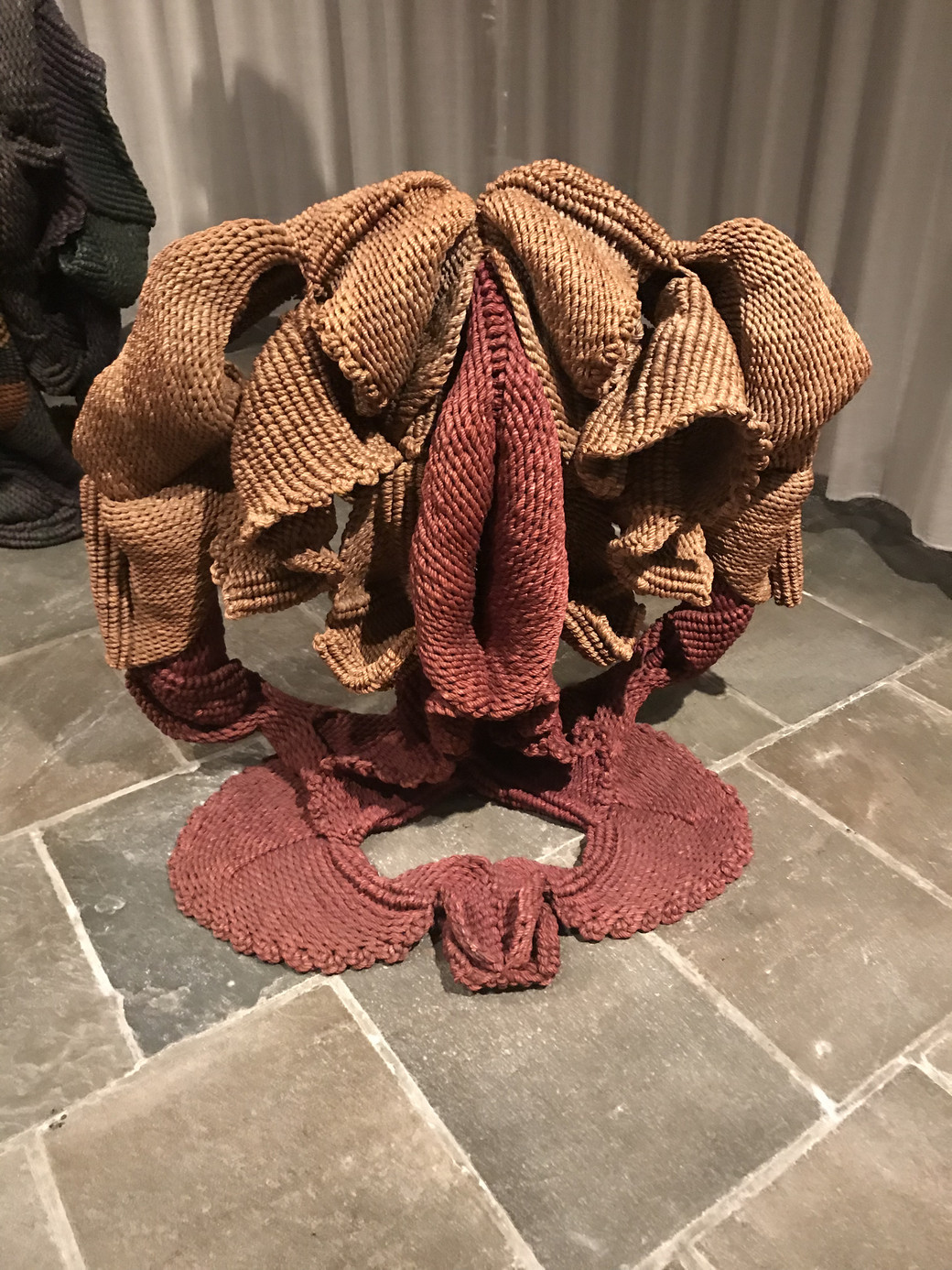
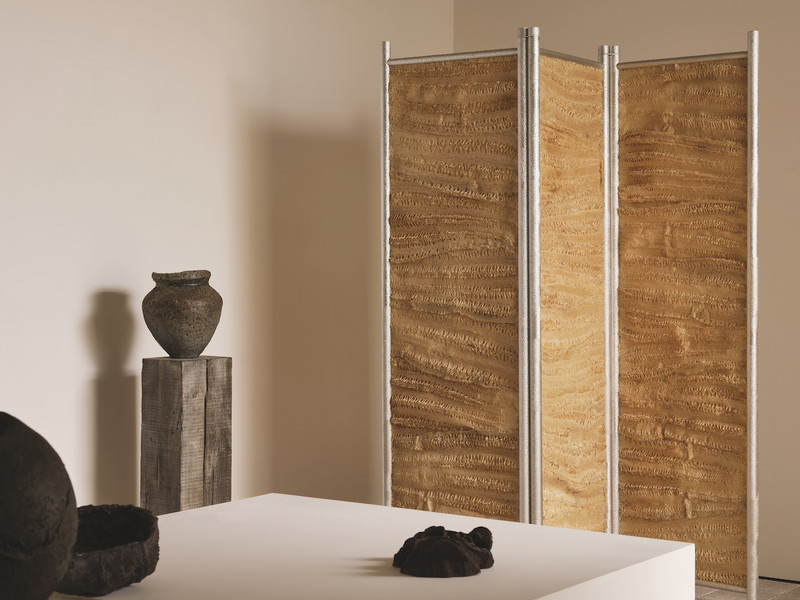
"Phenomenal Nature: Mrinalini Mukherjee" is on view at the Met Breuer through September 29th, 2019.
"Phenomenal Nature: Mrinalini Mukherjee" is on view at the Met Breuer through September 29th, 2019.

But Chris found there was a disconnect between the concert world he grew up in and the audience of 2018. He wanted to by pass all the norms, peform in a 360 space, interact with the audience, and showcase dancers of all shapes, size, age and race. Create something that an audience of today, can relate and connect to in a way they havent been able to before.


What is your roll at No)one. Art House?
I curate all of our events which are usually movement based instillations, throughout Los Angeles. Our presentations aren’t in theaters or conventional spaces where dance is usually scene, [they’re in] warehouses, galleries, museums, or events we are hired for and I will kind of dictate how the movement is seen. I also arrange educational components, where we’ll invite choreographers or dancers from out of town to come and teach people apart of our community and seeking knowledge about contemporary dance on a global scale.
I’ve noticed you refer to No)one’s performances as movement rather than a dance, is that strategic?
Ha, it is, because when people think of dance, they think about whatever preconceived notion they have it. I feel like a lot of people now associate it with ‘So You Think You Can Dance’ or music videos or ballet, and there are just a lot of other ways to see dance.
I’ve found dance companies are kind of failing in the US right now because the government doesn’t support it, and because it feels like people have lost touch with dance. So I don’t think they know how to consume it anymore.
That was a big part of the reason we’ve chosen not to perform in theaters. I feel like now in 2018 people need to need to interact with it, like the way they are able to interact with it on their phones, on Instagram, so I think when people can be closer to it, more immersed in it, they understand it better, it effects them in a different way and they end up wanting more.
Yea it seems like a lot of your performances can be viewed 360..
I mean seeing dance in a theater, on a pristine stage, is amazing but it also costs a lot of money! If there’s no funding you have to be creative in how you present it.
How do you get funding for your projects?
Ha, we don’t! At this point people reach out and commission us. But in the beginning, it was just asking around, people that would donate space to us, dancers willing to work for free to get us off the ground but now that people know who we are, they’ve been reaching out for us to perform and provide us with a budget. I’ve never applied for a grant. After hearing from friends that have done it, it’s this long tedious process and a lot of the time, people that are very talented and produce great work won’t get it because of the way they describe their work and the people receiving that grant information don’t understand the language. And then you see people that do get these grants and the way they describe their work is so eloquent and imaginative - then you see the work it’s not up to par. I have this issue with over intellectualizing this art that we’re making. You can have all the words but if people don’t connect when they see it, what’s the point?


Would you describe yourself as a visual artist rather than a performance artist?
I guess that’s where the ‘curator’ part comes in because yes, one can create a performance with lighting and costumes on a stage but I feel like when you curate a whole experience it allows the viewer to see it in that 360 way you were talking about. What is the audiences experience as soon as they walk into the space, what do they see? How does the dancer interact with them? The whole time you are in this world that we create, its curated. It’s specifically designed to entertain the viewer from entry to exit. I have been juggling with this idea of performance vs visual art, especially in a gallery space, I feel like there’s this really big gap between concert dance and performance art that isn’t acknowledged.
I noticed you include all shapes, sizes and ages in your performances...
I think there’s a preconceived notion in the dance world and outside of the dance world that dancers are always thin, white, young. I’ve been really intrigued with seeing older people dance, the knowledge and wisdom that they carry in their body, you can’t replicate that in a younger dancer. And also just seeing people of color, people who aren’t rail thin, it gives your eye more to think about and connect with.
Where do you find inspiration?
I’m a very musical person, I love listening to music and being called to dance from that. Spaces have been very inspiring, I think that’s another reason I don’t like performing in theaters, unconventional spaces have more to work with, more to grab from to inspire the dance.
How has it been working with Solange?
Great. I really respect her taste and her attention to the full picture. She makes her performance more than her, she makes it a whole experience. She brings this kind of fine art aesthetic into her work. She appreciates and references people in visual art, architecture, dance, she has a more worldly view with what she’s doing rather than just selling a product. I recently worked on a dance film for her along side another choreographer and although it’s a collaboration she definitely has a clear vision of what she wants in terms of direction. I respect that.


Tell me about yourself. You're from LA?
Yeah, I moved here five years ago for school. My ex-boyfriend woke up one morning saying he wanted to move to New York and I agreed to go with him. So I applied to Parsons, got in and studied photography. I loved it. There was one teacher there, Kimberly Hoeckele, that changed my life and how I took photos. We spent a lot of time in the darkroom and the other half of the time, doing critiques. That was one of the best things that I learned from that school and her: how to take critique. She made us grill each other. In the real world, with work, there’s so much critique. You need to know how to constructively take it and move forward. After her class, that’s when things started going for me in my head. We still keep in touch.
How are you liking New York?
Moving here was the best thing I ever did. Hands down. I’m in love with the city. It changed my life and made my dreams come true. The people and the energy. Everyone is focused on their work. LA is great, but I’m from there so I’m biased. And people in LA can beat around the bush a bit with how they feel and jobs, etc., whereas people in New York are straight up. And when I moved to the East Village from the west side, I started really meeting these really cool, hardworking people and artists. I don’t think I’ll be moving away from here for quite a while.
Where do you create your work?
I do everything in my apartment. I keep my prints in my freezer, in my oven, under my couch. My freezer is full of condoms, my prints and Ben & Jerry’s. I’m moving soon though. I made the best out of my space and I love it, but working from home and living there means I need a bit of a bigger space. And as long as the new space is below 14 Street, I’m a happy camper.


Tell me about your personal work.
The Jack Nicholson self portraits were the first things that I did for myself and it really took off. I really love Cindy Sherman and I love dressing up as different characters. So I thought I might as well try it. I dressed up as Jack Nicholson in a couple of different movies using black and white film. And I was happy with it. Whereas I’m almost never really satisfied with my work. I don’t think artists are ever really content with what they do.
Yeah I agree. It’s like an anomaly when it happens!
Exactly and with the Jack series, that was the first time that I really loved what I did. And as I started shooting more commercial campaigns and it became my job, I realized that it was important for me to continue to make art for myself. I mean, it’s a blessing and I’m so lucky to be able to work in the field that is also my passion, but it’s also important to remember why you do it.
Totally, and you just had your first exhibition. How did it go?
It was amazing. But it is so hard to look at your work and decipher what’s better, and what people are going to like versus what I really appreciate.
Where did the balance land?
I think three quarters of the show is what I love and the remainder is for others.


What's the show comprised of?
It's mostly self portraits, because that’s what I like to do; I have a lot of different characters that I like to develop. Each one is an exaggeration of part of my personality. And so Jack Nicholson is one of my personalities because I love him. I’d still fuck him, even though he’s 74. I’m still into it. Every single character that he plays, he still has a little bit of Jack in there. I love that. Another one of my characters is Nina, who’s a poor whore from the ’50s, which is sort of an exaggeration of me when I moved to New York and could only afford to eat tomato soup. I work with makeup artist Erin Parsons a lot. We’ll hang around and bounce ideas off of each other and see what happens. We’ll create characters. And they start from a moment or a feeling in my life — an experience with my friends or with work. Then I hone in on that and exaggerate it. They’re real feelings that I keep to myself, but in their exaggerated form I can show them to the world.
Sounds therapeutic!
It is! It’s also just really fun. I love to dress up. Even in my day-to-day, I love to dress up in different eras. Today it’s the ’80s; maybe tomorrow it’ll be a Hypebeast look. Getting out of your own skin is important and entertaining.
And you work in video as well as still photography?
When I started school, I actually went to community college first for film and media studies. So I’ve made a lot of my own shorts. But only recently did I begin to do video for work as well. I have ideas for my personal work; it’s a matter of having a moment to play it out in the way that I want it to be done. At my show, I had this Trump video — which you can see on my website — there was also one I did with Bella for Dior, Gigi for Maybelline and two other mixed-media videos.
Why did you choose to put your commercial work into the show?
Some of my advertising work, I really like.


Would you separate fine art from fashion photography?
My whole dilemma has been that I need to merge the two. And I heard from so many people in the industry that it’s impossible. So it’s been my mission to try and integrate the two of them.
For the commercial stuff, do you work with a big team?
It’s always just me and my camera unless if it’s a big commercial job.
Like Harri Peccinotti back in the day, with his one assistant.
Yeah I never understood why there had to be so many people on set.

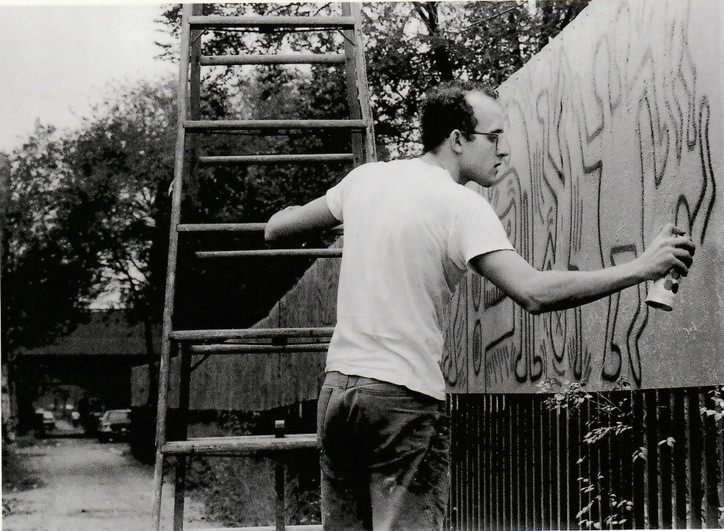
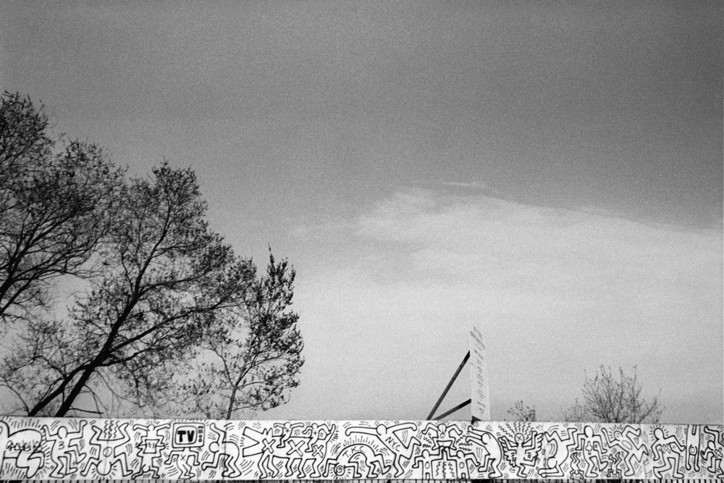
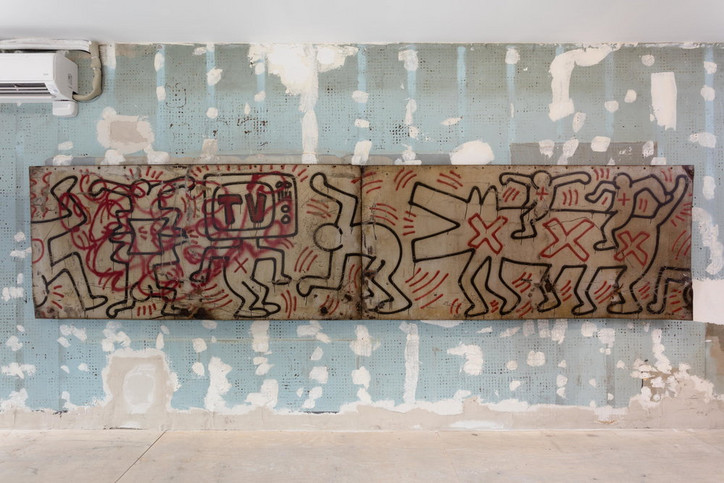
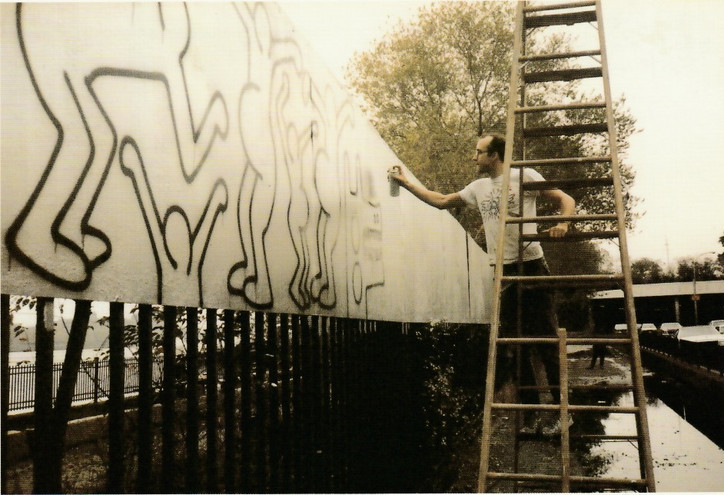
In Chinatown the foot traffic isn’t dissimilar to the FDR, but at least you can linger to allow Keith Haring’s goal of art in the world, available to all, to pierce your downtown meanderings. Displayed in the shop window at 99 Cents Fine Art, the steel beam that once served Haring’s upbeat iconography to those speedy passersby on the FDR now rests for closer examination in Chinatown, on display through April 30th.