Vulvatious

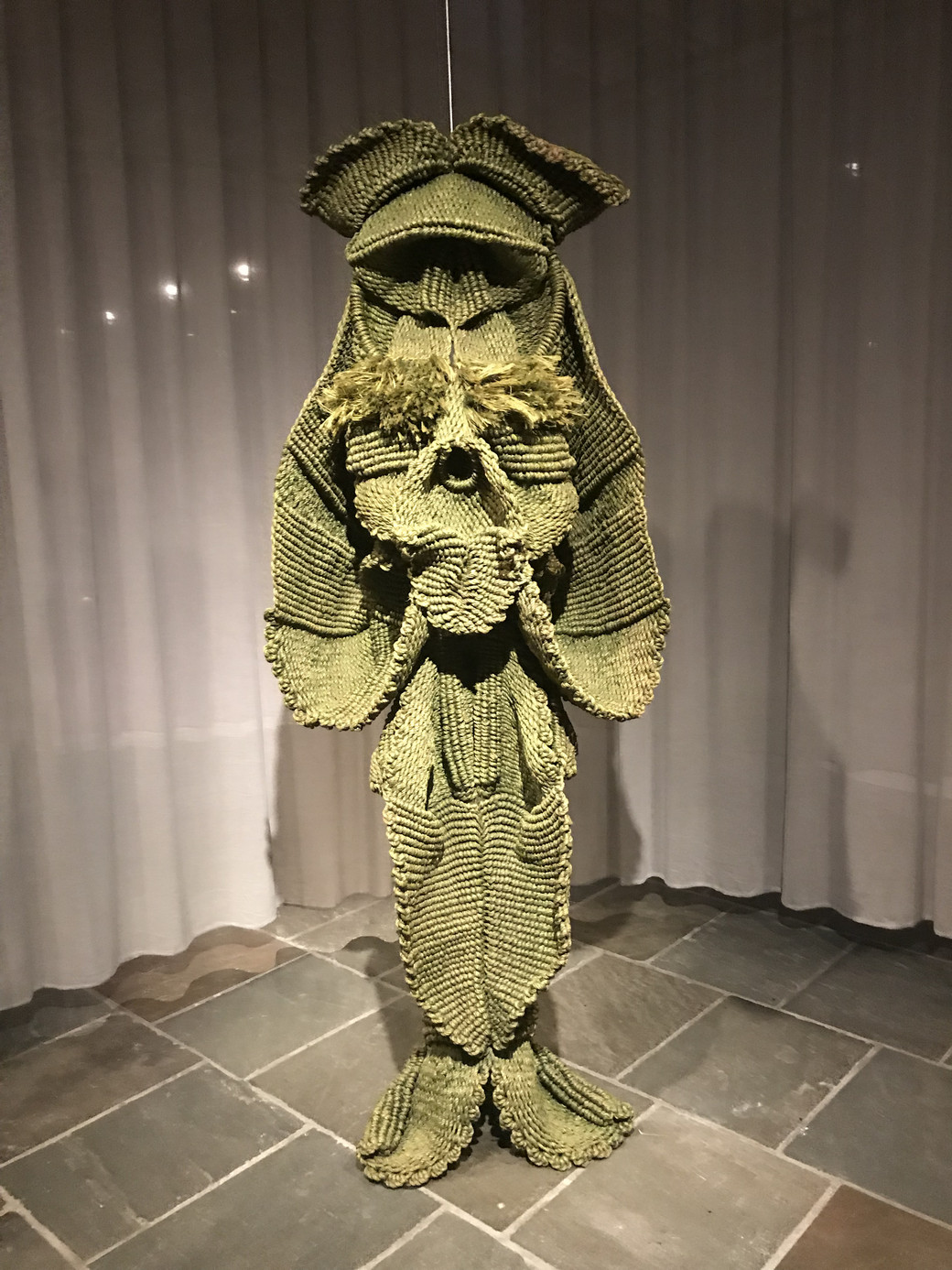
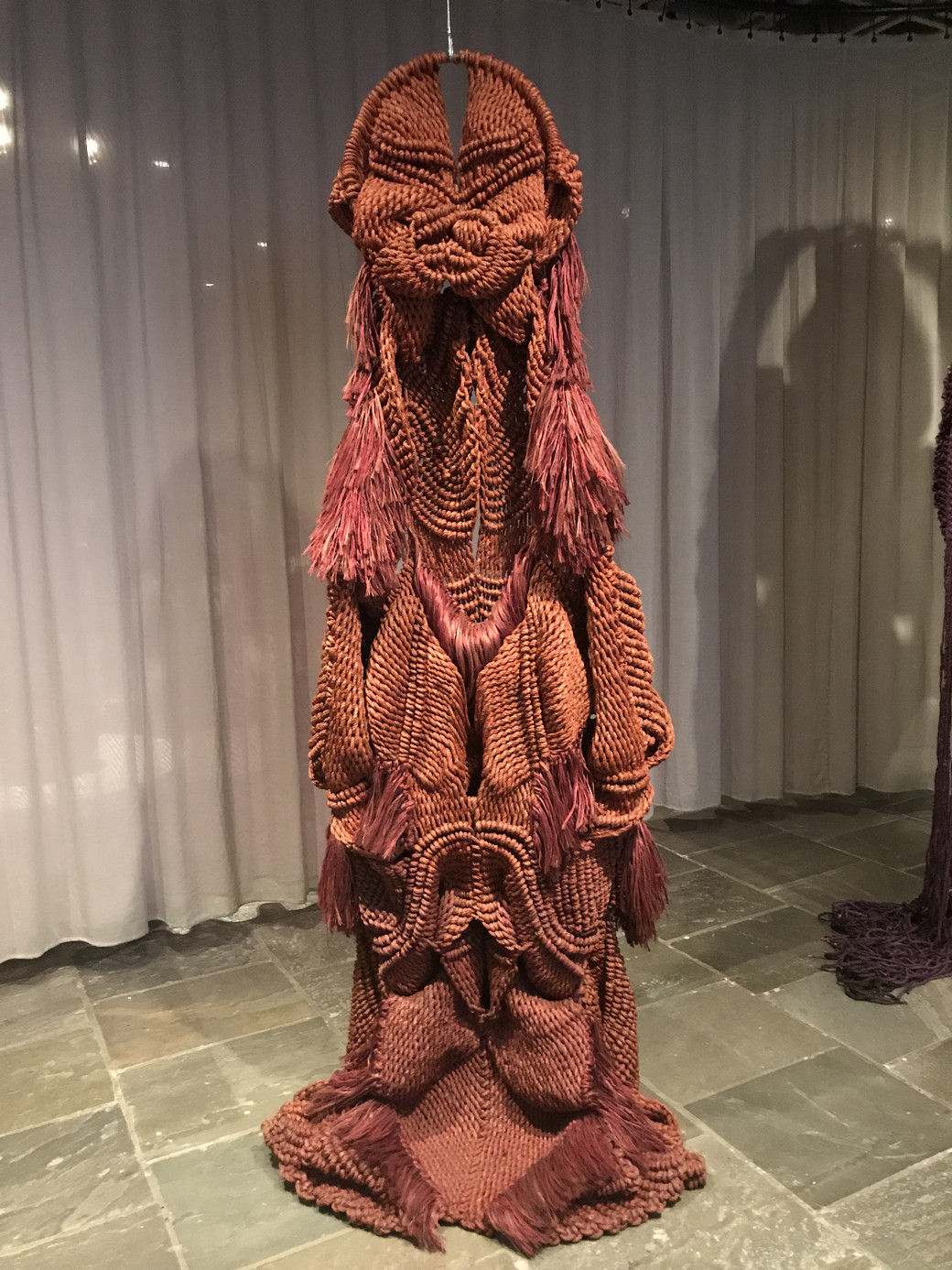
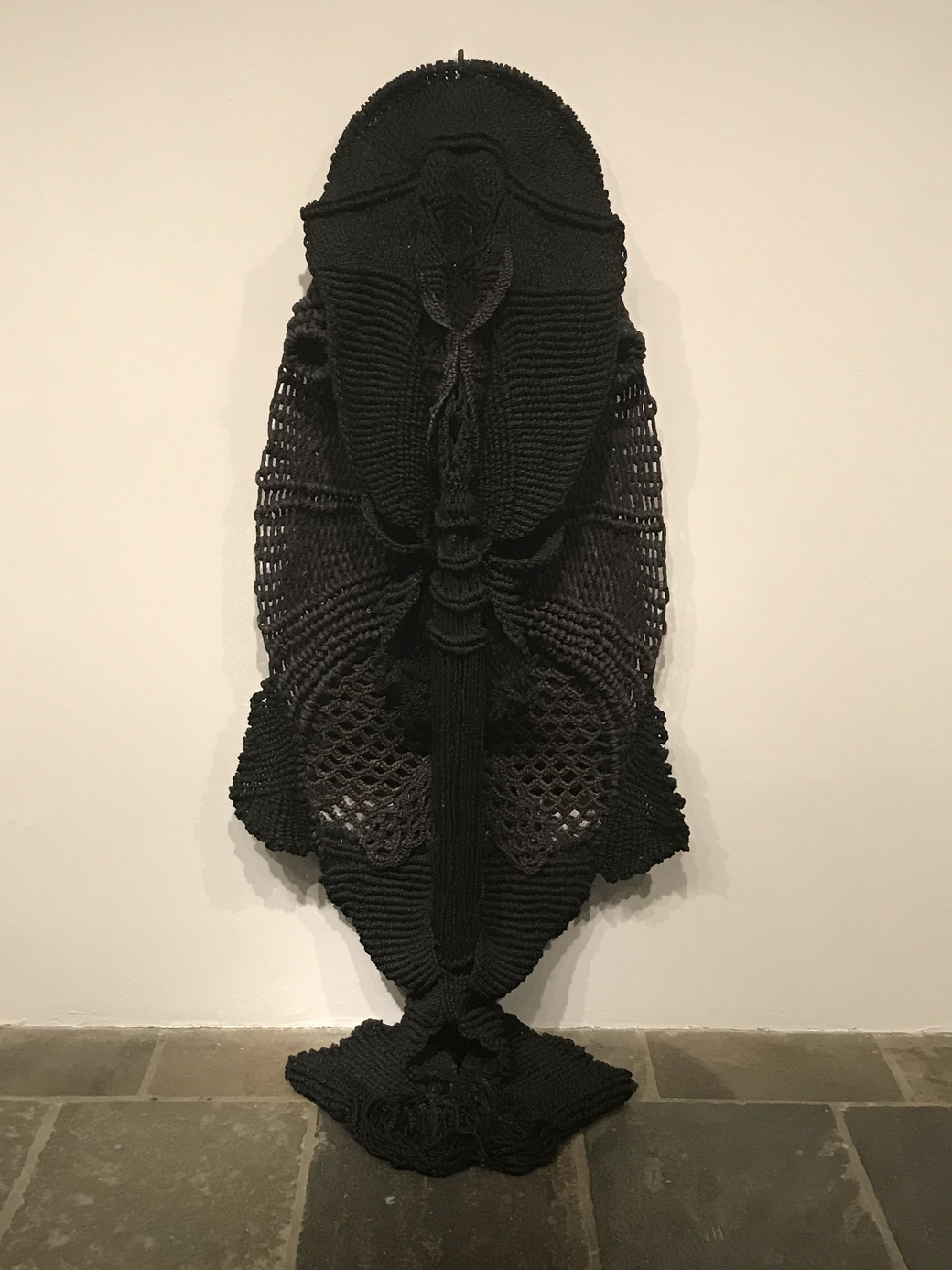
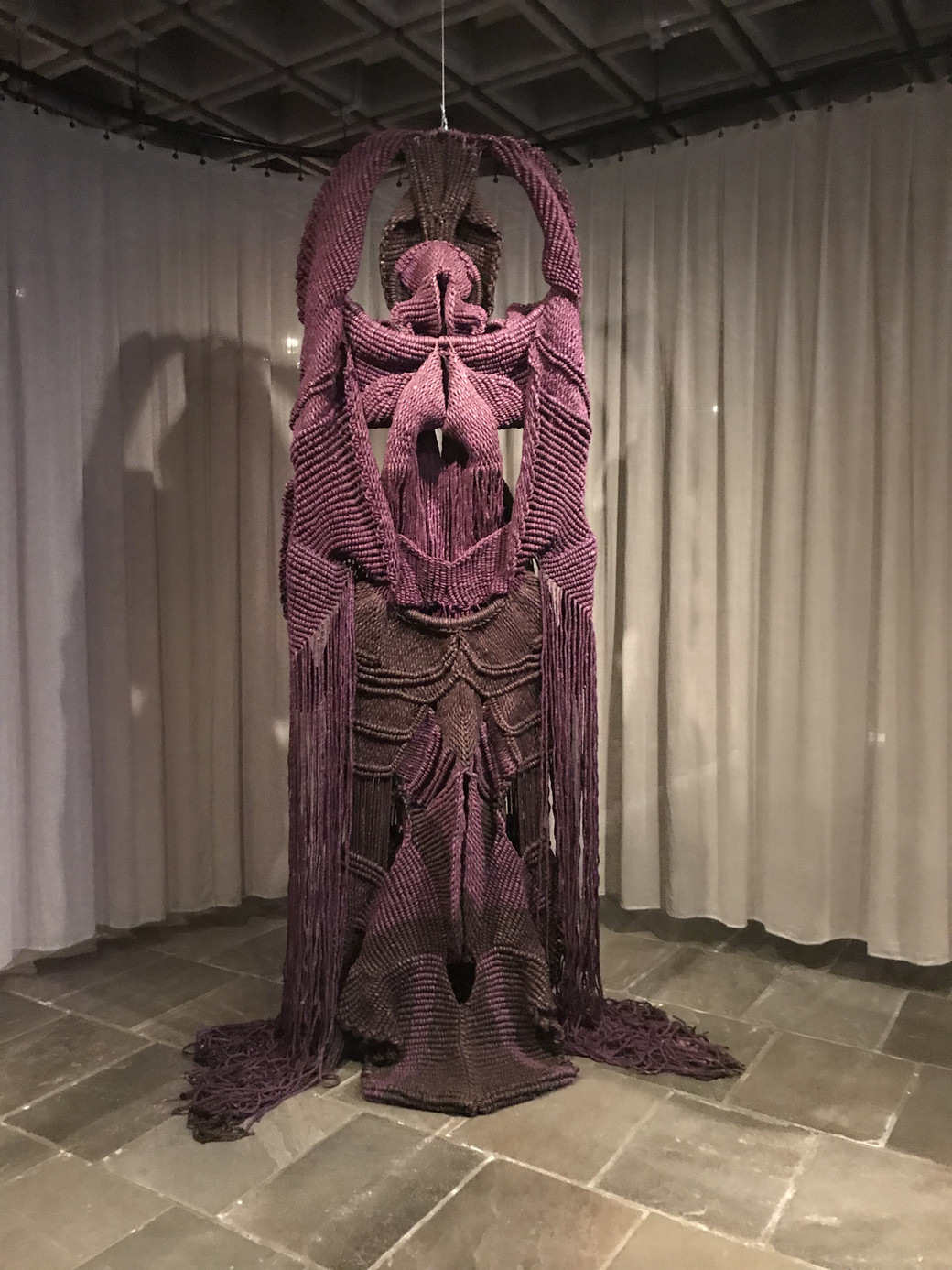
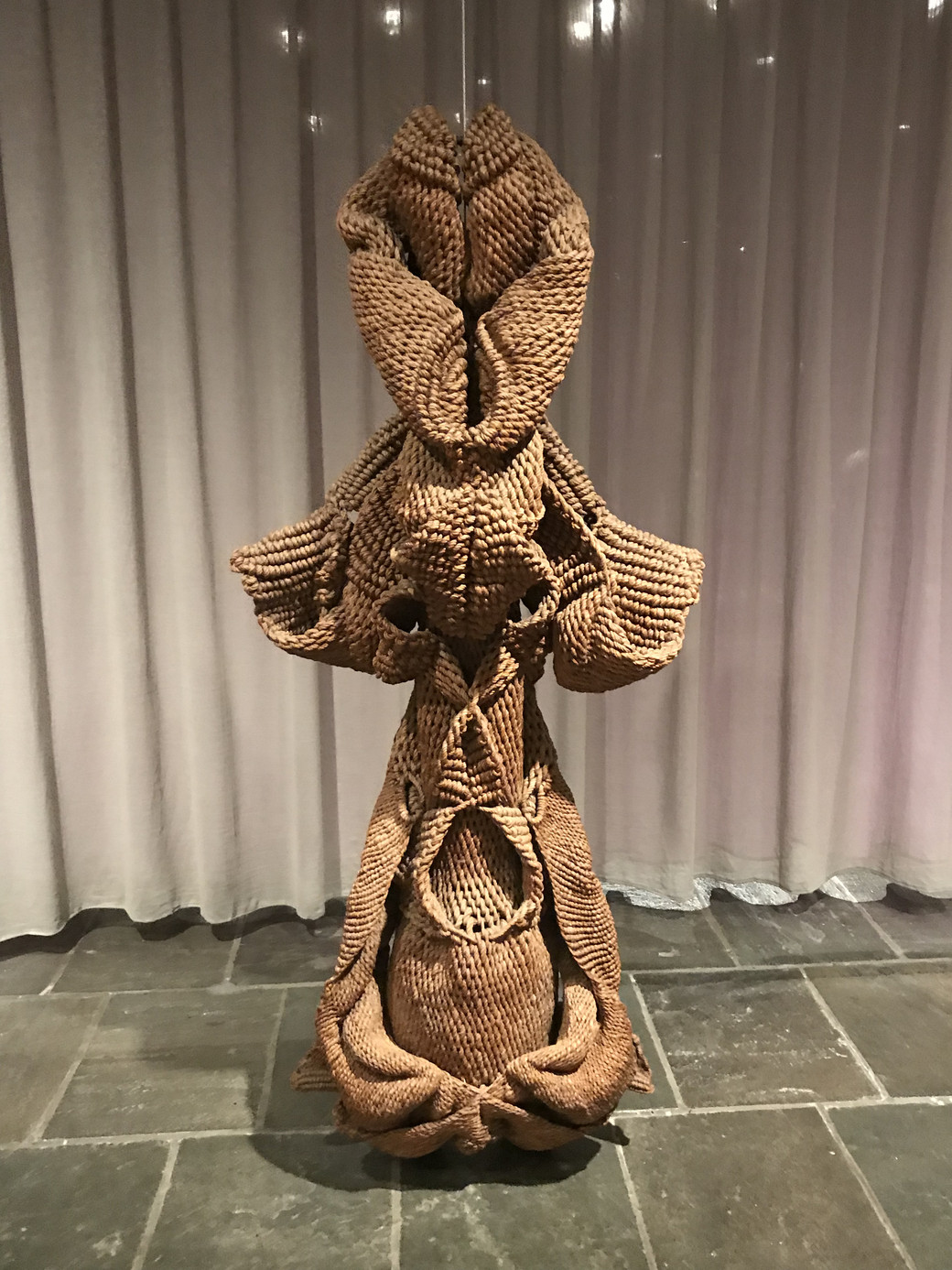
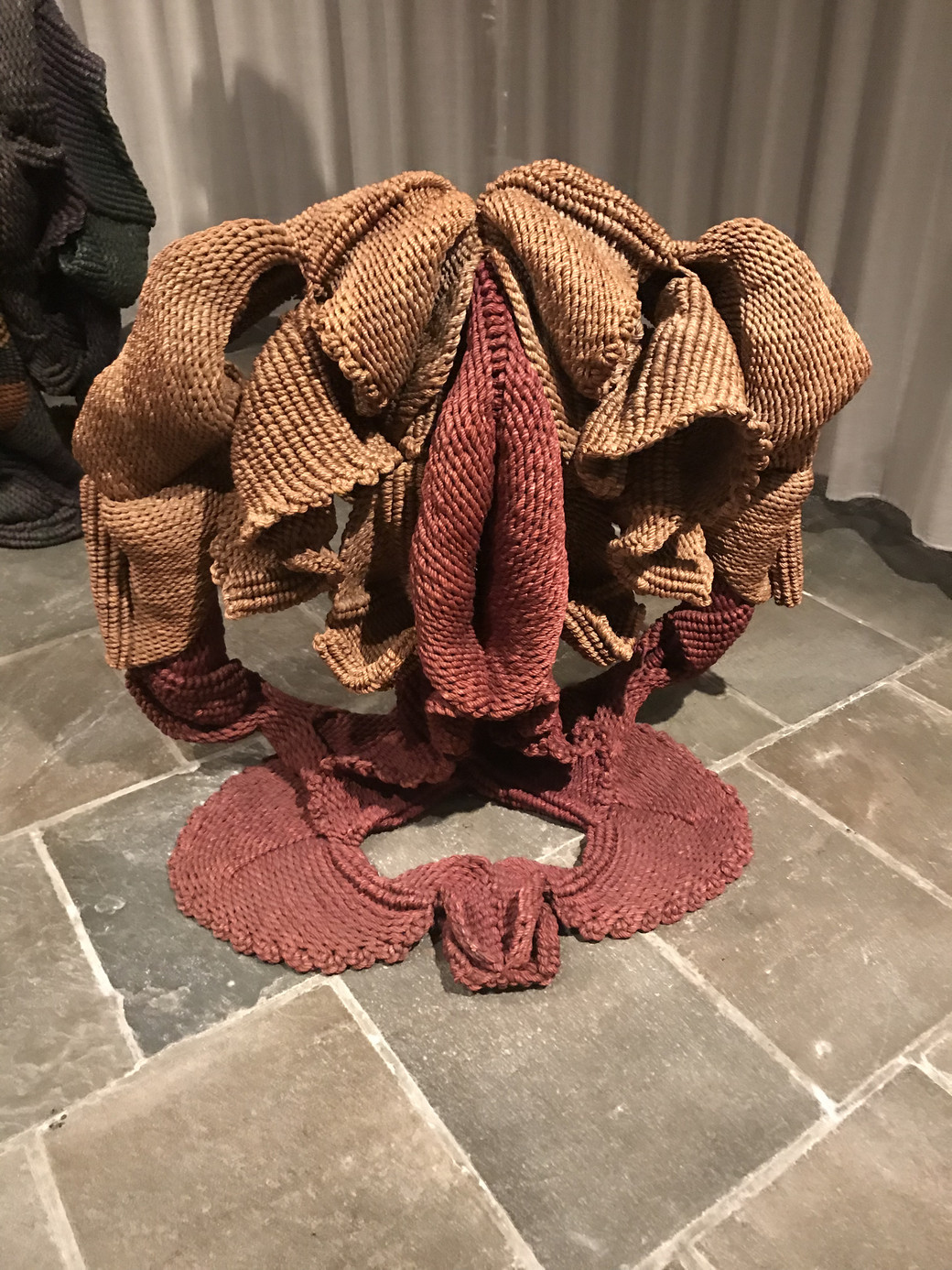
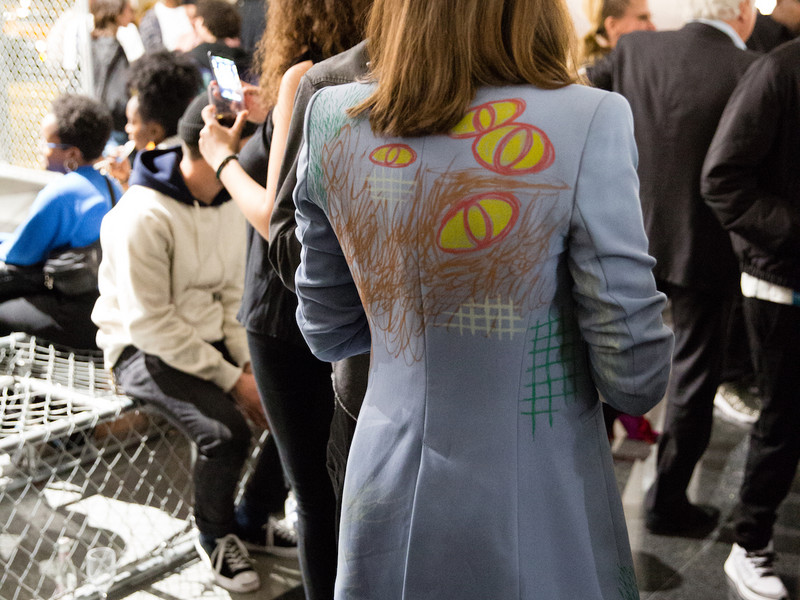
"Phenomenal Nature: Mrinalini Mukherjee" is on view at the Met Breuer through September 29th, 2019.
"Phenomenal Nature: Mrinalini Mukherjee" is on view at the Met Breuer through September 29th, 2019.

There are the pieces Libeskind knits together in her postmodern bricolage — archival photos are flexible as silkscreens. Warped by the fabric, famous faces stare at the viewer — and what can one do but stare back? Libeskind wants you to look. Despite the serious, personal and political nature of many of these works, they can also be shockingly humorous. She tells me I’m allowed to laugh.
A recent installation and performance called “The Day The Father Died,” curated by Mitra Khorasheh at tANJA gRUNERT highlights Libeskind’s flexibility. She deftly weaves together her practices, people mill about inspecting the paintings and projections on the wall, anticipating the performance to come.
When the time comes, Libeskind’s bare feet slap on concrete as she explains the Soviet Union over a recording of theatrical sobbing. She asks the crowd, “Why would authoritarian rulers love to use the idea of crying little girls? I have no idea.”


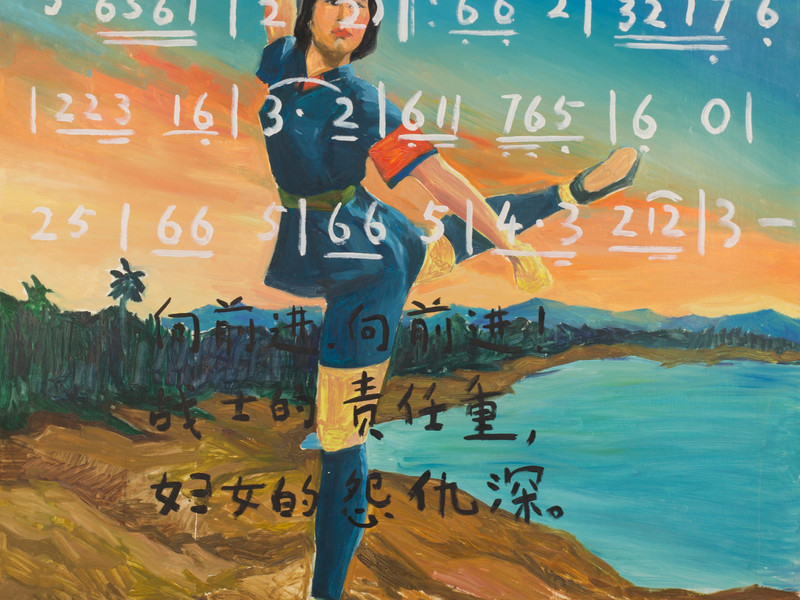
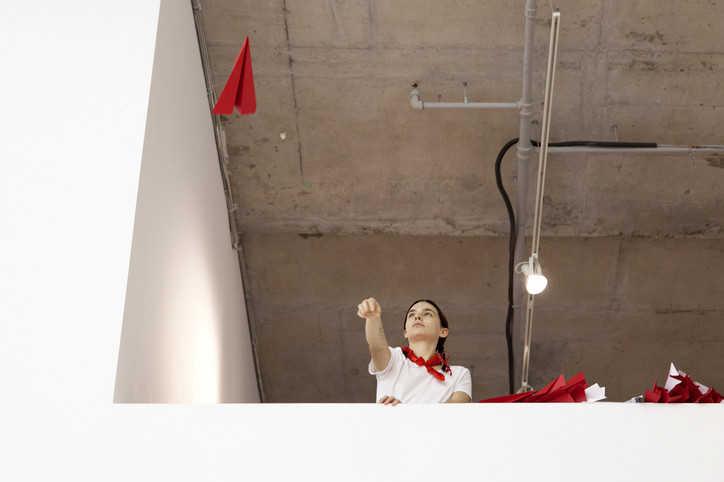
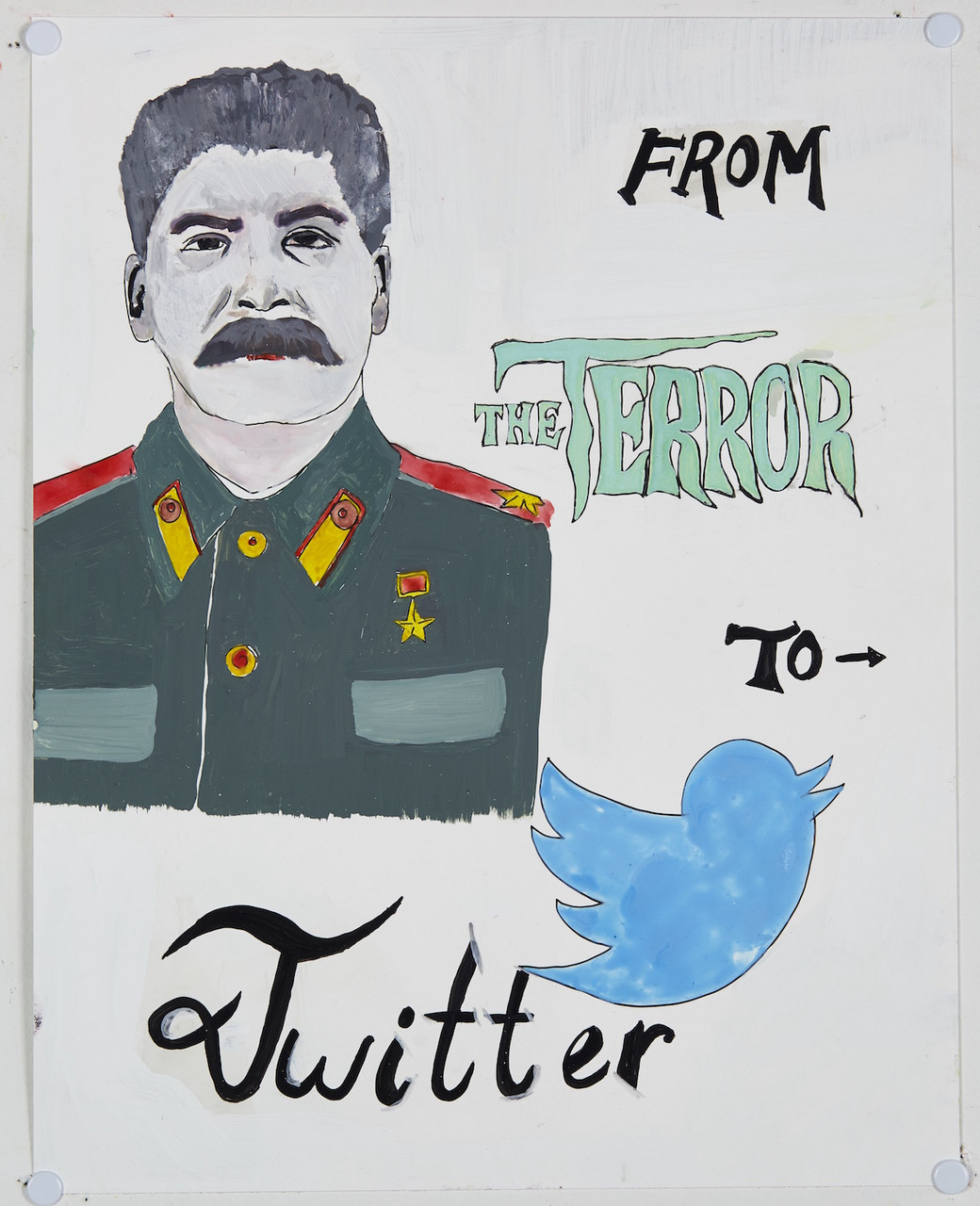
But then she goes on to explain, she does indeed have an idea. She has surrounded herself with an idea of these girls, dressed in neat white tennis skirts and red scarves, thin shapely legs marching about, performing acts of grief in braided pigtails. One plays the violin, one cleans the floor with a tangle of mops, one drops rose petals down an aisle, one makes paper airplanes and throws them from the top of the stairs, one brushes the top of my head with a sheaf of golden wheat, all while the artist herself throws bottles of ink at portraits of Stalin pinned to the clean white walls. Where factories once mass-produced posters like this, Libeskind has made these herself. The act is an homage to her grandmother, a Holocaust survivor, and her very real act of defiance against tyranny.

Do you feel a responsibility to be political in art? Does it add to the sense of urgency to produce?
To be an artist in a capitalist world is an implicitly radical act, which inherently rejects the societal categorization that capitalism rests upon. Personally, it is not my imperative to always make work which is overtly political. The politics of my existence and the topics I choose to investigate are in many ways political enough. To make work that asks people to look at the world they inhabit, or the history they represent, is political. I feel a sense of urgency to produce work that really shakes people out of their comfortable positions in society.


You mentioned the way painting is in a different realm outside other forms of art, why do you choose to engage with both painting and these other mediums? What was the process of learning these different methods of creating, how much was taught in school vs figured out along the way?
Of all of the mediums I use, painting is the only one I "learned" in school. I choose to engage with all the mediums I can because I don't want to limit myself. New mediums mean new techniques, which means new ways of conveying new ideas. My work is informed by the many mediums I like to play around with. To me, providing viewers with different forms that all speak to a single topic is a way to access more people, and more parts of them. Video is a fluid, familiar language we all now speak and understand. Video gives the viewer an immediate entrance into my visual world, and (hopefully) serves as a key for people to look back to when they feel confused or perhaps lost in my strange world they have entered. The paintings serve a similar purpose, paintings themselves are windows into another world — whether you are a well-versed consumer of art, or someone with little exposure to contemporary work, paintings are accessible as a form and give viewers a negotiating ground to examine some of the signs and symbols in the greater work.


What led to you to engage with performance art? When I think of performance art, I tend to picture this feminine/feminist trajectory, with artists like Marina Abramovic, Laurie Anderson and Carolee Schneemann. How much do you think you align/depart from this tradition?
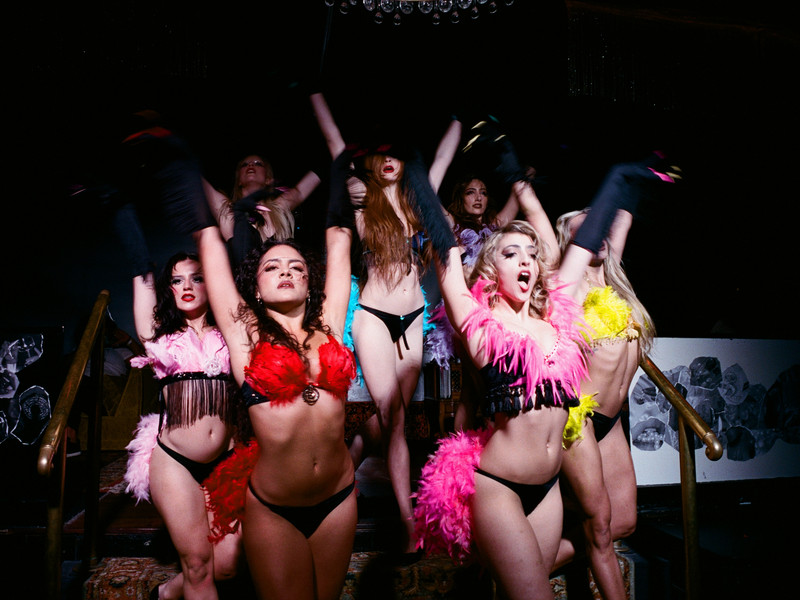
Performing has an immediacy for the artist that no other form offers. It is flexible and immediate and strange, and forces the artist performing to confront their own selves as makers and as narrators for a larger story. Performing for me also gives me another vehicle to share my ideas — another context to explore how people react or feel about different topics, visual cues and symbols. Women are always performing in society. To be "a woman" is not a biological distinction, but rather a performative one. The way we are conditioned to dress, to smile, to cover our mouths when we laugh too hard, to walk, to strut, to bat our eyelashes, to kneel, to be modest, to be sexy, to be desirable, to be easy-going, and so on and so forth. Our lives as women are full of a constant, shifting performance. I think that is why women show up as performance artists, ready to go, having trained their entire lives in the performance of self.
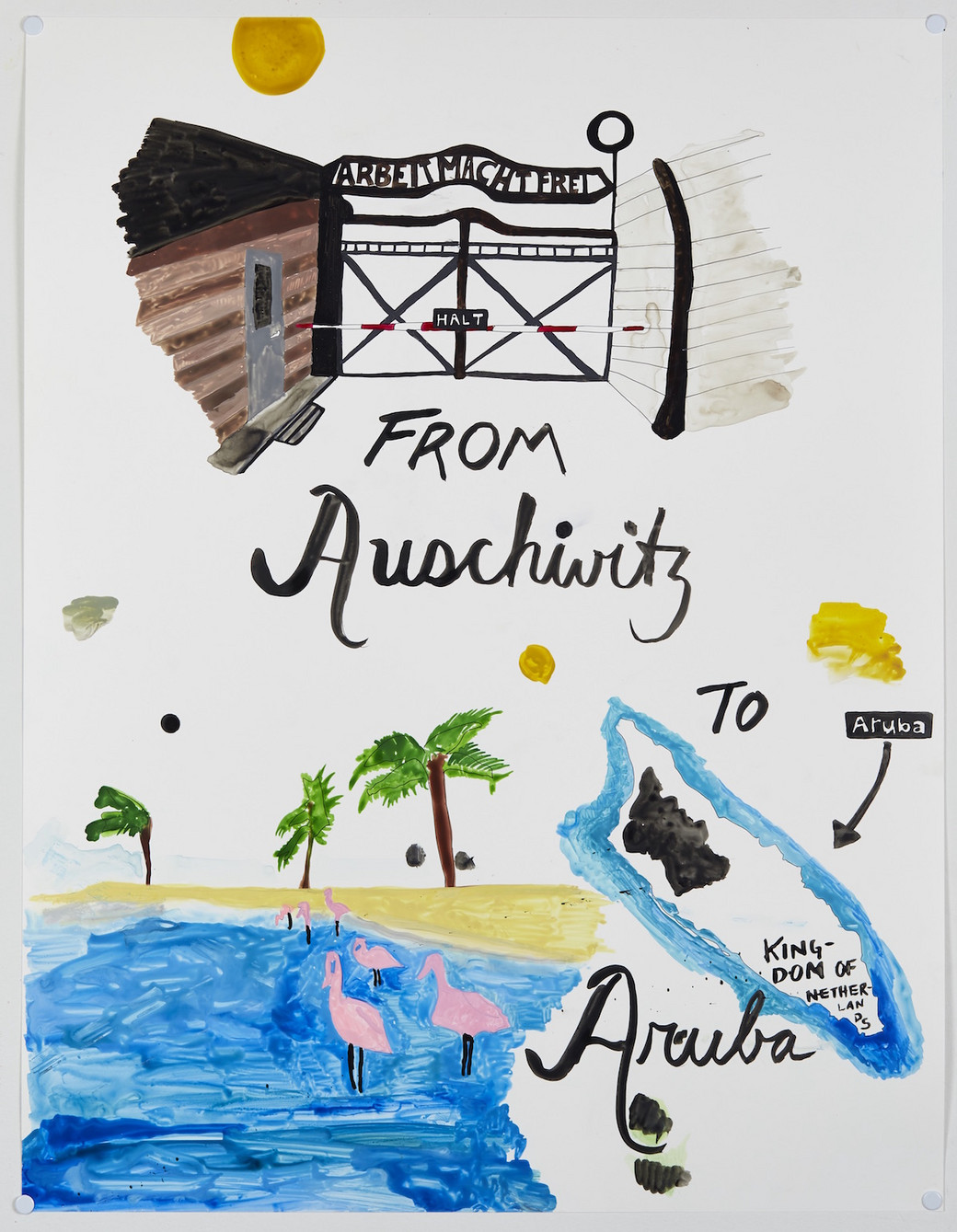
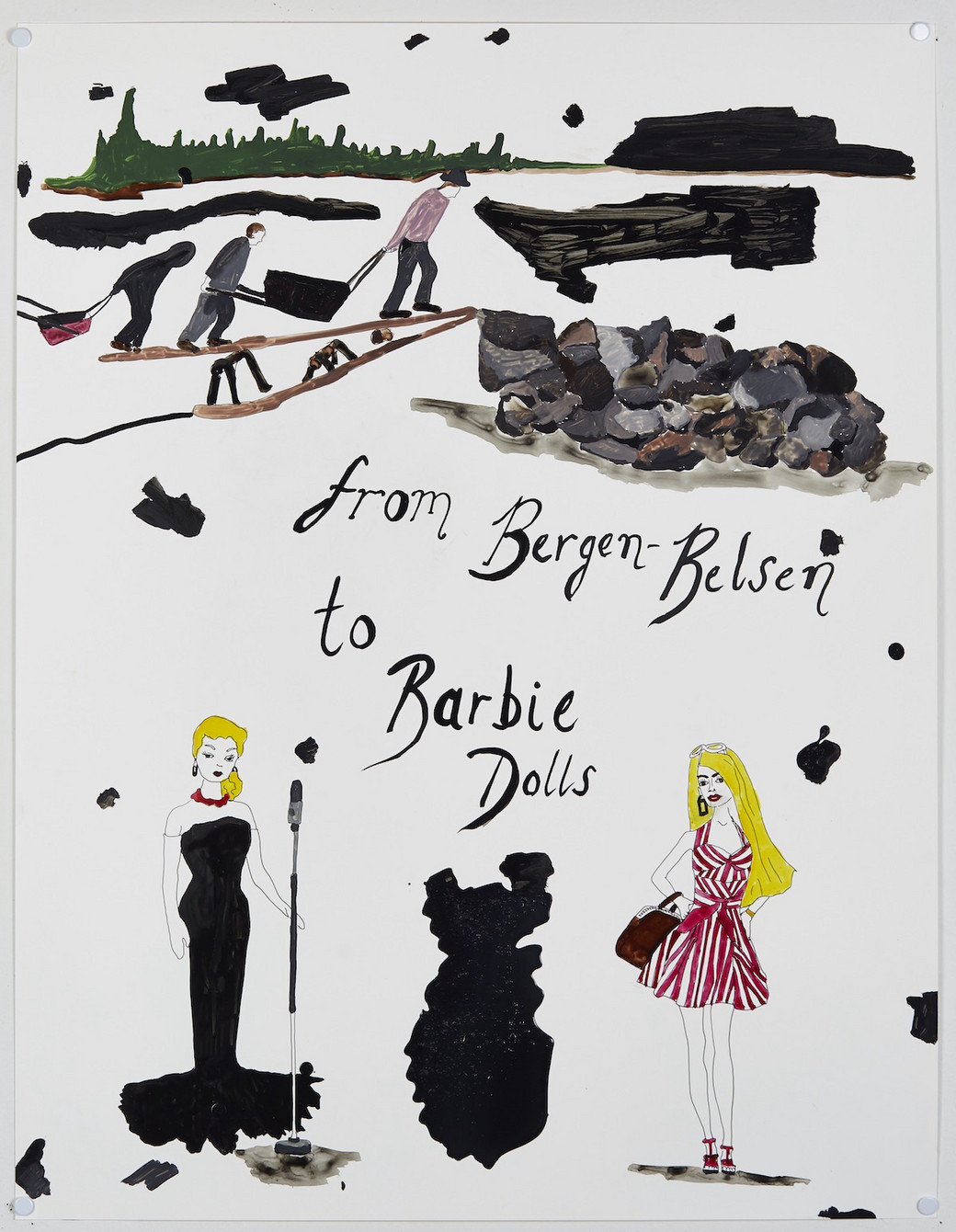
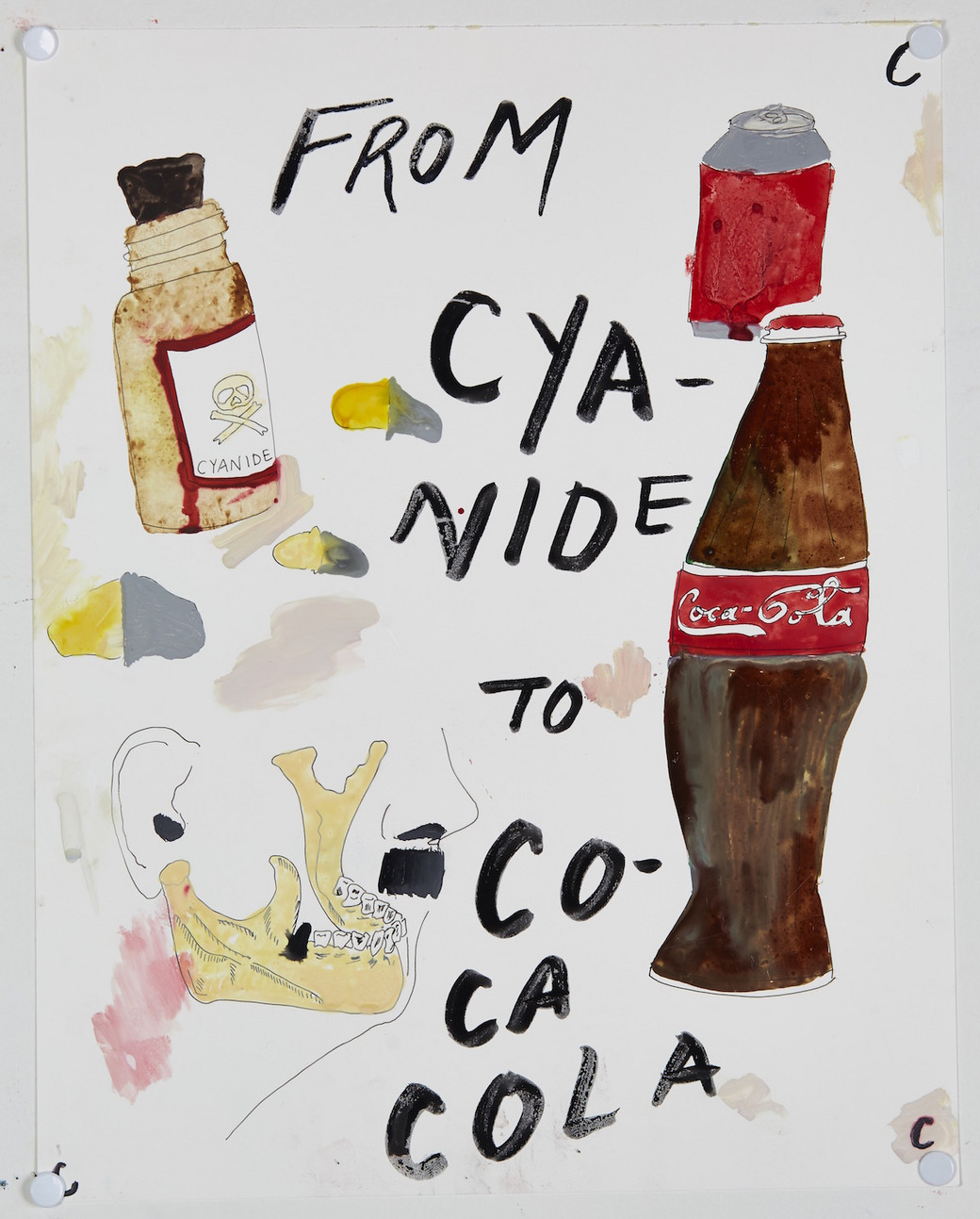
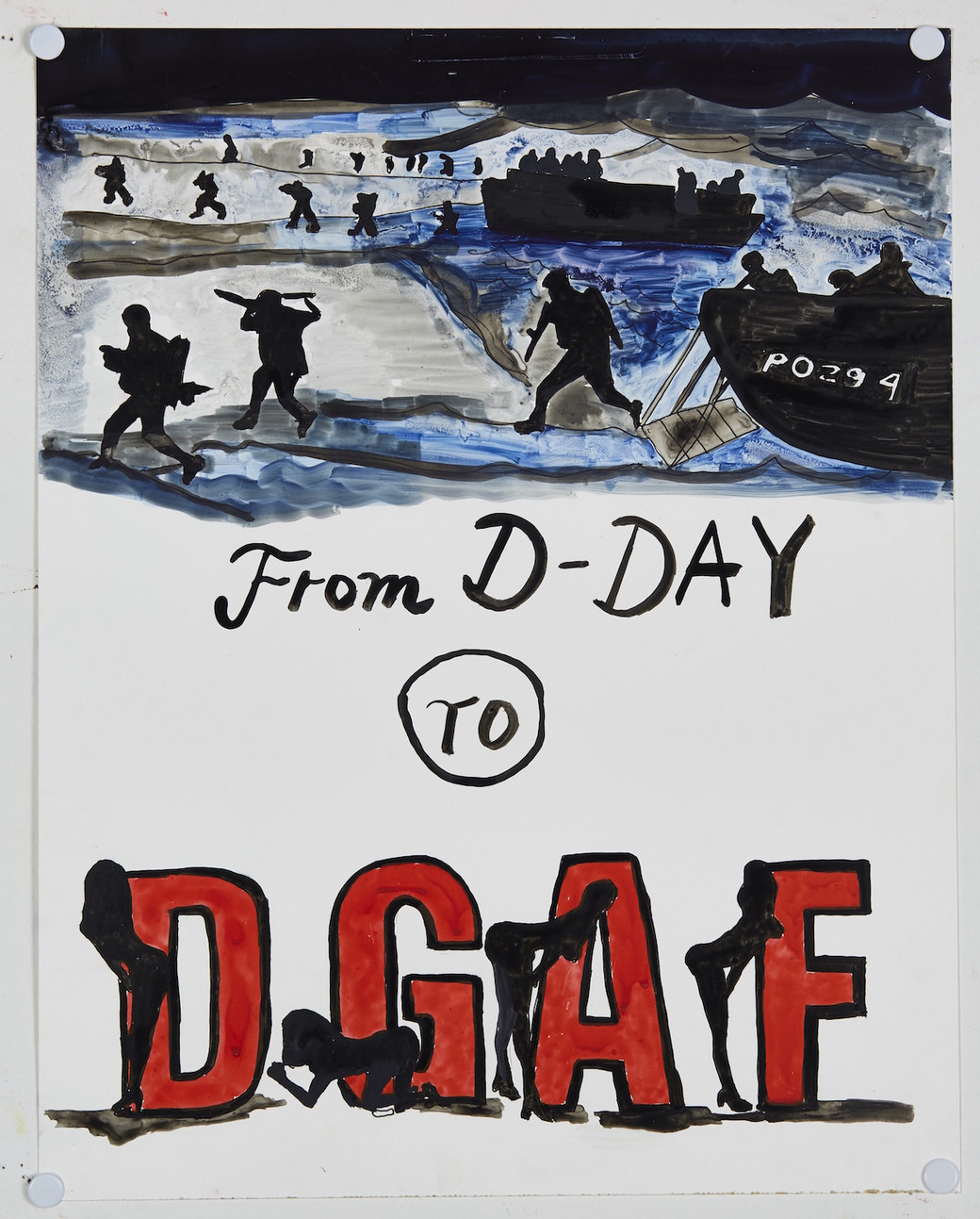
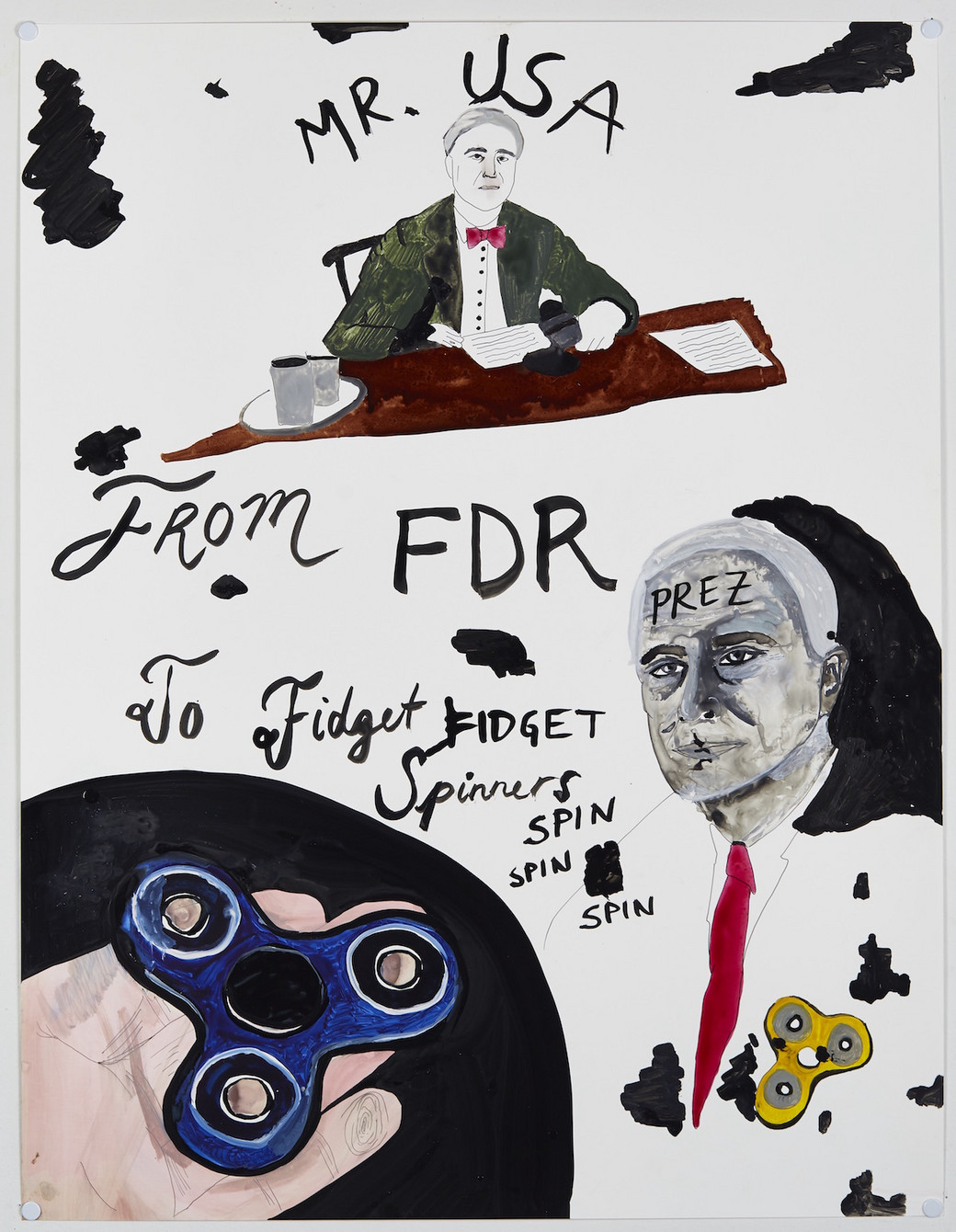
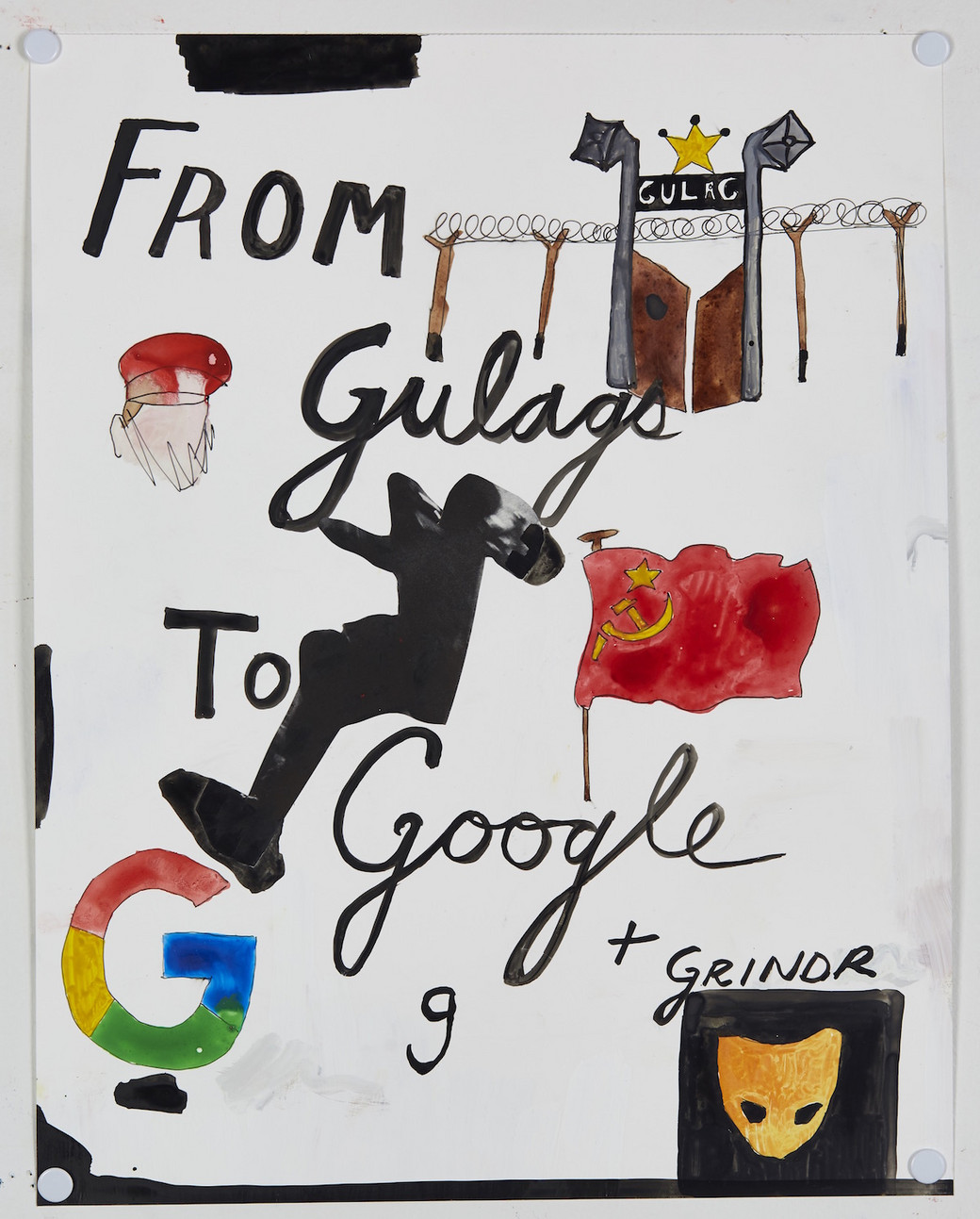
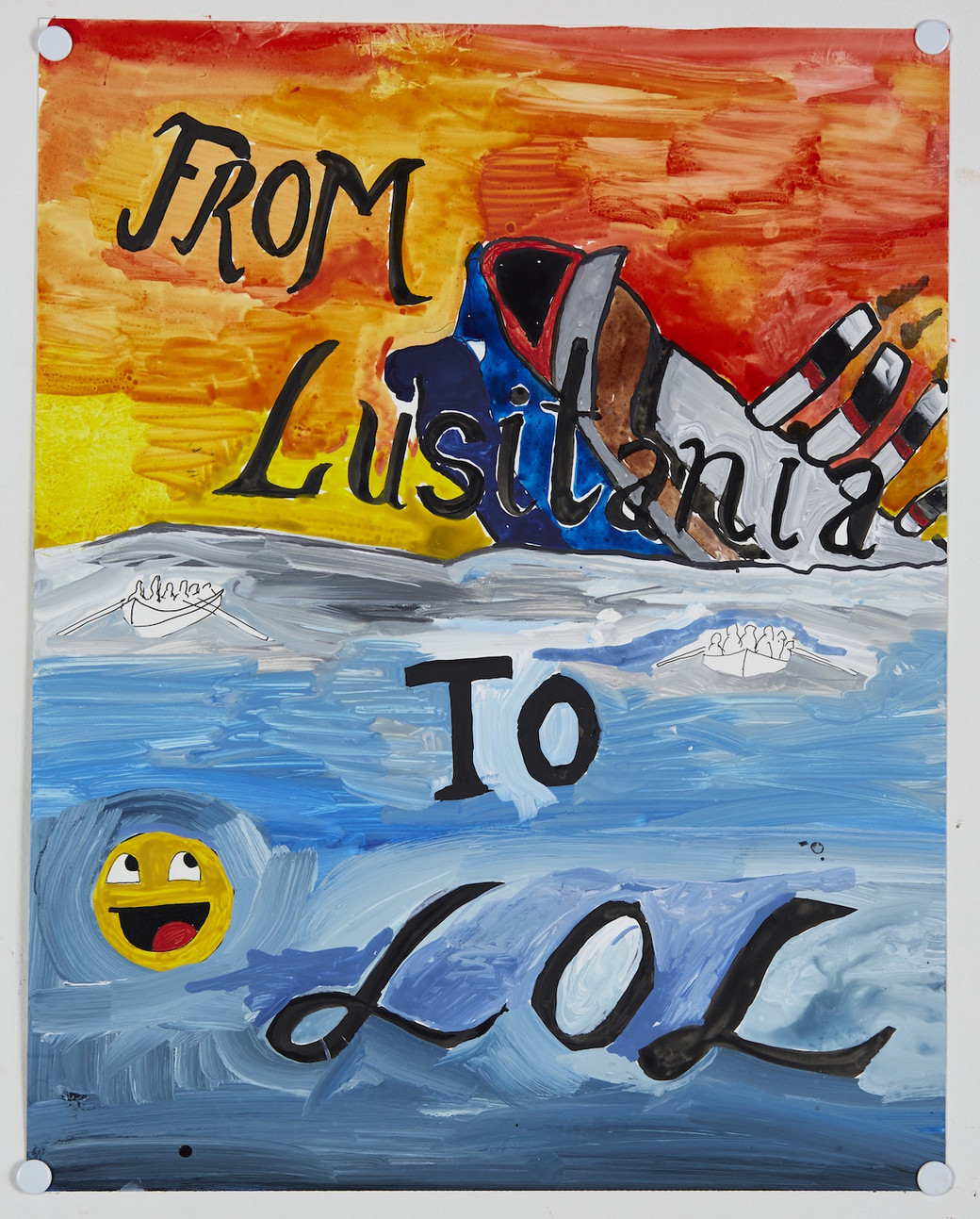
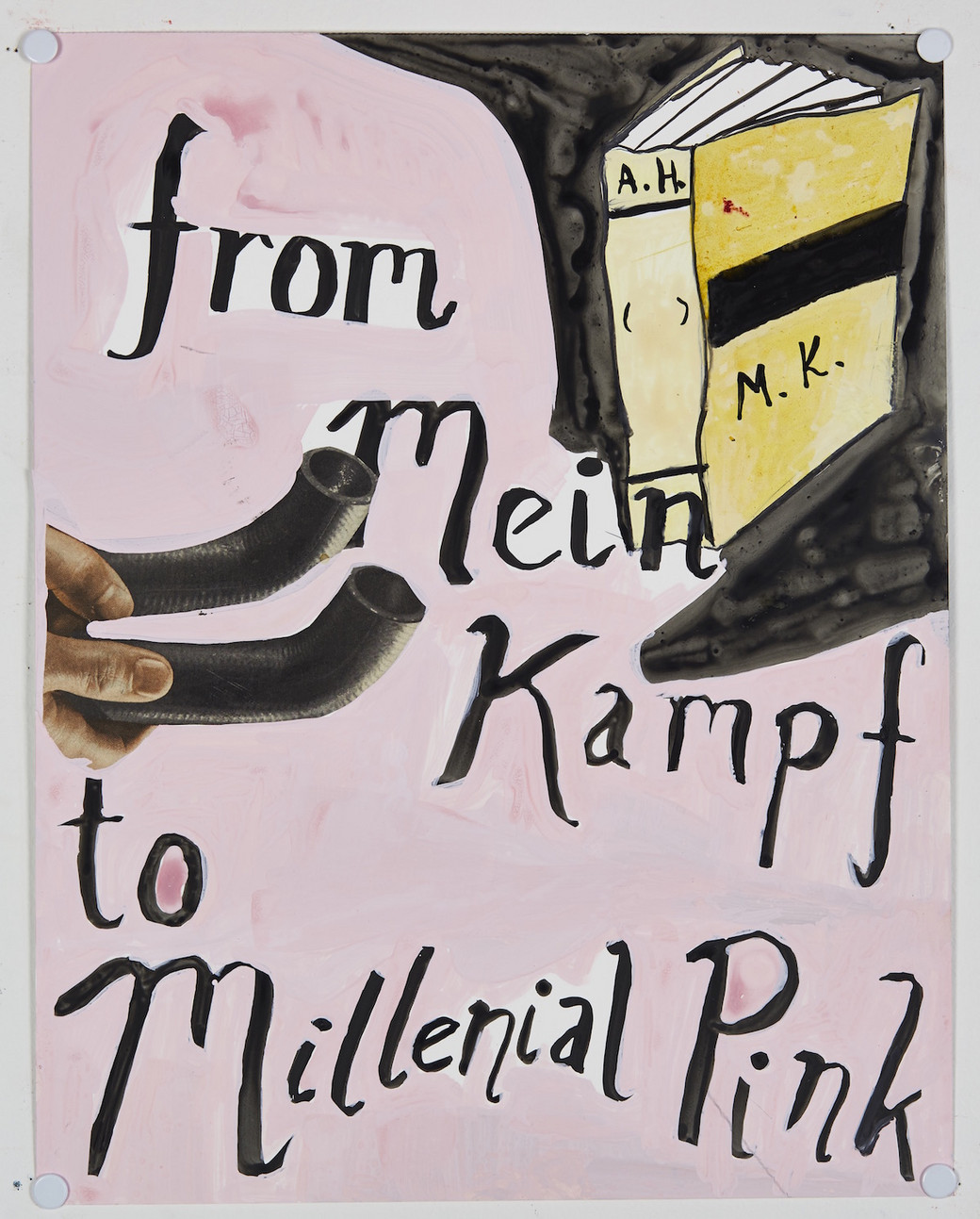
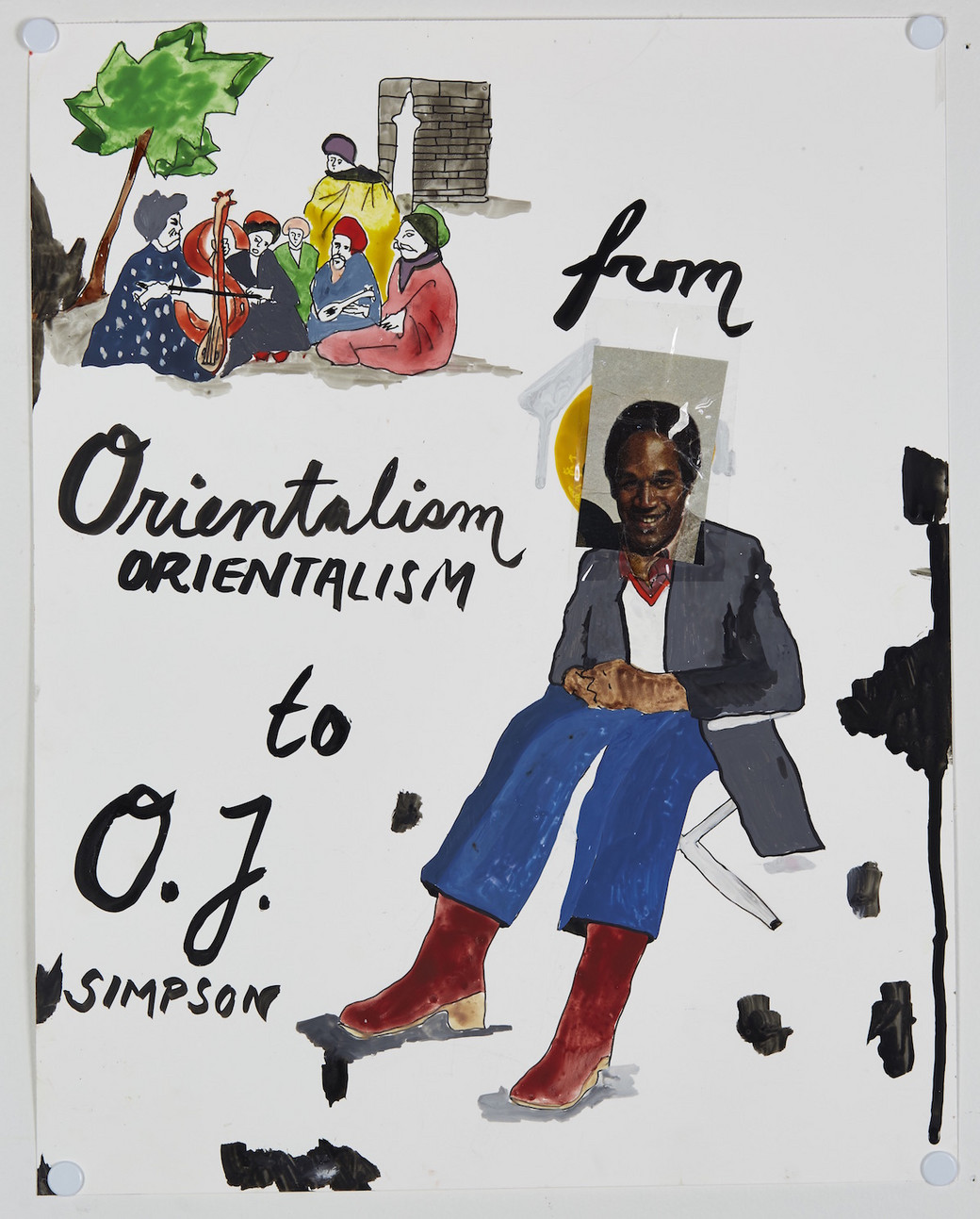
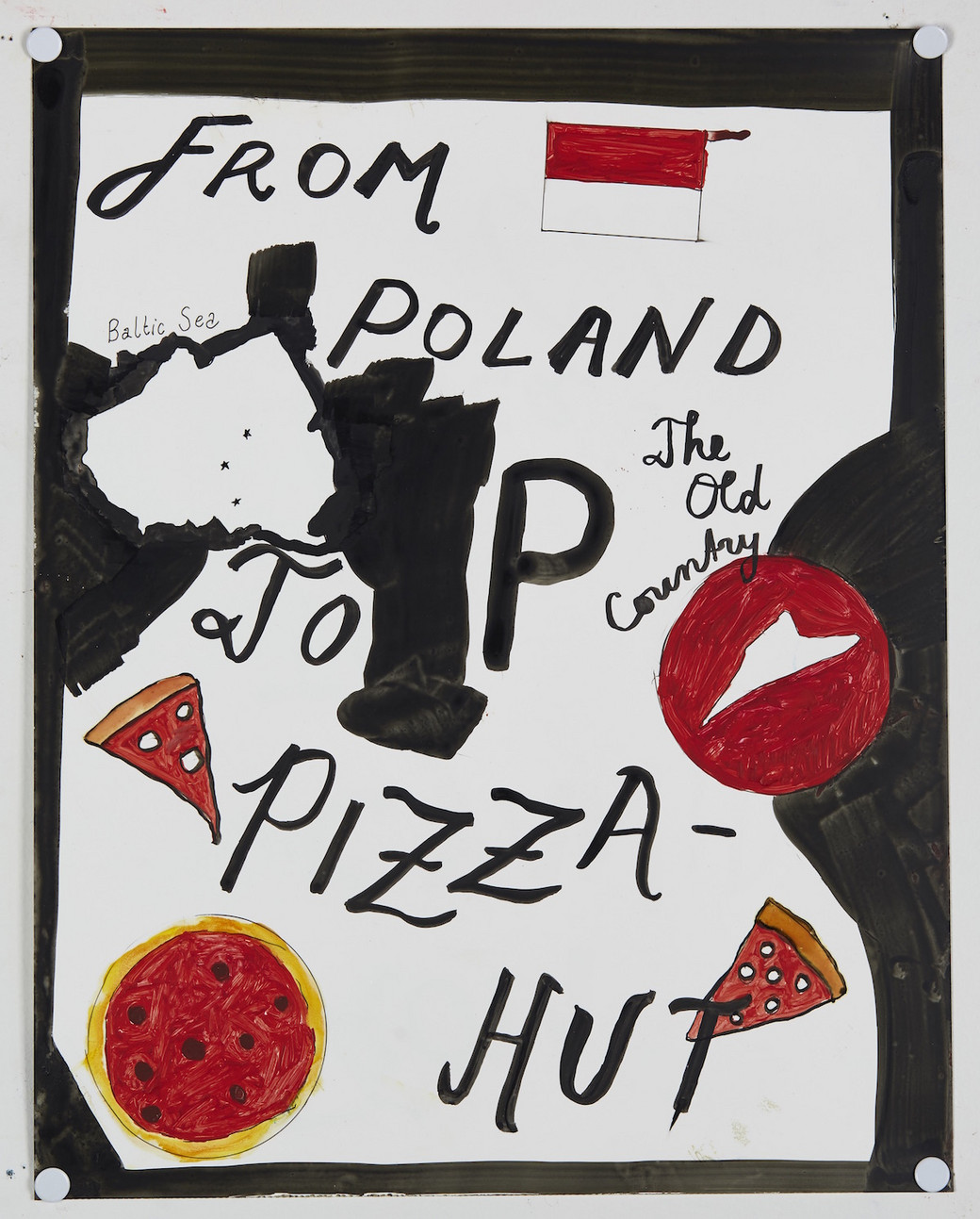
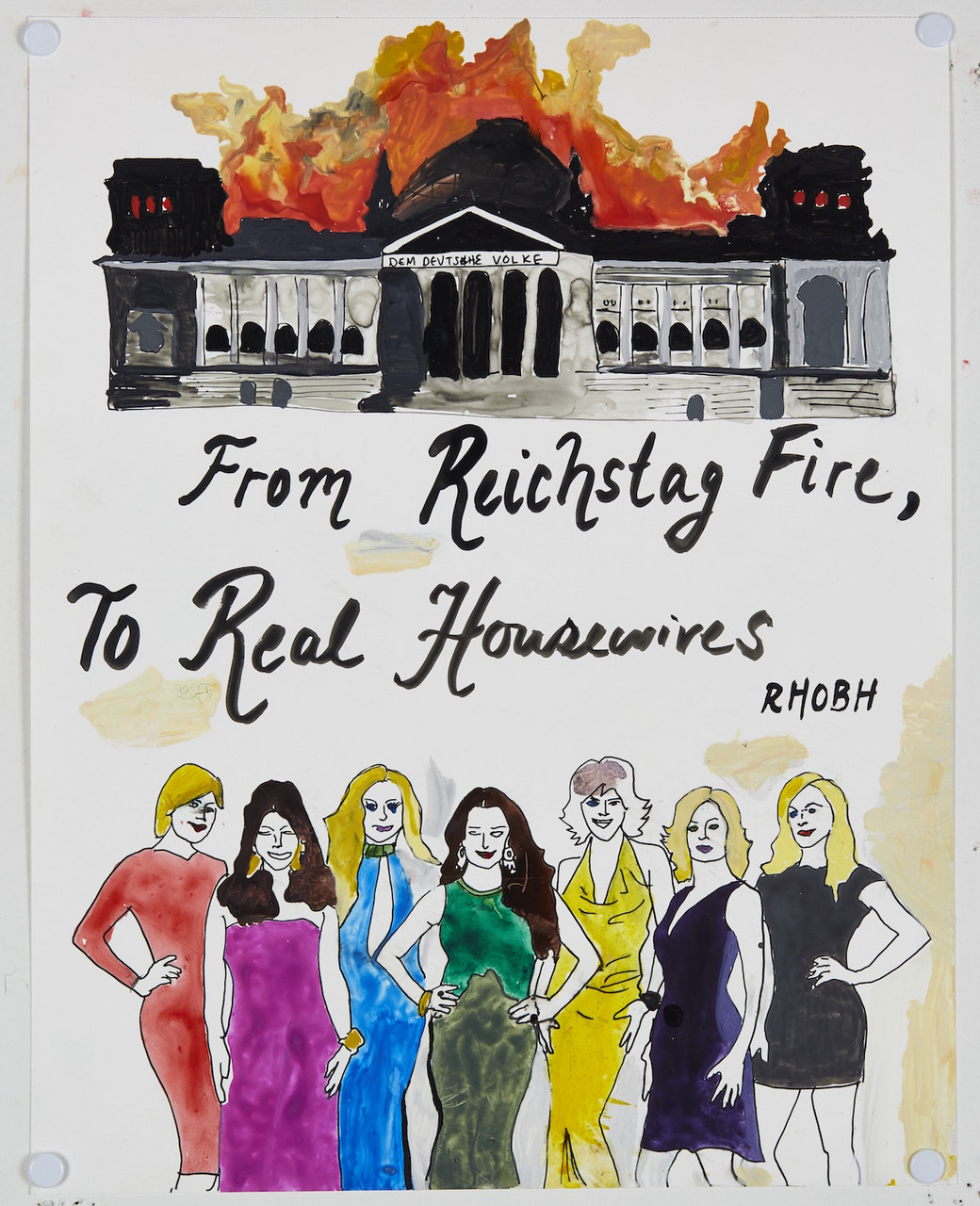
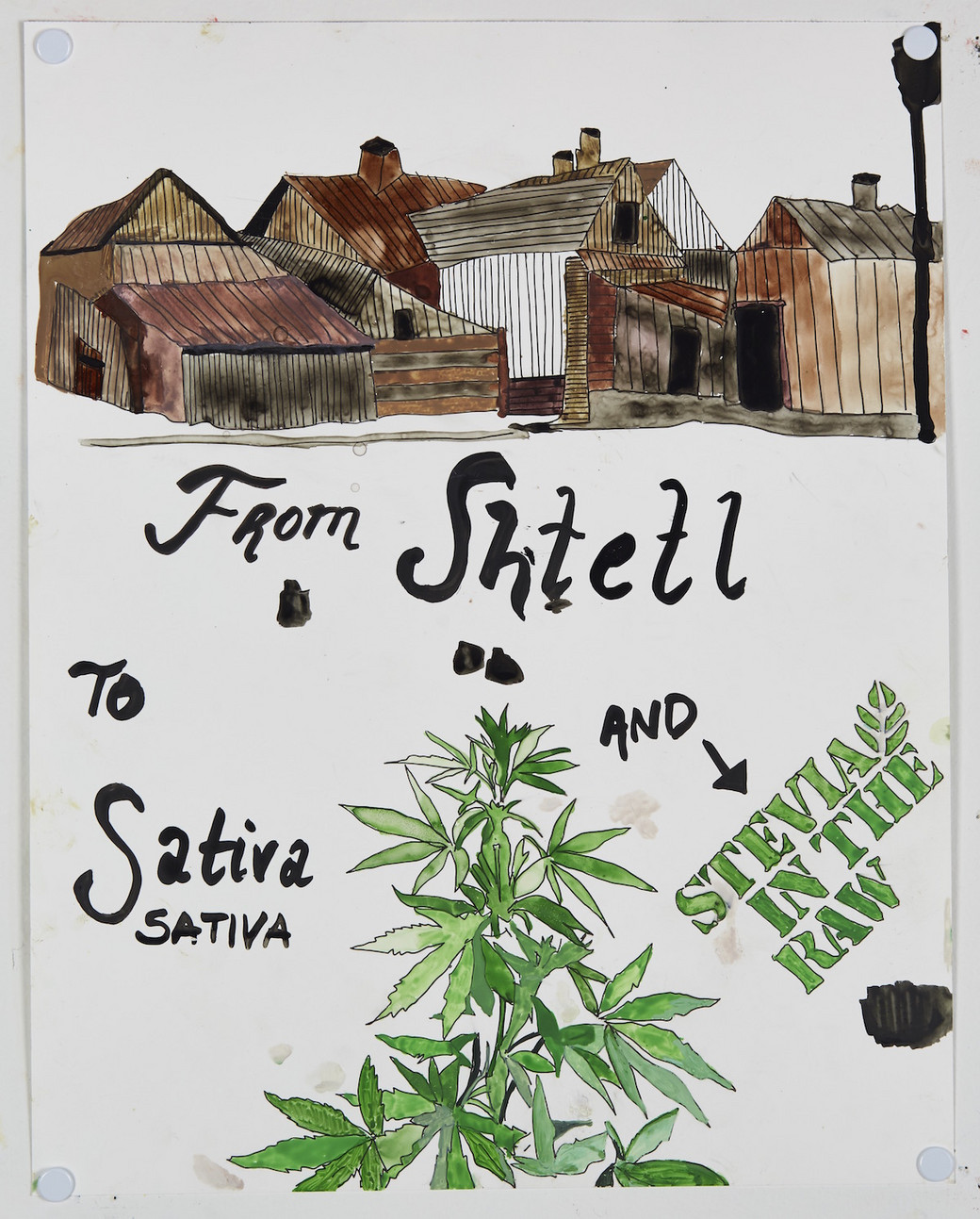
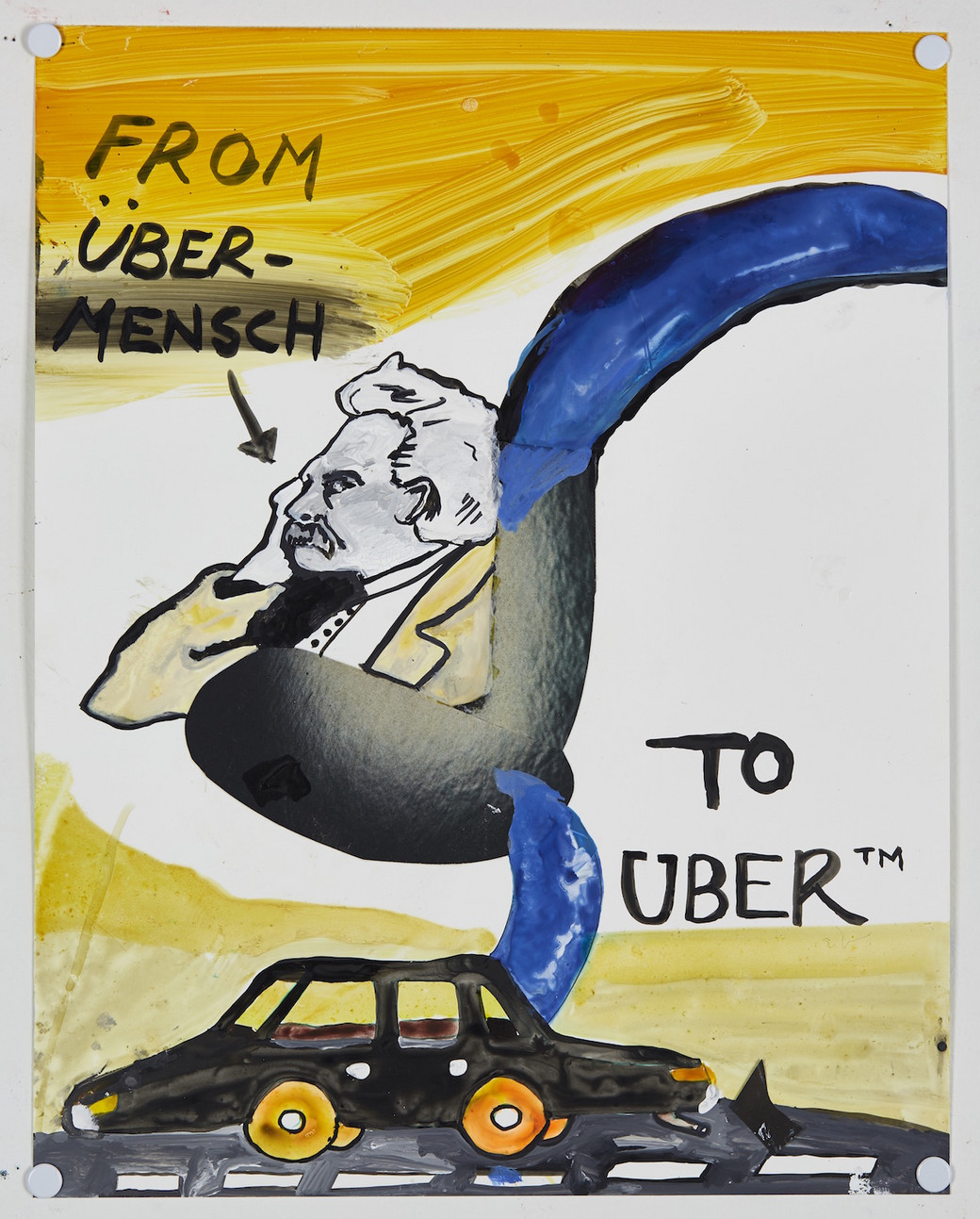
Check out some more of Rachel's recent work, from her show at NYC's New Release Gallery in October 2017, below.





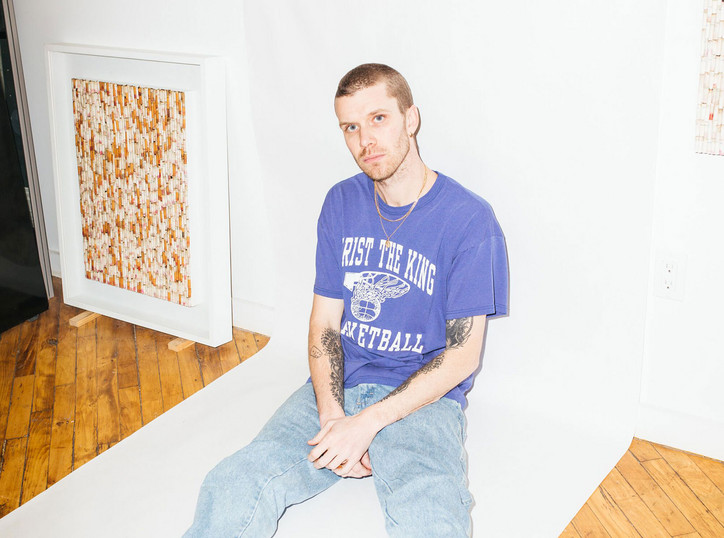
And what’s the connection to basketball? The focus seems to be elemental: air informs both objects. The inflation of a basketball activates its primordial purpose, breathes this object of play, of joy and movement, into life. Air made deliciously toxic by the fire of tobacco brings a darker kind of joy, one connected to self-destruction, consumption, death.
Things meant for destruction always tell such curious tales, and it is these things and their tales that find beguiling articulation in Winston’s debut show at Ed. Varie.


If you had to choose one, which would it be: basketball or cigarettes?
Cigarettes, without them I probably wouldn’t be working with basketballs.
How did you begin incorporating found objects? How did you choose which ones to use?
I didn’t have money for art supplies so I’d go around the streets and collect used/discarded paper for collages. Gradually, I began working with cigarettes, dice, colored trash, aquariums, basketballs, etc.


I get the sense that you like to wander. What’s something fun you’ve come across? Any specific locales that are good for aimlessness? - either in New York or elsewhere?
I wander all of the time. There isn’t one item in particular that stands out as a fun find. I get stoked when I find a patch of cigs with lipstick or a deflated basketball. It’s the accumulation of all of the pieces that matters to me. I like industrial areas in Bushwick or in Manhattan that are kind of remote. Trash seems to sit around longer out there. I also love/hate waking up super early and collecting cigarettes in front of bars. It allows me to see the city through a different lens.
Where do you picture your artwork hanging, and what do you imagine people’s reaction to it would be outside a gallery?
I picture the work hanging in galleries, museums, people’s homes. No matter where the work is people have a range of reactions — some see beauty, others history, some see themselves, some are sad, happy, angry. I’m not aiming for a specific reaction — I want my work to create dialogue.

Garbage has a major presence in art. Why?
It has embedded history in it, other people’s lives were involved in the work that have nothing to do with the artist.
Do you smoke?
Not anymore.
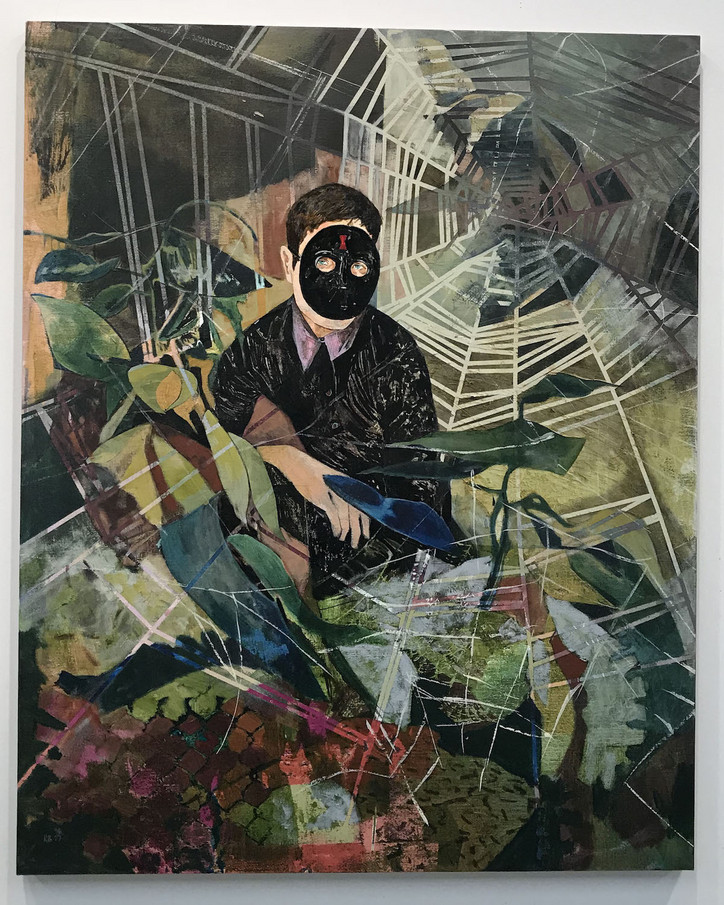
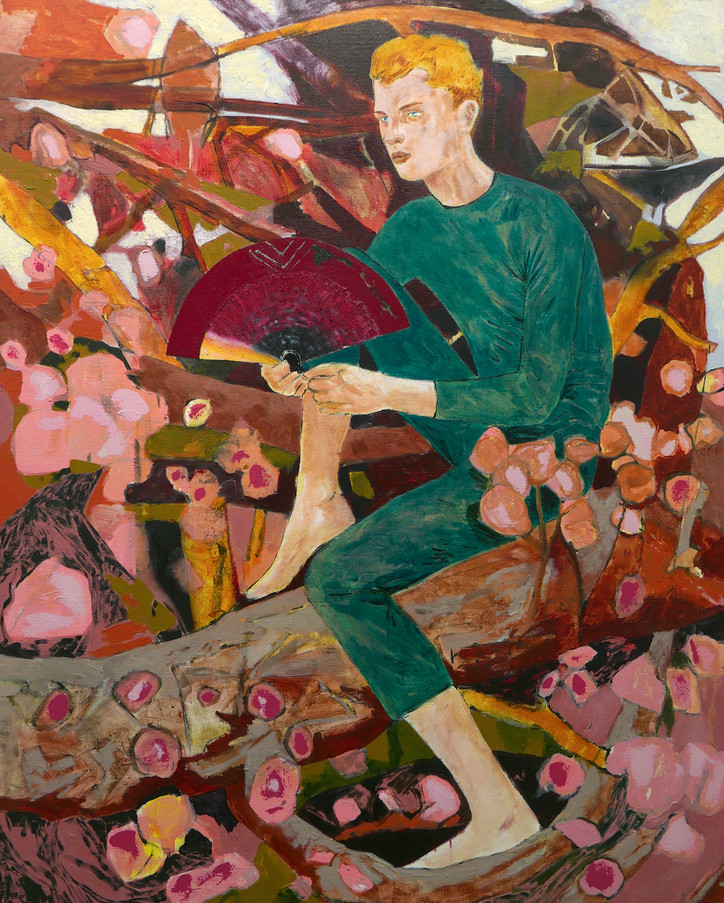
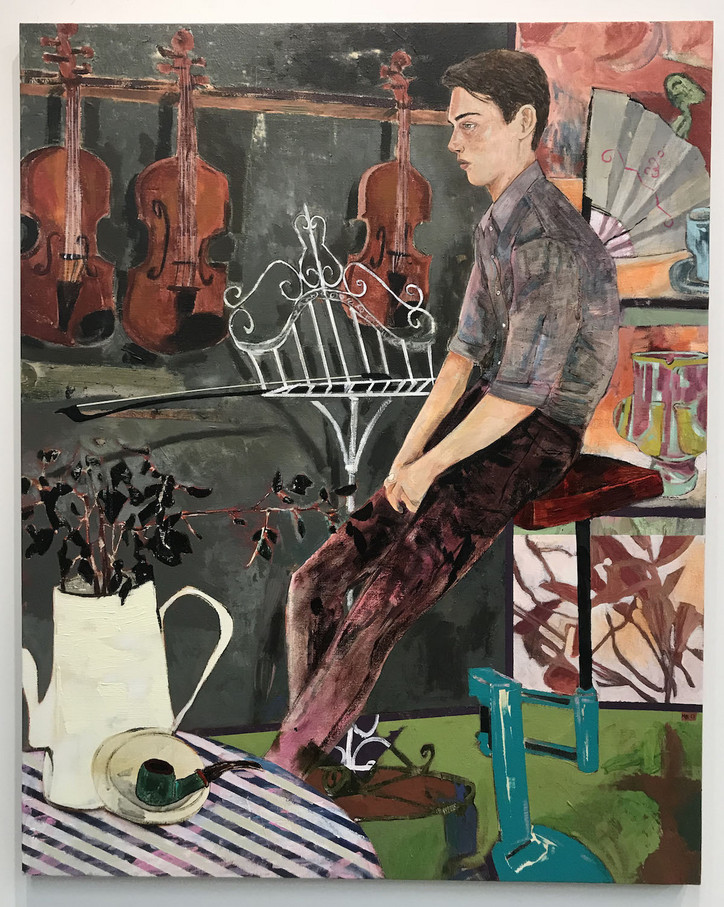
“I made a series a few years ago called "Delicate creatures from America" it was based on an old book on birds from North America, what I liked about the book was the way the author described the species', in a very poetic manner, not scientific really, and it made them sound as they were describing a person. I recently found a similar case with a book titled "Insects Abroad, a 'popular account of foreign insects, their structure, habitiats, and transformations" published in 1874. It has the same sort of descriptive poetics but this time with far less attractive (to most people) sources... being poetically anthropomorphic with a bluejay is going to come across sounding a lot lovelier then describing a hornet. I was drawn initially just to the title of the book, for the period of time (roughly the same time this book was published) "Dandies" where coming to prominence as these strange new kinds of characters and one descriptive seemed to stick...they where described in terms of insects. Long spider like legs, the movement of a Preying Mantis etc.,. There are a good deal of caricatures showing them as "monstrosities" and giving them the appearance of some otherworldly species completely separate from 'common decent society'. For this exhibition I wanted to bring a group of characters "from Abroad" both culturally and historically to an audience that may find an appreciation for these "monsters". The portraits will take their descriptive titles and inspiration for insect species but the references will not be so literal as to paint an insect with a human head. The illusion will be more subtle and to the trained eye you will find a room full of what I consider beautiful creatures.”
-Hernan Bas

“Insects from Abroad” will be on view at Perrotin, Tokyo, from January 18th - March 11th, 2018.