Vulvatious

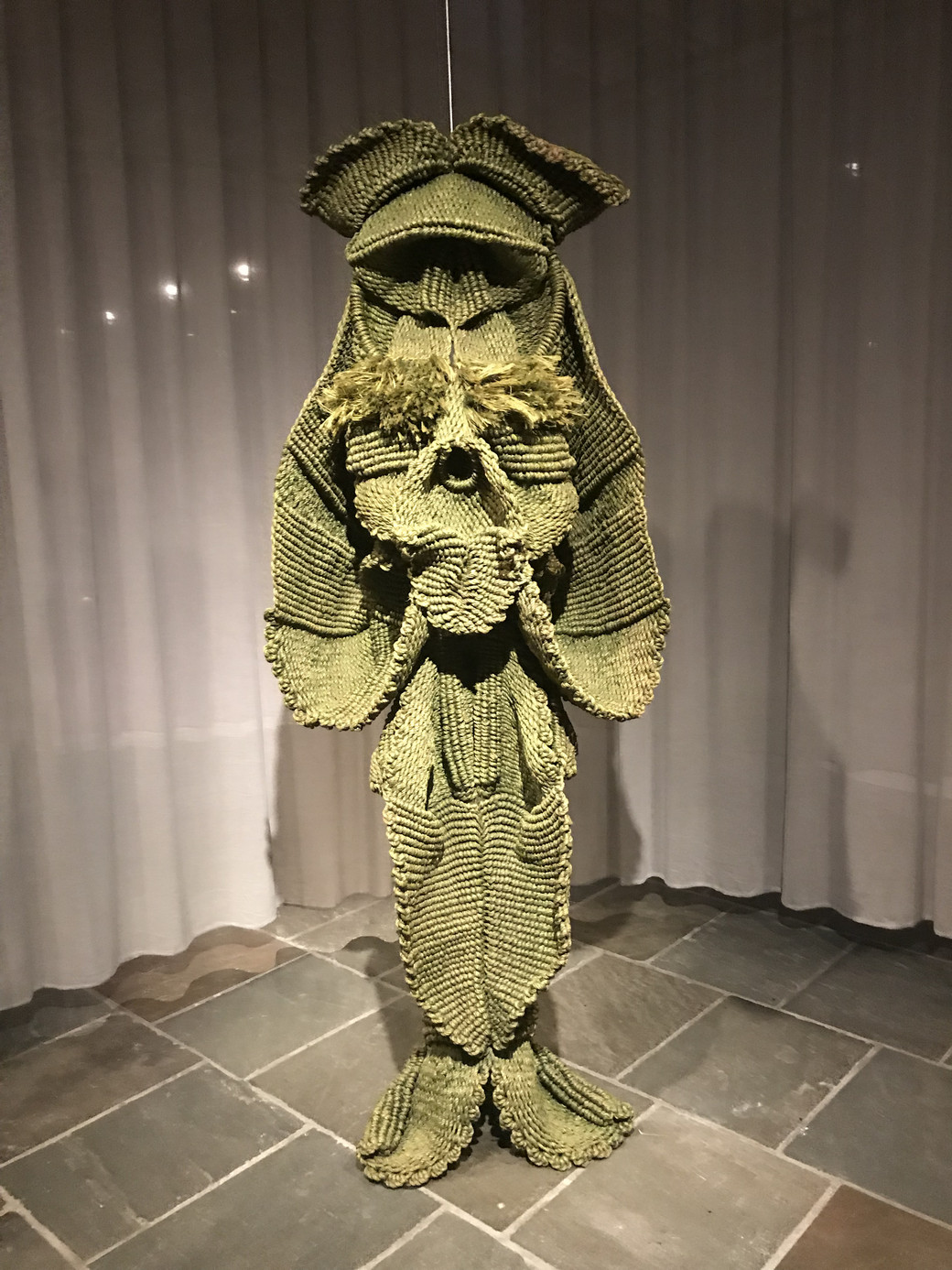
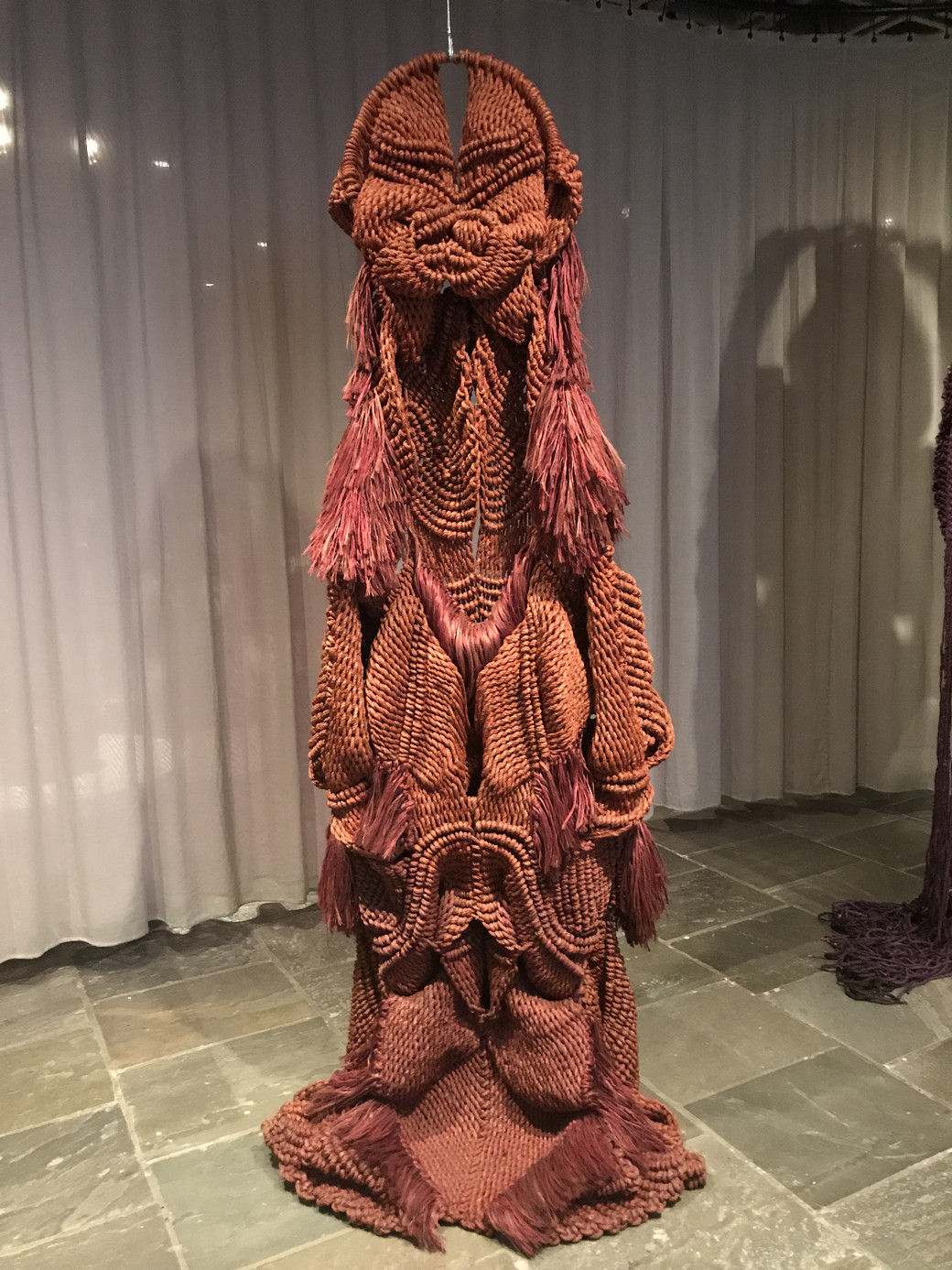
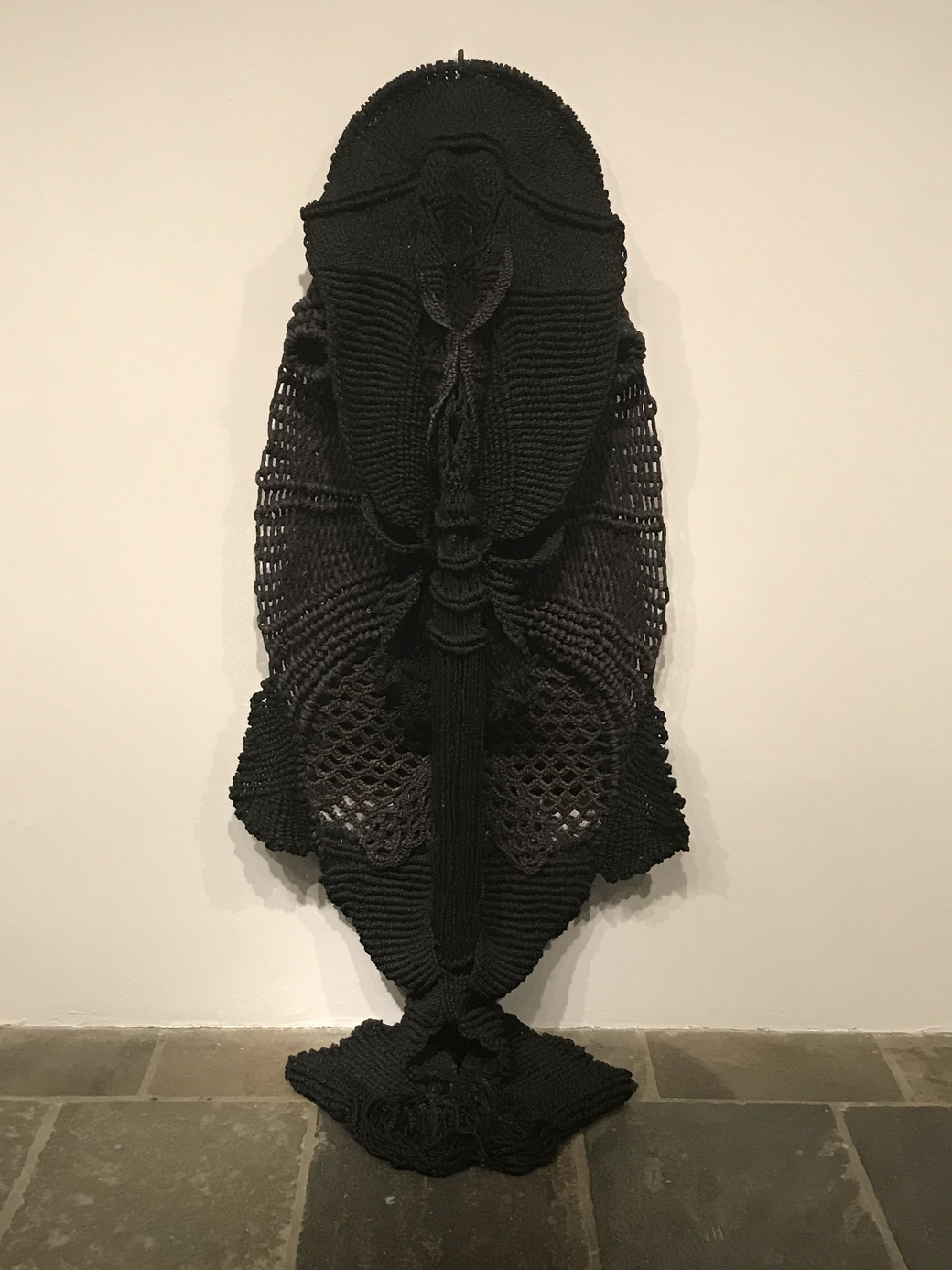
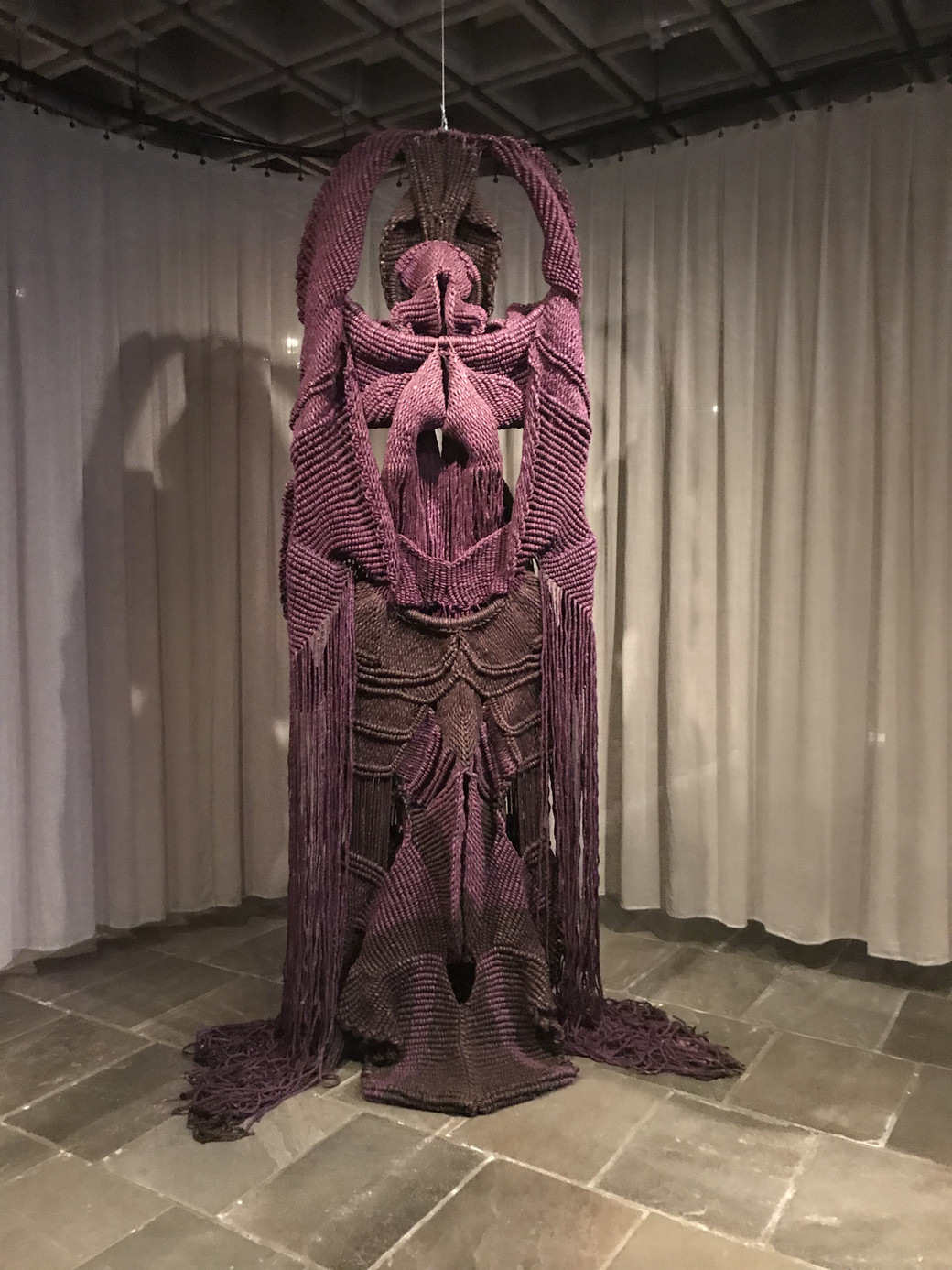
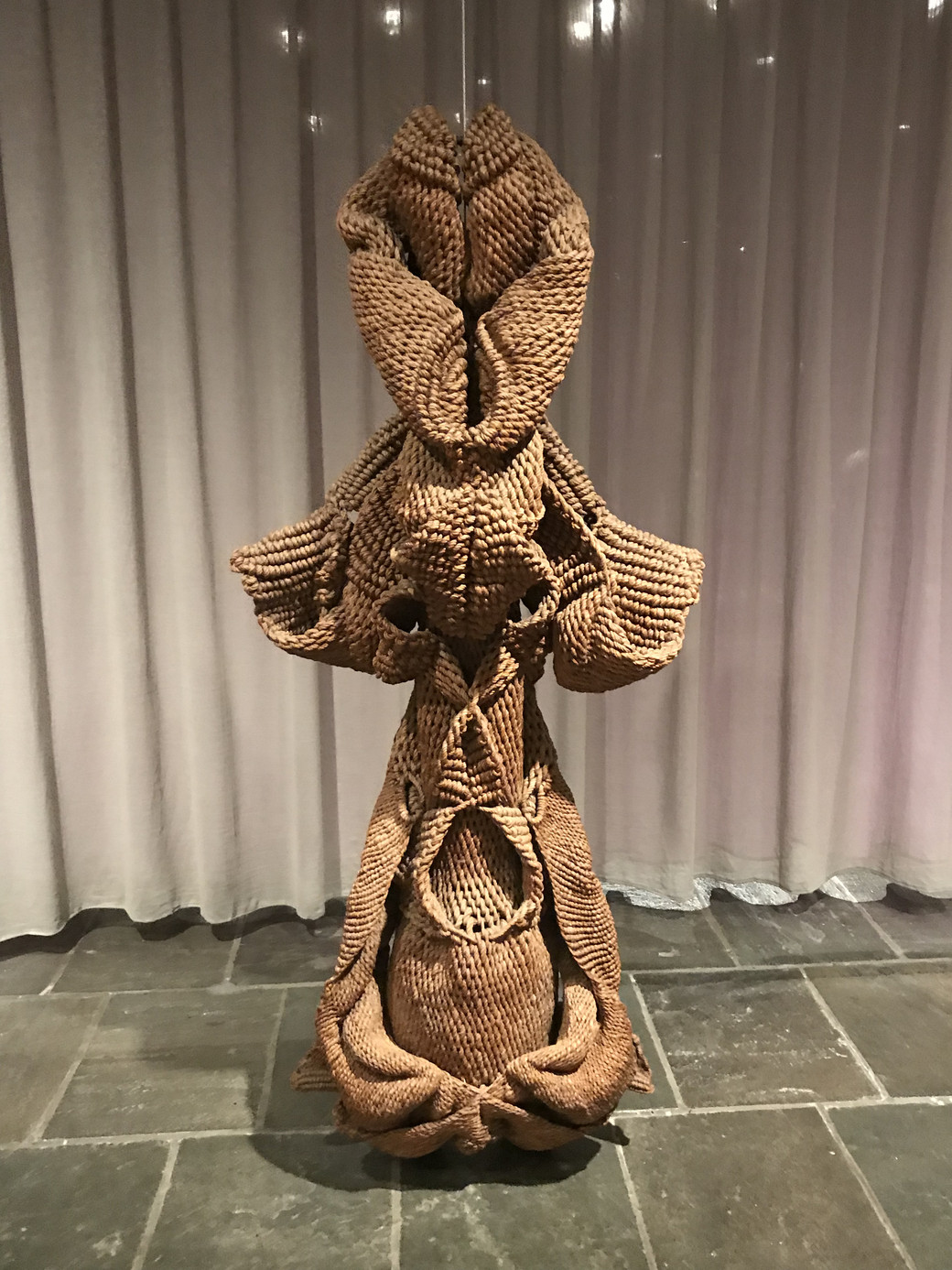
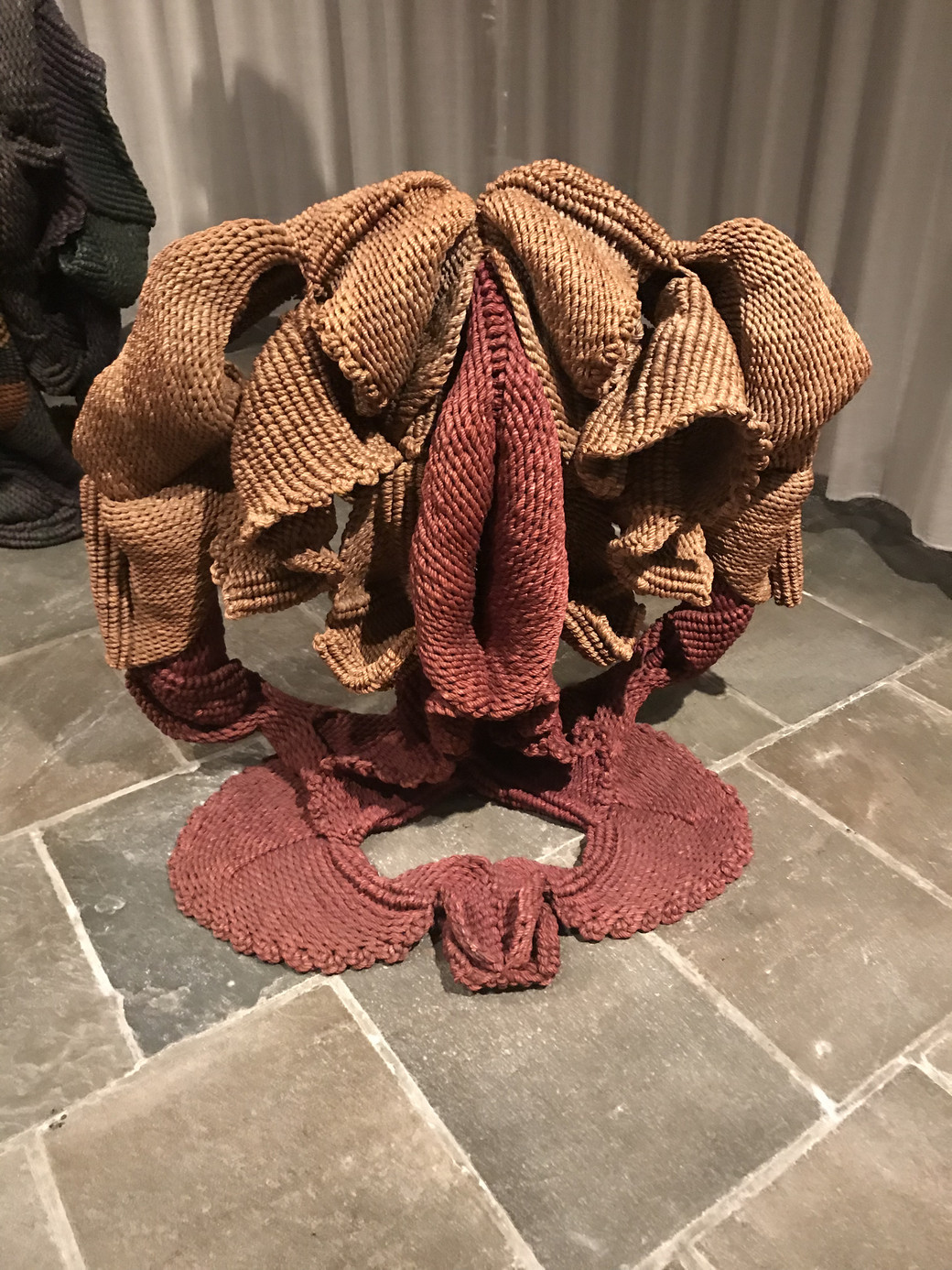
"Phenomenal Nature: Mrinalini Mukherjee" is on view at the Met Breuer through September 29th, 2019.
"Phenomenal Nature: Mrinalini Mukherjee" is on view at the Met Breuer through September 29th, 2019.
Can movement through space be taken for granted? Indeed it can.
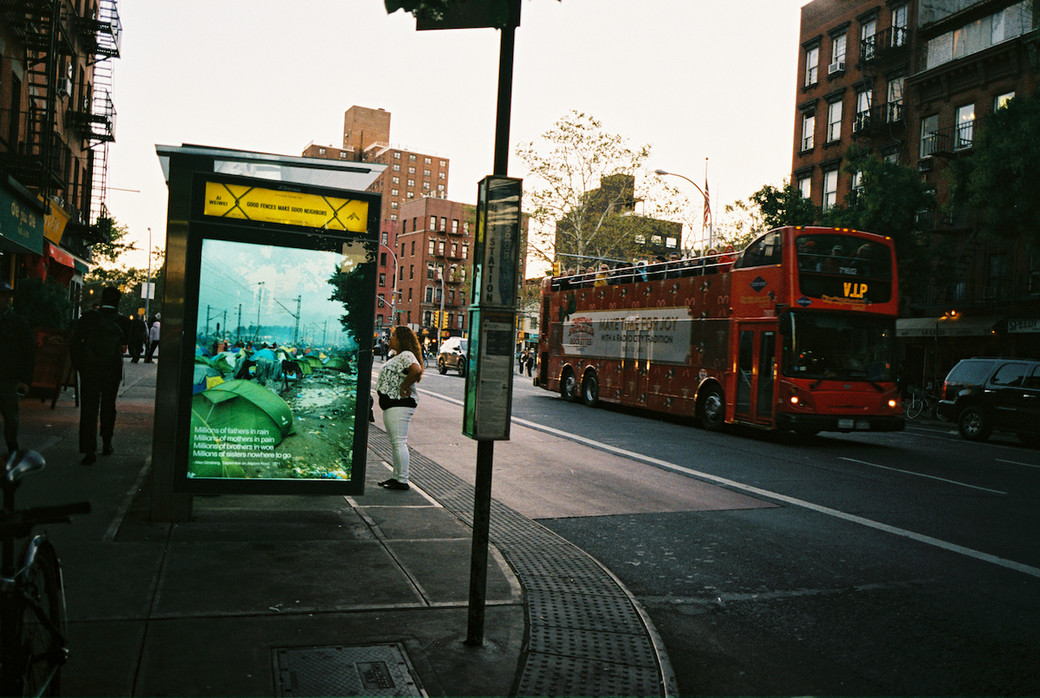
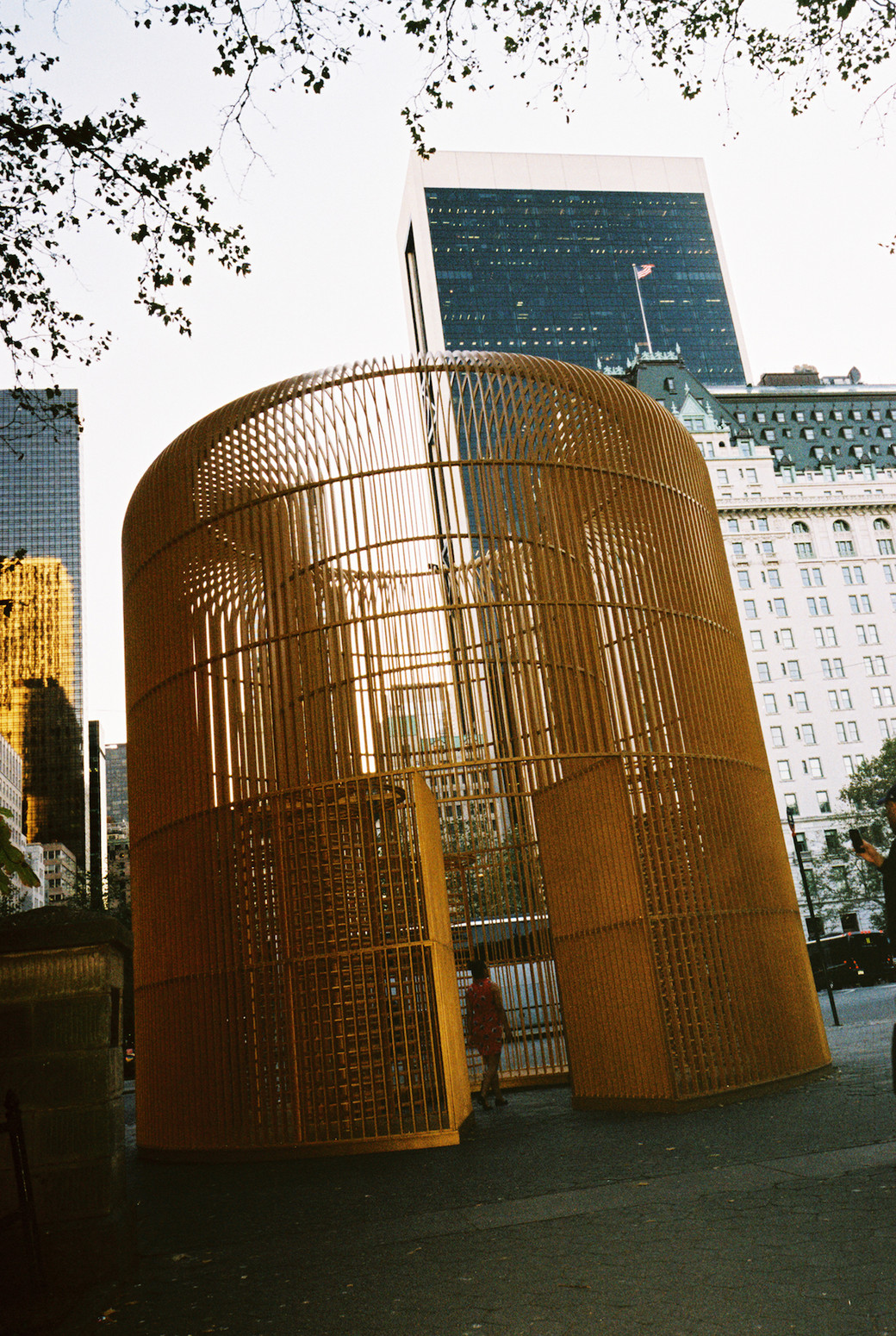
Weiwei uses his exhibit, Good Fences Make Good Neighbors, as direct confrontation of the global refugee crisis, focusing on the urge to construct fences upon borders, thus impeding the flow of bodies through what once was open air.
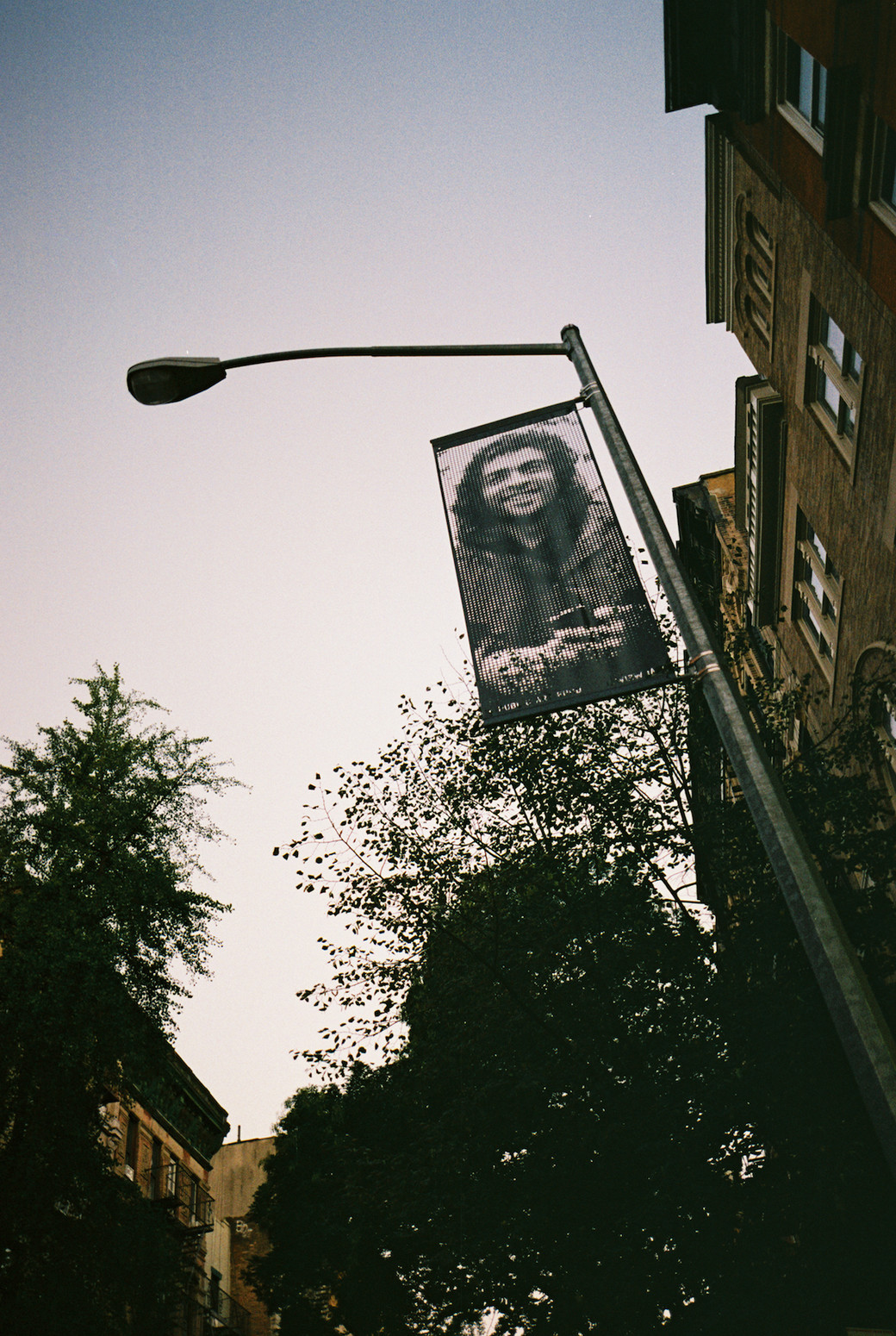
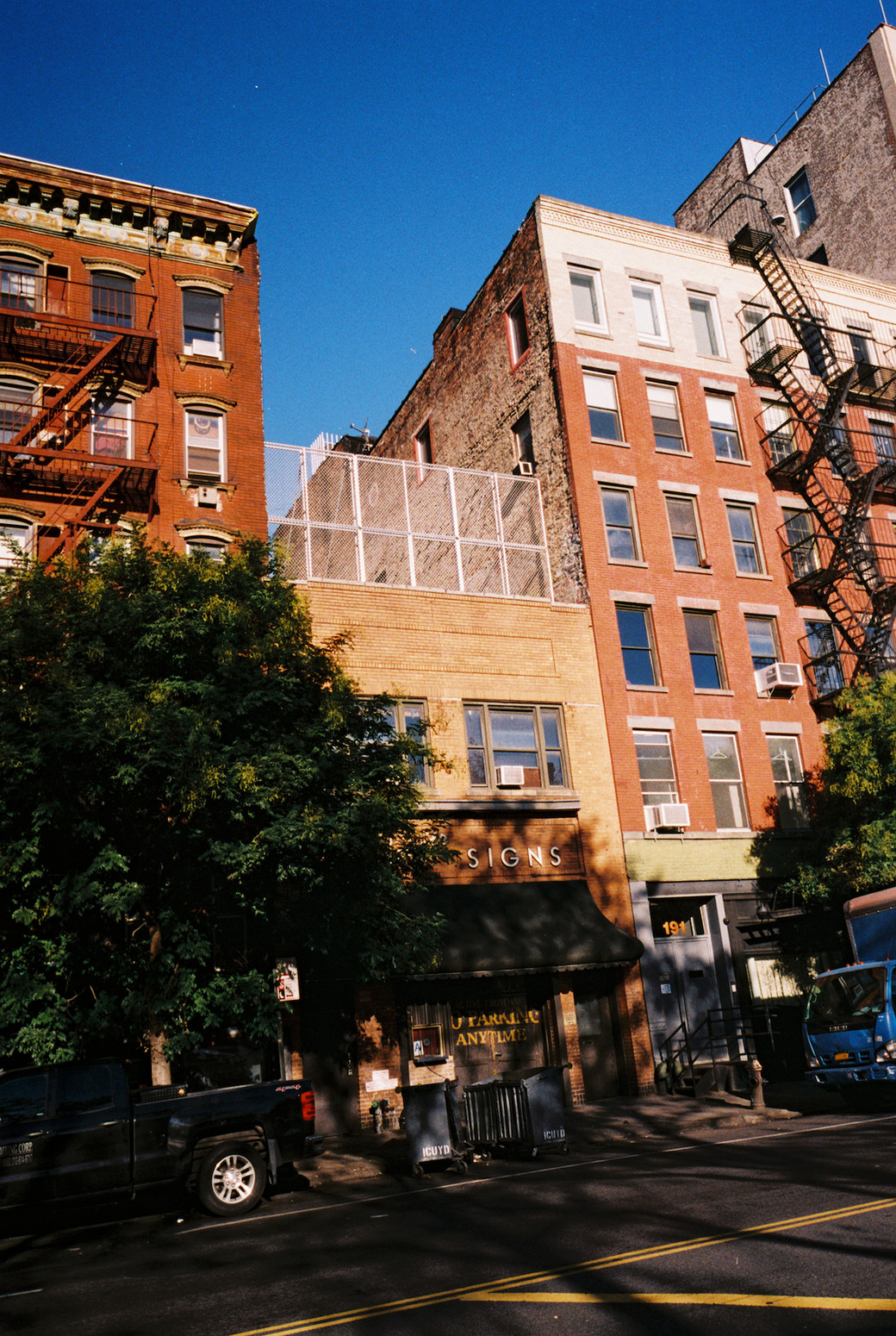
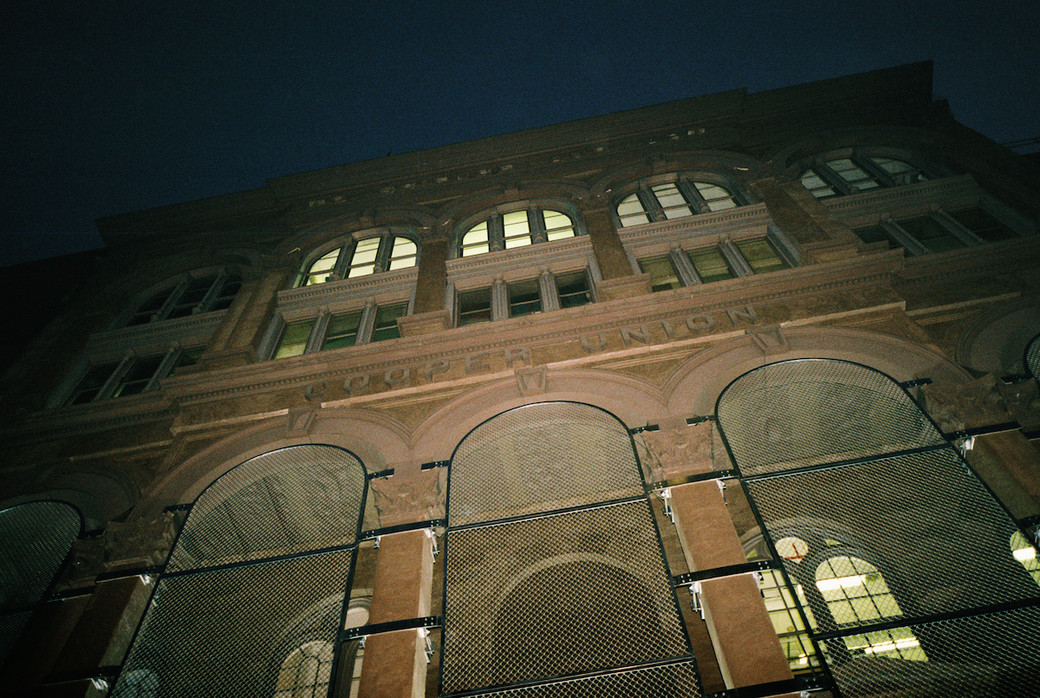
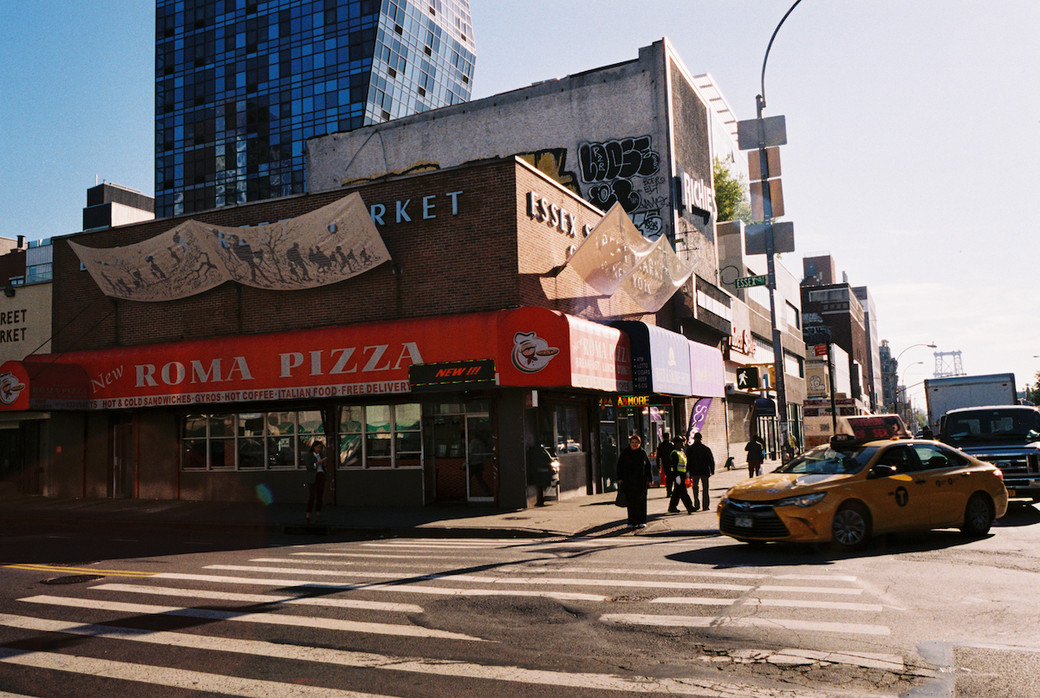
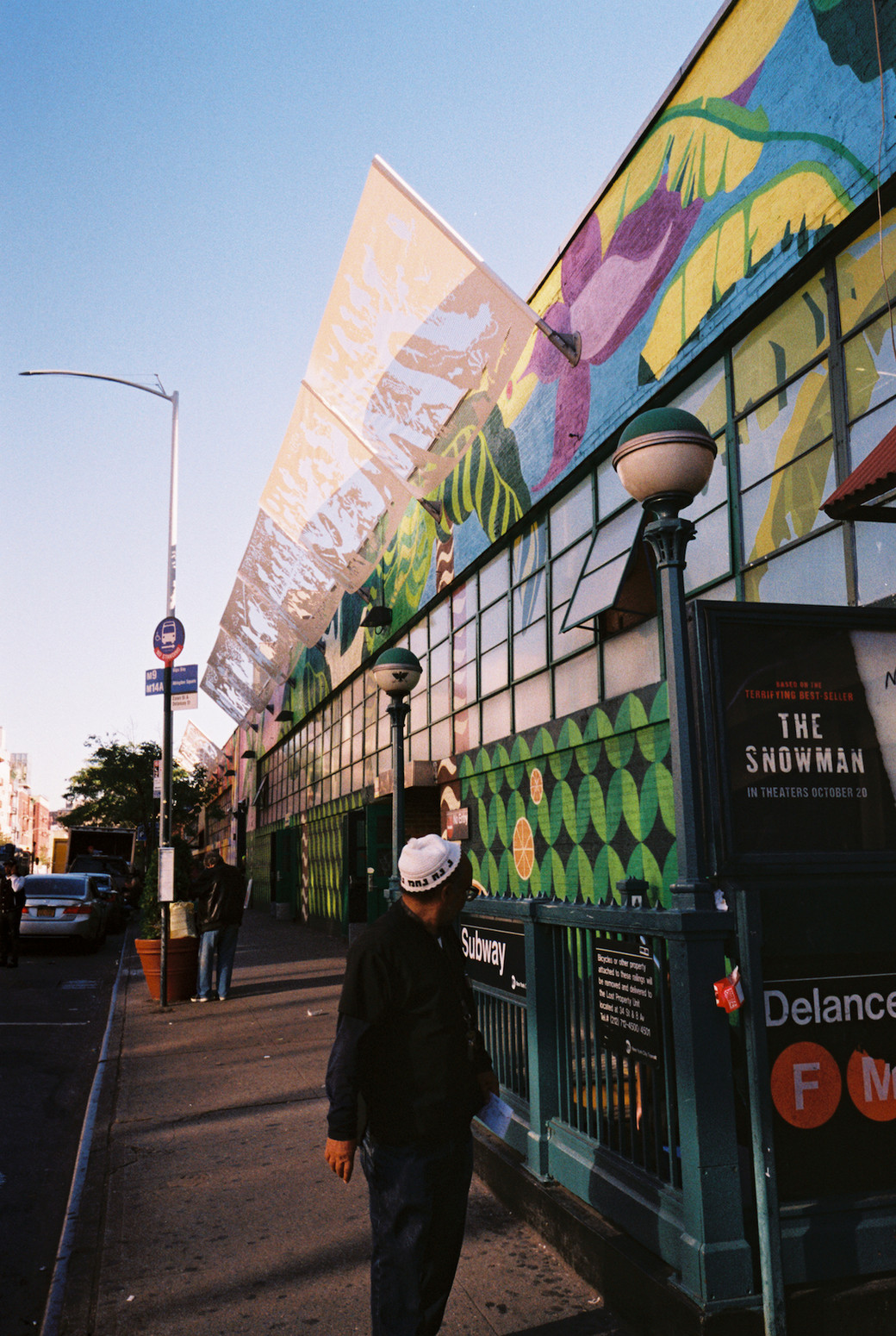
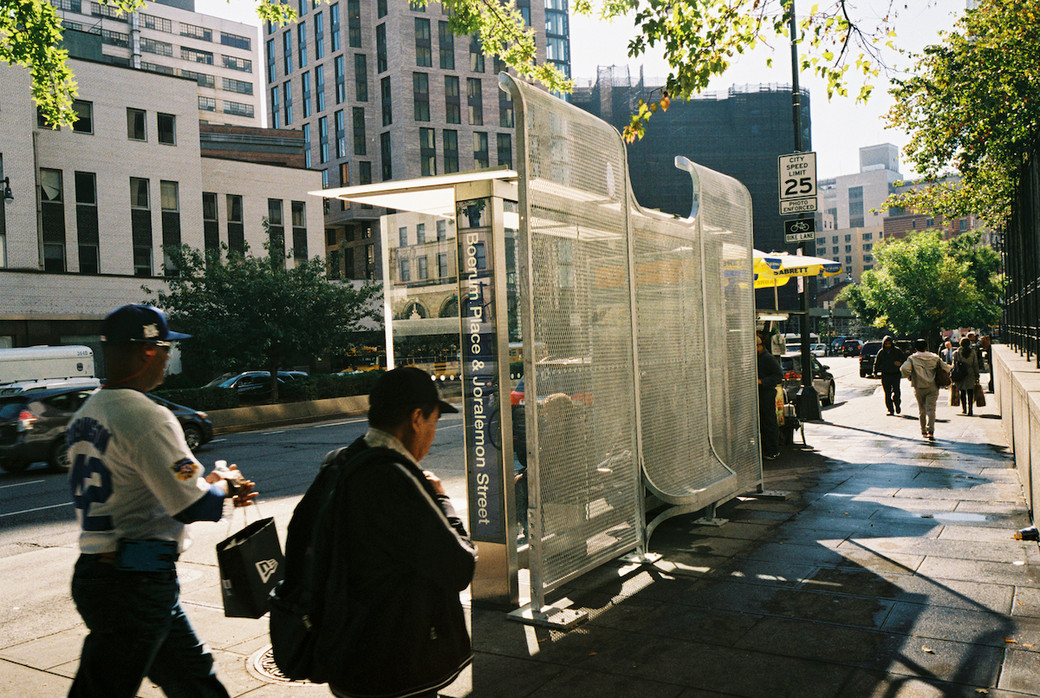
Bus stops are encased in perforated steel structures so deceptively simple they could easily go unnoticed. Streetlamp banners in black vinyl hang in the hundreds throughout the city depicting faces of famous immigrants and exiles - the images produced by perforation, the faces emerging and disappearing depending on the angle of the approach, the light, the distance. The same strategy of perforation used on shade canopies at Essex Market - at the right time of day the sun creates shadows of the images on the sidewalk, mythic and historical migrations breaking way upon the pavement. Screens and ad-space in subway kiosks project iPhone-captured footage of Weiwei’s experience in refugee camps, concurrent with the release of his documentary, Human Flow.
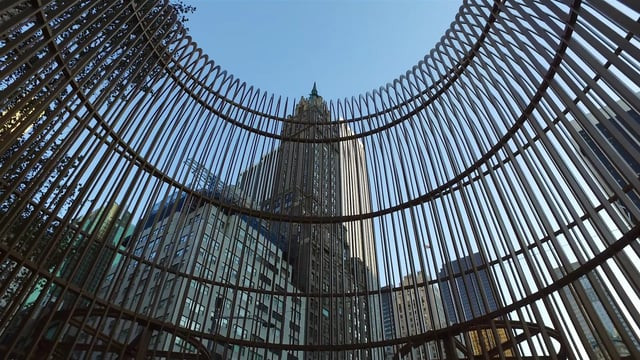
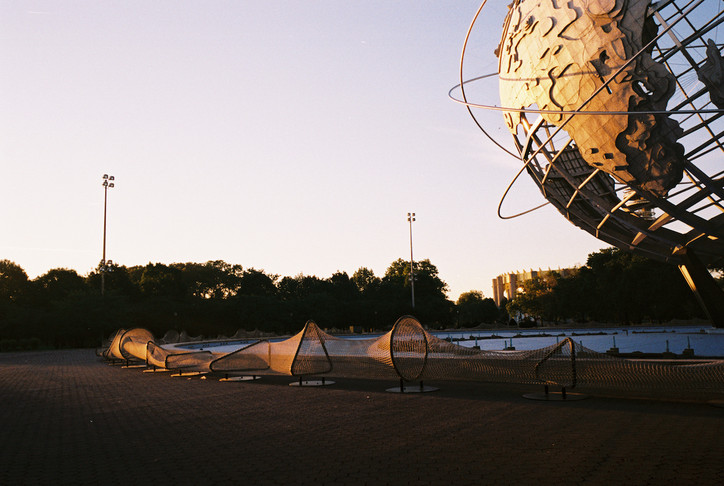
The stars of this citywide exhibit occur in three: two birdcage-like structures in Central Park and Washington Square, and an enormous circular net surrounding the Unisphere in Queens. Gilded Cage in the Doris C. Freedman Plaza in Central Park plays a wondrous trick on the viewer: it creates the desire to enter the circular surrounding portion of the cage which is entirely inaccessible, but which contains the interlaced turnstiles typical of subway thresholds that would make it seem it is meant to be walked through. A prison, a jungle gym, a dandelion-colored cage creating a yearning to enter that which cannot be entered: playfulness has been here subverted, urges dashed like those of would-be migrants withheld by humanity’s insistence on borders.
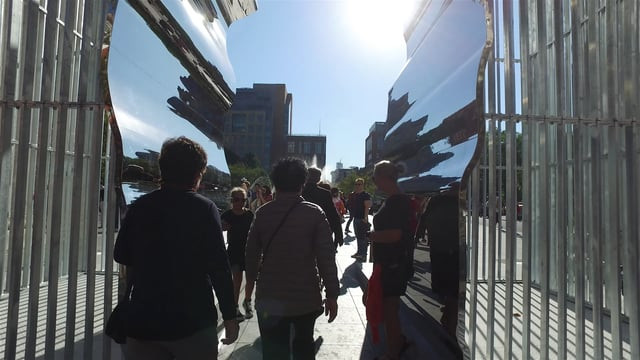
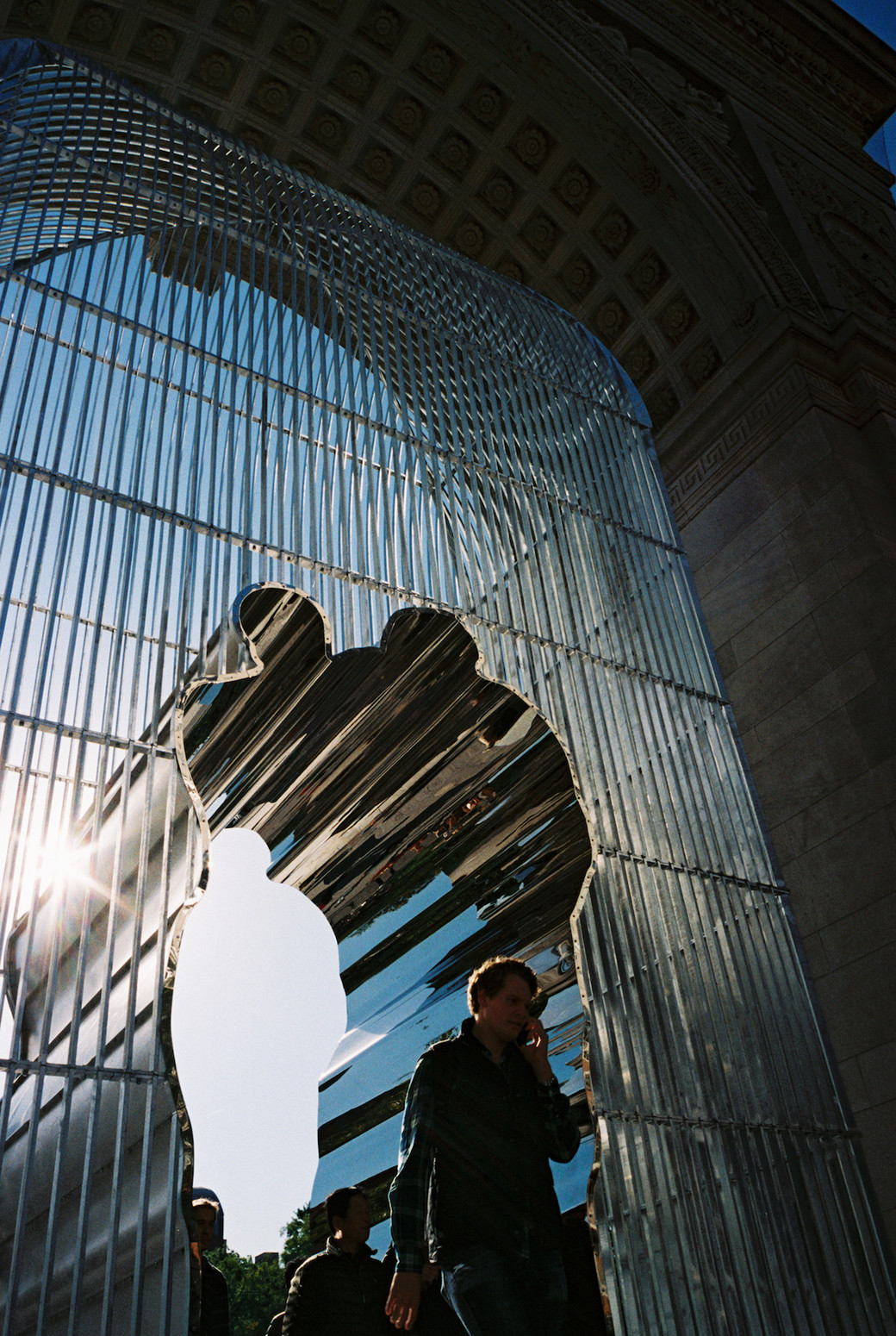
Arch plays a different trick, the stainless steel cage informed by the shape of the iconic archway in Washington Square, the cage pierced by a shimmering tunnel in the shape of the silhouette of two larger-than-life figures leaning on one another, the two dimensional cutout extended in mirror-polished steal that creates a funhouse effect when walked through. Weiwei himself frequented this park in his younger days, as well as one of his great influences, Marcel Duchamp, from whom he borrowed the shape of the silhouetted tunnel and who also played chess in Washington Square in ages past.
It was entirely appropriate that the press conference included a bus tour, a kind of adult field trip complete with snacks to calm our grumbling bellies. When stopping to observe one of the sculptural bus stops, chirping children in florescent vests hopping over a puddle and being shepherded across the street to the park were a kind of perfect backdrop to the artwork, which is intentionally enmeshed in the fabric of the city.
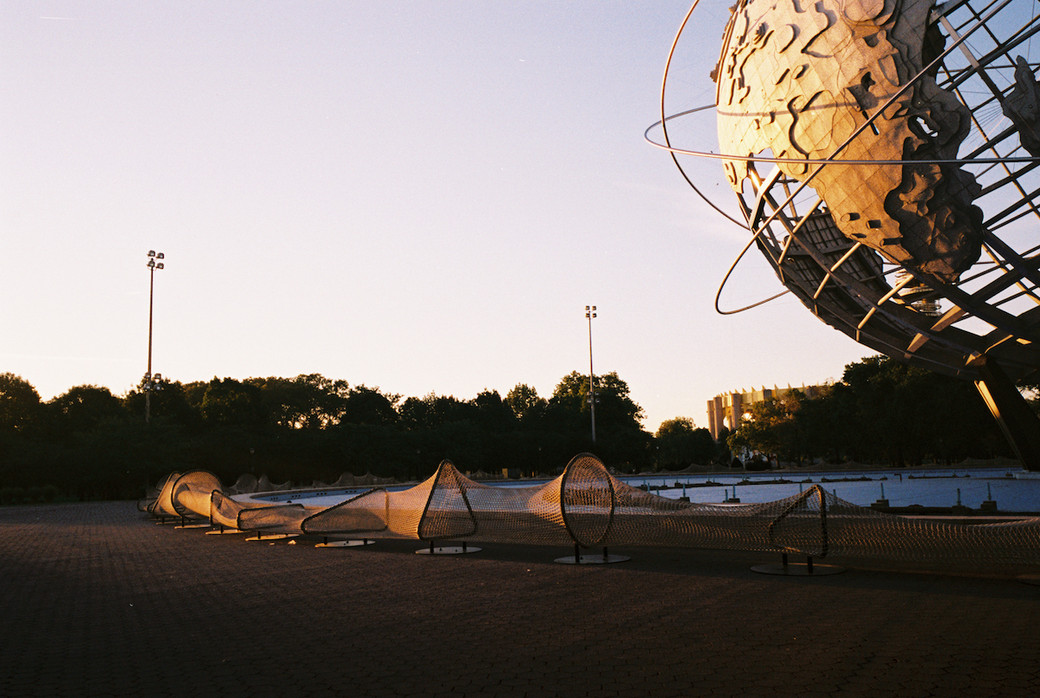
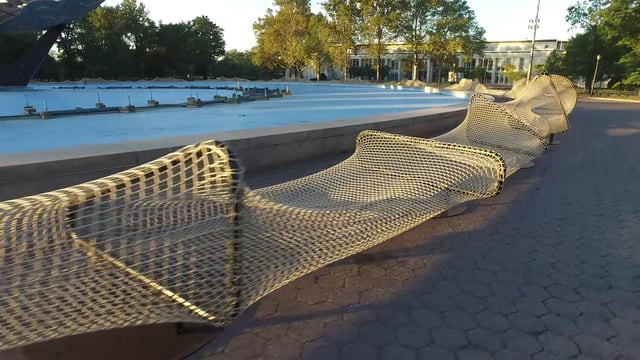
Same for Circle Fence, an infinity net which molds around metal circles and isosceles triangles reminiscent of a playground, at its lowest point a hammock, at its highest a barrier, encircling the breathtaking Unisphere, all of it backgrounded by the cheerful twinkling of an ice cream truck - some of the press succumbing to temptation. The temptation to lie down upon the net was succumbed to by nearly all; and again this desire to enter the tube of the netting, to climb within the obstacle course, again the solemn reality of its impossibility - an incredibly successful minimalist sculpture crystallizing the feeling of restriction imposed by a border, while simultaneously celebrating a planetary unity and child-like playfulness. The choice of Queens was important; they say it is the most diverse urban neighborhood on Earth, after all.

How long have you lived in Brooklyn?
10 years.
And in this studio?
Less than a year. We have kind of a volatile studio practice.
Do you like it that way?
I do, but other people that share studios with me don’t, hence why we move often. I make a lot of noise, weld fumes, use resin. I throw things a lot.
Where are you from?
California. I grew up in a small community in the north, in Humboldt County... It’s kind-of well known, it’s a brand. It’s embedded in Cypress Hill, Wu-Tang. Everyone in California talks about Humboldt even though it’s a small hick town. But a groovy hick town. They just grow a lot of weed.
Do you smoke?
I don’t. I mean, I have, but it’s just apart of the culture I grew up in, so I didn’t understand that that wasn’t what happened everywhere. There’s a radio station, KPIG, that would announce where the fed helicopters were. It’s definetly apart of the culture on the east coast as well, just in a different way. I think weed is an interesting tool. The idea of smoking it, thinking about things in a different way, and then cross-referencing them later with sobriety makes sense to me. I’ve utilized that before. But it kind-of just gives me anxiety. And I don’t have time to make mistakes these days. When I’m here everyday I have to make decisions. So if one out of every five times it’s fun and enjoyable, that’s great, But then there’s four other times that I‘m like, “I have other things to do.” And I have two kids now. I’m waiting for the perfect drug to come out. There’s coffee, alcohol, nicotine, THC. But I hate being hungover. Coffee gives you jitters and bad breath. And I don’t wanna die of lung cancer.


Let’s talk about your upcoming show. What’s up with the balloons?
I think a lot of the materials I use I’ve stumbled upon with general attraction. I like to follow instinctual guide with materials. Gold, things that are shiny, marble, balloons… things that are intrinsically appealing. I try to pay attention to the things I’m drawn to in a very sort-of knee-jerker gut wrenching way. I like the work to be as accessible as possible without catering to the lowest common denominator. Balloons are in everyones visual vernacular. There are connotations built in, and I don’t really have to explain a lot. We know what they are. Of course I manipulate them so there is an organic element to some of the forms. Balloons are the trigger.
Why do you prefer to have the figures deformed than stoic?
Despite the fact that I come from a painting background, the thing that drives me when I come into the studio; line, gesture, movement, they still drive me today. They’re kind of bi-products of the work but they are things that I’m still invested in and get excited about. That’s where all the movement and color and gestures come from.
Why The Iliad?
I think it’s interesting. But I also think sometimes it’s not necessarily the story but the way you tell the story, and it can be the same one over and over again just told in a lot of different ways. The Iliad is broad and permeated into western culture as far as war and love and adventure go. I’m able to make the work I want to make without it getting lost in ambiguity as far as what it’s about. It’s nice to have thematic strand to tell your story. If you think about your favorite novels or movies it is always the actors and the dialogue that guides you into appreciating that piece of work. The backbone that it’s built on is the story.
What is the best reaction you’ve gotten to your work?
I like it when people buy my work (laughs). I guess that’s my favorite. Because I like my work and if people buy my work I get to keep making it. Everybody has a different reaction and I like it when people like it, but I also like when they hate it. I think artists are kind of intrinsically narcissistic to think that other people would want to know and see what they have going on in their heads. It’s like posting on Instagram. You wait to see how many people are going to like it just for validation. It’s too bad we can’t just post things and be happy with them because we like them. Sales are validation, but it’s symbiotic because then I get to do it more.

Second show at The Hole. What do you like about the space they provide for artists?
Well it’s big, and they show my stuff (laughs). One thing I like is that they’re willing to take risks and that’s probably why they work with me and other artists. They do things that aren’t necessarily lucrative but more provocative and controversial, so I have a lot of freedom. I’ve worked with other people who are like, “What are we making? What size is it? Can we sell it?”, which is fine. It’s important not to forget that what we’re doing for the most part is a commodity, so these things are obviously relevant. But with THE HOLE it’s like, lets do something weird, lets do something crazy, what do you want to do?
So you share your studio. Does it bother you having people in your space all the time?
No, it doesn’t really bug me. Some people have different approaches; they like to have a really meditative environment. Do you play music? Sometimes. Sometimes I forget though. Ideally I would, but that happens one out of every ten times ‘cause I’m usually grinding and welding and I have the windows open so I hear the street. I cleaned up today, sorry. It gets dusty.
What is your ideal day not in the studio?
My very ideal day would be in Greece on vacation. Greece is cool. I would wake up and do touristy stuff like eat feta cheese and olives.
What do you actually do?
I don’t have any days off. I’ve worked everyday for like ten years. I also have two kids so a vacation is not a vacation either way. But I like that and I enjoy it. So there’s no chilling. I like my days.


How does being a dad with young kids impact your work?
Raising kids is cool. It’s not relaxing. You can’t have anything that awesome and not pay the price for it. I’m an artist and I’m in the studio all day and it’s hard work but then I go home to be with my kids. It’s hard but it’s fulfilling.
What would you be doing if you weren’t an artist?
Maybe an ornithologist.
Really?
Yeah, I love birds. When I was a kid I thought that’s what I was going to do. Growing up in the community that I did, it’s very beautiful and isolated. It’s called the Lost Coast. There are no people there. It’s just trees and water and birds and weed. I’ve fed owls out of my hands. But you know how you see people with their binoculars walking around in groups with their bird book guide? That’s not what I mean. I’m here to see birds of prey, like, shredding rabbits. I mean it in a cool way. No binoculars.
Where do you see yourself in ten years?
Well I’ll be 49. I’ll have a 14 year old and a 12 year old. And I hope we’re not in the same apartment because we have a one bedroom. I would like to have things the same, a version of this. If I could have a version of right now for my whole life I’d be good. I would like to still be doing the same things and involved with the same people give or take.
I’m pretty happy with what I have and what I do and what I eat. I get to hang out with my family, I have breakfast lunch and dinner with them, I have a car, an apartment, I have a lot of time to do the things I want.
“How about a house upstate with a yard?”, Carolyn Salas yells from the other side of the room. Carolyn is an artist who shares the space with Adam. She’s also his partner. “Carolyn’s my baby mama. Yeah. We could do that.”

Could you describe the scene of your ideal work environment?
An environment that’s spacious with minimal sensibility. Great day light, jazz playing, incense, reading material, and at some points a bit of silence.
When you’re working on a piece and it's coming from emotion, can there be “mistakes?”
There are always mistakes. Mistakes are critical - they transform through the process into moments of beauty.
In talking about a previous show (Reaching For Heaven), you mentioned wanting to create more sourcing from an unconscious place, and now you’re showing pieces after achieving that. What are you looking to explore next?
I feel that the unconscious or subconscious is a place of great depth. I’ve only begun to scratch the surface when tapping into that place. I feel that creating within that space is a life long journey. Creating through the use of different materials using processes unfamiliar to myself is next. The idea of tapping into that subconscious/unconscious while doing this interests me a lot.


Jean-Michel Basquiat commented on being labeled a “black artist” vs an “artist” and you once said that you wanted your work to not only reflect yourself, but something bigger. How do you weigh that distinction with the mutual exclusivity between race and occupation that can often exist with politically charged works?
Before art, there is a totally different dynamic and experience of being “black” or being a “person of color” in this world. In art I feel there’s no running away from this labeling or acting as if it doesn’t exist, which I feel some people try and do. Whether the works are political or not, that distinction will be made.
We’re exposed to so much media on a daily basis, how do you separate inspiration from imitation in your work— does that entail creating from the unconscious?
In my work I never aim to imitate. Living my life and going through my own trials and tribulations creates all the inspiration I need. I use media to be aware. To live life and not be aware I feel is a bit ignorant. Creating from the unconscious/subconscious in my opinion is the purest because you're pulling from a place that is internal. It has nothing to do with the external.


From what I’ve seen, you’re a pretty stylish guy. Was there an initial love for fashion that led to the interest in painting?
Thank you! I definitely have a love and admiration for fashion. It’s never had a impact on my work or on how I chose to paint. I do enjoy the rare moments when the two worlds can come together in harmony.
To what extent is brand important to your artistry?
I don’t feel as an artist "brand" is something that should be focused on. I feel what’s most important is the art- creating at the highest level. Never compromising for anything and not being afraid of change and taking risk. One thing I do feel is that ones artistry as well as ones brand should have is integrity.